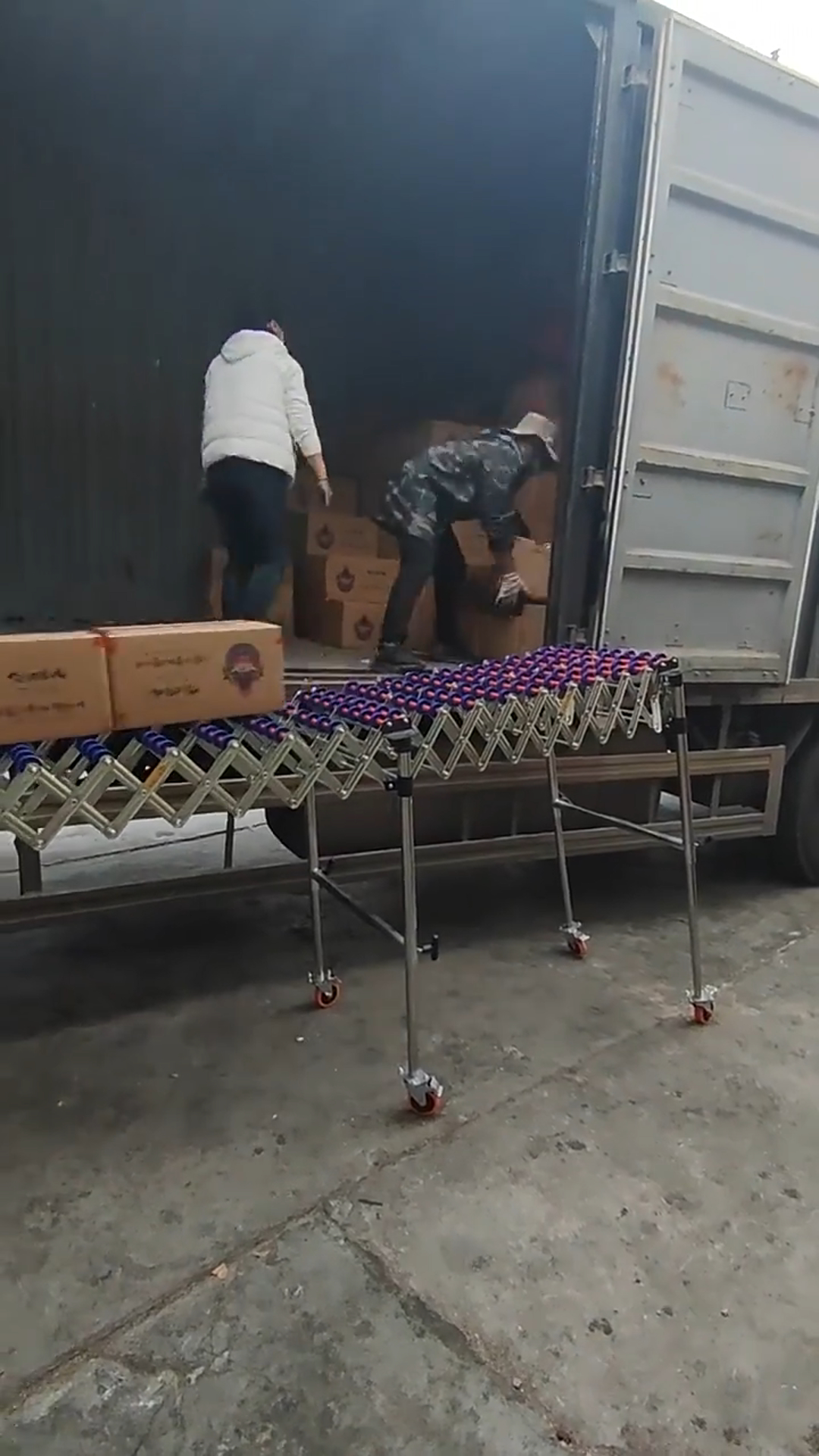
Skate-Wheel Conveyor Site Requirements and Load Differences for Loading/Unloading
At truck bays, warehouse docks, receiving doors, or front-edge staging areas, skate-wheel conveyors typically rely on gravity or manual pushing for short-distance loading and unloading, and are suitable for regular items such as flat-bottom cartons and light parcels. Based on current application experience, this type of equipment is better suited for light-duty scenarios of about 50 kg per meter or less. Its advantages are fast setup, easy movement, and flexible temporary deployment.
By contrast, roller conveyors typically support 80–100 kg/m and are better suited for heavier goods, bagged items, and materials with less regular bottoms. If the loading/unloading line needs to extend to inclined sections, transverse transfer sections, or operate in linkage with other equipment, roller conveyors are also easier to achieve continuous conveying via power modules while maintaining stability under higher loads.
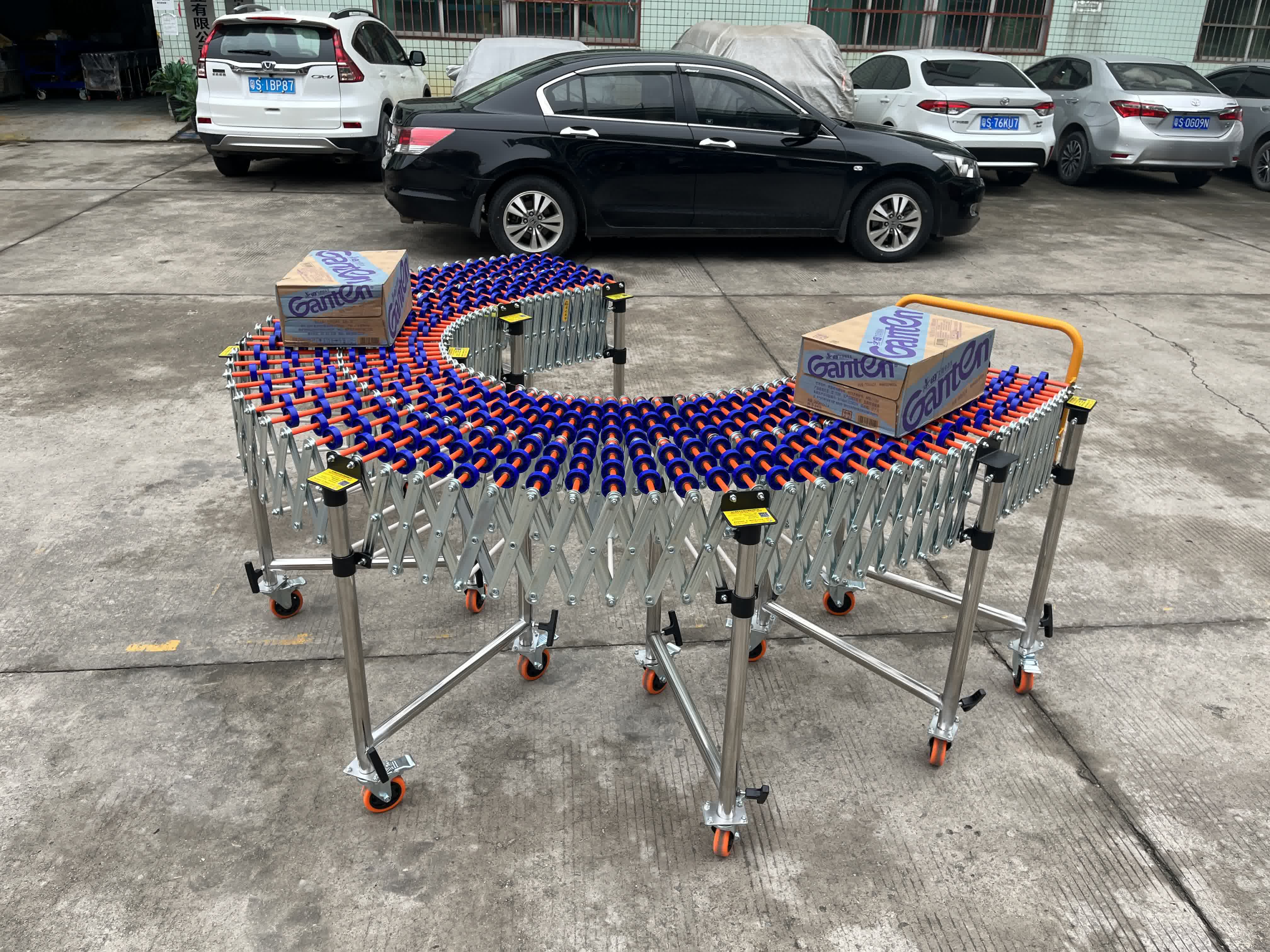
Skate-Wheel Conveyor Loading/Unloading Structure vs. Roller Conveyor
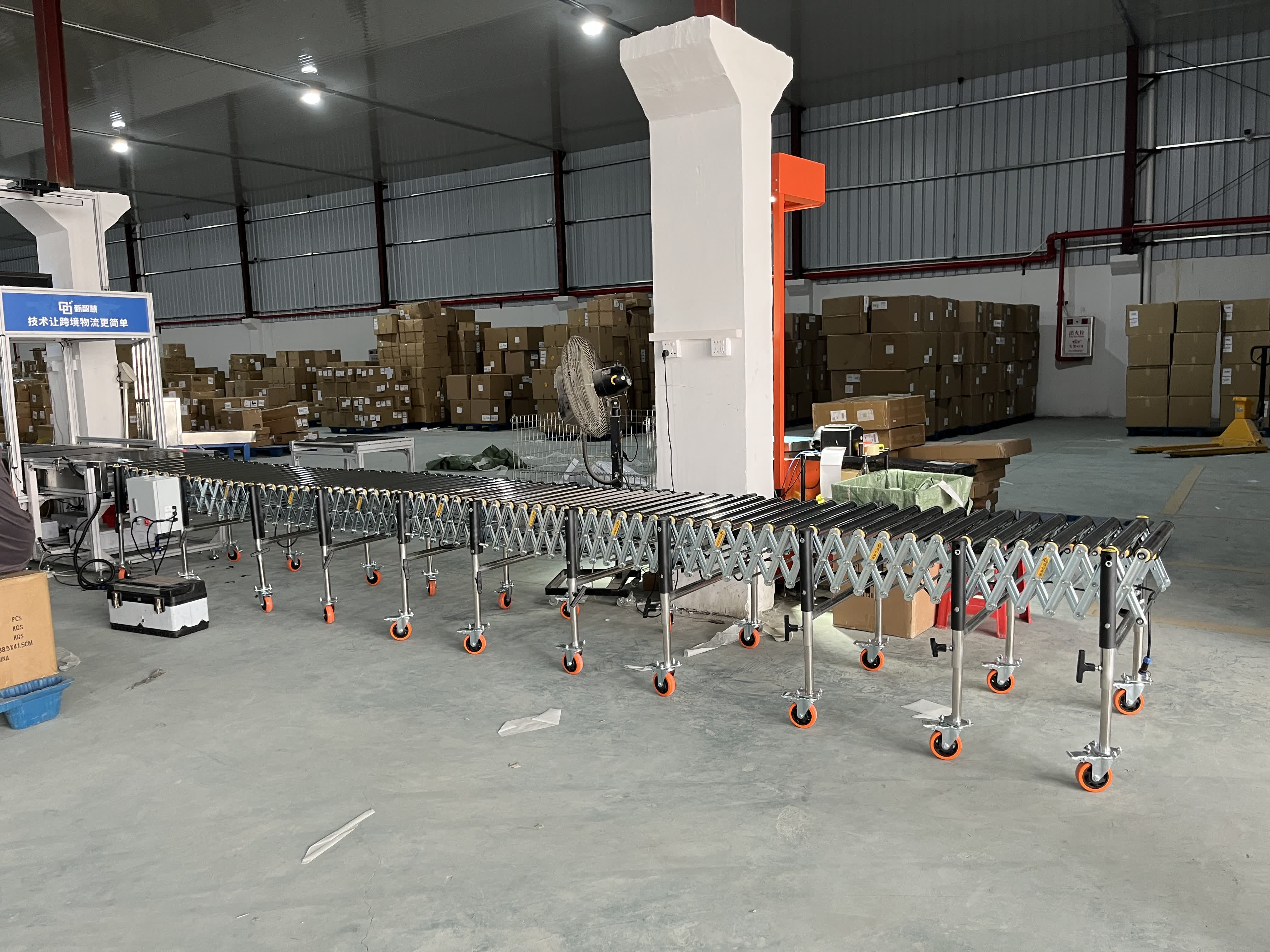
Skate-wheel conveyors are relatively lightweight and are commonly used at loading/unloading points that require frequent unfolding, stowing, and moving. They feature quick installation and adjustment, relatively simple maintenance, and make it easy to temporarily set up an unloading channel in limited space. For operations that rely mainly on manual assistance and do not have high takt requirements, this structure is often more economical and practical.
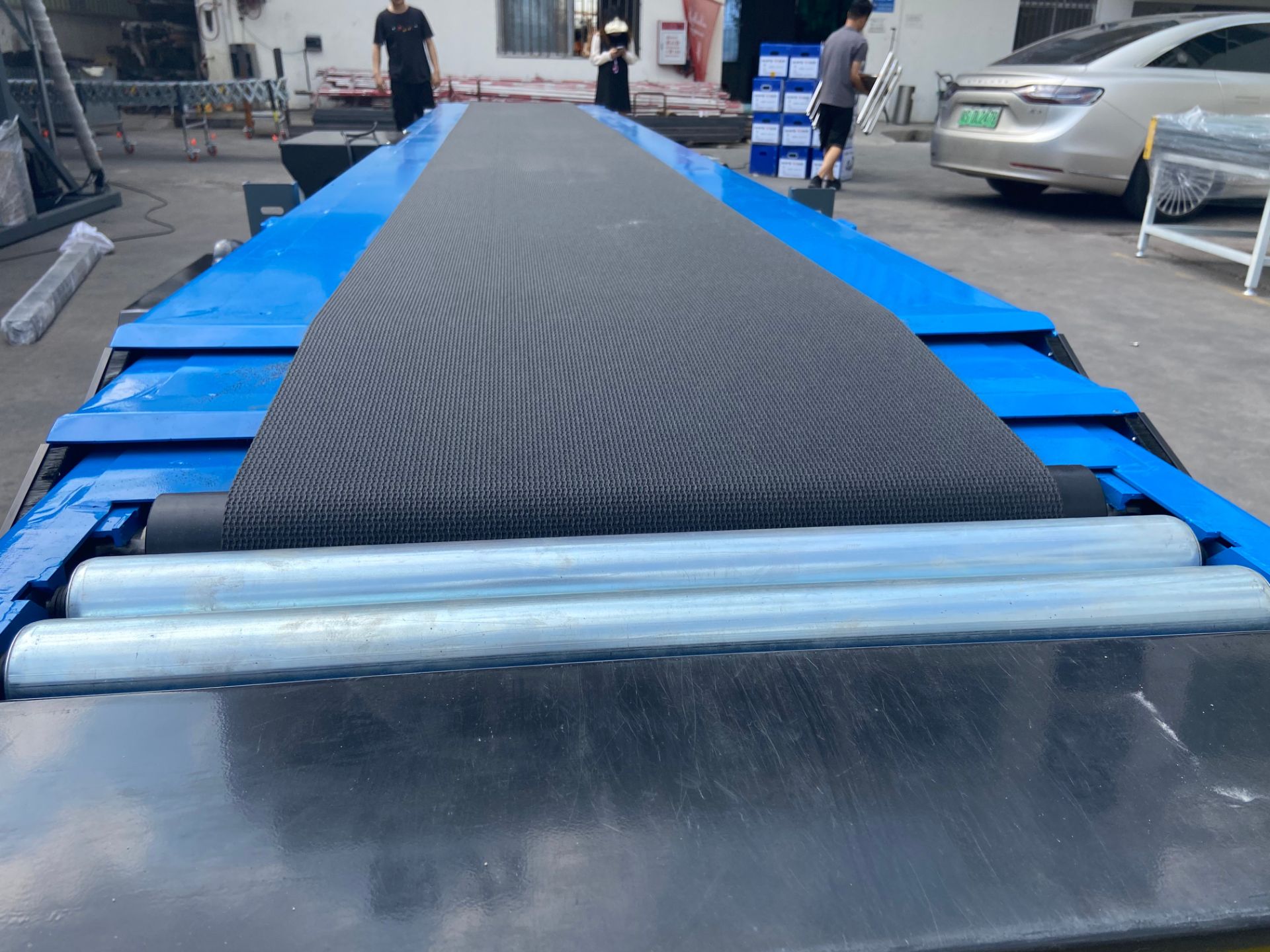
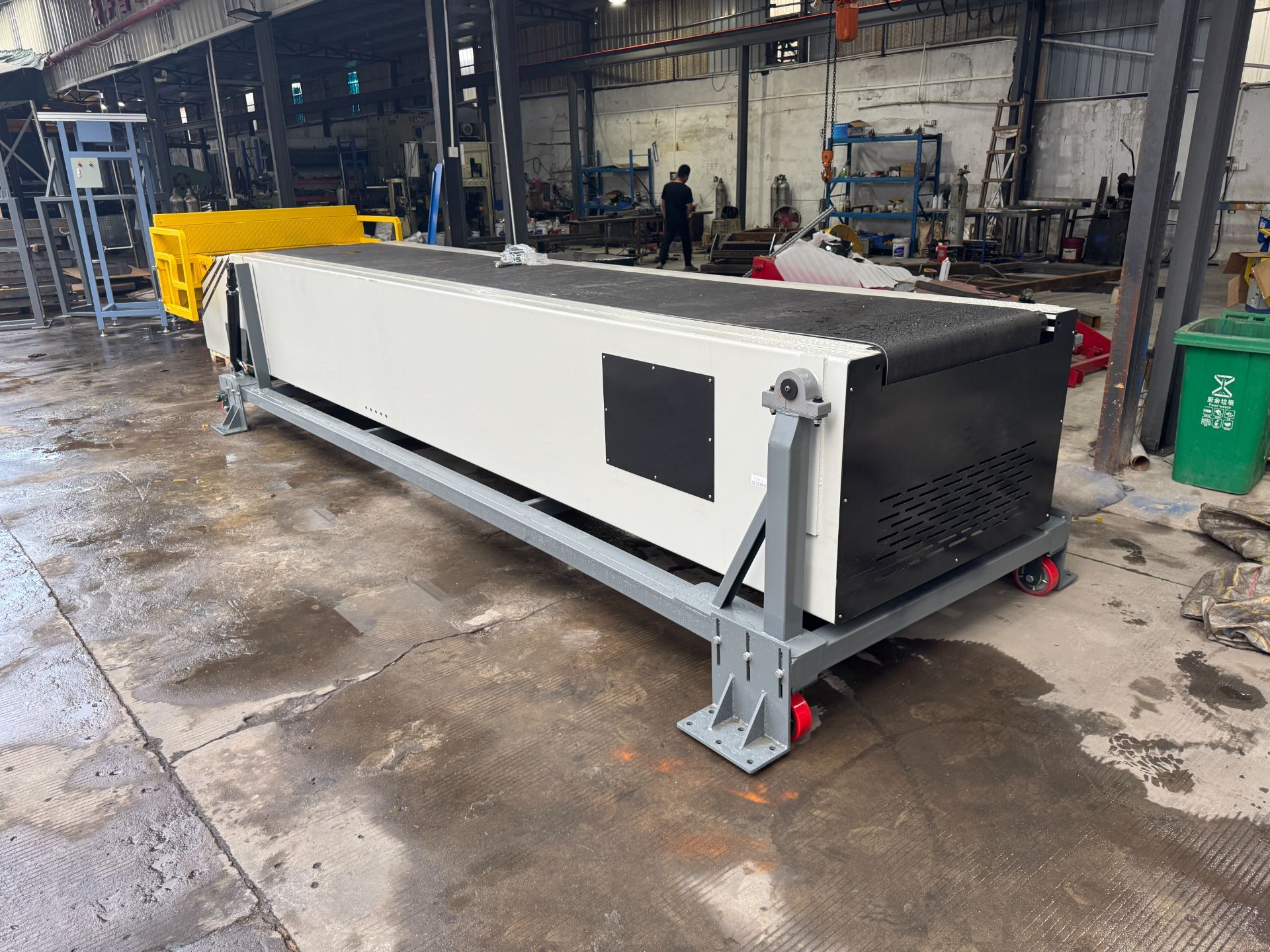
Roller conveyors place greater emphasis on stable load-bearing and continuous conveying. Depending on the scenario, you can choose gravity (non-powered), powered, or heavy-duty frame solutions. For inclines, direction changes, or high-frequency operation, roller structures are usually more advantageous; with rubber-coated rollers, friction between the goods and the conveying surface can also be increased to reduce the risk of slipping. For heavy-duty loading/unloading lines, roller equipment is typically stronger in stability and system expandability.
Applicable Cargo Types and Operating Recommendations
If the handling targets are mainly regular goods such as flat-bottom cartons, light parcels, and boxed beverages, and the site prioritizes rapid deployment, flexible movement, and reduced manual setup time, a skate-wheel conveyor is better suited for the front section of unloading or a short transition section. Its foldable, telescopic design with caster mobility is particularly suitable for temporary loading/unloading stations.
If the goods include bagged items, drums, heavier cartons, larger items, or products with irregular bottoms, a roller conveyor is recommended to provide better support and conveying stability. For operating conditions requiring transverse transfer, inclined lifting, or connection to a powered conveyor line, roller solutions are usually easier to integrate as a whole.
In actual selection, the two types can also be used in combination: use a skate-wheel conveyor at the front end to quickly dock with the truck, and use a roller conveyor at the rear end to take over heavy loads or continuous conveying, balancing flexibility and efficiency. For relevant standard products, refer to the following configurations:
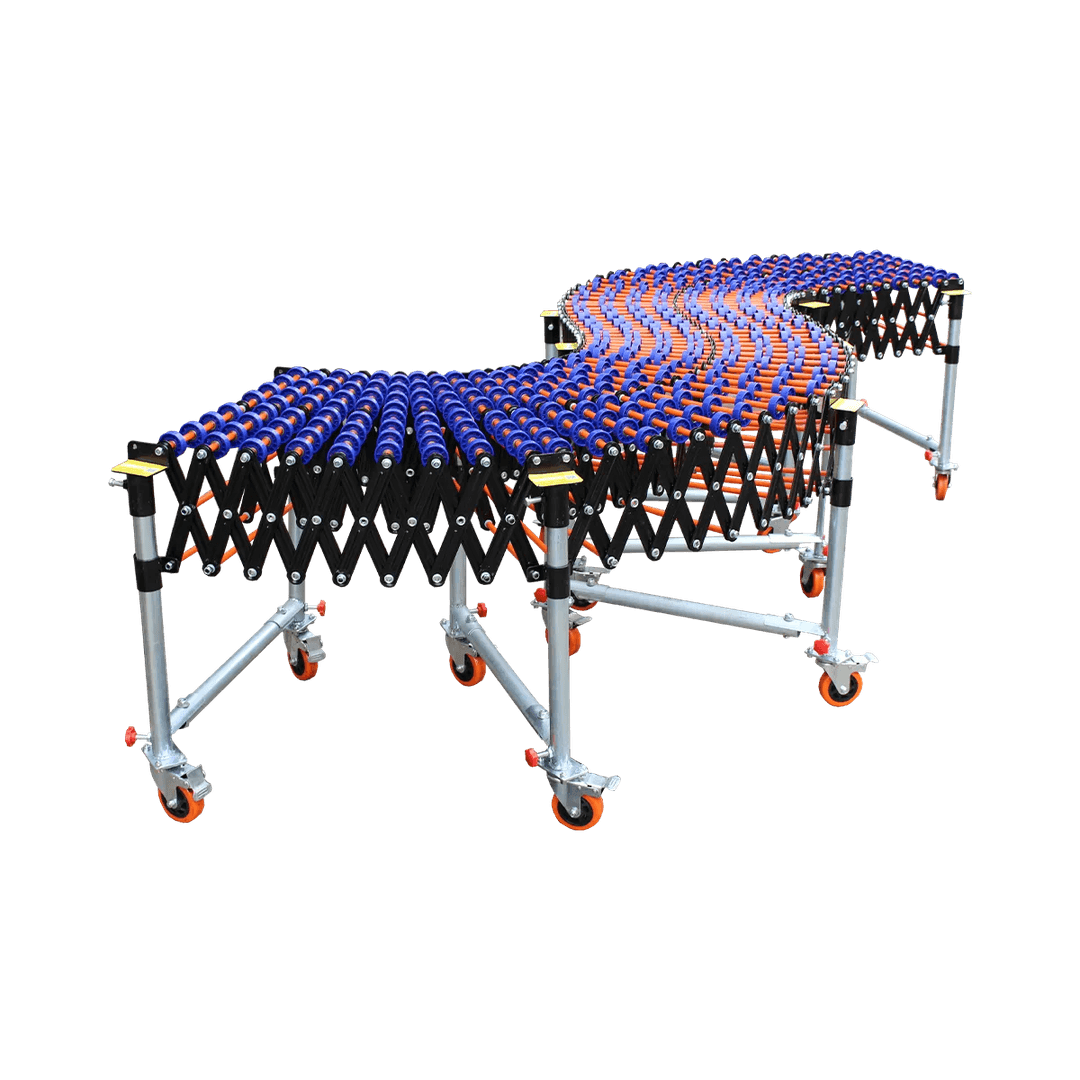
Gravity Skate Wheel Conveyor
The Gravity Skate Wheel Conveyor is designed for goods with flat bottoms (such as cartons) to achieve fast and efficient unloading operations. The con...
 Carton
Selection Notes and Cost Differences
From an investment perspective, skate-wheel conveyors, due to their simple structure and lighter weight, typically have lower initial purchase costs and lower ongoing maintenance costs. They are suitable for light-duty, short-distance, non-continuous loading/unloading operations. For sites with limited budgets and frequently changing workstations, this solution often has an advantage.
Although the overall investment in roller conveyors is usually higher, they offer advantages in the 80–100 kg/m load range, continuous operation capability, and stable conveying on inclined sections. They are better suited for loading/unloading sites with heavier loads, faster takt times, or a need for powered upgrades. When selecting, focus on evaluating the condition of the cargo bottom surface, load per unit length, site flow paths, whether anti-slip measures are needed, and whether the system will be connected to a powered system later.
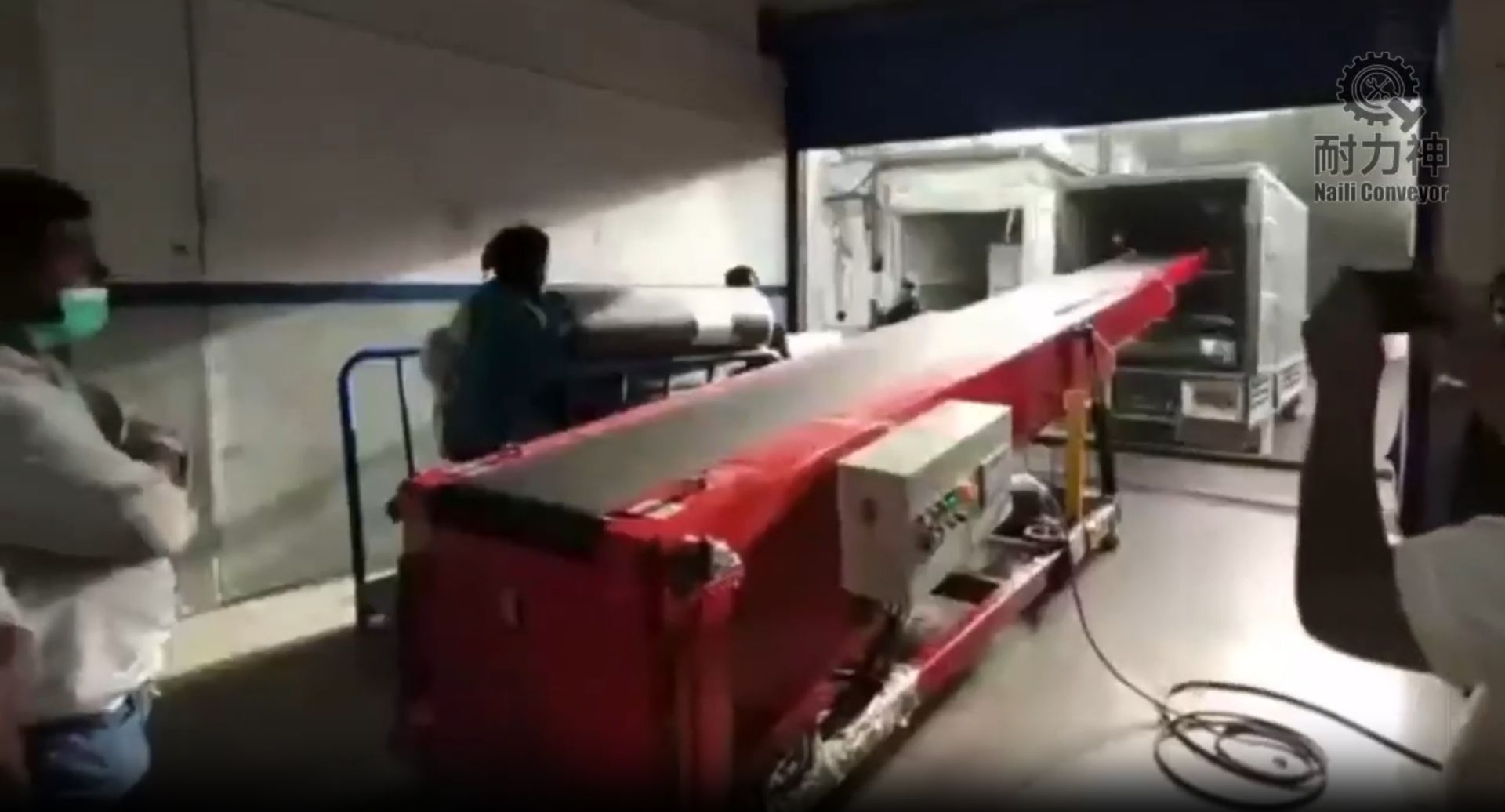
If the site handles both light and heavy goods, consider adding a skate-wheel transition section or buffer section at key points to improve space utilization and reduce overall retrofit pressure. For further reading, see Skate-wheel conveyor docked to a truck for unloading.