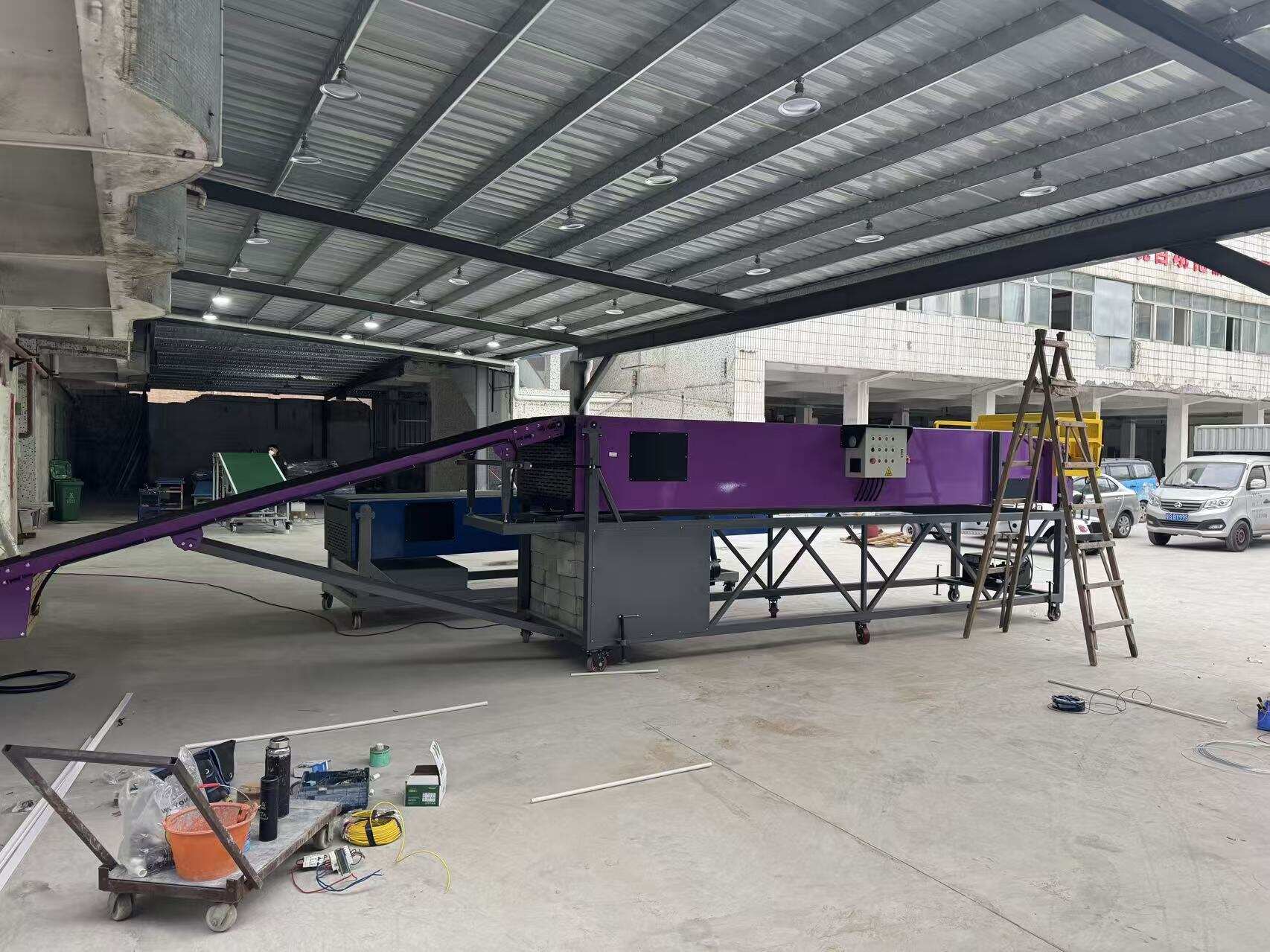
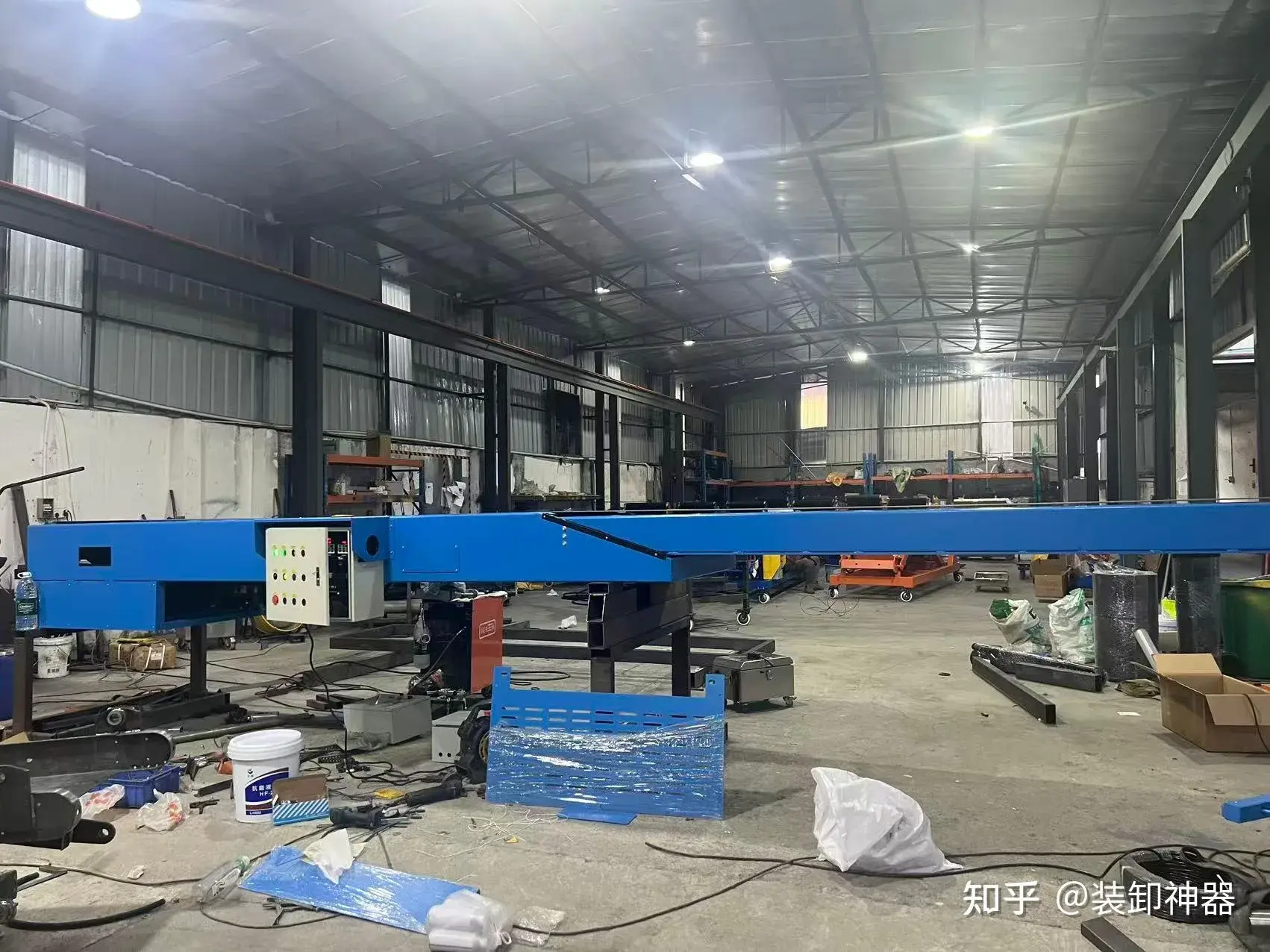
Naili Conveyor
In the routine operation of manufacturing, large, medium, and small manufacturers commonly face a core business challenge: although hardware investment in factory facilities keeps increasing, production equipment keeps being upgraded, and processes continue to be optimized, overall production efficiency often still fails to improve significantly. Capacity remains stuck within a fixed range for a long time, making breakthrough growth difficult. When troubleshooting, many factory managers tend to focus on production-side dimensions such as equipment precision, labor efficiency, raw material quality, or production processes, while easily overlooking the core hidden weakness of the factory logistics flow system. A large number of real-world cases have already proven that an incomplete logistics system and low circulation efficiency are the fundamental reasons why most factories have high output but low efficiency and struggle to improve quality and efficiency.
Identifying the core pain point: logistics efficiency is the "hidden weakness" constraining capacity growth
Based on implementation and retrofit experience from more than a hundred power plants, hardware manufacturers, auto parts factories, warehousing operations, and electronics manufacturing plants, the industry consensus is very clear: when factory capacity cannot improve, about 80% of the reason comes from logistics bottlenecks slowing production progress. The core function of production is to process materials and create the core value of products, while logistics is responsible for the efficient flow of materials and is intended to continuously release capacity value. The two complement each other, and neither can be absent. If the transfer speed of materials within the plant cannot match the overall production rhythm, causing delays in process handoffs, then even with the most advanced production equipment or the most mature processes, the production line may fall into the passive predicament of "idling and waiting, " resulting in severe waste of hardware resources.
Typical scenario analysis: production losses caused by inefficient flow
At present, the logistics inefficiency problem in most domestic manufacturing plants is highly consistent and extremely easy to overlook. Common manifestations include:
- Upstream and downstream disconnect:Finished goods from the previous process pile up in large quantities, while the next process remains idle for a long time because there are no materials to process, disrupting the production rhythm;
- Space occupation:Finished products from the workshop cannot be transferred to storage in time and occupy production line stations and core space for a long time, hindering subsequent production progress;
- Labor dependence:Loading and unloading at the dock relies heavily on manual handling, which not only increases labor intensity and labor costs, but also results in extremely low shipping efficiency. During peak order periods, it is very likely to cause delivery delays and order backlogs.
Transformation approach: Shift from equipment competition to refined logistics operations
Practitioners who truly understand manufacturing efficiency improvement know that current capacity competition is no longer simply a matter of piling up equipment, processes, or labor, but a comprehensive competition in refined logistics operations capabilities. A standardized, automated, and smooth factory logistics system can perfectly connect every production process in the factory, enabling materials to flow on demand, equipment to keep running, and labor to work efficiently. By optimizing the logistics system, enterprises can revitalize existing idle capacity at the source without investing additional large sums of money to expand production or hire more staff, achieving steady capacity growth and continuous reduction in production costs.
Naili Custom Solutions: Precise Countermeasures for Non-Standard Working Conditions
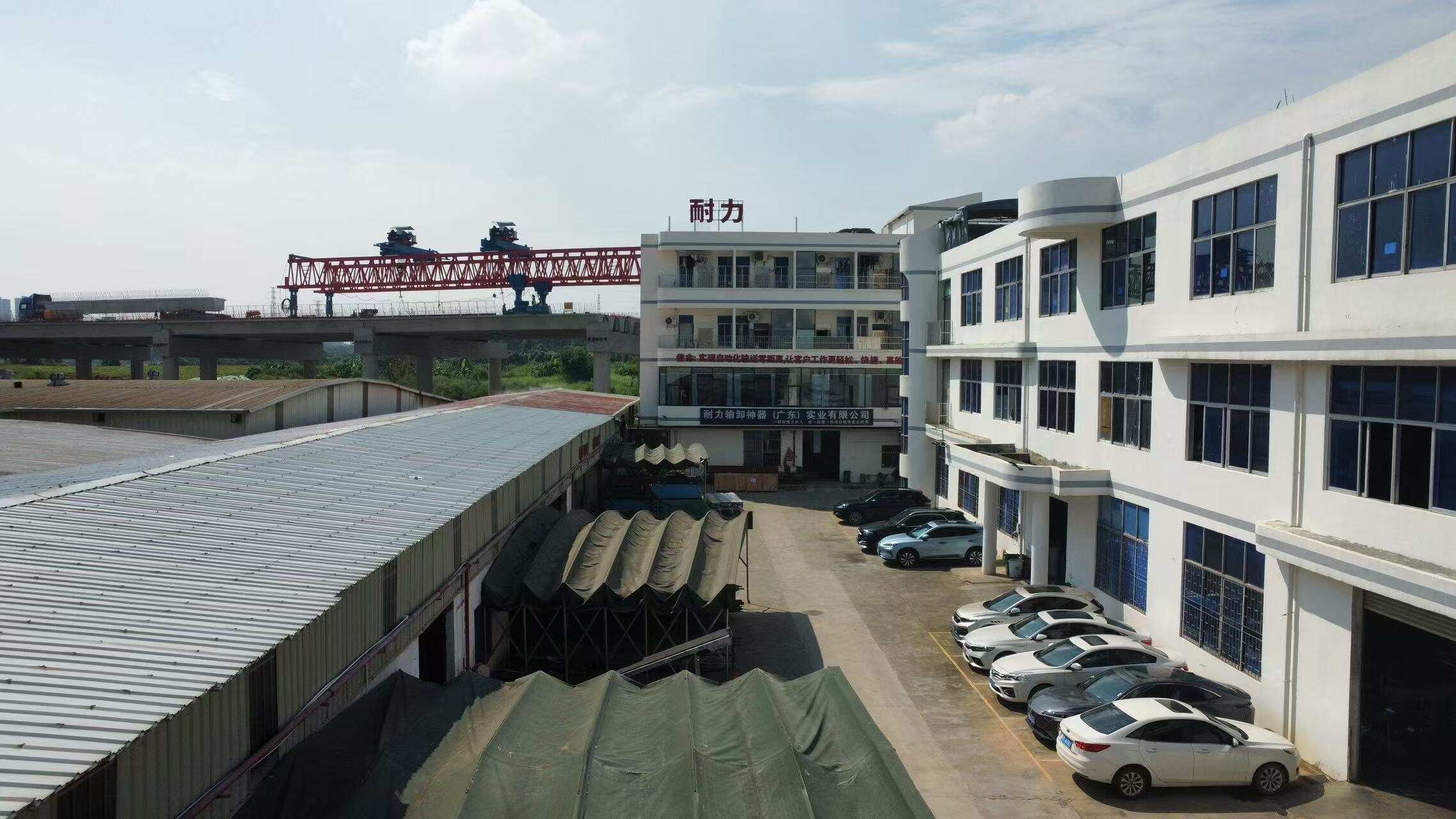
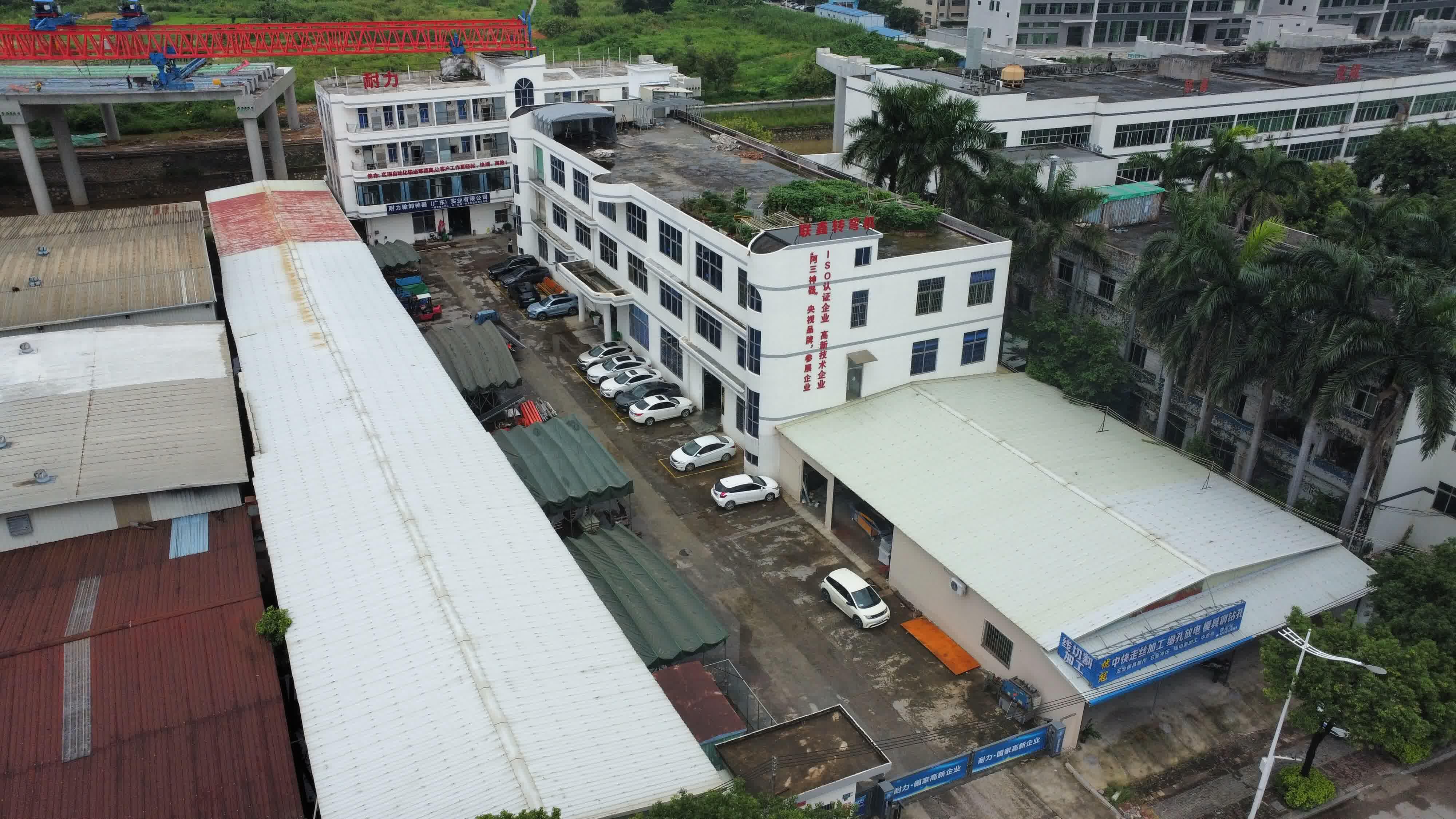
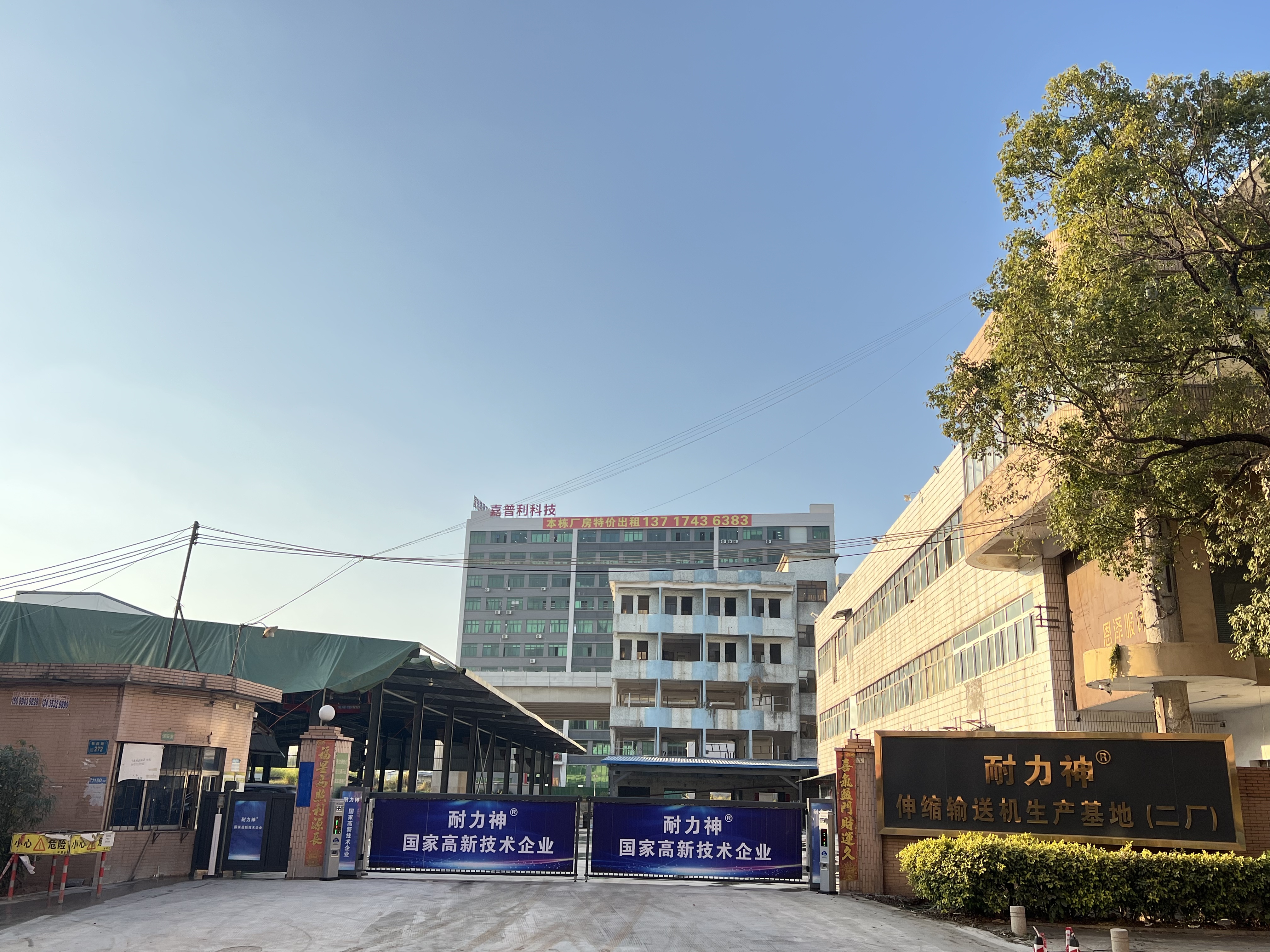
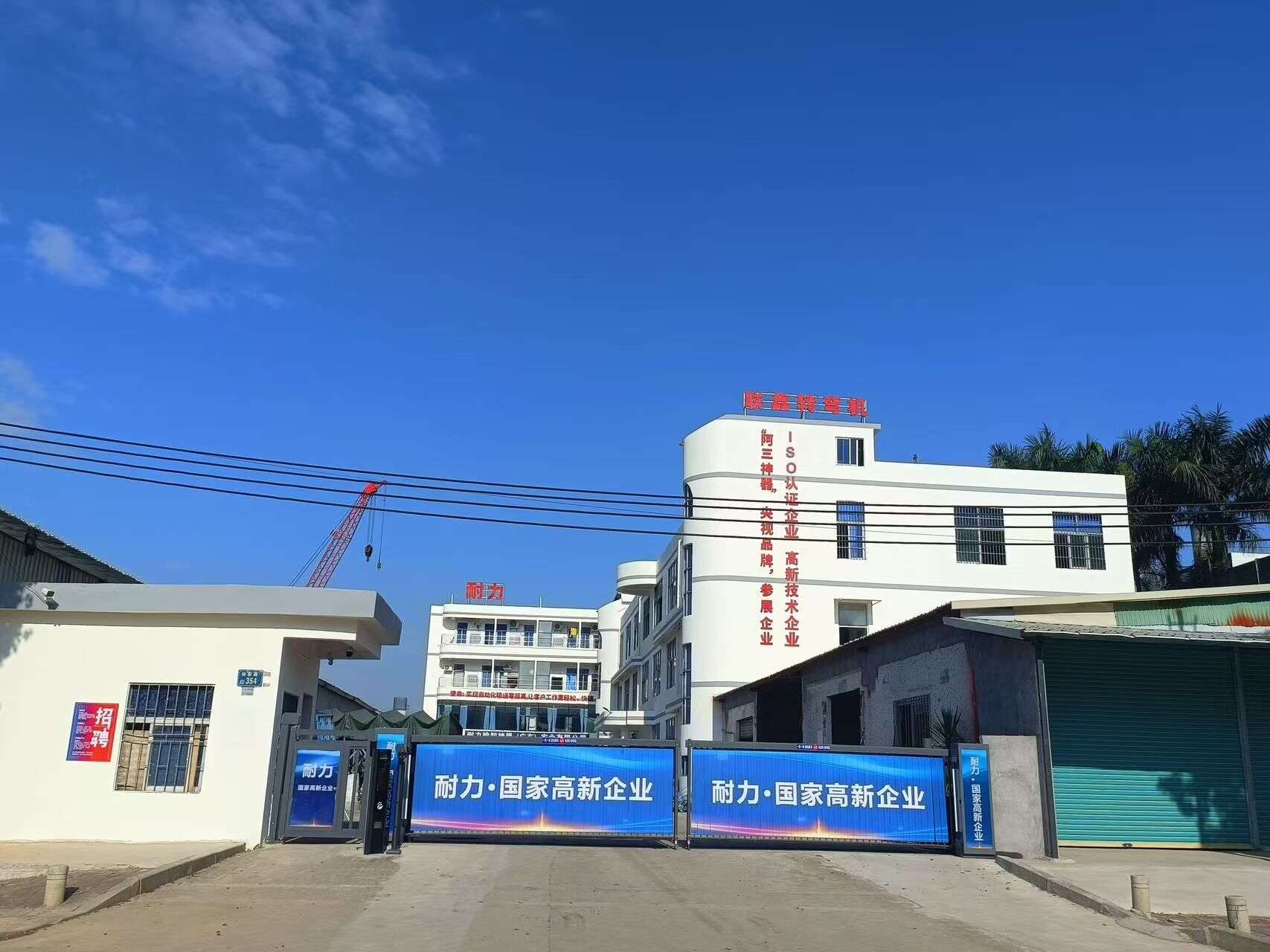
Many companies easily fall into the trap of blindly purchasing generic standardized equipment during logistics upgrades, which often leads to site congestion, idle equipment, and wasted capital. In response to the characteristics of major factories such as large differences in non-standard working conditions, varied site layouts, and a wide range of material types,Naili Unloading Artifact (Guangdong) Industrial Co., Ltd.As a professional conveyor source manufacturer, we have always adhered to the customized transformation model of "one factory, one policy." Through scientific line optimization combined with exclusive non-standard conveyor equipment matching, we accurately adapt to various complex factory scenarios, fundamentally eliminating template-based and ineffective transformations, and ensuring that every solution fits the actual production needs of the enterprise.
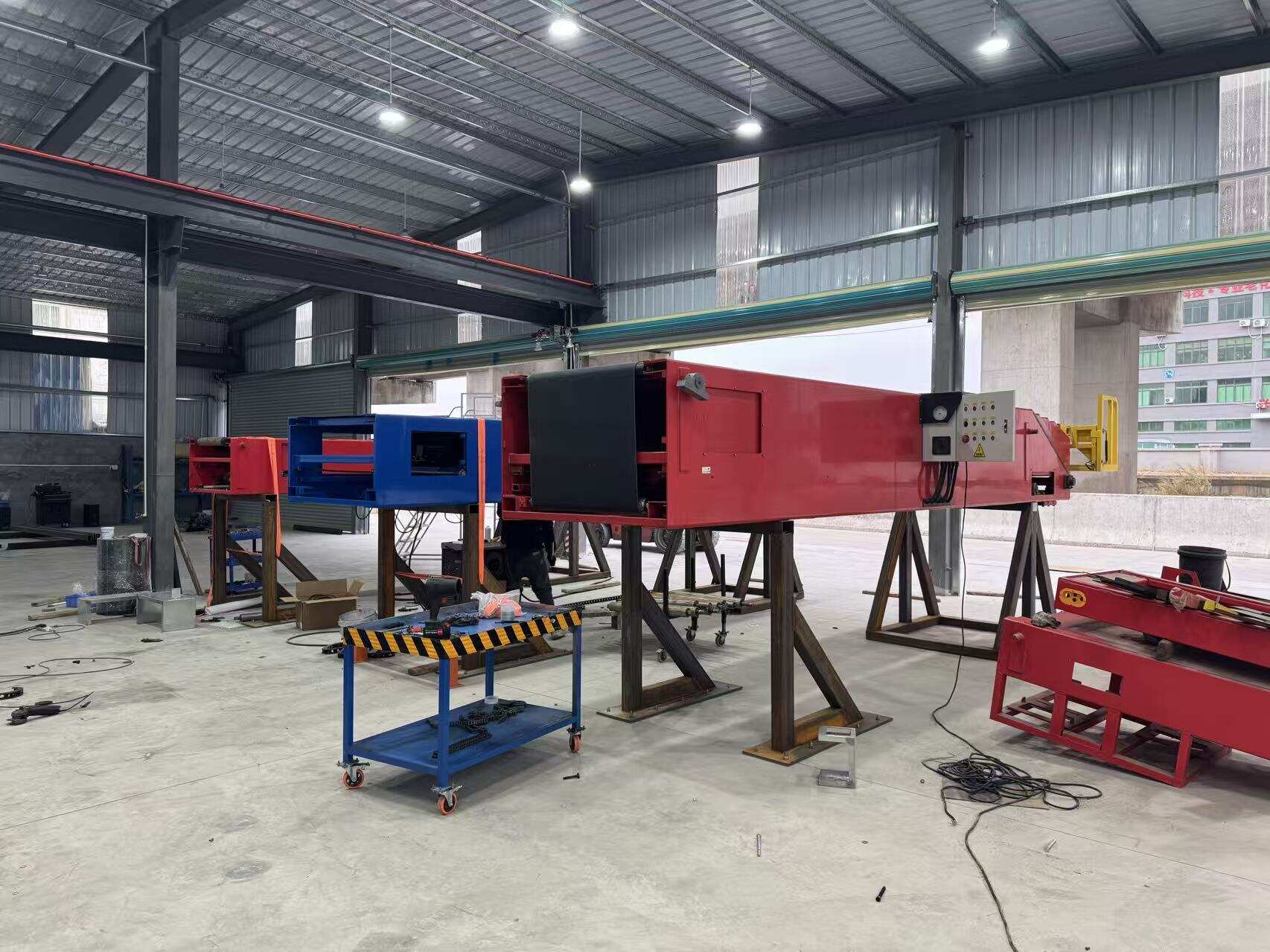
All of Naili's conveyor equipment is independently developed and produced, and can accurately cover industrial logistics needs in multiple scenarios:
- Powered Roller Conveyor Line:Suitable for routine process flow in workshops;
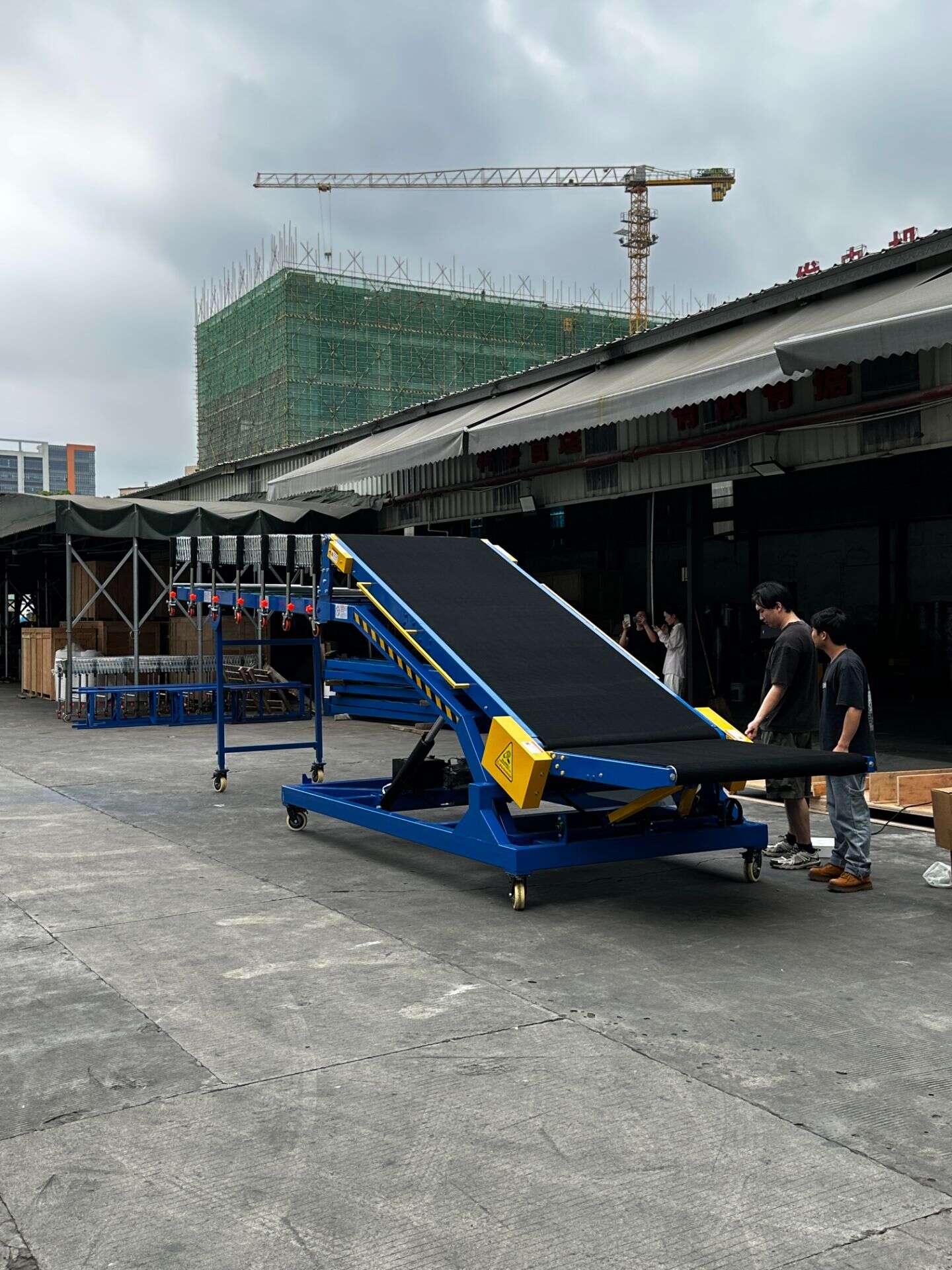
- Hydraulic Conveyor:Targeted solution for the difficulty of loading and unloading caused by height differences at platforms;
- Telescopic Belt Conveyor:Suitable for fast outbound shipping of large quantities of finished goods in warehouses;
- Gravity Roller Conveyor and Skate Wheel Conveyor:Perfectly make up for the weakness in short, fragmented short-distance transfers in workshops.