In manufacturing and logistics hubs such as the Pearl River Delta and Yangtze River Delta, many small and medium-sized factories, e-commerce warehouses, and freight transfer stations face the same practical problem: their sites lack standardized loading and unloading platforms, so loading, unloading, and transferring goods can only be carried out on level ground. As the structure of the frontline labor force changes, the shortcomings of this traditional manual loading and unloading model are becoming increasingly apparent. Hiring difficulties, high labor costs, low efficiency, numerous safety hazards, and high cargo damage rates have gradually become key factors affecting warehouse turnover and order fulfillment. In response, intelligent integrated conveying equipment with stronger adaptability and no need for site modifications is becoming a preferred choice for many companies.
Why level-ground loading and unloading is becoming increasingly difficult
For level-ground loading and unloading without a loading platform, the first challenge is labor. Physically demanding positions are becoming less attractive to workers, while frontline loading and unloading personnel are noticeably aging. Companies face persistent difficulties in recruiting and retaining workers, along with high turnover among experienced staff. During peak production and sales seasons, major e-commerce promotions, or periods of concentrated cargo arrivals, labor shortages can more easily slow shipping directly and cause goods to accumulate.
Manual loading and unloading is also unfavorable in terms of both cost and efficiency. A single truck operation often requires several workers to coordinate, so companies must cover not only fixed expenses such as wages, social insurance, accommodation, meals, and benefits, but also higher costs from temporary hiring during peak seasons. In addition, manual operations are affected by physical condition, weather, operating time, and skill level, resulting in significant efficiency fluctuations that make it difficult to meet modern companies' requirements for high turnover and standardized operations.
Safety and cargo damage are also long-term concerns. Level-ground operations involve height differences, requiring workers to bend, carry, and lift goods into and out of vehicle compartments for extended periods. This can easily cause lower-back strain and joint injuries, as well as accidents such as falls and impact injuries. Without consistent standards for handling and stacking goods, impacts, compression, tipping, and breakage can also occur frequently, creating ongoing hidden losses.
How integrated equipment improves loading and unloading efficiency
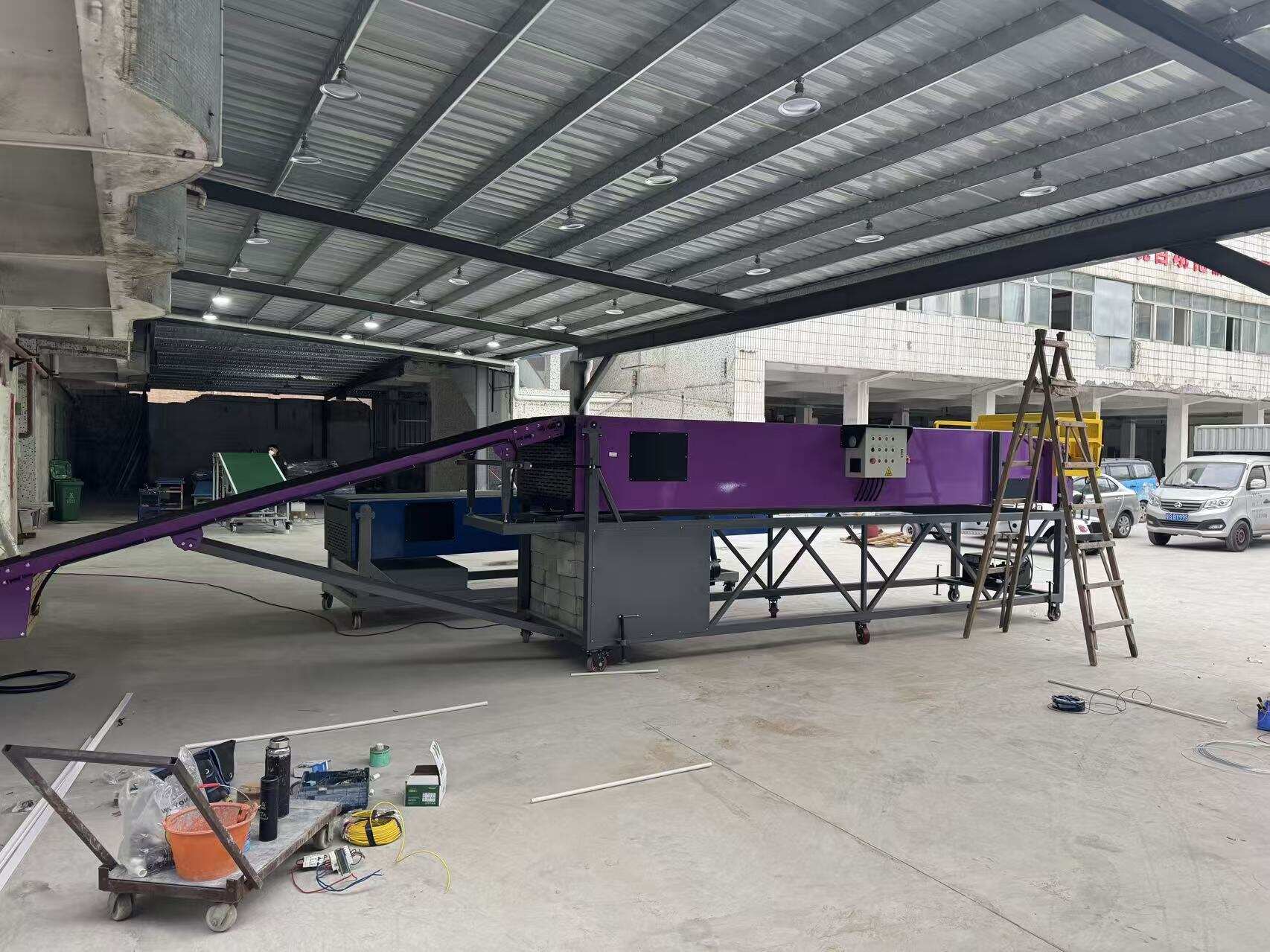
For these scenarios, an integrated system combining powered telescopic roller lines with hydraulic lifting incline conveyors can connect goods conveying, transfer between different heights, and vehicle-compartment docking, reducing reliance on strenuous manual handling. Traditional level-ground loading and unloading generally requires 3 to 4 workers working together, whereas with equipment operation, just 1 to 2 employees are needed to help organize the goods and complete large-volume loading and unloading.
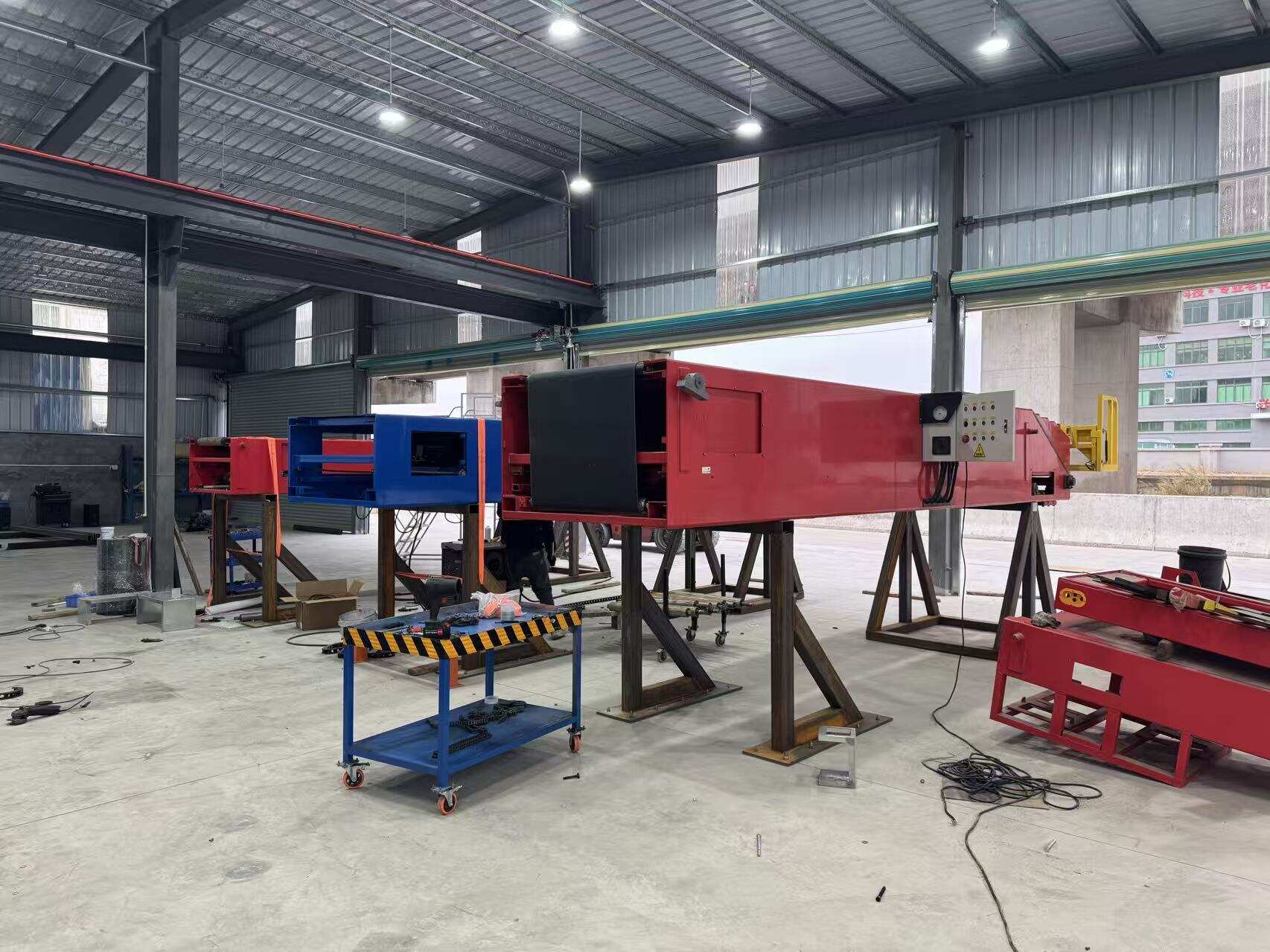
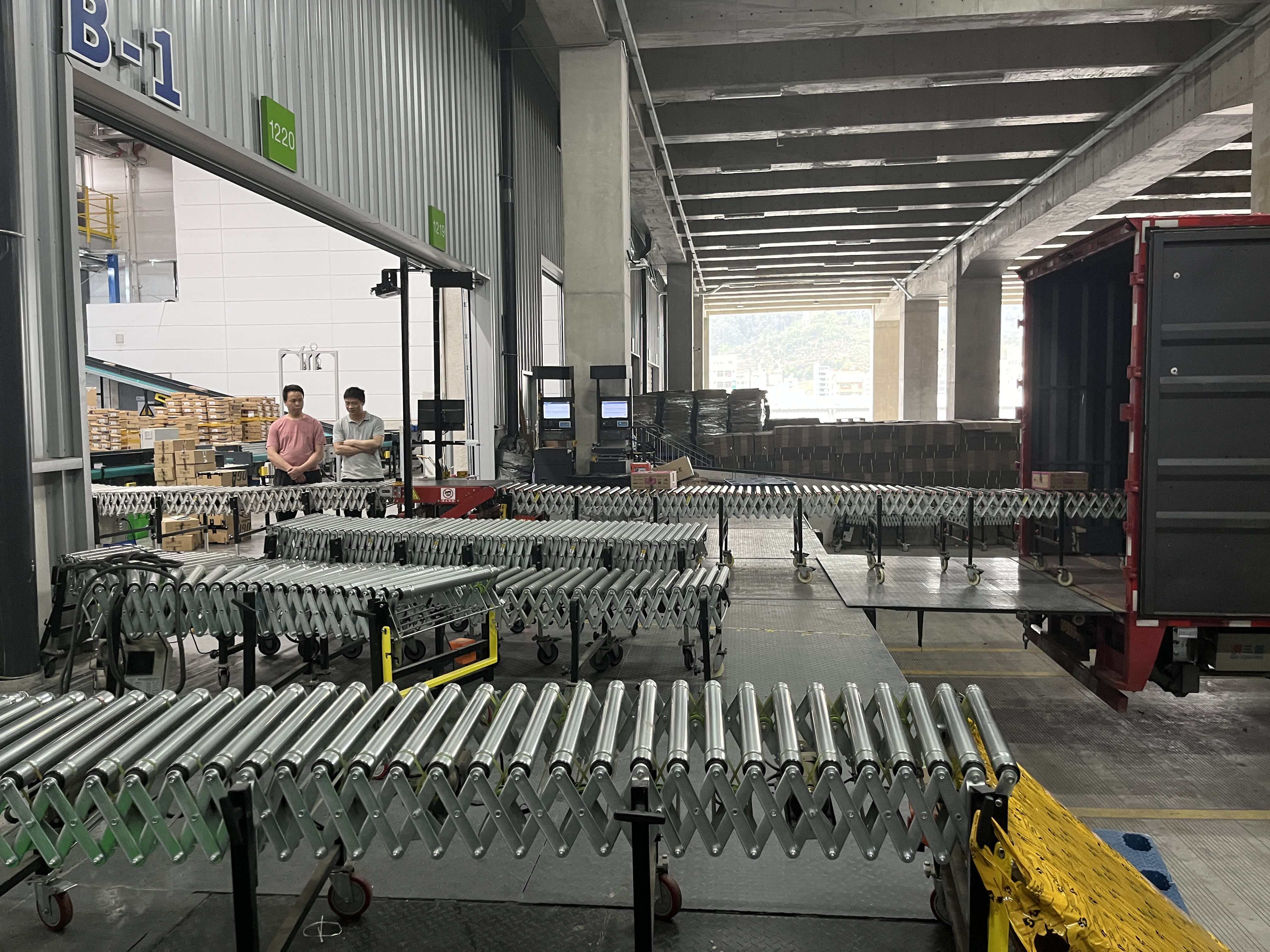
The key features of powered roller telescopic conveyors are flexible extension and retraction, unrestricted repositioning, easy deployment, and a small footprint. The operating range can be adjusted in real time according to the length of the truck cargo compartment and the available site space, making them suitable for various box trucks and flatbed trucks. They use high-strength, wear-resistant rollers to ensure smooth, consistent conveying and are suitable for the continuous transport of cartons, luggage, hardware parts, daily chemical products, and other diverse types of goods.
Hydraulic lifting incline conveyors handle the height difference between the ground and the truck cargo compartment. They can adjust the lifting height and incline angle according to actual needs, reducing inefficient operations caused by manual climbing and lifting heavy loads. According to the source information, this type of complete equipment can increase loading and unloading turnover efficiency by 3 to 5 times, helping to alleviate problems such as cargo accumulation, slow warehouse turnover, and shipping delays.
The Stability Brought by Formal Manufacturing and Standardized Services
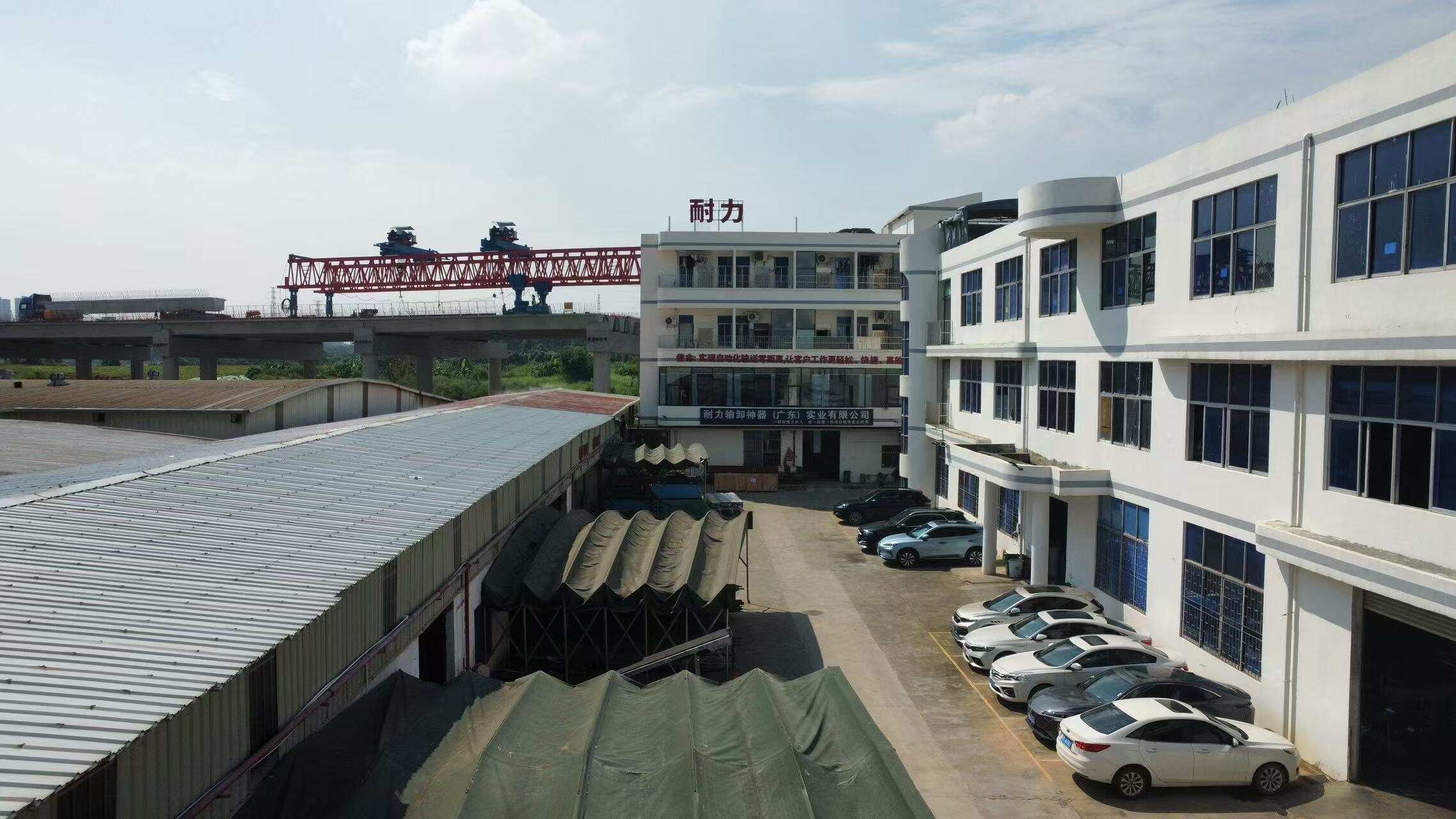
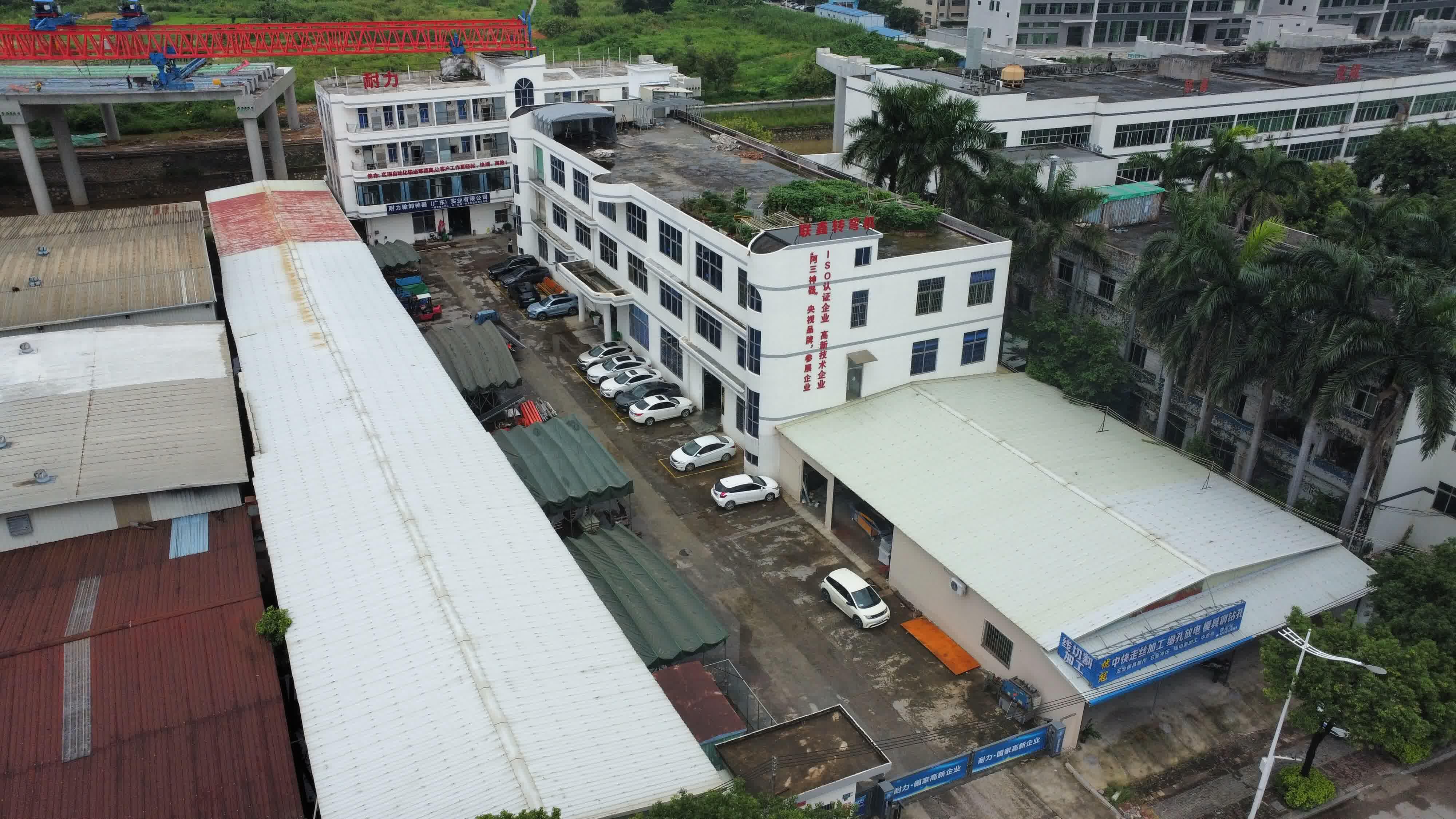
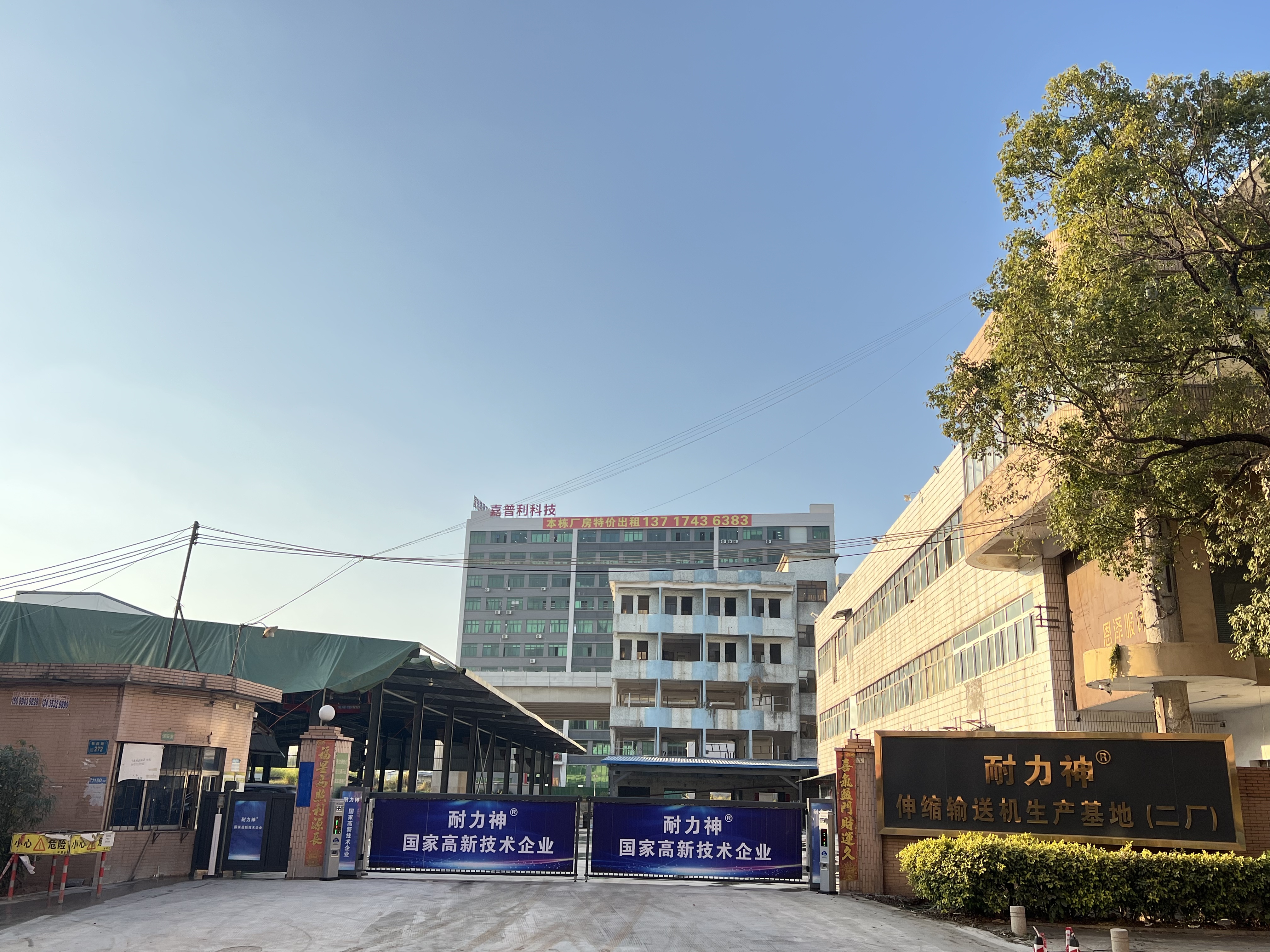
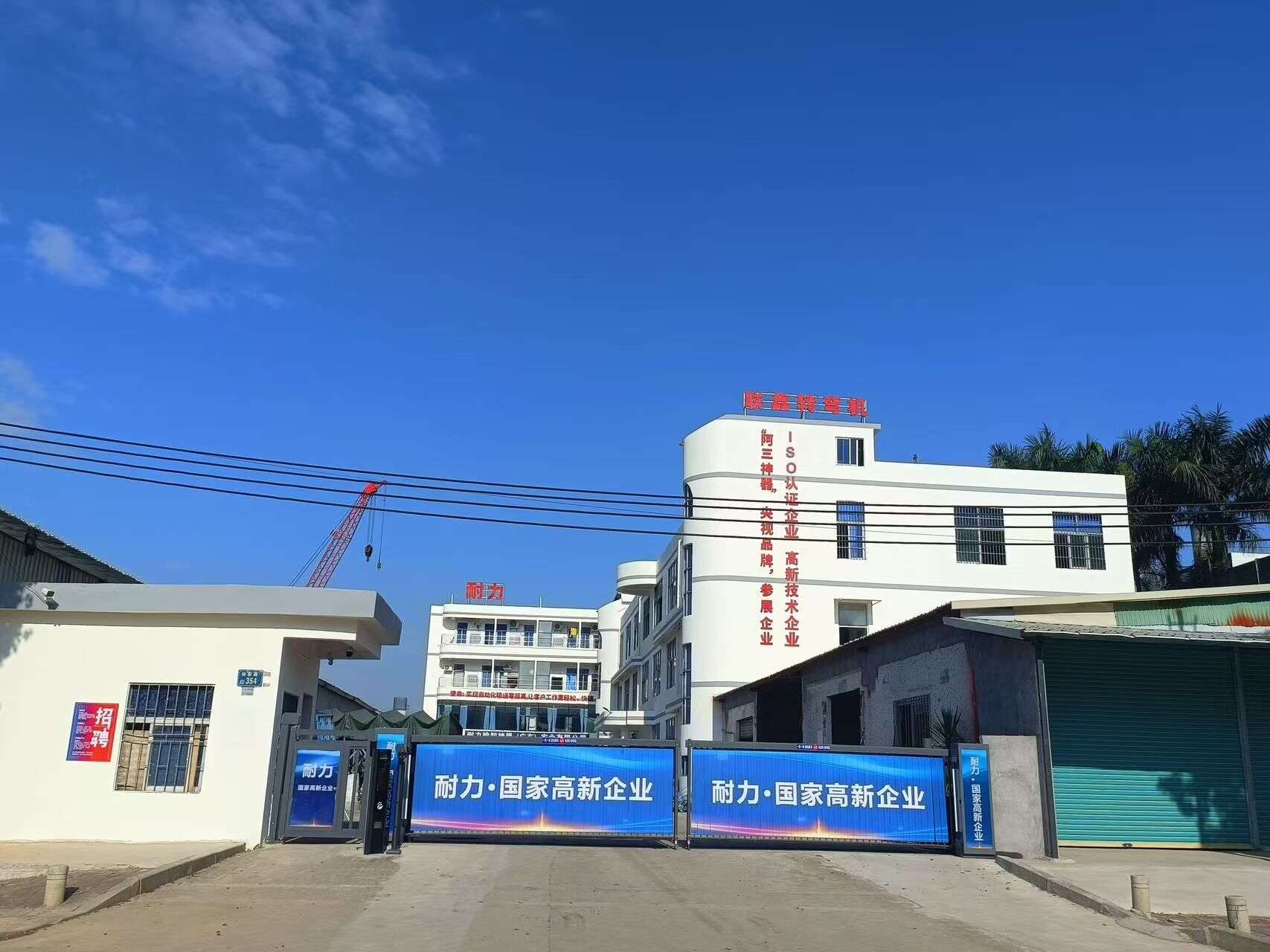
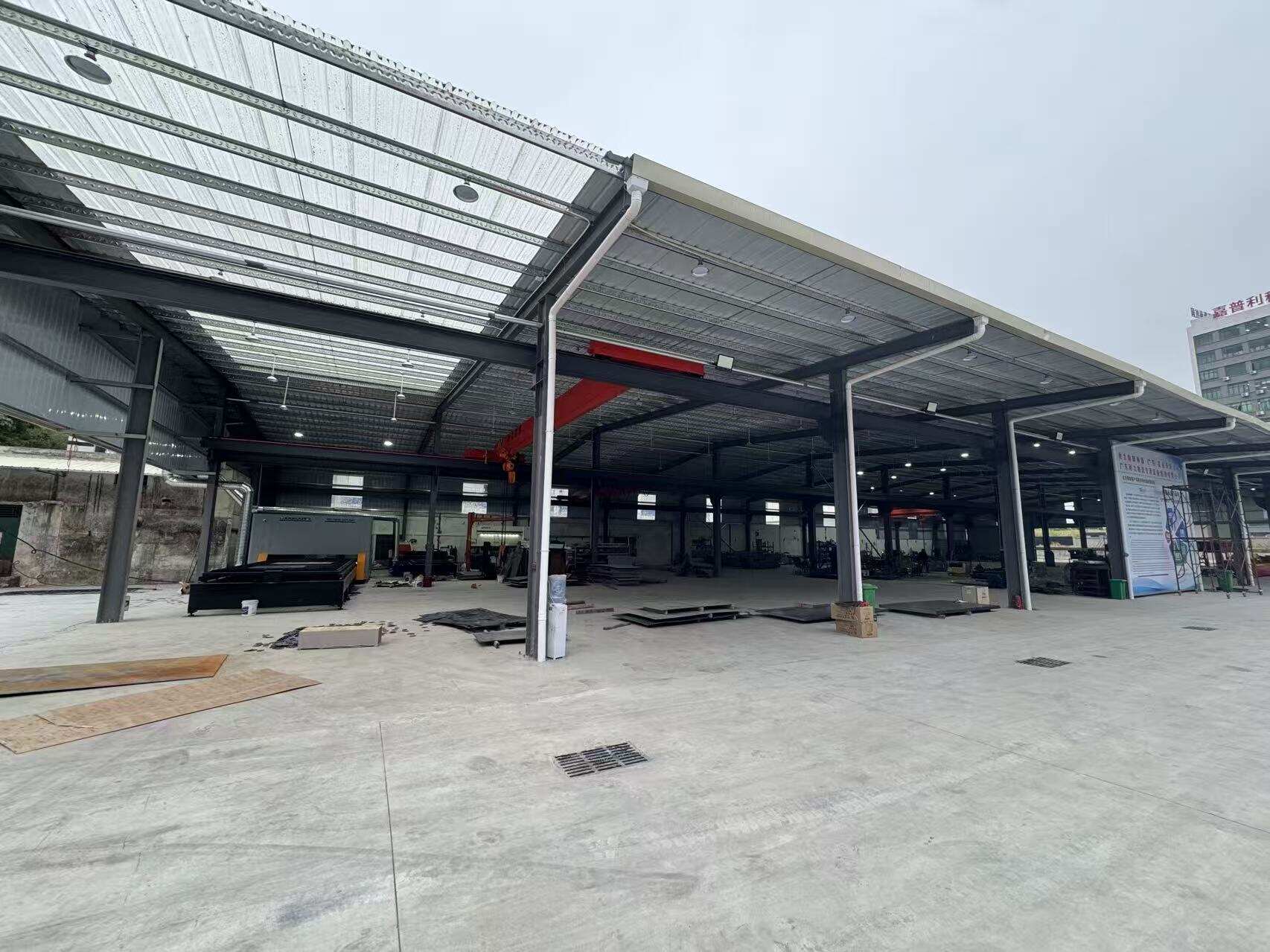
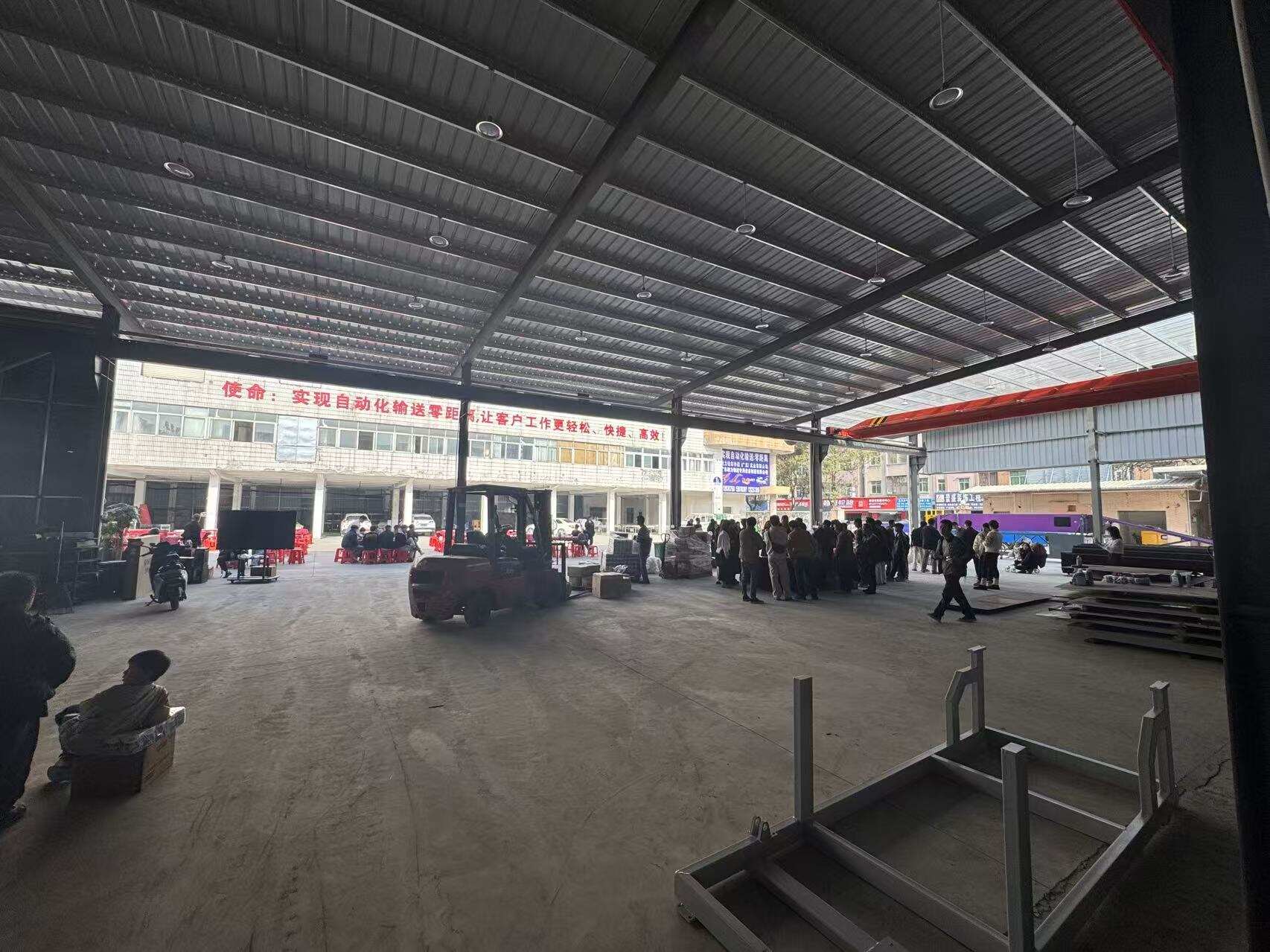
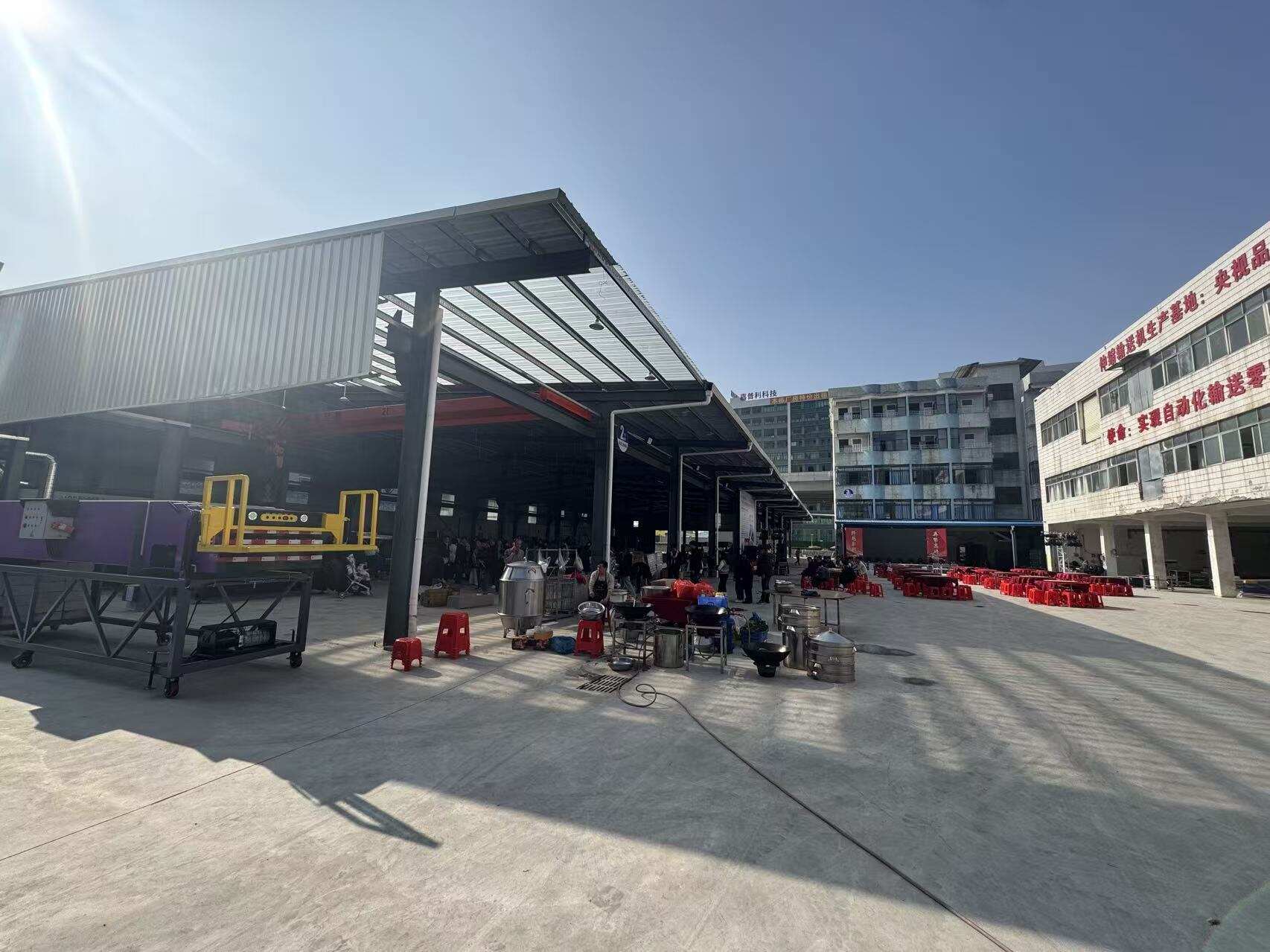
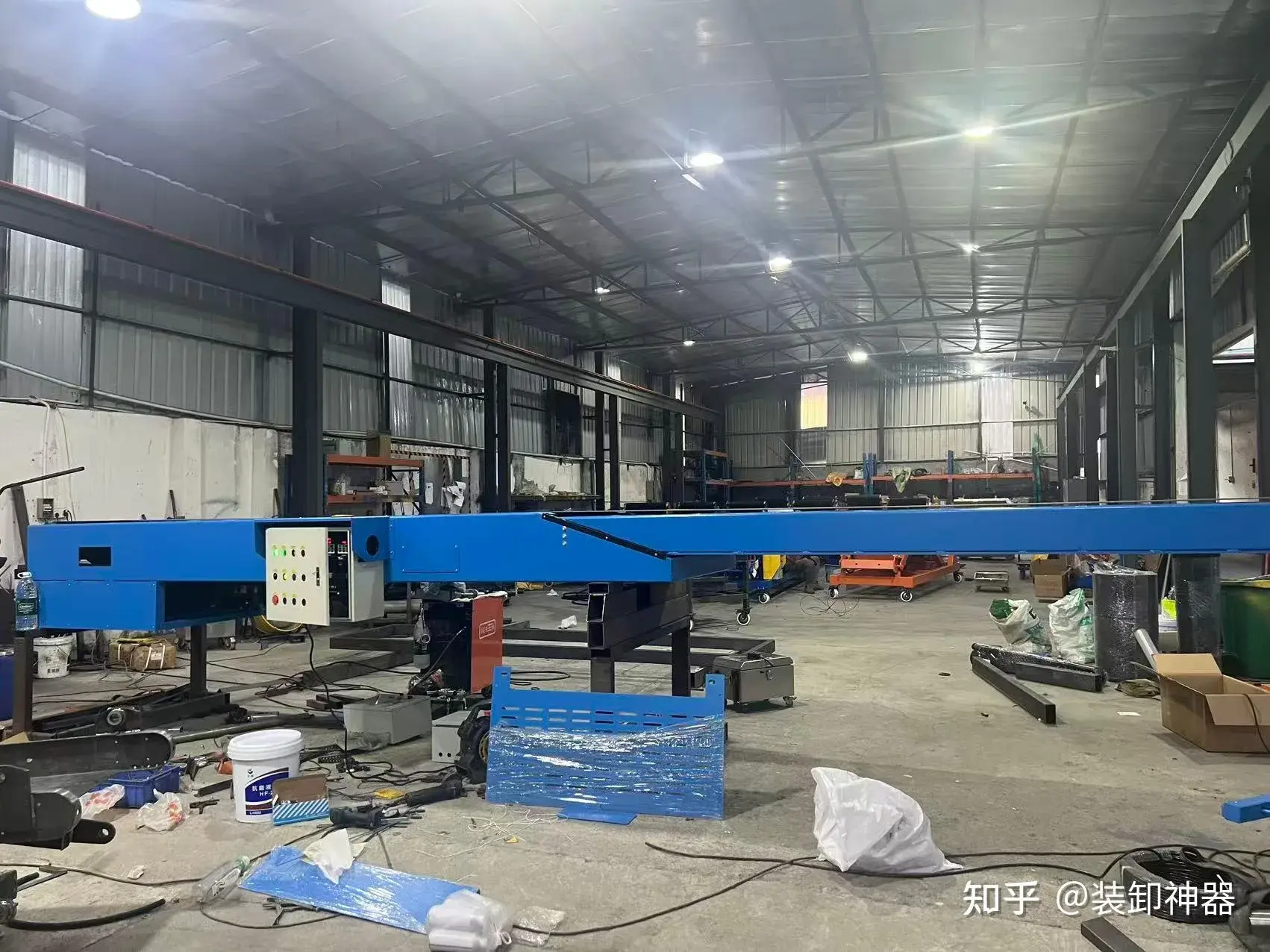
In the conveying equipment industry, there is a significant difference between low-cost small workshops and formally established manufacturers. The source information shows thatNaili Unloading Artifact (Guangdong) Industrial Co., Ltd.has an independent, permanent production address and standardized production workshops, enabling it to complete the full range of operations from equipment R&D, component processing, and complete-machine assembly to performance testing and finished-product delivery. It has no outsourced manufacturing processes, helping ensure process precision and consistent quality.
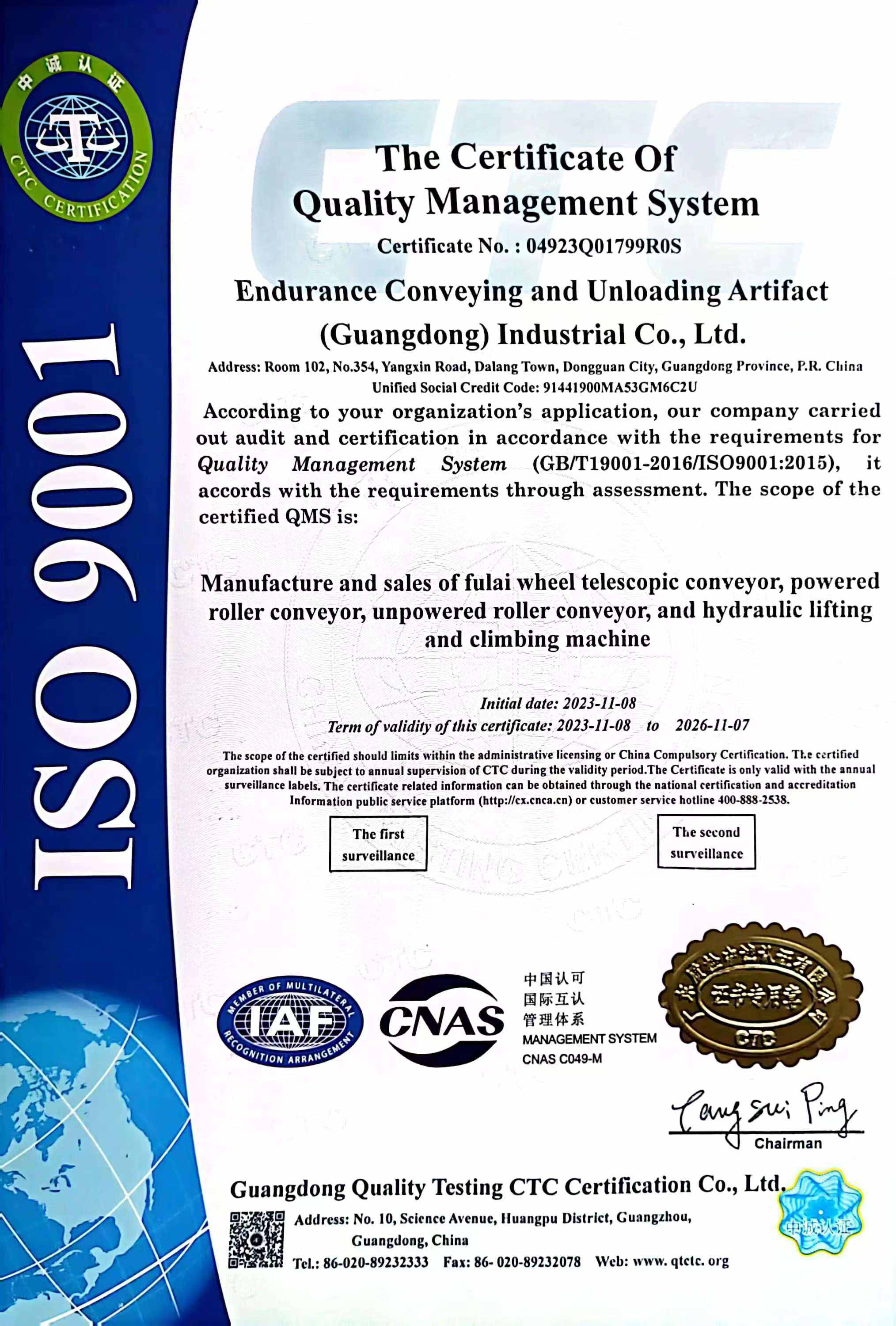
In terms of quality management, the company implements an ISO 9001 standardized quality management system, incorporating production, procurement, processing, inspection, and pre-shipment acceptance into a unified control process. The relevant equipment has also passed EU CE export certification, indicating a clear standardized foundation in terms of safety, stability, and durability.
Its services cover pre-sales site surveys, customized production during the sales process, and installation, commissioning, maintenance, and repairs after sales. The company provides suitable solutions based on site size, cargo type, workload, and vehicle specifications. It also supports equipment maintenance and technical consultation during subsequent use, helping the equipment operate reliably over the long term.
Why Lightweight Upgrades Are More Suitable for Small and Medium-Sized Enterprises
From the perspective of industry trends, the shortage of frontline manual labor and rising labor costs will not disappear in the short term. Traditional, labor-intensive loading and unloading methods are also becoming increasingly ill-suited to the operating pace of modern enterprises. For small and medium-sized enterprises, large intelligent warehouse conveyor lines may offer greater capacity, but their high investment costs, long implementation periods, and more demanding site requirements mean they are not necessarily suitable for actual needs.
By contrast, lightweight complete equipment centered on powered roller telescopic conveyors and hydraulic lifting incline conveyors offers low investment costs, rapid results, broad adaptability, and simple operation and maintenance. It is better suited to scenarios such as ground-level loading and unloading at factories, internal warehouse transfer, connection with workshop production lines, rapid loading and unloading of large and small trucks, and transfer operations at temporary cargo yards. It does not rely on large-scale site modifications and can be put into operation immediately after deployment, meeting the practical needs of small, medium-sized, and micro enterprises for low-cost, high-efficiency automation upgrades.
As the logistics industry continues to develop toward greater precision and intelligence, lightweight conveying equipment capable of stable operation in ground-level locations without loading docks will continue to replace some traditional, physically demanding manual work, helping enterprises optimize processes, reduce costs, and improve fulfillment capabilities.