Why In-Plant Logistics Becomes a Production Capacity Bottleneck
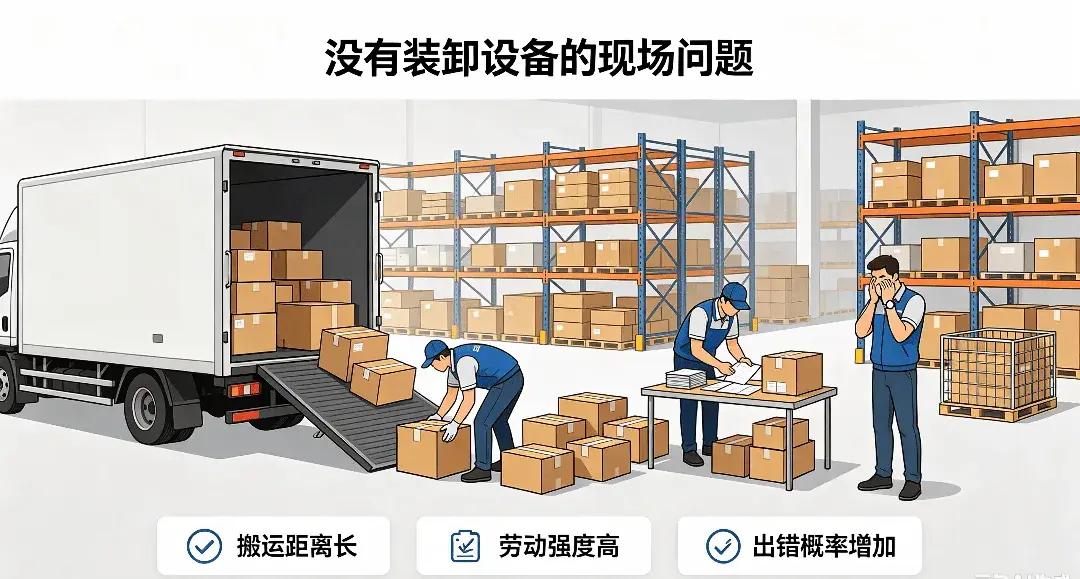
During the implementation of factory automation upgrades, many companies prioritize upgrading their primary machining equipment while continuing to use traditional manual material transfer methods. The result is often fragmented process flow, disorganized material handoffs, and an overall production capacity bottleneck. Common issues include inconsistent transfer rhythms, a lack of continuous conveying, long workstation waiting times, congested piles of semi-finished products, significant errors in manual handling, and chaotic on-site traffic patterns, all of which further reduce overall capacity and extend production cycles.
Why Traditional Standard Roller Lines Struggle with Complex Applications
Traditional standard roller lines typically use fixed structural parameters and are suitable only for standardized, well-organized factories and single-material operating conditions. When introduced into non-standard production environments involving multiple product types, weights, and layouts, they can easily experience insufficient load capacity, tracking deviations, conveying jams, slipping, shifting, and excessive noise. These issues not only make it difficult to improve material flow efficiency but may also cause secondary material blockages and process stoppages, making the lines unable to meet the continuous production requirements of modern workshops.
How Customized Powered Roller Lines Are Optimized for Operating Conditions
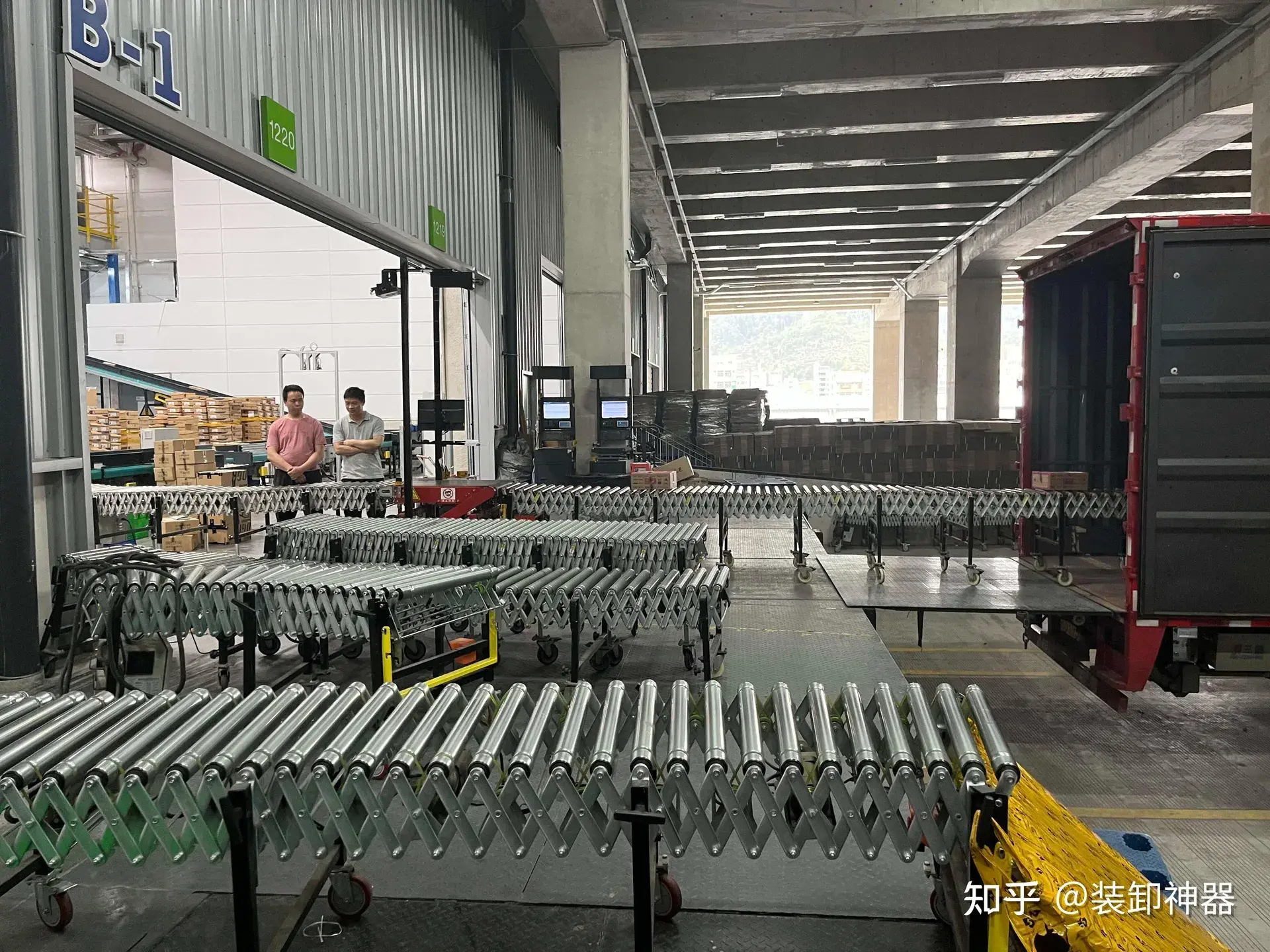
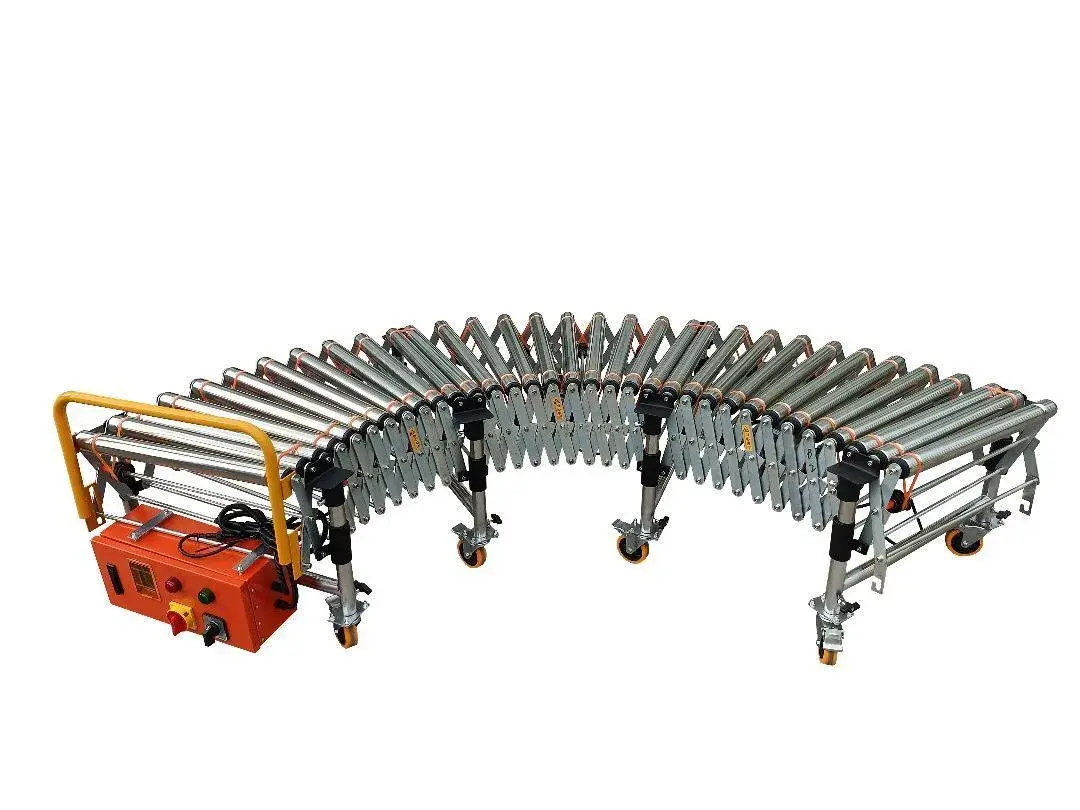
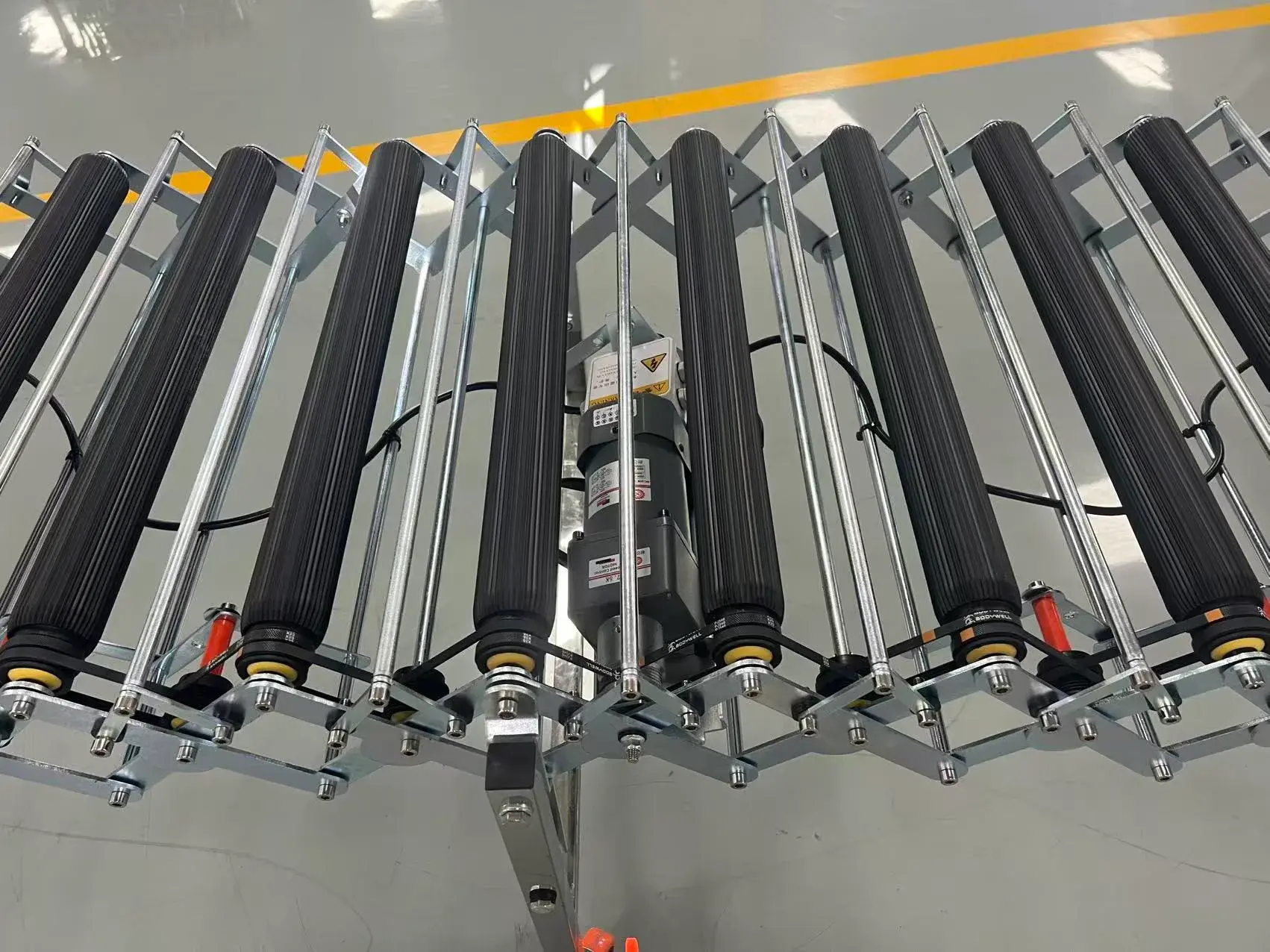
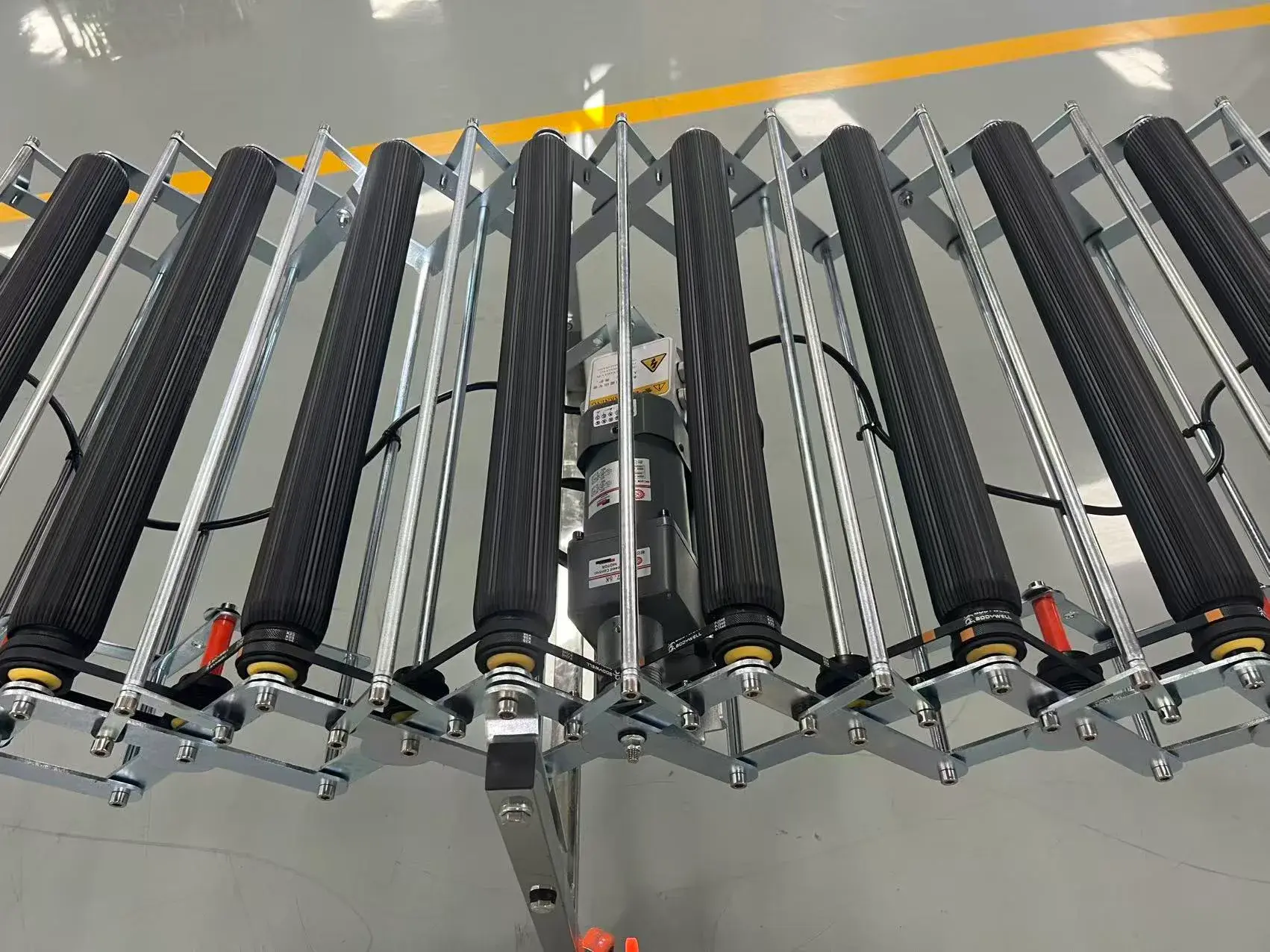
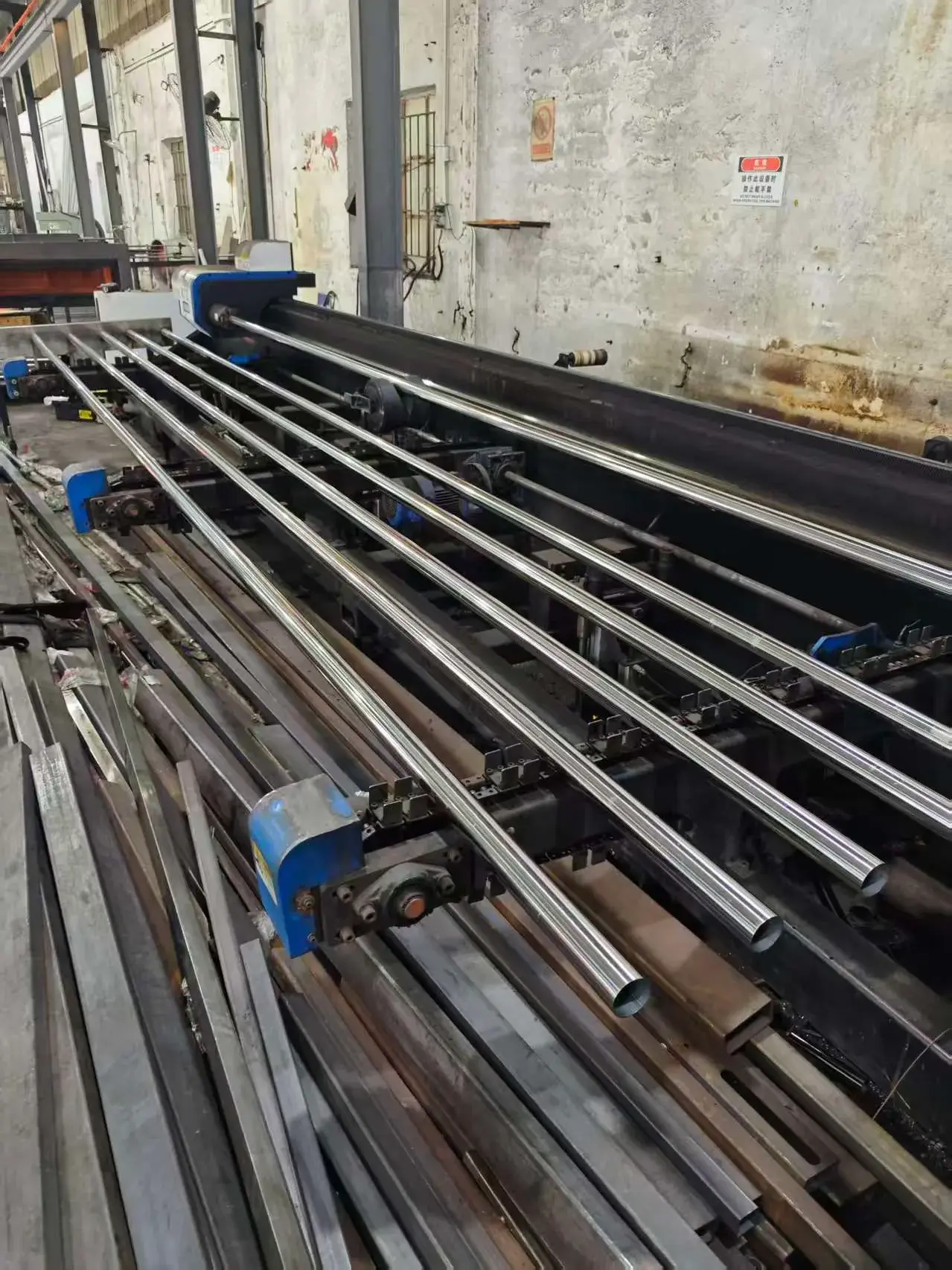
Naili Conveyor powered roller lines are structurally optimized and parameter-customized based on actual industrial operating conditions. The equipment uses thick-walled seamless rollers and offers light-duty, medium-duty, and heavy-duty configurations designed according to load levels to accommodate the conveying requirements of different materials. The products also feature dual systems combining rubber-covered silent transmission with heavy-duty chain transmission, providing both smooth, quiet conveying for light materials and powerful, stable operation for heavy materials. These designs reduce faults such as tracking deviations, jams, slipping, and shifting at the hardware level, ensuring continuous and stable process flow.
The Practical Value of Non-Standard Adaptation and Functional Expansion
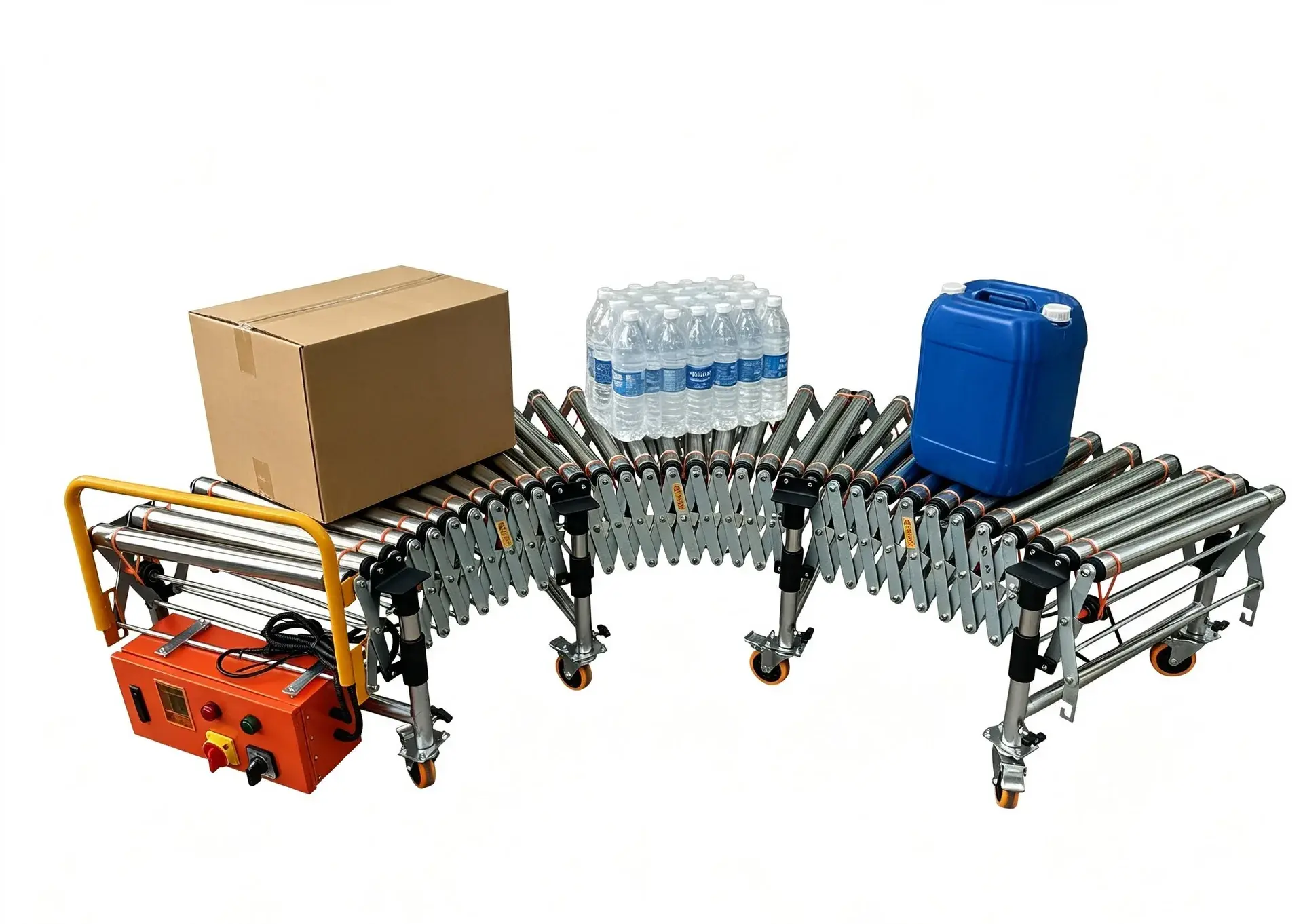
These systems support comprehensive non-standard adaptation and upgrades. Body dimensions, conveying speed, and load parameters can be customized according to workshop aisle widths, workstation layouts, production line directions, and height differences. Functional modules such as photoelectric sensor-based start-stop control, intelligent variable-frequency speed regulation, material blocking and stop mechanisms, side safety guards, and anti-deviation positioning can also be added. Combined with layouts such as straight conveying, curved transfers, elevation changes and level transitions, and multi-level three-dimensional flow, the systems can accommodate complex operating conditions including irregular workshops, staggered workstations, and the renovation of aging production lines.
Complete Implementation Process from Solution Design to Delivery
Relying on the R&D and manufacturing capabilities of Naili Conveyor's source factory, projects can cover the entire implementation process, including solution surveying, structural design, precision manufacturing, on-site installation, commissioning, and maintenance. Once put into operation, customized powered roller lines help eliminate material accumulation, process jams, workstation material shortages, and production disconnects in the workshop, streamline logistics routes, synchronize production line takt times, improve equipment utilization, and reduce losses from ineffective production capacity. This provides manufacturing companies with a stable technical solution for upgrading their logistics automation, precision management, and intelligent manufacturing capabilities.