When purchasing a conveyor belt, simply asking "How much does it cost per meter?" is often not enough to compare solutions from different suppliers. Even when pricing is based on length, differences in material, belt width, thickness, number of plies, splicing process, and scope of supply can result in different quotations.
Before comparing, clearly describe the goods, equipment, and site conditions, then break down and verify the quotation components to avoid comparing only a single per-meter price.
Confirm the applicable conditions in addition to the material name
Materials or constructions such as PVC, PU, rubber, and canvas should be selected based on the goods, conveying method, contact conditions, and environment. Even when the same material name is used, the applicable range may differ due to variations in formulation, construction, and specifications.
For food contact, temperature resistance, wear resistance, or special environments, the material documents and conditions of use for the corresponding model should be checked. Compliance with all requirements cannot be determined solely from names such as "PU, " "rubber, " or "food grade." Load capacity must also be confirmed together with the overall machine structure and actual operating conditions.
List the belt width, thickness, number of plies, and splicing method
"Yuan/meter" is a pricing basis and does not mean that all one-meter lengths of conveyor belt use the same amount of material or have the same construction. When requesting a quotation, specify the belt width, thickness or number of plies, total length, and whether splicing and processing are included.
Hot splicing, cold splicing, and mechanical fasteners differ in process and applicable conditions and should be selected according to the equipment structure, operating environment, and maintenance requirements. Do not look only at the initial price, and do not treat the service life of a particular splicing method as a uniform guarantee.
Confirm whether the quotation is for the belt only or for a complete conveyor line
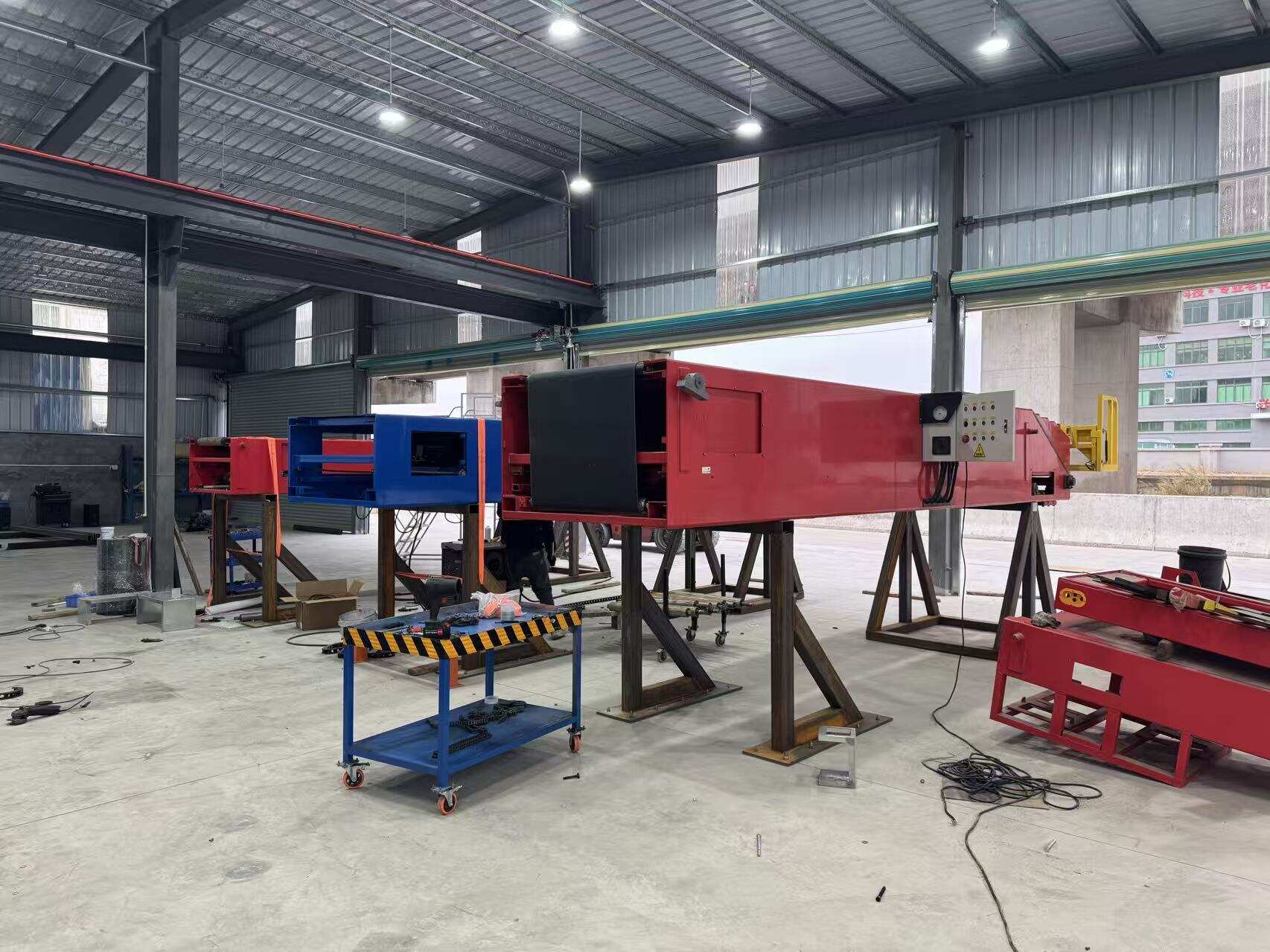
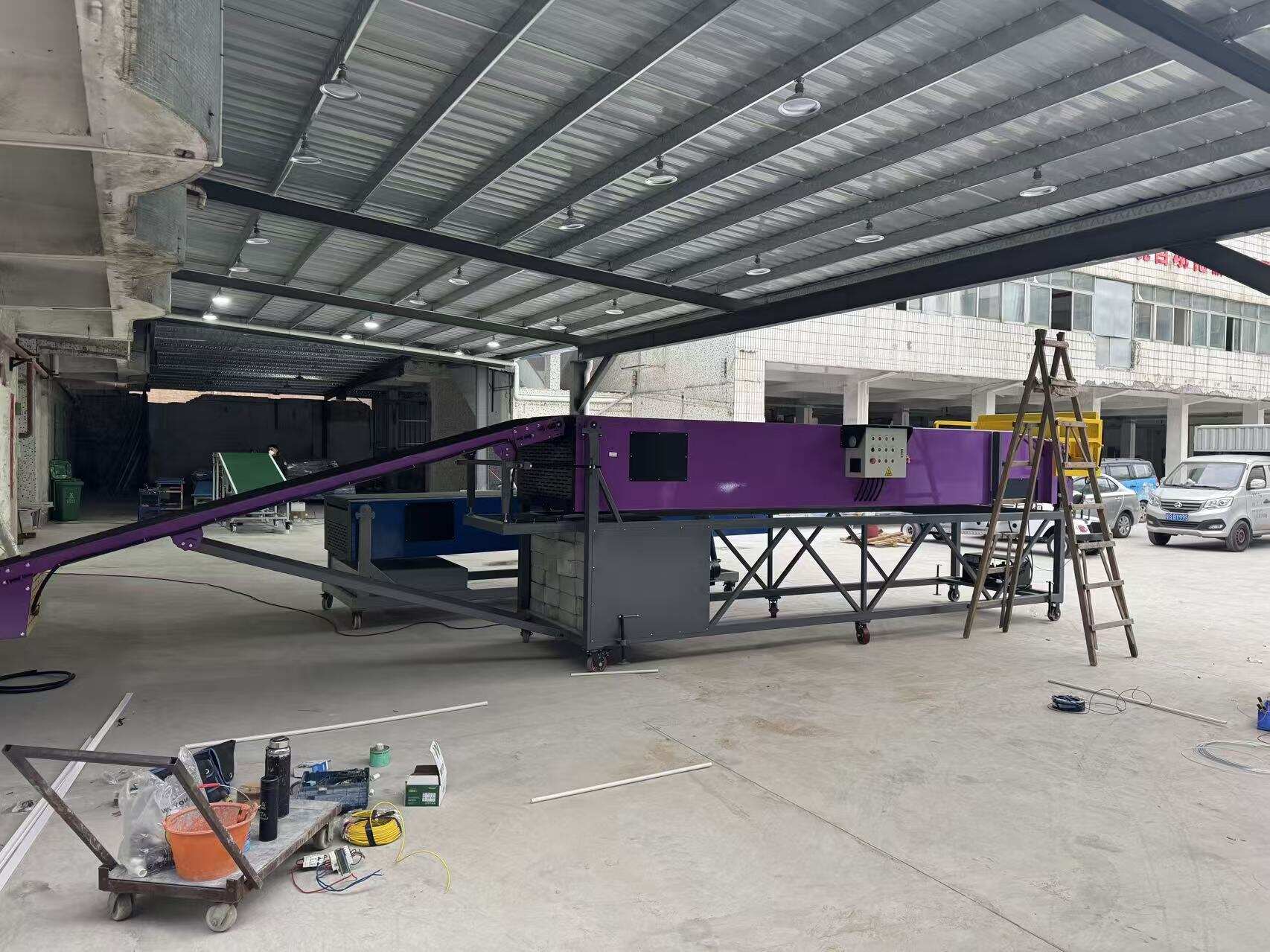
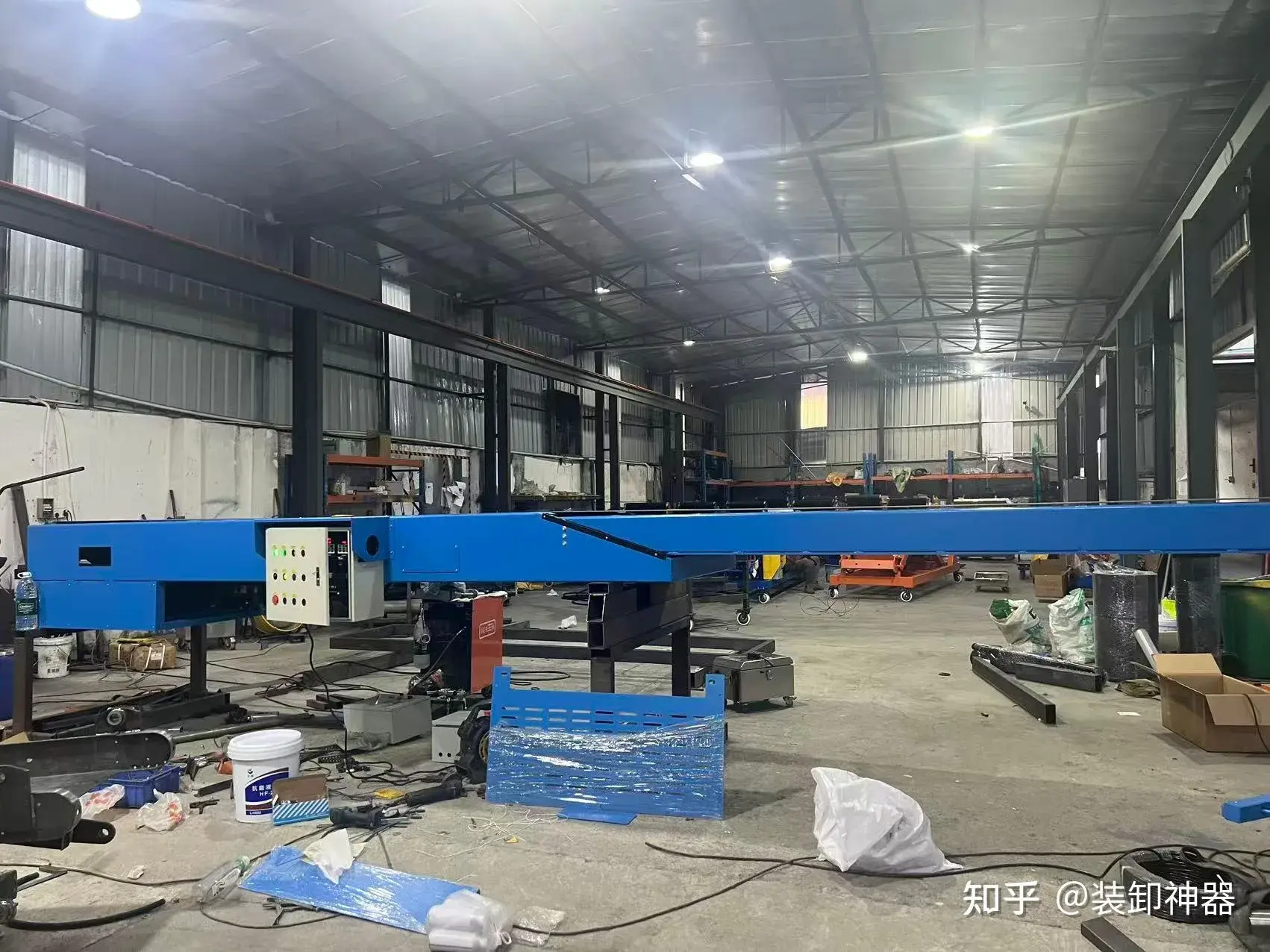
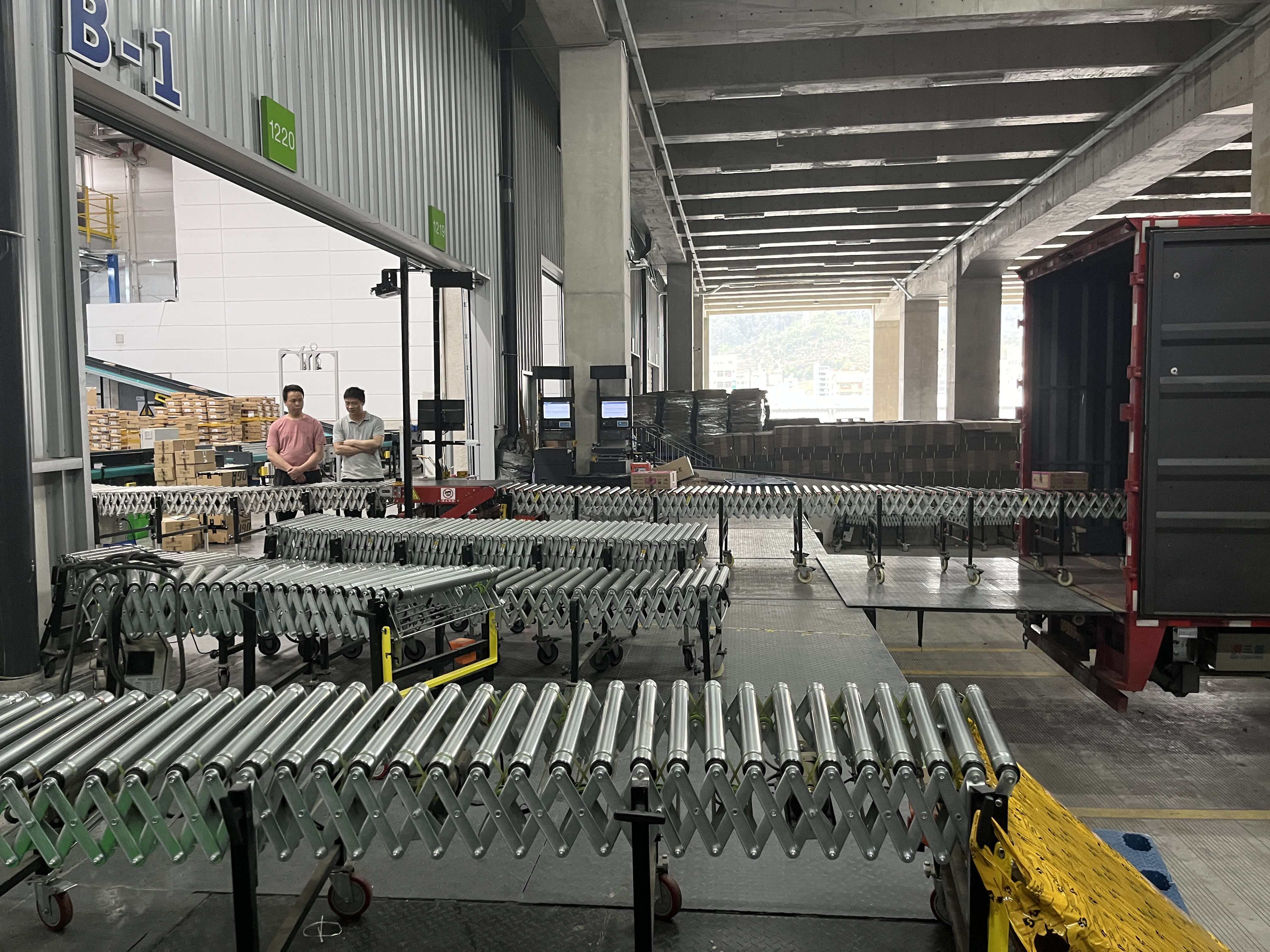
The conveyor belt itself and a complete conveyor line that includes the drive, frame, rollers, and control configuration represent different scopes of supply. Before comparing suppliers, first confirm which components and services are included in the list to avoid directly comparing the unit price of the belt with the total price of a complete system.
For a complete conveyor line, verify the frame, drive, conveying surface, controls, and guarding configuration item by item, along with the respective responsibilities for transportation, installation, and commissioning. The equipment's functions and operating capacity must still be validated based on the actual model and site conditions.
Improve quotation comparability by using the same set of requirements
Provide suppliers with information such as the dimensions and weight of the goods, packaging or contact characteristics, conveying distance and height difference, operating frequency, environment, and power supply, then compare the configuration lists corresponding to these conditions.
The material, specifications, splicing, processing, delivery, warranty, and subsequent maintenance scope stated in the quotation should be confirmed separately. If the price difference is substantial, first check whether the same configuration and scope of supply are being used; do not judge equipment quality or long-term costs solely by the total price.
The key to requesting conveyor belt quotations is to align the requirements, configuration, and scope of supply. Once these conditions are clearly defined, evaluating the overall investment in conjunction with actual operating and maintenance requirements makes it easier to reduce misunderstandings during procurement communication.