Naili Conveyor
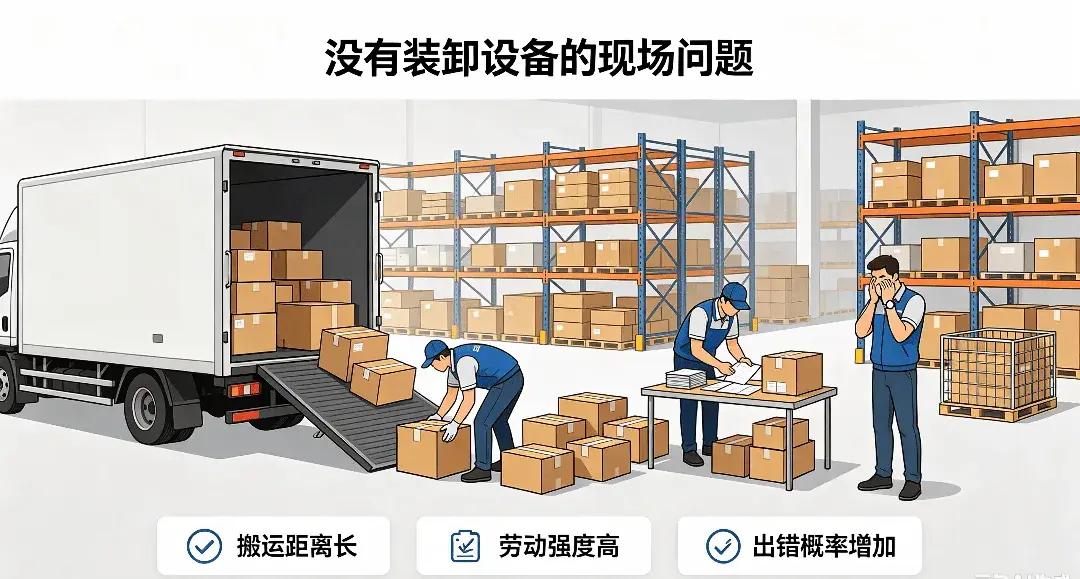
As the digital transformation of domestic warehousing continues to advance, WMS warehouse management systems and AGV sorting equipment have already been deployed in multiple logistics parks, and the level of intelligence in in-warehouse sorting is steadily improving. By comparison, truck loading and unloading still relies heavily on manual handling, making it a key factor affecting logistics operating efficiency.
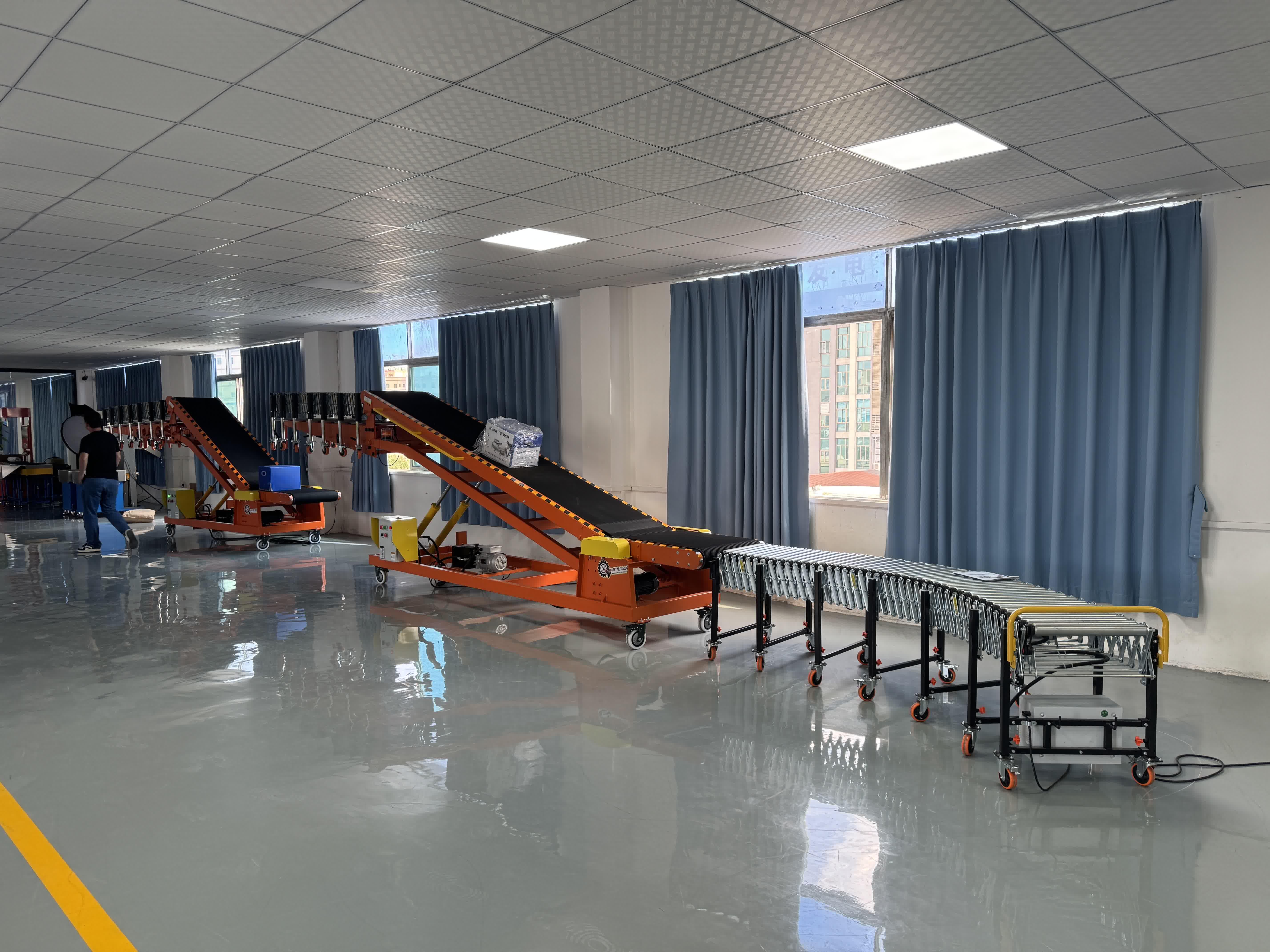
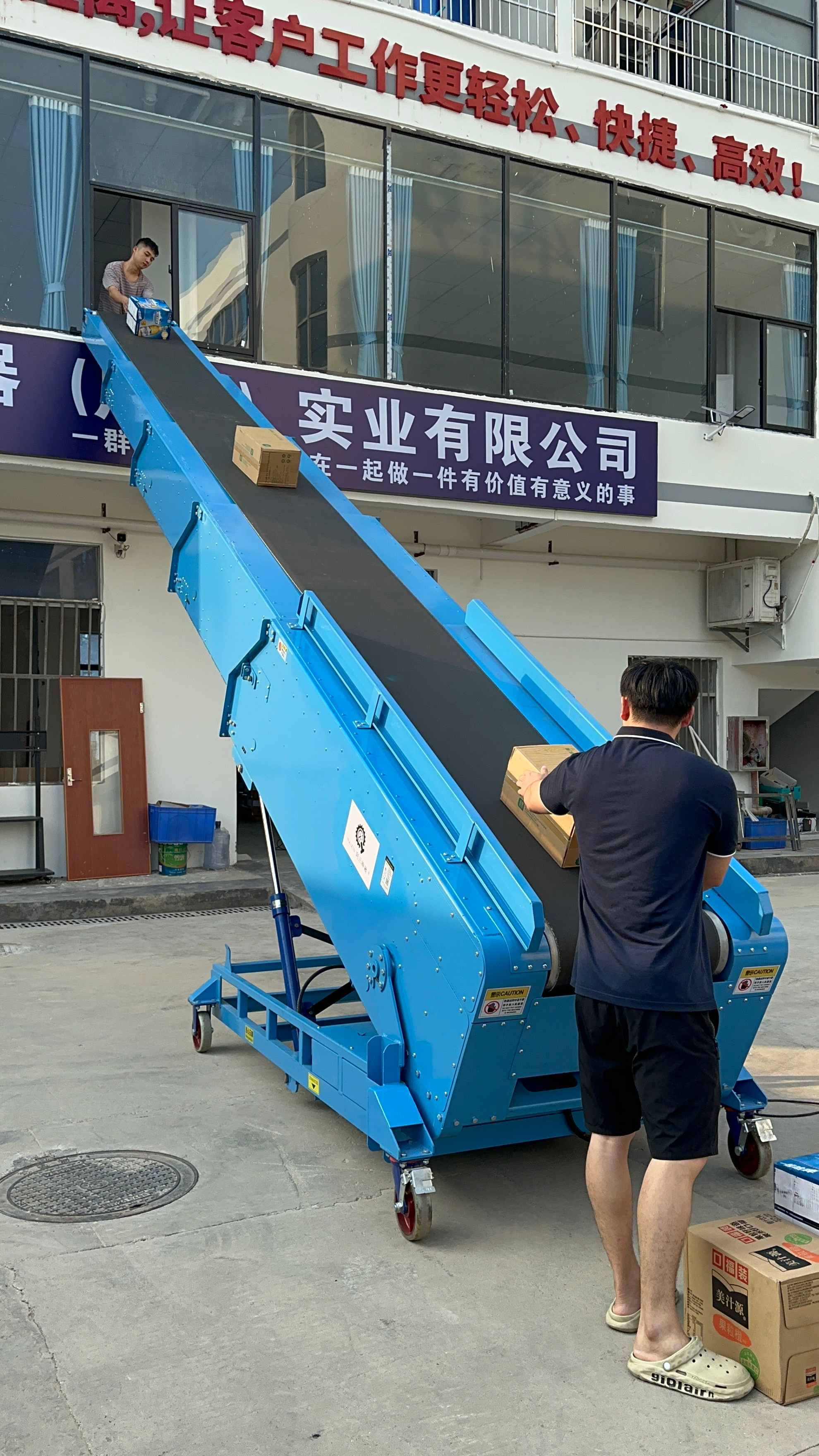
Belt Telescopic Conveyor improves truck loading and unloading efficiency
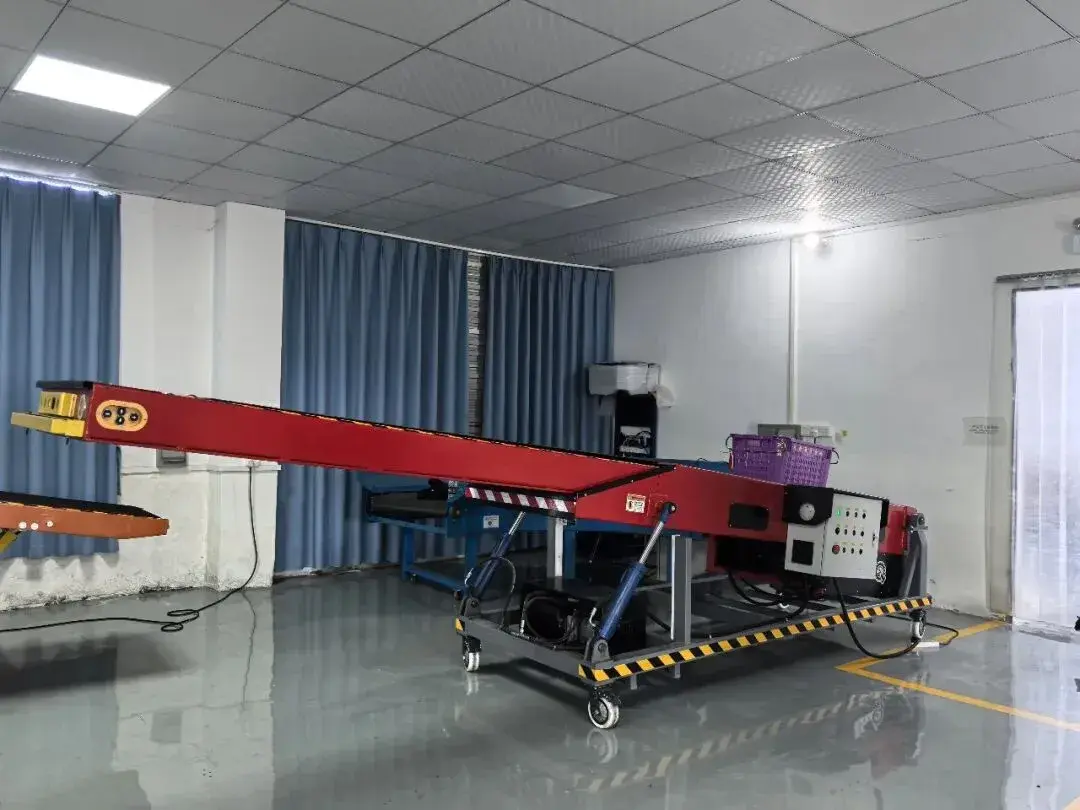
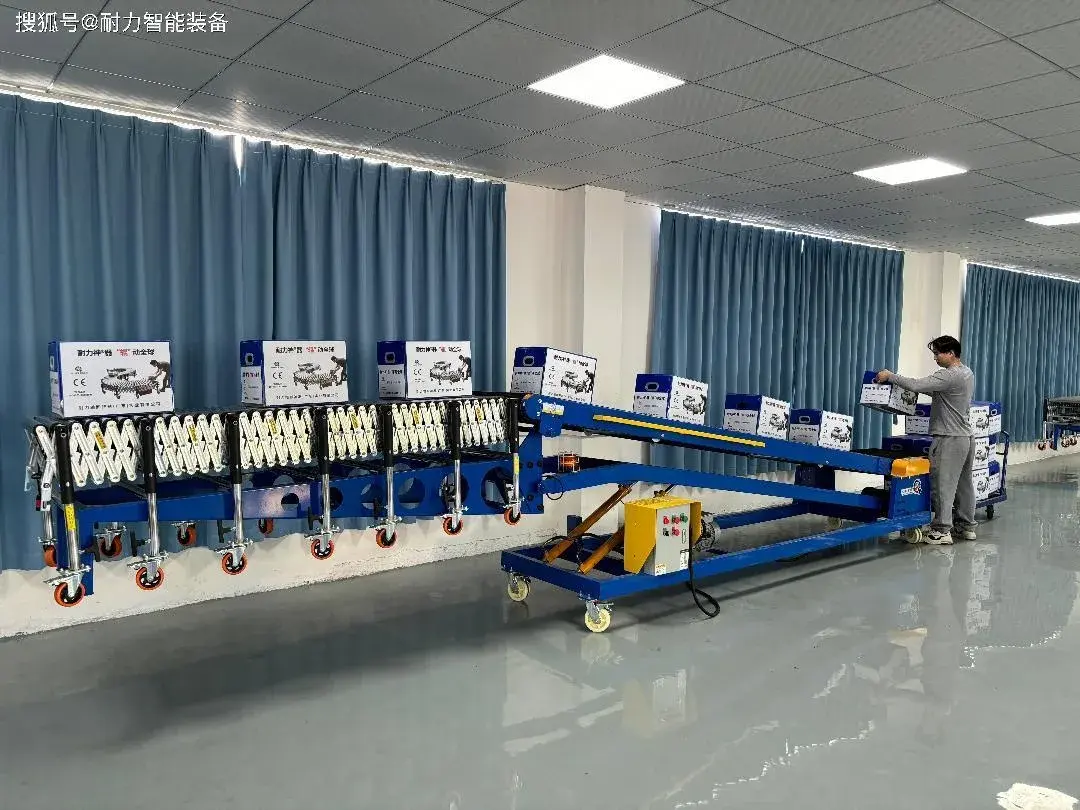
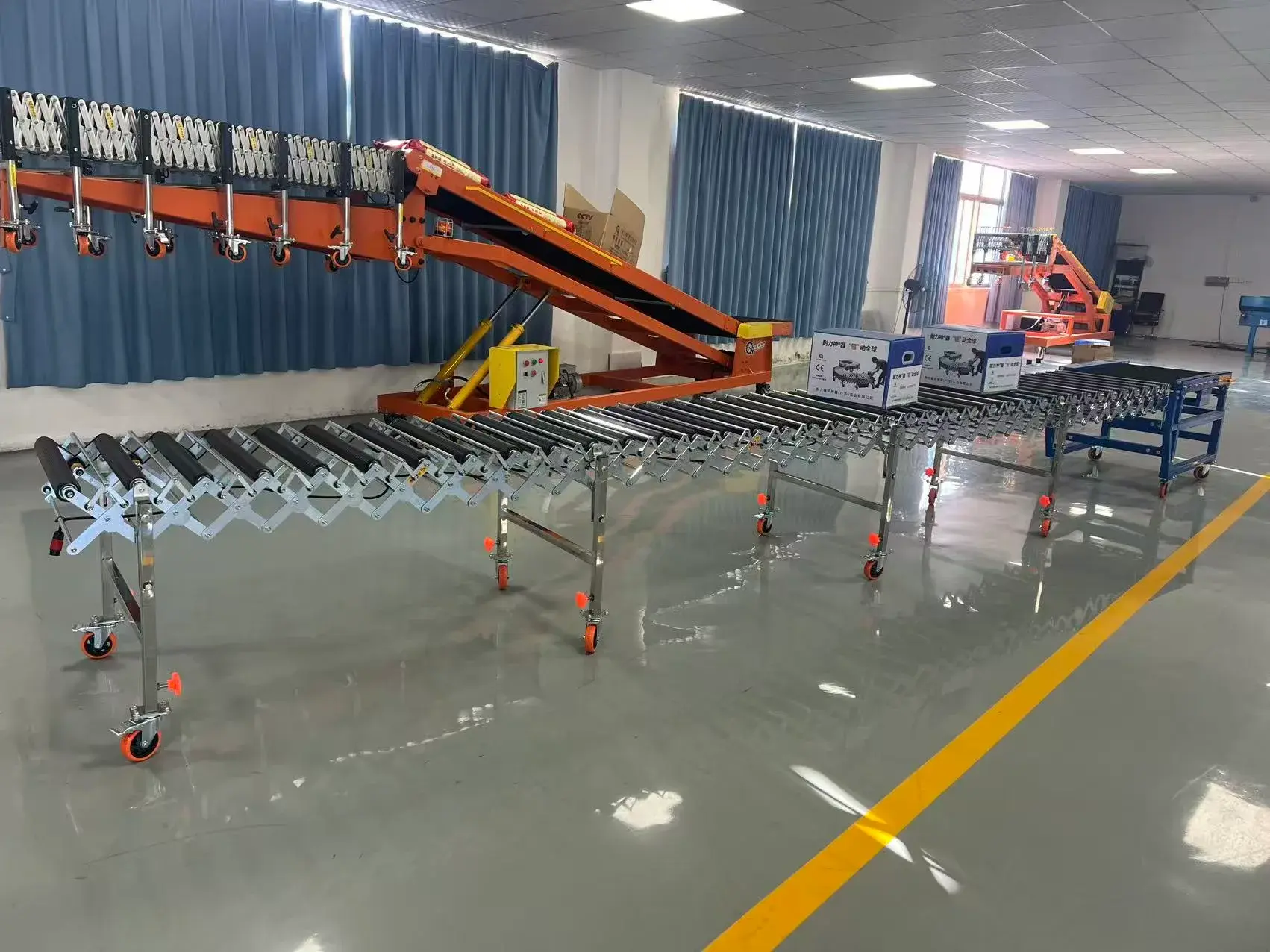
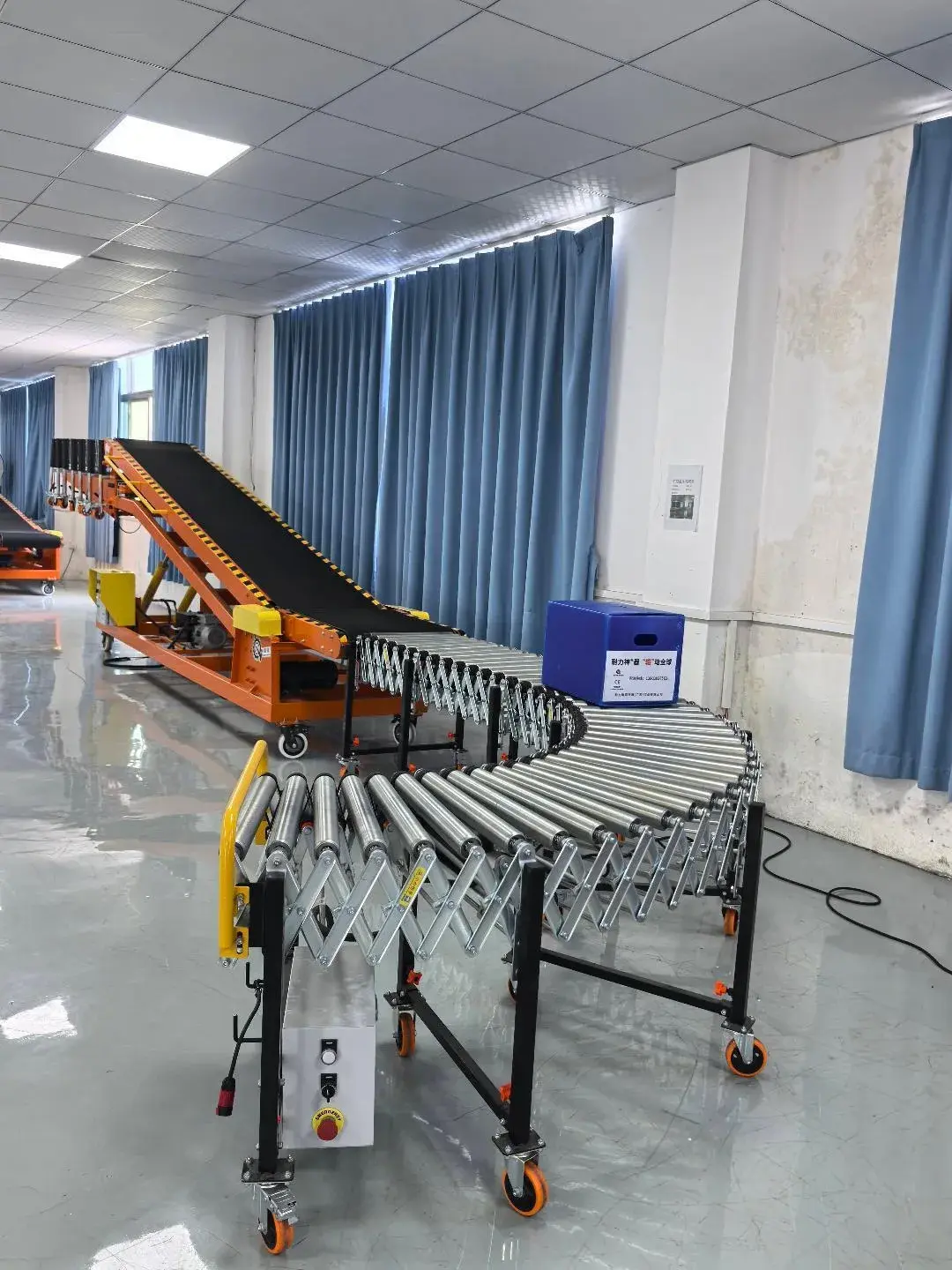
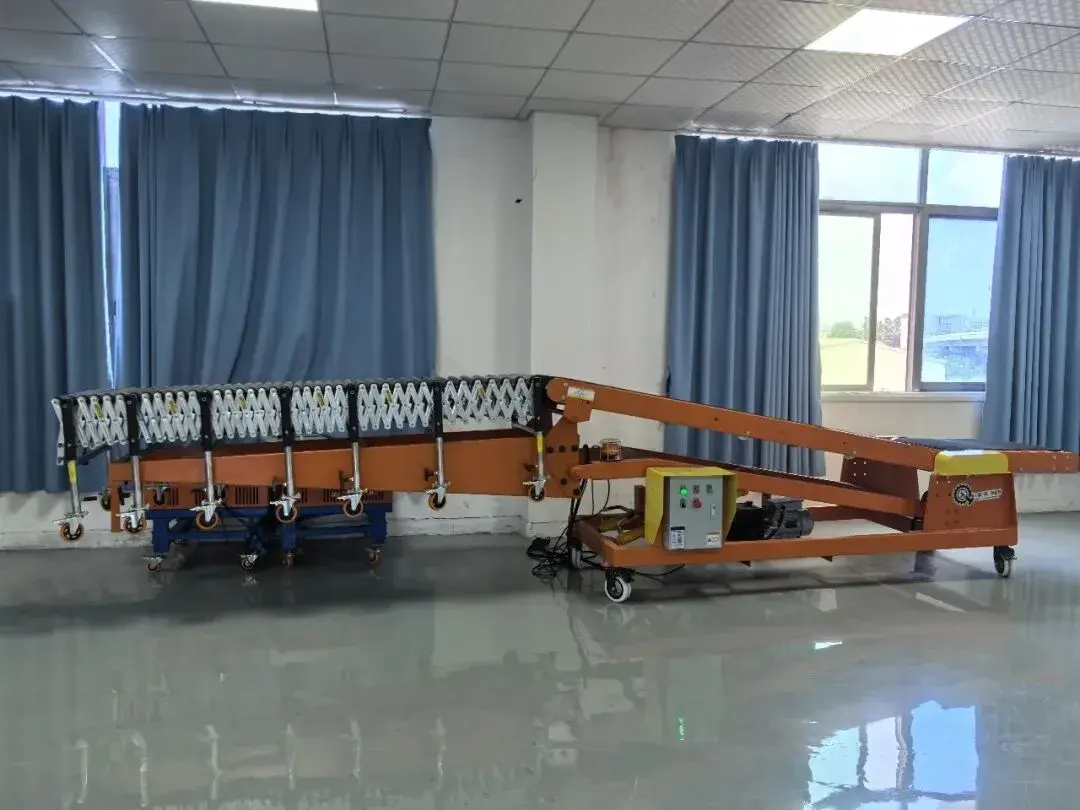
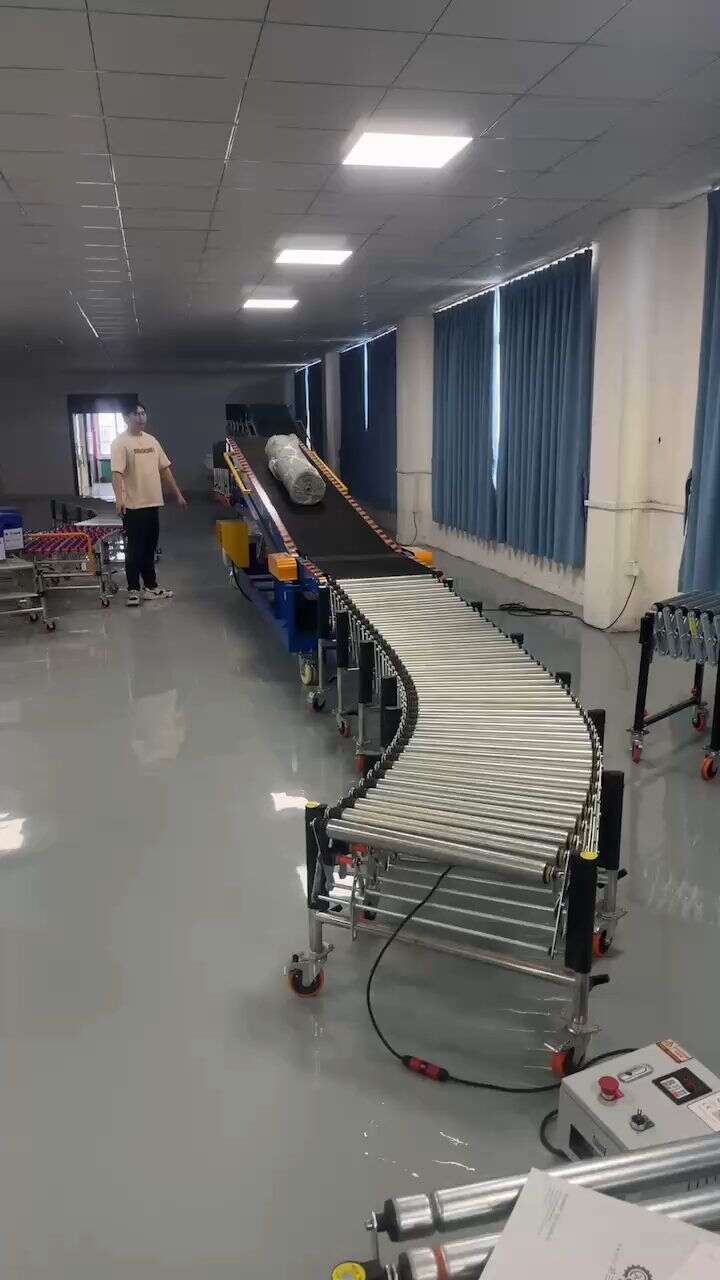
The Belt Telescopic Conveyor uses a nested telescopic frame similar to a telescope. Through a motor and rail assembly, it extends and retracts, then uses an anti-slip belt to transport goods. After extension, the equipment can reach as deep as 17.5 meters into a semi-trailer; when retracted, it occupies a smaller footprint, making it suitable for narrow docks in small and medium-sized warehouses.
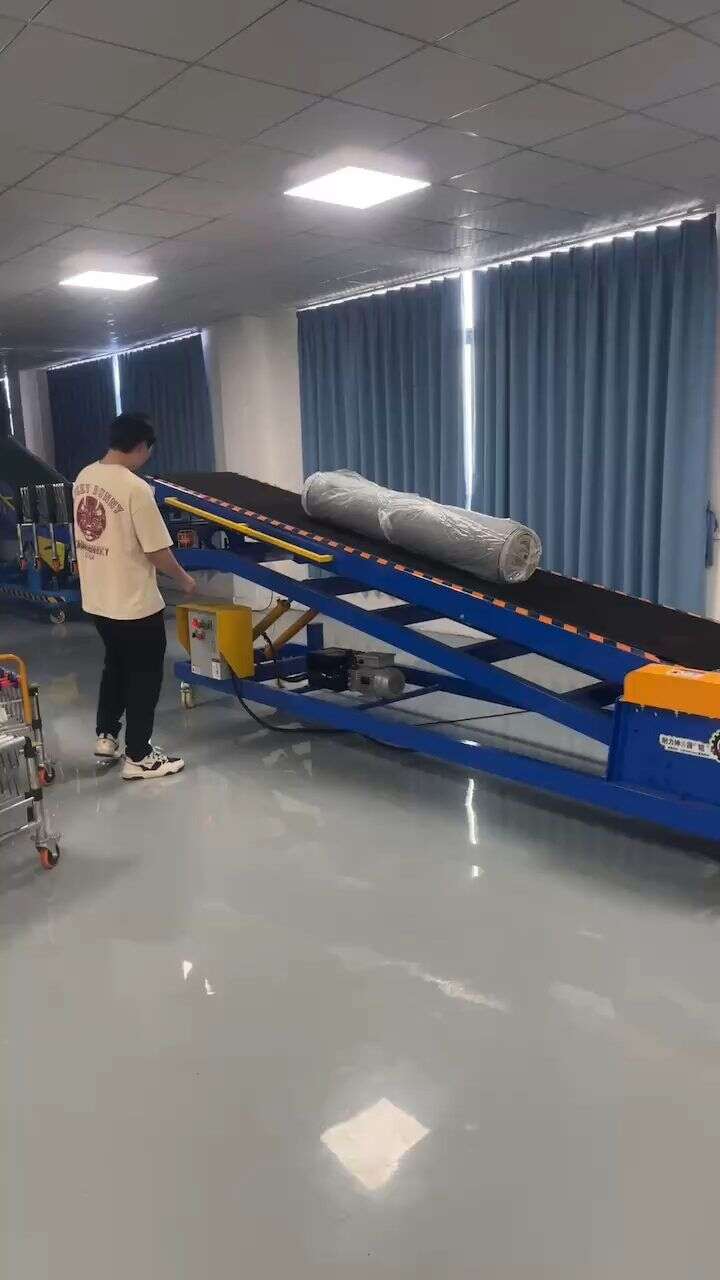
Traditional loading operations usually require 4 to 6 workers to move goods repeatedly. With the Belt Telescopic Conveyor, loading and unloading an entire truck can be completed by 2 workers, improving operating efficiency by about 3 to 5 times. Mechanized conveying also reduces the physical strain on loading and unloading staff and helps address labor shortages in the logistics industry as well as the high cost of temporary labor during peak seasons.
Three technical upgrades drive equipment iteration
The technological development of the Belt Telescopic Conveyor is mainly reflected in three aspects. First, the automatic tensioning assembly can dynamically adjust belt tension according to operating conditions, improving the slipping issues common in traditional equipment and supporting round-the-clock continuous operation during peak express delivery seasons.
Second, the equipment has gradually shifted from standalone operation to digital collaboration. The new electric control models can connect with warehouse dispatch systems and upload outbound data in real time, thereby complementing the digital capabilities of loading and unloading operations.
Third, scenario-based selection and customization for different warehouse conditions has become an important direction for equipment application. Naili Unloading Artifact (Guangdong) Industrial Co., Ltd. has long served the front line of warehousing in the Greater Bay Area and has accumulated equipment selection experience through on-site inspections of different warehouse conditions: county-level express outlets can choose the two-section model, e-commerce distribution centers should prioritize the three-section model, and large trunk logistics hubs can use the four-section extended model.
From loading and unloading equipment to conveying solutions
In the actual operations of logistics companies, the Belt Telescopic Conveyor can replace manual tossing of parcels with constant-speed conveying, reducing cargo damage rates and related compensation expenses. Its stable operating rhythm also helps shorten waiting time for trucks at loading bays and improve vehicle turnover efficiency.
According to the China Logistics Equipment Industry Development Report, the annual growth rate of the telescopic belt conveyor market exceeds 12%. As IoT technology is further applied, the Belt Telescopic Conveyor will add functions such as fault warnings and remote maintenance, and will be adapted for new energy trucks and overseas factory scenarios. As a source manufacturer, Naili Unloading Artifact (Guangdong) Industrial Co., Ltd. continues to optimize product solutions, driving the Belt Telescopic Conveyor to upgrade from a single loading and unloading device to a complete conveying solution.
Smart logistics construction does not rely solely on large, high-end equipment. Basic equipment such as the Belt Telescopic Conveyor, which is closely aligned with frontline working conditions, can also support the continuous upgrading of the logistics industry by addressing issues such as loading and unloading efficiency, labor input, and operational stability.