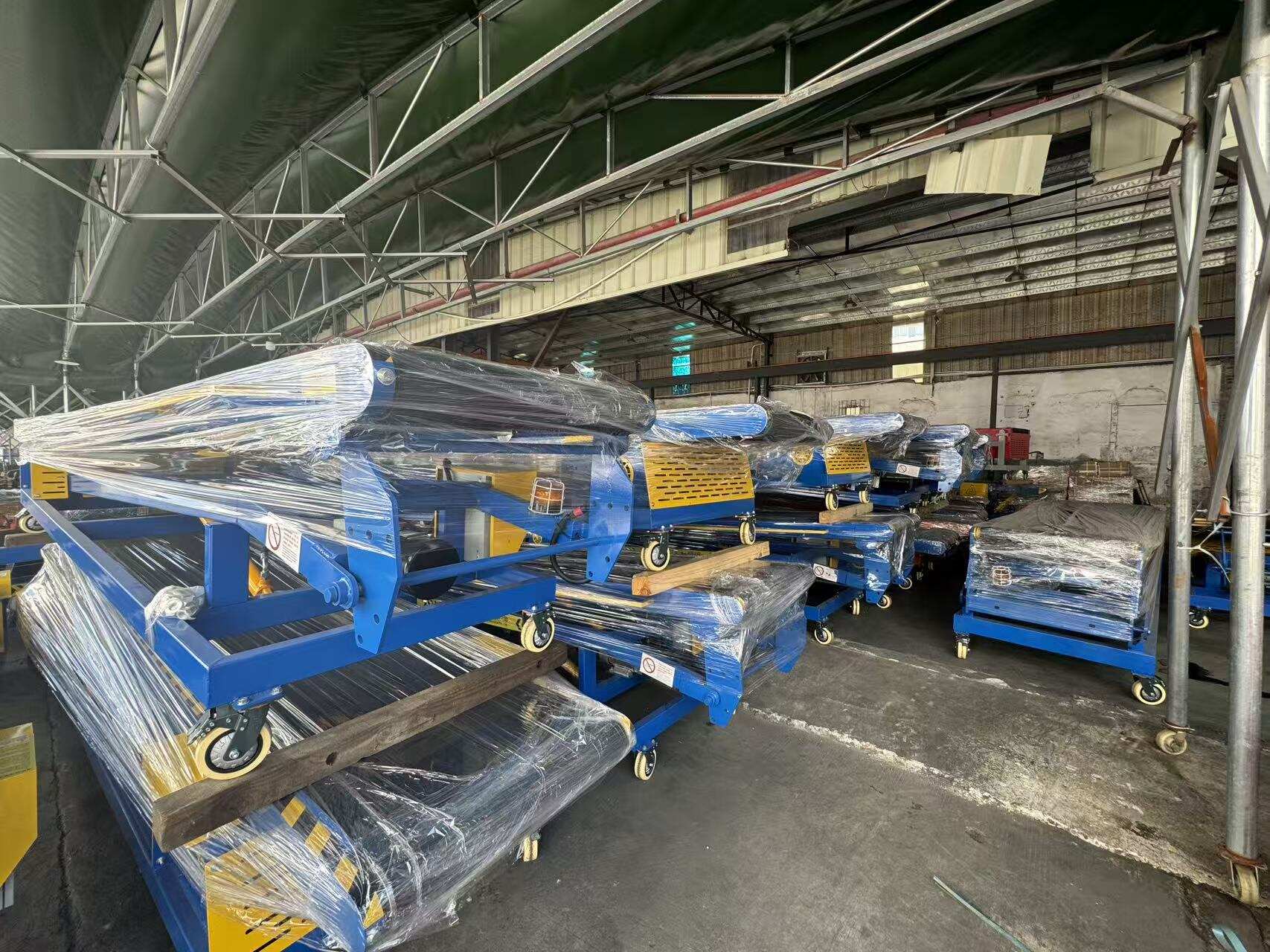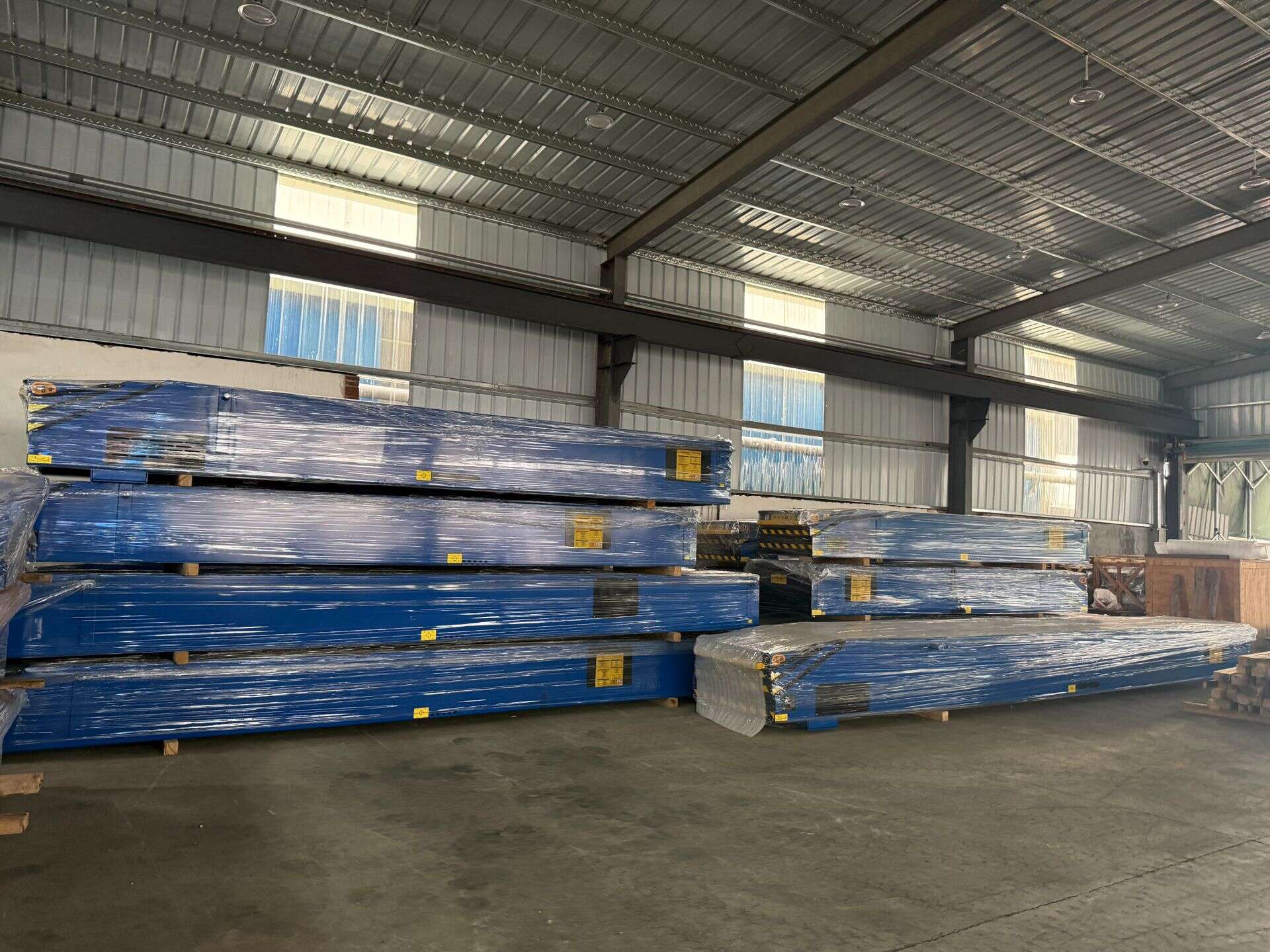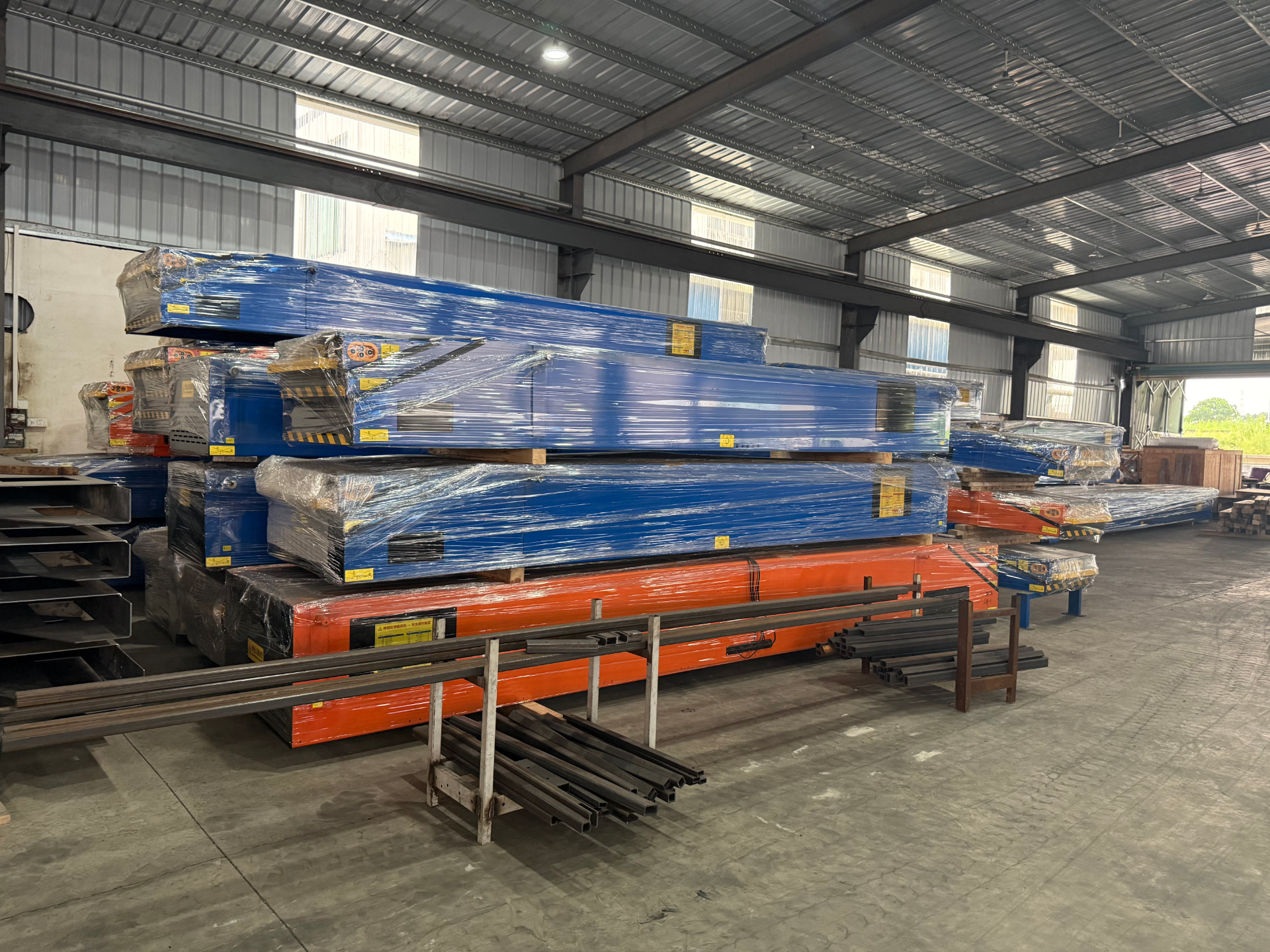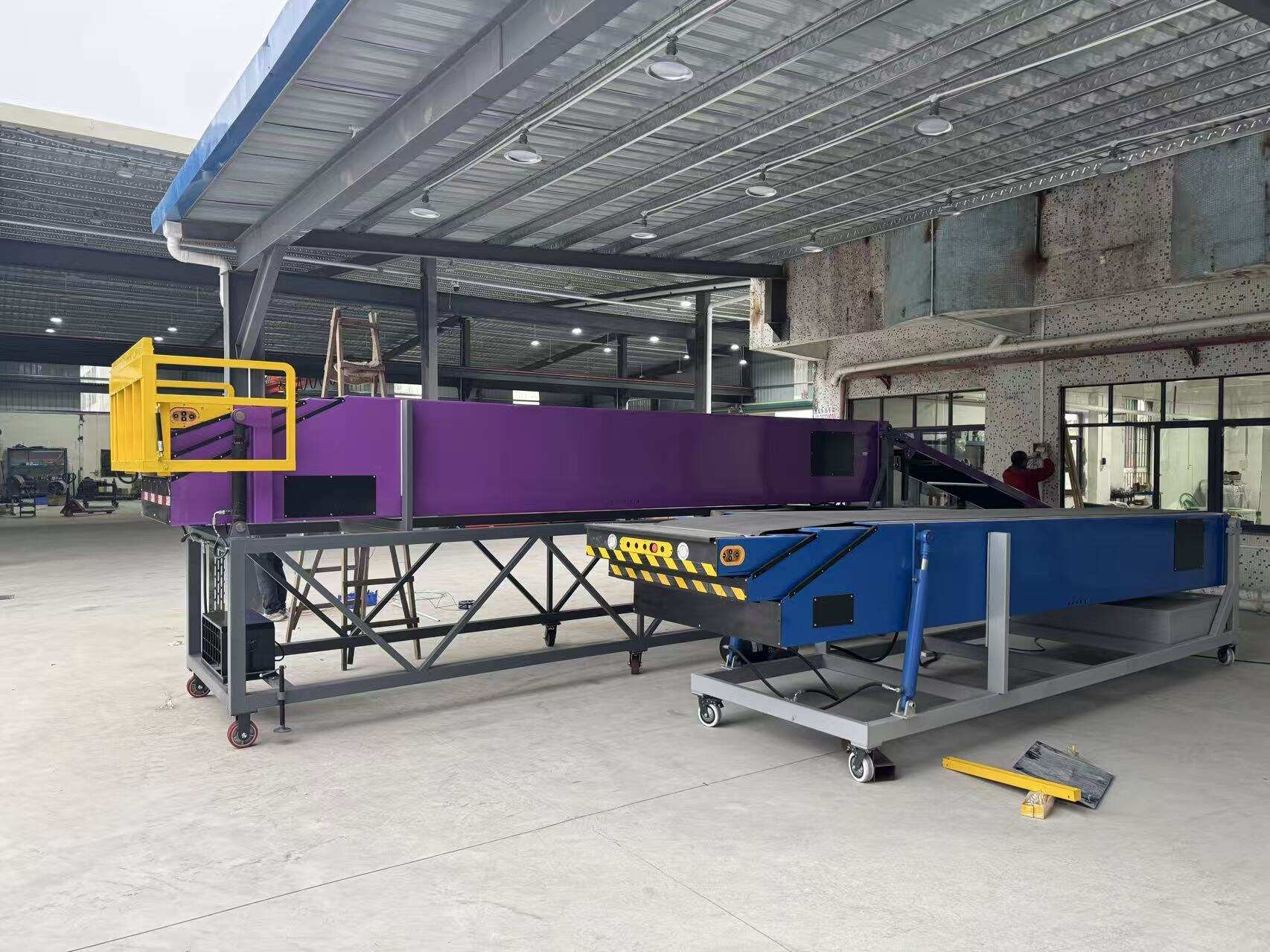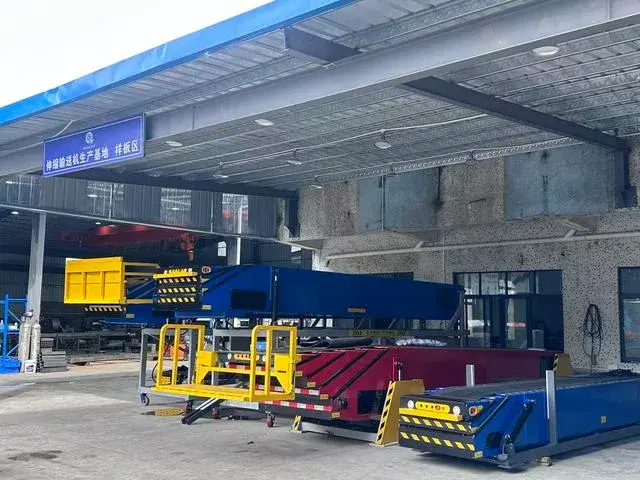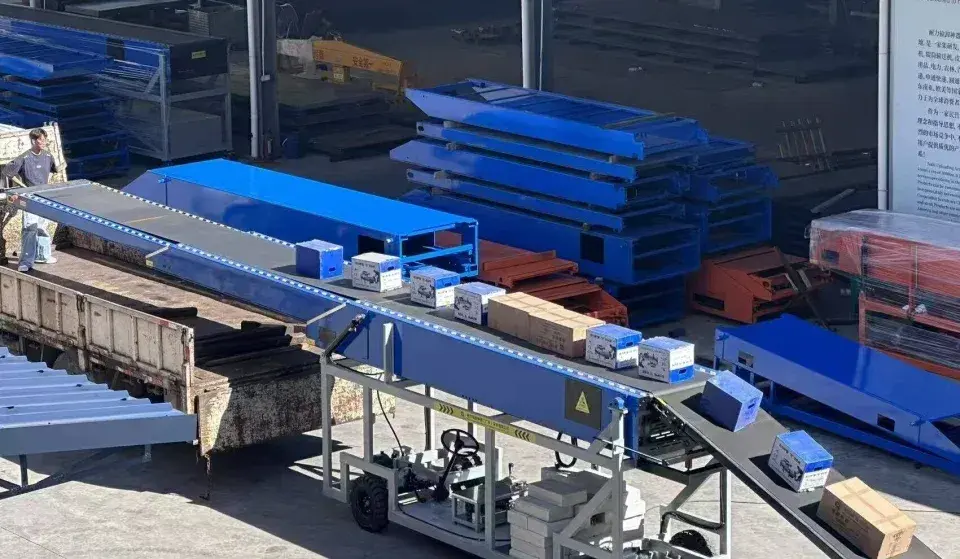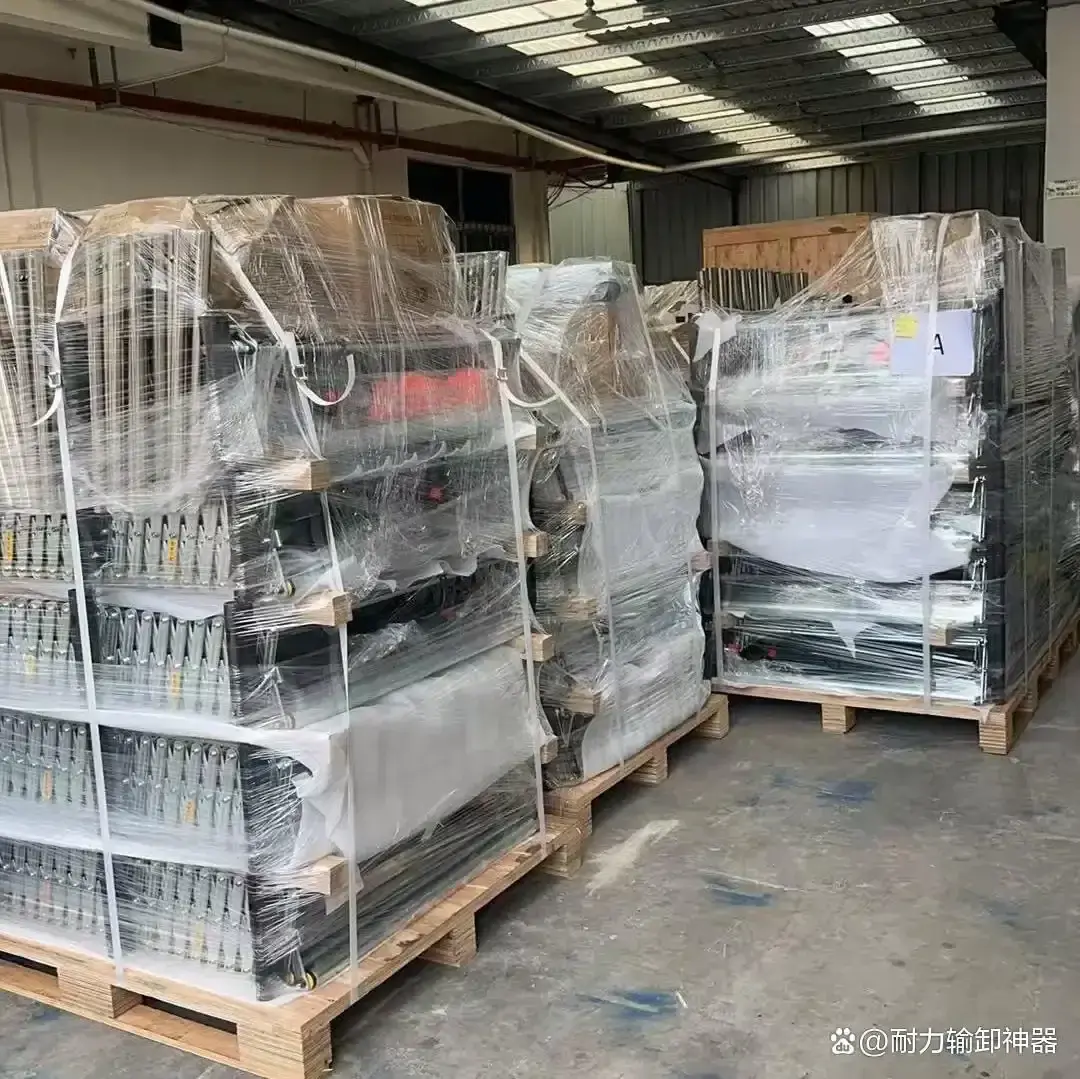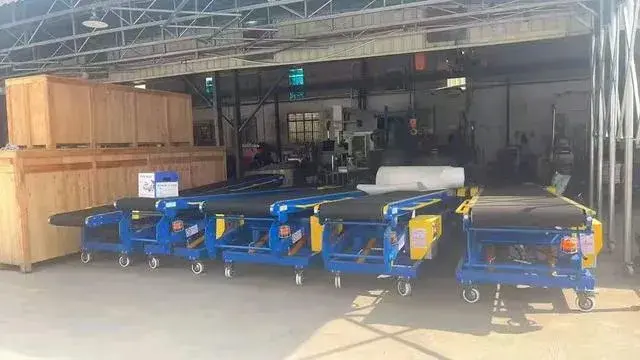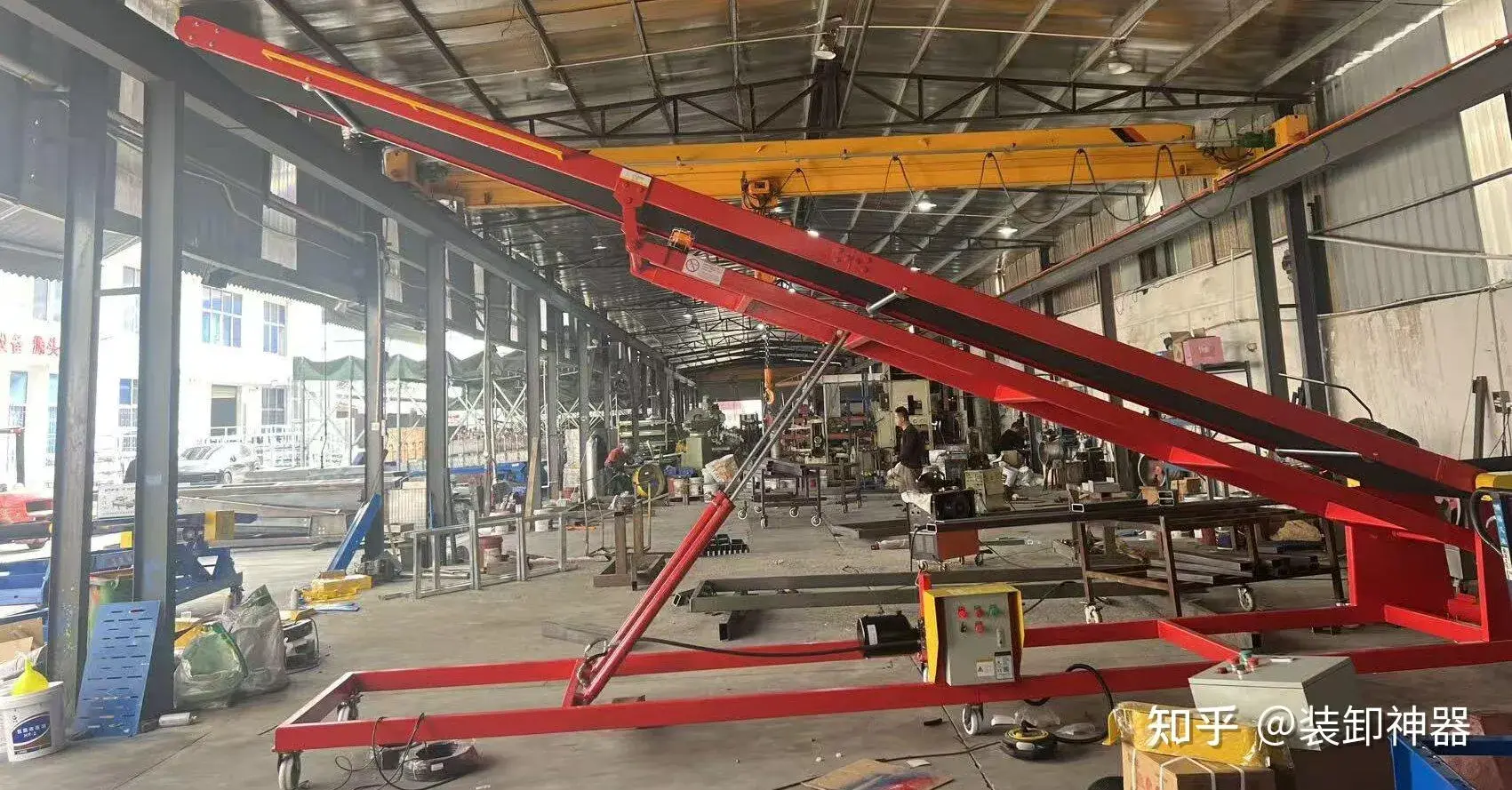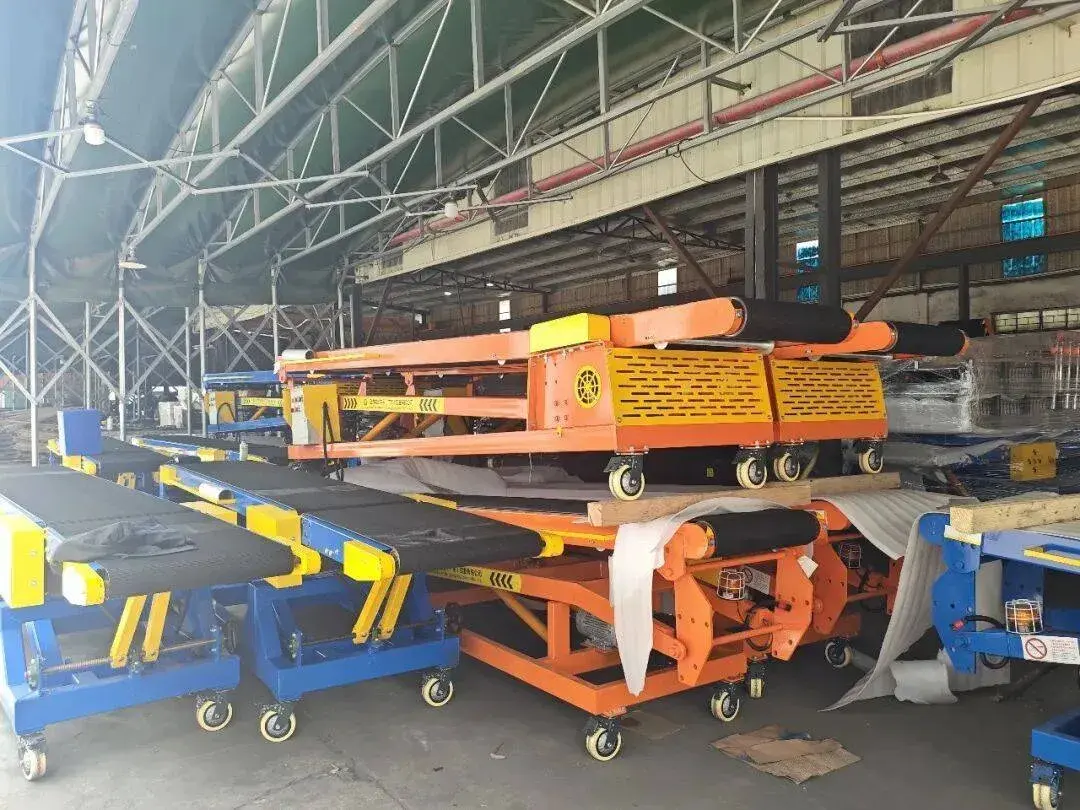
The smoothness of internal workshop logistics directly affects production rhythm and capacity utilization. Even when production-line equipment provides high processing precision, if materials completed by the preceding process cannot be transferred promptly, the subsequent process may still experience material shortages, semi-finished product accumulation, workstation waiting, and localized aisle congestion. Delayed material flow not only disrupts production operations but may also lead to semi-finished product backlogs, material loss, and capacity losses.
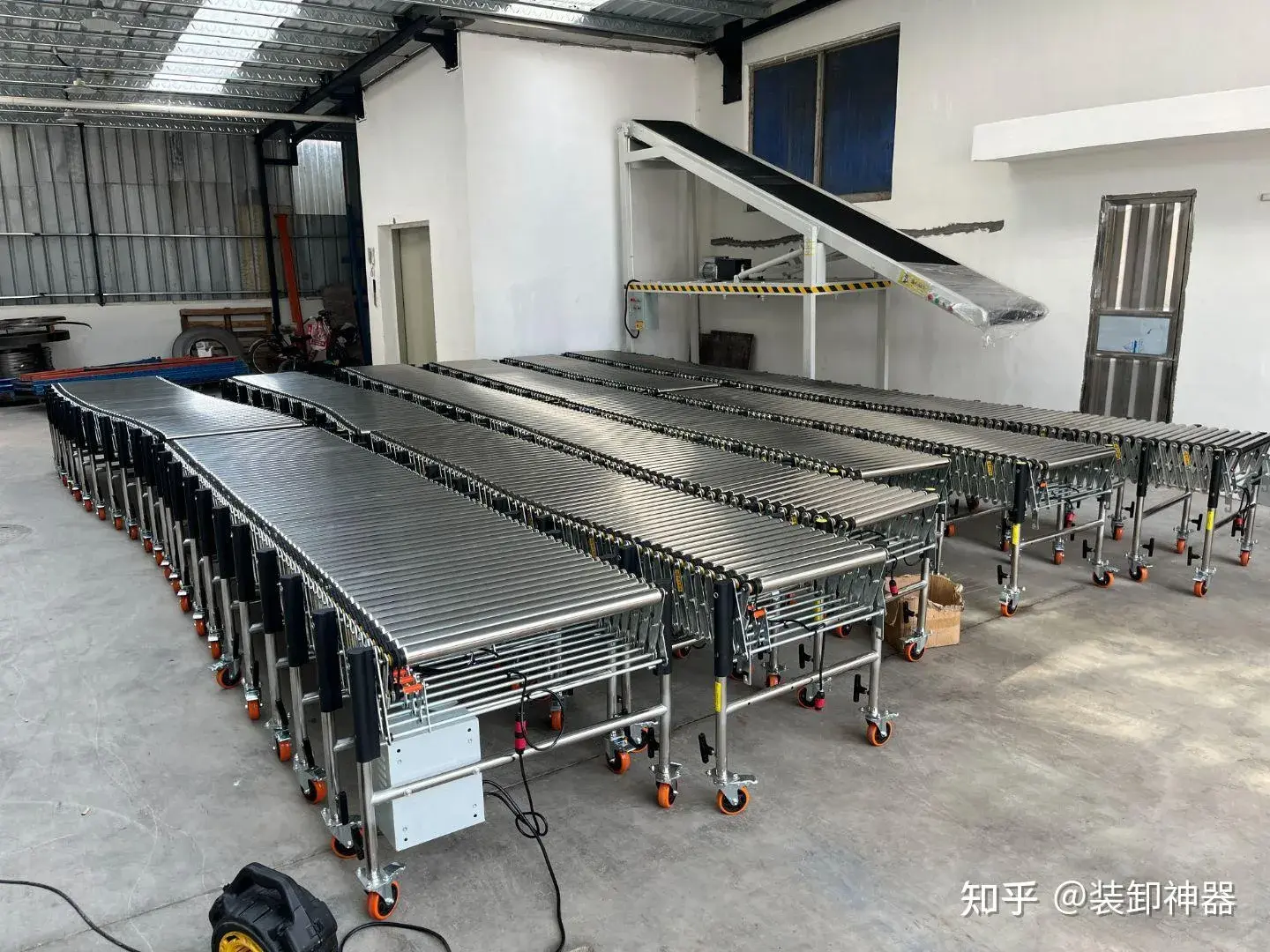
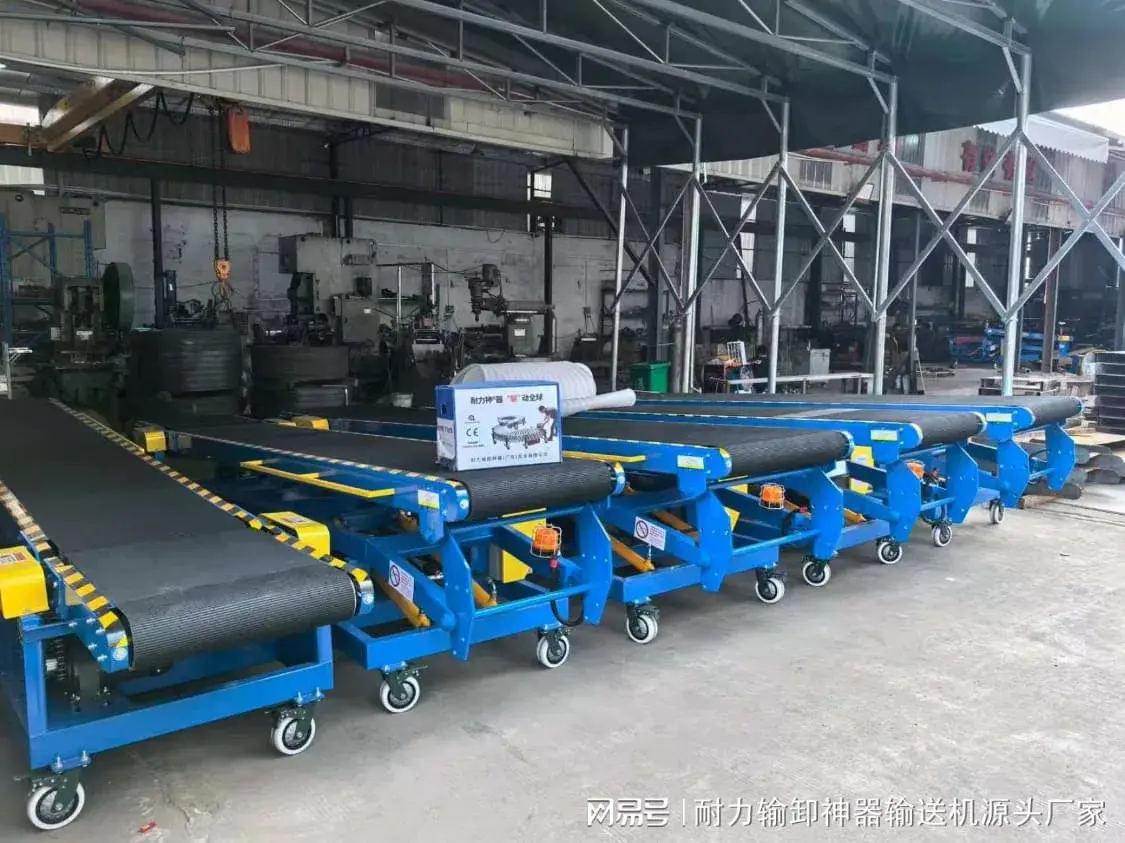
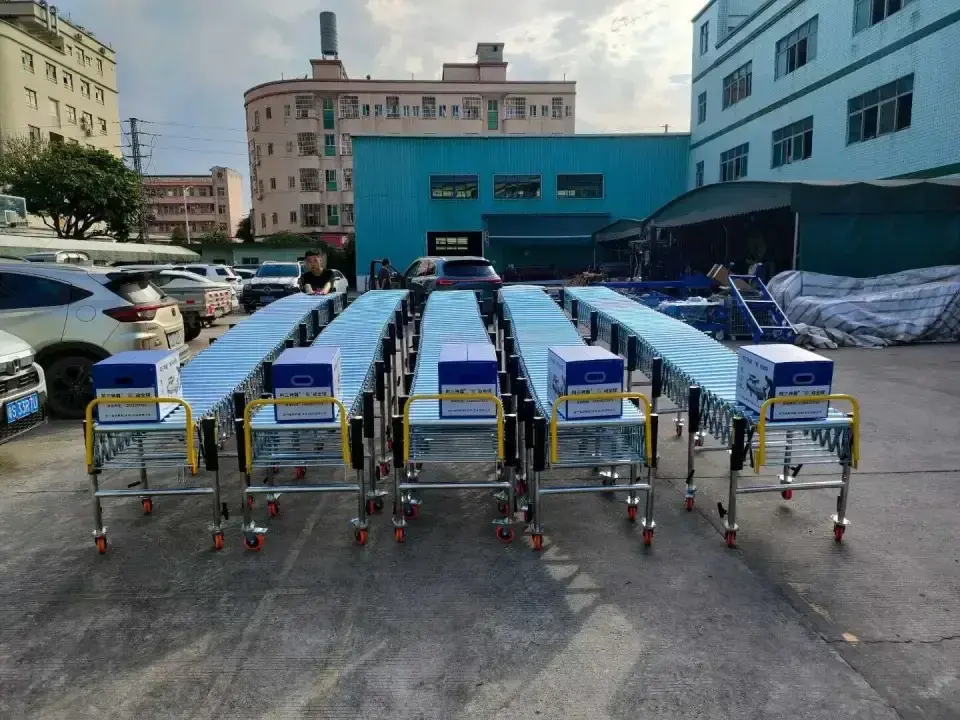
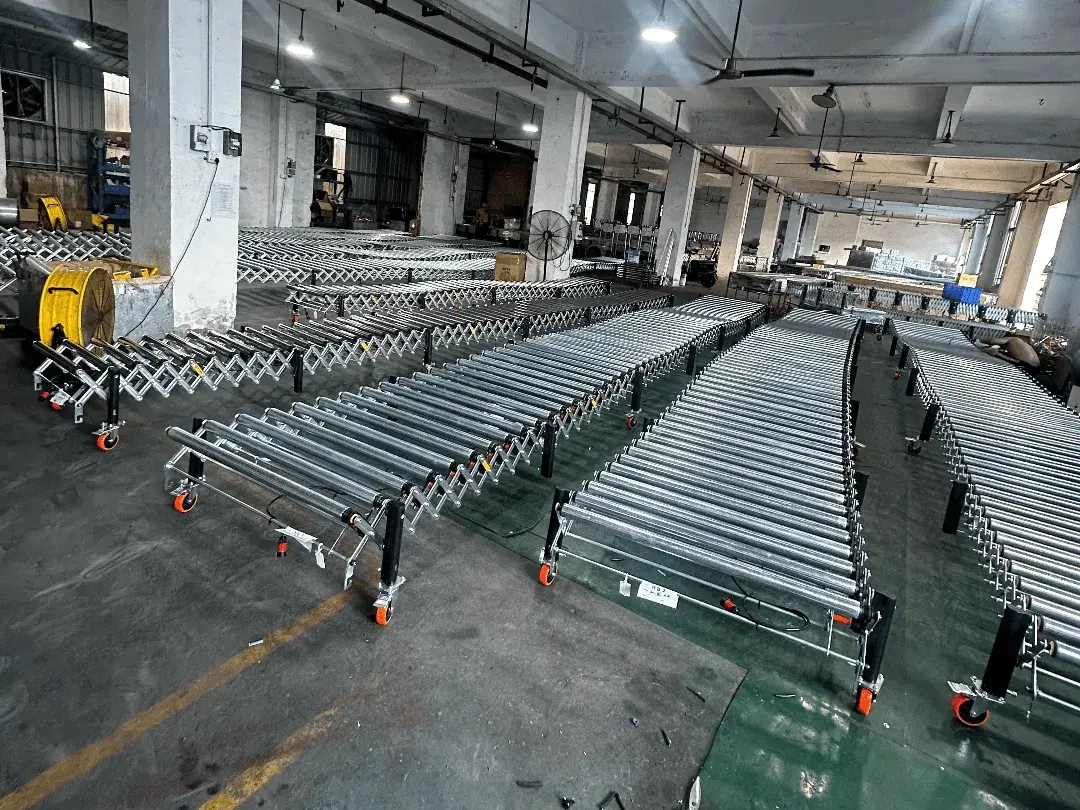
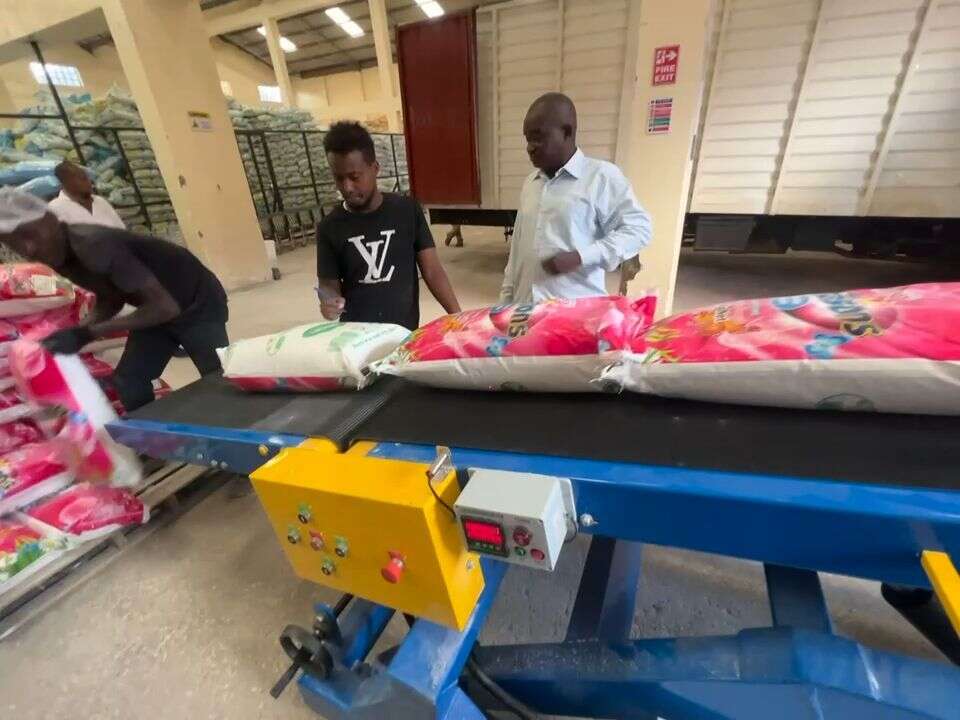
The key to resolving these issues is to establish a stable, continuous internal workshop logistics system suited to the site layout. Powered roller conveyor lines are suitable for the continuous transfer of neatly packed cartons, palletized materials, and heavy full-pallet loads. They can be used for workshop loading and unloading, process connections, semi-finished product transfer, and finished-product collection. By replacing manual back-and-forth handling with automated conveying, materials can be continuously transferred between different workstations, helping production processes achieve smoother coordination.
Material Compatibility and Stable Conveying with Powered Roller Conveyor Lines
Drawing on years of experience in industrial production-line logistics transformation, Naili Unloading customizes powered roller conveyor lines for different industries, operating conditions, and material characteristics, focusing on solving issues such as insufficient adaptability of conventional roller lines, conveying interruptions, material misalignment, and inadequate load-bearing capacity.
The equipment rollers use thickened seamless tubing and are configured as light-duty, medium-duty, or heavy-duty rollers to accommodate lightweight small items, standard boxed goods, and heavy palletized materials, respectively. The transmission system offers two modes: quiet chain transmission and rubber-covered transmission. It maintains stable power when conveying heavy loads while providing relatively quiet and smooth operation for lightweight materials, thereby reducing the impact of material deviation, jamming, slipping, and displacement on process flow.
Customize automated conveying solutions according to workshop layout
Compared with standardized general-purpose roller lines, Naili Conveyor powered roller conveyor lines can be customized and modified according to actual operating conditions. The equipment body length, conveying width, and installation height can be designed based on workshop aisle width, workstation spacing, and production line layout.
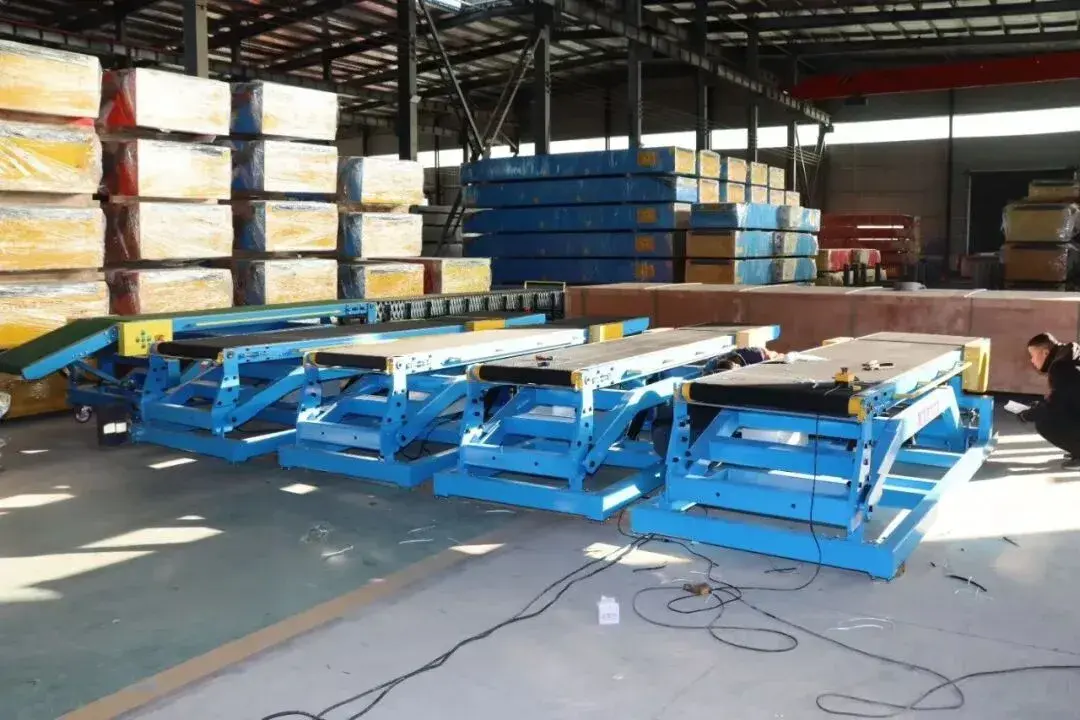
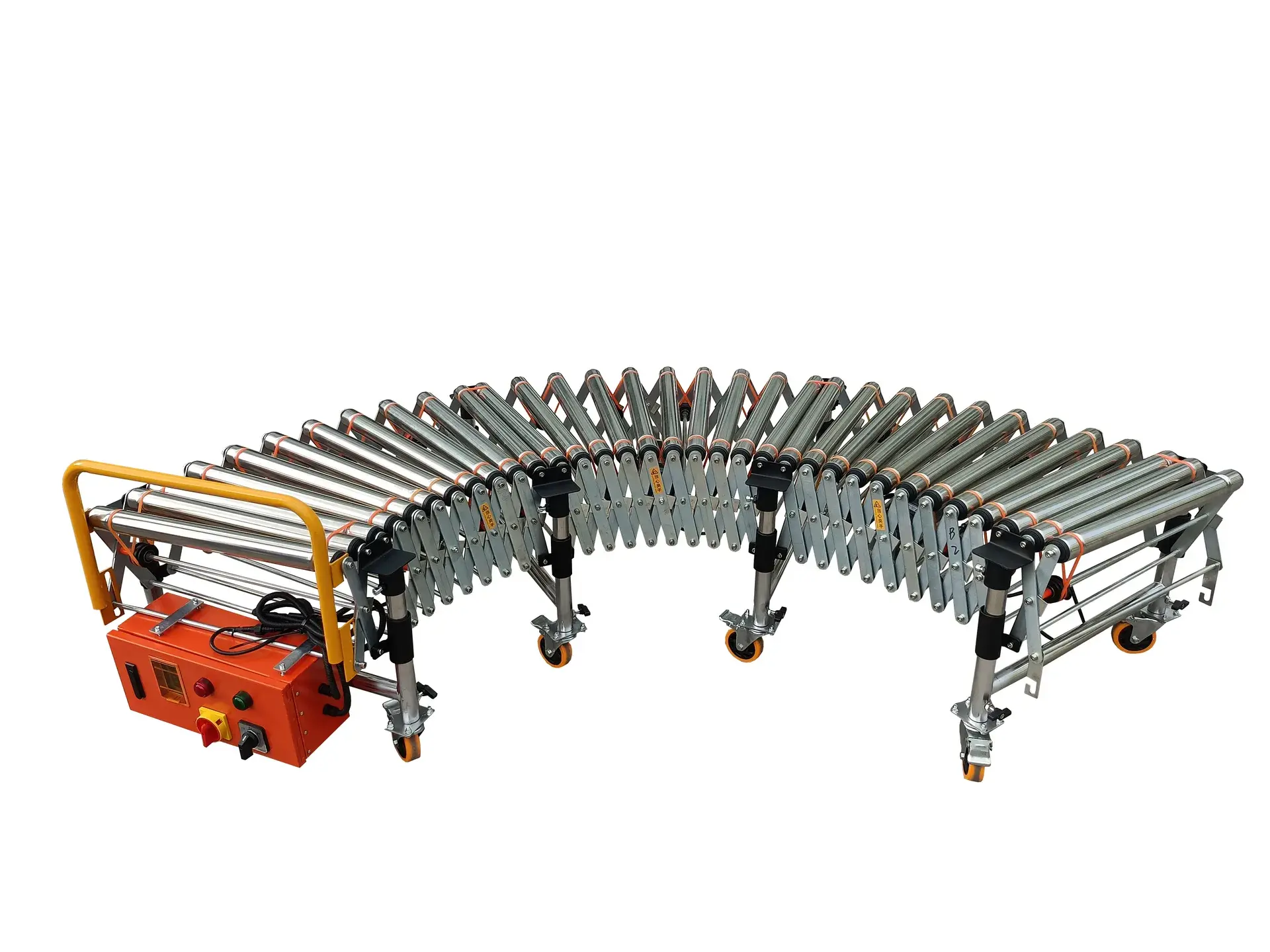
In terms of functional configuration, the system can add modules such as start-stop sensing, intelligent speed control, blocking and limit stops, side protection, and anti-slip and anti-deviation features as required, enabling sensor-based feeding, on-demand transfer, and precise process integration. For different site structures, the equipment can also support layouts such as straight-line conveying, curved conveying, lifting and docking, and multilayer transfer, meeting conveying needs in irregular workshops, staggered workstations, and non-standard production lines.
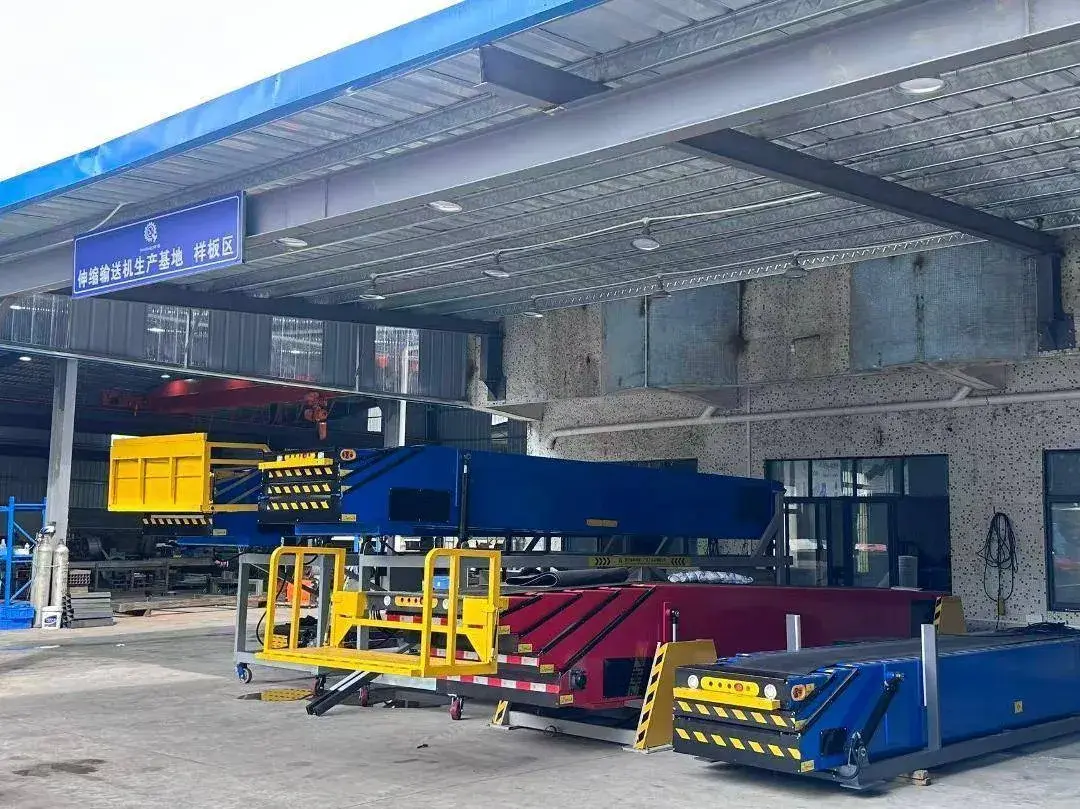
From solution design to equipment implementation, Naili Conveyor provides source-level customization, precision manufacturing, and on-site installation and commissioning services. After the powered roller conveyor line is put into operation, material flow routes can be reorganized around workshop processes to reduce material accumulation, workstation waiting, and process disconnection, promote a consistent production rhythm and efficient, orderly material transfer, and help manufacturing companies advance the standardization, automation, and refinement of workshop logistics.