Why Warehousing Operations Need New Loading and Unloading Methods
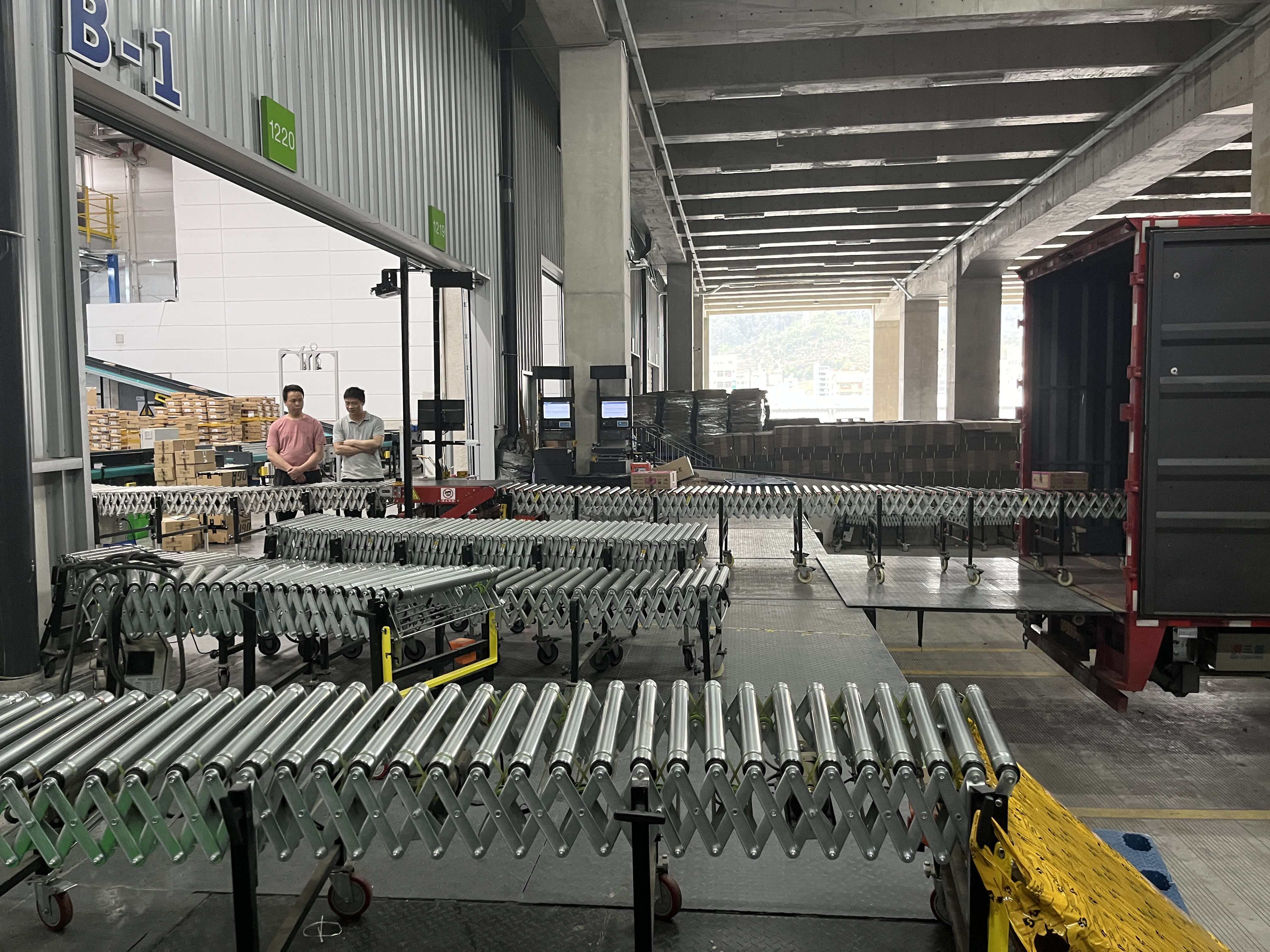
In the finished-goods dispatch stage of manufacturing and e-commerce warehousing, many companies still rely on manual loading and unloading. Although this approach may seem straightforward, it creates ongoing cost pressures in practice: labor costs continue to rise, loading and unloading jobs are physically demanding, and high employee turnover makes both recruitment and retention difficult.
The more immediate issue is efficiency. Loading and unloading a full truck takes a long time, slowing the daily dispatch process. During order peaks, goods can easily pile up at the loading dock, preventing vehicles from being loaded and dispatched on time and consequently affecting order fulfillment. When goods are thrown over long distances and repeatedly carried and stacked by hand, cartons may be knocked or damaged, materials may spill, and products may be crushed or deformed. These losses continue to accumulate as dispatch frequency increases.
Why Fixed Belt Conveyors Struggle to Solve Truck-Loading Problems
To address the problems caused by manual loading and unloading, many warehouses first introduce standard fixed belt conveyors. However, these systems still have clear limitations in actual use. Their structure is fixed, they cannot extend, retract, or be repositioned, and they occupy loading dock space for long periods after installation, reducing warehouse space utilization.
More importantly, fixed equipment typically has a limited operating range and supports only a narrow range of vehicle types, often serving just one category of truck. In common situations such as loading trucks of different lengths in the same facility, dispatching from temporary locations, and rotating loading and unloading operations across different areas, its adaptability is clearly inadequate. The equipment may ultimately sit unused, making it difficult to achieve a real improvement in dispatch efficiency.
Key Advantages of Telescopic Loading Conveyors
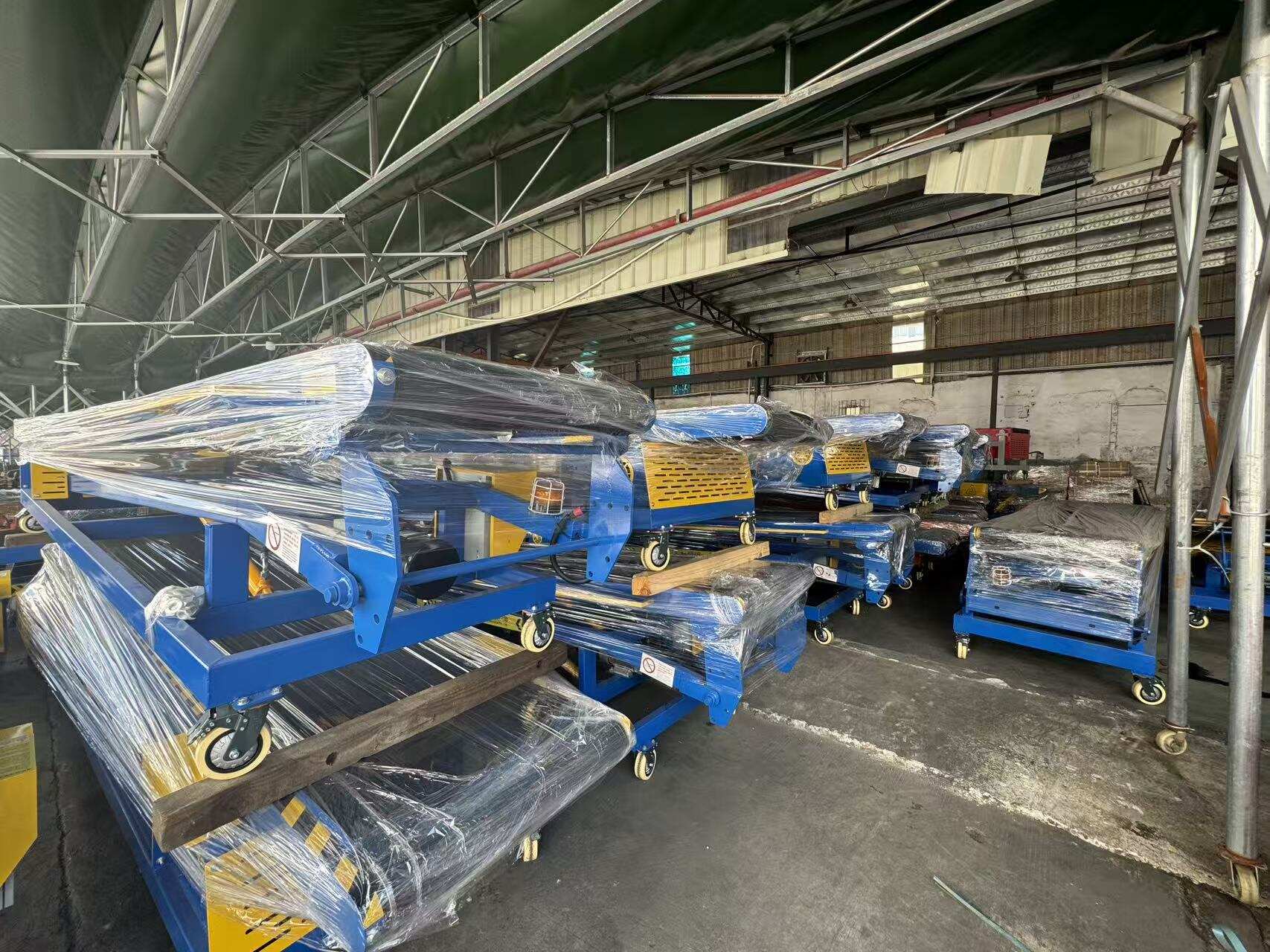
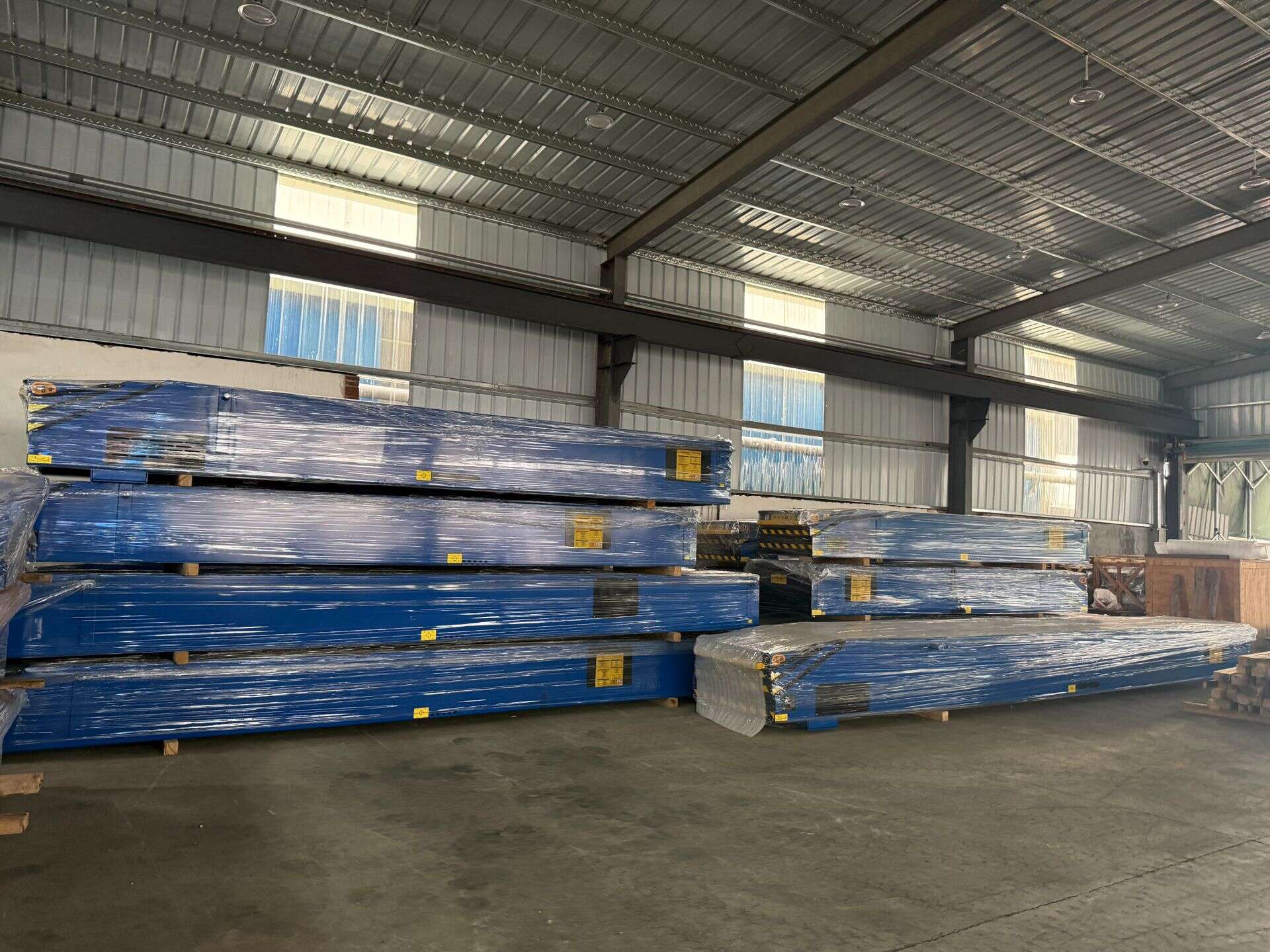
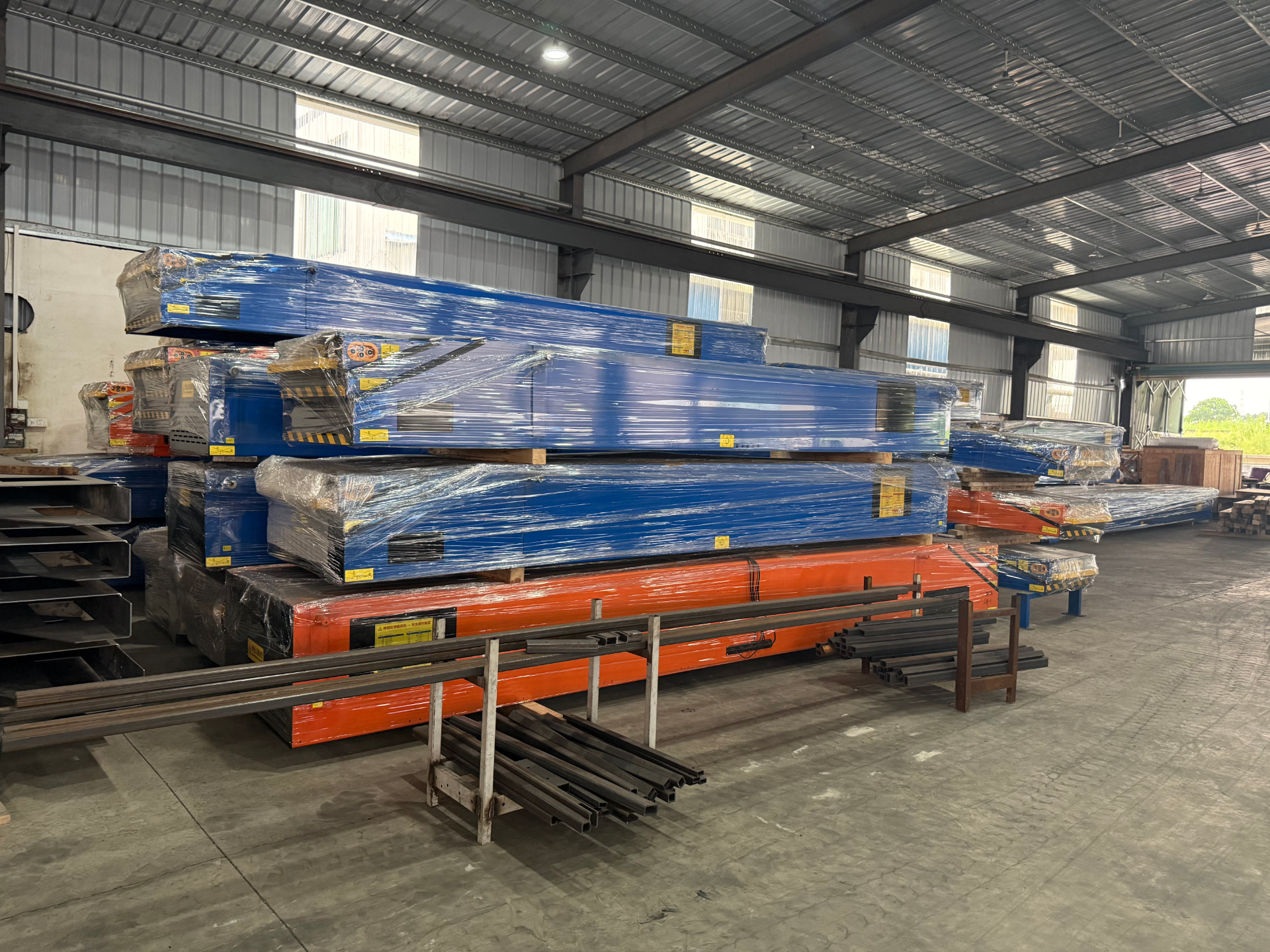
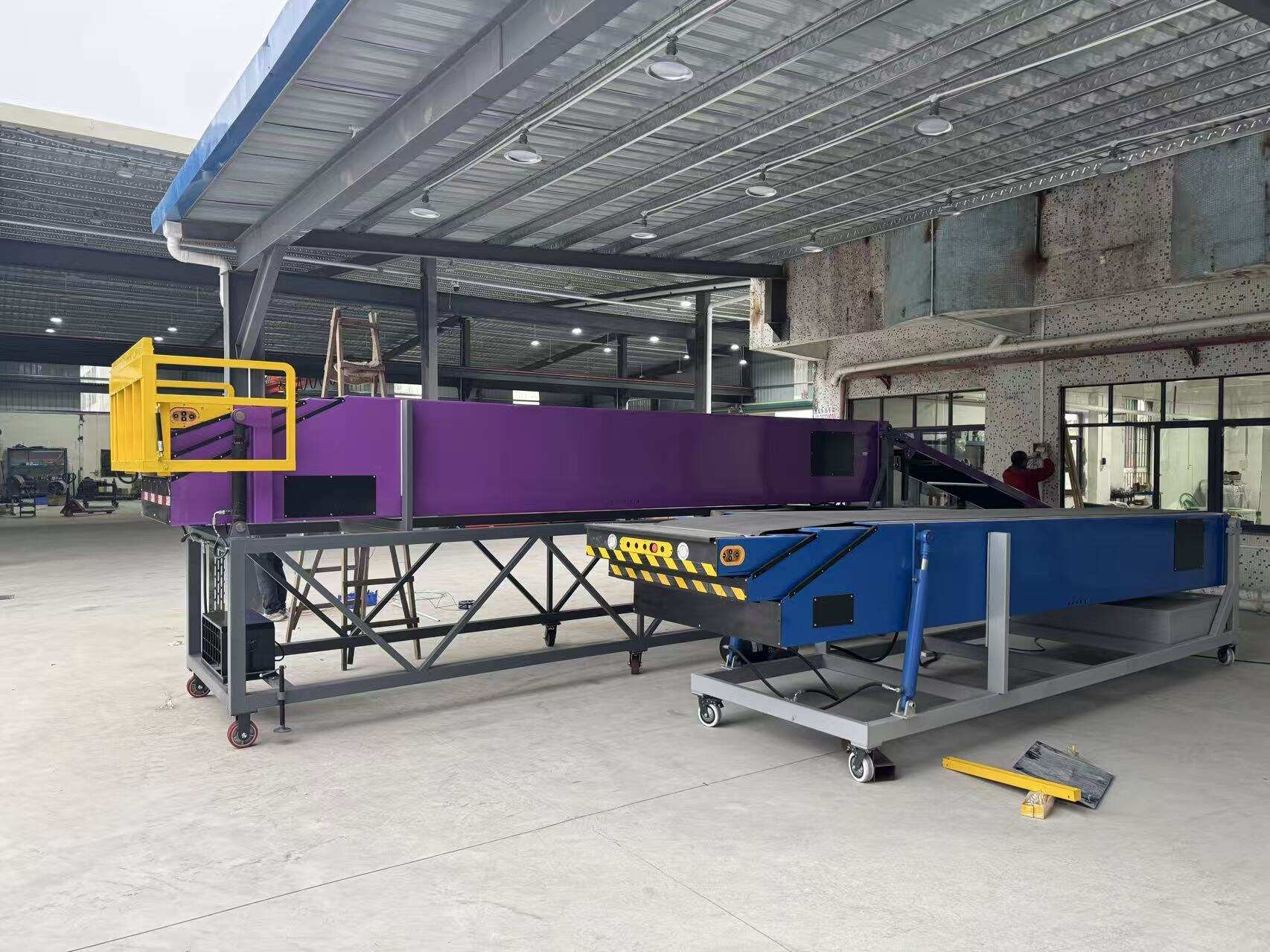
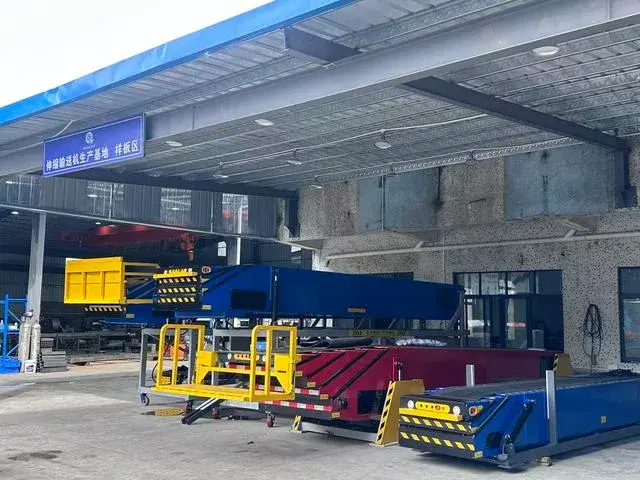
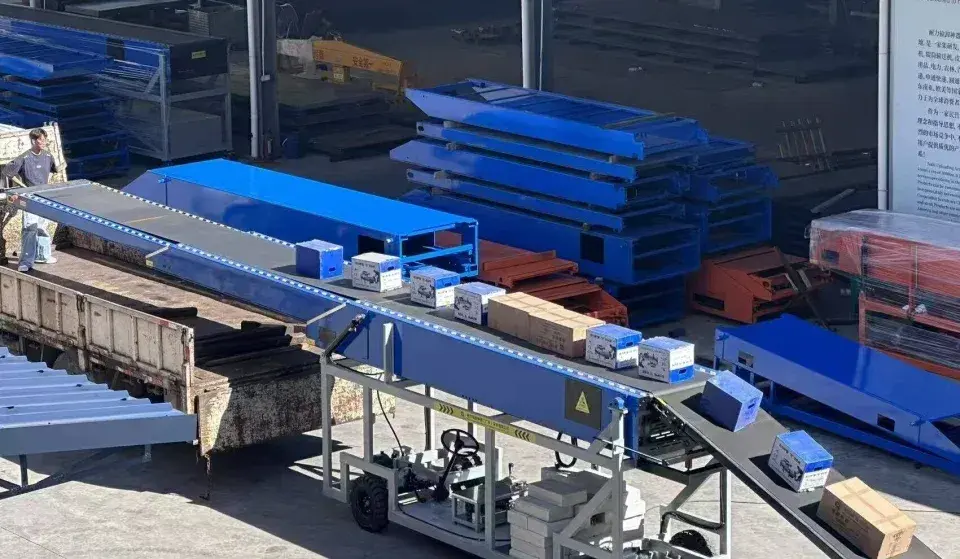
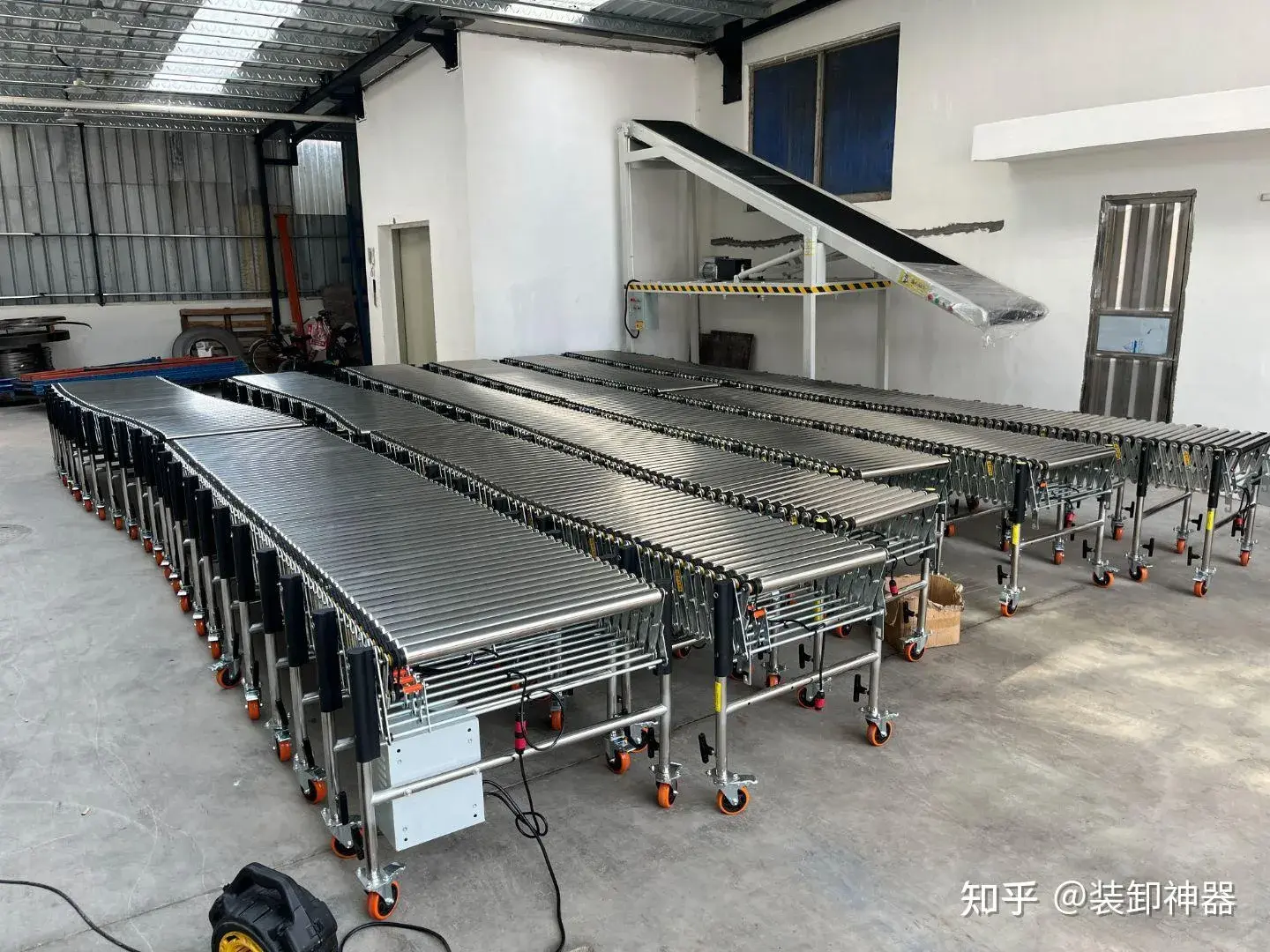
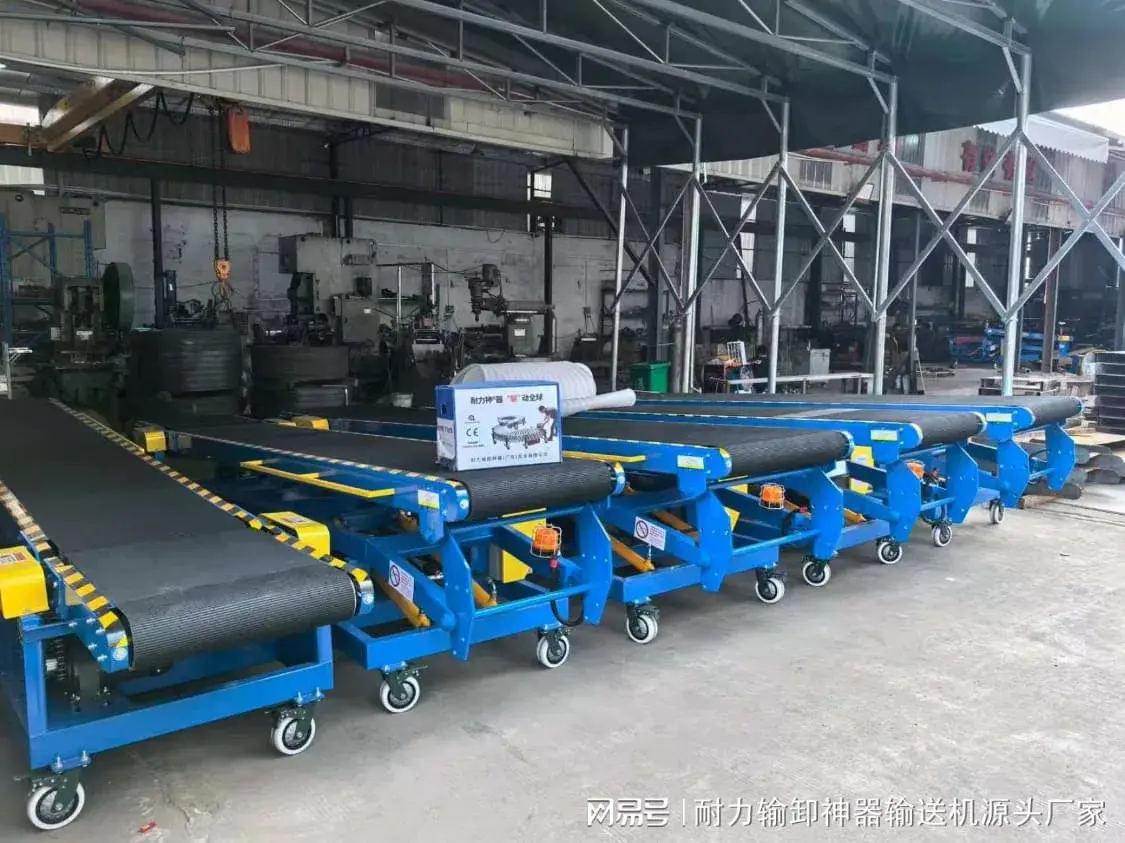
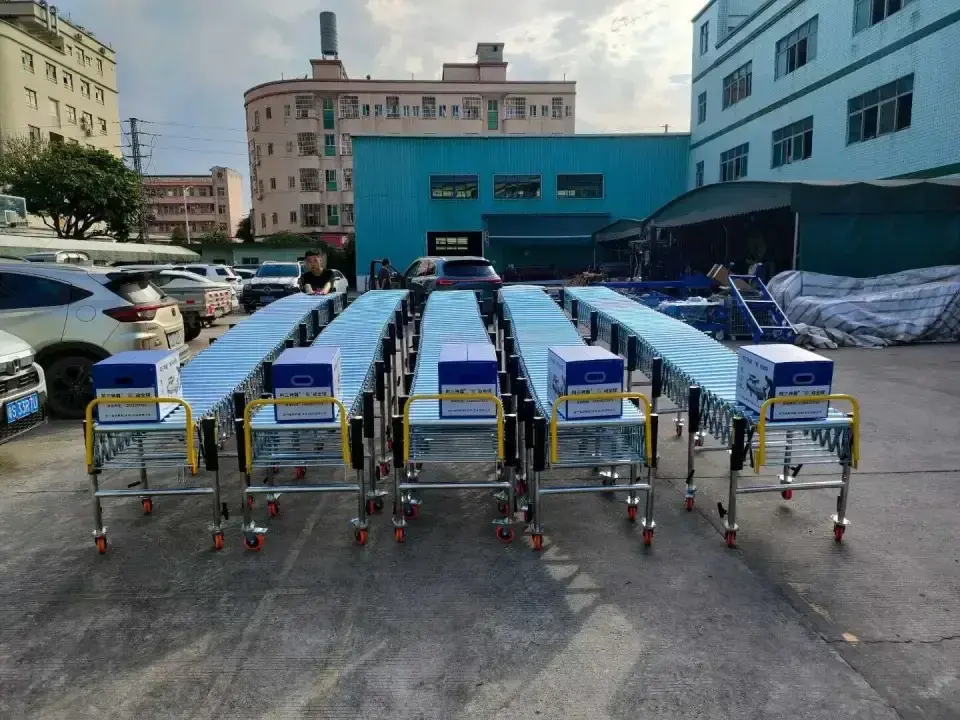
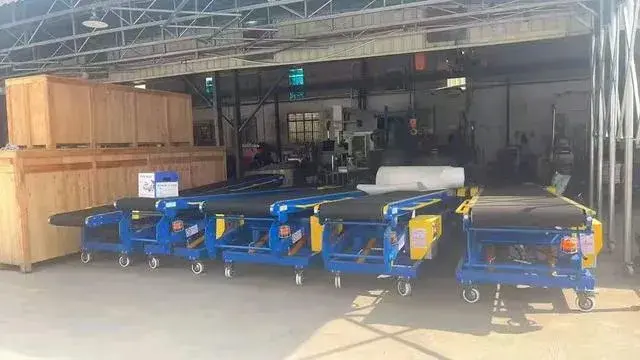
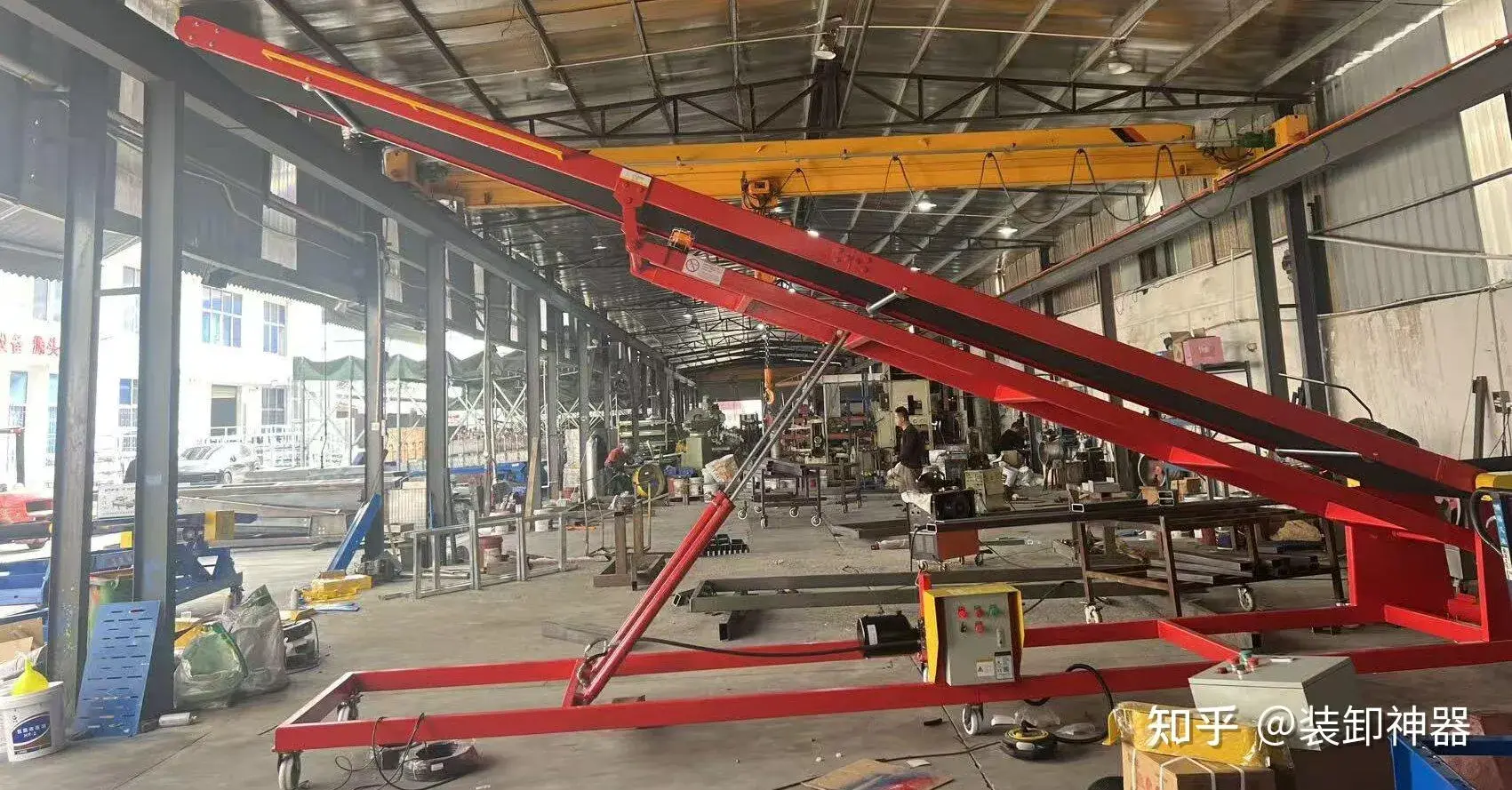
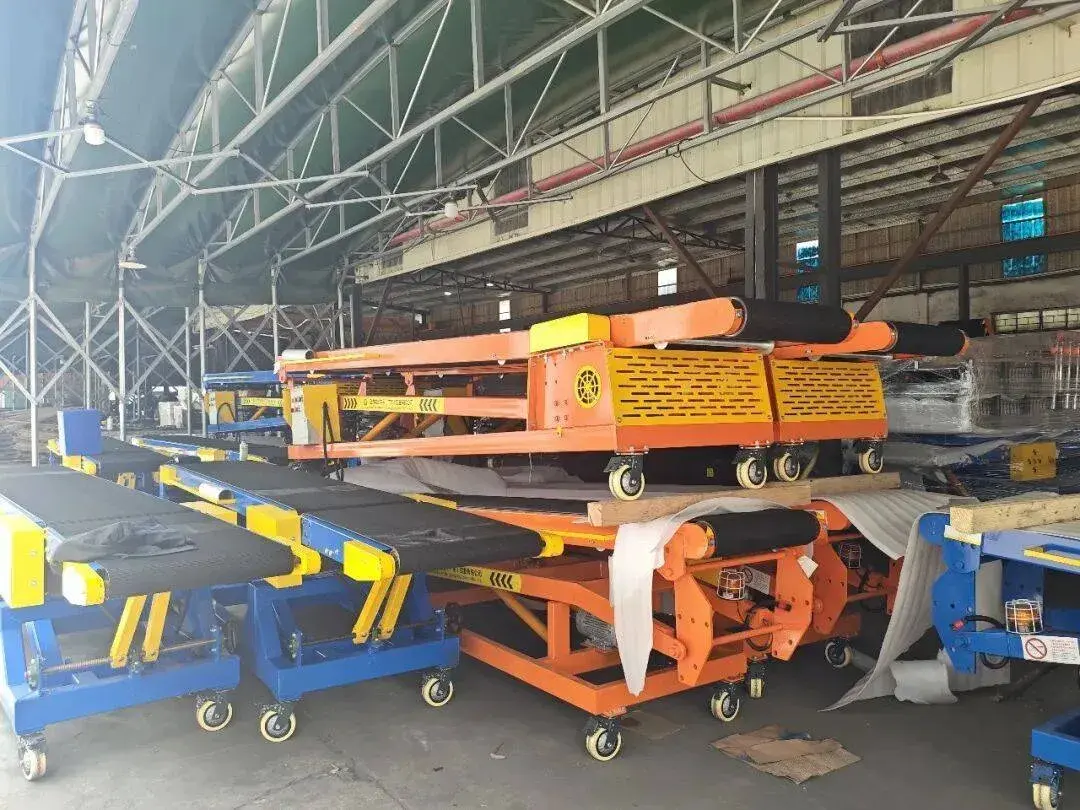
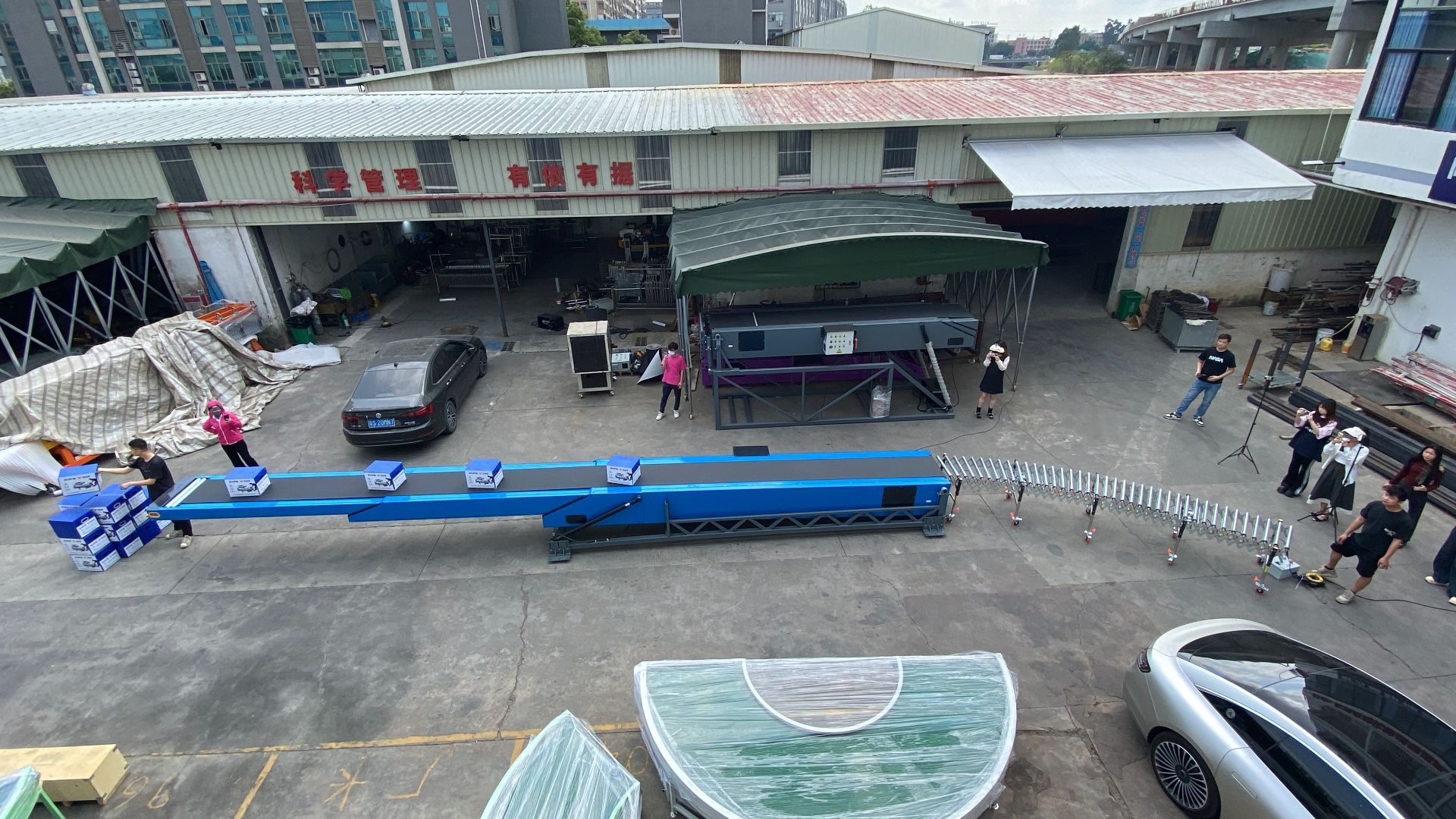
The belt Telescopic Conveyor is an automated conveying system designed specifically for warehouse truck-loading operations. Its conveyor body can extend and retract freely, and its mobile casters with locking brakes allow it to adapt flexibly to both fixed loading docks and temporary outdoor loading and unloading locations.
Naili Conveyor has specialized in customized non-standard conveying equipment for many years and developed the belt Telescopic Conveyor to address the dispatch challenges faced by warehouses and factories. The equipment features a multi-stage adjustable telescopic structure that allows the conveying distance to be adjusted according to the truck compartment length and dispatch requirements. Its conveyor head can also extend directly into the truck compartment to convey materials, reducing the repetitive carrying work between the loading dock and truck compartment while improving loading and unloading efficiency per vehicle.
When idle, the equipment can be quickly retracted and occupies very little floor space, avoiding excessive use of valuable warehouse operating space. It can be used more flexibly in both large, well-organized warehouses and compact small- and medium-sized facilities.
Enhanced Configuration for High-Frequency, Heavy-Duty Operations
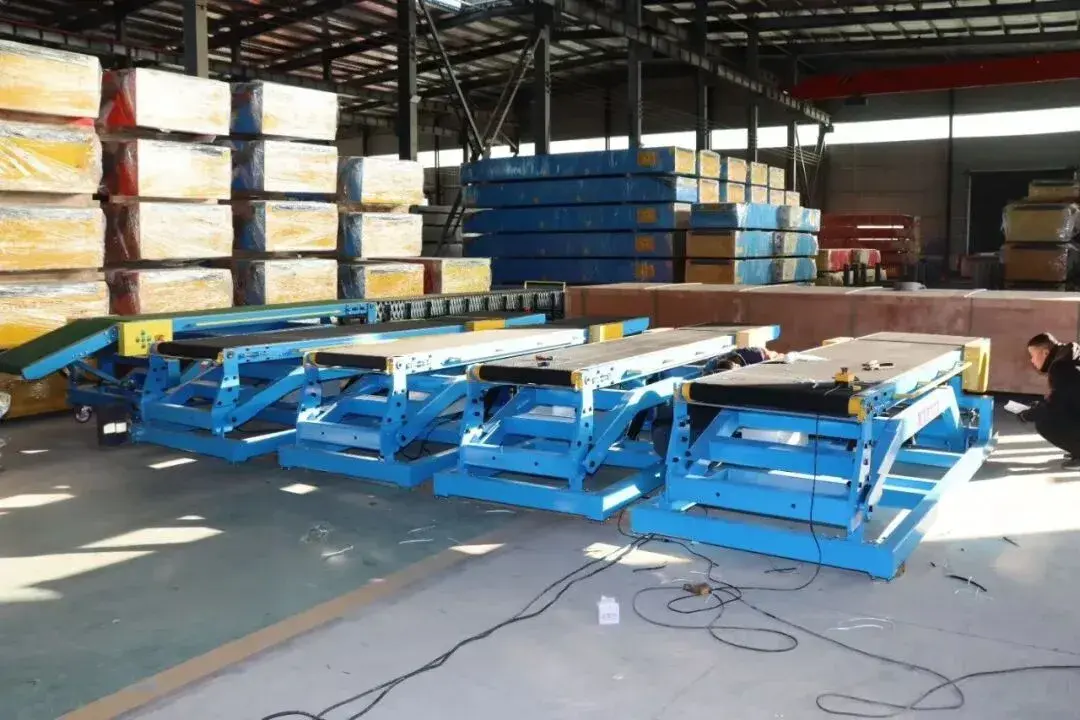
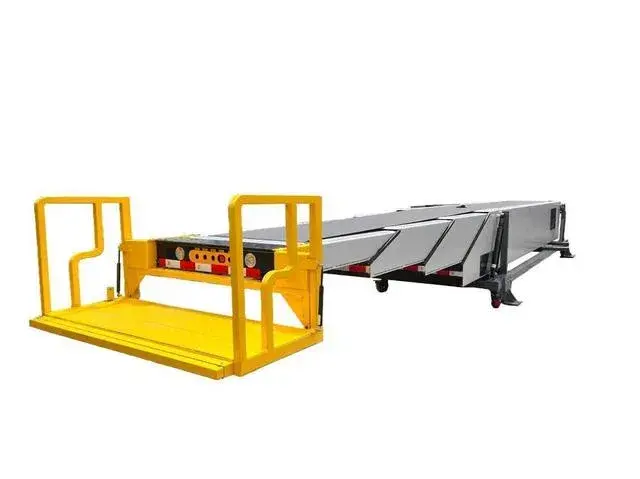
For factory dispatch operations involving high-frequency, heavy-duty use throughout the day, Naili Conveyor has reinforced the hardware of its belt Telescopic Conveyor. The entire machine uses a thickened steel frame with greater load-bearing capacity, making it less prone to deformation during long-term heavy-duty operation and providing better stability.
The conveying section uses an industrial-grade, wear-resistant, anti-slip conveyor belt with strong resistance to stretching, belt misalignment, and wear. It is suitable for the stable conveying of various materials, including cartons, bagged goods, and neatly arranged small items. The equipment also features an intelligent variable-frequency speed control system that adjusts the conveying speed according to the real-time dispatch pace and material specifications, maintaining smoother conveying and reducing product impact, spillage, crushing, and damage.
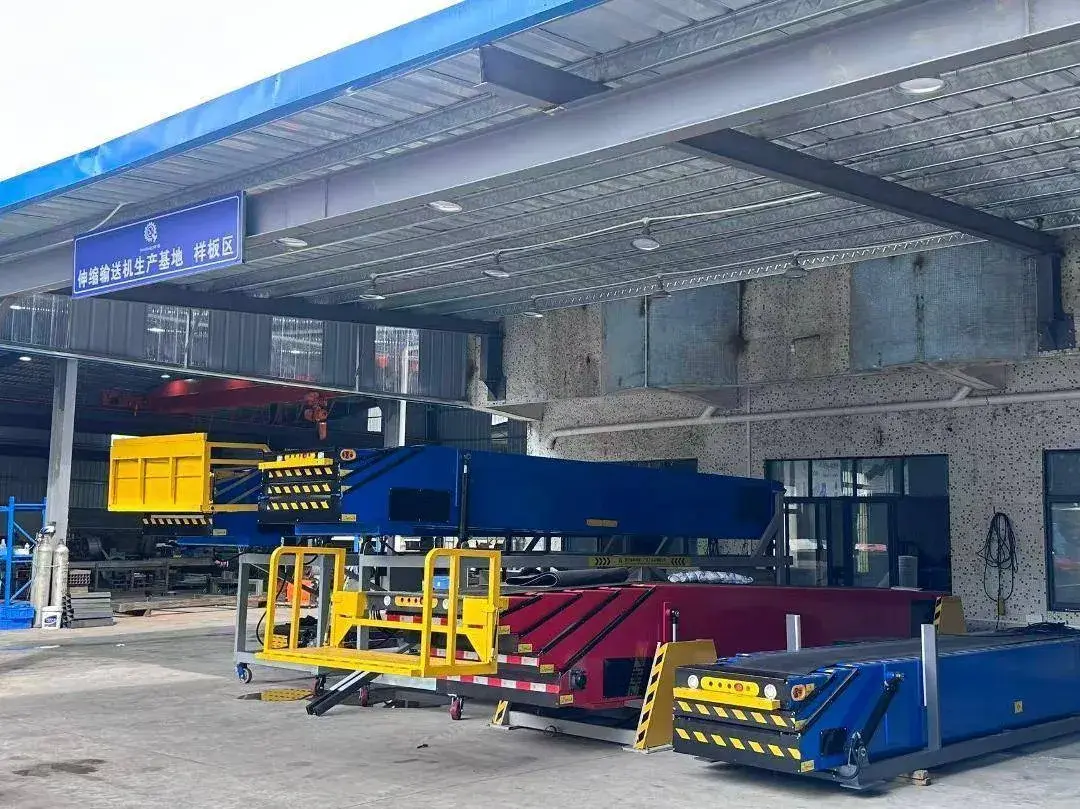
In applications where standardized equipment cannot provide a complete fit, this type of equipment also supports fully customized non-standard specifications. The telescoping stroke, machine height, belt width, and load capacity can be adjusted according to the warehouse dimensions, truck specifications, dispatch load requirements, and operating frequency to better match specific dispatch conditions.
Practical Value from Labor Costs to Dispatch Efficiency
As a professional direct-source manufacturer of conveying equipment, Naili Conveyor provides solutions that cover more than the equipment itself. Its services also include on-site facility surveys, customized logistics solution design, personalized equipment production, and on-site installation and commissioning, making the solutions suitable for loading and unloading operations in manufacturing facilities, e-commerce warehouses, and logistics transfer warehouses.
For businesses, implementing a belt Telescopic Conveyor can replace large volumes of repetitive, physically demanding manual handling, reduce long-term labor costs, shorten the full-truck dispatch cycle, and lower product scrap and damage losses. For companies seeking to advance the automation of warehouse loading and unloading, this type of equipment is better suited as a long-term configuration for the dispatch process.