Workshop Capacity Waste Often Starts with Logistics Bottlenecks
As the manufacturing industry advances its transformation and upgrading, many companies have already upgraded their processing equipment without simultaneously upgrading their internal workshop logistics systems. As a result, processing becomes more advanced while material circulation still relies on established methods, easily causing poor process coordination, semi-finished product accumulation, delayed material movement, and workstation downtime while waiting for materials. These issues can further lead to disrupted production rhythms, low capacity utilization, increased semi-finished product losses, and extended delivery cycles.
As order volumes increase, processes become more specialized, and product categories expand, the randomness and inefficiency of traditional manual transfer methods become increasingly pronounced. Material accumulation, transfer bottlenecks, and disconnected processes are also more likely to become routine problems. To improve these bottlenecks, the key lies not only in the processing end but also in restructuring production workflows from the logistics side and establishing an automated, standardized, and continuous workshop circulation system.
Powered Roller Lines Adapted to Various Workshop Transfer Scenarios
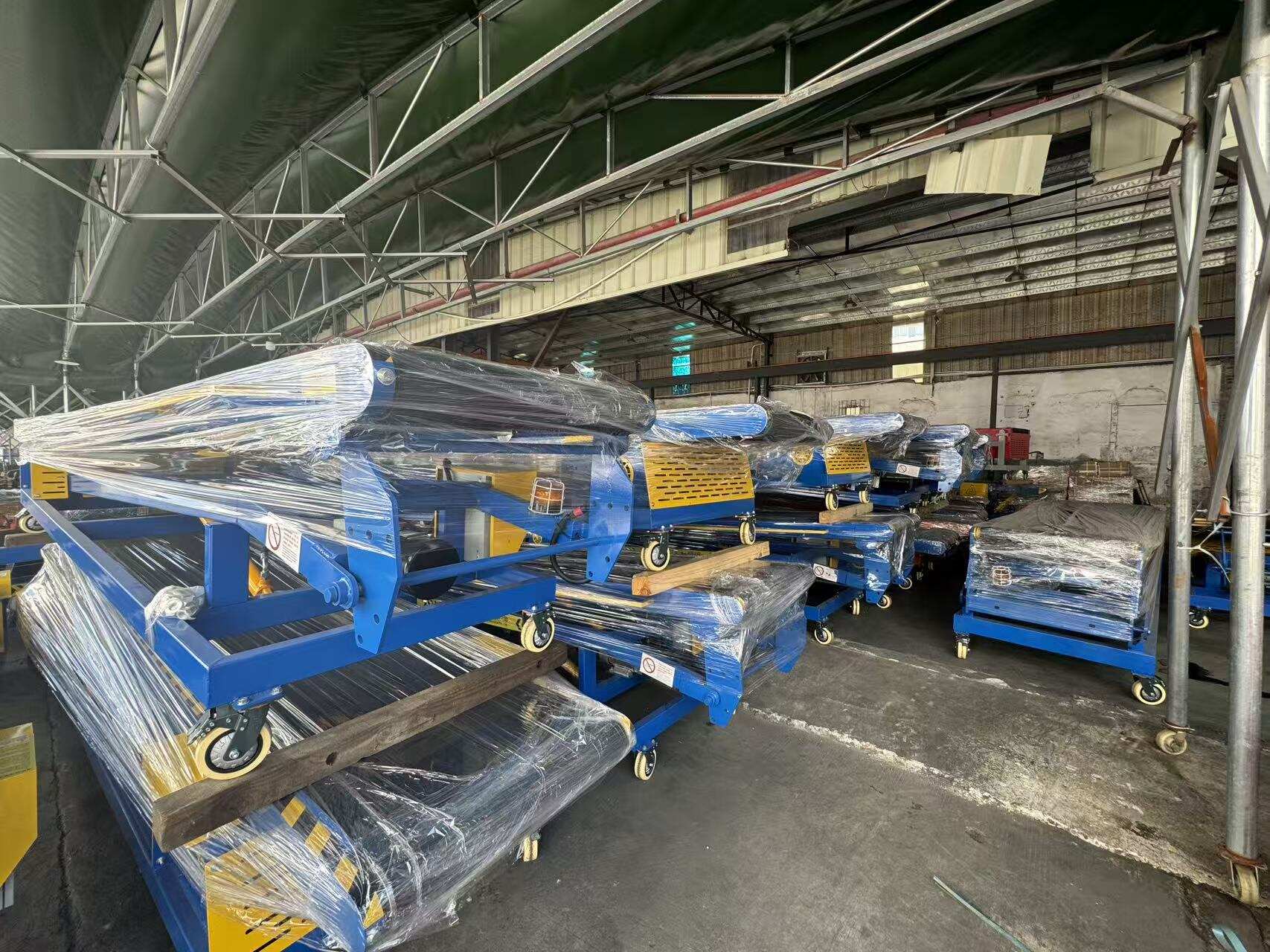
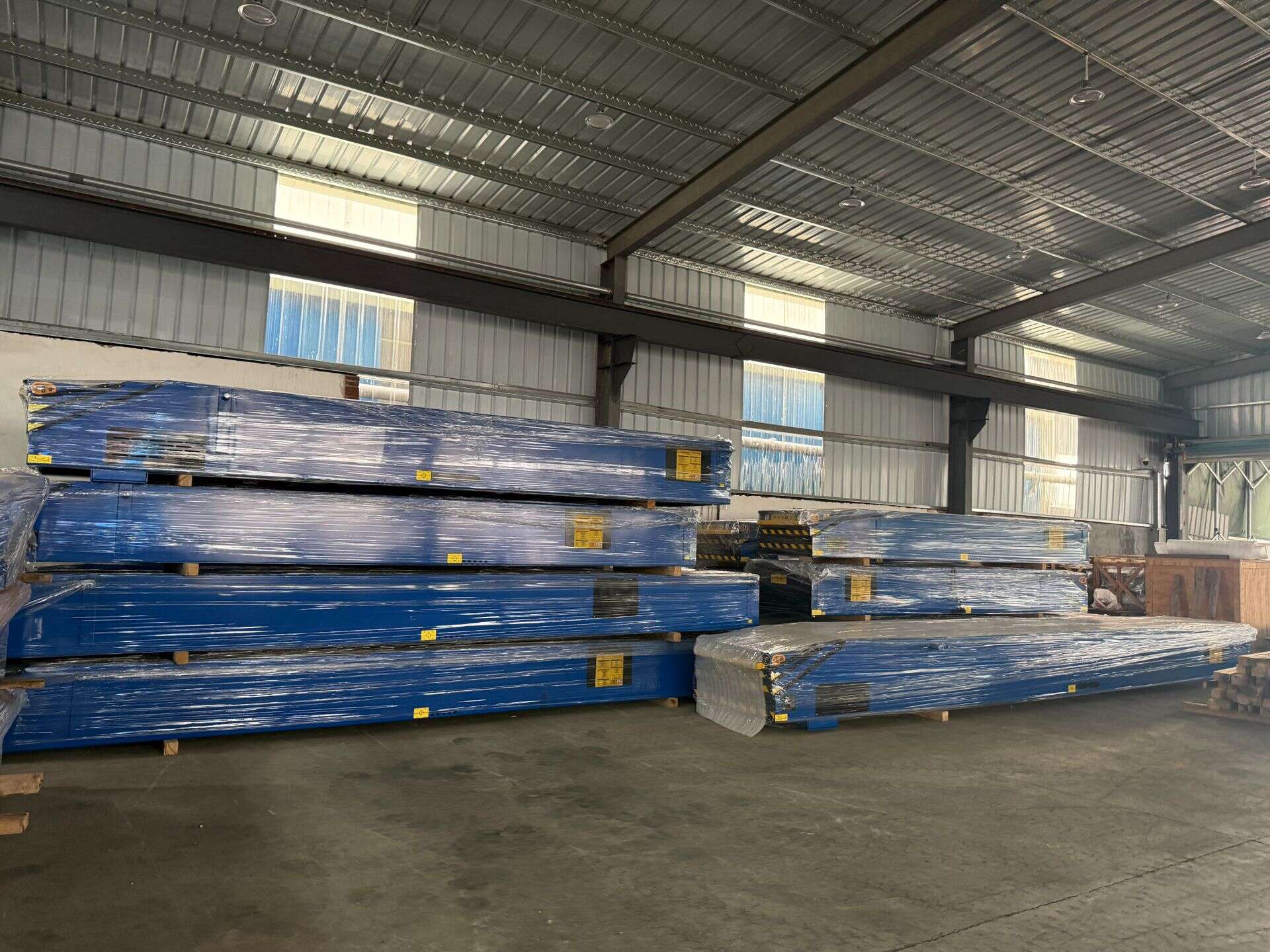
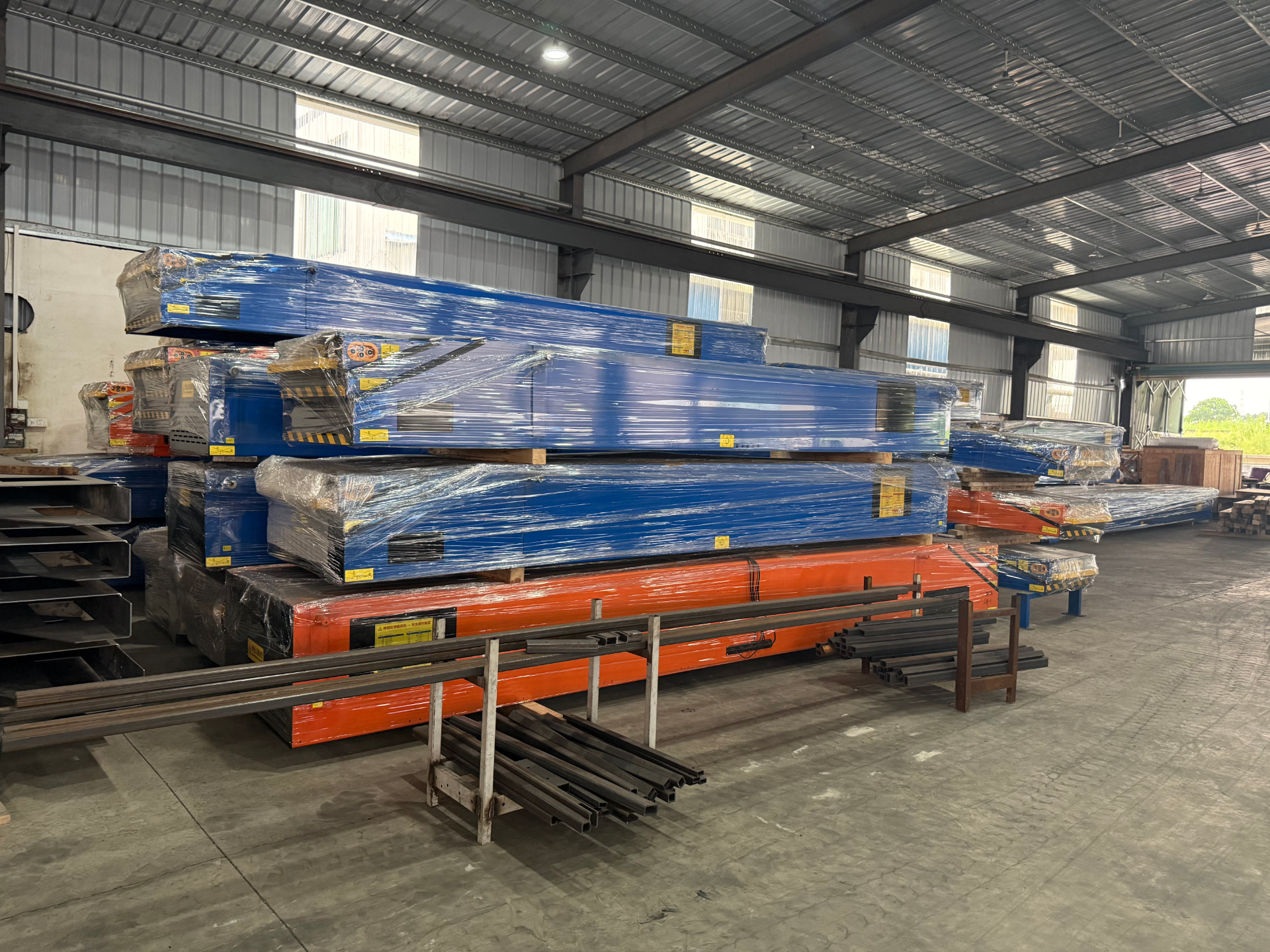
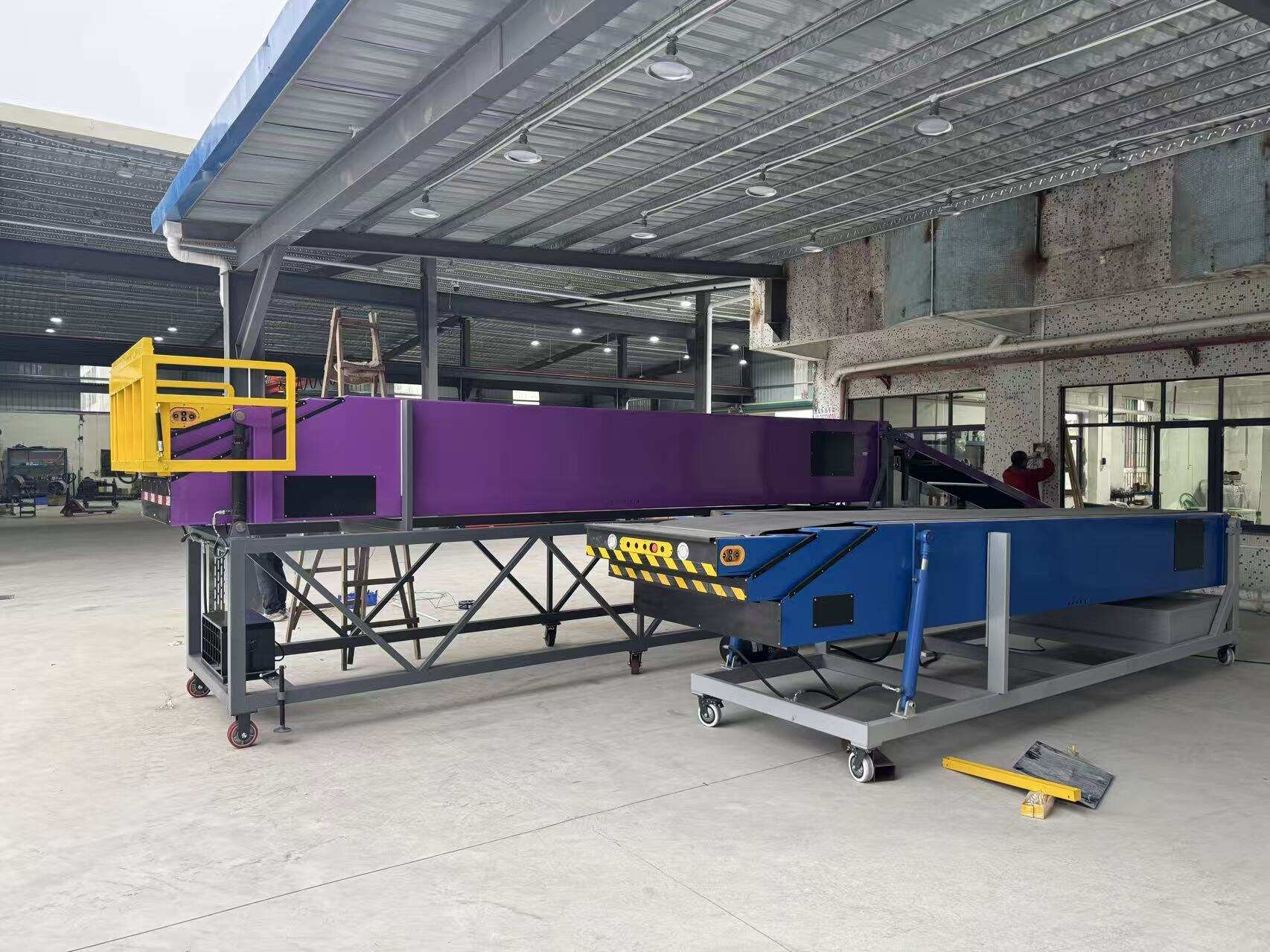
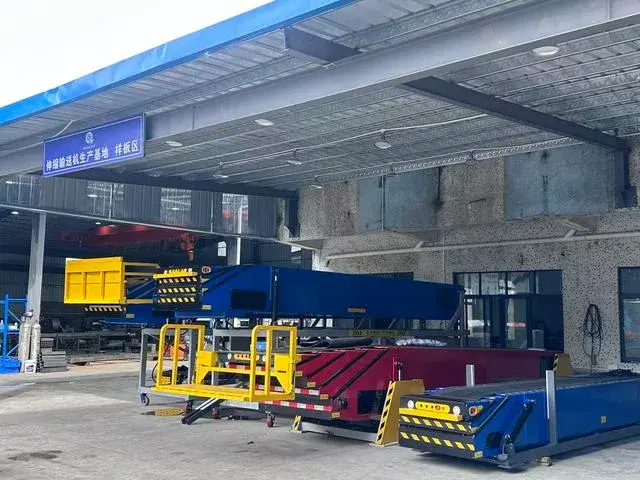
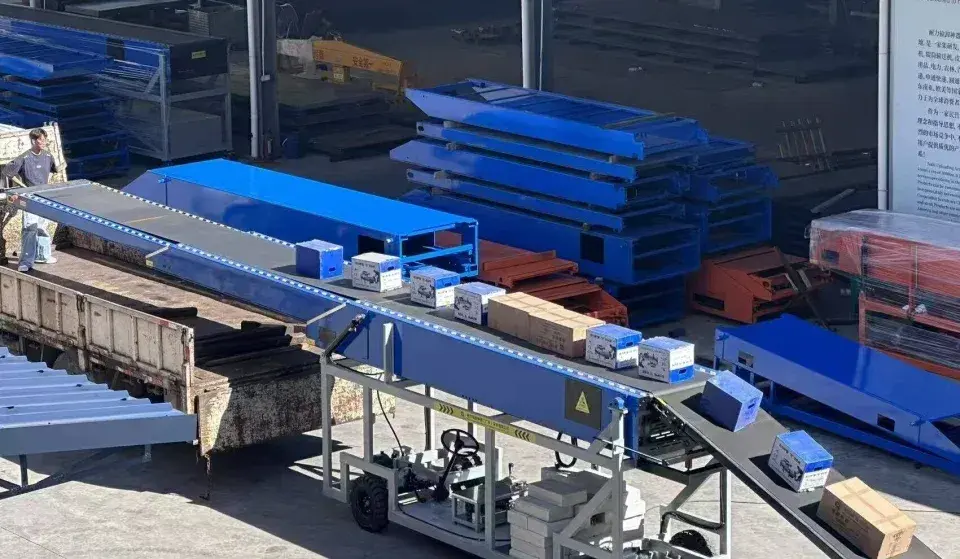
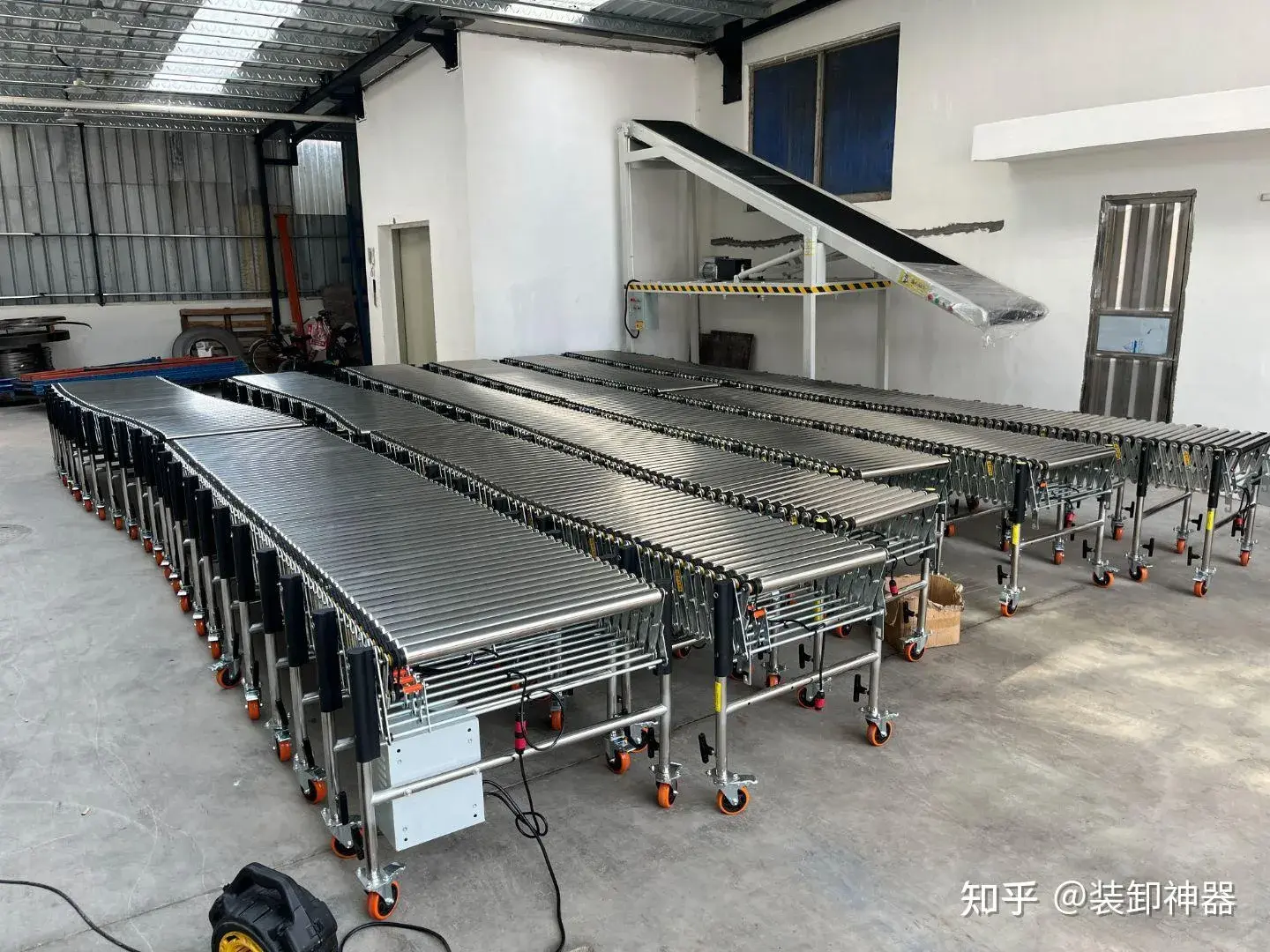
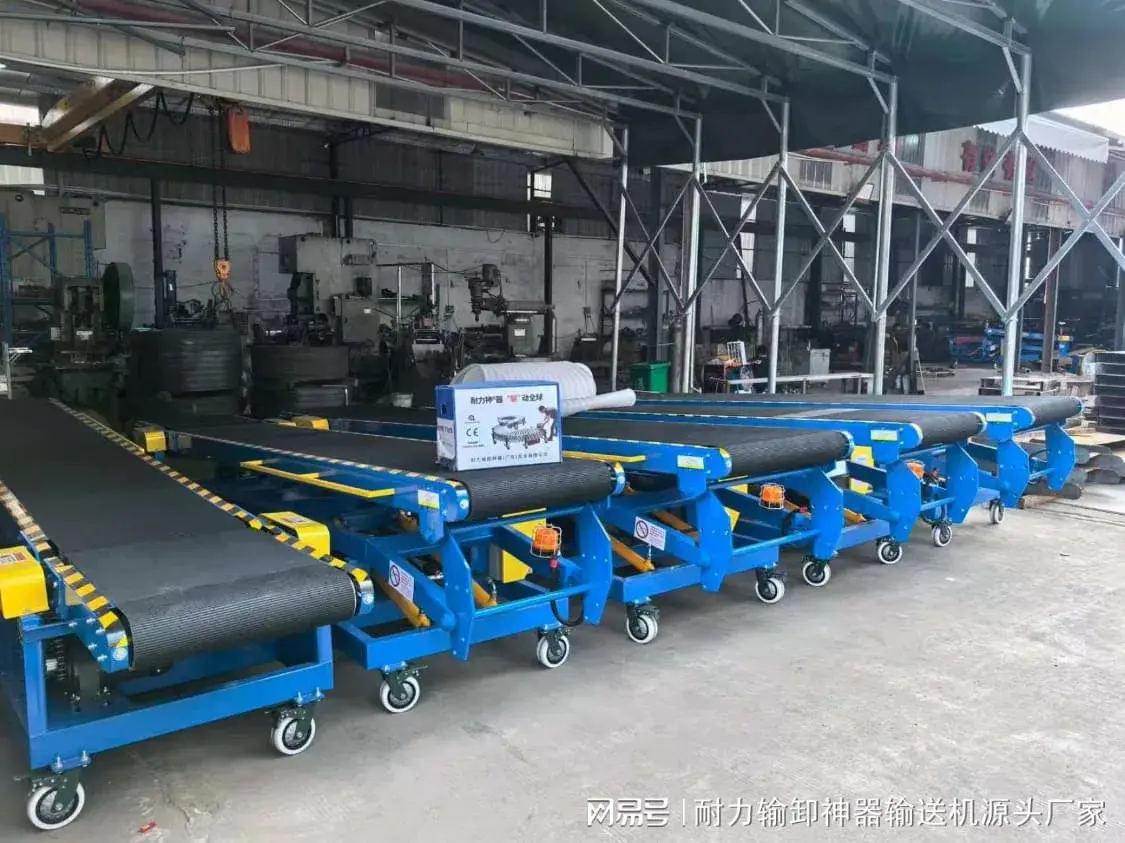
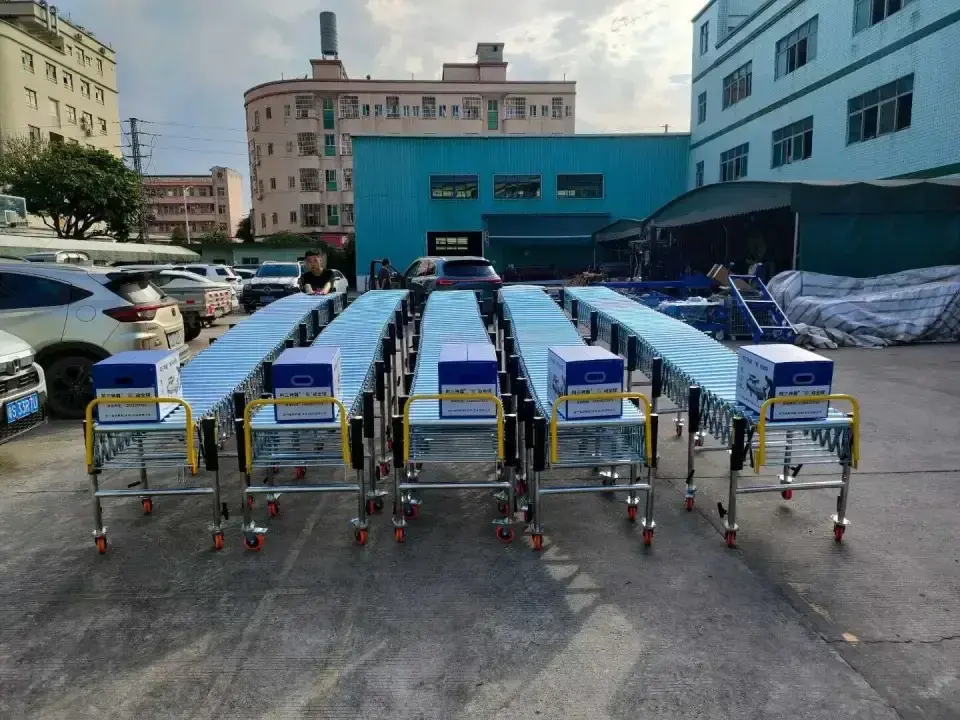
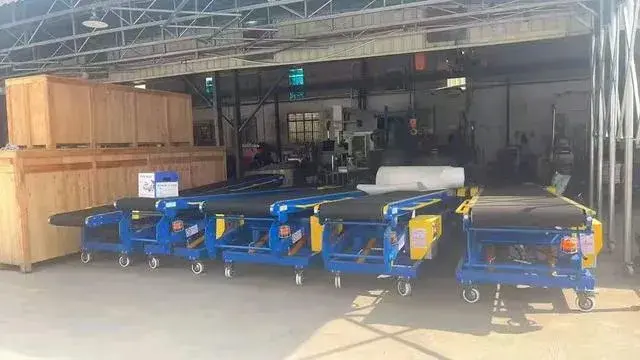
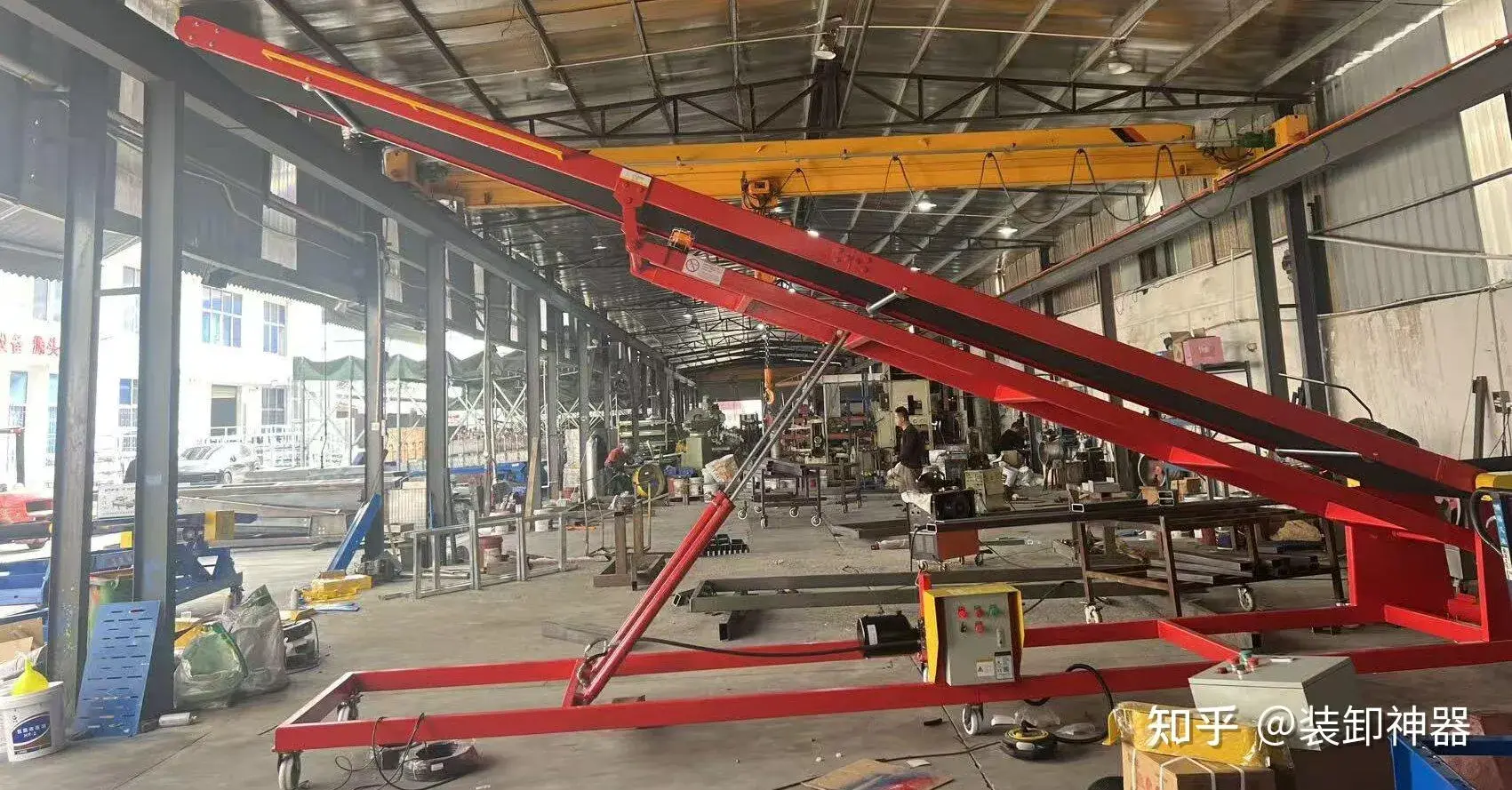
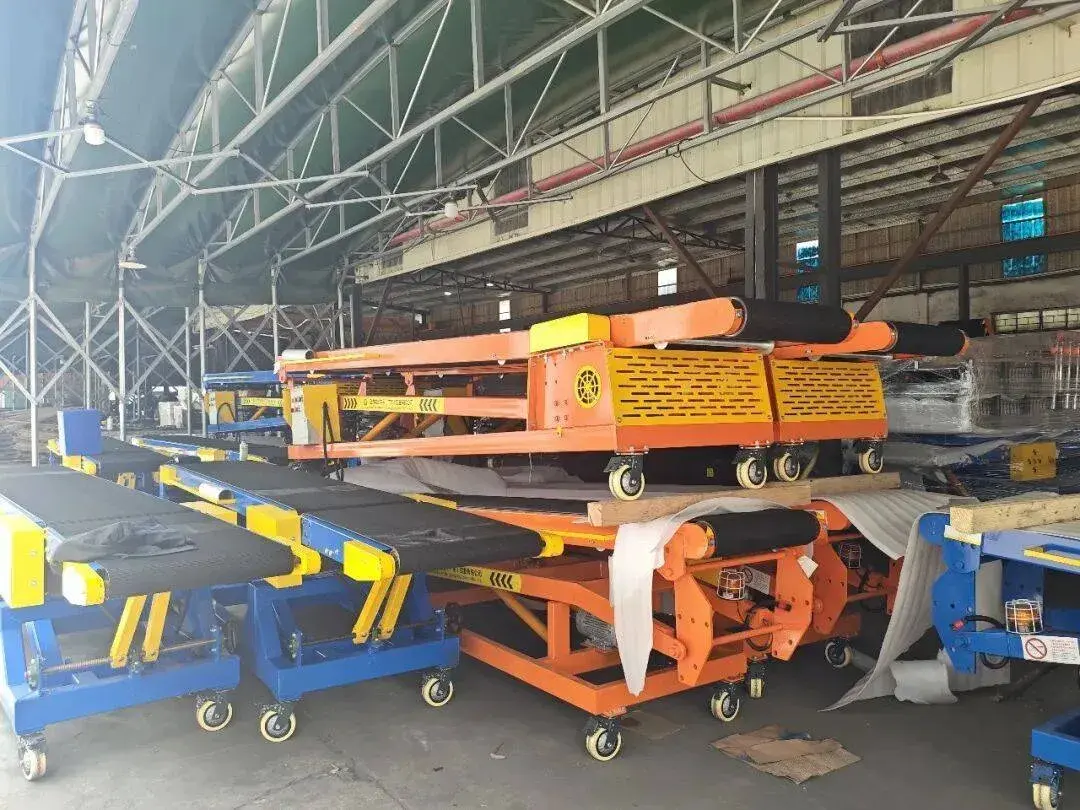
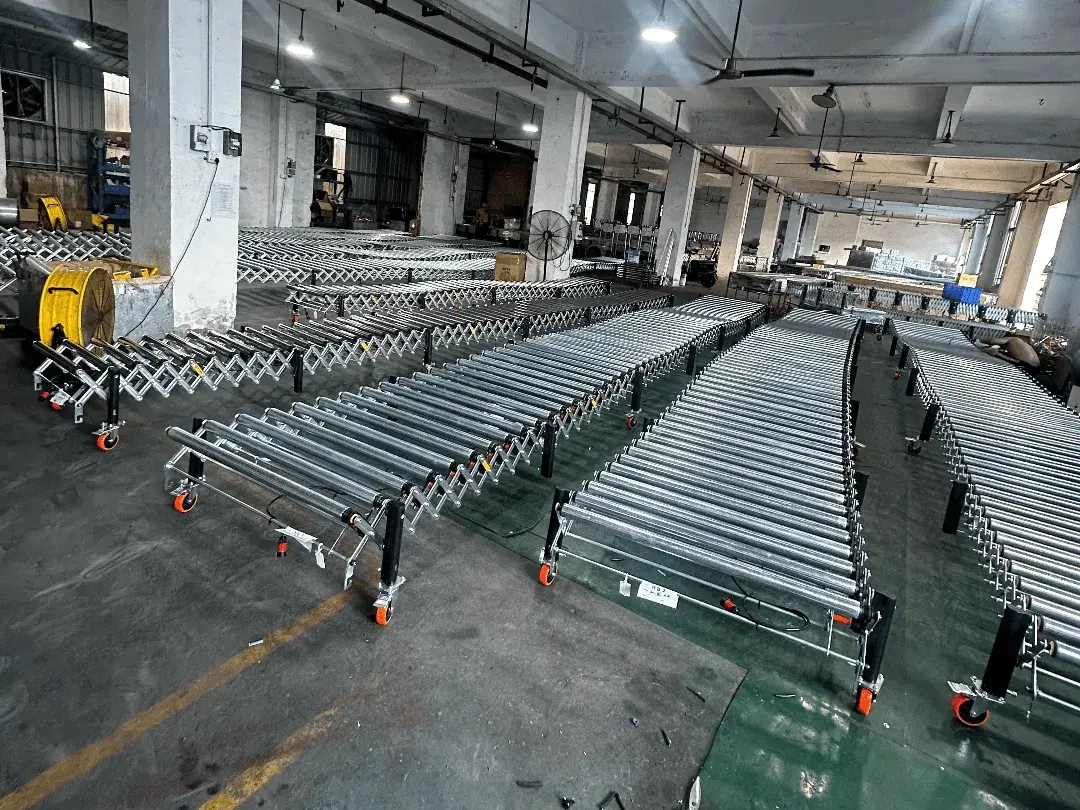
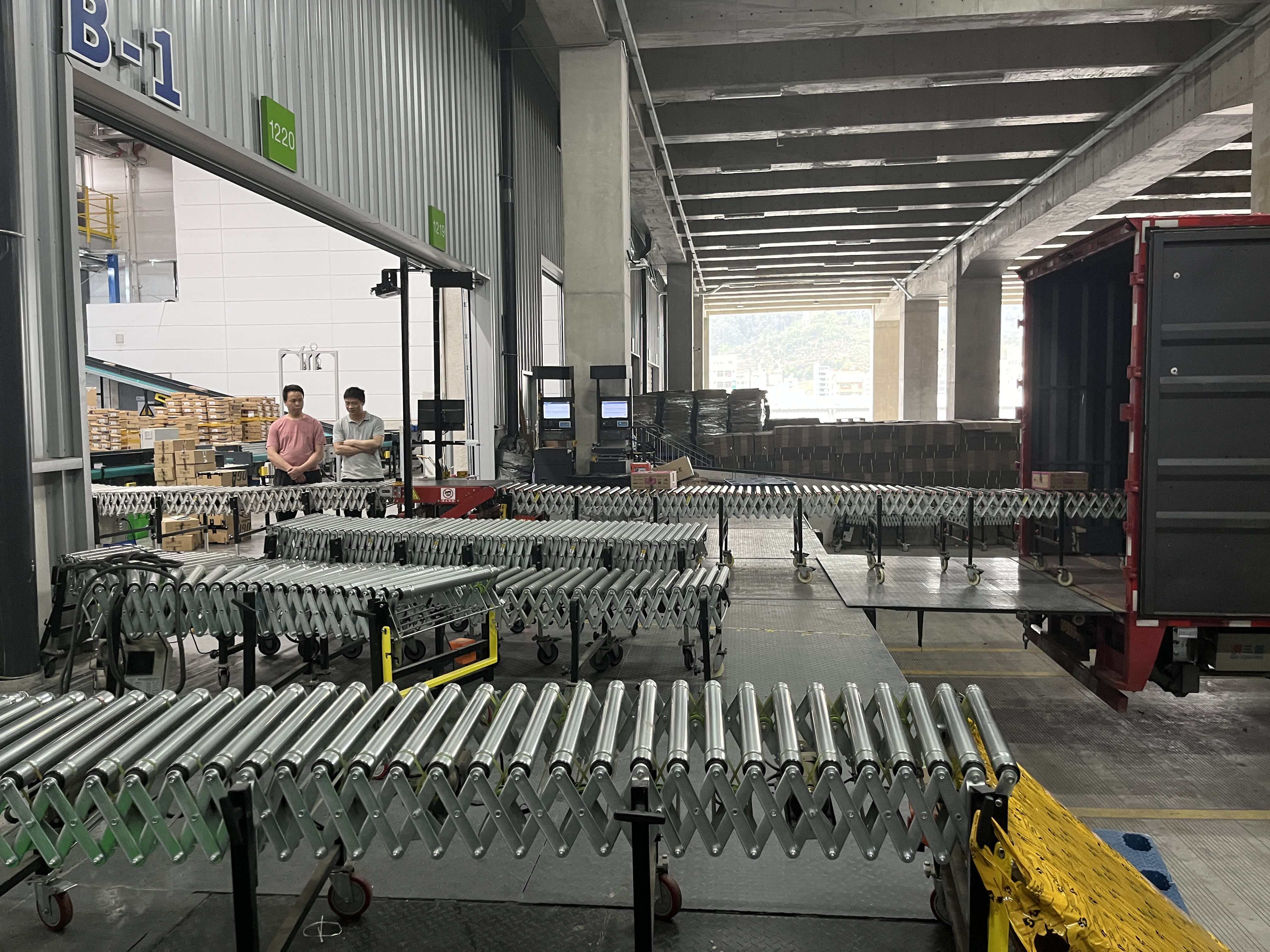
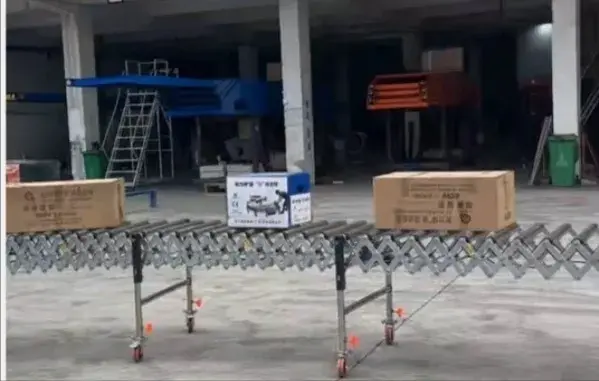
The Powered Roller Line from Naili Conveyor focuses on bottlenecks in workshop process flows and provides customized internal logistics automation solutions for manufacturing companies. The equipment can be used for boxed materials, heavy palletized goods, semi-finished product turnover, and finished-product collection, covering workshop loading and unloading, process connections, transfer between workstations, and warehouse integration. It helps materials move continuously and replaces traditional manual handling methods.
In practical applications, the core value of this type of equipment lies in streamlining workshop production routes and making on-site management more orderly. For production environments that require frequent process connections and continuous material transfer, it can link separate handling activities together and reduce ineffective waiting and intermediate stoppages.
Structure and Configuration Focused on Stable Conveying
The equipment uses an industrial-grade thickened seamless roller structure and is configured in light-, medium-, and heavy-duty versions according to material weight to meet conveying requirements under different operating conditions. It also features a dual-drive system combining quiet rubber-coated rollers with heavy-duty chains. This provides smoother operation under light loads and stronger power under heavy loads, helping reduce common problems such as deviation, slipping, jamming, and displacement at the hardware level.
During actual conveying operations, stability is directly related to process continuity. Through more targeted structural configurations, the Powered Roller Line enables materials to move at a uniform speed in a stable and safe manner, providing a more reliable foundation for connection with subsequent processes.
Supporting Customization for Non-Standard Requirements and Different Factory Conditions
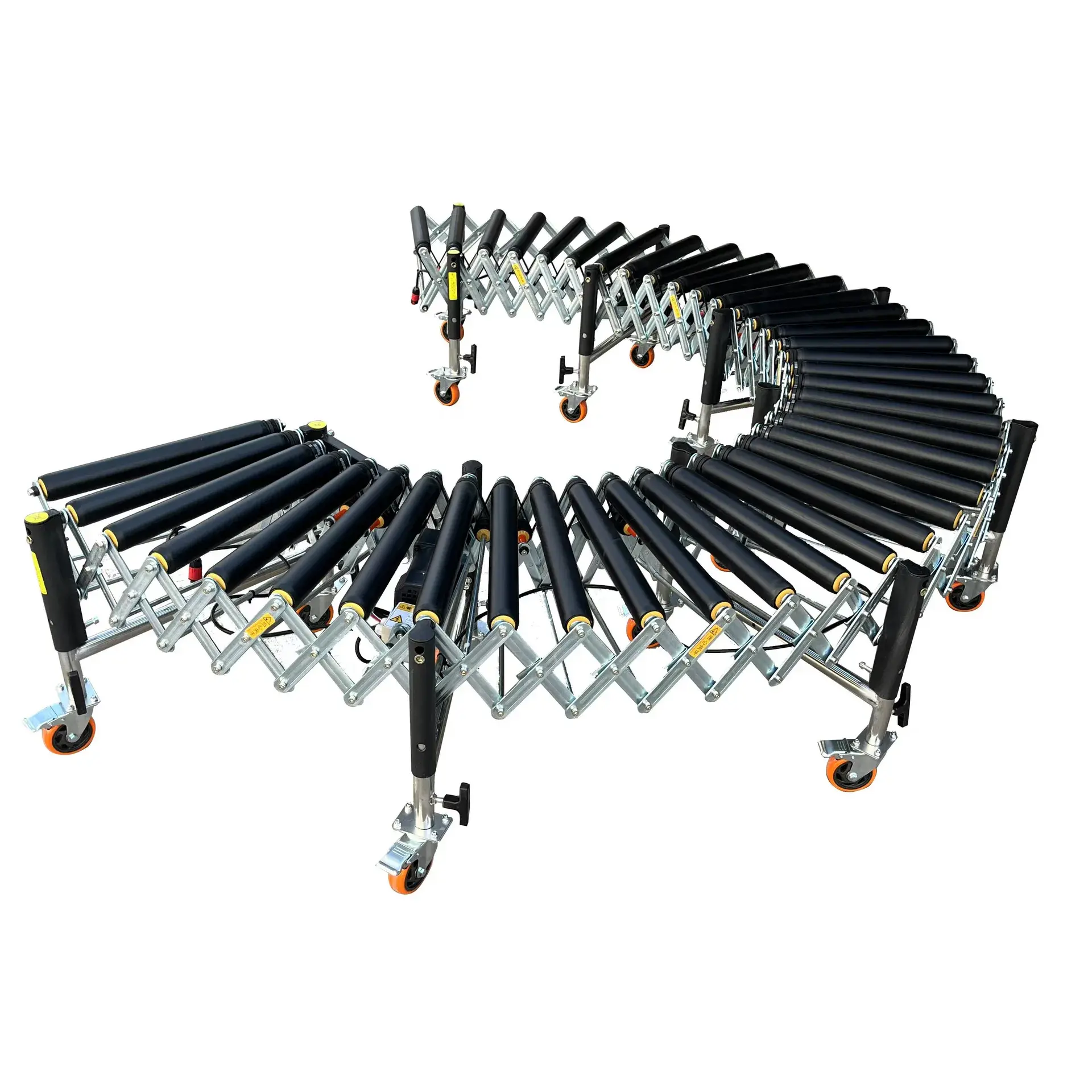
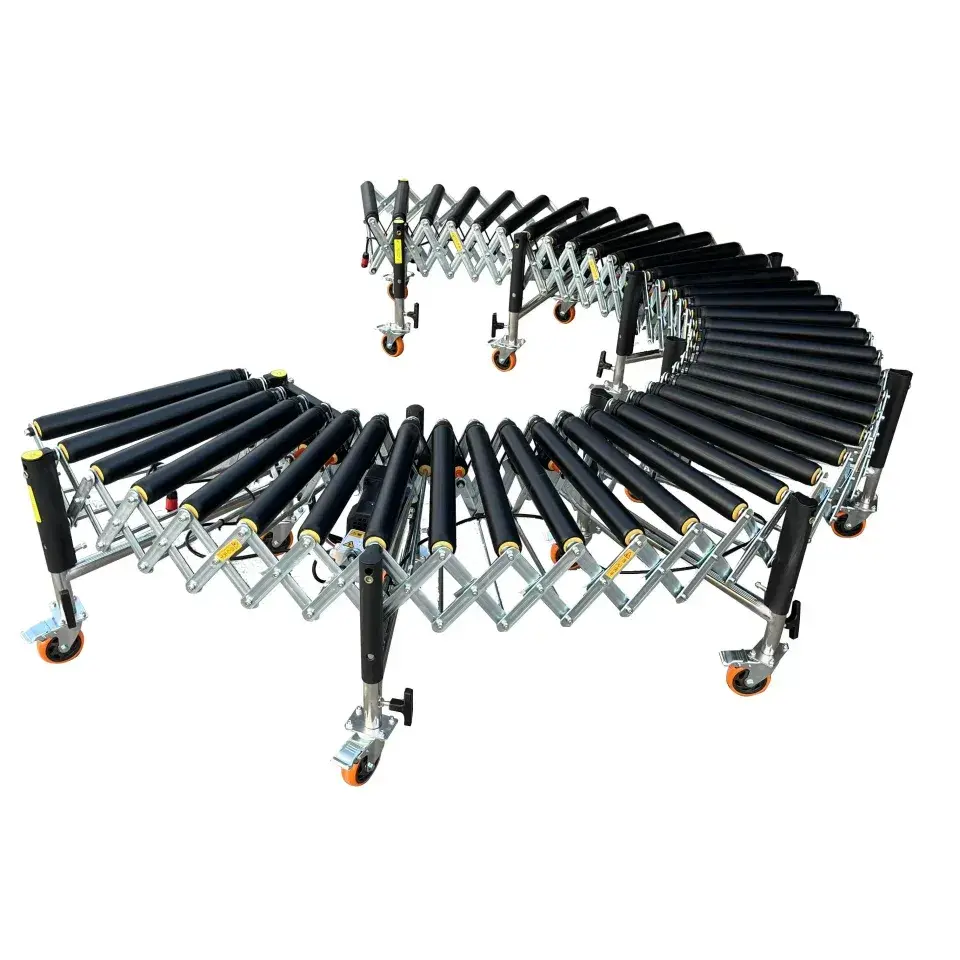
Naili Conveyor supports comprehensive customization for non-standard requirements. Equipment dimensions, conveying parameters, and smart functions can be customized according to workshop aisles, workstation layouts, production line directions, and production rhythms. The equipment can be configured with modules such as automatic sensing for start and stop, variable-frequency speed control, blocking and positioning, side protection, and anti-deviation devices to achieve precise feeding, demand-based transfer, and automatic process connections.
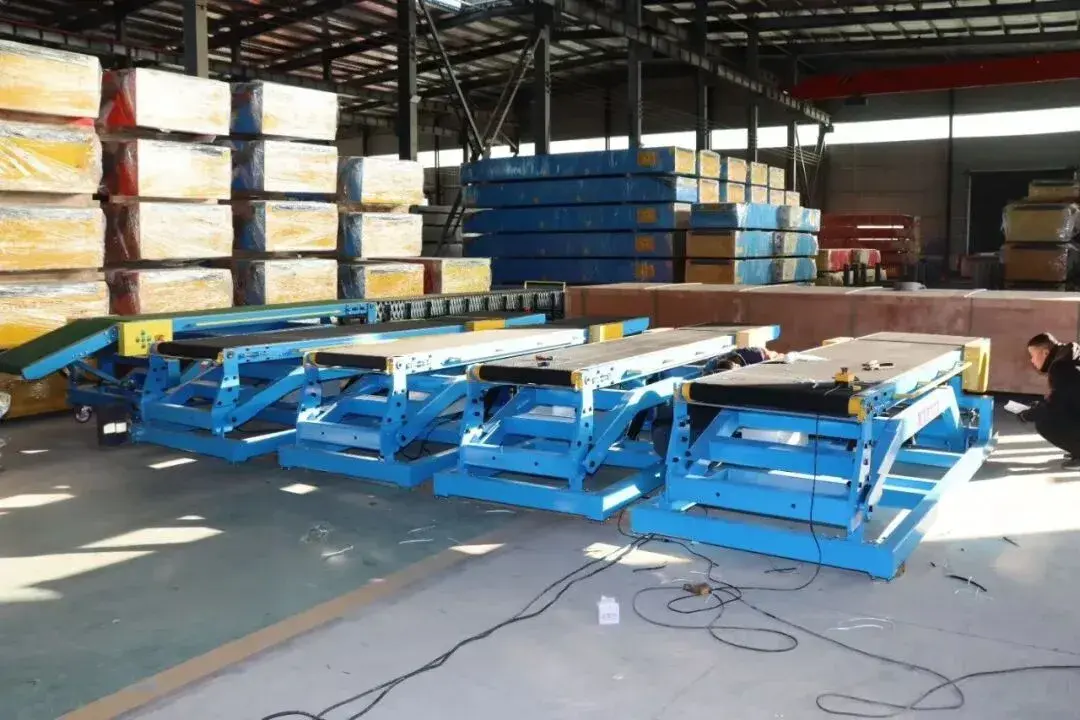
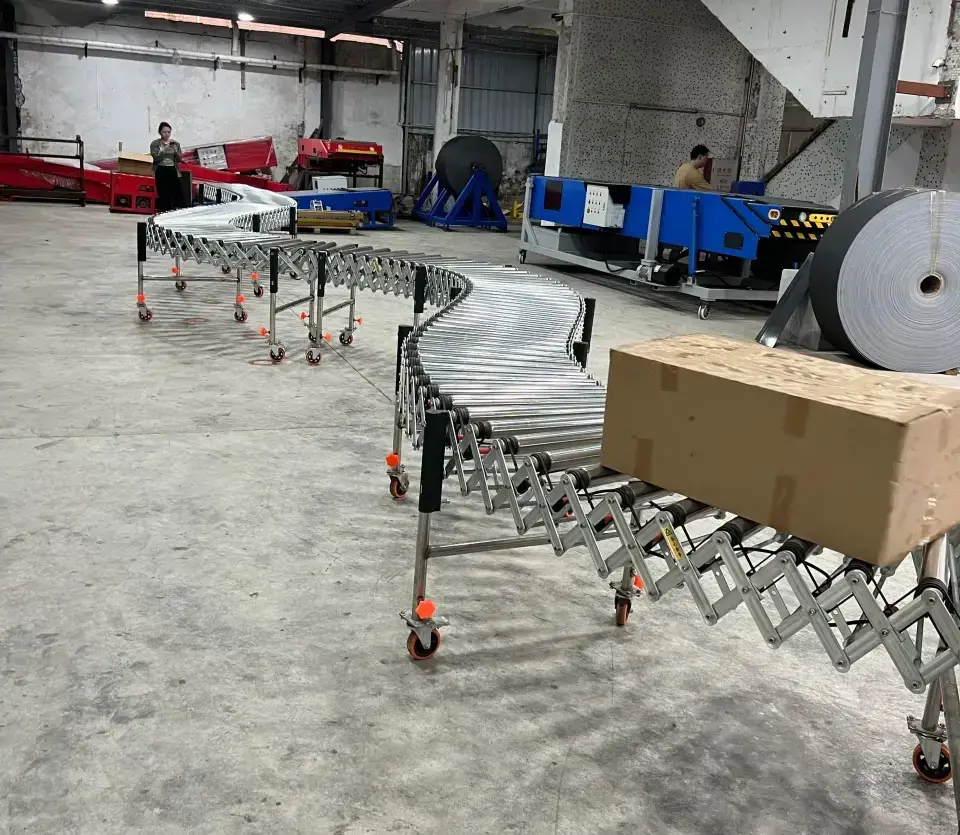
In terms of layout adaptation, the equipment can be used in straight-line, curved, lifting, and multilayer three-dimensional layouts. Older factories, irregular workshops, and non-standard production lines can also be upgraded and implemented according to on-site conditions.
Driving Workshop Logistics Upgrades from Solution Design to Implementation
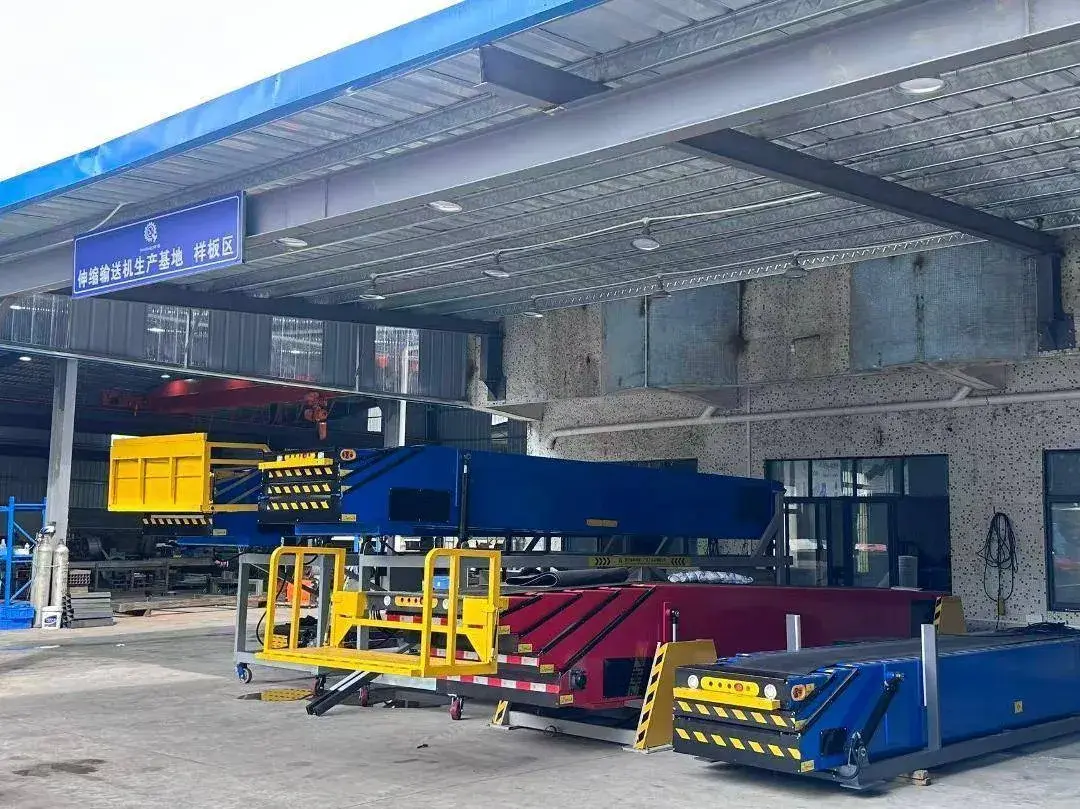
As a professional source manufacturer of non-standard conveying equipment, Naili Conveyor provides one-stop project implementation services covering on-site surveying, solution design, production and manufacturing, installation and commissioning, and subsequent maintenance. Once implemented, the Powered Roller Line can address problems such as process accumulation, transfer bottlenecks, and workstations waiting for materials, helping companies standardize production rhythms, improve production line continuity, and increase equipment utilization.
For manufacturing companies, upgrading workshop logistics is not simply a matter of adding another conveyor. It means releasing capacity previously consumed by handling and waiting through a more continuous and standardized material flow, driving the workshop toward greater automation, standardization, and precision.