Naili Conveyor

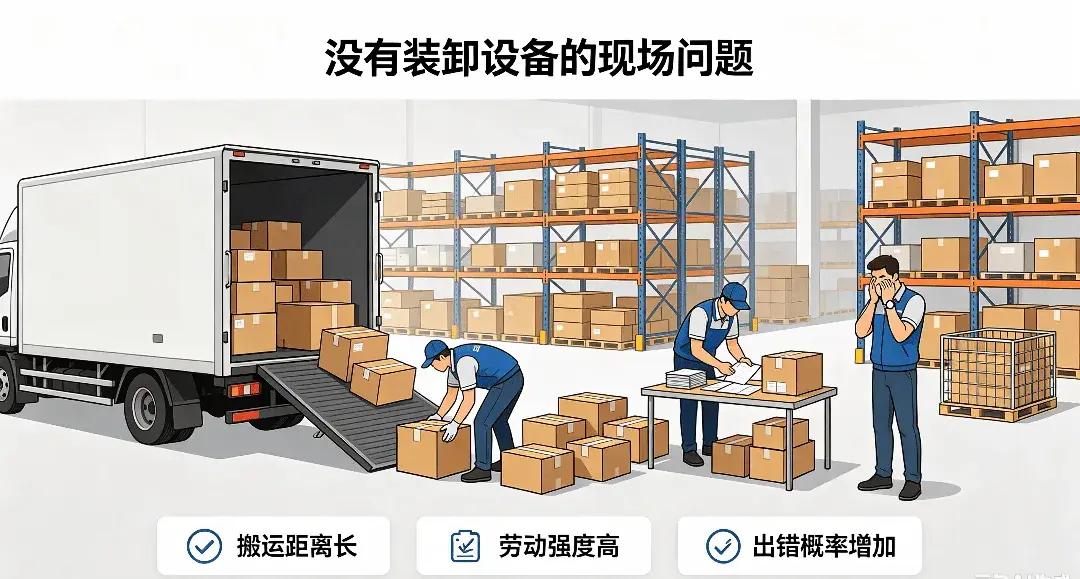
In manufacturing plants and warehouse logistics centers, lightweight, scattered, and frequent short-distance handling is often an easily overlooked part of factory logistics efficiency. Cartons of general merchandise, food and beverages, electronic components, small daily chemical items, and neatly packed bagged goods are commonly found in scenarios such as deep truck loading and unloading, in-warehouse sorting and stacking, and unloading at temporary points. These tasks involve short distances, high frequency, and rapidly changing stations. Using large powered conveying equipment can easily waste equipment investment and floor space, while ordinary roller conveyors are difficult to cover temporary operation needs, ultimately still requiring workers to repeatedly carry materials and bend down to pass goods.
Manual handling not only increases physical strain, but also limits loading, unloading, and transfer speed, and raises the risk of goods being bumped or damaged. For these lightweight short-distance transfer links, flex roller conveyors can provide a lighter and more flexible auxiliary conveying method, helping companies improve the fragmented operations at the end of factory logistics.
Which factory logistics scenarios are skate wheel conveyors suitable for?
When upgrading logistics systems, some factories focus primarily on the main workshop lines and the main loading and unloading equipment at the loading dock, while easily overlooking narrow aisles, small spaces, temporary loading and unloading, and the placement of goods deep inside vehicle compartments. Standard conveying equipment has advantages in heavy-load and long-distance transfer operations, but when it enters areas with limited space or unfixed workstations, it may face difficulties such as challenging site access, inconvenient adjustment, complicated storage, and high modification costs.
Naili Conveyor skate wheel conveyors are lightweight, non-powered conveying equipment. They require no power supply, control system, or on-site wiring, and no dedicated maintenance personnel. The equipment can move goods using their own weight or a light manual push, making it suitable for short-distance transfers of lightweight materials, temporary loading and unloading, and in-warehouse sorting. It can serve as a supplementary solution alongside large powered equipment and standard roller conveyor lines.
The modular structure supports telescoping, bending, and flexible connection
To meet the needs of lightweight goods transfer across multiple industries, Naili Conveyor has optimized the adaptability, flexibility, and durability of its skate wheel conveyors. The equipment uses high-density, quiet, wear-resistant skate wheels with low rolling resistance, allowing one person to push full cartons and helping reduce the need for multiple workers to lift goods or perform strenuous manual handling.
The modular connection structure allows the equipment to telescope, bend at different angles, and be extended with additional sections according to site requirements. Whether placing goods deep inside a vehicle compartment, transferring goods around bends in narrow aisles, or performing temporary operations in irregular spaces, the conveying route can be adjusted to suit the situation and meet the needs of fragmented logistics at different workstations.
Structures and customized configurations for high-frequency operations
In high-frequency industrial operating environments, the smoothness of conveying and the structural stability of the equipment directly affect the user experience. The skate wheel conveyor uses highly elastic, quiet skate wheels that rotate smoothly during operation, helping reduce interruptions, product jams, and conveying bumps while lowering the risk of impact damage to lightweight goods during transfer.
The frame is made of lightweight, high-strength alloy steel, providing balanced load-bearing and a sturdy structure suitable for continuous telescoping, bending, and sliding operations. The equipment supports non-standard customization, allowing its length, width, and height to be adjusted according to actual requirements. It can also be configured with swivel casters and brake-locking mechanisms for switching between different workstations and securing the equipment quickly. When not in use, the equipment can be retracted for storage, reducing the amount of production space occupied in the factory.
Combine it with existing conveying equipment to improve the logistics system
Skate wheel conveyors can be used in industries including food and beverages, e-commerce warehousing, electronics manufacturing, footwear and apparel, general merchandise, and daily-use fast-moving consumer goods. They primarily serve the short-distance transfer, temporary loading and unloading, and in-warehouse sorting of lightweight goods. Through a direct-from-source sales model, Naili Conveyor can survey factory operating conditions, customize equipment specifications according to requirements, and conduct adaptation testing and commissioning.
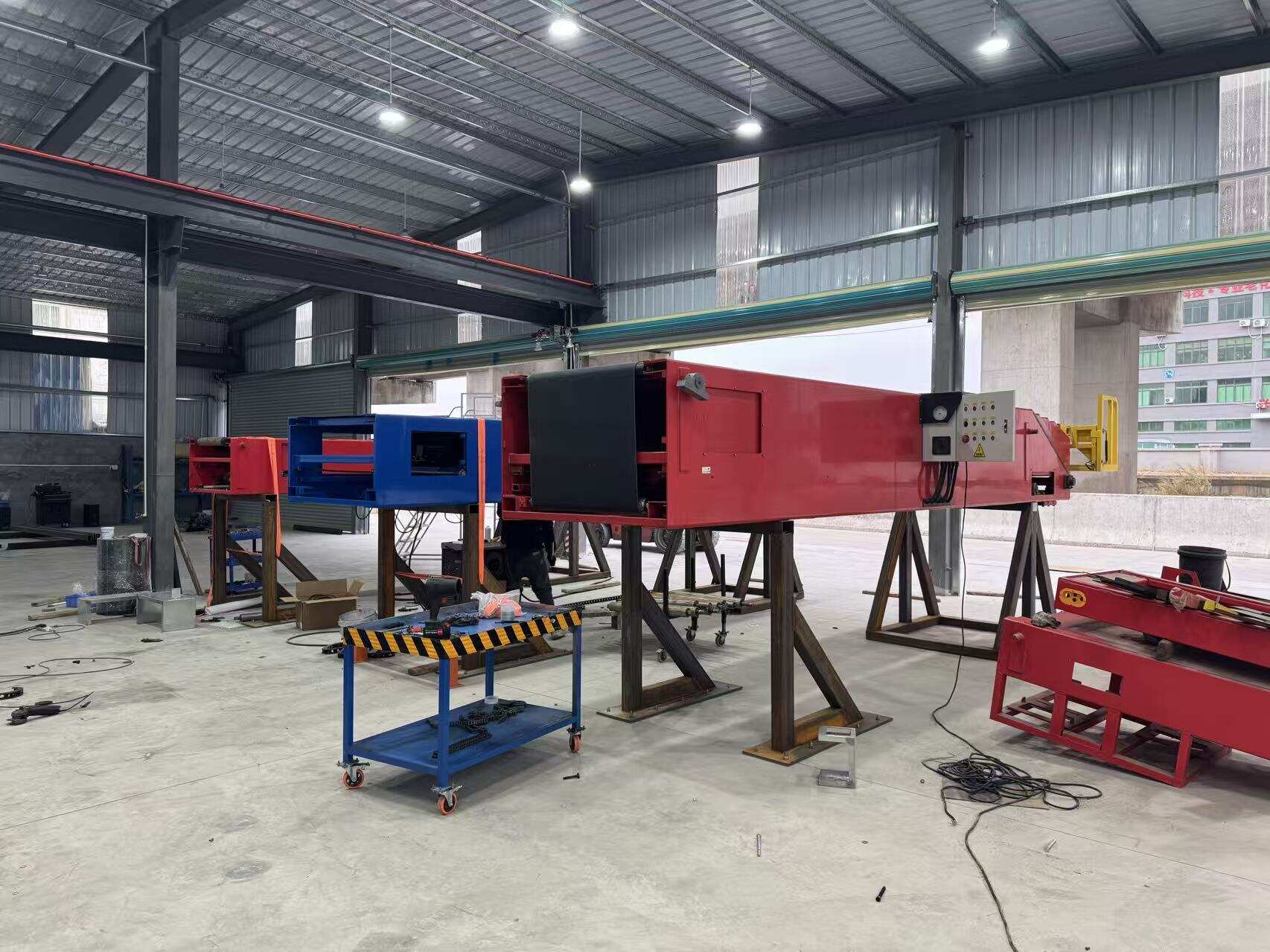
In factory logistics systems, skate wheel conveyors can also work with powered roller conveyors, non-powered roller conveyors, Hydraulic Conveyor, and telescopic belt conveyors to support material transfers at different stages. For factories with compact spaces, numerous workstations, and frequent adjustment requirements, lightweight, non-powered, and storable equipment configurations help supplement fragmented logistics operations, reduce unproductive manual effort, and improve transfer efficiency.