Naili Conveyor

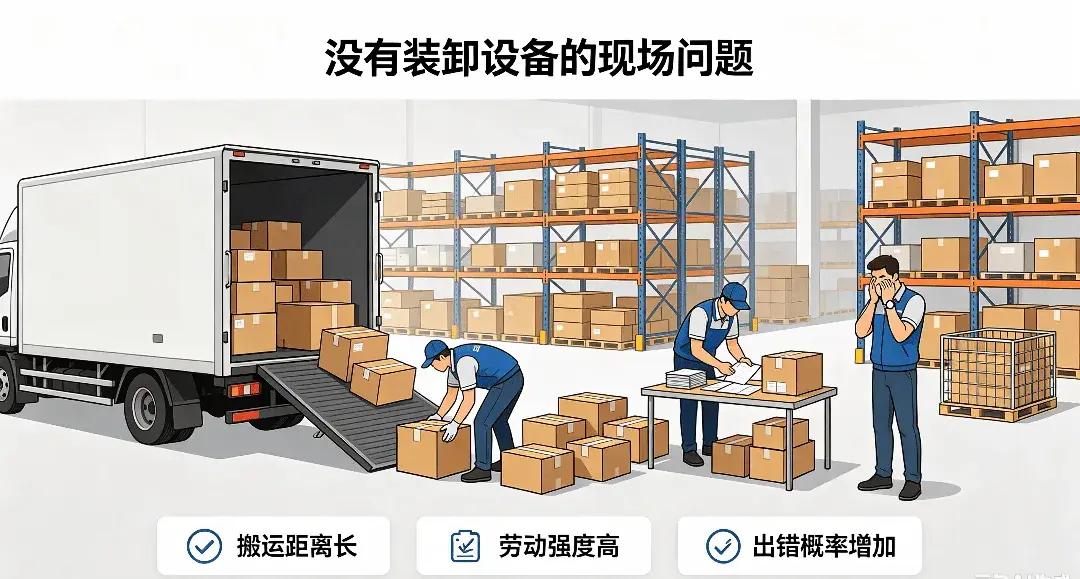
At factories and warehouse sites, automated equipment often already handles heavy-item loading and unloading and mainline conveying. However, short-distance transfer of small items, in-warehouse sorting, and distributing goods throughout truck compartments still frequently rely on manual labor. Problems therefore become concentrated in these areas: frequent repetitive handling consumes working hours and produces unstable efficiency; small items such as electronics, food, and daily-use chemicals are more likely to be damaged by impacts during transfer; and labor shortages during peak seasons may directly affect shipping schedules and order delivery.
Many companies have tried using traditional equipment to replace manual labor, only to find that it is not well suited to these nonstandard, scattered operating conditions. Although large powered equipment can cover some conveying requirements, its purchase and maintenance costs are higher, making it uneconomical for handling small-item transfers. Fixed roller equipment is also limited by its structural form and often cannot enter sites flexibly when faced with narrow aisles, temporary unloading points, and similar scenarios.
Non-powered expandable skate-wheel conveyors are better suited to last-mile transfers
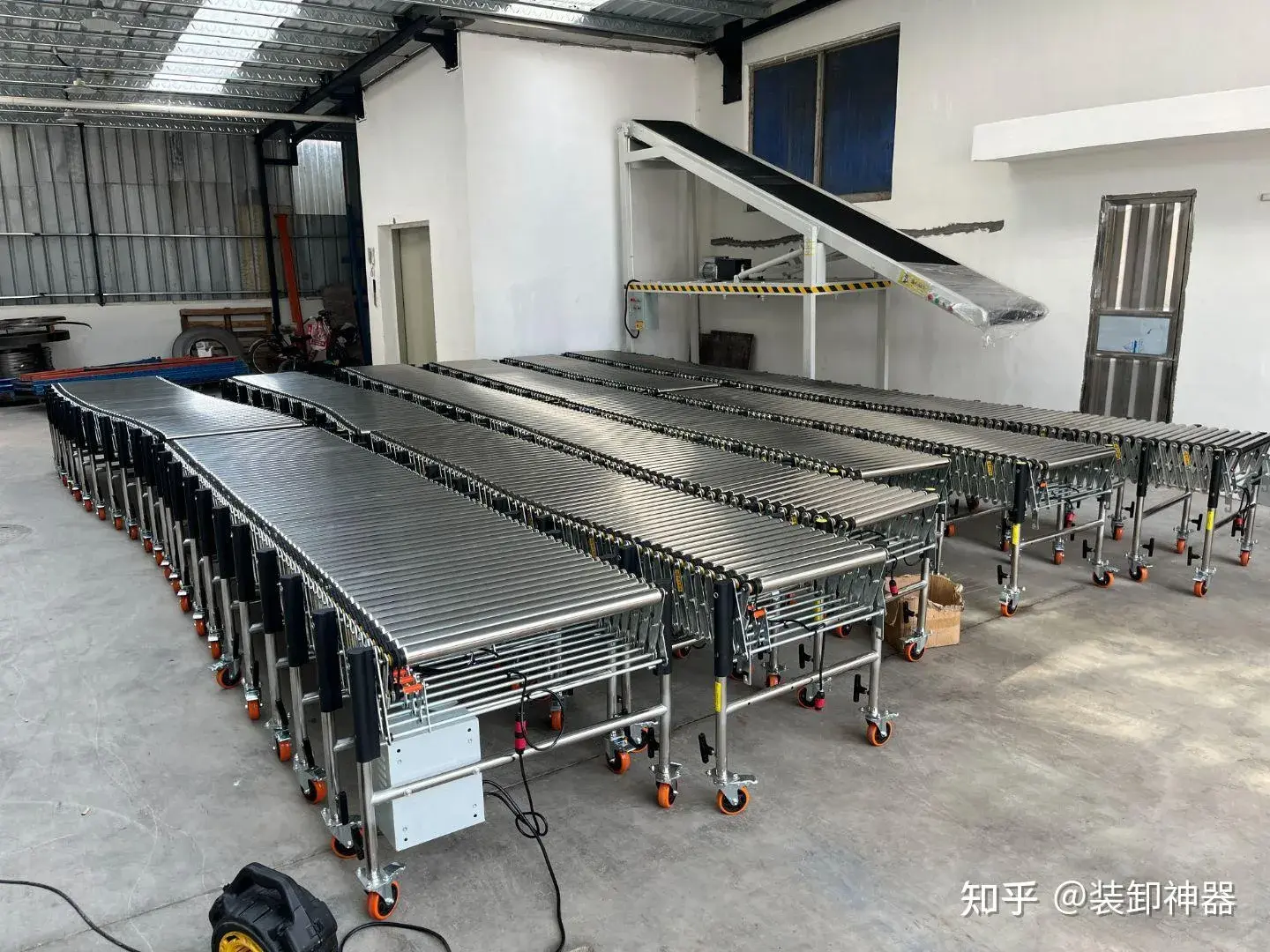
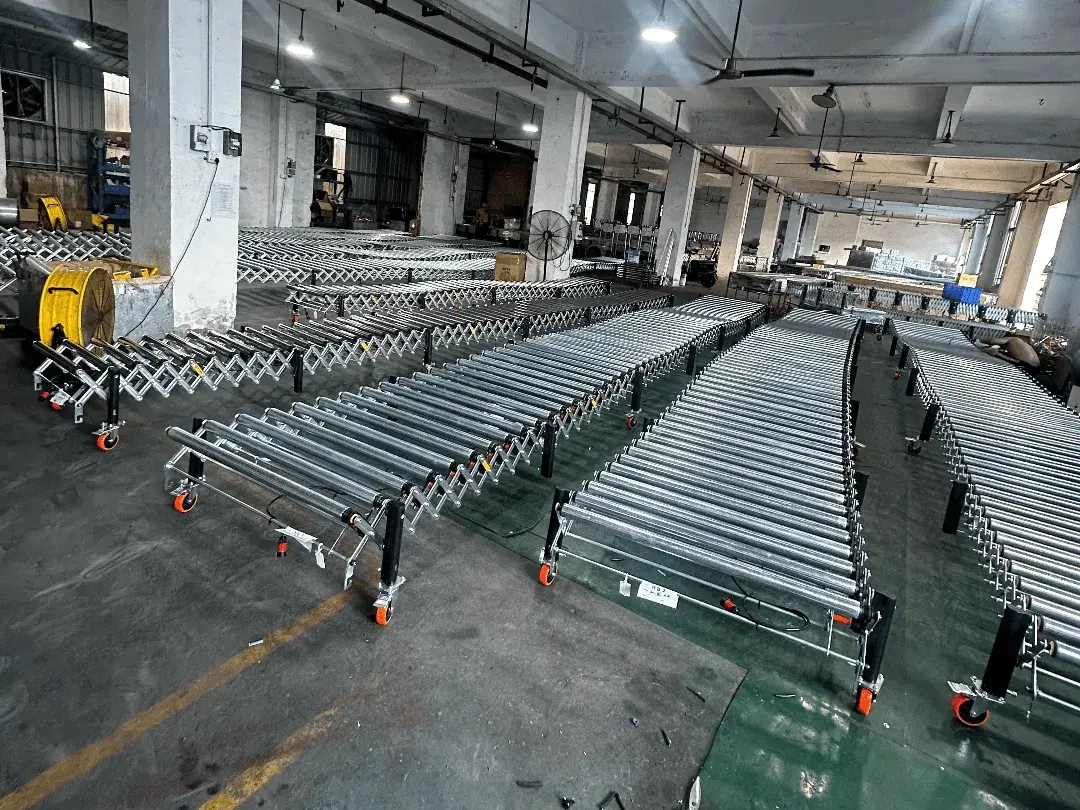
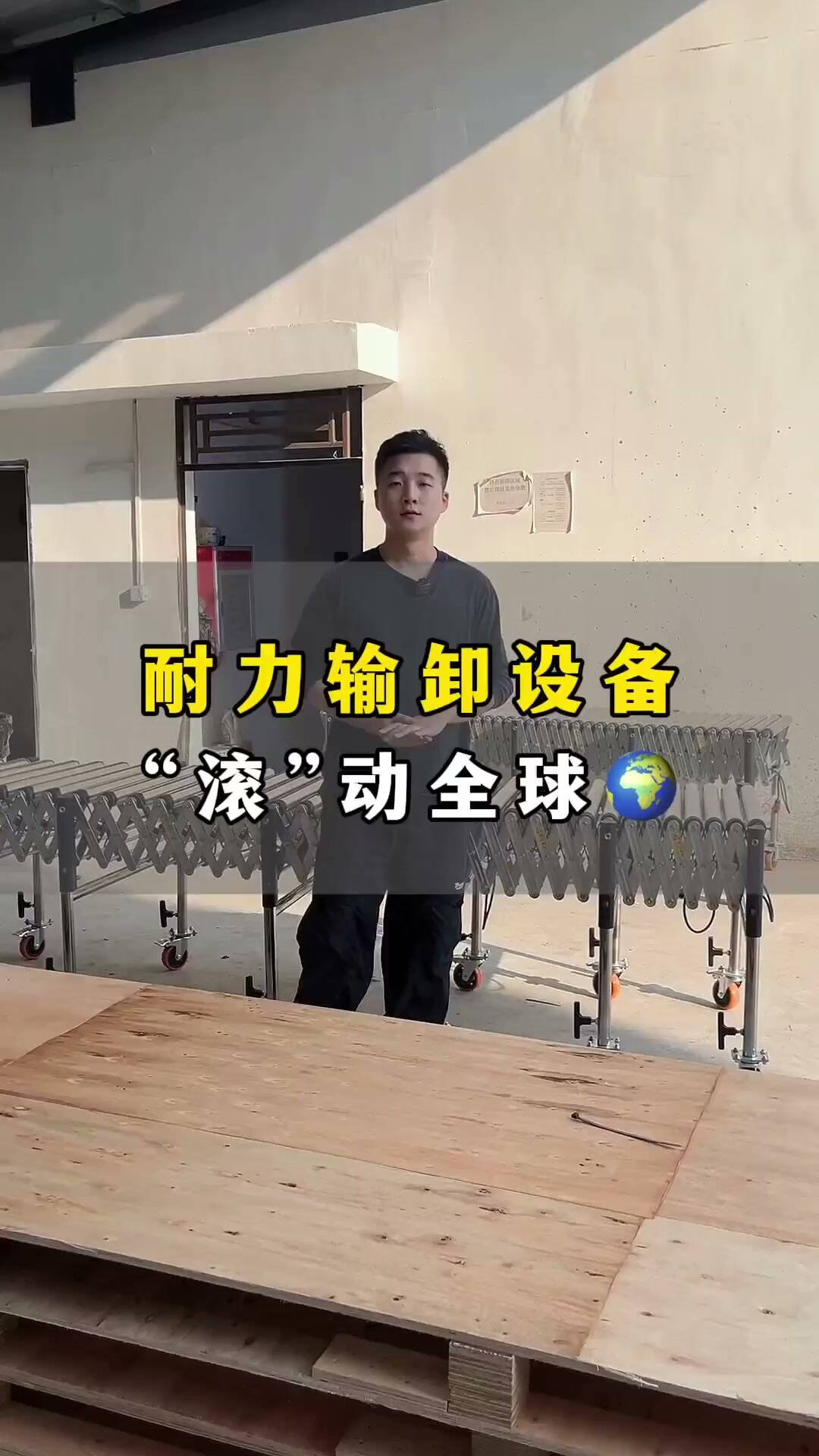
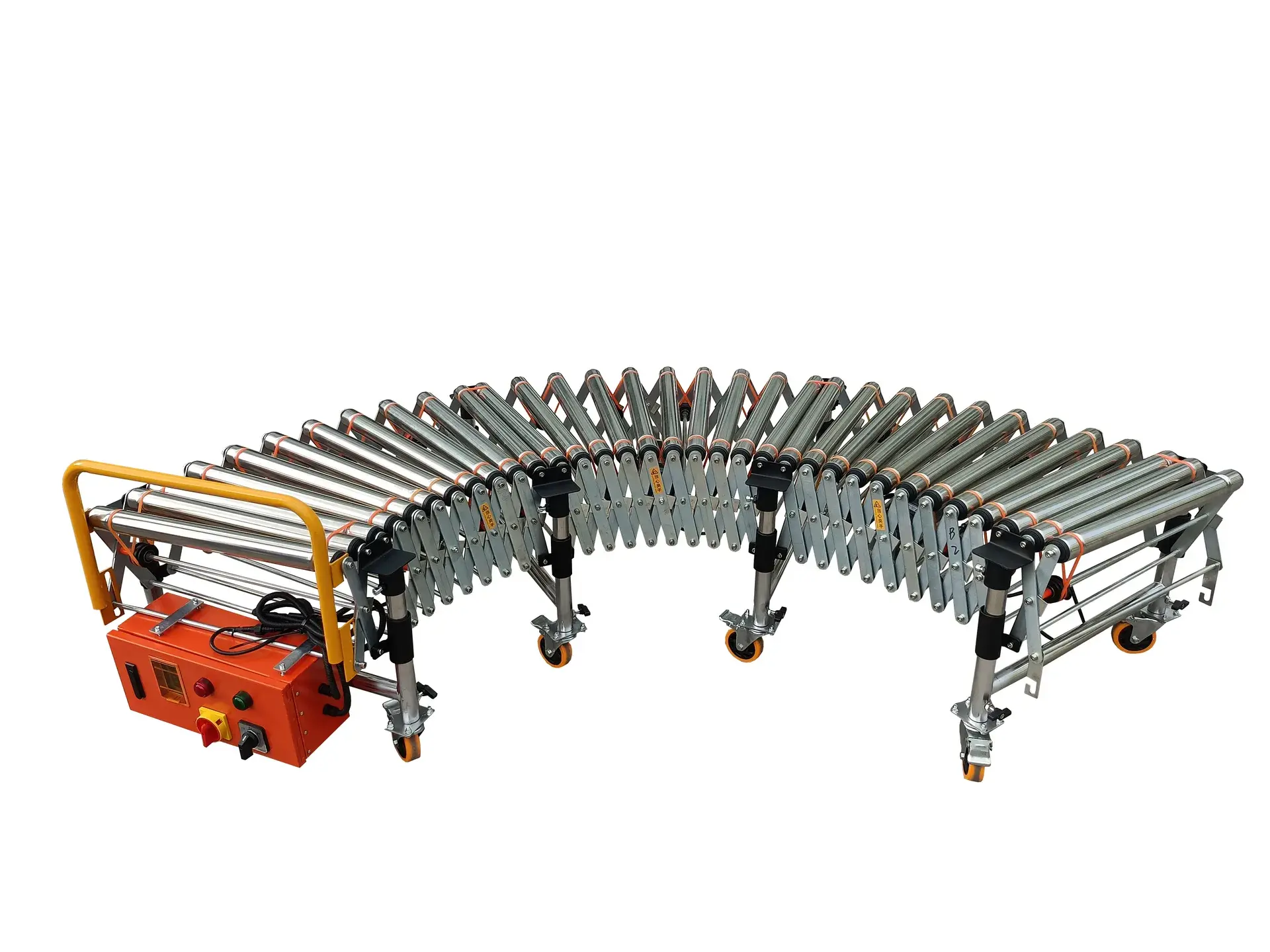
For these fragmented, scattered, and non-standard logistics conditions, the more suitable approach is not to force the use of large-scale automation equipment, but to adopt dedicated flexible conveying equipment that is lightweight, mobile, low-cost, low-maintenance, and highly adaptable. The non-powered flexible skate wheel conveyor is designed specifically for such applications, addressing the need for logistics upgrades at the final handling stage in small and medium-sized factories and warehouse centers.
Its key feature is a completely non-powered structure. It requires neither an industrial power connection nor a control system, and it does not involve complex installation or commissioning. It can be used immediately after being brought on site. For businesses with limited budgets that want to implement improvements quickly, this approach reduces the modification and maintenance burden after purchase.
Telescoping, turning, and mobility make the equipment easier to use
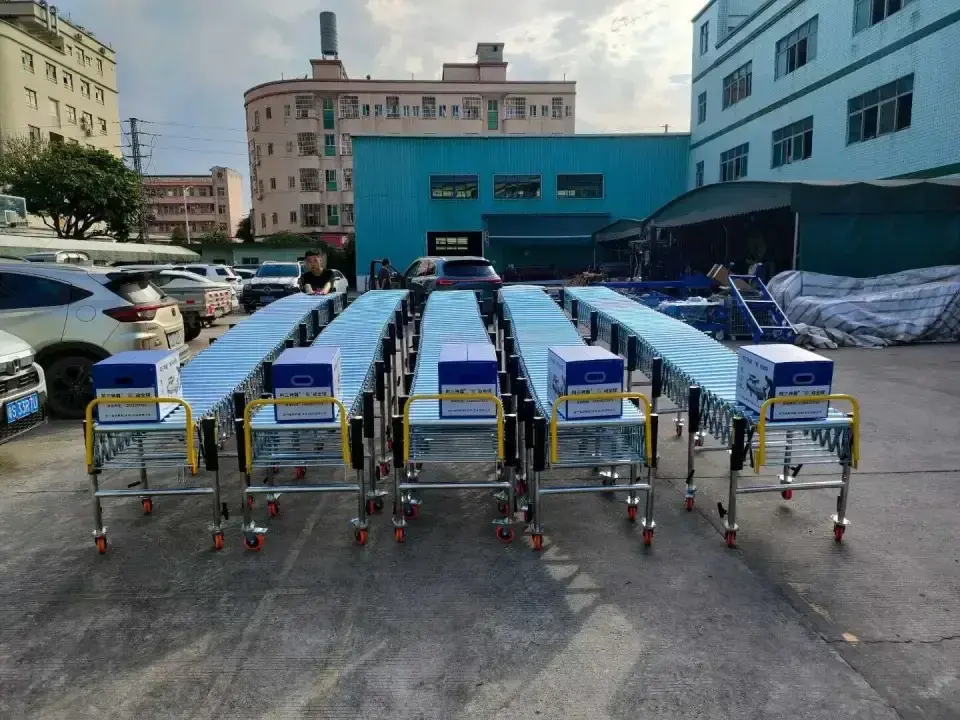
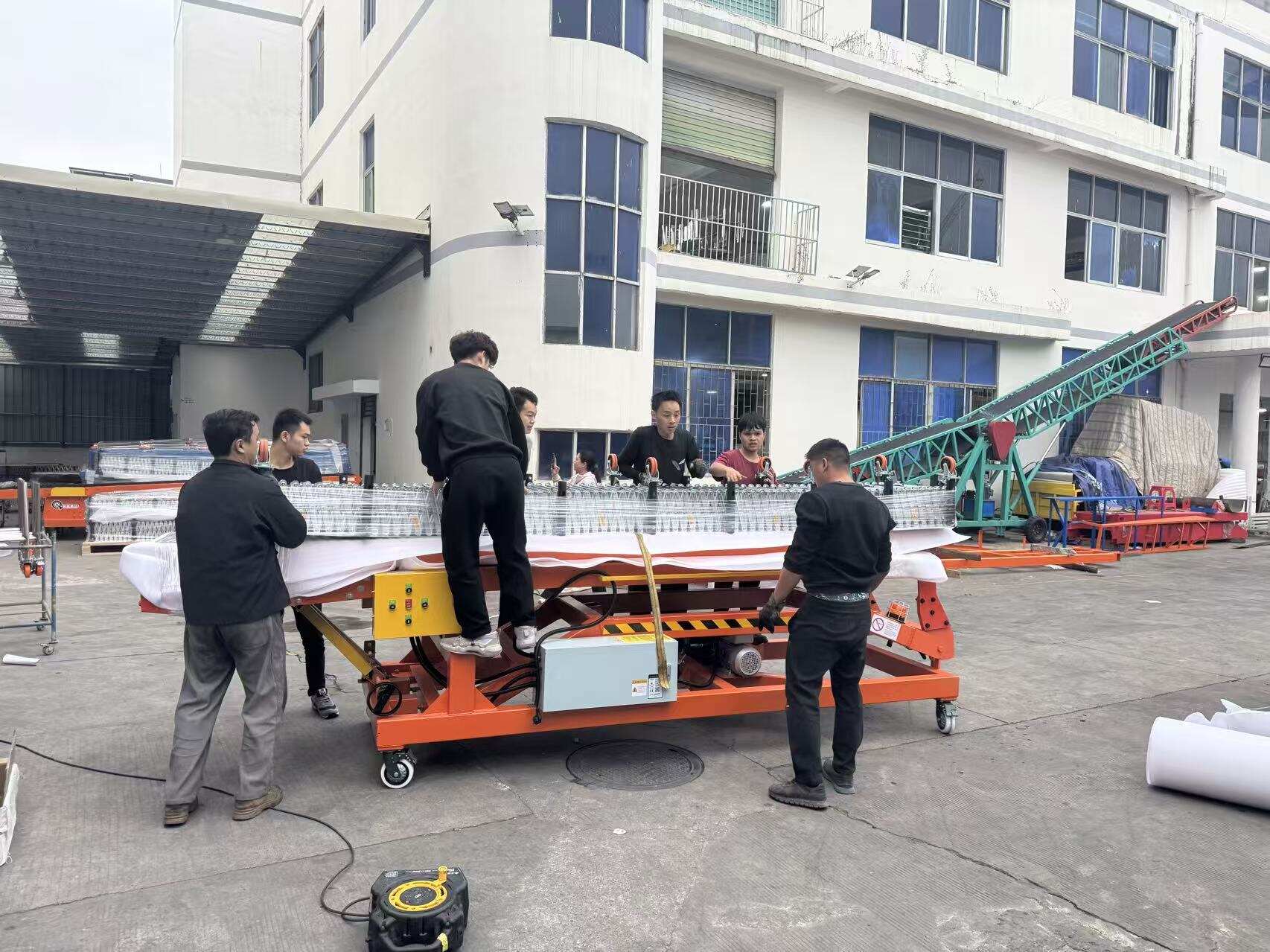
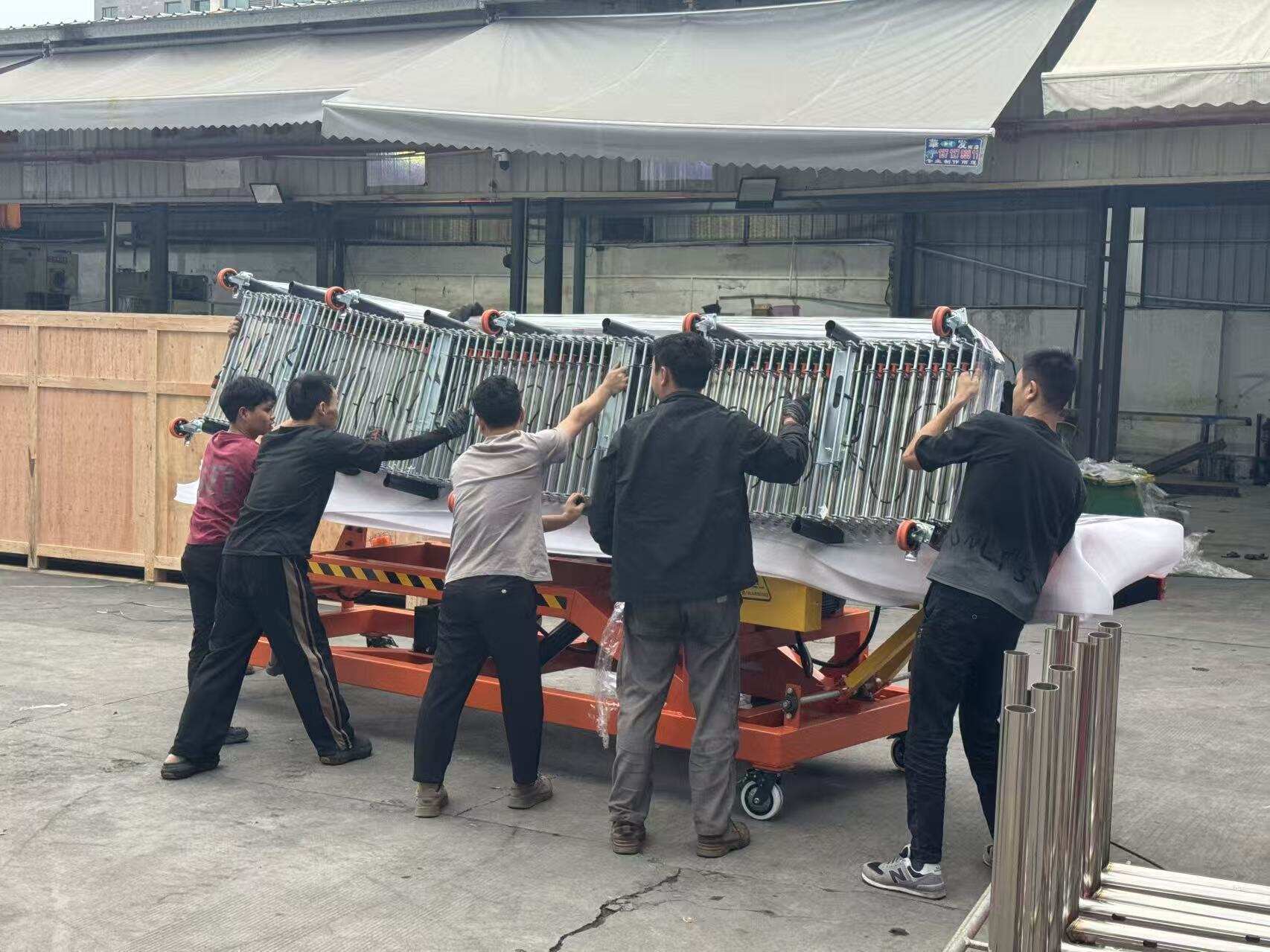
This type of equipment uses a modular telescoping and bending structure. Its length can be adjusted according to site requirements, and its direction can be changed within a certain range, allowing it to adapt to irregular spaces, narrow aisles, the deep interiors of truck compartments, and temporary outdoor unloading points. Compared with fixed conveying equipment, this flexibility is better suited to operating conditions where site requirements frequently change.
The equipment is fitted with lockable swivel casters, making it easy to move between multiple workstations. A single unit can be reused in different scenarios, improving equipment utilization and reducing idle waste.
Reduce handling effort and minimize product damage
In actual use, the skate wheels of the skate wheel conveyor have low rolling resistance, allowing one person to push full cartons or bags of lightweight goods with relative ease and reducing the physical strain caused by repeatedly lifting and carrying them. For frontline workers, this makes handling movements more continuous and workshop operations more convenient.
In addition, the skate wheels run smoothly, with fewer bumps and interruptions during conveying, allowing goods to be transported more gently. For small items, soft-packaged goods, and fragile products, this smooth operation helps reduce impact damage and breakage, thereby minimizing product loss.
A supplementary solution for final-stage logistics that helps complete the entire material flow
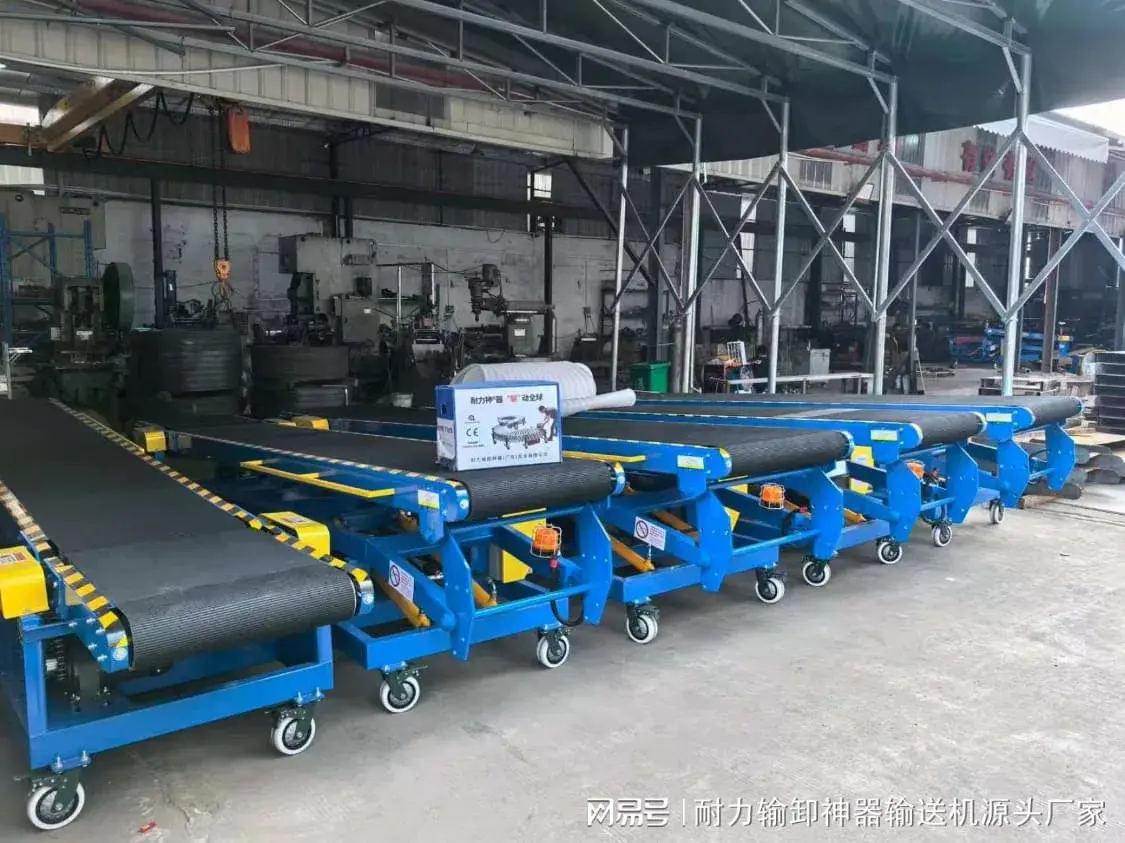
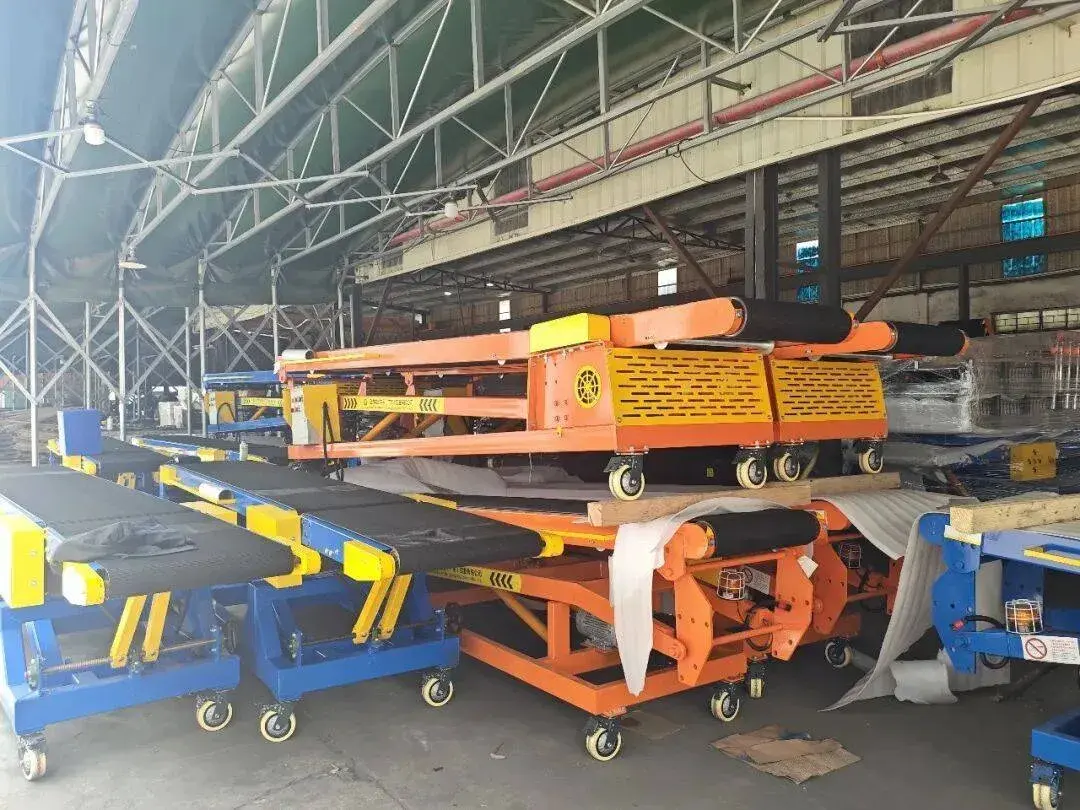
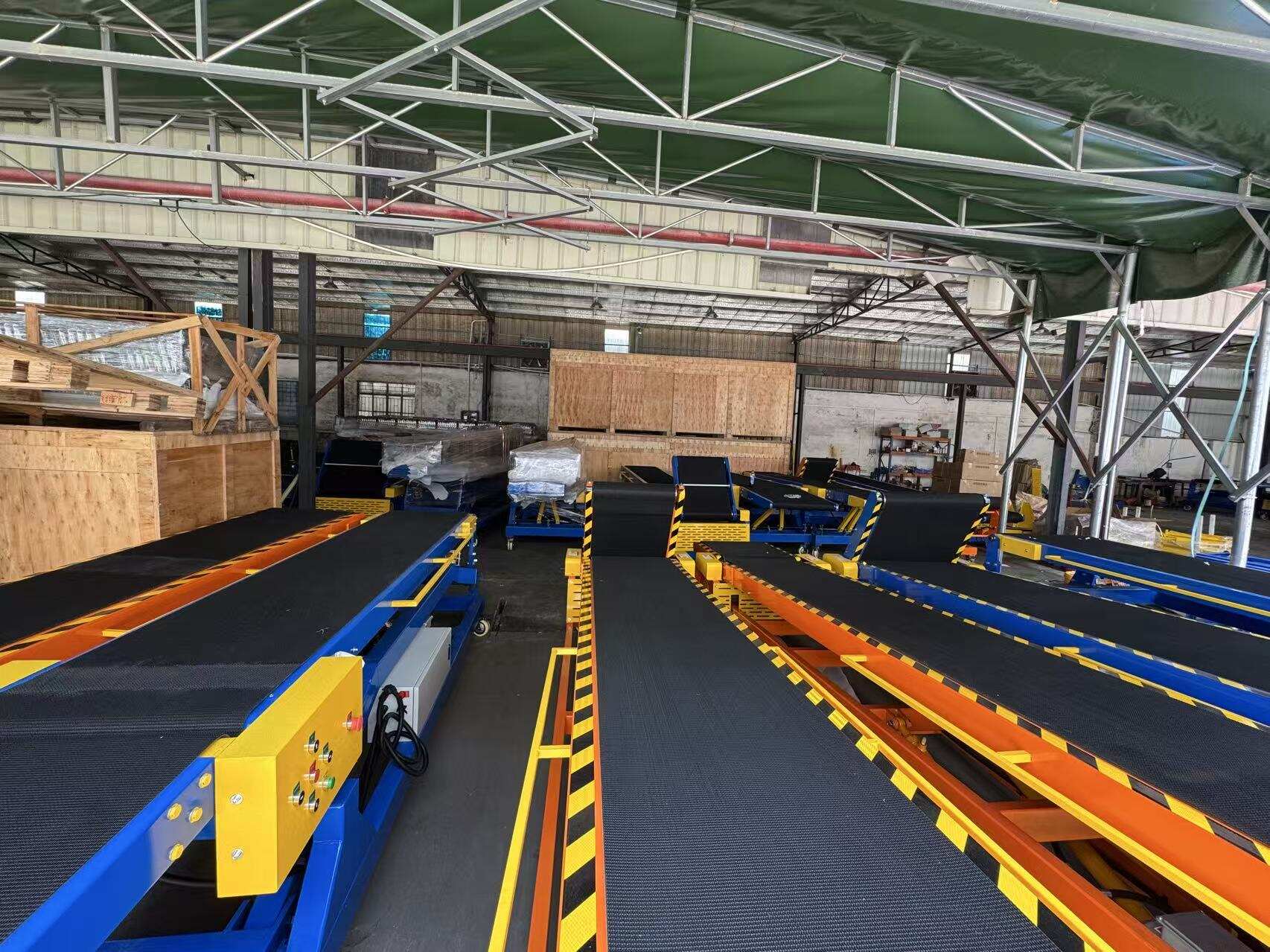
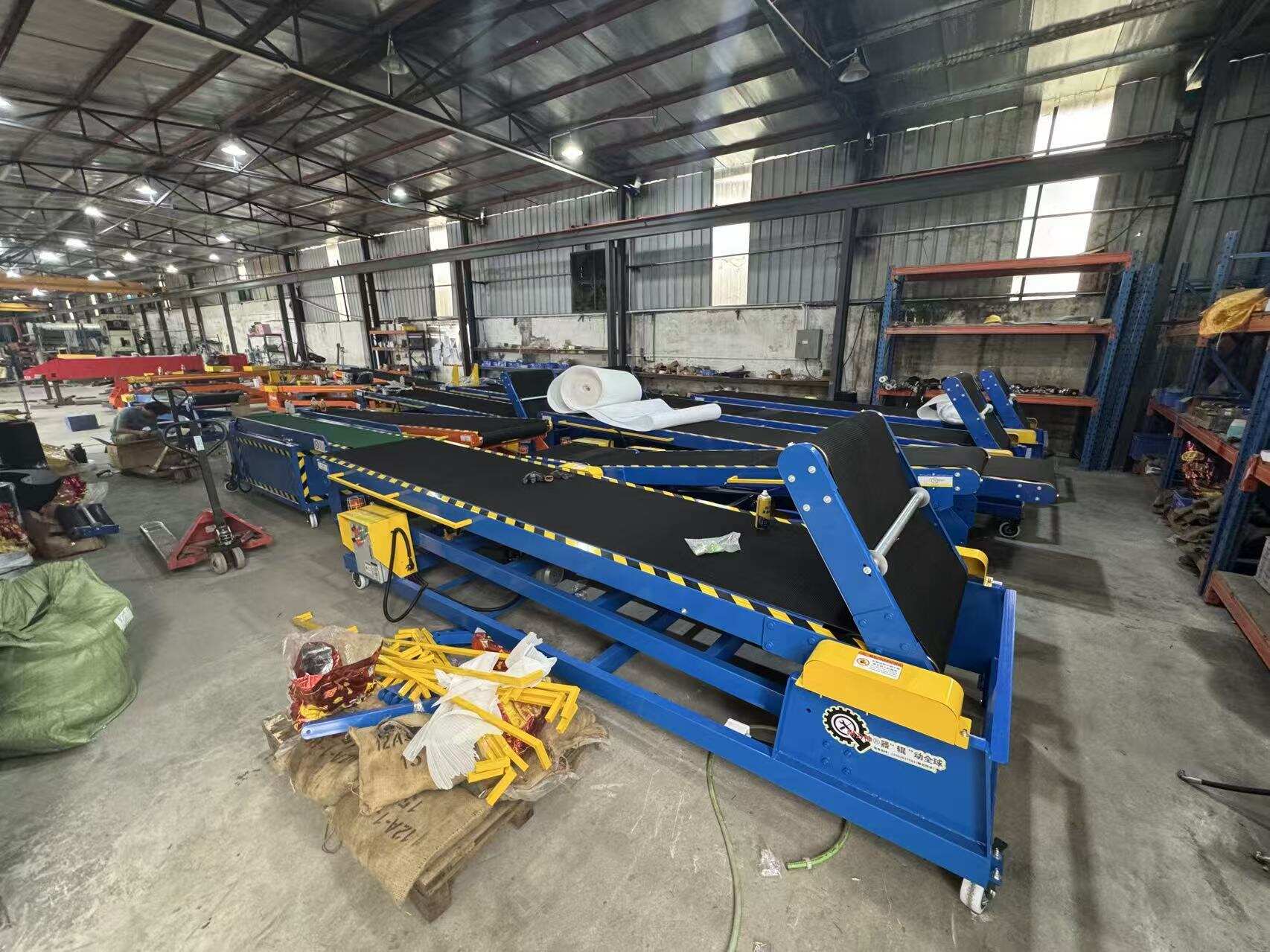
In factory logistics upgrades, this non-powered flexible skate wheel conveyor is better suited as a supplementary solution for final-stage logistics, working alongside primary equipment such as powered roller conveyors, non-powered roller conveyors, Hydraulic Conveyor, and telescopic belt conveyors. It fills the gaps in scattered transfers, allowing different types of goods to follow their own routes and creating a more complete logistics flow.
For small and medium-sized manufacturing and warehousing businesses, when budgets are limited, operating conditions are complex, and space is tight, yet there is a need to improve logistics efficiency with a relatively low barrier to entry, this type of equipment provides a lighter and easier-to-implement path for upgrading operations.