Factory capacity is bottlenecked? The common problem often lies in logistics flow
After continuously investing in production-line renovations, equipment replacement, process optimization, and facility upgrades, many manufacturing plants may appear to be in increasingly better condition. In practice, however, production capacity and net profit may fail to grow in tandem, or companies may even fall into the predicament of producing more while wasting more and increasing output without increasing revenue. The problem does not always lie with the production equipment itself. The long-term neglect of logistics optimization is often the more hidden cause.
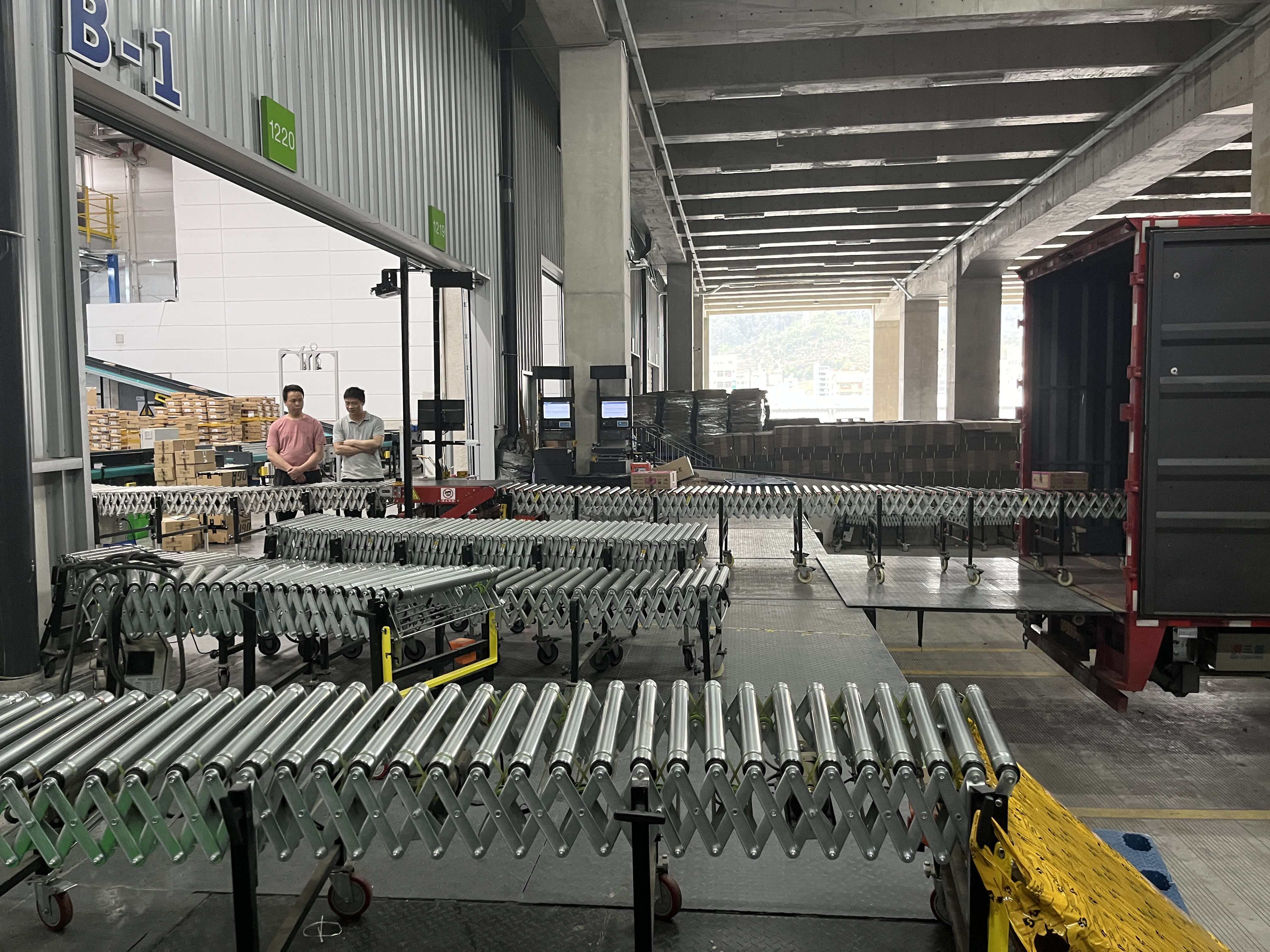
In actual production, efficiency losses often result from a chain reaction caused by inefficient internal workshop logistics. If semi-finished products accumulate and remain between workstations, and cannot be transferred promptly after the preceding process is completed, they will continue occupying floor space. The next process is then forced to wait because materials are unavailable, while the production line frequently starts, stops, or idles, continuously wasting equipment resources.
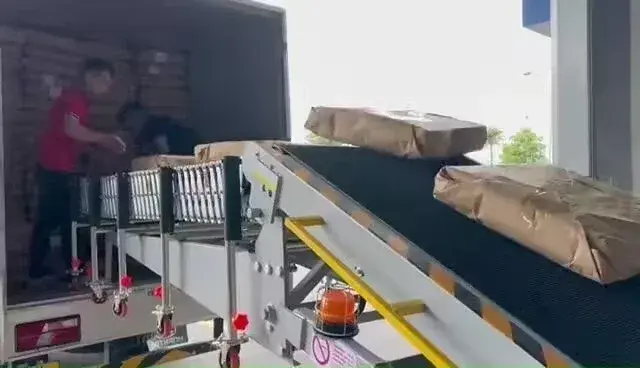
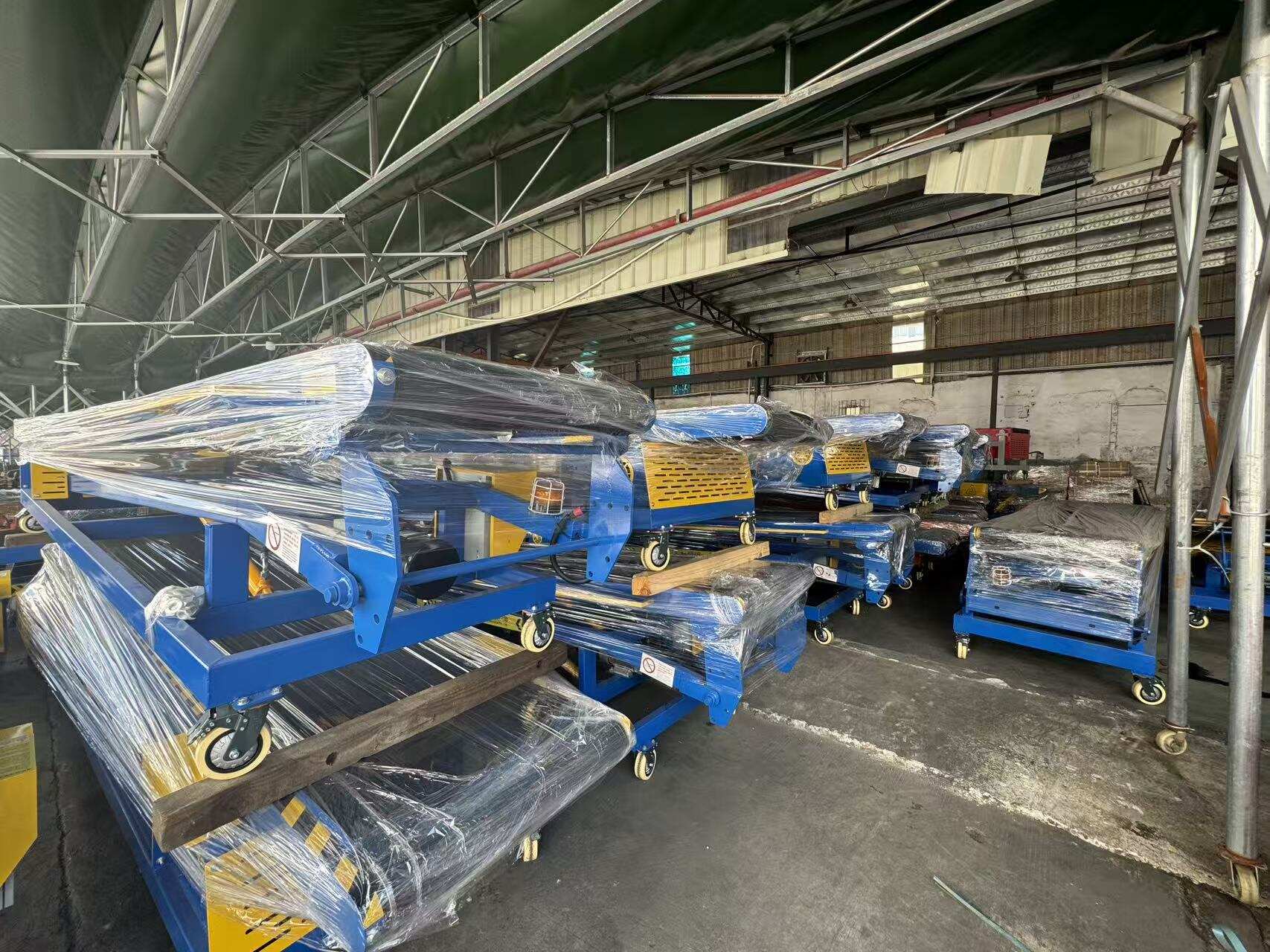
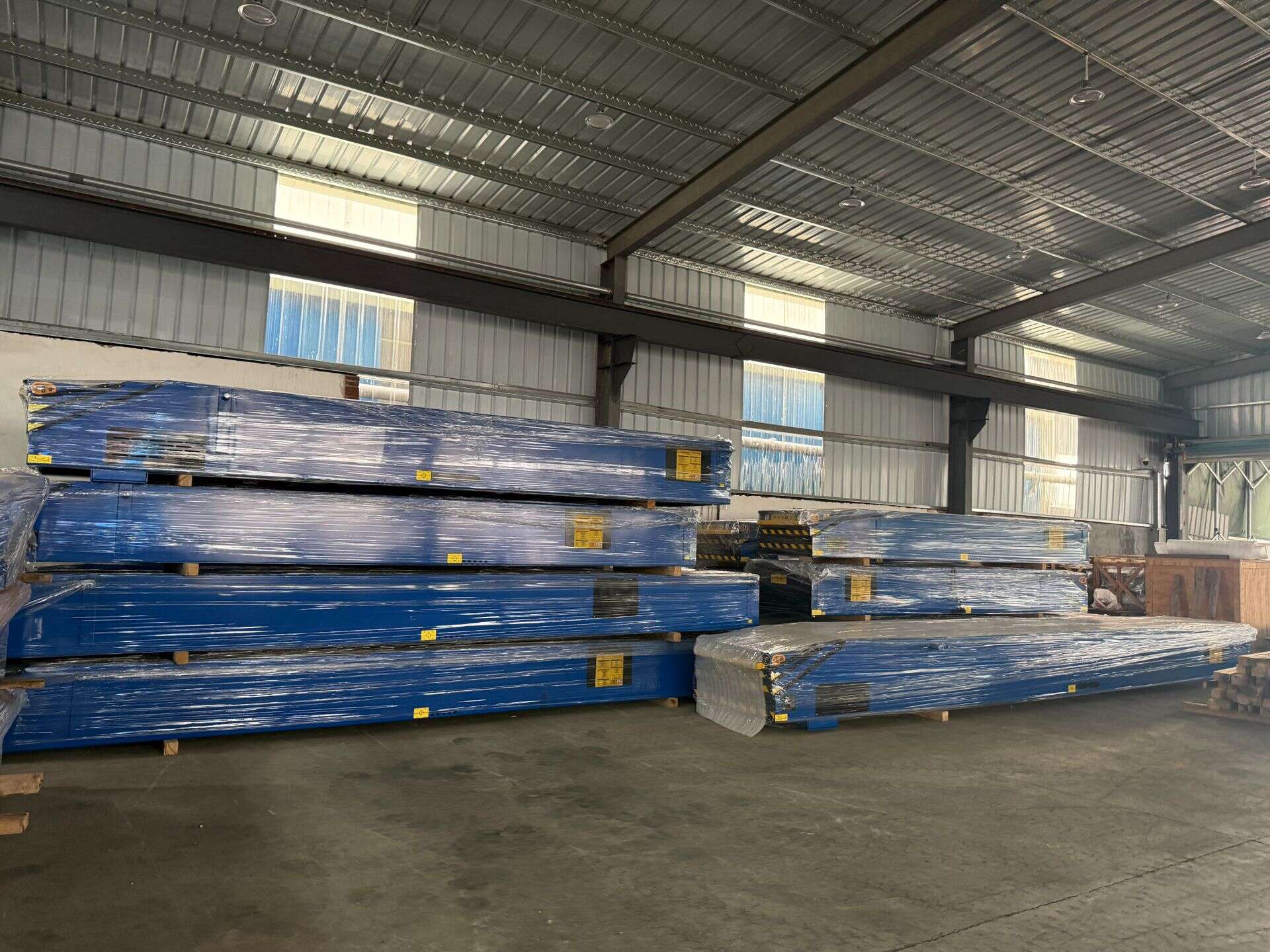
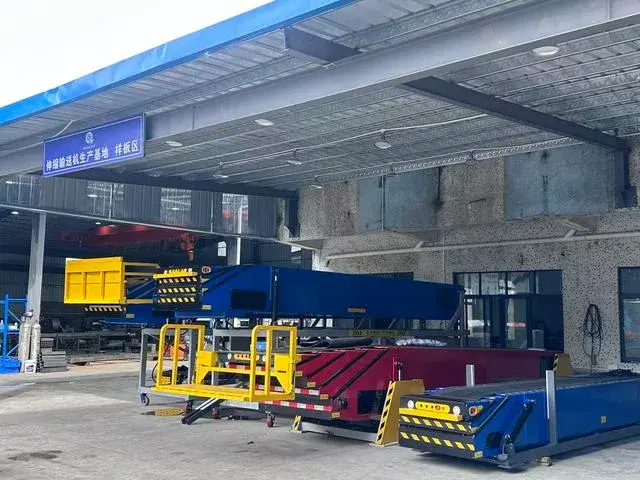
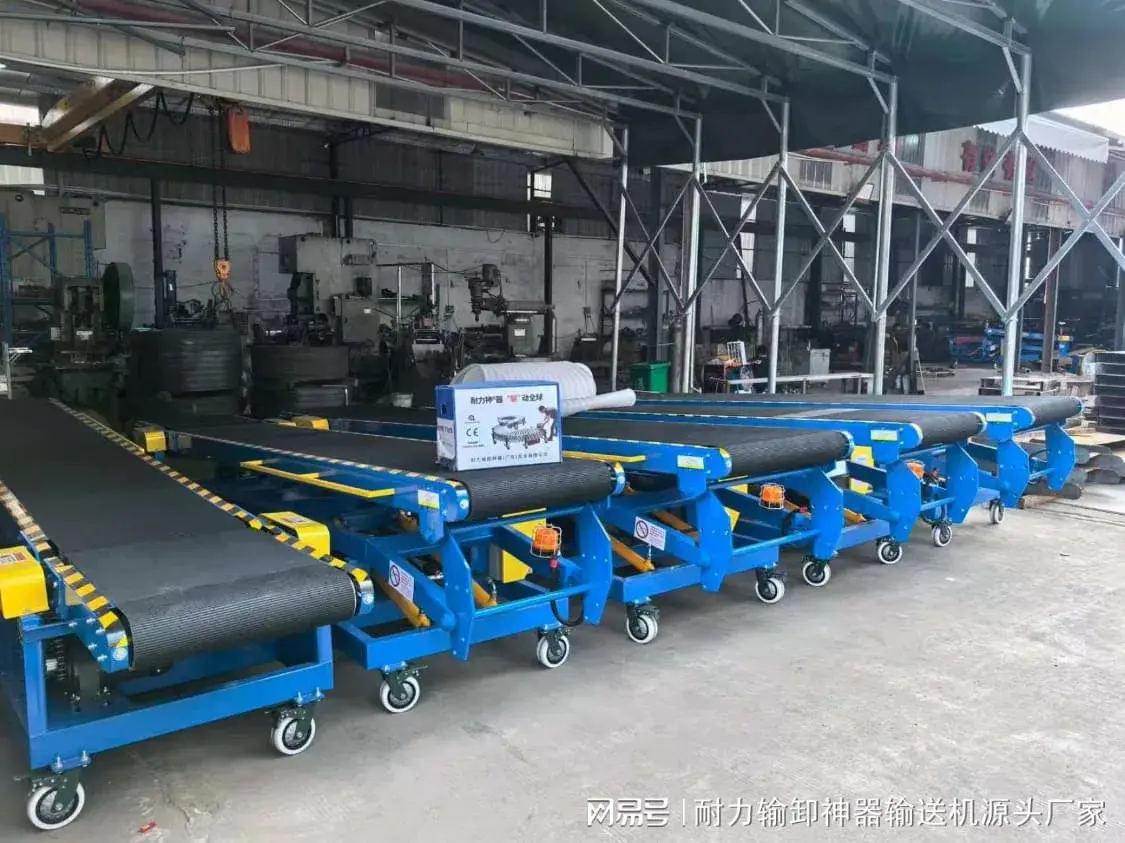
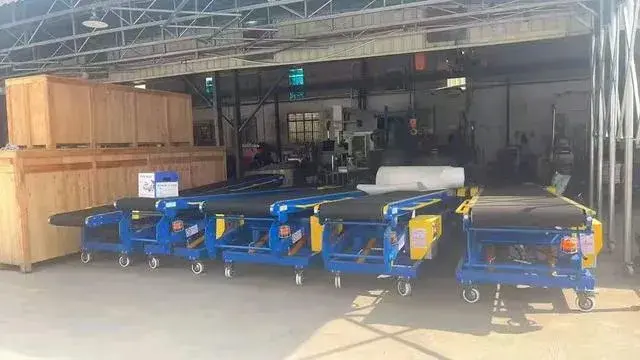
Schematic Diagram of Internal Material Transfer and Outbound Shipping Process in the Factory
The focus of lightweight upgrading is to fill the gaps in the process
These logistics issues are often not very noticeable in day-to-day operations, but after long-term accumulation, they create clear capacity bottlenecks and efficiency gaps, offsetting much of the cost a company invests on the production side. As competition in manufacturing continues to intensify, with equipment, labor, raw materials, and other conditions becoming increasingly similar, what truly sets companies apart is often who first streamlines the factory logistics system and who first opens up the material flow chain.
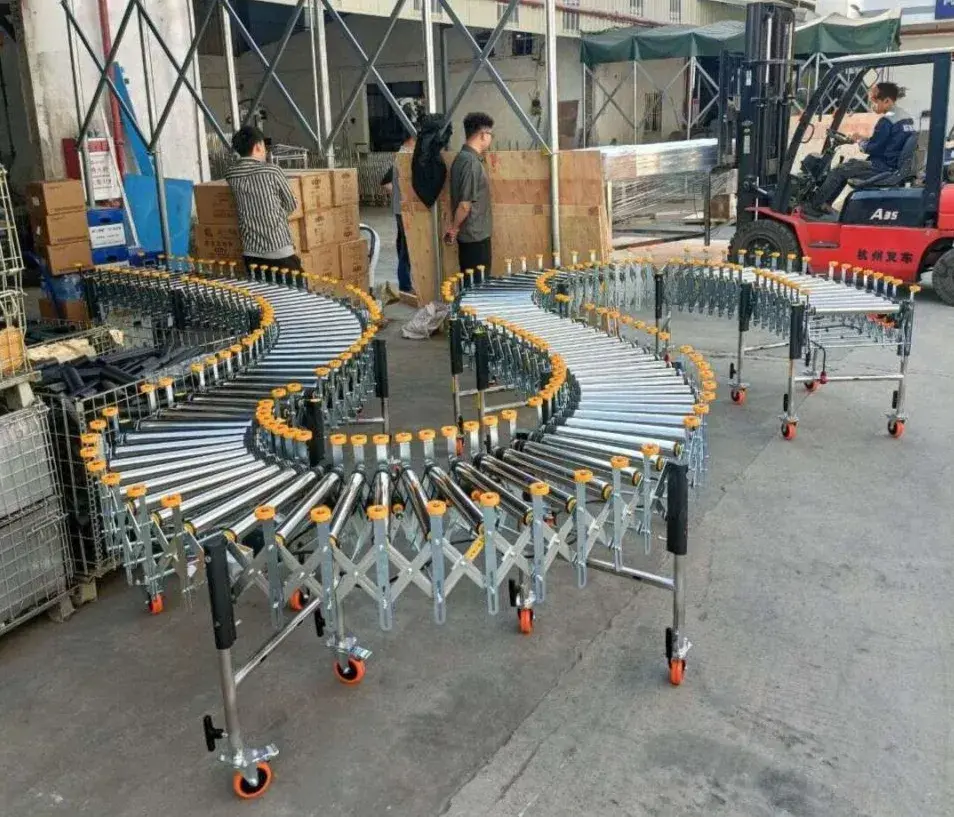
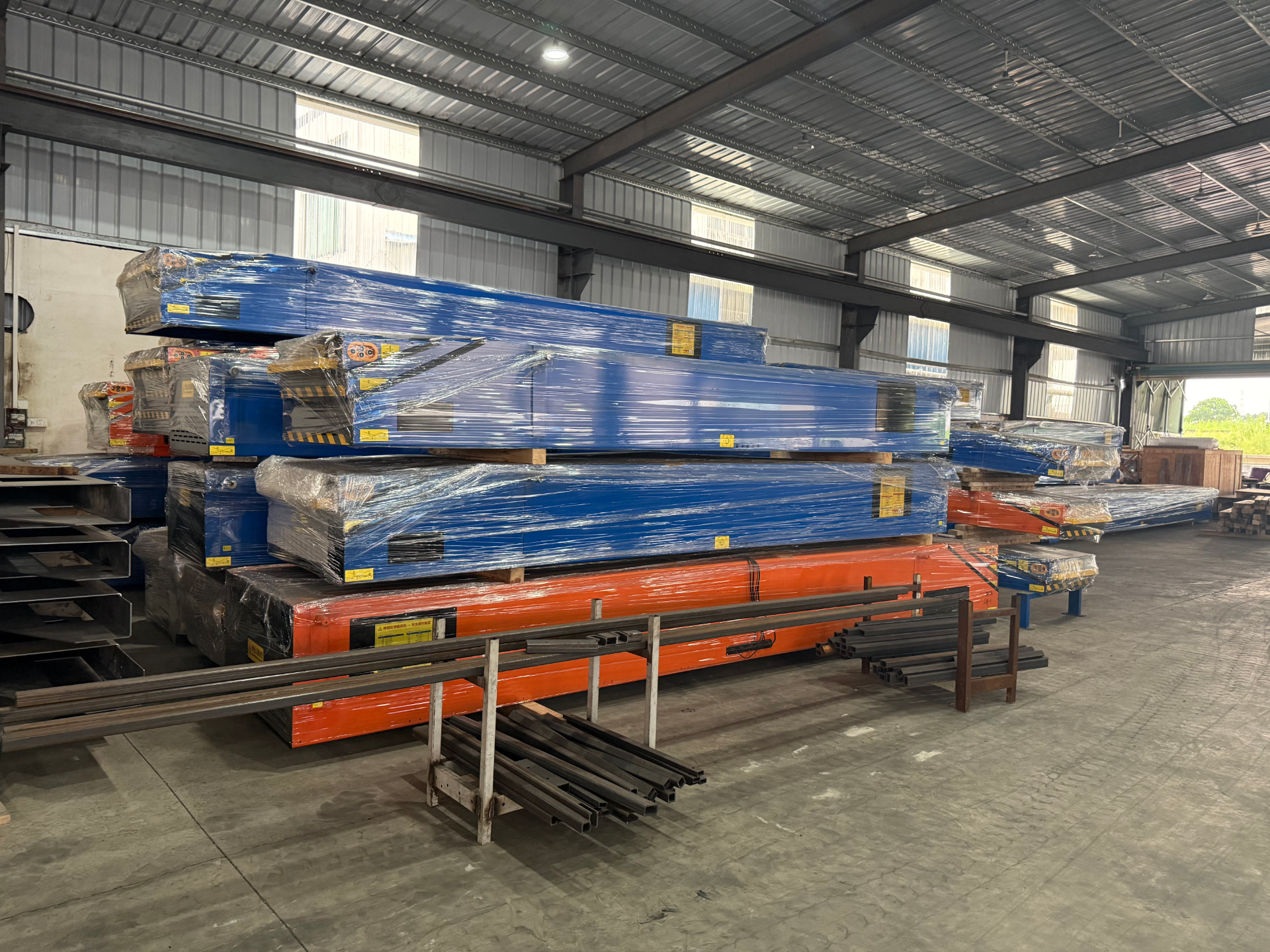
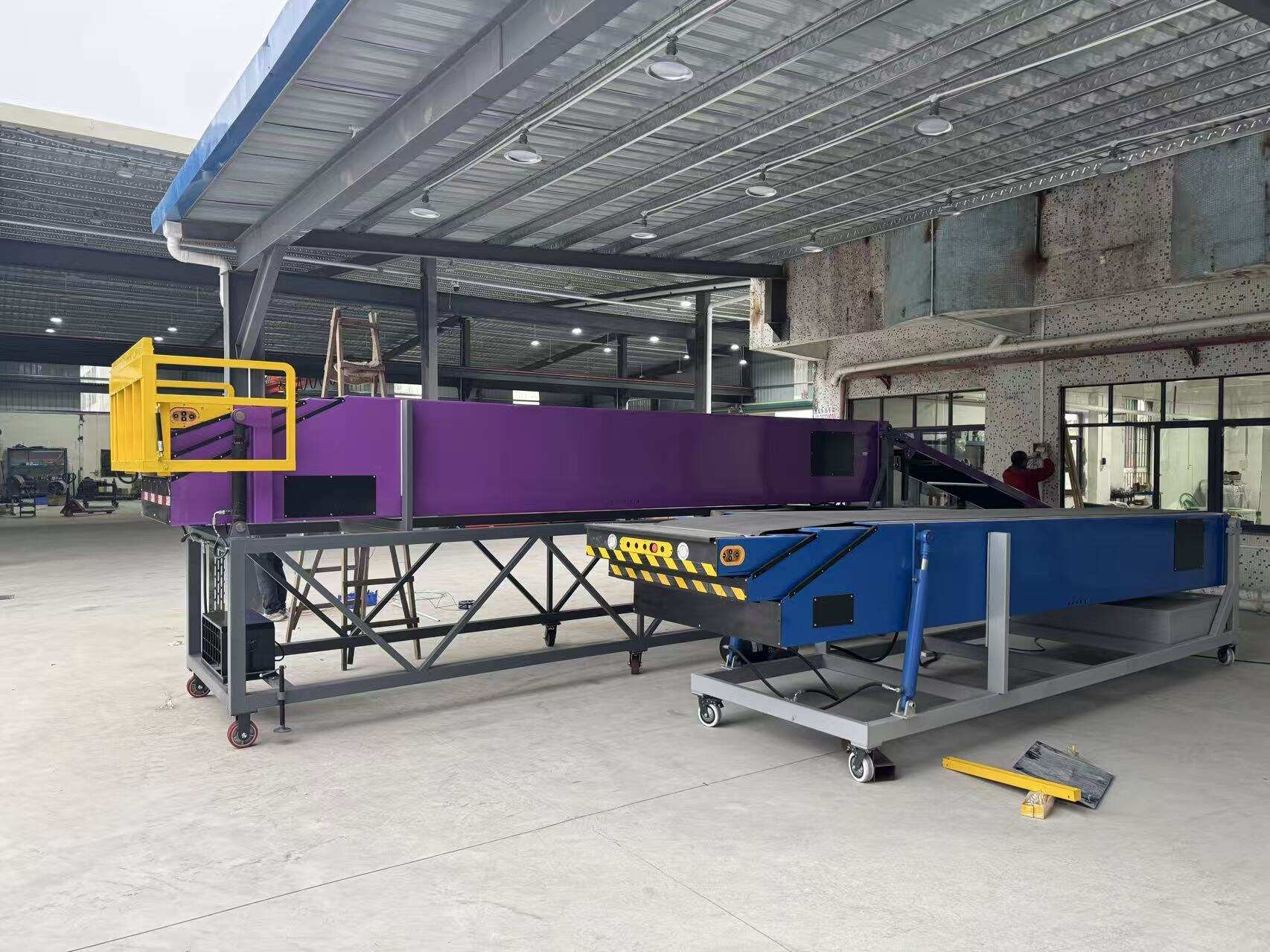
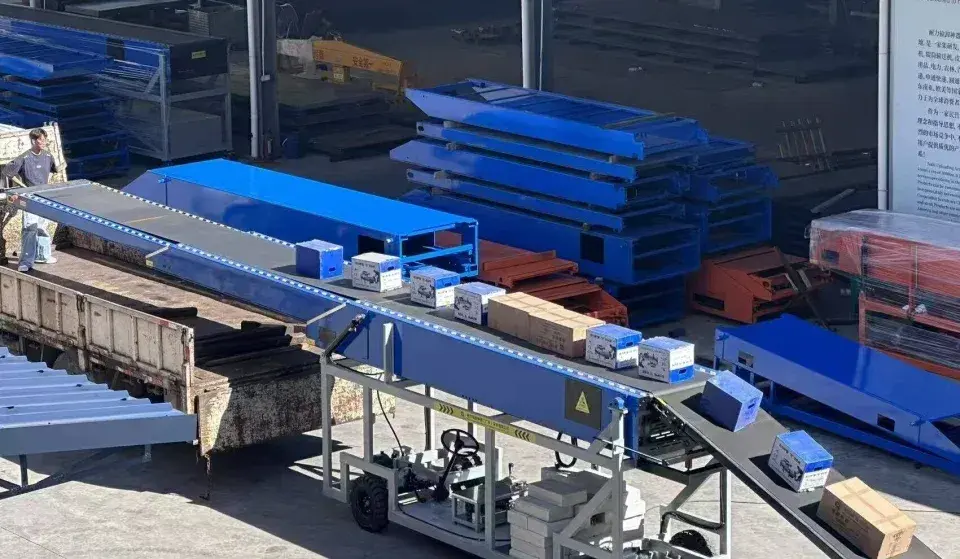
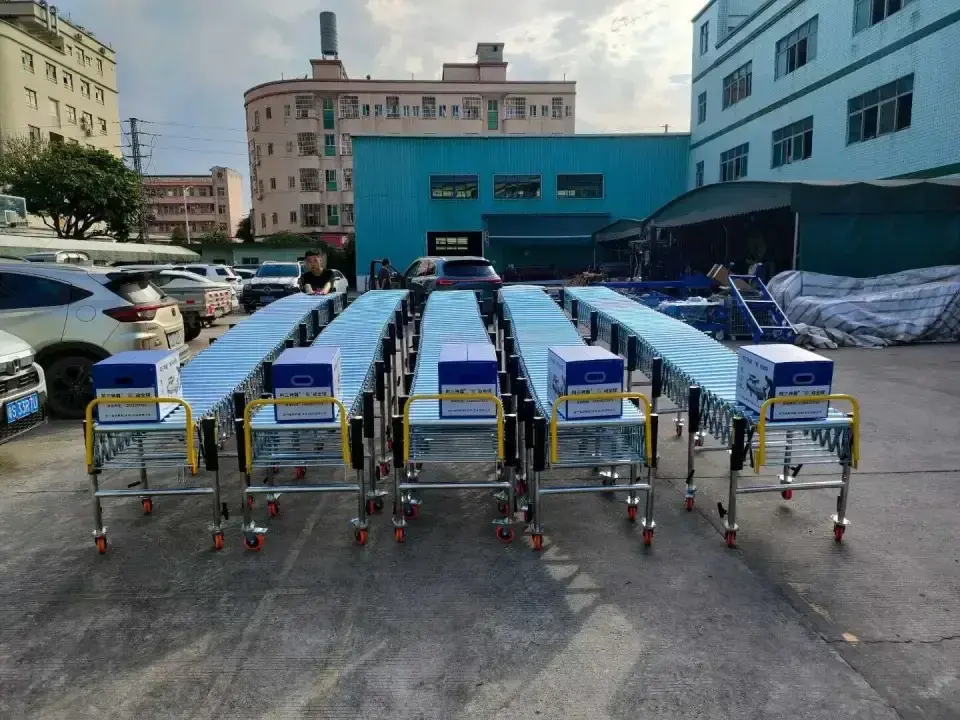
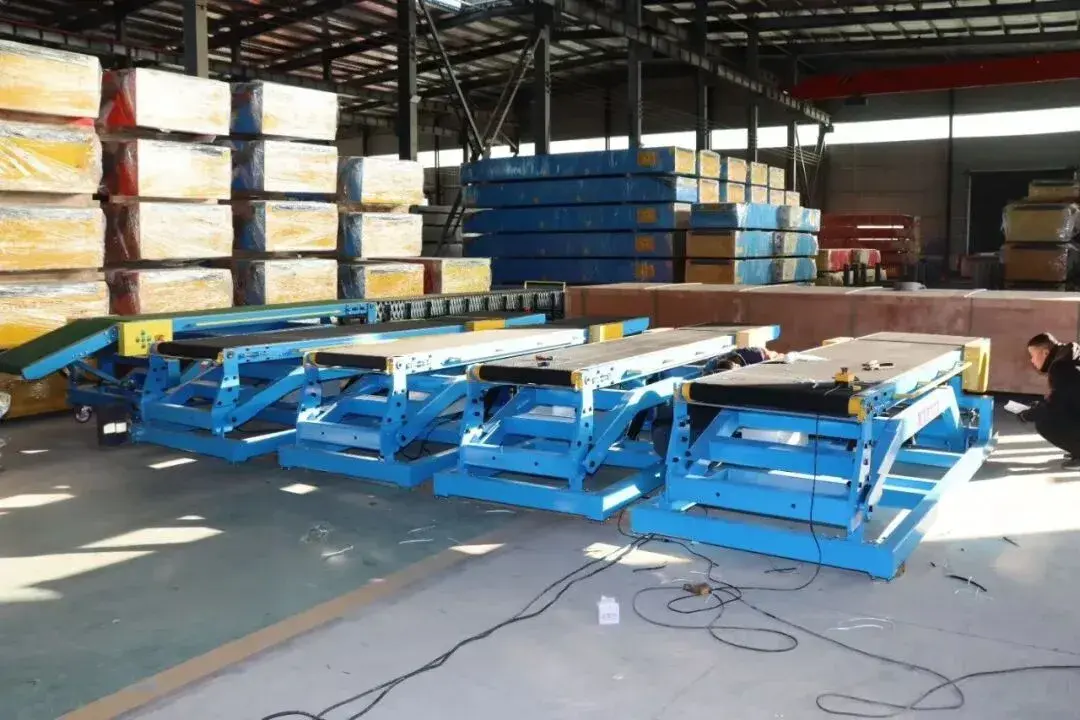
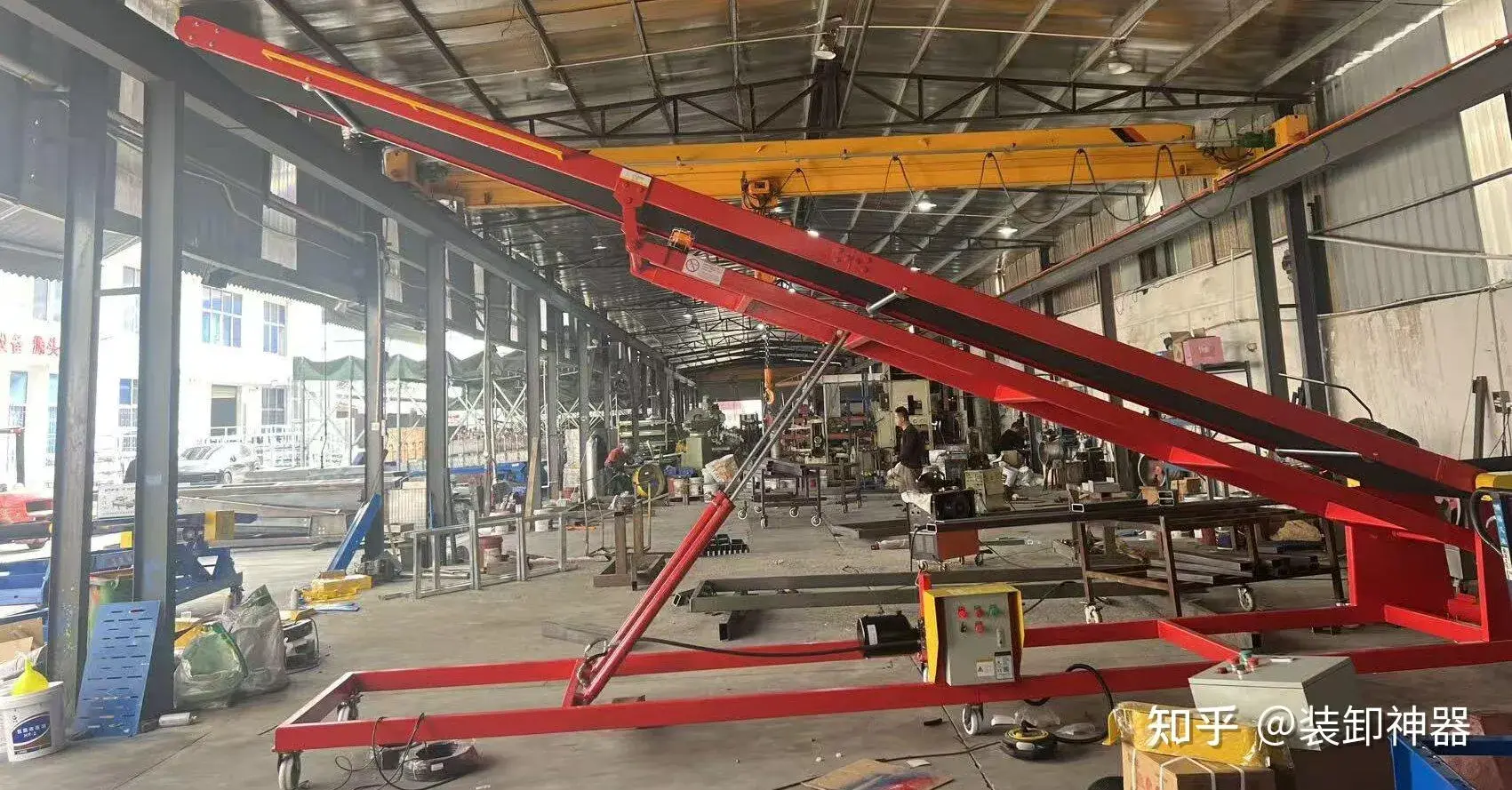
Schematic Diagram of Factory Conveying and Logistics Optimization Scenario
Naili Shunxie customizes non-standard conveyor solutions based on the factory's actual conditions
Naili Shuxie focuses on serving small, medium, and large manufacturing plants, and provides customized approaches for different site layouts, non-standard working conditions, material characteristics, and production rhythms. It does not use template-based retrofits, nor does it make ineffective upgrades detached from on-site conditions.
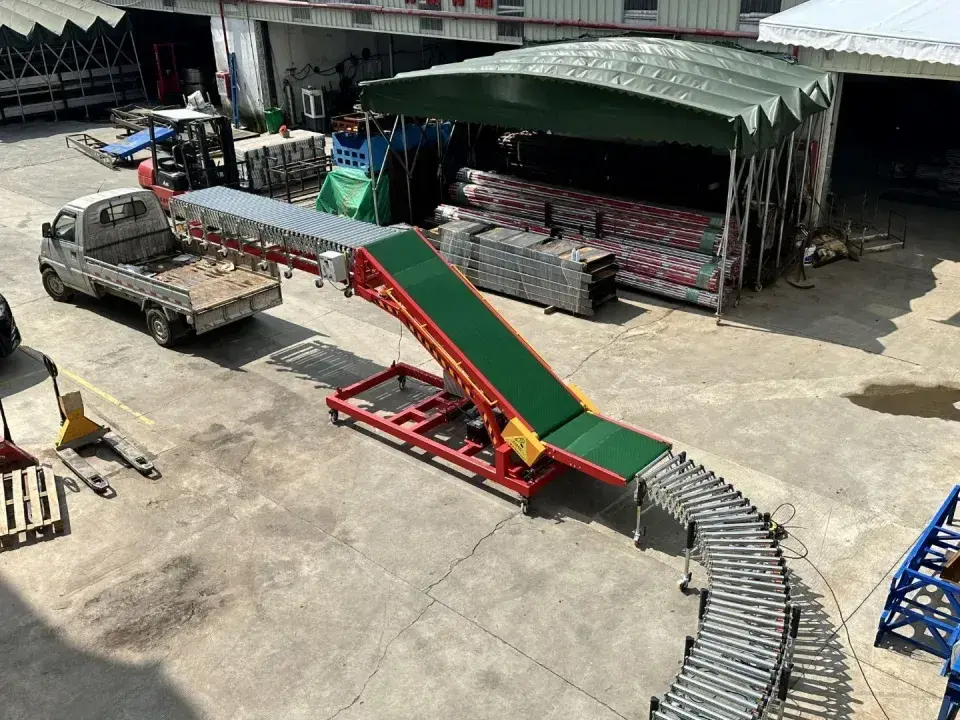
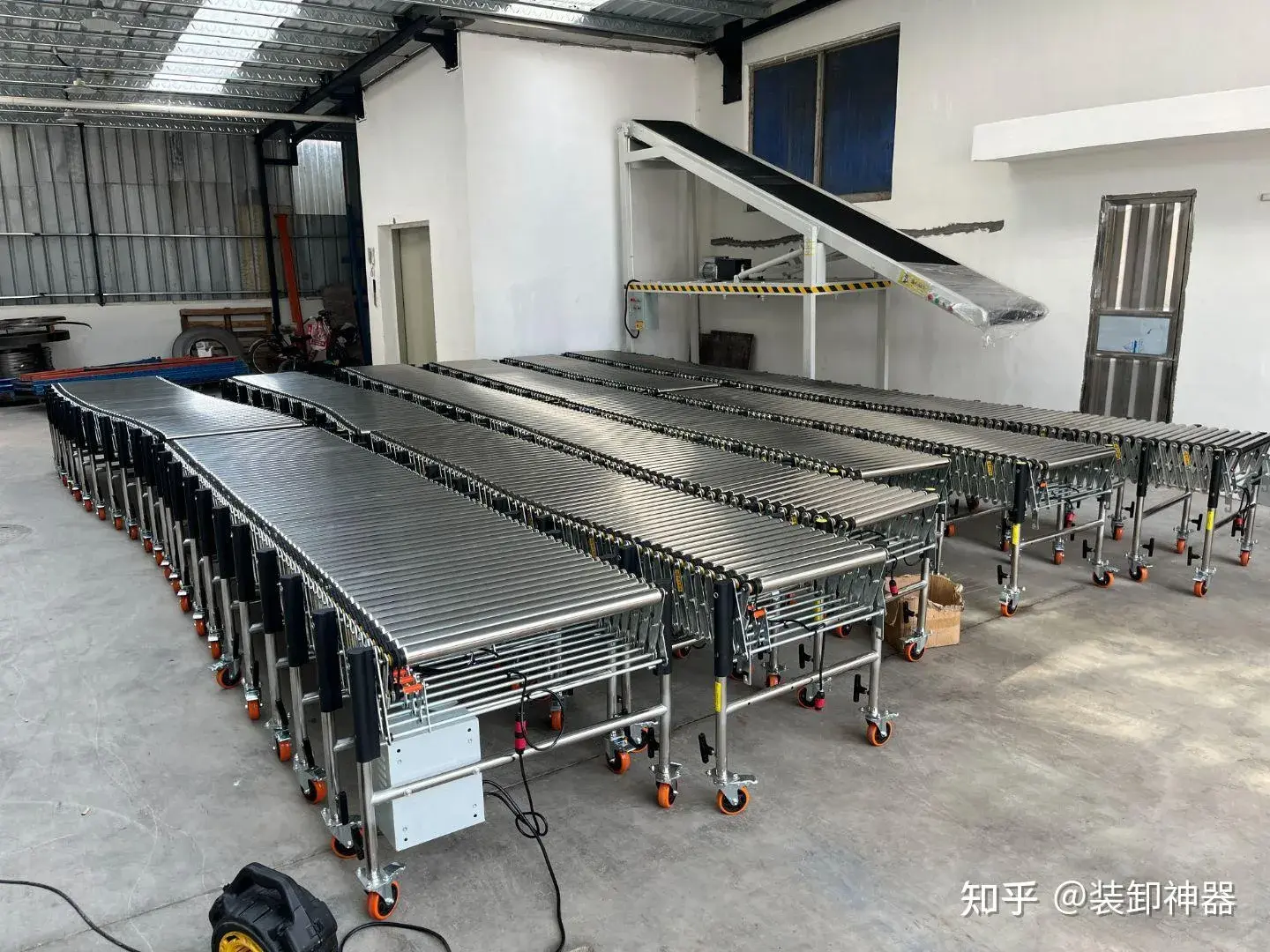
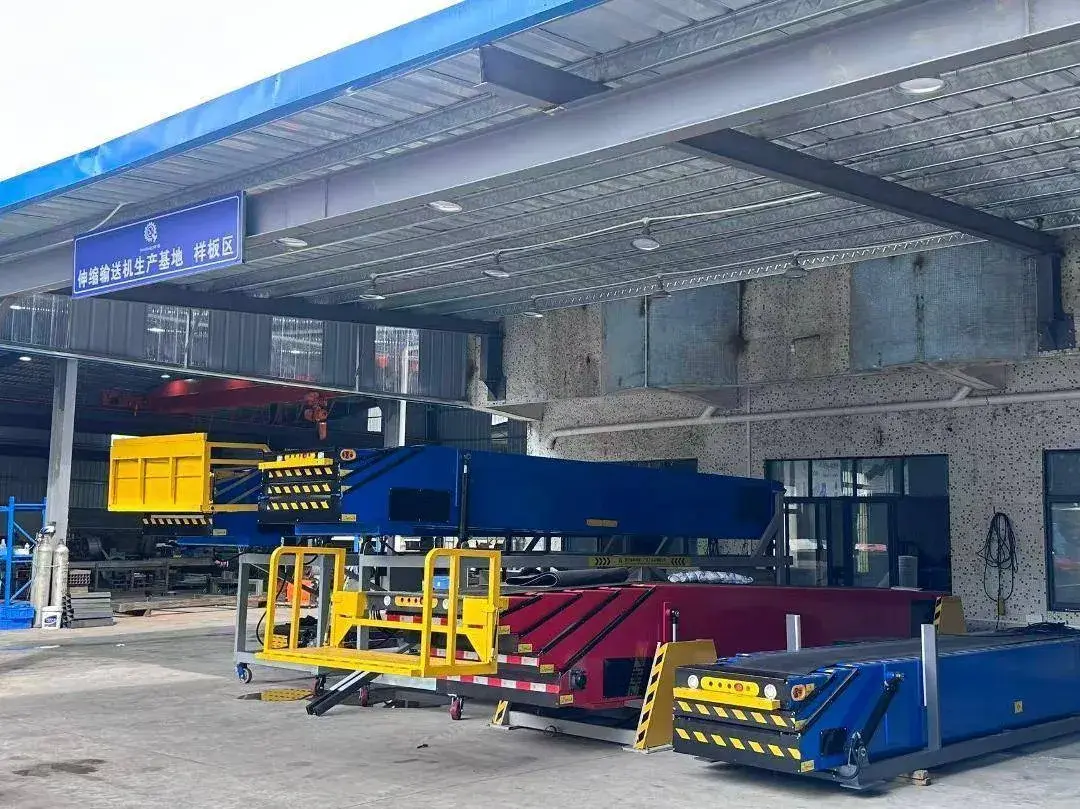
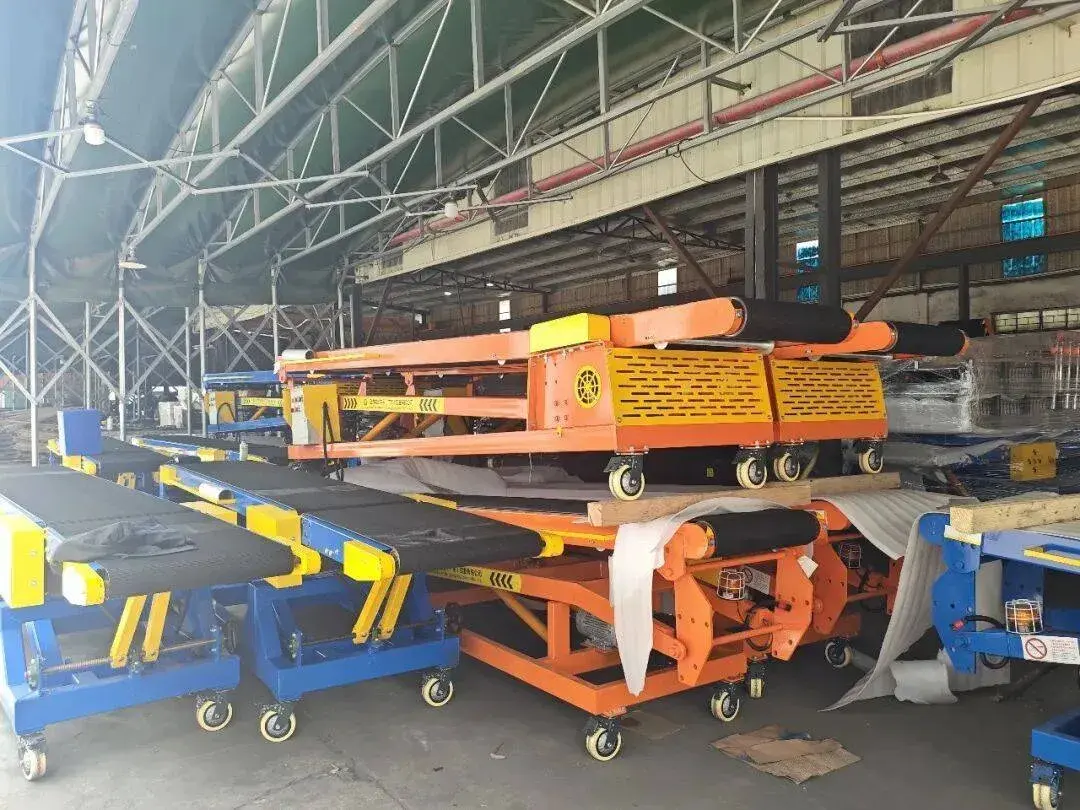
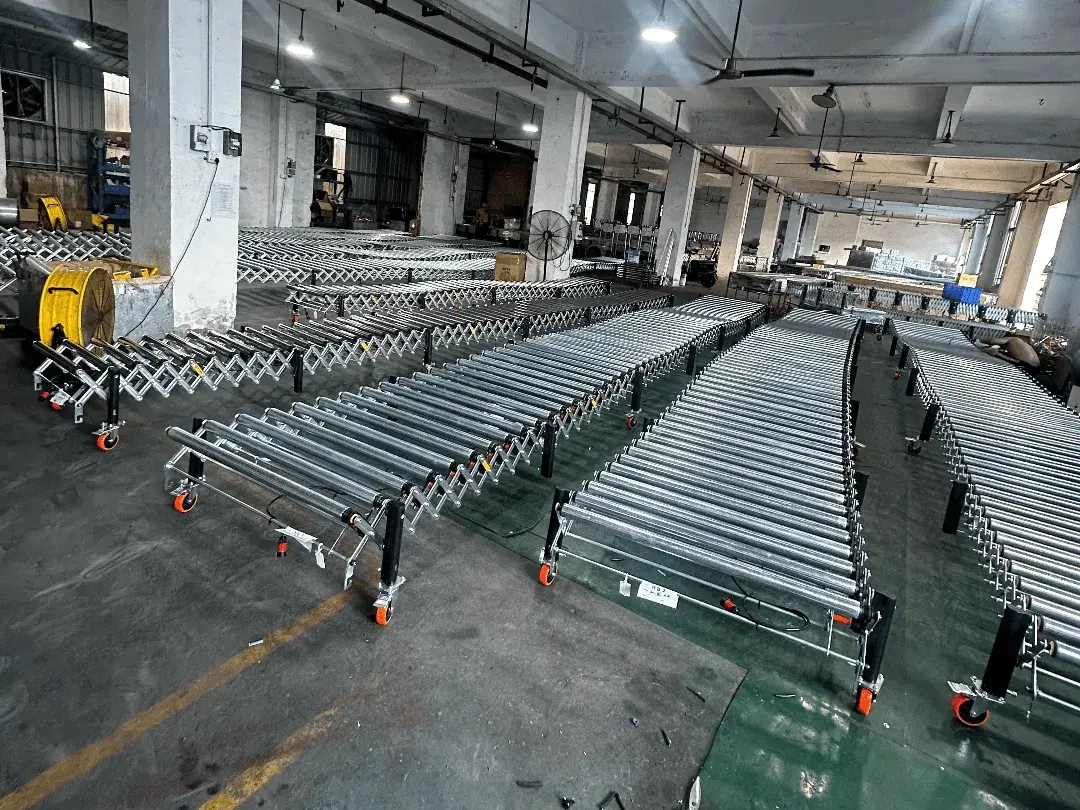
Naili Conveyor Customizes Non-Standard Conveying Solutions Based on Actual Factory Conditions
Naili Conveyor specializes in serving small, medium-sized, and large manufacturing plants. Taking into account different site layouts, non-standard operating conditions, material characteristics, and production rhythms, it provides customized approaches rather than template-based upgrades or ineffective improvements detached from on-site conditions.
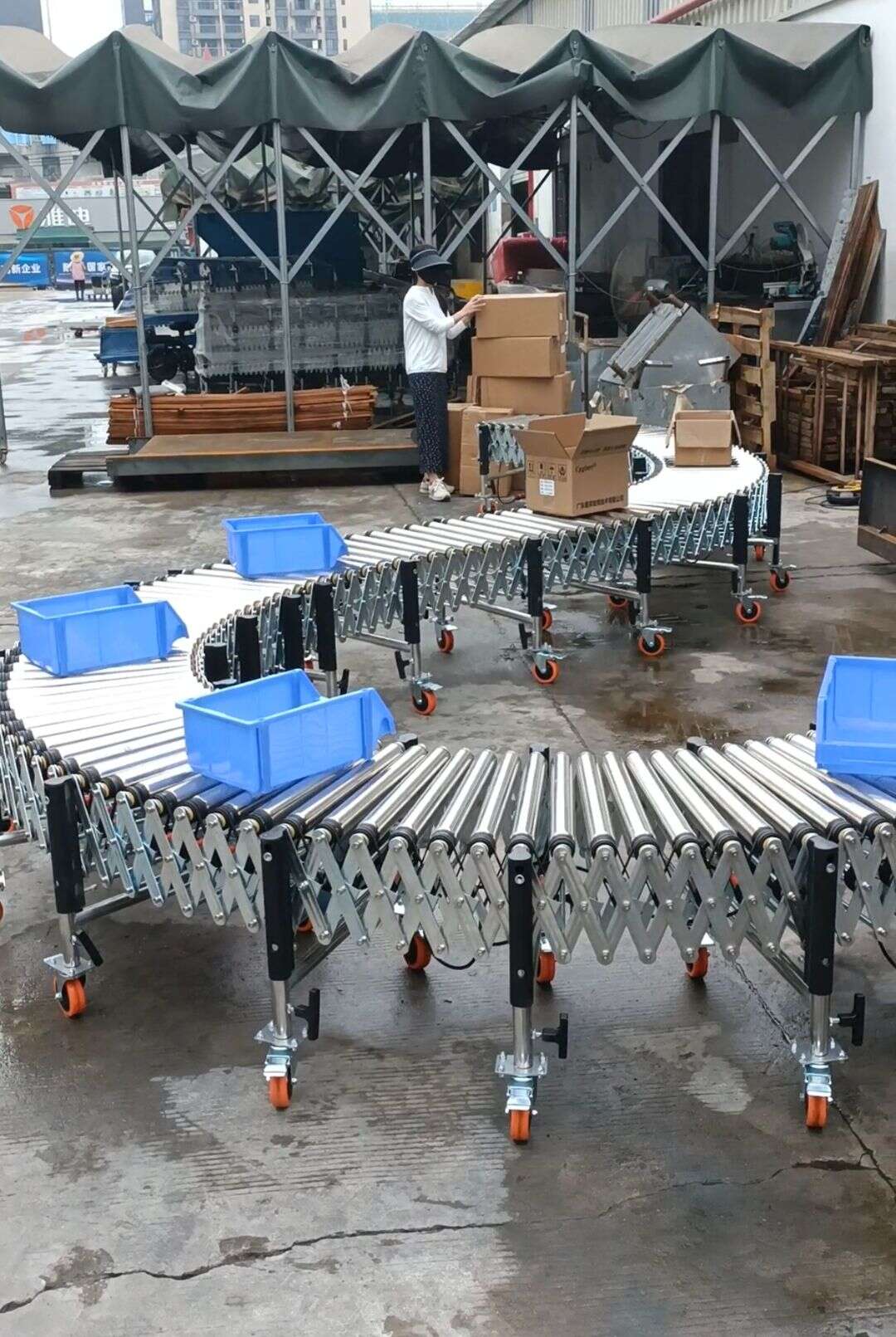
In specific implementations, Naili Conveyor combines non-standard automated conveying equipment with flexible logistics solutions to help factories make their logistics flows smoother and more reliable. The goal is not to replace individual pieces of equipment, but to enable more seamless connections for raw materials, semi-finished products, and finished products between different stages, thereby supporting long-term cost reduction and efficiency improvement in the factory.