Naili Conveyor
The pressure on express delivery outlets is often concentrated in truck loading and unloading
In the express logistics industry, the stage that truly affects outlet efficiency is often not sorting, but truck loading and unloading. During daily operations, manual loading cannot keep up with the volume of incoming shipments, making parcel accumulation and platform congestion commonplace. During major promotional peaks, order backlogs intensify, trucks queue for loading and unloading, and the departure timeliness of line-haul vehicles is also delayed.
At the same time, loading and unloading workers are difficult to recruit and even harder to retain. Labor costs continue to rise, and additional hidden expenses such as personnel management, workplace injury risks, and staff turnover place even greater operating pressure on express delivery outlets that already have slim profit margins. The controllability of manual handling is also limited: parcels are frequently thrown, stacked, bumped, and damaged, resulting in higher claims costs and more customer complaints.
Replace manpower-intensive operations with equipment to address efficiency and costs first
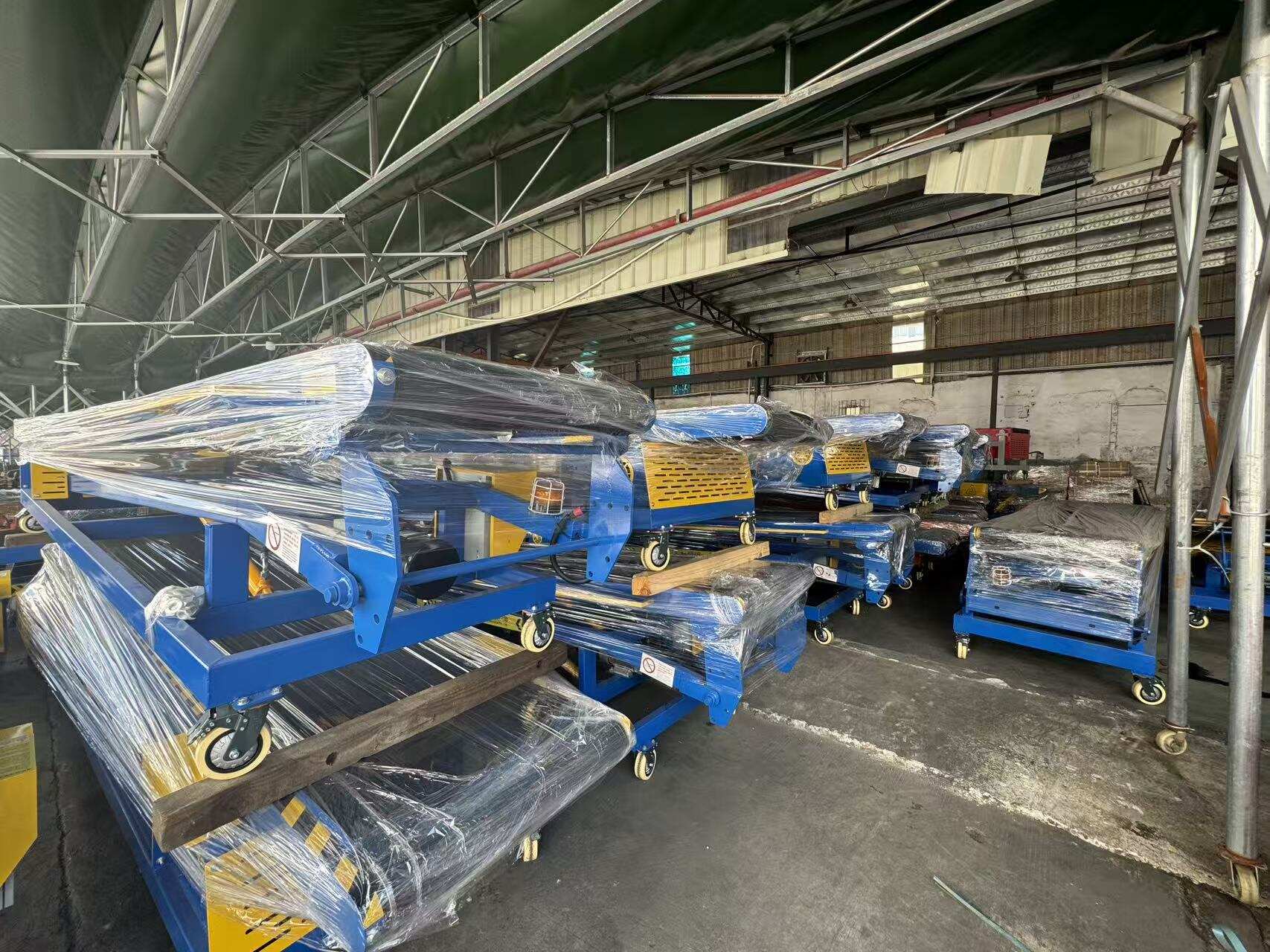
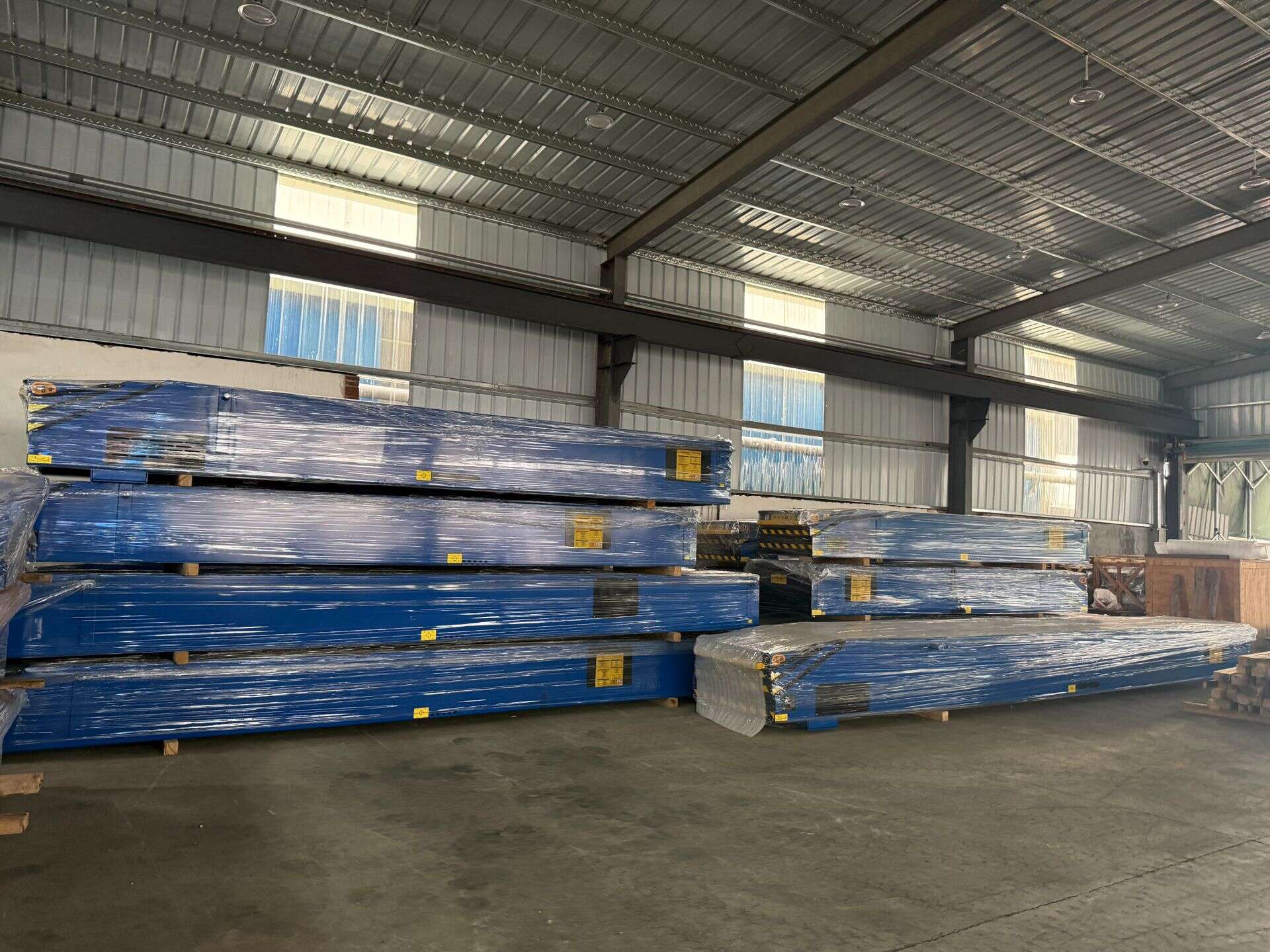
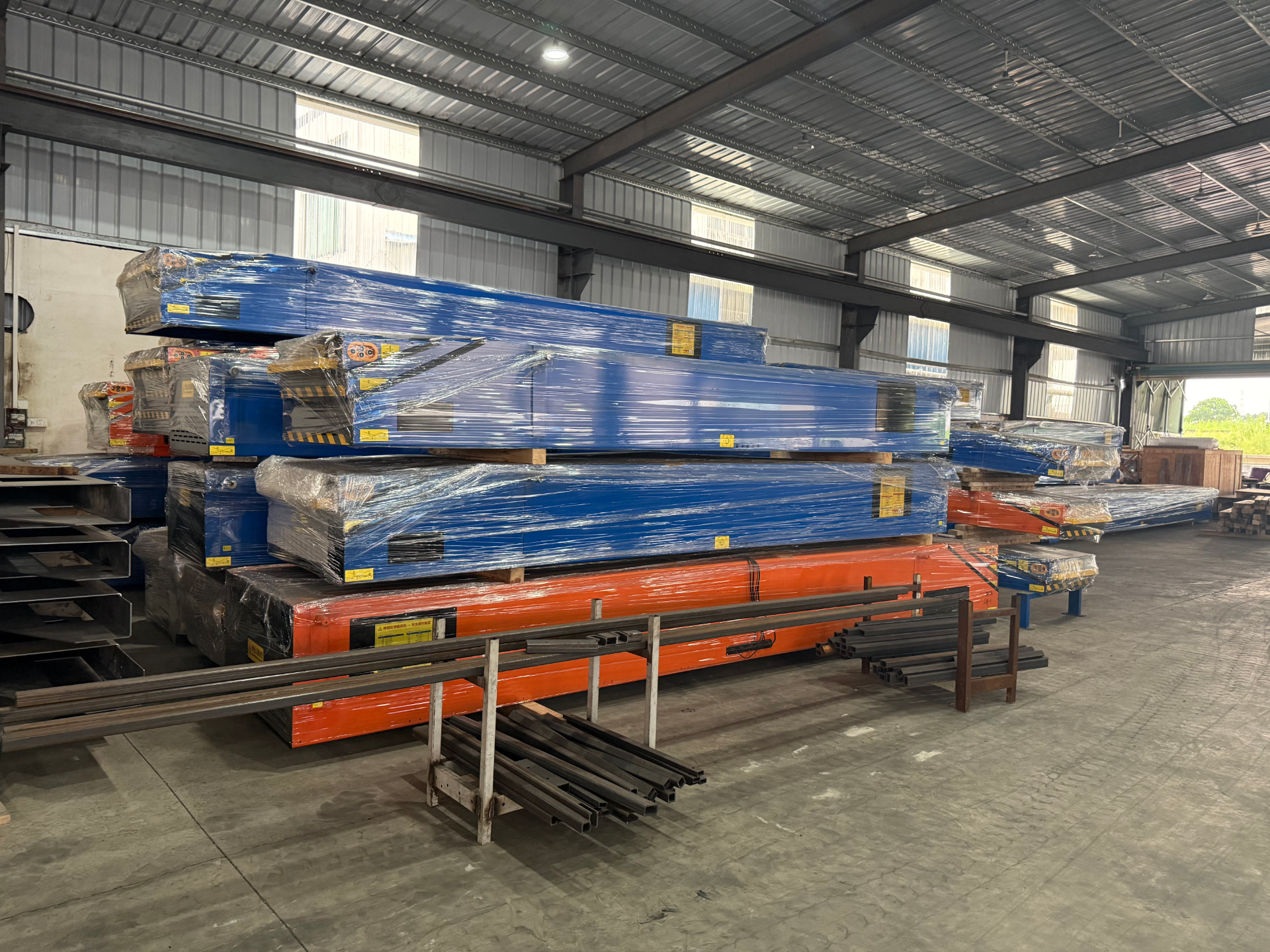
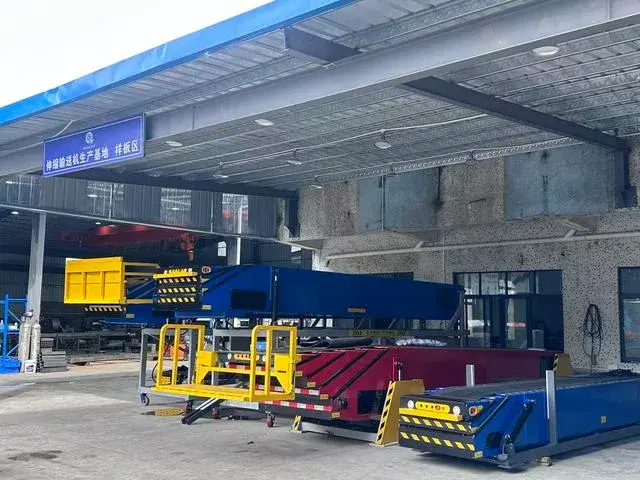
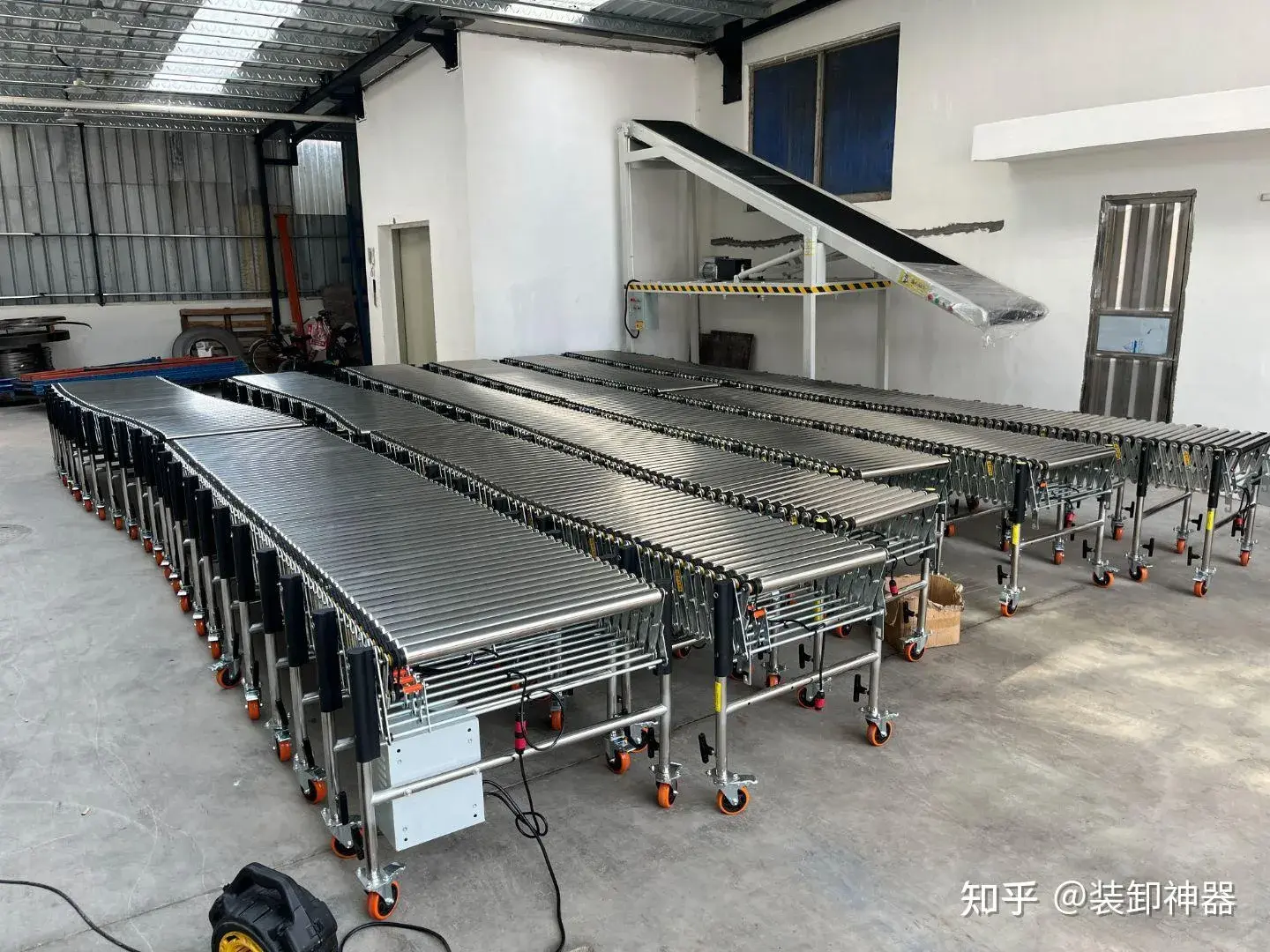
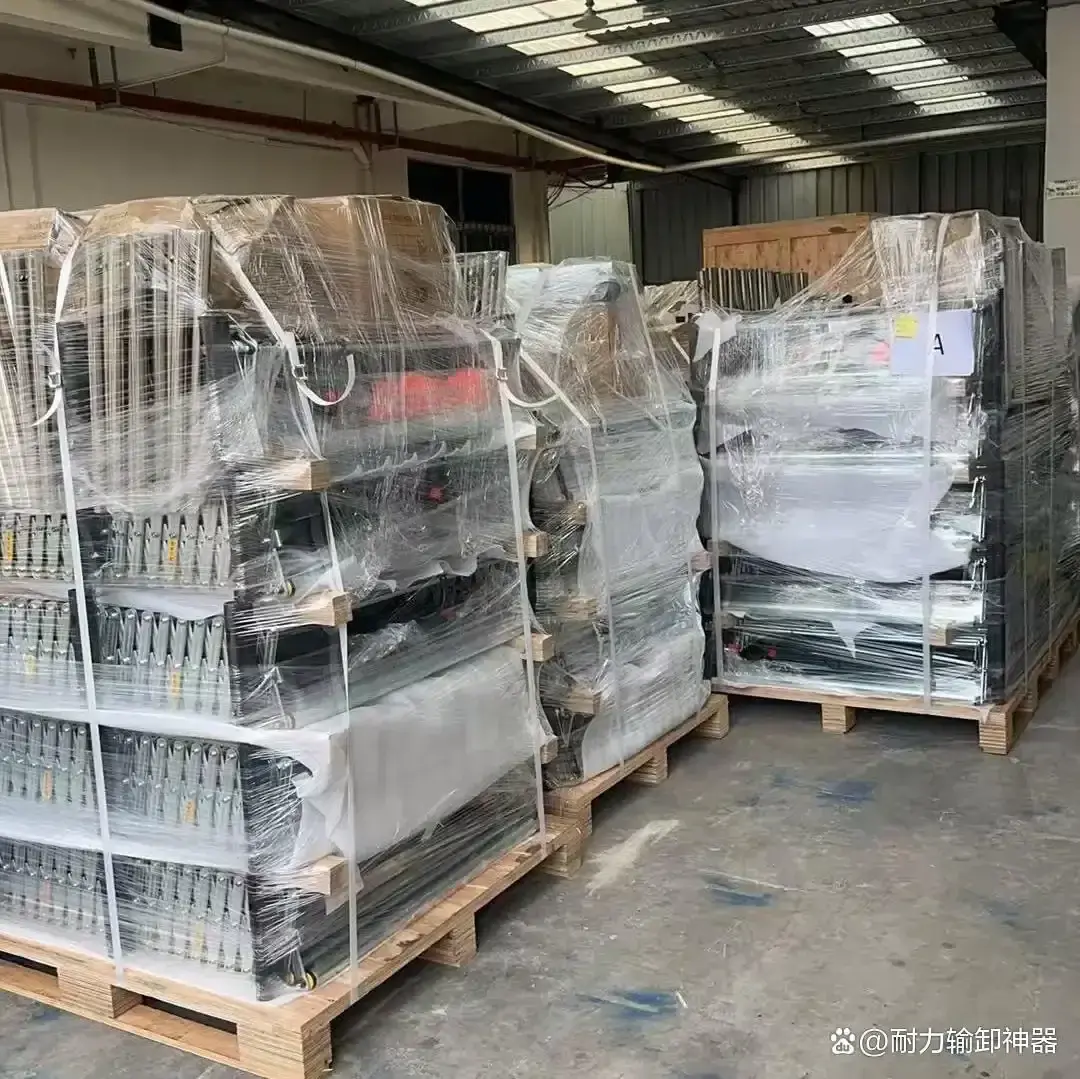
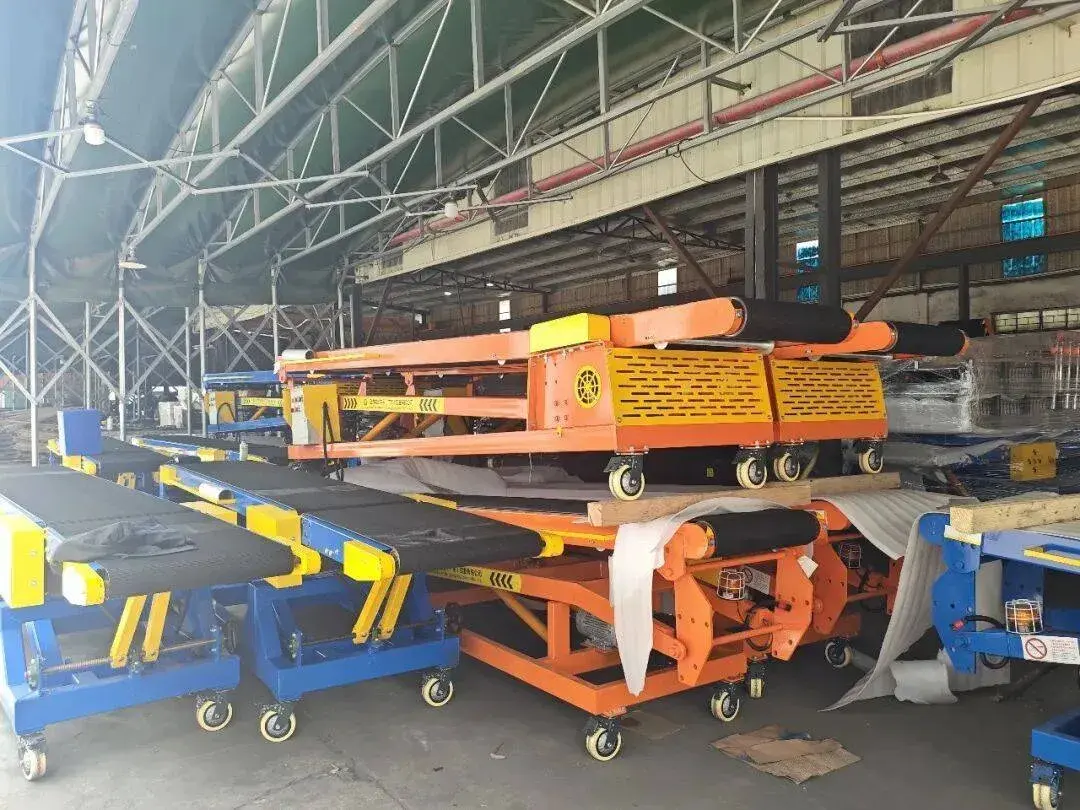
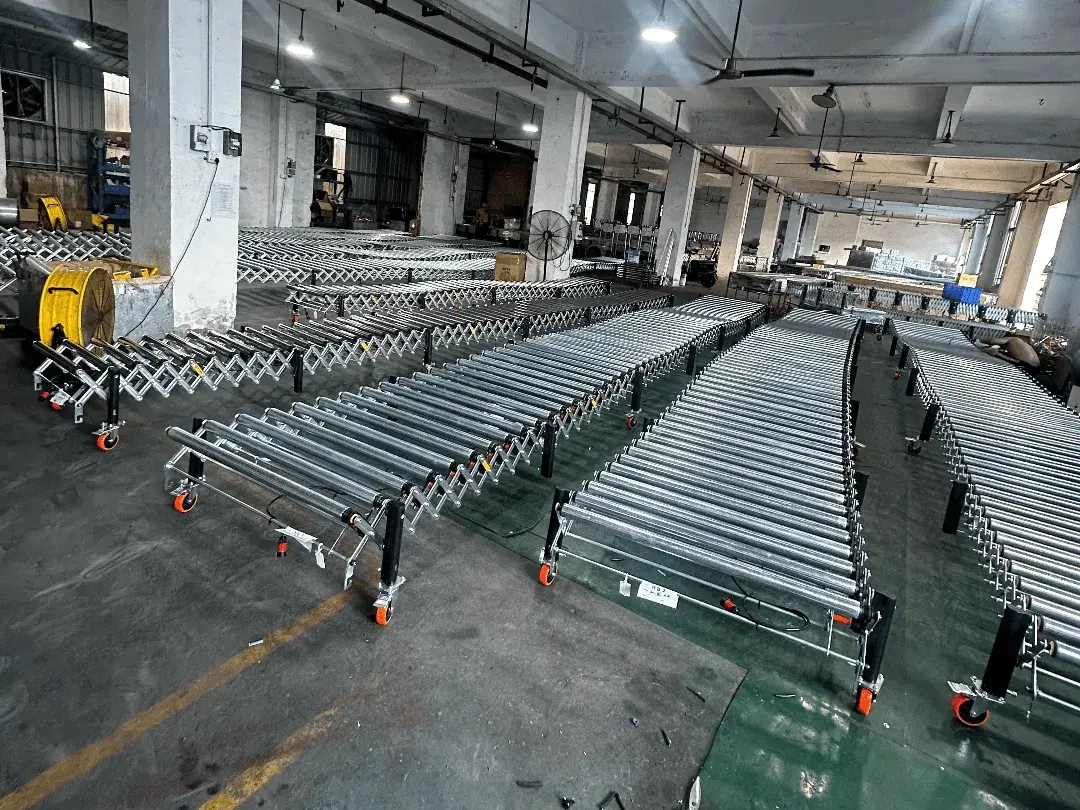
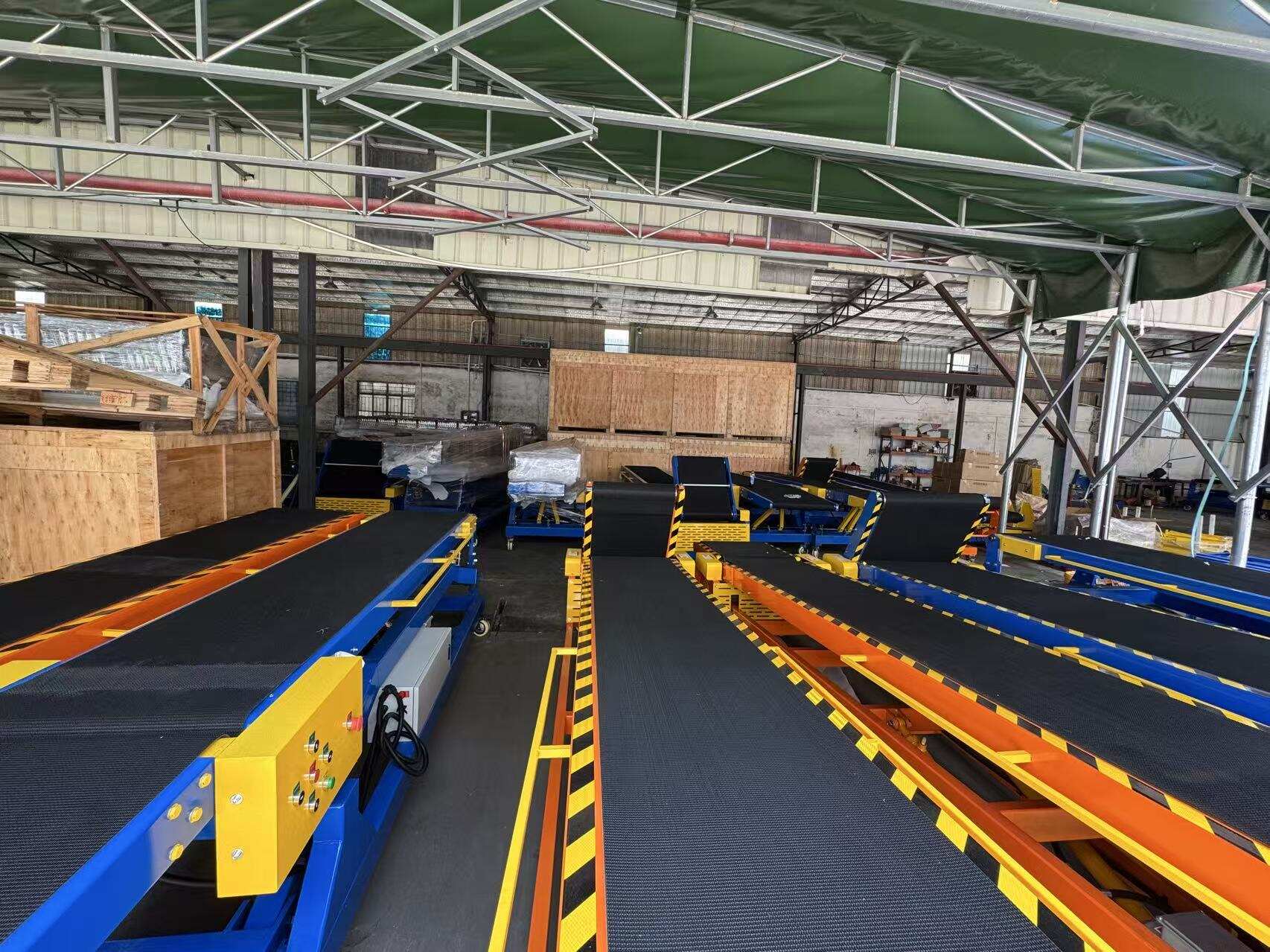
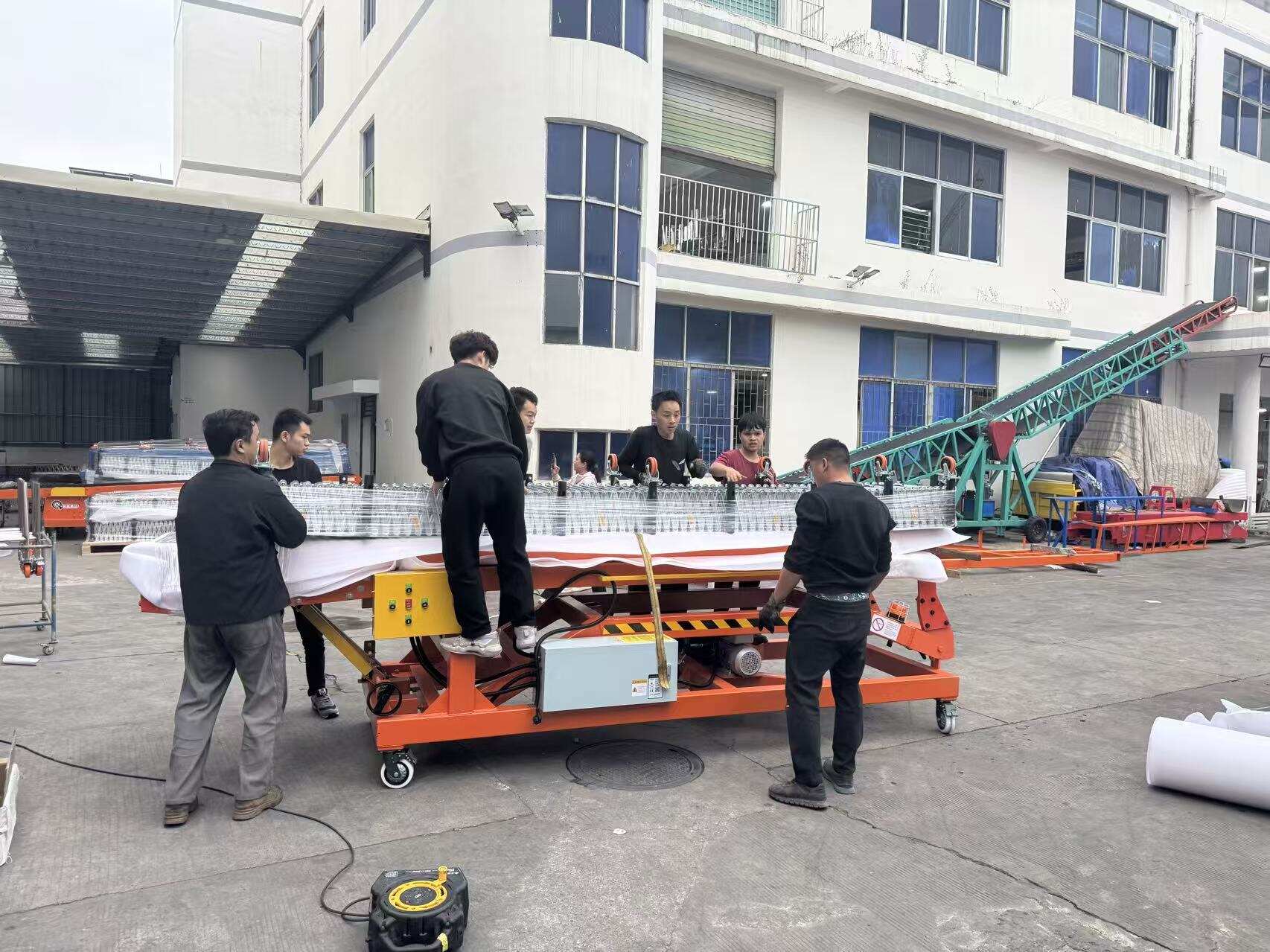
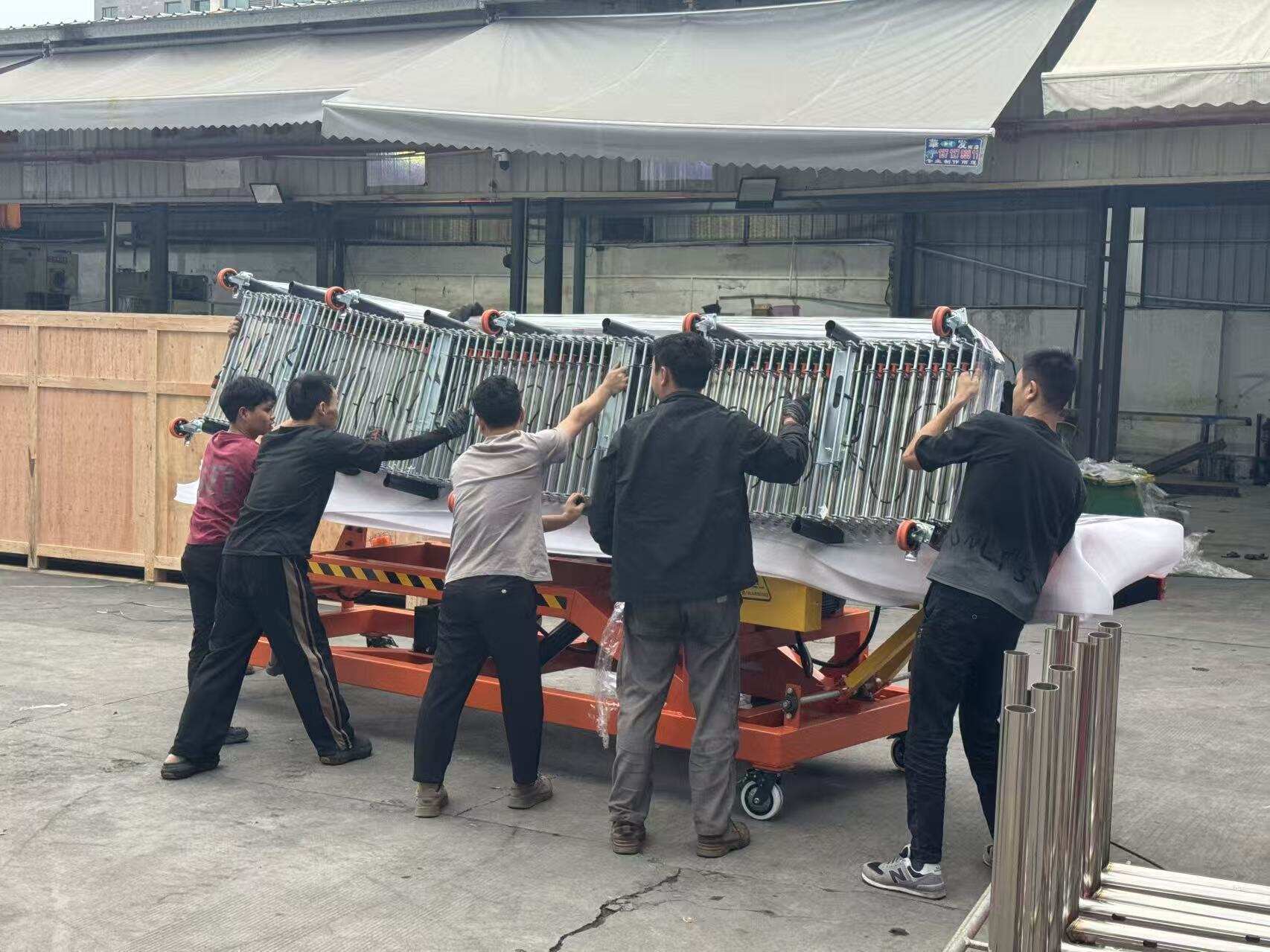
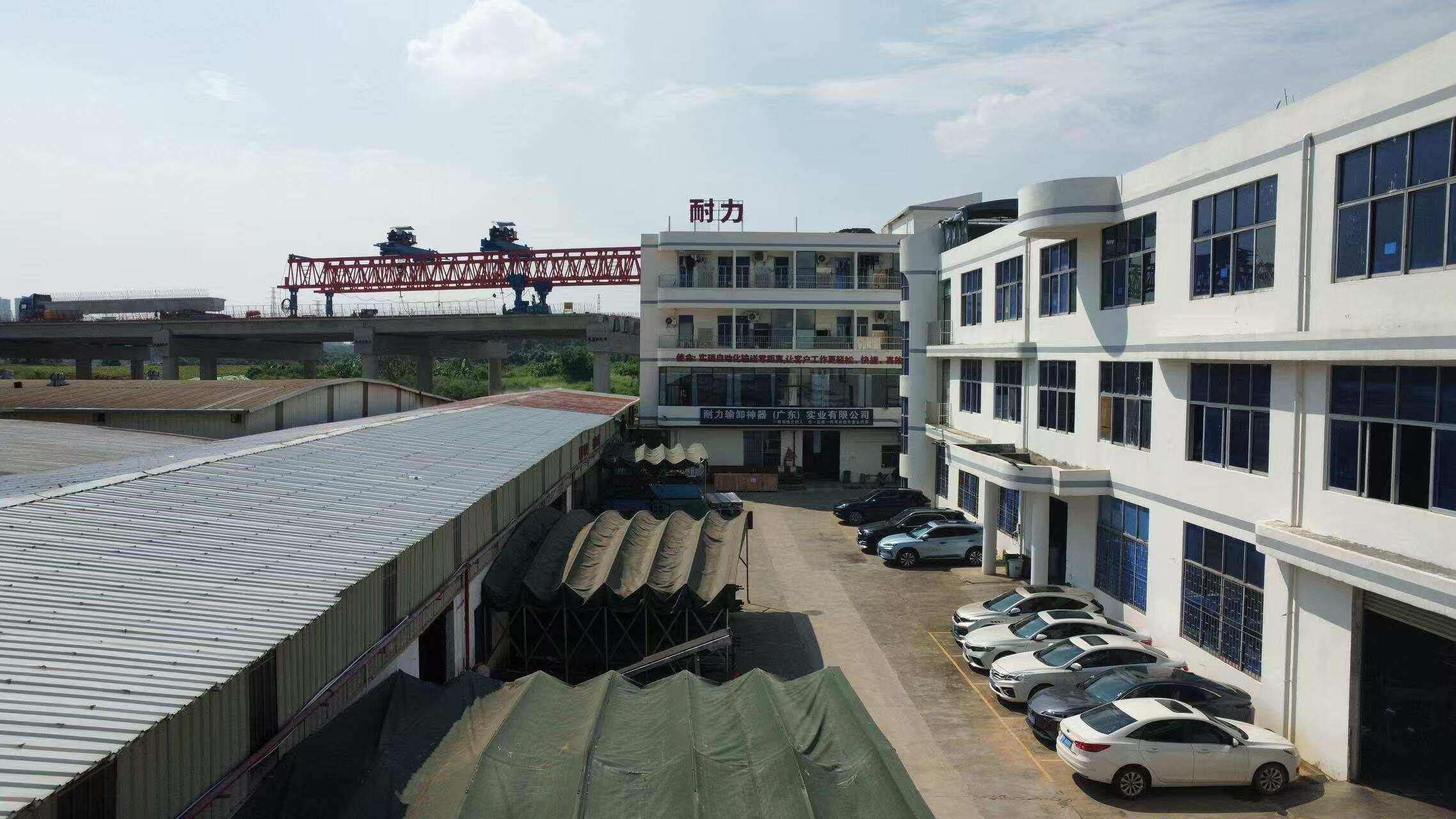
To address these essential loading and unloading needs, Naili Unloading Artifact (Guangdong) Industrial Co., Ltd. focuses onTelescopic Roller Conveyor LineandTelescopic Belt Conveyortwo core types of equipment designed for truck loading and unloading applications. Their approach is straightforward: replace traditional manpower-intensive operations with lightweight automated equipment to alleviate slow loading, high labor costs, and excessive cargo damage.
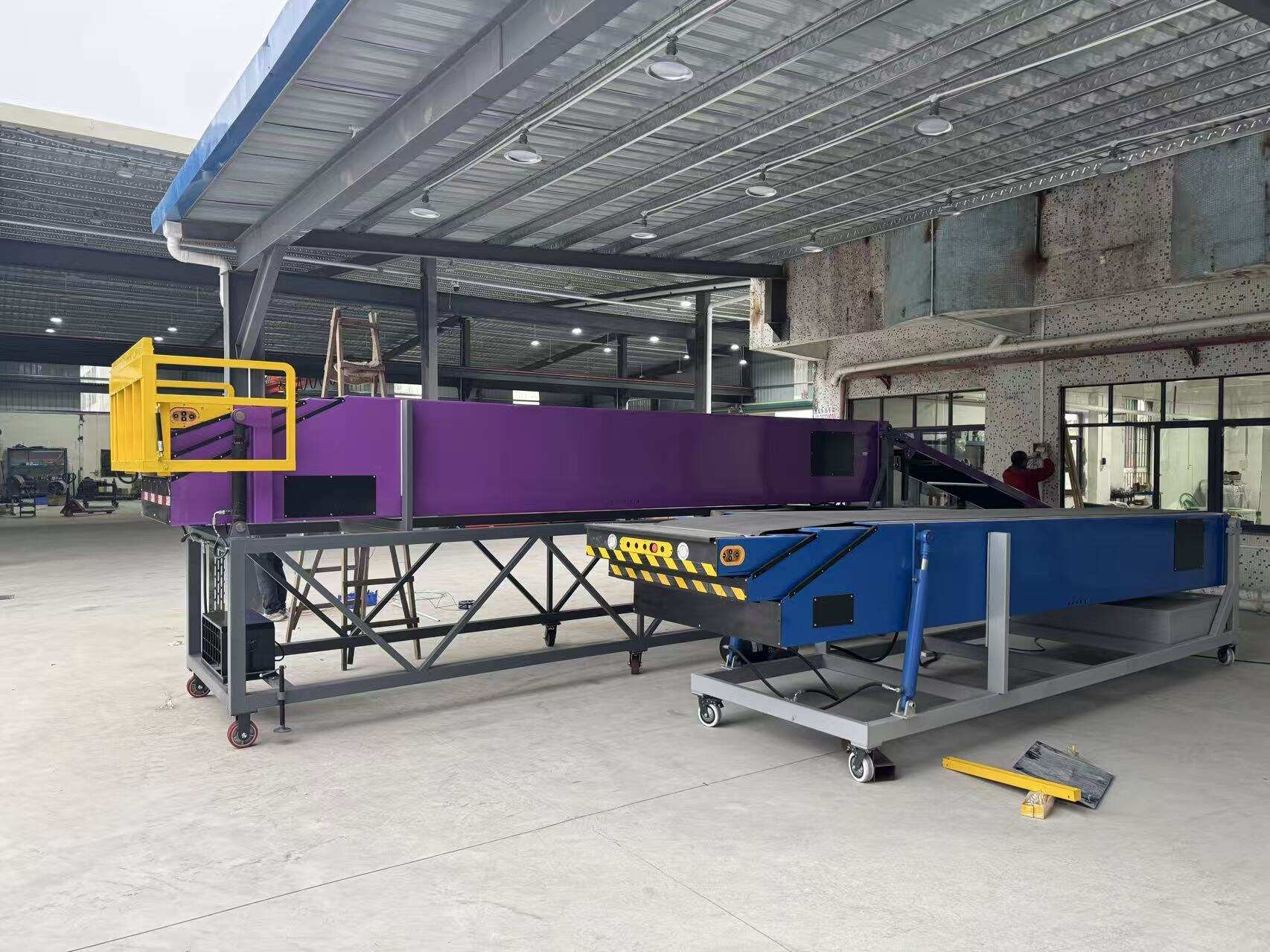
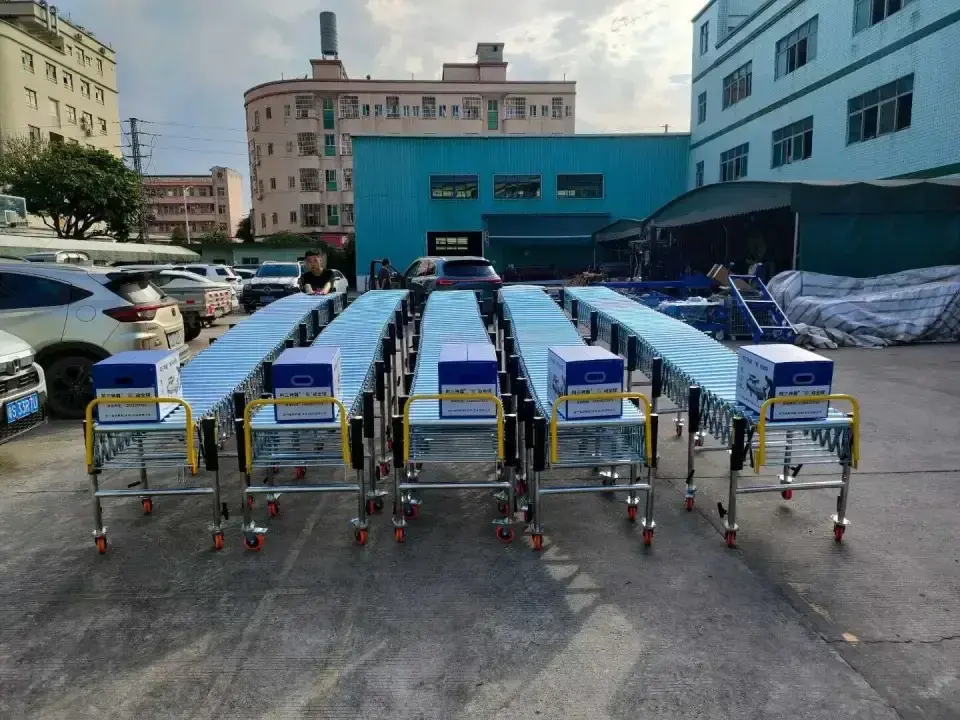
Among them,Multifunctional Powered Telescopic Roller Conveyor LineandTruck Loading and Unloading Powered Roller Conveyorcan transform loading and unloading operations. The equipment supports free extension and flexible angle adjustment, adapting to trucks of different specifications, including 4.2 m, 6.8 m, and 9.6 m vehicles, as well as container loading and unloading scenarios. It operates directly inside the vehicle compartment, reducing manual back-and-forth handling, helping reduce staffing requirements, and improving loading and unloading speed.
Telescopic Belt Conveyors are better suited to lightweight and fragile items
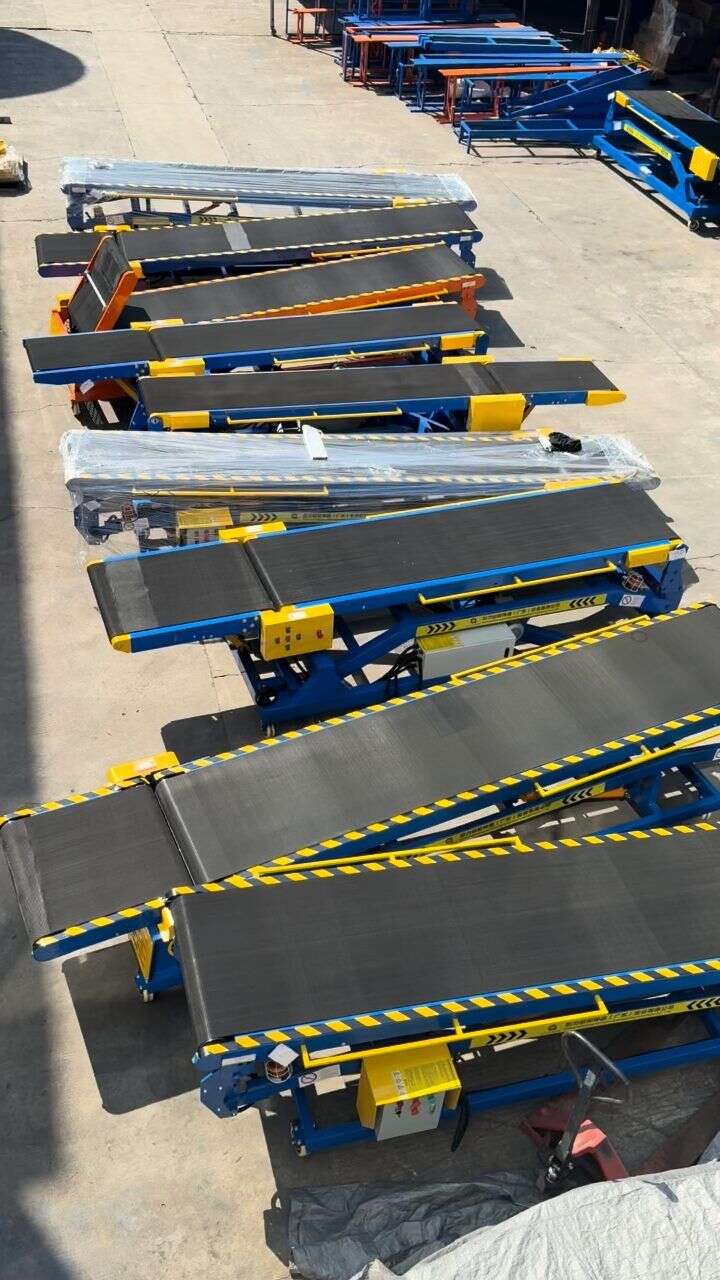
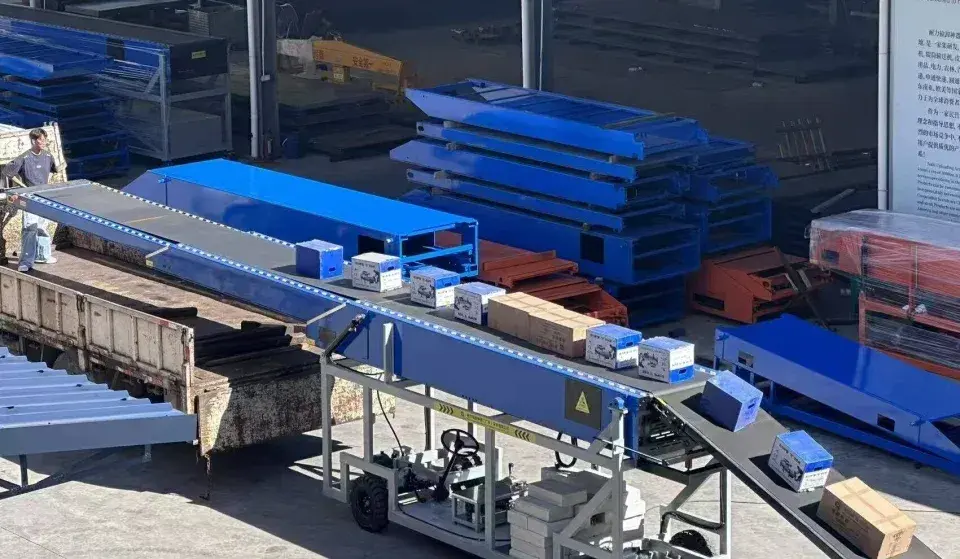
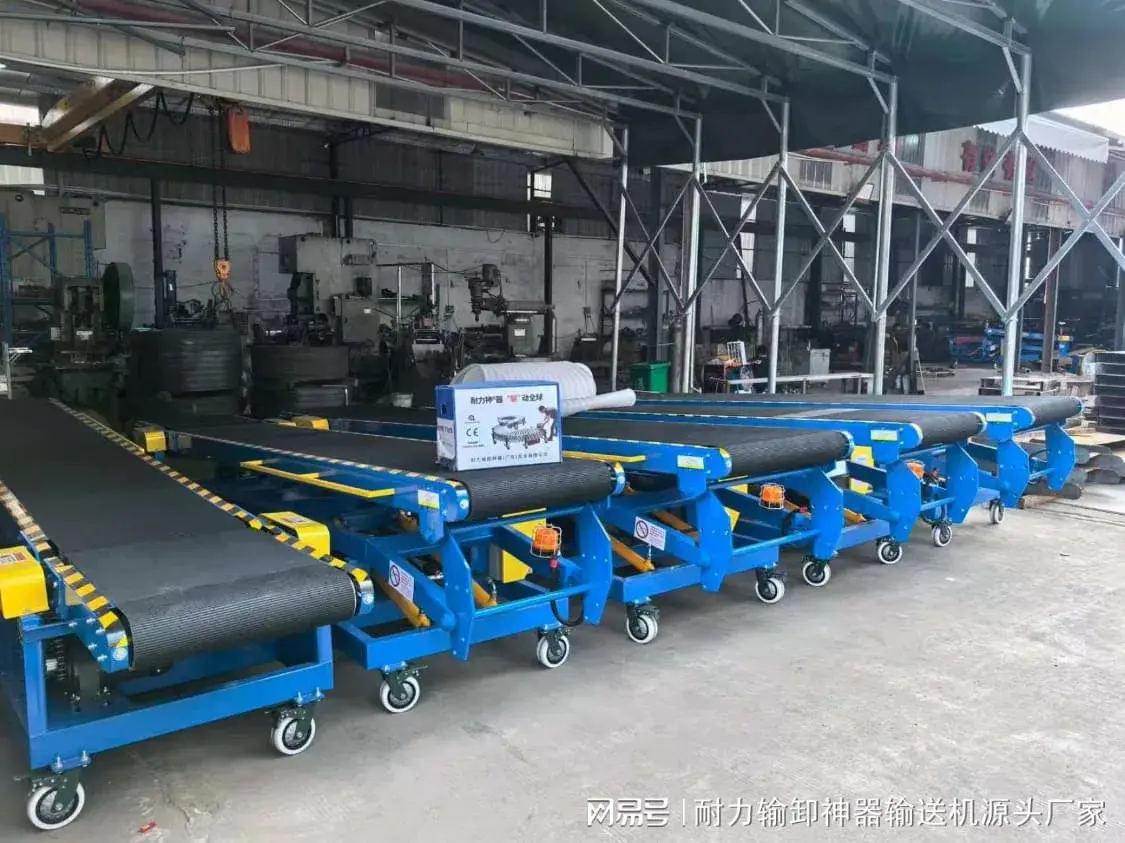
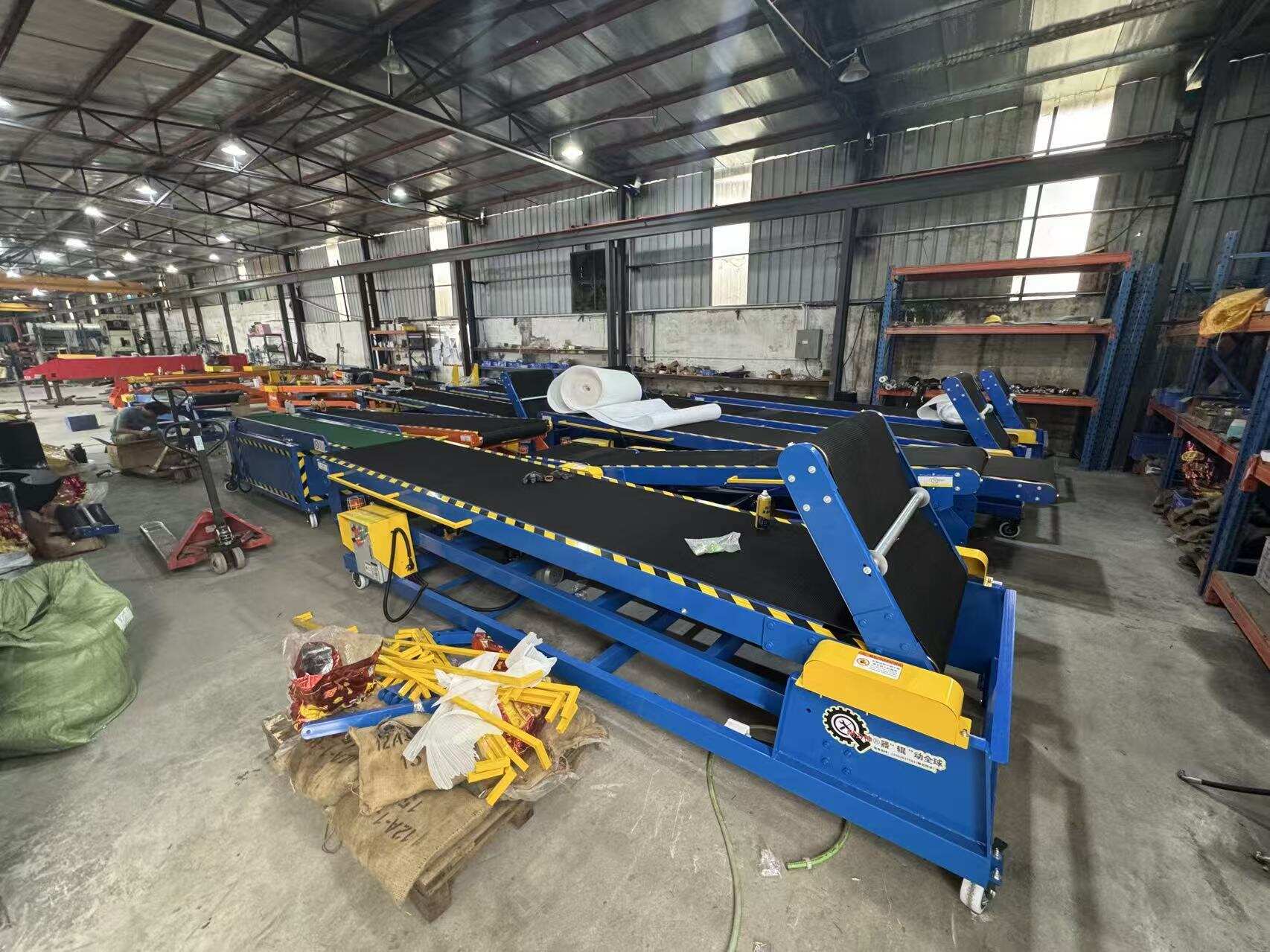
For more easily damaged goods such as express parcels, fragile items, and lightweight items,Telescopic Belt ConveyorandLoading and Unloading Belt Conveyoremphasize smooth, efficient loading and unloading without dead zones. Their longitudinal telescopic design can cover the entire vehicle compartment, reducing the difficulty of handling goods in the deepest areas and preventing items from being left behind.
At the same time, flexible belt conveying operates more smoothly, helping reduce compression, impact, and wear on goods, thereby lowering the overall cargo damage rate. For outlets, this means claims expenses and customer complaints may both decrease, while service quality becomes easier to maintain consistently.
Loading and unloading, conveying, and sorting can form a continuous process
IfPowered Roller Conveyor Line,Mobile Telescopic Conveyorare used together with the aforementioned equipment, loading and unloading, conveying, and sorting can be connected more smoothly. The equipment is mobile and collapsible, occupies little space, and requires no site modifications, making it more suitable for most small and medium-sized express delivery outlets and warehouse sites.
In terms of application results, this type of equipment is better suited to logistics outlets seeking to reduce labor costs, improve operational efficiency, and minimize cargo damage. Its simple installation, easy maintenance, and support for customized applications also make it easier to integrate into existing workflows.