Naili Conveyor
When loading trucks at a warehouse is slow, the problem is often not simply "insufficient manpower"
Many factory warehouses and warehouse managers face similar challenges: finished goods are still mainly moved by hand when dispatched, requiring workers to shuttle cargo back and forth between the loading dock and truck compartments, which is both time-consuming and labor-intensive. Companies must not only continue to bear the costs of loading and unloading staff wages, recruitment, and retention, but also often face cargo piling up on the loading dock because the shipping pace cannot keep up with the production pace.
These problems become even more pronounced during peak shipping seasons, when orders are concentrated. Manual loading cannot keep up, making shipment delays likely and potentially triggering customer complaints that damage the reputation of business partnerships. At the same time, manually tossing cargo, rough handling, and disorganized stacking are difficult to standardize and manage. Problems such as crushed and deformed cartons, damaged outer packaging, and material spillage and loss continue to accumulate, further squeezing profits in the warehousing operation.
Why Traditional Fixed Belt Conveyors Struggle to Solve Shipping Challenges
When faced with inefficient truck loading, many warehouses first try purchasing traditional fixed belt conveyors in the hope of improving operational efficiency. However, actual use often reveals that the results are less than ideal. Fixed equipment has a simple structure and limited flexibility: its length cannot be extended or adjusted, and its position is difficult to move. Once installed, it also occupies loading dock working space for the long term, reducing the efficiency of warehouse space utilization.
More importantly, if the equipment is compatible only with fixed vehicle types, it will struggle to meet the needs of common situations such as loading mixed fleets of long- and short-body trucks, shipping from temporary locations, and rotating loading and unloading operations across multiple areas. With low equipment utilization, the problem of slow shipping is also difficult to solve at its root.
How Belt Telescopic Conveyors Improve Loading Efficiency
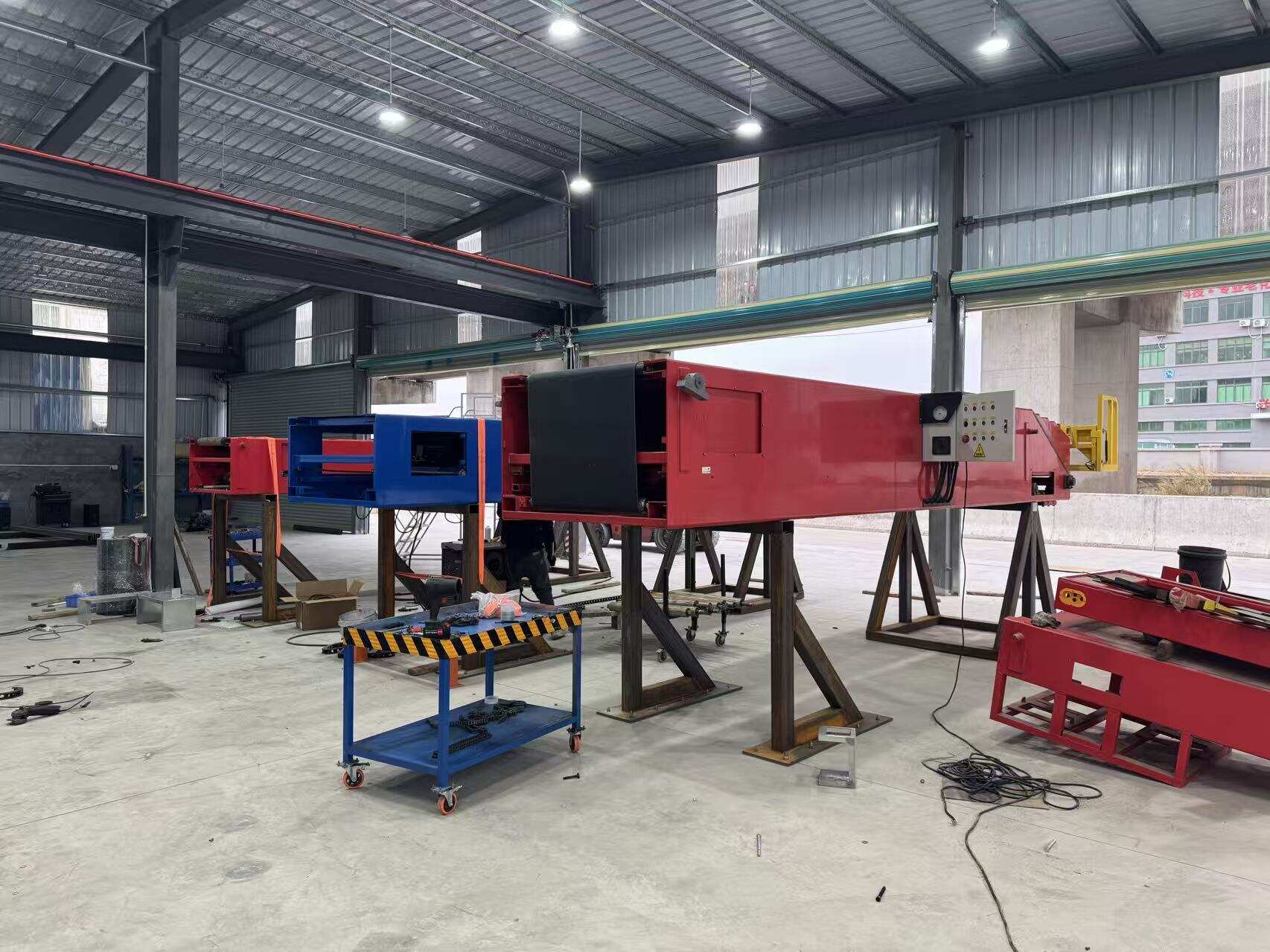
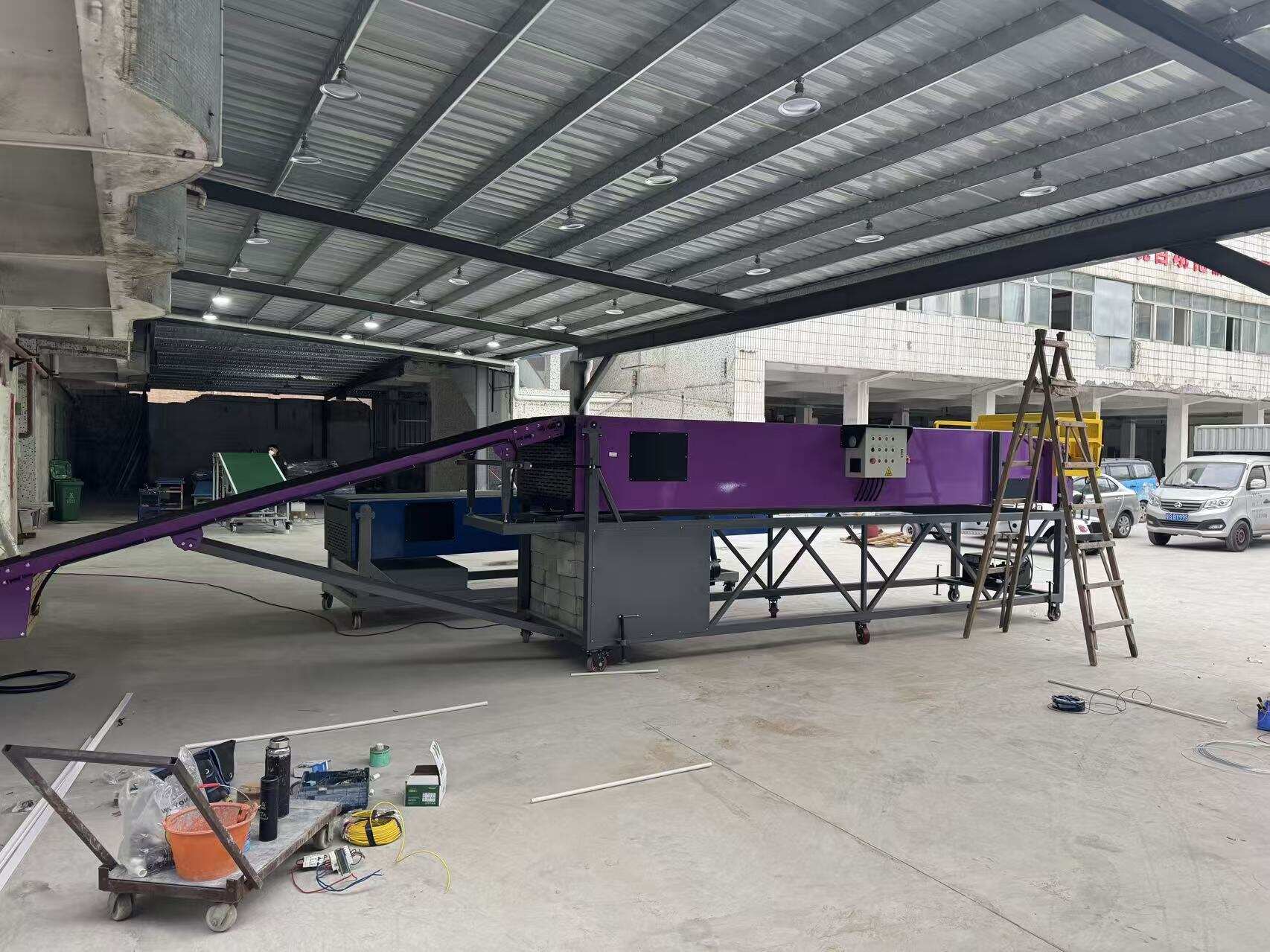
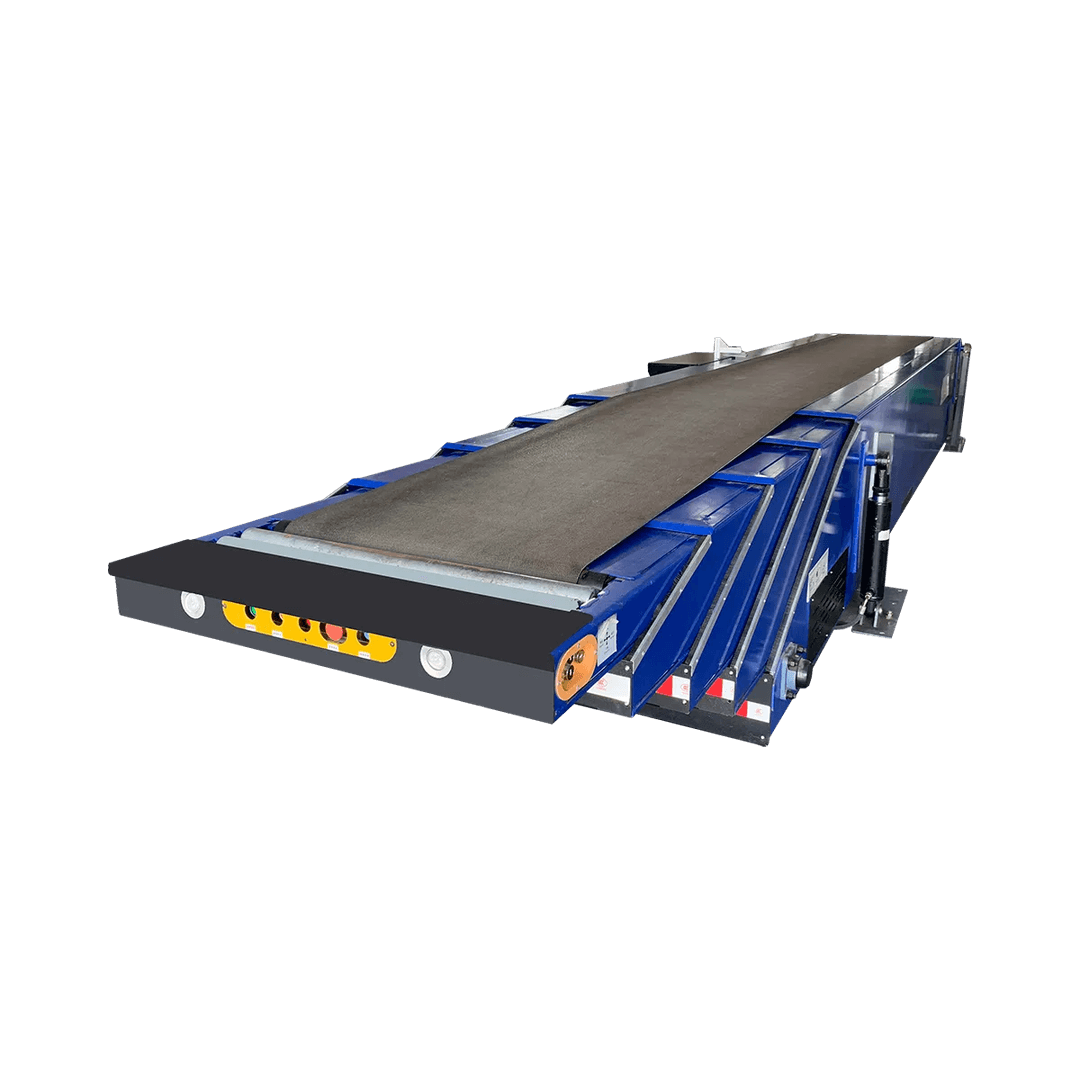
The advantages of belt telescopic conveyors are first reflected in their freely extendable and retractable body. Equipped with mobile brake casters, they can meet the loading and unloading needs of various trucks, regardless of their length. During operation, workers do not need to repeatedly enter the cargo compartment to move goods, which directly improves loading efficiency while also alleviating the hiring pressure for loading and unloading positions.
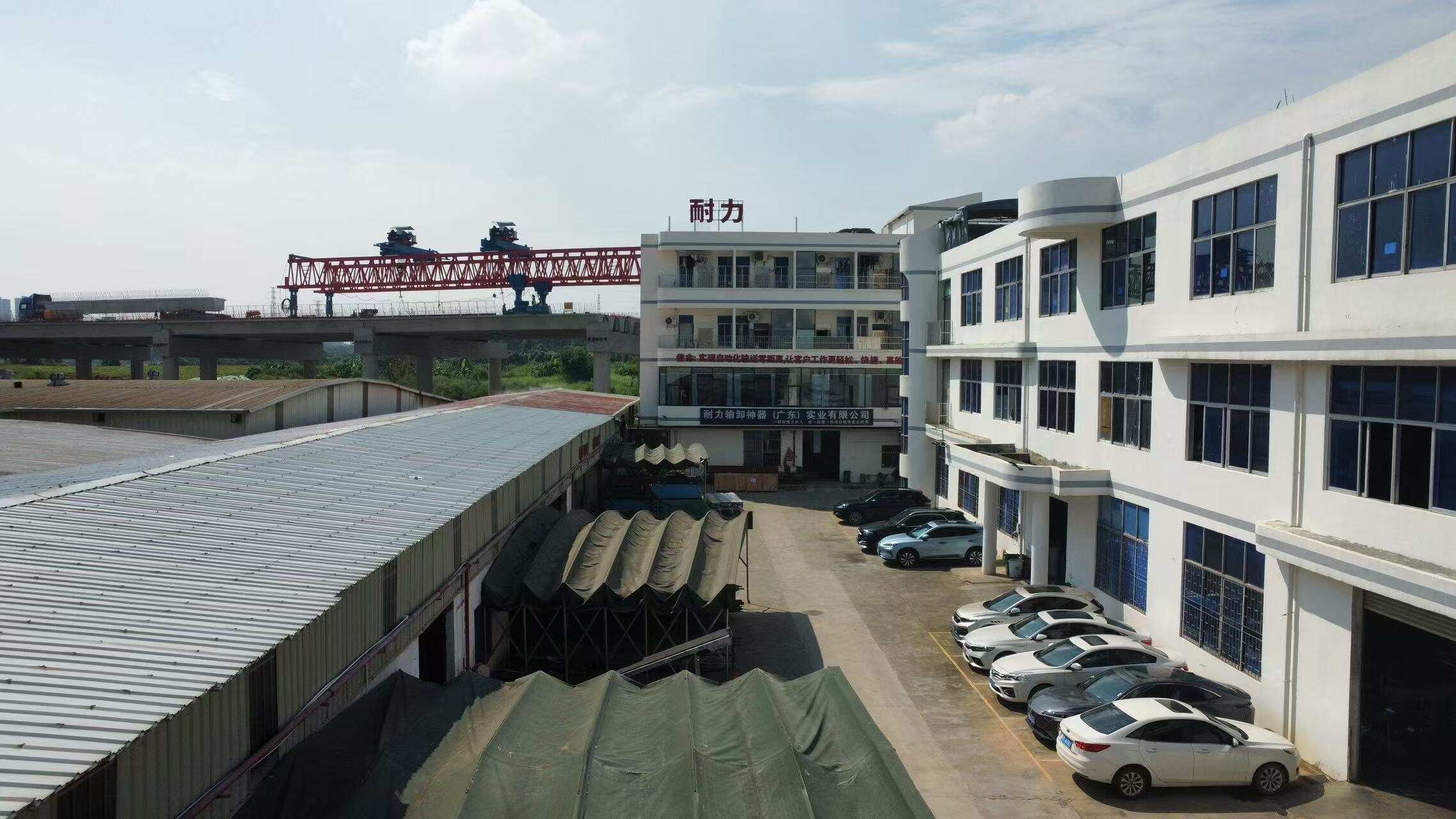
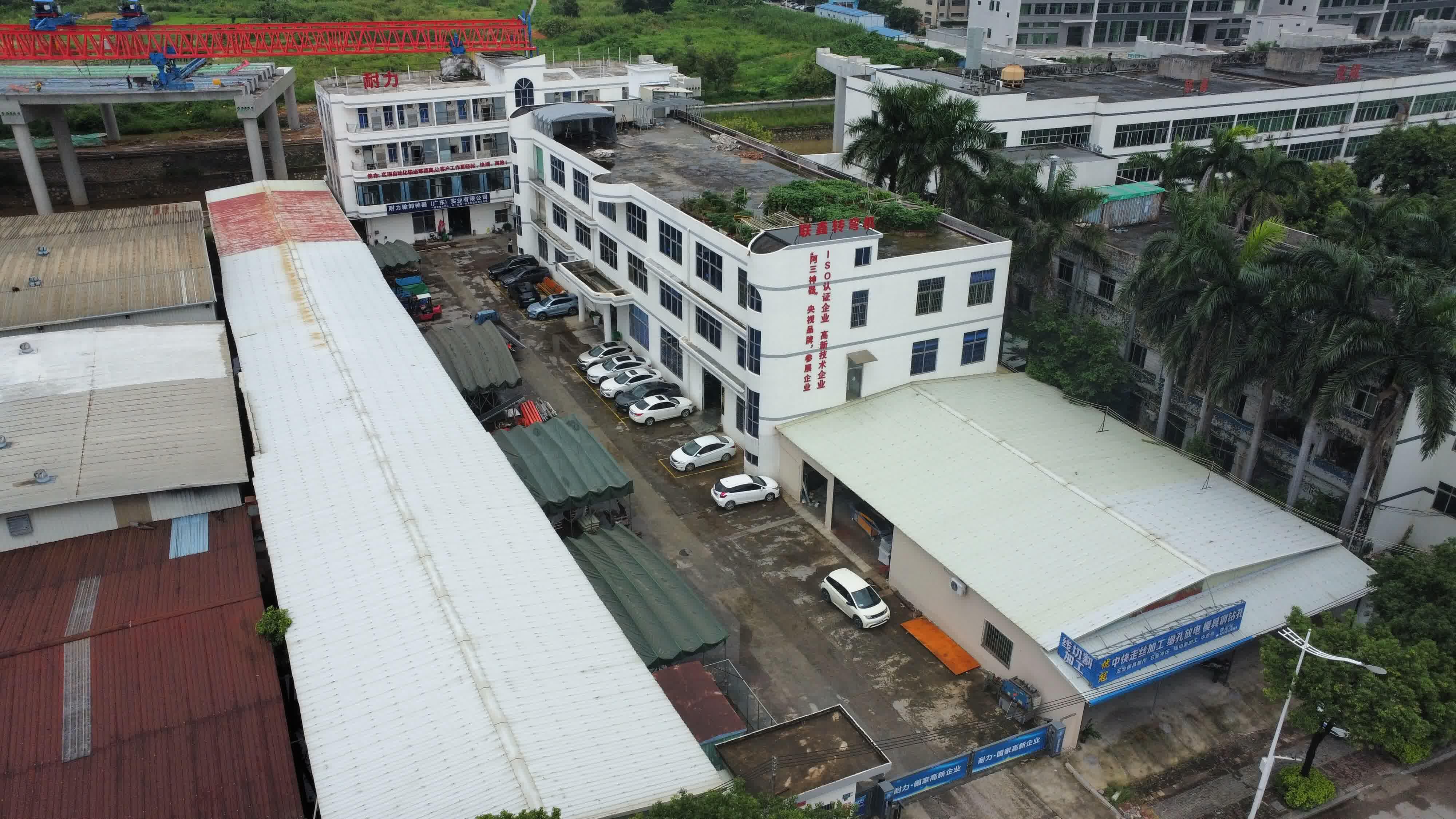
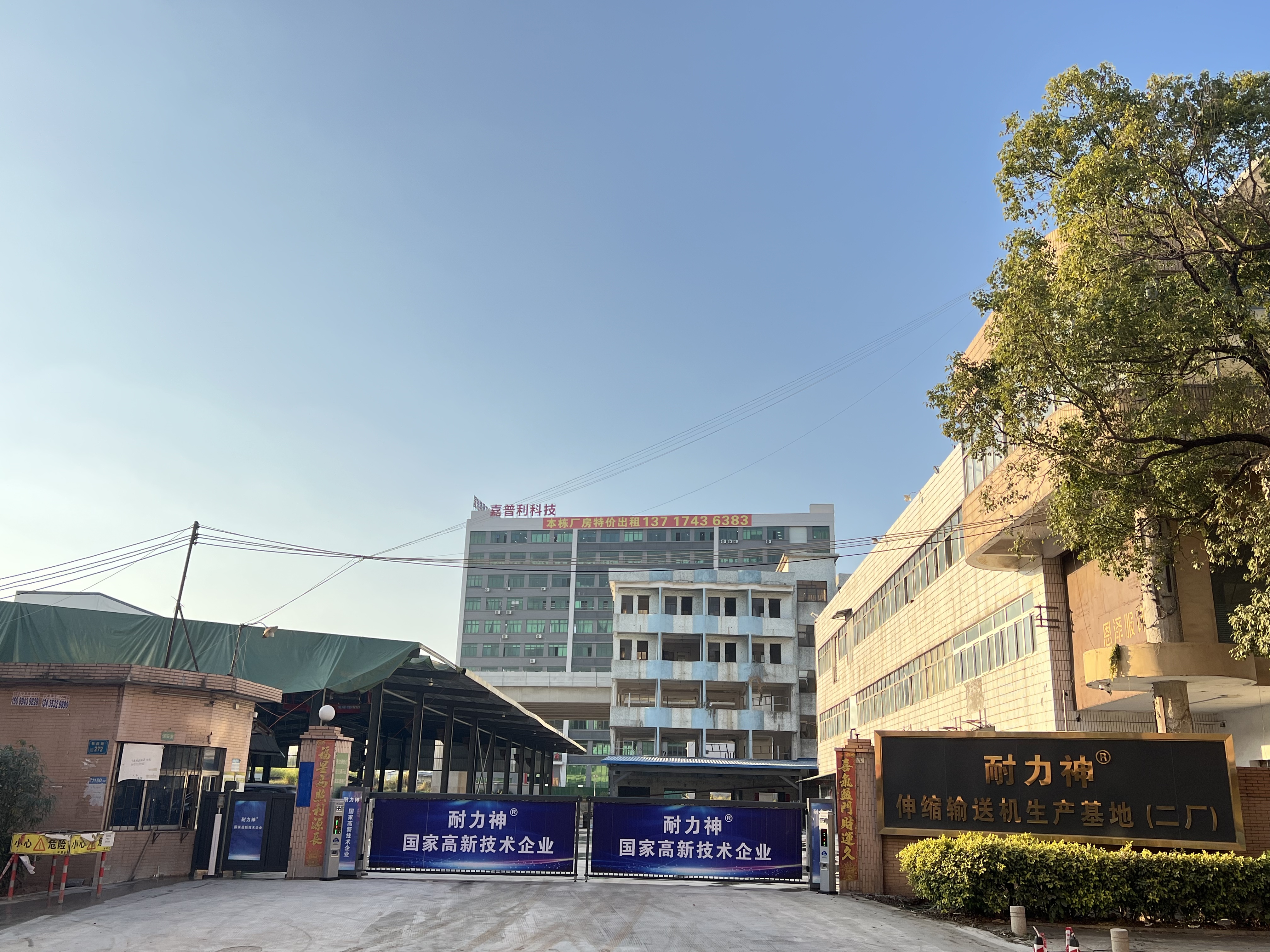
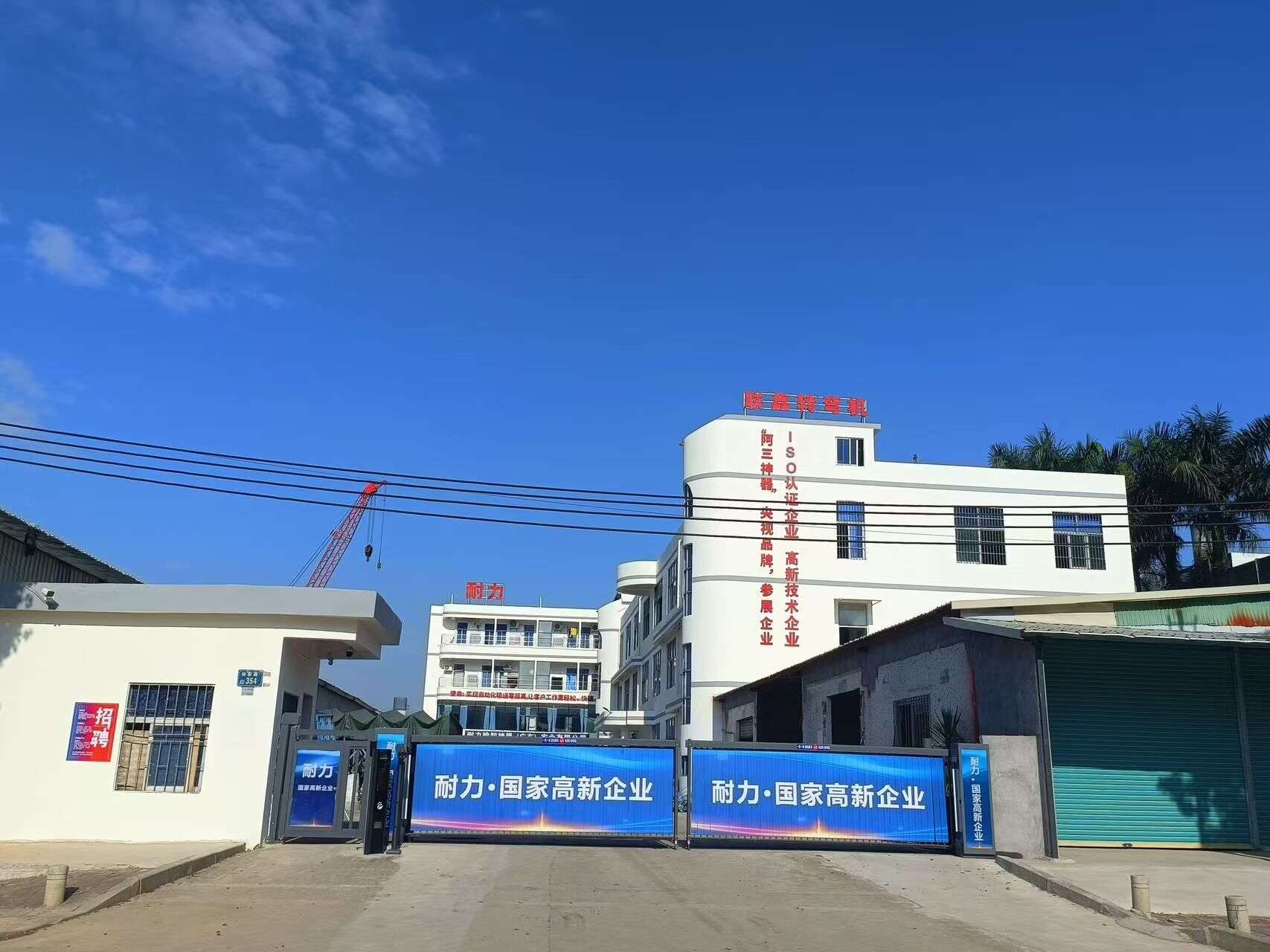
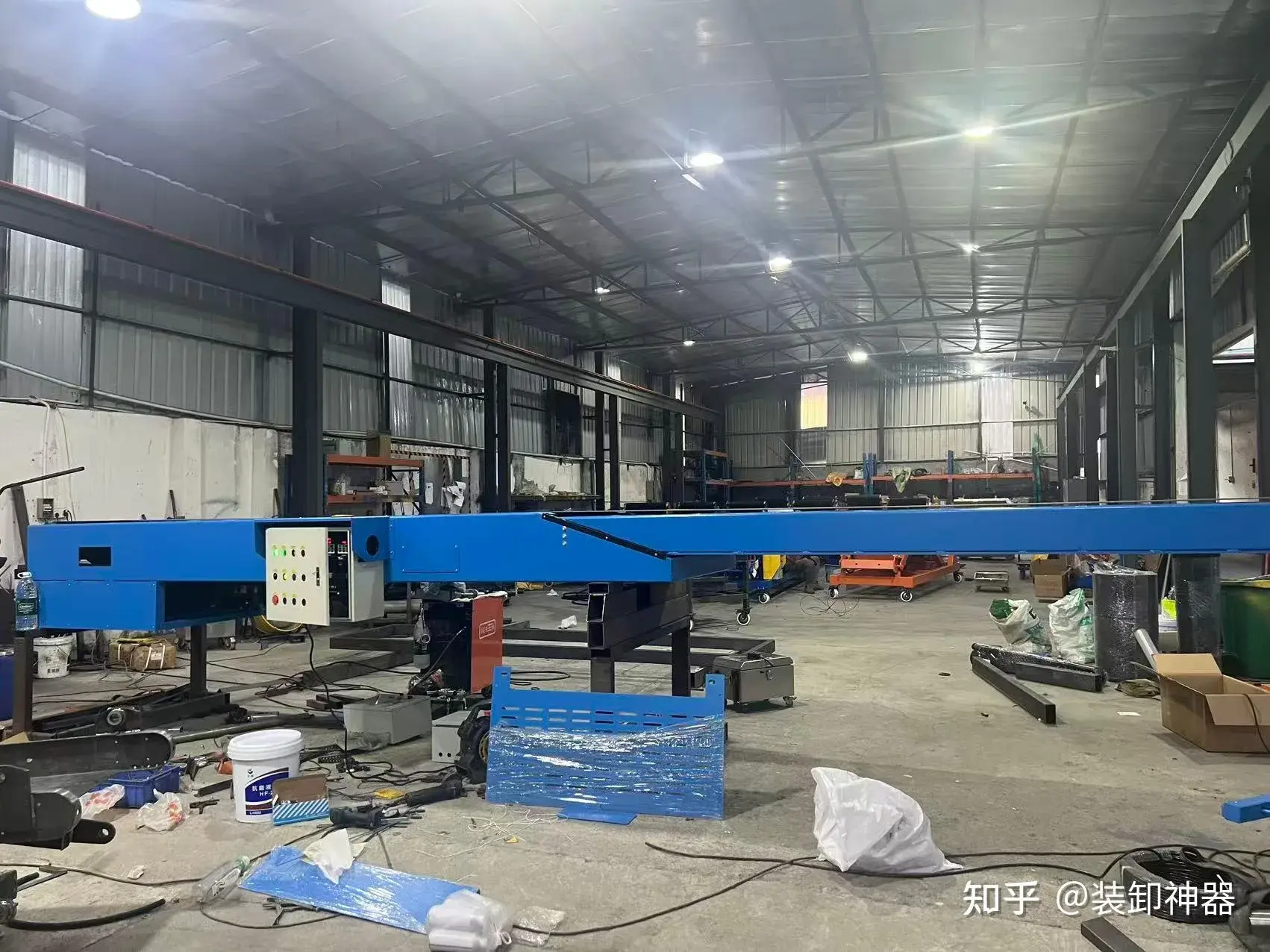
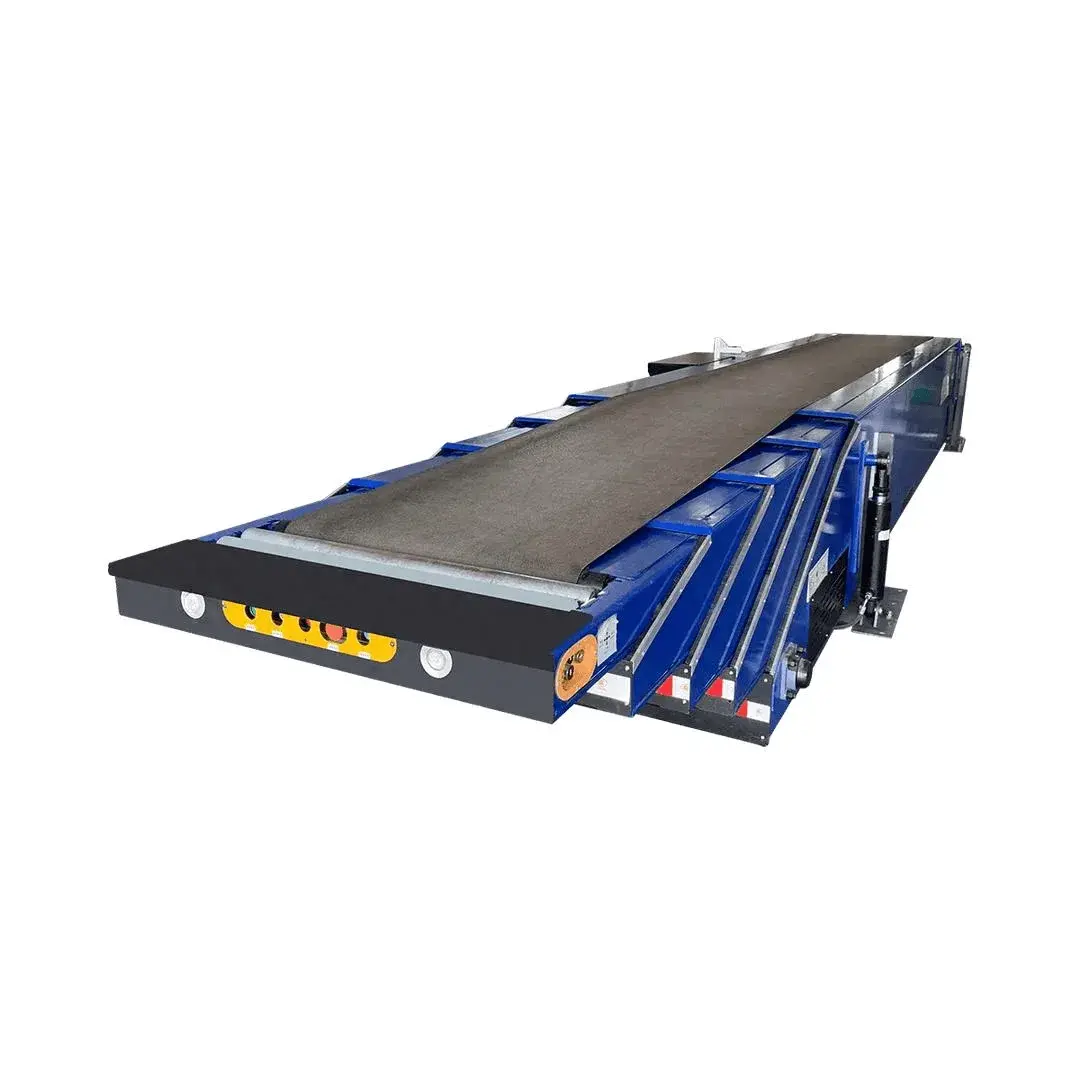
Naili Unloading Artifact (Guangdong) Industrial Co., Ltd.has optimized equipment performance for factory and warehouse shipping operations. Its multi-stage telescopic structure allows the conveying length to be adjusted flexibly and can be retracted for storage when idle, taking up less space and making it suitable for small warehouses as well.
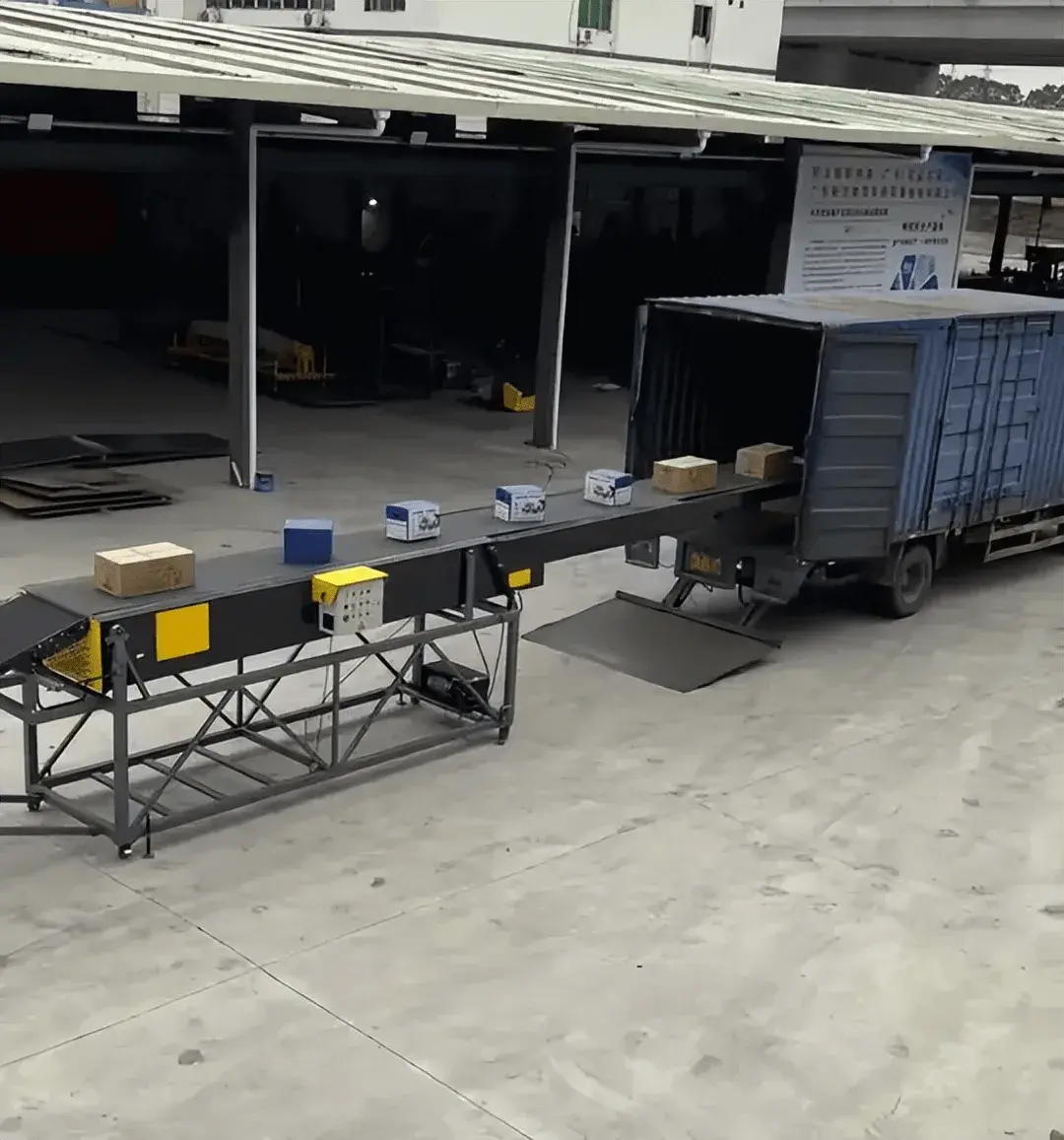
The entire machine features a reinforced steel frame and a wear-resistant conveyor belt, providing greater load-bearing capacity and making it less prone to deformation or belt misalignment during extended operation. It is equipped with a variable-frequency speed control system, allowing the conveying speed to be adjusted freely for smooth transport and reducing the risk of carton collisions and damage. Both carton goods and bagged materials can be conveyed steadily.
Customized to Suit the Site and Goods, Better Suited to Actual Warehousing and Logistics Operations
This type of equipment also supports non-standard customization. The telescopic stroke, machine height, and belt width can all be designed according to the warehouse layout and cargo specifications, avoiding the problem of standard equipment dimensions being unsuitable. For warehouses with significant differences in available space, cargo specifications, and shipping schedules, this customization approach is better aligned with actual operating conditions.
Naili Unloading Artifact (Guangdong) Industrial Co., Ltd.insists on direct supply from the source, eliminating intermediary costs and making procurement costs more controllable. Customers can also receive one-stop services, including free on-site surveying, dedicated operating-condition solution design, equipment manufacturing, on-site installation and commissioning, and lifetime maintenance, facilitating project implementation.
In terms of application scenarios, telescopic belt conveyors can be used not only for transferring factory raw materials and loading finished products, but are also suitable for high-frequency outbound operations in e-commerce warehouses, logistics outlets, and transfer warehouses. After being introduced, they can replace a large amount of repetitive manual handling, reduce labor requirements for loading and unloading, shorten the time required to load an entire vehicle, and reduce cargo damage and material spillage, helping companies advance warehouse and logistics automation upgrades at a lower cost.