Naili Conveyor
Why Traditional Warehouse Loading and Unloading Can Easily Slow Turnaround Efficiency
Amid intensifying competition in logistics, warehouse turnover efficiency and cargo loading and unloading speed have become direct influences on business operations. Many traditional warehouse sites still use outdated operating methods or standardized equipment with fixed specifications. Although the processes may appear complete, these sites are more likely to experience cargo accumulation, dock congestion, and delayed turnover during peak business periods.
These issues are not simply caused by an insufficient number of machines. More importantly, the equipment is poorly matched to the facility, the goods, and the pace of operations. Fixed equipment offers limited functionality, while manual handling is time-consuming, labor-intensive, and prone to errors. Over time, this continuously reduces the overall efficiency of supply chain operations.
Why Standard Conveyor Equipment Often Struggles to Adapt to On-Site Conditions
When upgrading warehouse mechanization, many companies tend to select standard conveyor equipment or automated production-line equipment directly. However, warehouse facilities, product categories, and operating methods naturally vary significantly. When handling irregularly shaped goods, changing loading docks, and fluctuations in vehicle traffic between peak and off-peak seasons, standardized equipment with fixed parameters and rigid functionality often struggles to deliver optimal performance.
At the same time, traditional operations often suffer from equipment that lacks flexible extension and angle-adjustment capabilities. This limits the operating range and makes it difficult to reach deep into vehicle compartments for detailed loading and unloading. Even with the help of some simple tools, efficiency can usually be improved only marginally, leaving fundamental problems such as cumbersome loading and unloading, slow transfer, and excessive space usage unresolved.
How Customized Equipment Improves Vehicle Loading and Unloading and Dock Turnover
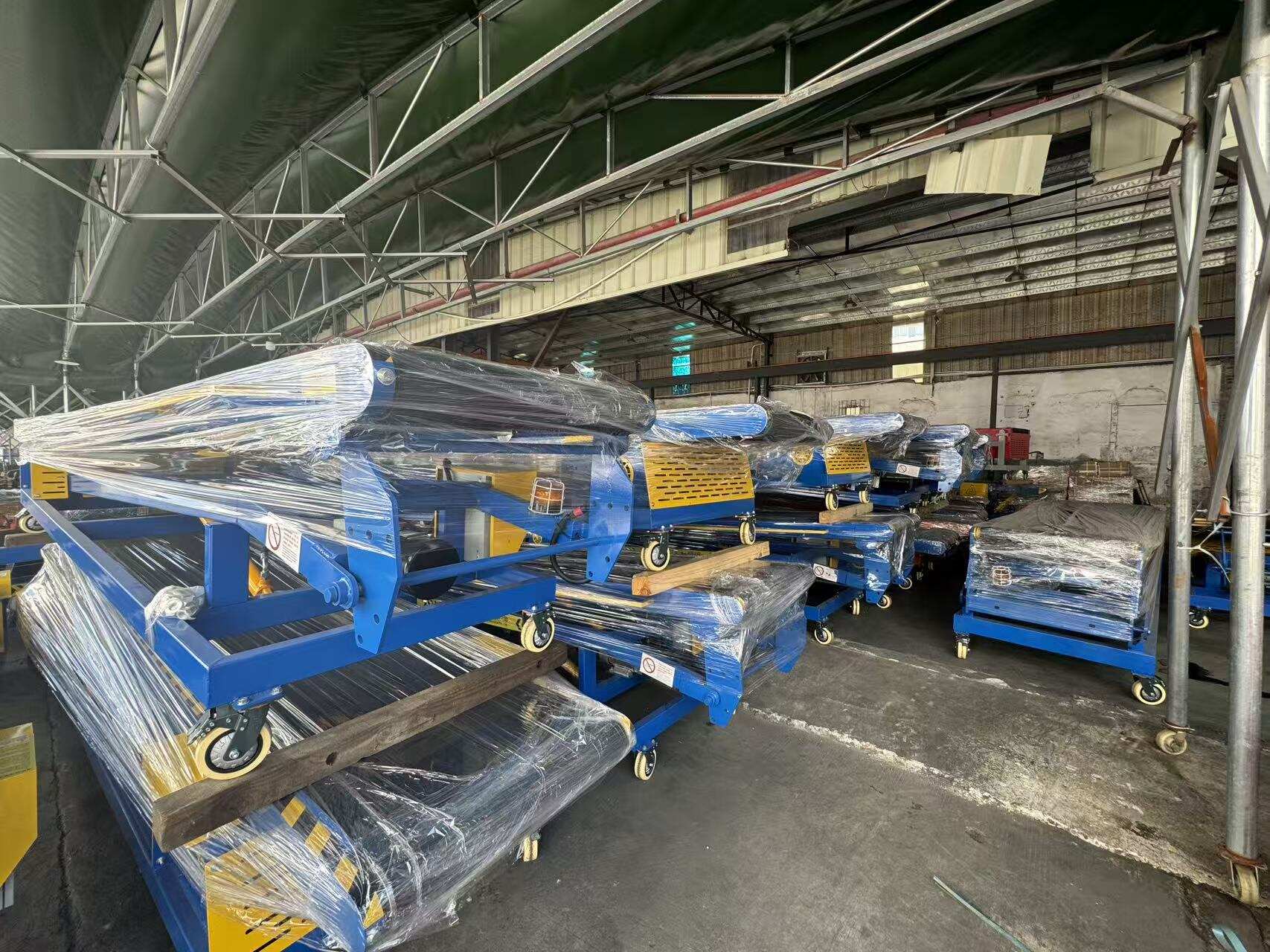
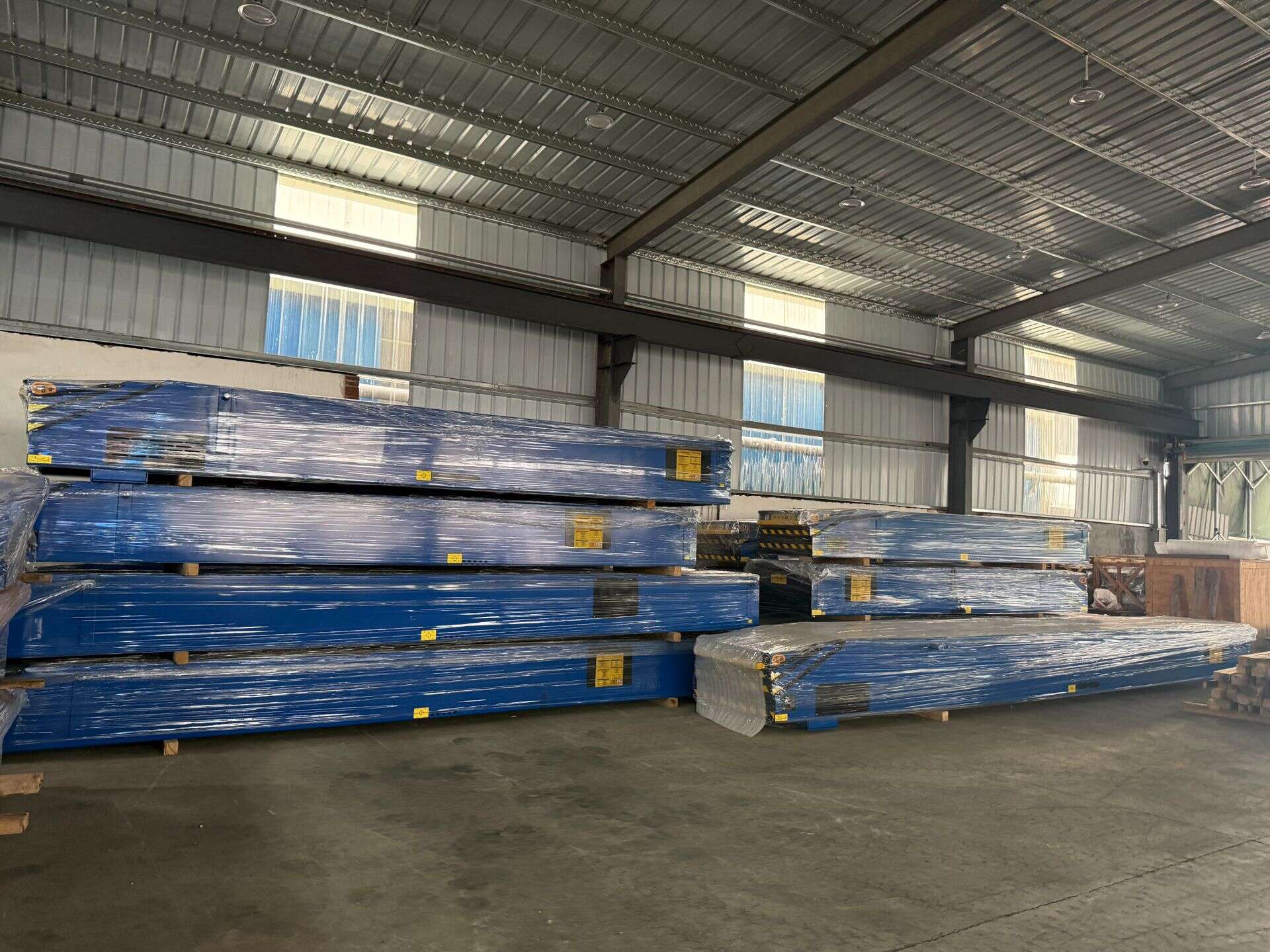
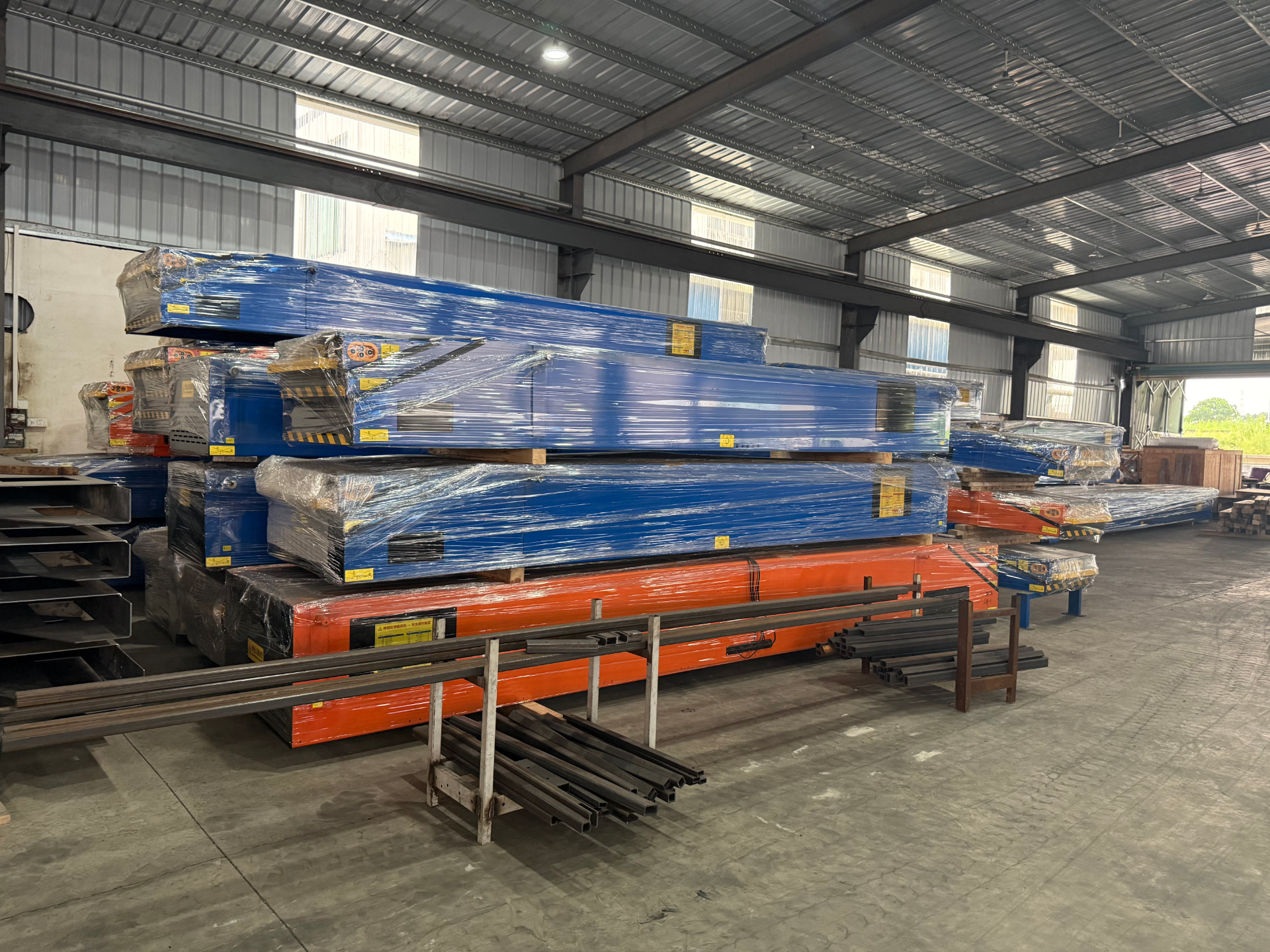
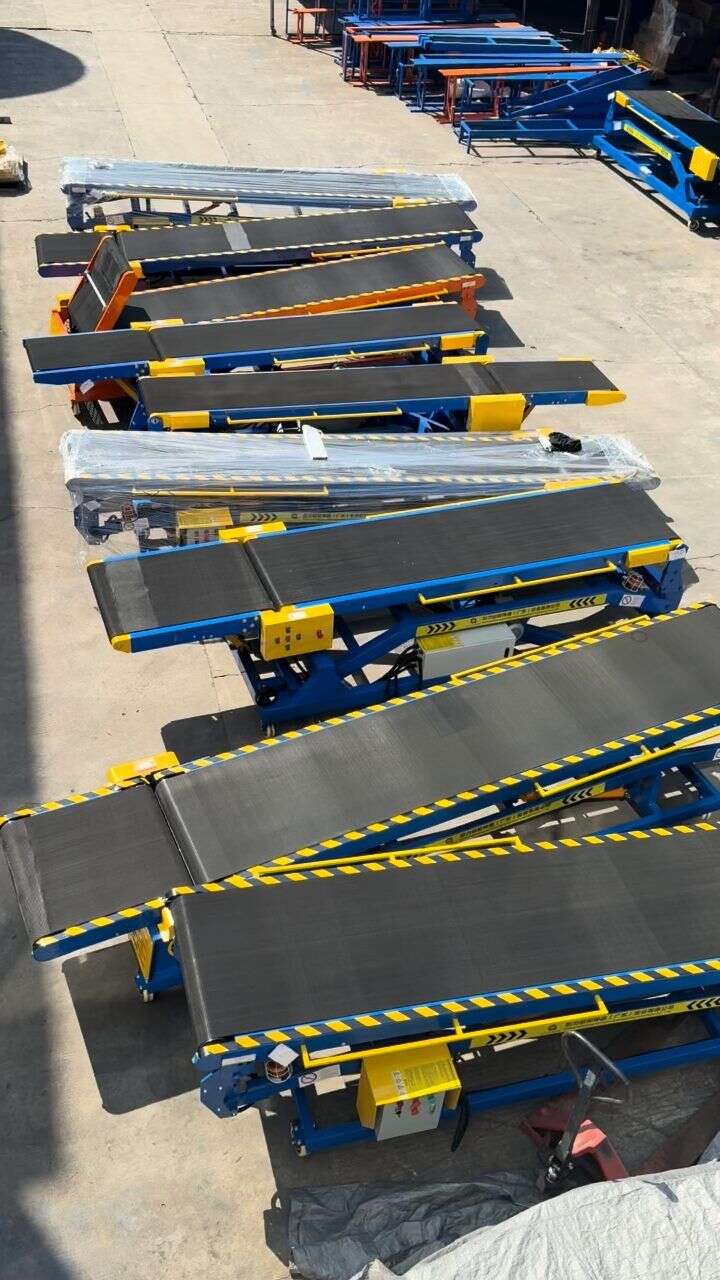
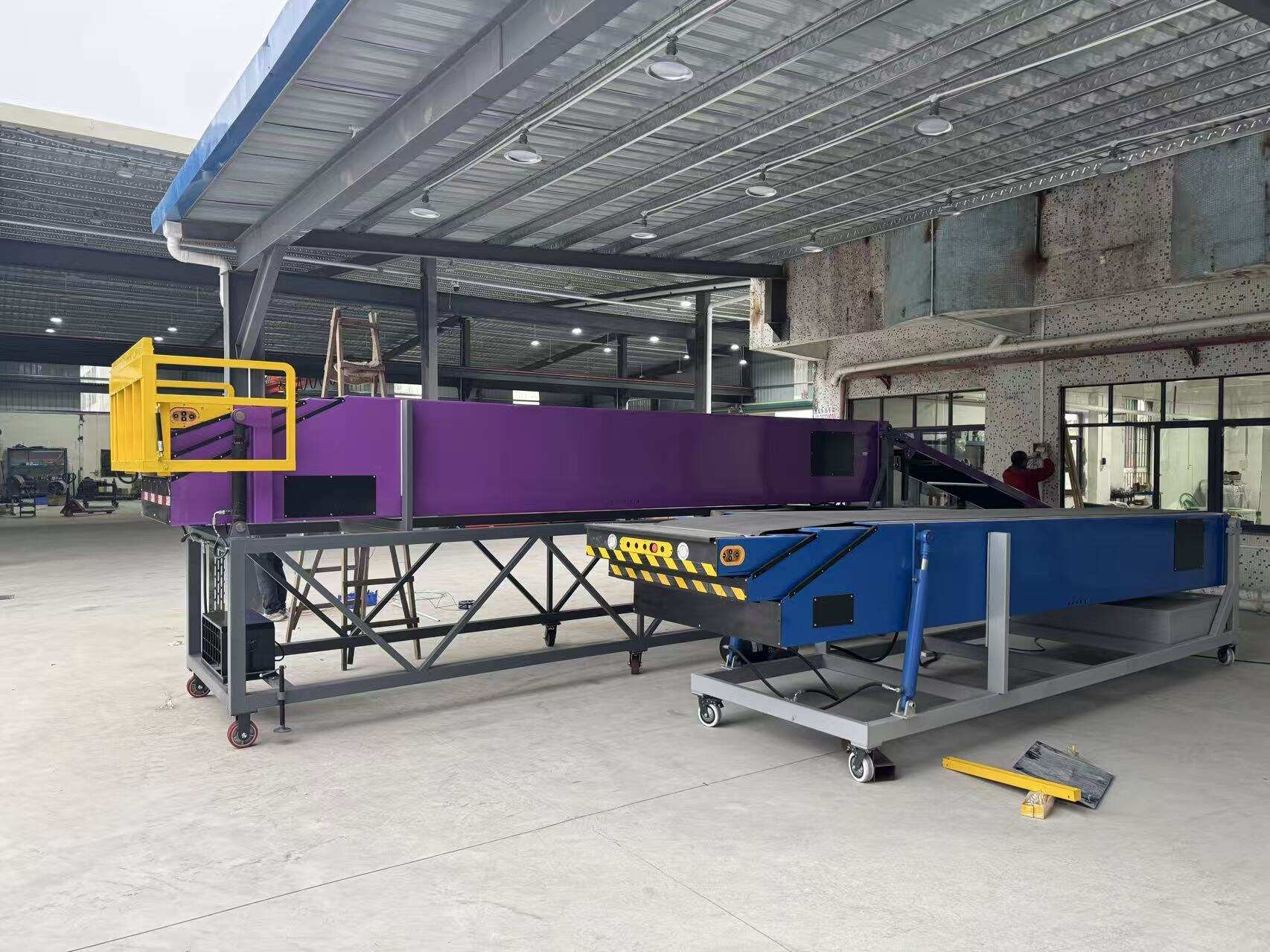
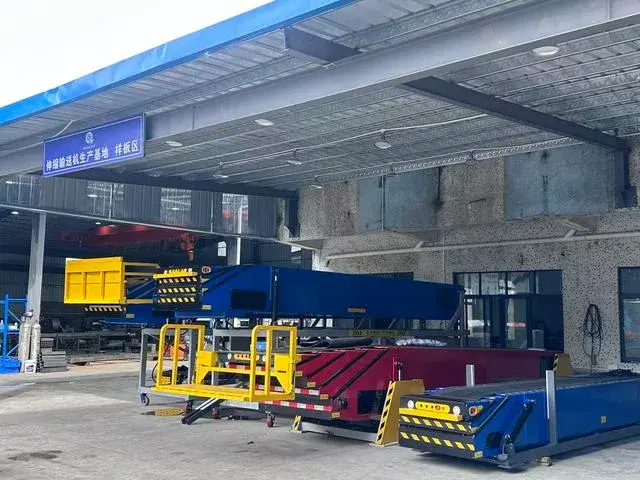
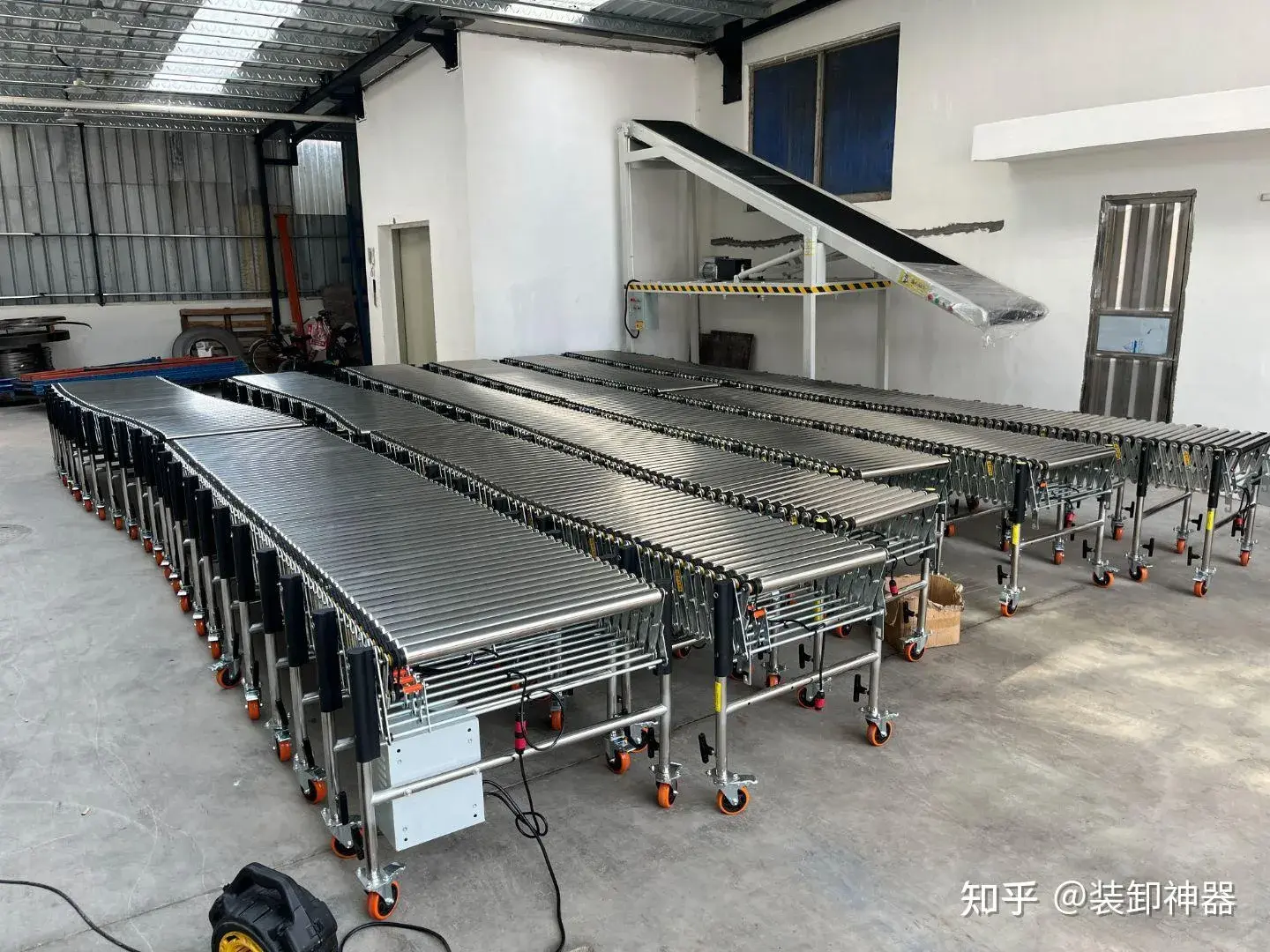
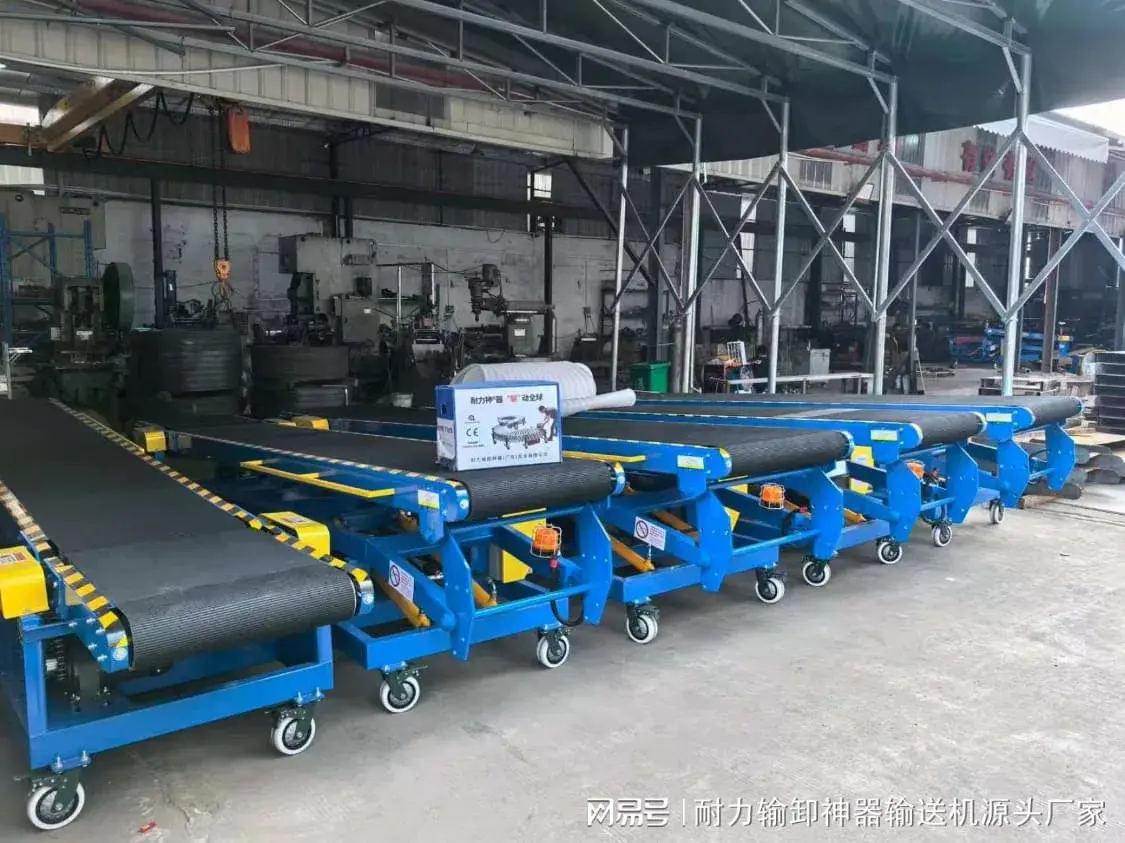
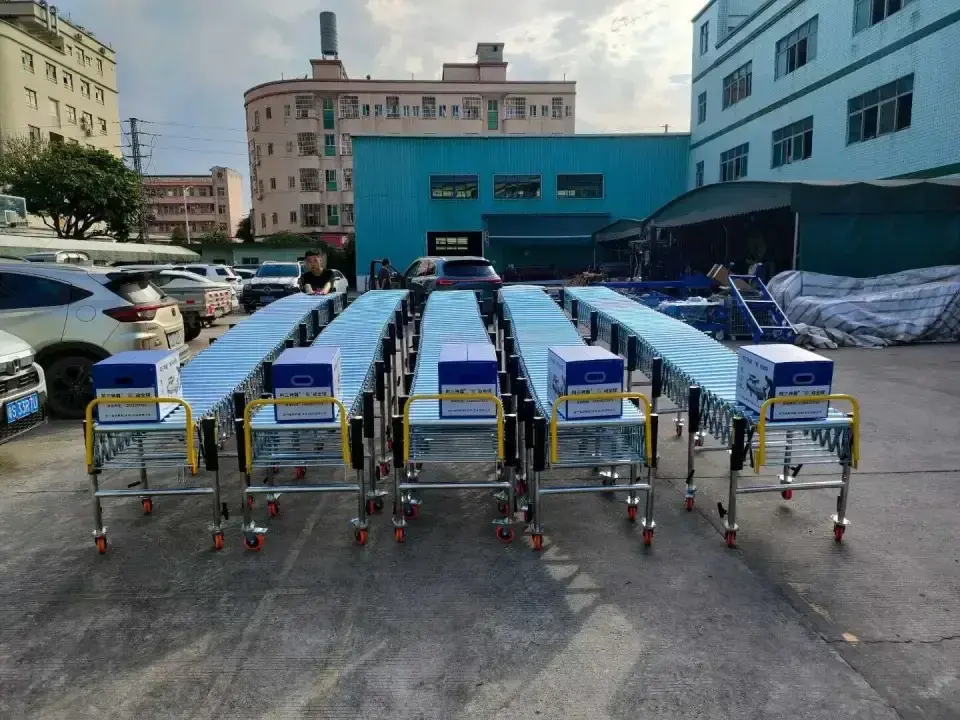
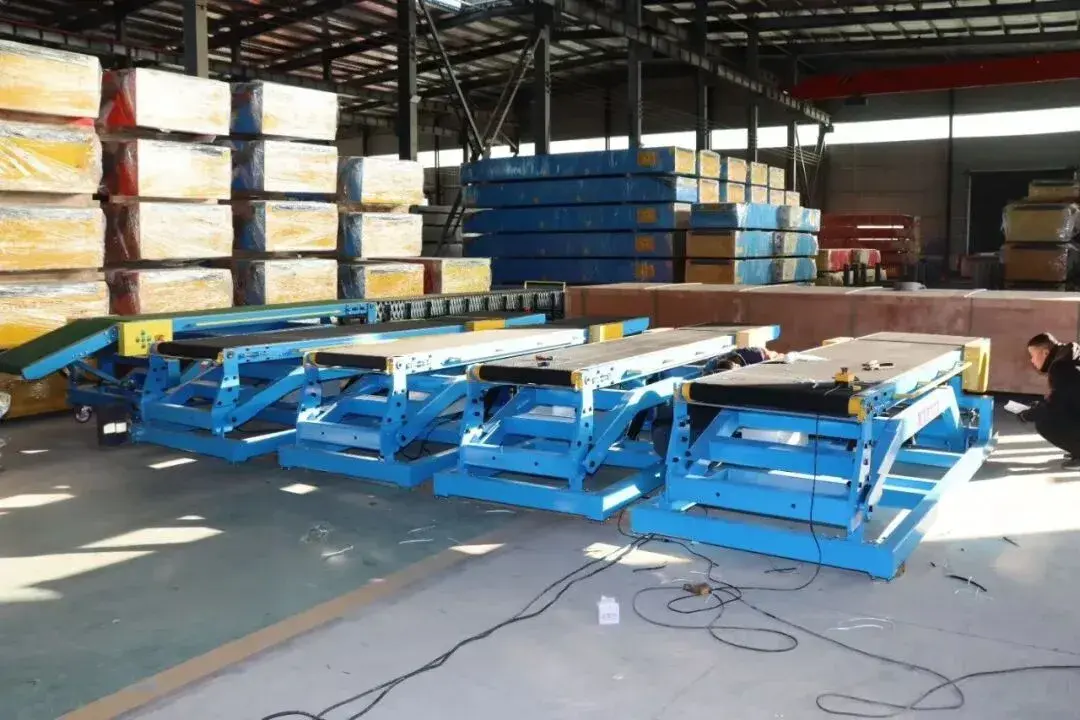
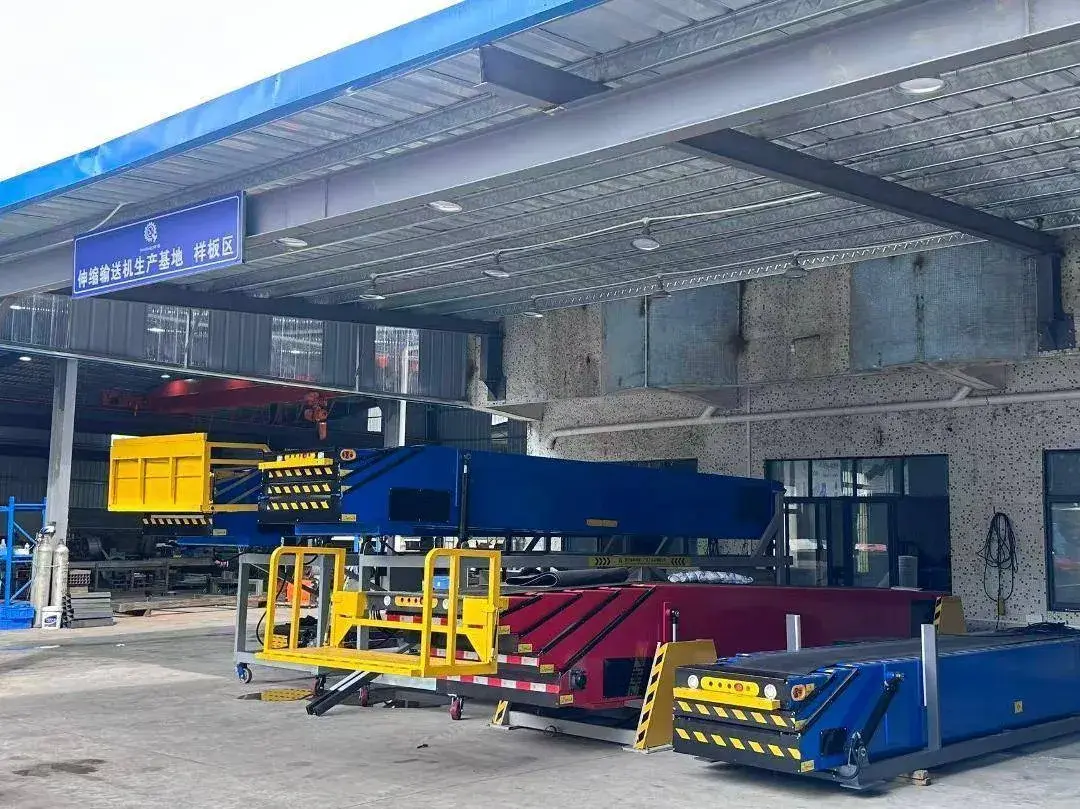
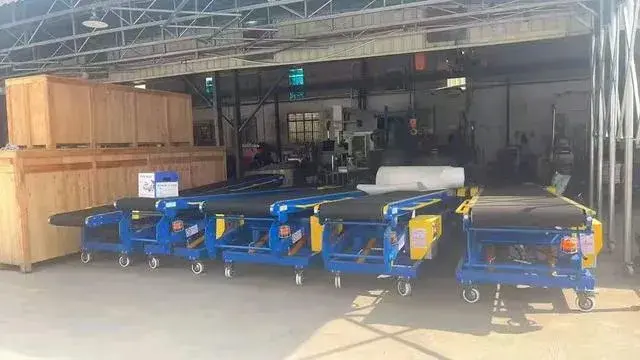
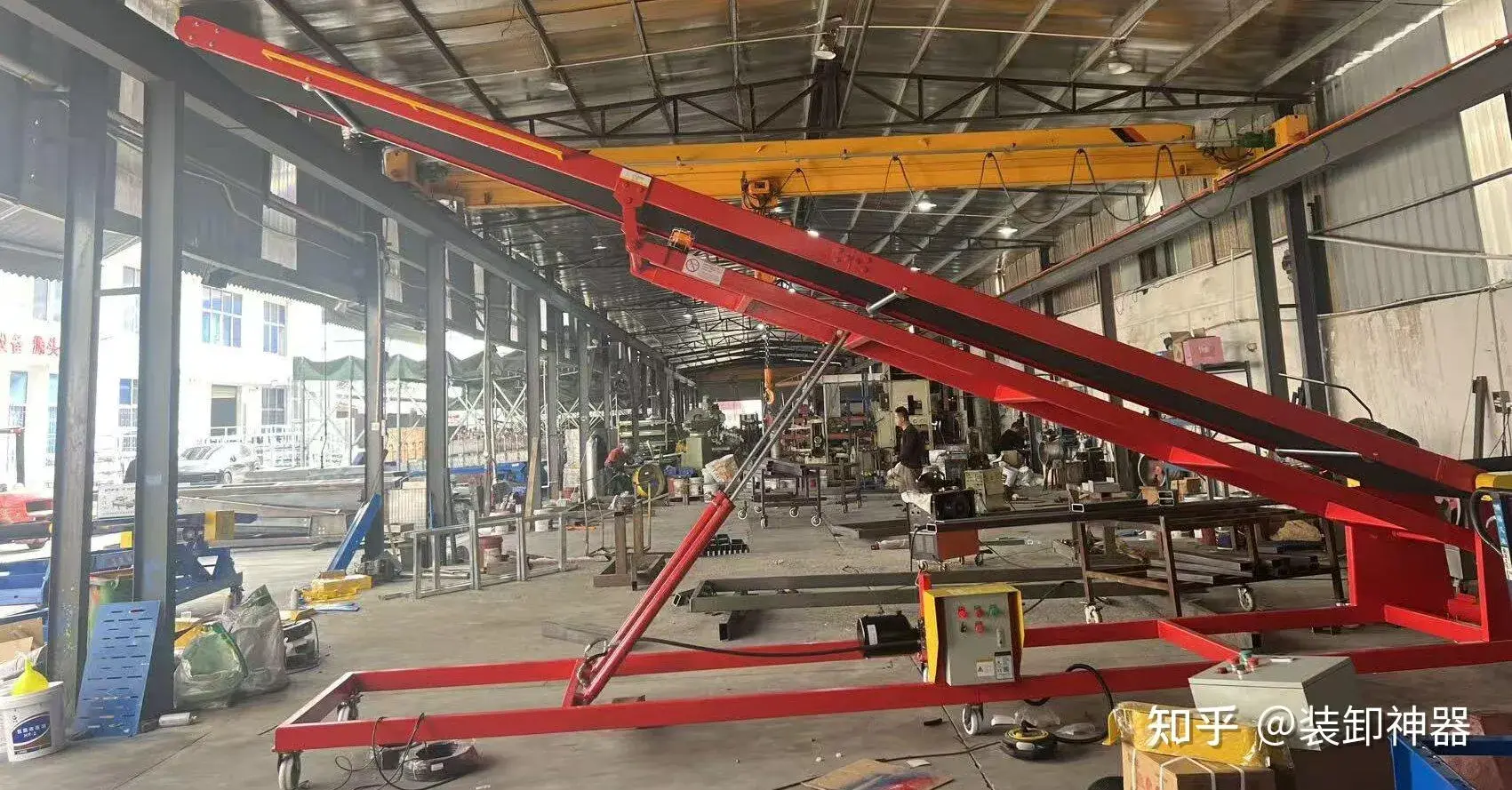
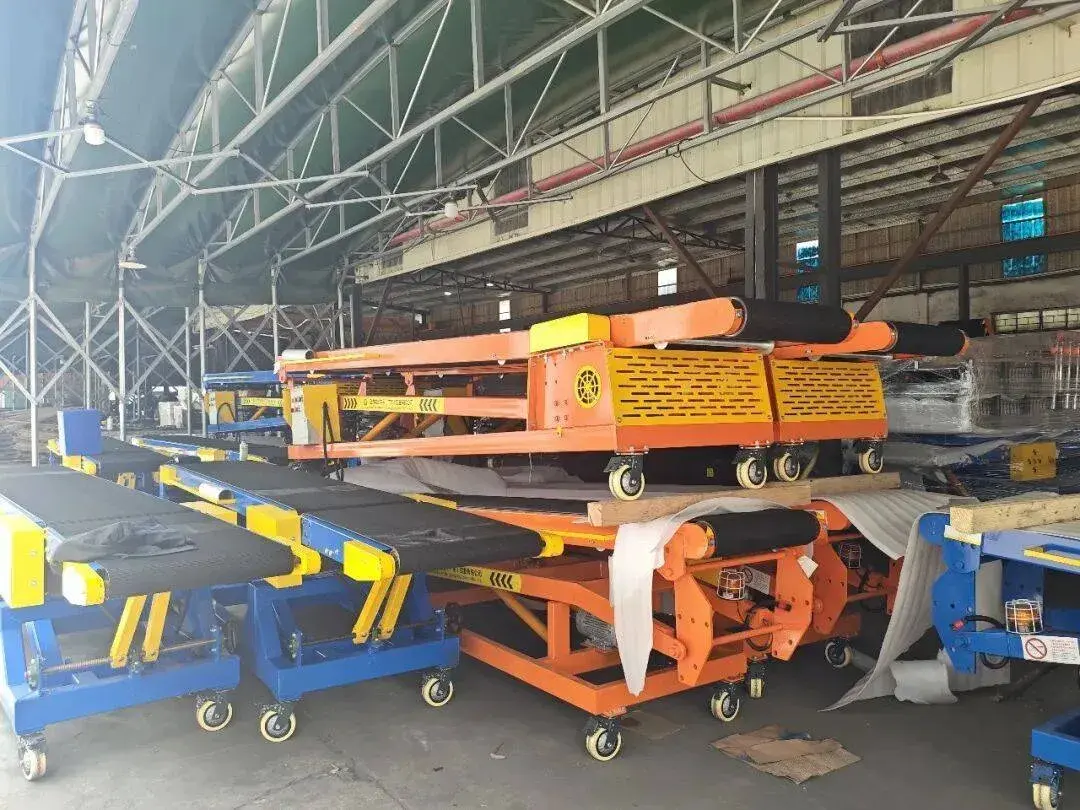
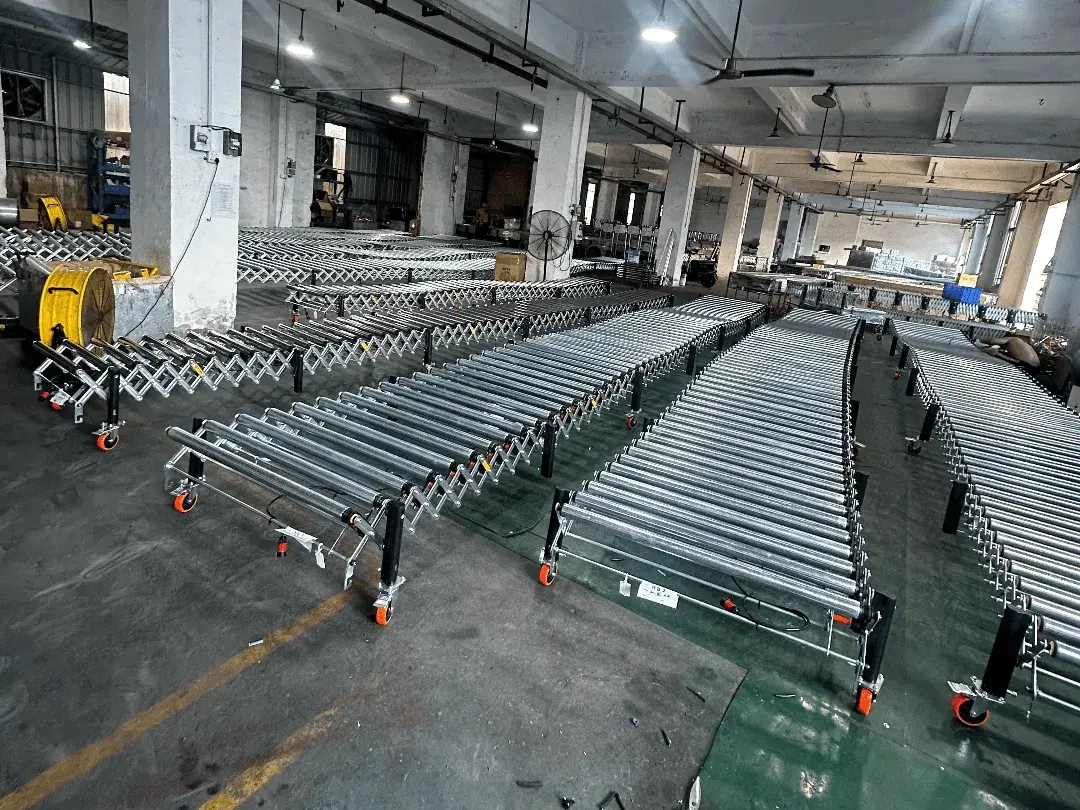
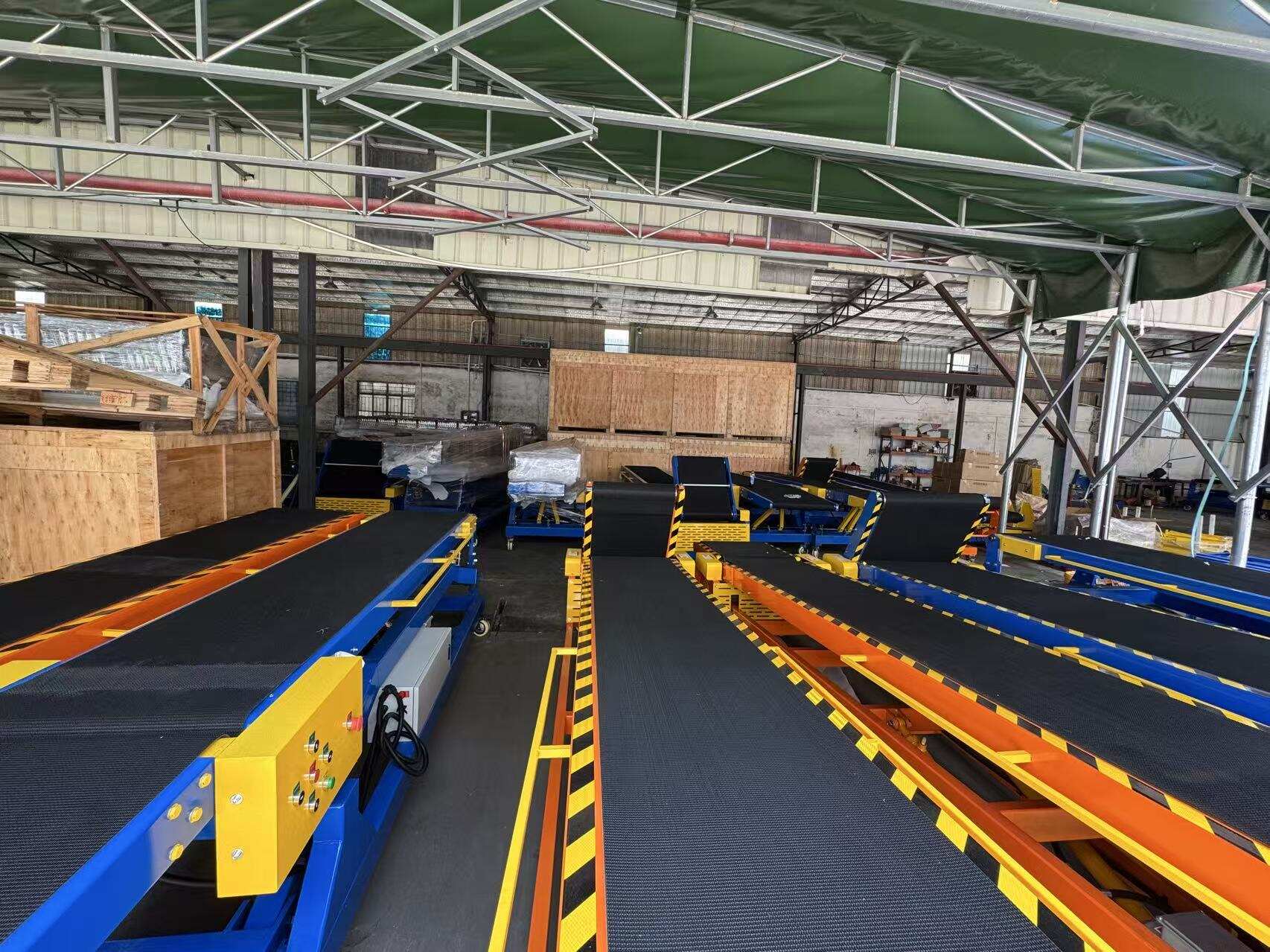
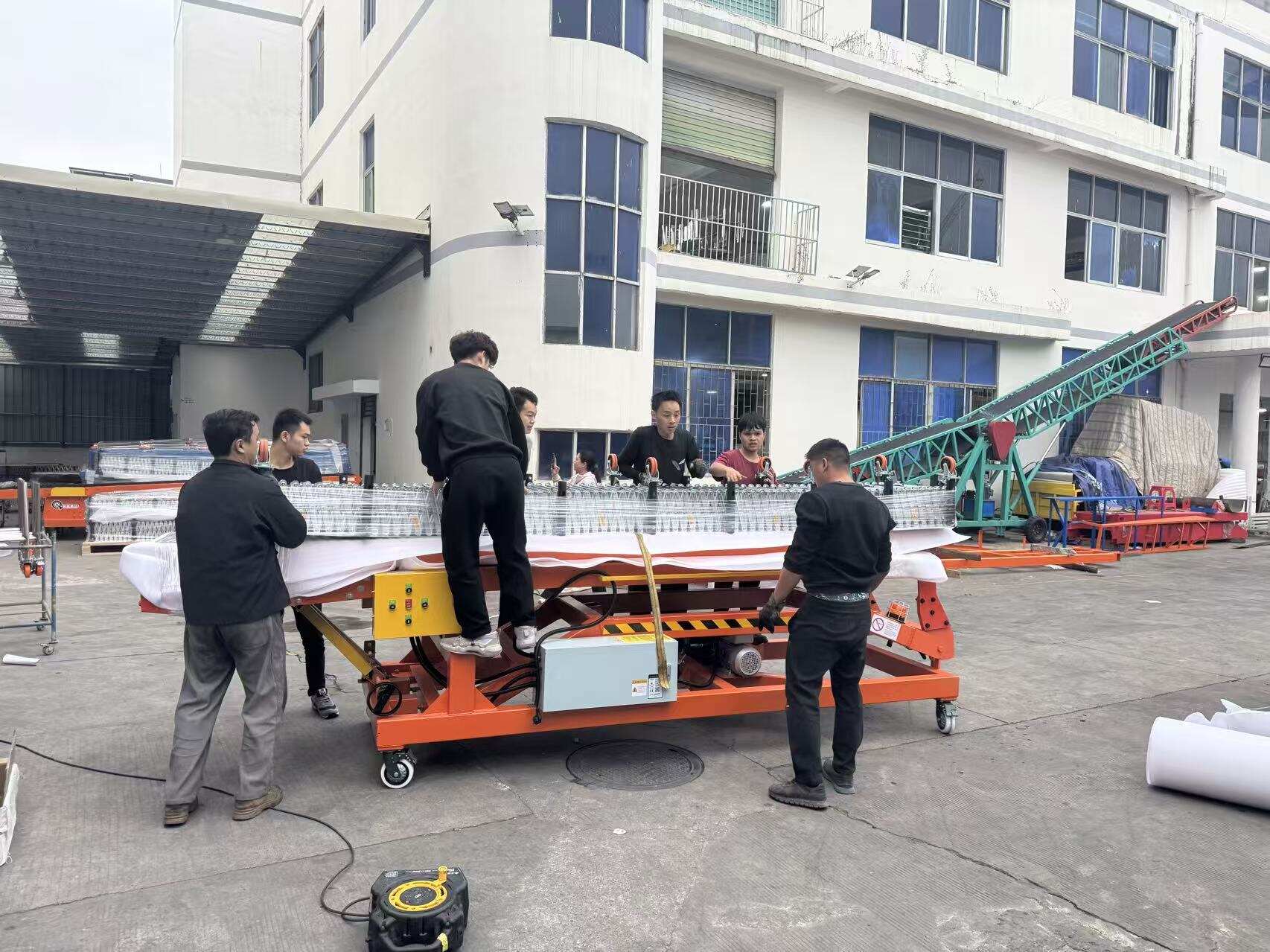
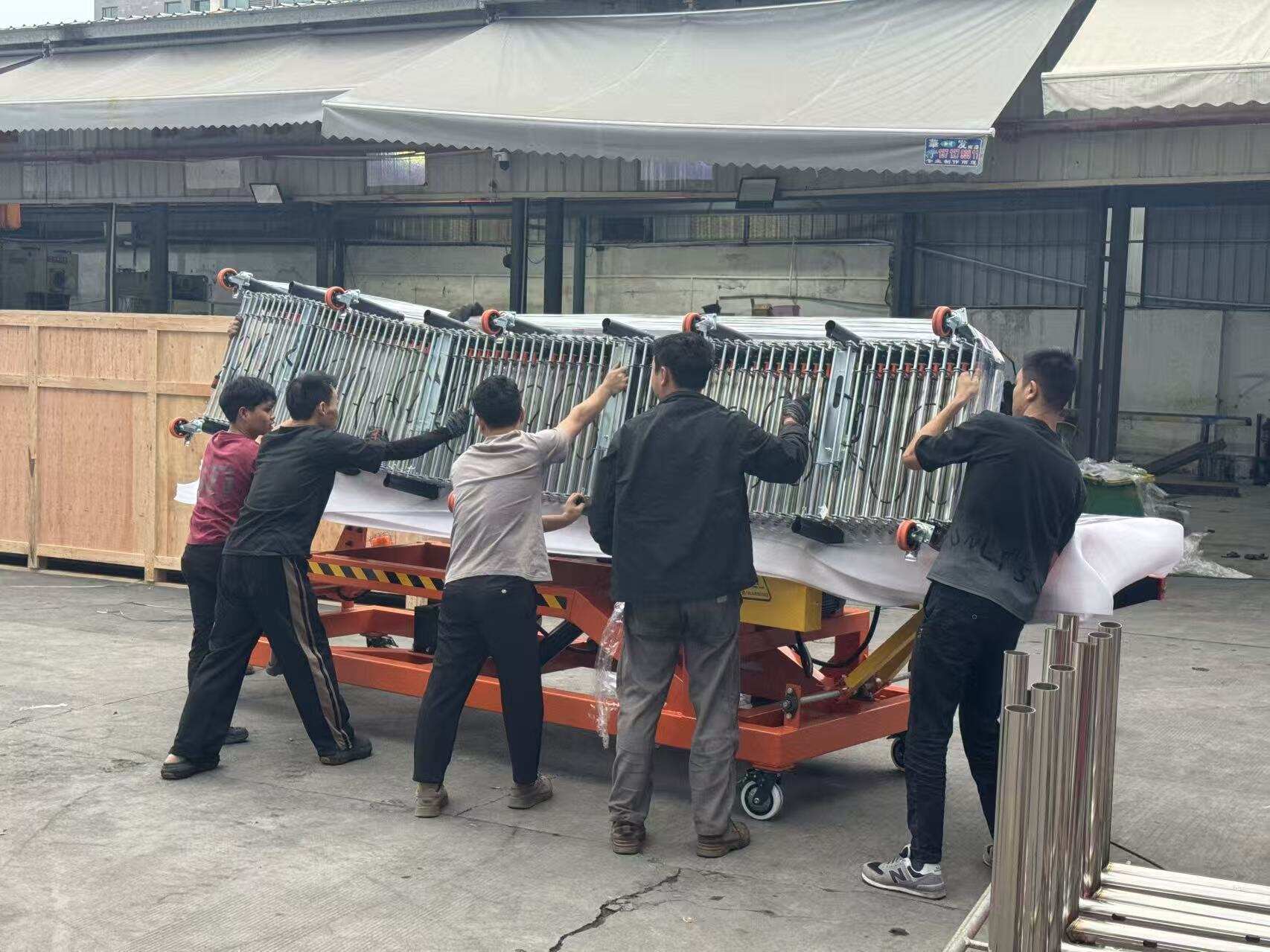
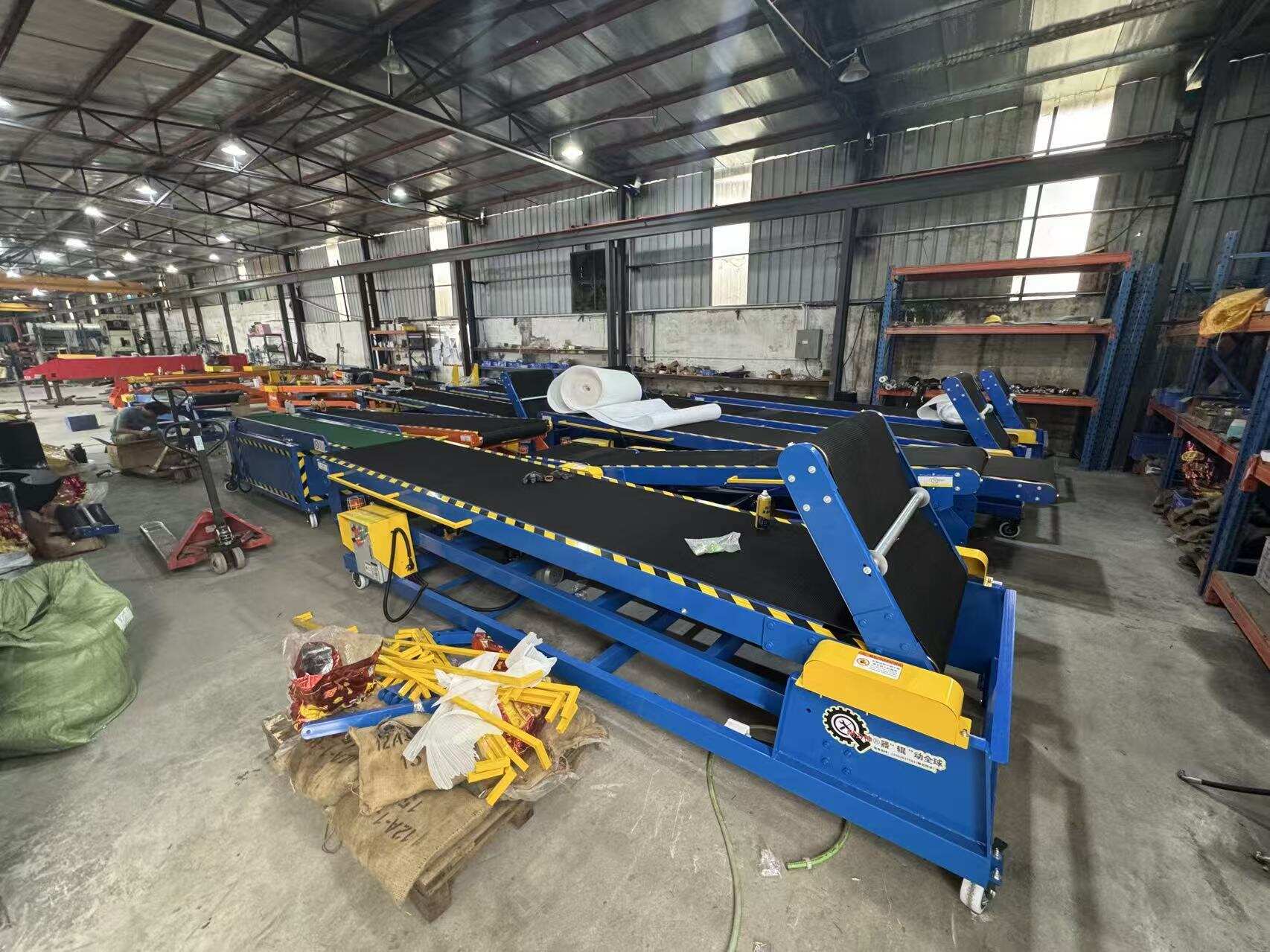
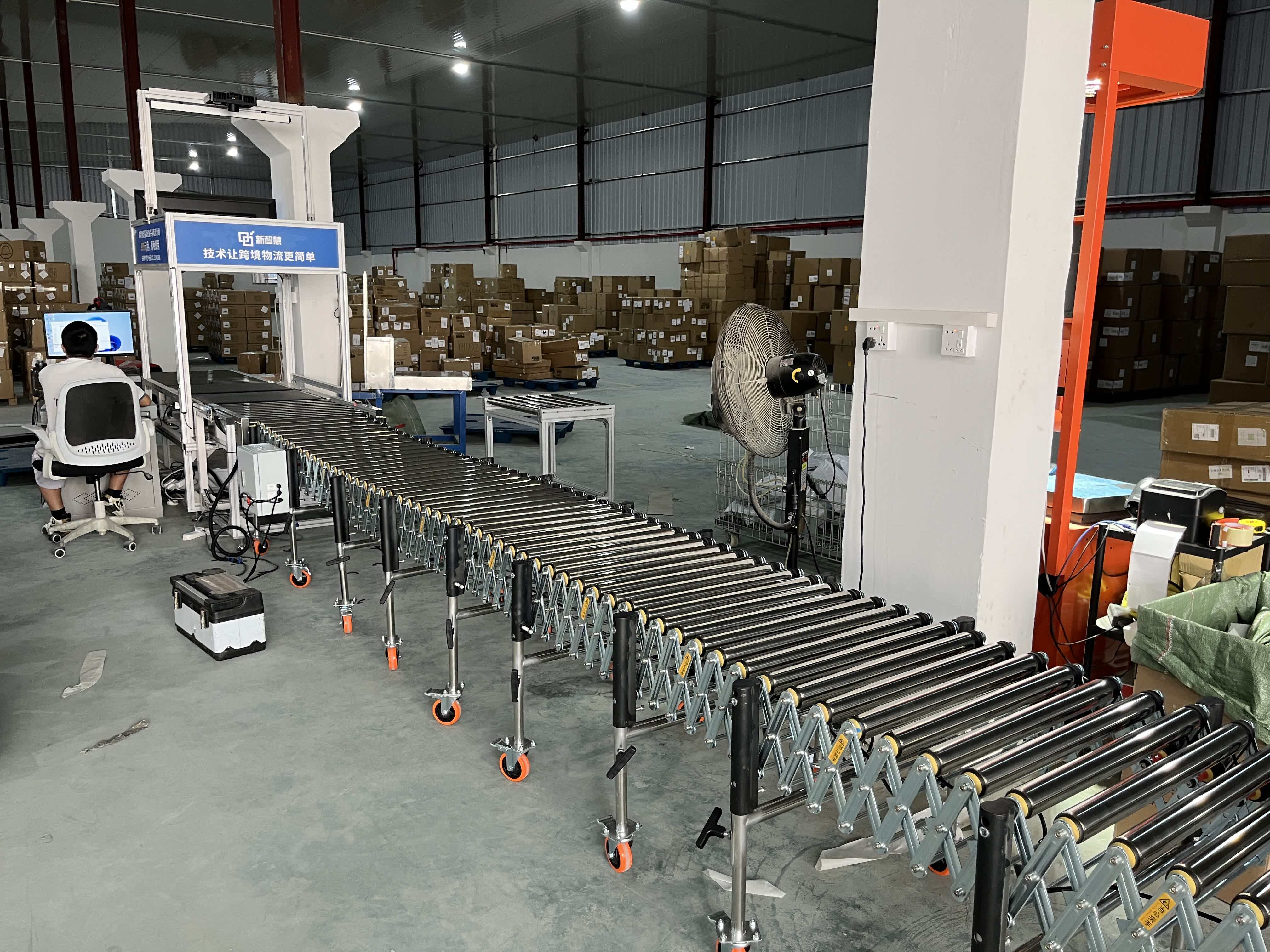
For these scenario-based pain points, customized equipment solutions place greater emphasis on adapting to real operating conditions. Naili Unloading Artifact (Guangdong) Industrial Co., Ltd. focuses on frontline warehousing needs and provides equipment solutions such as telescopic roller conveyors, telescopic belt conveyors, and Hydraulic Conveyor, with the goal of solving transfer challenges across different sites, cargo types, and vehicle models.
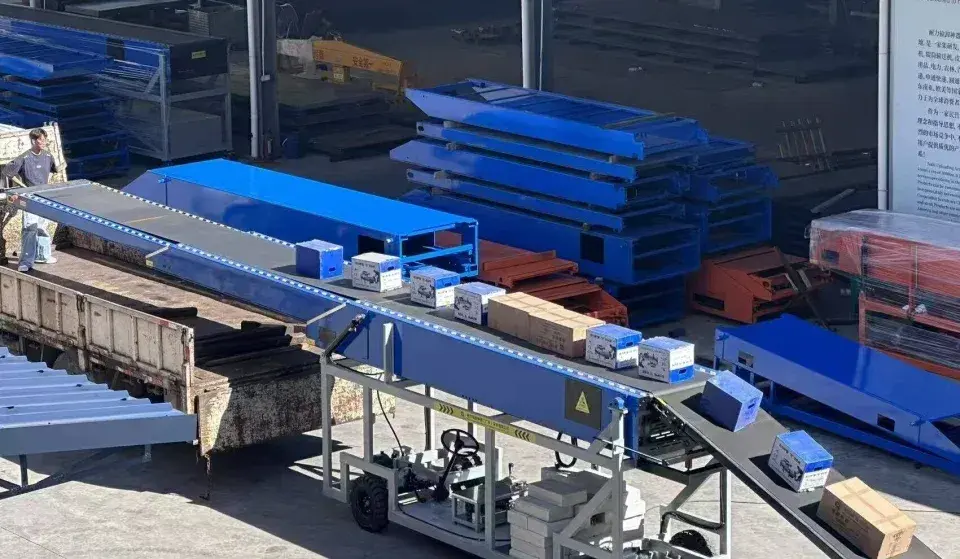
This type of equipment supports free extension and retraction, and its height and angle can also be adjusted flexibly, allowing it to better fit vehicle and dock scenarios. During operation, it can extend into the truck compartment to improve loading and unloading efficiency; after use, it can retract back into place, reducing the space it occupies and making it better suited to different operating rhythms during peak and off-peak seasons.
From improving efficiency at a single point to creating a smoother warehousing process
Compared with traditional standardized equipment, the value of customized conveying equipment lies not only in its ability to load and unload, but also in optimizing the entire process. Related equipment uses a more robust manufacturing process and runs more smoothly, making it suitable for high-intensity, continuous cargo transfer work in warehousing and helping reduce failure rates and maintenance costs.
On this basis, combined with a more reasonable logistics solution, it is also possible to further optimize on-site workflow, reduce redundant transfers, and make loading and unloading, sorting, transfer, and inbound and outbound operations connect more smoothly. For companies that are advancing warehousing mechanization upgrades, this kind of transformation idea is closer to real production scenarios and is more conducive to improving turnover speed.