Naili Conveyor
The real reason for frequent shutdowns is often not simply equipment quality
After upgrading to automation, many manufacturing plants encounter a very typical problem: once brand-new conveyors are put into high-frequency production, belt misalignment, roller jamming, abnormal machine noise, and material spillage keep recurring; hydraulic loading and unloading equipment at the dock may also suffer from slow lifting and lowering, body wobble, and oil leakage. Every failure may force the entire line to stop for maintenance, disrupt production schedules, delay order deliveries, and keep adding parts procurement and repair labor costs.
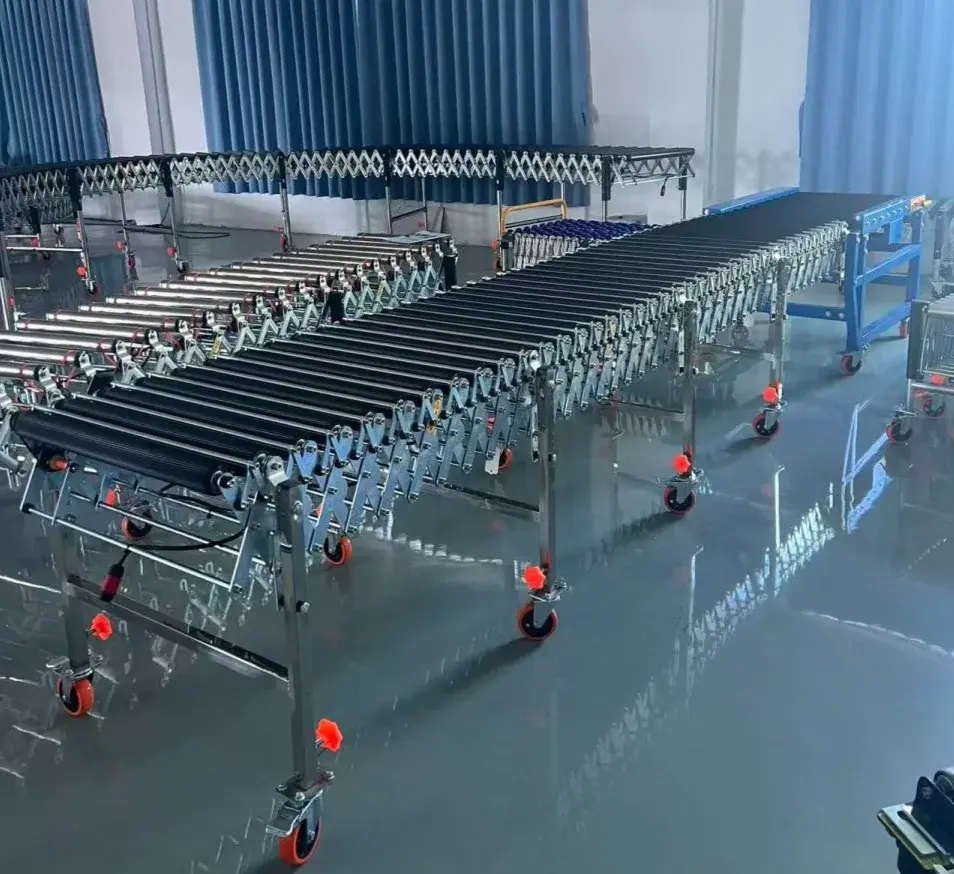
Standardized equipment struggles to cover complex factory conditions
When many managers see a failure, they instinctively judge that it is caused by poor materials or subpar component workmanship, so they repeatedly replace the entire machine and wear parts, but the problem still keeps coming back. According to statistics from numerous factory operations and maintenance cases, more than 90% of high-frequency conveyor equipment failures are not due to defects in the product itself, but because standardized mass-produced equipment cannot adapt to complex production environments.
Off-the-shelf conveyor equipment on the market usually has fixed load capacity, operating speed, and body structure, making it more suitable for idealized factories with orderly layouts, single material types, and intermittent production. In reality, most factories operate around the clock under continuous heavy loads, with workshop aisles of varying widths, different height differences between loading and unloading platforms, and multiple types of light and heavy materials that must be transferred simultaneously. When equipment stays under overload for long periods, parts will wear out and age more quickly, and all kinds of failures are more likely to keep occurring.
Only by customizing in advance based on operating conditions can downtime be reduced from the source
If you want to reduce downtime for maintenance and ensure stable production, the focus should not be placed only on repairs after failures, but on customizing conveyor equipment in advance according to the factory's operating conditions. First, conduct on-site measurements of material load, aisle width, platform height differences, and daily operating hours, then adjust the equipment's load capacity, transmission structure, and cushioning protection accordingly, so that the equipment's operating load is closer to actual production intensity. Only then can the wear rate of parts be reduced and the service life of the entire machine be extended.
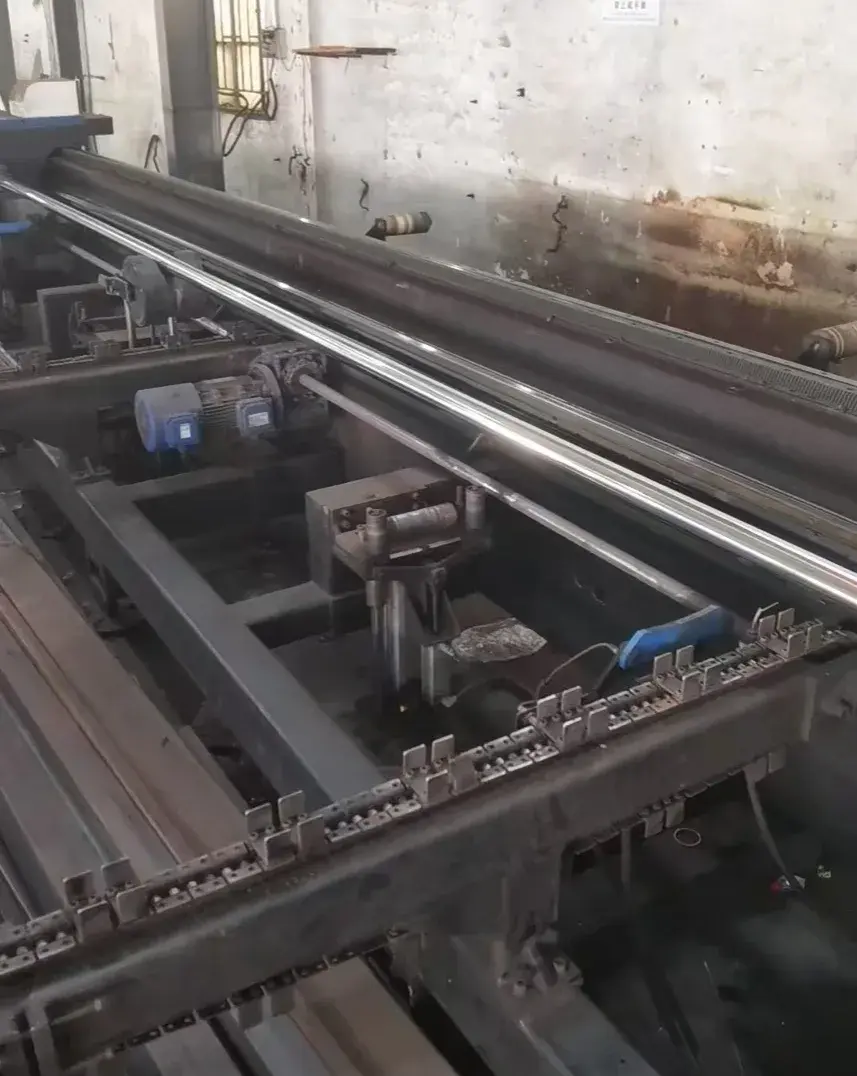
Structural adjustments based on different scenarios make stable operation easier
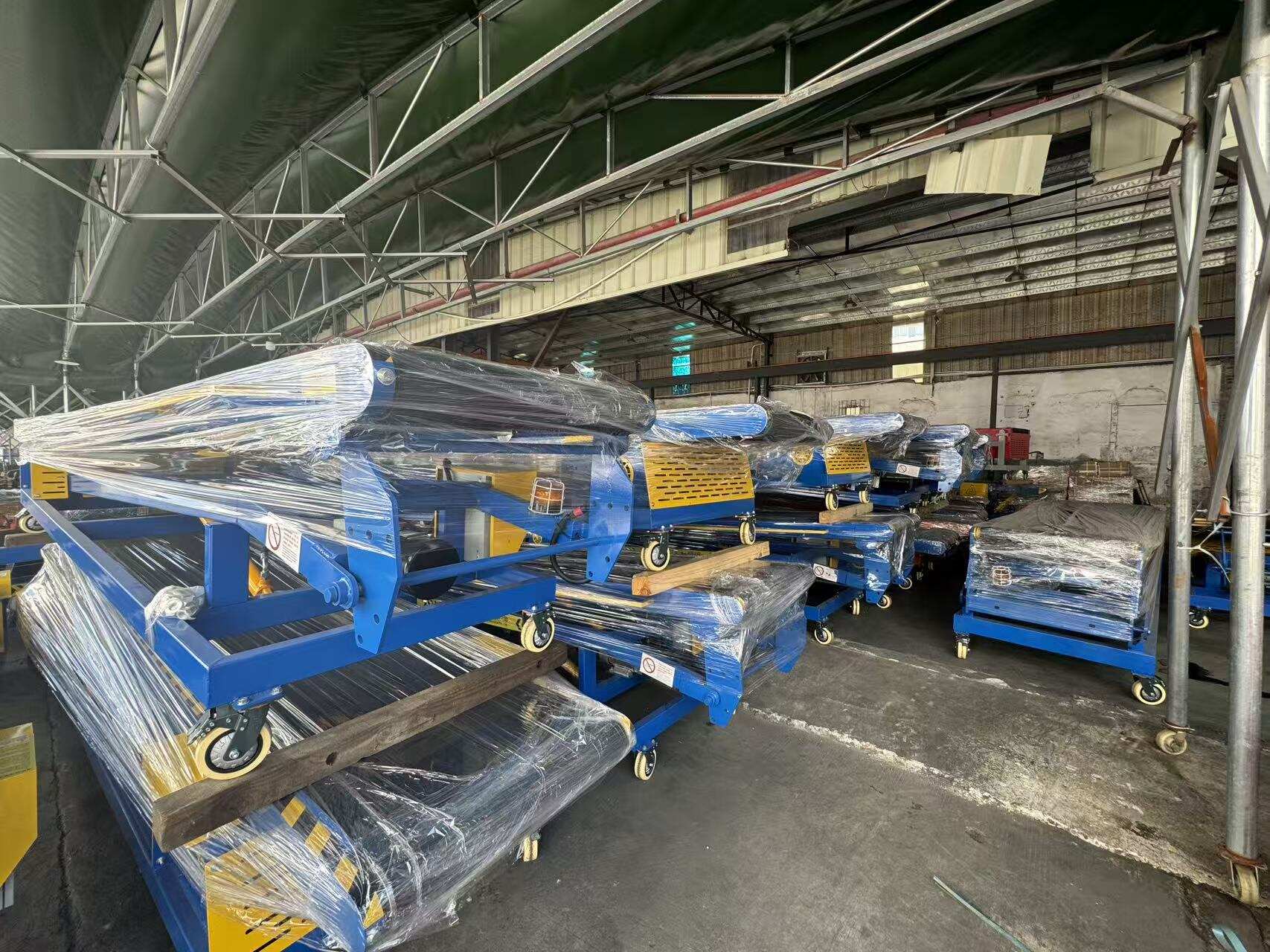
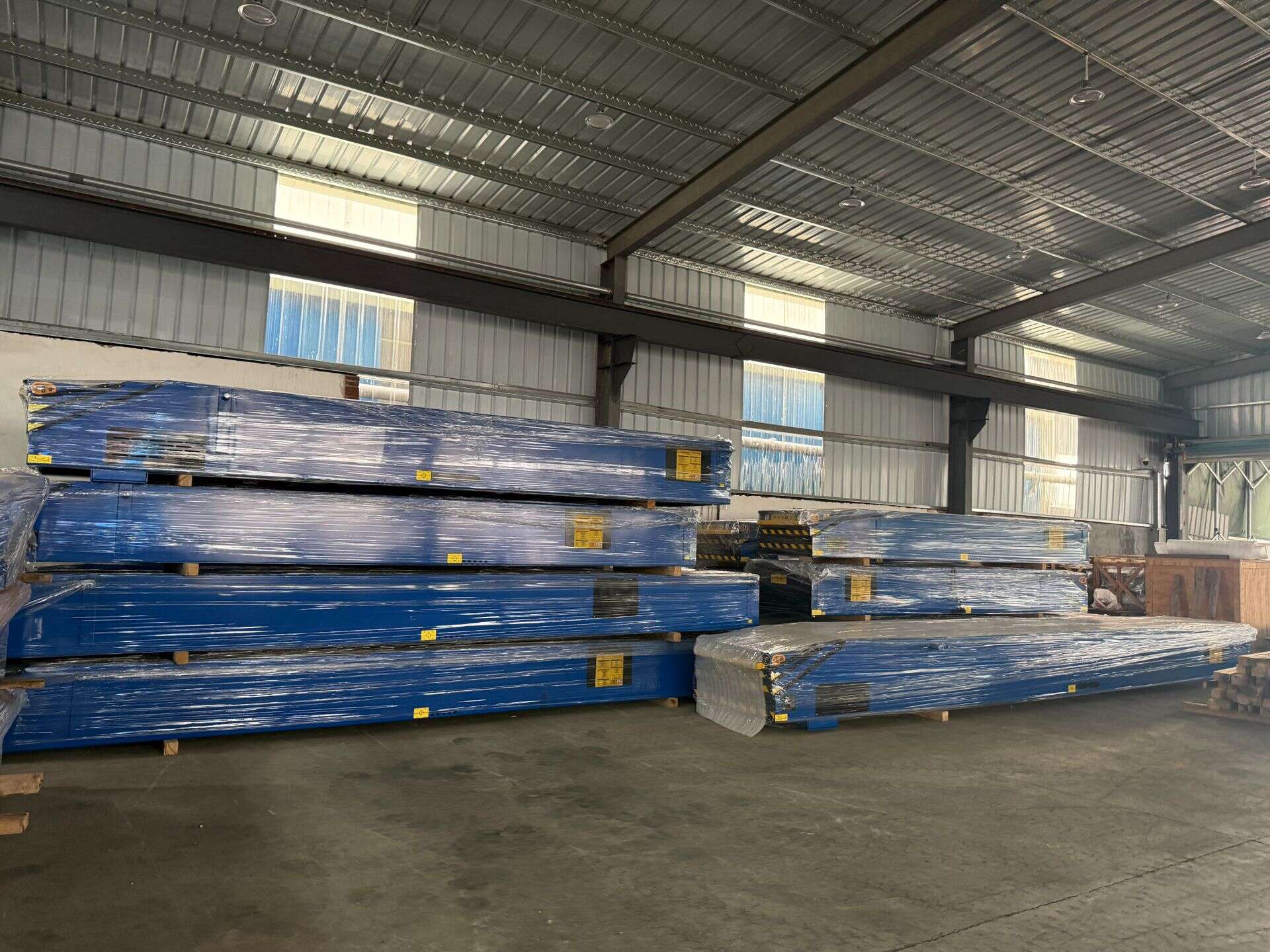
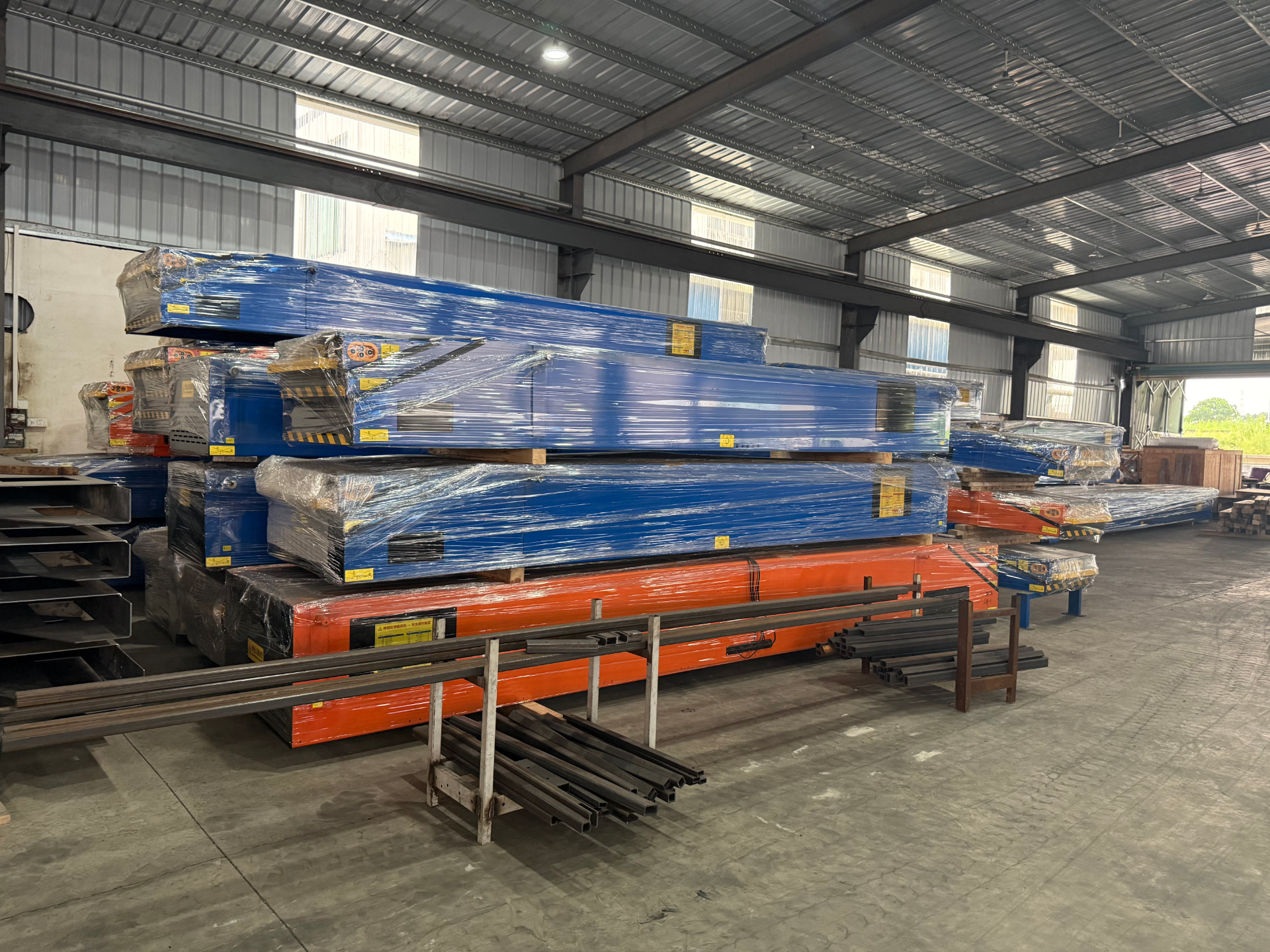
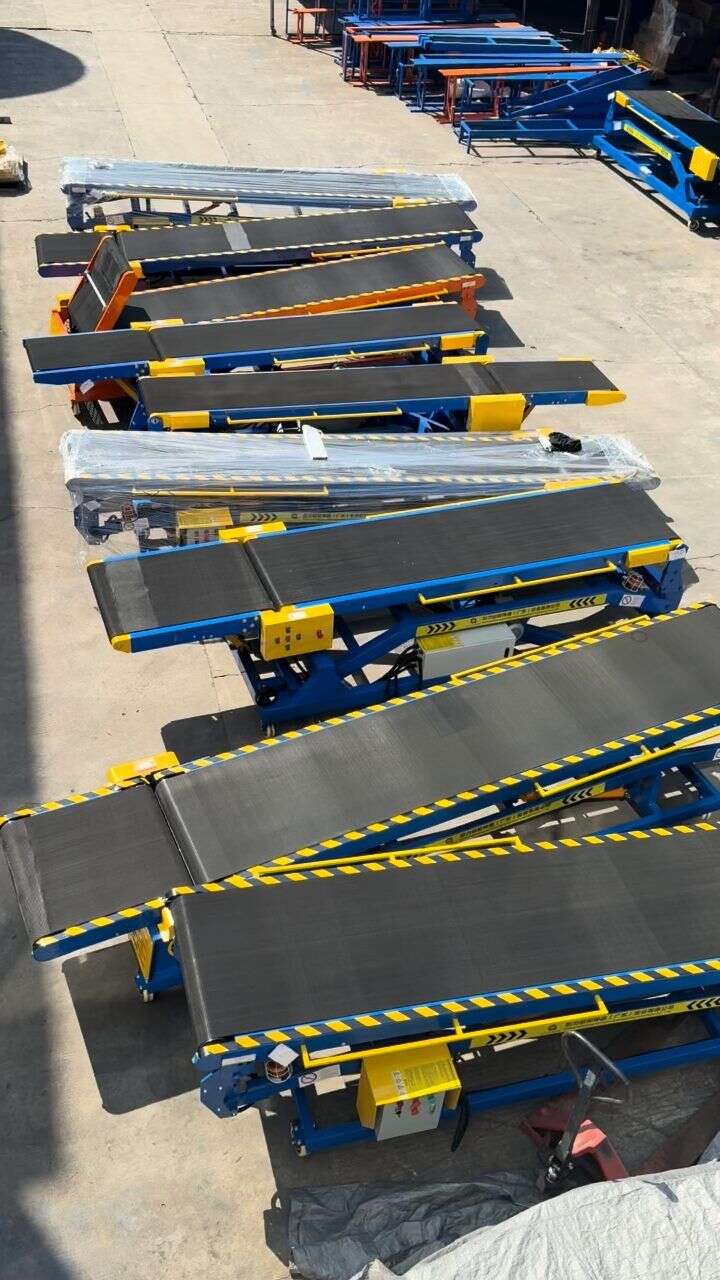
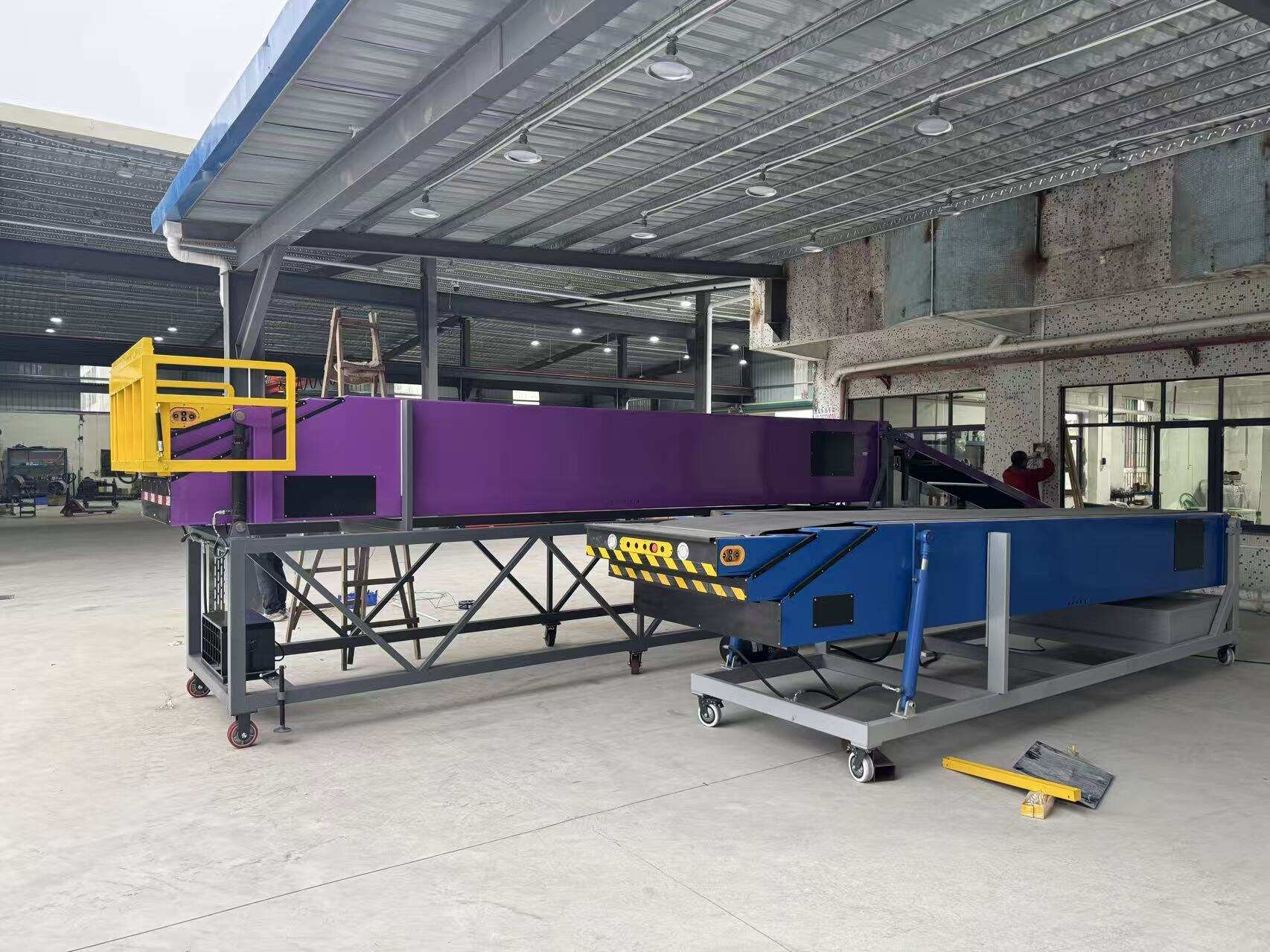
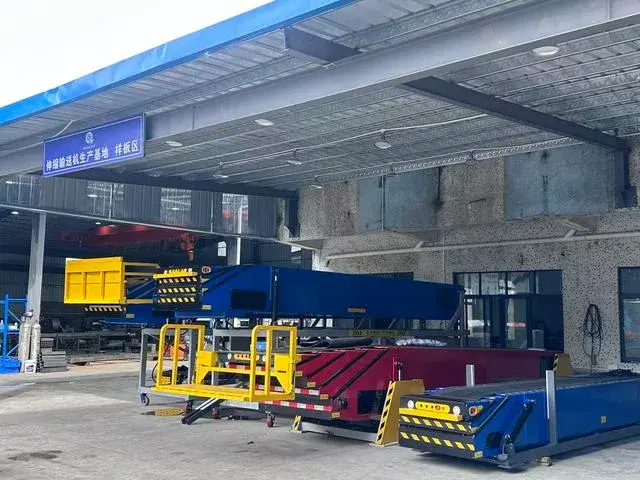
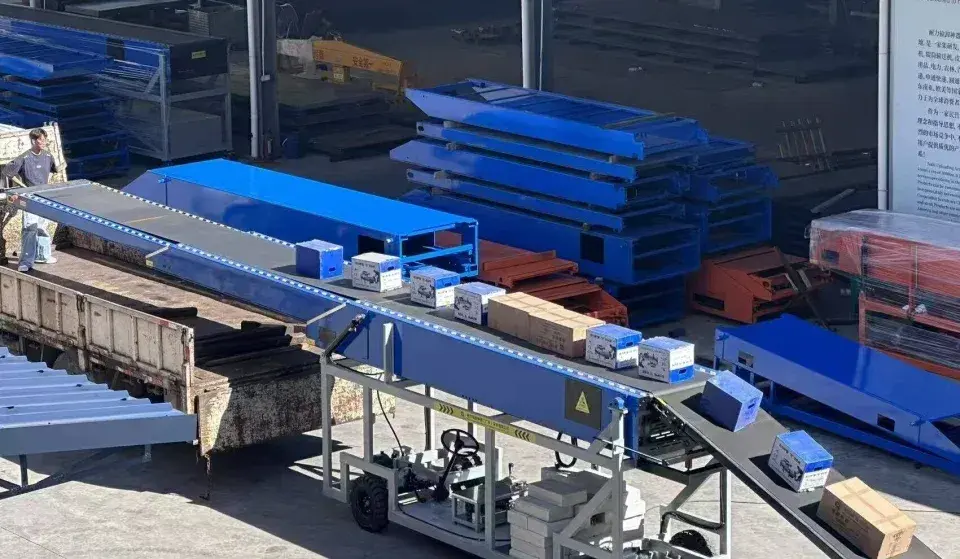
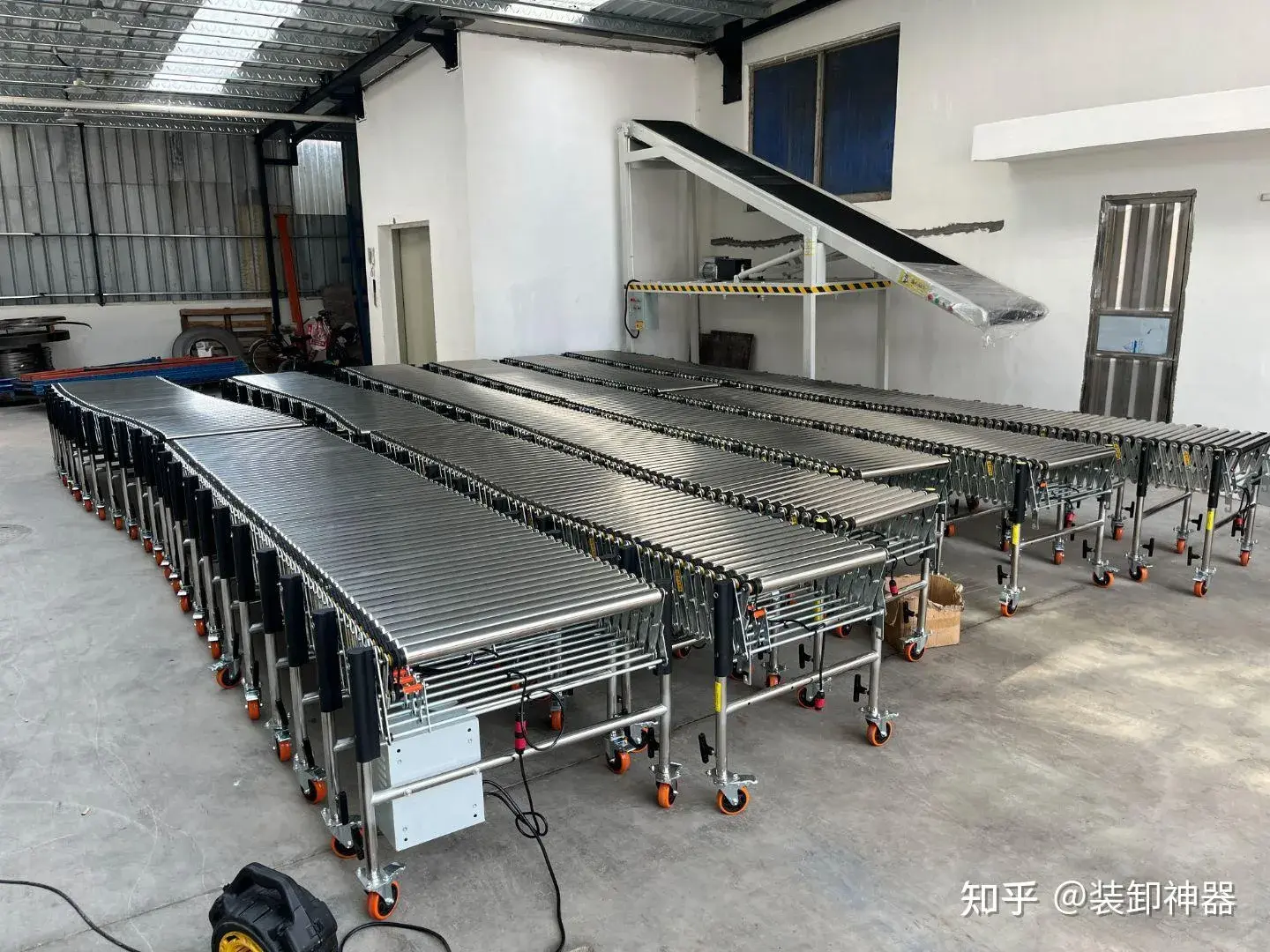
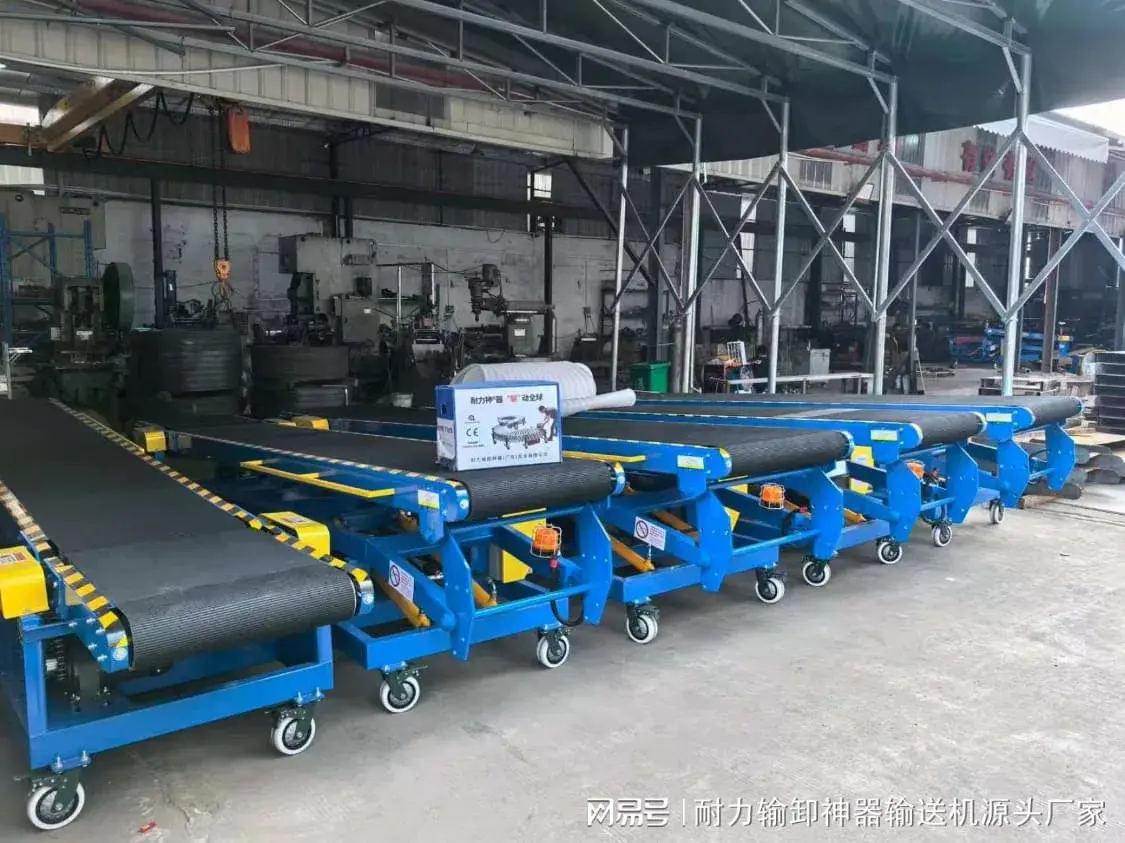
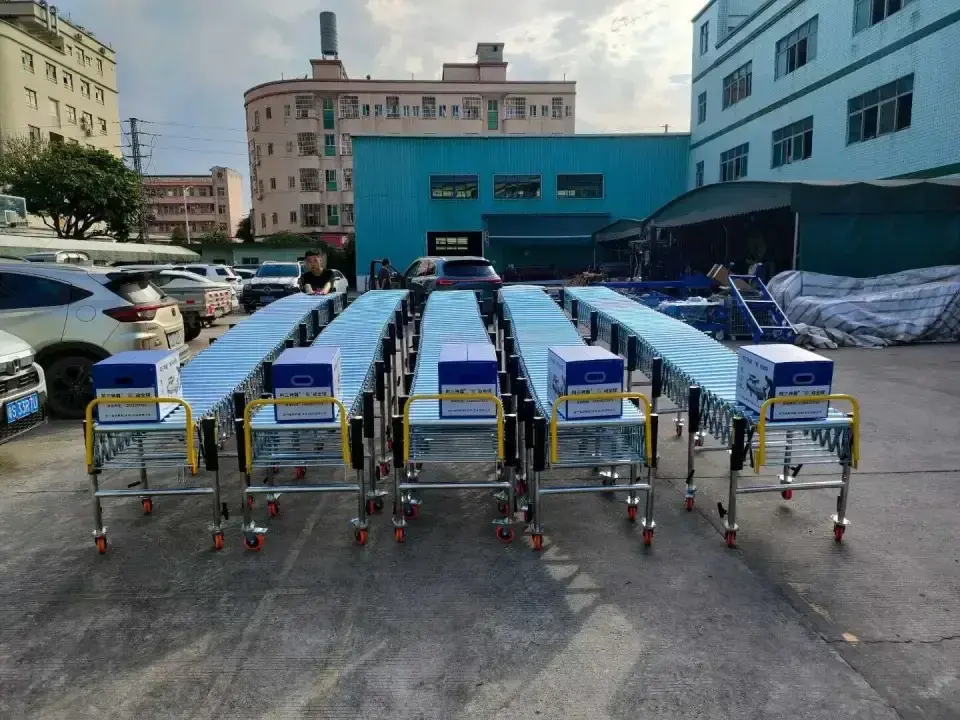
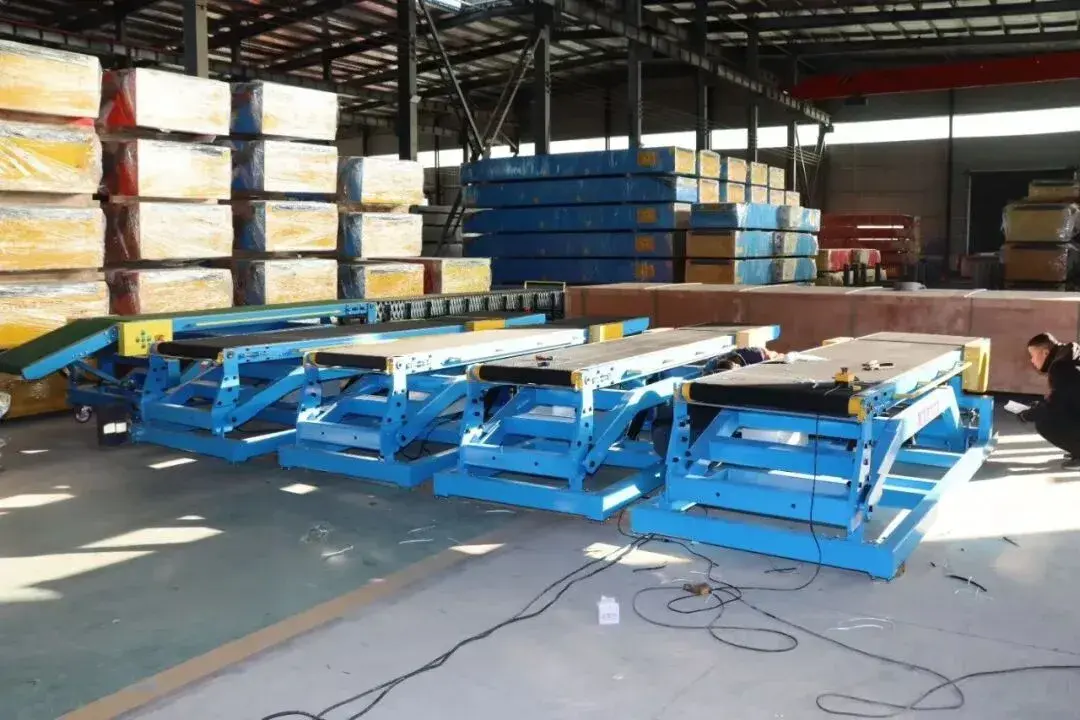
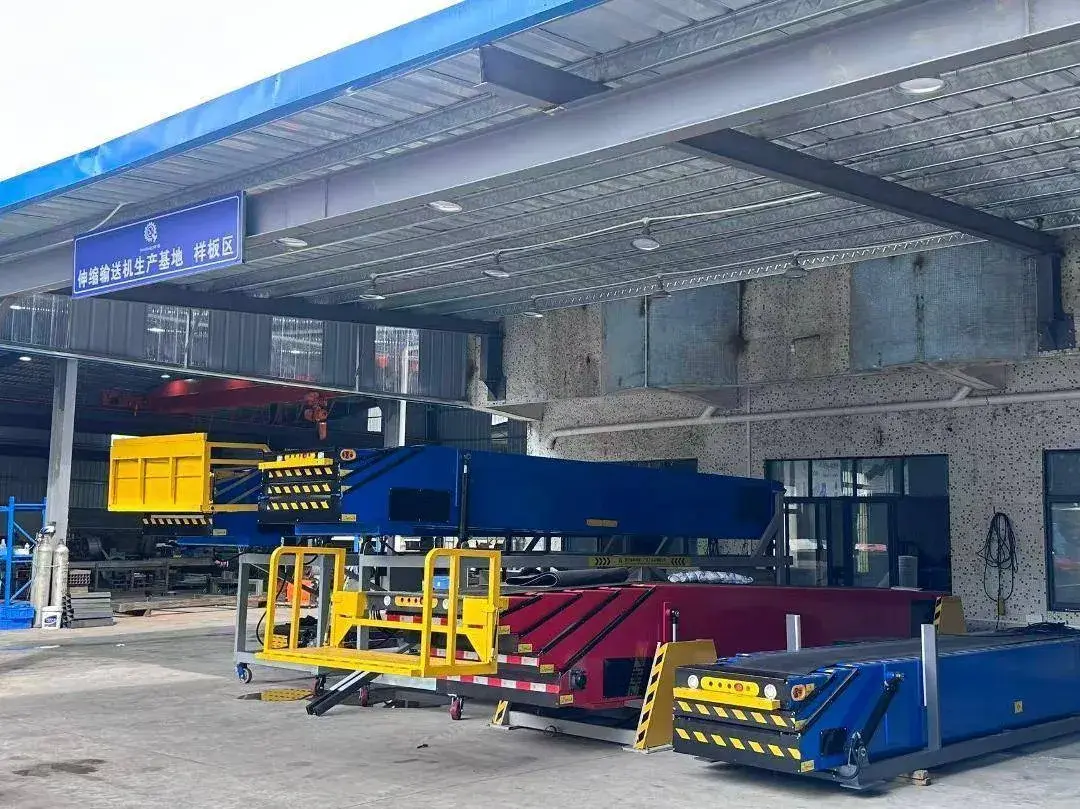
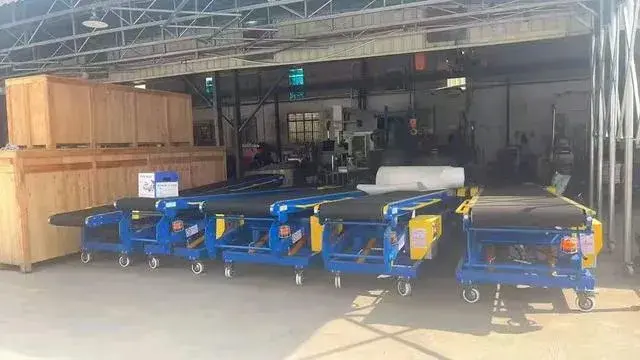
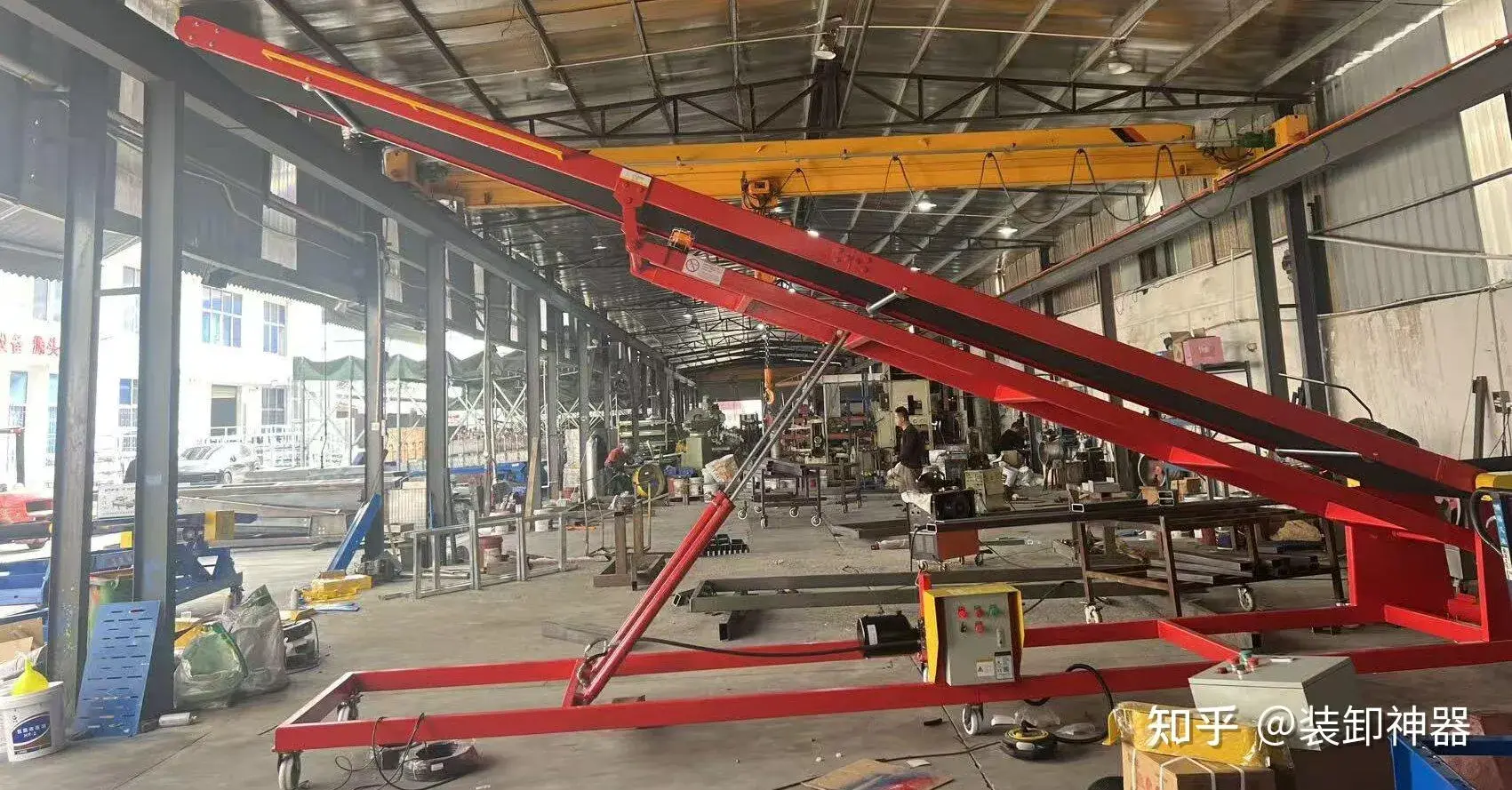
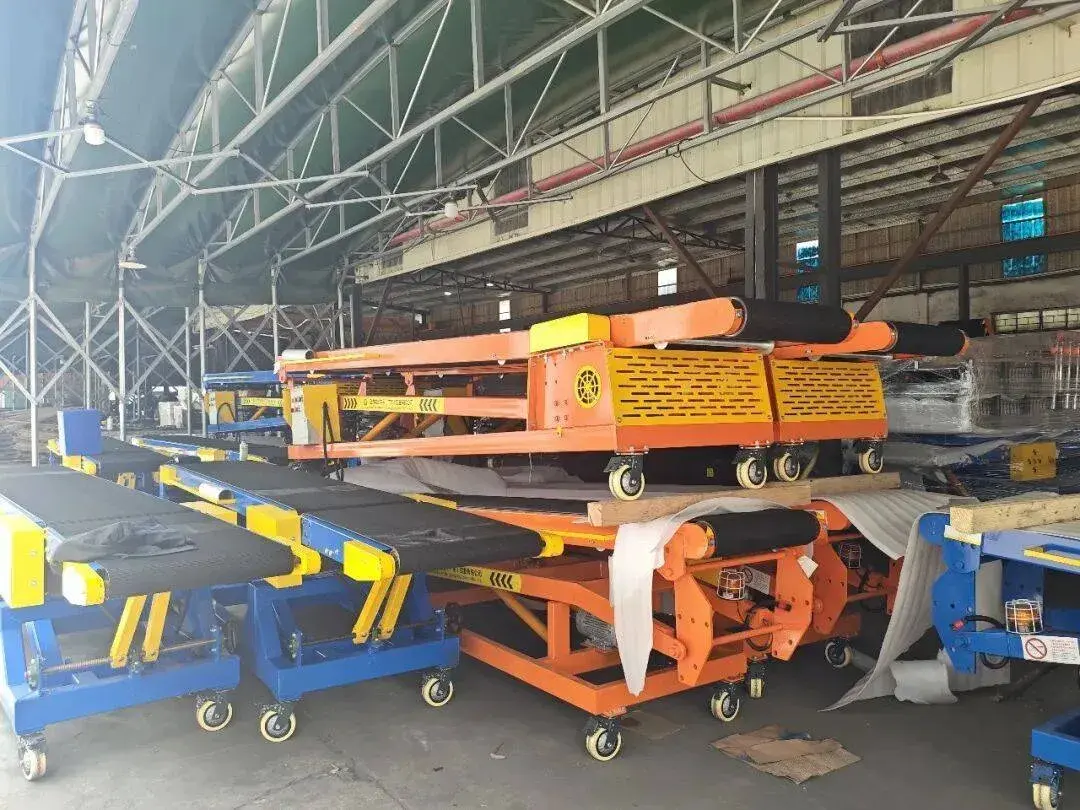
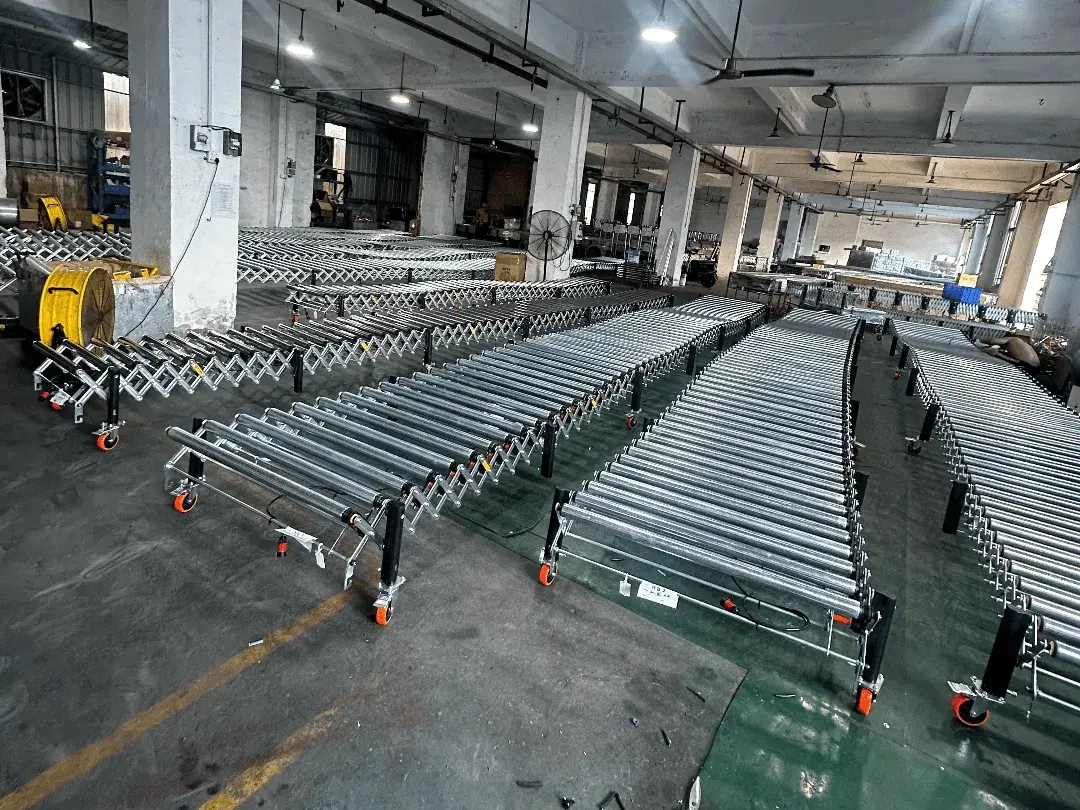
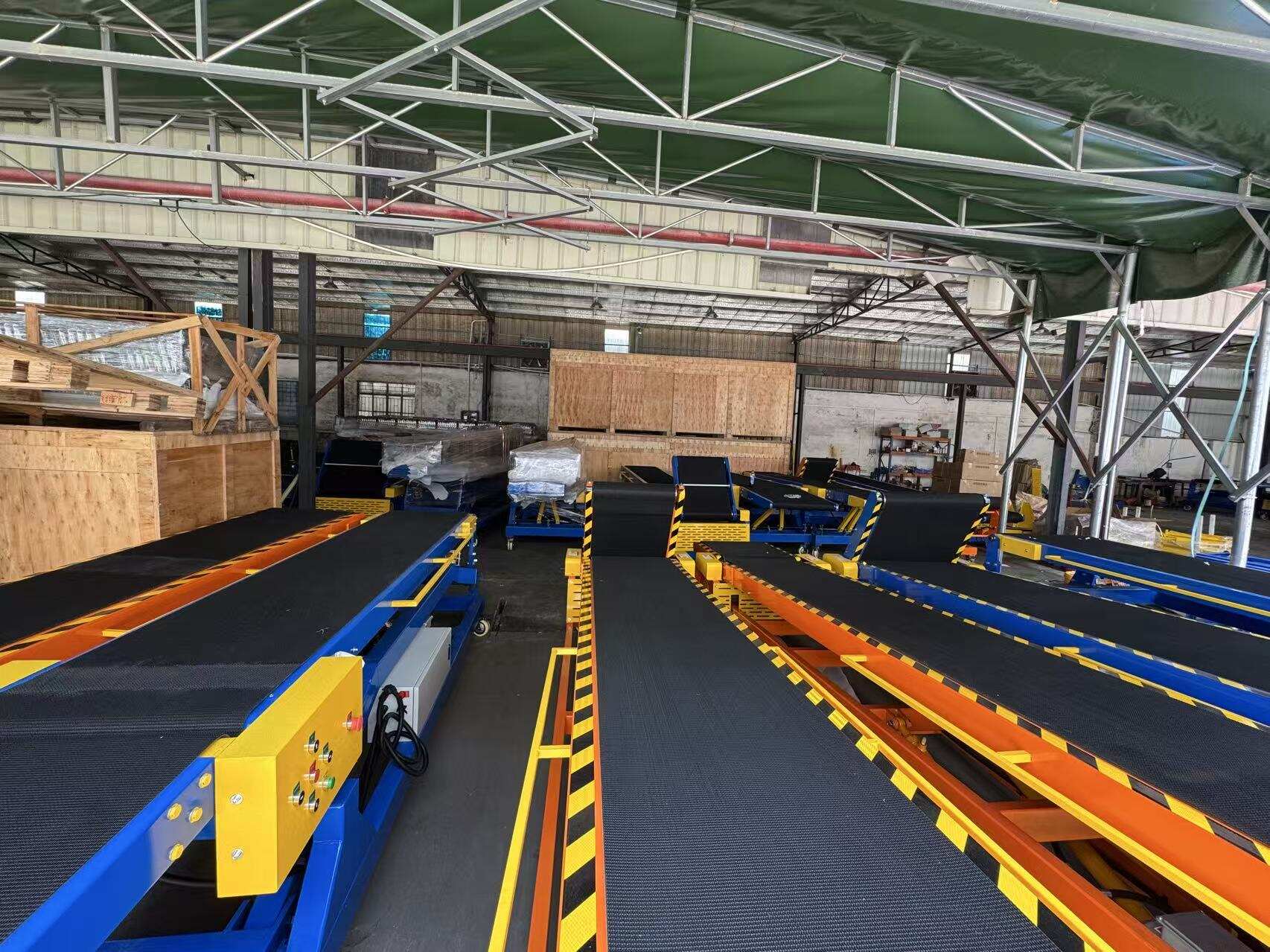
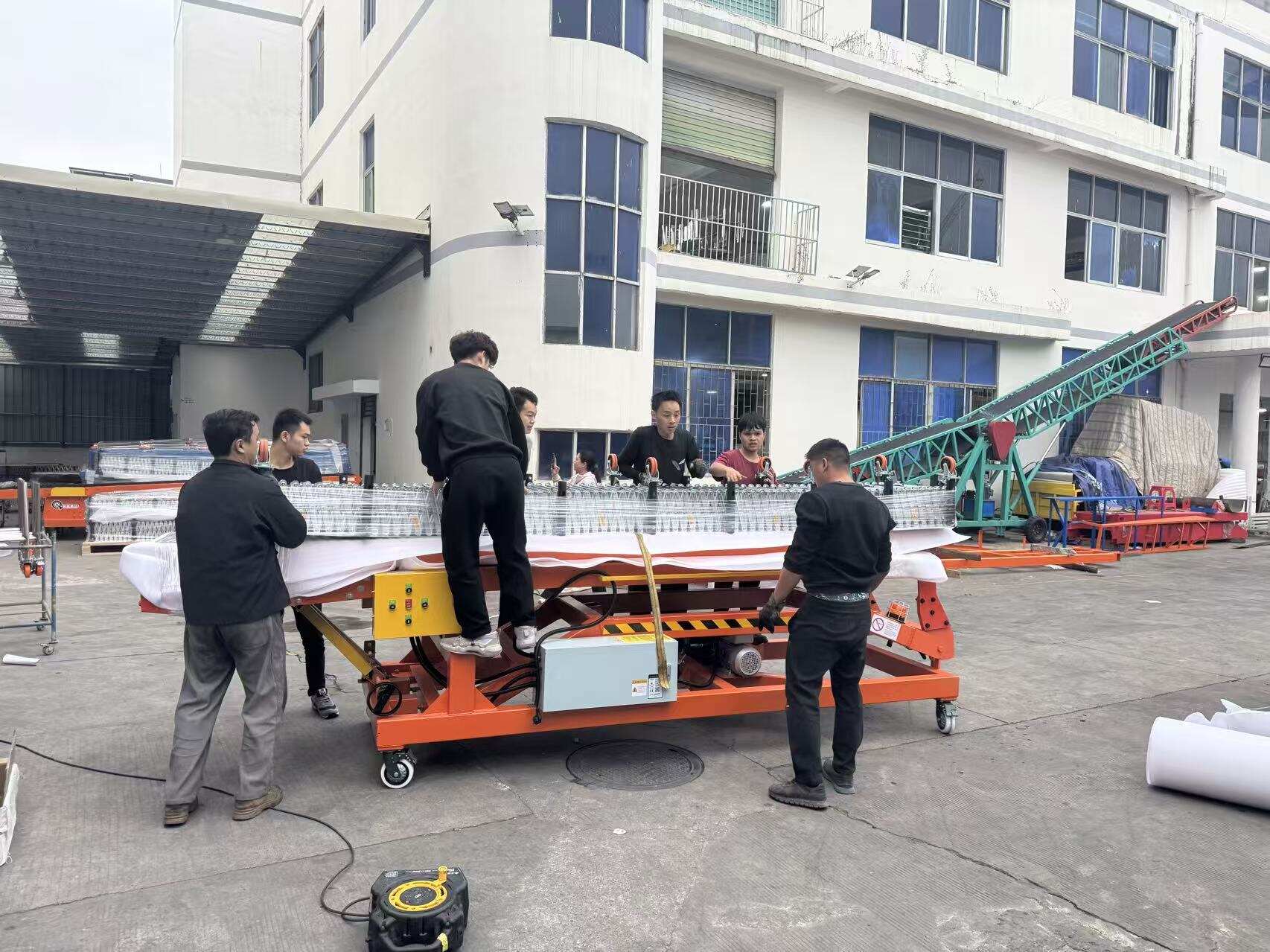
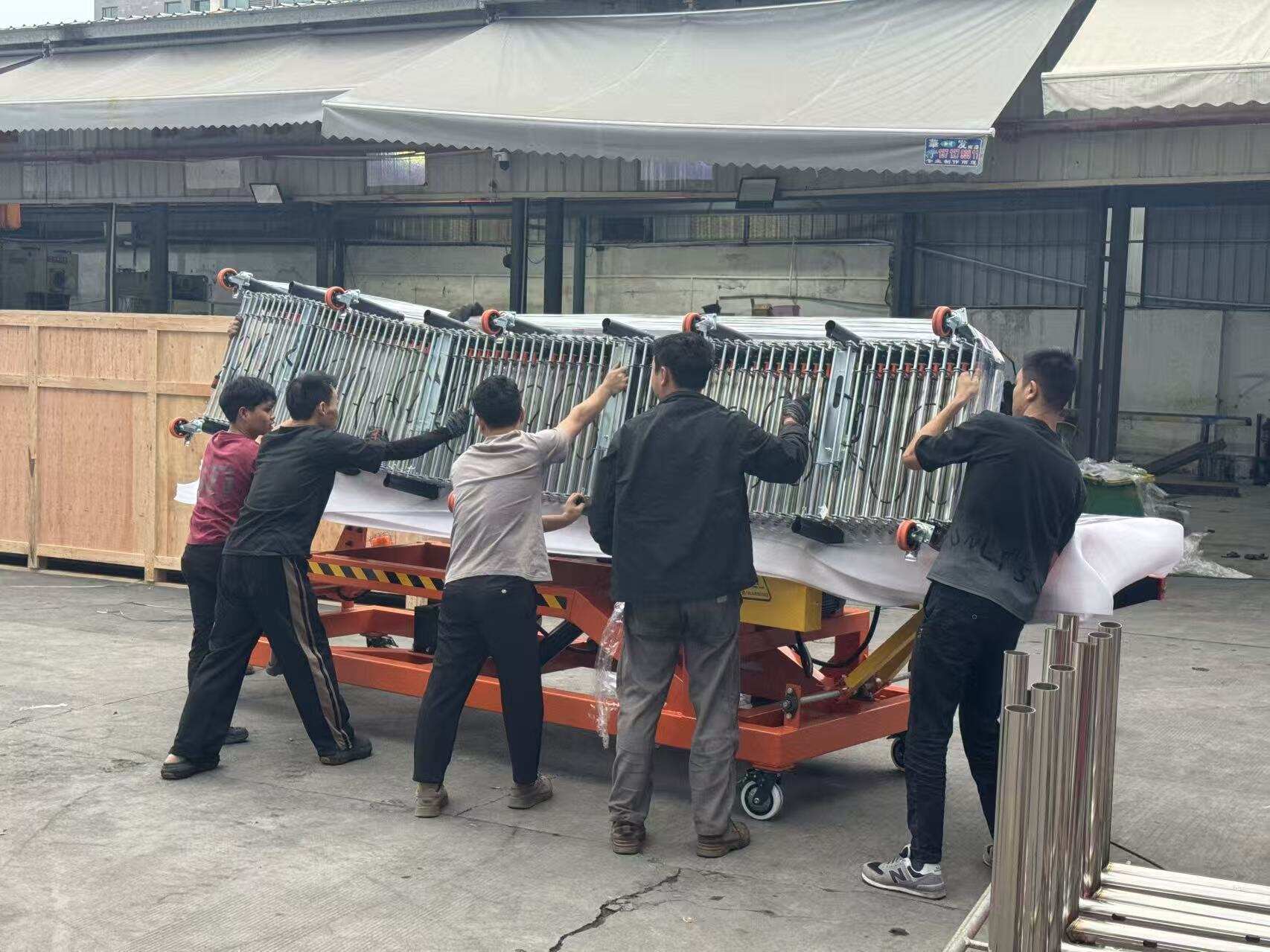
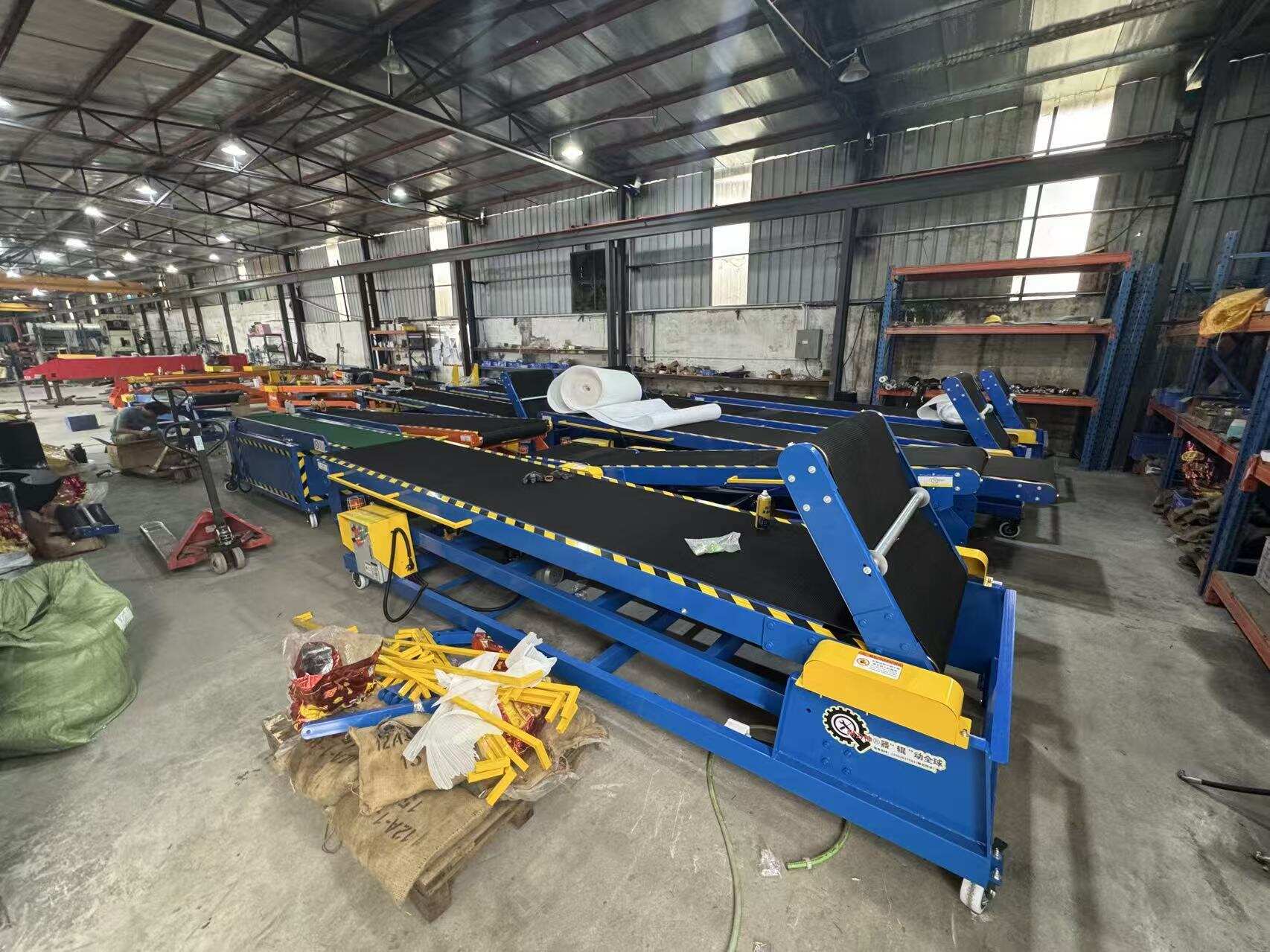
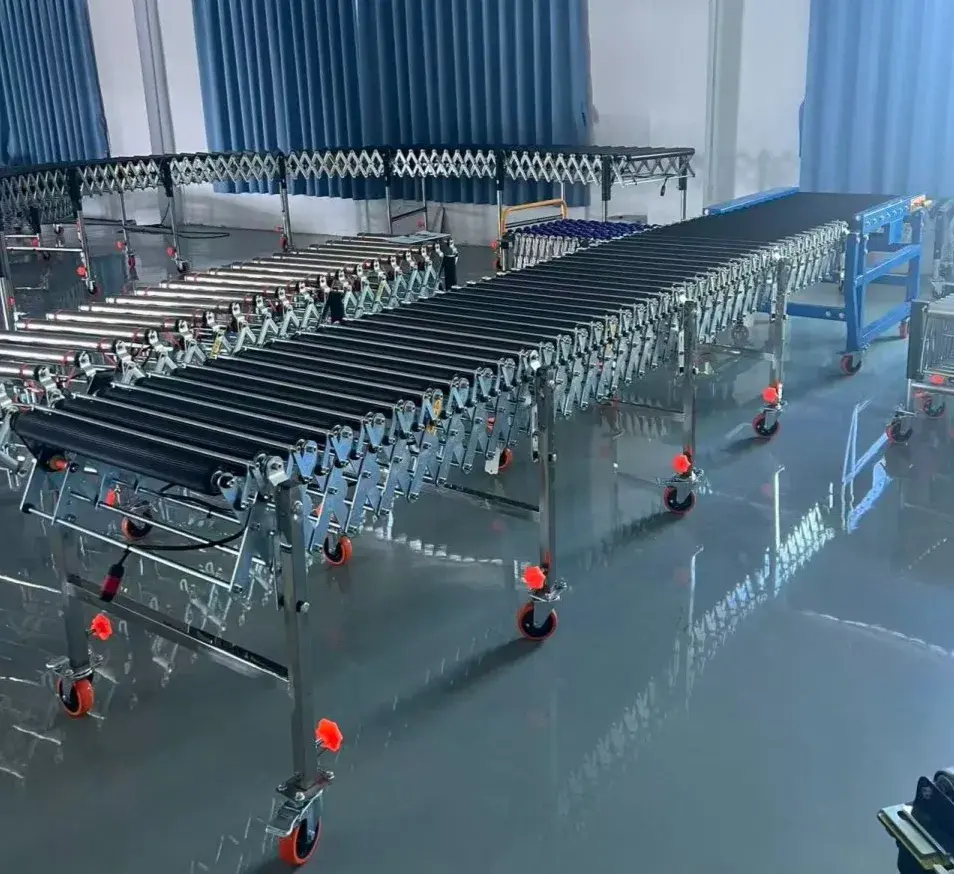
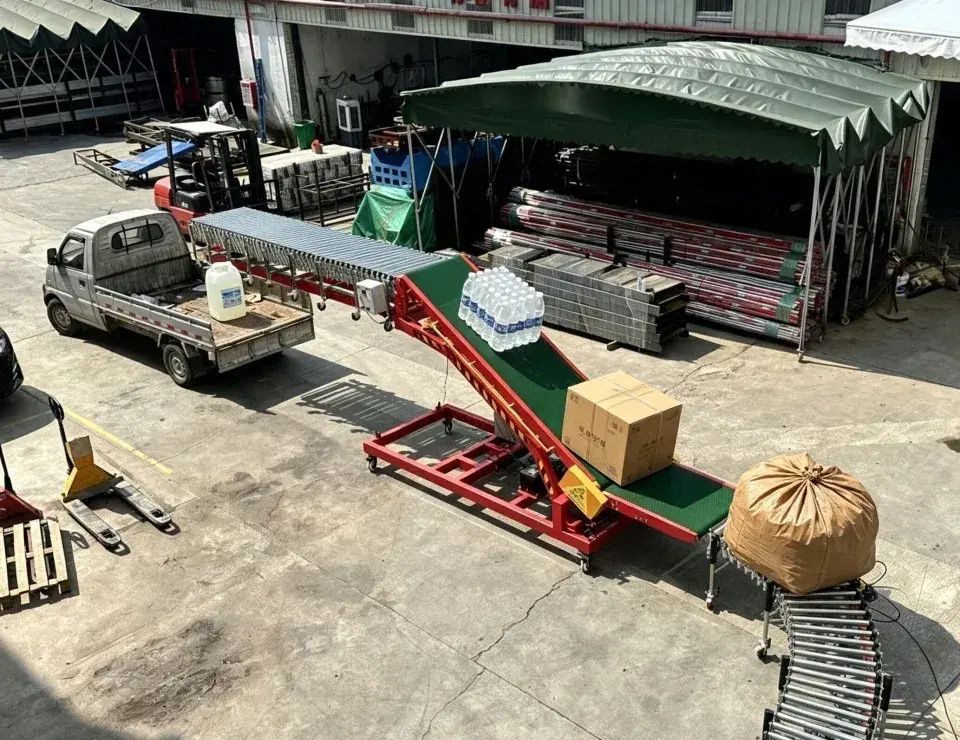
Naili Shunxie has specialized in custom industrial non-standard conveyor equipment for many years. Rather than using generic templates, we optimize each unit one on one based on on-site production data. The powered roller conveyor line can switch between heavy-duty chain and low-noise rubber-coated transmission modes to adapt to workpieces of different weights; the Hydraulic Conveyor has an upgraded cushioning support structure to improve common issues such as jamming, vibration, and oil leakage during platform lifting; the telescopic belt conveyor uses a thicker, more wear-resistant belt, making it better suited for large-volume, continuous warehouse outbound operations.
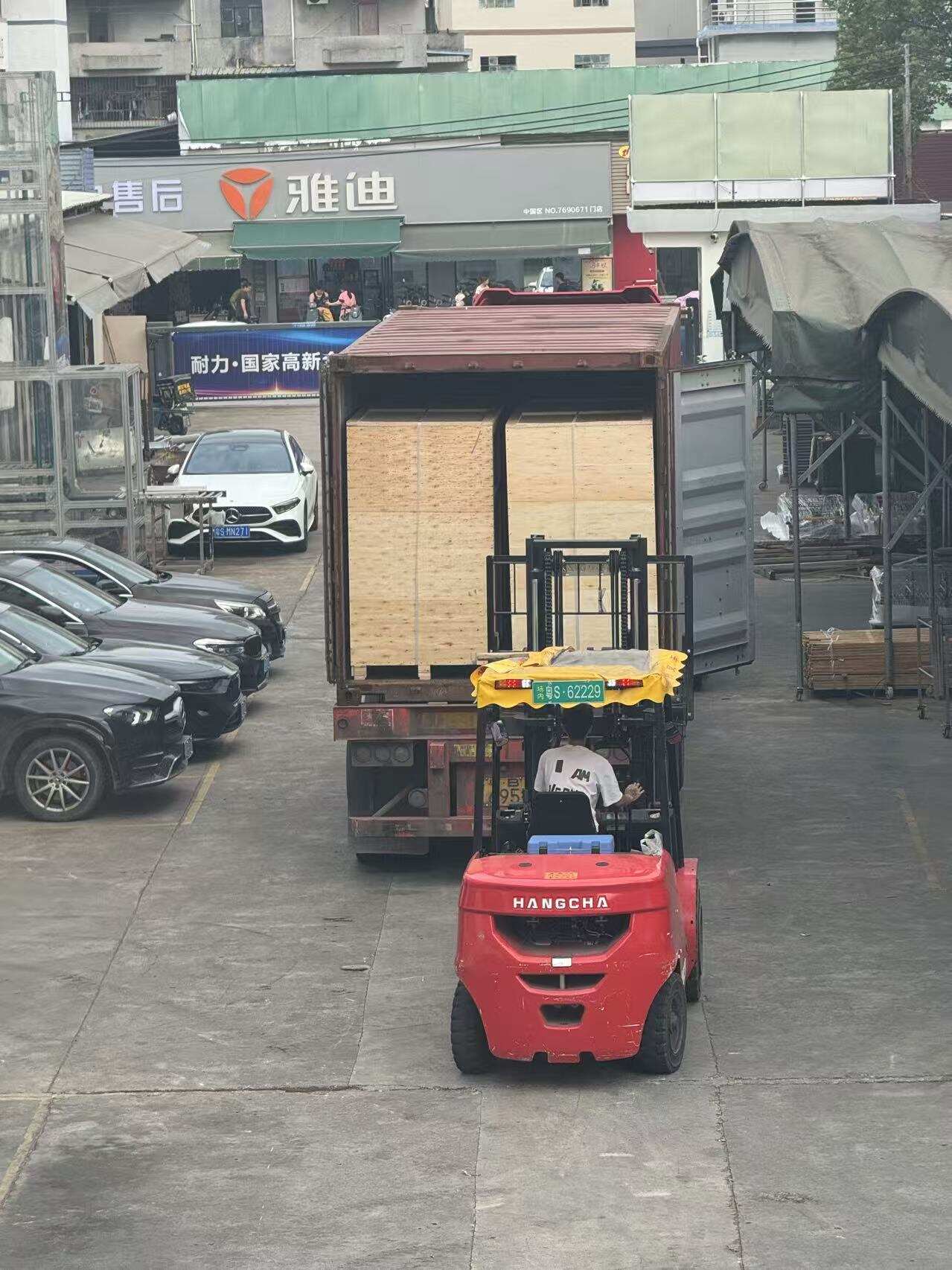
All equipment in the full product line uses national-standard thickened steel and industrial-grade core components, and undergoes multiple durability tests before leaving the factory, including full-load load-bearing, continuous start-stop, and drop simulation. After delivery, professional technicians will come on-site to commission the equipment to match the workshop production rhythm, and provide services such as routine inspections, troubleshooting, maintenance upgrades, and parts replacement, helping to identify wear risks in advance, reduce production losses caused by unexpected downtime, and ensure the long-term stable operation of factory logistics.
#Custom Non-standard Conveyor Equipment #Conveyor Manufacturer #Flexible Logistics Solutions #Conveying Machinery Equipment #Automated Conveying Production Line