Naili Conveyor
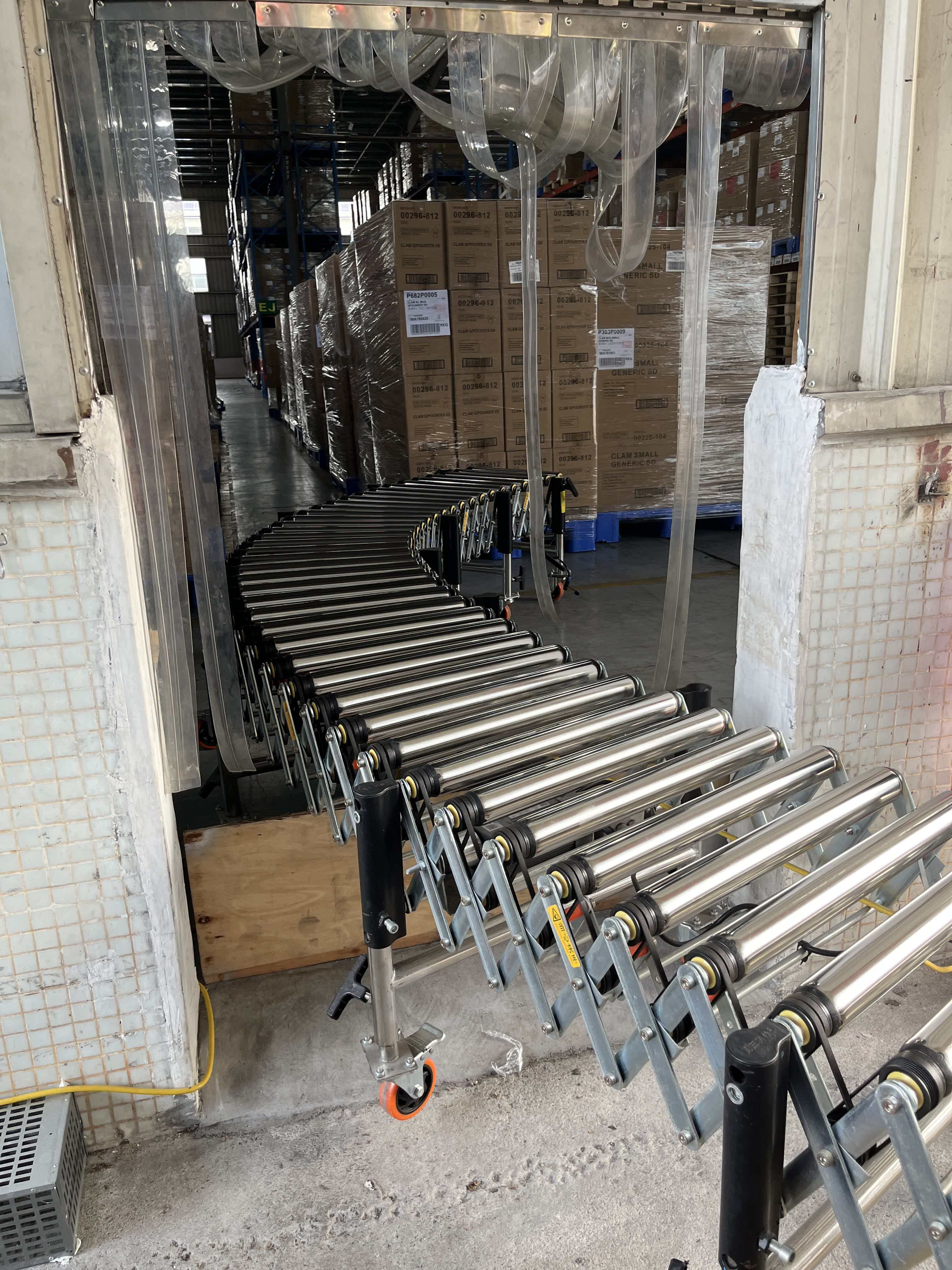
Why narrow loading docks need flexible loading and unloading equipment even more
In industrial logistics, warehousing and distribution, retail supply chains, and manufacturing, loading dock operations are a critical part of cargo flow. The issue is often not whether a loading dock is available, but whether there is enough space around it. Although many warehouses and factory sites have standard loading docks, site planning, building layouts, and cargo storage often leave very limited operating space, making it difficult for traditional forklifts to work efficiently in such environments.
Forklifts became common loading dock equipment because of their high load capacity and suitability for large cargo. However, they require considerable aisle width, turning space, and positioning clearance. In older factory sites, roadside warehouses, and small warehousing centers, forklifts often cannot enter or must repeatedly adjust their positions, significantly slowing the loading and unloading process.
Two main problems with traditional forklifts in confined spaces
The first problem is low efficiency. Loading and unloading a full truck that would normally take about ten minutes may take half an hour or longer in a confined space. During concentrated inbound and outbound periods, such as e-commerce promotions and peak production seasons, cargo can easily accumulate around the loading dock, further slowing the flow of the supply chain.
The second problem is the high safety risk. In confined spaces, a forklift driver's view is restricted, making it easier for the vehicle body or forks to hit loading dock walls, cargo, or transport vehicles. This can cause not only cargo damage and equipment damage, but also accidents involving personnel being struck or crushed.
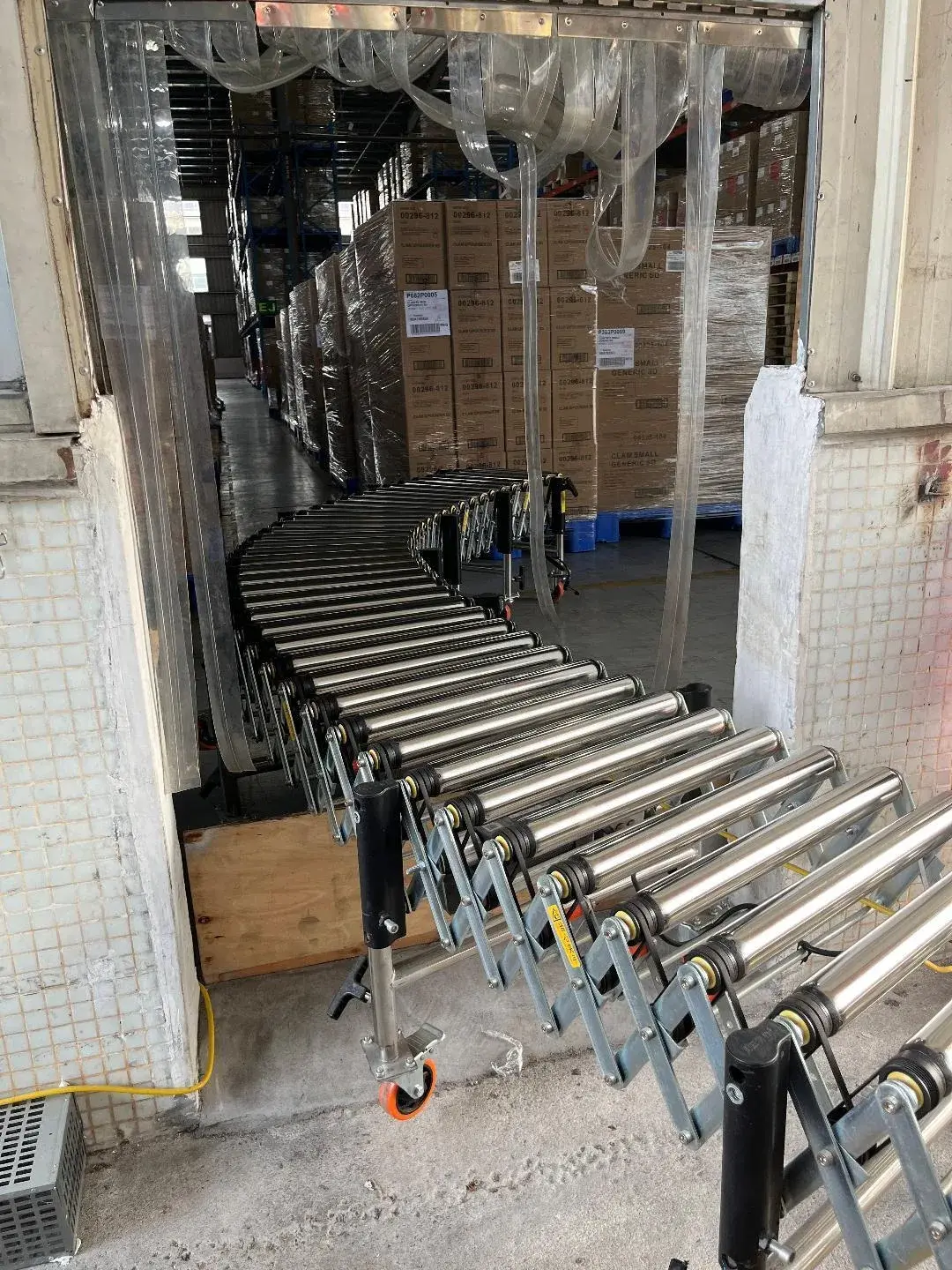
In addition, forklift operations can lead to poor site adaptability, a large amount of idle space occupied, and heavy reliance on labor. To accommodate forklifts, many companies must also modify their loading docks or widen their aisles, further increasing site and renovation costs.
How powered roller expandable conveyors improve loading and unloading processes
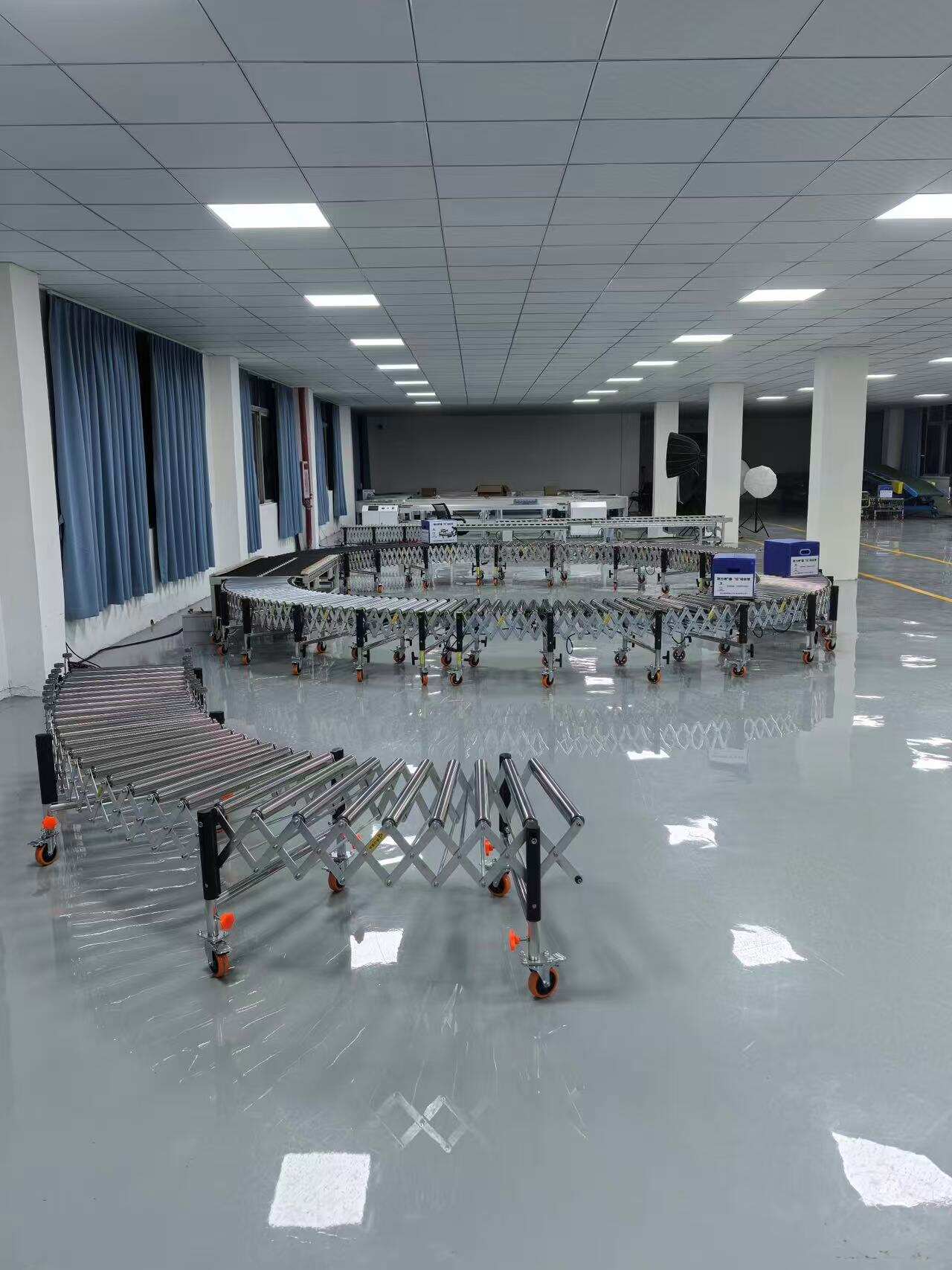
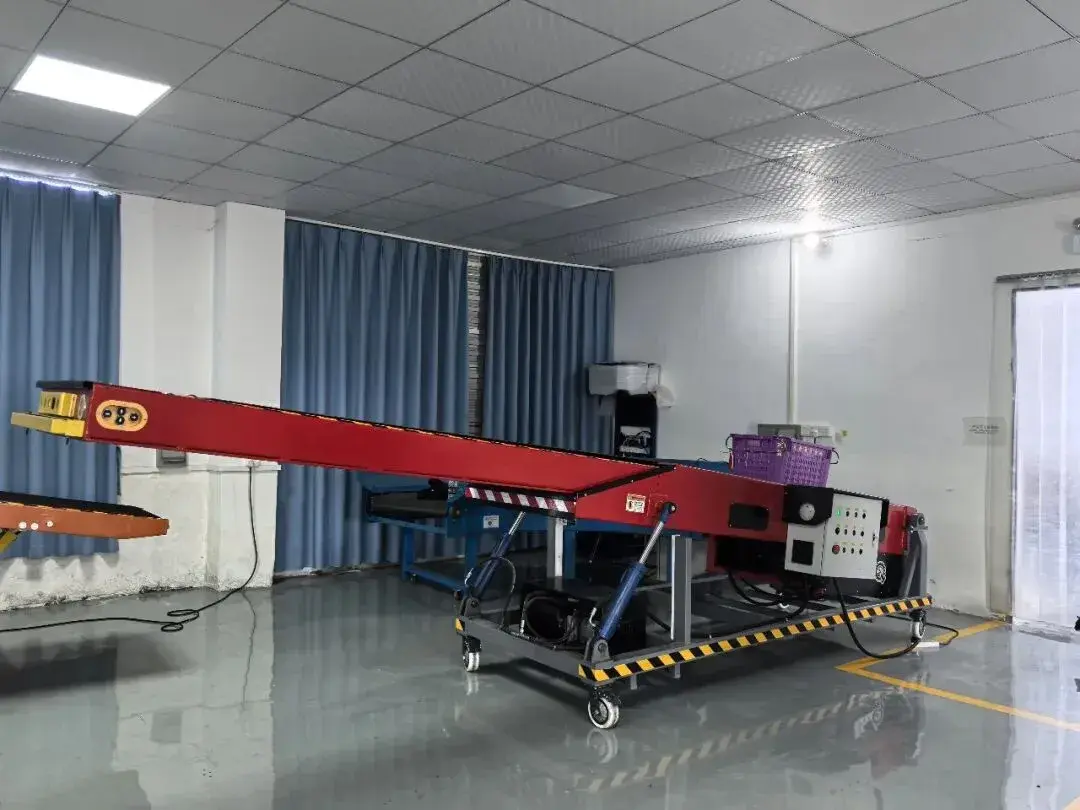
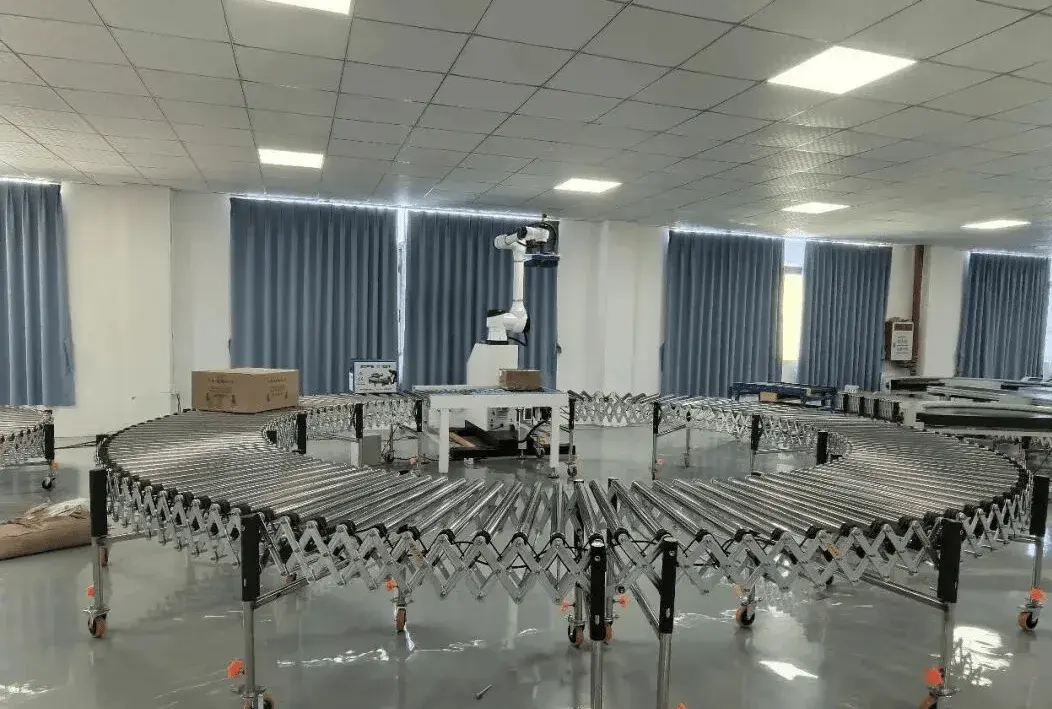
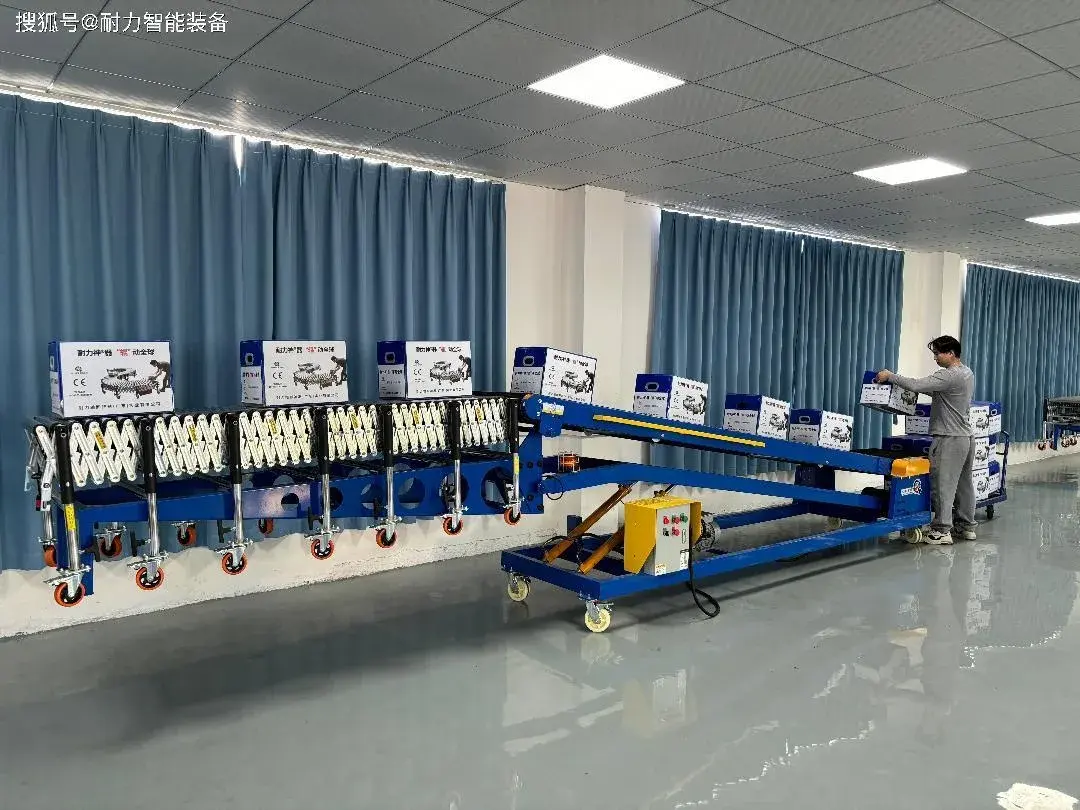
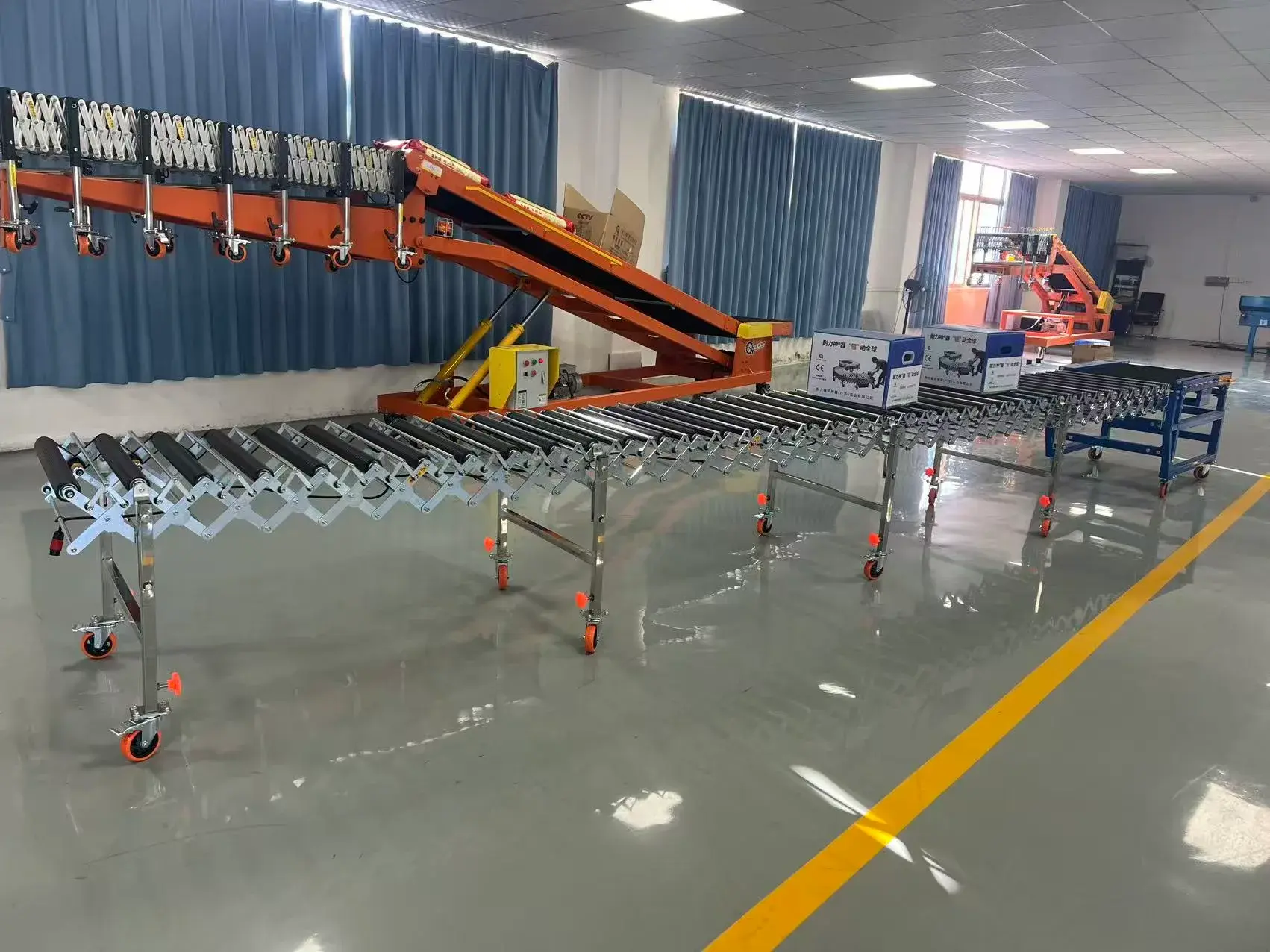
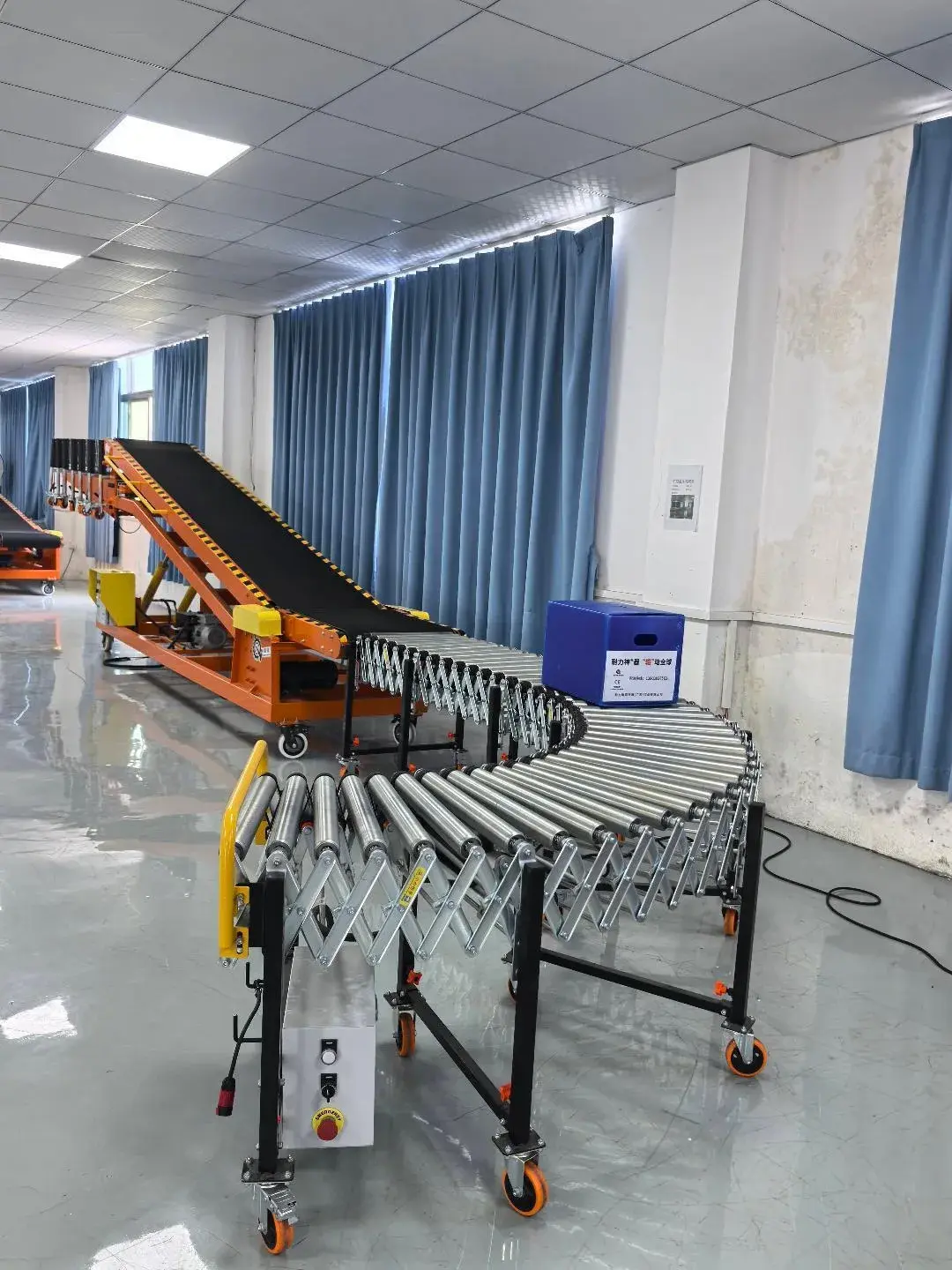
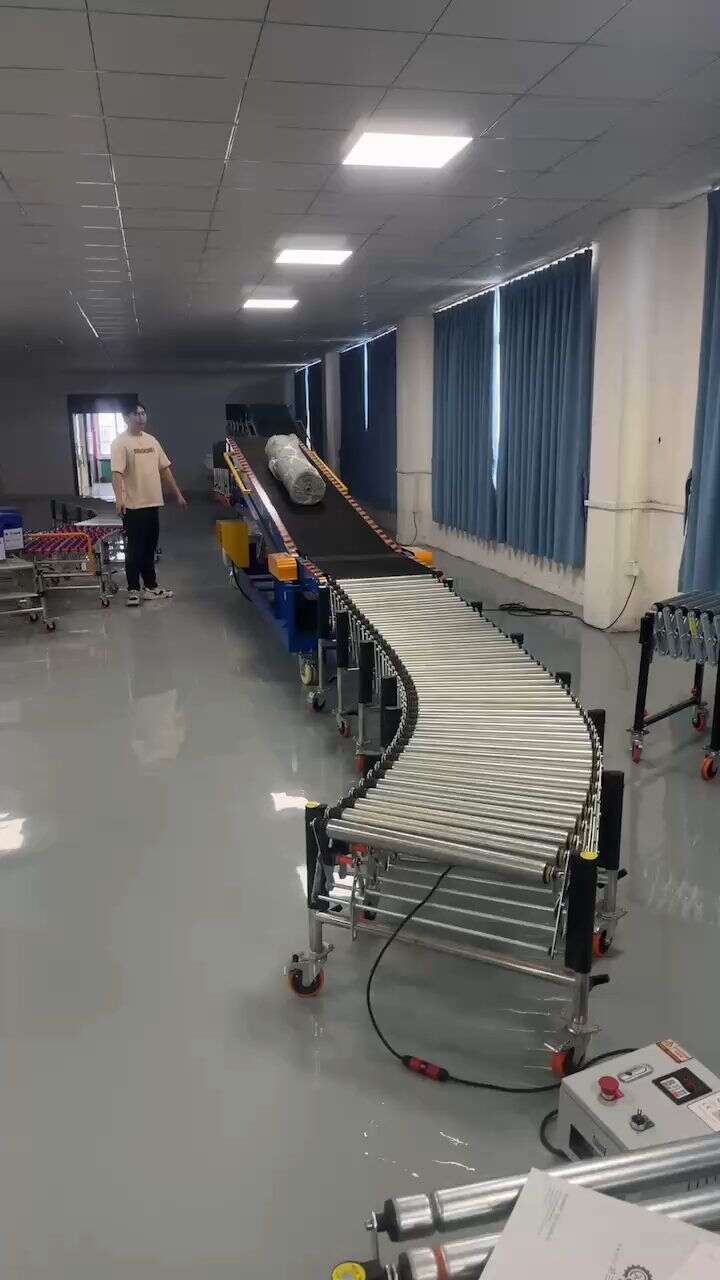
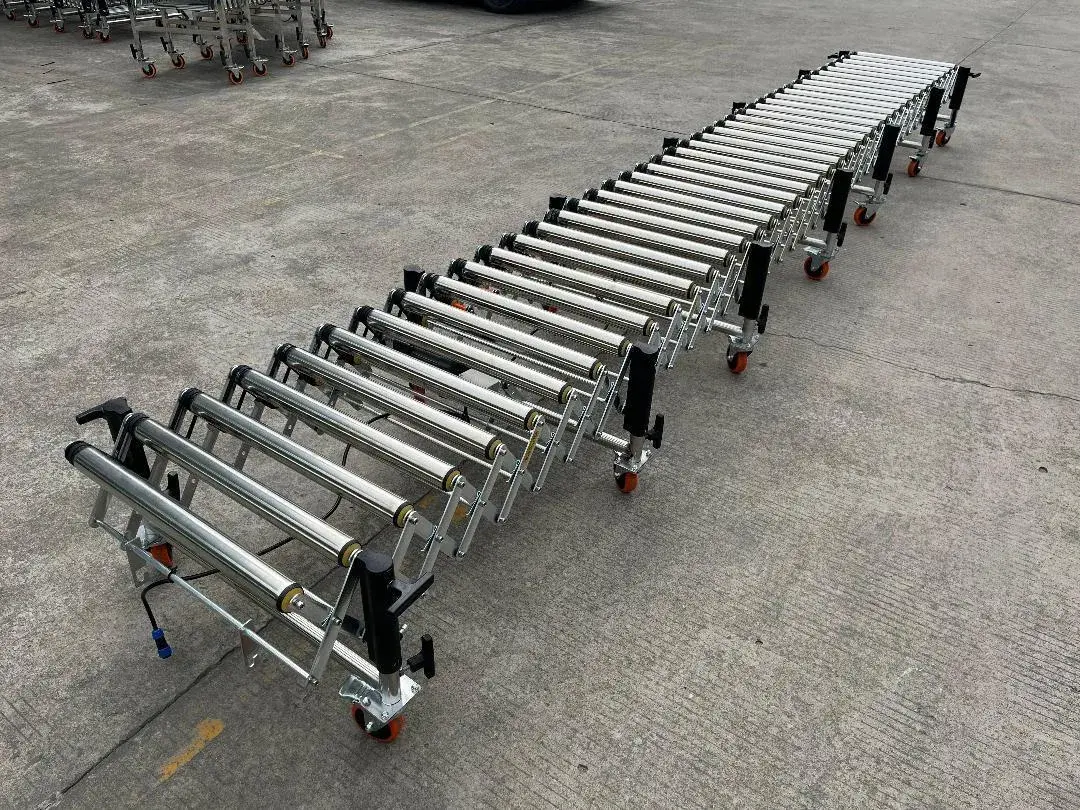
To address these loading and unloading challenges, powered roller expandable conveyors offer a more flexible solution. Their modular design allows them to extend and bend, adjusting the extension length and bending angle according to the loading dock size, aisle width, and vehicle parking position, so they can stay as close as possible to the truck compartment and cargo during conveying.
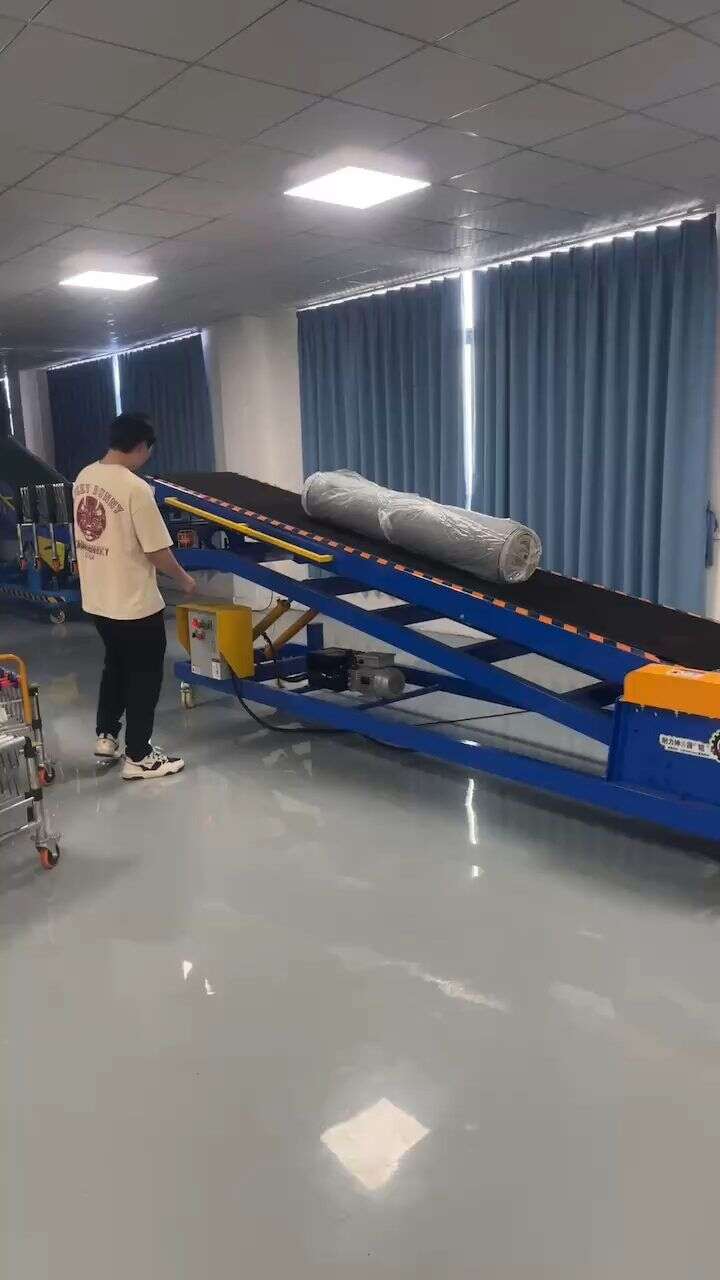
Compared with traditional forklifts, they do not require a large turning area and are suitable for compact spaces and restricted operating areas. Cargo can move in and out of the truck compartment at a constant speed via the rollers, reducing repeated handling and frequent repositioning and making the loading and unloading process more continuous.
In terms of efficiency, this continuous conveying method can increase the loading and unloading throughput of a full truck. The article states that its efficiency can improve by more than 50% compared with traditional forklift operations, making it particularly suitable for periods of concentrated cargo movement and high turnover pressure.
In terms of safety, it reduces the risks associated with forklifts moving, turning, and reversing at close range, lowering the likelihood of collisions, tipping, and personnel injuries through process improvements.
Compact storage and suitability for a range of loading and unloading sites
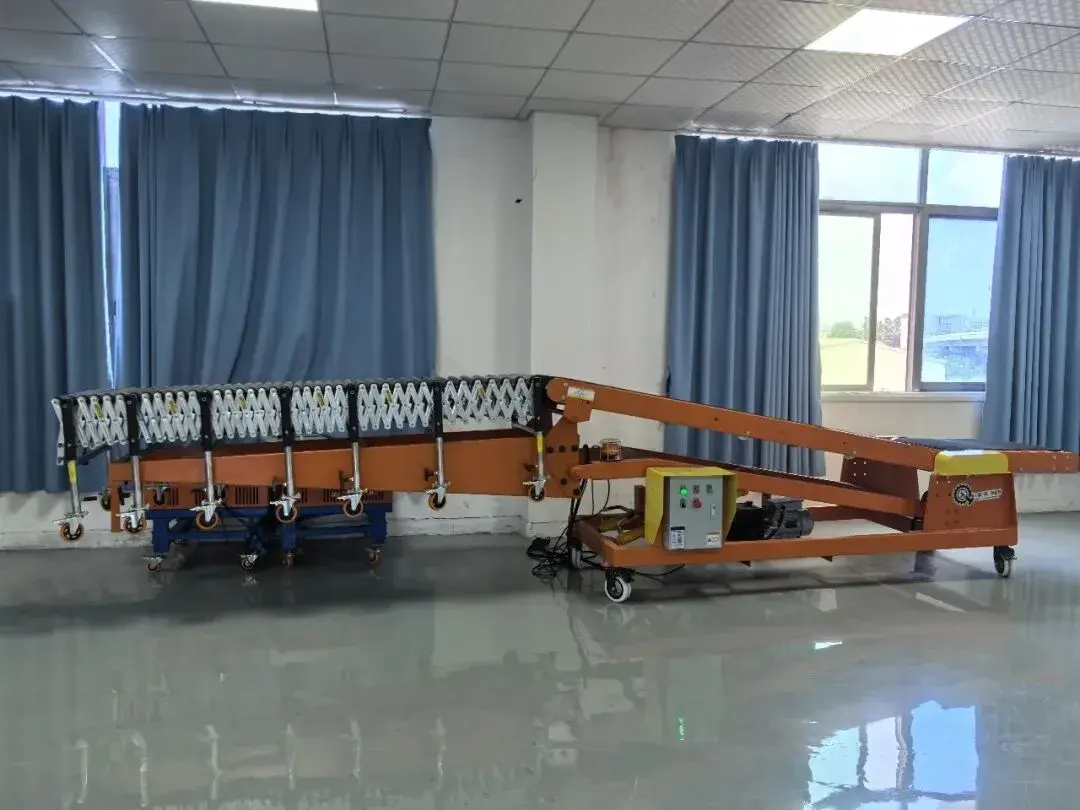
Another feature of powered roller expandable conveyors is that they can quickly retract and fold back into position after operations are completed. They occupy little floor space and do not continuously take up space on loading docks, in aisles, or in warehouse operating areas. This is particularly important for compact sites and reduces the need for companies to modify their facilities to accommodate equipment.
In terms of suitable materials, they can be used to load and unload cartons, bags and cases, and other small, regularly shaped cargo. Their strong versatility allows them to meet daily operating needs in both commercial and industrial logistics.
The products and production capabilities of Naili Unloading Artifact (Guangdong) Industrial Co., Ltd.
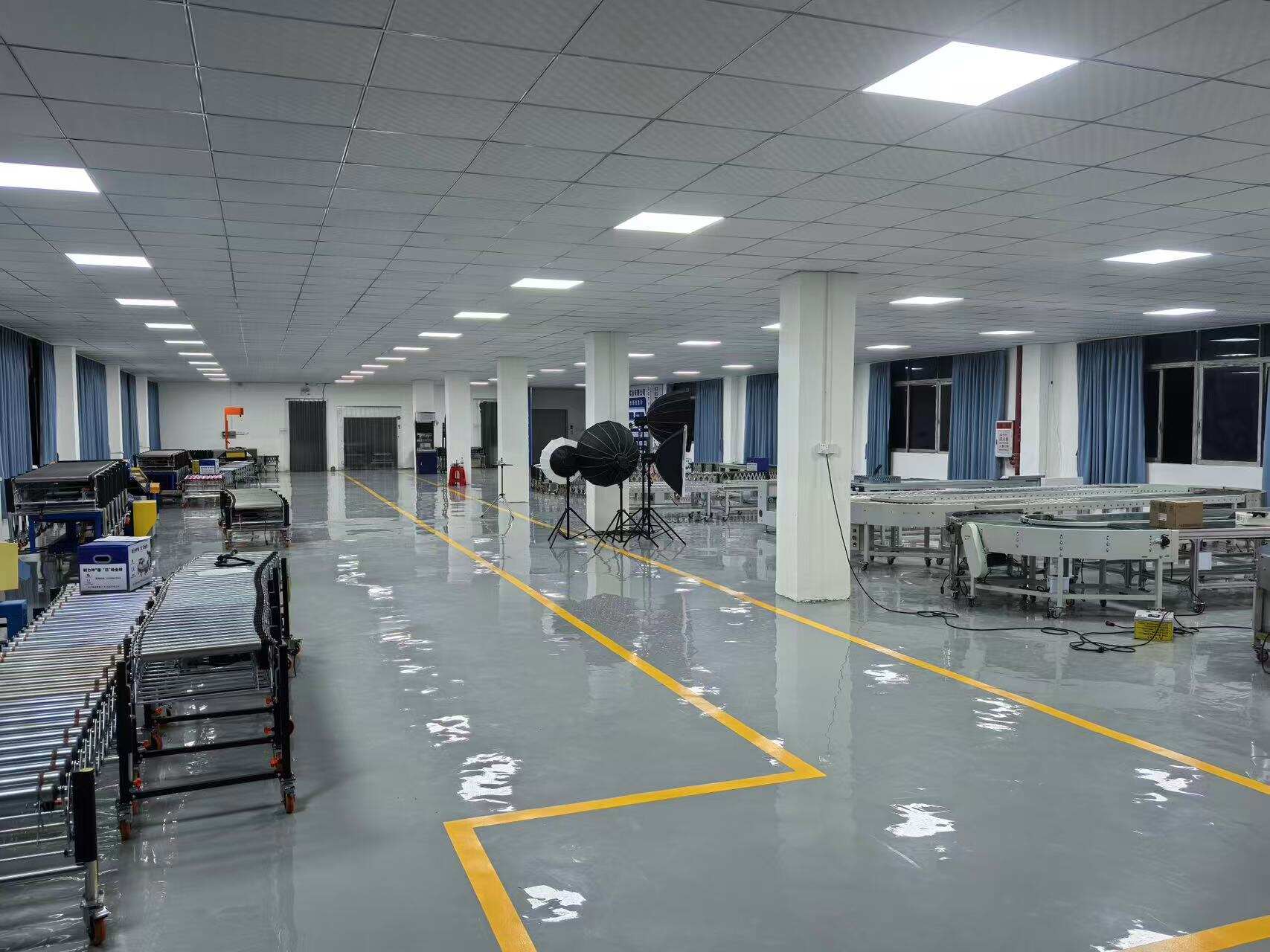
The manufacturer mentioned in the article has been changed toNaili Unloading Artifact (Guangdong) Industrial Co., Ltd.The company has an independent, permanent production and operating location, possesses in-house production capabilities, and carries out manufacturing in accordance with the ISO9001 standardized quality management system.
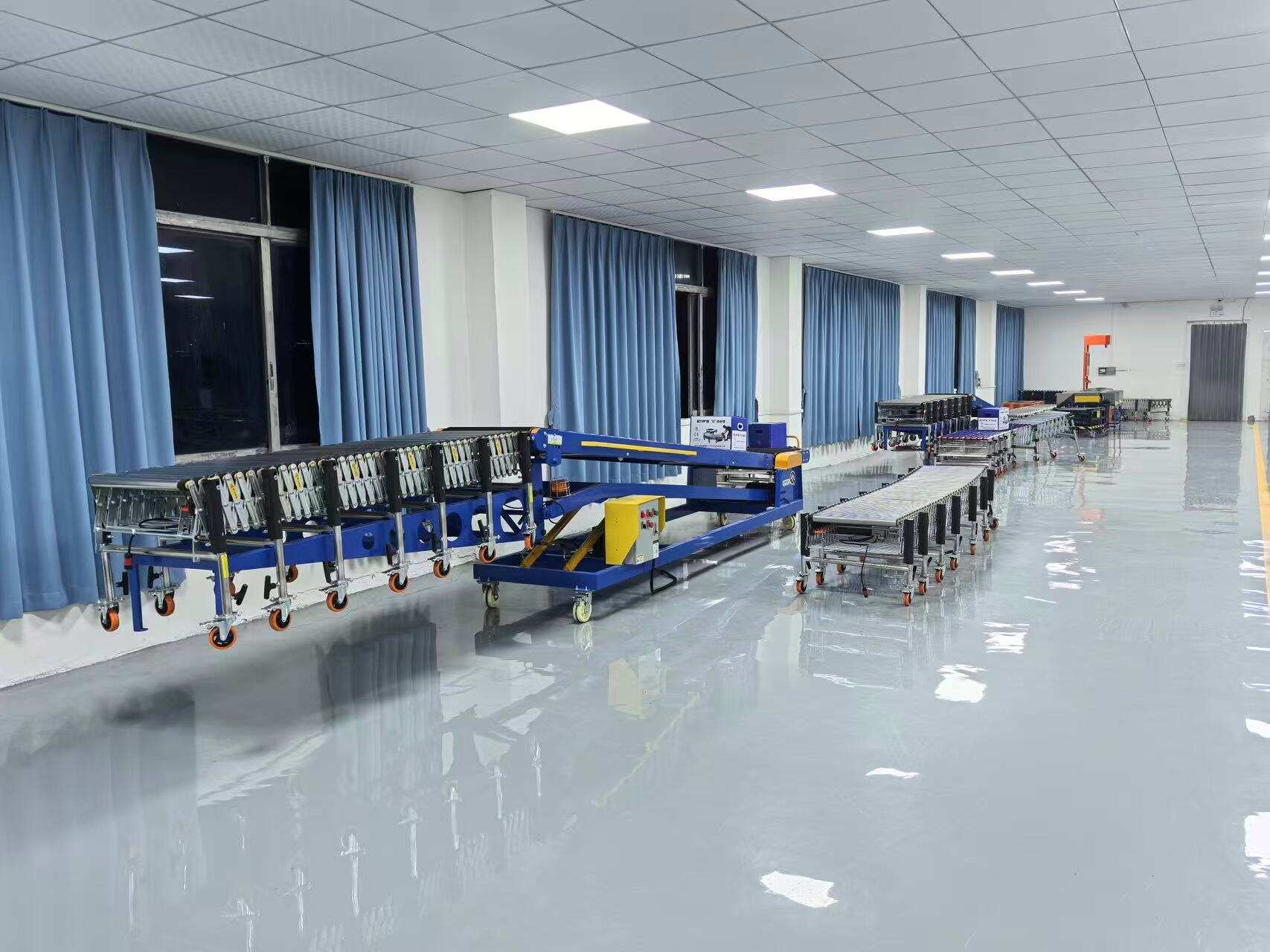
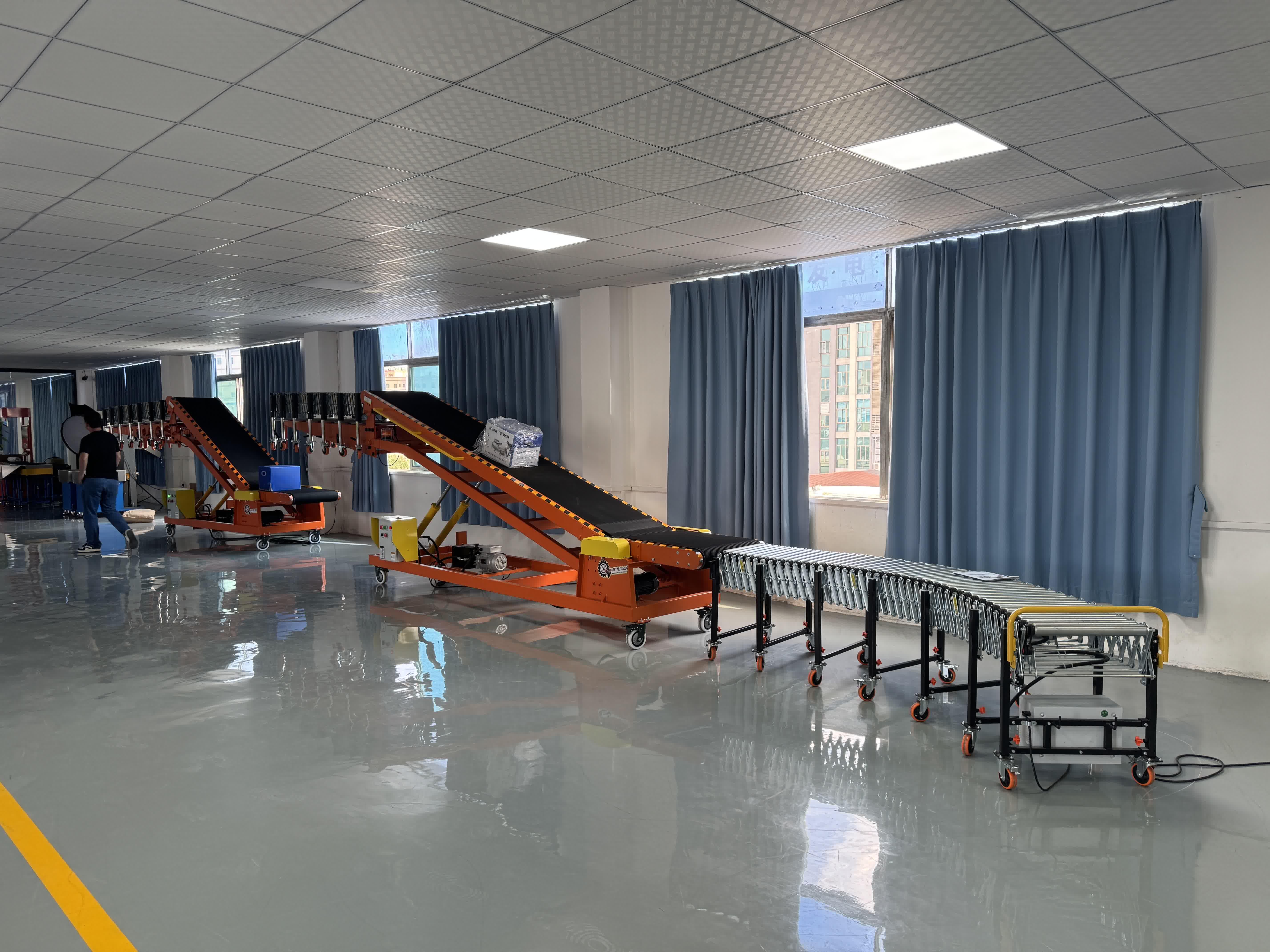
In terms of products, the company specializes in logistics loading, unloading, and conveying equipment, including gravity skate wheel conveyors, Powered Roller Conveyor, Gravity Roller Conveyor, hydraulic lifting slope conveyors, belt Telescopic Conveyor, and more. These products can serve scenarios such as factory production lines, warehouse dock loading and unloading, express sorting centers, supermarket logistics distribution, and freight terminal transfers.
In manufacturing and service, the article emphasizes an integrated approach to production, quality control, and after-sales support. The production side supports standardized mass production and customized solutions; the quality control side manages raw materials, processing, assembly, and pre-shipment inspections through a closed-loop process; and the after-sales side provides installation guidance, fault repairs, regular maintenance, and technical consultation.
Future directions for upgrading loading and unloading operations
As warehousing and logistics scenarios become increasingly diverse and facility layouts more refined, flexible, lightweight, and highly adaptable conveying equipment is replacing some traditional heavy-duty loading and unloading equipment. For many companies with limited space that still require stable throughput, the focus has shifted from "whether loading and unloading can be performed" to "whether loading and unloading can be completed more efficiently and safely.".
Based on the original information in this article, powered roller telescopic conveyors are better suited to scenarios with limited loading docks and narrow aisles, where companies want to reduce manual labor and safety pressures. Meanwhile, Naili Unloading Artifact (Guangdong) Industrial Co., Ltd. provides the corresponding equipment portfolio and production support, covering needs ranging from loading and unloading at a single dock to logistics conveying across multiple scenarios.