Against the backdrop of intensifying competition in the logistics market, warehousing turnover efficiency and cargo loading and unloading speed directly affect a company’s operating performance. Many traditional warehouse sites still rely on fixed equipment and manual handling, with single-function equipment and limited operating range. During cargo loading and unloading, issues such as long processing times and high error rates can easily occur. When peak freight periods arrive, cargo buildup, dock congestion, and turnover delays often appear all at once, further increasing pressure on supply chain operations.
Why general-purpose equipment struggles to cover complex warehousing conditions
To improve operating efficiency, many companies have started to promote warehouse mechanization upgrades. But if they choose general-purpose conveyor equipment based only on market trends, the results may not be ideal. Warehouse site dimensions, cargo categories, dock structures, and vehicle flow all differ, and the fixed parameters and single function of standardized equipment make it difficult to meet the needs of irregular cargo, changing dock conditions, and fluctuations in vehicle traffic between off-peak and peak seasons at the same time.
Take a common powered roller line as an example. Its structure and parameters are usually designed around standard operating scenarios. When on-site conditions change, the equipment may not fully perform, and may even end up with low usage and high idle rates, wasting the investment in the upgrade. At the same time, traditional equipment lacks flexible extension and adjustment capabilities, making it difficult to reach into truck compartments for continuous loading and unloading. Outdated layouts may also take up more warehouse space, complicating on-site movement routes and increasing transfer steps.
Custom logistics conveying equipment starts from the scenario
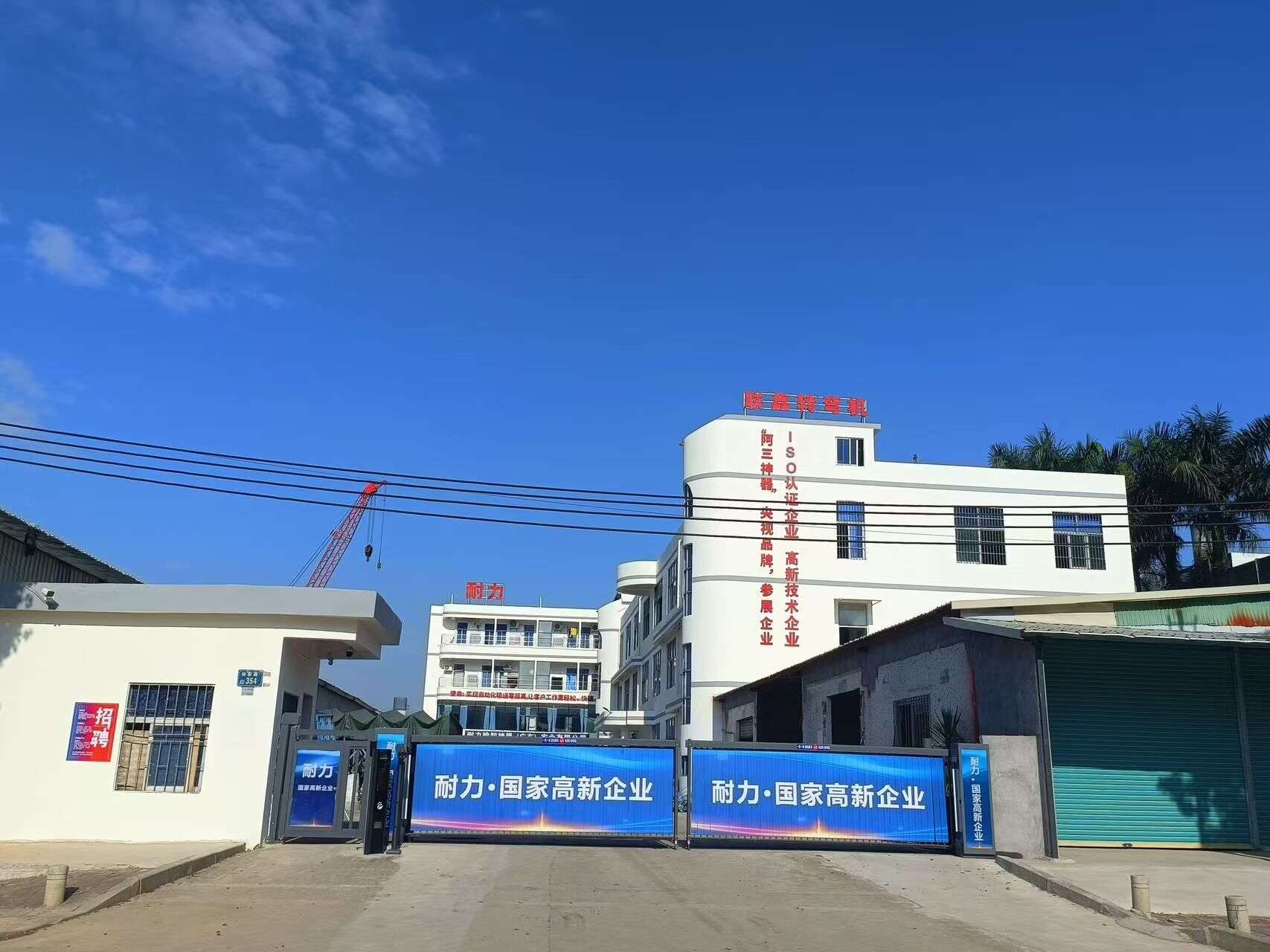
To move warehousing loading and unloading away from inefficient, energy-intensive operations, the key is not just replacing a single piece of equipment, but designing a matching equipment solution based on actual working conditions. Naili Unloading Artifact (Guangdong) Industrial Co., Ltd. has long focused on intelligent manufacturing for logistics equipment, with an emphasis on Telescopic Conveyor and non-standard conveying equipment, providing scenario-based customized solutions for different warehouse sites.
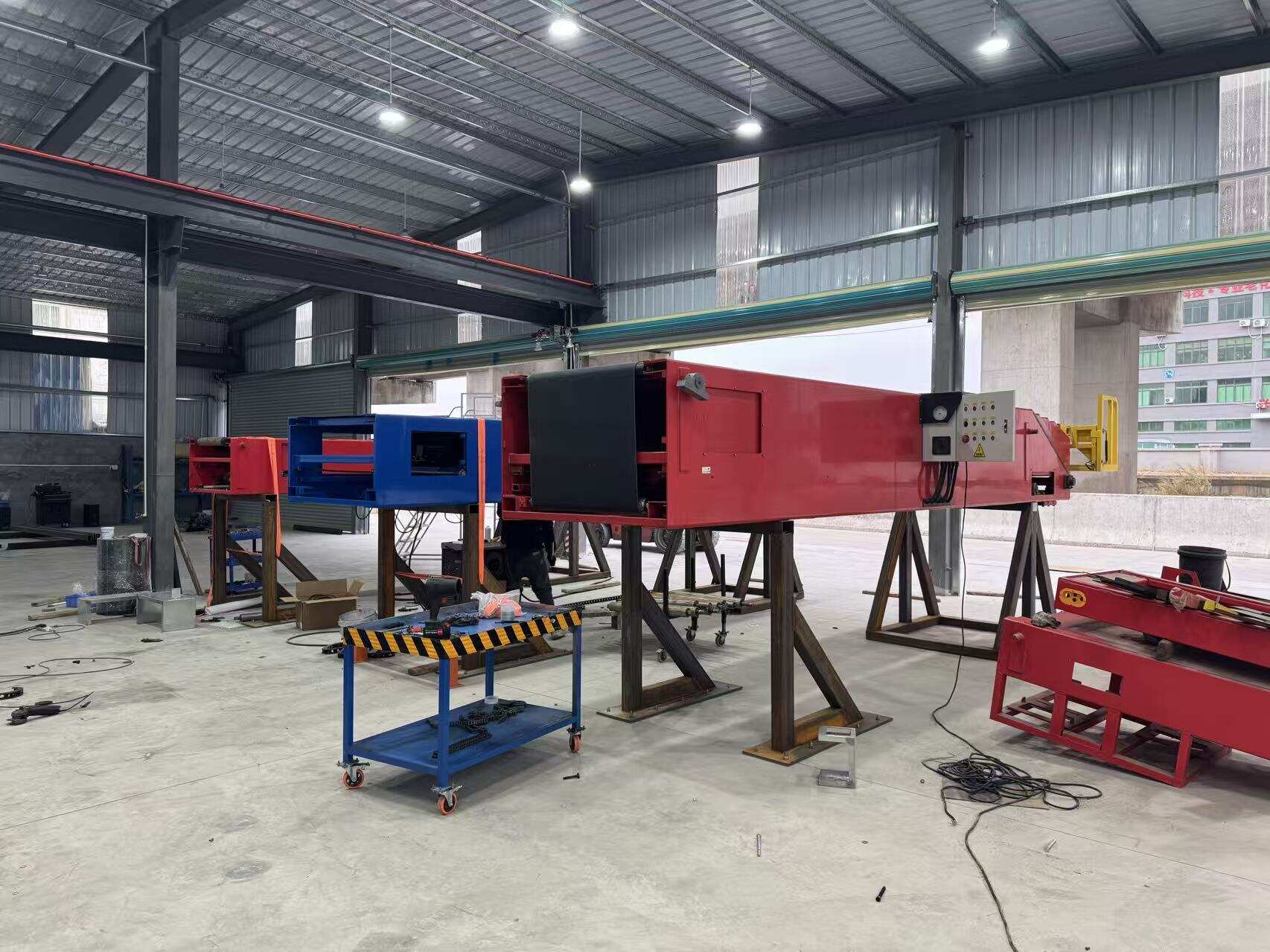
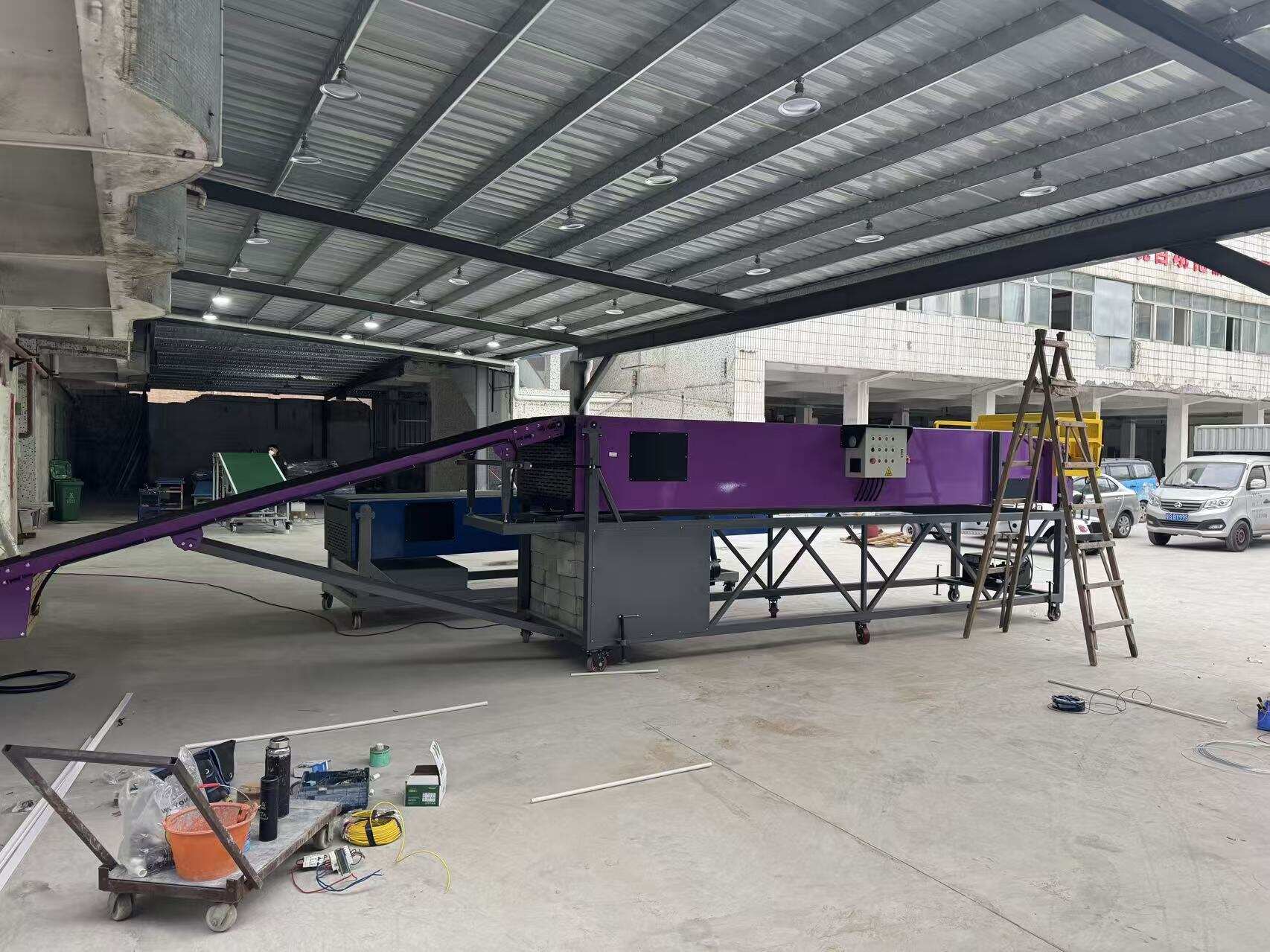
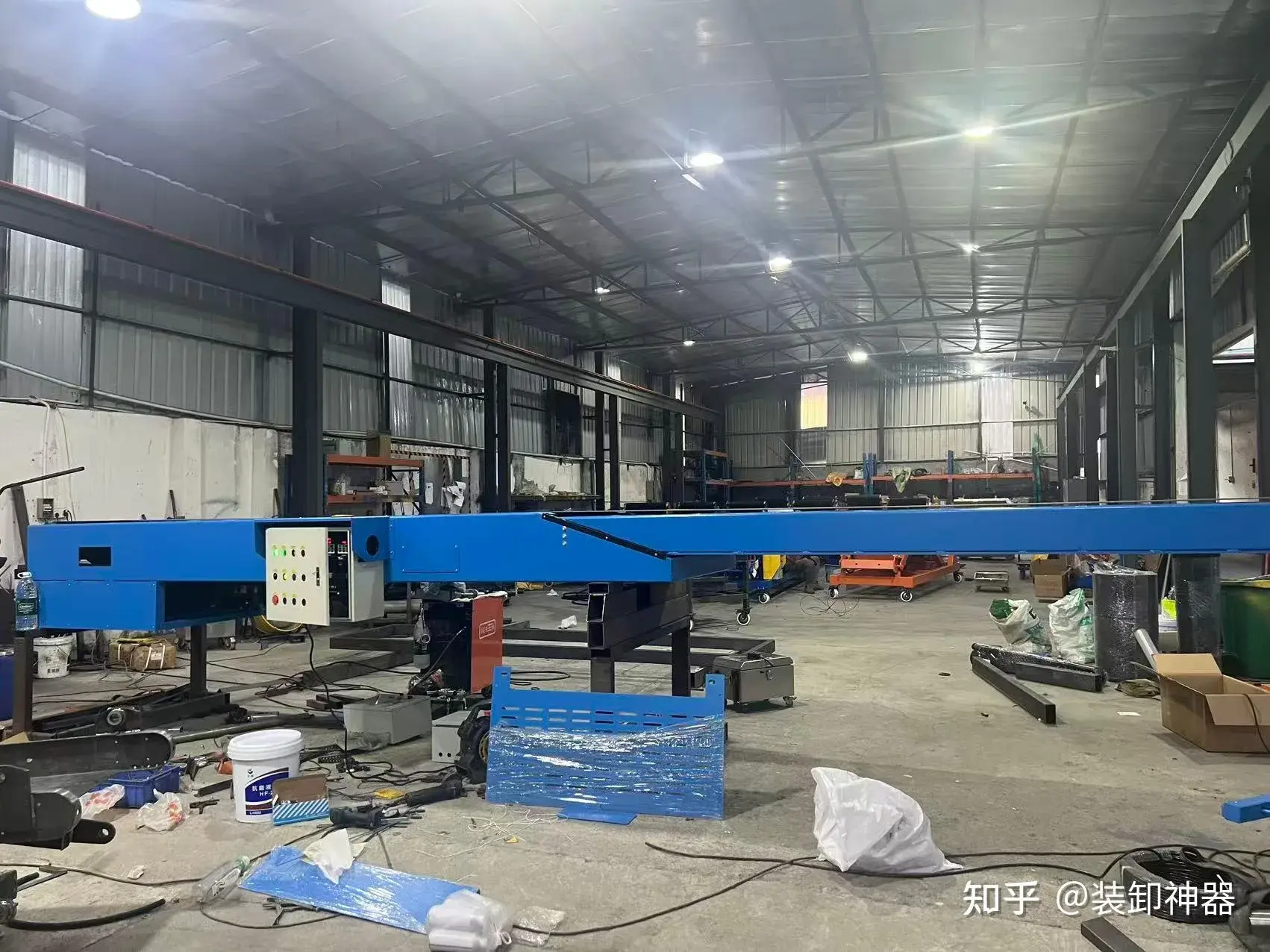
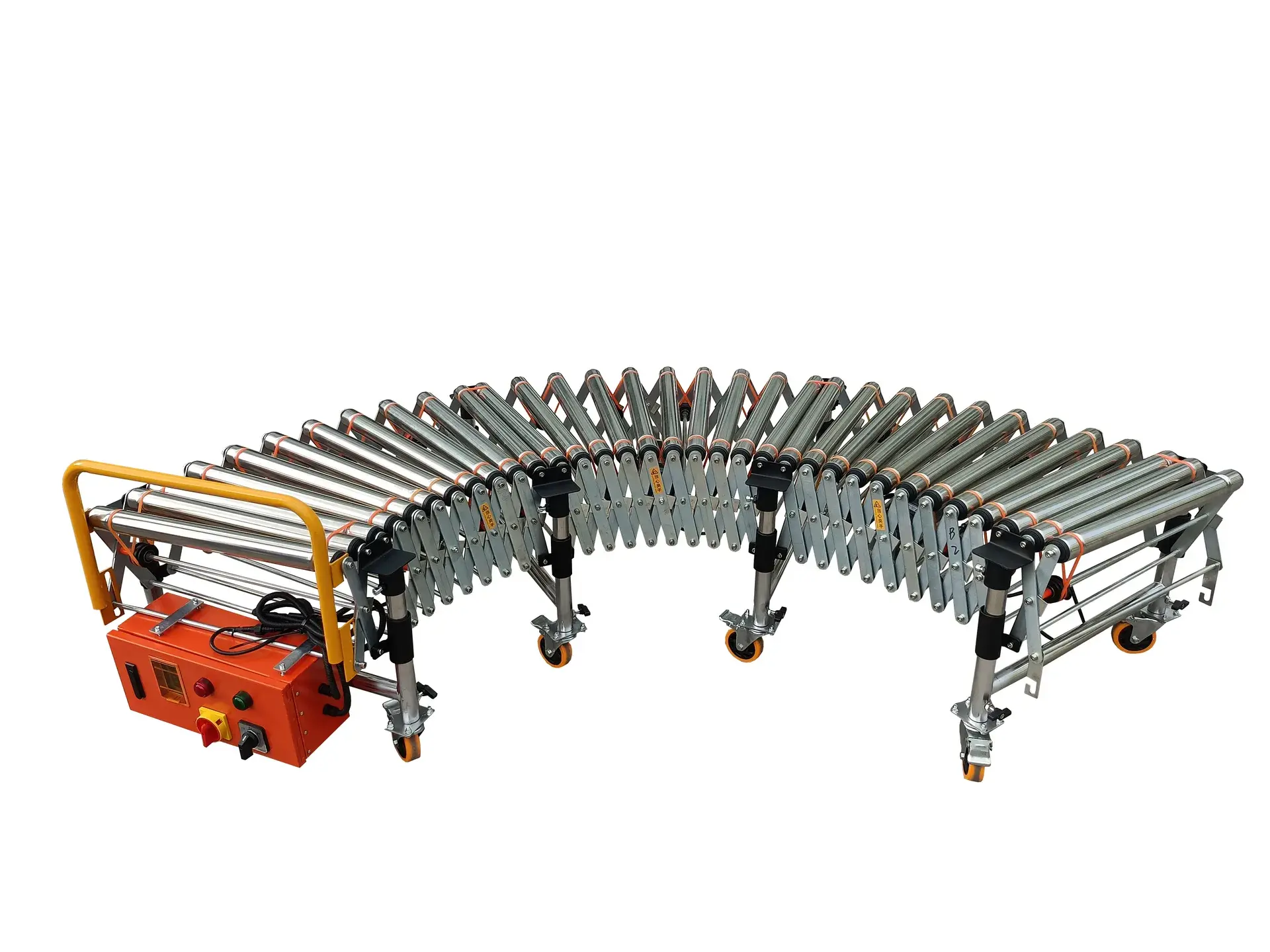
In response to differences in site specifications, transfer needs, and cargo types, the company can provide equipment such as telescopic roller conveyors, telescopic belt conveyors, and Hydraulic Conveyor. These related machines support telescoping and can be adjusted in height and angle, allowing them to adapt to different vehicle types and dock operating scenarios. During loading and unloading, the equipment can extend into the truck compartment, and after the work is completed, it retracts into place, reducing continuous occupation of warehouse space and making it easier to handle shifts in operating pace between off-season and peak-season periods.
From loading and unloading to full-process warehousing optimization
The value of customized conveying equipment lies in how well the equipment structure matches on-site conditions, and also in the flexibility of loading and unloading operations. The conveying equipment of Naili Unloading Artifact (Guangdong) Industrial Co., Ltd. is manufactured with precision craftsmanship, with a solid body and smooth operation, and can be used for high-intensity, continuous cargo transfer in warehousing. According to the source solution, this type of equipment helps reduce equipment failures and maintenance expenses, while also lowering cargo loss and repair costs.
Beyond equipment configuration, supporting flexible logistics solutions can also be optimized around on-site movement routes, reducing unnecessary transfer processes and helping loading and unloading, sorting, transfer, and inbound and outbound warehousing steps form a smoother operational loop. For companies undergoing warehouse mechanization upgrades, this kind of transformation idea based on the site and process is more targeted than simply replacing a single standardized piece of equipment.
Warehouse upgrades require coordination between equipment and processes
Warehouse mechanization upgrades are not simply about replacing a single piece of equipment, but about overall optimization of operating scenarios, equipment configuration, and process organization. By replacing outdated, fixed operating modes with customized logistics conveying equipment, companies can improve issues such as insufficient equipment compatibility, low loading and unloading efficiency, and poor space utilization, thereby increasing warehousing turnover efficiency.
Naili Unloading Artifact (Guangdong) Industrial Co., Ltd. will continue to focus on customized conveying equipment and warehousing operation needs, providing corresponding products and solutions to help more warehouse sites improve the efficiency of loading, unloading, and transfer operations.