Naili Unloading Artifact (Guangdong) Industrial Co., Ltd.
sunny@naili.ltd+86 17722390519+86 17722390519
HomeProductsCasesSolutionsArticlesResourcesAbout
INQUIRY
Naili ConveyorNaili Conveyor
HomeProductsCasesSolutionsArticlesResourcesAbout
  1. Home/
  2. Article Center/
  3. Conveyor Knowledge/
  4. How Belt Telescopic Conveyors Improve Warehouse Loading Efficiency and Reduce Cargo Damage

Conveyor Knowledge

How Belt Telescopic Conveyors Improve Warehouse Loading Efficiency and Reduce Cargo Damage

Addressing the issues of low manual loading efficiency, high space usage, and susceptibility to damage, this article examines the value of belt telescopic conveyors in finished-goods dispatch at factories, e-commerce warehousing, and logistics transfer operations, as well as the efficiency improvements enabled by their telescopic bodies, mobile casters, and custom engineering.

How Belt Telescopic Conveyors Improve Warehouse Loading Efficiency and Reduce Cargo Damage
Publish Date: 2026-09-26

Why Manual Loading Slows Down Warehouse Shipping

During the finished-product outbound process at manufacturing plants and e-commerce warehouses, manual loading often creates pressure in three areas at once: efficiency, cost, and product damage. Workers must repeatedly carry and stack goods, which not only creates high physical demands but also leads to higher employee turnover. Recruitment, training, and retention all become ongoing burdens. During shipping peaks, loading and unloading an entire truck takes longer, and goods can easily accumulate at the loading dock, disrupting the order fulfillment schedule.

Manual throwing, long-distance transfers, and arbitrary stacking can also easily cause crushed cartons, spilled materials, and displaced or compressed goods. As these losses continue to accumulate, companies must bear additional material costs and face pressure on delivery quality and their reputation among business partners.

Why Fixed Belt Conveyors Cannot Completely Solve the Problem

Many companies initially try installing ordinary fixed belt conveyors to optimize their processes, but the limitations of this type of equipment are also clear. The fixed structure cannot extend or move, and after installation it permanently occupies loading dock space, reducing warehouse space utilization.

At the same time, a fixed belt conveyor has a relatively fixed conveying length and operating range, and can often accommodate only trucks of a single length and specification. It lacks flexibility when handling mixed fleets of long and short vehicles, rotating shipments across multiple loading points, or temporary outdoor loading and unloading. For companies seeking to balance efficiency with space utilization, this type of equipment is unlikely to fundamentally resolve loading challenges.

Core Advantages of Belt Telescopic Conveyors

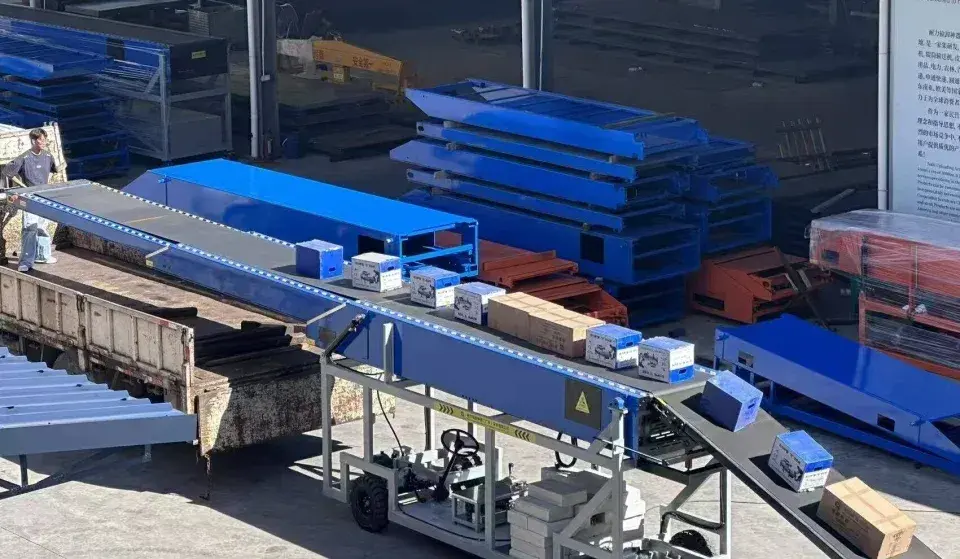
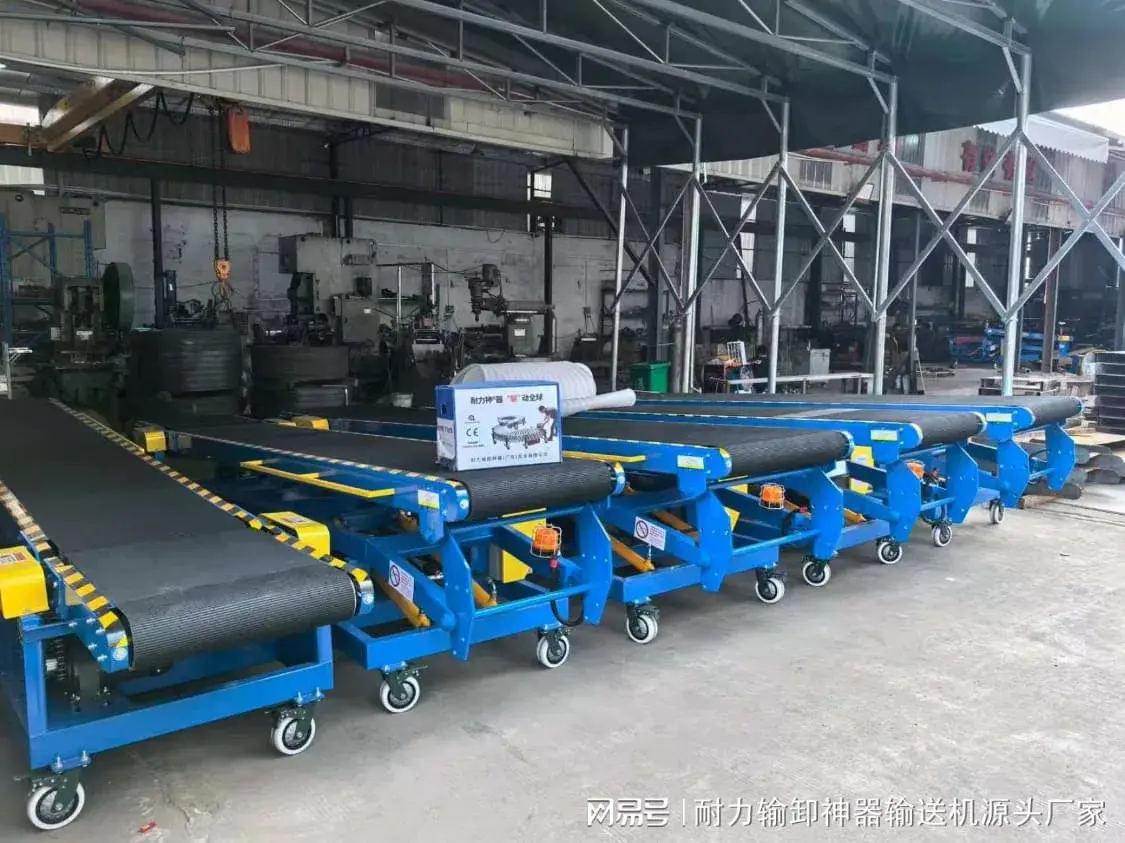
Belt telescopic conveyors are better suited to high-frequency shipping scenarios such as warehouse loading. With a telescopic body and mobile caster design, they can flexibly adjust the operating length and position according to on-site requirements, adapting to different conditions such as factory loading docks and temporary loading and unloading points.

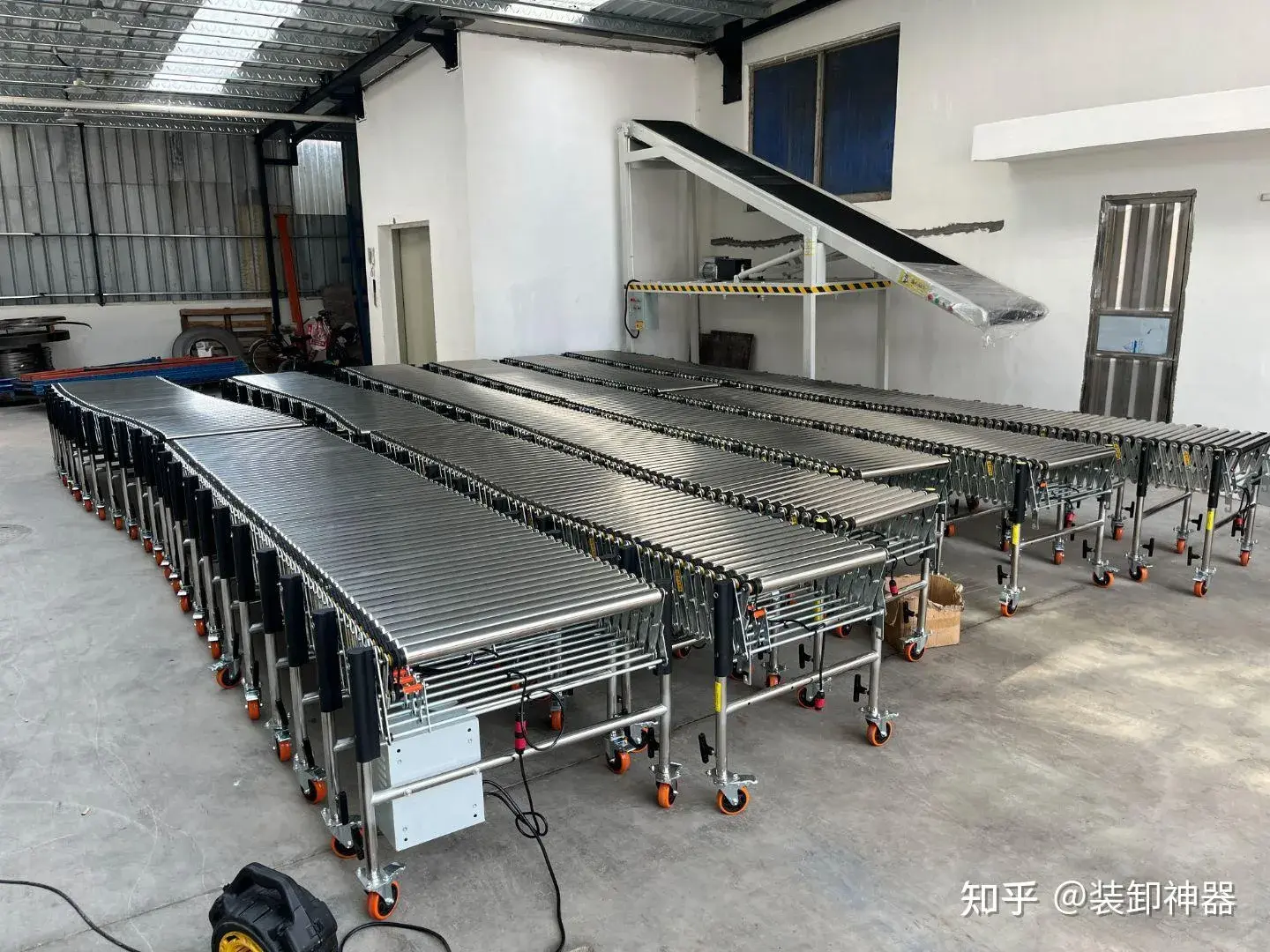
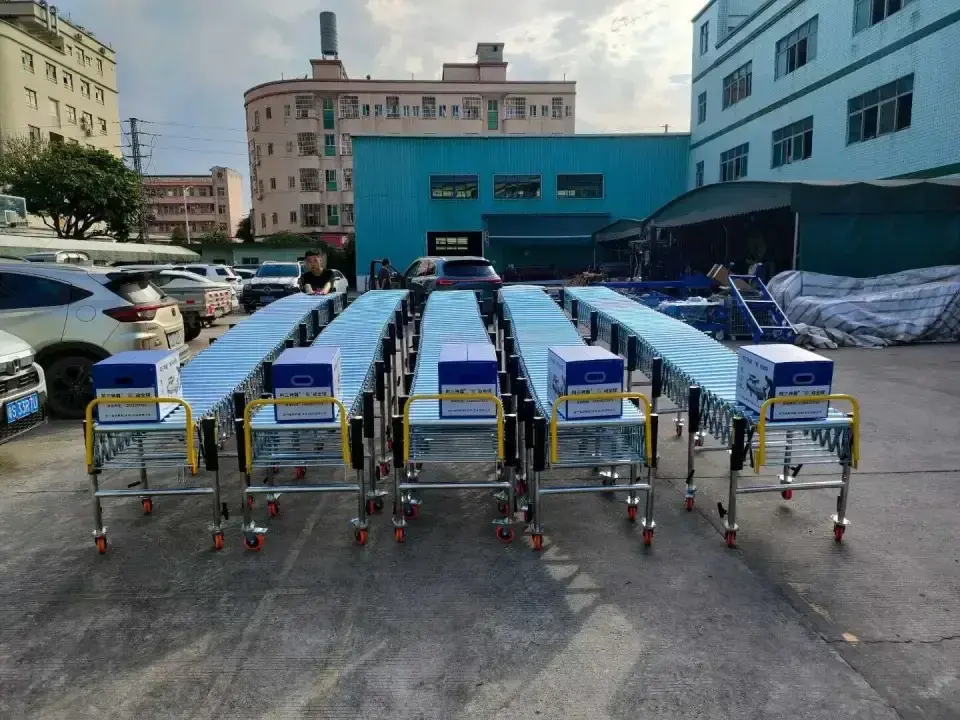
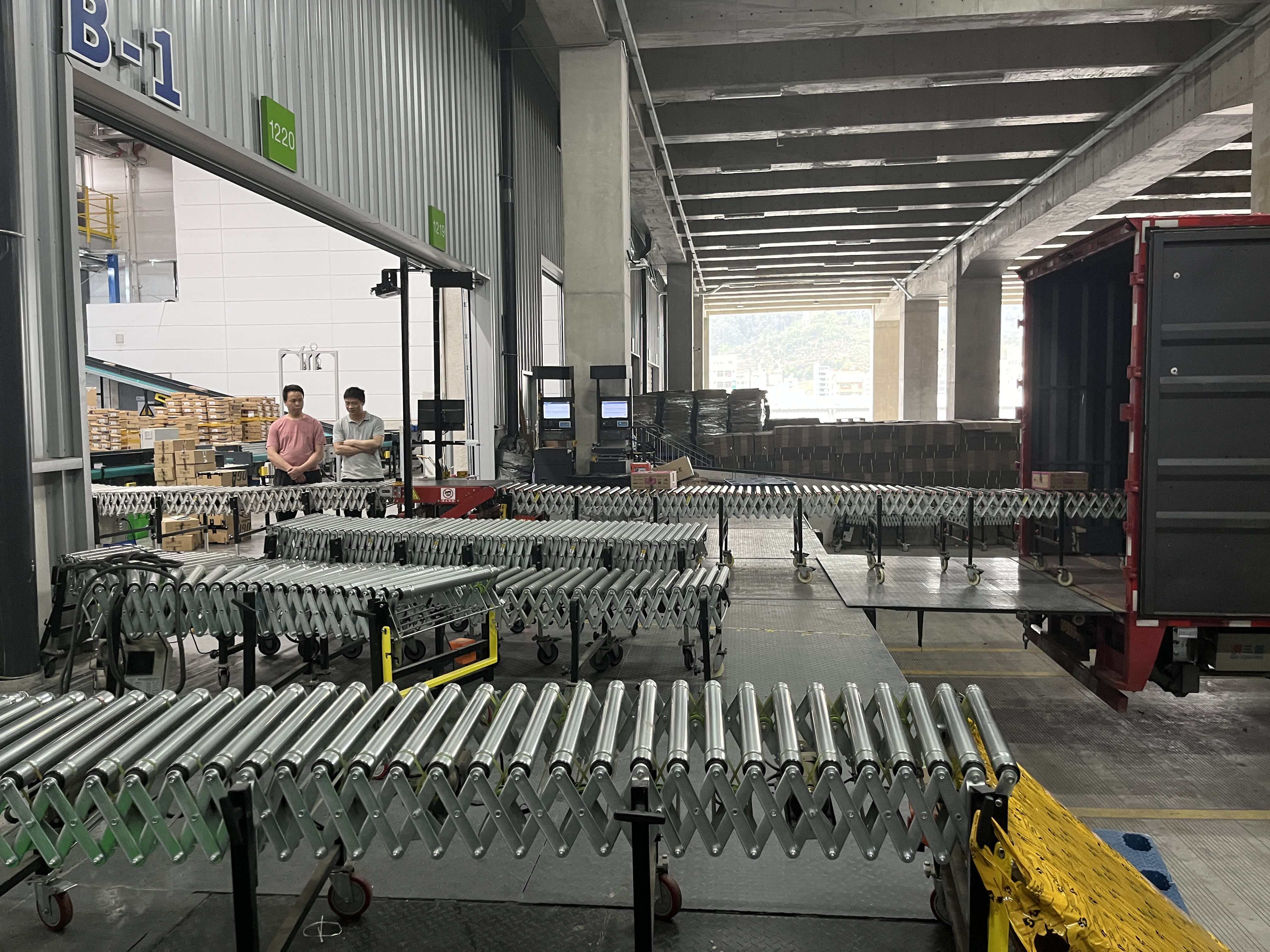
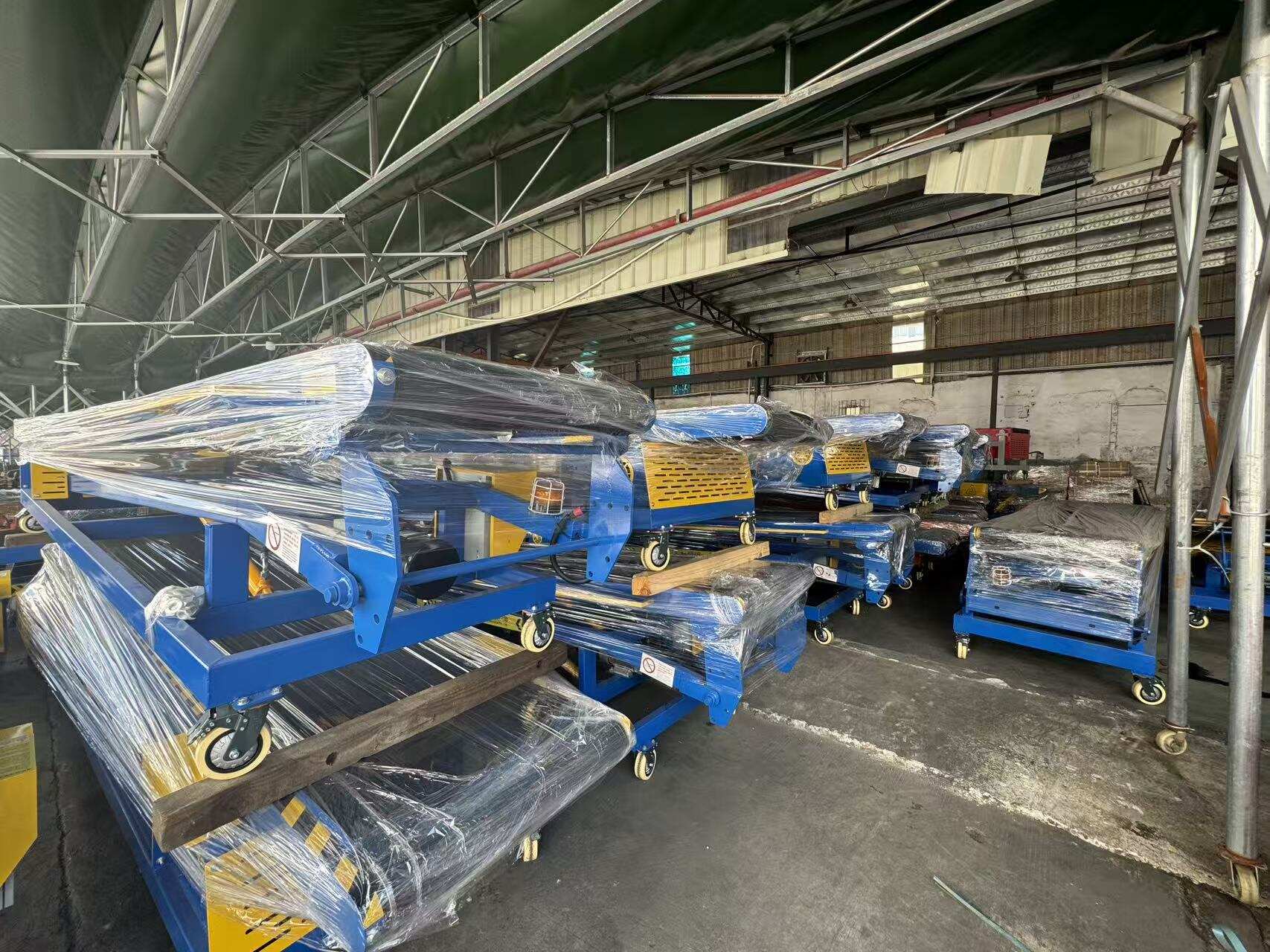
Naili ConveyorIn the customized production of conveying equipment, the overall performance of the Telescopic Conveyor has been optimized for factory shipping scenarios. Its multi-stage telescopic structure allows the conveying length to be adjusted freely, and the conveyor head can extend directly into the cargo compartments of vehicles ranging from 4.2-meter light trucks to 13-meter semi-trailers. This reduces the number of times workers need to carry goods back and forth, increasing loading and unloading efficiency per vehicle by more than 100%. The equipment is also fitted with braked casters. When retracted, it occupies less space, making it suitable for compact small and medium-sized warehouses.

How to Balance Heavy Loads, Stability, and Customization Needs

For around-the-clock heavy-duty shipping operations in factories, this type of Telescopic Conveyor uses a reinforced steel frame to improve load-bearing stability and reduce the risk of deformation. It is also equipped with an industrial-grade, slip-resistant, wear-resistant belt that combines tensile strength with resistance to belt deviation, allowing cartons and bagged small items to be conveyed smoothly.

The equipment also supports intelligent variable-frequency speed control, enabling uniform feeding according to different shipping schedules and reducing impact damage to goods. In addition, the telescoping stroke, machine height, belt width, and load capacity can all be customized to meet specific requirements. This makes it easier to adapt to the site conditions and shipping specifications of different warehouses while avoiding poor fit and wasted capacity associated with standard equipment.

Applications and Practical Value

As source-manufactured equipment, belt telescopic conveyors are better suited to small and medium-sized manufacturing plants, large production facilities, e-commerce warehouses, and logistics transfer warehouses. They can replace large amounts of repetitive, high-intensity manual handling, shorten the overall shipping cycle, reduce product damage rates, and help companies advance toward lightweight, low-cost, high-efficiency automation in warehousing operations.

For companies with stable shipping schedules and high loading and unloading frequency, the value of this type of equipment is reflected not only in faster individual truck loading but also in the long-term reduction of labor burdens, improved space utilization, and stable shipping capacity.
Contact Sales Manager

Contact Person SunnySales Manager

WeChat
17722390519
WhatsApp
+86 17722390519
Phone
+86 17722390519
Email
sunny@naili.ltd
Brand Name
Naili Conveyor
Company Name
Naili Unloading Artifact (Guangdong) Industrial Co., Ltd.

Factory Strength

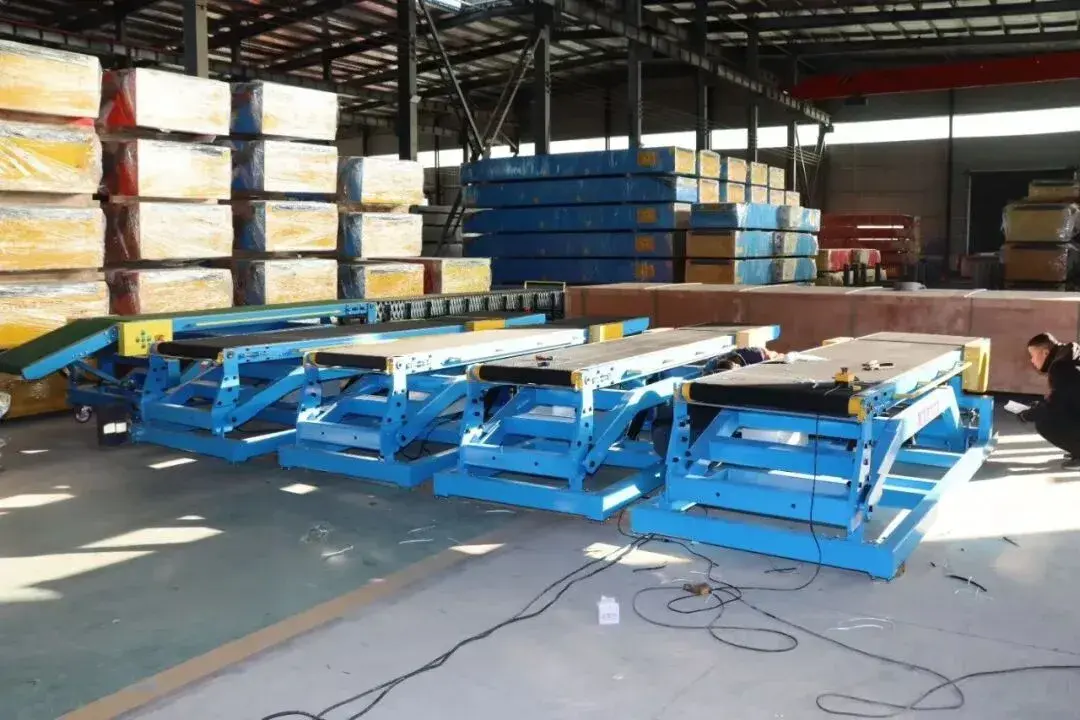
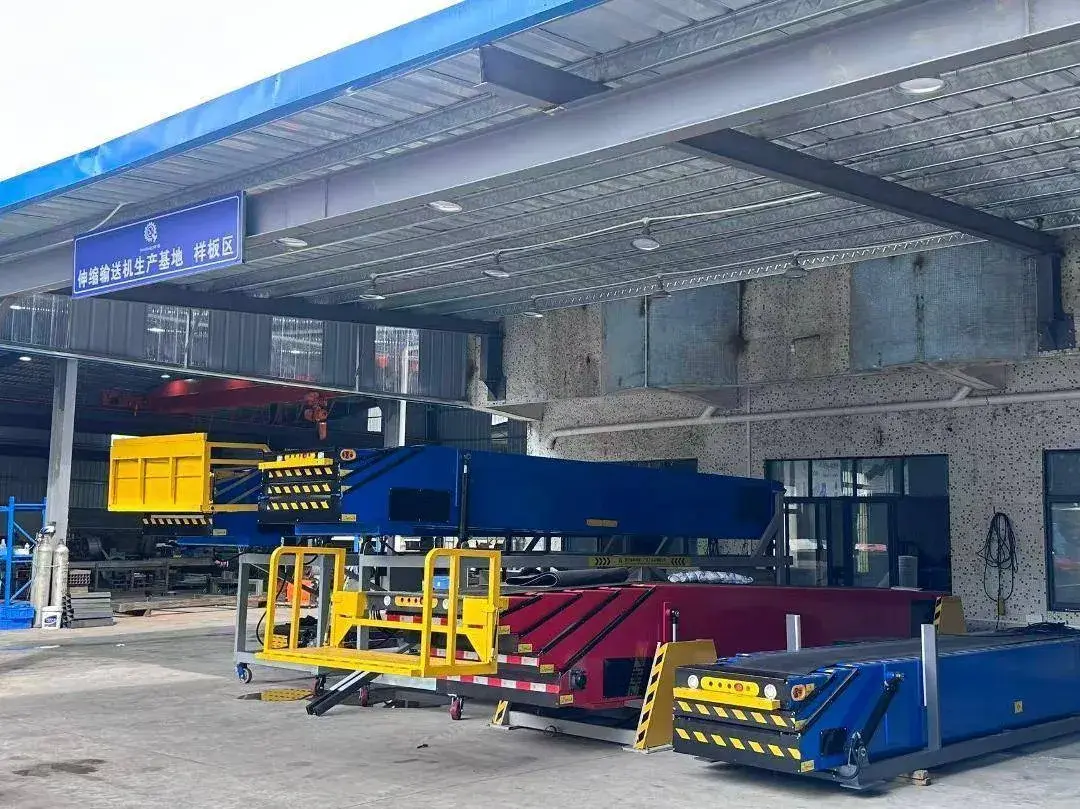
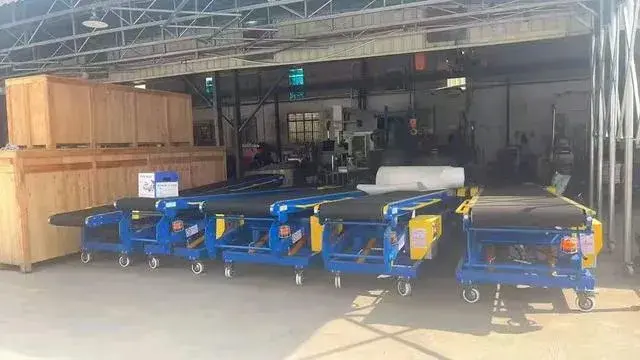
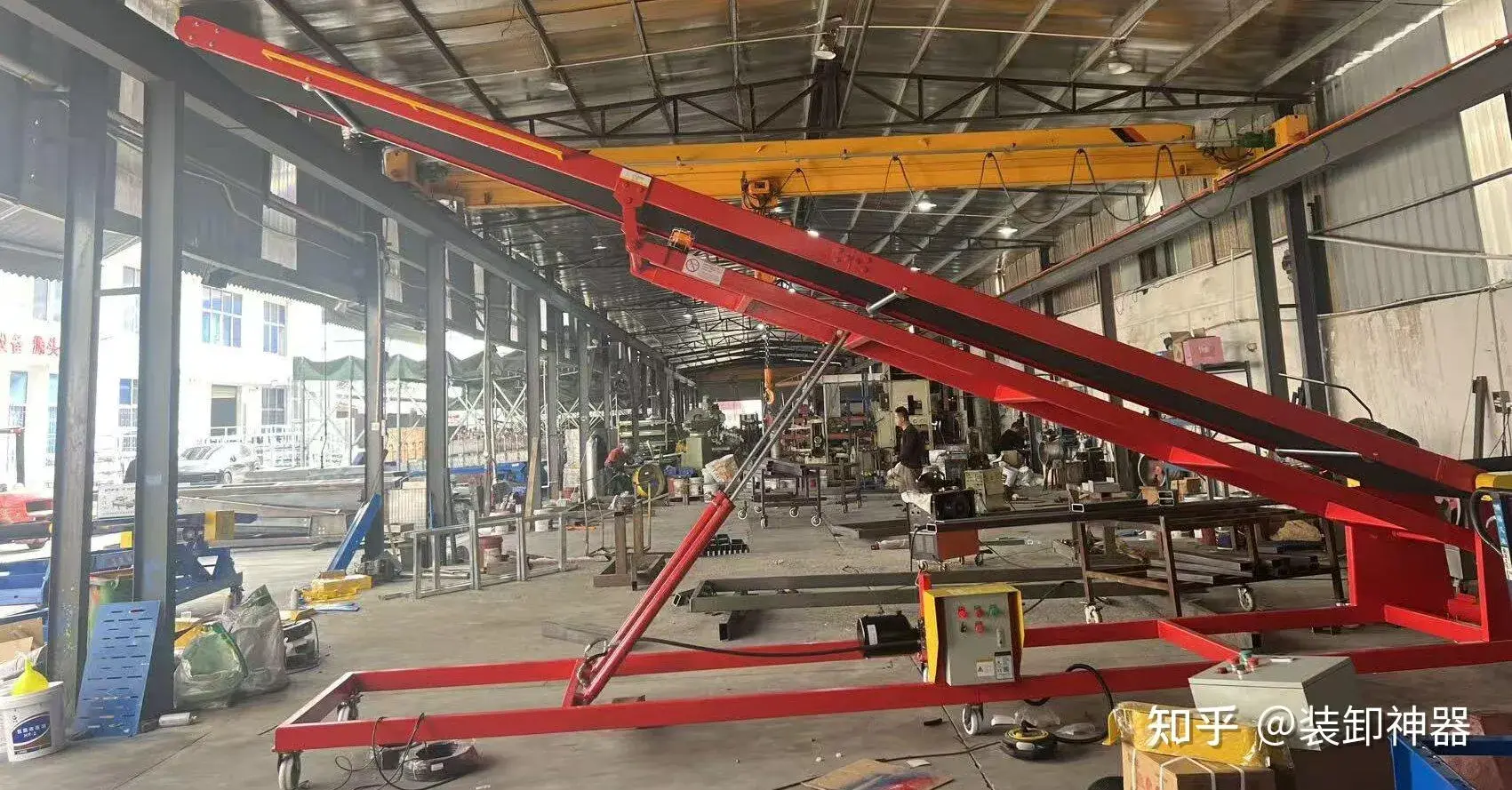
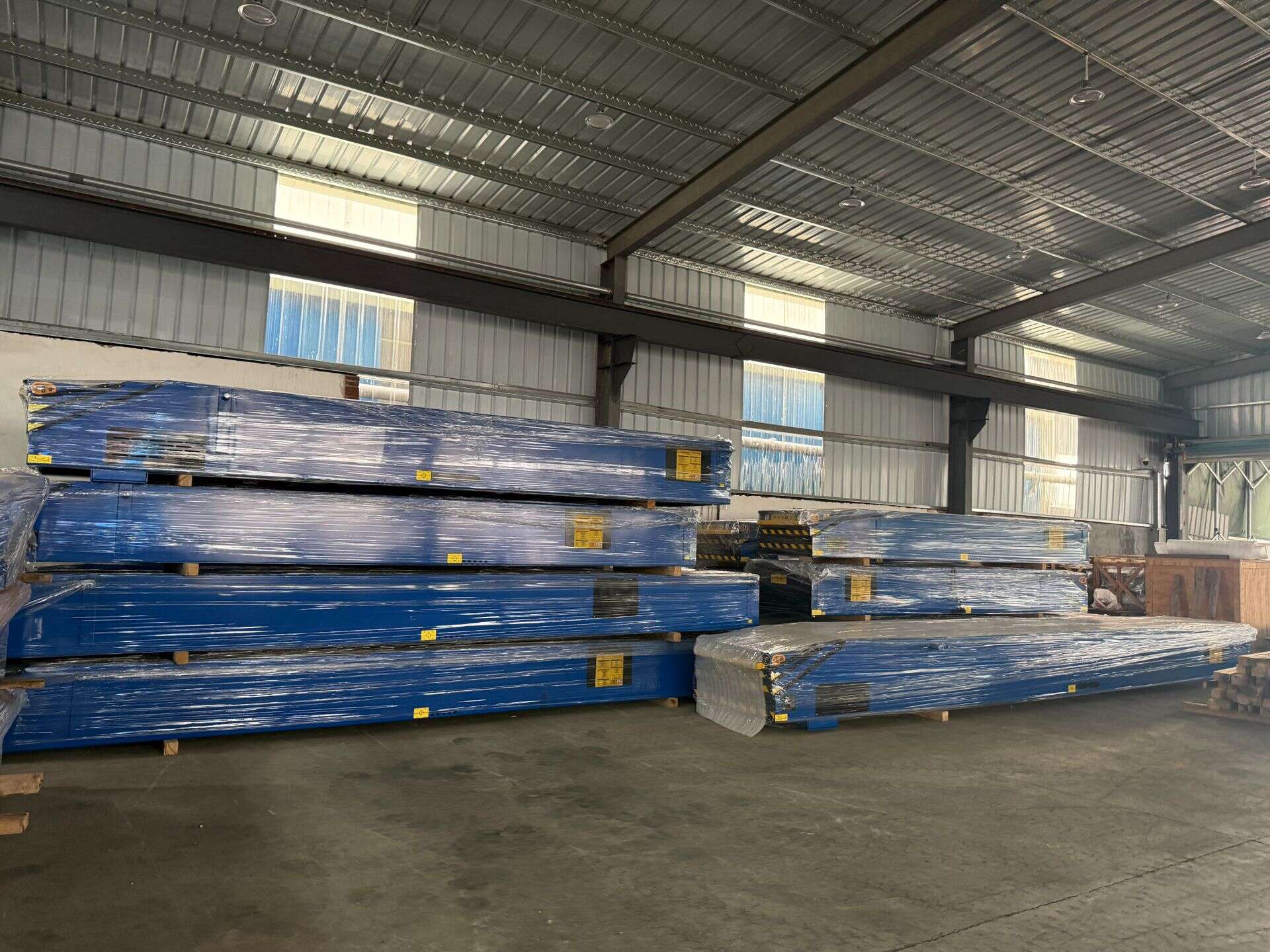
Learn about production equipment, workshop environment, processing capacity, and quality control through real photos and videos.

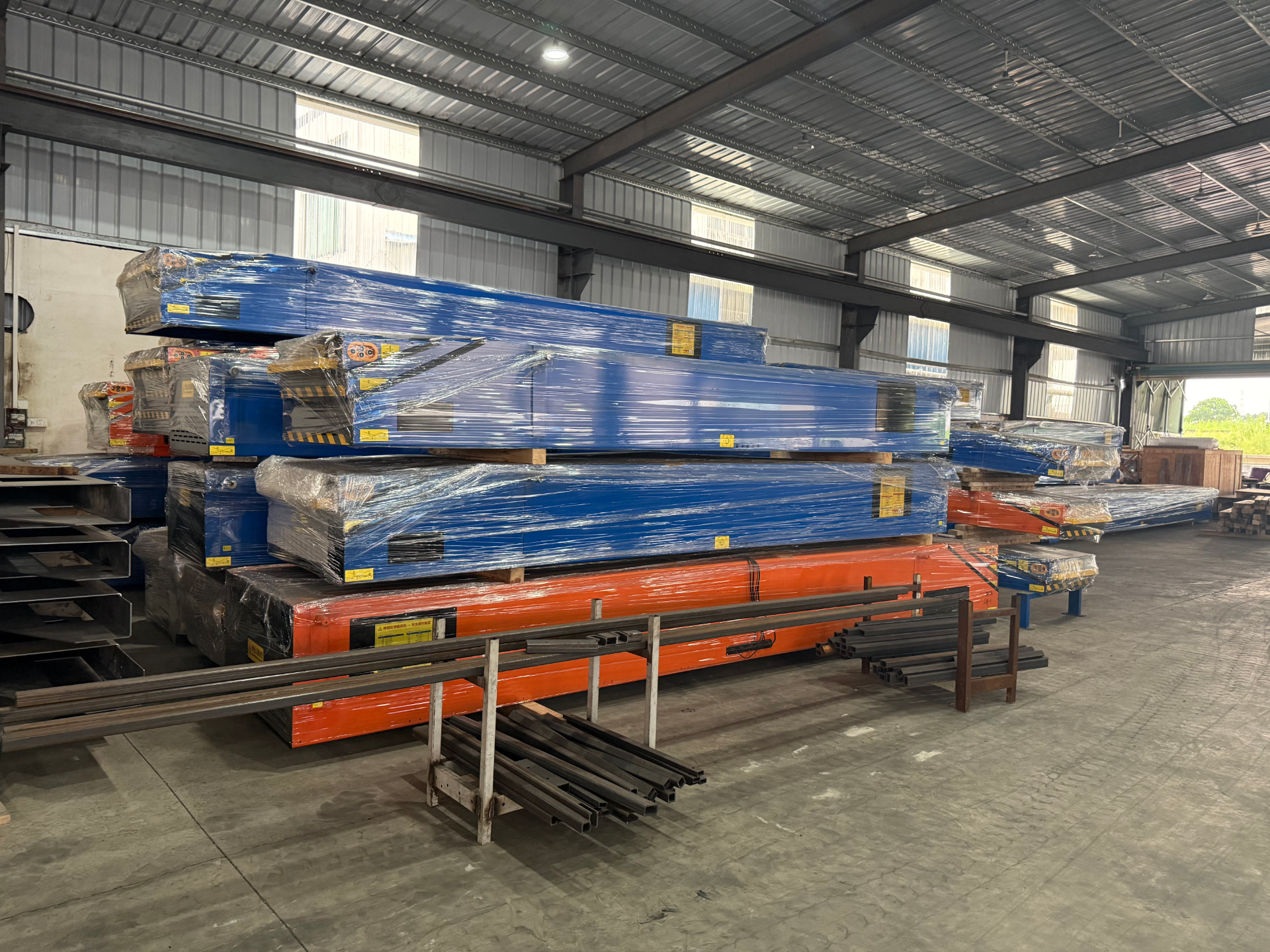
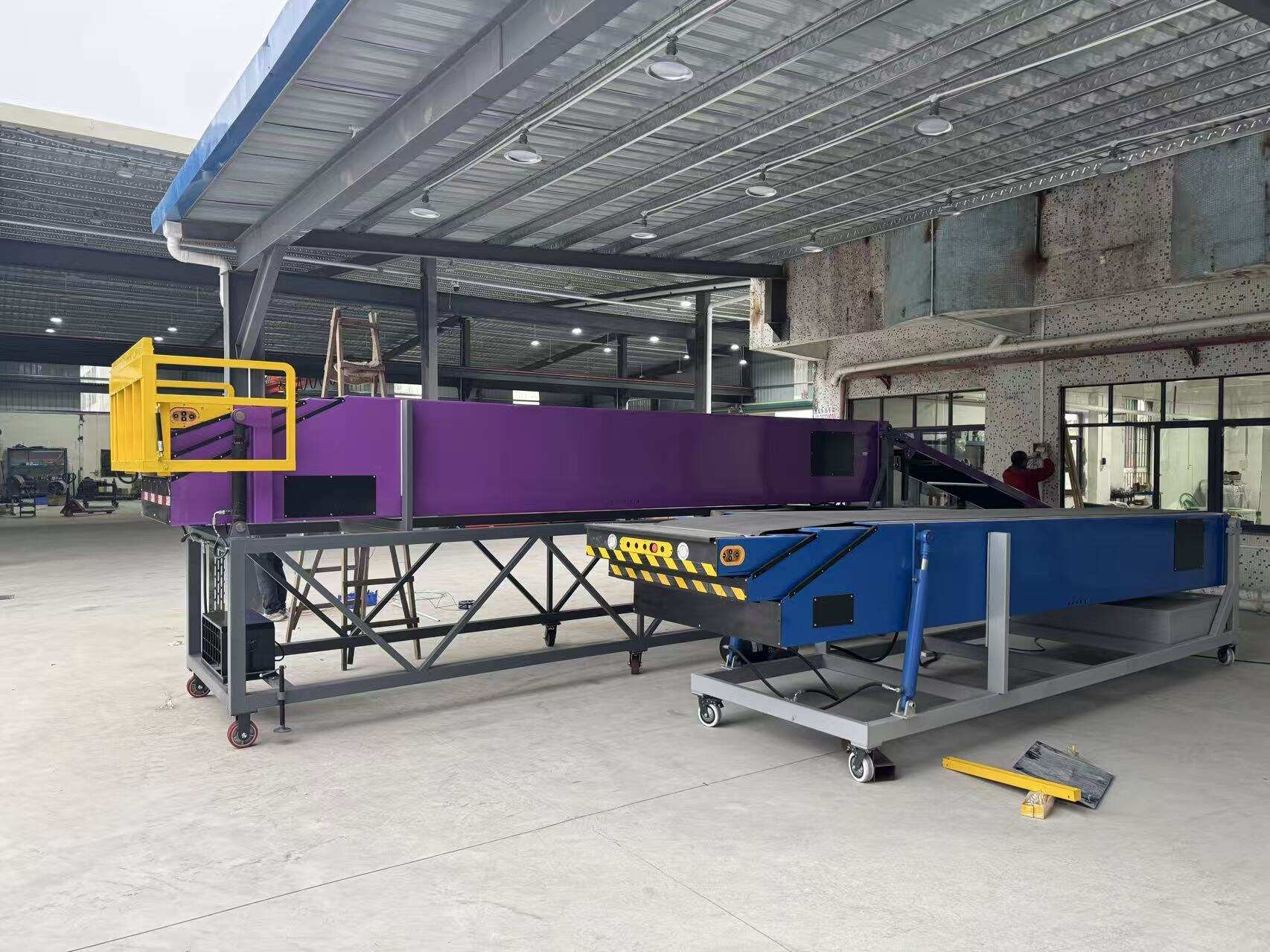
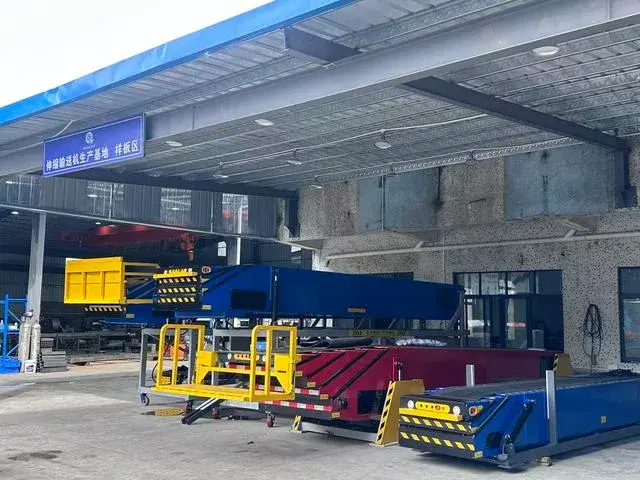
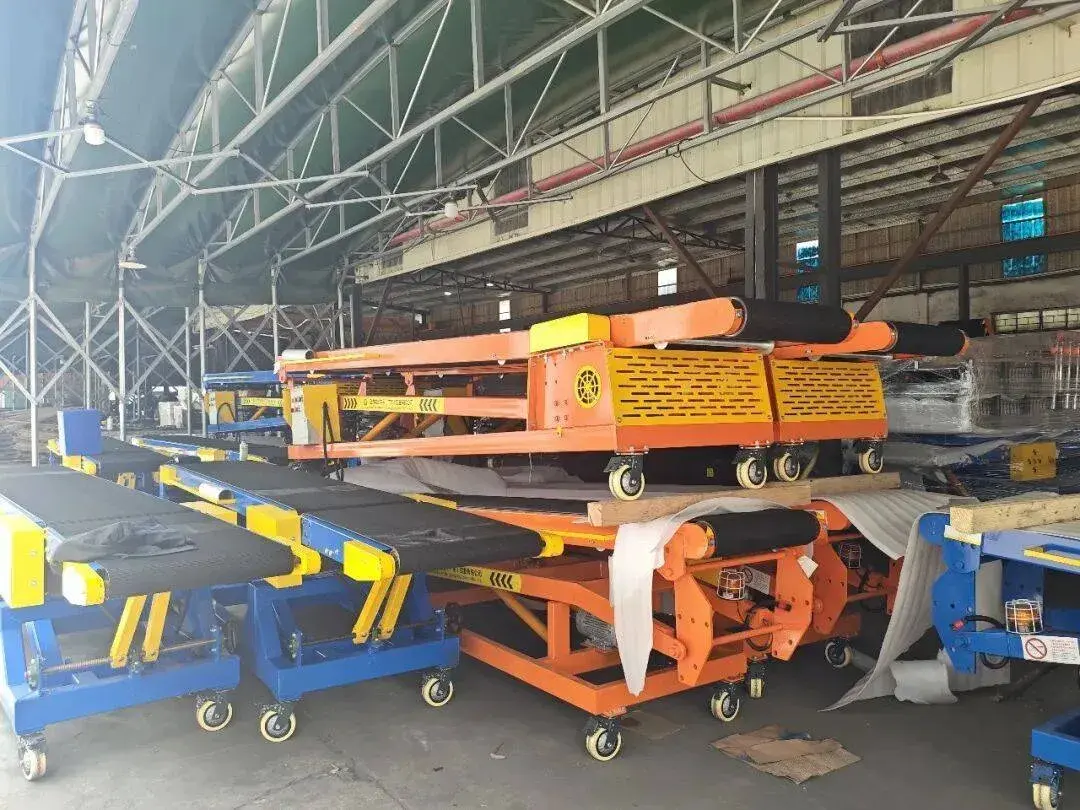
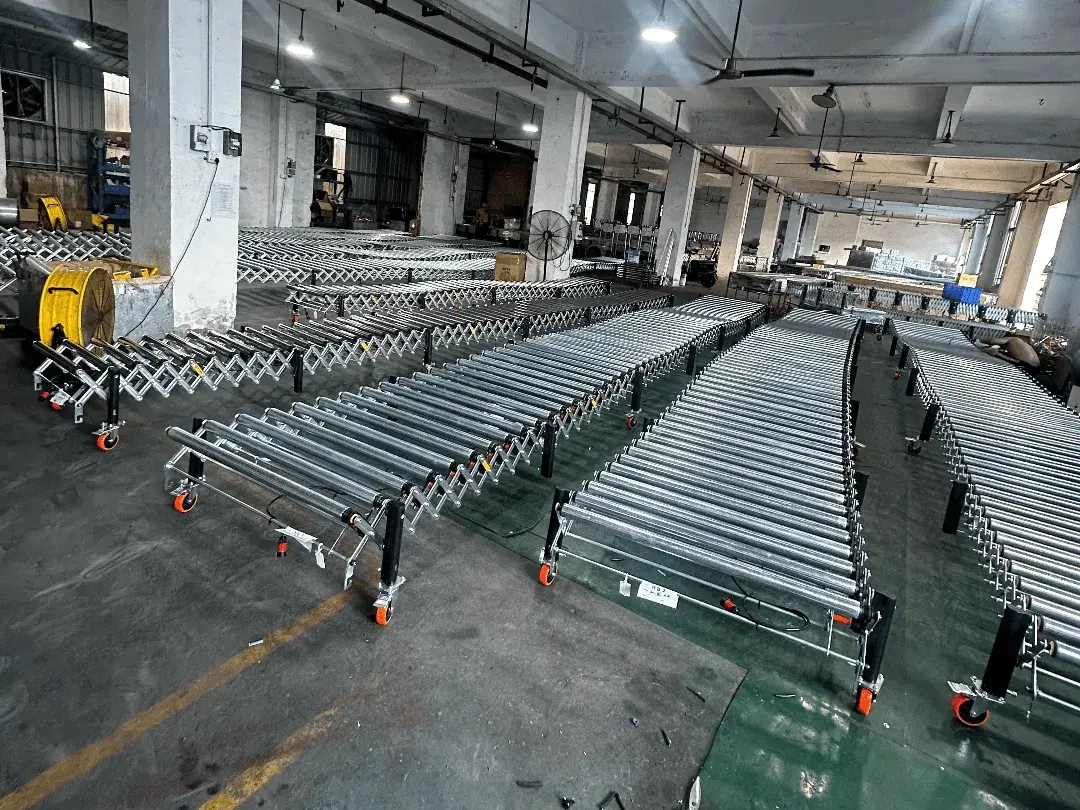
Workshop and Finished-Goods Stock — Image 1
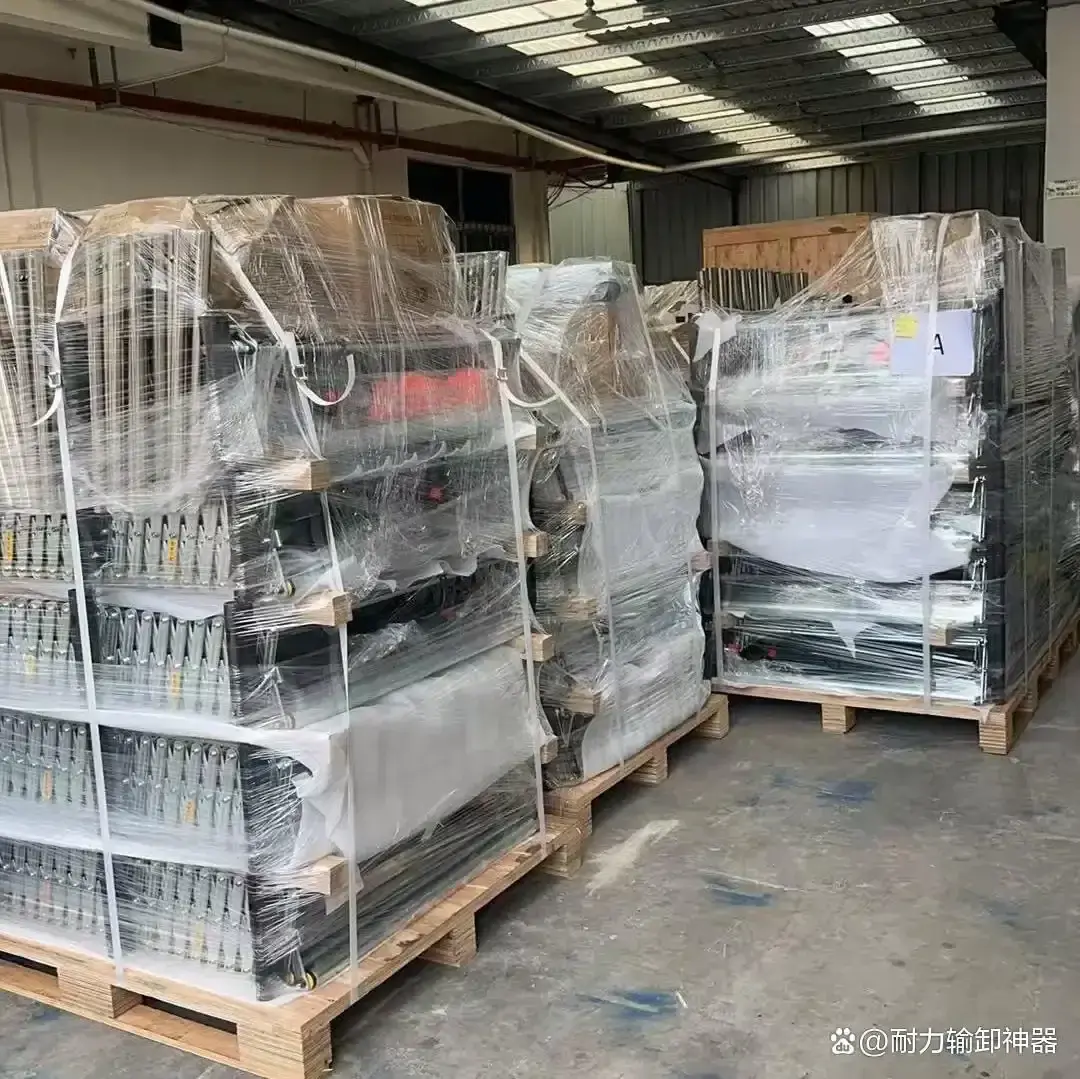
Workshop and Finished-Goods Stock — Image 2
Workshop and Finished-Goods Stock — Image 3
Workshop and Finished-Goods Stock — Image 4
Workshop and Finished-Goods Stock — Image 5
Workshop and Finished-Goods Stock — Image 6
Workshop and Finished-Goods Stock — Image 7
Workshop and Finished-Goods Stock — Image 8
Workshop and Finished-Goods Stock — Image 9
Workshop and Finished-Goods Stock — Image 10
Workshop and Finished-Goods Stock — Image 11
Workshop and Finished-Goods Stock — Image 12
Workshop and Finished-Goods Stock — Image 13
Workshop and Finished-Goods Stock — Image 14
Workshop and Finished-Goods Stock — Image 15
Workshop and Finished-Goods Stock — Image 16
1 / 16

Related Articles

View All
How Can Loading and Unloading Efficiency Be Improved When Dock Space Is Limited? Applications of Flexible Telescopic Conveyors
Conveyor Knowledge

How Can Loading and Unloading Efficiency Be Improved When Dock Space Is Limited? Applications of Flexible Telescopic Conveyors

Addressing loading and unloading challenges in small docks, compact warehouses, and street-side facilities, this article revisits the efficiency and safety limitations of traditional forklifts in confined spaces. It also explains how telescopic powered roller conveyors can improve throughput and reduce collision risks without modifying the site, while retaining the company’s practical service capabilities in installation guidance, fault repair, scheduled maintenance, and customized solutions.

2026-08-21Read More→
Why Conveyor Belt Prices Vary: Material, Specifications, and Line Configuration Determine Cost
Conveyor Knowledge

Why Conveyor Belt Prices Vary: Material, Specifications, and Line Configuration Determine Cost

Check conveyor belt quotes against material, belt width and thickness, number of plies, splices, and the full line configuration. First clarify the procurement scope and actual operating conditions, then compare supplier lists.

2026-11-01Read More→
Can't Increase Workshop Capacity? Naili Conveyor's Powered Roller Conveyor Line Identifies Bottlenecks in Material Flow
Conveyor Knowledge

Can't Increase Workshop Capacity? Naili Conveyor's Powered Roller Conveyor Line Identifies Bottlenecks in Material Flow

For many factories, the bottleneck is not in the processing equipment but in material flow. Naili Conveyor's powered roller conveyor line supports workshop transfers, process connections, and cross-area material flow, helping businesses turn scattered handling tasks into a continuous, stable, and controllable conveying rhythm.

2026-09-29Read More→
Solving Workshop Capacity Waste: Naili Conveyor's Powered Roller Conveyor Line Builds an Efficient Production-Line Logistics System
Conveyor Knowledge

Solving Workshop Capacity Waste: Naili Conveyor's Powered Roller Conveyor Line Builds an Efficient Production-Line Logistics System

Focusing on the efficiency of material flow within the workshop, this article revisits the value of powered roller conveyor lines for handling cartons, pallets, heavy individual items, and work-in-process products. It explains how they help factories reduce accumulation, waiting, and disrupted production rhythms while improving line continuity and logistics efficiency.

2026-09-24Read More→

Sunny

Sales Manager

WhatsApp
+86 17722390519
WeChat
17722390519
Phone
+86 17722390519
Email
sunny@naili.ltd
·Free solution consultation·Quickly respond to your needs·Technical Support

Need a loading/unloading conveyor solution?

Naili Conveyor
Naili Conveyor
Room 102, No. 354, Yangxin Road, Dalang Town, Dongguan City, Guangdong Province, China
Contact Immediately
Contact Person:Sunny
Phone:+86 17722390519Email:sunny@naili.ltd
ProductsTelescopic ConveyorHydraulic ConveyorPowered Roller ConveyorPowered Rubber-Covered Roller ConveyorGravity Skate Wheel ConveyorGravity Roller ConveyorElevator
CasesLoadingUnloadingWarehouse Conveying
Support
Company UpdatesAddress:Room 102, No. 354, Yangxin Road, Dalang Town, Dongguan City, Guangdong Province, ChinaPhone:+86 17722390519Email:sunny@naili.ltd
© 2026 Naili Conveyor