Naili Conveyor
As intelligent manufacturing and modern logistics continue to converge, loading and unloading at the end of the supply chain is becoming an important area for companies seeking to improve efficiency and control costs. Relying solely on manual handling can no longer meet the requirements of production and warehousing systems for efficiency, standardization, and operational safety. In 2026, the focus of loading and unloading conveying equipment applications is gradually shifting from centralized deployment of large-scale equipment toward lightweight, modular, and more adaptable flexible solutions.
Why Small and Medium-Sized Enterprises Are Focusing on Flexible Loading and Unloading Equipment
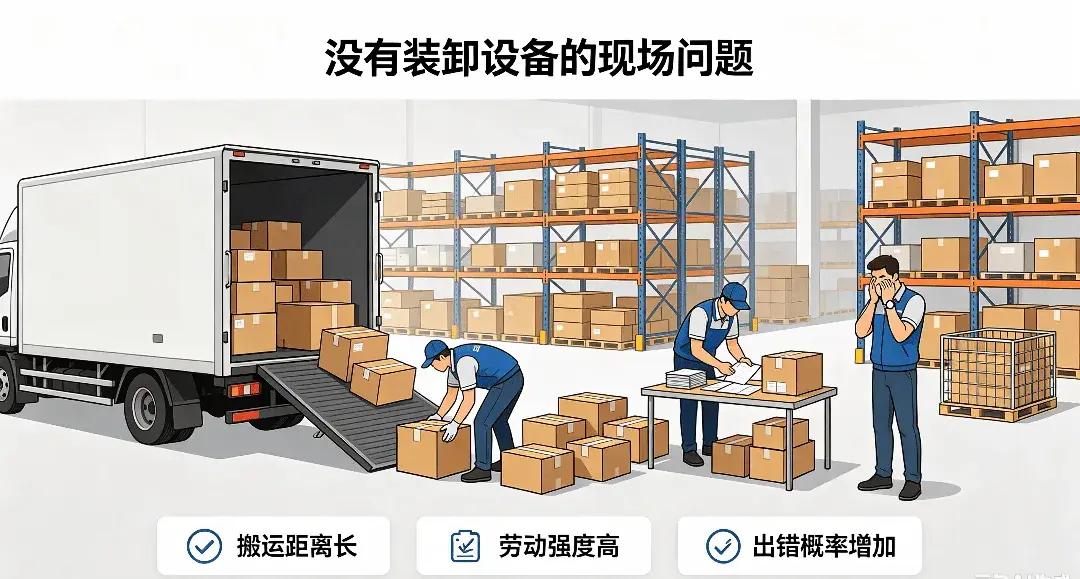
Rising labor costs, limited handling efficiency, the risk of goods being damaged during transfer, and safety pressures at operating sites have become the main reasons companies are updating their loading and unloading methods. Although traditional large-scale automated loading and unloading equipment has a relatively broad range of applications, it usually requires substantial equipment investment, site modifications, and a long implementation cycle. It is therefore unsuitable for the actual operating conditions of most small and medium-sized enterprises.
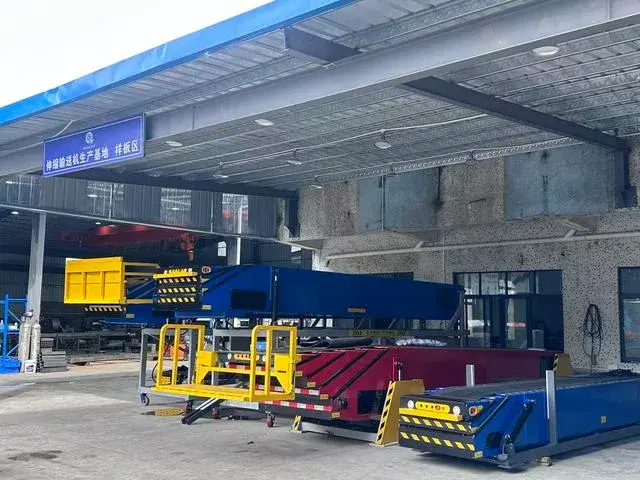
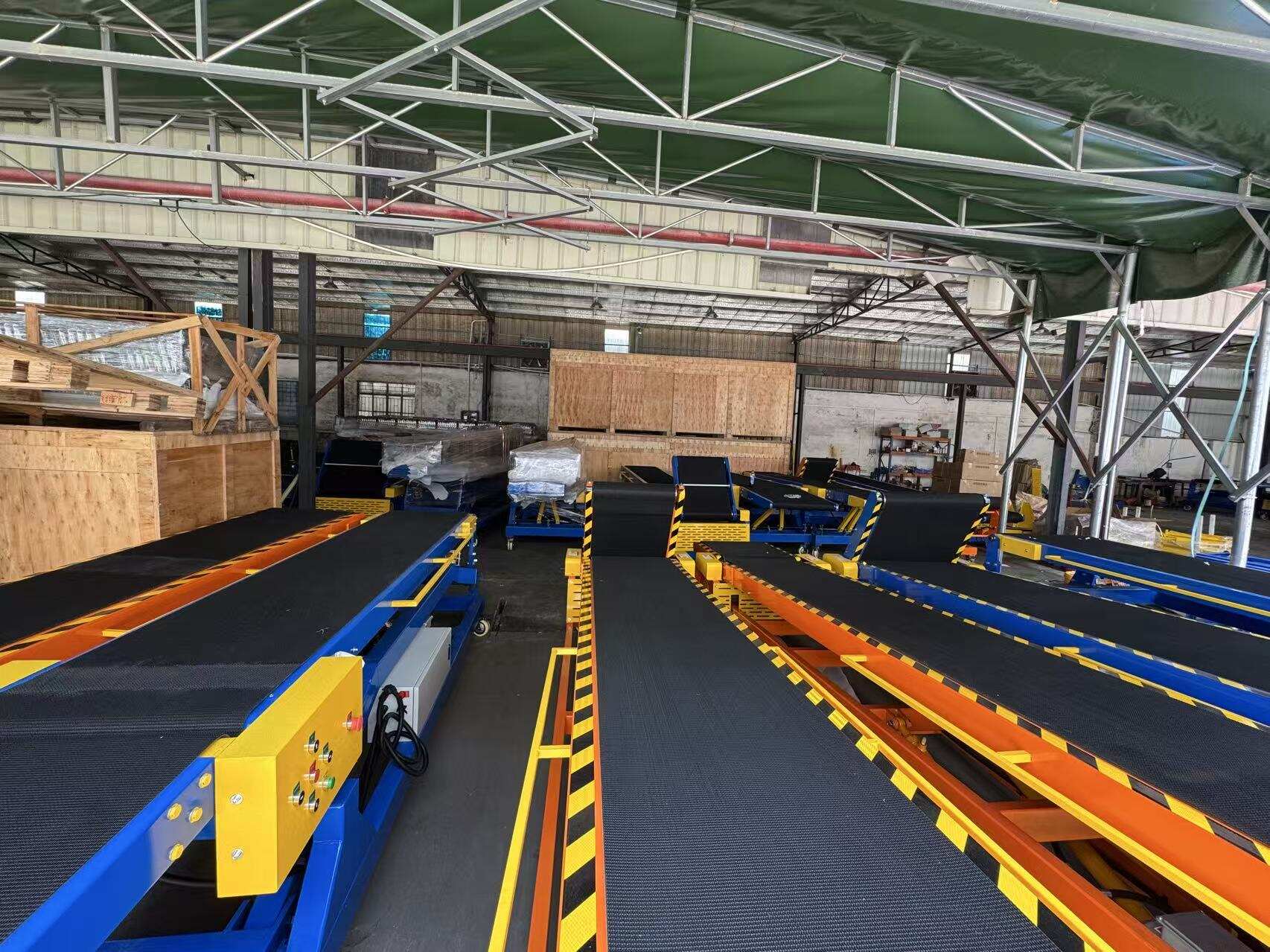
Against this backdrop, modular loading and unloading equipment that requires no permanent infrastructure, can be moved flexibly, and can be combined according to operational needs is attracting attention.Naili Unloading Artifact (Guangdong) Industrial Co., Ltd.For non-standard loading and unloading conveying scenarios, the company has developed combined solutions comprising Hydraulic Conveyor, roller conveyor lines, and telescopic belt conveyors, with a focus on addressing the differing site, vehicle, and goods-type requirements of small and medium-sized enterprises.
How the Three Core Equipment Types Work Together
As loading and unloading conditions become more diverse, the adaptability of a single piece of equipment is often limited. Combining different equipment makes it possible to cover height-difference connections, the conveying of well-organized goods, and continuous loading and unloading inside vehicles.
Hydraulic Conveyor: Adapting to Loading and Unloading Across Different Elevations
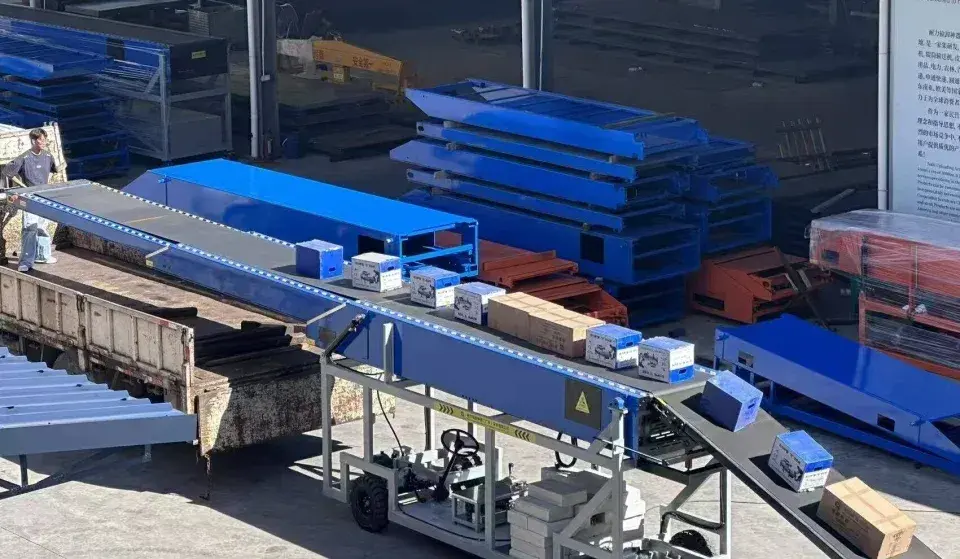
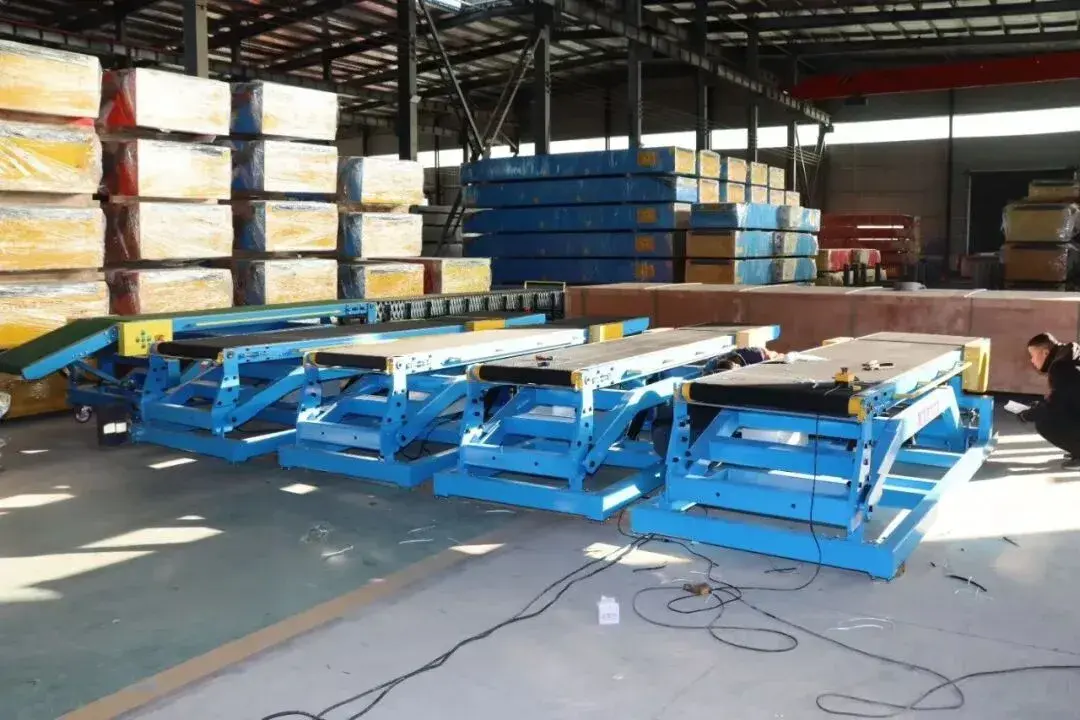
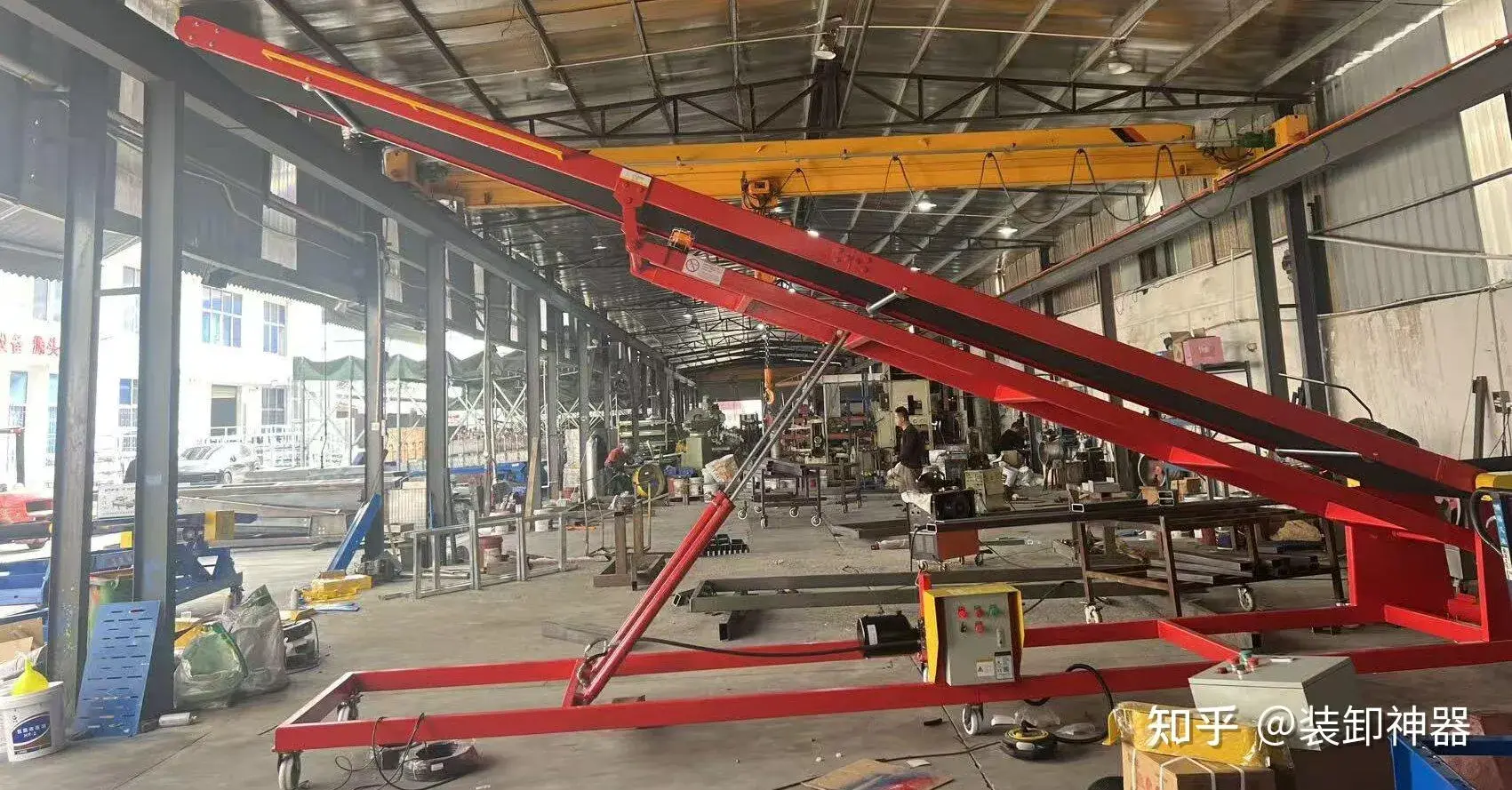
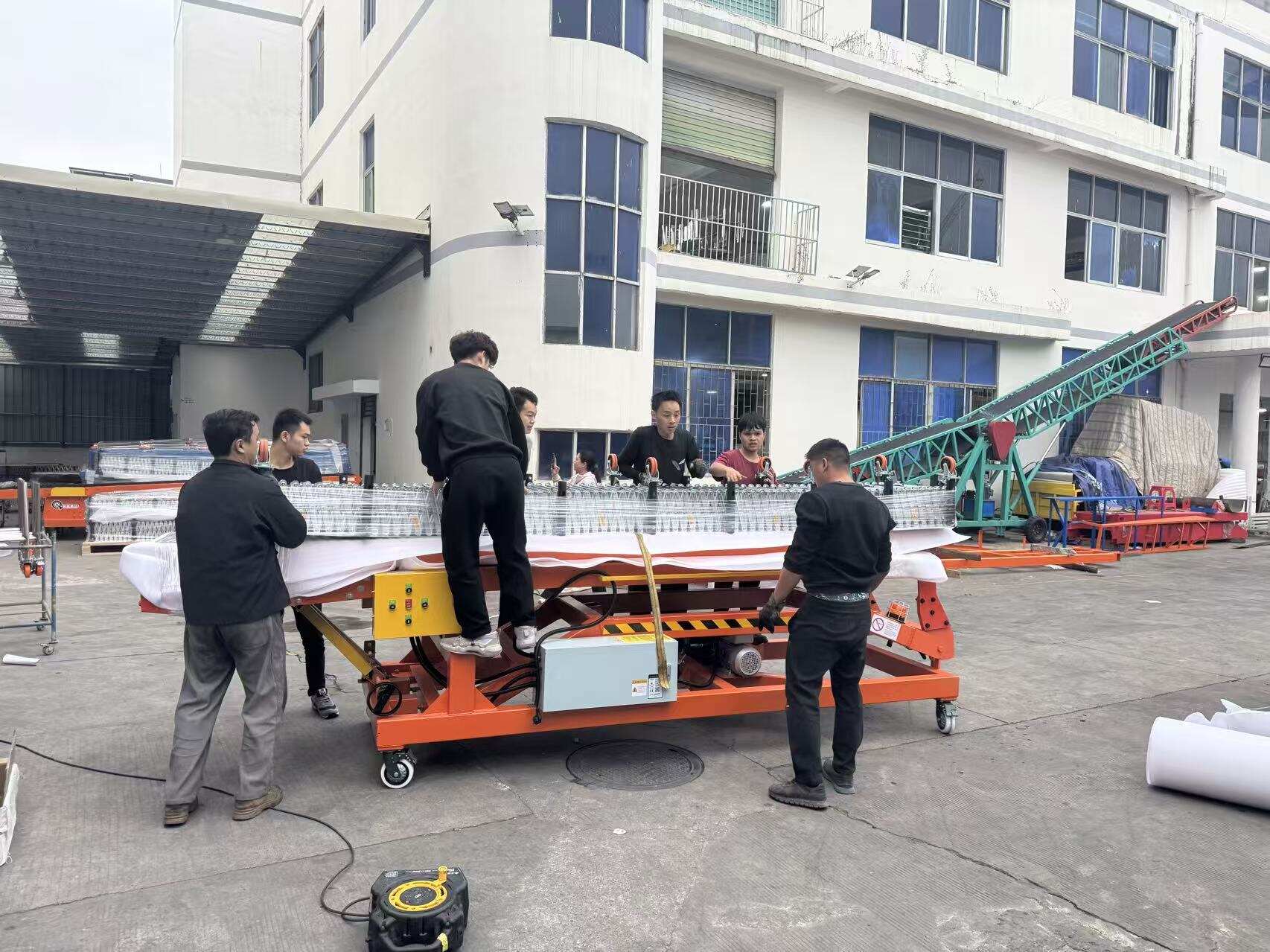
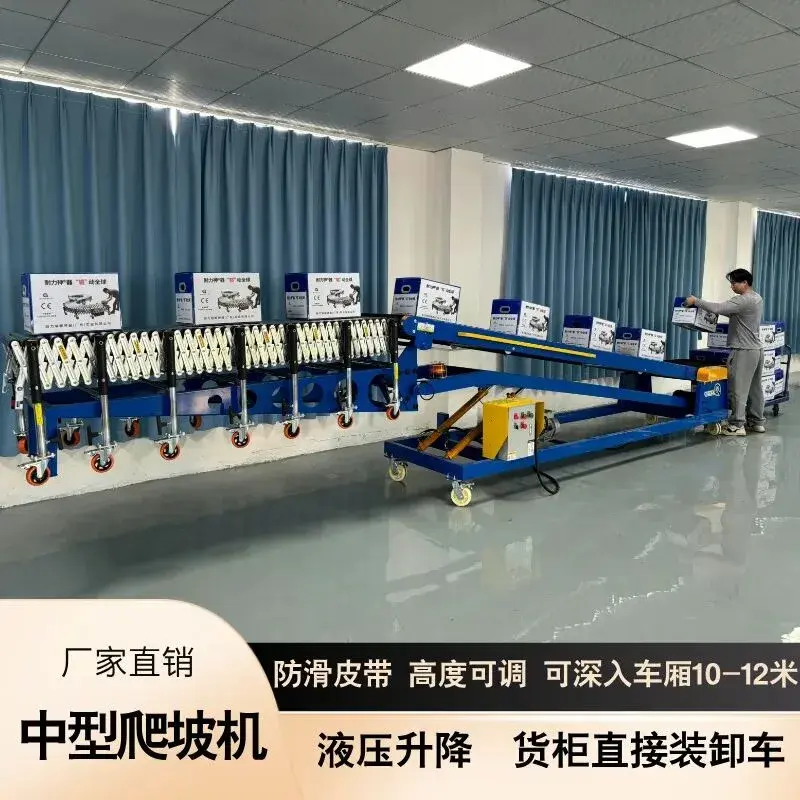
Hydraulic ConveyorIt is primarily used for loading and unloading connections at non-standard sites and facilities without loading docks. The equipment uses hydraulic lifting drive to adjust the operating height and incline. It requires no permanent infrastructure installation and can connect factory floors, truck compartments, and operating areas at different elevations.
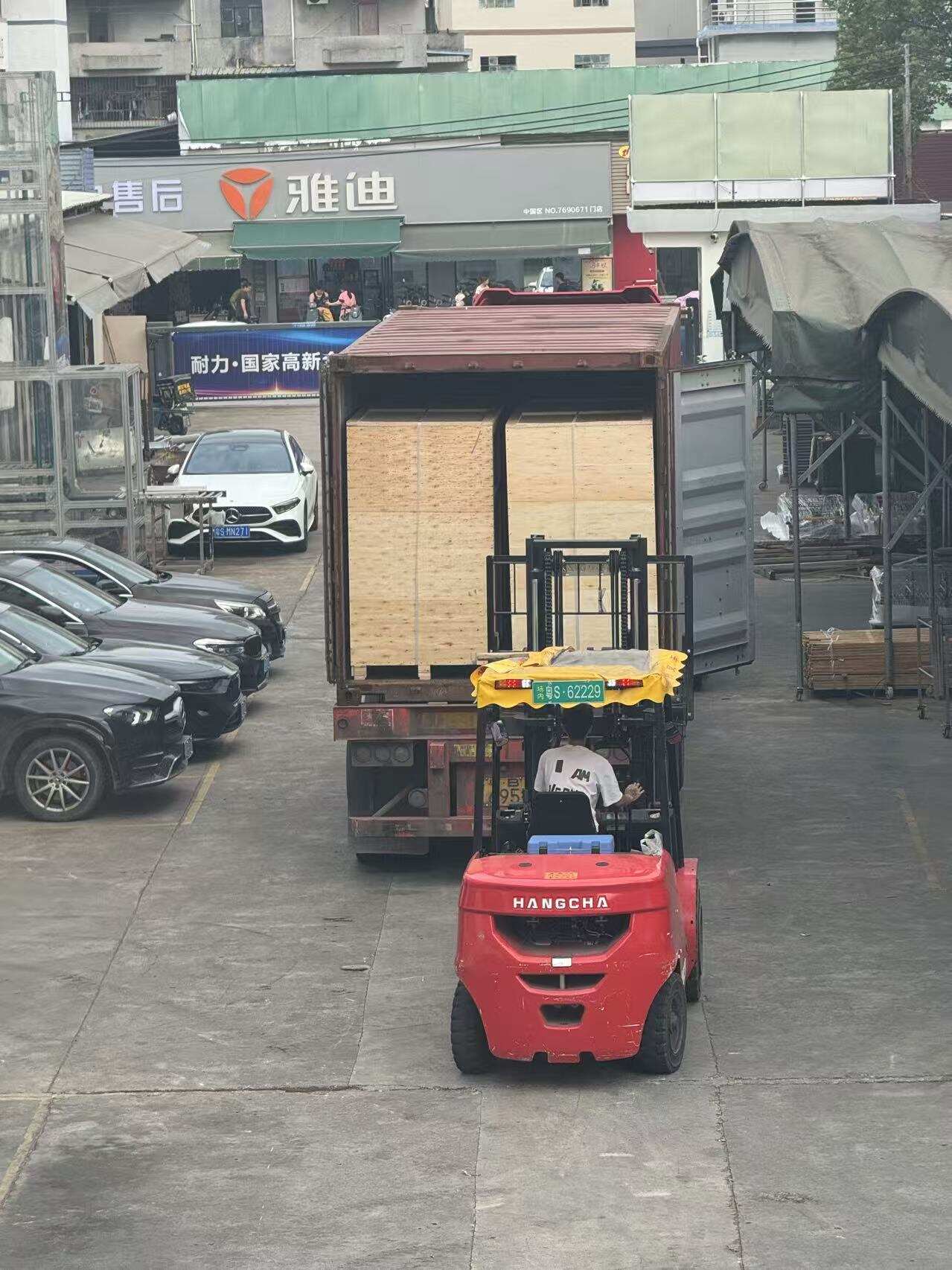
For older facilities or temporary outdoor loading and unloading points, Hydraulic Conveyor can help address difficulties connecting the site with trucks. Its mobility and compact storage also allow it to adapt to vehicles of different heights, supporting routine operations such as receiving manufacturing raw materials and dispatching finished products.
Roller Conveyor Lines: Connecting Production and Warehousing Processes
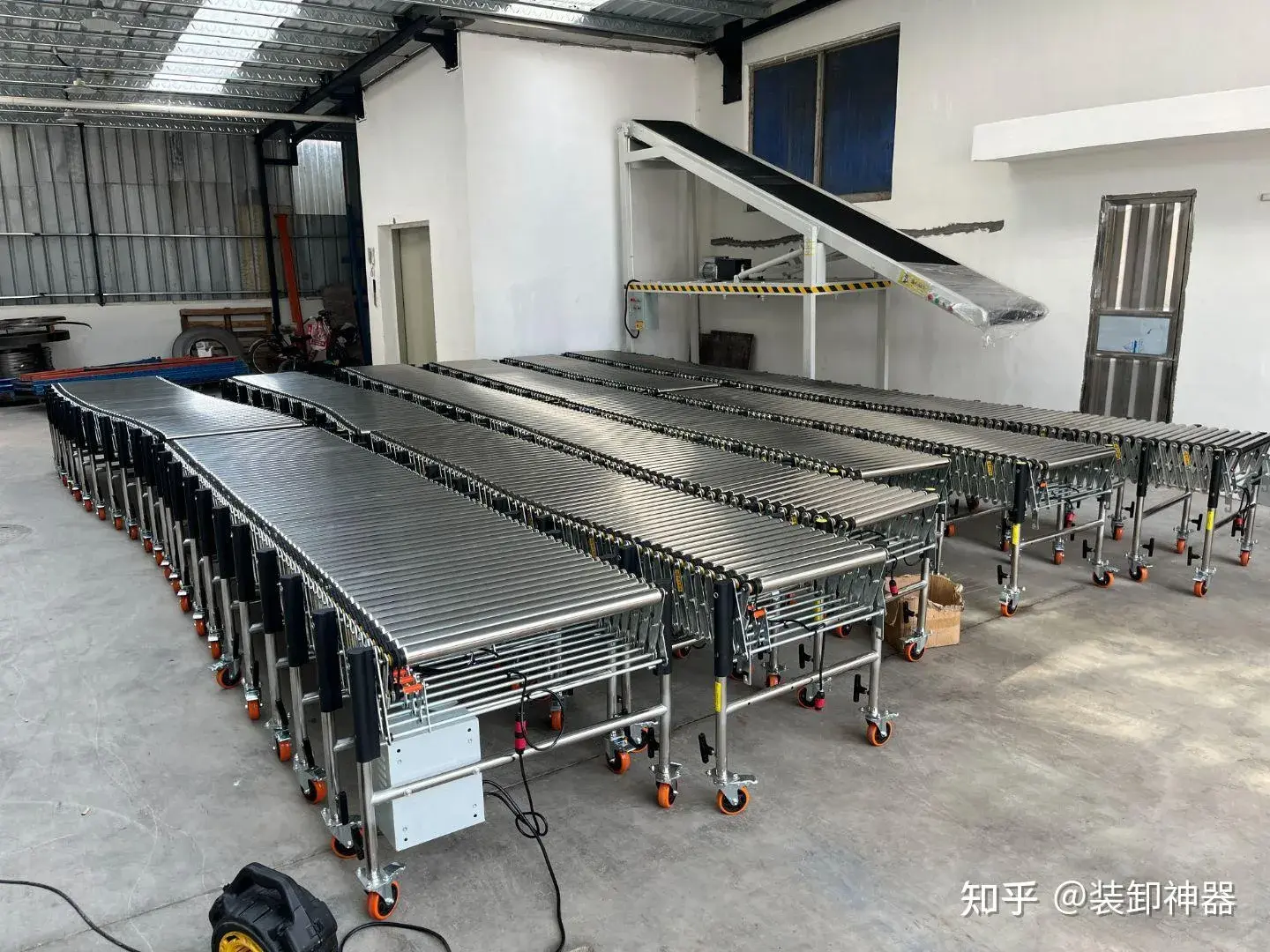
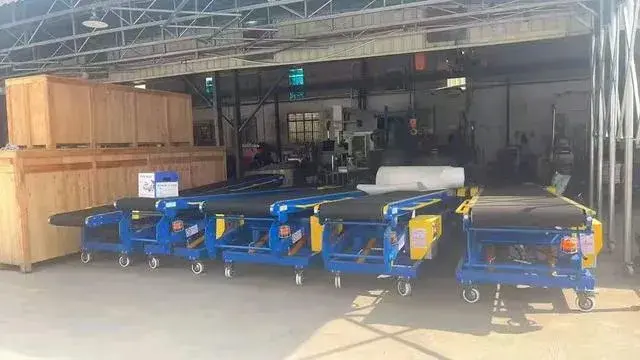
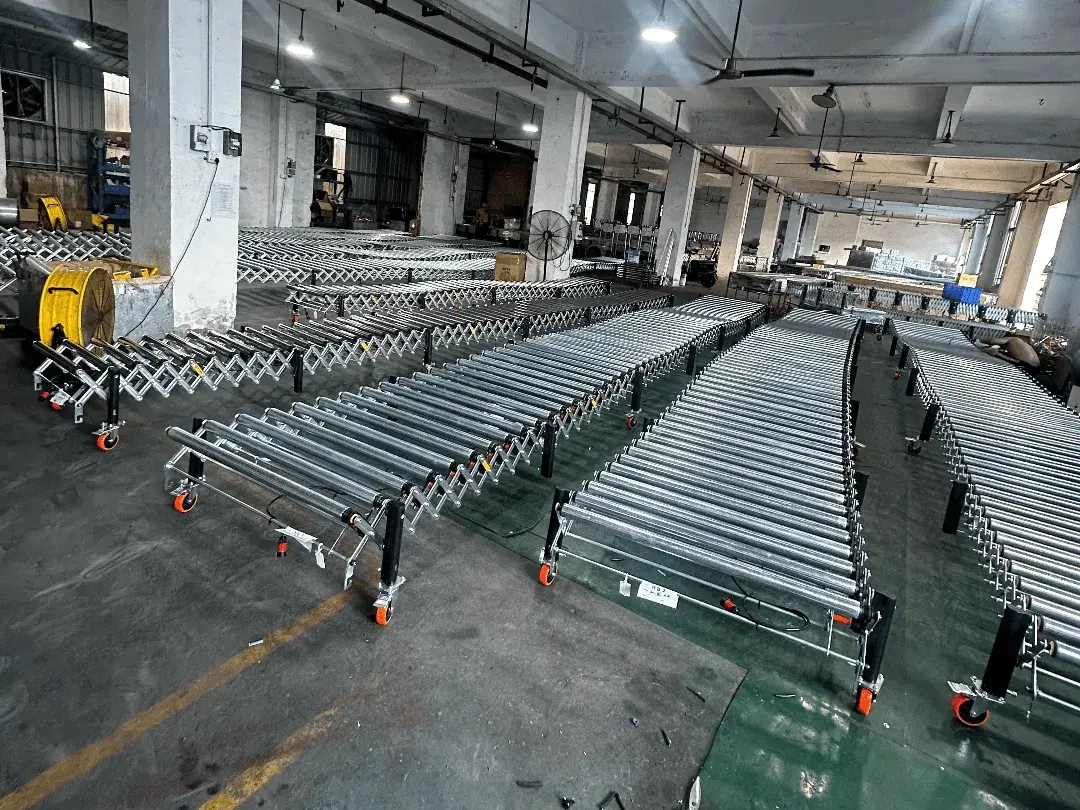
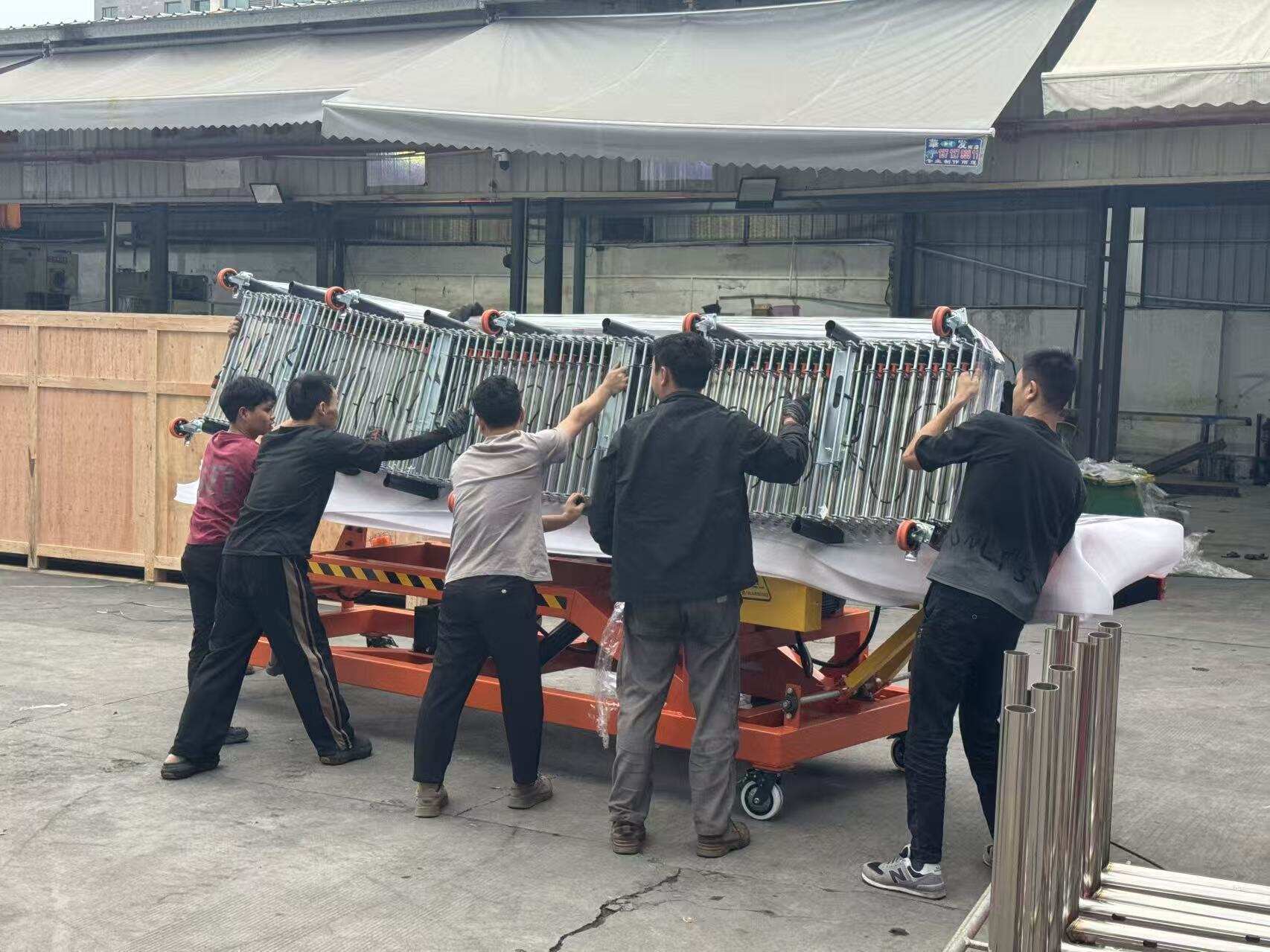
Roller Conveyor LineIt operates smoothly and provides good load-bearing capacity, making it suitable for the continuous conveying of well-organized goods. The equipment can connect directly with production lines and warehouse sorting lines to create a continuous conveying route, reducing secondary handling of boxed goods, hardware components, and other materials and thereby lowering the risk of impact damage and losses.
For batch dispatches from factories and the transfer of well-organized materials, roller conveyor lines can maintain continuity throughout the loading and unloading process, helping production, warehousing, and dispatch operations connect more smoothly.
Telescopic Belt Conveyor: Extending into Vehicle Compartments to Reduce Loading and Unloading Blind Spots
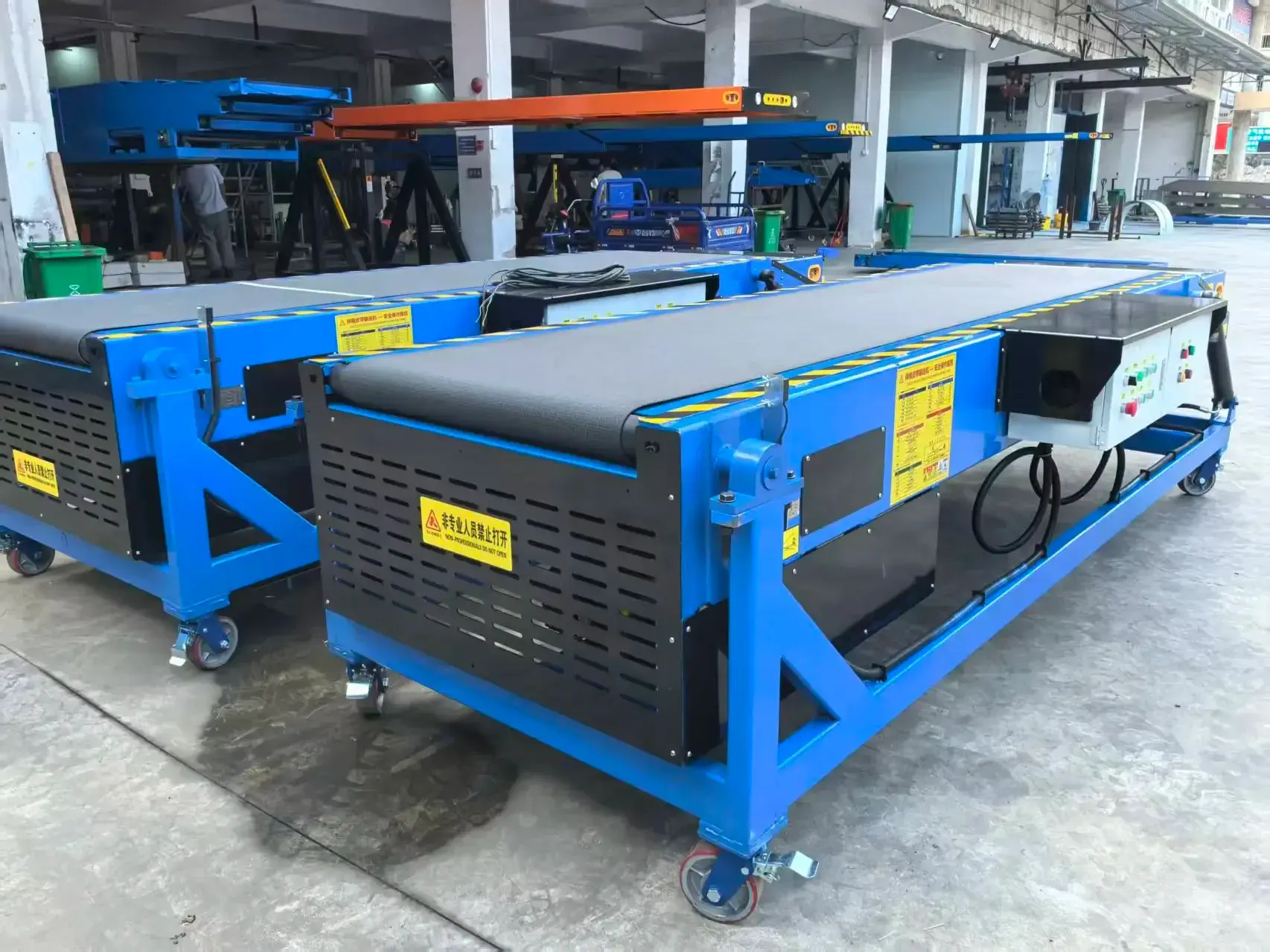
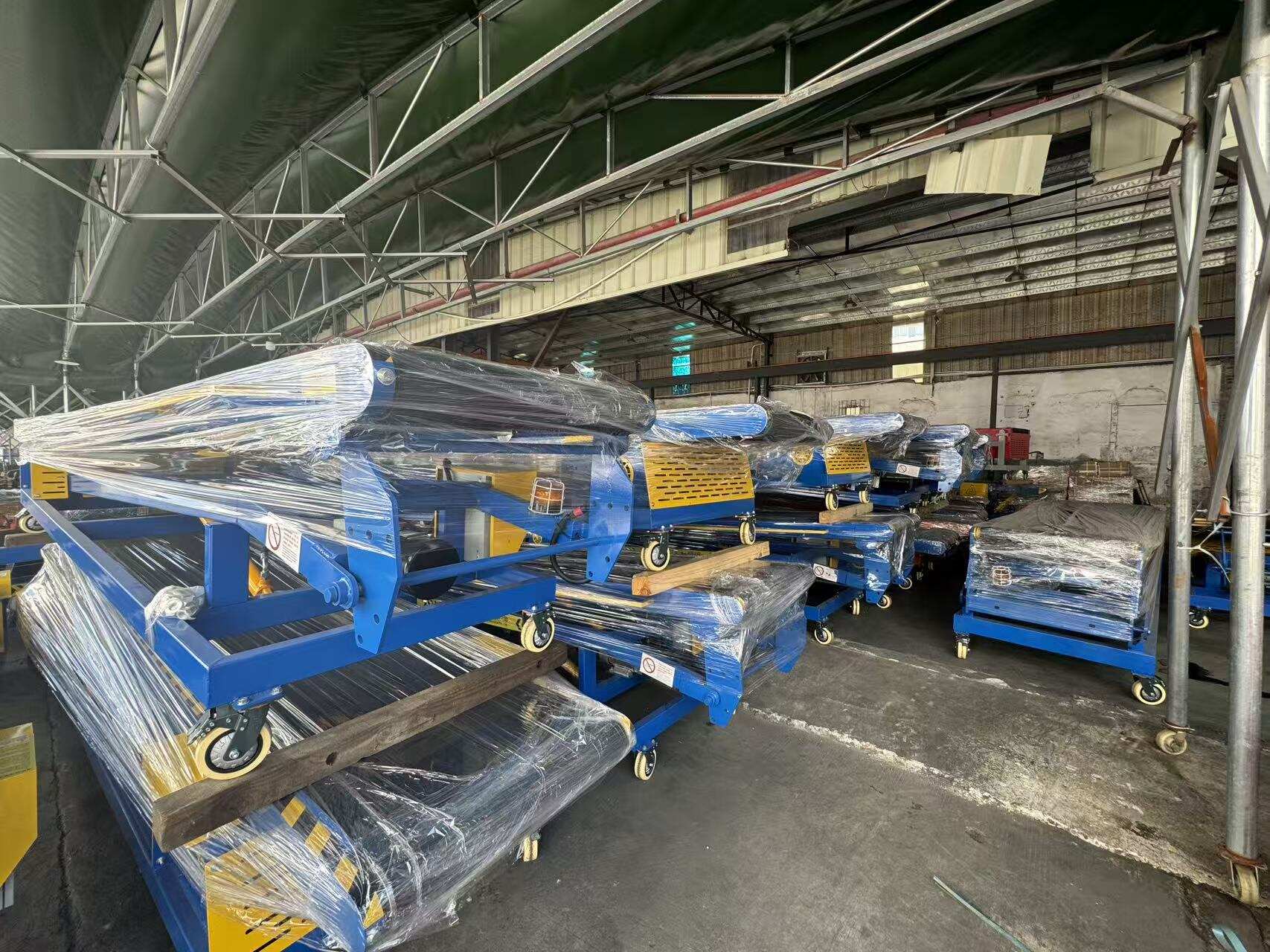
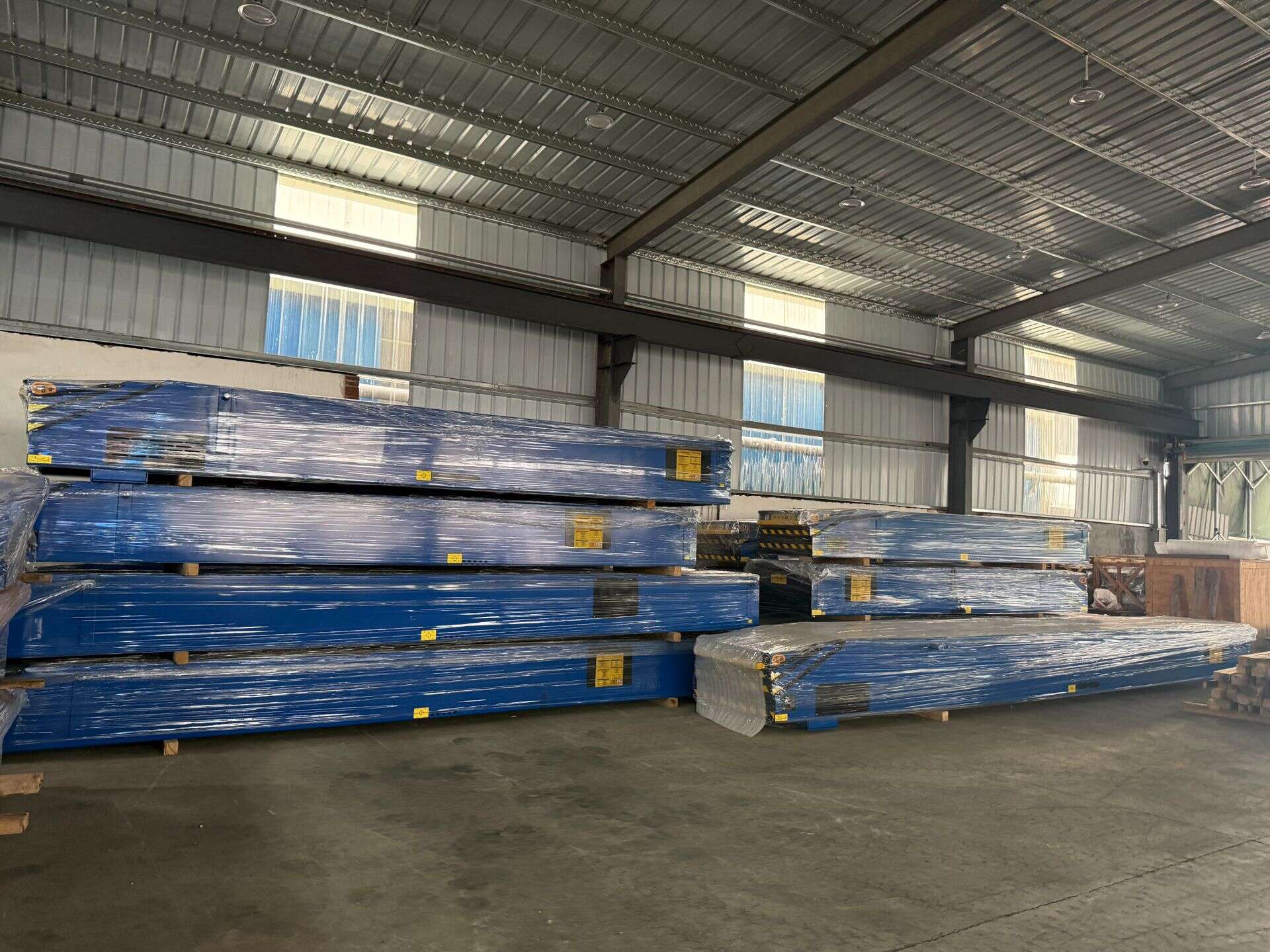
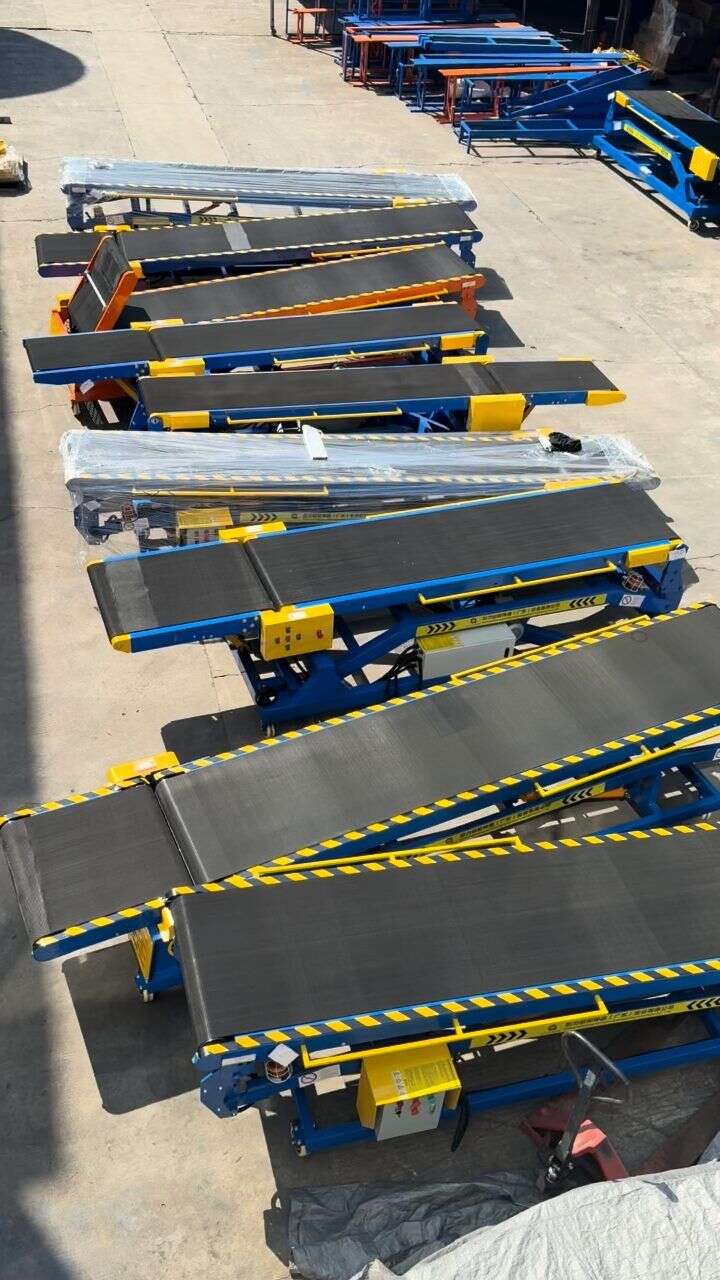
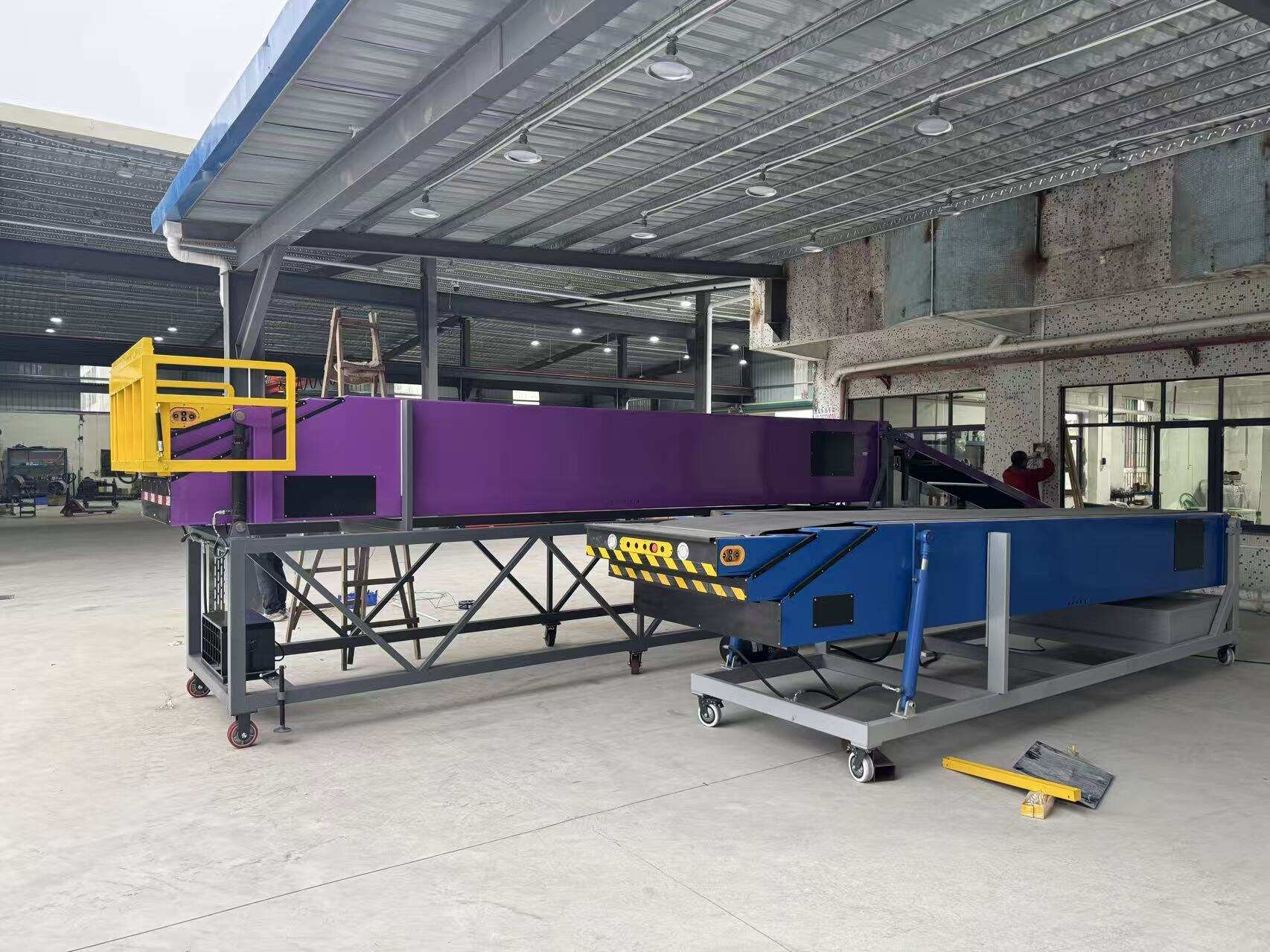
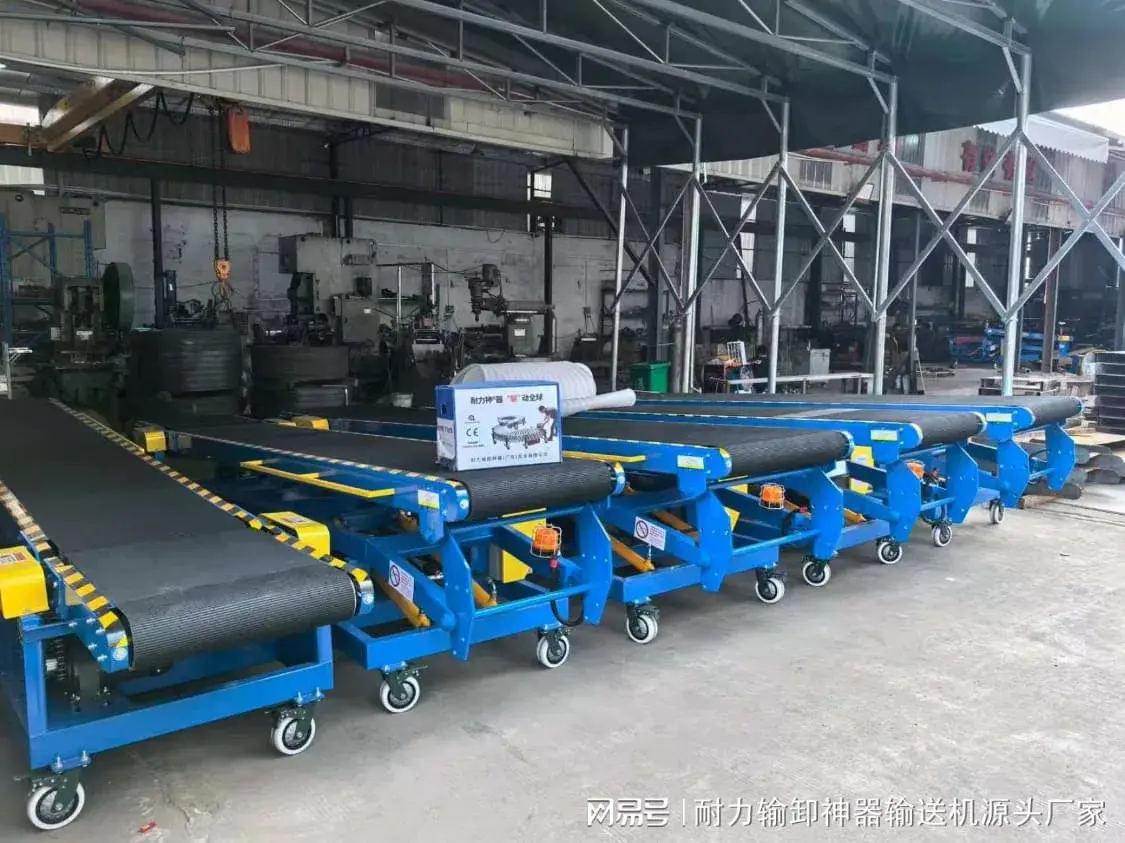
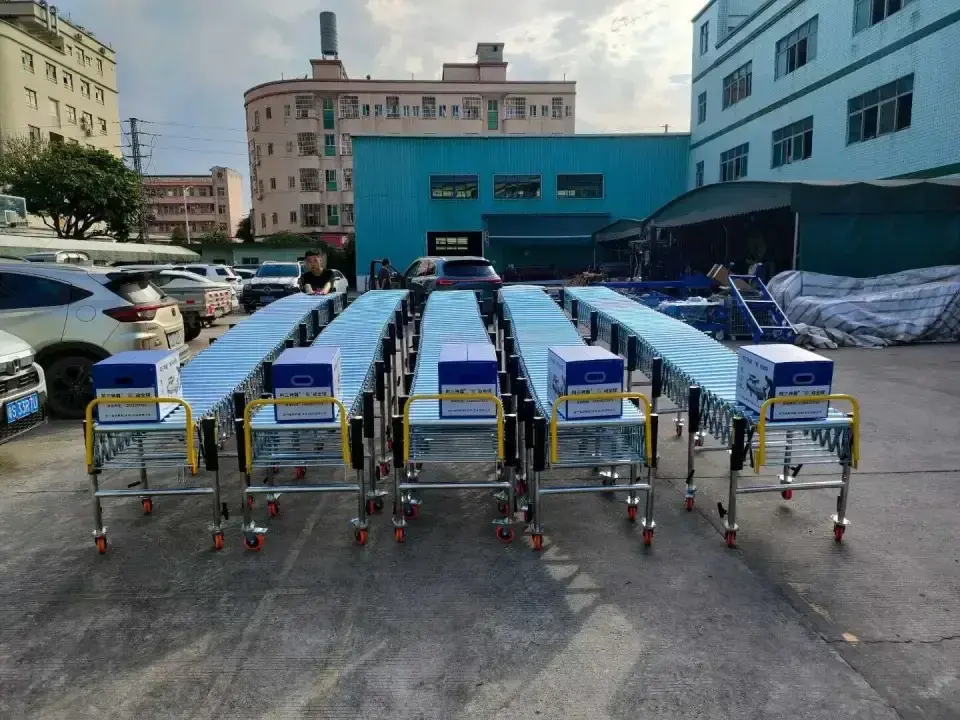
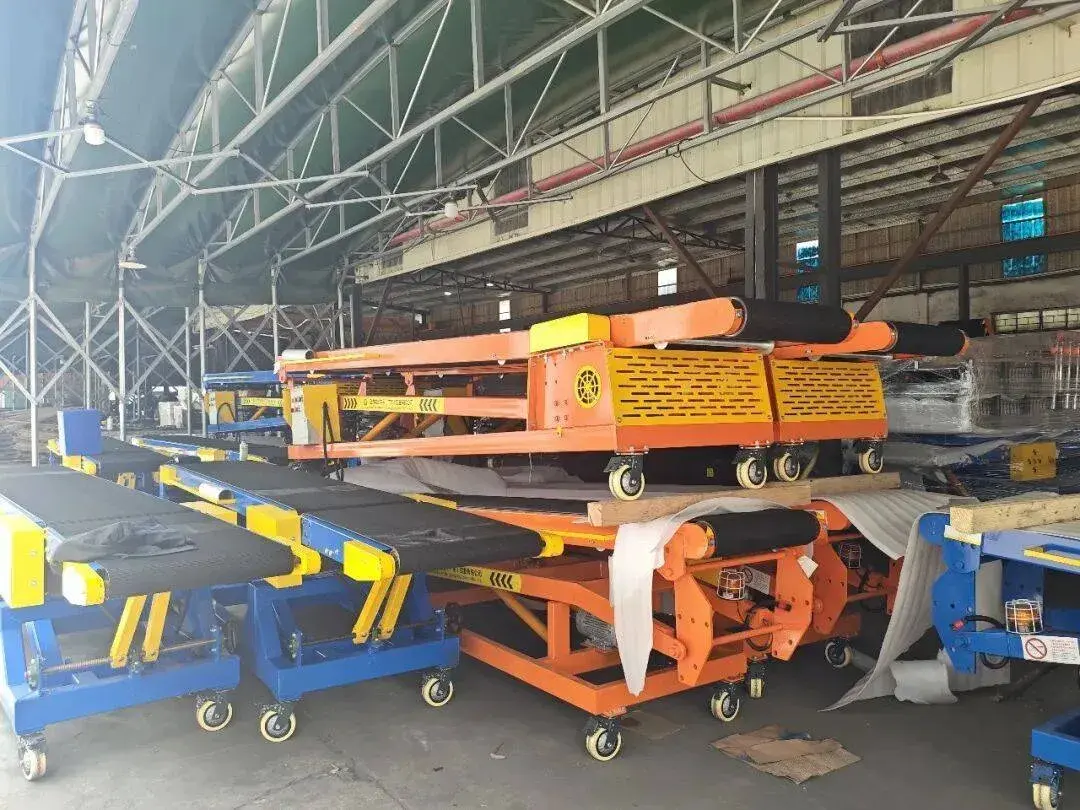
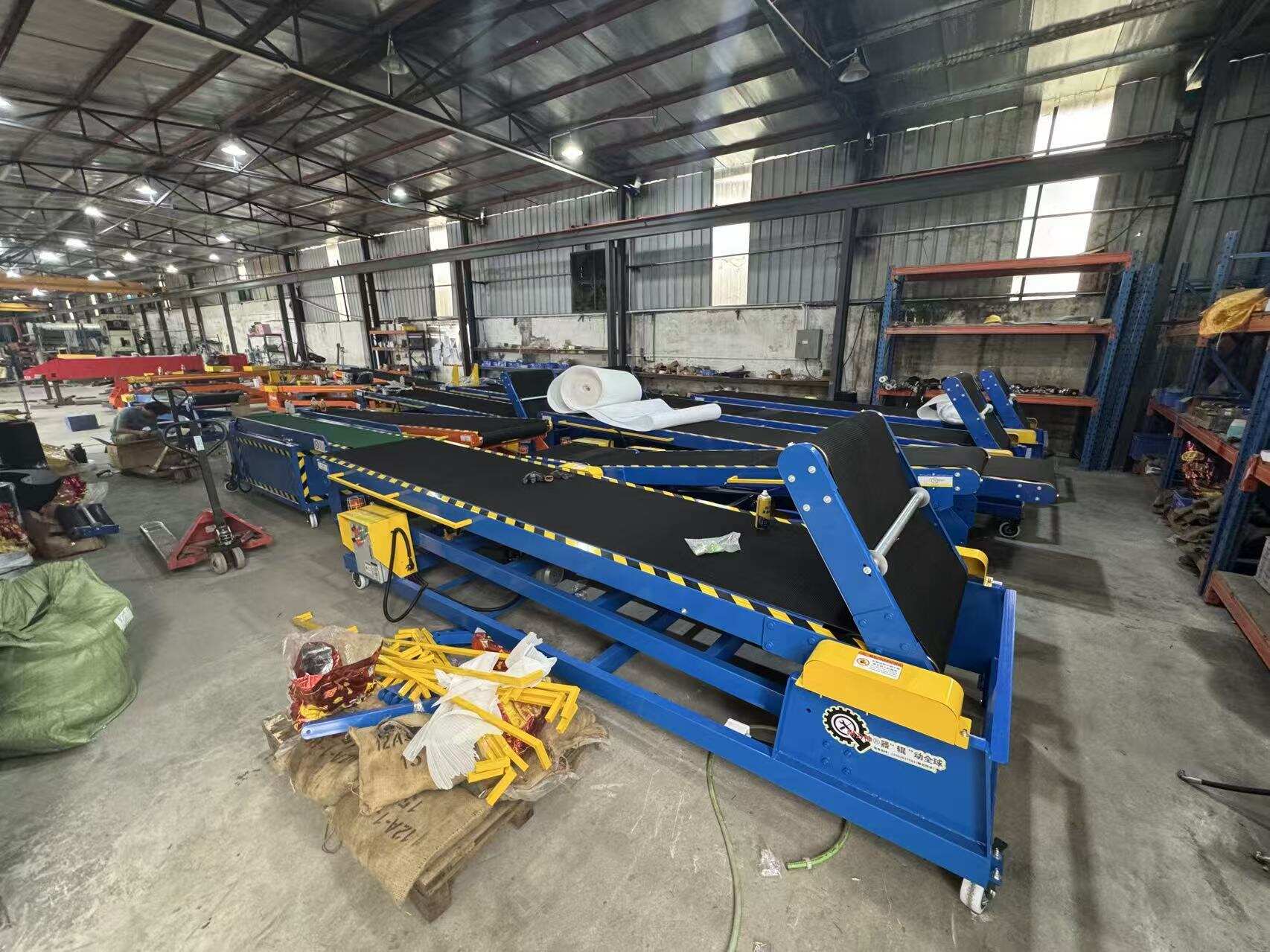
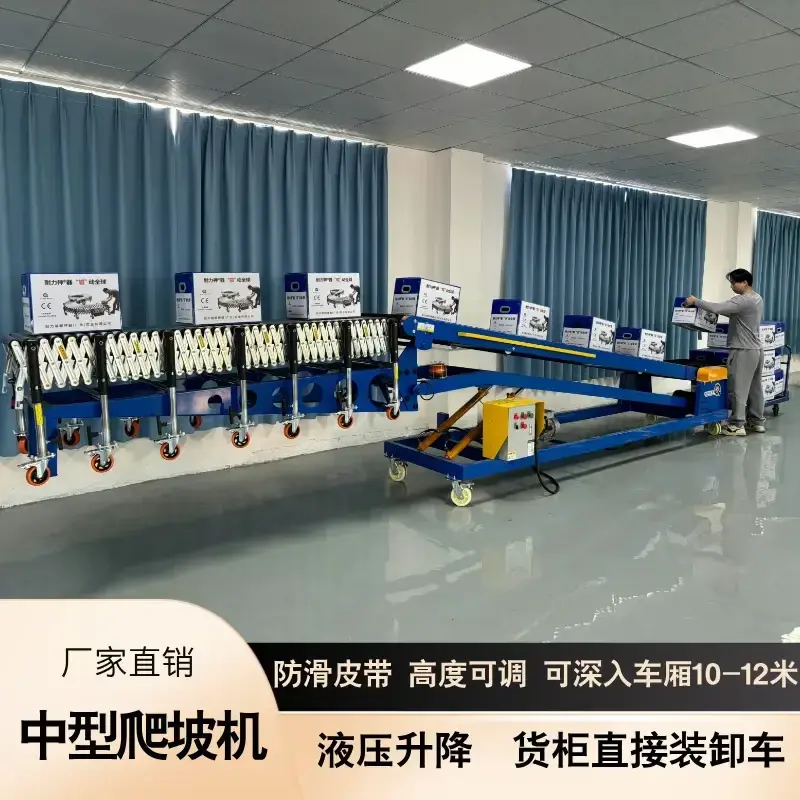
Telescopic Belt ConveyorIts main features are a telescopic body and flexible operation. The length can be adjusted according to on-site requirements, allowing the equipment to extend deep into box trucks and containers and reduce loading and unloading blind spots at the far end of the compartment.
For express parcels, bagged materials, and lightweight boxed goods, telescopic belt conveyors can provide continuous conveying. They are suitable for the high-frequency, high-volume operating environments of e-commerce warehouses and logistics distribution centers, helping improve goods transfer efficiency.
Modular Combinations Cover Multiple Loading and Unloading Scenarios
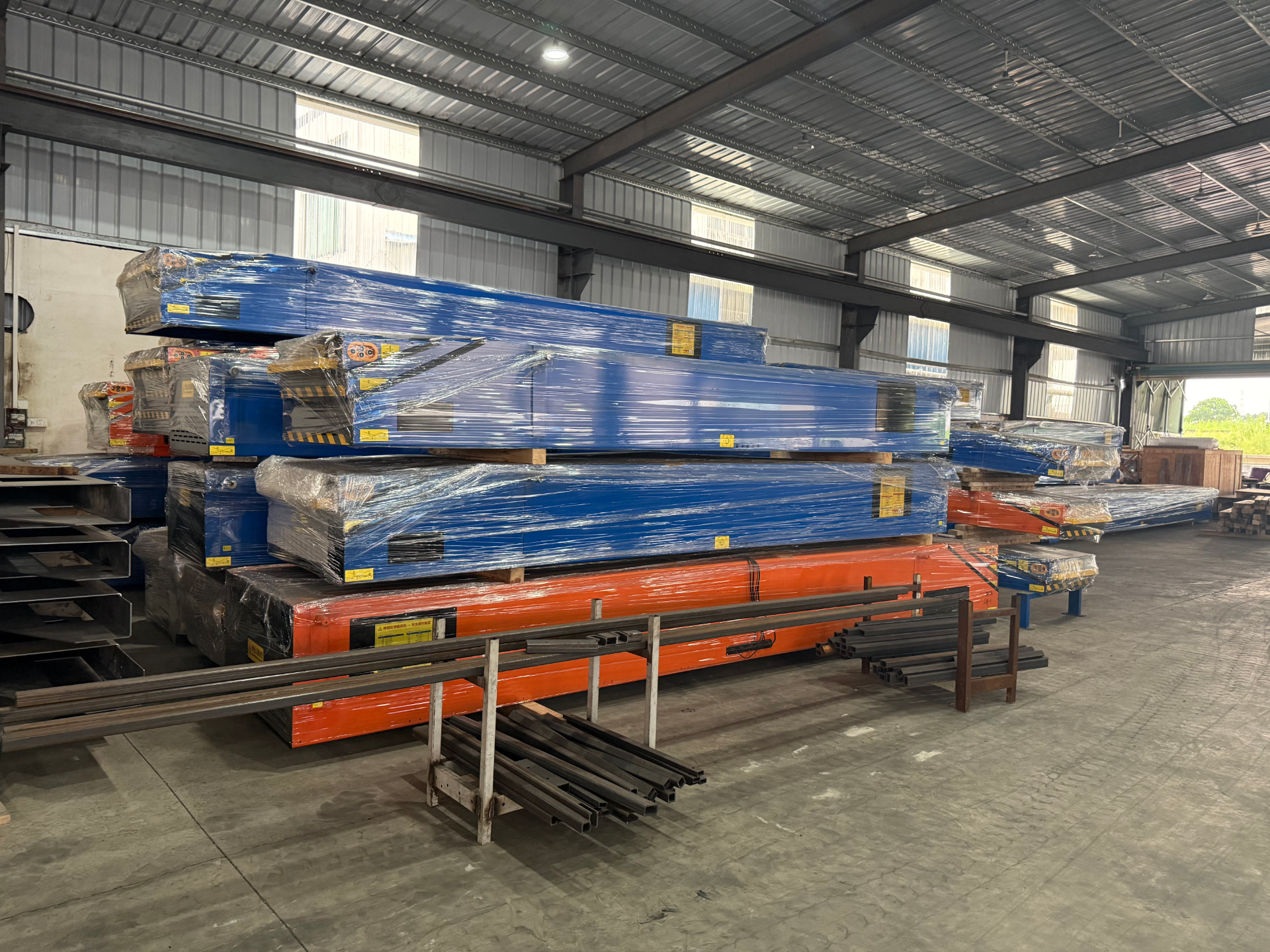
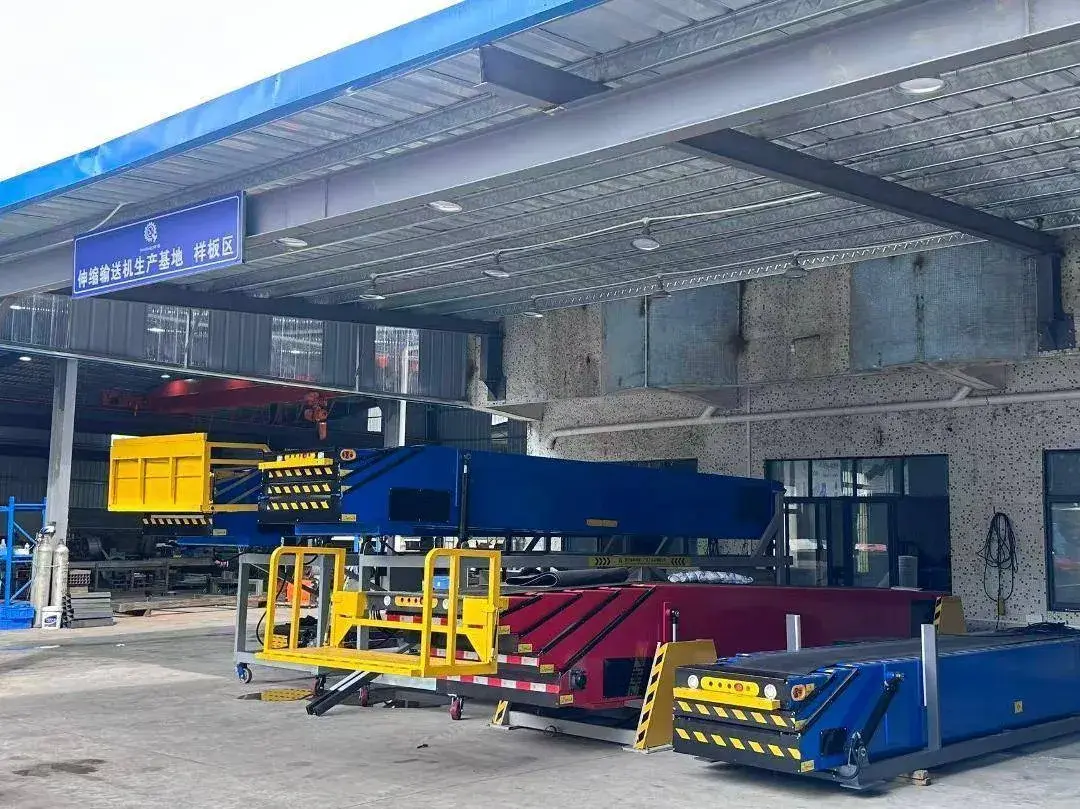
Hydraulic Conveyor, roller conveyor lines, and telescopic belt conveyors each handle different operating stages. When used together, they overcome the scenario limitations of individual equipment and meet the loading and unloading needs of various goods, different vehicle types, and complex non-standard sites.
Naili Unloading Artifact (Guangdong) Industrial Co., Ltd.Focusing on the non-standard loading and unloading needs of small and medium-sized enterprises, it provides modular combination solutions and matches plans according to the customer's site conditions, vehicle types, and cargo categories. Compared with equipment configurations designed for only one stage, this flexible combination is better suited to manufacturing companies, regional logistics warehouses, and e-commerce fulfillment centers that need to advance loading and unloading automation step by step.
In terms of industry applications, loading and unloading equipment is developing toward lighter weight, modularity, greater adaptability, and lower cost. Large-scale intelligent loading and unloading equipment is mainly suited to major ports and leading logistics hubs, while small and medium-sized factories, regional logistics warehouses, and e-commerce fulfillment centers can still gradually improve loading and unloading efficiency and on-site adaptability by combining Hydraulic Conveyor, roller conveyor lines, and telescopic belt conveyors.