Naili Conveyor
As logistics parks, e-commerce warehousing, and manufacturing plants continue to advance warehouse intelligence, automated storage racks, intelligent sorting equipment, and warehouse management systems have gradually been put into place, improving in-warehouse storage and sorting efficiency. However, in actual operations, the connection between truck loading and unloading and cargo transfer still depends heavily on manual work, and the entire warehousing chain has not yet been truly fully connected. In response to this issue, lightweight, mobile, and extendable flexible conveying equipment, with its broad adaptability, moderate investment, and short deployment cycle, is gradually becoming a common solution for filling the loading and unloading gap.
Warehouse Intelligence Moves Forward, but a Clear Gap Remains in Loading and Unloading
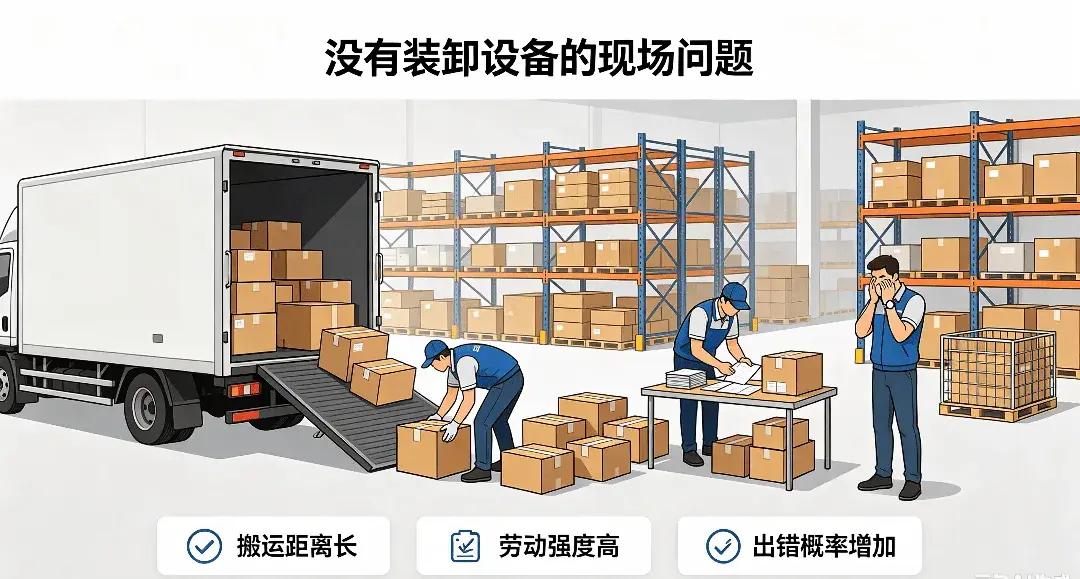
At present, most companies are focusing their upgrades on the warehouse interior. Intelligent sorting conveyor lines, AGV handling equipment, and WMS warehouse management systems are becoming increasingly common, and cargo sorting, inbound handling, and storage processes are becoming smoother. But bottlenecks remain in outbound loading and unloading: manual loading and unloading takes a long time, daily throughput is limited, and long-term labor costs continue to rise. Frequent handling also makes cartons more likely to be bumped and outer packaging damaged, and there are certain safety risks in high-level and heavy-load loading and unloading scenarios.
By comparison, traditional heavy-duty fixed conveyor lines take up a lot of space, require long civil works and renovation cycles, and involve higher procurement and construction costs. Small and medium-sized warehouse sites, as well as loading and unloading locations that need to accommodate multiple vehicle types, are often not easy to introduce directly. As a result, lightweight automation equipment that does not rely on large-scale renovation and can be moved flexibly has become a practical choice for more and more companies.
How Flexible Conveying Equipment Covers Warehouse Loading and Unloading Scenarios
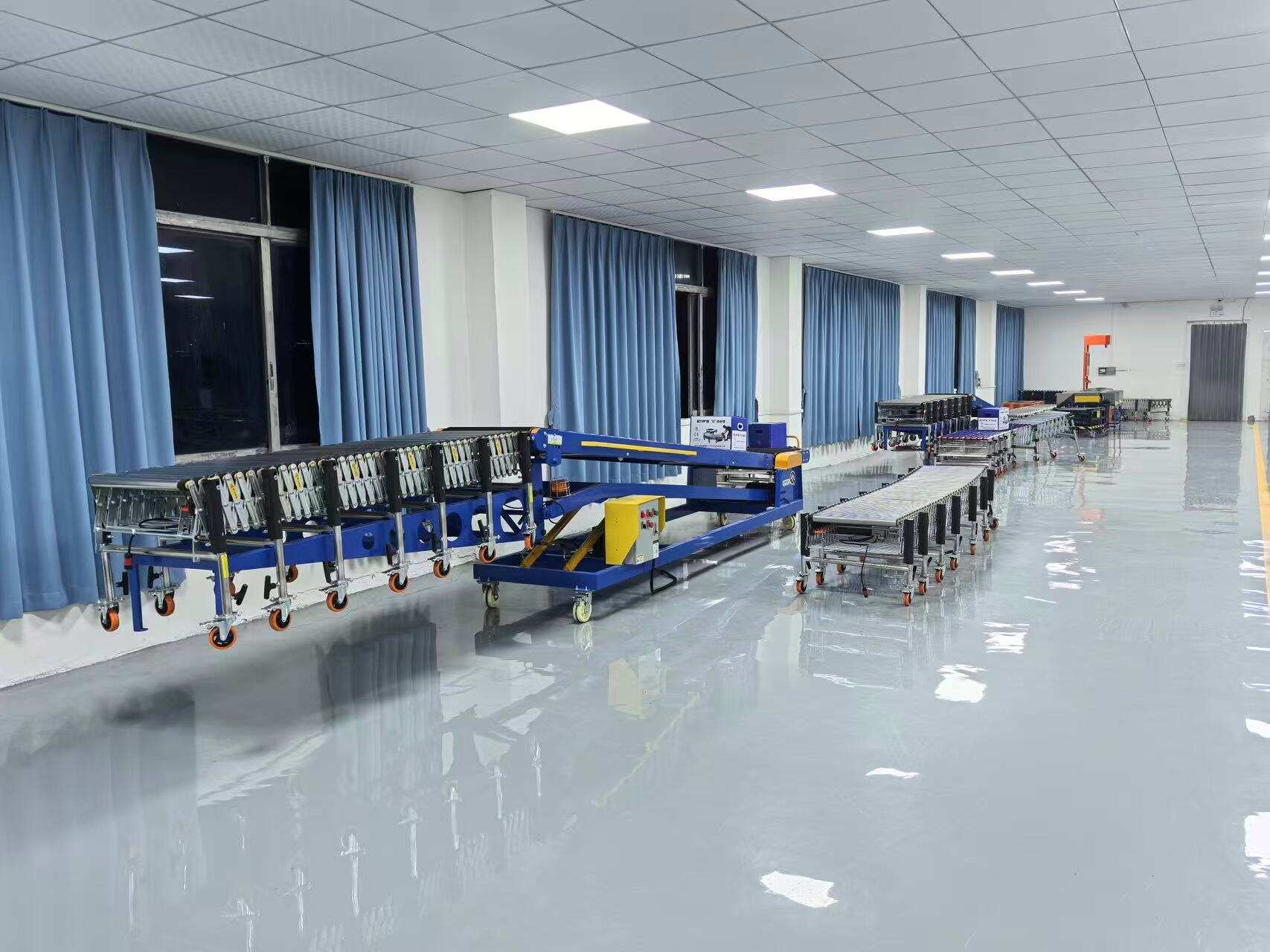
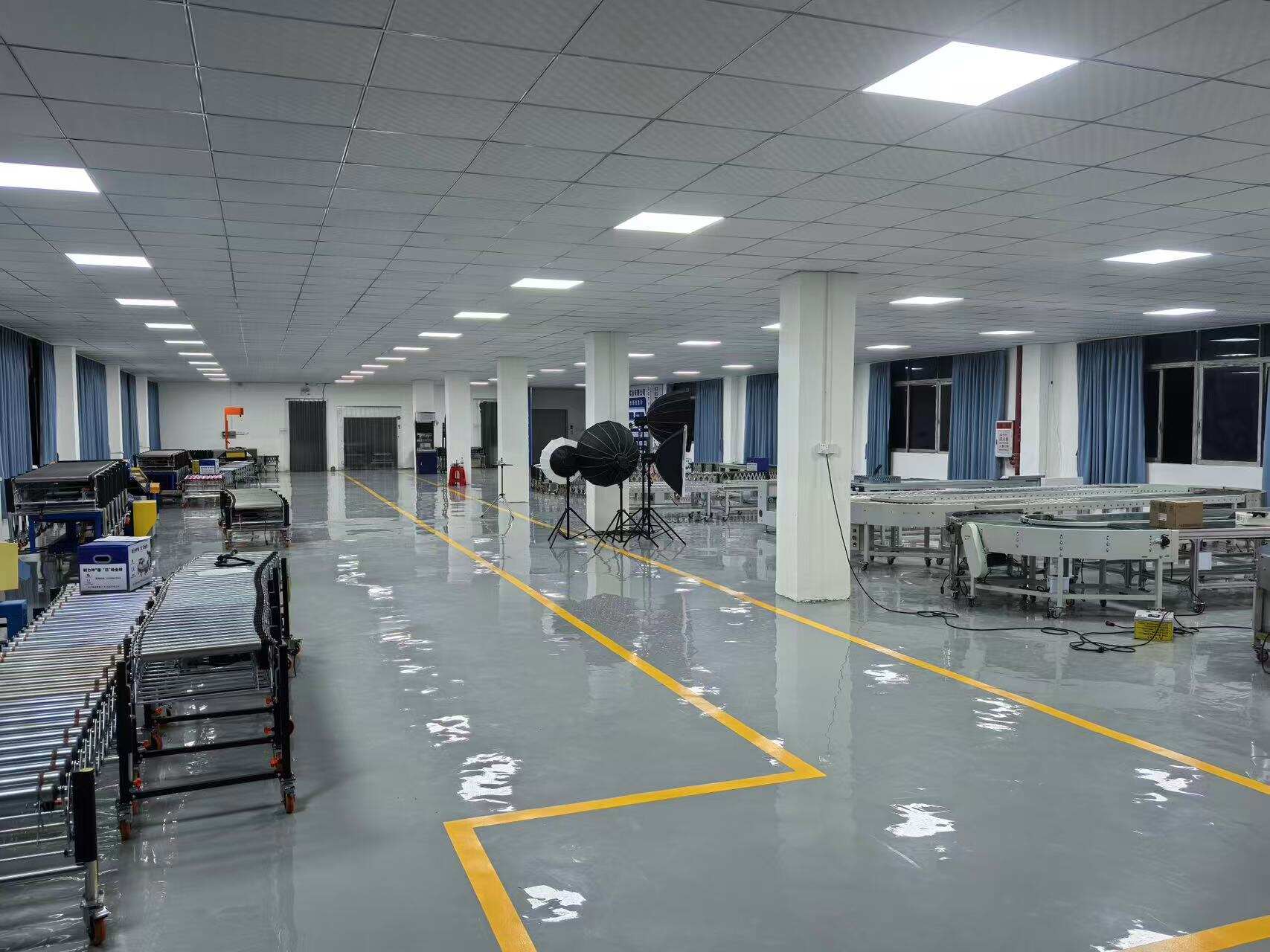
Naili Unloading Artifact (Guangdong) Industrial Co., Ltd. has long focused on the R&D and production of flexible conveying equipment, providing complete conveying solutions for warehouse loading and unloading scenarios. The company’s products cover three types of flexible conveying equipment: unpowered, powered, and hydraulic lifting models, which can be combined according to warehouse space, truck specifications, and average daily throughput.
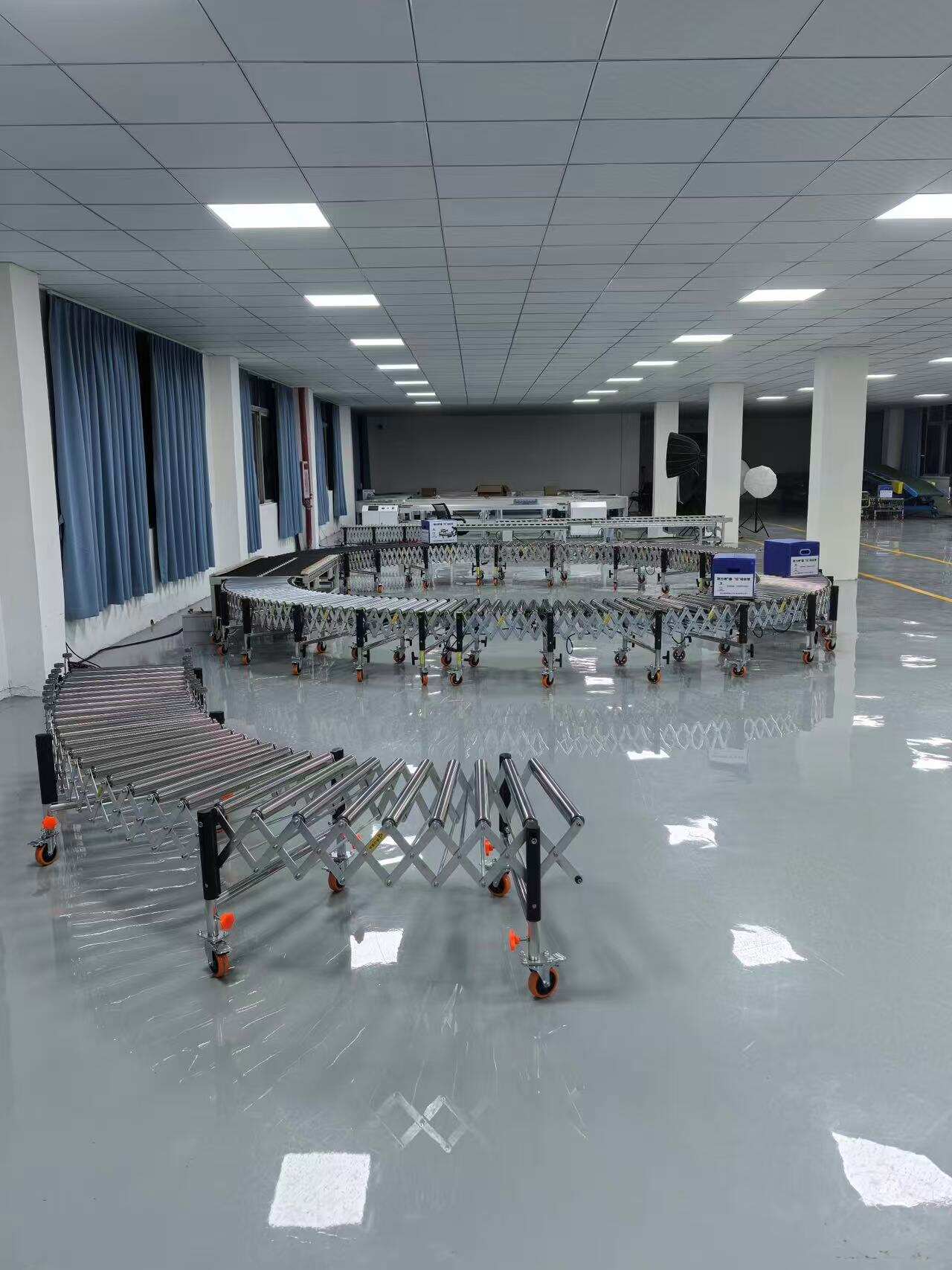
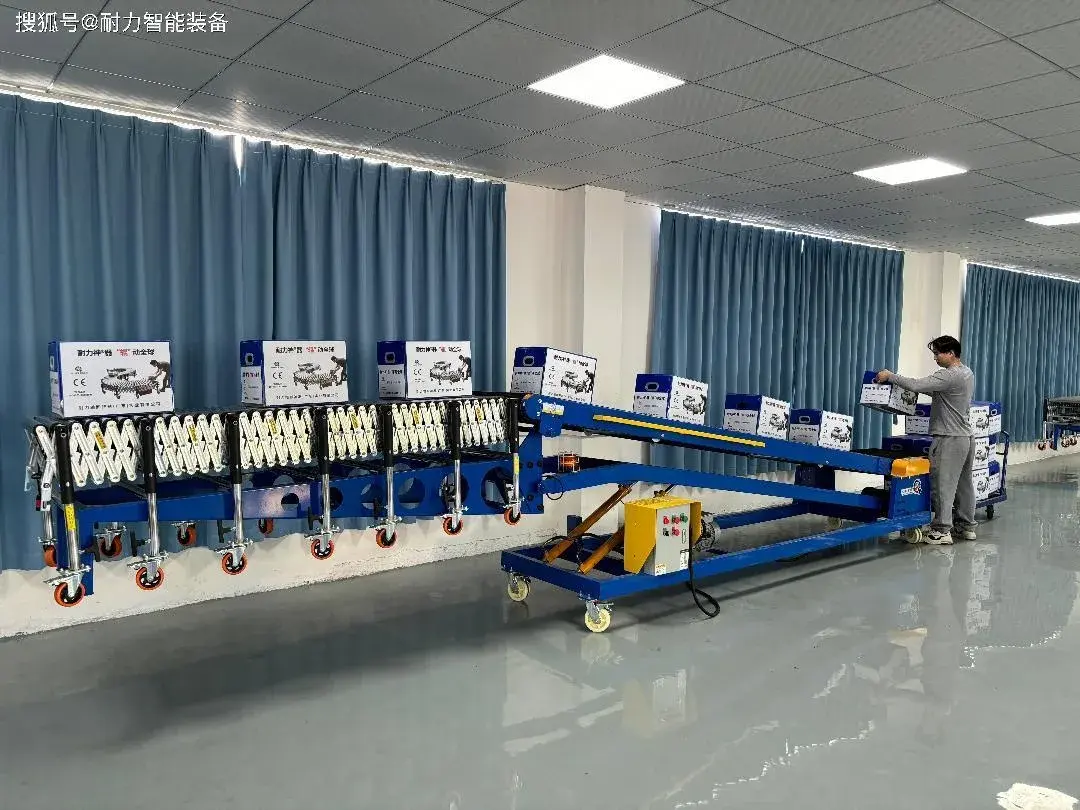
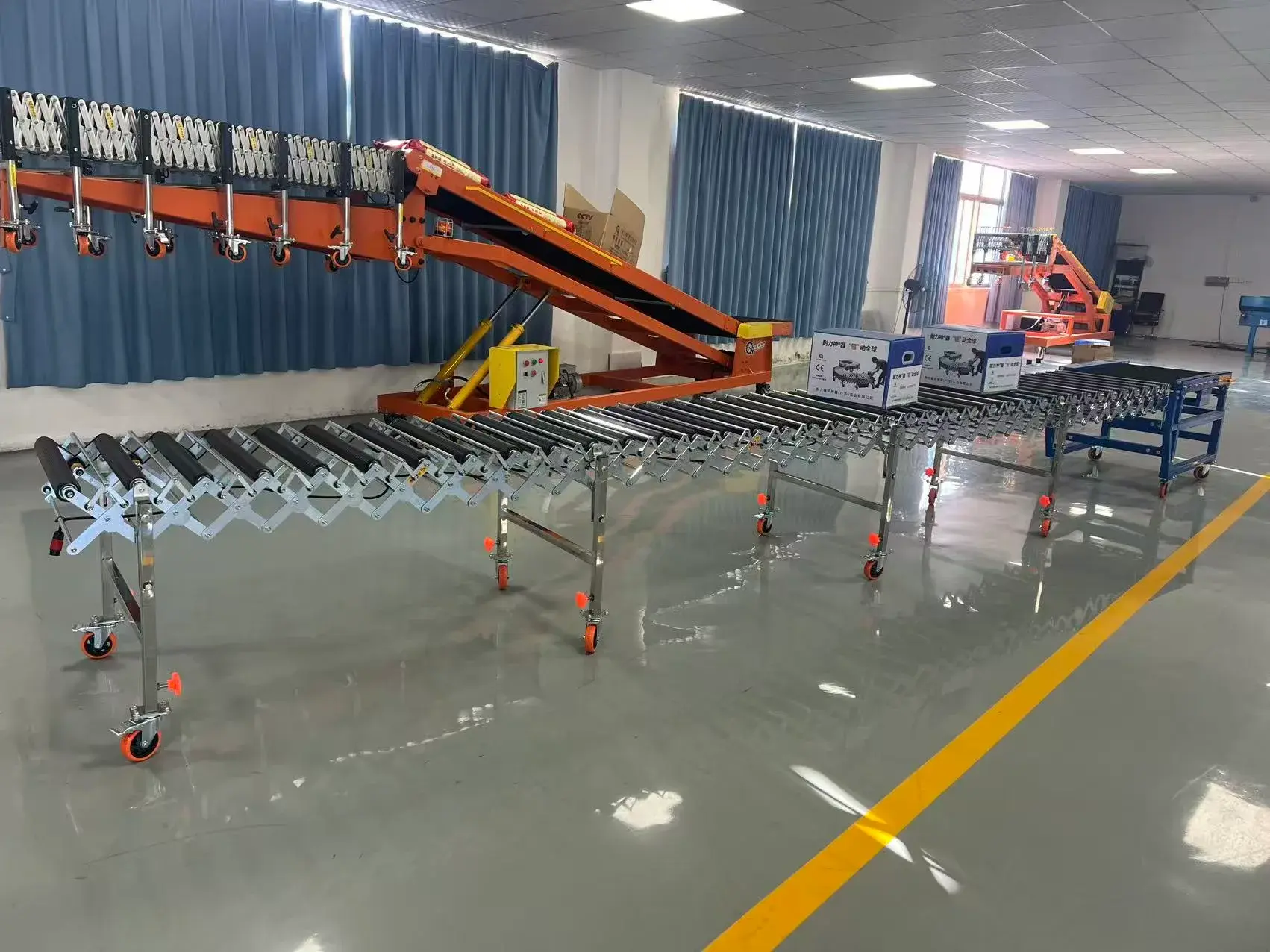
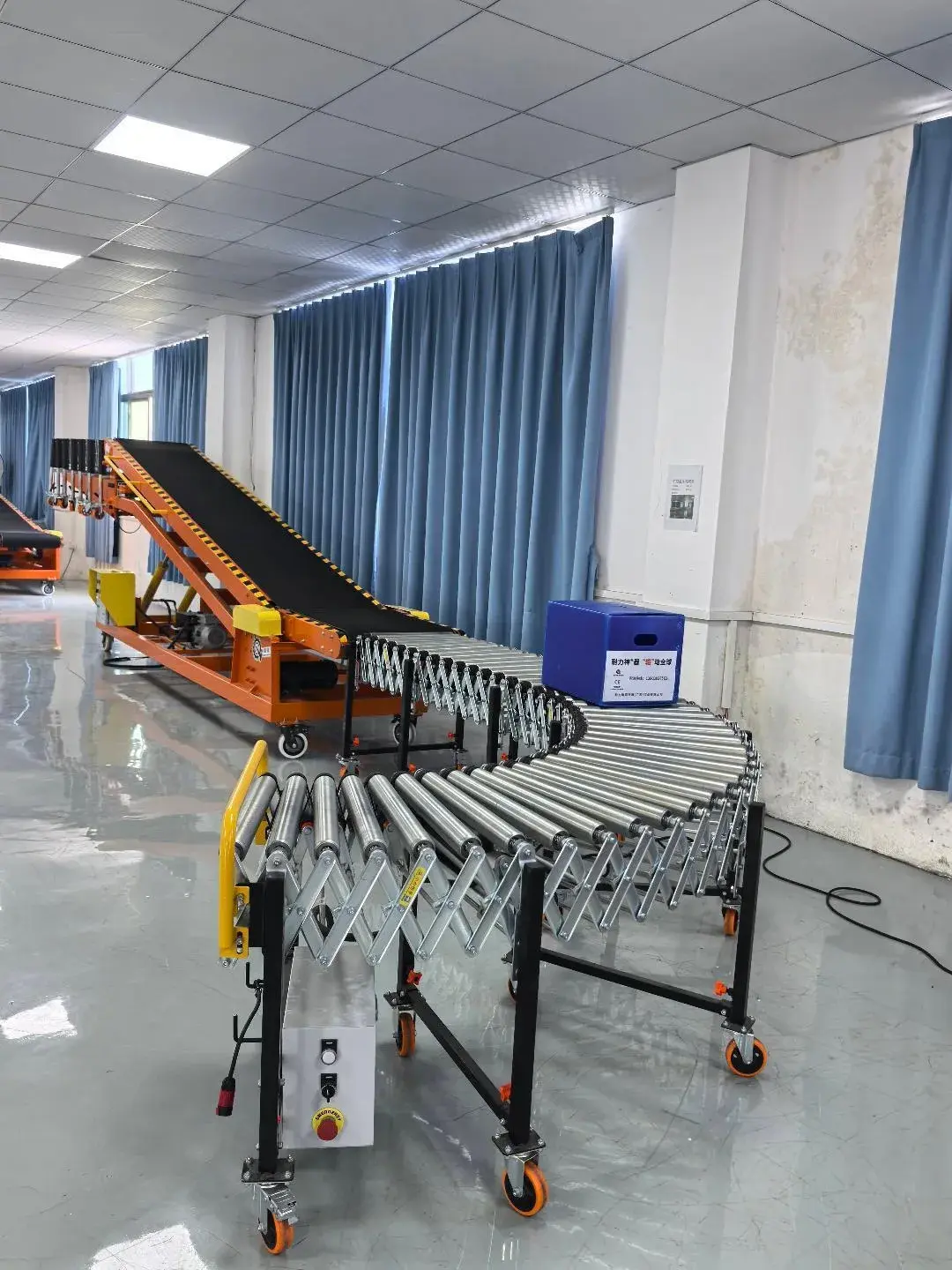
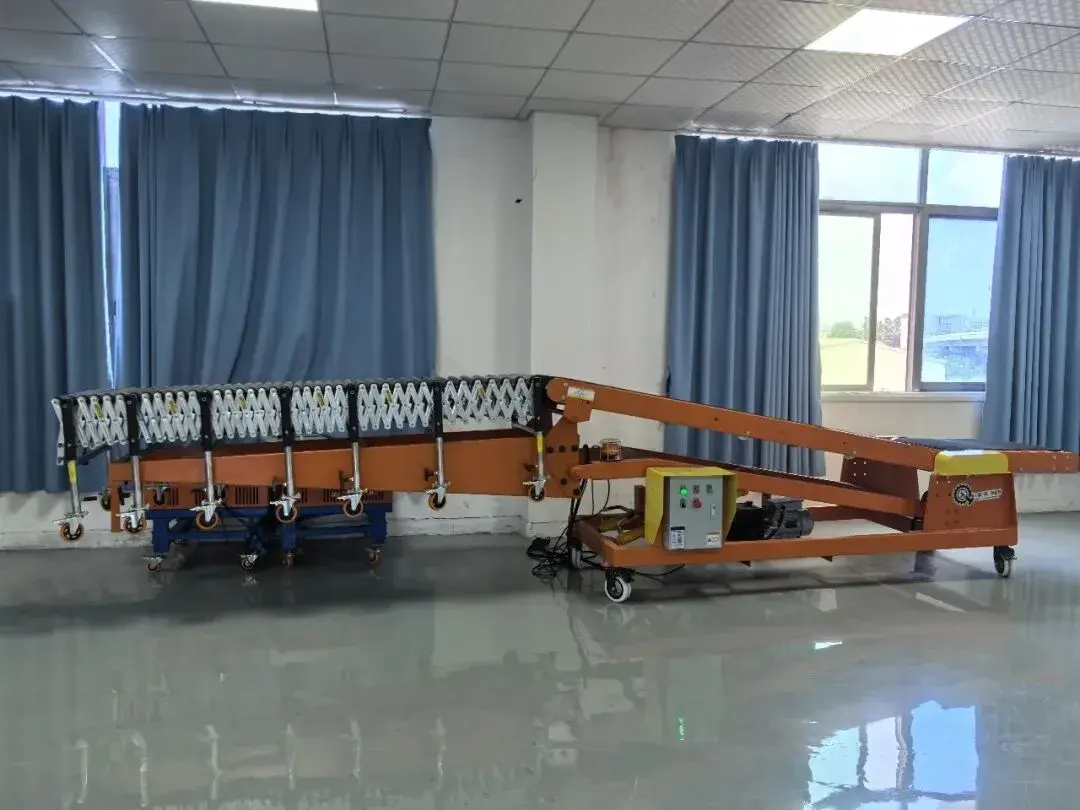
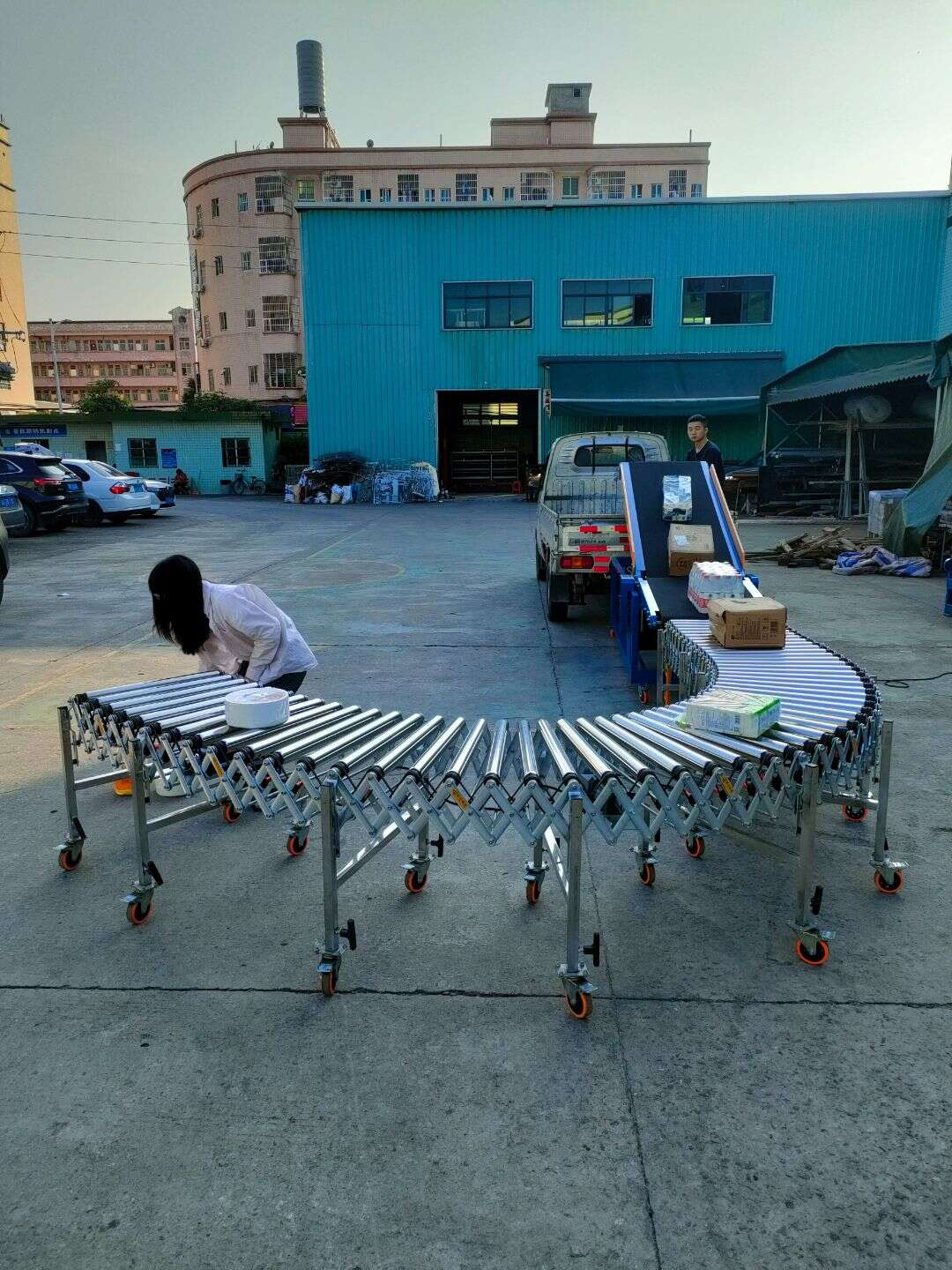
- Telescopic Roller Conveyor Series: This includes stainless steel telescopic roller conveyors and carbon steel telescopic roller equipment. They can be freely extended and retracted, and take up significantly less space when folded. Universal casters are installed at the bottom for easy on-site repositioning, making them suitable for irregular loading docks and outbound operations in small and medium-sized warehouses. Rubber-coated rollers reduce impact damage during material transfer, and stainless steel models are suitable for humid environments such as cold chain and food processing.
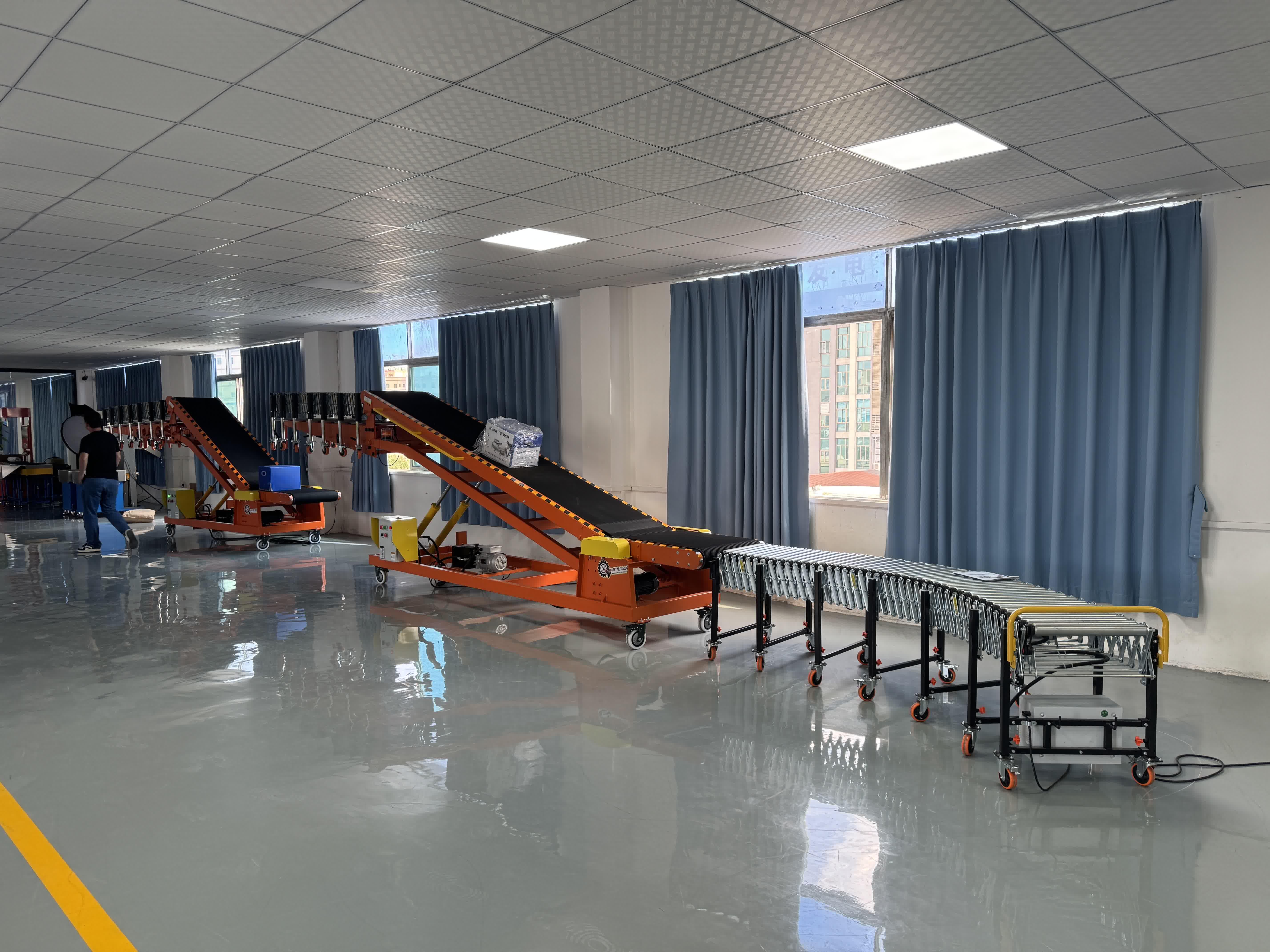
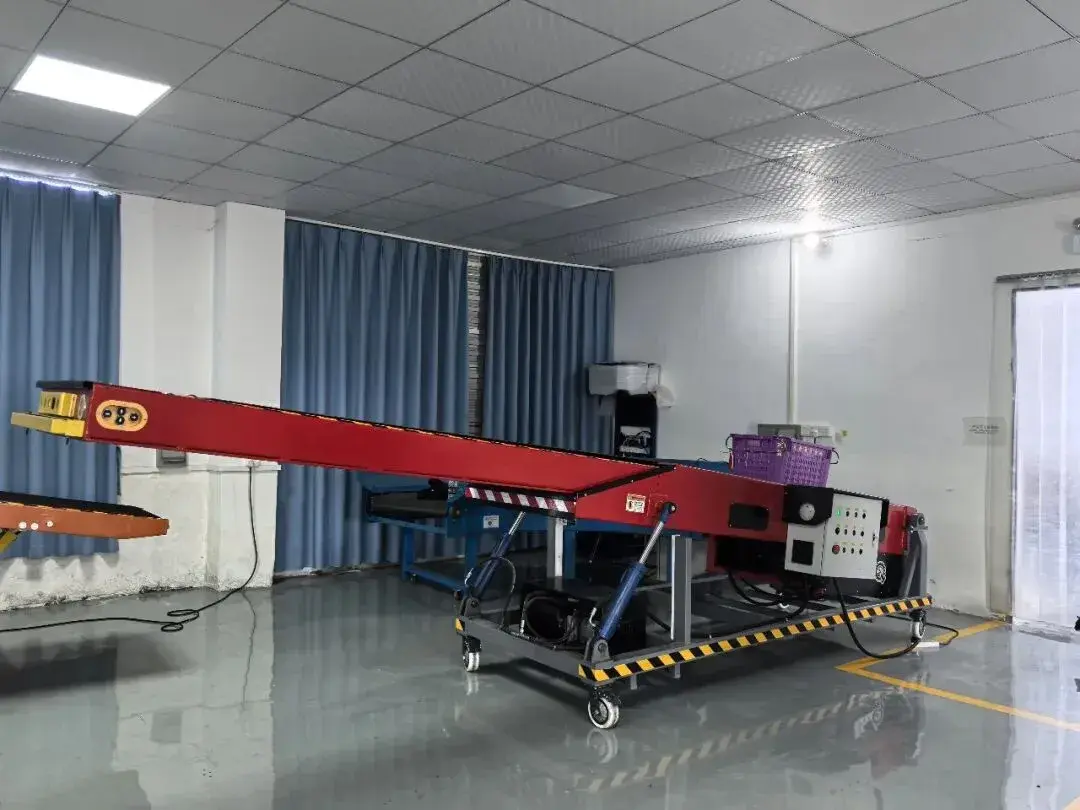
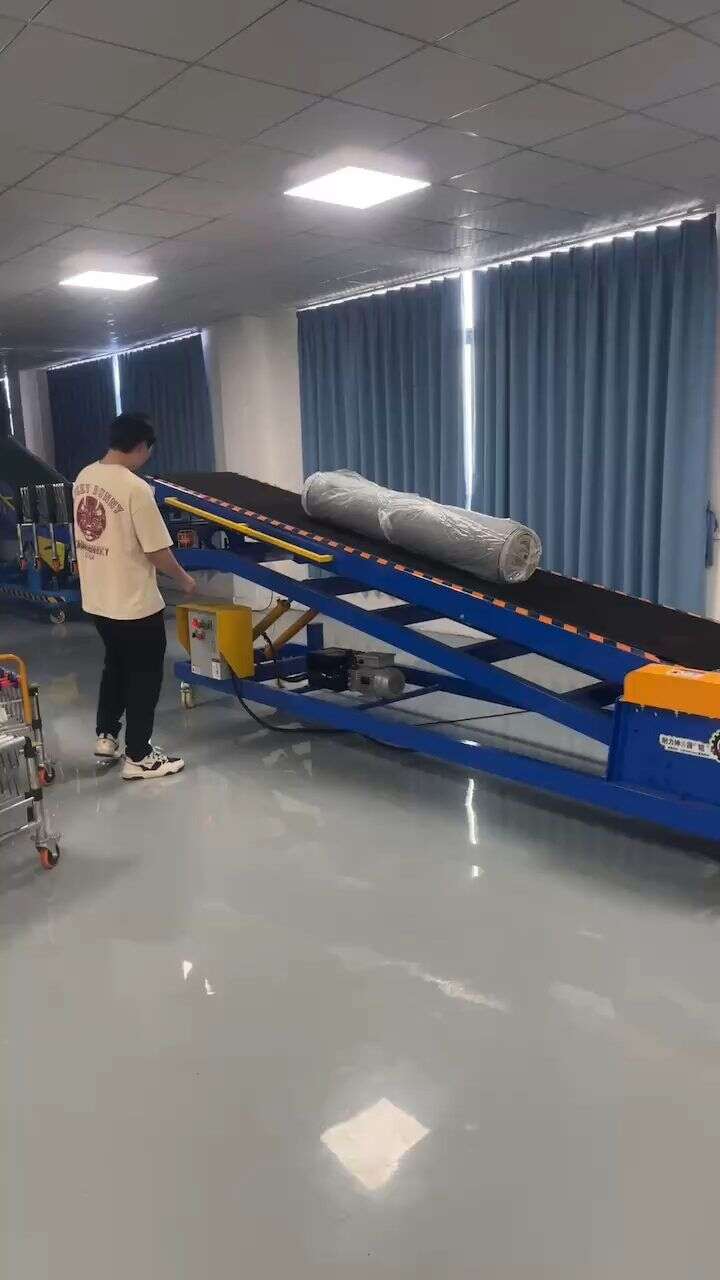
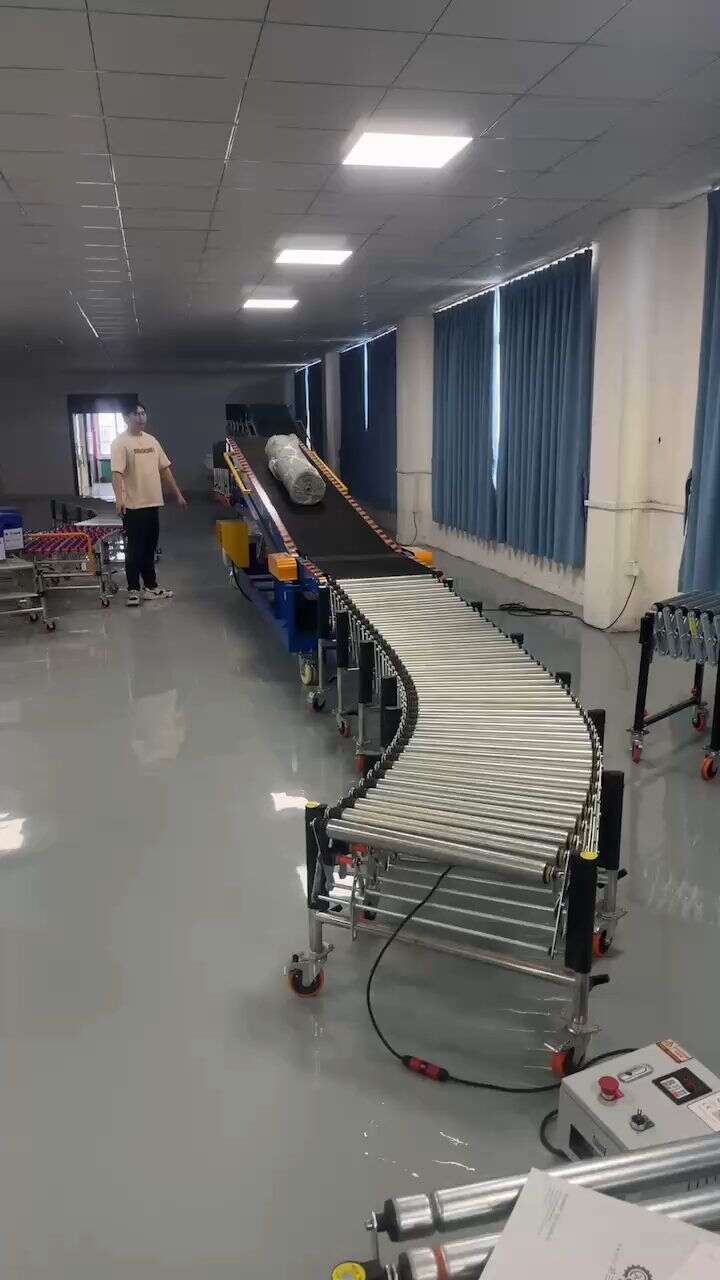
- Hydraulic Lifting Conveyor Series: The medium-sized hydraulic lifting belt conveyor is equipped with an anti-slip green belt. Its hydraulic structure allows the working height to be adjusted, and it can interface with enclosed trucks and container trailers ranging from 4.2 meters to 17.5 meters. It supports bidirectional conveying and accommodates both inbound unloading and outbound loading operations. A single unit can extend 6-10 meters into the truck bed and can be connected with a telescopic roller line to form a complete transfer process.
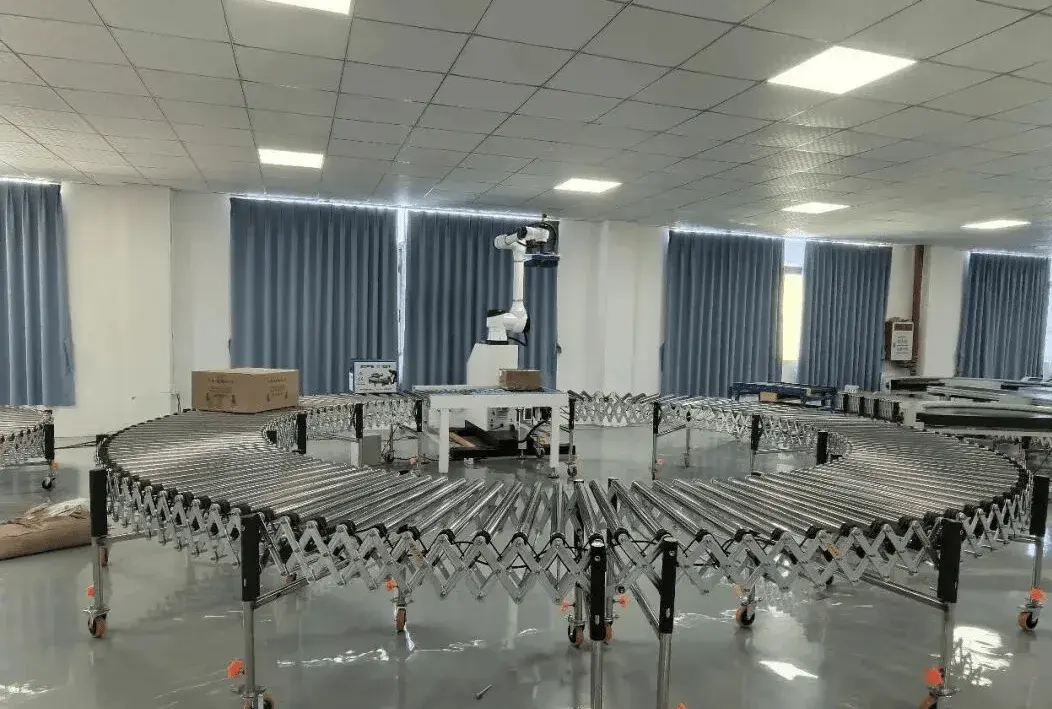
- Unpowered Supporting Conveying Equipment: This includes foldable chute rollers, omni-wheel curve conveyors, and fixed unpowered roller conveyors. They require no power and rely on the cargo’s own weight to complete transfer, making them suitable for loose small parcels and temporary loading and unloading points. They also help small businesses upgrade basic automation step by step.
Before leaving the factory, the related equipment undergoes load testing, anti-deviation debugging, and hydraulic lifting stability checks, and non-standard customization can be provided according to warehouse size, cargo load, and industry requirements. The two mainstream materials, carbon steel and stainless steel, also make it easy for users to choose according to the working environment.
The implementation value of lightweight solutions is mainly reflected in three aspects
The advantages of this type of loading and unloading solution are first reflected in its broad site adaptability. The equipment supports extension, mobility, and folding, so no large-scale civil works are needed for the warehouse floor or platform. Small e-commerce warehouses, urban distribution nodes, and temporary loading and unloading areas in factories can all use it, and it is also easy to store when folded.
Second, the capital investment is more flexible. Enterprises can purchase in stages according to average daily throughput. For loose small parcels, unpowered equipment can be deployed first, while large-volume full-truck transfer can be paired with Hydraulic Conveyor and telescopic roller combinations, thereby reducing the pressure of a one-time investment.
In addition, standard equipment models are usually available from stock, while the production cycle for customized models is relatively manageable. Once the equipment arrives on site, it can be put into use after simple assembly, and on-site personnel can quickly learn to operate it with basic supporting instructions.
Feedback from actual applications shows that complete sets of flexible conveying equipment can shorten the loading and unloading time per truck, optimize on-site staffing, and reduce damage to outer cargo packaging, preventing loading and unloading from slowing the overall pace of smart warehouse systems.
Domestic services and overseas applications advancing in parallel
In terms of its service network, the company's domestic business covers logistics-intensive regions such as the Pearl River Delta, East China, and North China. Technical personnel can be arranged to conduct on-site surveys and propose equipment configurations based on warehouse truck specifications and cargo types. After delivery, the company also provides supporting services such as installation, commissioning, and operating instruction.
The company's international trade business is also expanding in parallel. Its products have been shipped in batches to overseas warehousing parks in Southeast Asia, Kyrgyzstan, and other regions. Configurations can be adjusted to accommodate overseas voltage requirements and packing standards, and bilingual Chinese-English equipment specifications and packing documents are provided to facilitate customs clearance and use.
From the perspective of industry development, the growing adoption of in-warehouse equipment such as automated storage systems and smart sorting systems is forcing companies to address weaknesses in loading and unloading. Due to site and budget constraints, heavy-duty fixed production lines cannot serve more small and medium-sized warehouses, while mobile, low-cost flexible conveying equipment is becoming an important choice for upgrading end-of-line warehouse automation.