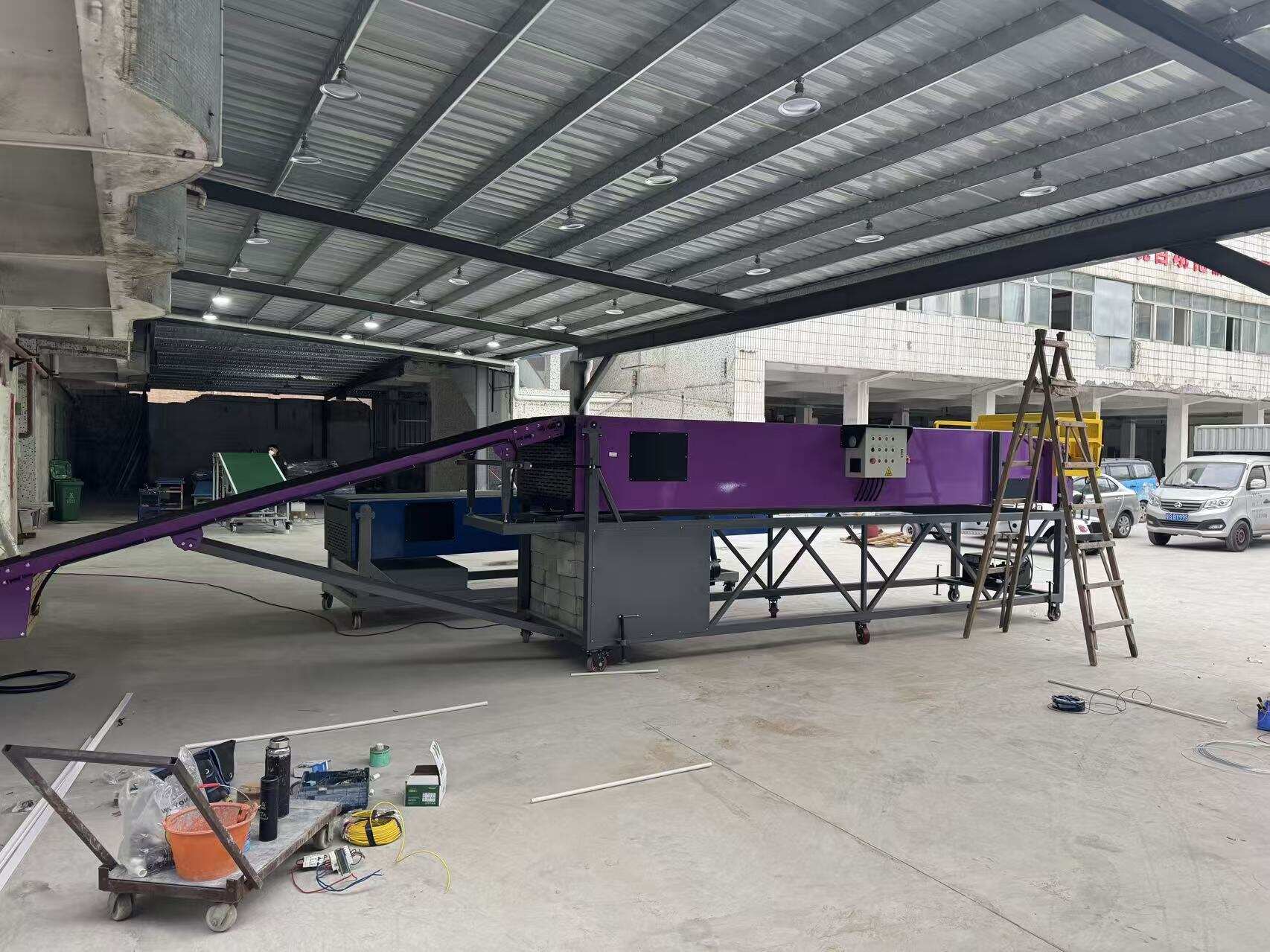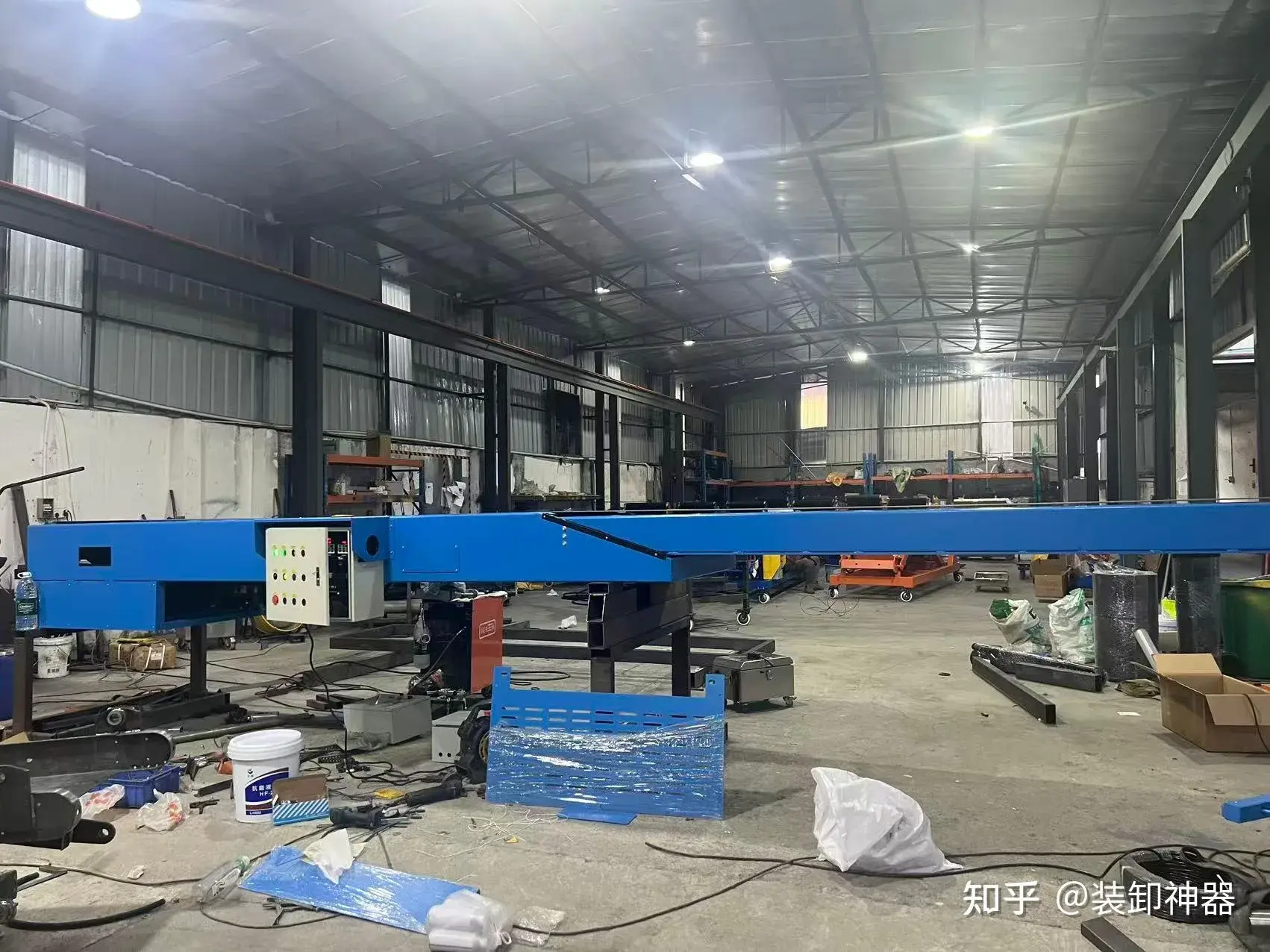
Workshop capacity is often wasted because logistics gets stuck first
As the manufacturing industry advances its transformation and upgrading, many companies have already updated their processing equipment, but their internal workshop logistics systems have not been optimized accordingly. This creates a contradiction between smart processing and primitive material flow. Poor coordination between processes, accumulating semi-finished products, delayed material transfers, and frequent material shortages at workstations can have a cascading impact on production rhythm, reduce capacity utilization, increase semi-finished product losses, and extend delivery times.
As order volumes grow, processes become more specialized, and product varieties increase, the randomness and inefficiency of traditional manual transfer become even more pronounced, making material accumulation and stalled flow more likely to become the norm. To break through capacity bottlenecks, optimization should focus on logistics by restructuring the production process through an automated, standardized, and continuous workshop material flow system.
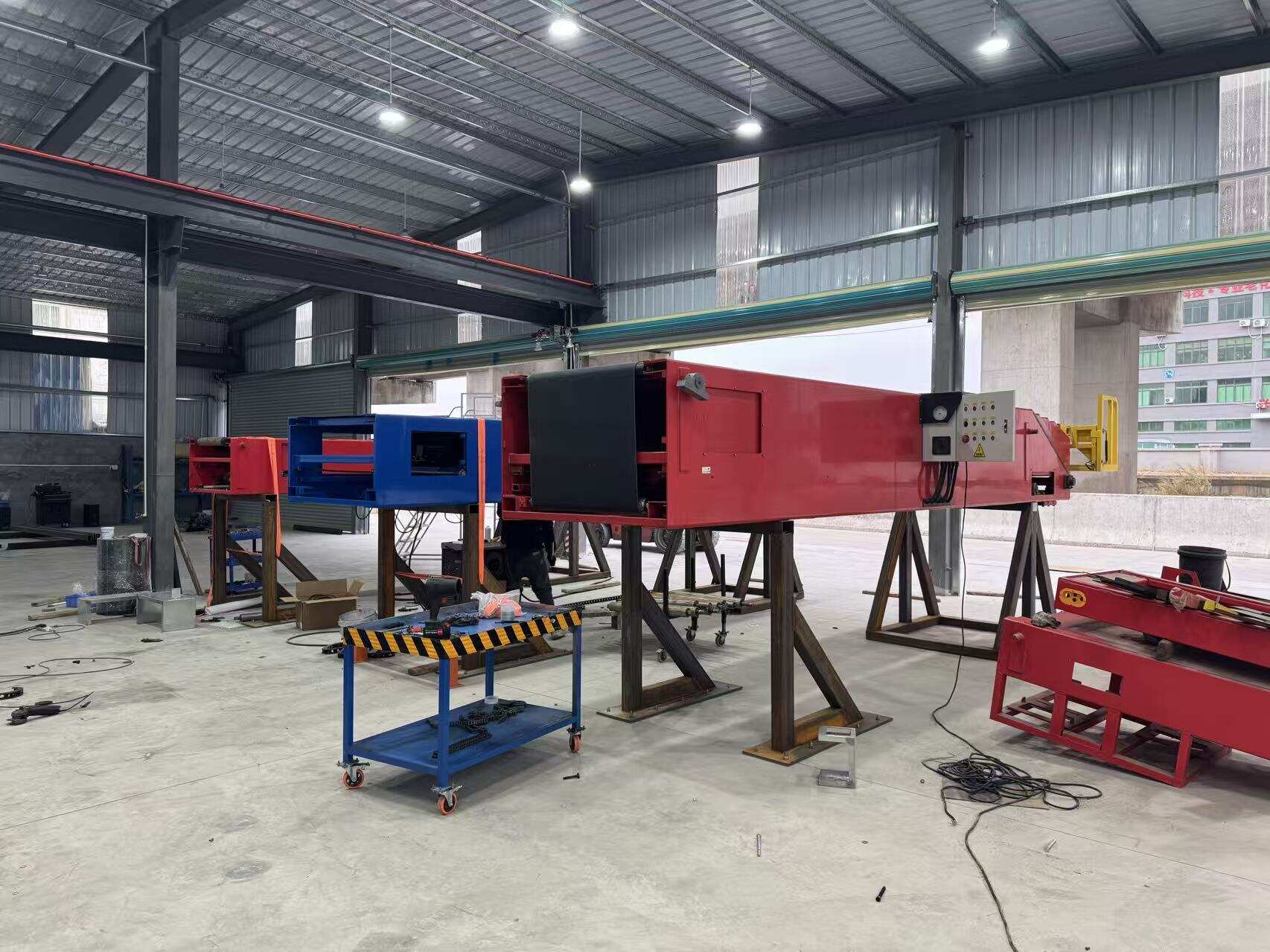
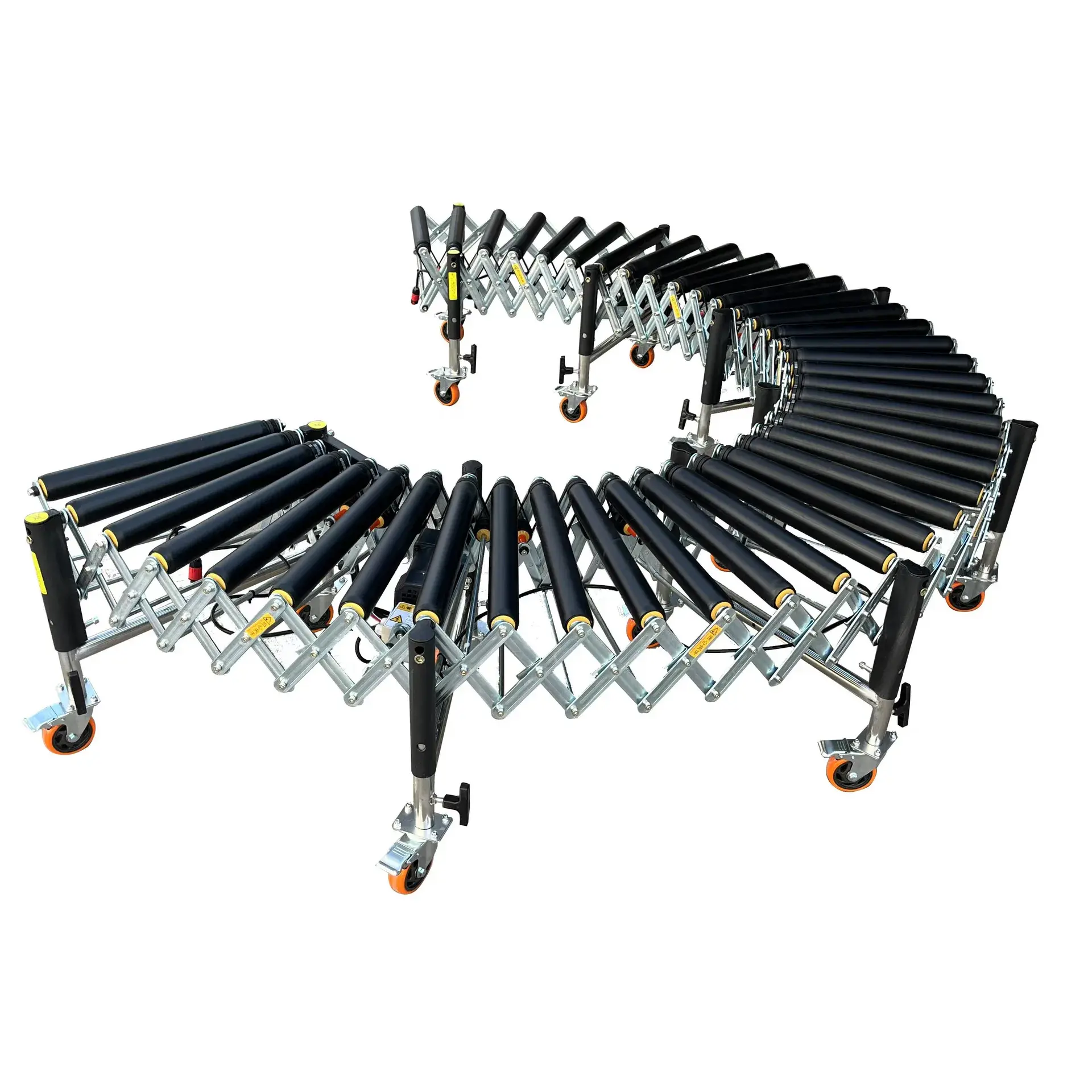
Powered roller conveyors are used for material transfer between workstations
Structural configuration and transmission method determine operating stability
The equipment uses an industrial-grade thickened seamless roller structure, and configurations are divided into light-duty, medium-duty, and heavy-duty according to material weight to meet conveying needs under different working conditions. In terms of transmission, the equipment is equipped with a dual transmission system of quiet rubber-covered rollers and heavy-duty chains, providing smoother operation for light-load conveying and stronger power for heavy-load conveying.
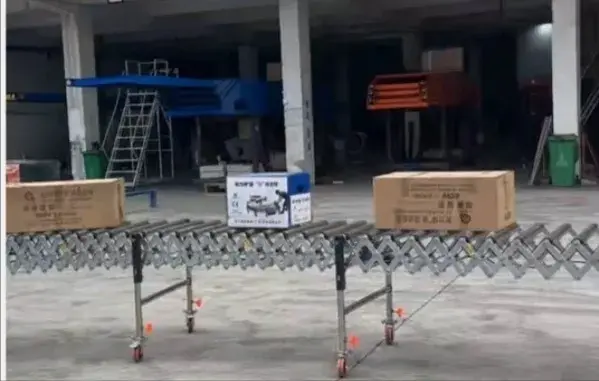
Naili Unloading Artifact supports full-dimensional custom non-standard configurations. It can be tailored to workshop passages, workstation layouts, production line direction, and production rhythm to customize equipment dimensions, conveying parameters, and intelligent functions. The equipment can also be paired with modules such as automatic sensing start/stop, variable frequency speed control, blocking limit switches, side guards, and anti-deviation devices to achieve precise feeding and on-demand transfer.
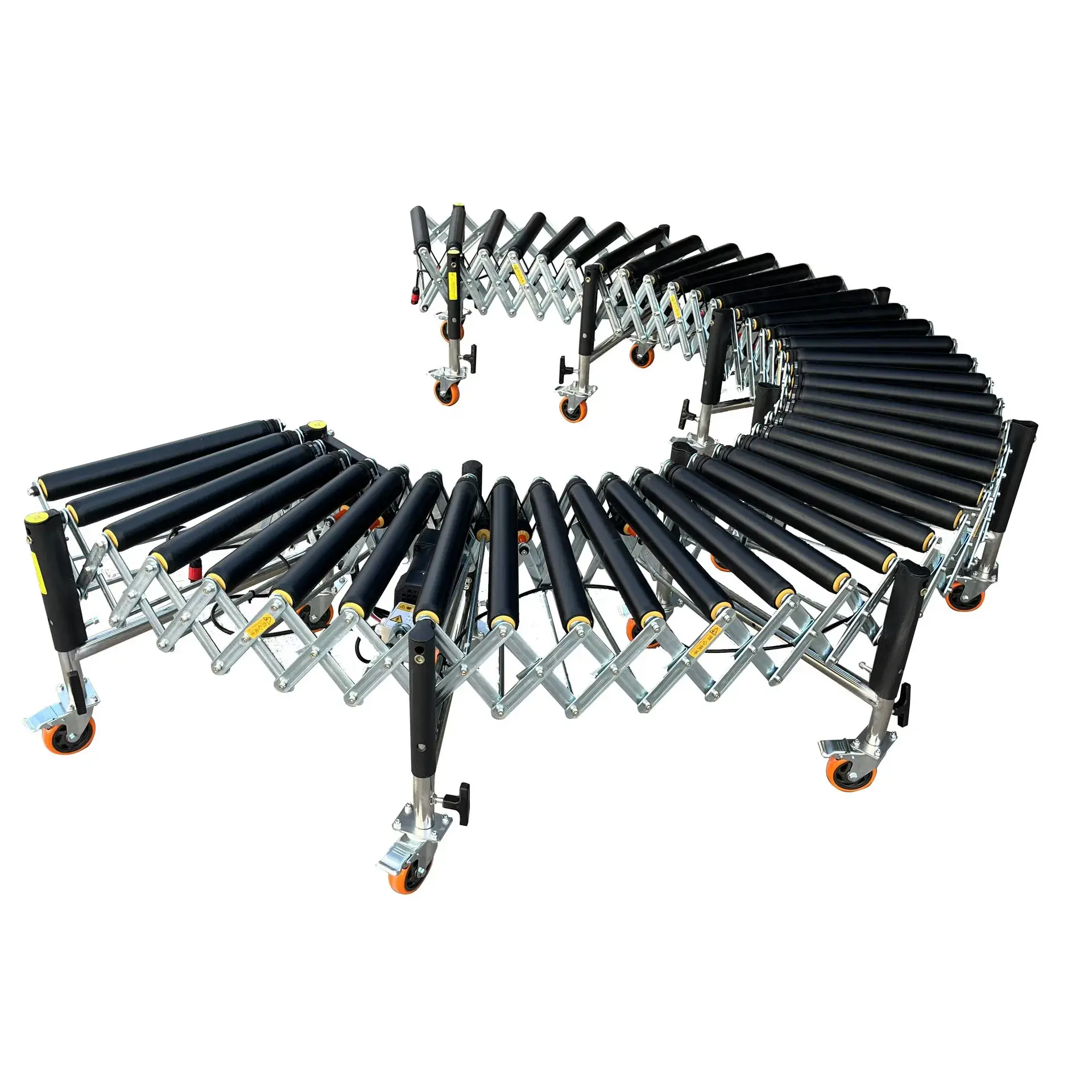
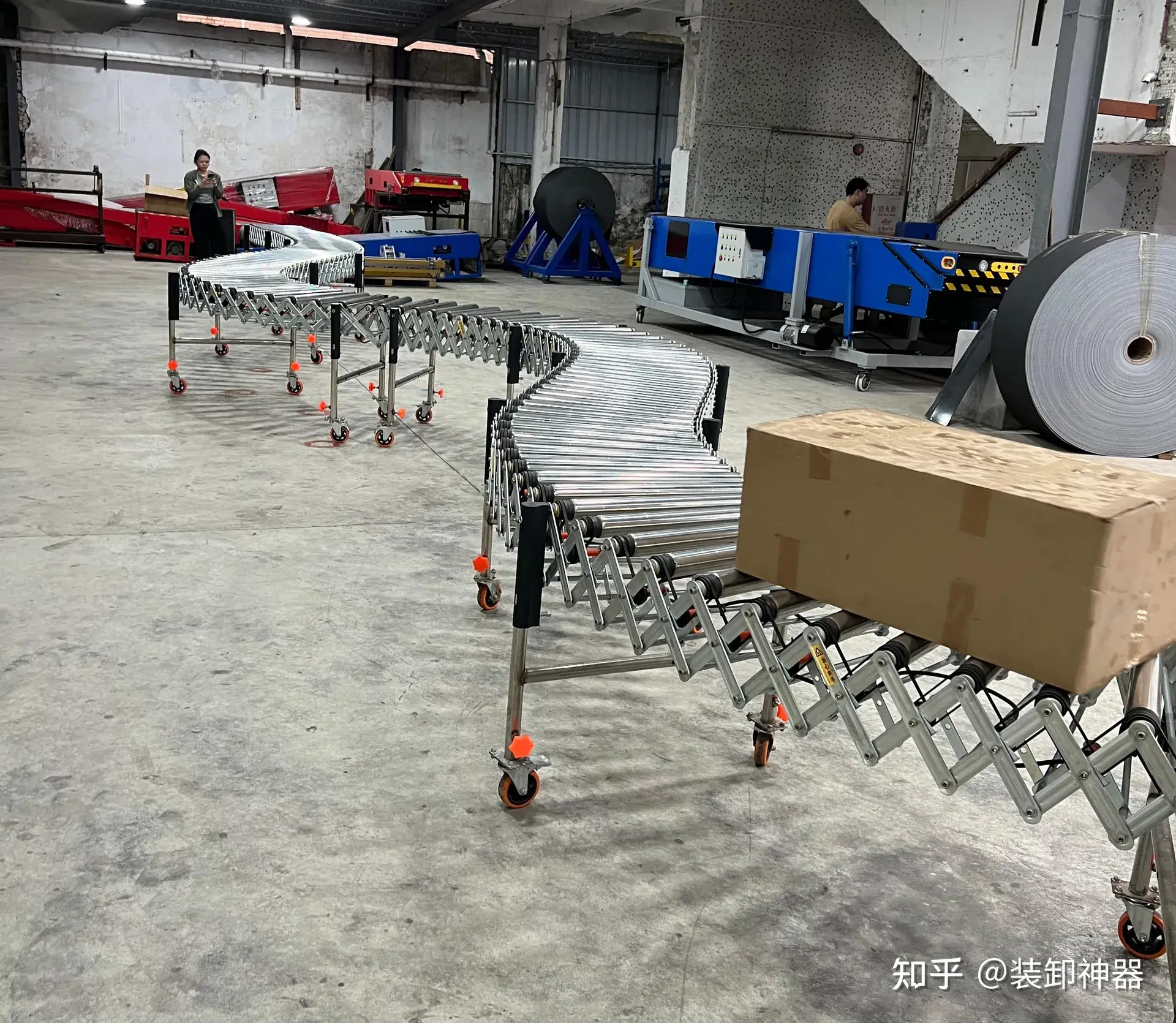
In terms of structural layout, the equipment can adapt to straight, curved, lifting, and multi-level three-dimensional layouts, and can also be flexibly adapted for implementation in older factories, irregular workshops, and non-standard production lines.
Powered roller conveyors are used for continuous transportation within workshops
Powered roller conveyors are used for continuous transportation within workshops
From planning to implementation, the goal is to unlock real production capacity
In terms of structural layout, the equipment can adapt to straight, curved, lifting, and multi-level three-dimensional layouts, and can also be flexibly adapted for implementation in older factories, irregular workshops, and non-standard production lines.
From planning to implementation, the goal is to unlock real production capacity
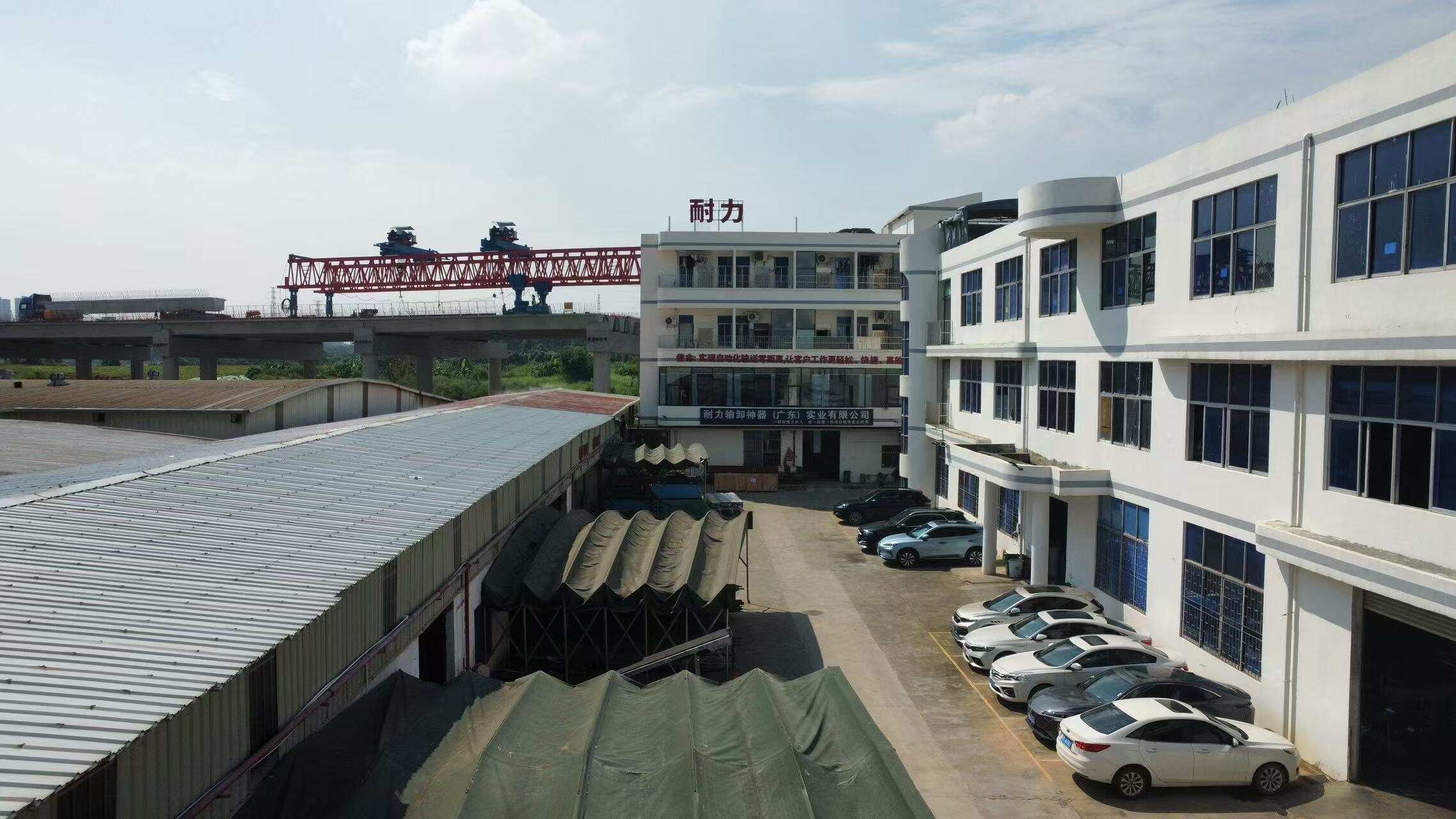
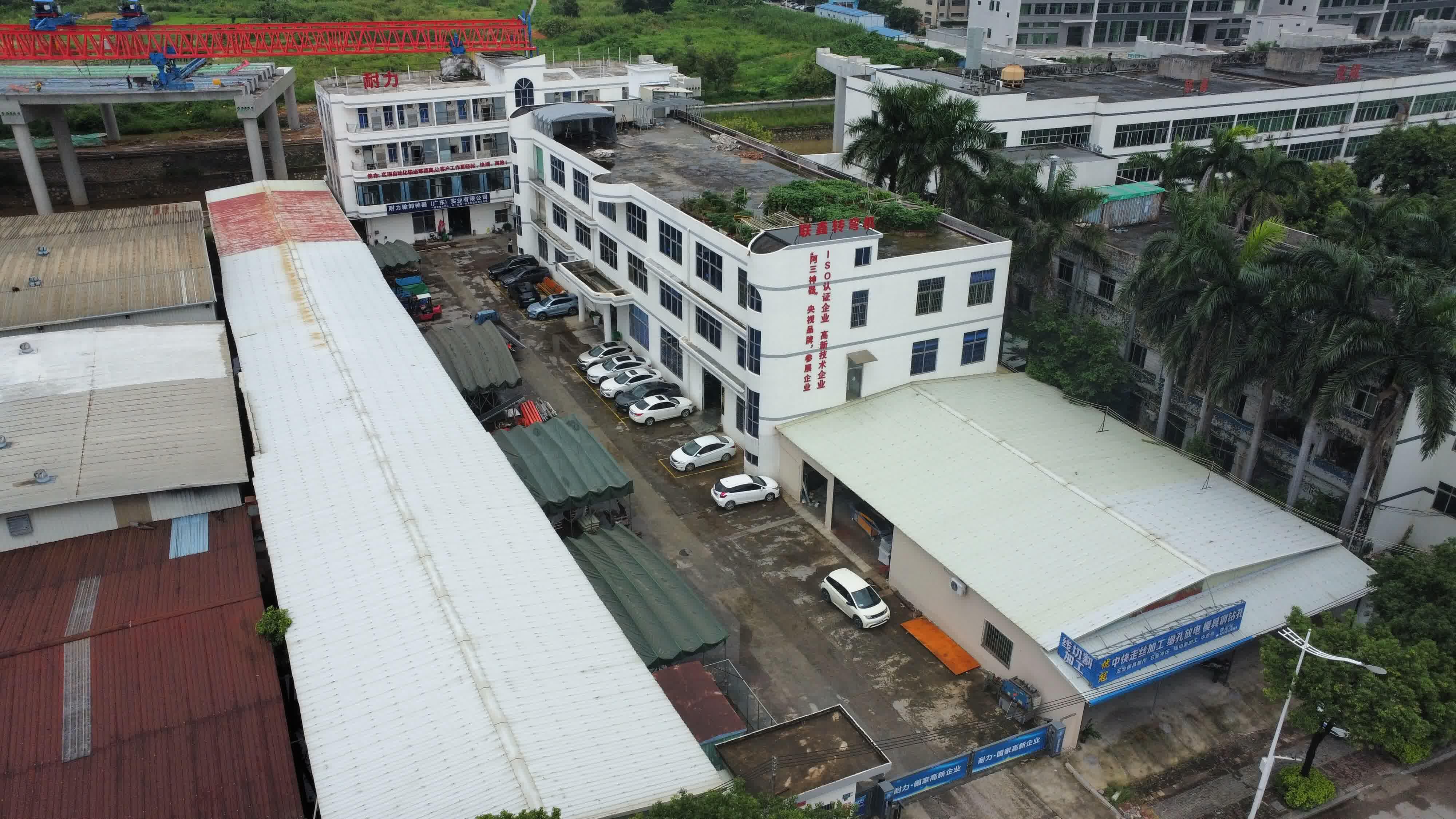
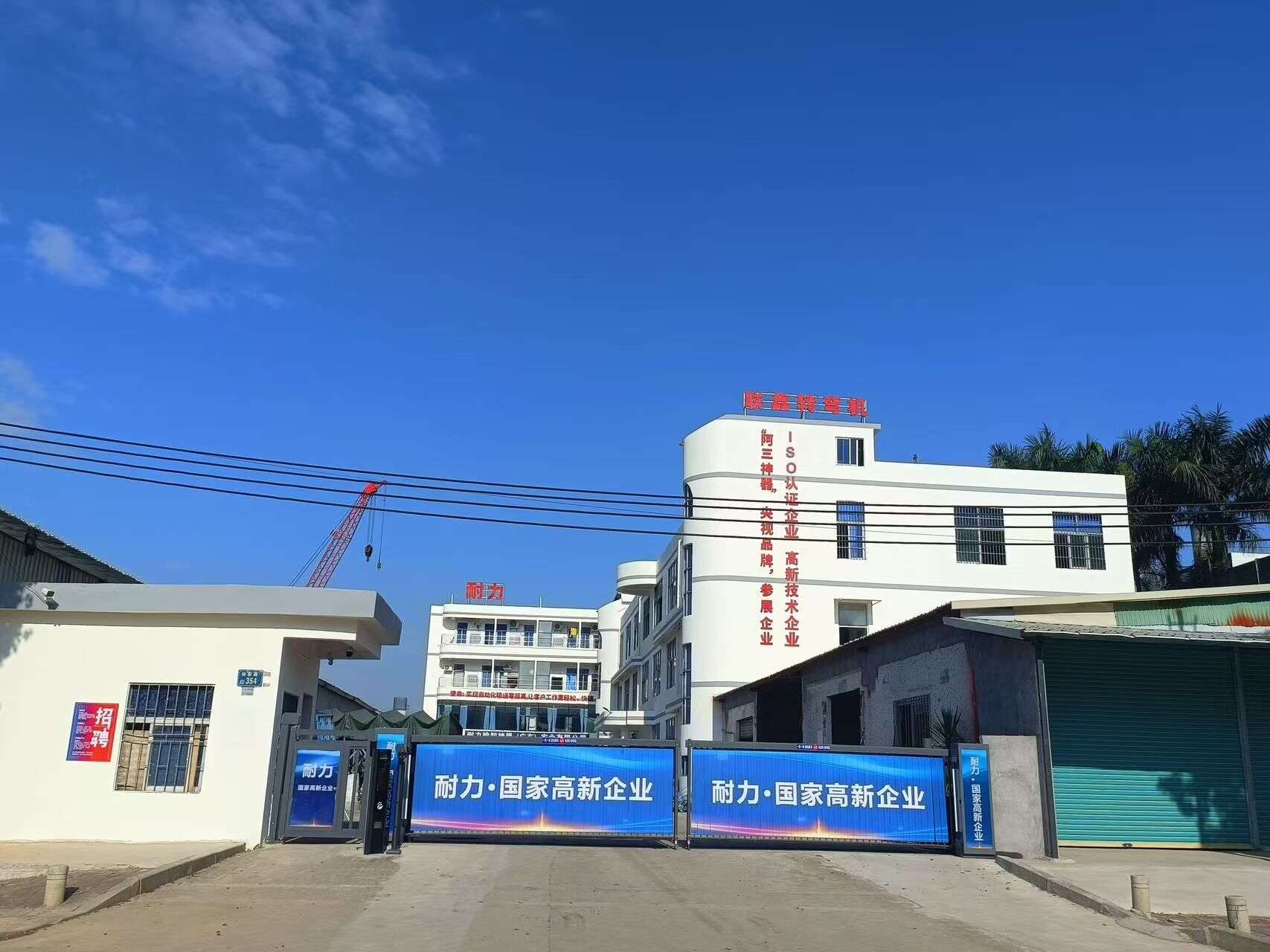
As a professional source manufacturer of non-standard conveying equipment, Naili Unloading Artifact (Guangdong) Industrial Co., Ltd. provides one-stop engineering implementation services, from on-site surveying and solution design to production and manufacturing, as well as installation, commissioning, and post-sales maintenance. Once a powered roller conveyor is put into use, it can help workshops alleviate inefficiencies such as process buildup, sluggish transfer, and workstations waiting for materials.
When production takt is unified, it becomes easier to improve line continuity and equipment utilization. As a result, manufacturers can drive the automation, standardization, and refinement of workshop logistics, releasing the capacity that was once held back by logistics.