Naili Conveyor
Logistics parks, e-commerce warehouses, and manufacturing plants are currently advancing smart upgrades within their storage areas. Automated storage racks, smart sorting equipment, and warehouse management systems are being implemented step by step, continuously improving in-warehouse storage and sorting efficiency. However, truck loading and unloading, as well as the connection between cargo transfer processes, still rely heavily on manual labor, creating a clear efficiency gap across the entire warehousing supply chain. Lightweight, mobile, and extendable flexible conveying equipment has become a common choice for many companies looking to address loading and unloading bottlenecks because it adapts to a wide range of sites, requires a moderate investment, and can be deployed quickly.
Smart warehousing is advancing, but loading and unloading still have gaps to fill
Combined Solutions for Flexible Conveying Equipment
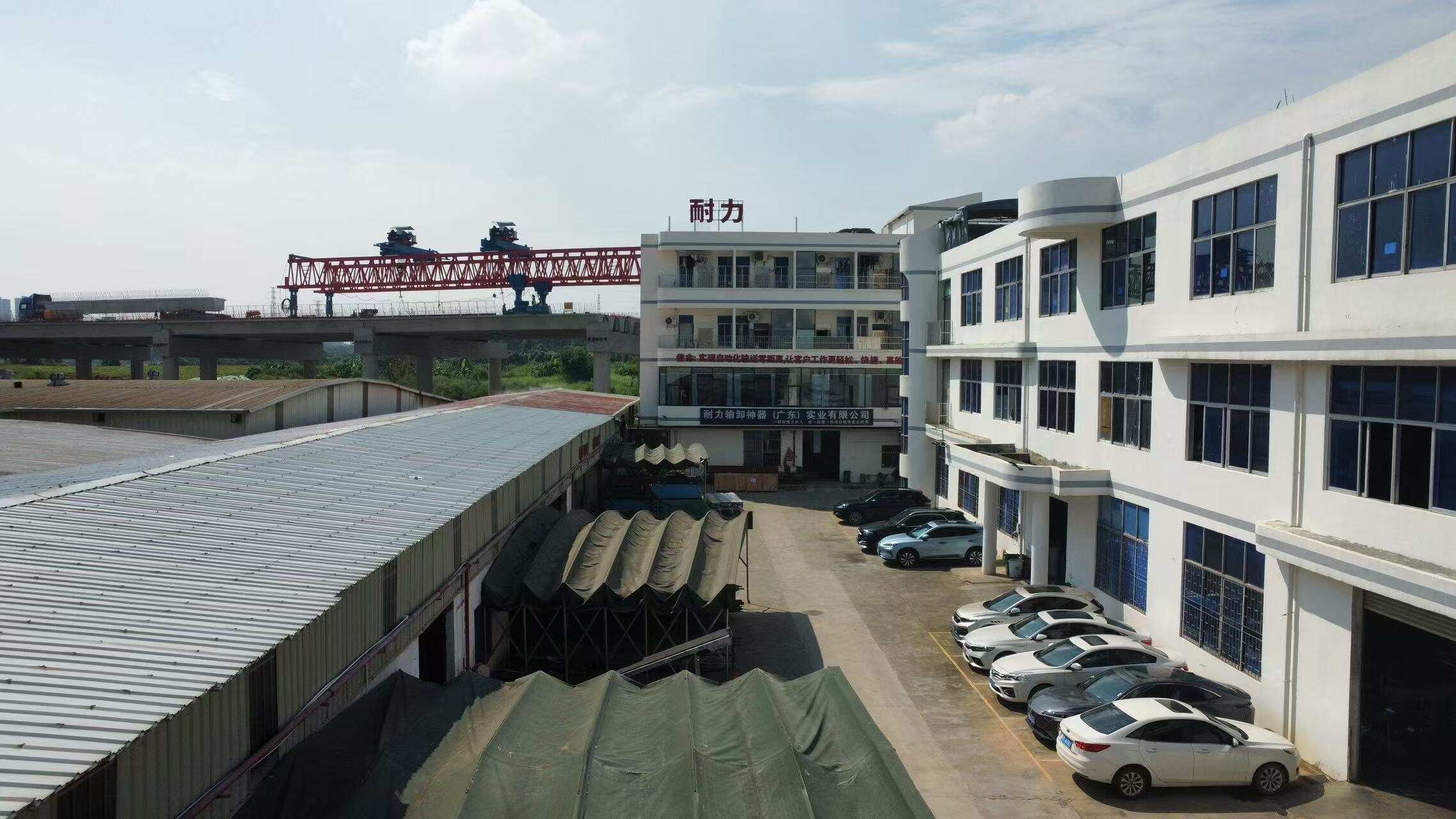
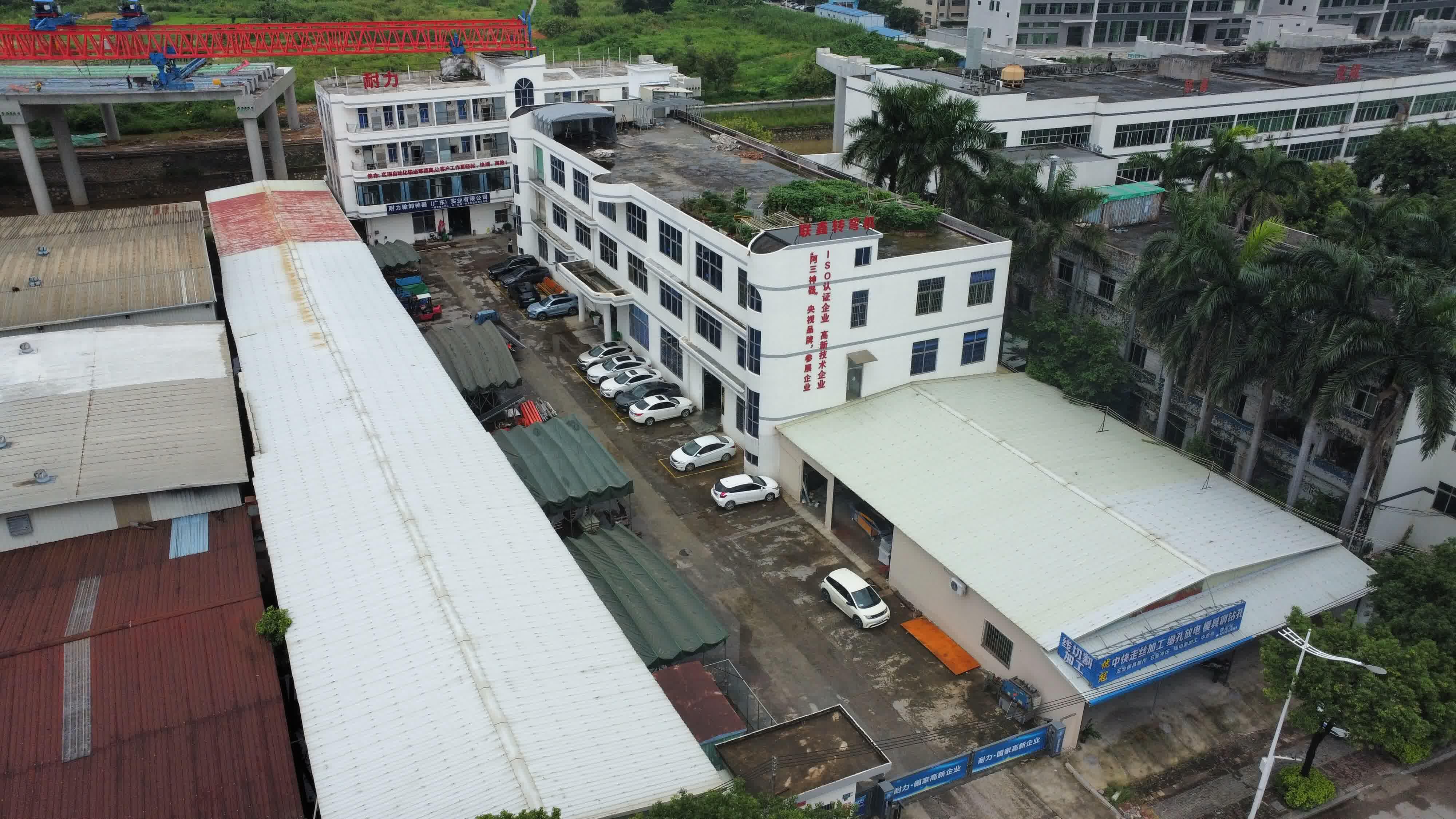
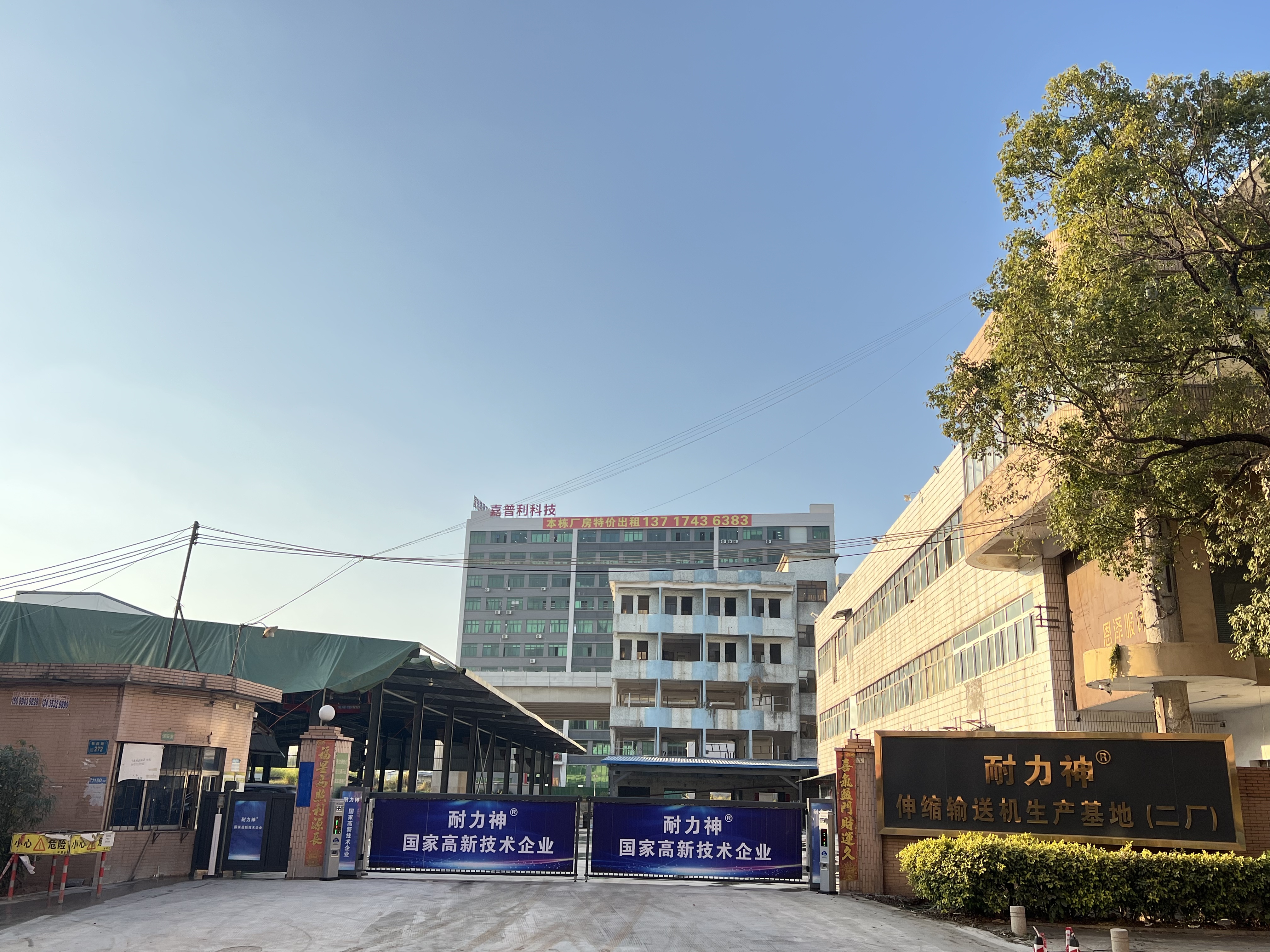
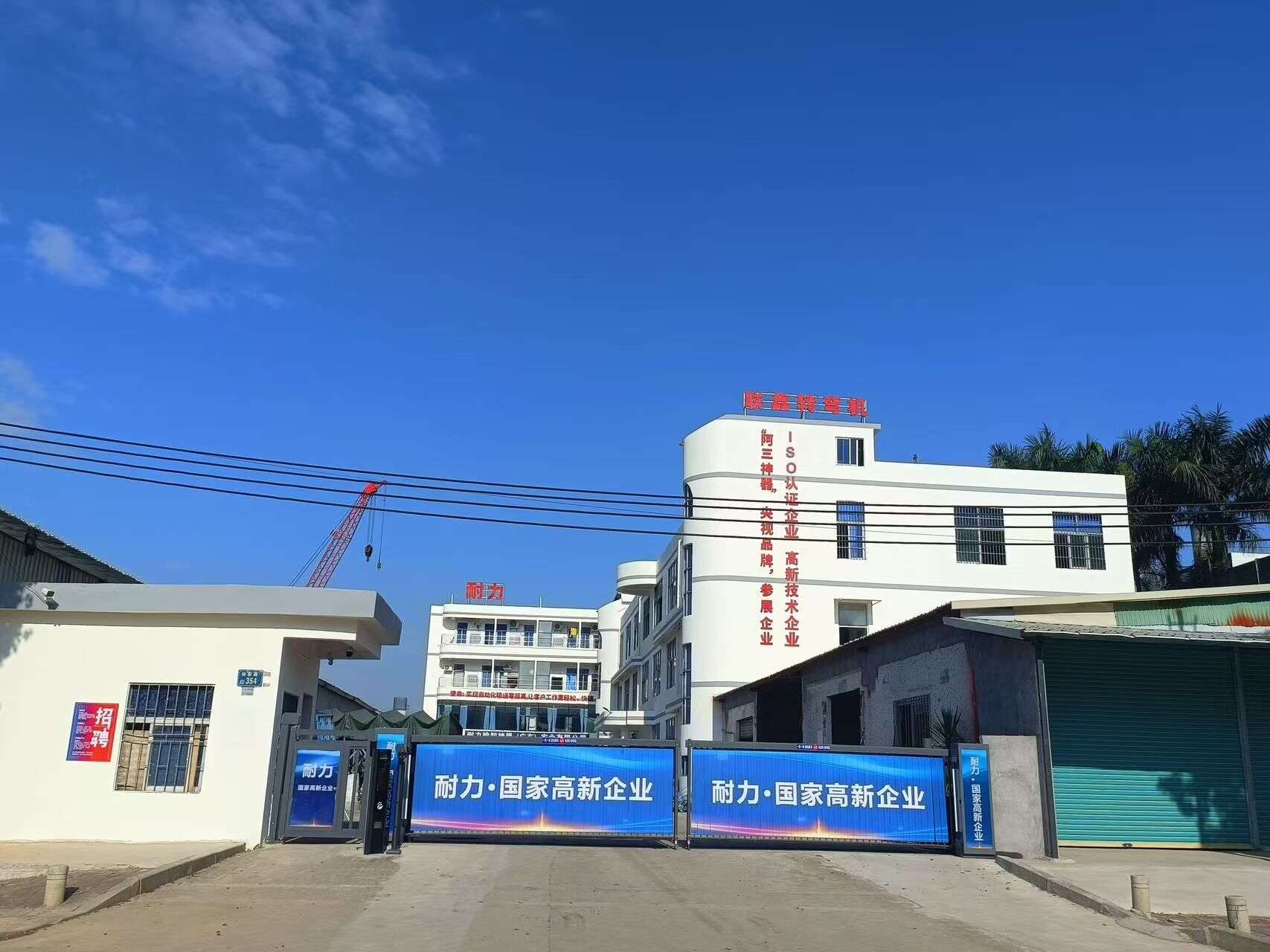
For warehousing loading and unloading scenarios, Naili Unloading Artifact (Guangdong) Industrial Co., Ltd. has long been deeply engaged in the R&D and production of flexible conveying equipment, providing complete conveying solutions for loading, unloading, and transfer needs in industries such as logistics, food and beverage, e-commerce parcels, and auto parts processing. Its product line covers three major categories of flexible conveying equipment: non-powered, powered, and hydraulic lifting types, which can be flexibly combined according to warehouse space, truck specifications, and daily cargo volume.
Telescopic Roller Conveyor Series
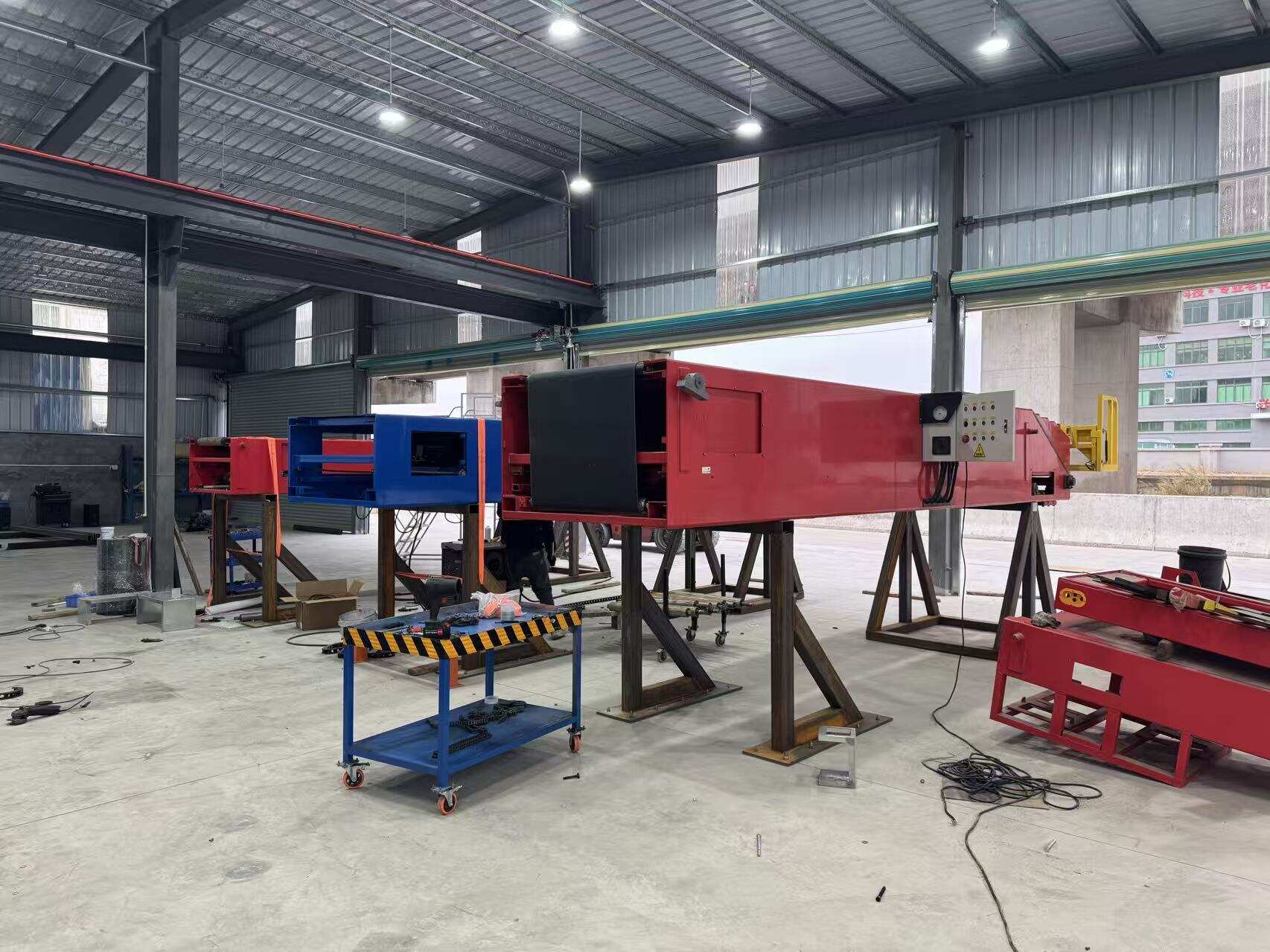
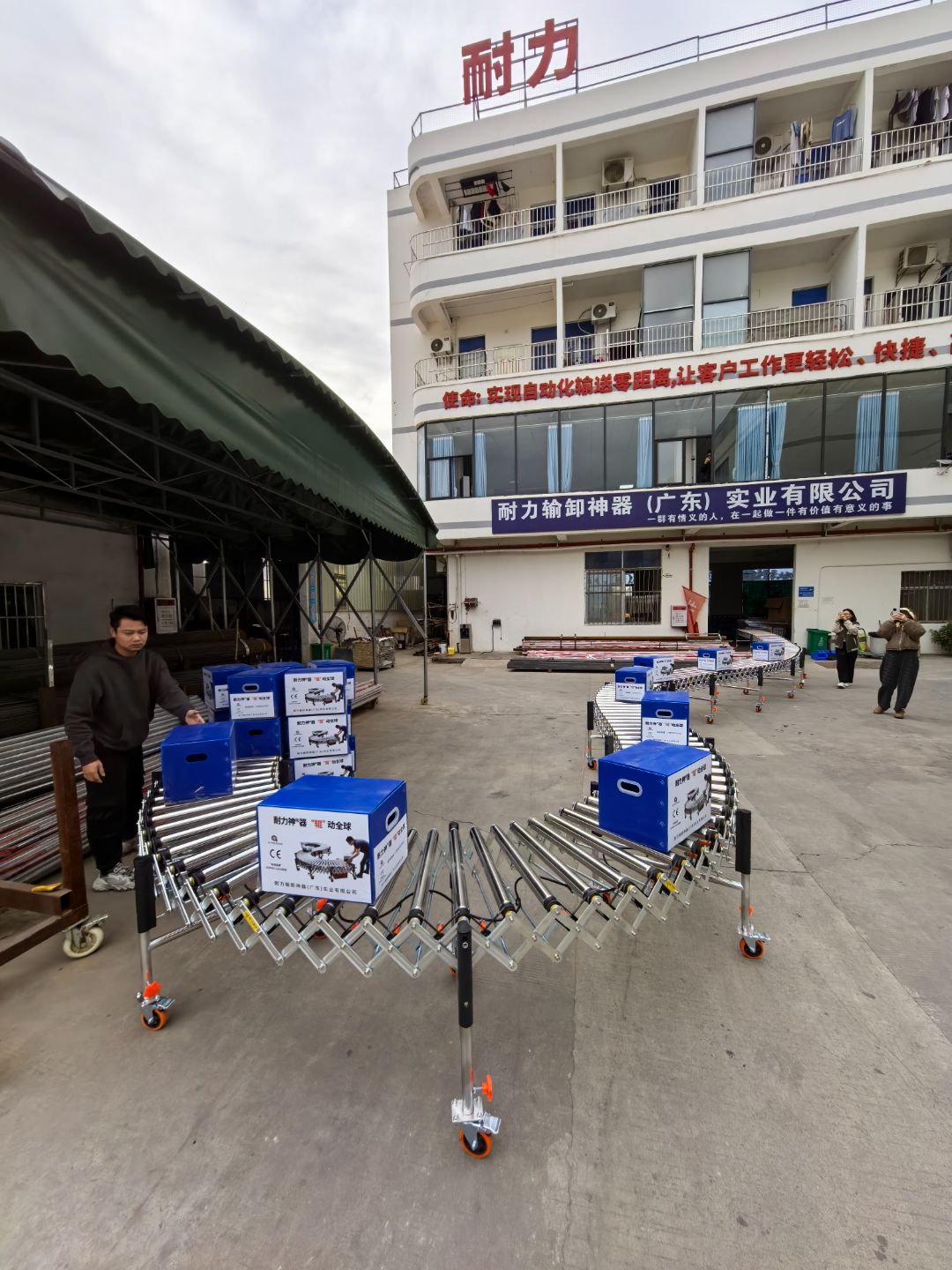
This includes stainless steel telescopic roller lines and carbon steel telescopic roller equipment. The equipment supports free extension and retraction; when retracted, it takes up significantly less space. Universal casters are installed at the bottom for easy repositioning at any time, making it suitable for daily outbound operations at irregular loading and unloading bays and small to medium warehouses. Rubber-covered rollers can reduce impact and wear during conveying, while stainless steel models are more suitable for damp operating environments such as cold chain and food handling.
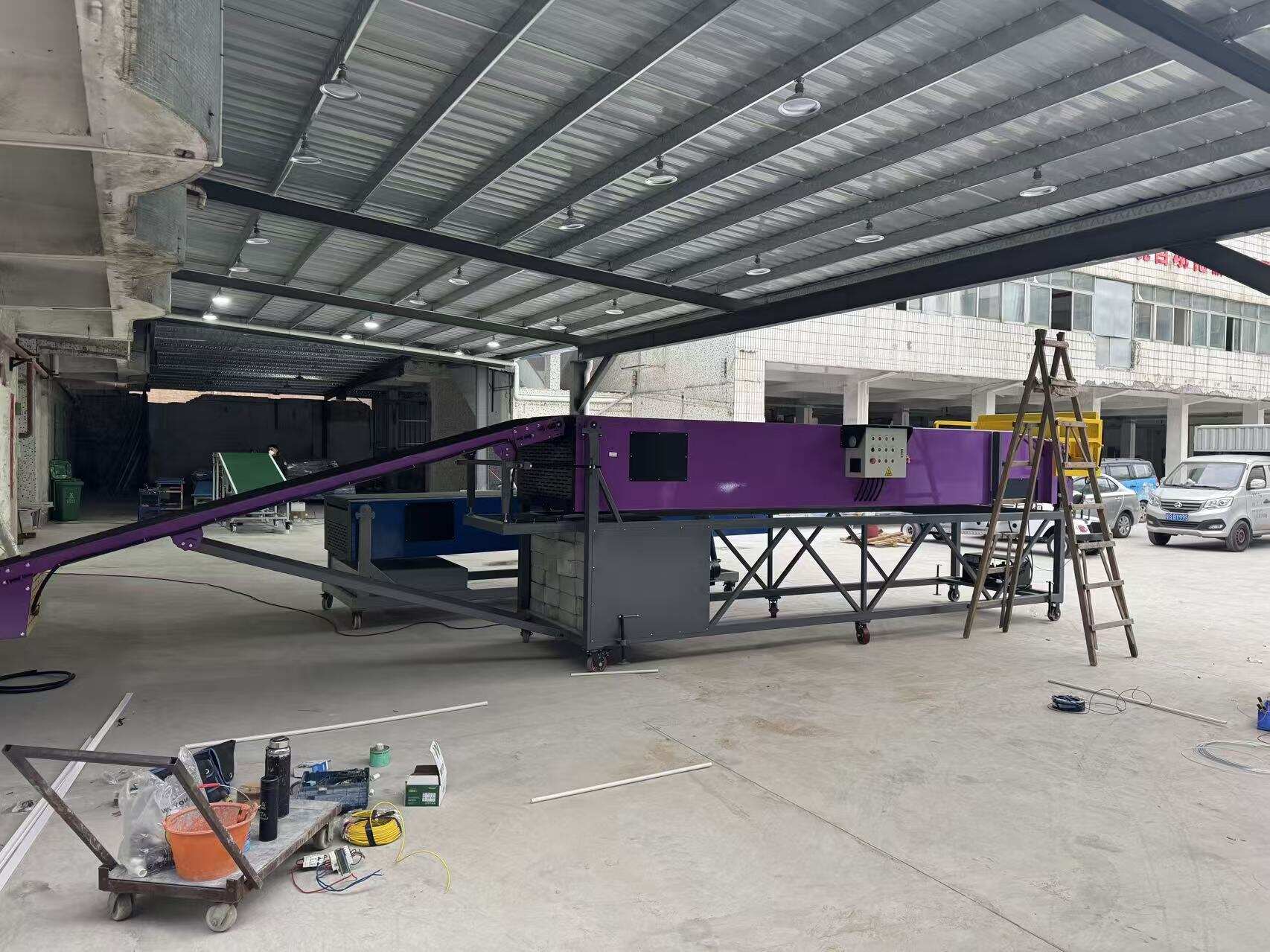
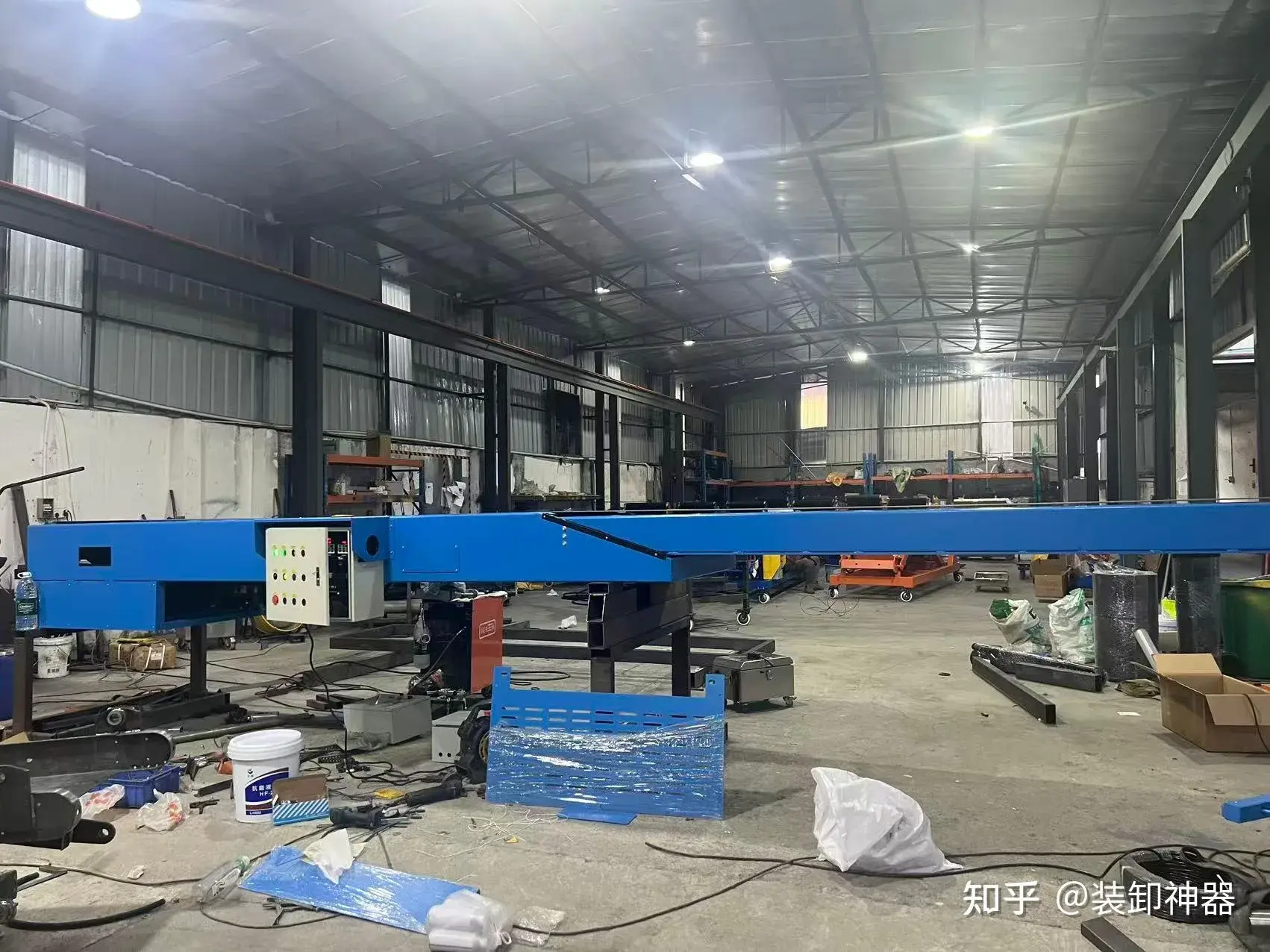
Hydraulic Lifting Ramp Conveyor Series Represented by the medium-duty hydraulic lifting belt conveyor, it is equipped with a non-slip green belt, and its hydraulic structure allows the working height to be adjusted. It can connect with a variety of box trucks and container truck bodies ranging from 4.2 m to 17.5 m. The equipment supports bidirectional conveying, covering both inbound unloading and outbound loading conditions. A single unit can extend 6-10 m into the truck body and can be connected with a telescopic roller line to form a complete transfer process. The equipment comes with an independent control box and one-touch start/stop, so on-site staff can get started after brief training.
Non-Powered Supporting Conveying Equipment This includes foldable slide roller conveyors, skate wheel curve conveyors, and fixed non-powered roller lines. The equipment does not require electricity and relies on the cargo's own weight to complete transfer. Procurement costs are moderate, and after folding and storage it does not occupy warehouse aisles, making it suitable for scattered small parcels and temporary loading and unloading points. Small and micro enterprises can also complete basic automation upgrades through phased procurement.
Before leaving the factory, all equipment undergoes load testing, tracking deviation adjustment, and hydraulic lifting stability testing. It also supports non-standard customization based on the customer's warehouse dimensions, cargo load, and special industry requirements, and the two mainstream materials, carbon steel and stainless steel, can also be selected as needed. More Flexible Deployment, Adapting to a Variety of Warehouse Types
Compared with heavy-duty fixed conveyor lines, the advantages of a flexible turnkey conveying solution are mainly reflected in three areas. First, it offers a wide range of site adaptability. The entire system can be extended, moved, and folded, without requiring civil works to warehouse floors or loading docks. It can be used in small e-commerce warehouses, urban distribution nodes, and temporary loading and unloading areas in factories, and is easy to compact and store when idle. Second, capital investment is more flexible. Companies can make purchases in stages based on their average daily cargo volume. For scattered small-item loading and unloading, they can start with non-powered equipment, while large-scale vehicle transfer can be combined with a Hydraulic Conveyor and an extendable roller setup to complete automation upgrades in phases. Third, delivery and commissioning are faster. Standard models are kept in stock, custom models have controllable production cycles, and once the equipment arrives, it can be put into use after simple splicing and assembly. After same-day debugging is completed, loading and unloading operations can begin.
From practical implementation results, warehouse sites equipped with a complete set of flexible conveying equipment have seen shorter loading and unloading times per truck, a reasonable reduction in the number of on-site workers per shift, and improved outer packaging damage rates. The loading and unloading process has also become less of a constraint on the overall pace of the warehouse's intelligent systems.
Service and Applications Continue to Expand
In terms of service, the company's domestic business covers major logistics industry hubs such as the Pearl River Delta, East China, and North China. Technical staff can be arranged to visit the site for surveys, and appropriate conveyor line configurations can be proposed based on warehouse truck specifications and cargo types. After the equipment is delivered, supporting services such as installation, commissioning, and operation training can also be provided.
Foreign trade business is also expanding in parallel. Products have been shipped in bulk to overseas warehousing parks in Southeast Asia, Kyrgyzstan, and other regions, and equipment configurations can be adjusted according to overseas voltage and packing standards. Bilingual Chinese-English equipment parameters and packing materials can also be provided to meet overseas customers' customs clearance and usage needs.
As the logistics industry continues to demand end-to-end automation, there will be more room for lightweight improvements in loading and unloading operations. Around equipment such as extendable rollers and Hydraulic Conveyor, structures, extension ratios, and load-bearing parameters can continue to be optimized, and more targeted corrosion-resistant or heavy-duty models can be launched for segment industries such as cold chain, food, and automotive parts, further improving custom non-standard capabilities.
Industry Trend Observations
It is widely believed in the industry that as the application scope of in-warehouse equipment such as automated storage systems and intelligent sorting continues to expand, filling the gap at the end-stage loading and unloading link becomes crucial for achieving efficient end-to-end warehouse operations. Due to site and budget constraints, heavy-duty automated conveyor lines are difficult to cover small and medium-sized warehouse sites, while mobile, low-cost flexible conveying equipment is easier to adapt to a broad market base, and its application scope will continue to expand.