Naili Conveyor
The core pressures of express delivery loading and unloading are often concentrated in labor, timeliness, and cargo damage
For businesses engaged in express logistics or e-commerce warehousing, the most common challenge is that loading and unloading cannot keep pace with business demands. Manual loading and unloading is slow and can easily fail to meet order deadlines. During major promotions and order surges, accumulating goods and vehicle queues further intensify the pressure. At the same time, long-term reliance on large numbers of loading and unloading workers brings continuously rising costs for wages, management, benefits, and more.
The more practical problem is that purely manual handling makes it difficult to balance efficiency and standardization. Numerous operational blind spots and inconsistent handling movements make express parcels and some goods more susceptible to knocks and damage during loading and unloading. The resulting compensation for cargo damage and after-sales costs continue to erode business profits. For many distribution outlets, low loading and unloading efficiency is not an isolated issue, but a key factor affecting warehousing operating costs and large-scale growth.
What loading and unloading improvements are telescopic roller conveyors and telescopic belt conveyors suited for?
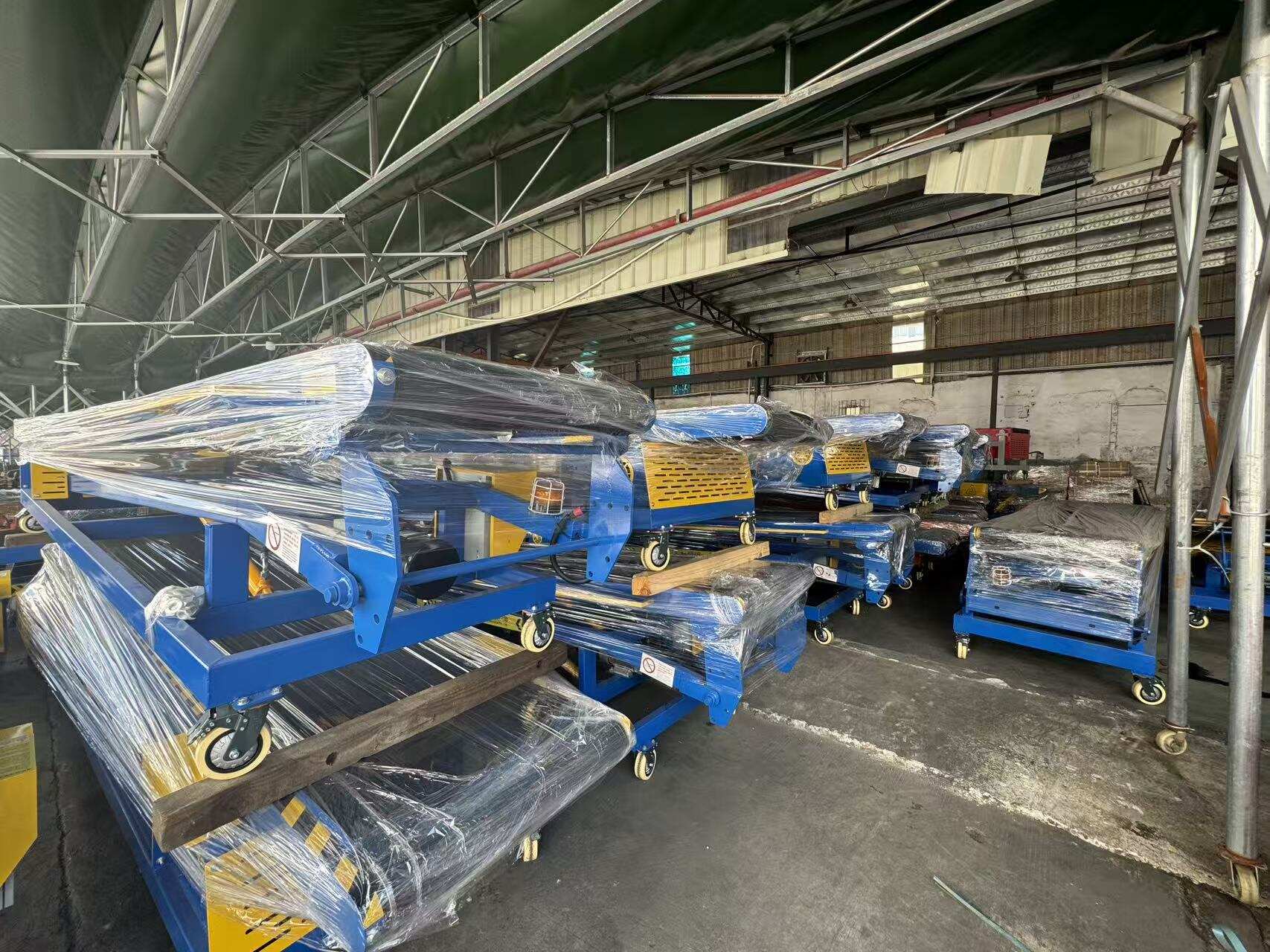
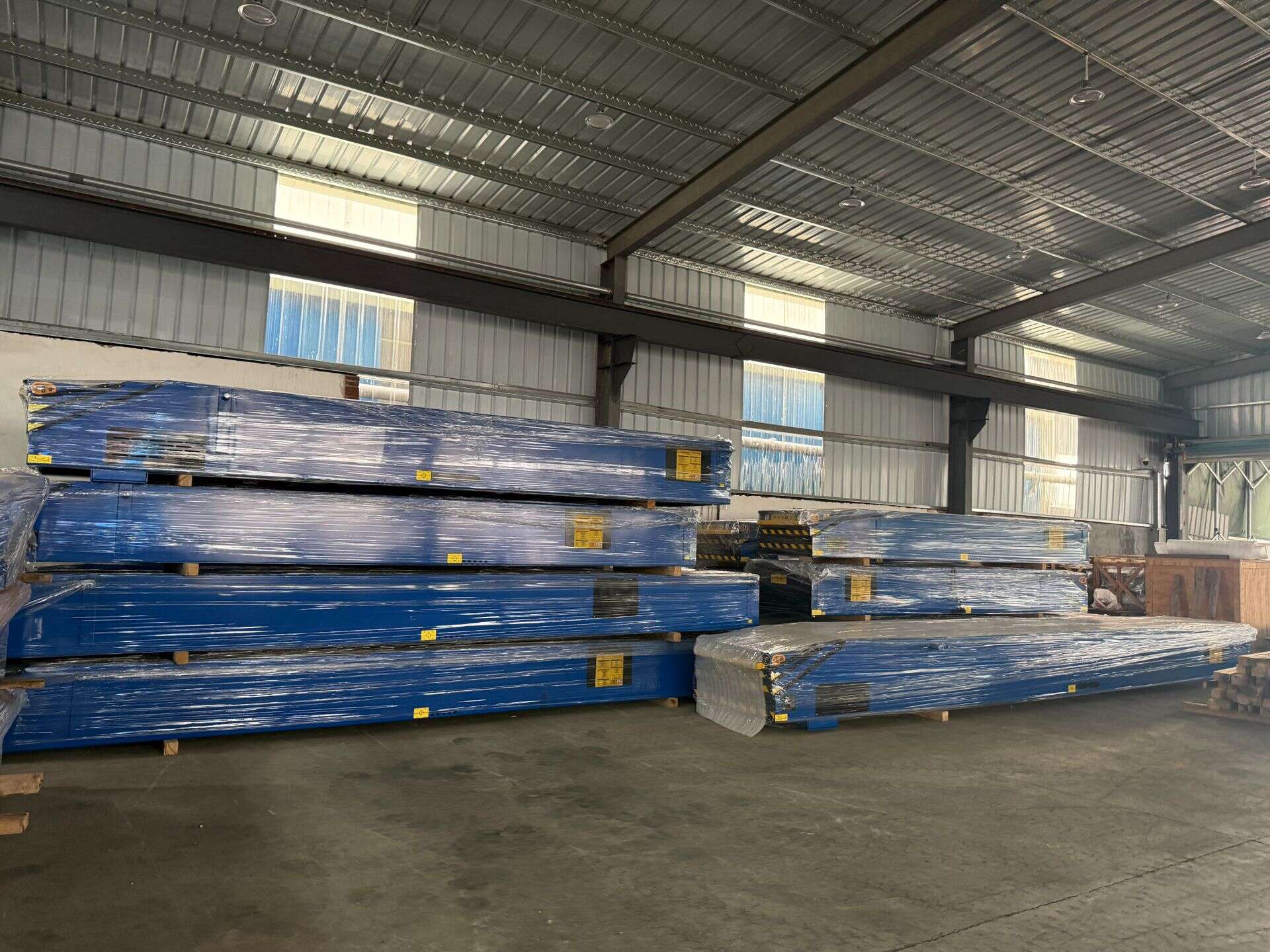
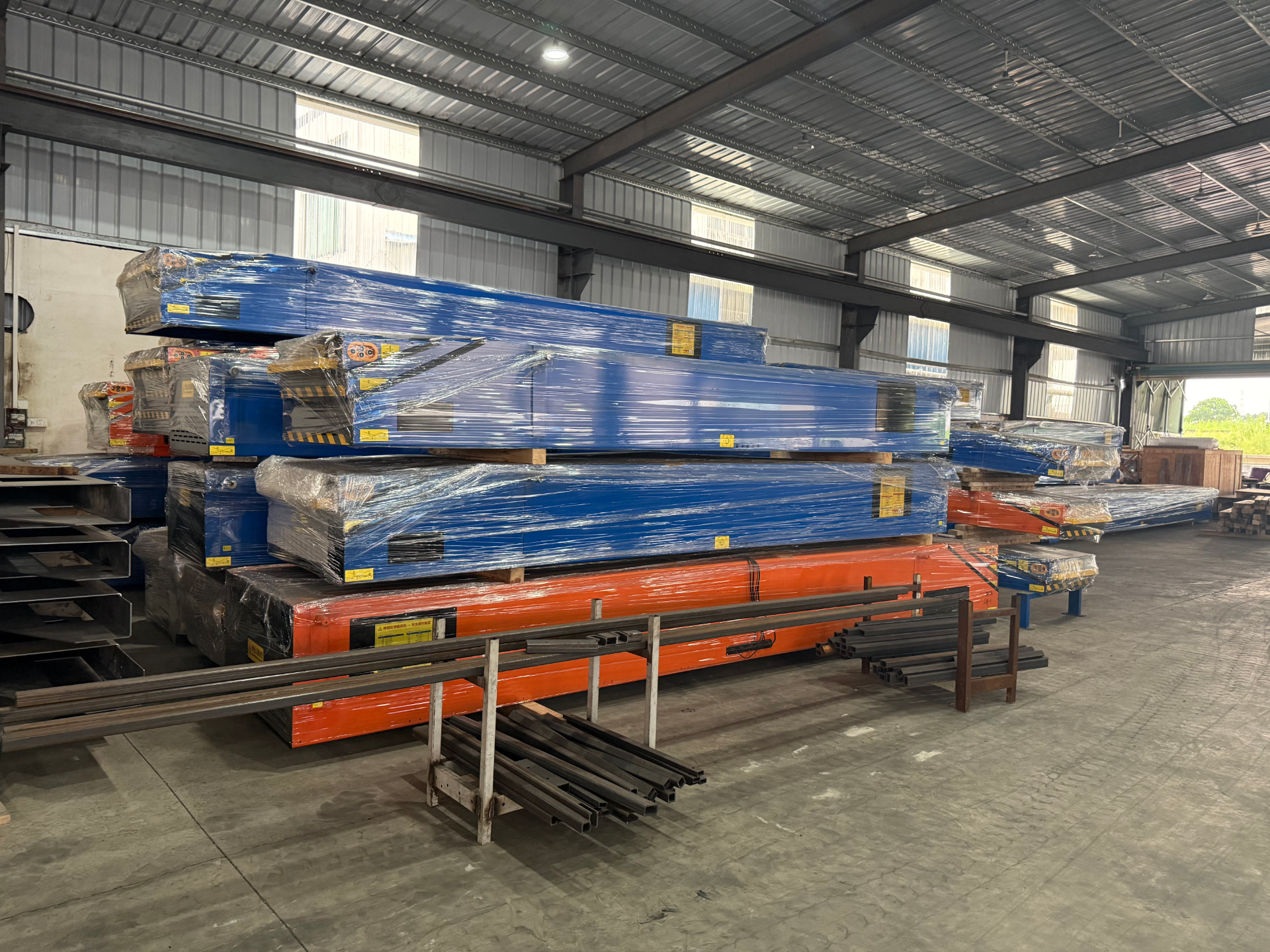
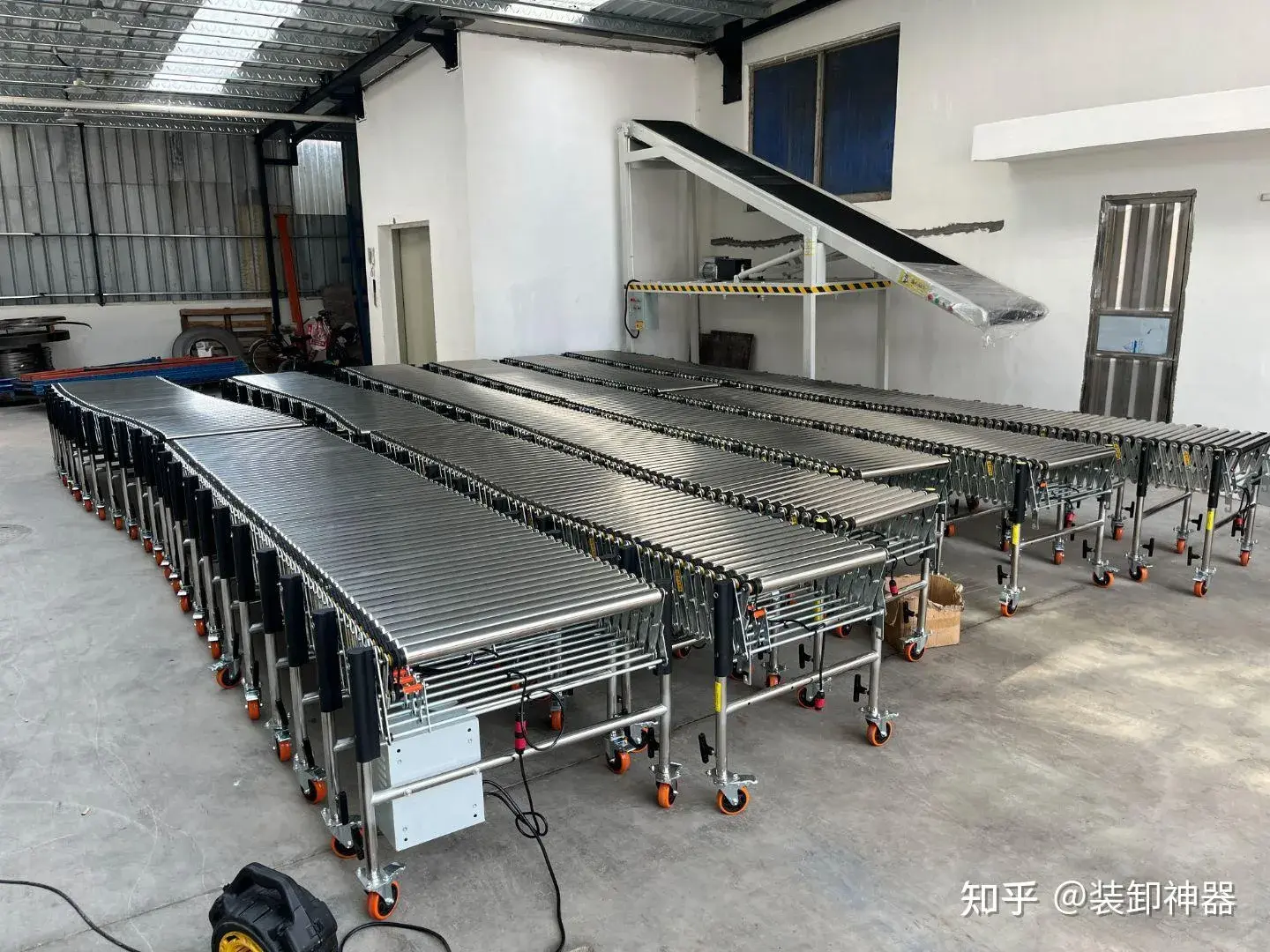
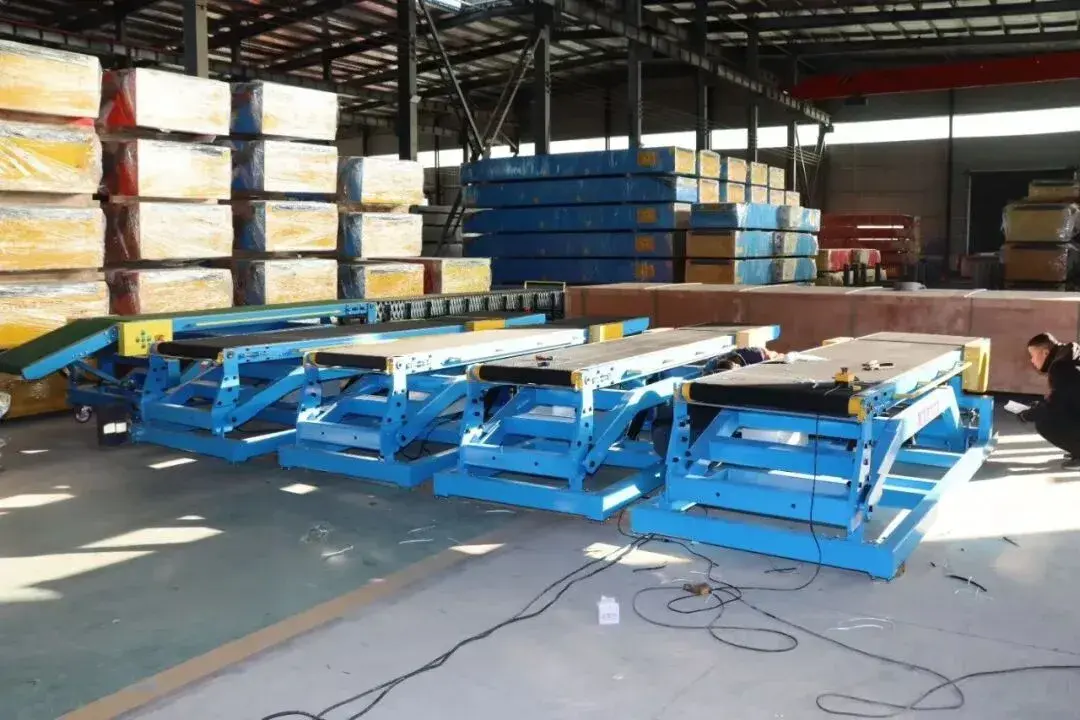
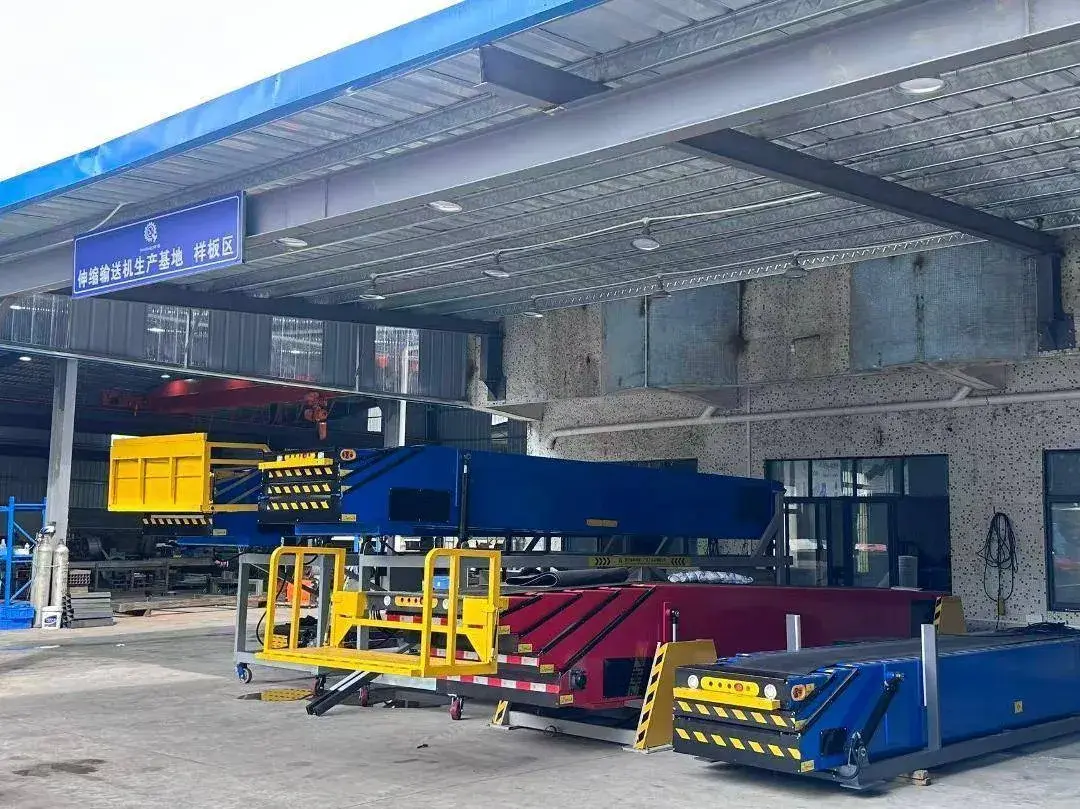
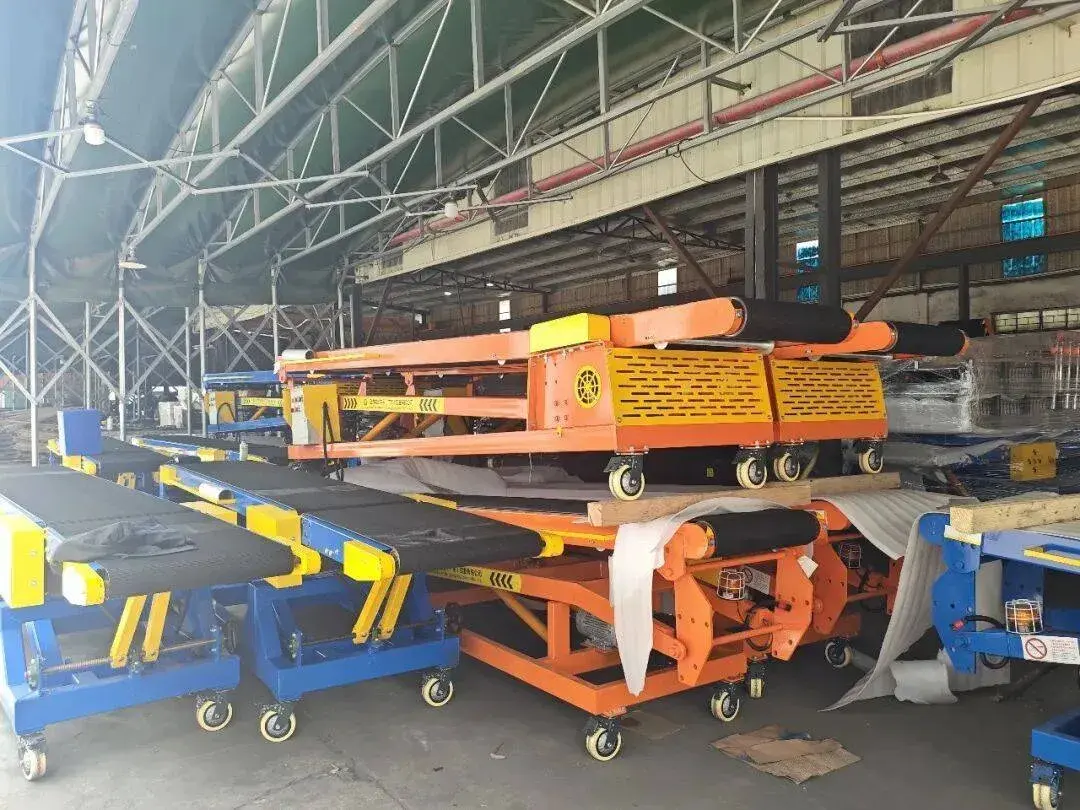
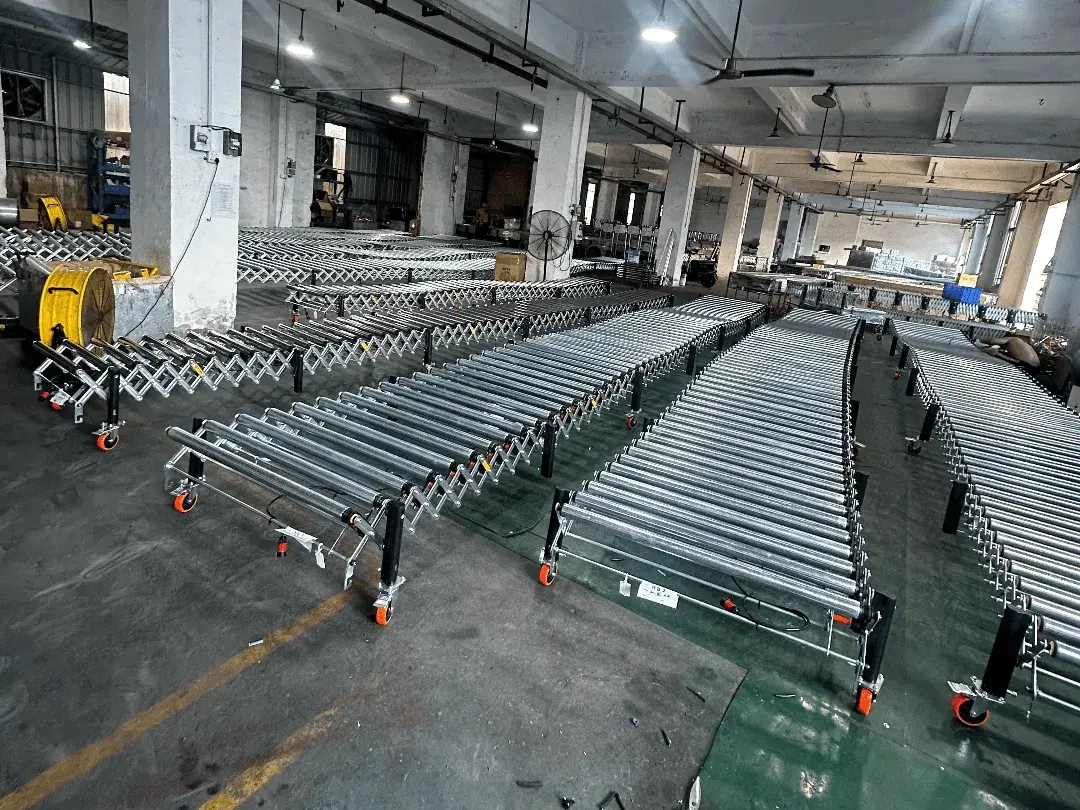
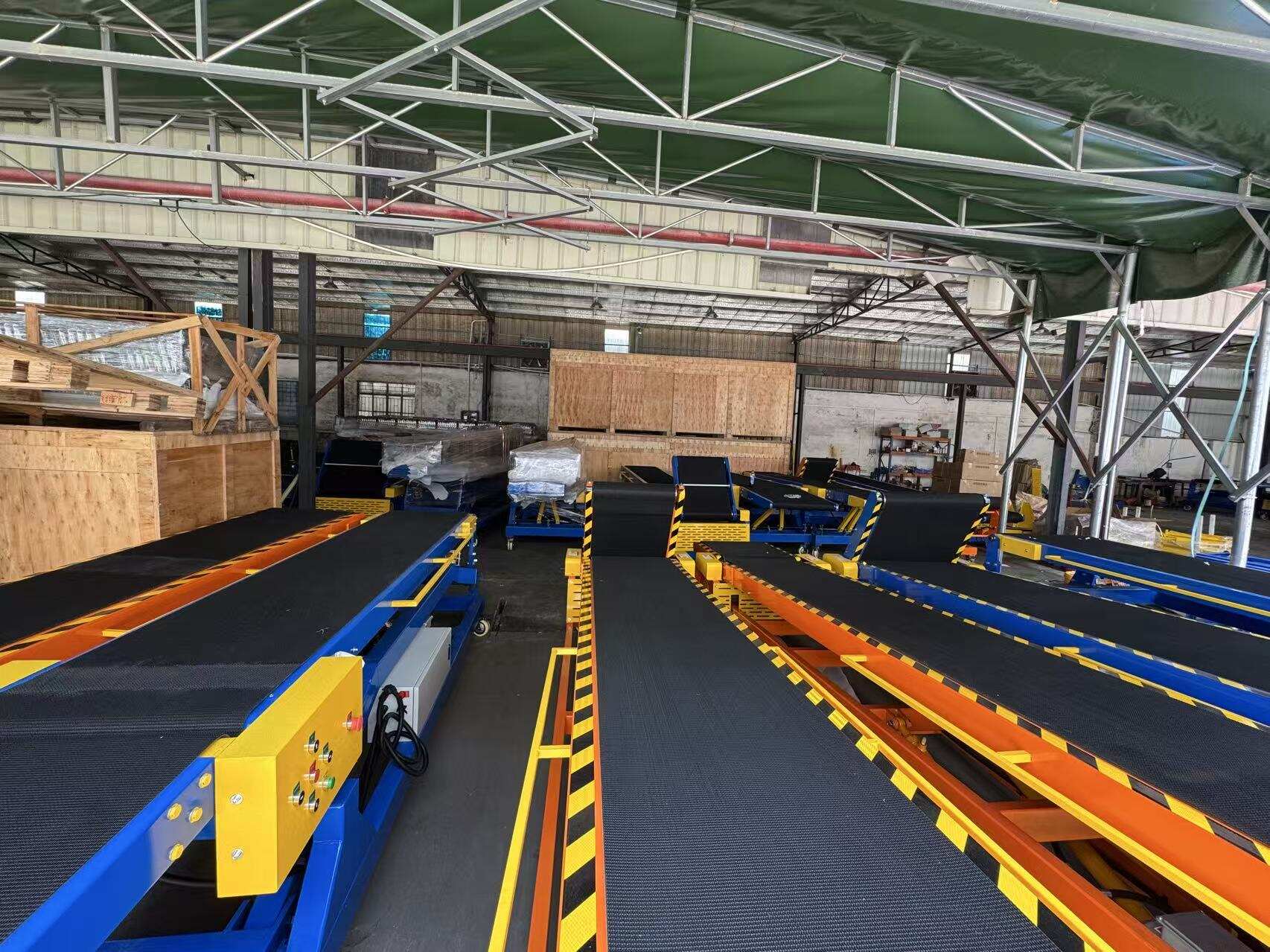
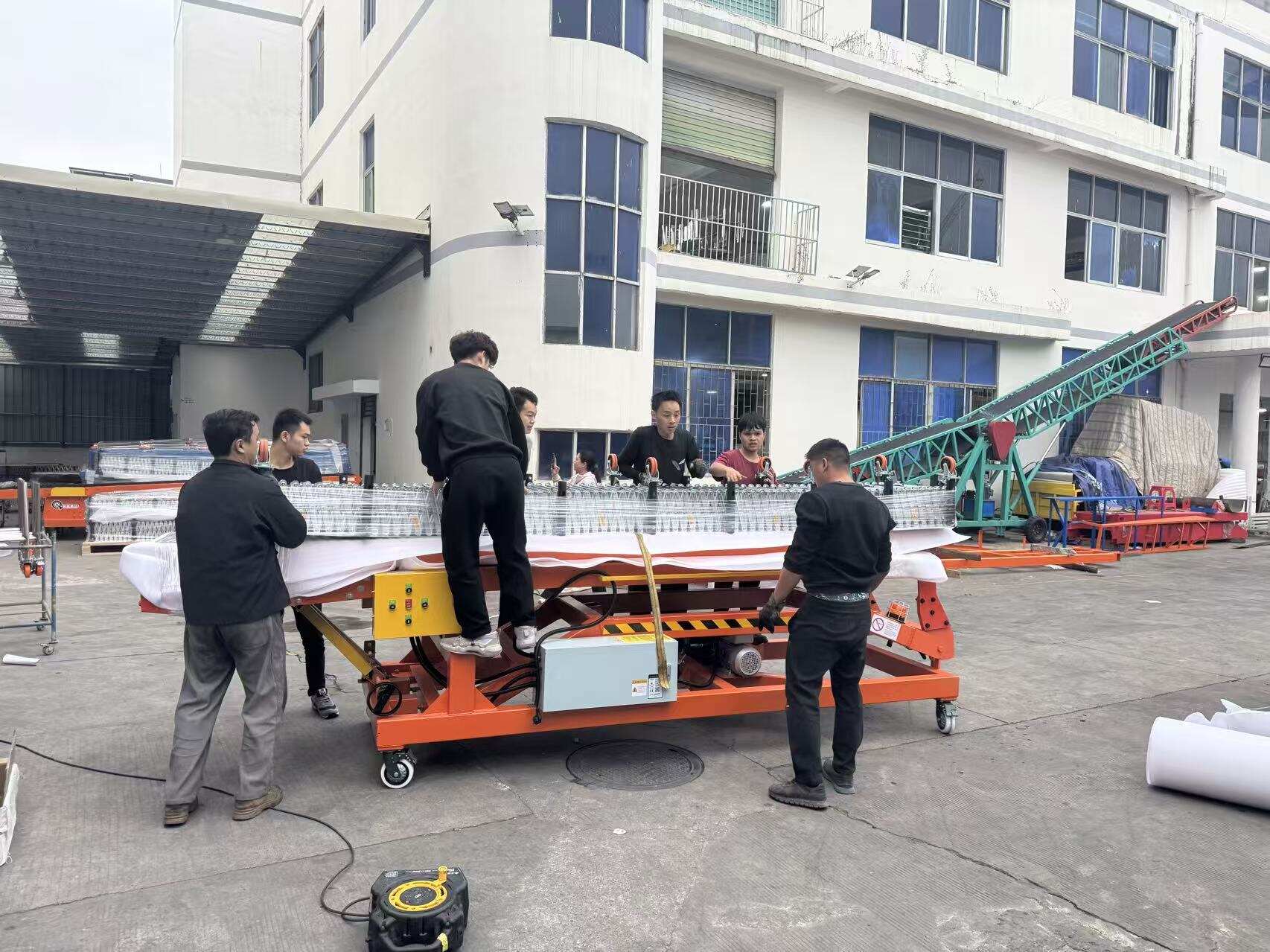
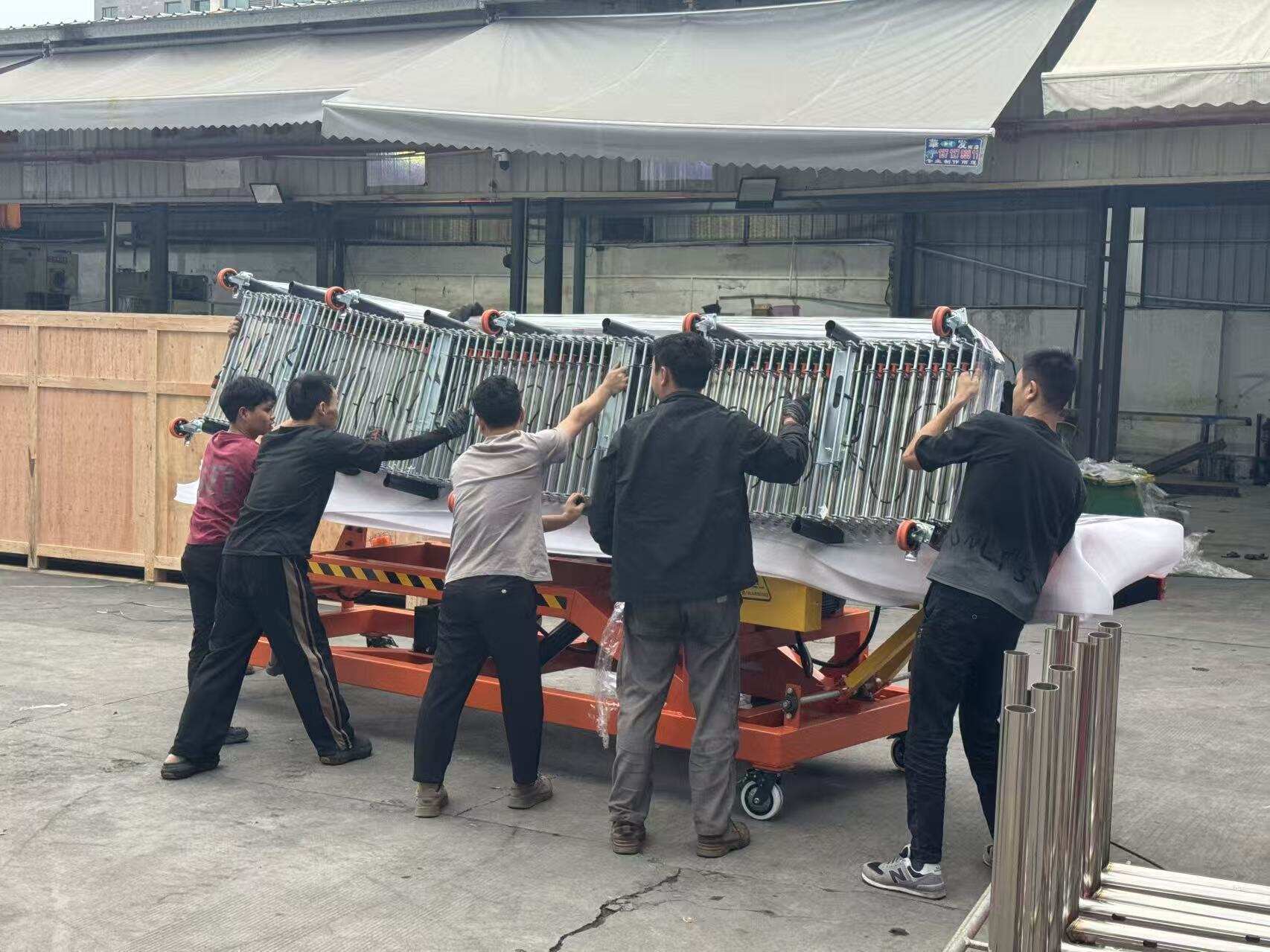
To address these pain points, Naili Unloading Artifact (Guangdong) Industrial Co., Ltd. conducts research and development focused on flexible loading and unloading conveying equipment, with emphasis on solving four types of problems: slow loading and unloading, high labor costs, high cargo damage rates, and poor adaptability. The solution is centered ontelescopic roller conveyorsandtelescopic belt conveyorswith the goal of completing higher-frequency, more stable loading and unloading operations with less labor.
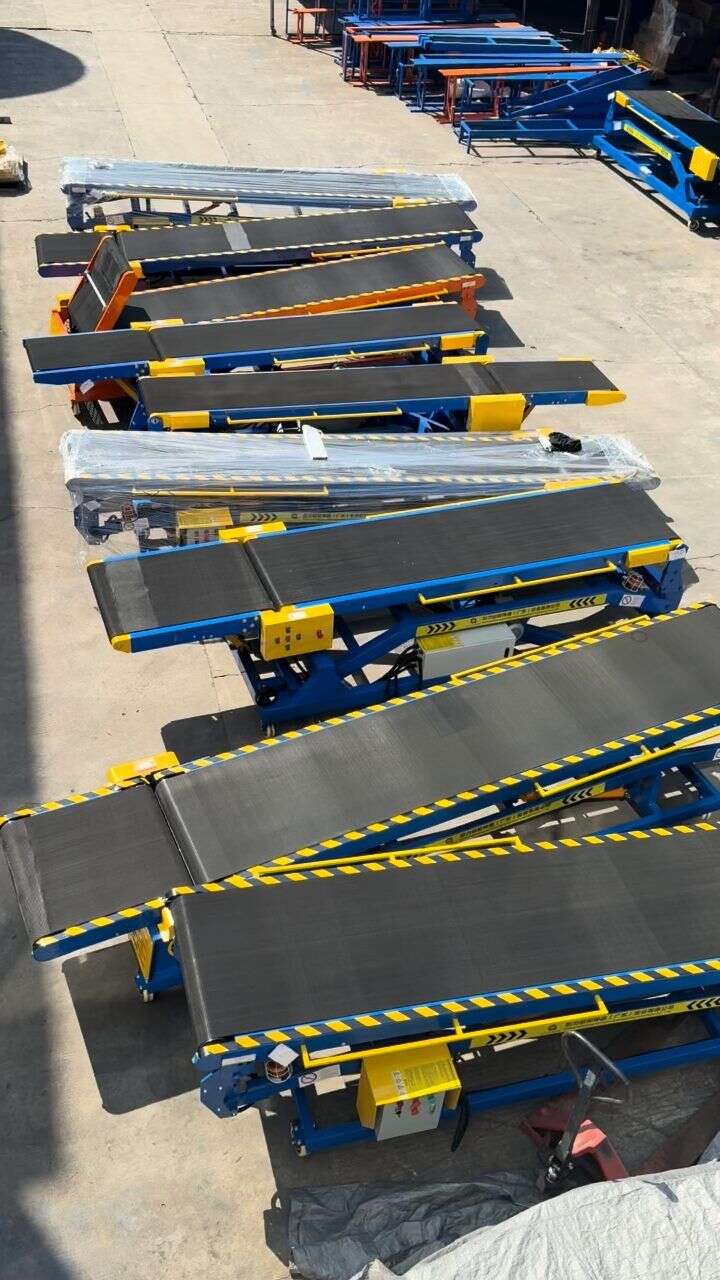
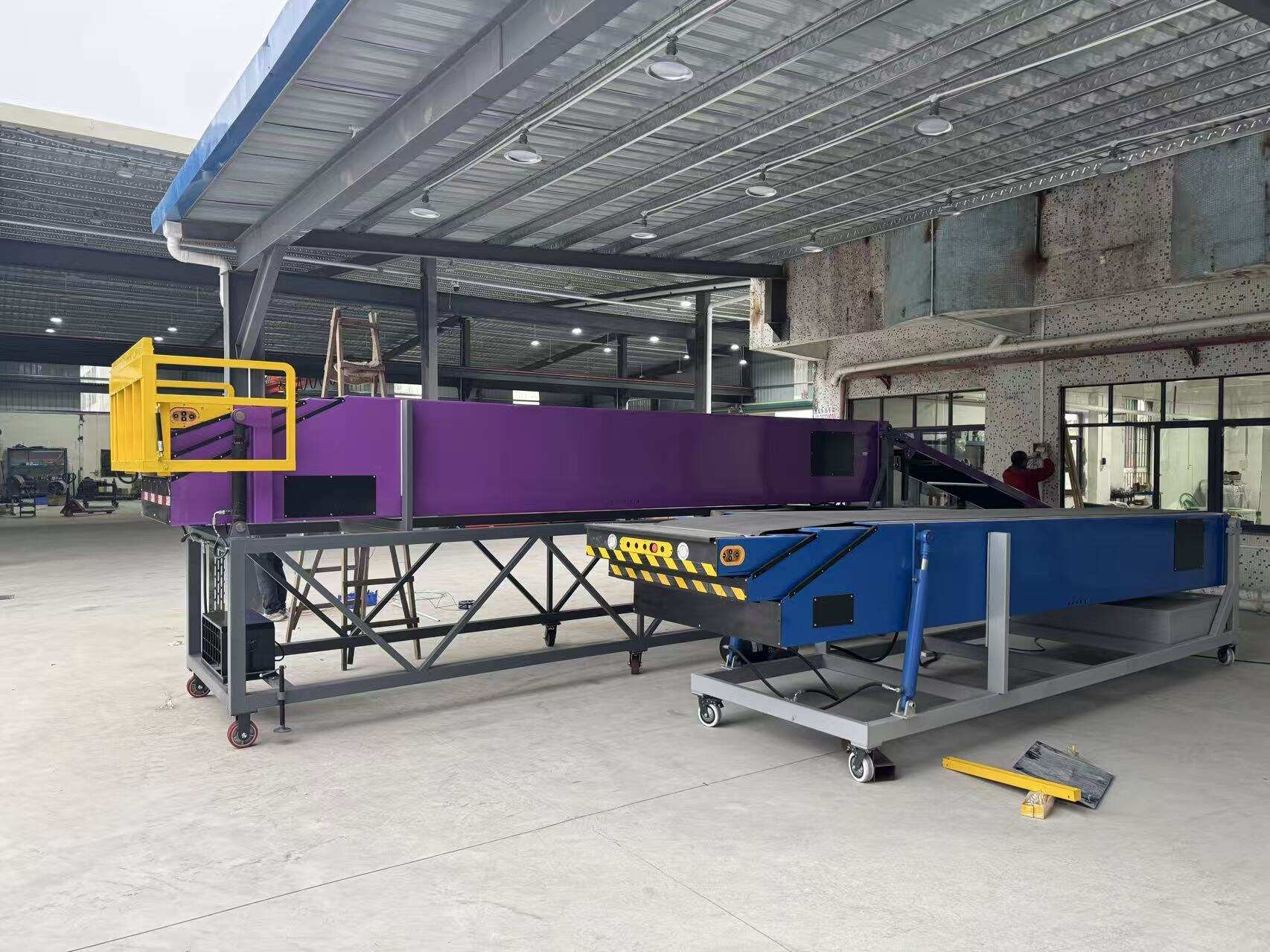
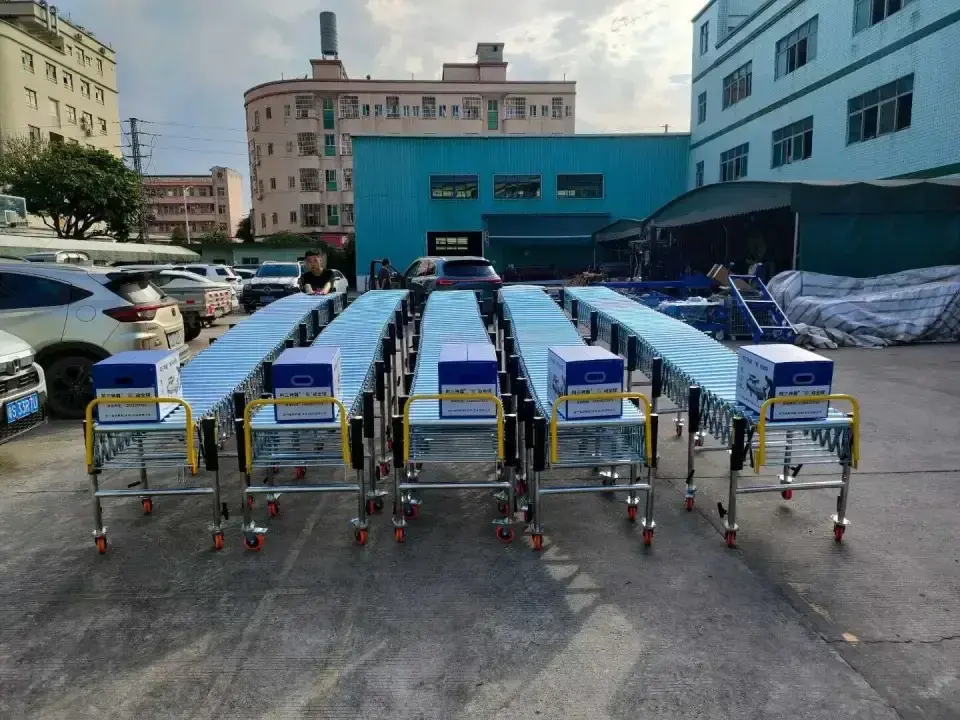
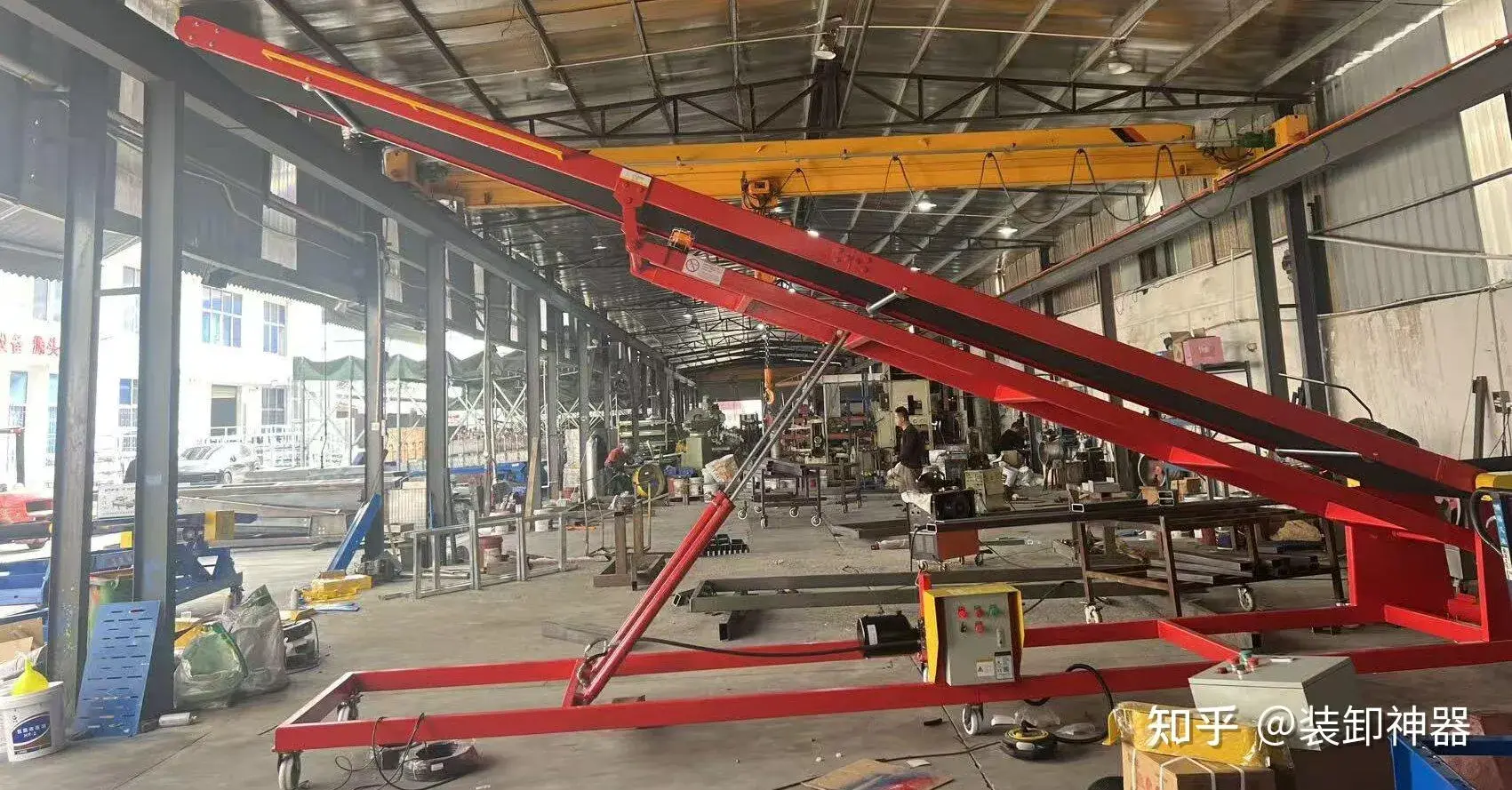
These types of equipment can extend and retract freely and offer adjustable angles, allowing them to accommodate trucks and containers of various sizes while extending directly into the vehicle compartment to convey goods. At loading and unloading sites, they reduce repetitive back-and-forth handling and reliance on large numbers of workers. Compared with traditional fully manual operations, they make it easier to establish a continuous loading and unloading process.
Roller equipment is better suited to scenarios that prioritize loading and unloading speed
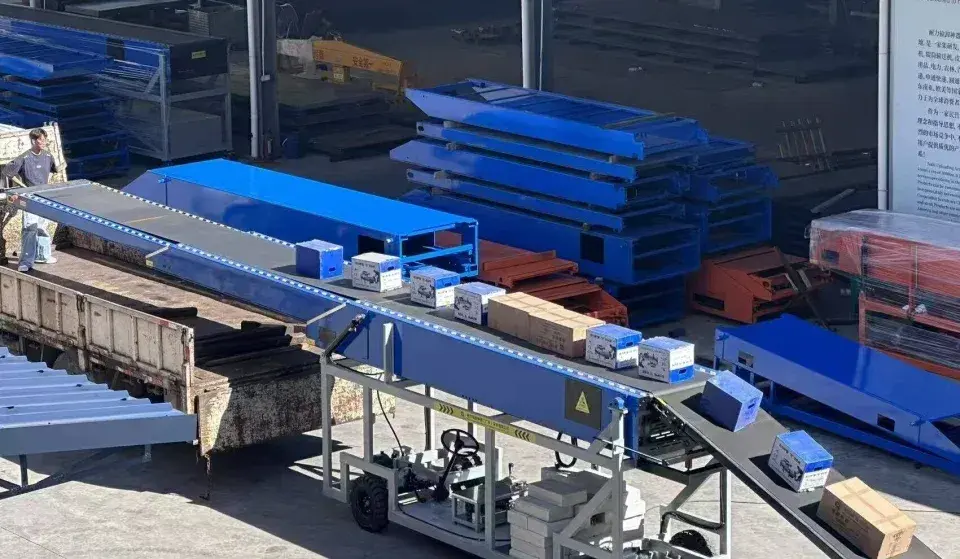
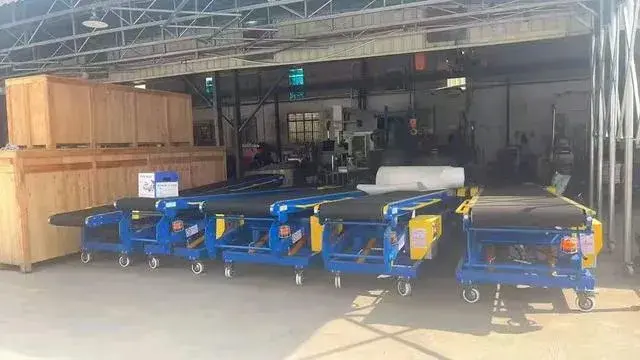
In scenarios where efficiency comes first,multi-function powered roller telescopic conveyorsandloading and unloading Powered Roller Conveyorcan play a more direct role. The equipment supports free extension and retraction as well as angle adjustment, allowing it to extend into the vehicle compartment for conveying and reducing the time workers spend repeatedly transferring goods in and out of the vehicle.
Loading and unloading tasks that originally required several people and took around one hour can typically be completed by 1 to 2 people after installation. For express delivery outlets and warehousing sites, the value of this change lies not only in faster individual loading and unloading operations, but also in shorter vehicle waiting times and reduced vehicle congestion and order accumulation during peak periods.
Belt equipment is better suited to protecting goods and handling items deep inside vehicles
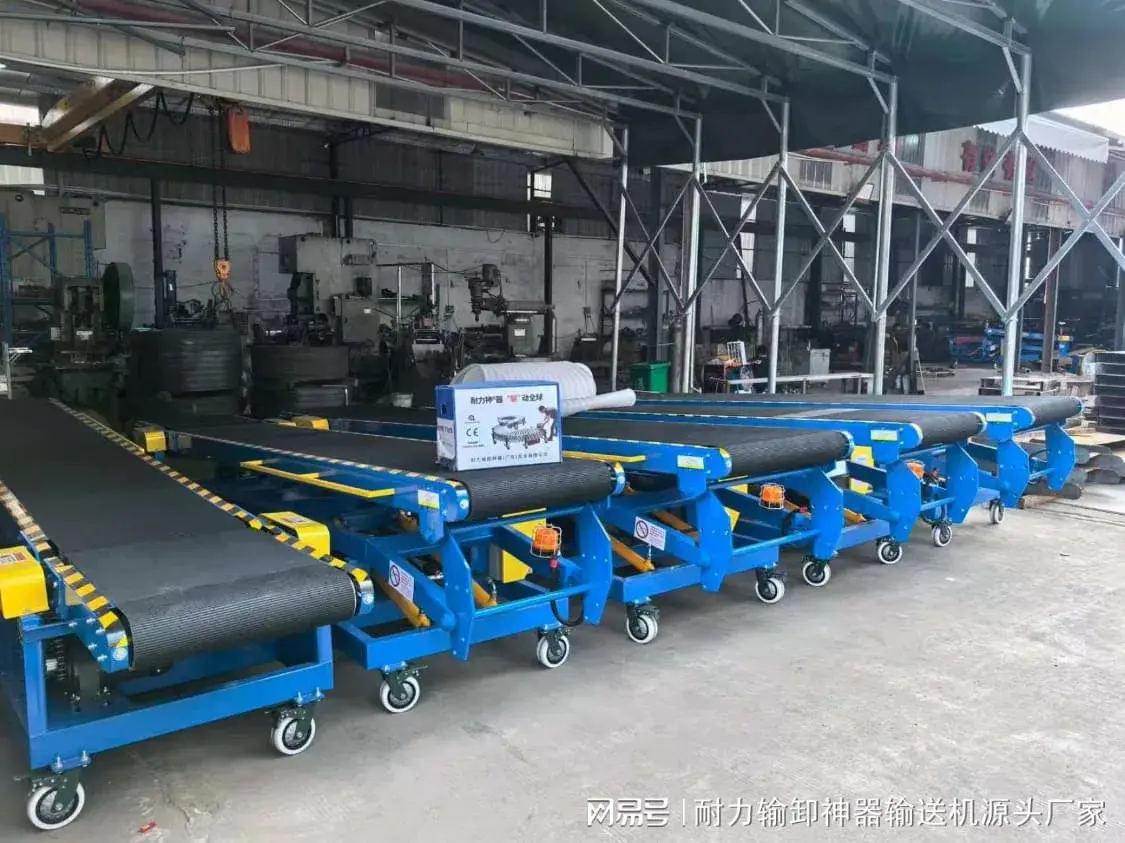
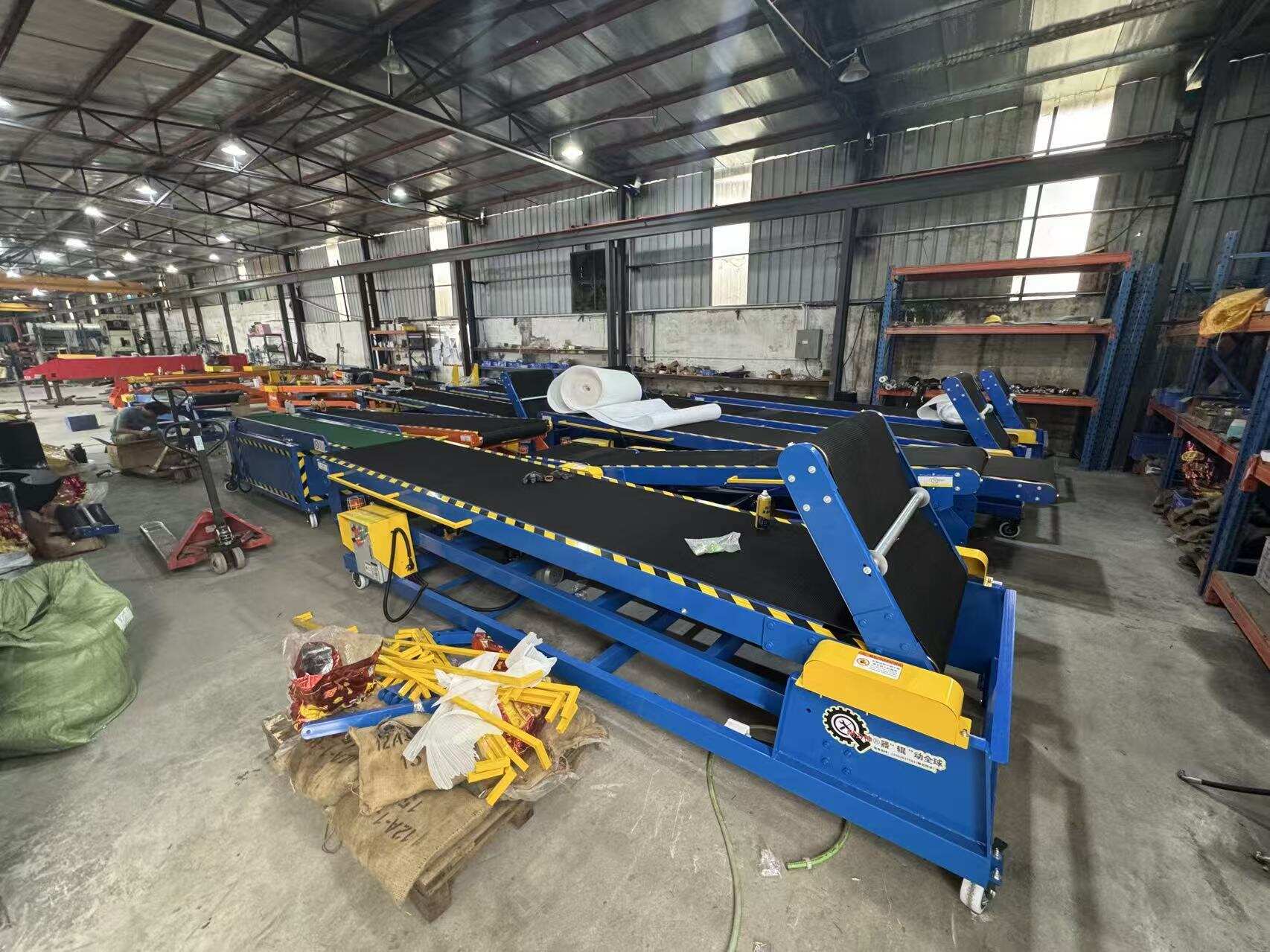
If the goods being loaded and unloaded include express parcels, fragile goods, or bagged materials,telescopic belt conveyorsandloading and unloading belt conveyorsplace greater emphasis on smooth transport. Flexible belt conveying does not scrape or knock goods, and, combined with cushioning and protective designs, it can minimize the risk of damage during transfer.
At the same time, the deep-reach telescopic design can cover areas farther inside the vehicle compartment, solving problems such as goods that are difficult to handle or frequently left behind in deep areas. For loading and unloading sites, this means more complete operational coverage, fewer handling dead zones inside the vehicle, and a more thorough overall process.
How to connect loading and unloading, sorting, and storage into one integrated process
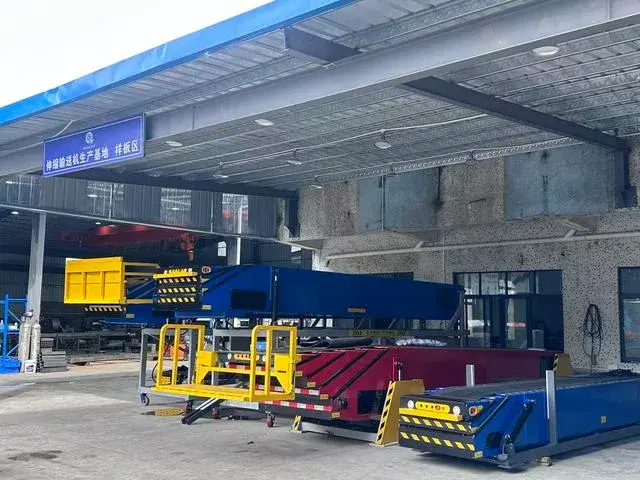
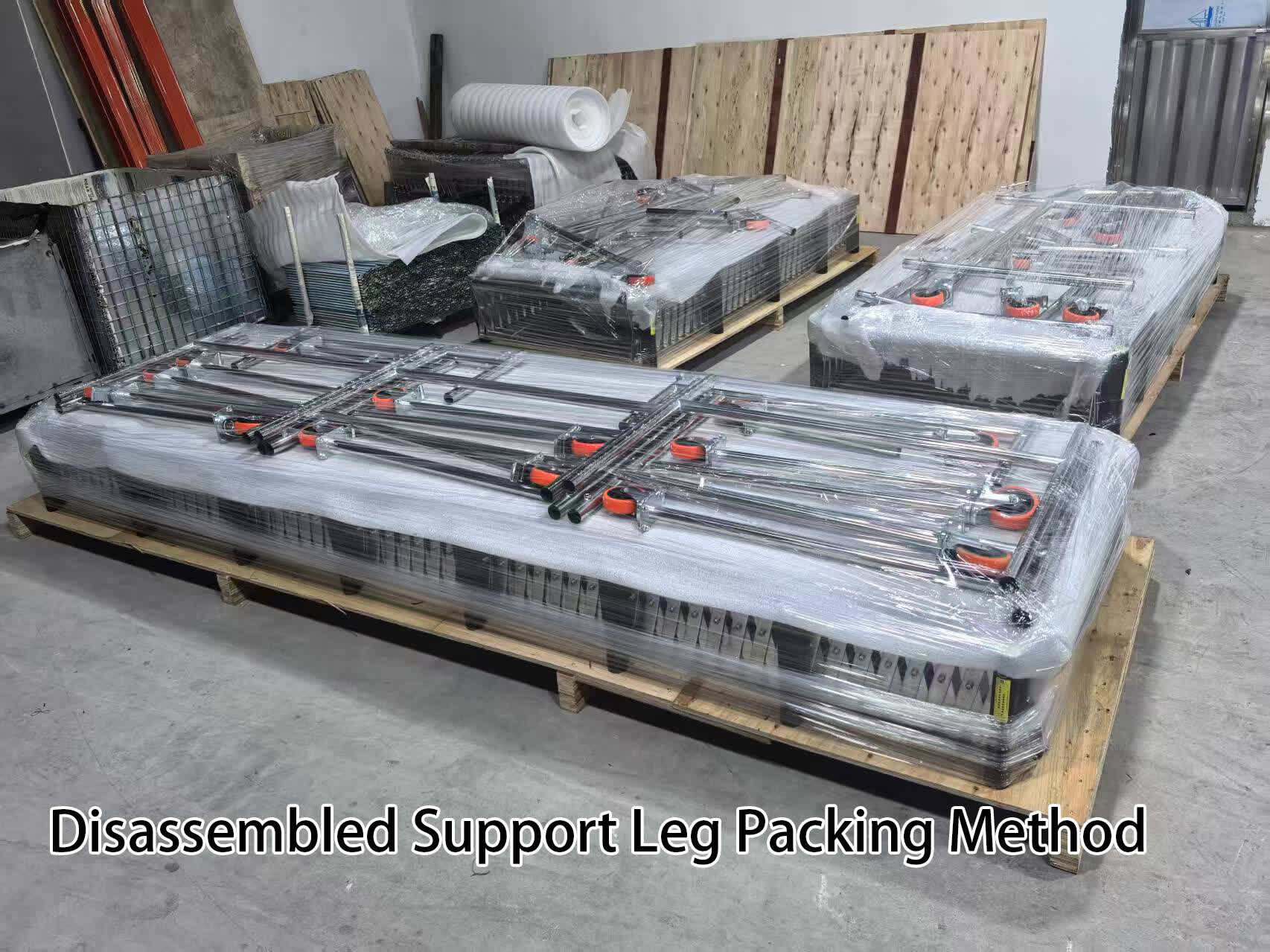
In practical applications,telescopic conveyor lines,mobile telescopic conveyorsandpowered roller conveyor linesThey can be combined to create a more complete loading, unloading, and sorting workflow that meets the routine operational needs of express delivery outlets. The equipment is flexible and mobile, and can be stored when not in use. It takes up minimal floor space, making it suitable for small and medium-sized express delivery outlets and warehouse facilities.
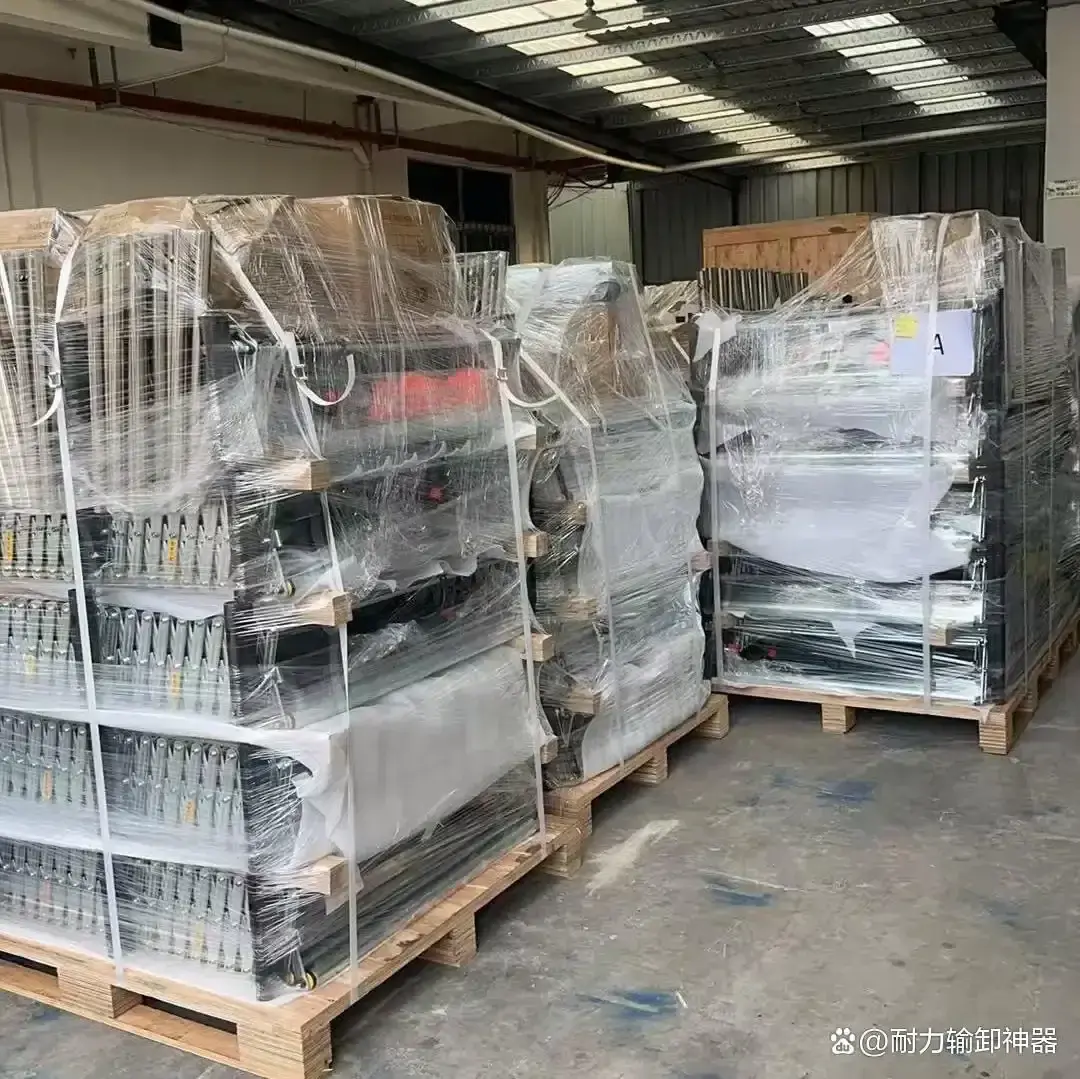
Naili Unloading Artifact (Guangdong) Industrial Co., Ltd. adopts a direct-from-source supply model and supports customization. The equipment requires less investment than the continuously increasing cost of long-term labor. For logistics companies seeking to control labor costs, improve operational efficiency, and reduce product damage, this type of flexible automation equipment offers an easier-to-implement way to reduce workload and increase efficiency.