Fragmented short-distance transfer: why does it consume the most labor?
In the day-to-day operation of manufacturing plants, what often takes the most man-hours is not long-distance transport, but material transfer between workshop stations, temporary consolidation of finished goods in warehouses, sorting and classification of small items, and transitional handling when trucks unload goods at the factory gate. These tasks may seem scattered, but over time they consume a great deal of labor.
There are two common retrofit methods, and each has obvious shortcomings. One is to directly install a complete powered roller conveyor line; equipment procurement, electrical wiring, monthly electricity bills, and annual maintenance will add up to ongoing expenses, while in fragmented scenarios the equipment utilization rate is often less than 30%. The other is to continue relying on pure manual handling. Although the initial investment is low, workers need to make repeated round trips, labor costs will increase year by year, and it is also difficult to improve the efficiency of inbound and outbound inventory turnover.
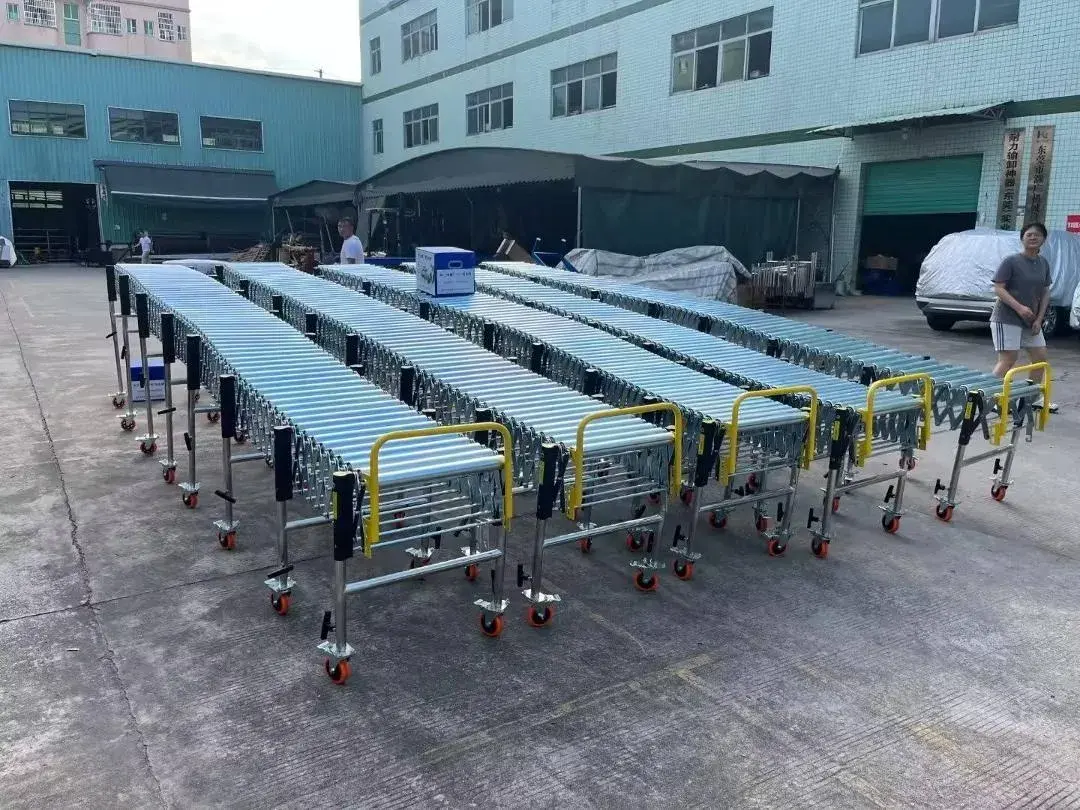
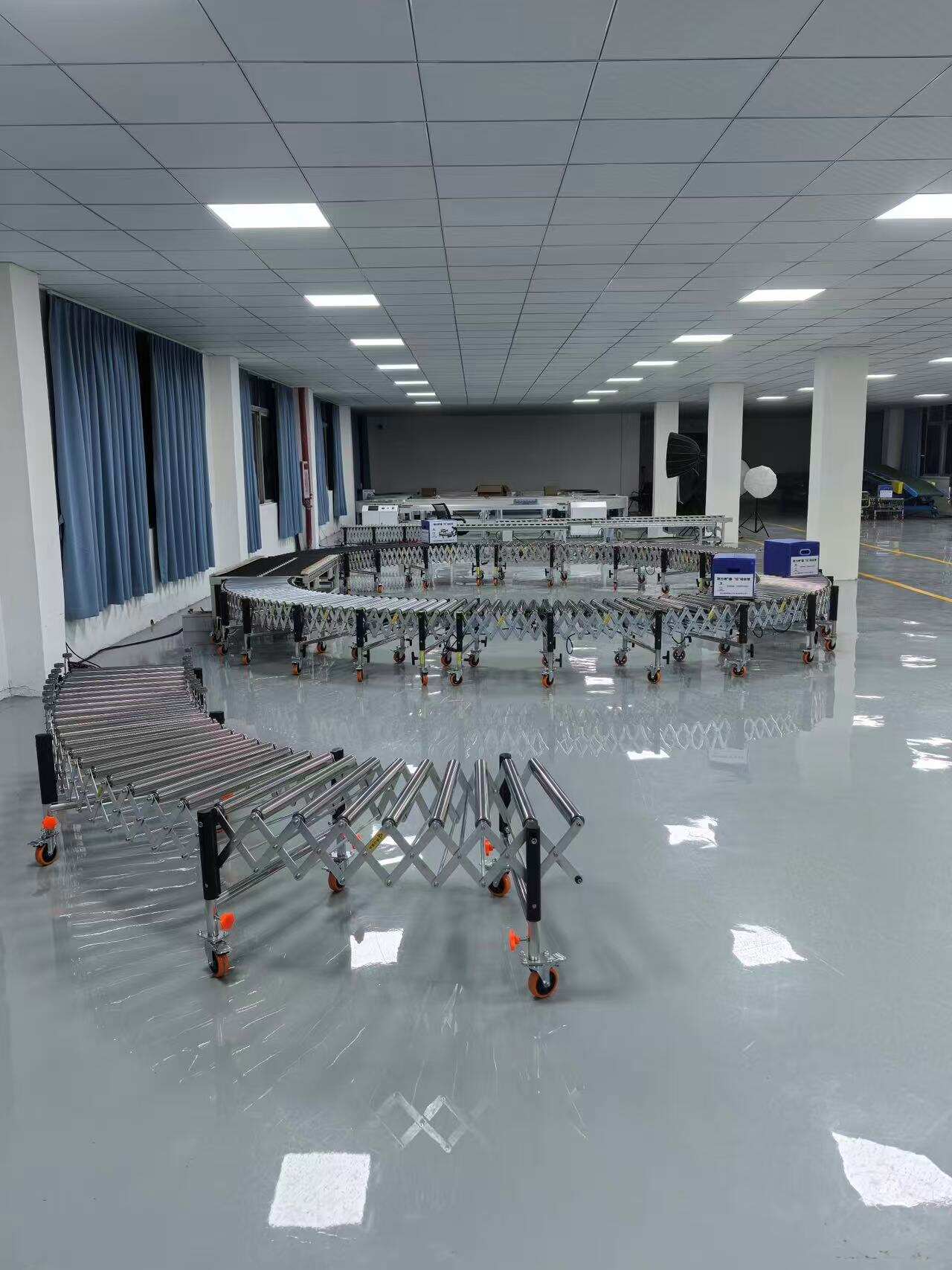
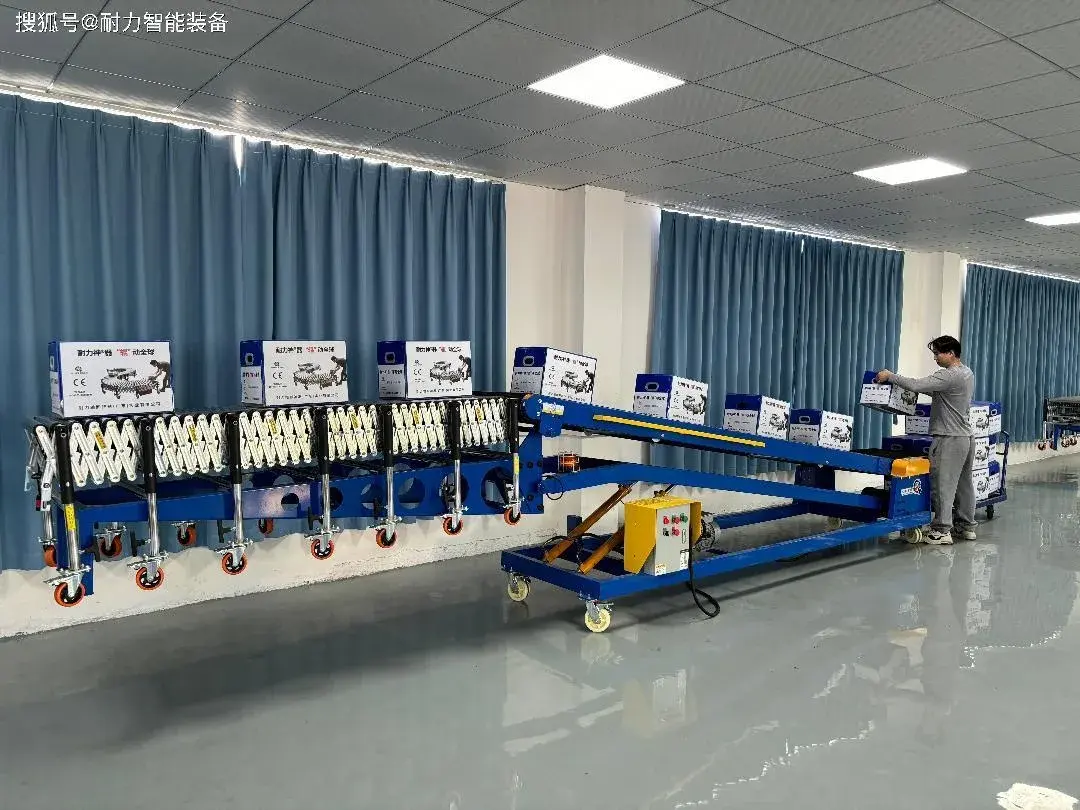
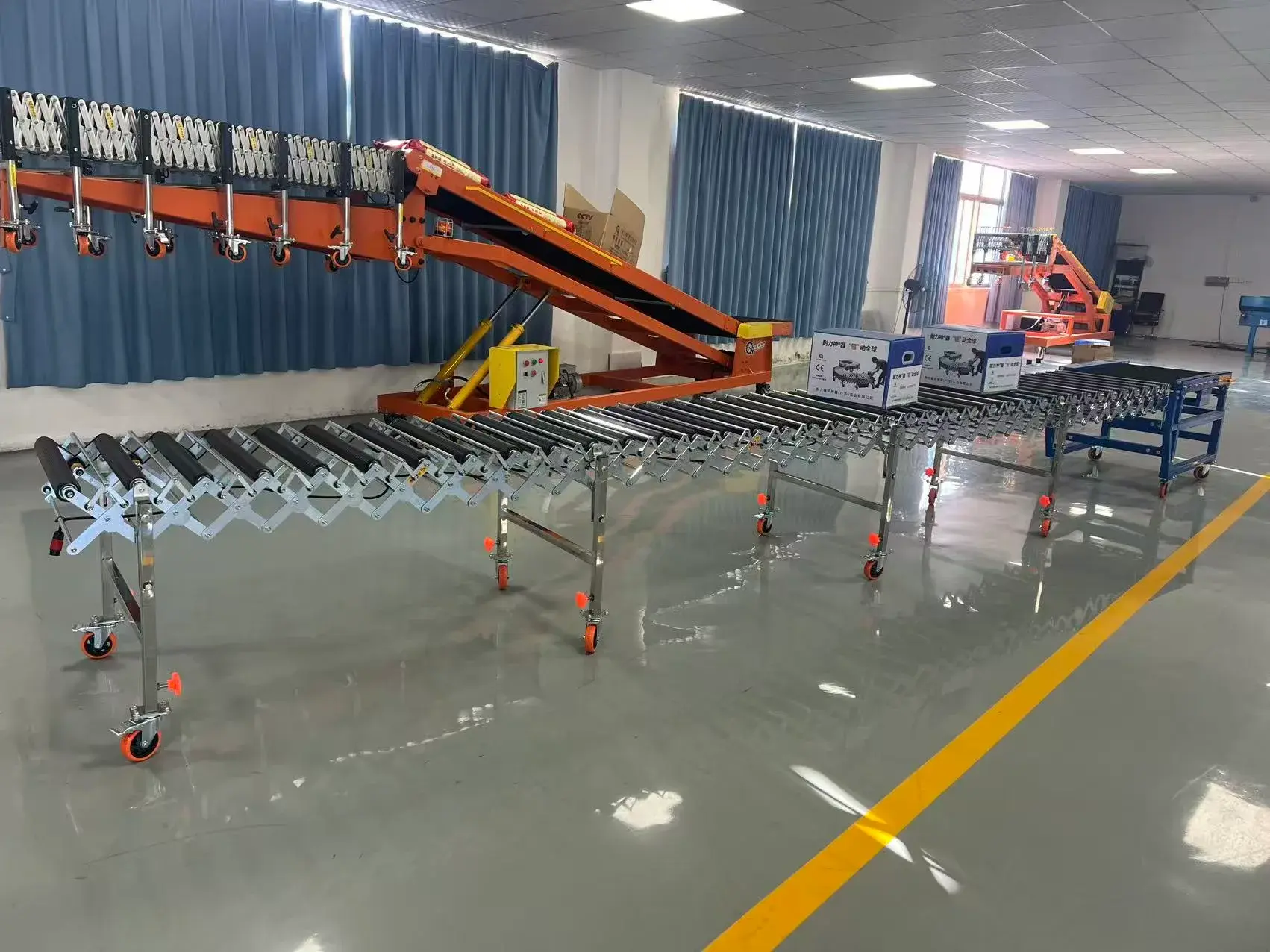
Gravity Roller Conveyor line, suitable as the main body for lightweight retrofitting
To strike a balance between equipment investment and operational efficiency, a Gravity Roller Conveyor line is the lighter choice. It does not require a motor drive system or an electrical control cabinet, and it can complete material sliding transfer by manual pushing force, thereby reducing long-term operating costs from the source.
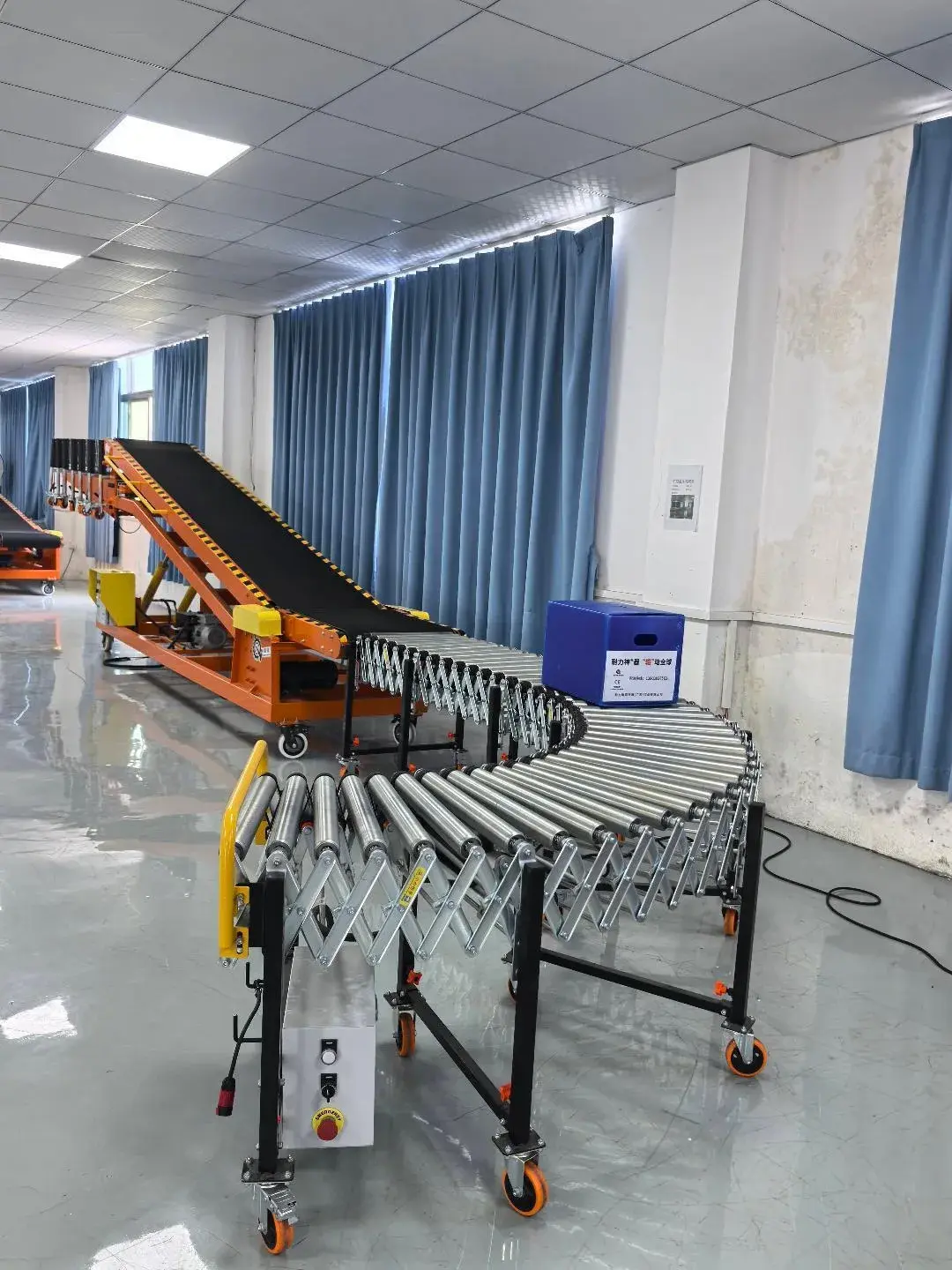
The rollers in this type of equipment undergo high-precision smooth processing, resulting in a more even load distribution. After placing boxes with flat bottoms, bagged raw materials, and plastic pallets on it, they can be moved smoothly with just a light push. The frame is made with thickened carbon steel in an integrated welded structure, offering higher structural strength, making it suitable for long-term high-frequency operation, with lower maintenance costs in the later stage as well.
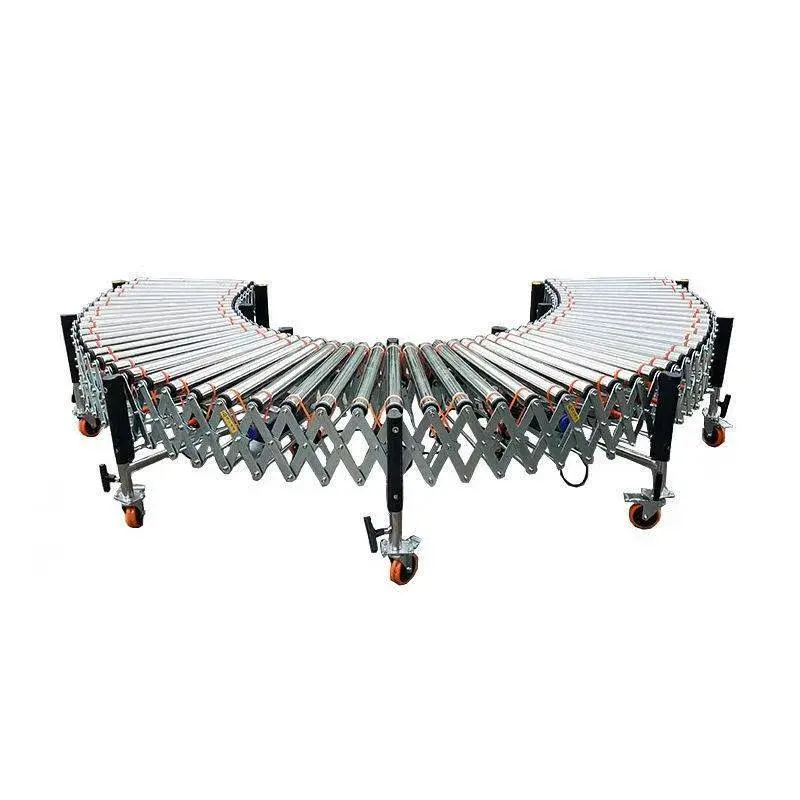
A modular combination based on on-site conditions, more suitable for small and medium-sized factories
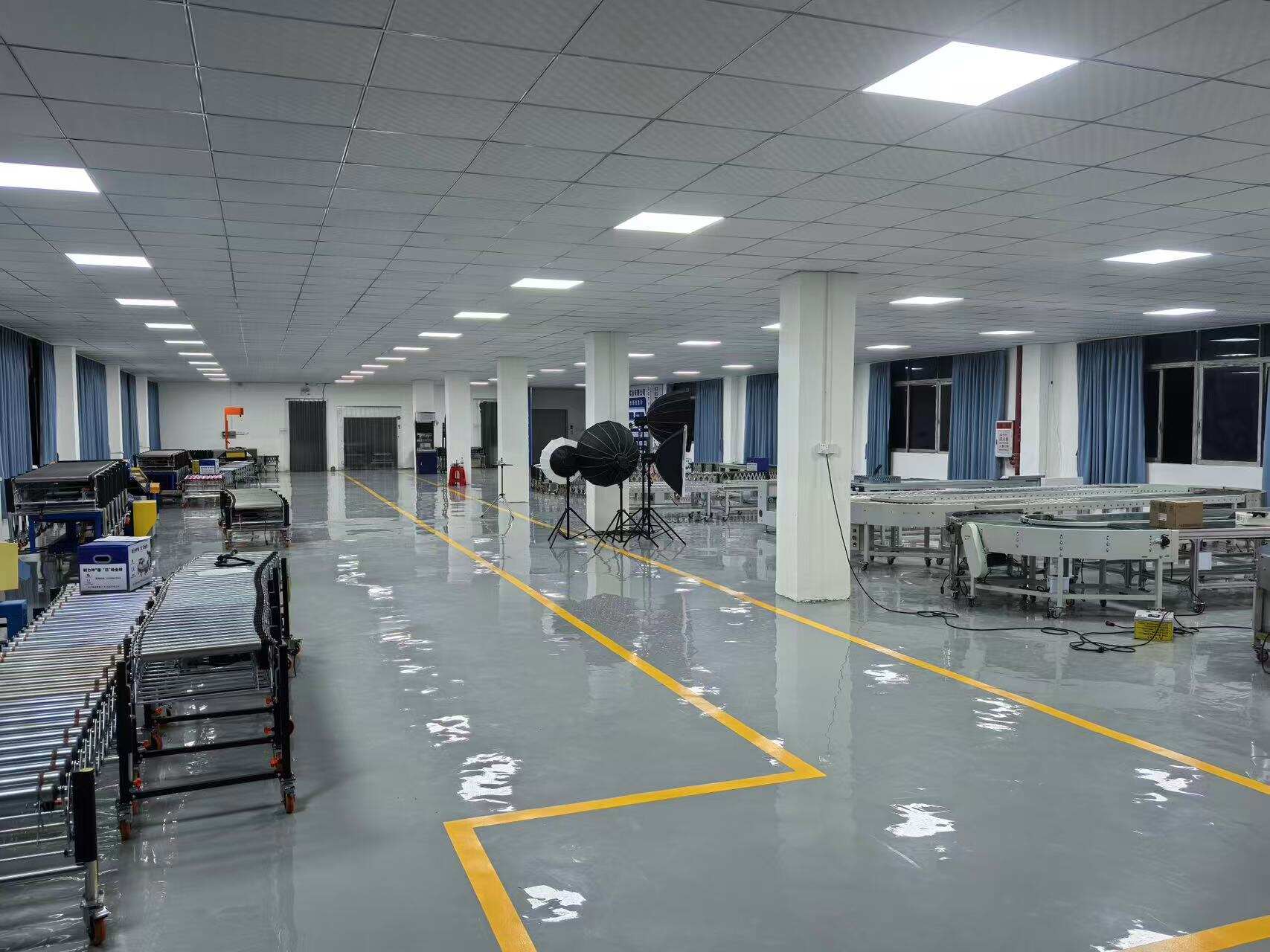
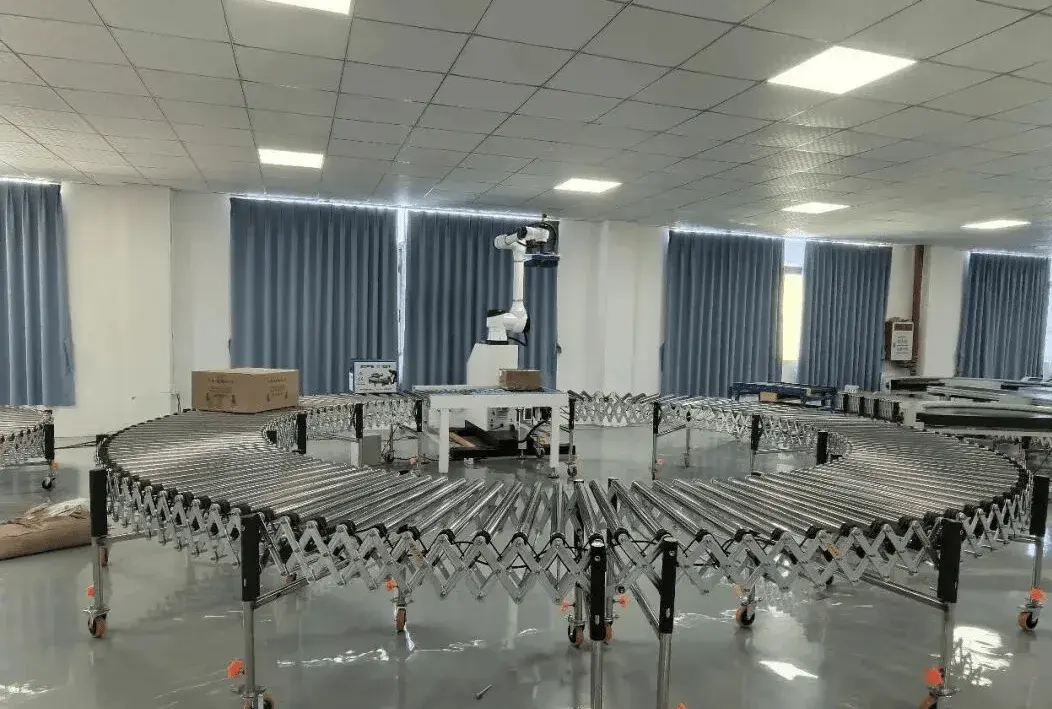
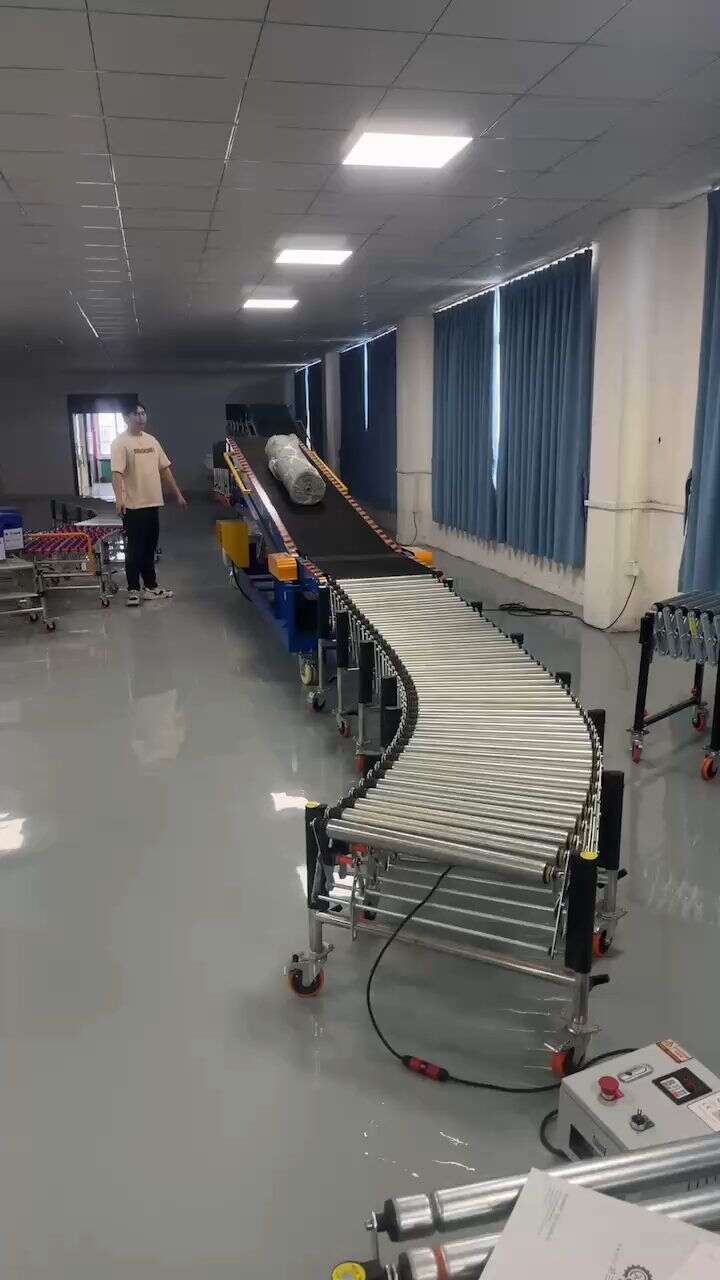
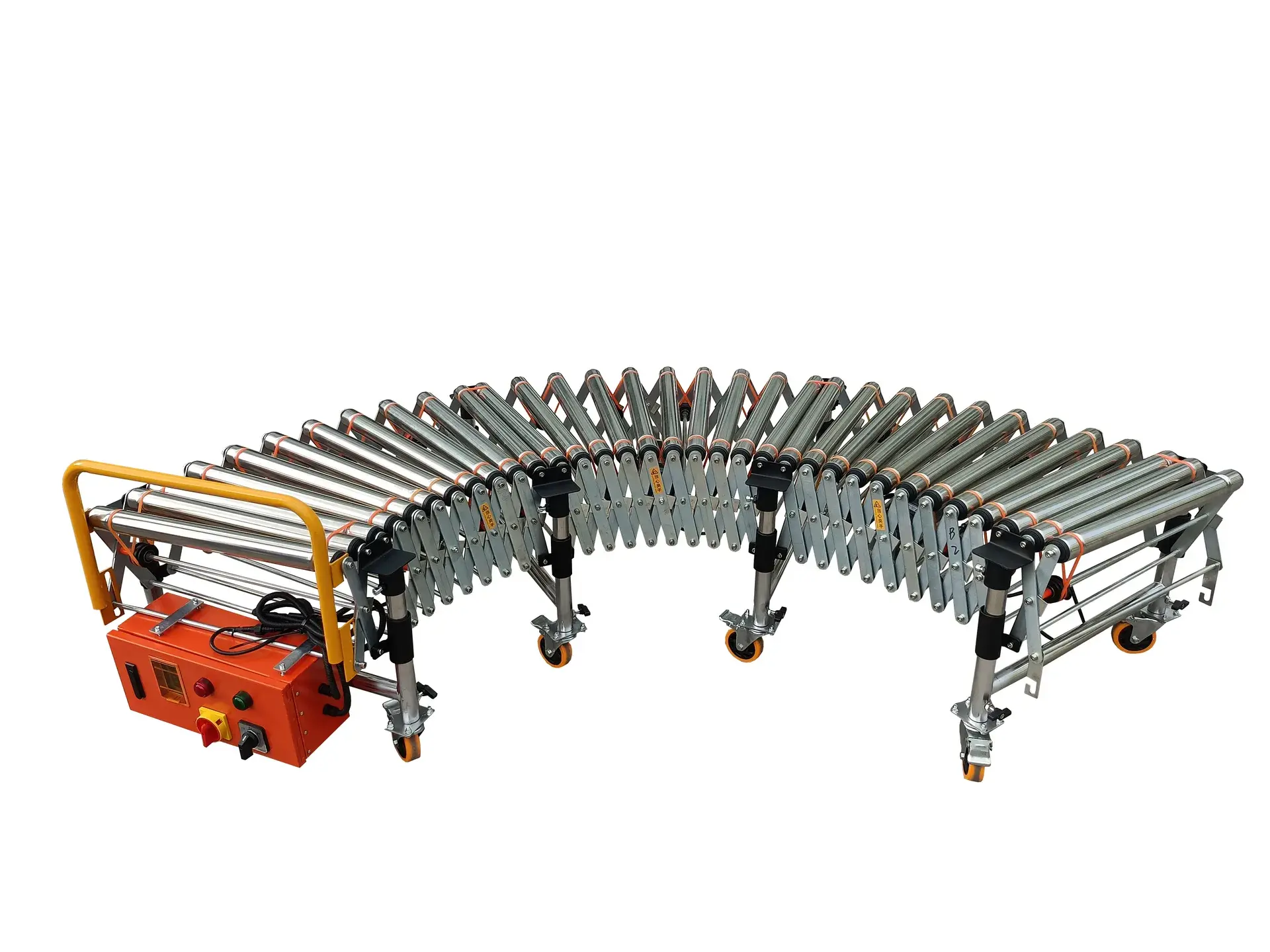
The Gravity Roller Conveyor supports non-standard customization. Based on factory aisle width and material transfer distance, it can be built with three independent module types: straight, curved, and slight incline. The modules use a snap-fit quick-connection design, making it easy to combine them into a transfer channel adapted to on-site operating conditions.
It can also be optionally equipped with universal swivel casters, locking brakes, and multi-level height adjustment brackets to handle multi-station rotation, switching between temporary loading and unloading points, and transfer through narrow aisles. The entire set of equipment can be assembled and disassembled without professional tools, and can also be taken apart and stored when idle, so it will not take up workshop or warehouse space for long periods. This is especially important for small and medium-sized factories with limited space.
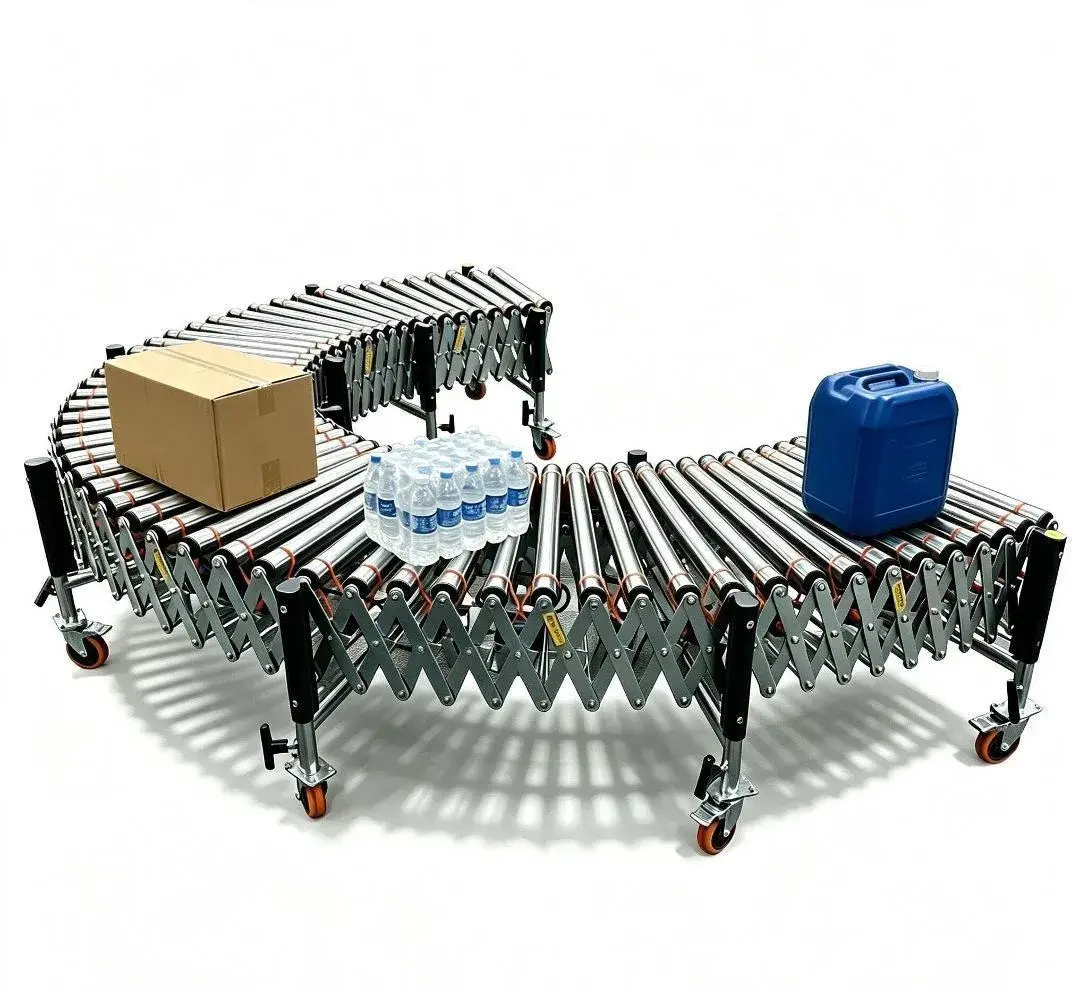
Short-distance logistics needs supporting equipment to form a complete loop
If you want to complete a flexible logistics solution, Gravity Roller Conveyor alone is not enough; it also needs to be paired with different auxiliary conveying equipment. In sorting areas for small, light materials, wheel conveyor lines can be used, offering lower pushing resistance and making them suitable for the circulation of electronic parts and small packaged goods.
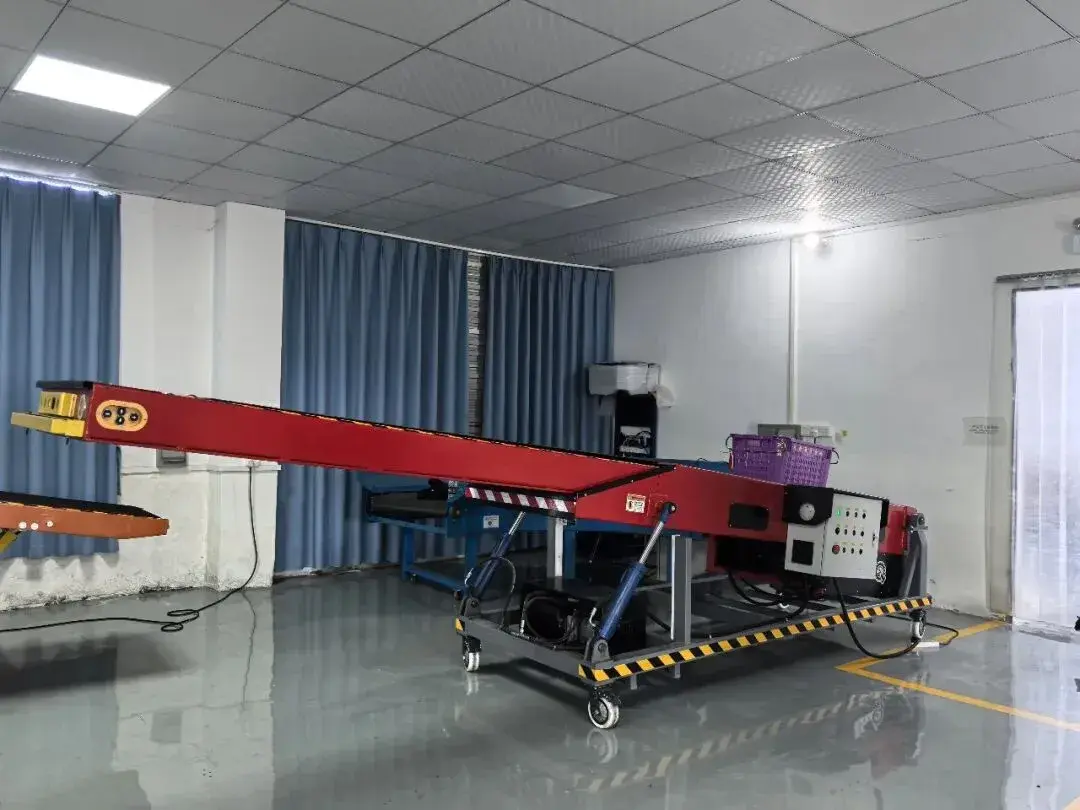
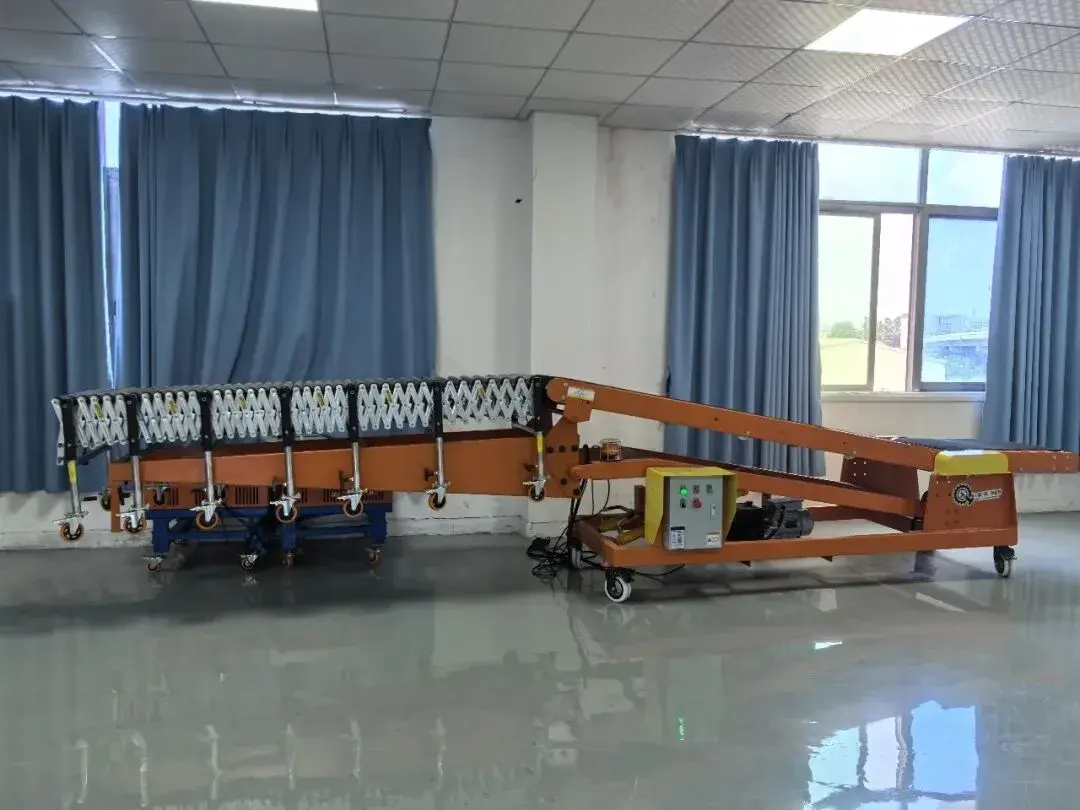
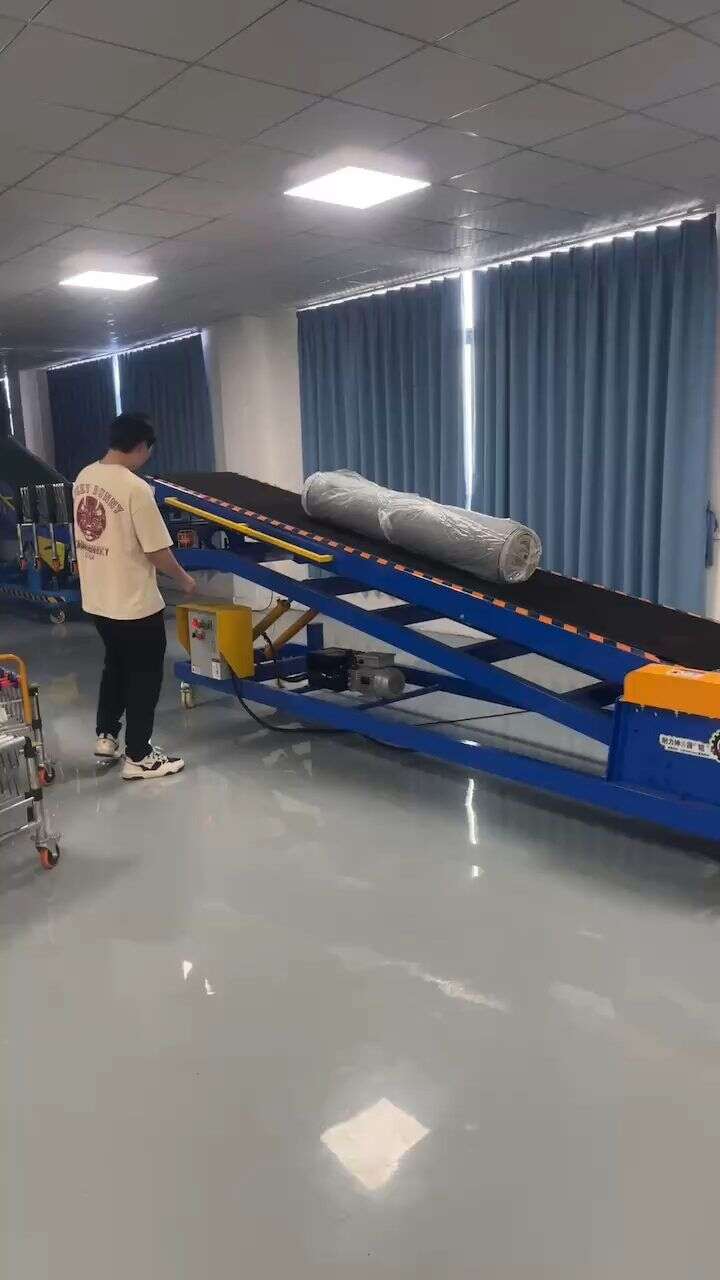
Temporary loading and unloading points for factory trucks can use foldable gravity slides, which can handle the loading and unloading transfer of bagged and boxed goods without large telescopic conveyor lines. For connection points in the workshop with slight height differences, a small amount of stainless steel Powered Roller Conveyor can also be added to achieve a smooth transition, while avoiding the budget pressure caused by laying out heavy-duty powered equipment across the entire line.
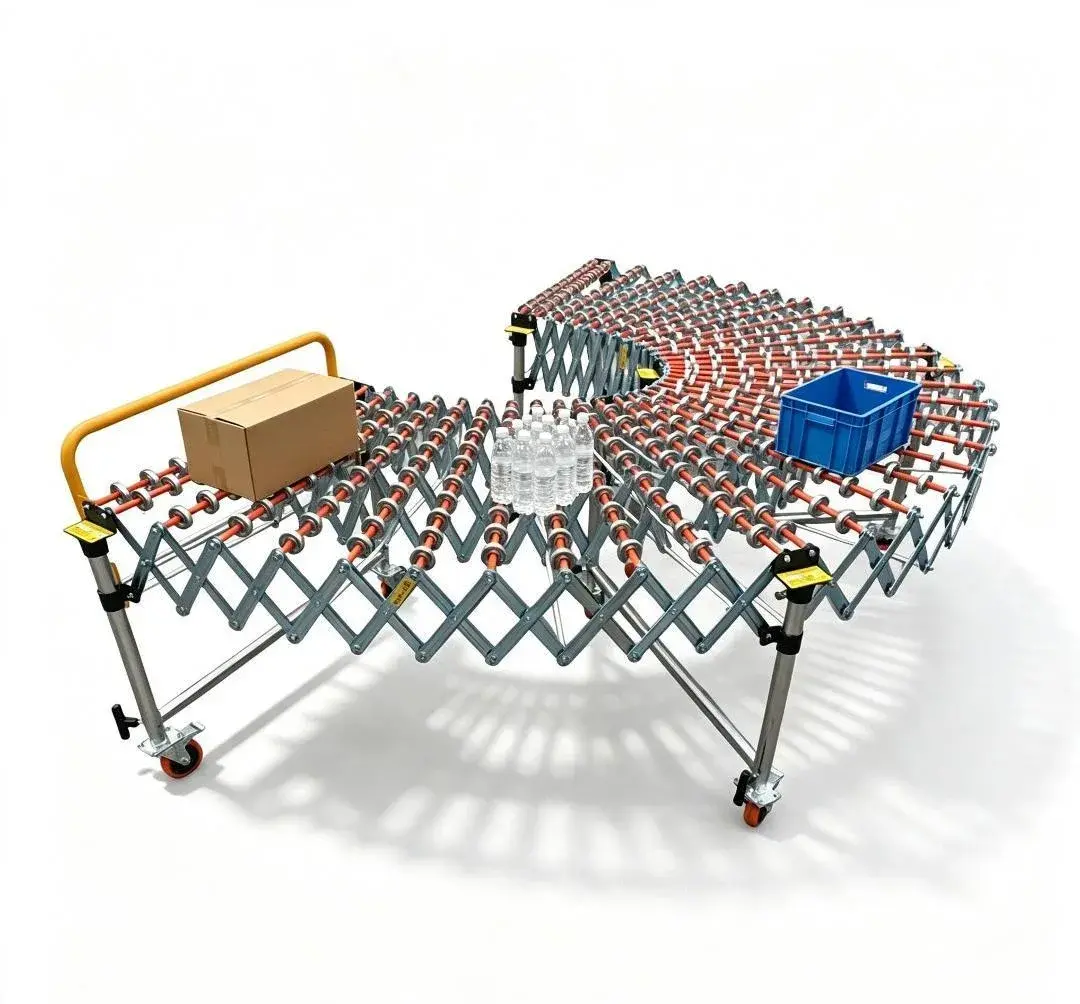
The truly effective approach is to invest in high-frequency operations.
When planning logistics upgrades, many manufacturing companies benchmark themselves directly against the fully automated smart warehouses of leading manufacturers, overlooking the fragmented, short-distance transfer needs they actually face. As a result, heavy-duty production lines are purchased but left idle for long periods, wasting resources while failing to deliver the expected improvements.
A more suitable approach is to use gravity roller conveyor units as the primary equipment, supplemented by low-cost auxiliary conveying equipment. This covers more short-distance transfer scenarios with a smaller investment, gradually replacing inefficient manual handling, increasing material flow speed while controlling the budget, and moving factory logistics toward lean management. The focus of Naili Unloading Artifact (Guangdong) Industrial Co., Ltd. is precisely this lightweight upgrade approach, which is more closely aligned with on-site needs.