Naili Conveyor
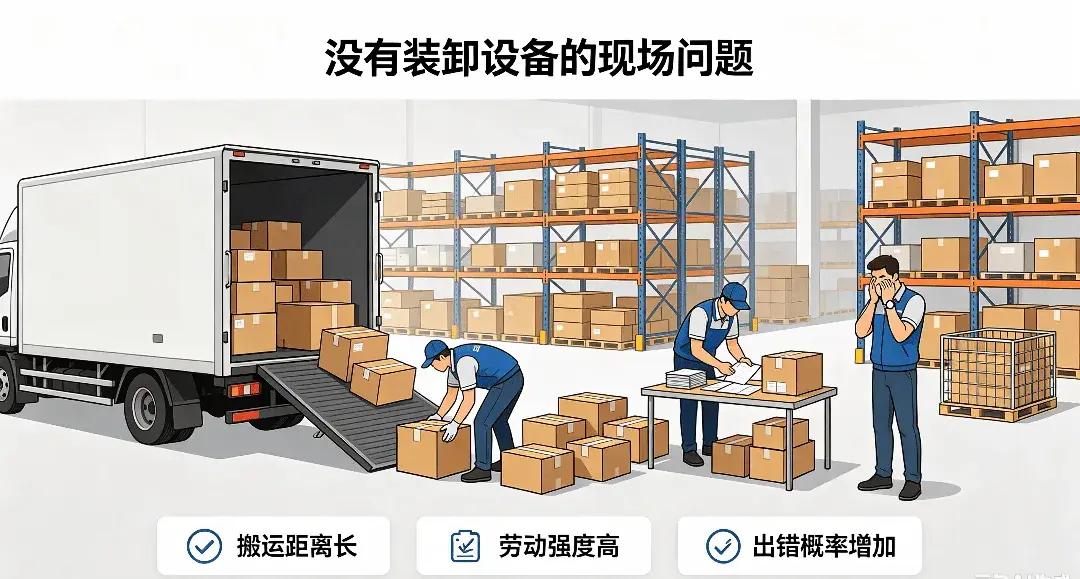
Not every step in factory logistics requires powered conveying equipment. Short-distance handoff between workshop stations, temporary consolidation of finished goods, material sorting and sliding, small-item circulation in warehouses, and temporary unloading transitions typically involve short distances, dispersed points, temporary tasks, and the need for flexible adjustment. If powered conveying is used in all of these areas, it may not only lead to equipment redundancy, increased capital investment, and higher energy consumption, but also occupy limited workshop space; relying entirely on manual handling, on the other hand, easily increases the operational burden and affects transfer efficiency.
A gravity roller conveyor provides another option for this kind of lightweight, fragmented logistics scenario. The equipment does not use motor drive or electrical control systems, nor does it require complex wiring, and materials can be gently pushed by hand to slide along the rollers. Its structure is relatively simple, making it convenient for flexible use at short-distance transfer points while also reducing logistics gaps that powered equipment cannot cover.
A gravity roller conveyor structure suitable for a variety of materials
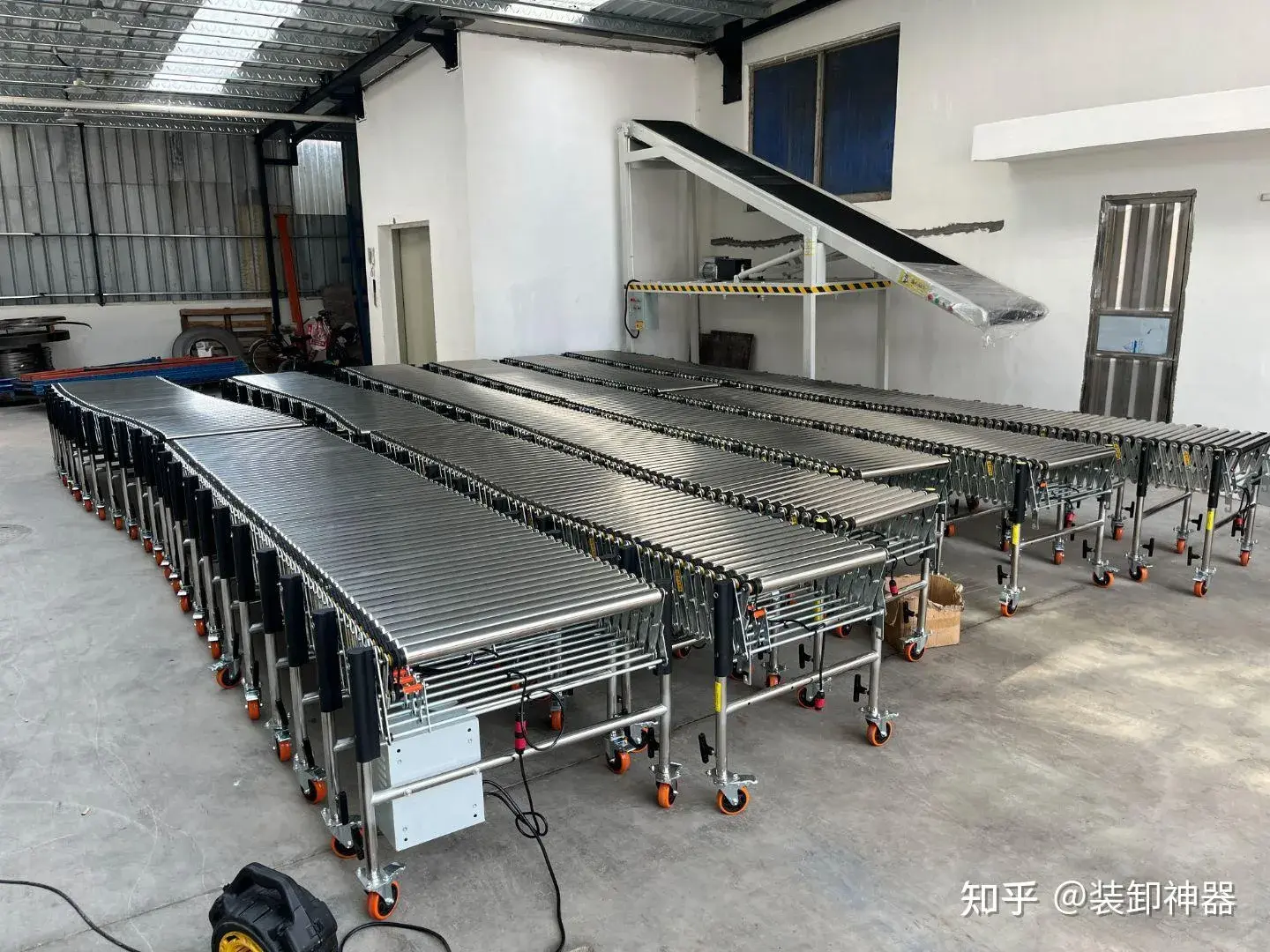
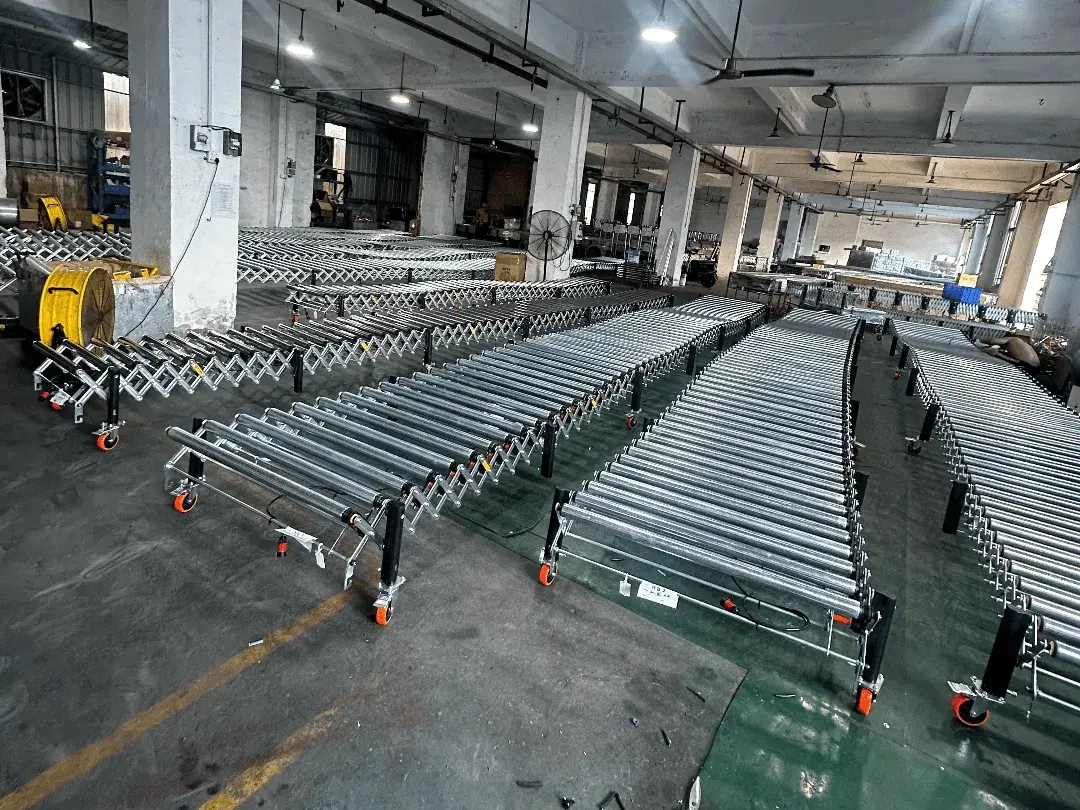
NaiLi Shu Yun around the factory's fragmented logistics transfer needs has developed a gravity roller conveyor line that is highly durable, runs smoothly, and supports flexible adaptation. The equipment is suitable for short-distance transfer of regular boxed goods, bagged goods, palletized goods, and materials with flat bottoms.
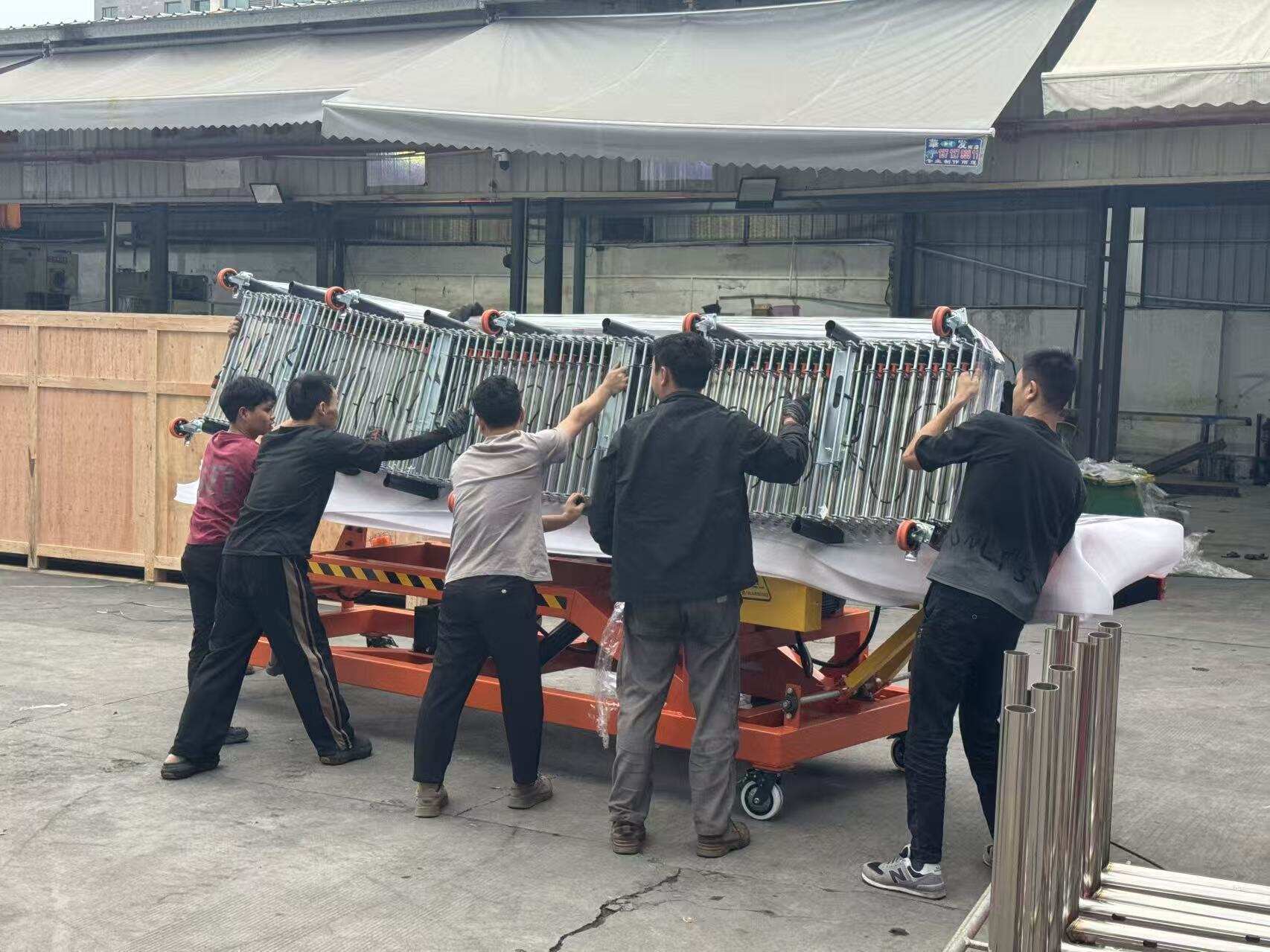
The conveyor line uses highly smooth precision rollers that rotate with ease, distribute force evenly across the material, and allow stable sliding with a light push, helping reduce the effort needed for manual pushing. The machine body is welded from thickened national-standard steel, giving it a stable overall structure and balanced load-bearing performance, so it is not prone to loosening, shaking, or deformation during long-term, high-frequency use.
Modular combination for temporary and multi-point operations
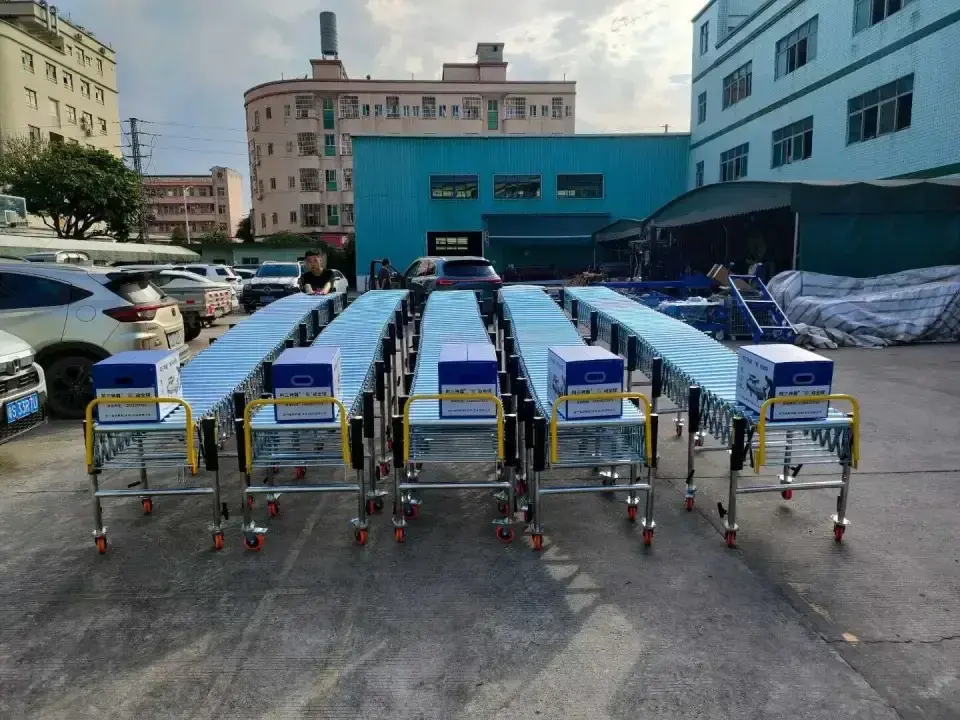
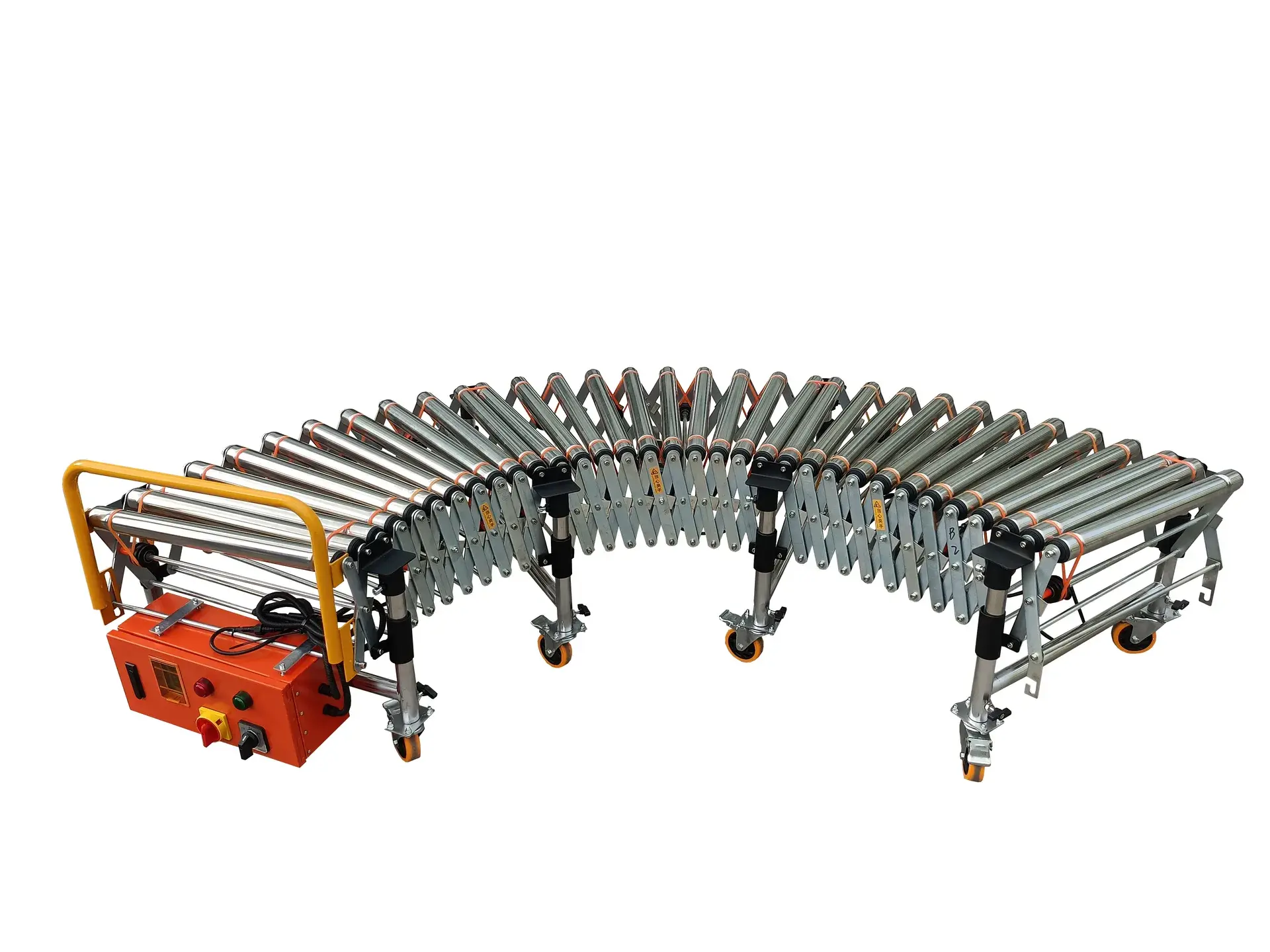
For different passages and transfer routes within the factory area, the NaiLi Shu Yun gravity roller conveyor line supports custom non-standard configurations and combined use. The equipment can be configured with straight sections, curved sections, and inclined sections according to on-site needs, and connected together to form the corresponding short-distance transfer route.
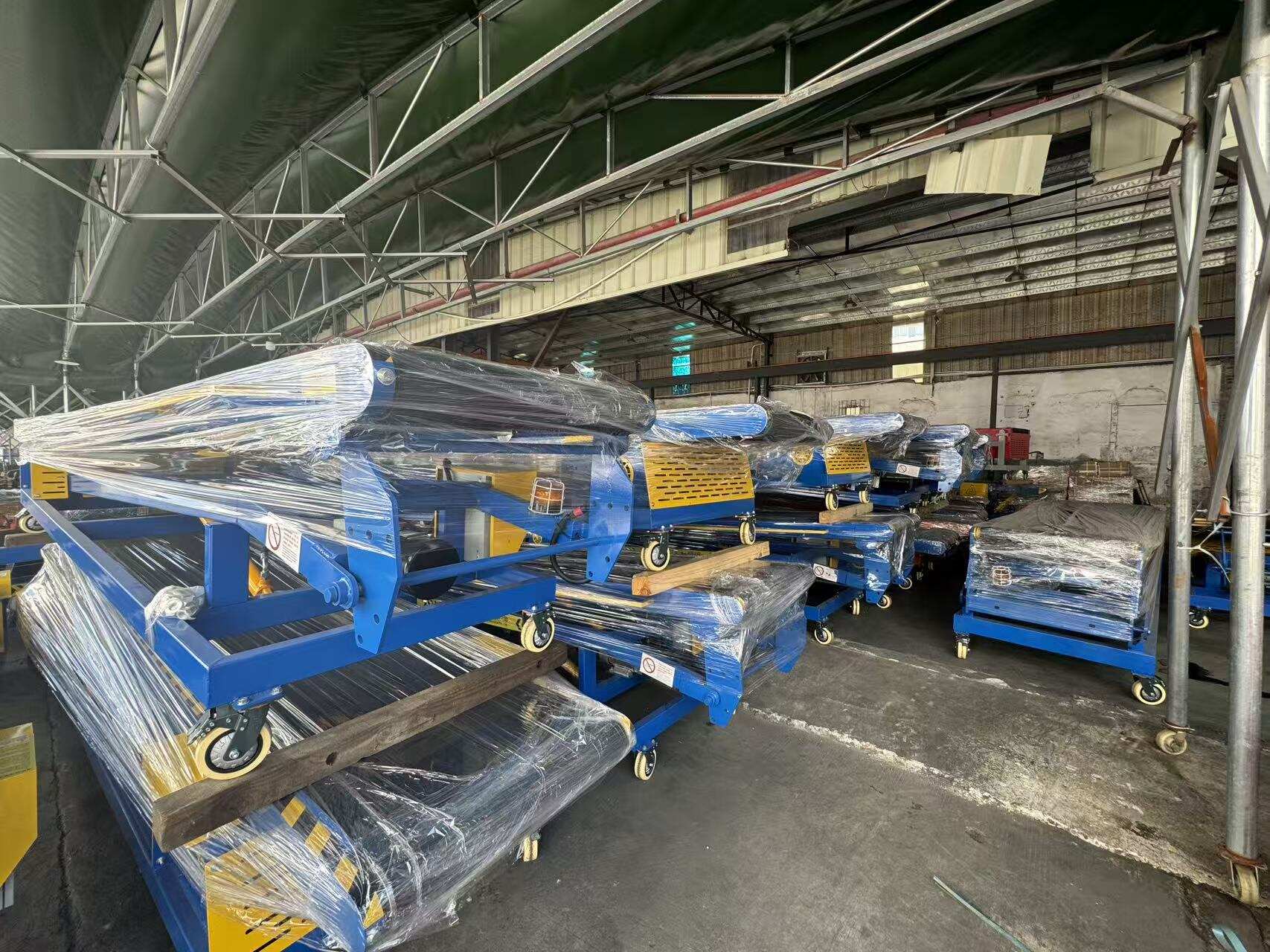
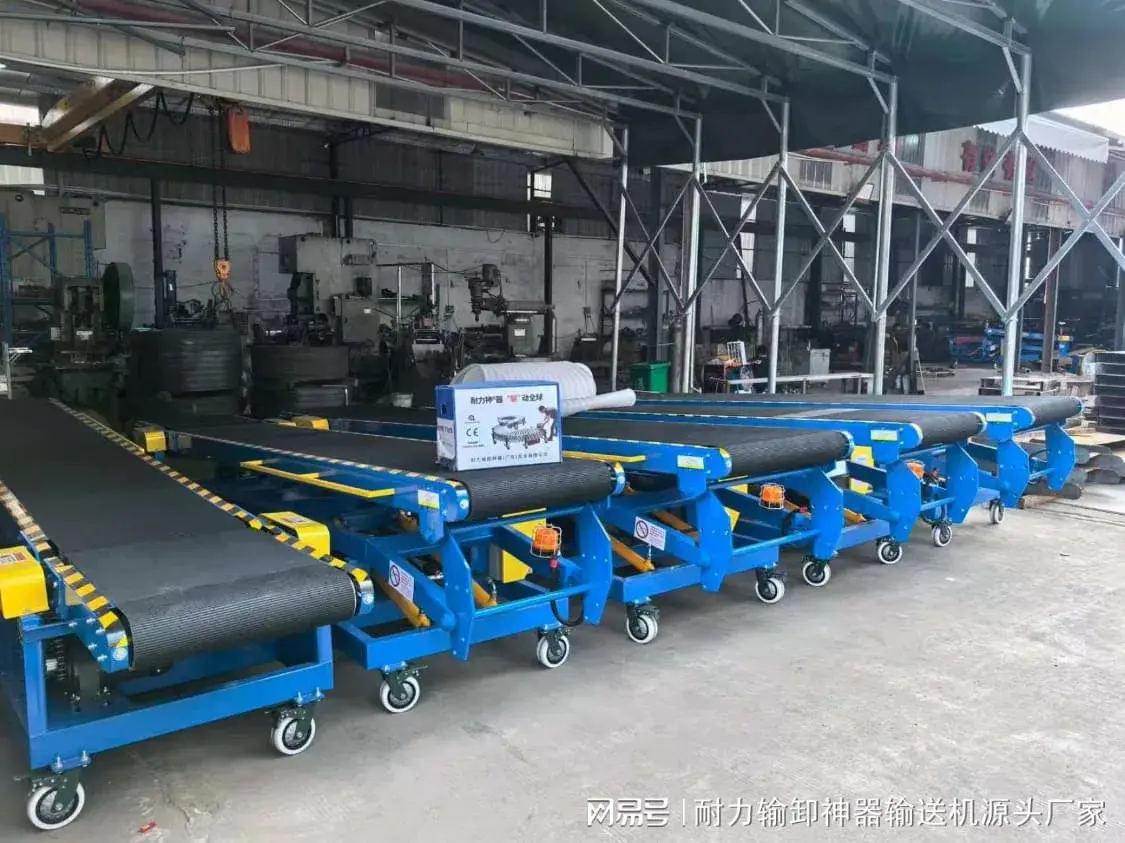
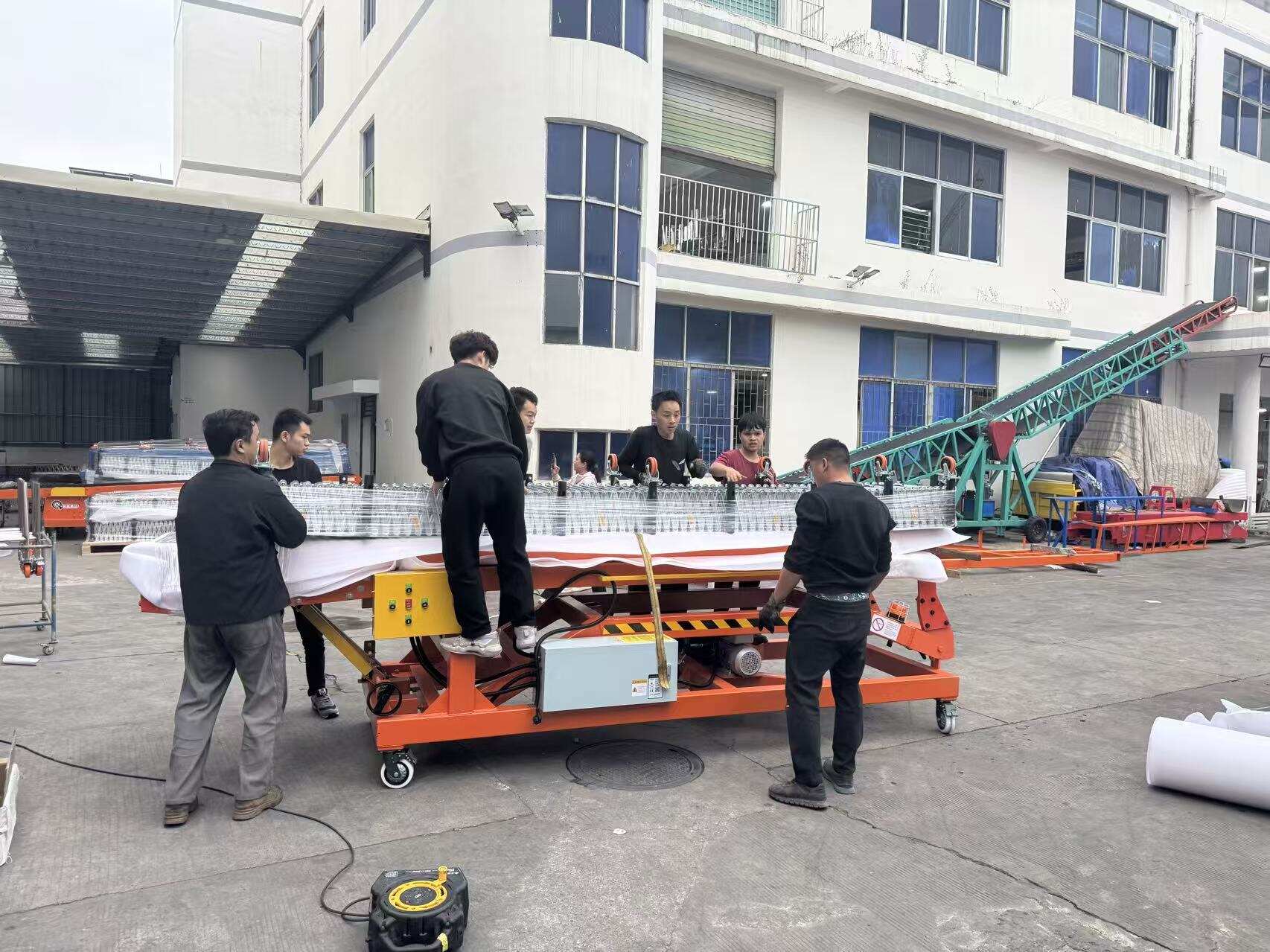
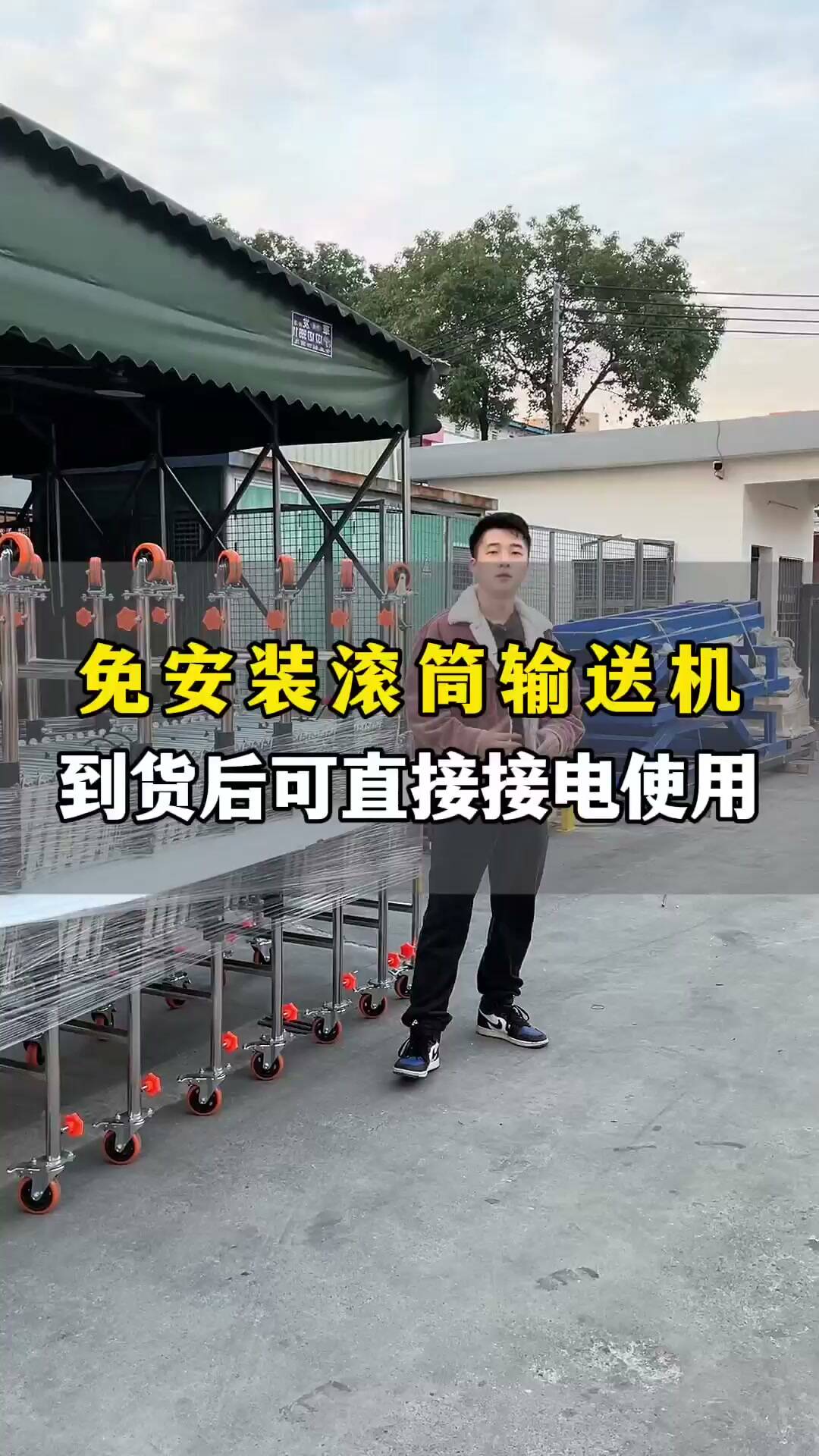
For movement and positioning, the conveyor line can be fitted with mobile casters, brake positioning devices, and height-adjustment brackets. The casters make it easy to move the equipment between different work points, the brake structure is used for positioning, and the height-adjustment brackets allow fine height adjustment, thereby adapting to temporary unloading, multi-point circulation, and switching between wide and narrow passageways.
Supplement factory logistics with a lightweight investment
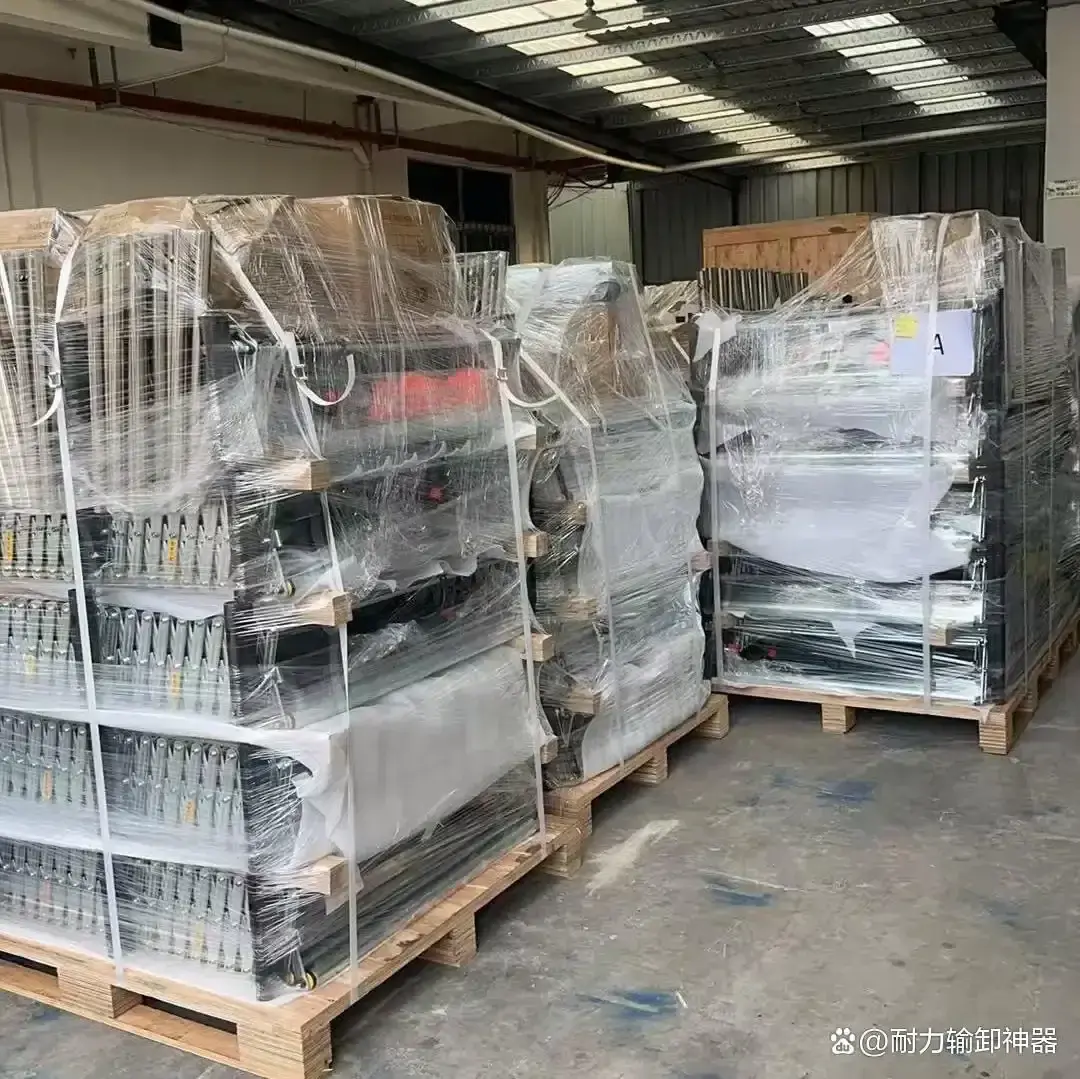
A gravity roller conveyor line does not require complex installation, nor does it involve the energy consumption and maintenance requirements of a power system. The equipment is easy to assemble and disassemble; when idle, it can be taken apart and stored, reducing its occupation of effective production space in the workshop. It is suitable for small and medium-sized compact factories as well as multi-scenario operations that require rotational use.
For short-distance logistics links such as workshop station connection, warehouse sorting, temporary loading and unloading, and material aggregation, the Nengli Shuoyun gravity roller conveyor line can supplement the transfer process in a lighter equipment form, reduce some manual handling work, and help factories improve logistics connections between different areas.