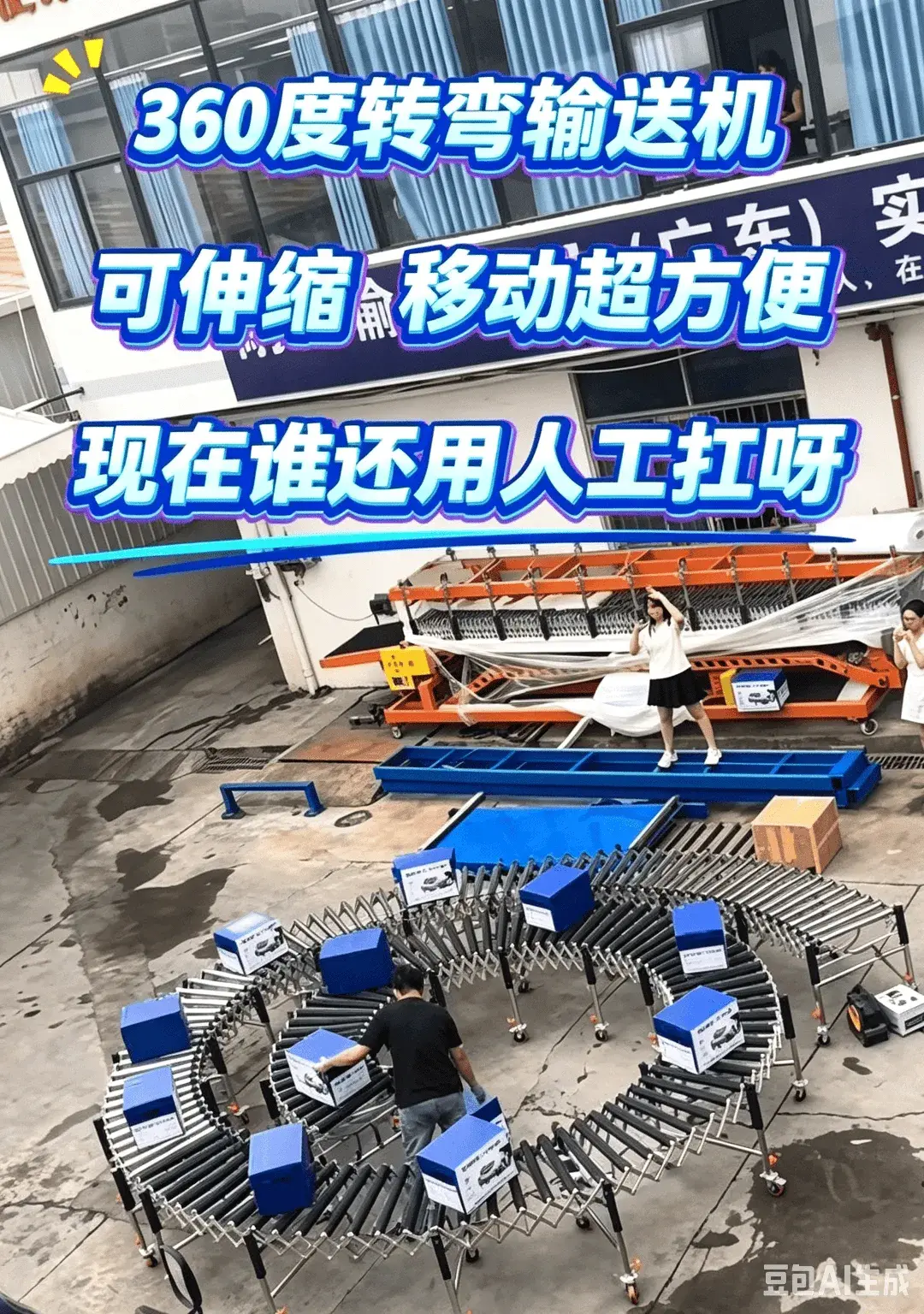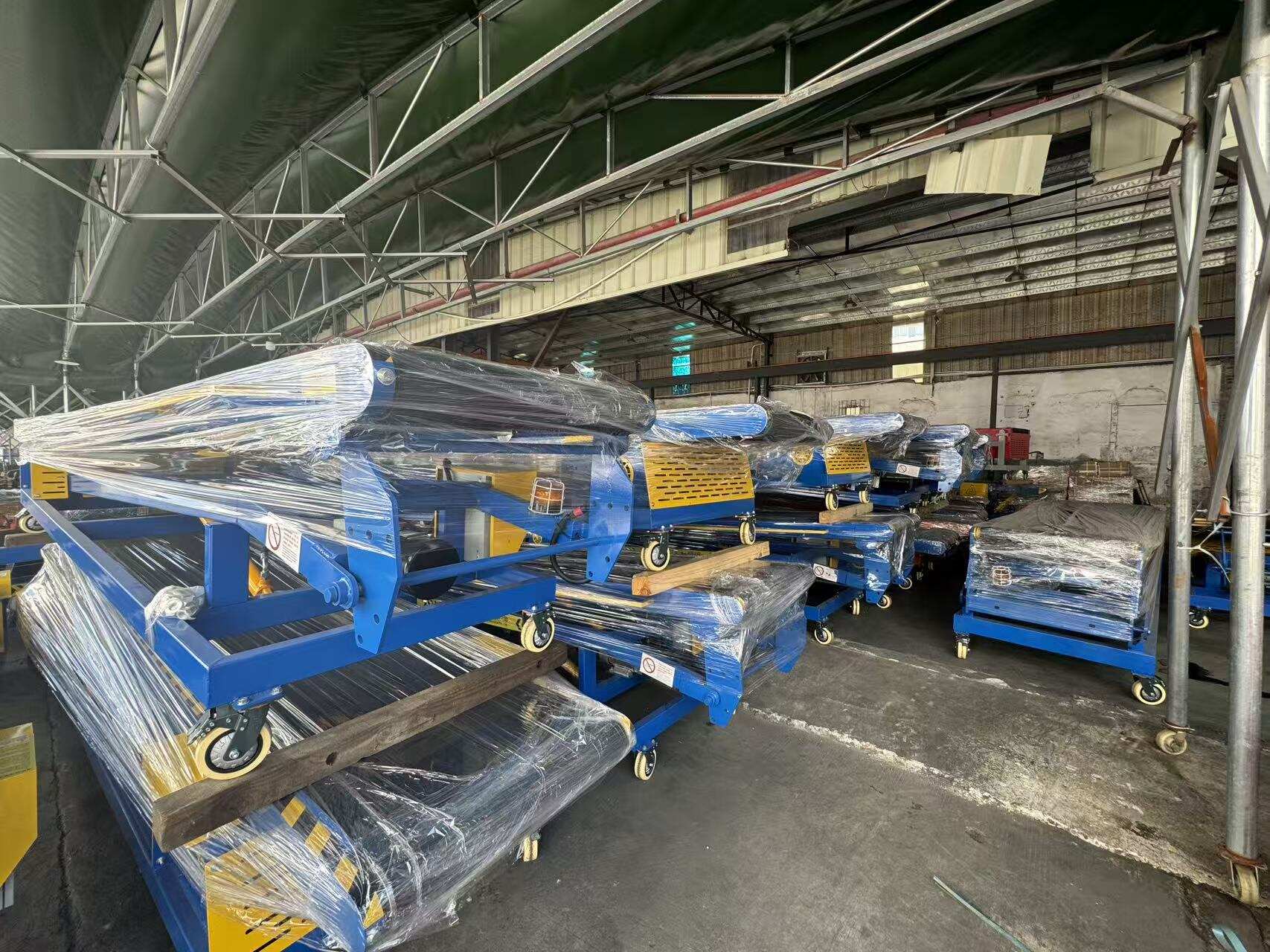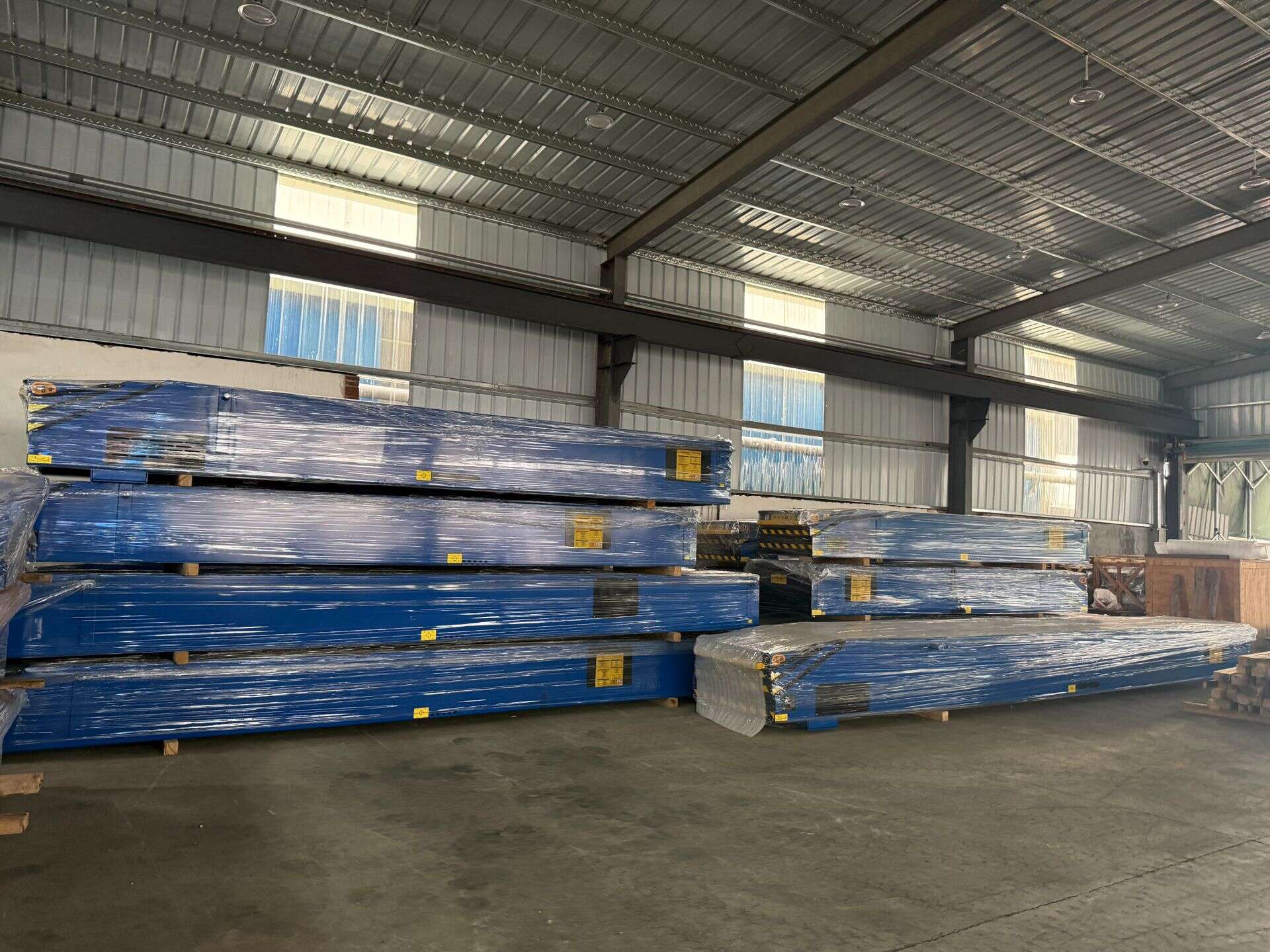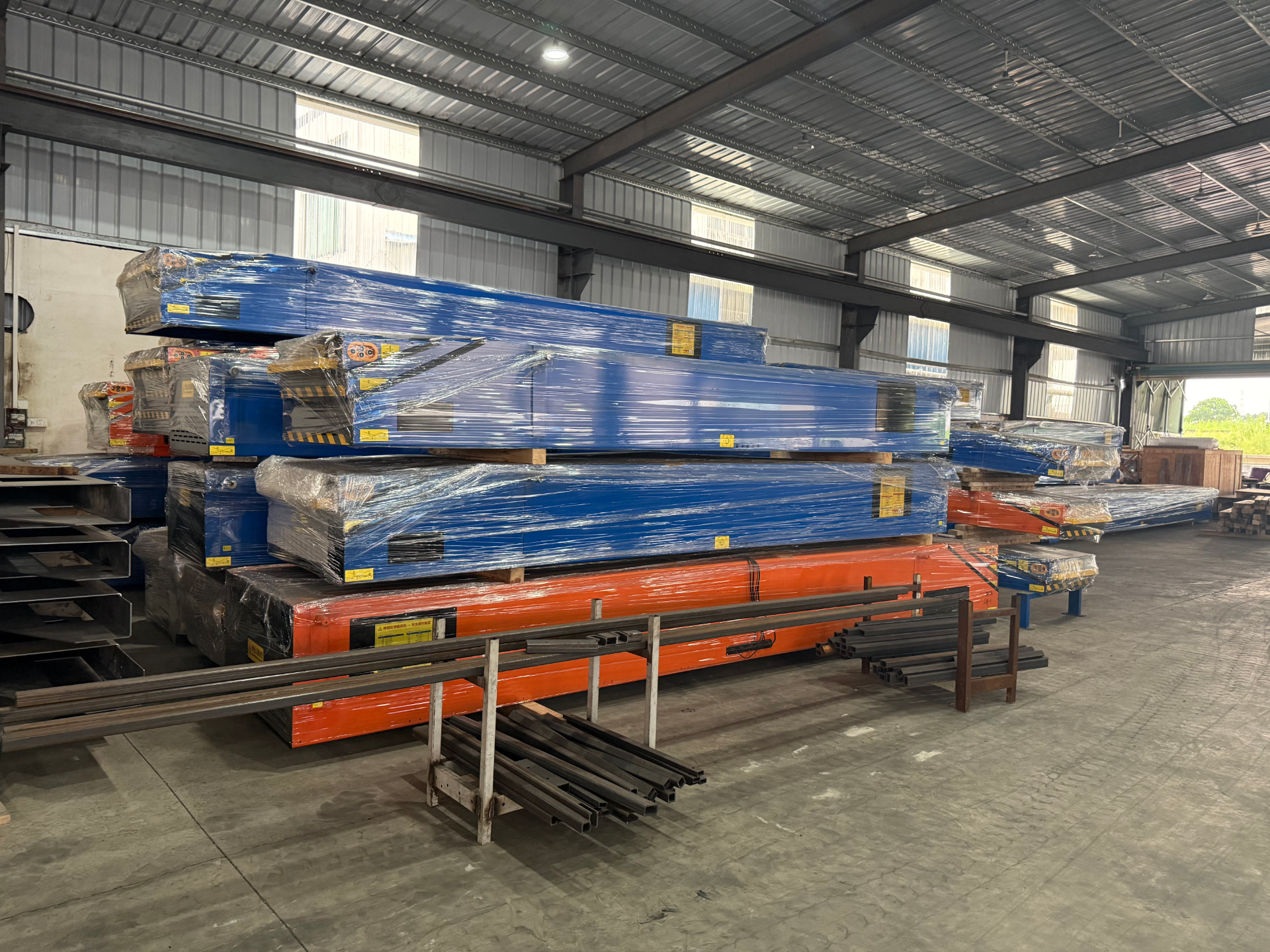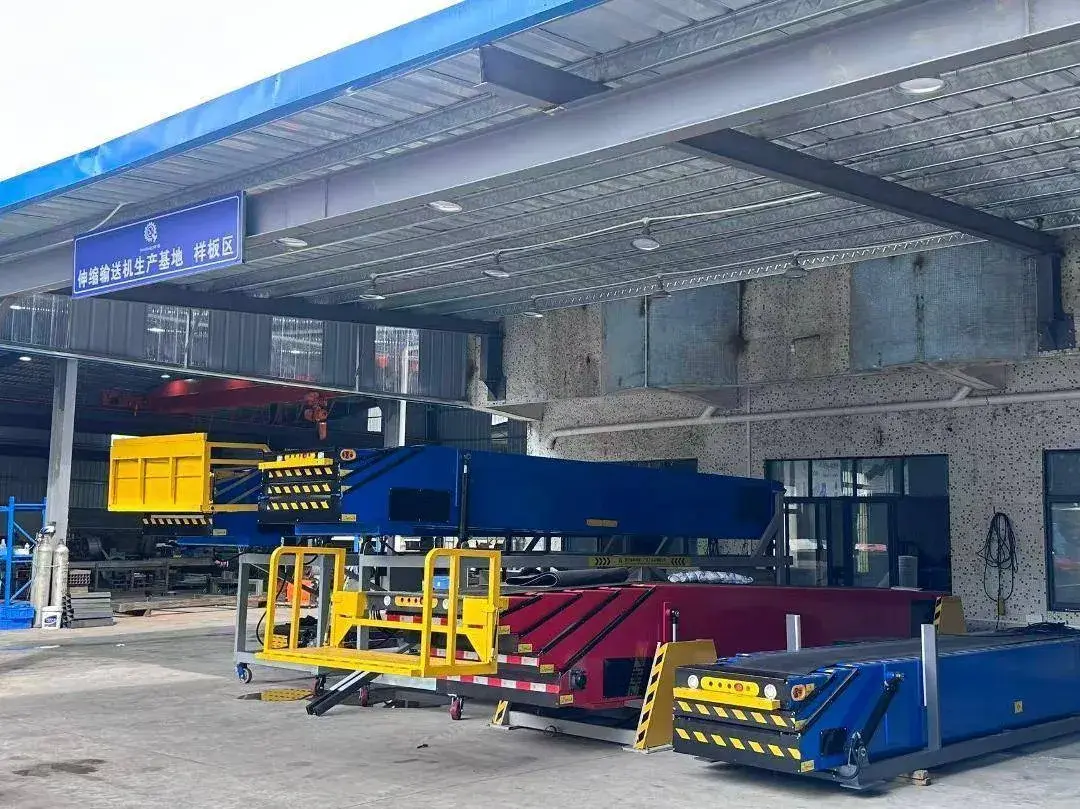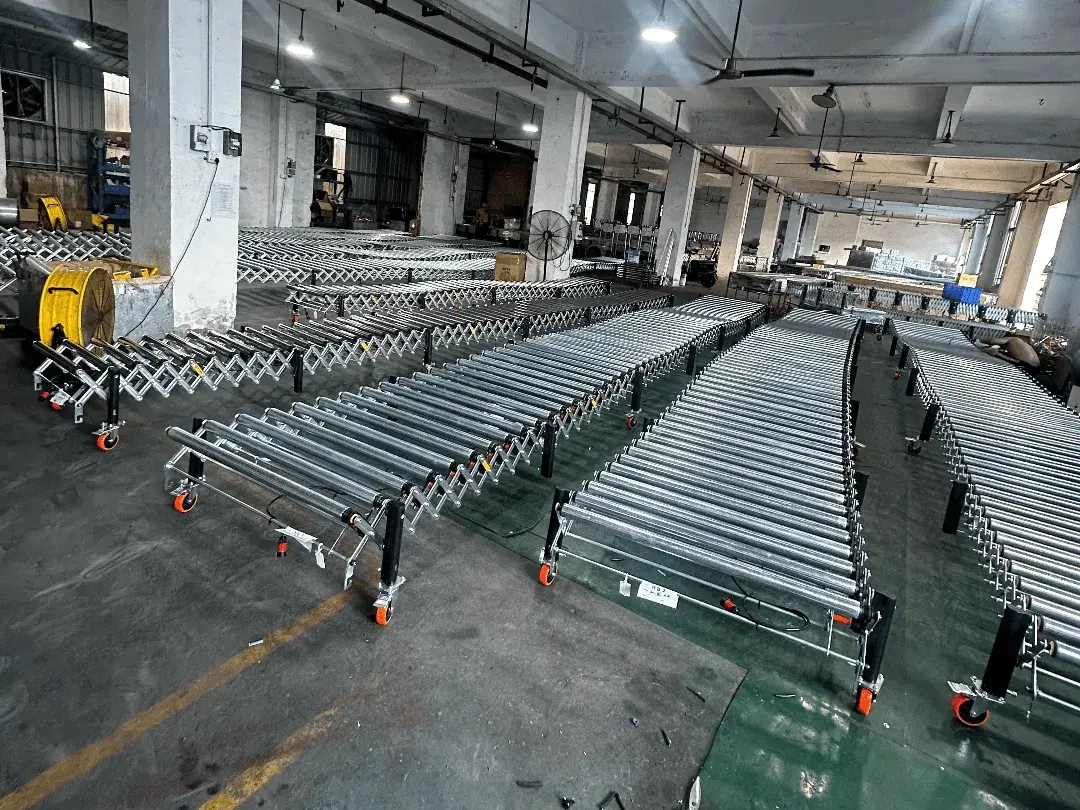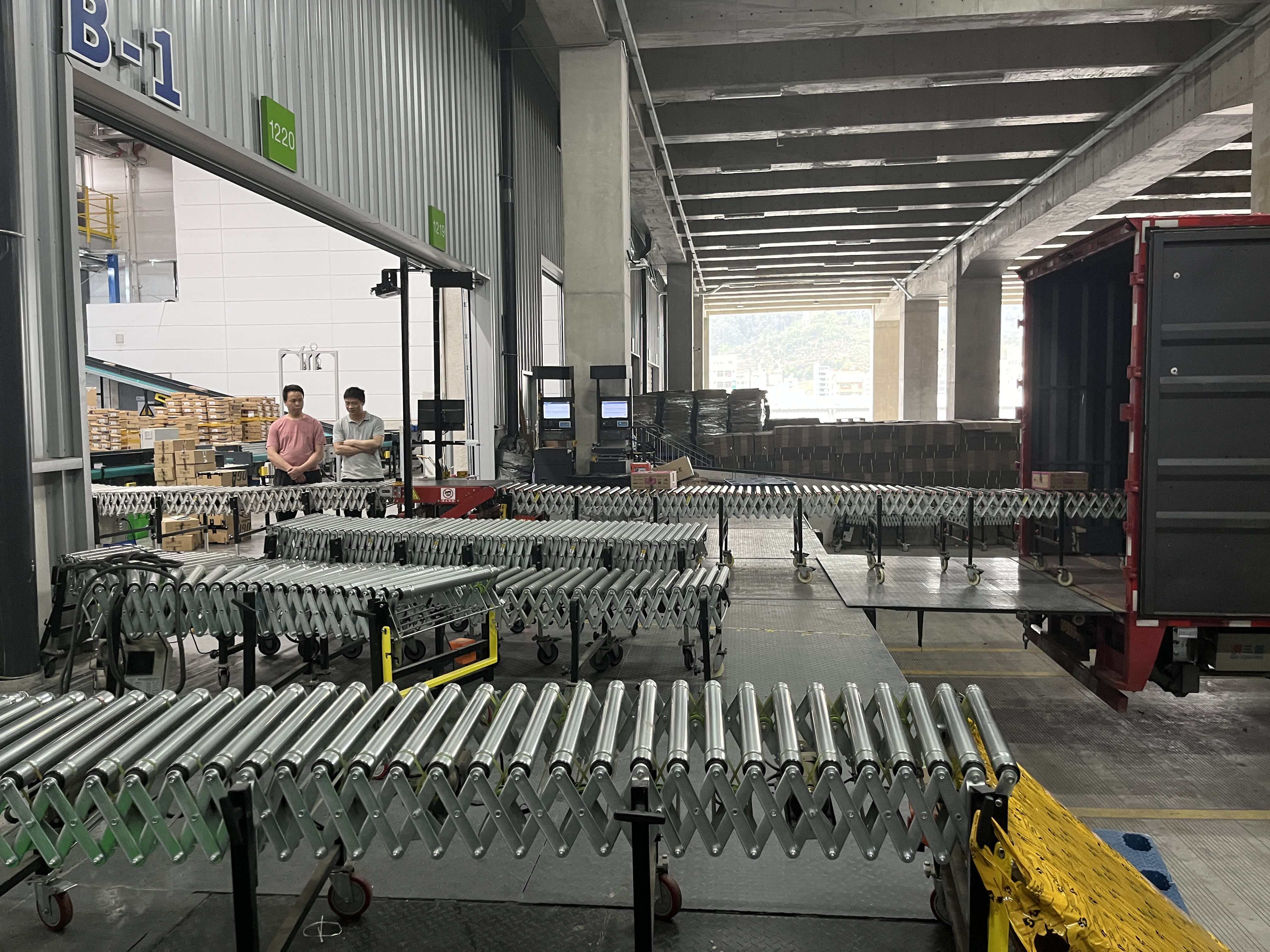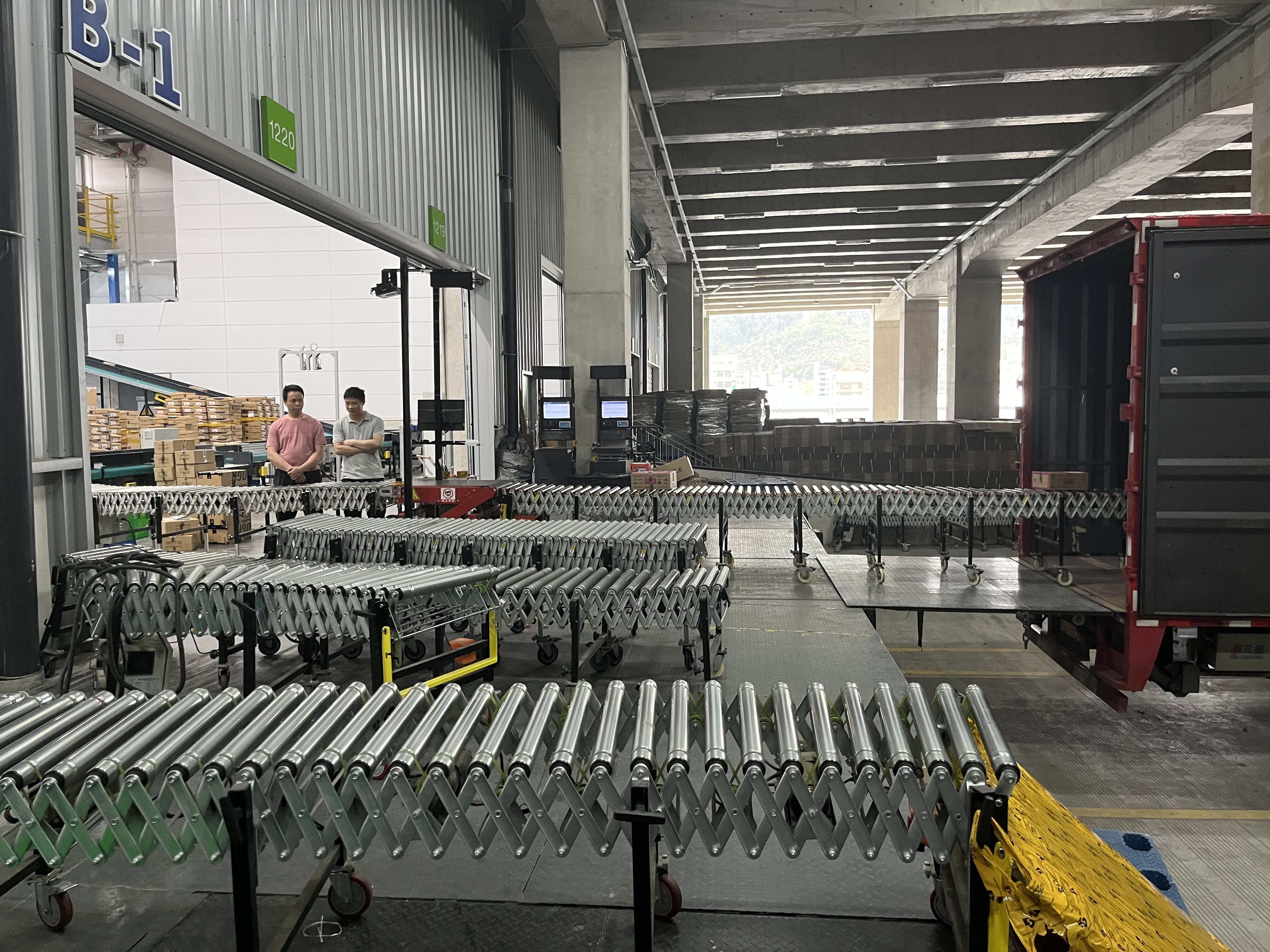
In recent years, intelligent development in the warehousing and logistics industry has mainly focused on smart shelving, automated sorting, and in-warehouse circulation. What truly affects efficiency is often the last-mile actions such as truck docking, cargo loading and unloading, and short-distance transfer. A high proportion of manual handling not only slows the pace, but also makes bumps, damage, and labor pressure more likely. Around this link,Naili Unloadinghas launched a flexible conveying equipment combination that can be spliced together and requires no civil construction modification, filling the gaps in loading and unloading automation with a lighter approach.
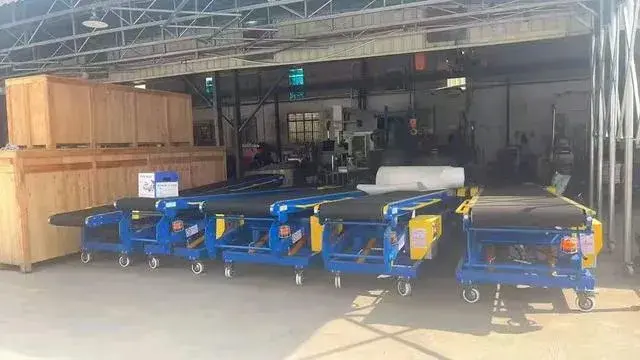
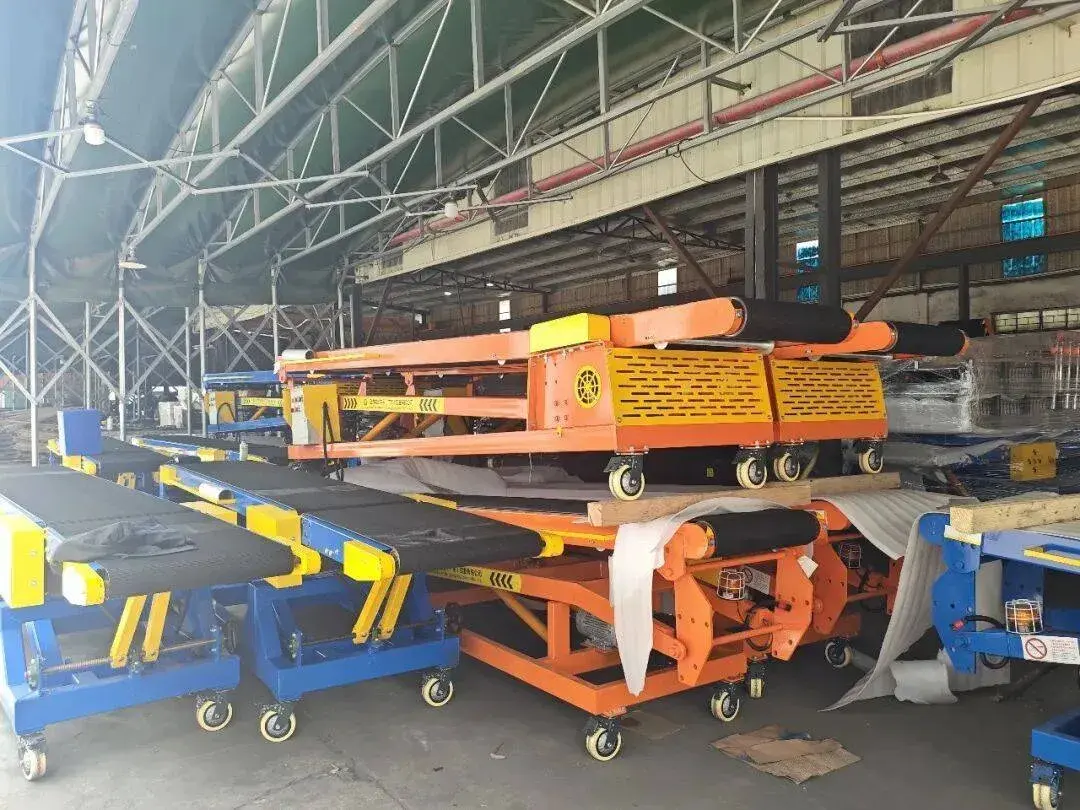
From actual working conditions, the common problems in warehouses are not just whether a single conveyor line can operate, but the difficulty of adaptation caused by a combination of factors such as differences in platform height, varying truck body lengths, and limited working space. For these scenarios,Naili Unloadinghas integrated a fool wheel telescopic line, a gravity roller telescopic conveyor line, a powered roller telescopic conveyor line, a belt Telescopic Conveyor, and a hydraulic lifting ramp machine into a single equipment matrix. They can be used independently or linked as a complete set, covering a wide range of loading, unloading, and transfer needs.
Why last-mile loading and unloading has become an efficiency bottleneck
Many warehouses have already completed internal smart upgrades, yet they still rely on manual labor at the handoff stage between trucks and the warehouse. This stage is characterized by rapid scene changes: it must adapt to cargo bays of different lengths and deal with conditions such as high and low loading docks, narrow aisles, and temporary diversion.
Traditional fixed conveyor lines may be suitable for standardized sites, but they are difficult to cover under these complex conditions. Precisely for that reason, equipment that is flexible, movable, and does not require complex construction is easier to deploy at loading and unloading sites. It does not require large-scale civil engineering modifications and can be put into use as soon as it enters the site, making it suitable for high-frequency loading and unloading scenarios in warehousing, distribution, e-commerce, and manufacturing.
What scenarios are the five main types of equipment best suited for?
Flour wheel telescopic lines are lightweight, non-powered equipment. They rely on the universal rolling characteristics of flour wheels to achieve flexible diversion and multi-angle turns. They do not require power, are easy to install, and take up little space when stored, making them more suitable for operations with high flexibility requirements such as express parcel sorting, food item transfer, and temporary diversion.
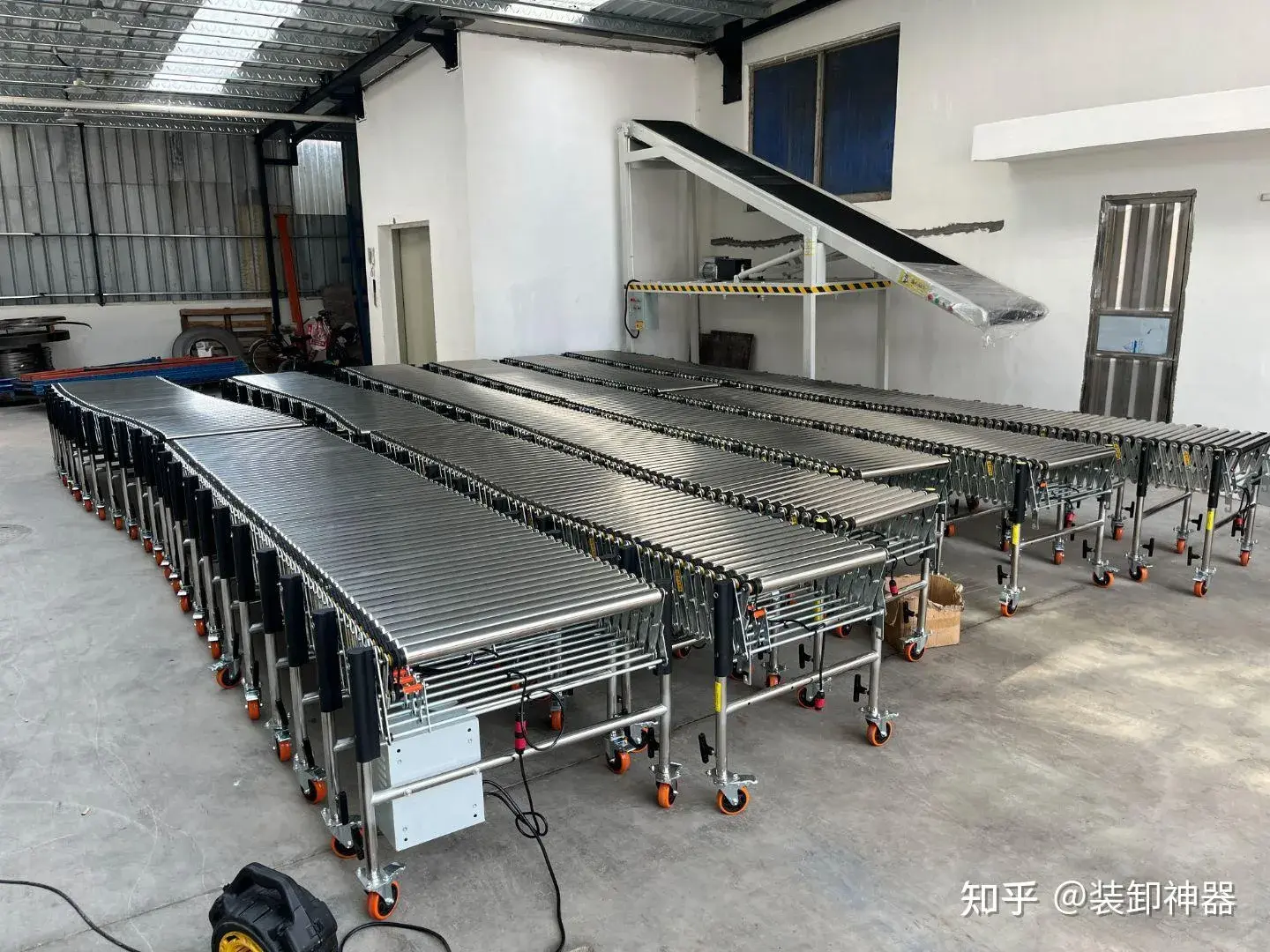
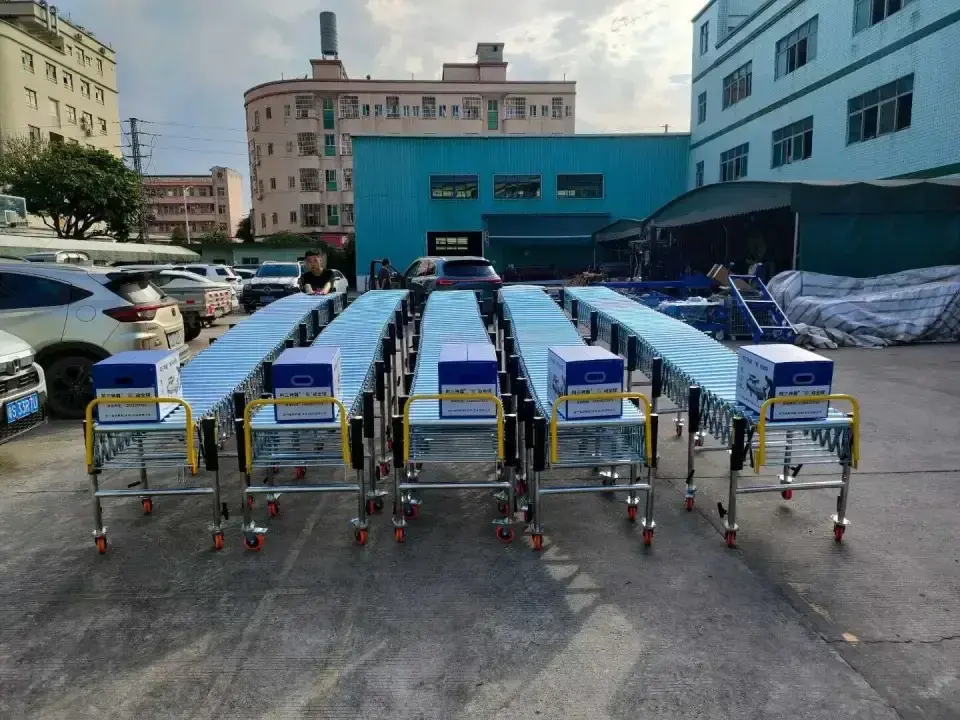
The non-powered roller telescopic conveyor line relies on the weight of the goods to complete transfer, and features free telescoping and flexible turning. It is suitable for truck loading and unloading as well as short-distance warehouse transfer. For small batches of cartons and full-case goods, this kind of equipment is more cost-friendly, and it also takes up little space when folded.
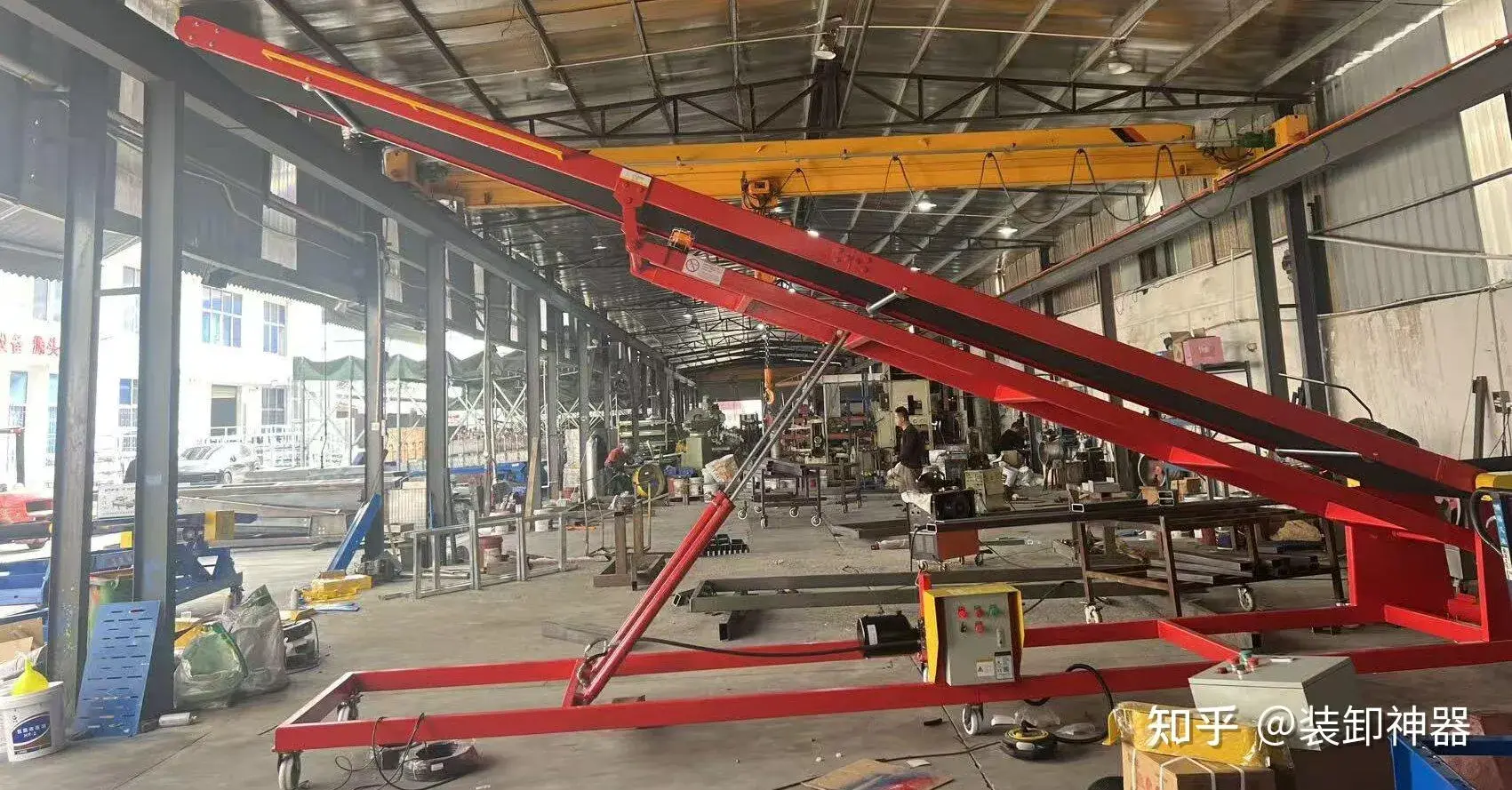
The powered roller telescopic conveyor line is equipped with a variable-frequency motor and supports stepless speed control. Its multi-stage telescopic structure can extend deep into containers or semi-trailer cargo compartments. If rubber-covered rollers are selected, anti-slip and anti-scratch performance can also be improved. It is suitable for continuous loading and unloading of large quantities of full-case goods, and is often used together with a hydraulic lifting ramp machine to solve the height difference between the ground and the cargo compartment.
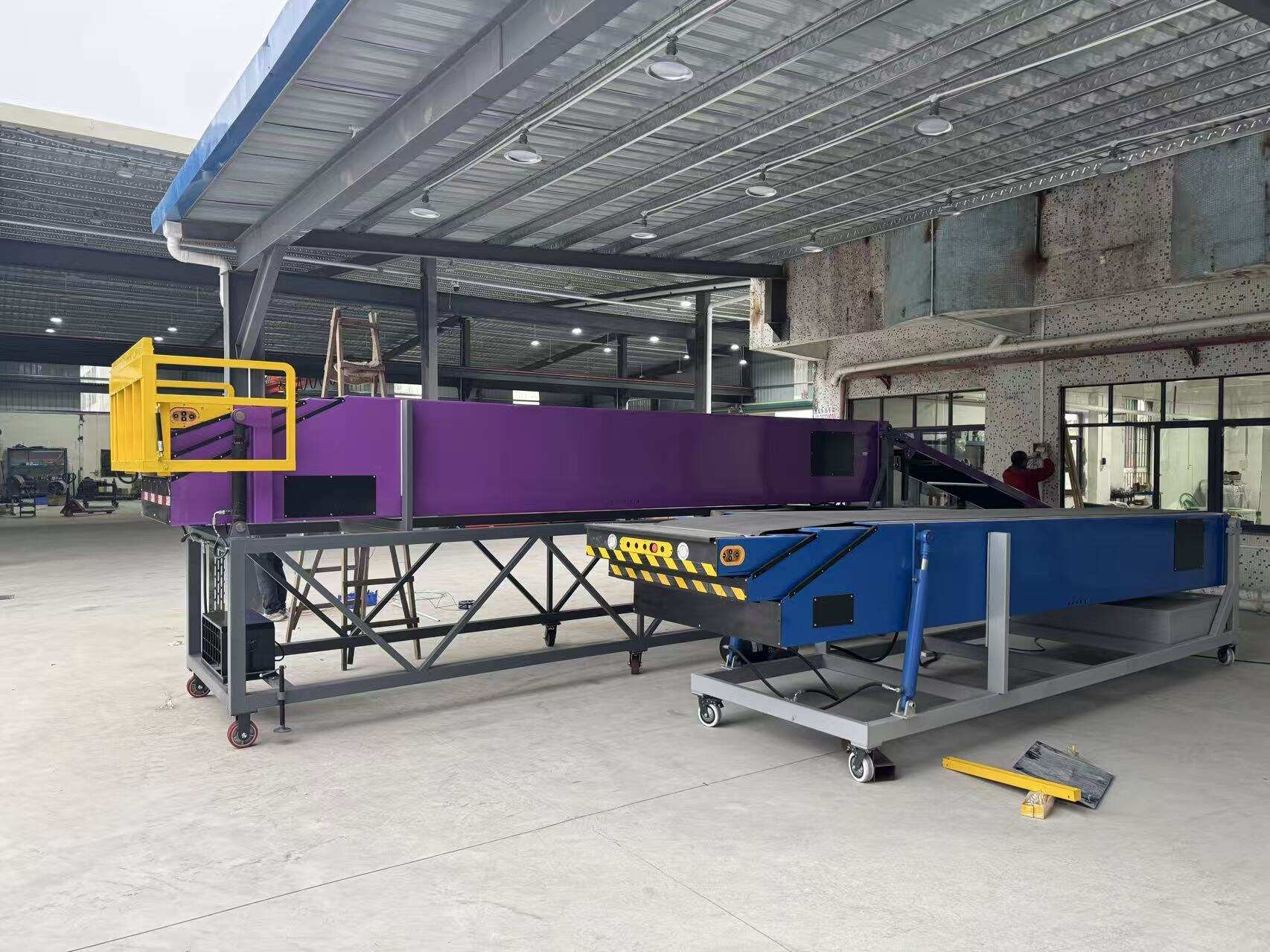
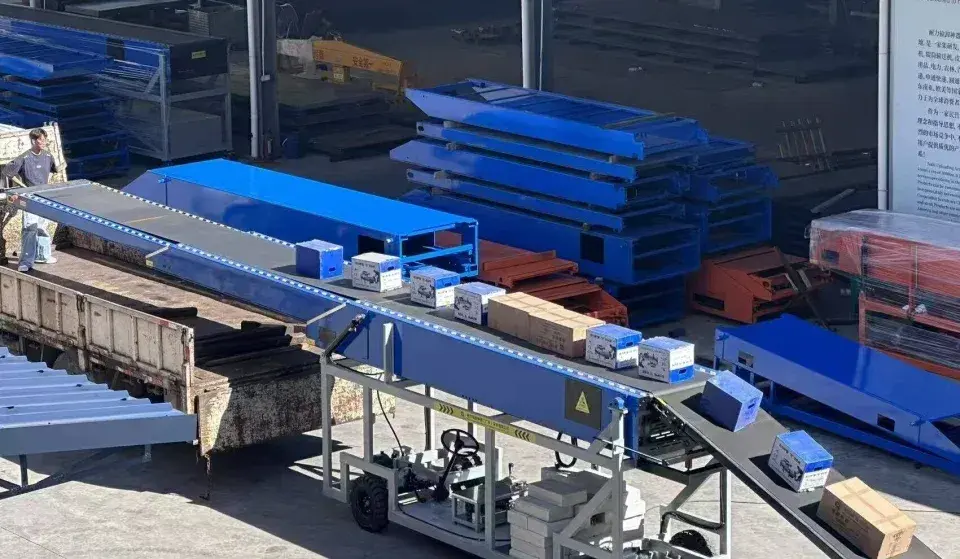
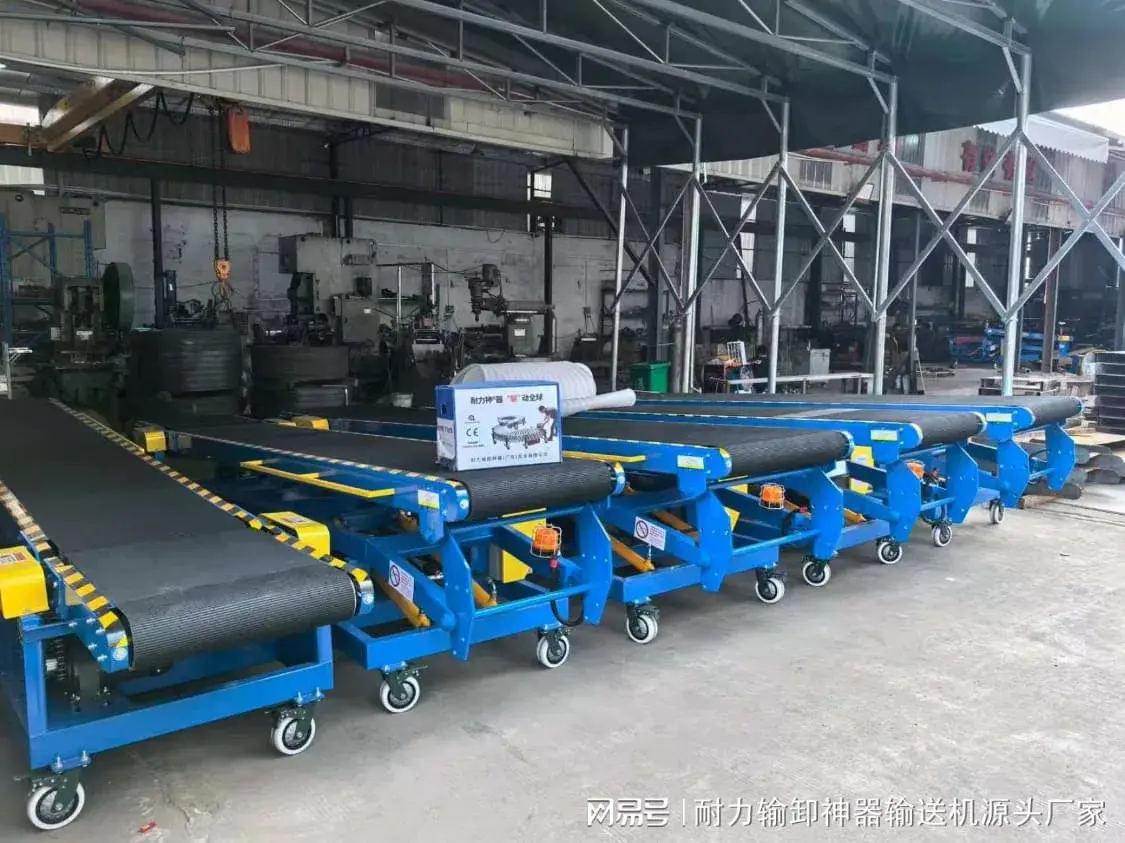
The belt Telescopic Conveyor uses a wear-resistant conveyor belt, and its telescopic length can be customized as needed, making the conveying process smoother and providing stronger cushioning. It is suitable for loading and unloading express parcels, fragile goods, and bagged materials. In peak scenarios such as major e-commerce promotions, variable-frequency speed control can improve handling efficiency, and one person can complete the loading and unloading of a full truckload of goods, with efficiency 3 to 5 times higher than pure manual handling.
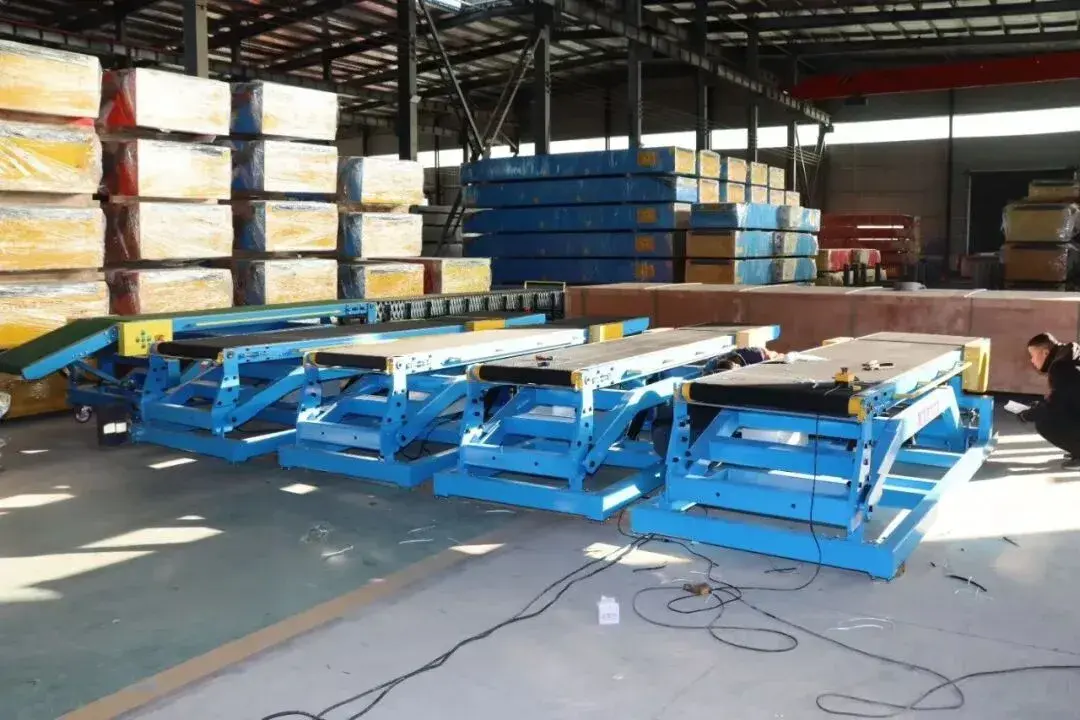
The hydraulic lifting ramp machine is a key supporting device in a complete equipment set. Its height can be freely adjusted, and it is mainly used to solve loading and unloading conditions without a dock or with a significant height difference. When linked with various telescopic conveyor lines, it can form a complete integrated loading and unloading line, adapting to different vehicle types from 4.2 m box trucks to 17.5 m semi-trailers.
Why are source manufacturers better suited for customization?
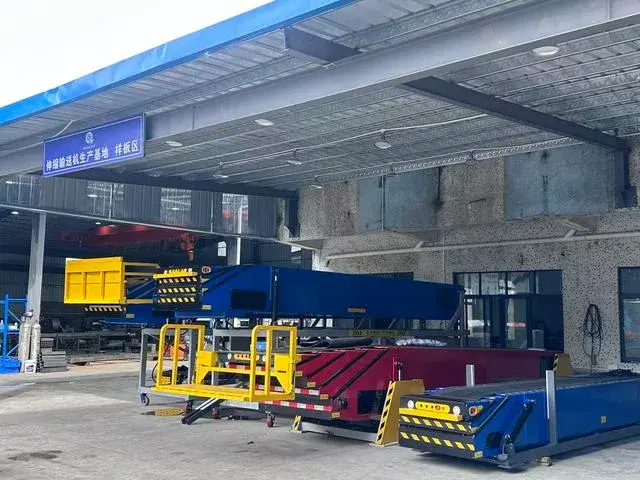
Naili XieyunAs a source manufacturer, it has complete production capabilities and can provide standard-spec ready stock as well as non-standard customization based on site dimensions, cargo weight, vehicle type, and product form. For different scenarios such as e-commerce logistics, food processing, hardware manufacturing, express delivery outlets, and cross-border warehousing, this approach makes it easier to match the equipment combination with the actual workflow.
Compared with offering only a single machine, the value of a complete solution lies in turning "can it be used" into "can it be used continuously, stably, and according to the scenario." Once the loading and unloading flow, vehicle specifications, and cargo type are clear, the combination of telescopic conveyor lines and lifting ramp machines can map more directly to the on-site workflow, reducing the extra cost caused by manual pushing and pulling and climbing operations.