Naili Conveyor
Even with warehouse automation, loading and unloading remain a bottleneck to efficiency
At present, many e-commerce cloud warehouses, manufacturing plants, and third-party logistics parks have already deployed racking systems, intelligent sorting systems, and AGV robots, significantly improving in-warehouse storage and sorting efficiency. However, manual handling is still very common in outbound shipping, truck loading and unloading, and last-mile transfer, creating a clear efficiency gap across the logistics chain.
The impact of this kind of problem is very direct: manual loading and unloading takes a long time, daily handling volume is limited, and long-term labor costs keep rising; frequent handling also makes it easy to cause carton scuffs and cargo damage, and high-altitude or heavy-load operations also pose safety risks. The faster in-warehouse automation upgrades, the more easily the shortcomings in loading and unloading are exposed.
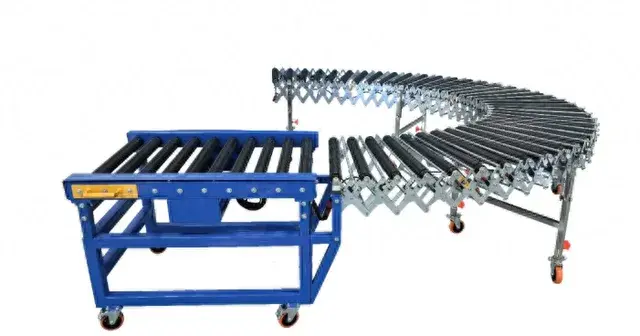
What applications are lightweight flexible conveying equipment suitable for?
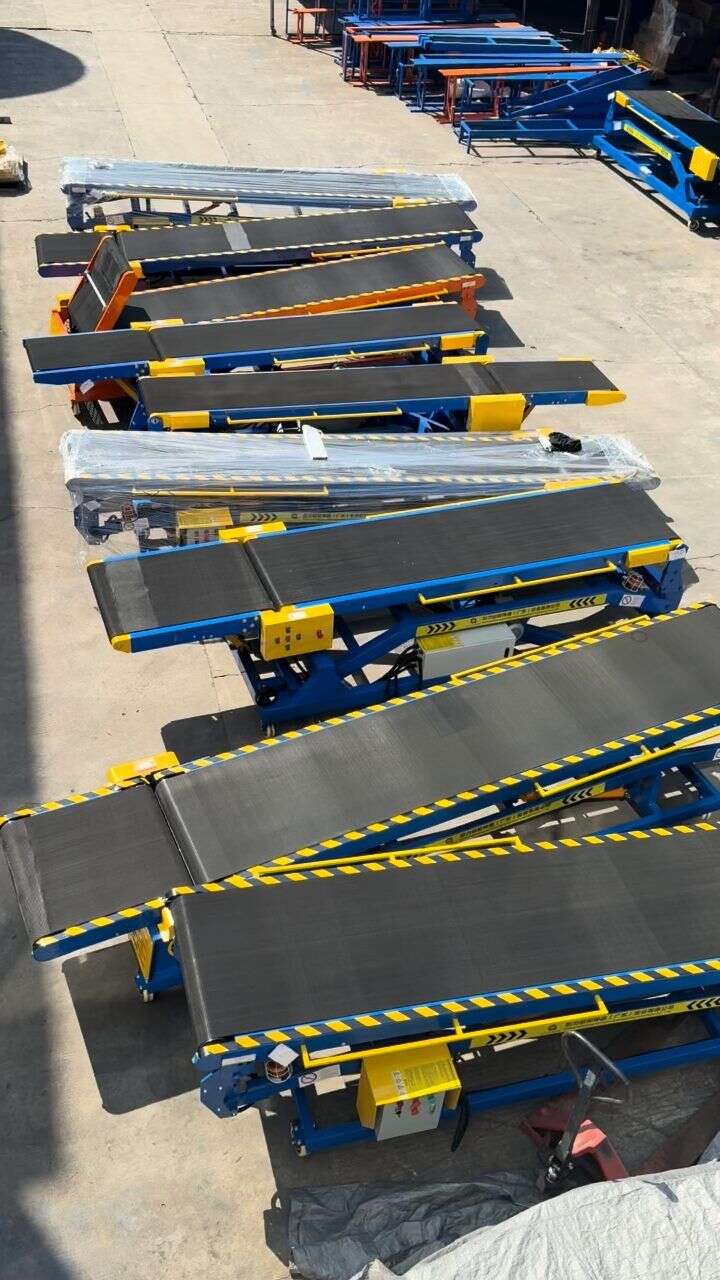
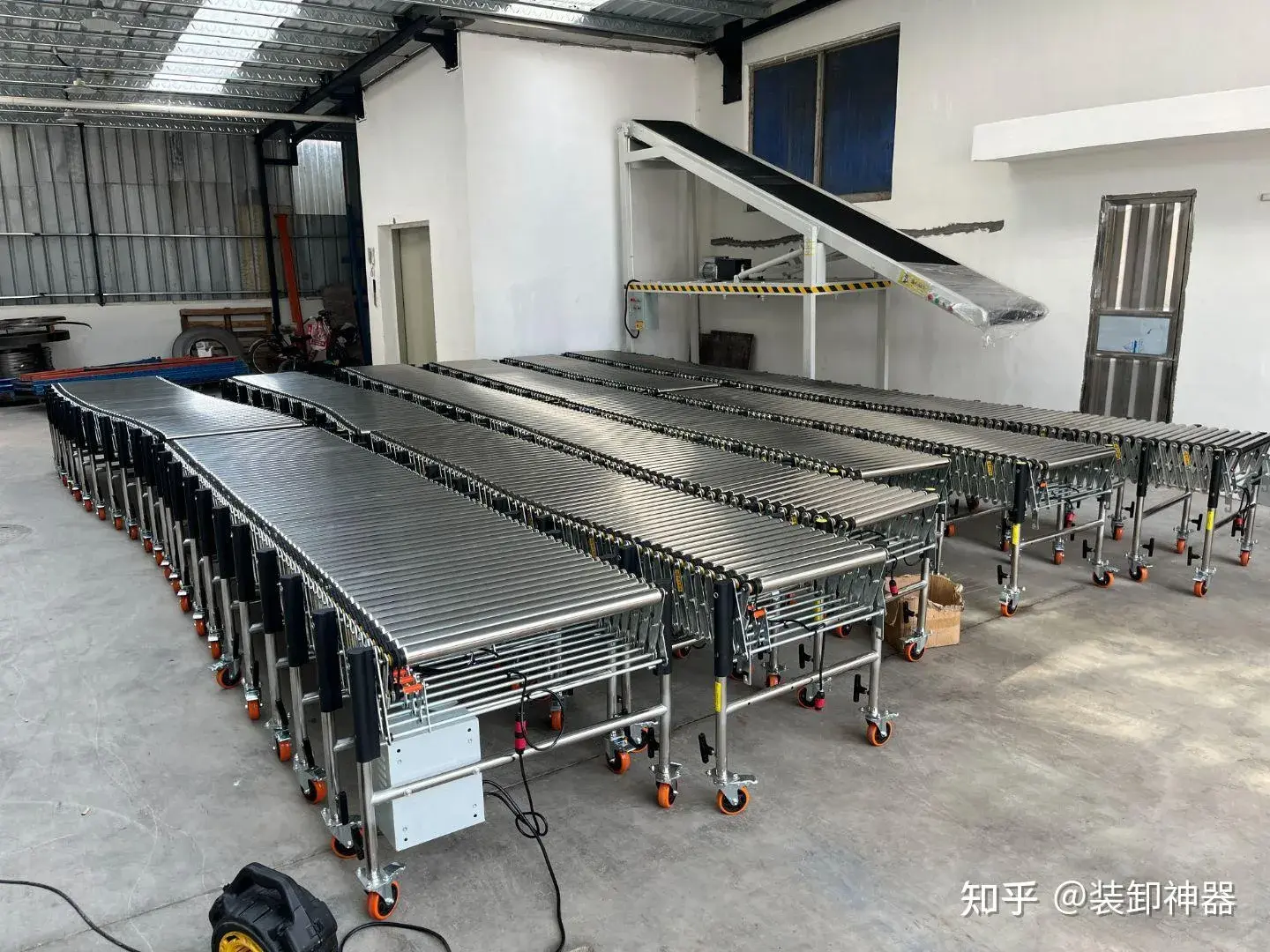
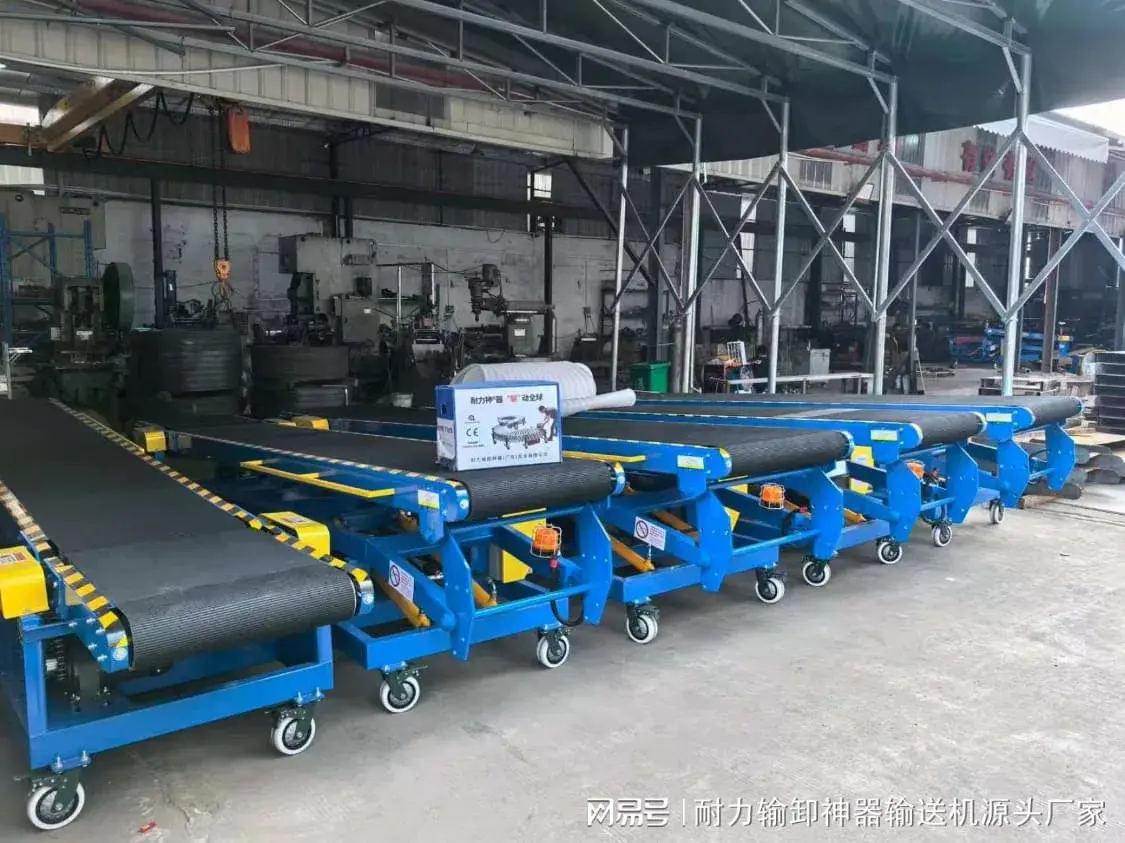
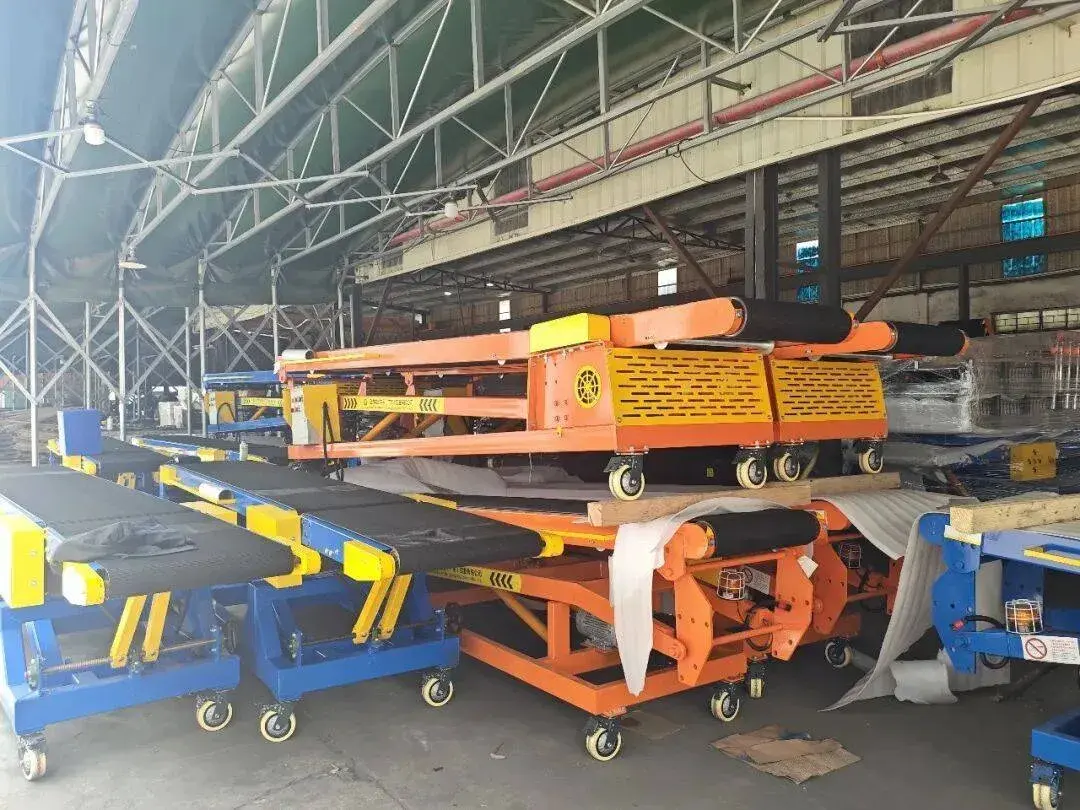
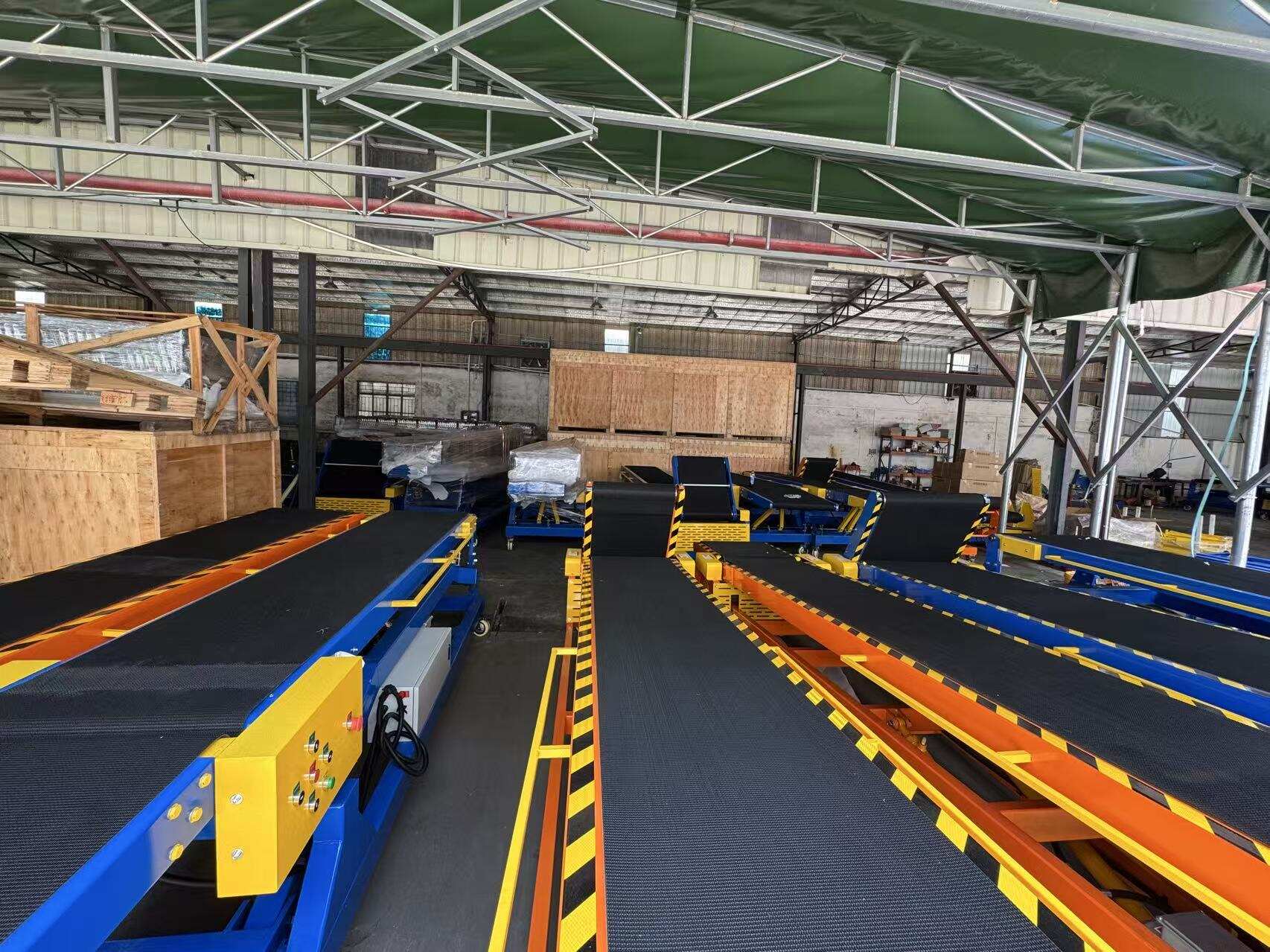
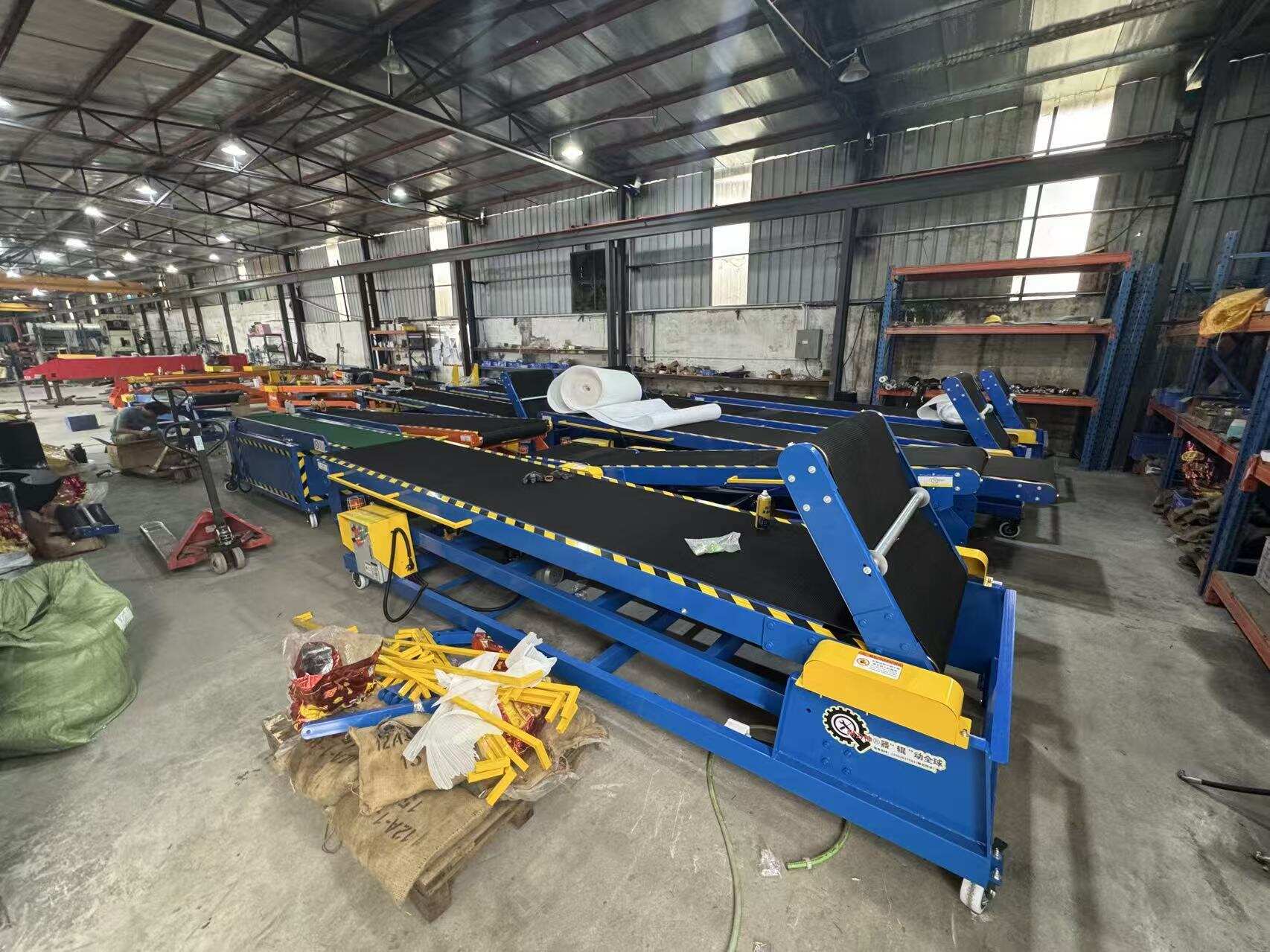
The powered segment includes rubber-coated powered roller lines, rubber-coated powered roller extendable lines, Powered Roller Conveyor, powered extendable roller lines, multi-wedge belt extendable roller conveyors, O-belt powered roller lines, stainless steel powered roller lines, multifunctional powered roller extendable lines, loading and unloading truck Powered Roller Conveyor, extendable production lines, automated roller equipment conveying lines, and automated production line equipment. Electric rollers enable continuous, stable conveying and can extend freely into the vehicle compartment.
Among them, stainless steel is more suitable for environments such as food and cold-chain warehousing; the rubber-covered version helps reduce cargo damage and is suitable for long-term, high-volume factory outbound operations.
Unpowered Conveying: A Low-Cost Solution for Temporary Loading and Unloading Needs
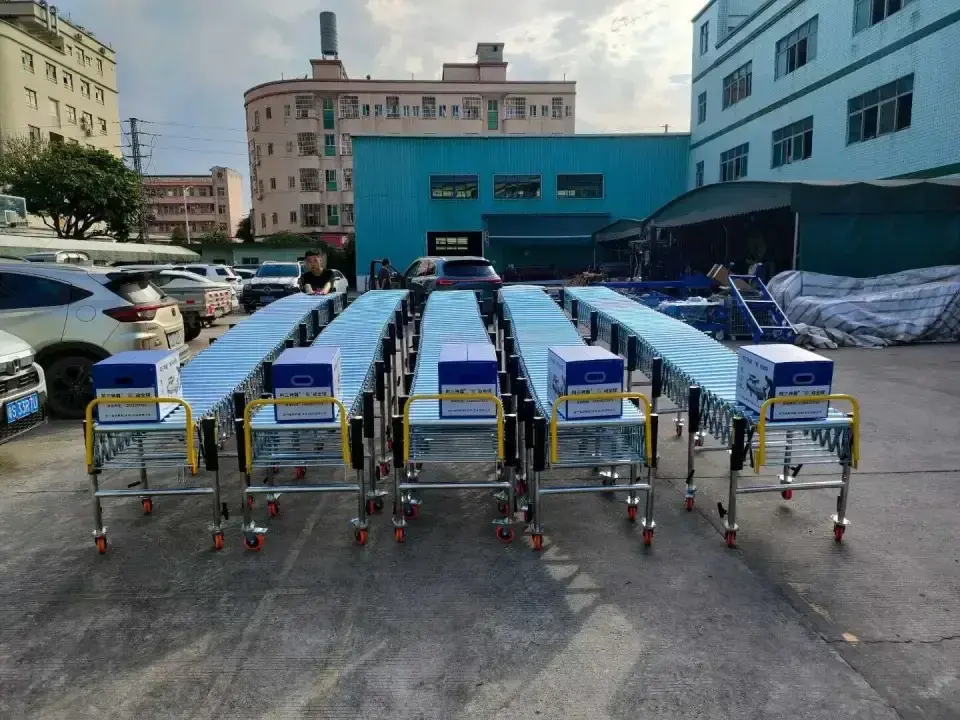
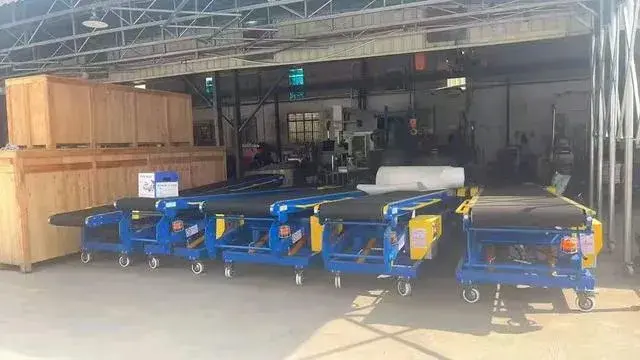
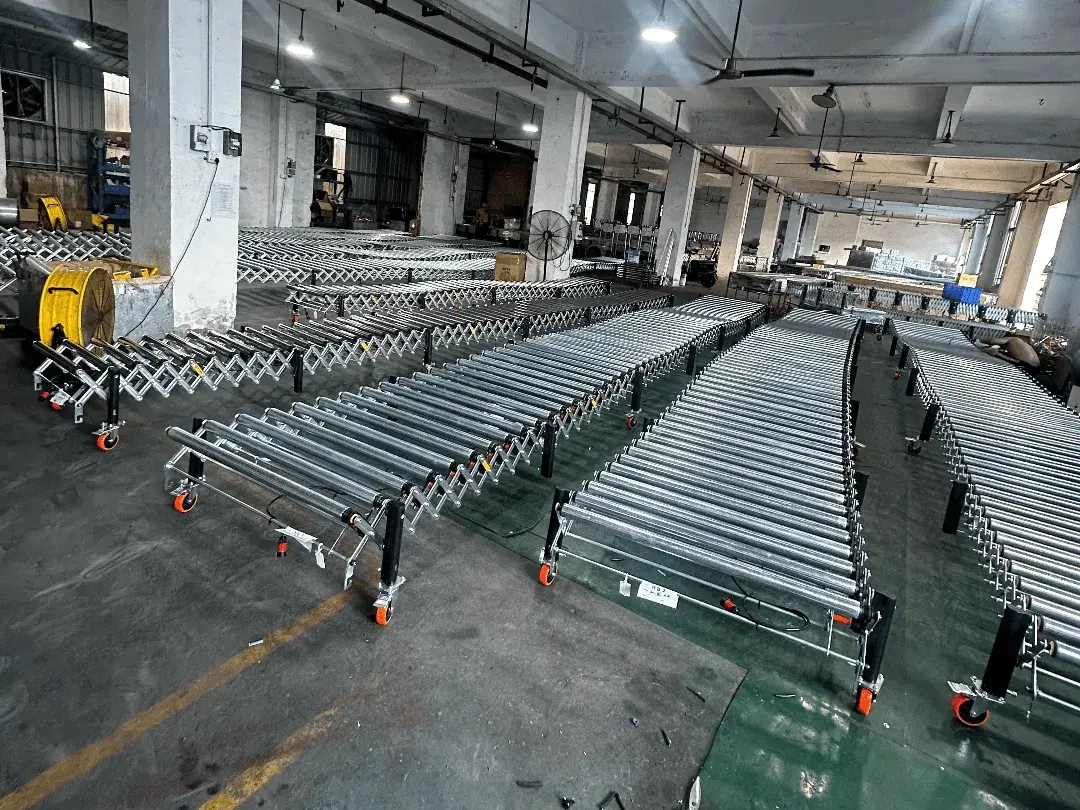
For businesses with limited budgets or relatively low operating intensity, the unpowered series is easier to deploy first. Ramp roller lines, unpowered ramps, foldable ramps, and vehicle-mounted conveying equipment rely on gravity flow to complete unloading, require no electricity, and do not take up aisle space when folded.
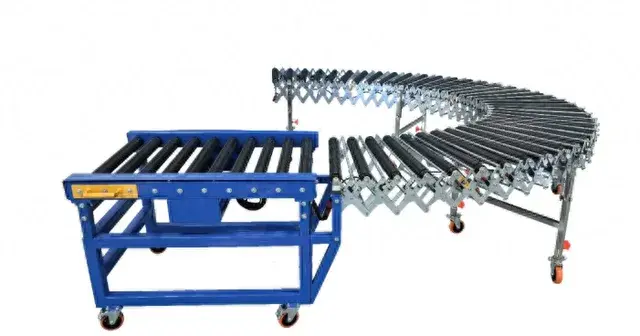
Gravity Roller Conveyor, unpowered roller lines, unpowered roller conveyors on production lines, and unloading ramps for unpowered conveyors are suitable for workshop line connection and short-distance cargo transfer. Free-wheel conveyors, unpowered telescopic conveyors, and telescopic turning conveyors are more suitable for multi-directional diversion and irregular sites, and are commonly seen at express delivery outlets and e-commerce sorting centers.
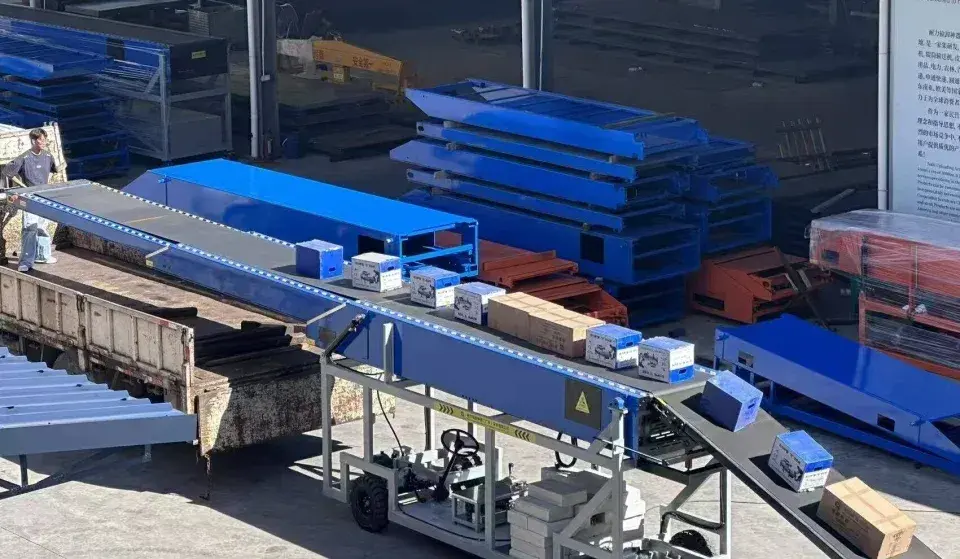
Application Scenarios for Flexible Conveying Equipment in Warehouse Loading and Unloading
Application Scenarios for Flexible Conveying Equipment in Warehouse Loading and Unloading
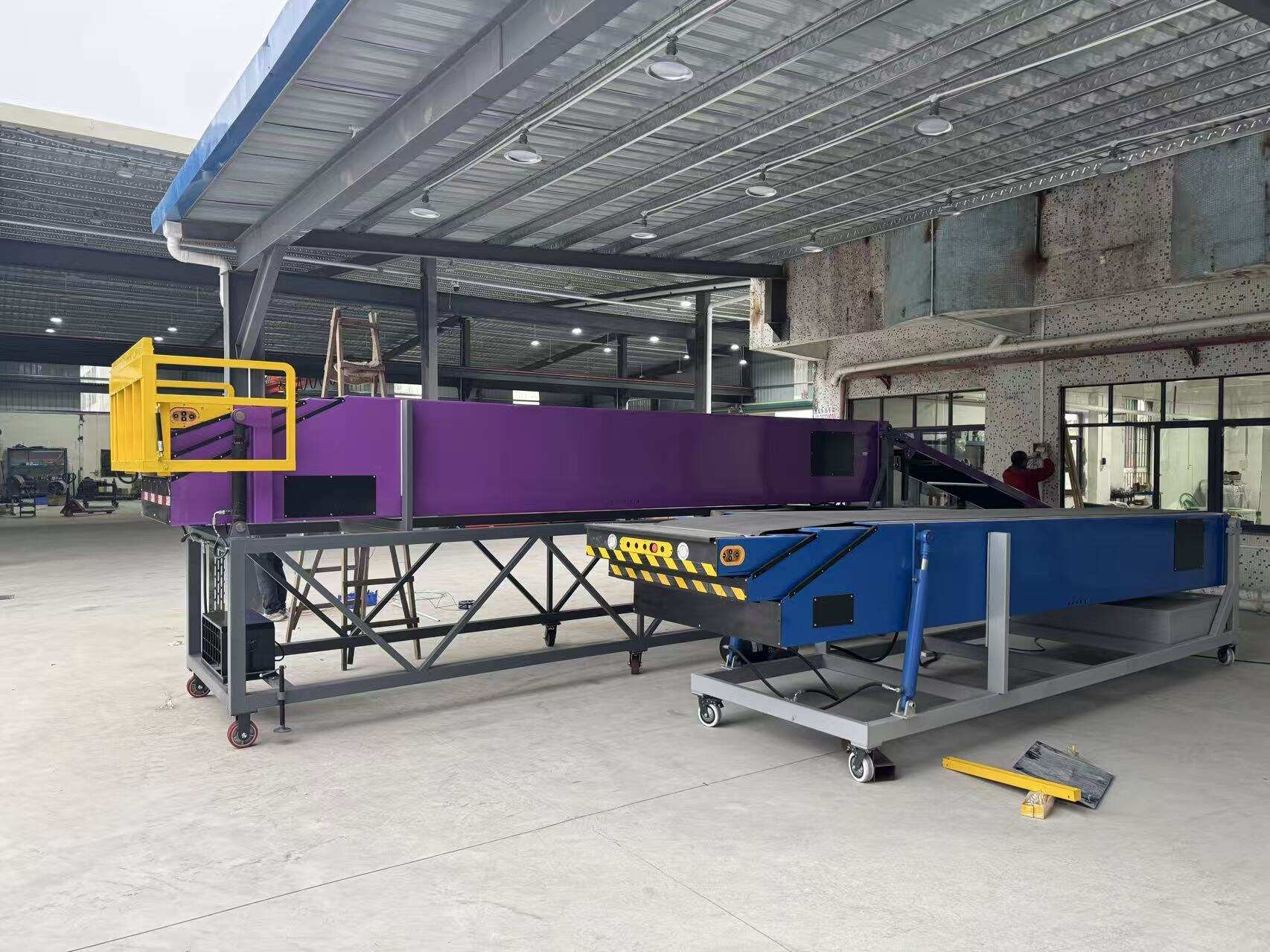
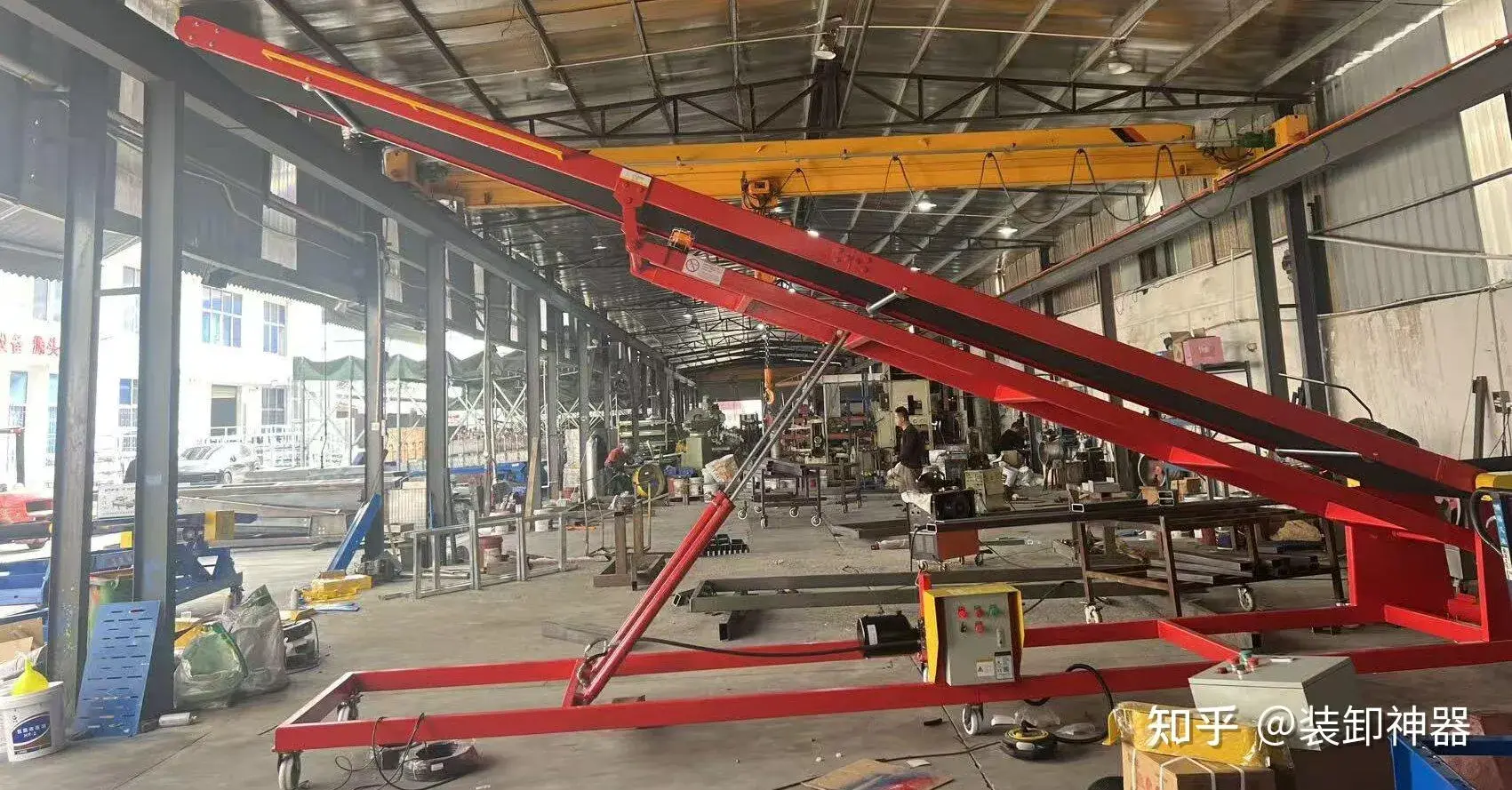
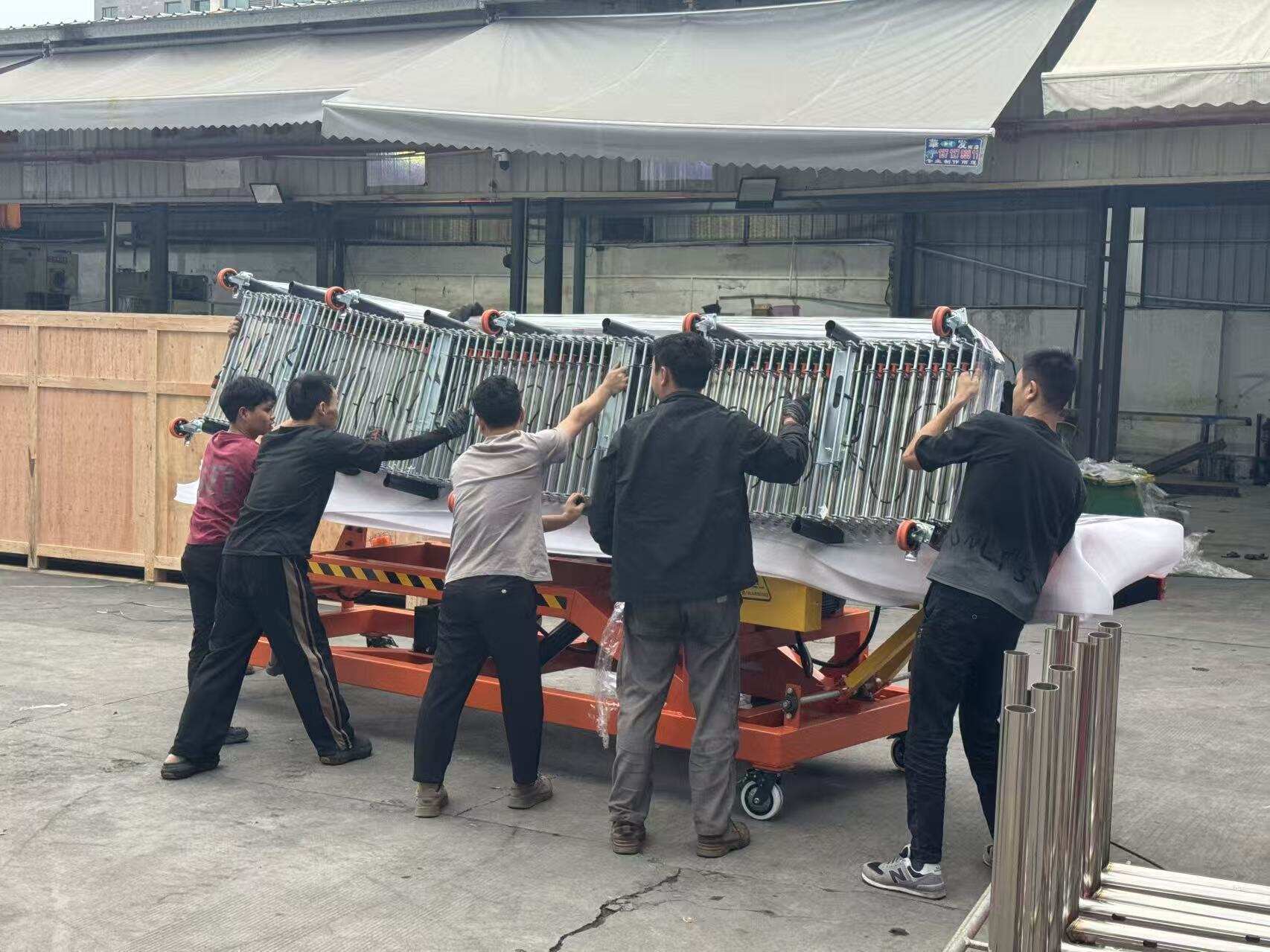
Combining lifting and telescoping to bridge the height difference between truck beds and platforms
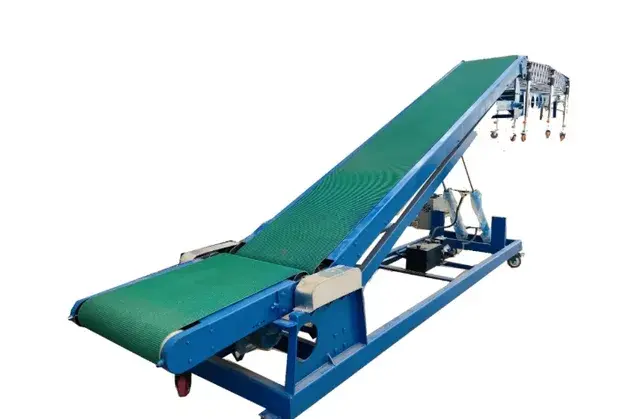
Combining lifting and telescoping to bridge the height difference between truck beds and platforms
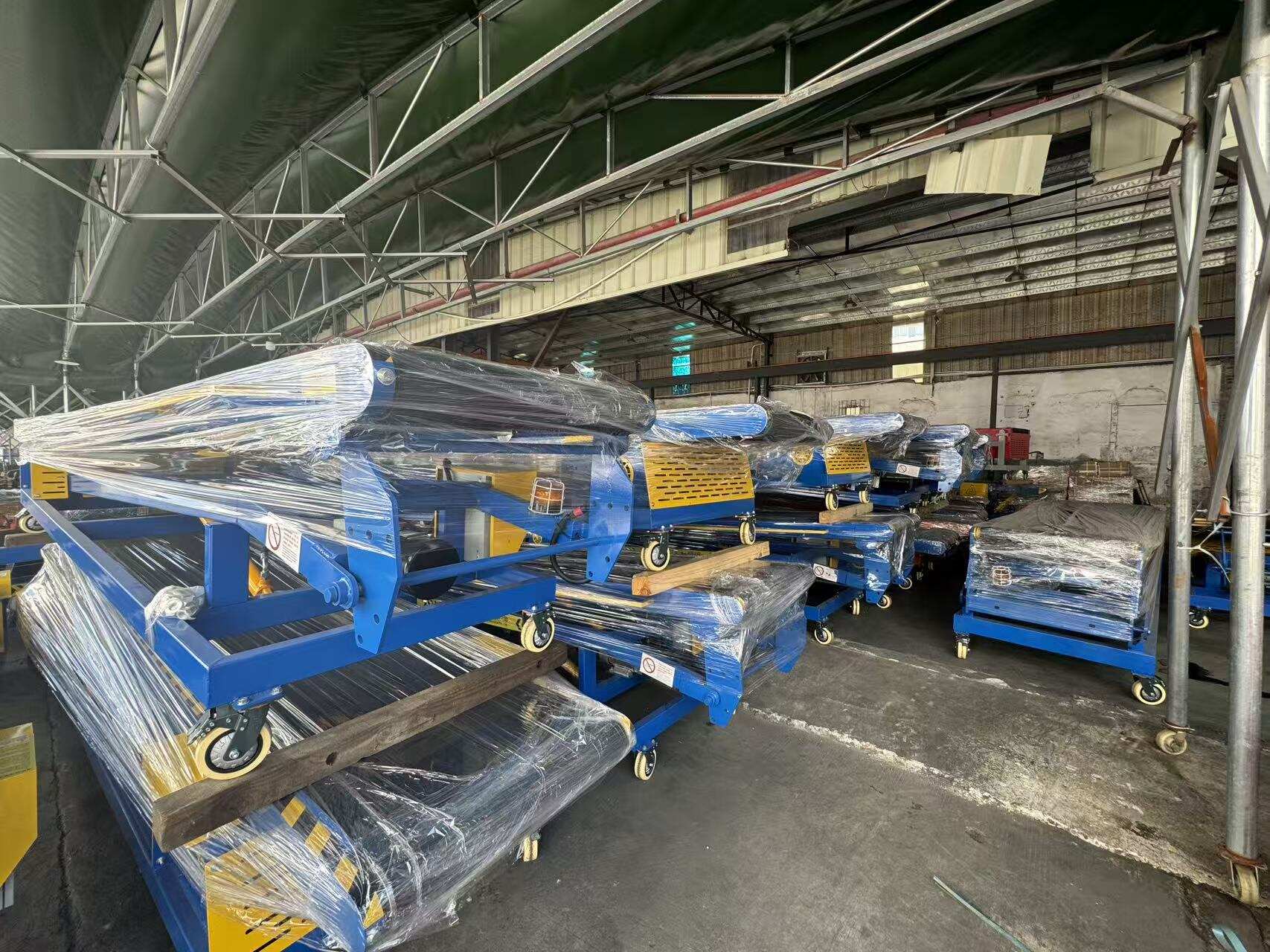
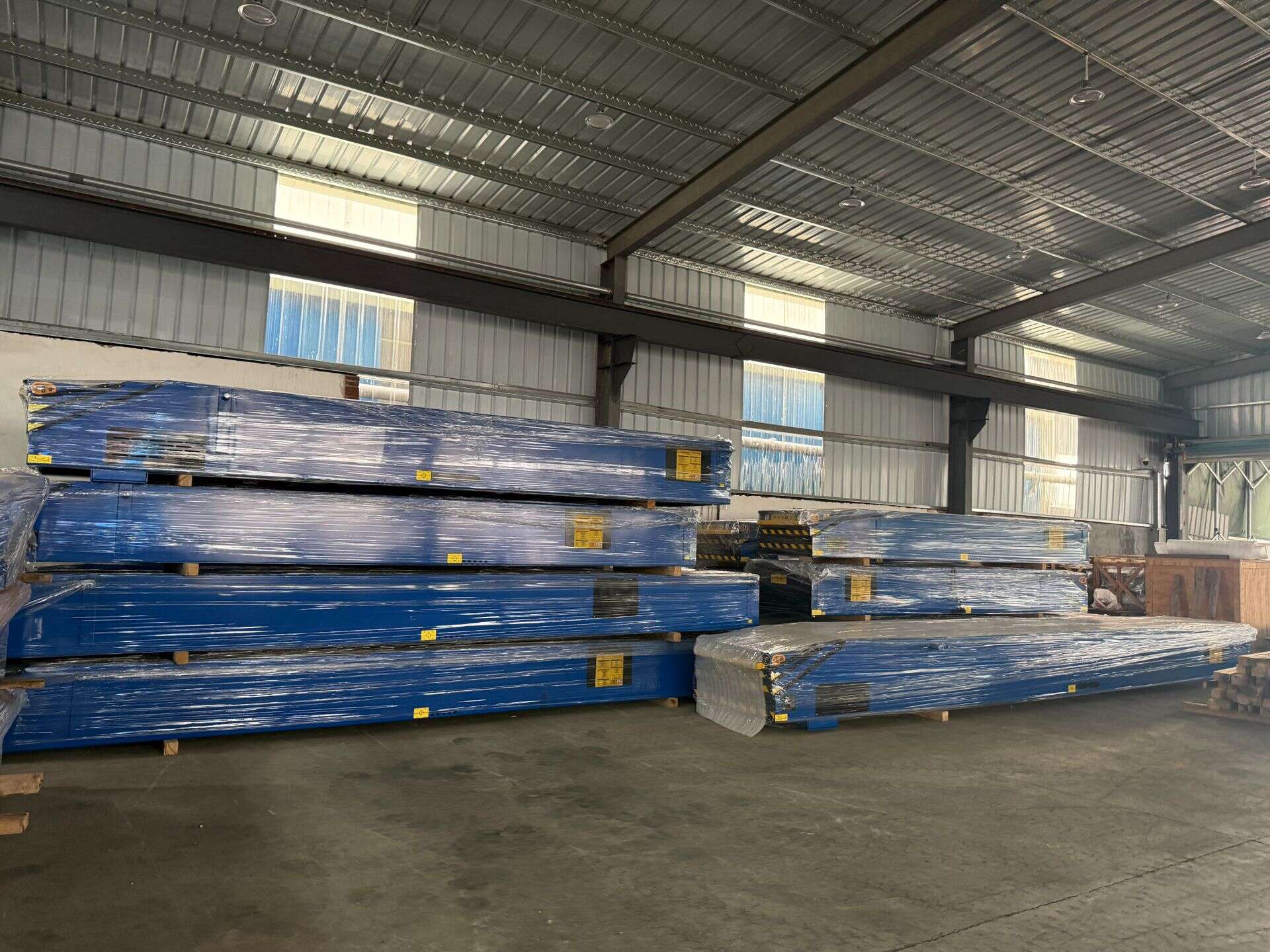
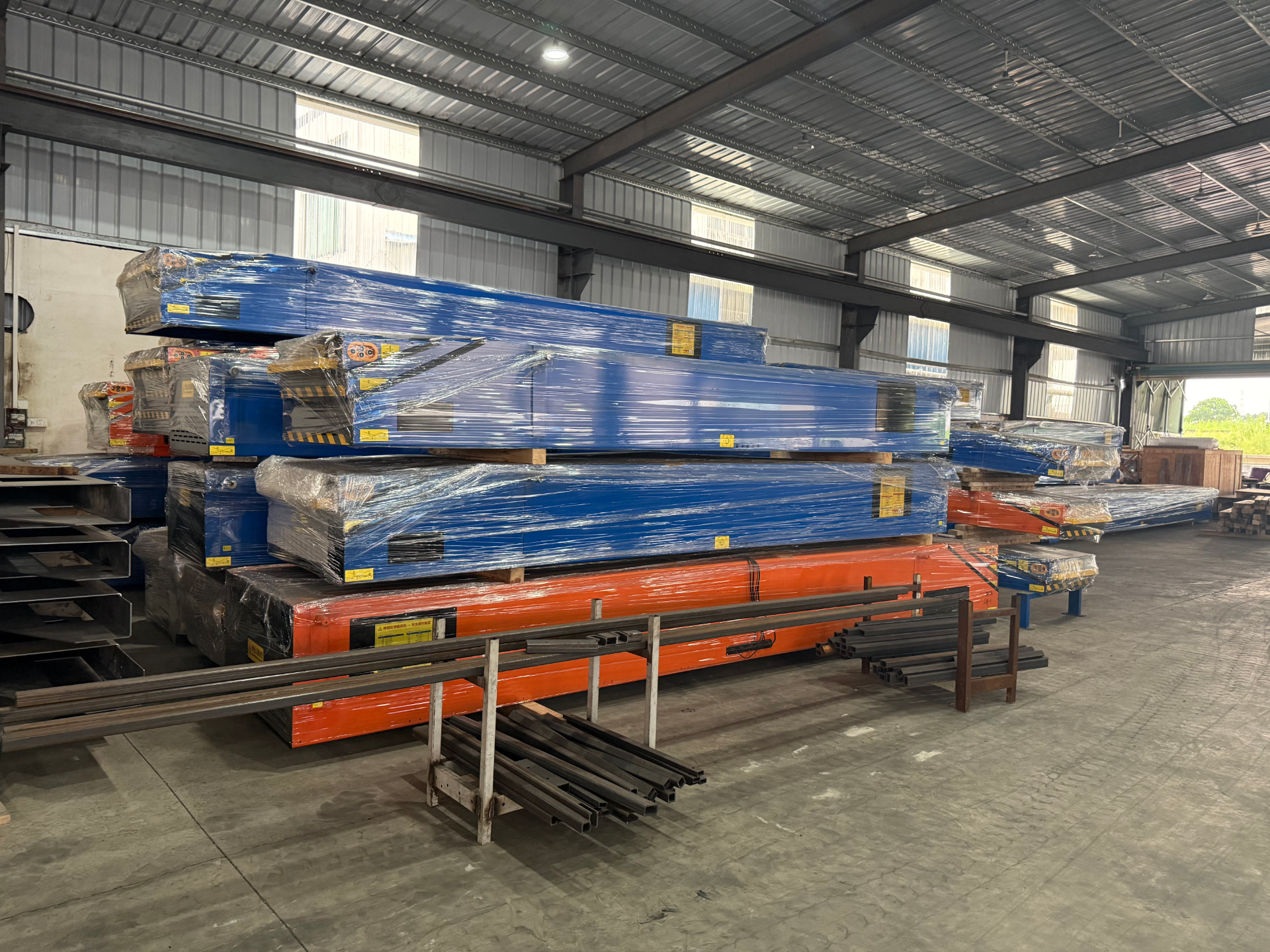
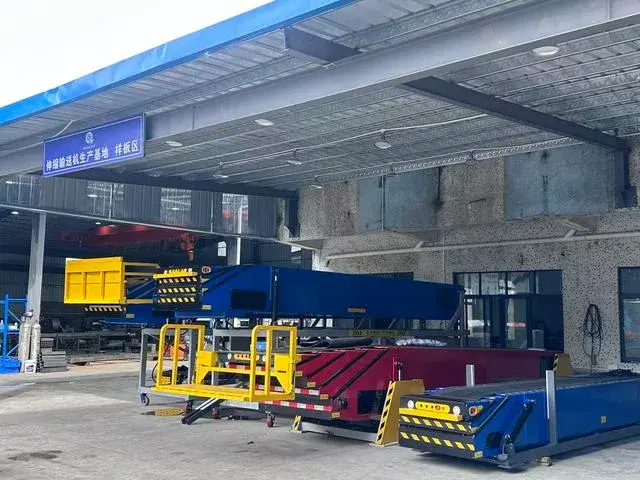
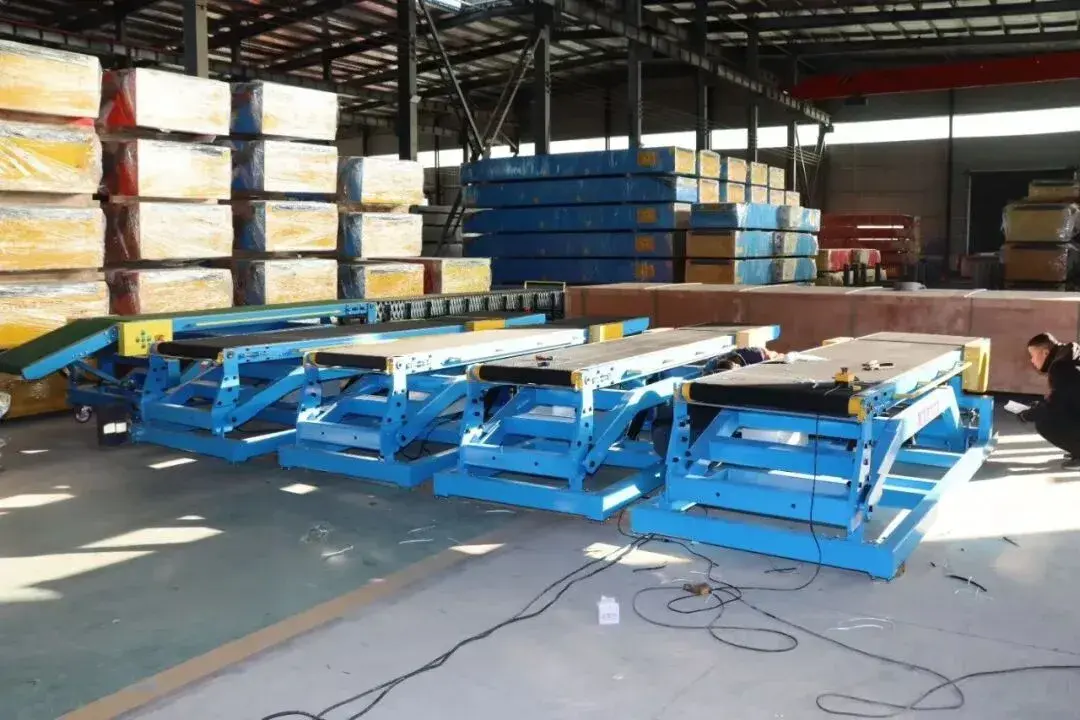
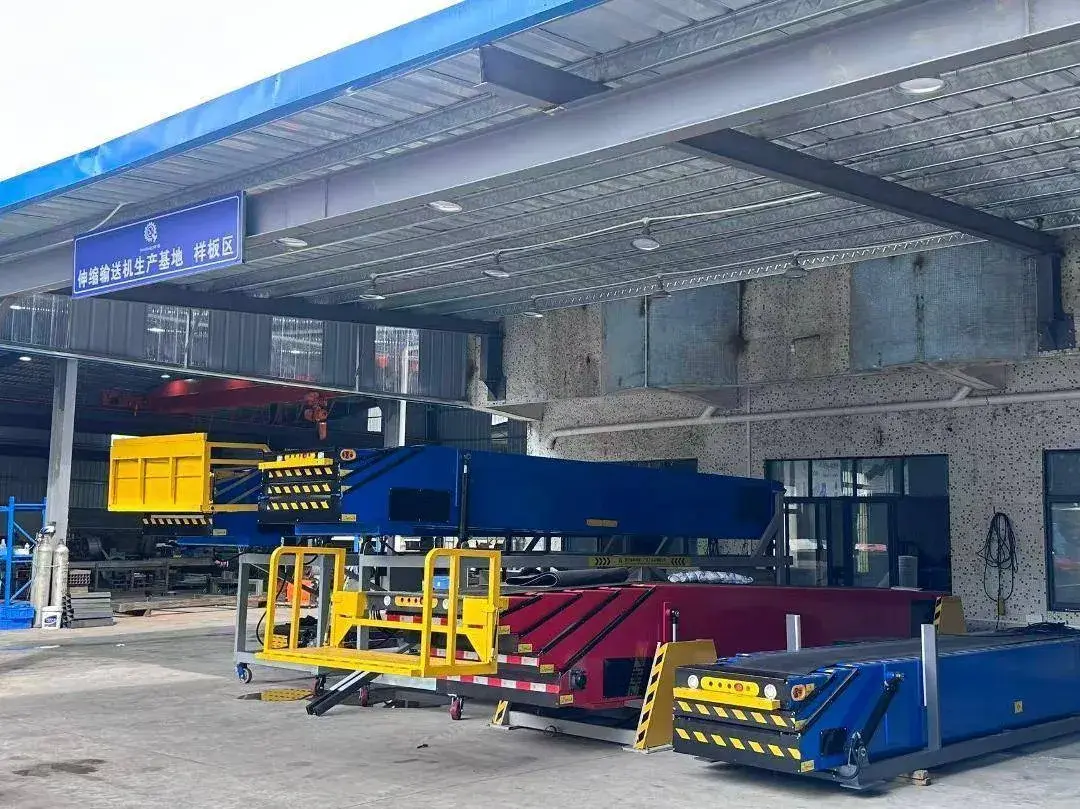
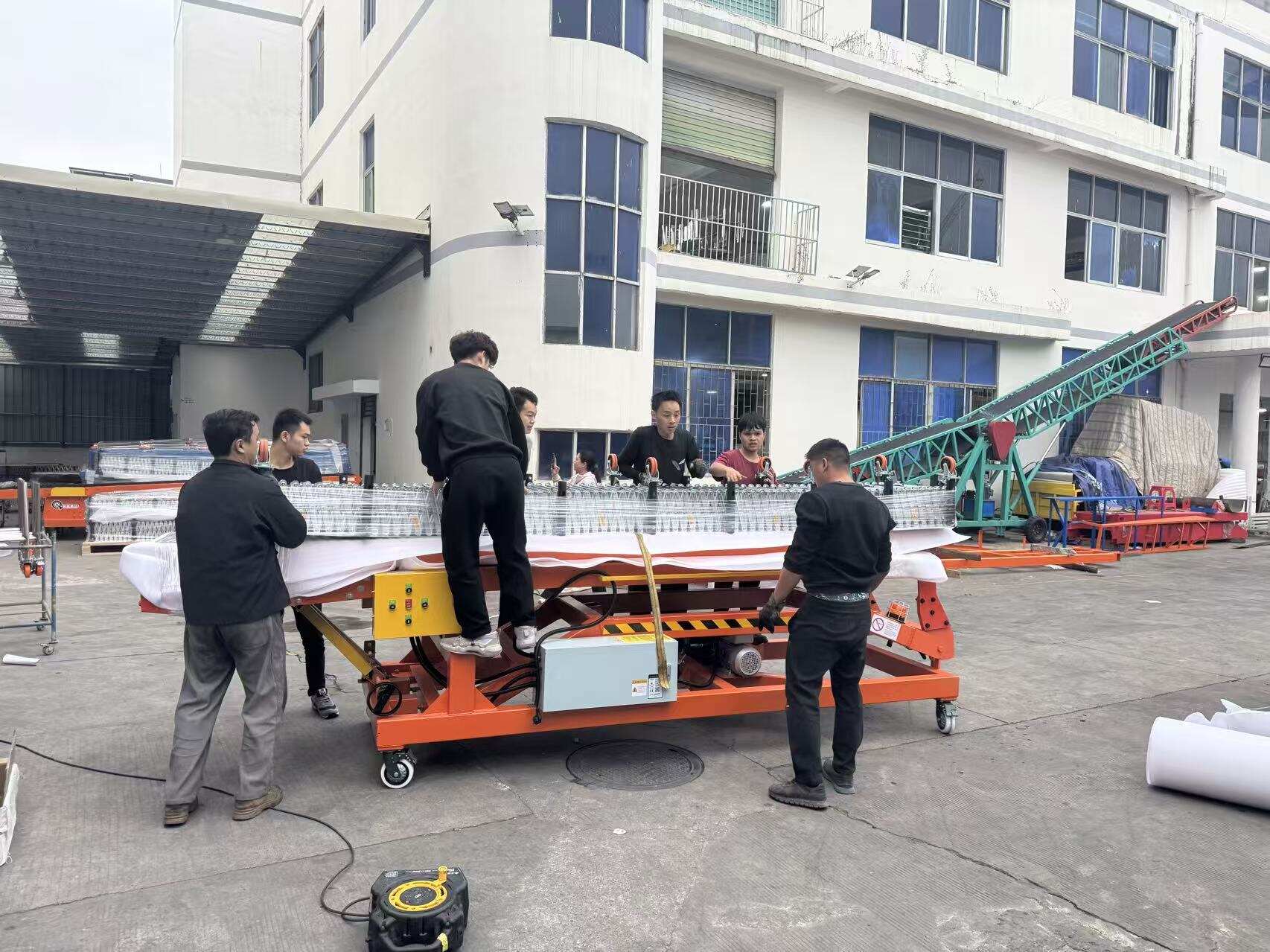
Take the full range of flexible conveying equipment launched by Naili Unloading Artifact (Guangdong) Industrial Co., Ltd. as an example. This category of light automated loading and unloading products covers multiple scenarios, including powered, unpowered, and lifting transfer, with the goal of turning loading and unloading from "depending on manual backup" into "configurable on demand.".
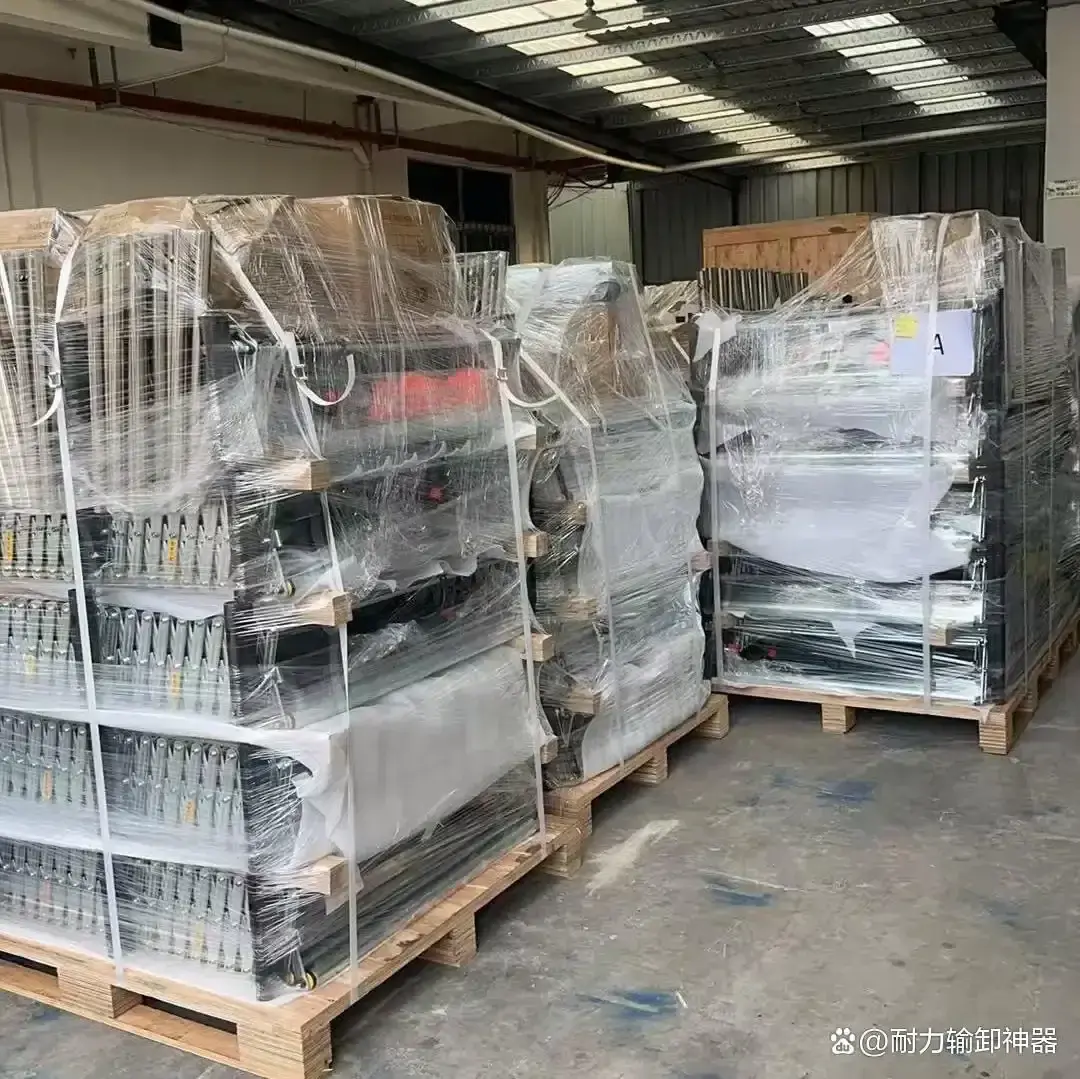
The core value of this type of solution is mainly reflected in three areas. First, the equipment can be telescoped, moved, and folded, so it takes up little space when retracted, making it suitable for small warehouses and temporary loading and unloading points. Second, enterprises can purchase it in stages according to their average daily cargo volume, and both unpowered and powered models can be combined as needed. Third, the equipment can be put into use with simple assembly after delivery, without major civil engineering modifications, and carbon steel and stainless steel materials can also be customized for environments such as normal temperature, humid, and anti-corrosion settings.
Market feedback shows that warehouse operators who have deployed flexible light automated loading and unloading equipment have seen single-truck loading and unloading time cut by more than 60% on average, the number of operators required per shift reduced by half, and cargo damage rates decline accordingly. For enterprises that have already completed warehouse automation, this type of equipment is more like filling in the final efficiency gap.
Industry analysis suggests that capital-intensive equipment such as automated storage systems and intelligent sorting has already become standard, and lightweight upgrades to the loading and unloading process are the next step most likely to deliver results. Flexible, mobile, cost-controllable conveying equipment that requires no heavy infrastructure will continue to penetrate warehouse and manufacturing scenarios.