In recent years, industries such as warehousing, freight, and manufacturing have generally faced labor shortages in loading and unloading operations. The appeal of physically demanding jobs has declined, and companies are under pressure at the same time to recruit, retain staff, control labor costs, and improve operational efficiency. In particular, basic tasks such as flat-ground loading, unloading, and cargo transfer depend heavily on manual labor, and the shortcomings of traditional methods have become more pronounced, gradually becoming a key factor affecting warehouse turnover, logistics transportation, and production shipment efficiency. Against this backdrop, automated and intelligent logistics conveying equipment has begun to become an important choice for companies seeking to optimize loading and unloading processes.
1. Why manual loading and unloading is getting harder
Loading and unloading positions have long faced labor shortages, with obvious aging of the workforce and loss of younger labor. Compared with administrative, operations, and technical roles, this kind of work is more intense, highly repetitive, and physically demanding, and it is also prone to safety risks such as cargo impacts, slips, and mistakes caused by fatigue. For most job seekers, loading and unloading work does not have obvious appeal, so companies often can only rely on older workers to maintain daily operations, making workforce gaps even more pronounced.
In addition to recruitment difficulties, traditional manual loading and unloading also faces pressure on both cost and efficiency. As expenses for wages, social insurance, and benefits continue to rise, the overall labor cost for skilled loading and unloading workers keeps increasing. During e-commerce sales spikes, concentrated arrivals, or peak production periods, companies also need to bring in temporary workers, further increasing cost volatility. At the same time, manual efficiency is greatly affected by physical strength, mood, and skill level. After long periods of work, fatigue sets in easily, loading and unloading speed drops, and problems such as cargo buildup and delayed shipments follow.
The error rate and safety risks of traditional manual work cannot be ignored either. Handling, stacking, loading, and unloading are mainly done based on experience, which can easily lead to poor placement and cargo damage from impacts. Long-term bending and heavy lifting also increase occupational health issues such as lower back strain, while bringing risks of slips, falls, and crush injuries. For companies, this not only means higher losses, but also greater pressure on safety management and work injury compensation.
2. Flat-ground loading and unloading scenarios need practical equipment solutions even more
Many small and medium-sized enterprises do not have professional loading docks in their warehouses and loading areas, so they can only complete loading, unloading, and transfer on flat ground. In such scenarios, manual handling is often more labor-intensive and less efficient. At the same time, some simple conveying equipment on the market has a single function and finds it difficult to adapt to different needs such as flat-ground operations, vehicle docking with height differences, and long-distance transfer, so it is hard to truly replace manual labor.
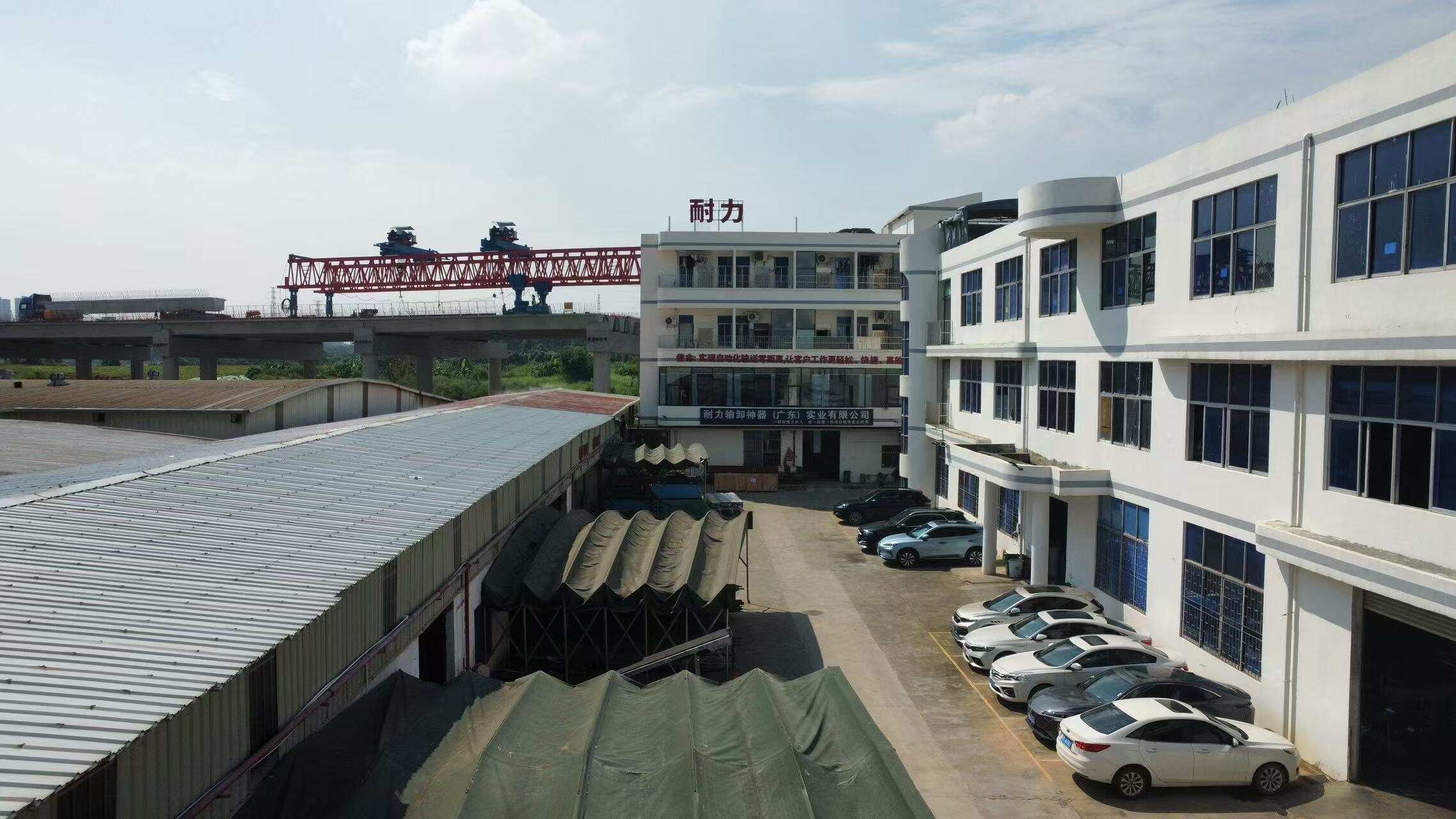
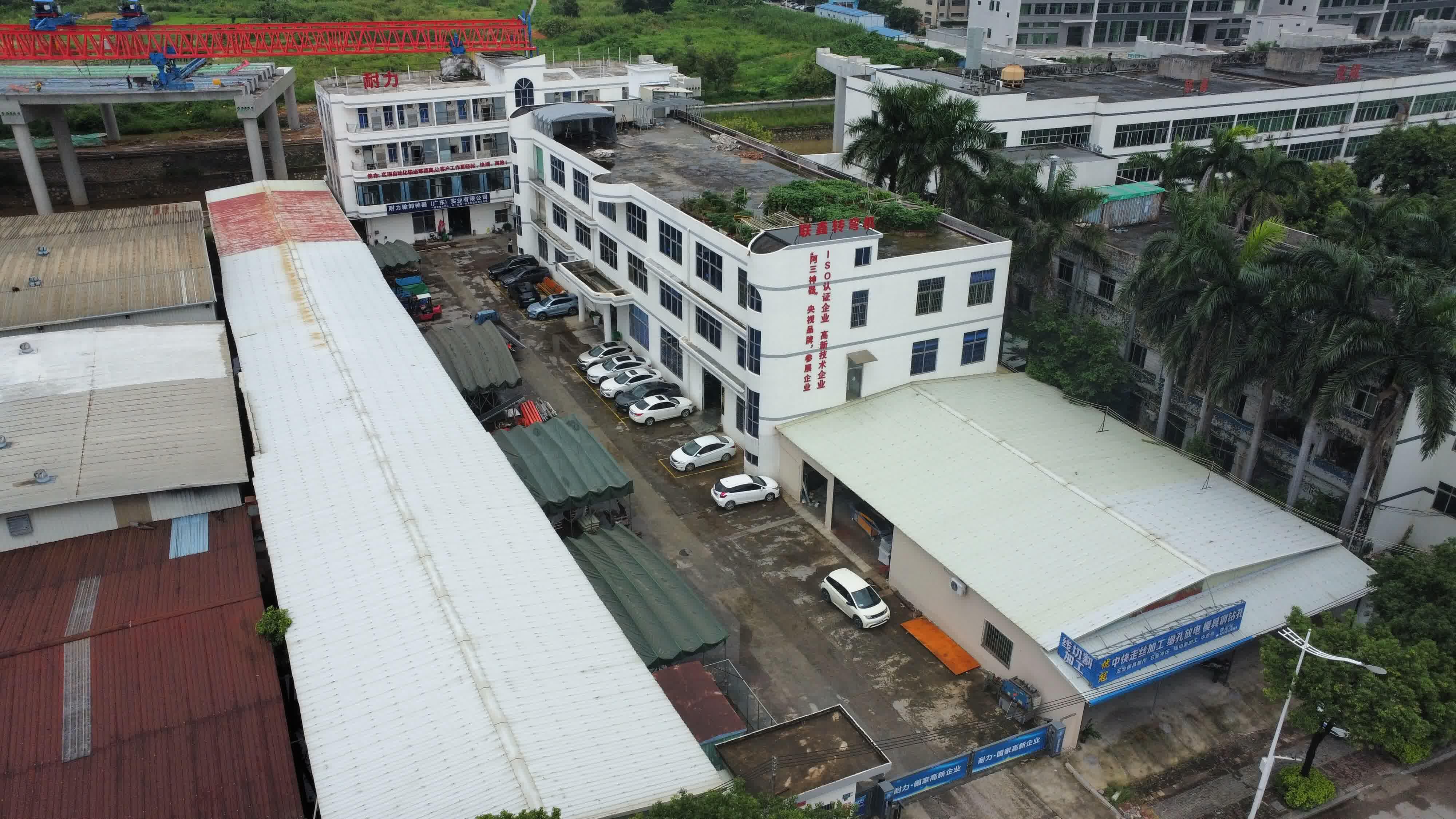
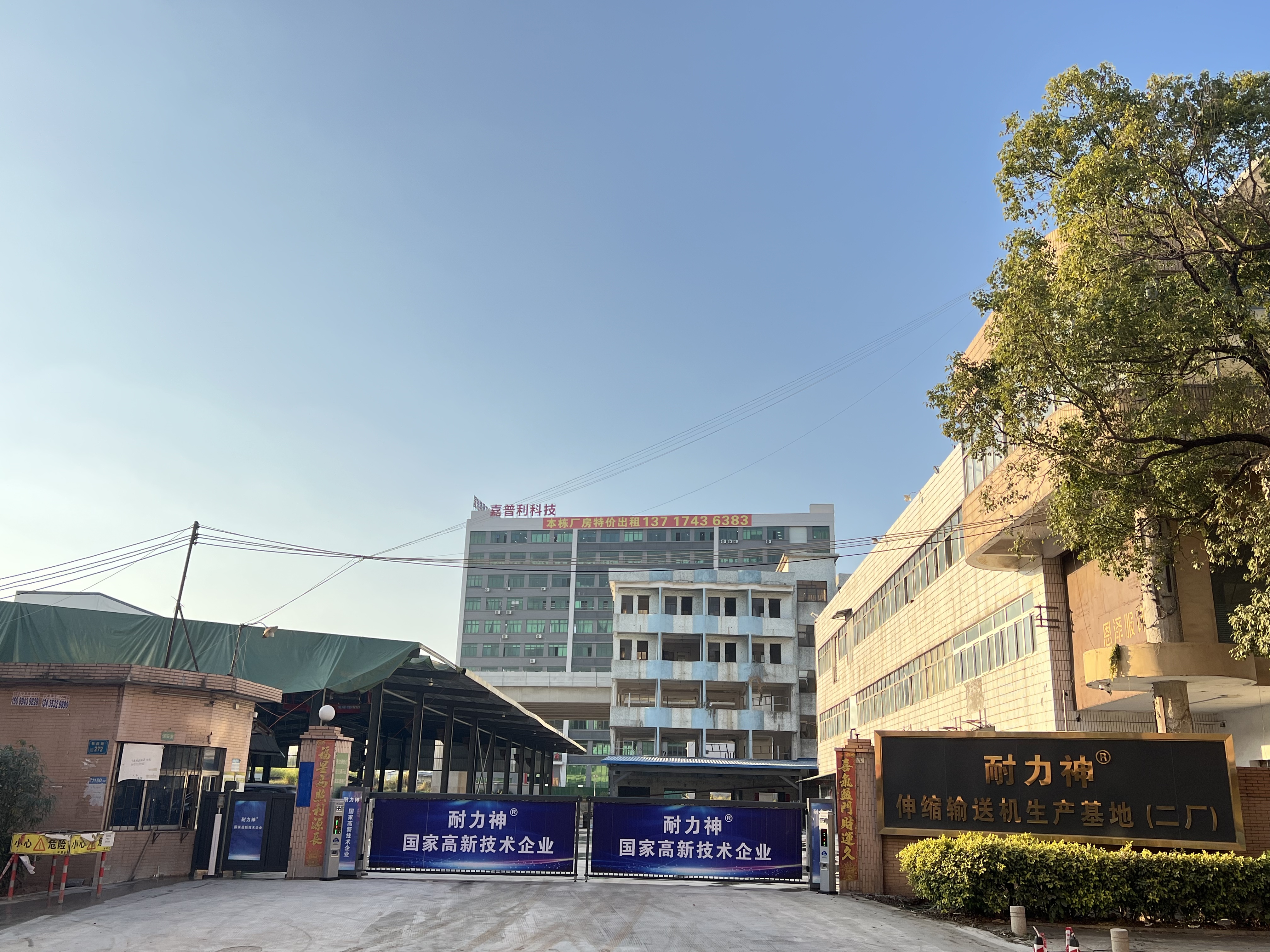
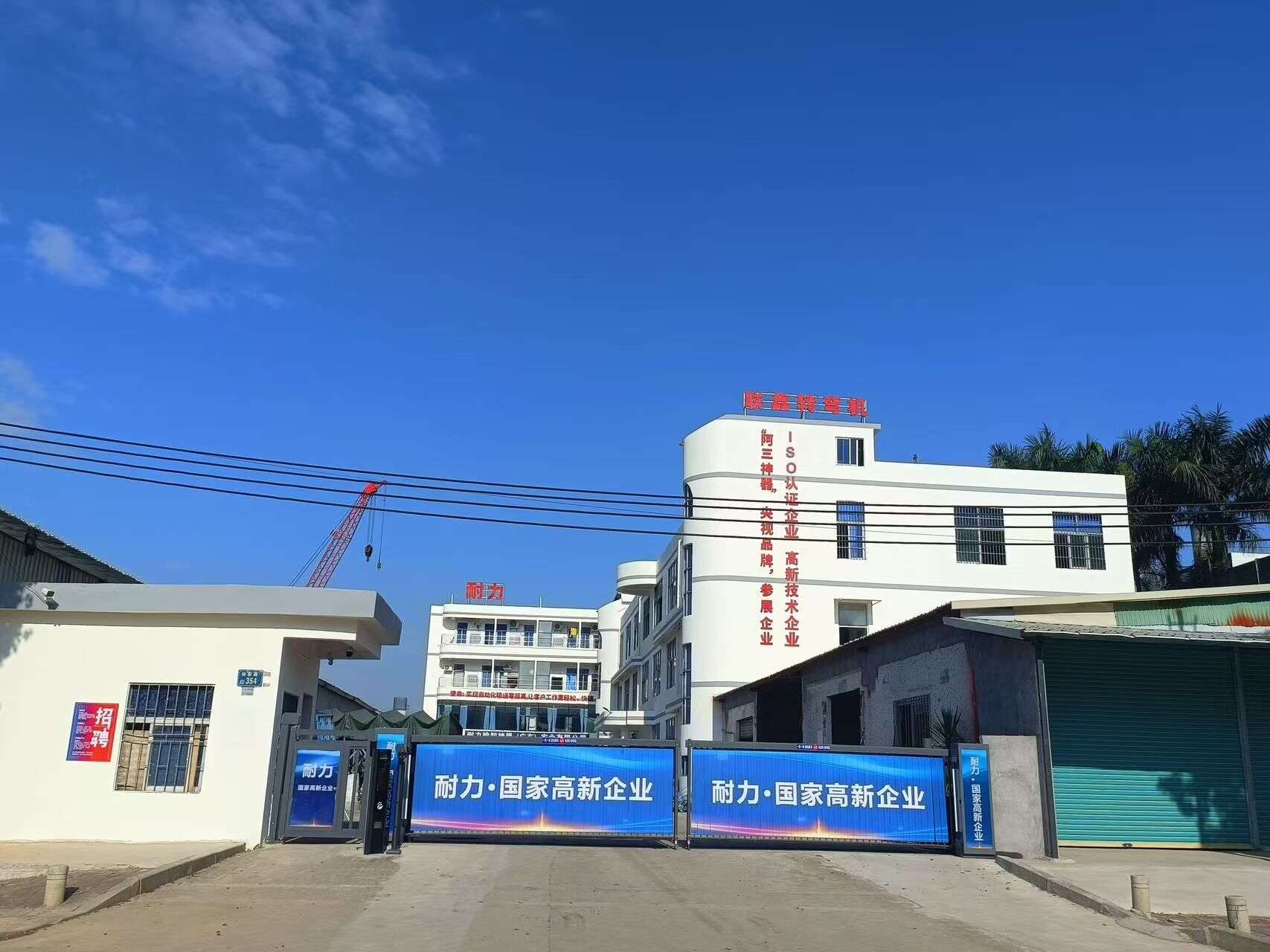
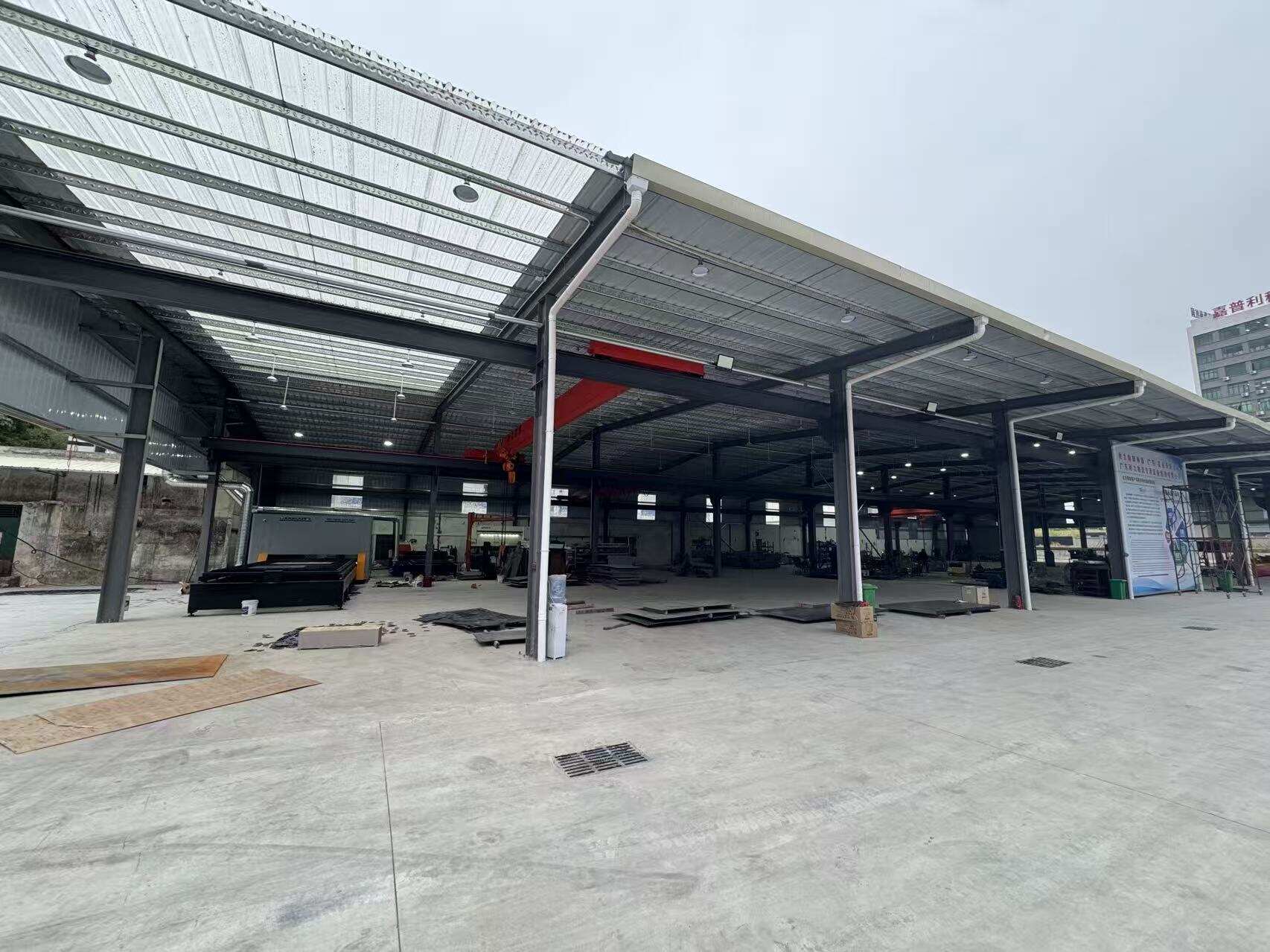
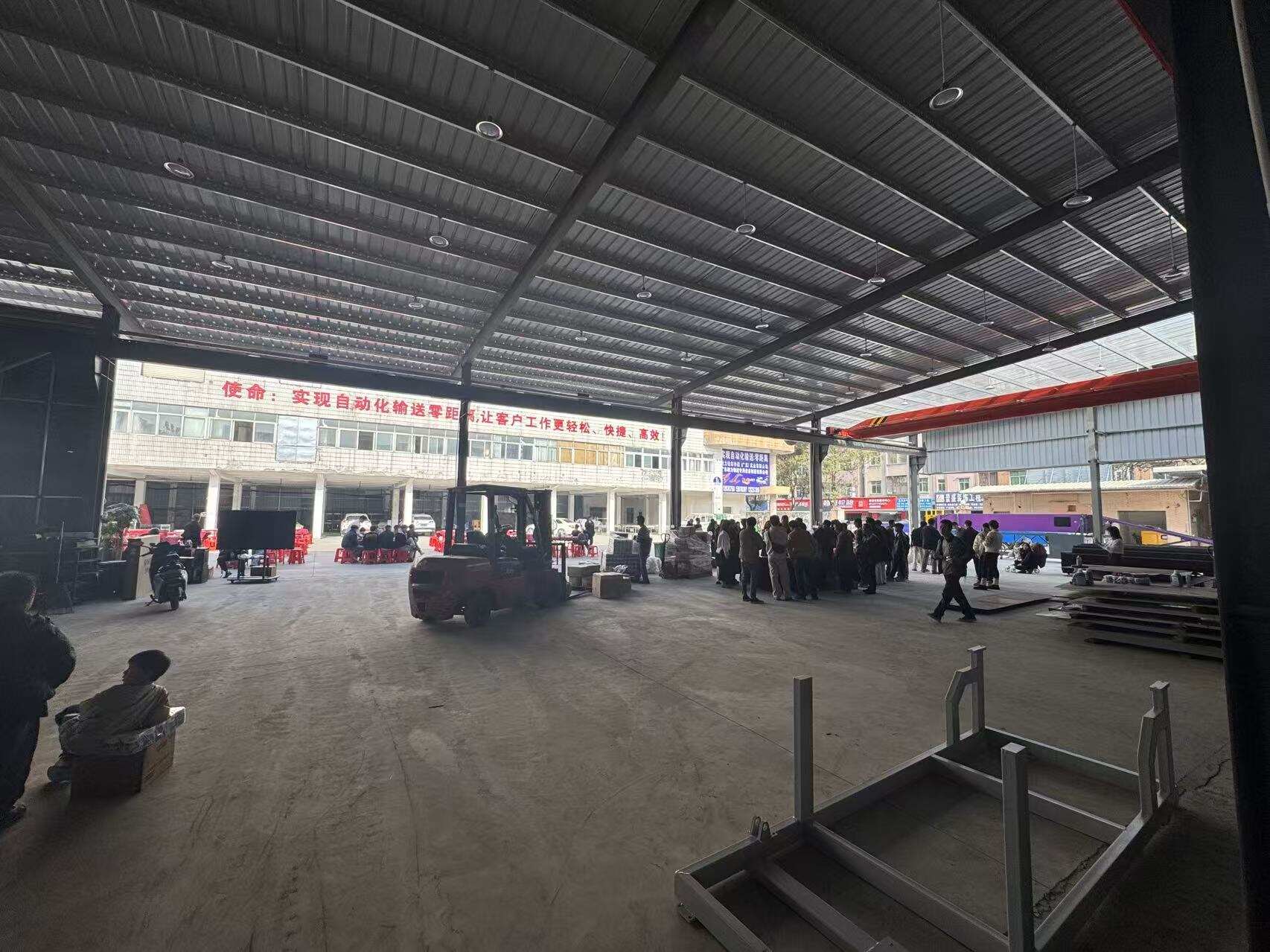
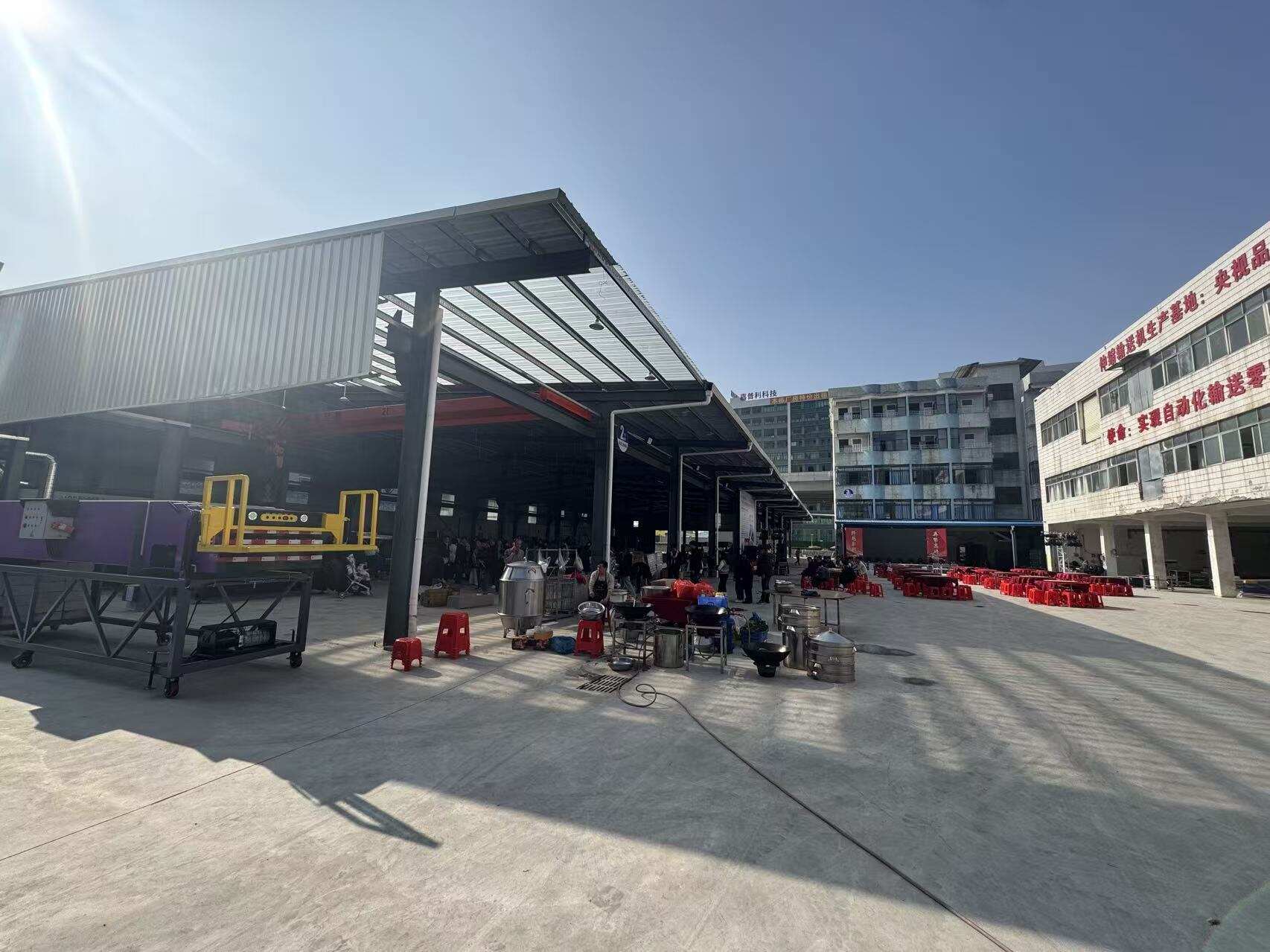
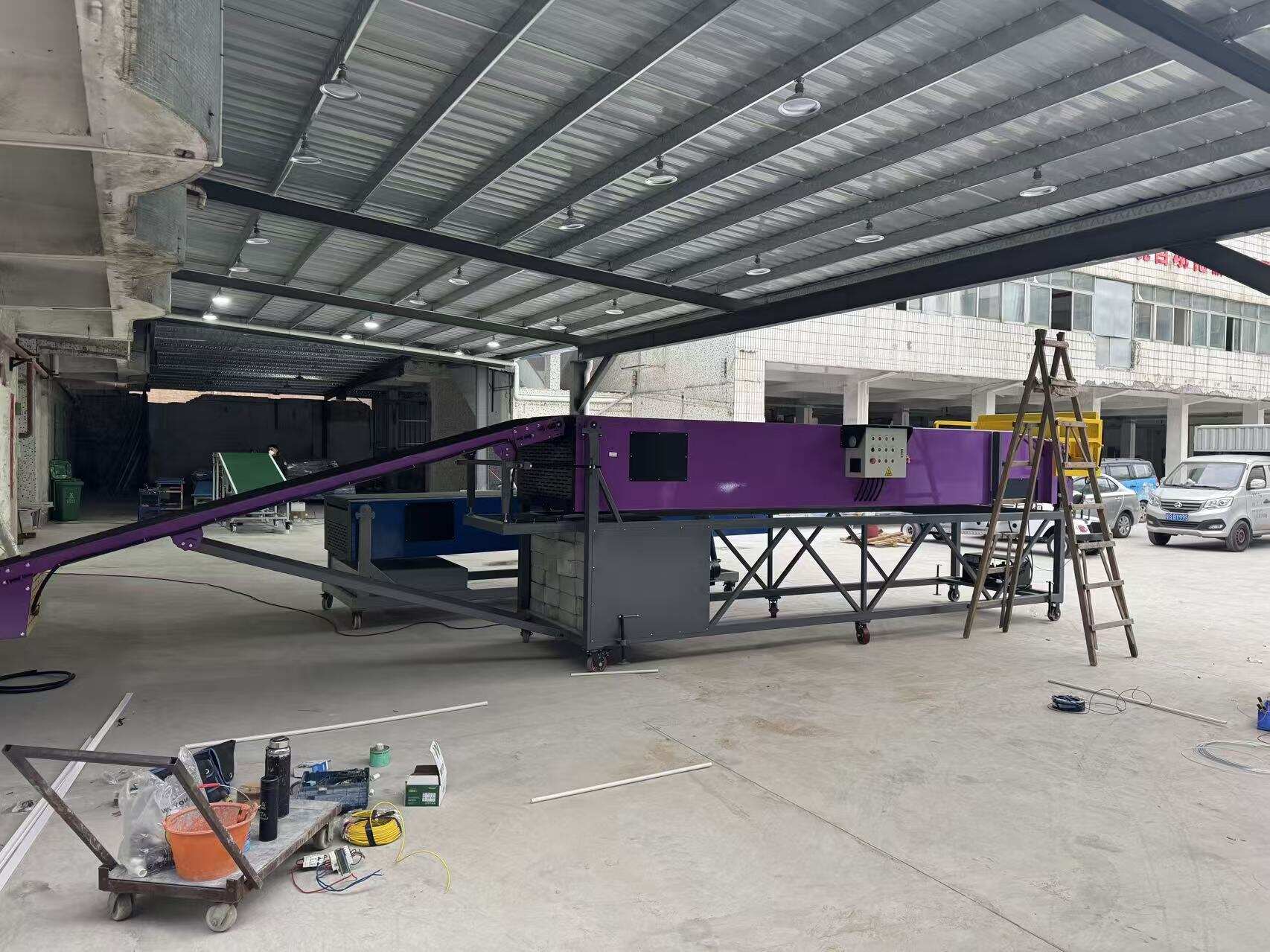
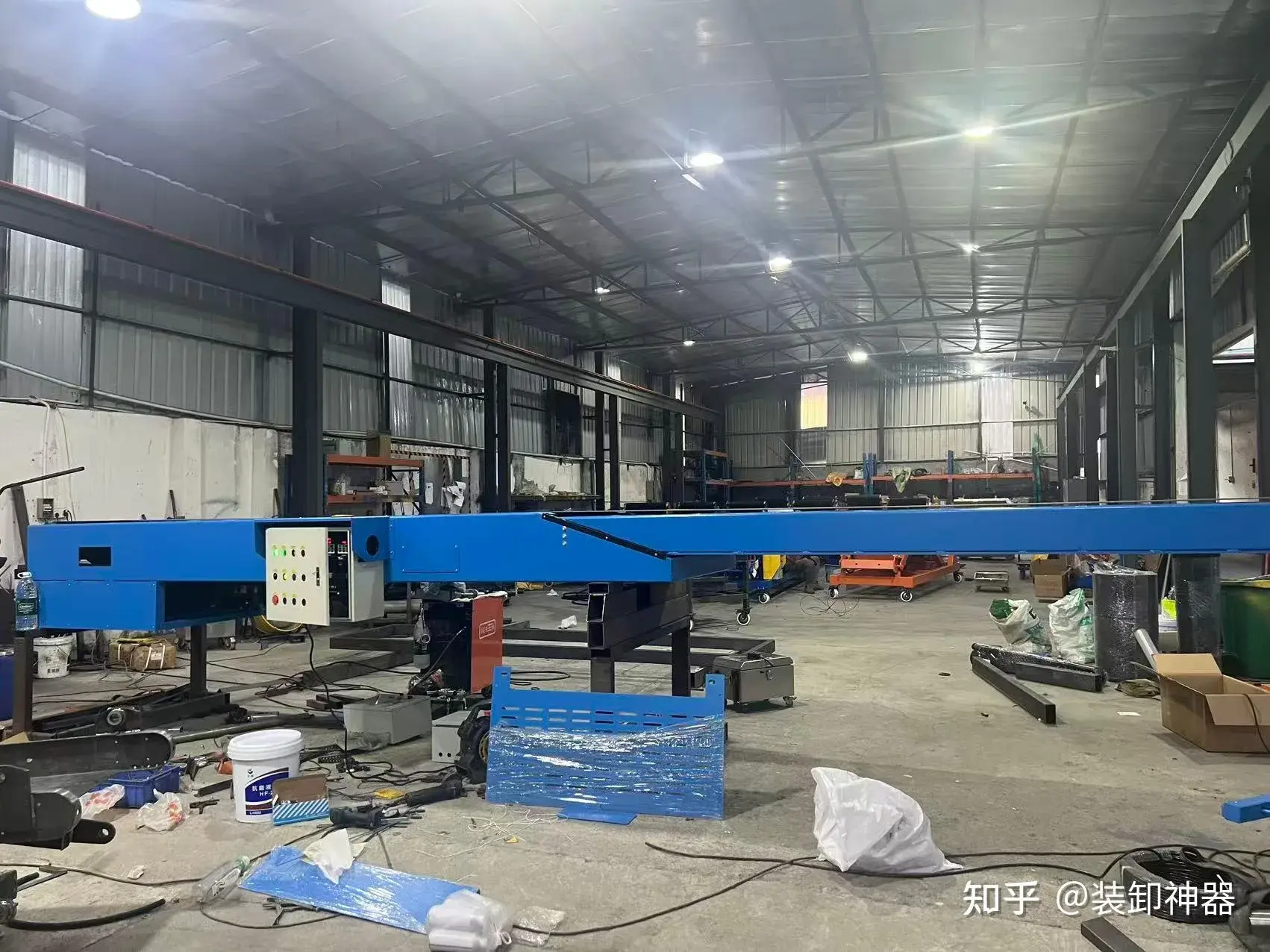
To address these industry pain points,Naili Unloading Artifact (Guangdong) Industrial Co., Ltd.the logistics conveying equipment solutions provided place greater emphasis on practicality and scenario adaptability. Relying on a formal production system and a complete product line, the company provides equipment support for scenarios such as factory warehousing, logistics freight, e-commerce warehouses, building materials and hardware, and food and daily chemical industries, focusing on basic links such as loading and unloading, transfer, and climbing, helping companies turn repetitive heavy manual work into a more stable mechanized process.
3. How equipment combinations improve loading and unloading efficiency
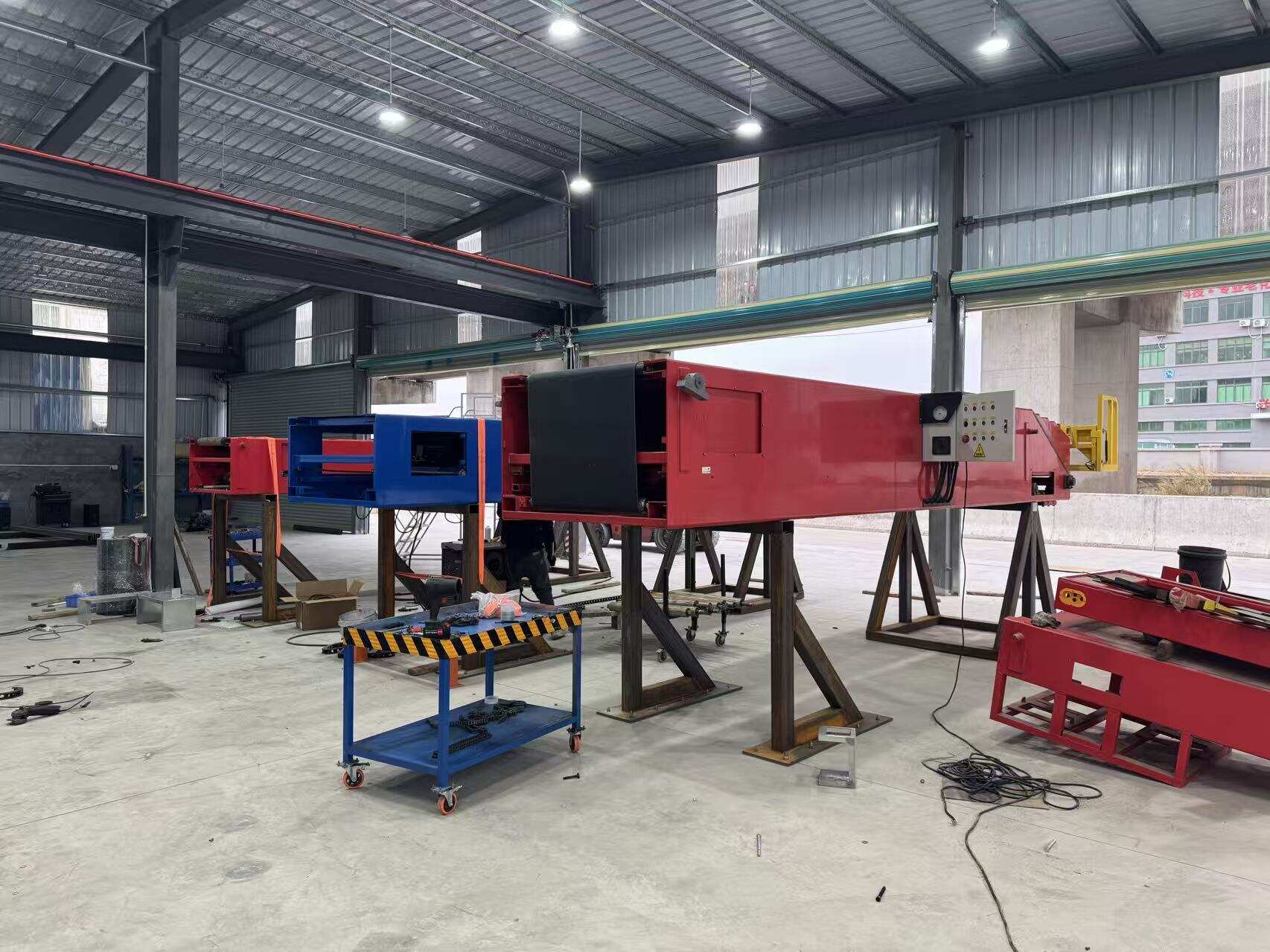
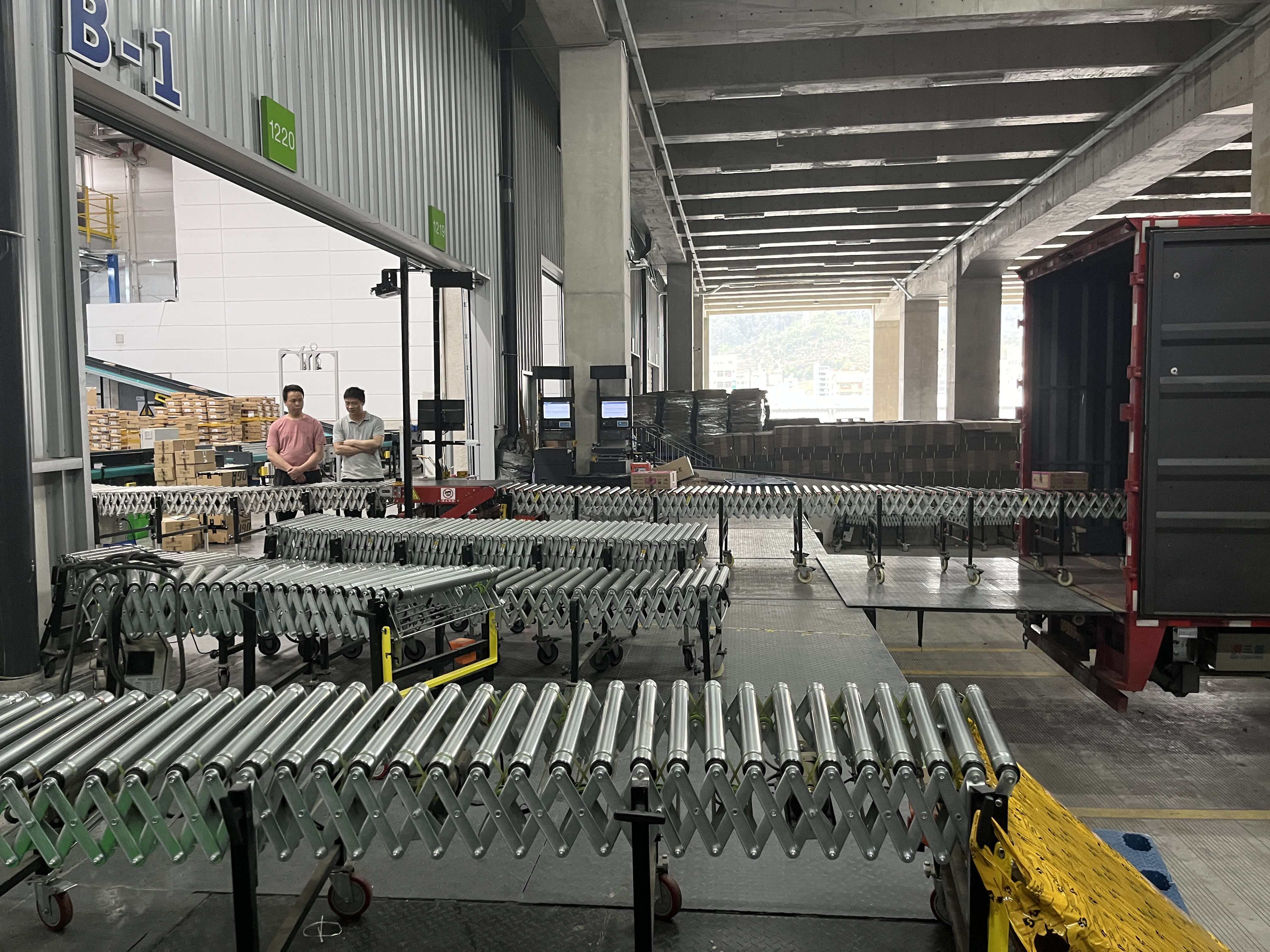
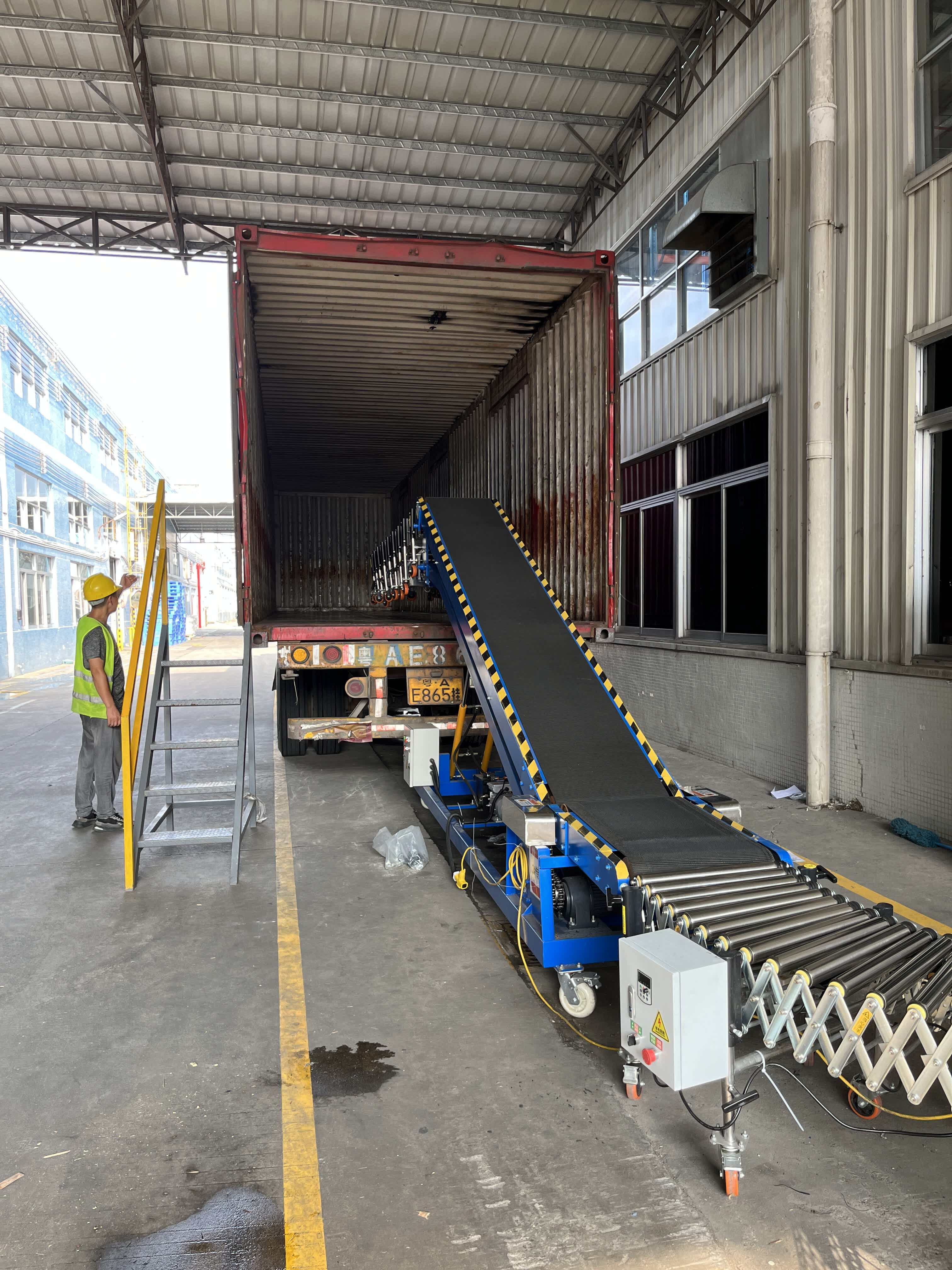
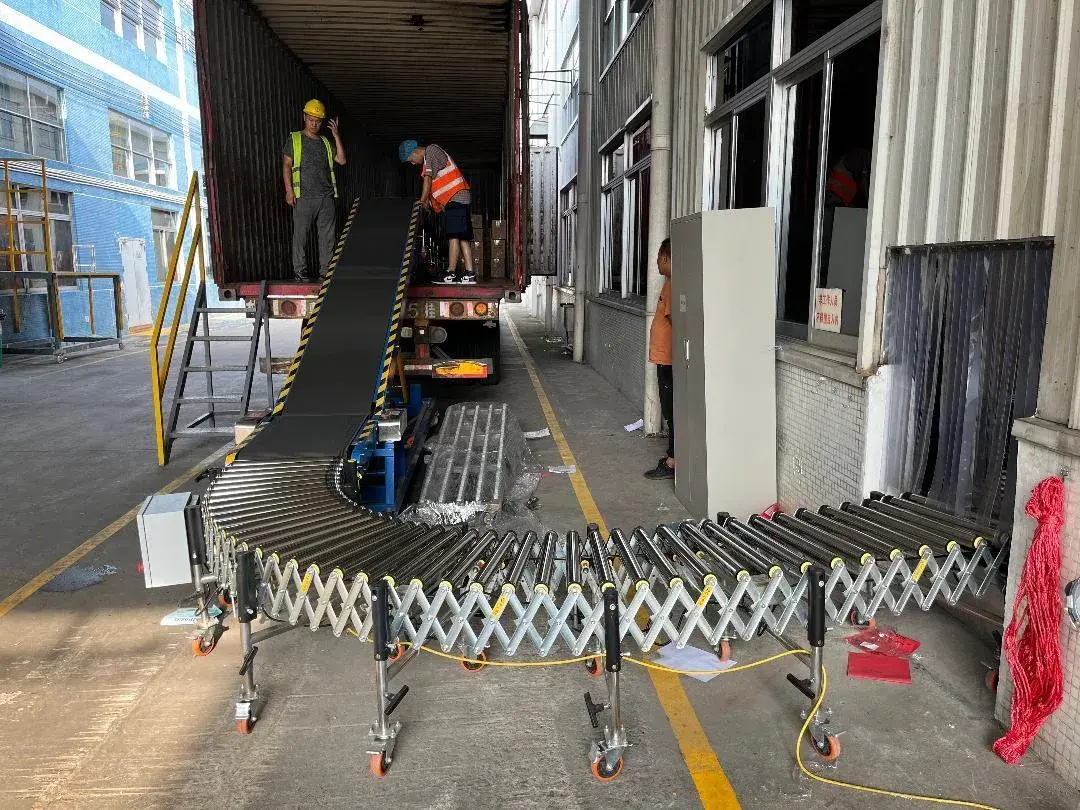
For the common challenge of loading and unloading on level ground, the combination of a powered roller telescopic line and a hydraulic lifting ramp machine can form a more complete operating solution. The powered roller telescopic line features free extension and retraction, flexible adaptation, and stable operation. It can adjust its extended length according to the truck body length and the size of the worksite, requires no fixed installation, and is relatively easy to move, making it suitable for trucks of different sizes and storage sites of different scales.
This type of equipment uses high-strength rollers with good load-bearing performance and can handle the transfer of cartons, luggage, hardware parts, small goods, and many other categories. The powered conveying mode reduces the burden of manual pushing and dragging, enabling automatic goods transfer. At the same time, the equipment operates with relatively low noise, a low failure rate, and wear resistance that is better suited to frequent continuous operation.
The hydraulic lifting ramp machine solves the height difference between the ground and the truck body. It can adjust the lifting height and ramp angle, helping goods connect smoothly with truck bodies or storage platforms at different heights and reducing the burden caused by manual lifting and stacking. The hydraulic system runs steadily, helping lower the risk of goods jolting and damage while also making the loading and unloading process more orderly and safer.
4. From single-point replacement to process optimization, loading and unloading methods are being upgraded
When the two types of equipment are used together, they can build an integrated intelligent flat-floor loading and unloading production line. In actual operations, only 1 to 2 workers are needed to assist, and large-scale cargo loading and unloading tasks can be completed, with labor demand significantly reduced. According to the source information, this equipment combination can increase flat-floor loading and unloading efficiency by 6 to 10 times, and daily cargo throughput is also significantly higher than that of a manual team.
More importantly, mechanized equipment can reduce safety risks and cargo loss in manual operations, and long-term use can also lower a company’s overall costs in labor, management, and losses. For companies that need to continuously handle loading and unloading tasks, this kind of solution is not simply a replacement for manual labor, but a shift from a scattered, experience-dependent handling process to a more stable and controllable operating model.
As labor market structures adjust and enterprise labor costs rise, traditional loading and unloading methods that rely heavily on physical labor have become increasingly unable to meet modern enterprises’ requirements for efficiency, standardization, and cost control. For many small and medium-sized enterprises, choosing conveying equipment that better fits real-world scenarios is easier to implement than making a one-time investment in a large automated system, and it can also relieve immediate labor pressure more quickly. TakingNaili Unloading Artifact (Guangdong) Industrial Co., Ltd.from the perspective of its equipment concept, lightweight, intelligent, and low-cost loading and unloading solutions are gradually becoming an important tool for enterprises to improve logistics turnover efficiency.