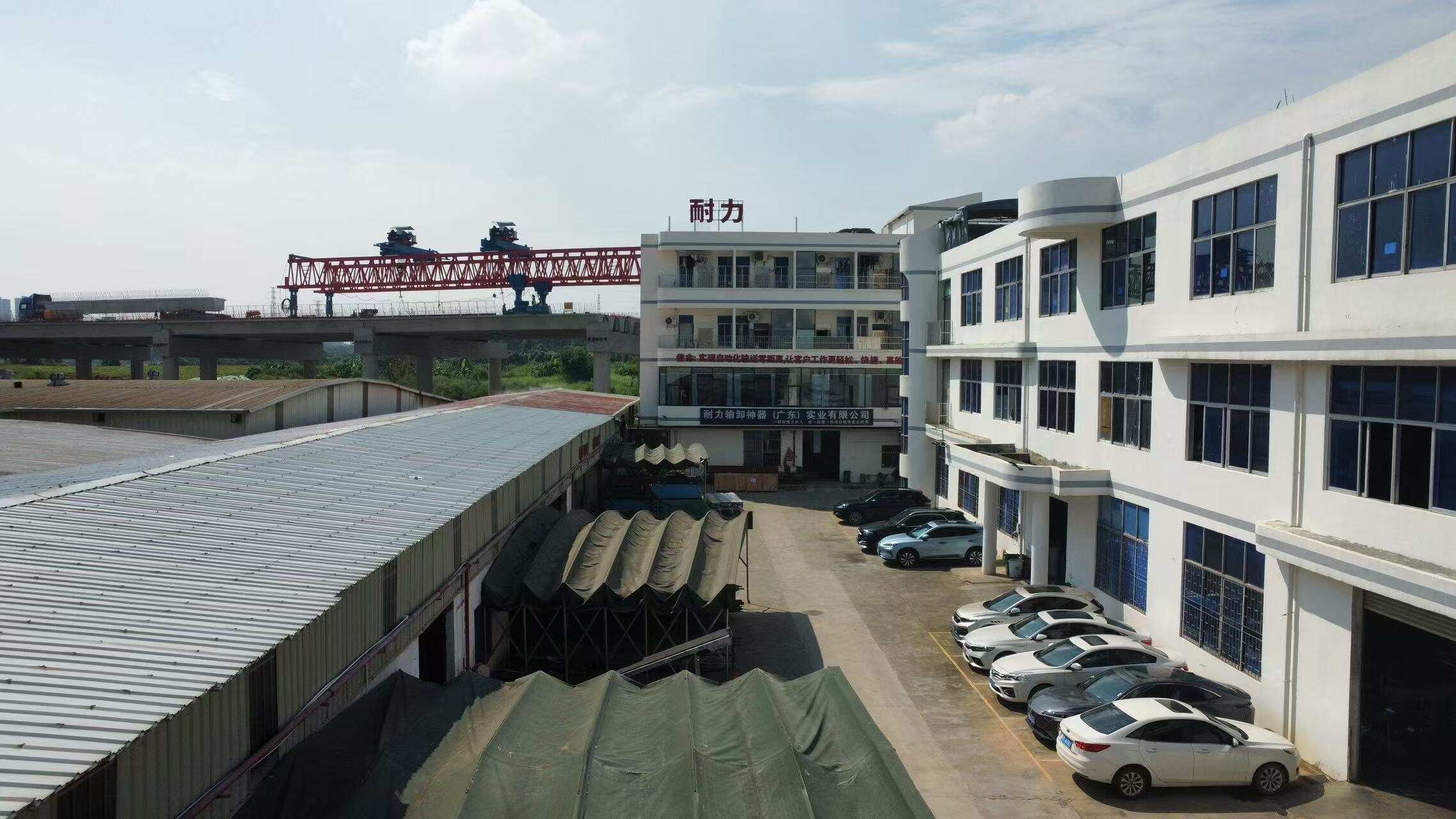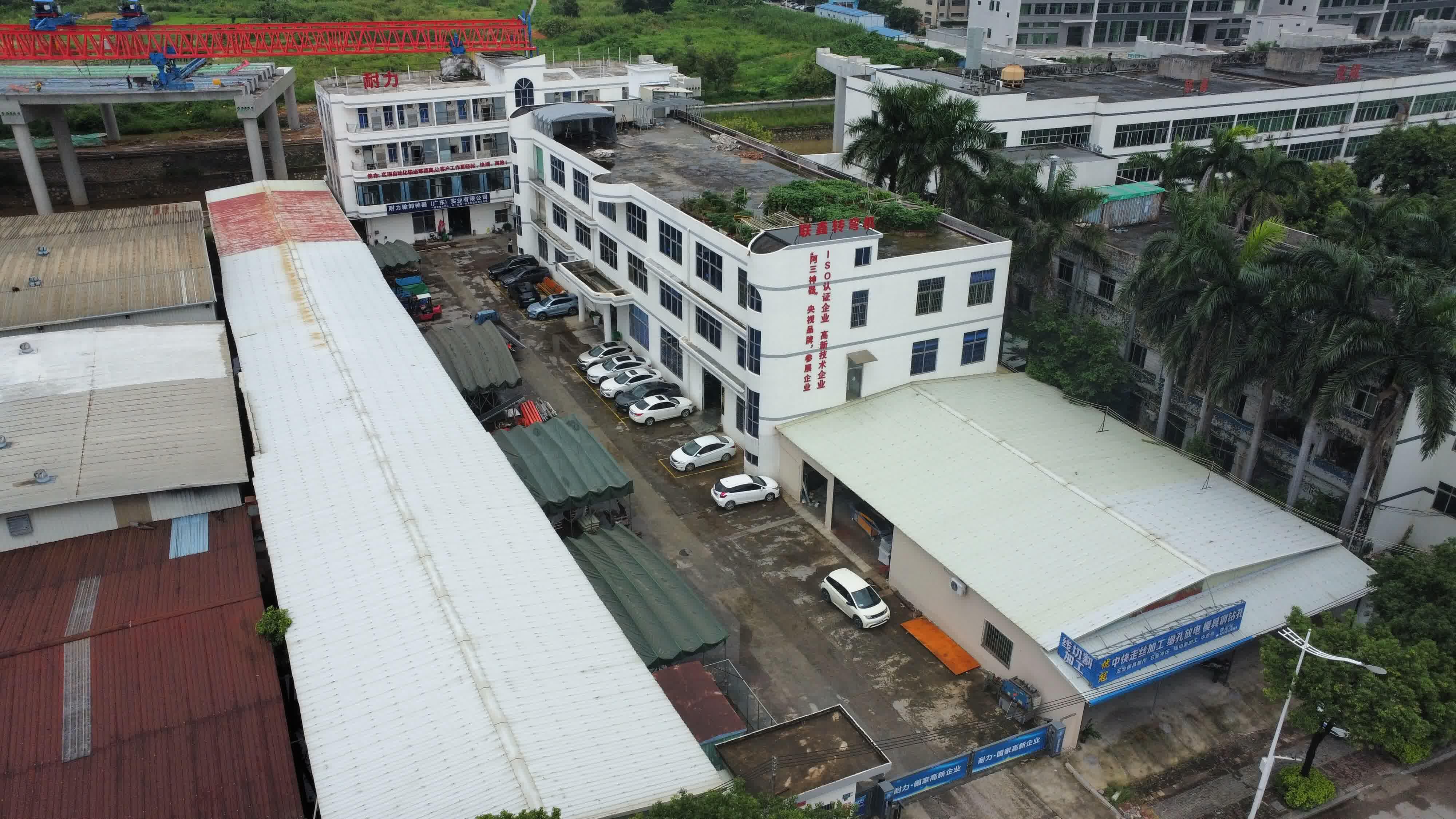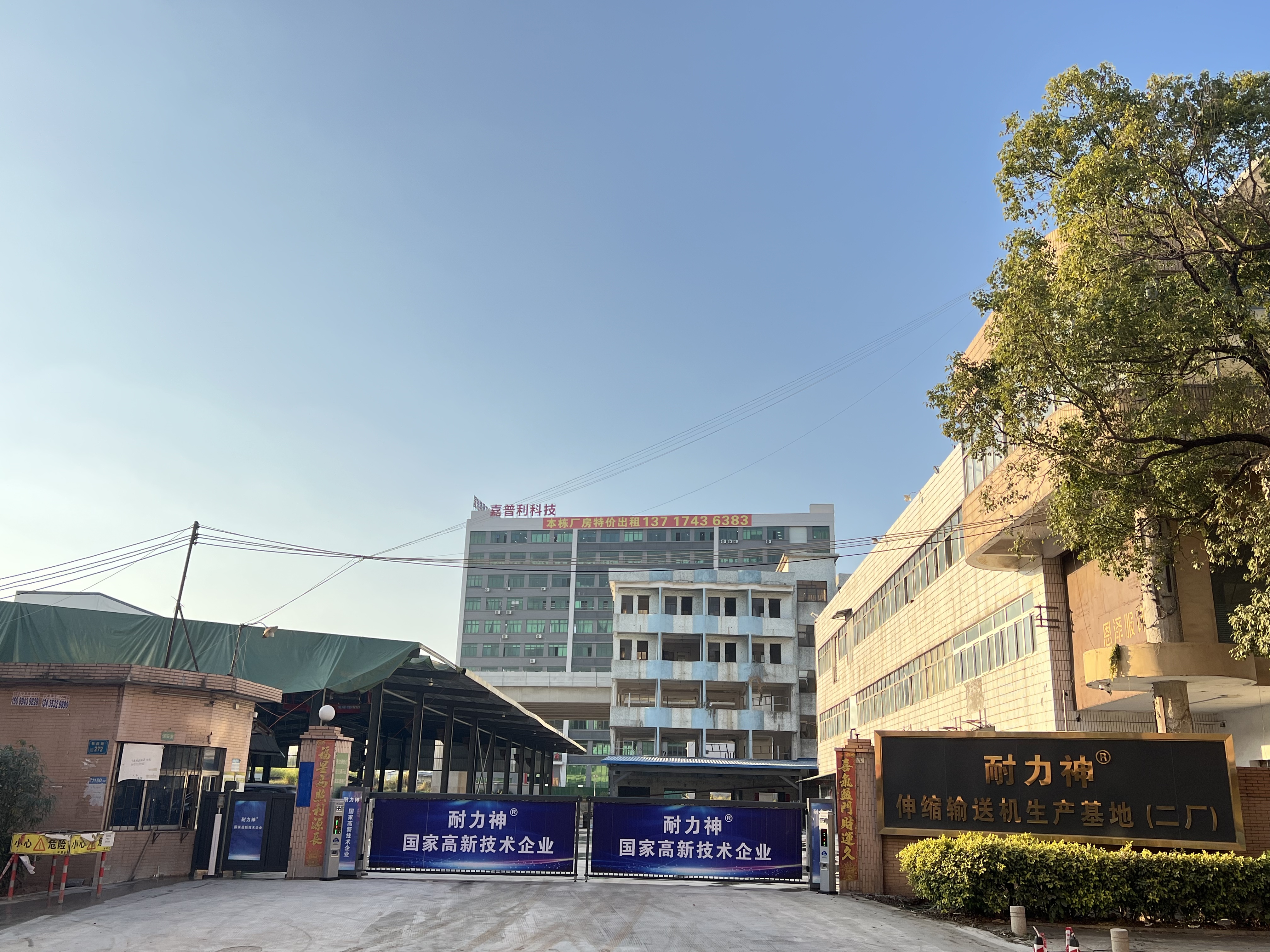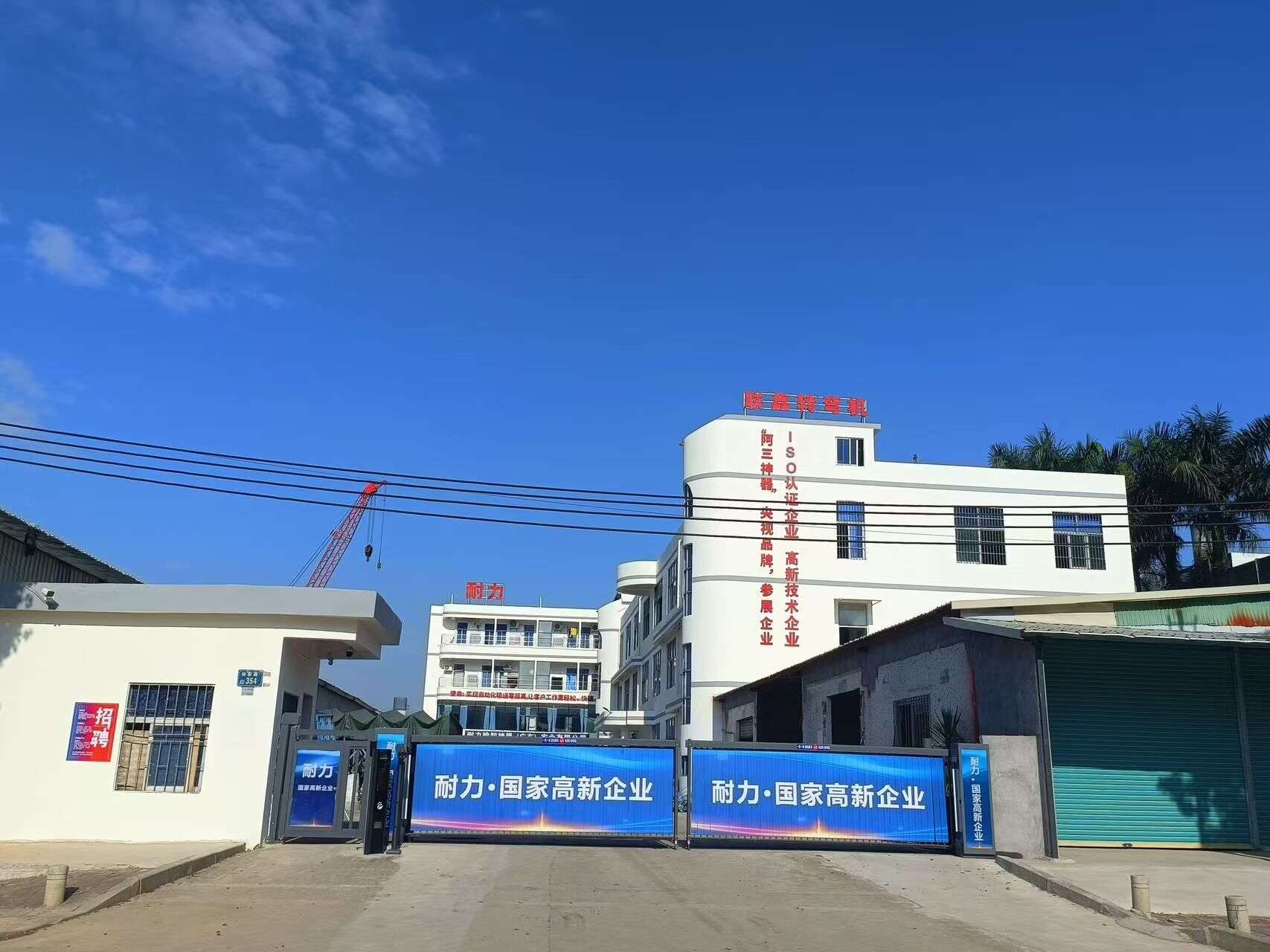
Many manufacturing plants continue to invest in equipment upgrades, process optimization, and staffing, yet output capacity and profit have not risen accordingly. The problem often does not lie in production, but in the easily overlooked logistics flow within the plant. Uneven material transfer, unstable process handoffs, and untimely finished-goods dispatch may seem like scattered bottlenecks, but they continuously drain effective capacity.
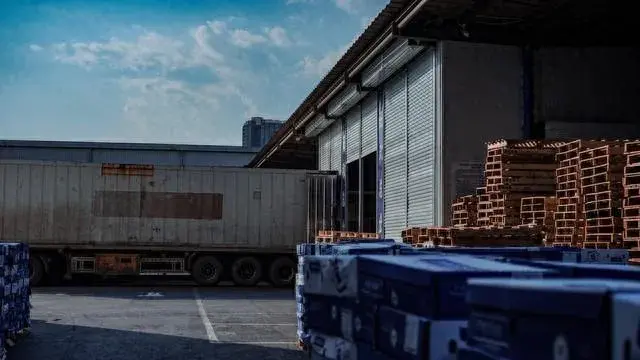
Capacity bottlenecks often arise in logistics flow
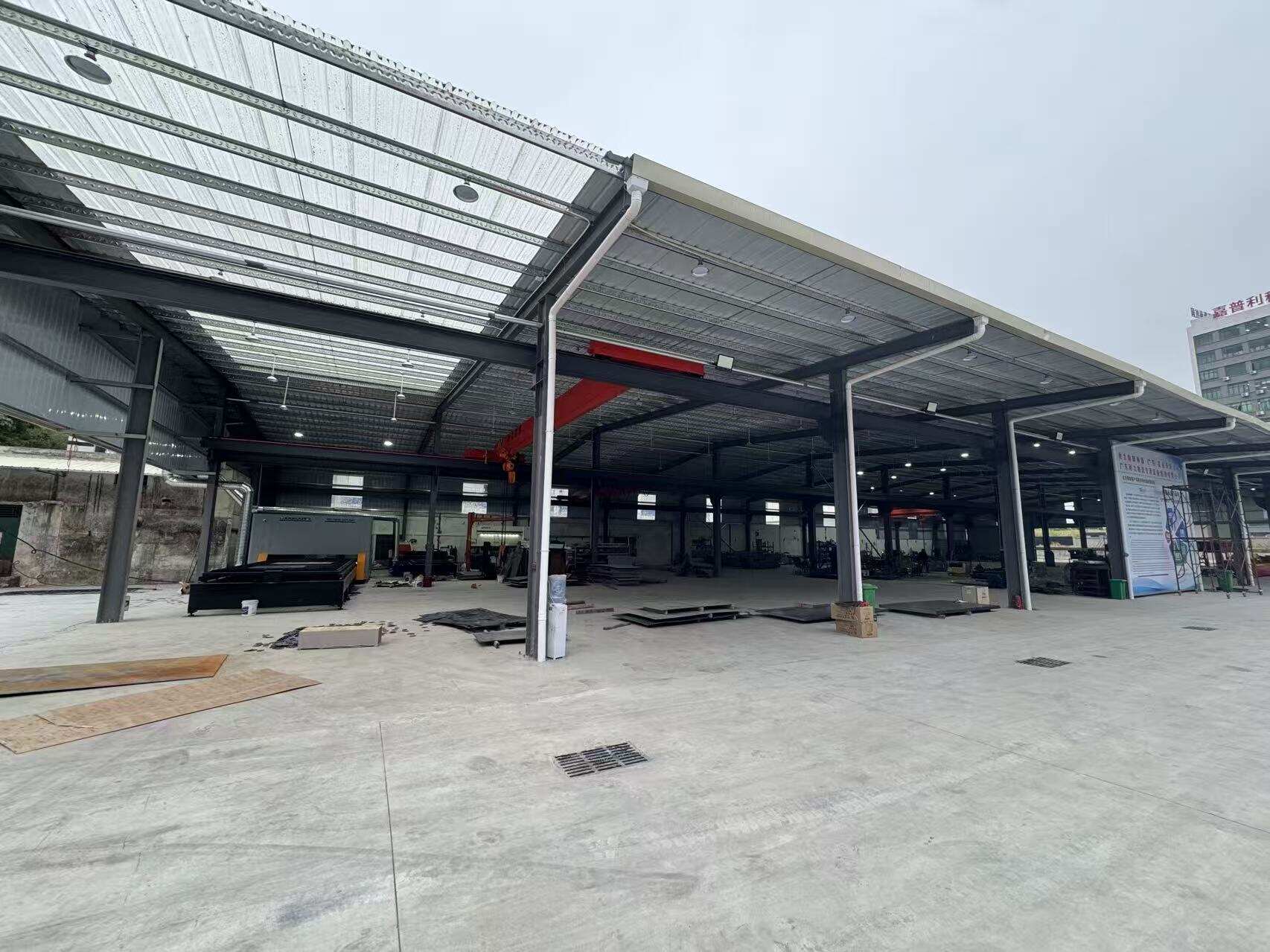
When production equipment, processes, and labor levels are similar, the area where companies are more likely to differentiate is the logistics system. Semi-finished goods from the previous process pile up near the workstation, while the next process is still waiting for materials to start, disrupting the rhythm of the workshop. Delayed finished-goods transfer also takes up line and floor space, further squeezing the room available for subsequent production.
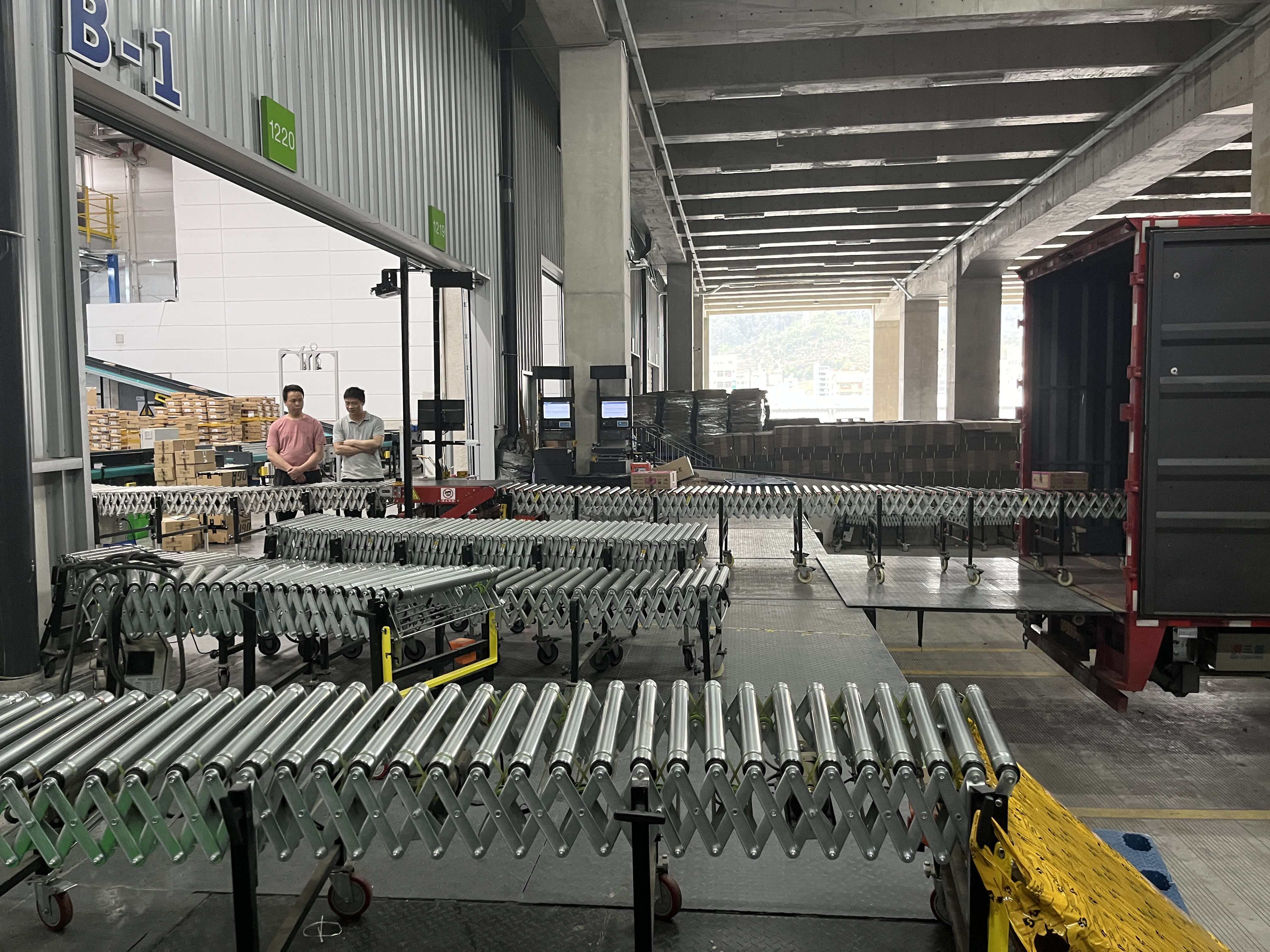
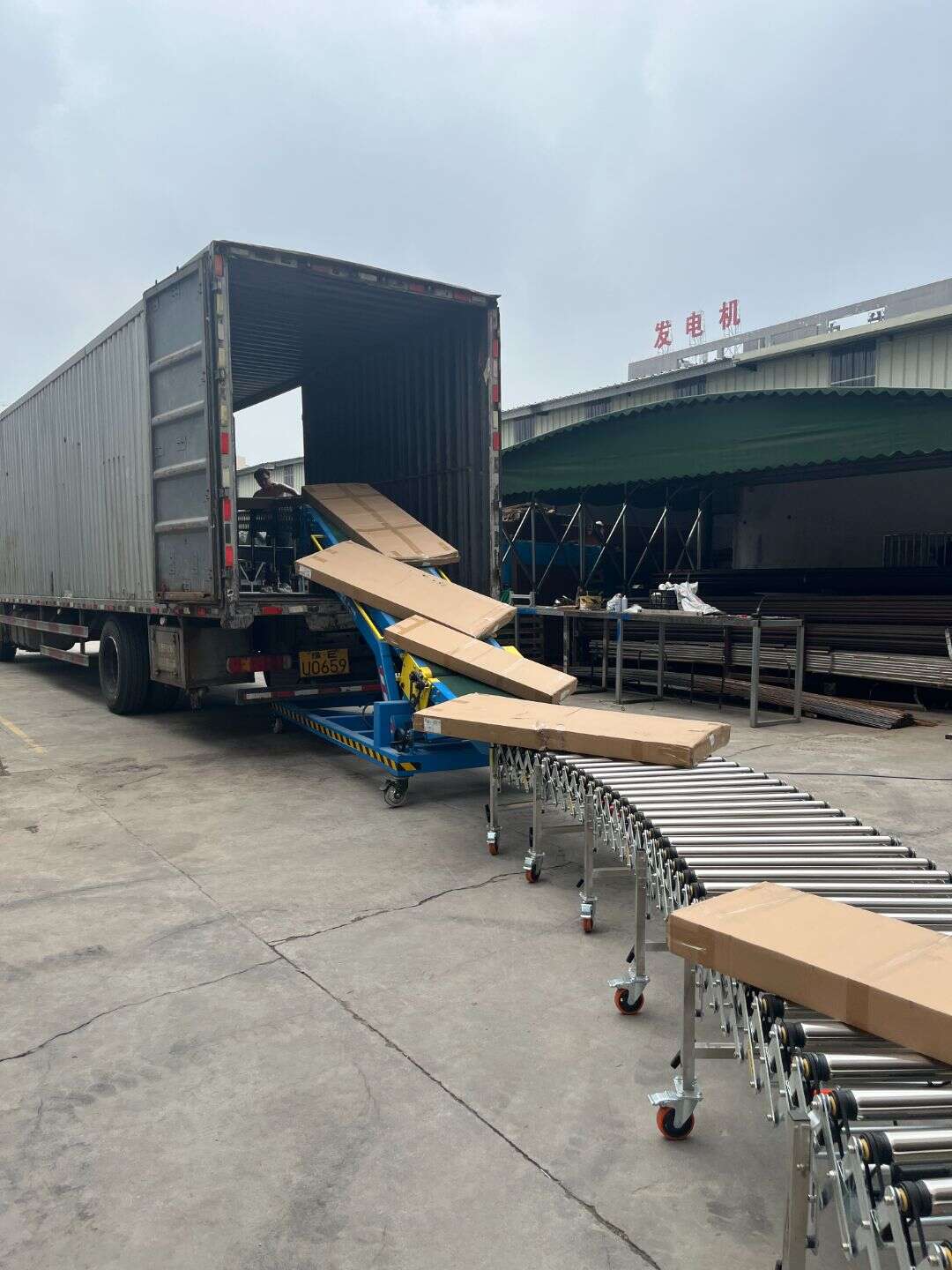
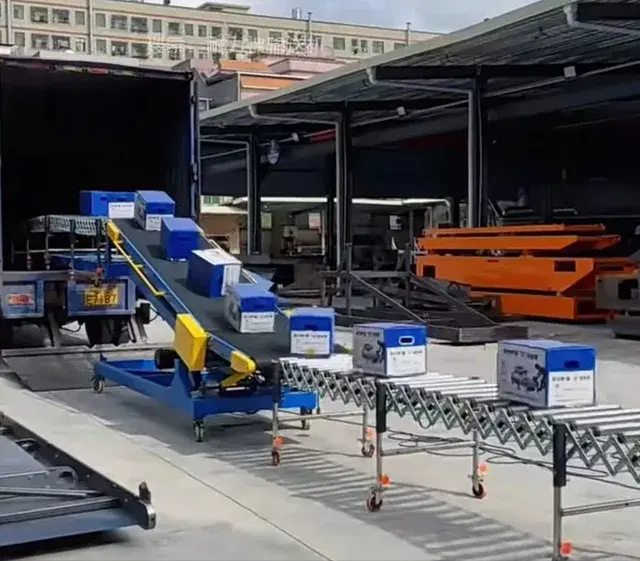
Loading and unloading at the platform is also a high-frequency, low-efficiency link. Overreliance on manual handling not only drives up costs and labor intensity, but also limits efficiency. Once orders become concentrated, backlogs and delays become more obvious. For factories, this kind of problem does not show up immediately as equipment failure, but it will long be reflected in busyness, congestion, and thinning profits.
Transformation path to improve efficiency without expanding capacity
For small and medium-sized manufacturing plants, optimizing the logistics system first is usually more direct than blindly expanding buildings, adding large equipment, or hiring more staff. The approach is not simply to add equipment, but to first sort out the chain from raw material inbound storage, process transfer, to finished-goods outbound shipment, identify the real bottlenecks, and then rebuild a smooth logistics flow.
On this basis, combining the plant's non-standard operating conditions with appropriately configured automated conveying equipment makes it possible to reconnect the process. The goal is very clear: reduce ineffective waiting, lower handling losses, and allow existing capacity to be released more fully. For factories pursuing stable production and improved efficiency, this approach better matches the actual pace of investment and return.
Custom conveyor equipment for different scenarios, adapting to multiple plant conditions
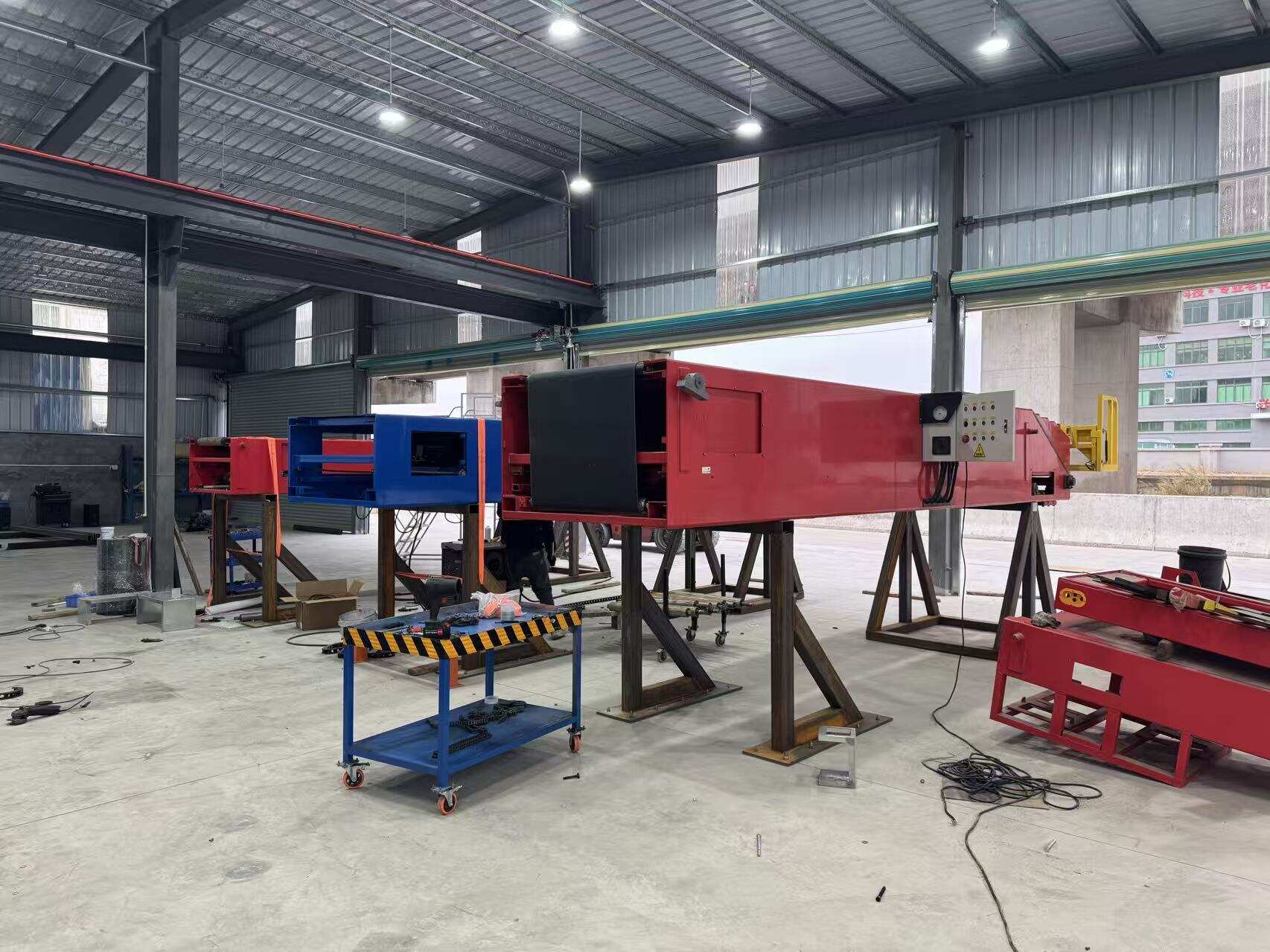
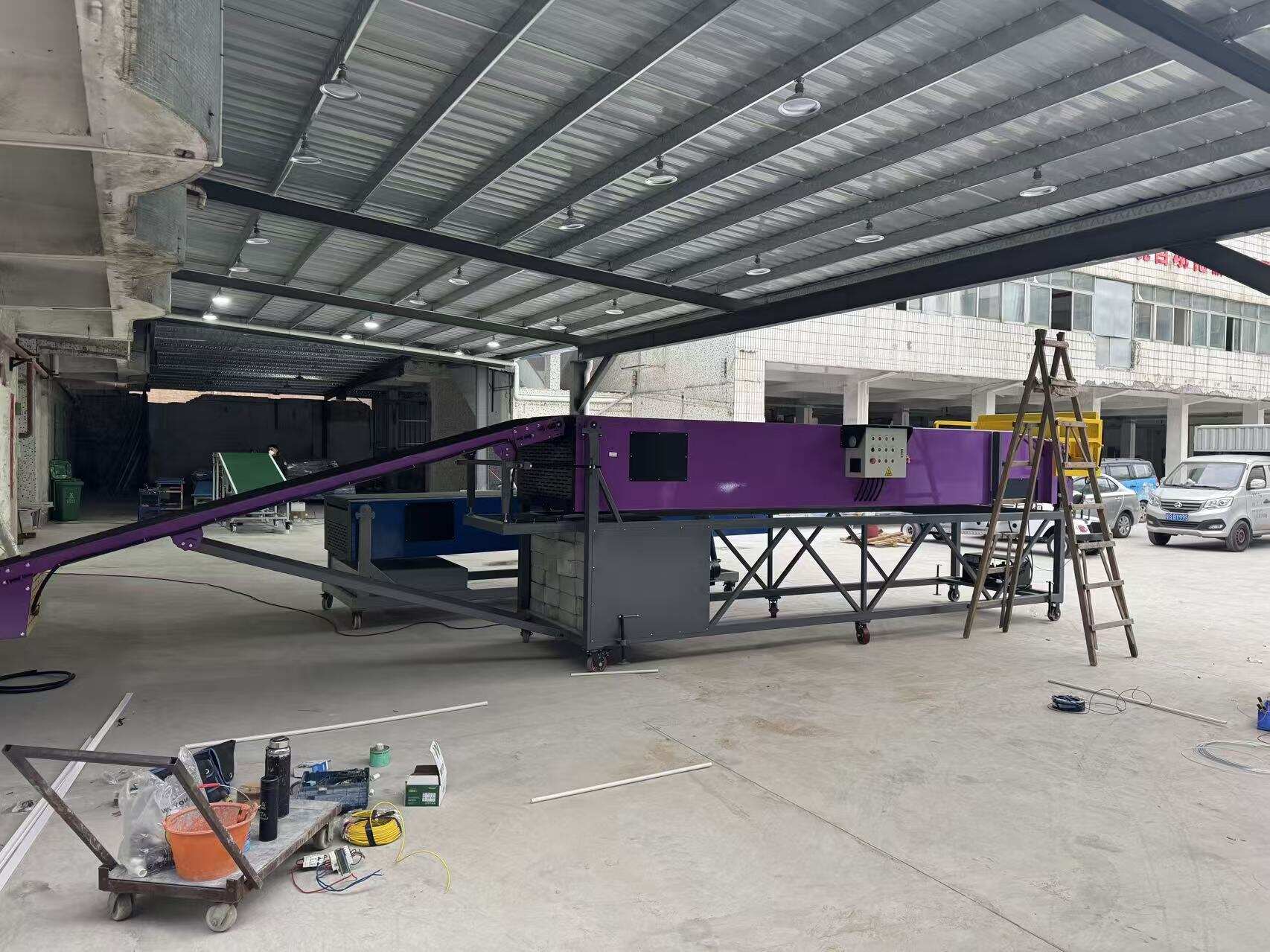
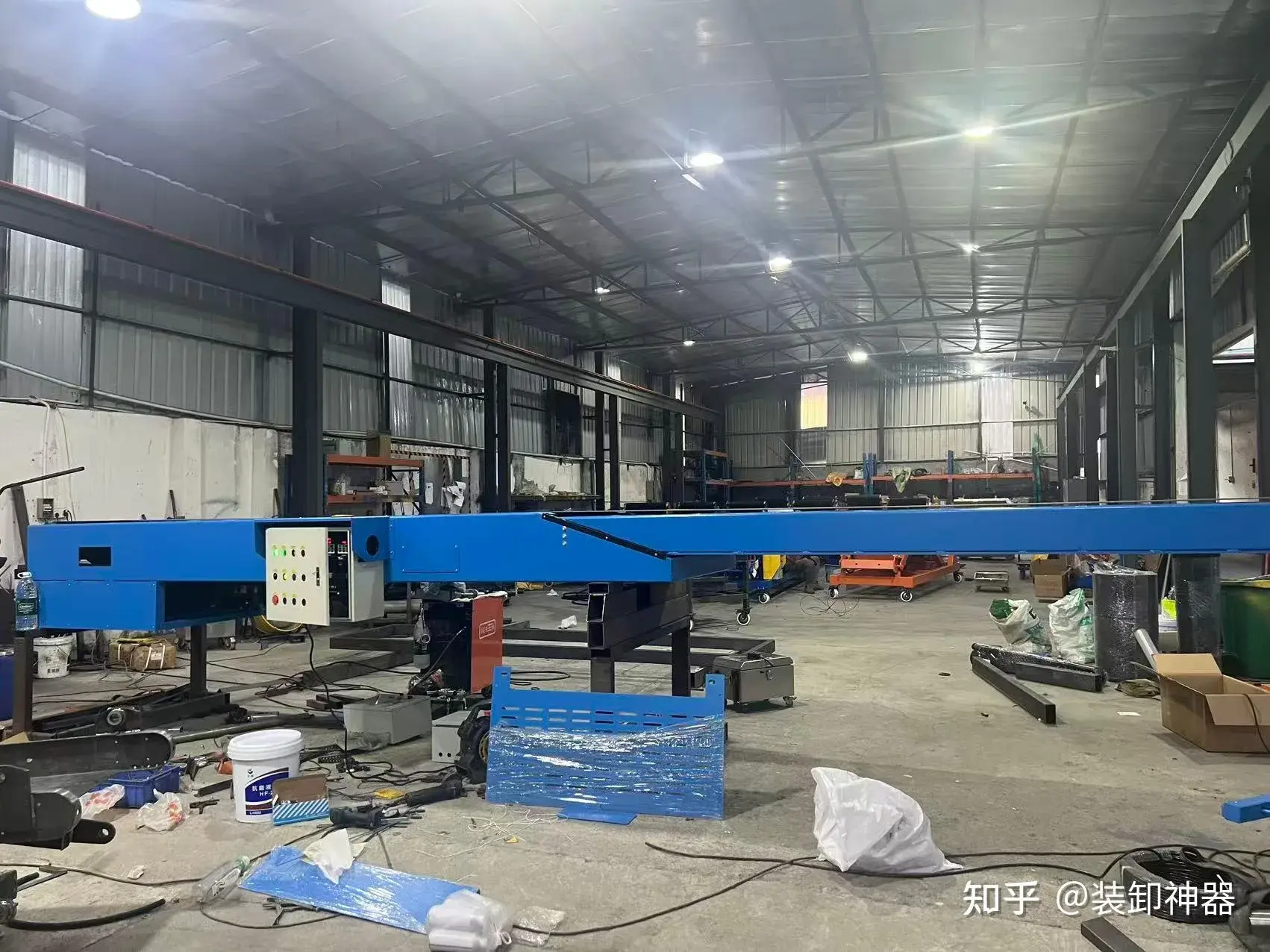
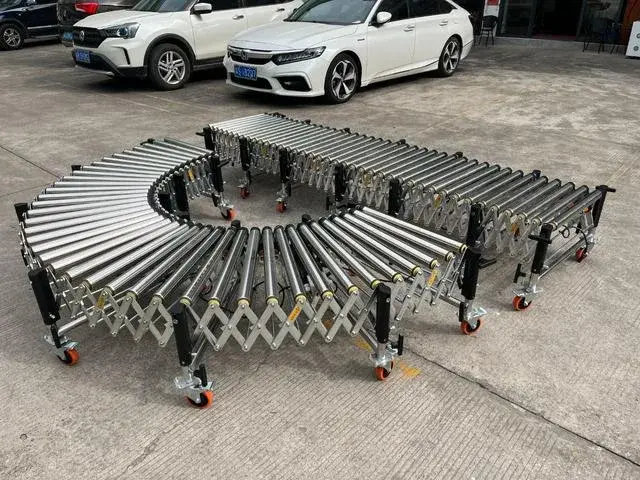
Naili Unloading focuses on industrial non-standard logistics transformation and provides customized conveying solutions. According to actual needs, it can produce powered roller lines, Hydraulic Conveyor, telescopic belt conveyors, skate wheel conveyors, gravity roller lines, and other equipment, covering scenarios such as workshop process transfer, platform loading and unloading, warehouse outbound shipment, and small-piece material circulation.
This kind of solution is suitable for complex plant environments across industries such as hardware, electronics, auto parts, and warehousing. The key is not stacking equipment, but making the equipment truly match site conditions, material characteristics, and production rhythm, reducing jams and idleness caused by rigid matching.
A closed-loop service from survey to installation is more conducive to implementation
Compared with templated transformation, advancing based on the factory's actual situation is more effective at avoiding waste. A solution is developed based on the real site layout, production rhythm, and material characteristics, followed by condition surveying, flow planning, equipment production, on-site installation, and subsequent maintenance. The transformation results are usually more stable and more likely to be truly integrated into daily operations.
For manufacturing enterprises, the value of logistics transformation is not only moving materials faster, but also making process handoffs smoother, labor leaner, and idle capacity easier to activate. Once logistics bottlenecks are addressed, there is a better chance of improving capacity, efficiency, and cost control at the same time.