At many logistics warehouses and manufacturing enterprises in the Pearl River Delta, mobile hydraulic telescopic belt conveyors are gradually replacing traditional fixed conveying equipment at shipping sites. By combining hydraulic lifting, whole-machine mobility, and an end-position standing work platform, they provide a more direct on-site solution to the common efficiency and safety issues in loading operations.
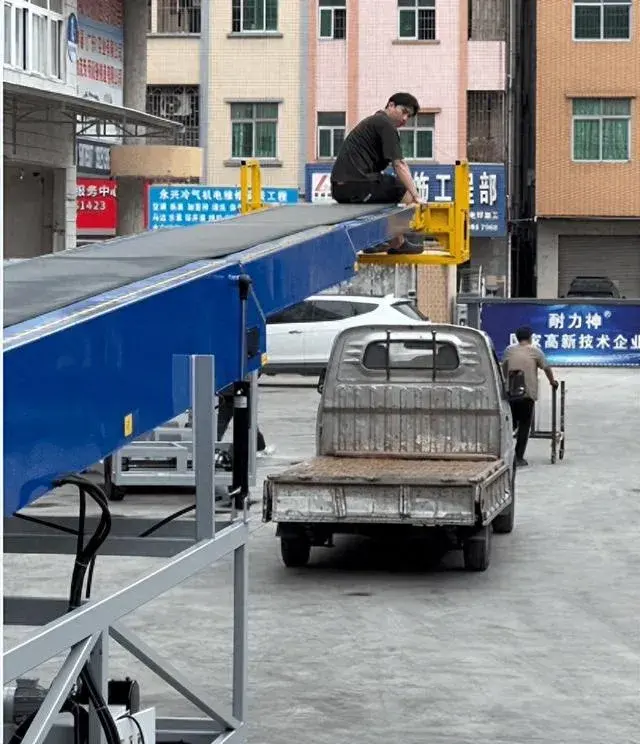
The whole machine is movable, making it better suited for switching between multiple loading and unloading points
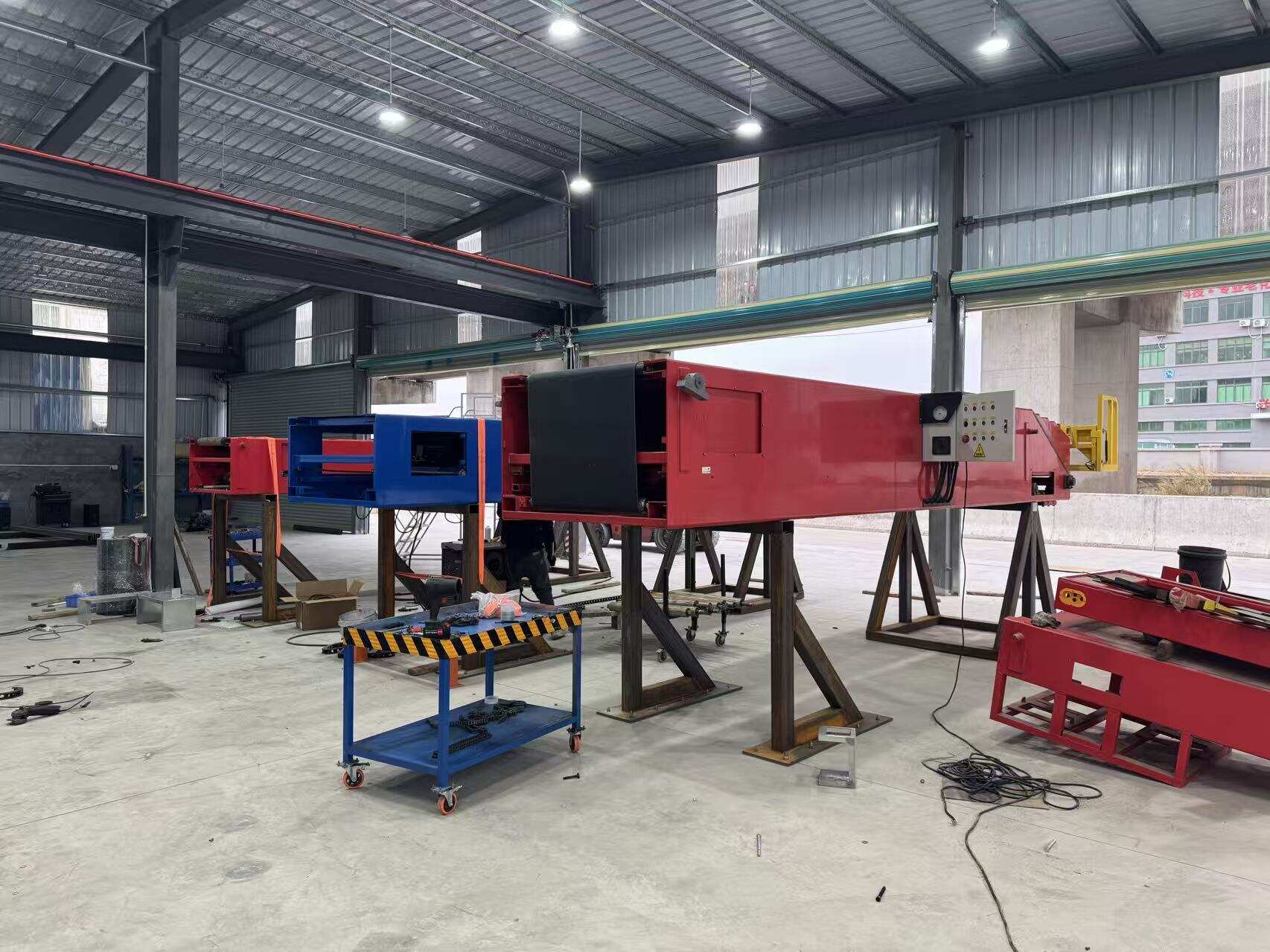
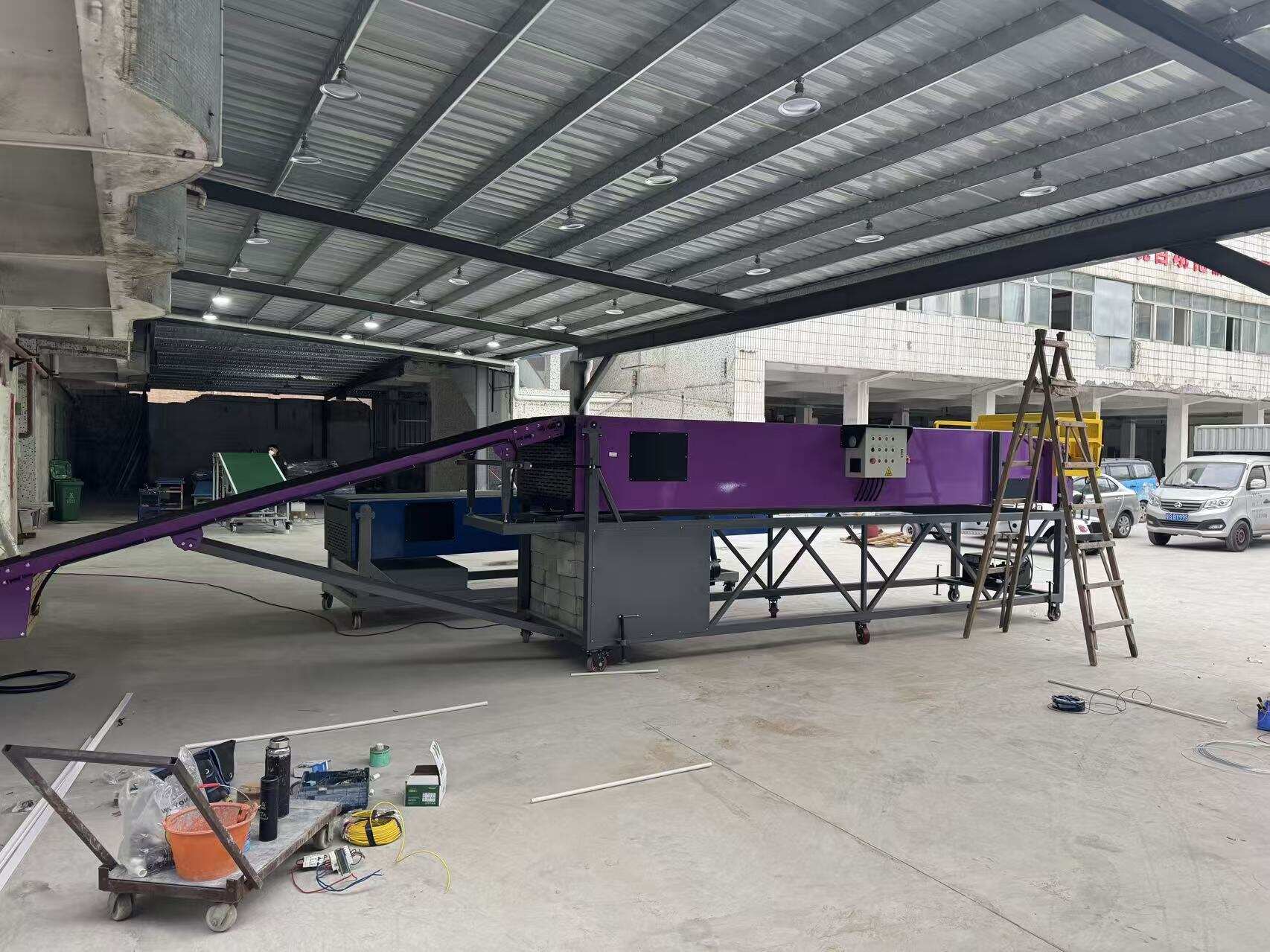
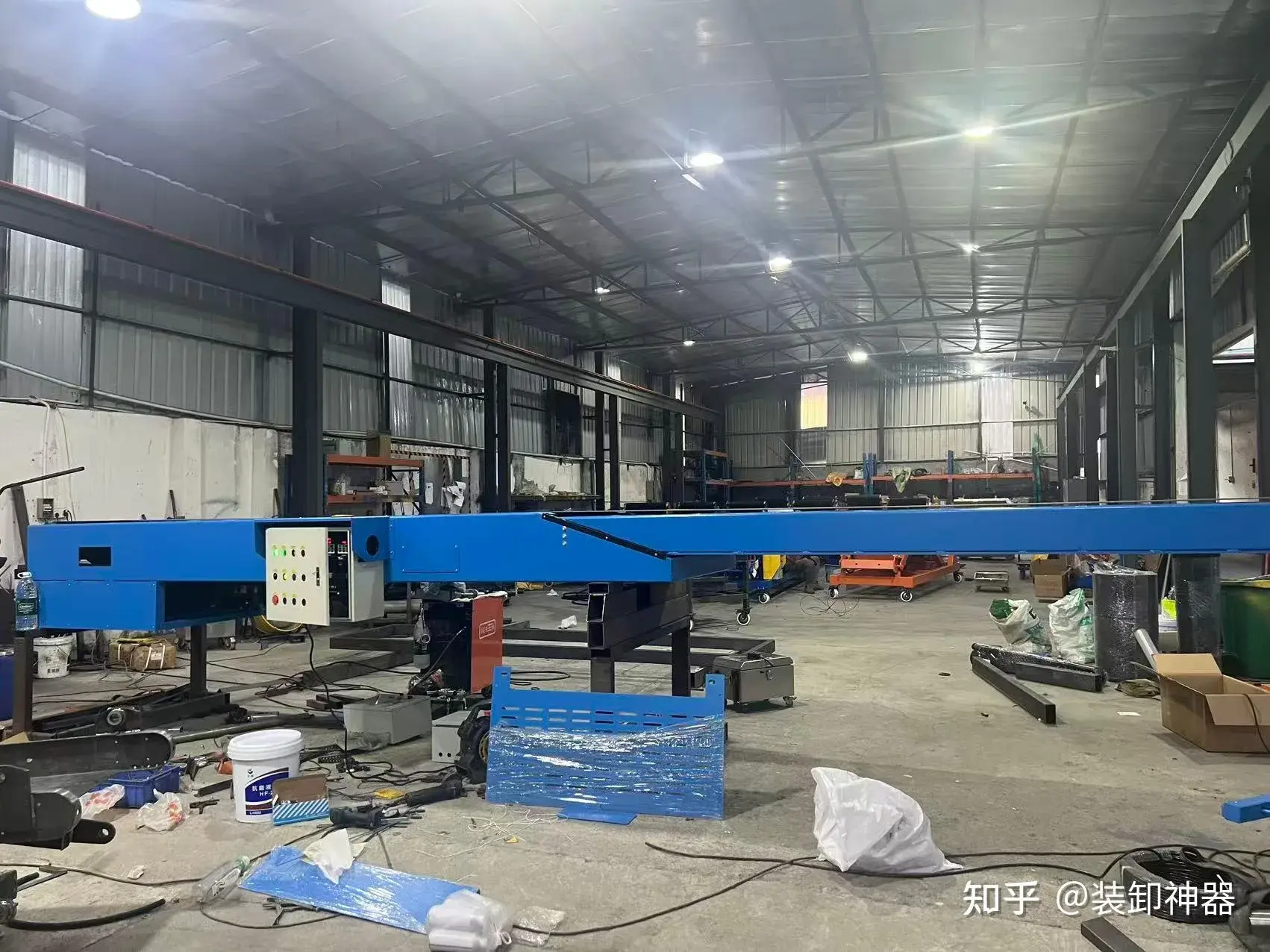
From the site images, this type of equipment uses a blue telescopic conveying structure, supported at the bottom by a steel frame and equipped with universal casters with locking function. During operation, workers can push the equipment according to the day’s vehicle docking position and switch between different loading and unloading points in the factory without being limited by a single fixed dock. Once in position, the casters can be locked, allowing the equipment to remain stable and adapt to warehouses with multiple exits and usage scenarios where cargo volume fluctuates with peak and off-peak seasons.
Hydraulic lifting solves the height difference of the truck bed
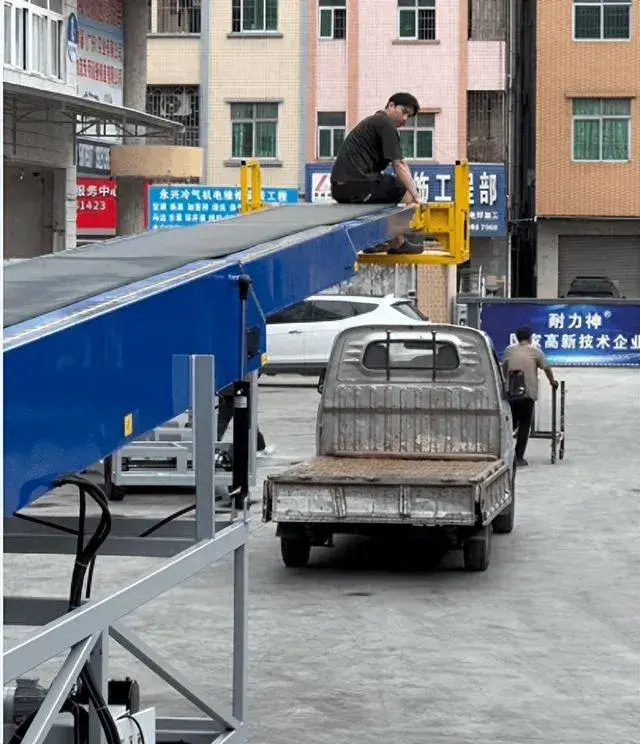
A major challenge in truck loading and unloading is the significant difference in floor height among various vehicle types. The heights of light trucks with side rails, box trucks, and large container compartments are not the same. Once there is a clear height difference between the conveyor and the compartment, cargo is more likely to fall or have its outer packaging damaged by impact. This model is equipped with a hydraulic lifting system, which can smoothly adjust the conveying height of the entire machine so that the belt discharge end is as level as possible with the compartment floor, thereby reducing loading and unloading losses and avoiding the trouble of having to raise the cargo additionally.
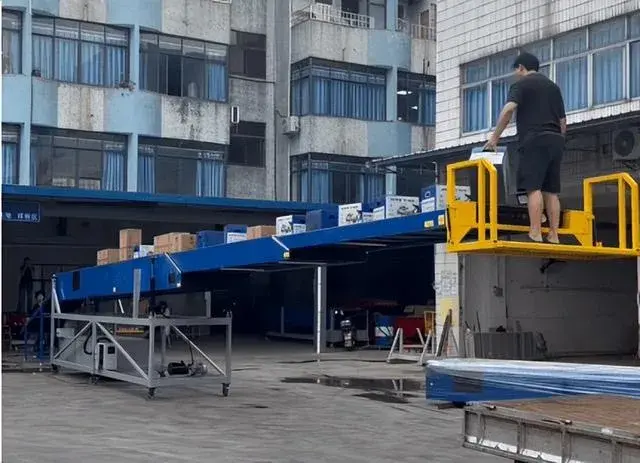
An end-of-conveyor personnel platform improves work efficiency in deep truck compartments
When loading and unloading cargo in long truck compartments, workers may need to climb in and out of the compartment frequently and bend down to arrange goods deep inside. This is not only cumbersome but also presents certain safety risks, while the placement of cargo deep inside the compartment can easily affect the utilization of loading space. The equipment is fitted with a dedicated end-of-conveyor personnel platform at the head of Telescopic Conveyor. The belt can extend into the compartment, allowing workers standing on the platform to arrange, count, and organize goods, reducing the inconvenience of repeatedly climbing in and out of the compartment and making cargo placement more orderly.
Power and electrical control configurations optimized for continuous operation
For power and electrical control, this multifunctional Telescopic Conveyor can be equipped with an SEW geared motor to provide continuous conveying power, together with a Schneider variable-frequency drive for variable-speed control. The conveying speed can be increased when the conveyor is empty to accelerate dispatch, and reduced when carrying heavier goods for smoother conveying. The equipment can also be equipped with photoelectric sensing for automatic start and stop, enabling operation when goods are present and standby when no goods are present, thereby improving efficiency while reducing belt wear and power consumption.
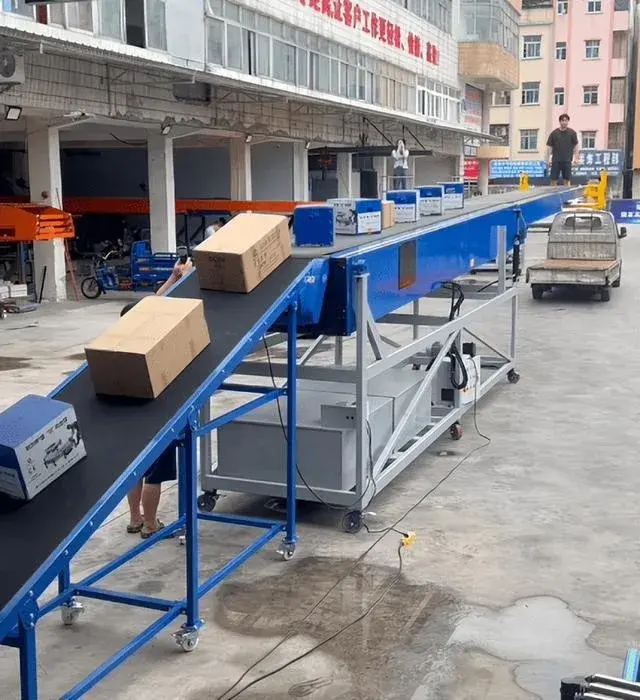
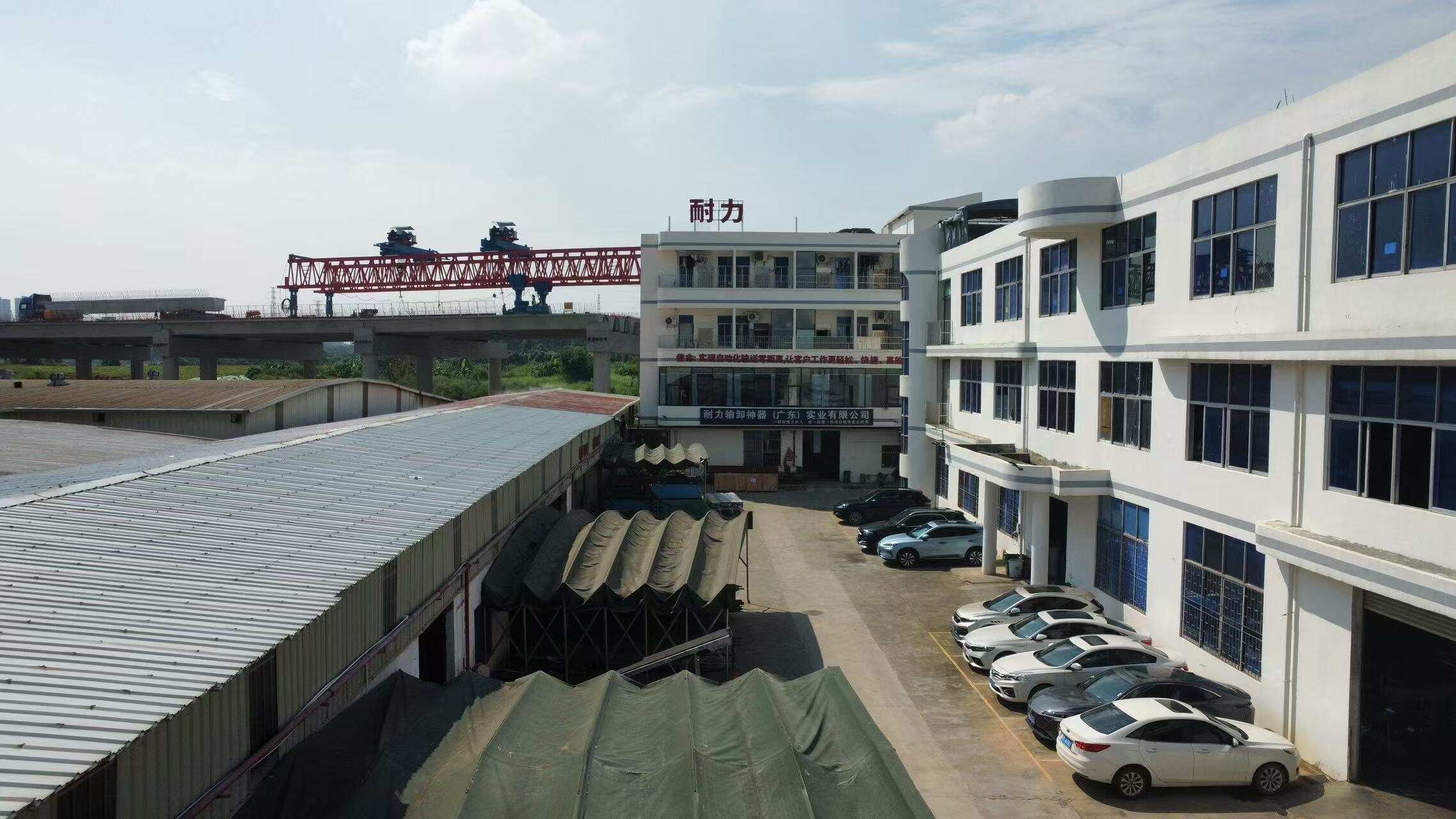
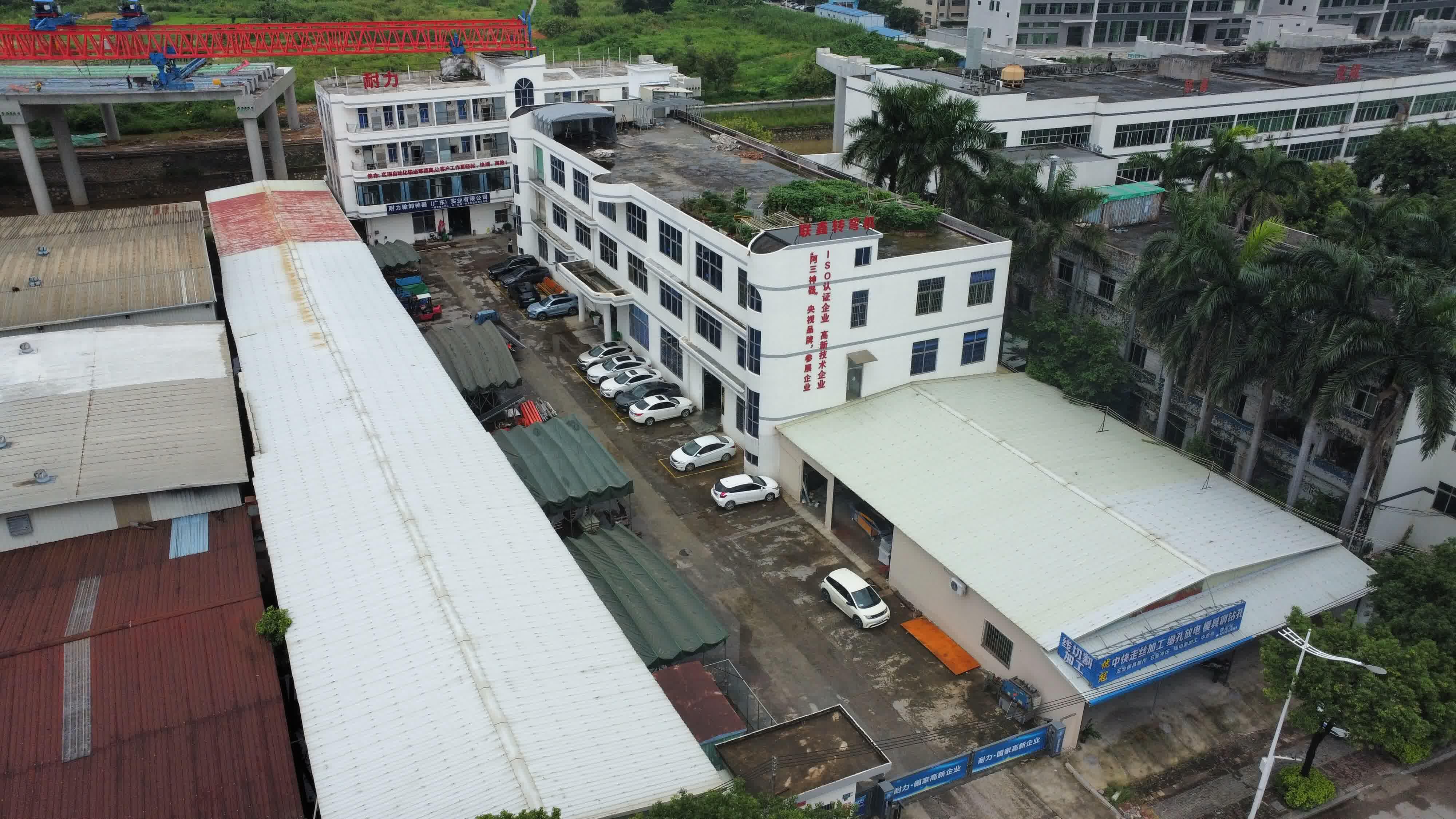
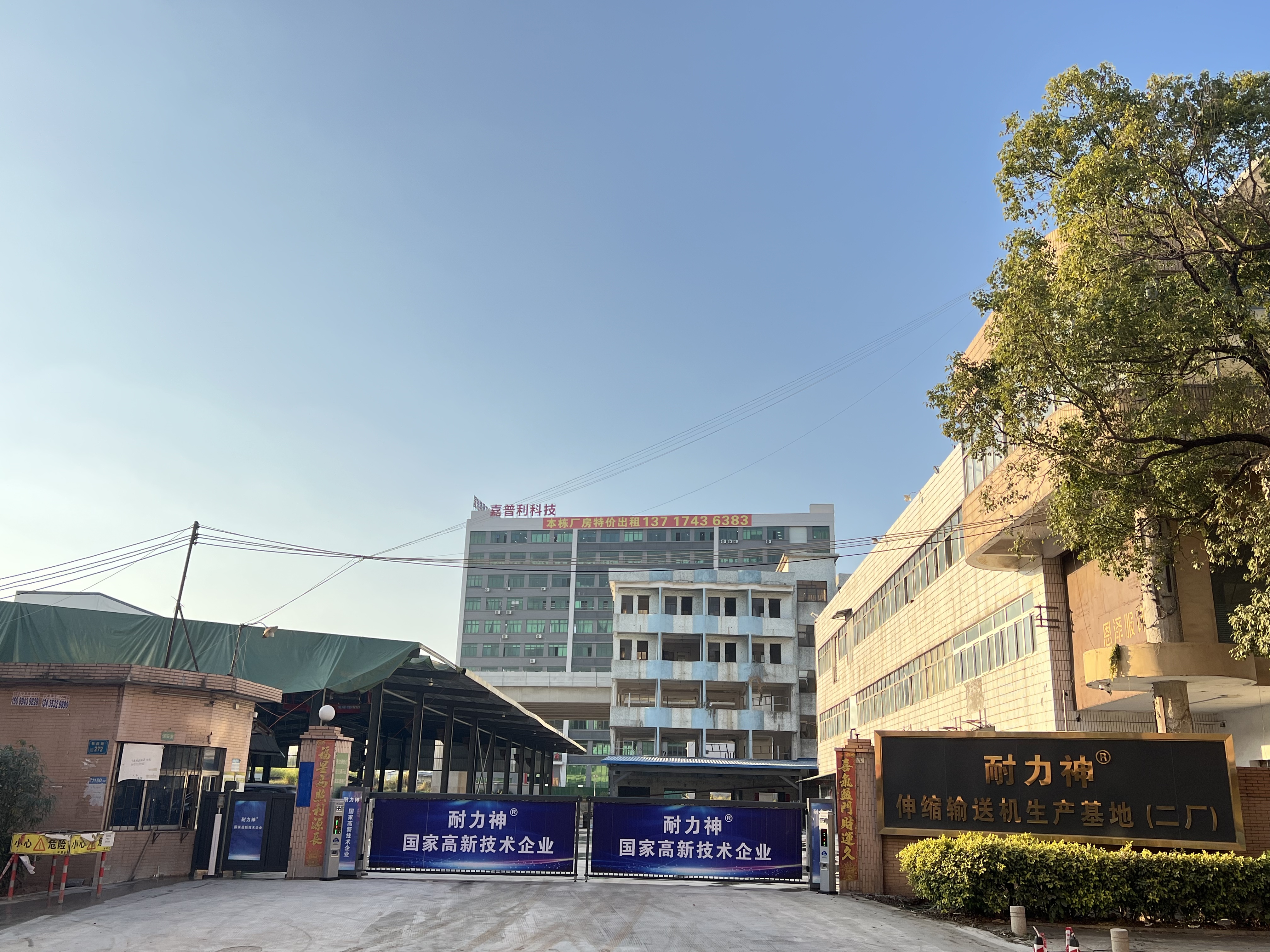
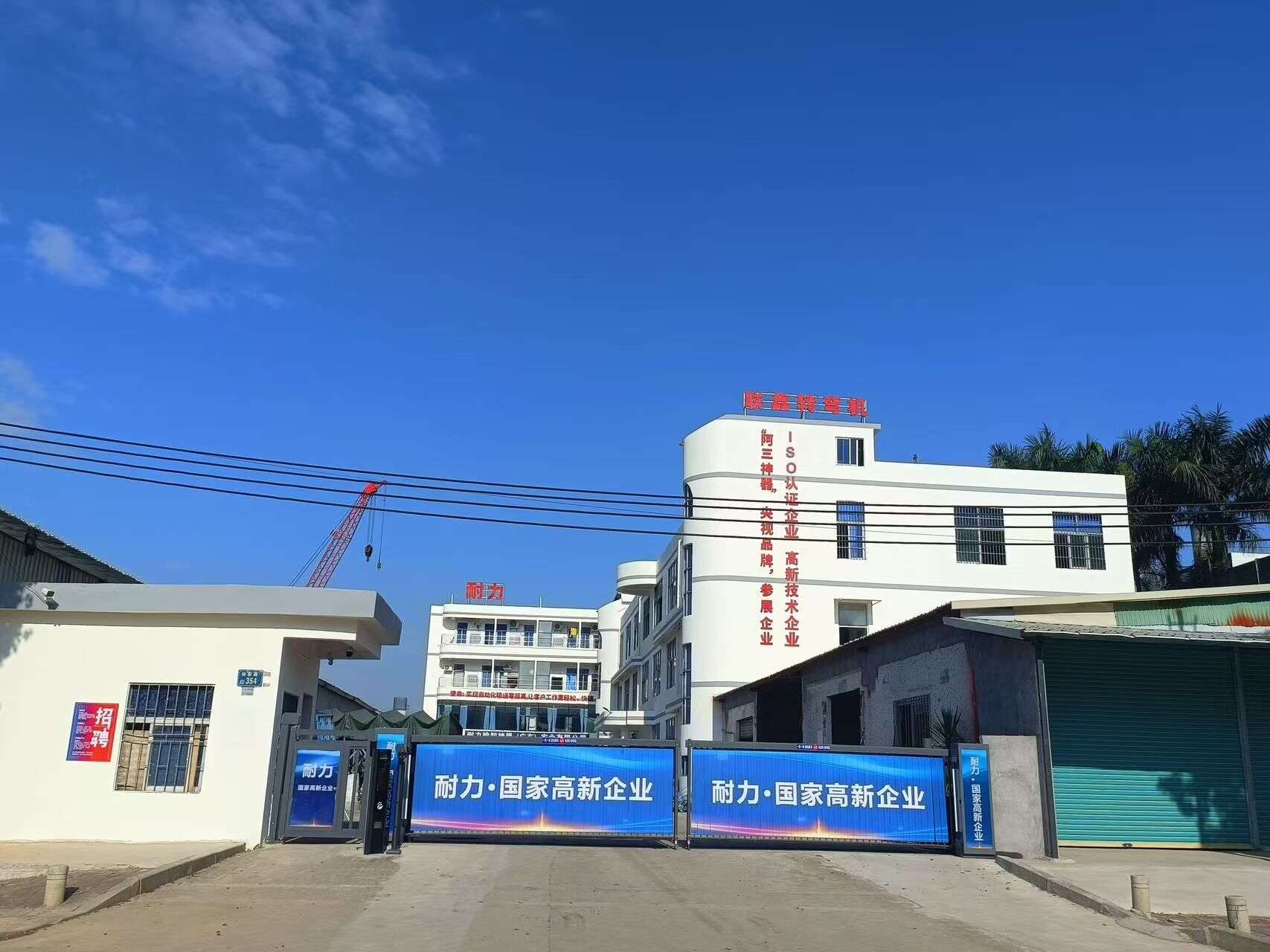
During the production and development of this multifunctional Telescopic Conveyor,Naili Unloading Artifact (Guangdong) Industrial Co., Ltd.Integrating on-site requirements such as mobility, hydraulic lifting, and an end-of-conveyor personnel platform into a single system helps solve multiple truck-loading problems with minimal modification costs. For many small and medium-sized manufacturing companies and third-party logistics warehouses, this approach better meets current requirements for flexible, low-cost upgrades.
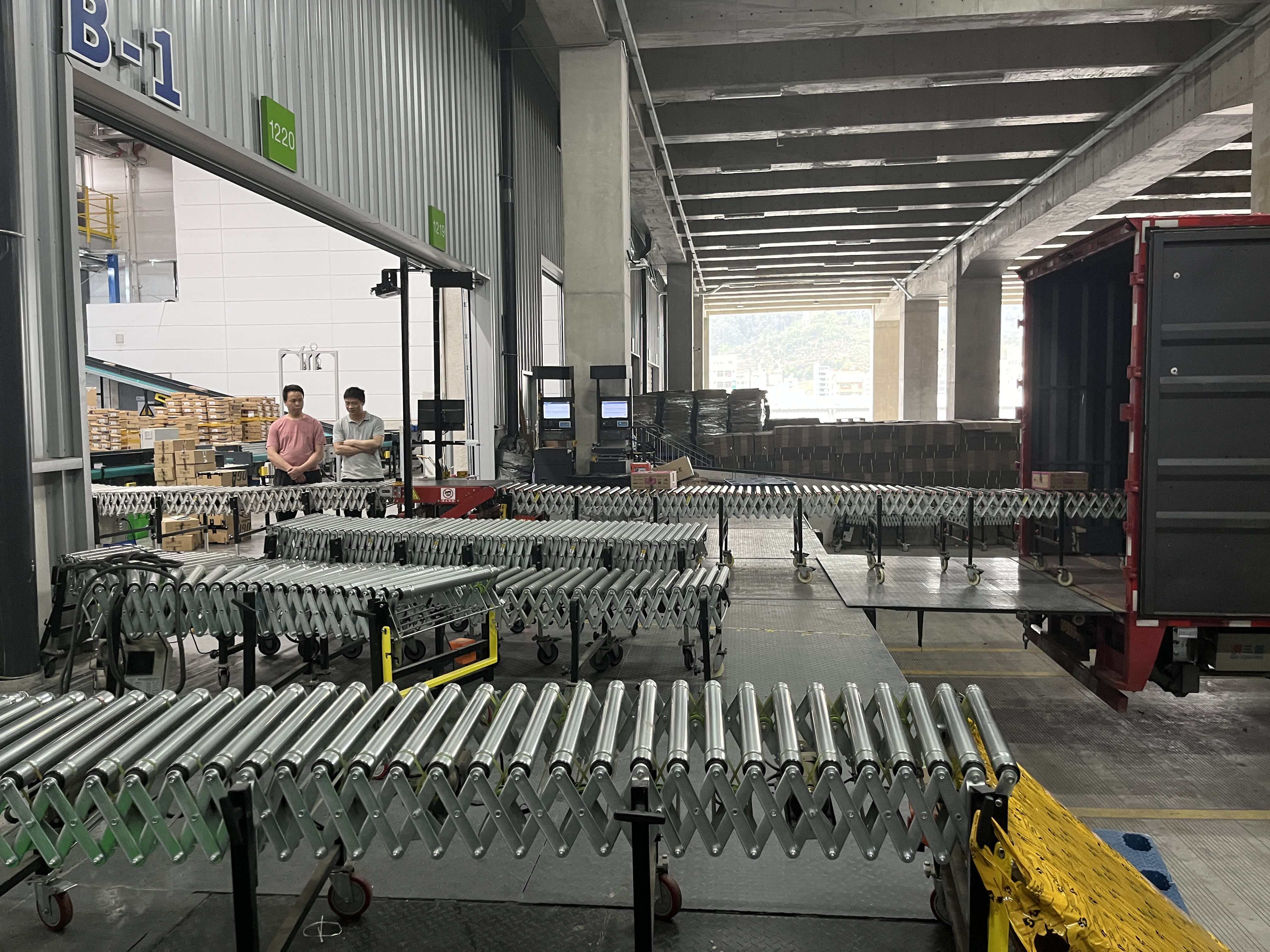
Frontline feedback shows that traditional fixed Telescopic Conveyor has clear shortcomings in flexibility, height adaptability, and operations deep inside truck compartments. The value of a mobile hydraulic telescopic belt conveyor lies in its ability to reorganize the truck-loading process around safety, flexibility, and efficiency without requiring extensive infrastructure modifications across the facility.