Naili Conveyor
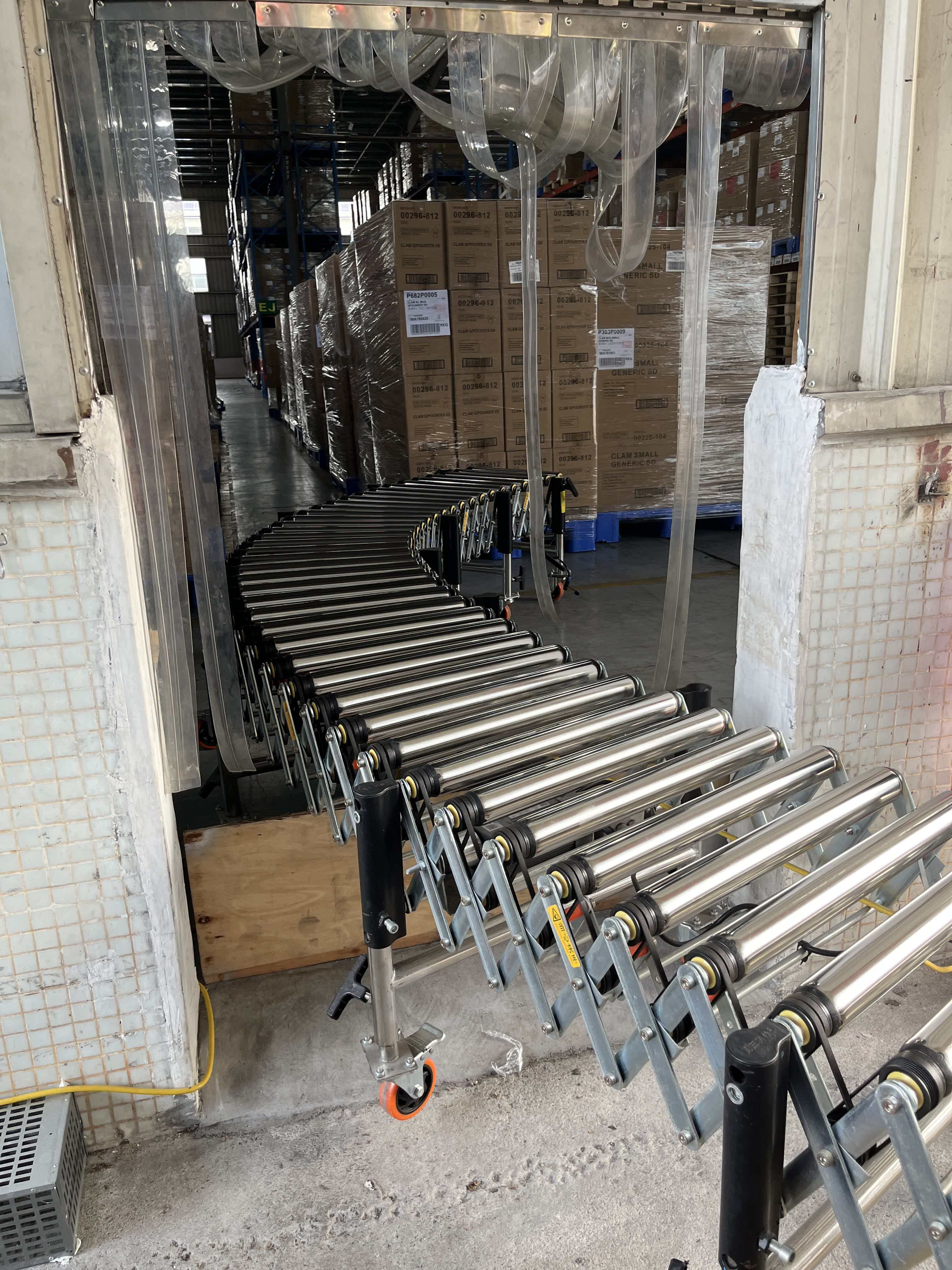
After the intelligent upgrade of warehouse operations, loading and unloading at the final stage remains a weak point in efficiency.
Many factories, e-commerce logistics warehouses, and express delivery sorting centers have already completed internal upgrades such as smart shelving and automated sorting, and their warehouse automation infrastructure is largely in place. However, at the final stages, including truck transfer, loading and unloading, and cargo handling, manual handling remains common. High labor costs, slow loading and unloading, and cargo impact damage can directly affect the overall operating efficiency of the warehouse.
In real-world applications, the "last segment" of a warehousing system is not easy to standardize: differences in dock heights, truck compartments of varying lengths, and limited working space can all make traditional fixed conveyor lines difficult to adapt to. For this reason, lightweight, flexible conveying equipment that can be freely configured without civil engineering modifications is gaining wider use in final-stage loading and unloading operations.
The key to flexible conveying equipment is matching different loading and unloading workflows
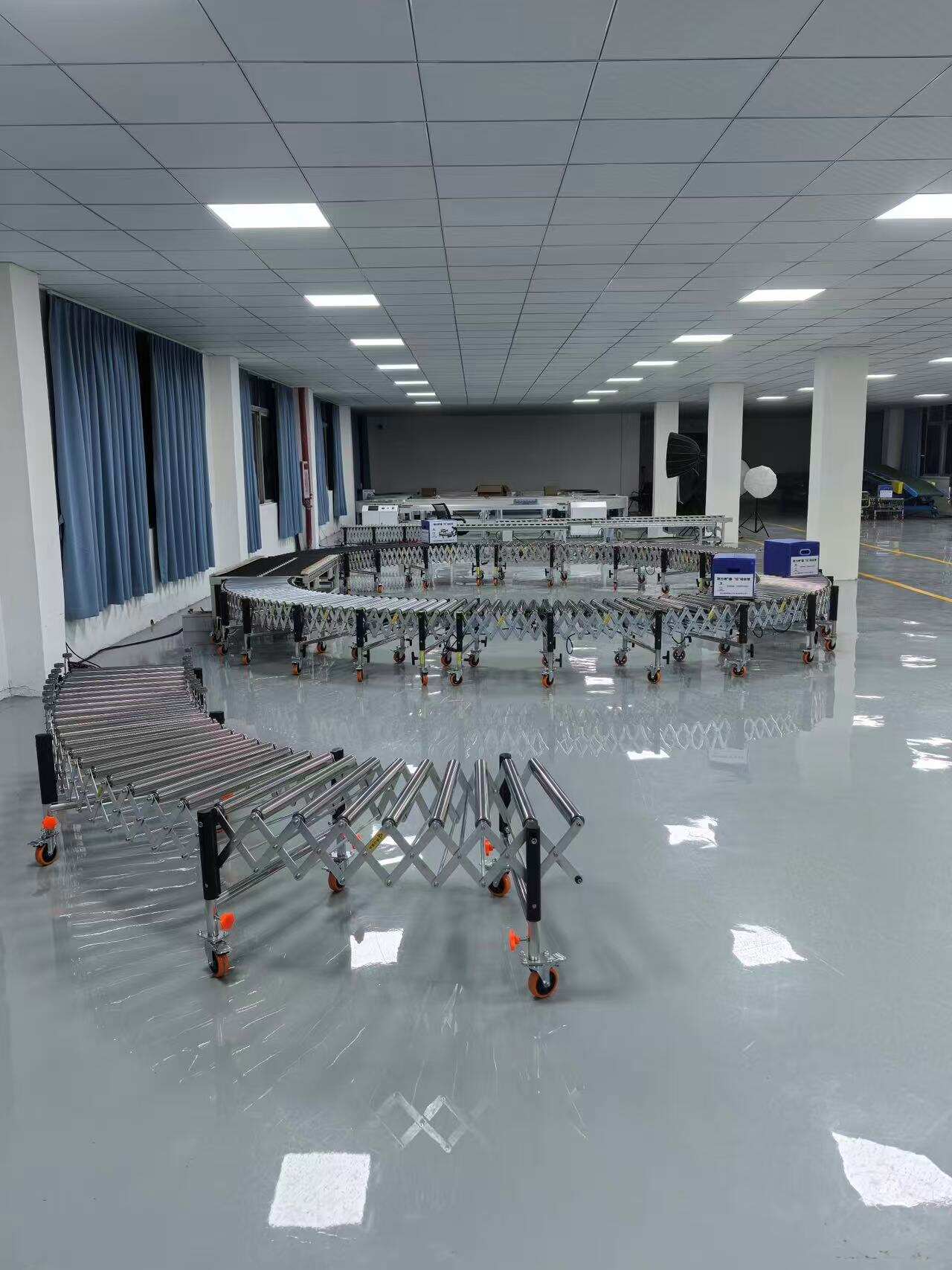
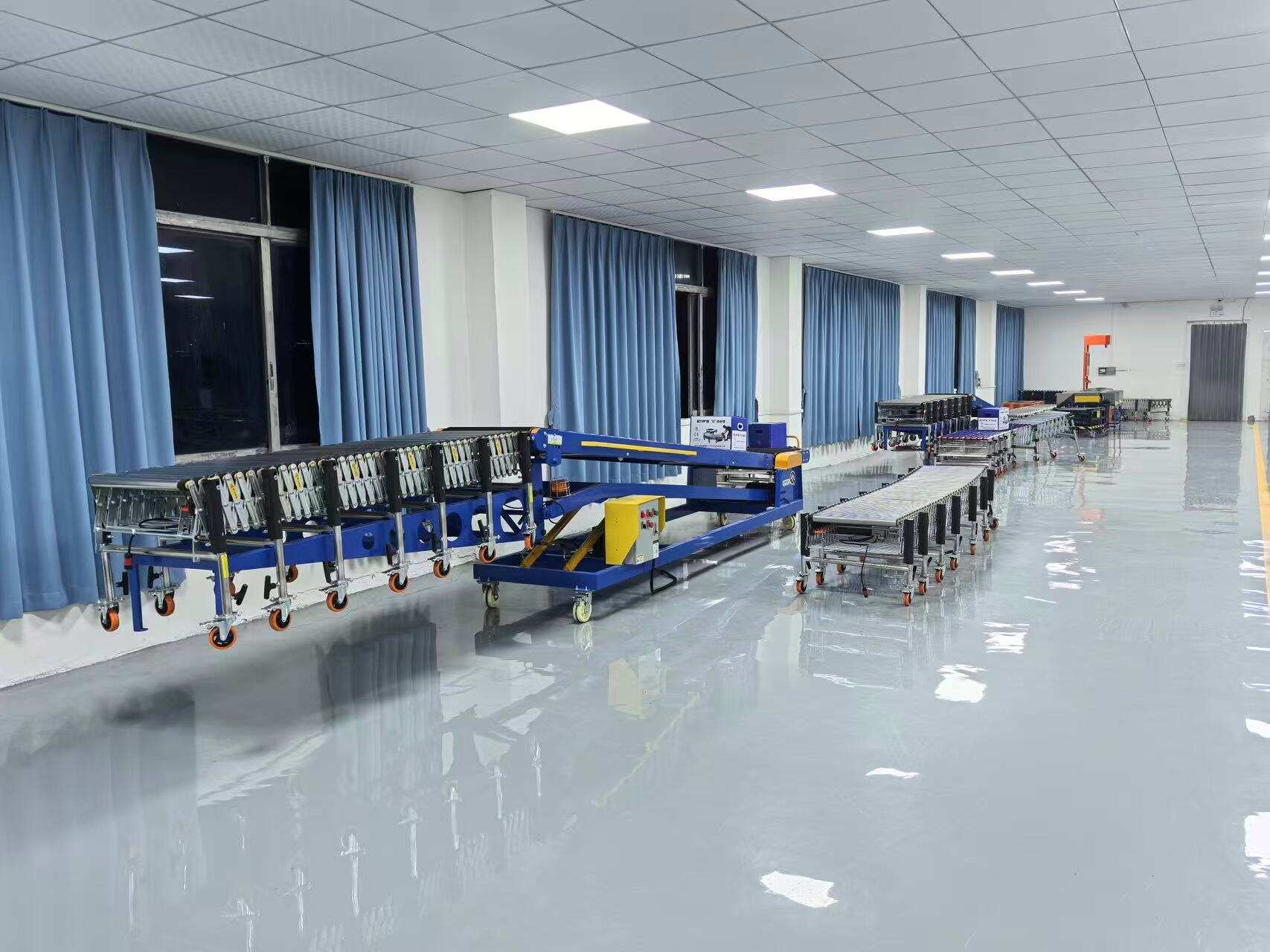
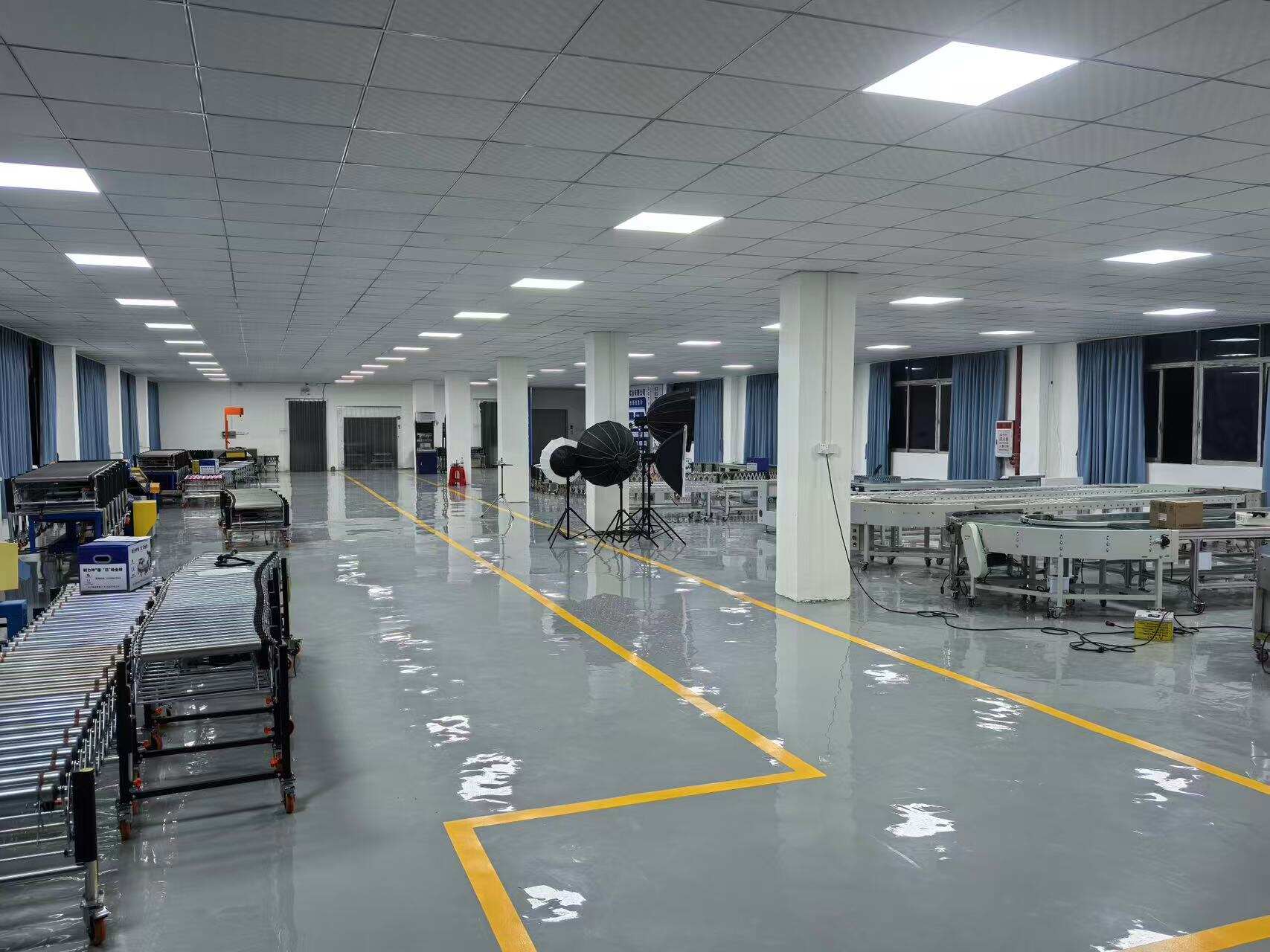
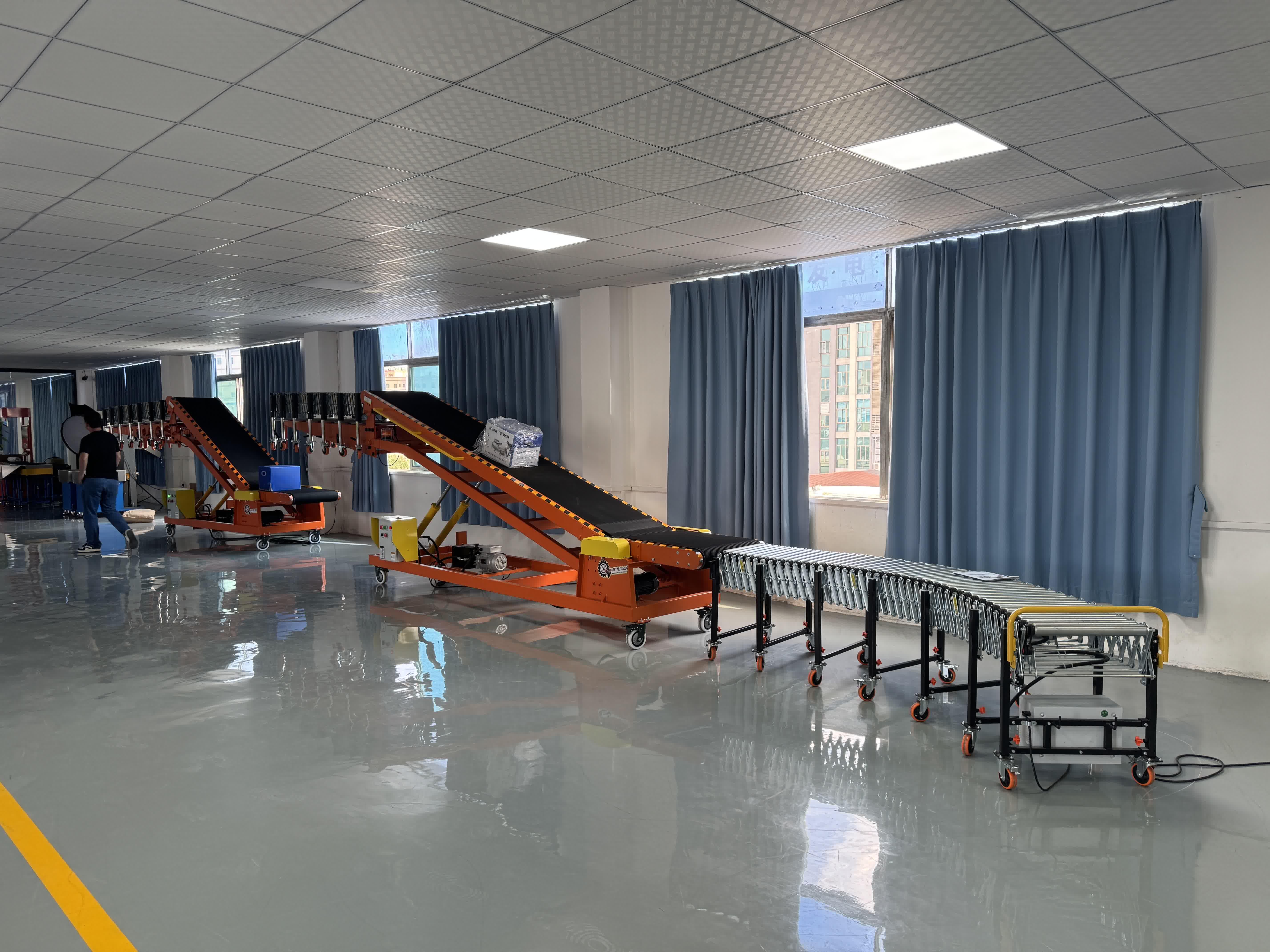
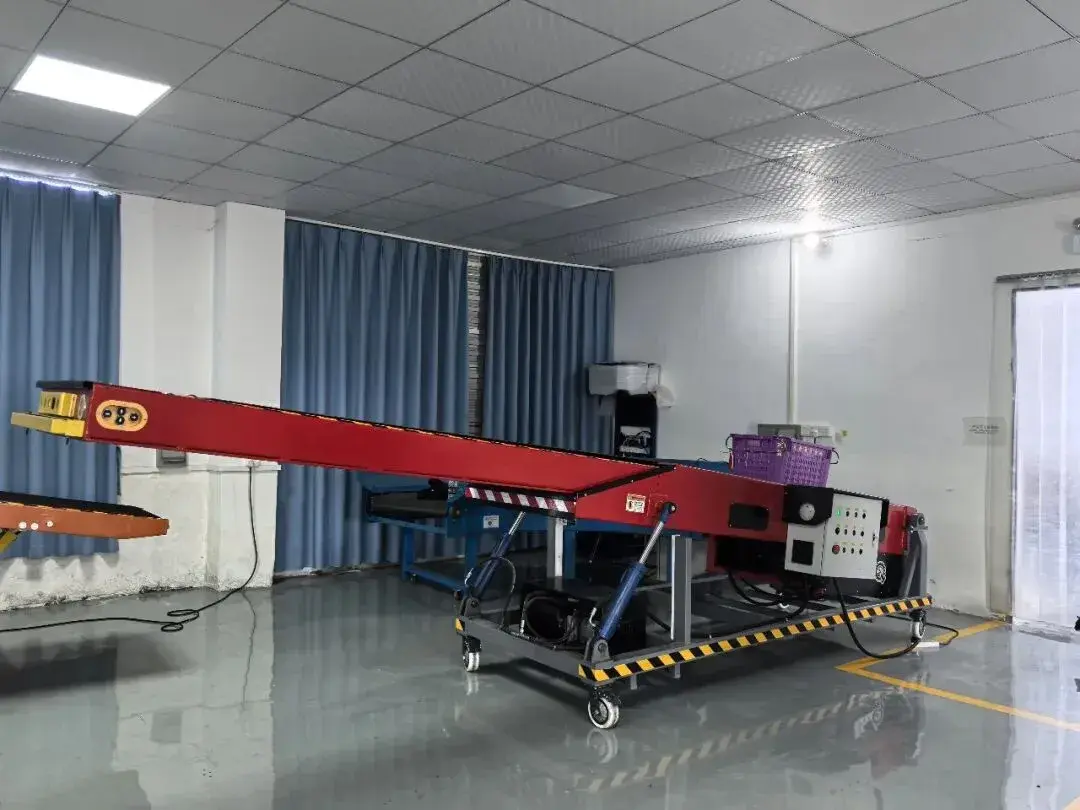
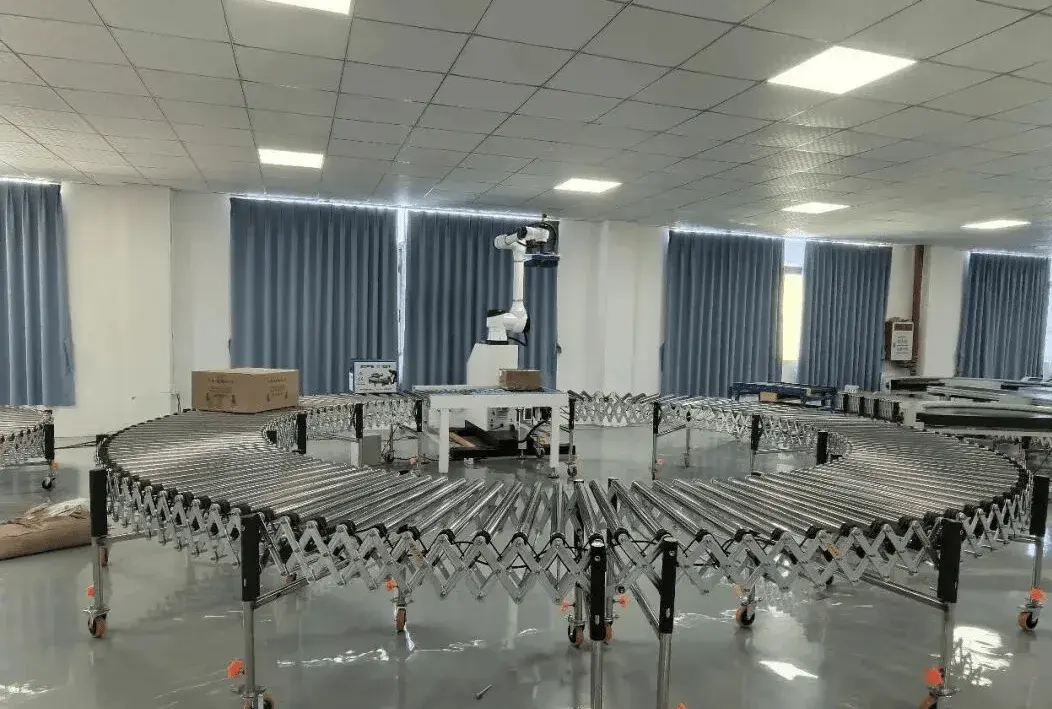
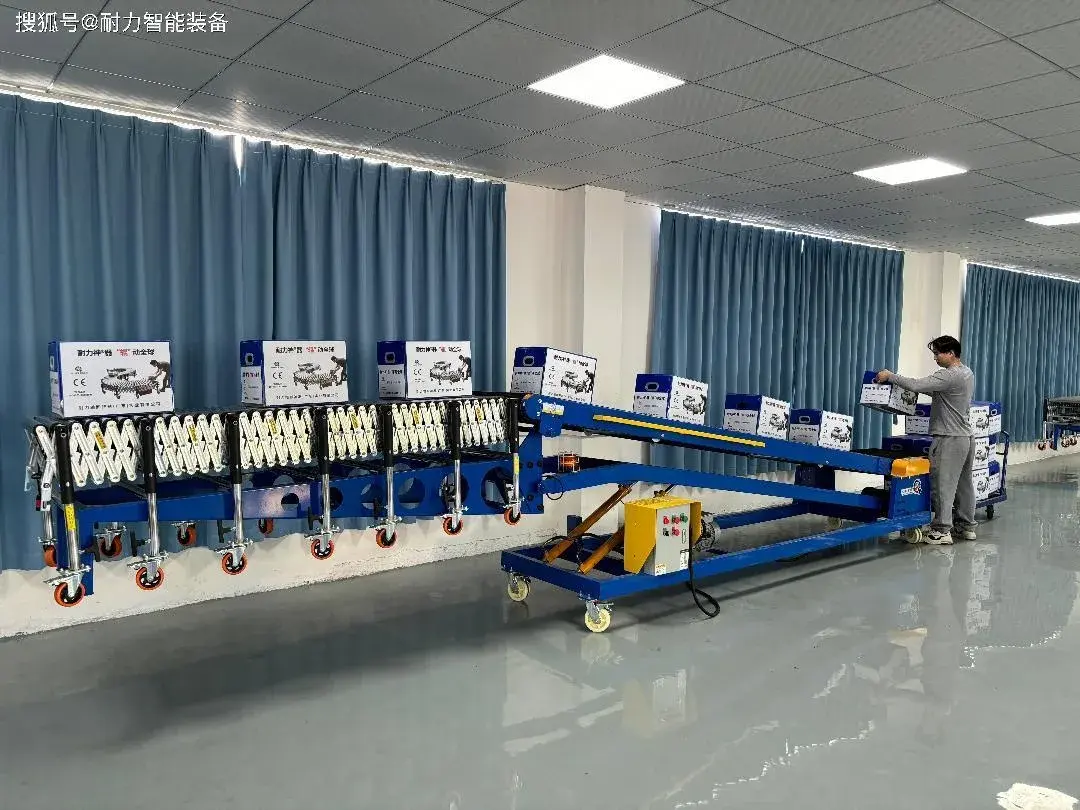
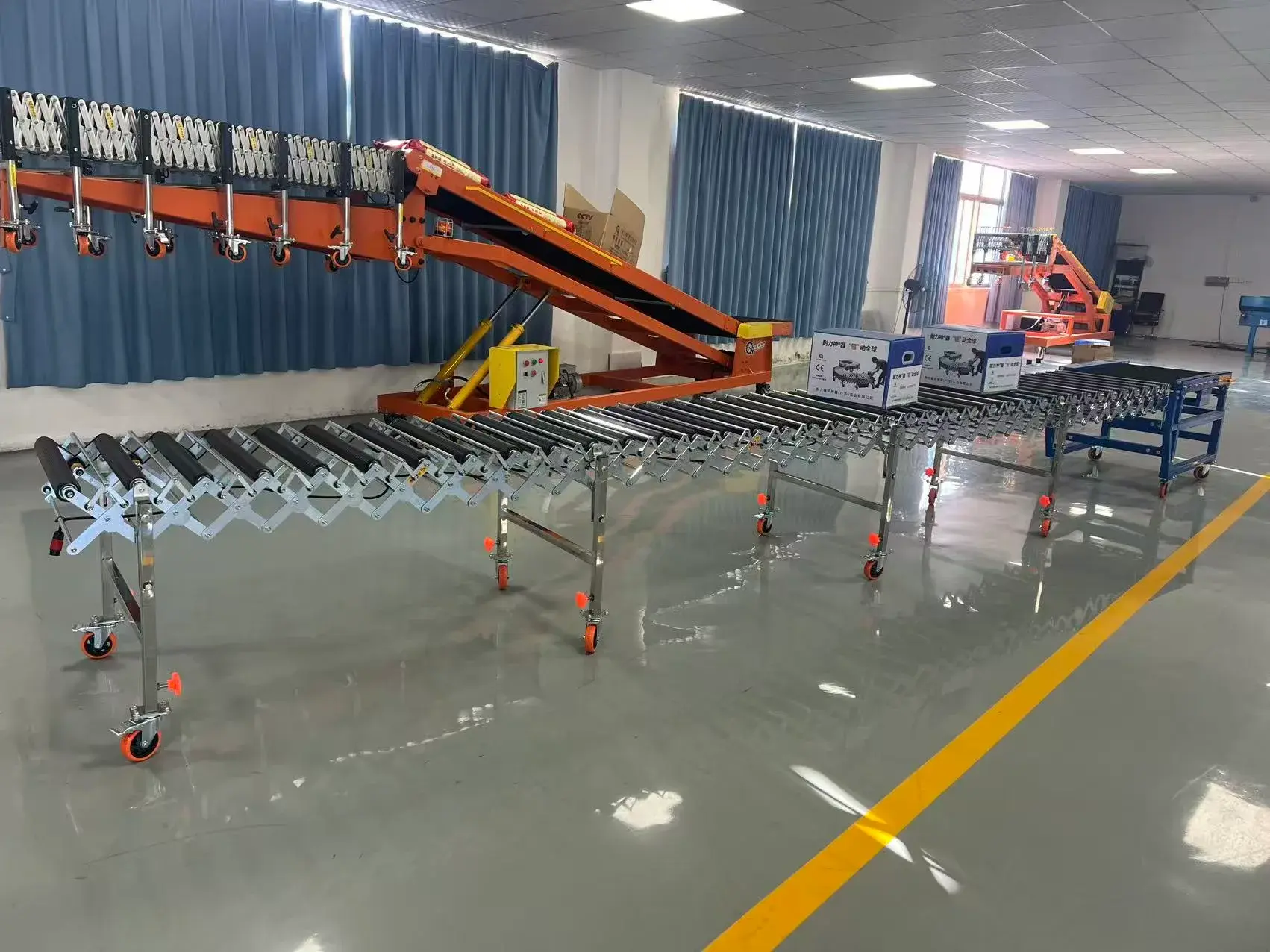
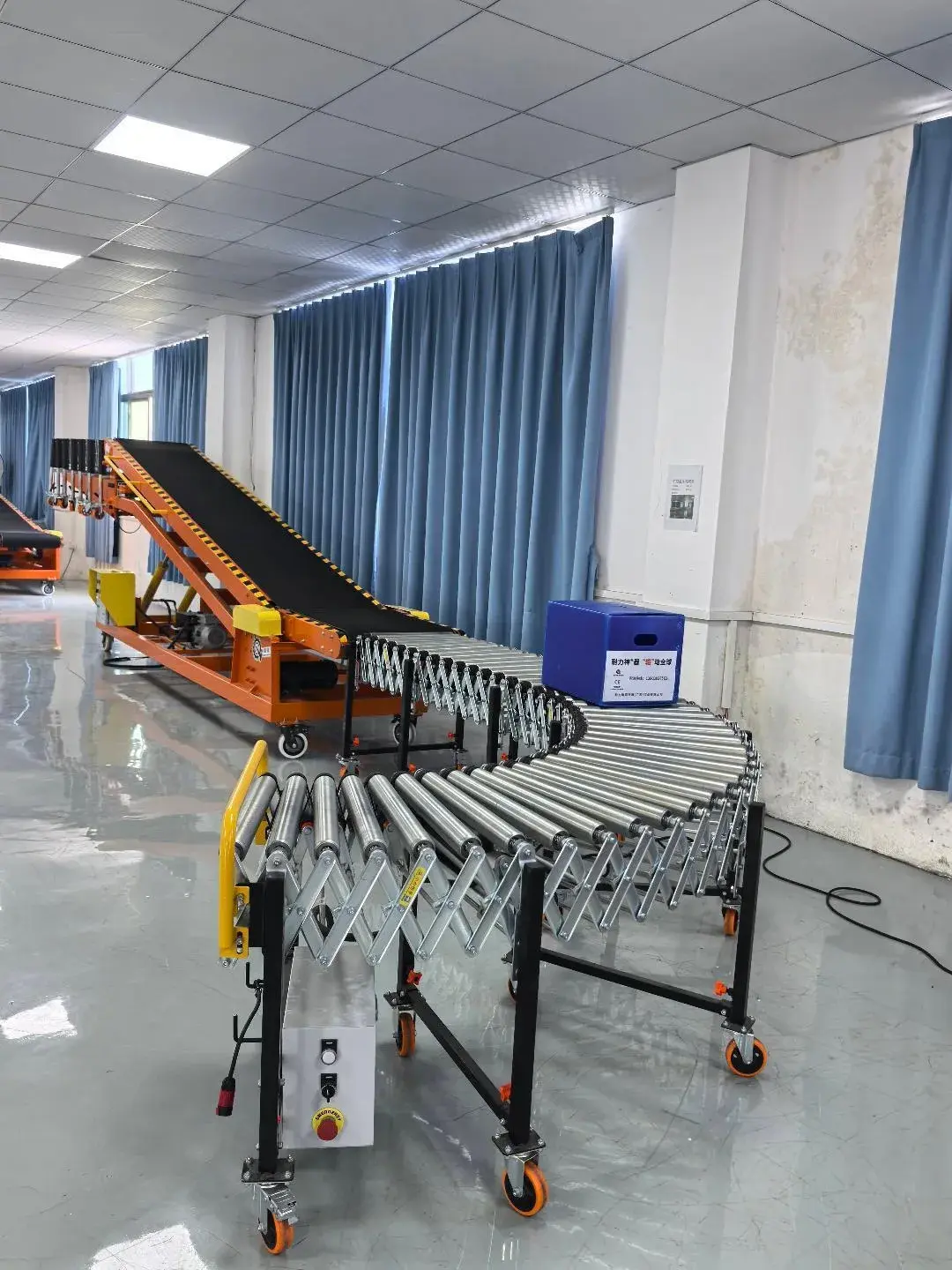
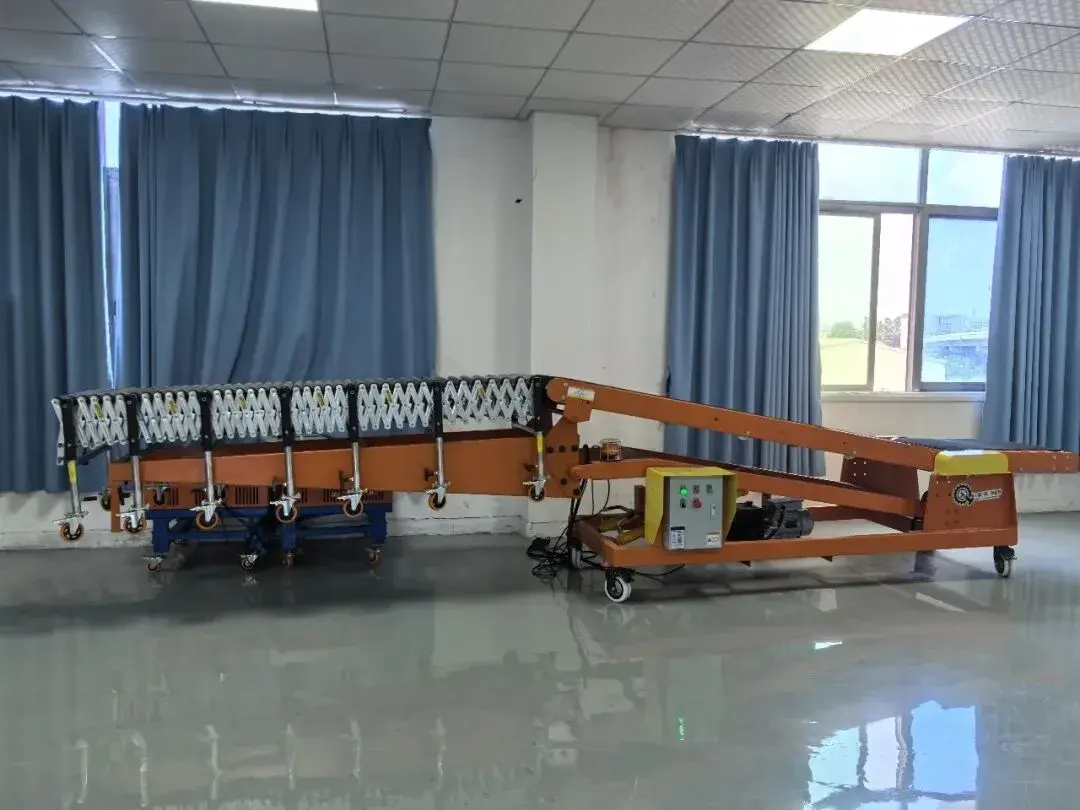
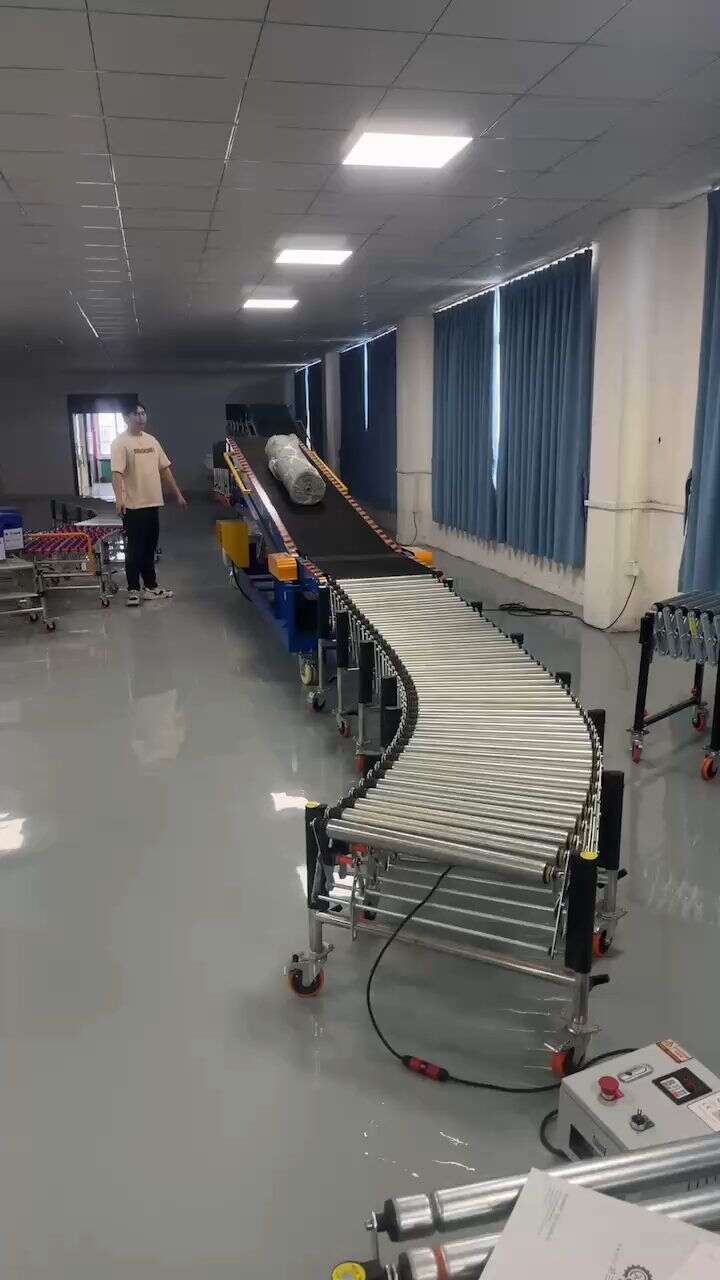
To meet the transfer requirements between warehouses and trucks, flexible conveying equipment can be combined according to different operating conditions. The solutions mentioned in this article includeskate wheel telescopic conveyor lines, non-powered roller telescopic conveyor lines, powered roller telescopic conveyor lines, belt Telescopic Conveyor, and hydraulic lifting incline conveyorsfive main equipment types.
These machines can be used independently or combined into complete systems according to on-site conditions. For projects requiring standardized construction, proven models can be deployed quickly. For scenarios involving more complex space constraints, truck types, or dock conditions, the equipment can be adapted through customized non-standard designs, addressing weak points in warehouse loading and unloading automation.
Five main equipment types cover common final-stage loading and unloading needs
- Skate wheel telescopic conveyor: suitable for basic final-stage loading, unloading, and cargo transfer needs.
- Non-powered roller telescopic conveyor line: suitable for loading and unloading applications requiring flexible configuration.
- Powered roller telescopic conveyor line: used for final-stage transfer operations requiring powered conveying.
- Belt Telescopic Conveyor: suitable for flexible conveying applications under different warehouse operating conditions.
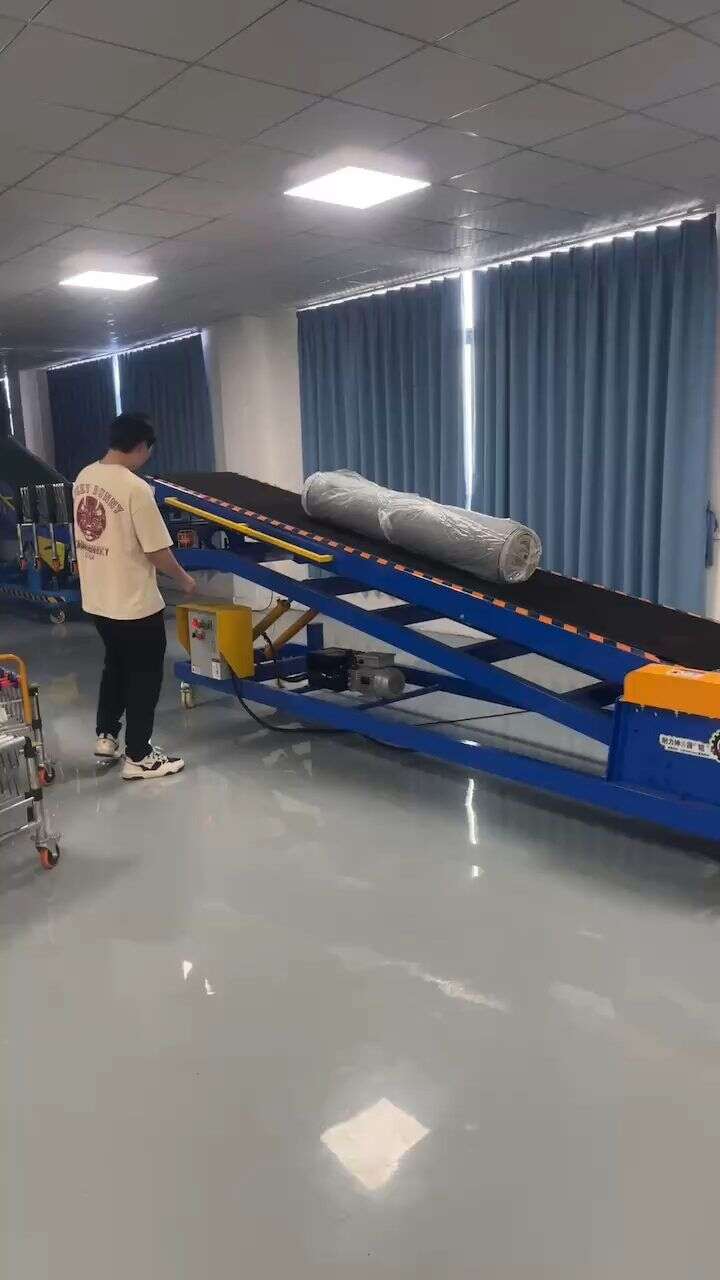
- Hydraulic lifting incline conveyor: used for transfer and connection applications involving height differences.
From standalone machines to complete configurations, the focus is solving loading, unloading, and transfer challenges
When upgrading, many warehouses focus more on intelligent storage and sorting within the warehouse, while easily overlooking the loading and unloading flow between trucks and the warehouse. In fact, once end-of-line loading and unloading efficiency falls short, it not only affects the overall turnaround rhythm but also increases the management pressure caused by reliance on manual labor.
Therefore, flexible conveying equipment that can be combined and used according to different operating conditions is better suited to actual operational needs. Its value does not lie in replacing every process, but in providing more flexible connection methods for scenarios such as truck transfer, labor-intensive handling, and space constraints, allowing warehouse automation to extend from "internal optimization" to "completing the last-mile gaps.".
Only by completing end-of-line loading and unloading can warehouse automation be truly complete
Intelligent warehouse upgrades are not limited to shelves, sorting lines, and information systems. Truck loading and unloading, as well as warehouse dock connections, are also key points that affect efficiency. For factories, logistics warehouses, and distribution centers that are undergoing upgrades, if end-of-line loading and unloading still remains at the manual handling stage, overall efficiency will be hard to improve in a meaningful way.
For this reason, flexible conveying equipment designed around end-of-line loading and unloading is becoming an important part of more and more warehouse projects. With a design concept that is extendable, spliceable, and combinable, warehouse systems can more completely cover every stage from inbound receiving and sorting to loading.