Naili Unloading Artifact (Guangdong) Industrial Co., Ltd.
sunny@naili.ltd+86 17722390519+86 17722390519
HomeProductsCasesSolutionsArticlesResourcesAbout
INQUIRY
Naili ConveyorNaili Conveyor
HomeProductsCasesSolutionsArticlesResourcesAbout
  1. Home/
  2. Article Center/
  3. Conveyor Knowledge/
  4. What Is Belt Telescopic Conveyor Used For? Understand Why It Has Become a Common Warehouse Loading and Unloading Device Through 4 Core Scenarios

Conveyor Knowledge

What Is Belt Telescopic Conveyor Used For? Understand Why It Has Become a Common Warehouse Loading and Unloading Device Through 4 Core Scenarios

Focusing on the core applications of Belt Telescopic Conveyor, this article reviews its practical value in truck and container loading and unloading, operations at non-standard sites, in-warehouse transfer connections, and cost and efficiency improvements. It also explains how to select equipment based on cargo type, site conditions, and vehicle type by combining the operating-condition matching approach of Naili Unloading Artifact (Guangdong) Industrial Co., Ltd..

What Is Belt Telescopic Conveyor Used For? Understand Why It Has Become a Common Warehouse Loading and Unloading Device Through 4 Core Scenarios
Publish Date: 2026-08-28

The conclusion first: What problems does the belt Telescopic Conveyor mainly solve?

Many logistics and factory professionals work with belt Telescopic Conveyor every day, but the reason it is so widely used is not limited to the single task of loading and unloading trucks. It directly addresses practical challenges involving loading and unloading, transfer, site conditions, and efficiency.

In frontline applications, the value of belt Telescopic Conveyor is mainly concentrated in four areas: solving last-meter loading and unloading problems for trucks and containers, adapting to flexible operations in complex sites, connecting warehouse conveyor lines, and reducing manual effort, stabilizing efficiency, and minimizing cargo damage.
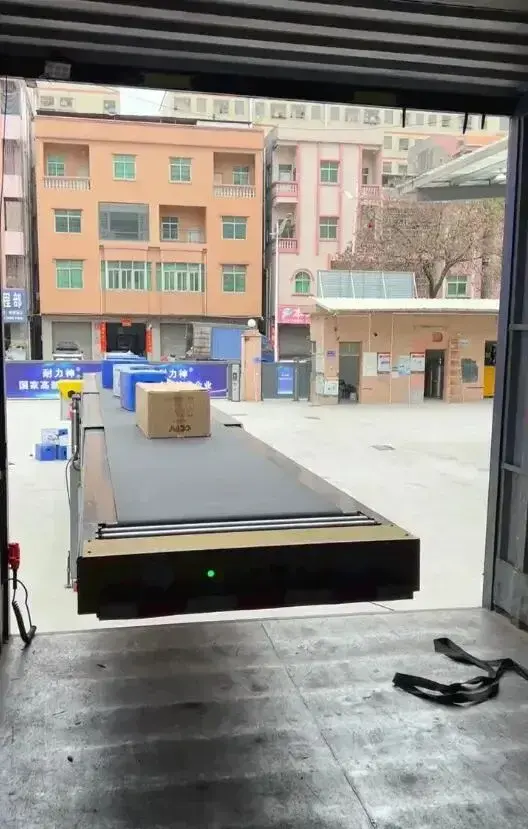
Applications of belt Telescopic Conveyor in vehicle loading and unloading

Core application 1: Solving last-meter loading and unloading challenges for trucks and containers

This is the most basic and common application of belt Telescopic Conveyor. During traditional manual loading and unloading, workers must repeatedly enter deep into the vehicle compartment to move goods and then return to the compartment opening. The long distance and high physical exertion can also easily lead to cargo impact and damage, slow unloading, and trucks being held up.

Belt Telescopic Conveyor can extend directly into a vehicle compartment or container, allowing goods to be conveyed automatically along the belt surface. Operators only need to arrange the goods at the vehicle entrance or at either end of the warehouse loading dock, significantly reducing the distance required for back-and-forth handling.

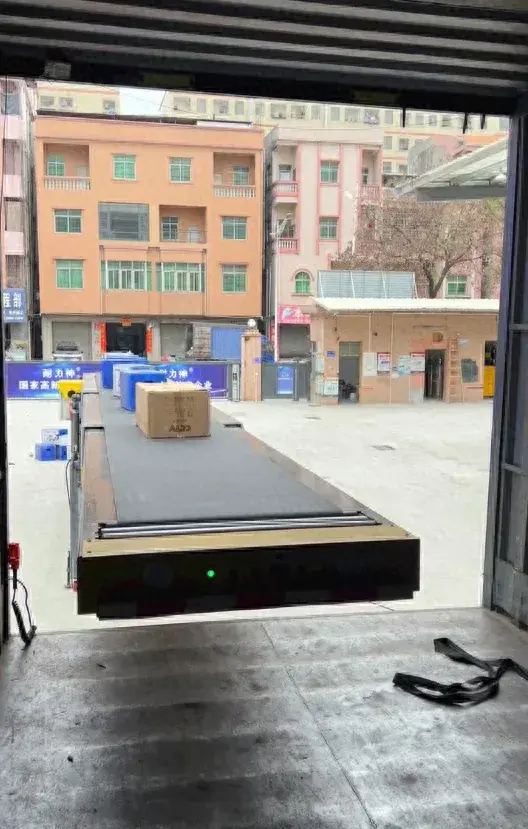
It is also compatible with a relatively broad range of vehicle types, including 4.2-meter box trucks, 6.8-meter medium-duty trucks, 13-meter semi-trailers, and high-cube containers, and can be used for bidirectional loading and unloading.
Belt Telescopic Conveyor supports loading and unloading for multiple vehicle types

Core application 2: Adapting to non-standard sites and supporting flexible operations

Ordinary fixed conveyors can usually only be used at designated locations. If the site does not match or there is no standard loading dock, it is difficult for the equipment to perform effectively. Another key value of belt Telescopic Conveyor is its ability to handle non-standard sites and changing operating conditions.

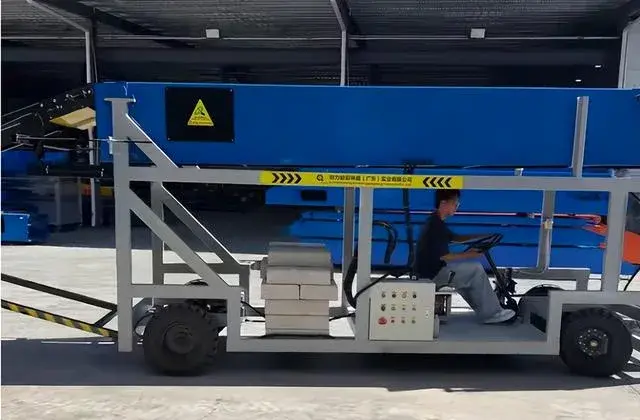
It is suitable for loading and unloading on level ground without a loading dock, temporary roadside loading points, small warehouses, compact loading docks, and operations involving multiple vehicles and cargo positions in rotation. The equipment can extend and retract freely, be moved, and be folded away for storage. It occupies little space when not in use, making it more suitable for small and medium-sized factories and logistics hubs with limited space and complex operating conditions.
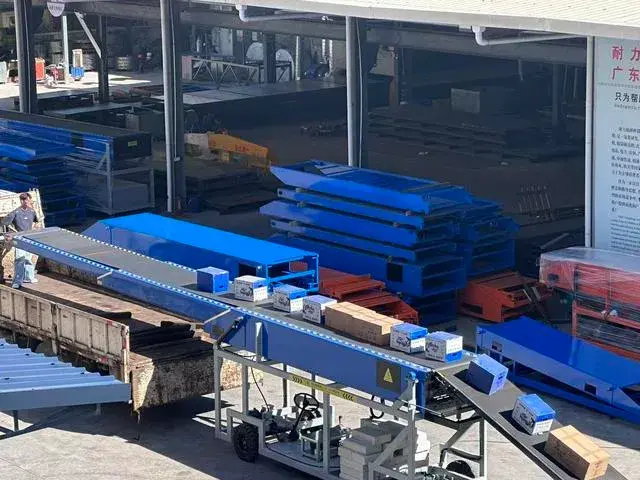
Belt Telescopic Conveyor is suitable for non-standard sites and flexible loading and unloading

Core application 3: Connecting warehouse conveyor lines and linking inbound and outbound logistics

Many people understand Telescopic Conveyor only as loading equipment, but it is also frequently used for transfers within warehouses. It can connect to sorting conveyor lines, packing stations, inbound conveyors, and outbound sorting lines for conveying finished goods out of storage, sorting and transferring products, and transporting raw materials over short distances.

As a result, one piece of equipment can handle both in-warehouse conveying and full-vehicle loading and unloading, helping warehouses connect their conveying chains while reducing the investment and space occupied by adding multiple pieces of equipment.
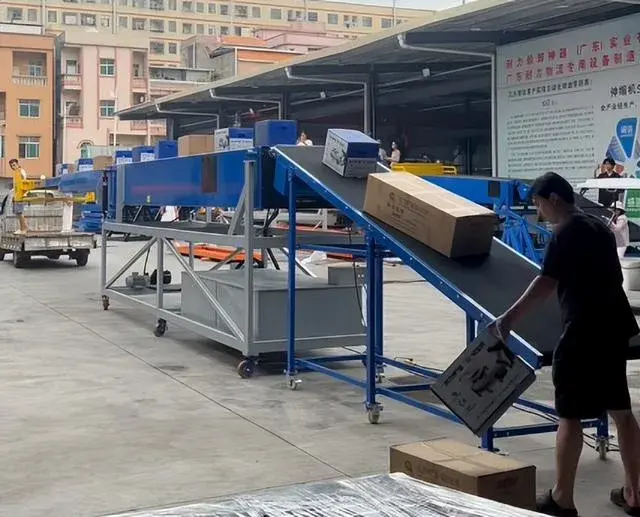
Belt Telescopic Conveyor for in-warehouse transfer and conveyor-line integration
Belt Telescopic Conveyor for in-warehouse transfer and production-line integration

Core Use 4: Reduce Manual Strain, Stabilize Efficiency, and Minimize Cargo Damage

This value is often the easiest to overlook, but it is the most direct for businesses. Manual loading and unloading are affected by physical exertion, weather, and staff turnover. During peak seasons, labor shortages are common, and the proficiency of new employees can also affect efficiency. As a result, cargo damage rates and loading speeds may be unstable.

The purpose of a belt Telescopic Conveyor is not to completely replace manual labor, but to optimize the division of labor. It can reduce the need for strenuous back-and-forth handling, stabilize the work rhythm, and minimize cargo damage caused by manual throwing and impacts. Typically, just 2 to 3 people can complete the loading and unloading of an entire vehicle, thereby reducing labor costs.

Key Selection Considerations: Match the Equipment to the Cargo, Site, and Vehicle Type

Even for the same Telescopic Conveyor, different processes and configurations correspond to different uses, service lives, and ranges of applicability. For matching belt Telescopic Conveyors to operating conditions, Naili Unloading Artifact (Guangdong) Industrial Co., Ltd. emphasizes selecting the equipment model according to the company's actual needs, cargo type, site conditions, and vehicle type.

Standard Telescopic Conveyor models are suitable for lightweight parcels, offering high efficiency without wasted capacity. For heavy boxed or bagged goods, models with thickened frames, reinforced belts, and heavy-duty motors are more suitable. When vehicle heights vary, a hydraulic lifting model can be considered to accommodate different cargo-bed heights. For operations at multiple locations, a mobile model is more suitable, allowing it to be moved and used as needed.
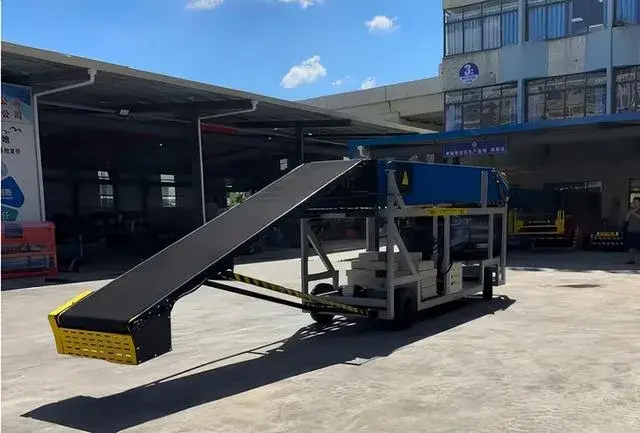
Operating-Condition Matching and Selection Considerations for Belt Telescopic Conveyors

Summary

The core uses of a belt Telescopic Conveyor can be summarized in four points: solving last-meter loading and unloading challenges, adapting to operations in complex spaces, connecting warehouse conveying links, and improving efficiency while reducing cargo damage. For logistics and factory warehousing, it is a highly versatile and reliably implemented type of flexible automation equipment.
Contact Sales Manager

Contact Person SunnySales Manager

WeChat
17722390519
WhatsApp
+86 17722390519
Phone
+86 17722390519
Email
sunny@naili.ltd
Brand Name
Naili Conveyor
Company Name
Naili Unloading Artifact (Guangdong) Industrial Co., Ltd.

Factory Strength

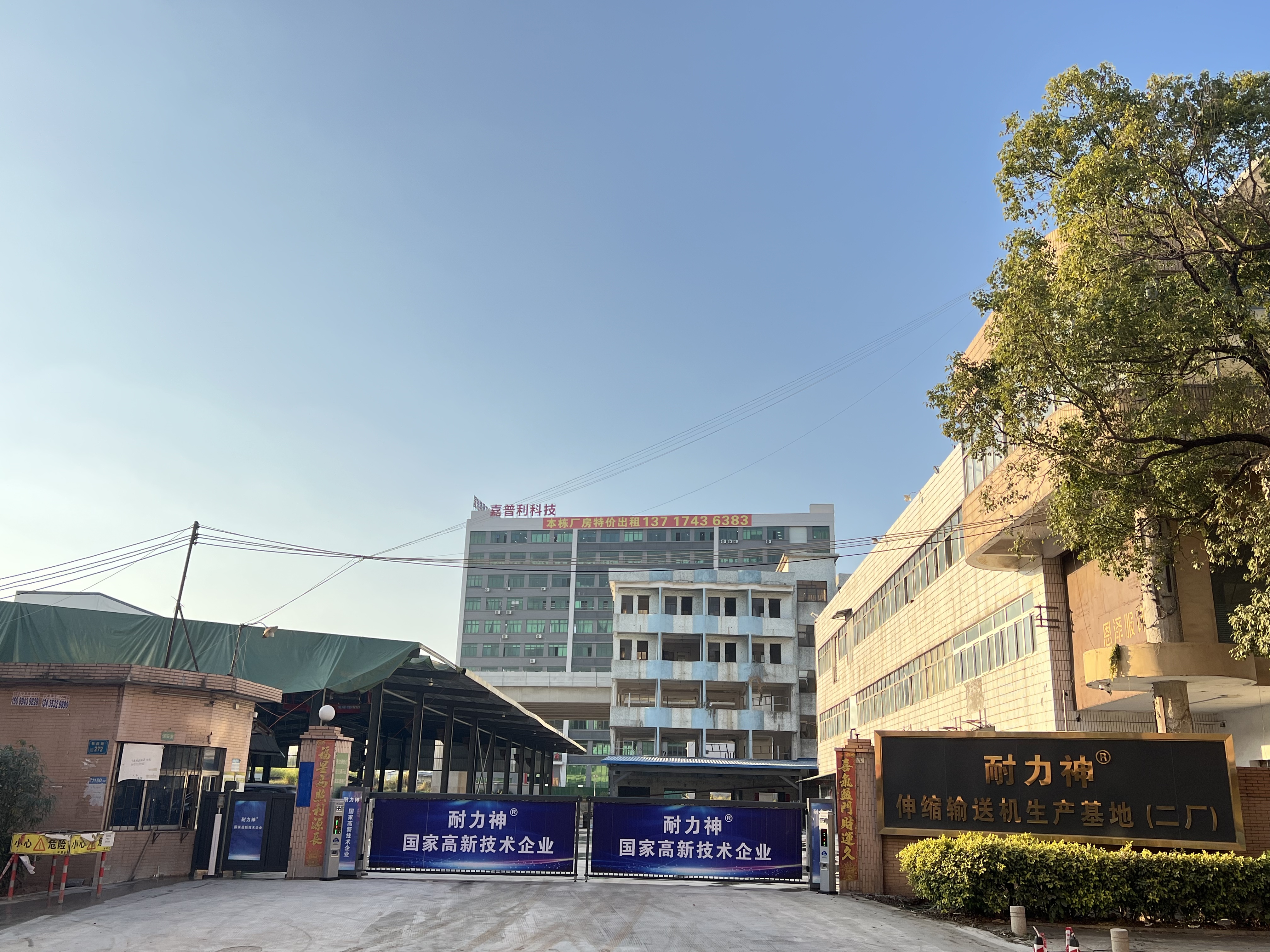
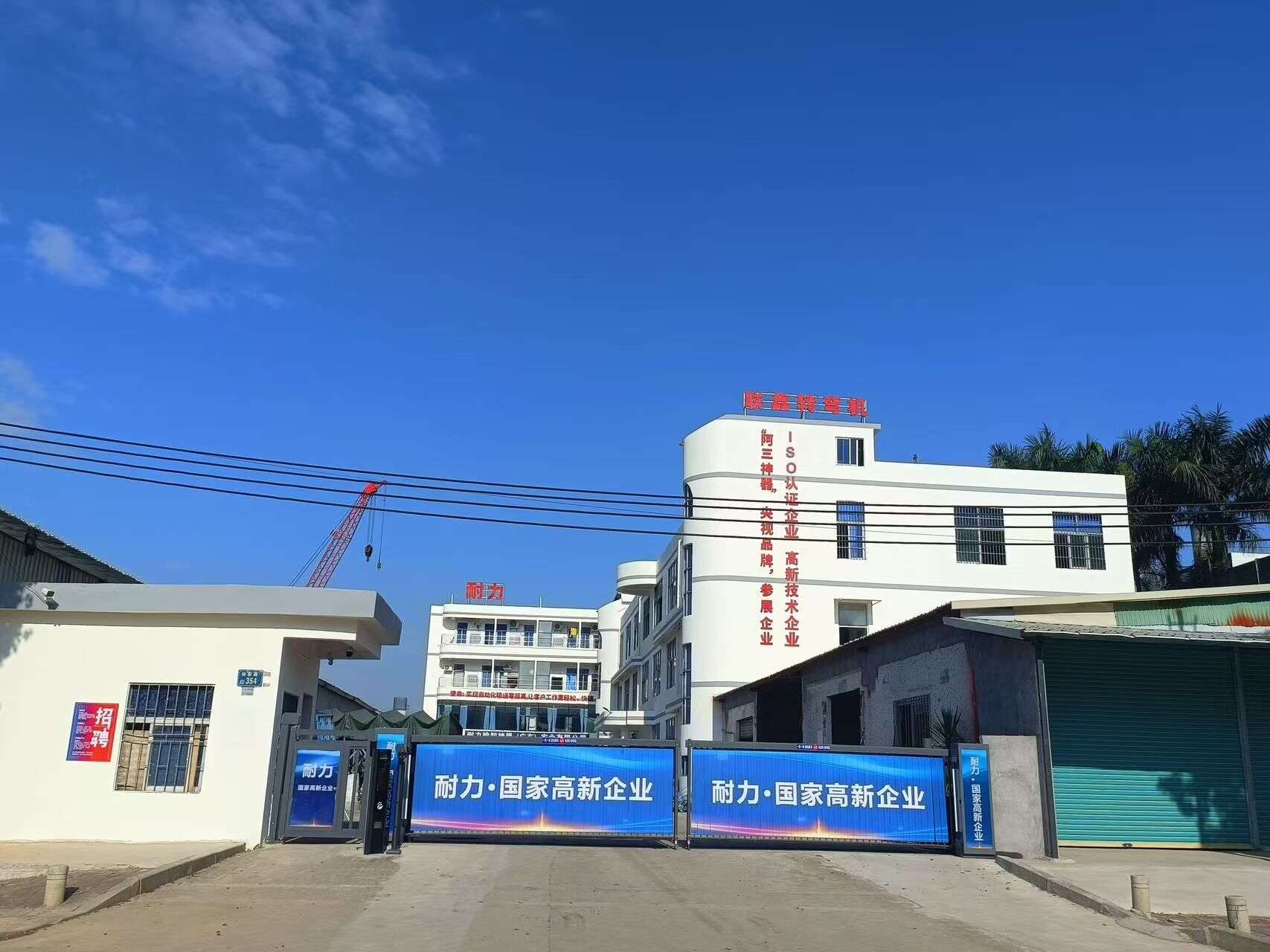
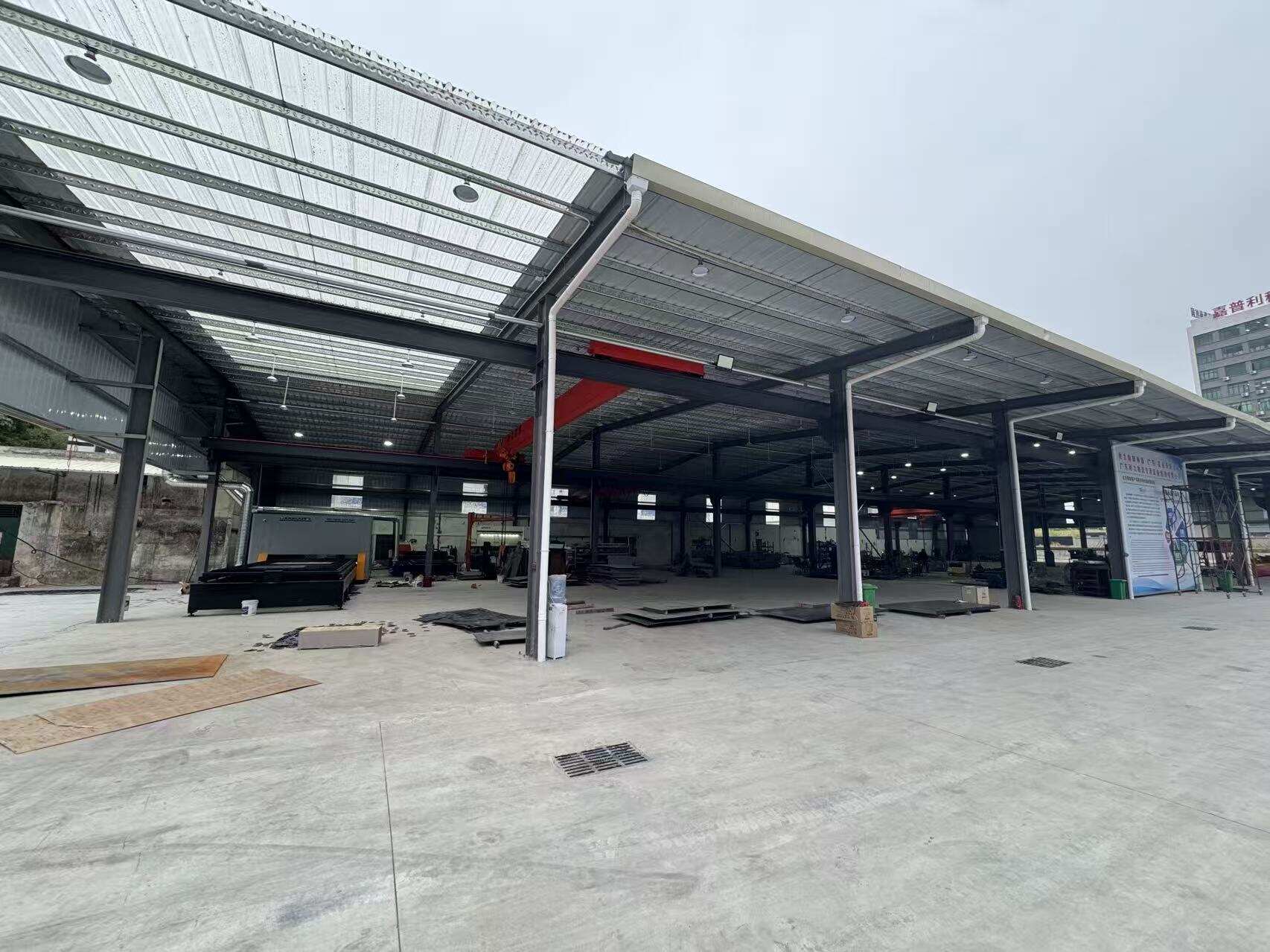
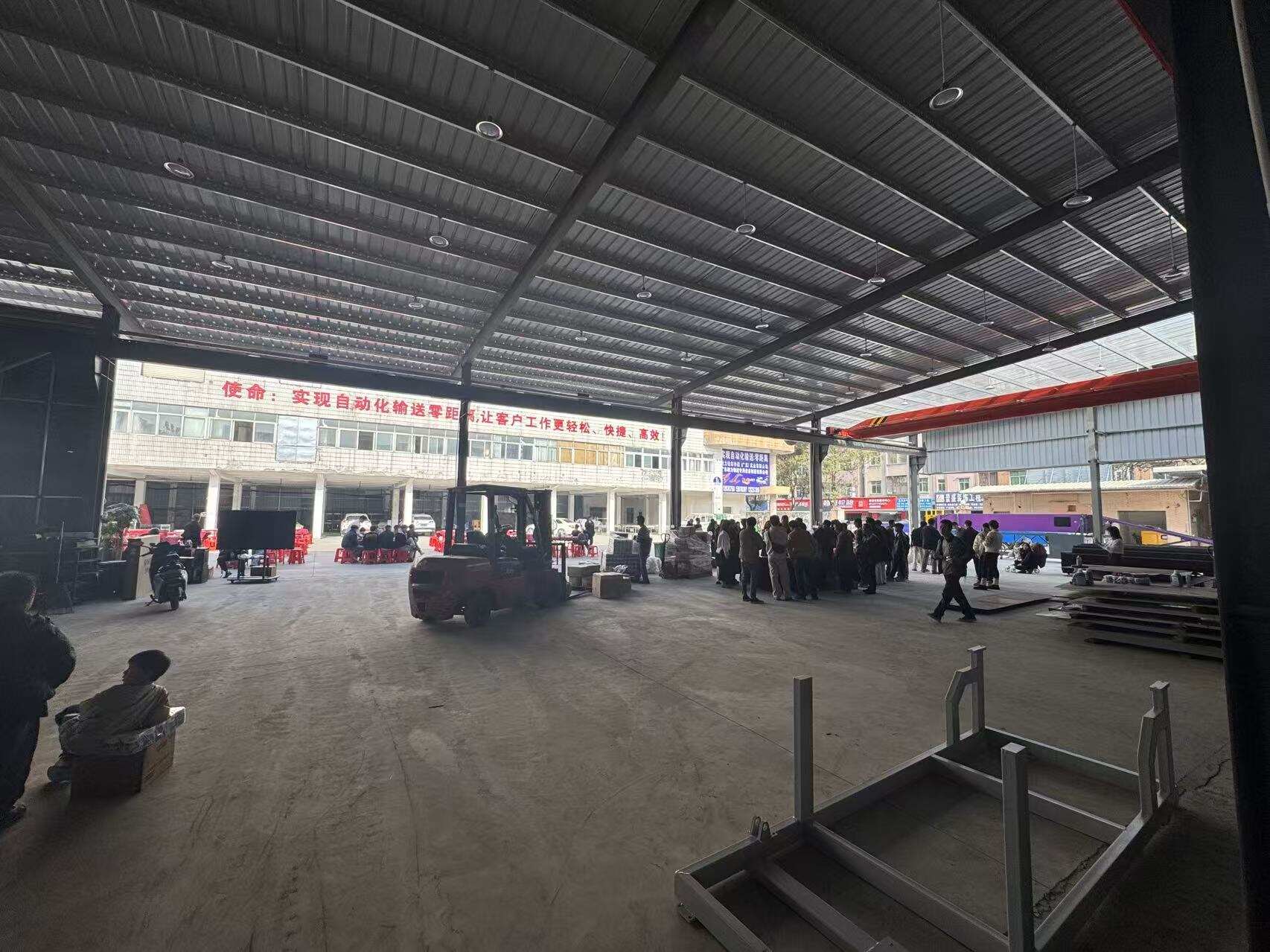
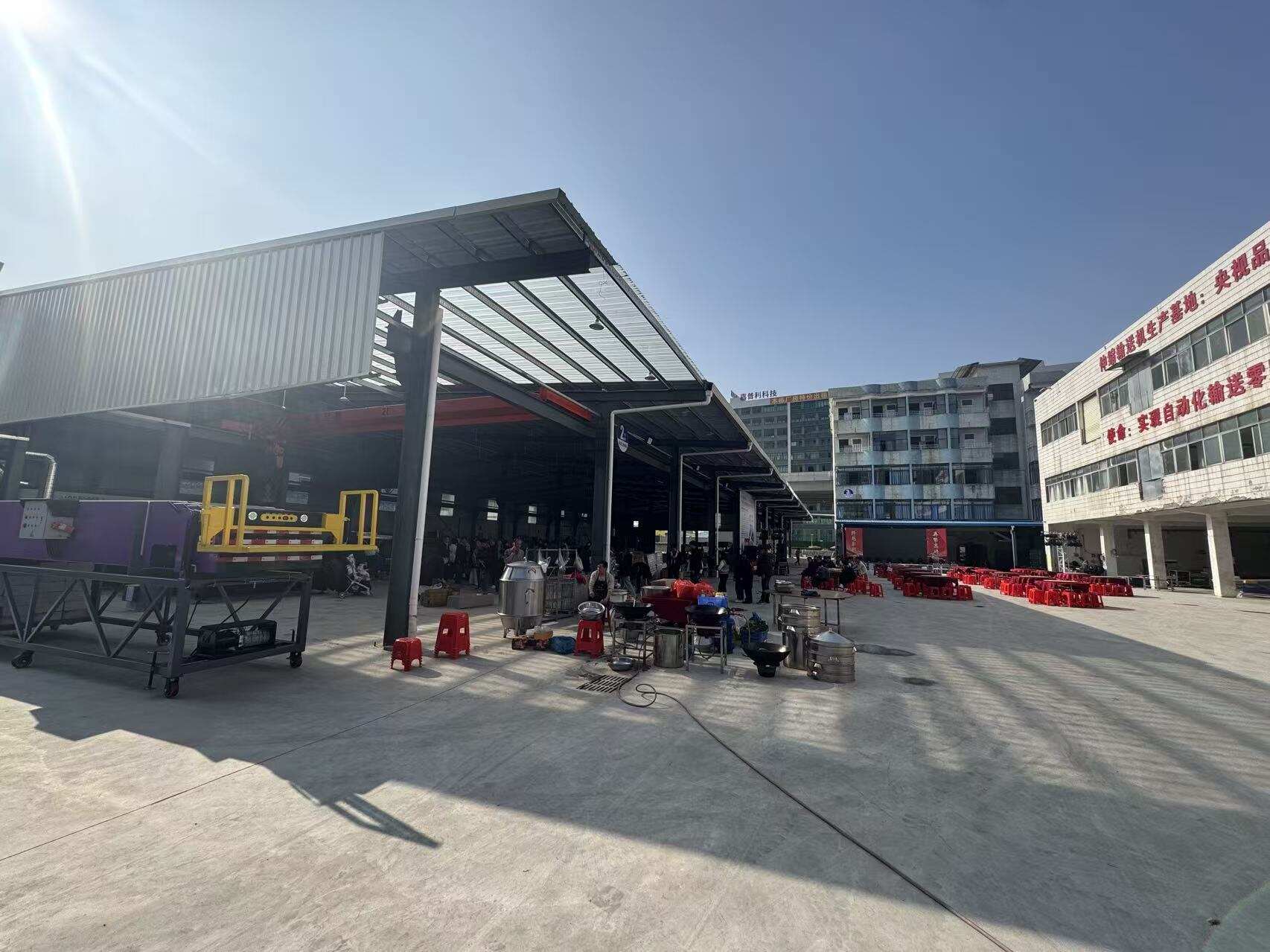
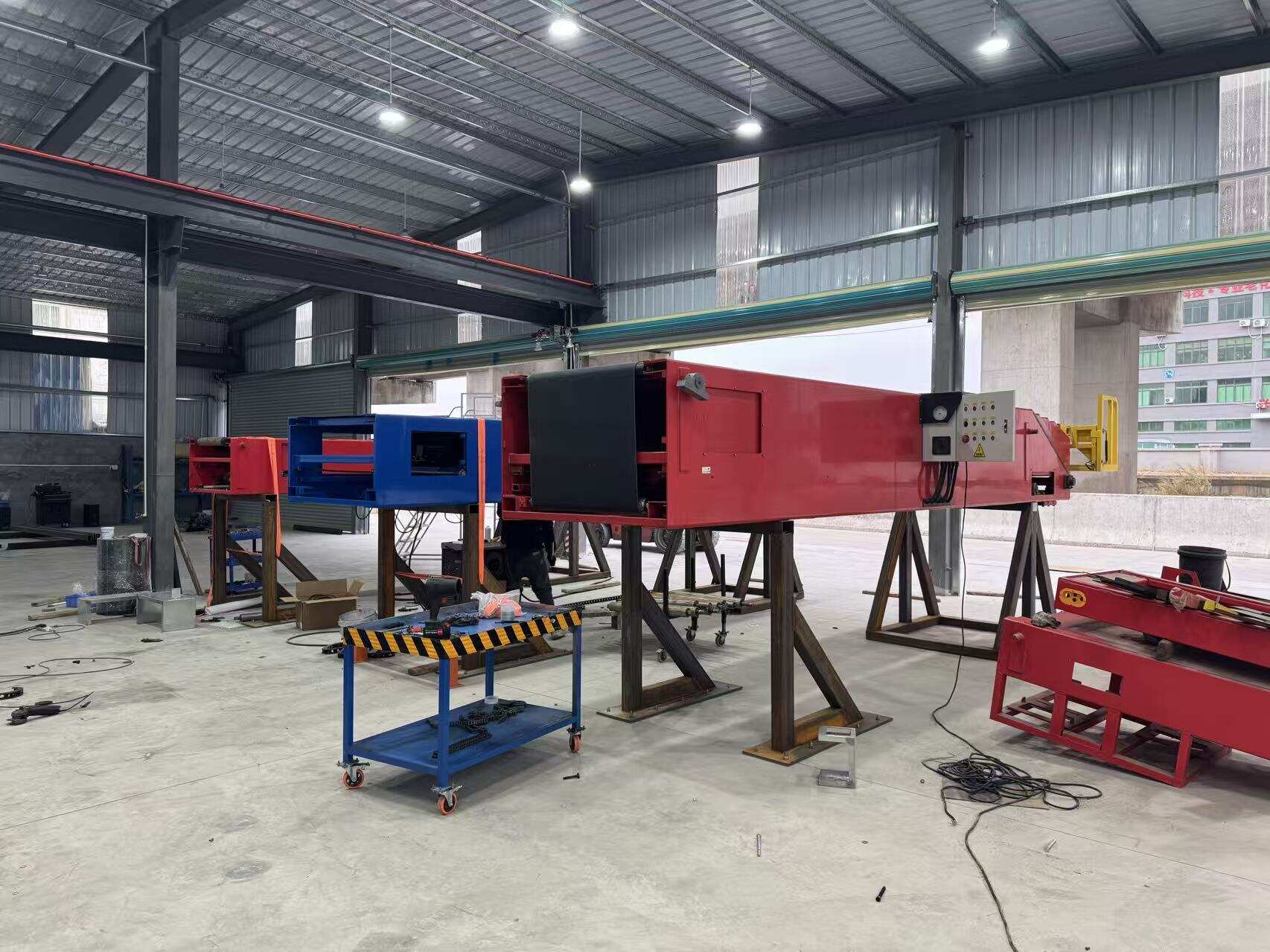
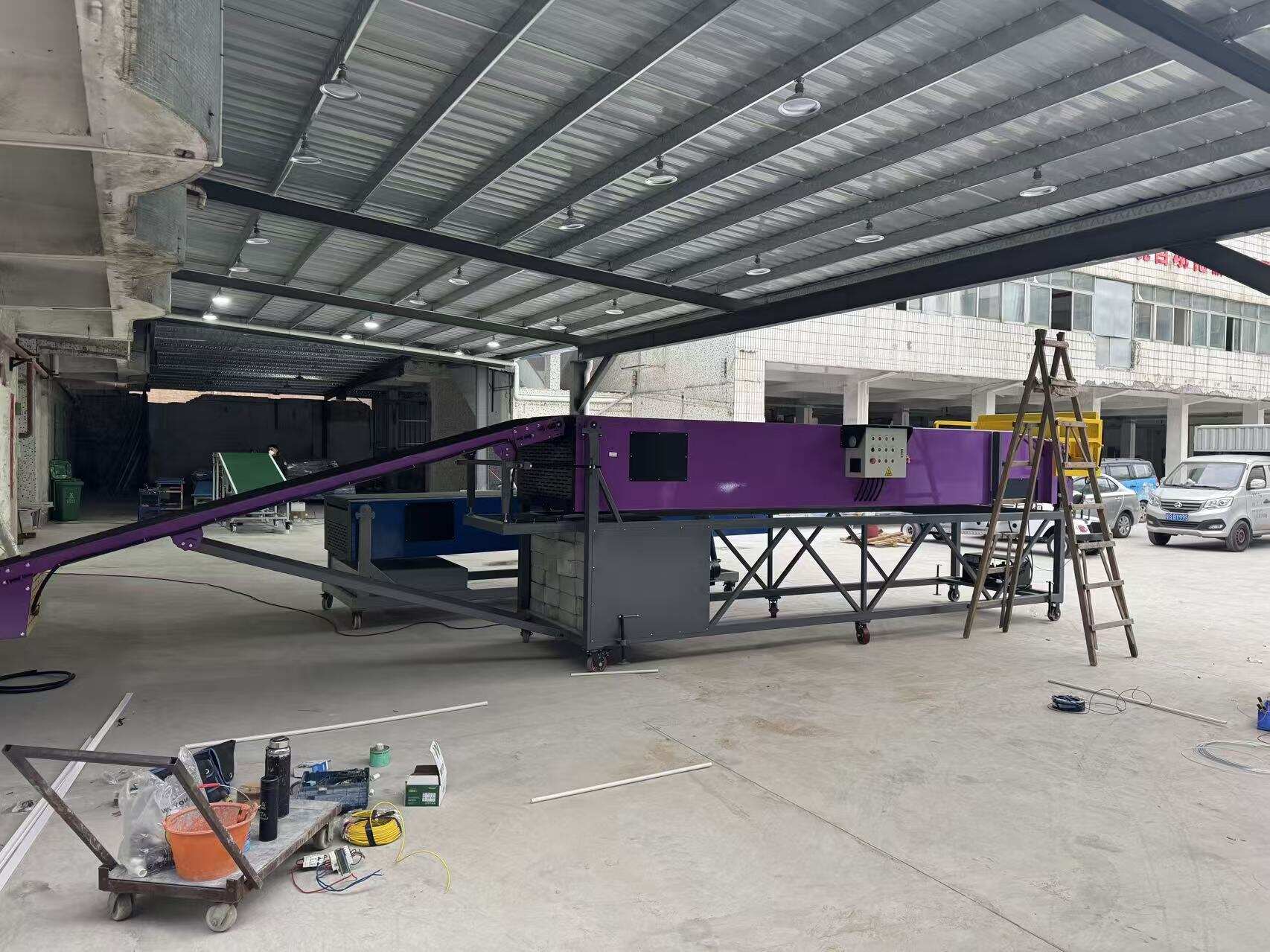
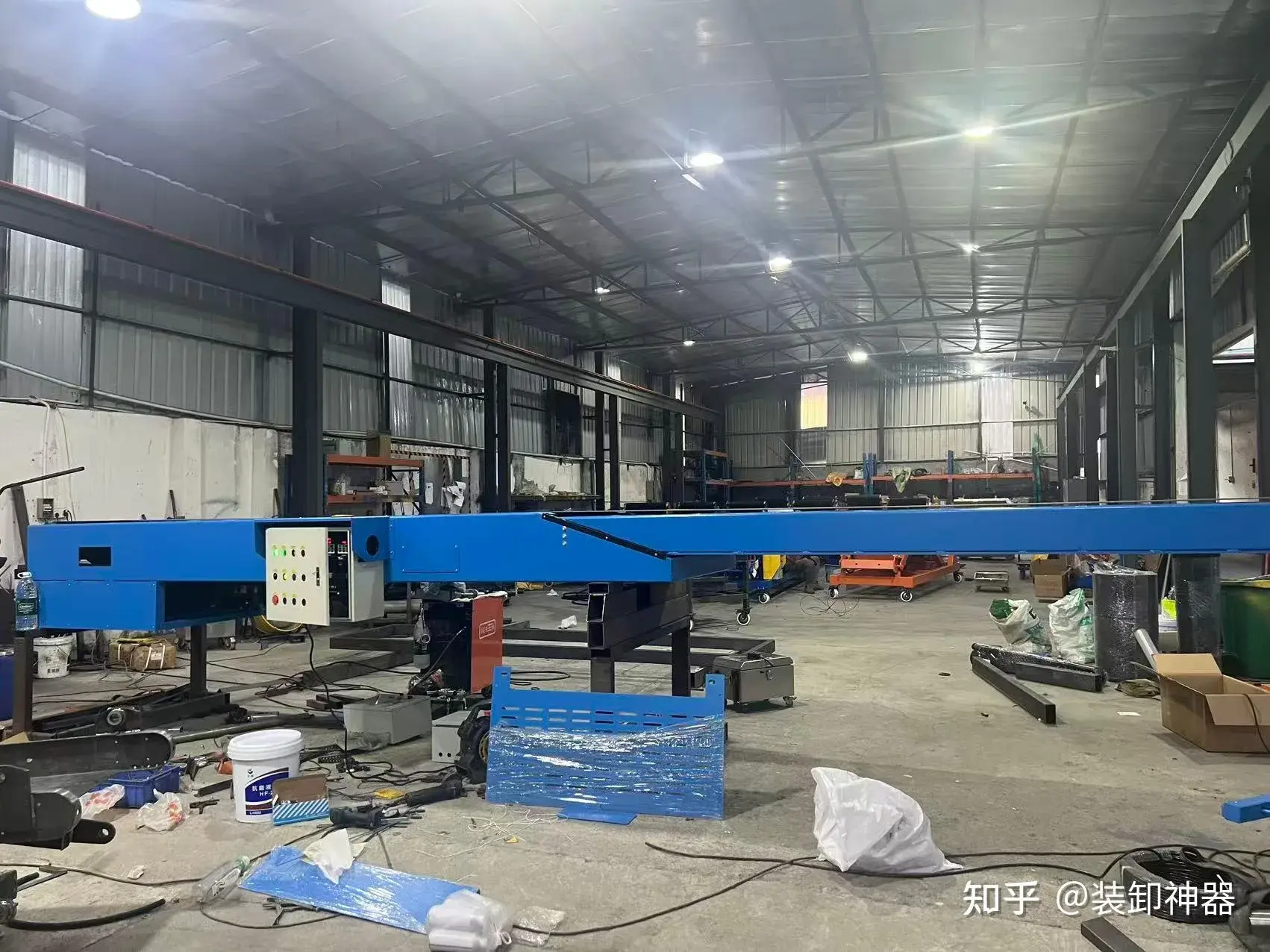
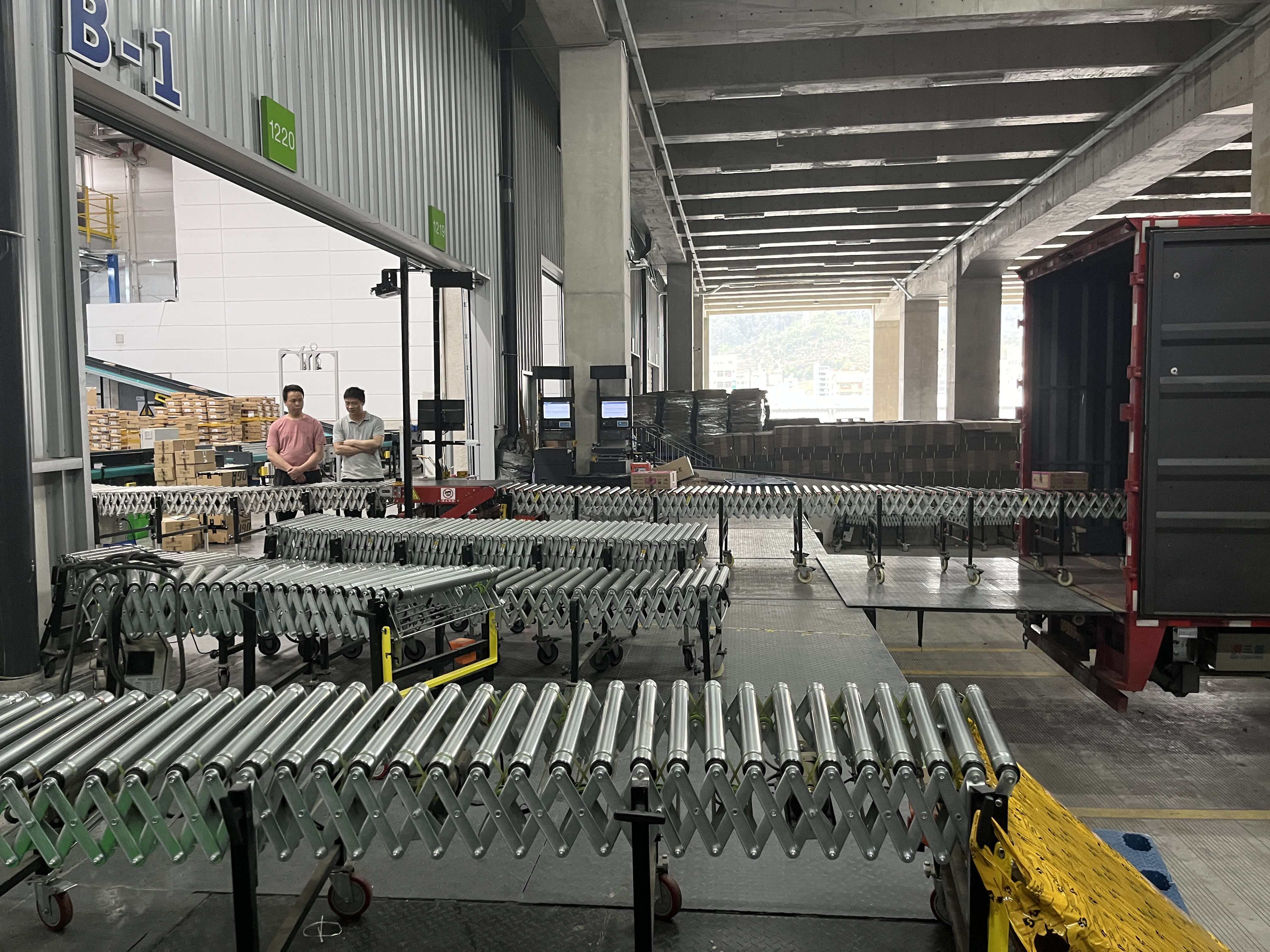
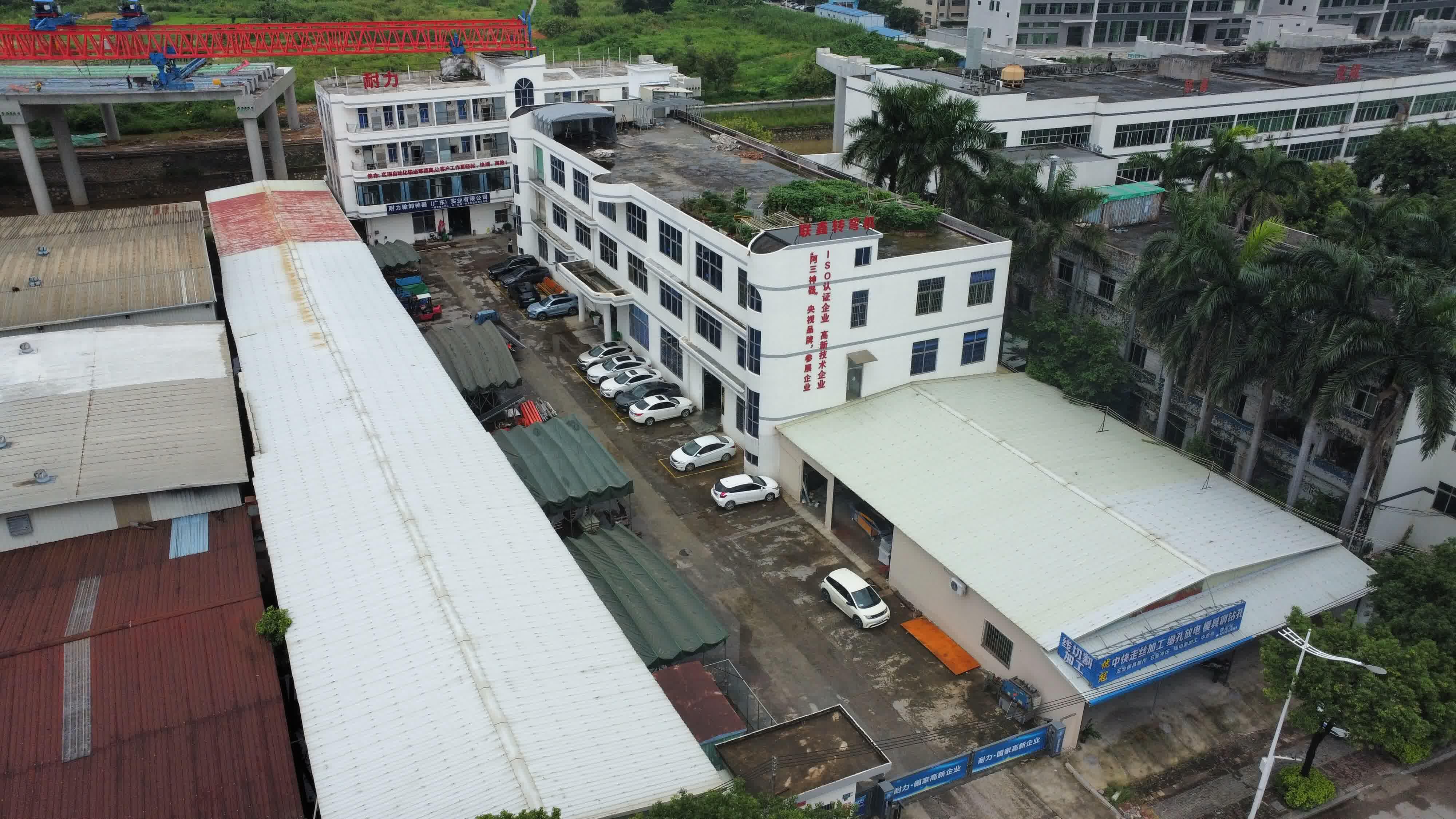
Learn about production equipment, workshop environment, processing capacity, and quality control through real photos and videos.

Factory Strength
Factory Strength
Factory Strength
Factory Strength
Factory Strength
Factory Strength
Factory Strength
Factory Strength
Factory Strength
Factory Strength
1 / 10

Related Articles

View All
How Can Loading and Unloading Efficiency Be Improved When Dock Space Is Limited? Applications of Flexible Telescopic Conveyors
Conveyor Knowledge

How Can Loading and Unloading Efficiency Be Improved When Dock Space Is Limited? Applications of Flexible Telescopic Conveyors

Addressing loading and unloading challenges in small docks, compact warehouses, and street-side facilities, this article revisits the efficiency and safety limitations of traditional forklifts in confined spaces. It also explains how telescopic powered roller conveyors can improve throughput and reduce collision risks without modifying the site, while retaining the company’s practical service capabilities in installation guidance, fault repair, scheduled maintenance, and customized solutions.

2026-08-21Read More→
Why Conveyor Belt Prices Vary: Material, Specifications, and Line Configuration Determine Cost
Conveyor Knowledge

Why Conveyor Belt Prices Vary: Material, Specifications, and Line Configuration Determine Cost

Check conveyor belt quotes against material, belt width and thickness, number of plies, splices, and the full line configuration. First clarify the procurement scope and actual operating conditions, then compare supplier lists.

2026-11-01Read More→
Can't Increase Workshop Capacity? Naili Conveyor's Powered Roller Conveyor Line Identifies Bottlenecks in Material Flow
Conveyor Knowledge

Can't Increase Workshop Capacity? Naili Conveyor's Powered Roller Conveyor Line Identifies Bottlenecks in Material Flow

For many factories, the bottleneck is not in the processing equipment but in material flow. Naili Conveyor's powered roller conveyor line supports workshop transfers, process connections, and cross-area material flow, helping businesses turn scattered handling tasks into a continuous, stable, and controllable conveying rhythm.

2026-09-29Read More→
Solving Workshop Capacity Waste: Naili Conveyor's Powered Roller Conveyor Line Builds an Efficient Production-Line Logistics System
Conveyor Knowledge

Solving Workshop Capacity Waste: Naili Conveyor's Powered Roller Conveyor Line Builds an Efficient Production-Line Logistics System

Focusing on the efficiency of material flow within the workshop, this article revisits the value of powered roller conveyor lines for handling cartons, pallets, heavy individual items, and work-in-process products. It explains how they help factories reduce accumulation, waiting, and disrupted production rhythms while improving line continuity and logistics efficiency.

2026-09-24Read More→

Sunny

Sales Manager

WhatsApp
+86 17722390519
WeChat
17722390519
Phone
+86 17722390519
Email
sunny@naili.ltd
·Free solution consultation·Quickly respond to your needs·Technical Support

Need a loading/unloading conveyor solution?

Naili Conveyor
Naili Conveyor
Room 102, No. 354, Yangxin Road, Dalang Town, Dongguan City, Guangdong Province, China
Contact Immediately
Contact Person:Sunny
Phone:+86 17722390519Email:sunny@naili.ltd
ProductsTelescopic ConveyorHydraulic ConveyorPowered Roller ConveyorPowered Rubber-Covered Roller ConveyorGravity Skate Wheel ConveyorGravity Roller ConveyorElevator
CasesLoadingUnloadingWarehouse Conveying
Support
Company UpdatesAddress:Room 102, No. 354, Yangxin Road, Dalang Town, Dongguan City, Guangdong Province, ChinaPhone:+86 17722390519Email:sunny@naili.ltd
© 2026 Naili Conveyor