Naili Conveyor
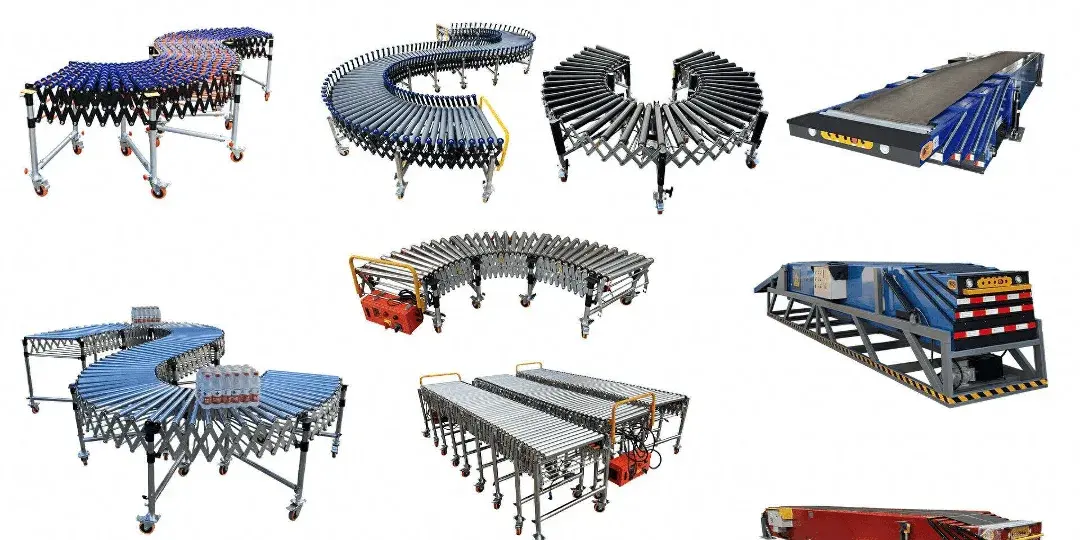
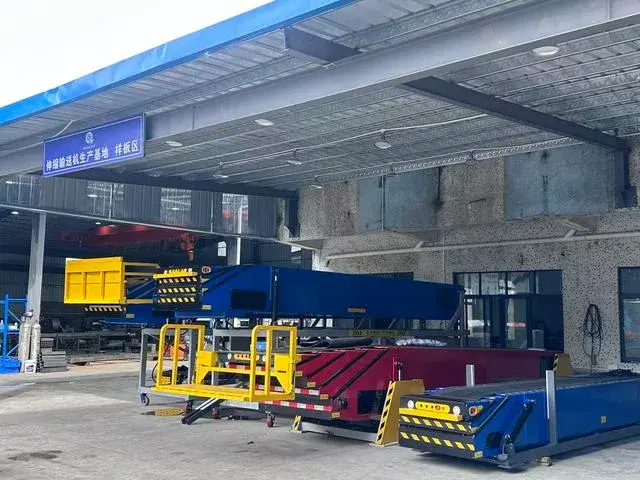
Conveying and loading/unloading equipment is common supporting equipment in logistics warehousing and industrial production. Naili Unloading Artifact (Guangdong) Industrial Co., Ltd. focuses on the R&D and production of various conveying and unloading equipment, with products covering Powered Roller Conveyor/Gravity Roller Conveyor, telescopic belt conveyors, hydraulic Telescopic Conveyor, lifting incline conveyors, skate wheel conveyors, and more. Non-standard customization is supported to suit operating conditions across multiple industries. Based on equipment features and application scenarios, the following provides a practical guide that makes selection easier.
Core Advantages of the Full Range of Conveying Equipment
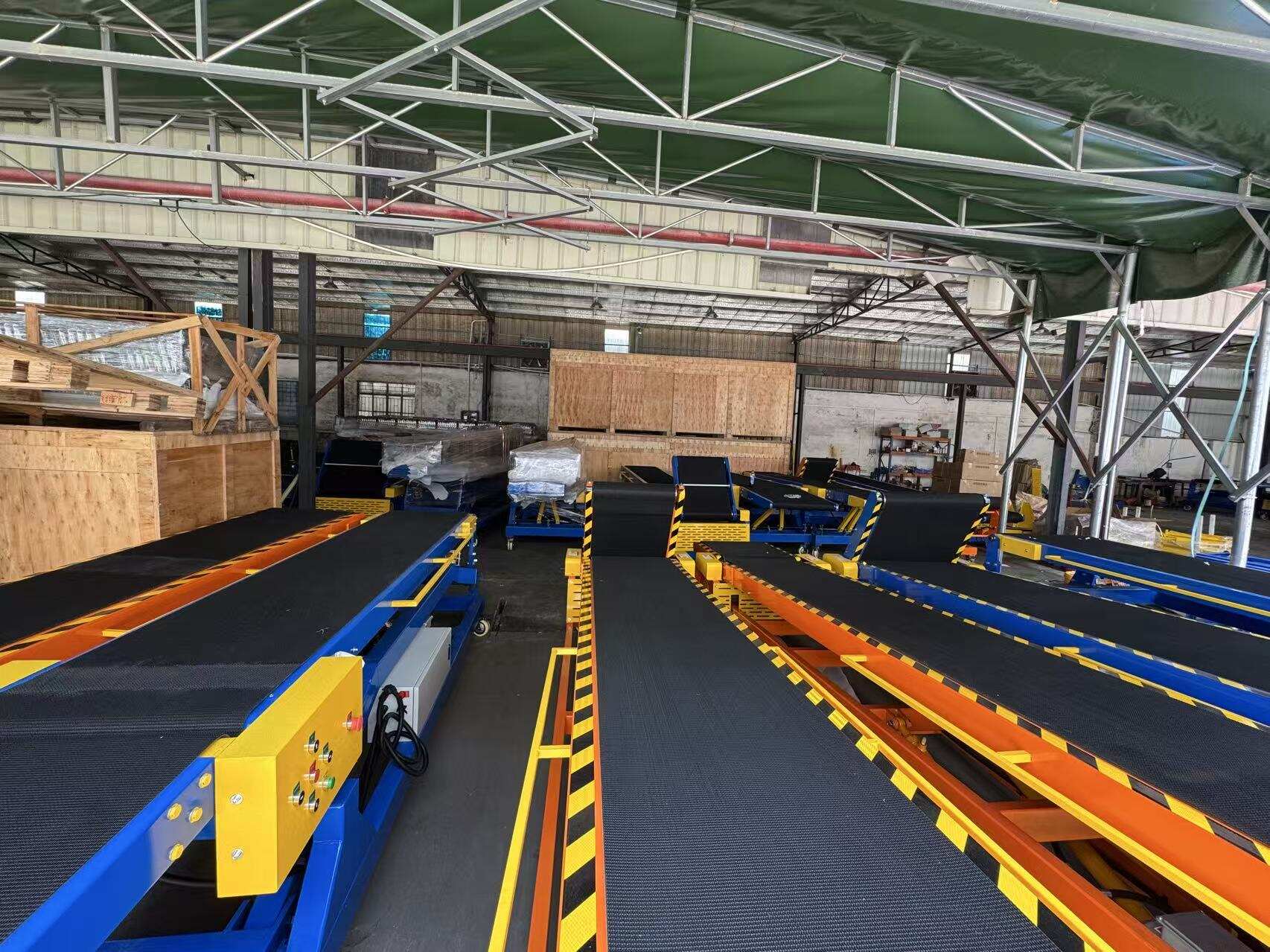
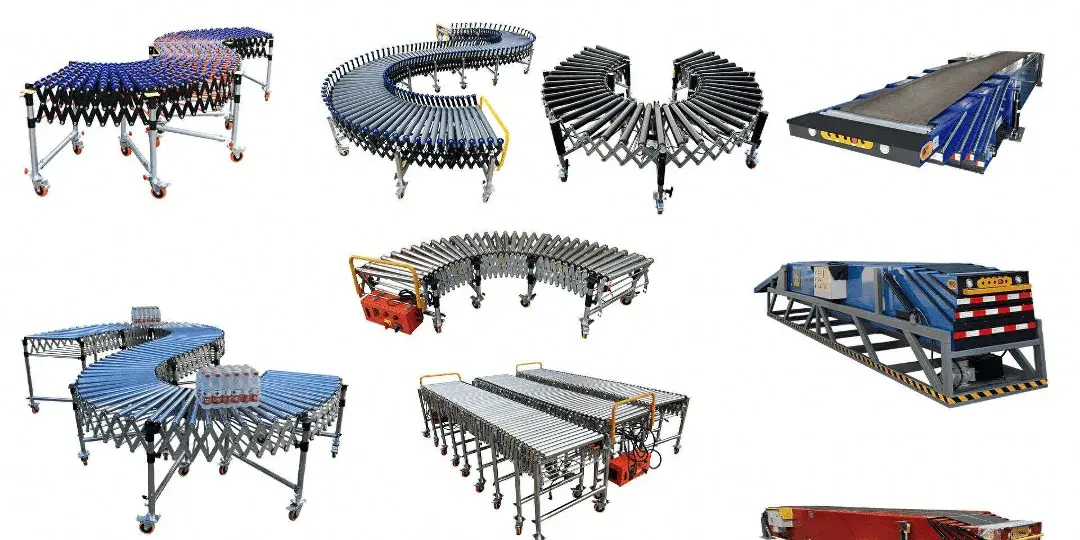
This product range covers a variety of operating conditions, including light loads, heavy loads, short-distance conveying, long-distance conveying, and height differences. It focuses on solving problems such as low manual handling efficiency, high labor intensity, and insufficient on-site adaptability. Different models have their own focuses in terms of drive method, conveying method, and mobile deployment, making them easy to combine according to the application scenario.
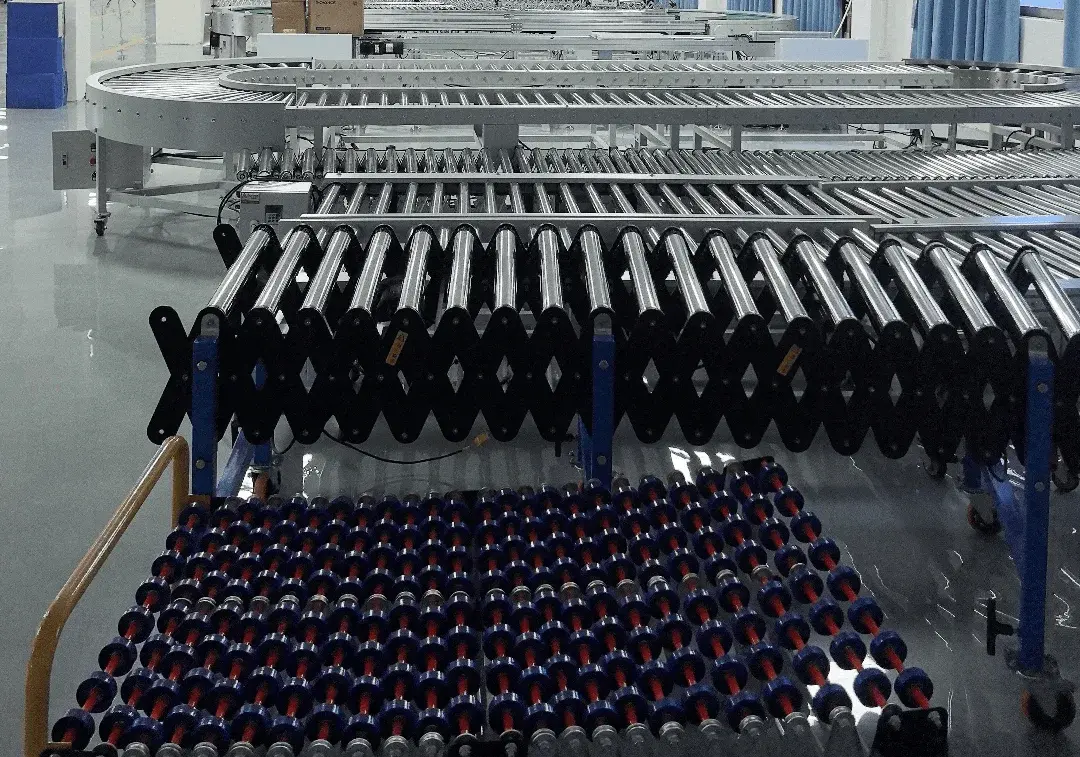
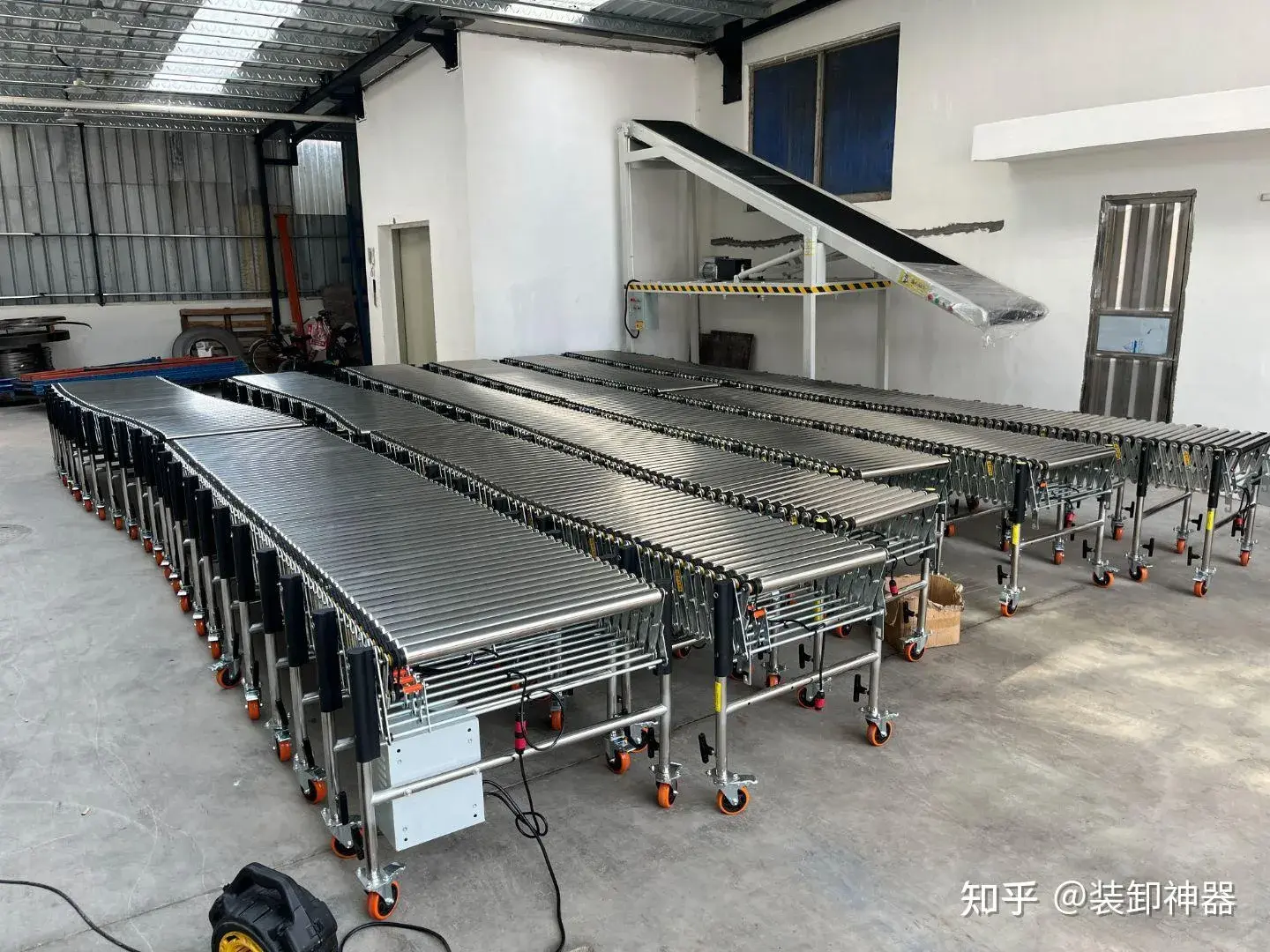
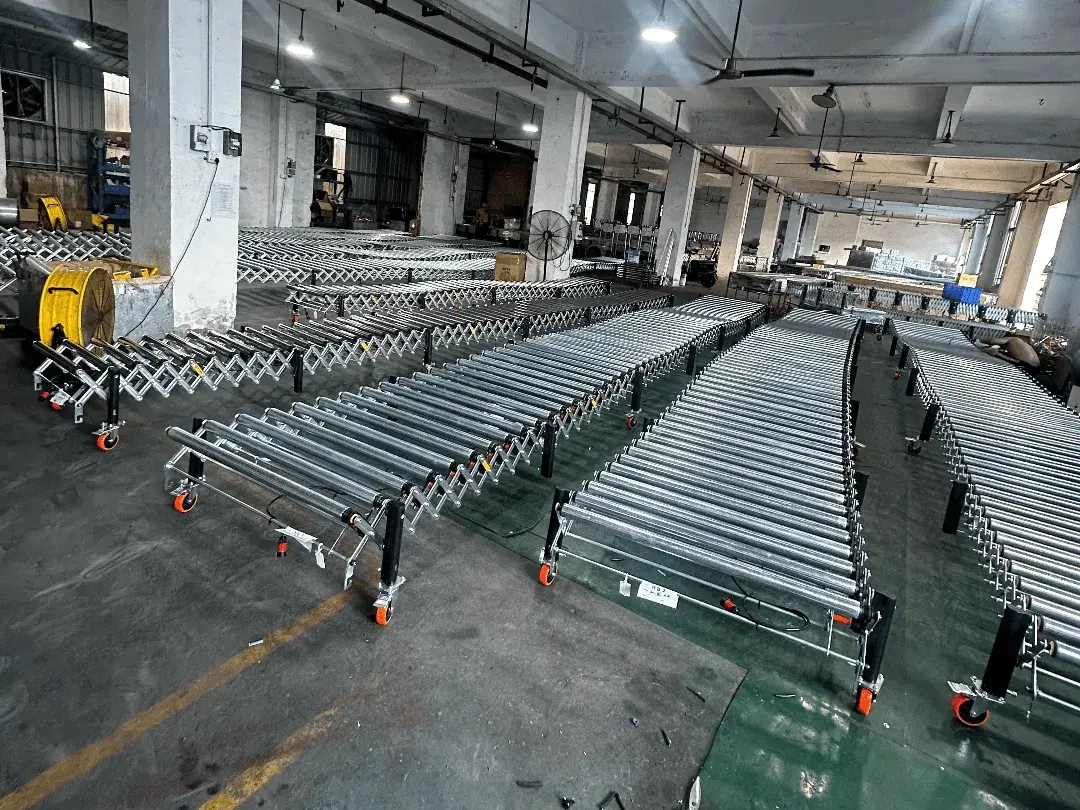
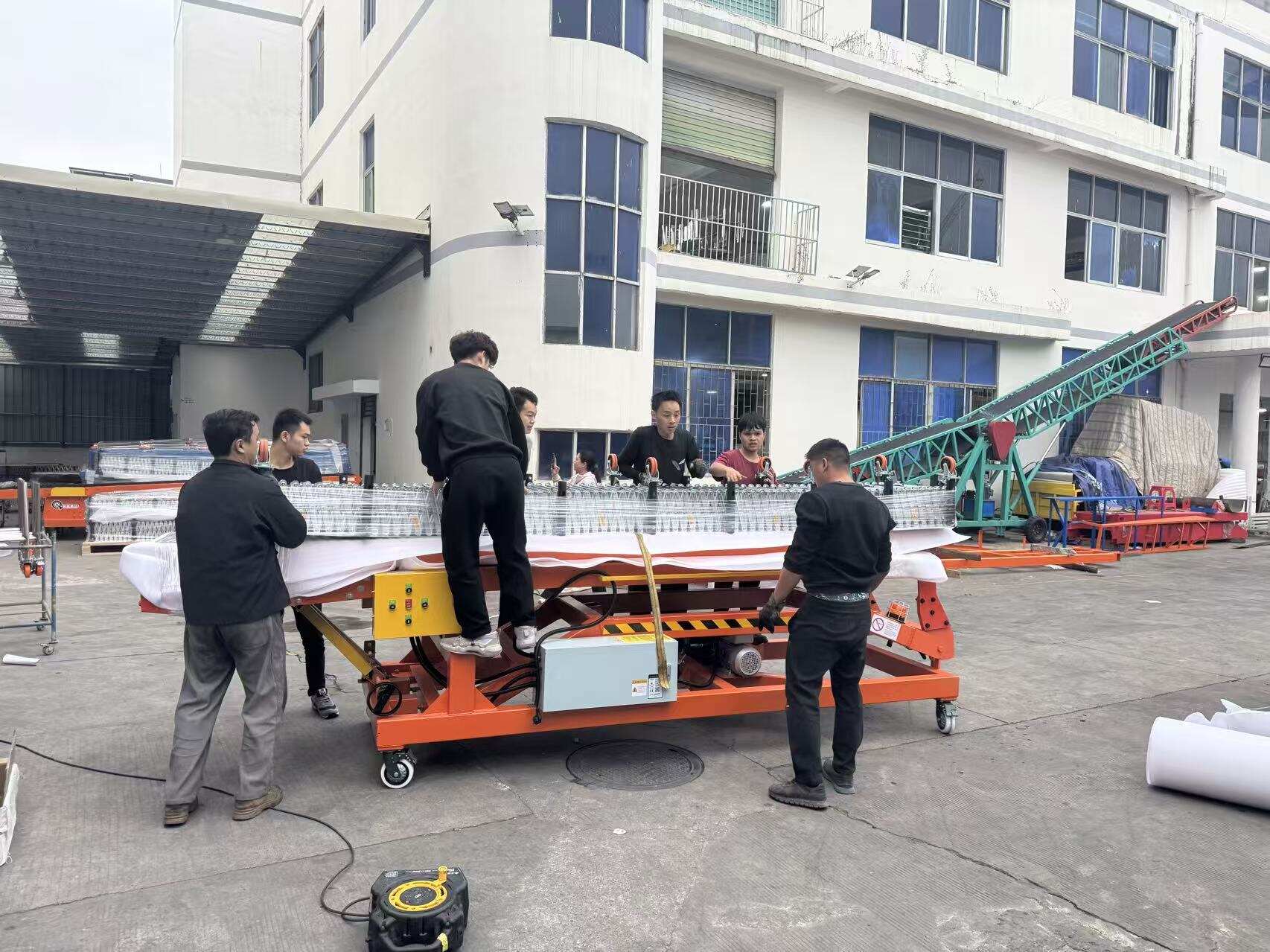
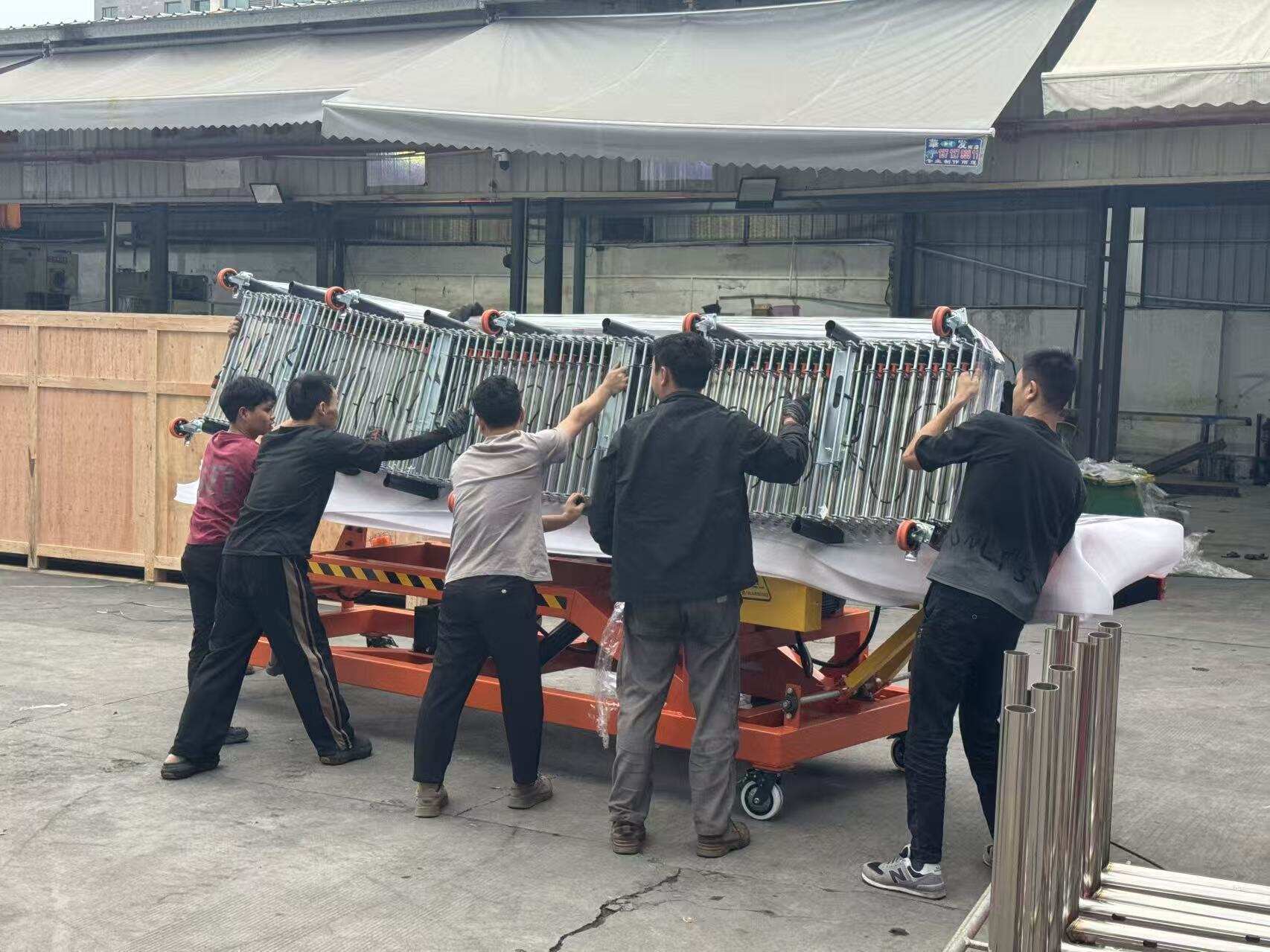
The powered roller series includes Powered Roller Conveyor, multi-wedge belt telescopic roller conveyors, powered roller lines, and multifunctional powered roller telescopic lines. This series adopts a motor-driven and multi-wedge belt transmission structure, delivering quiet and stable operation, uniform conveying speed, and reduced deviation, making it suitable for high-frequency continuous operation. The equipment supports variable frequency speed control, stepless speed adjustment, and forward/reverse operation, allowing it to match production line takt. It also adopts a modular splicing design and can be freely extended, turned, or lengthened in combination to adapt to different site layouts. The rubber-covered roller surface provides anti-slip and wear-resistant properties, helping reduce slipping and scratching of cartons, parcels, and hardware materials during conveying. It is suitable for heavy-load and large-volume continuous conveying.
Gravity Roller Conveyor is better suited for light-duty conveying scenarios with higher cost and energy-consumption requirements. It does not rely on motor drive and completes material flow through manual pushing or the material’s own weight. With a simple structure, zero energy consumption, and zero noise, it is also easier to maintain day to day. The equipment has a small footprint and flexible installation, making it suitable for short-distance transfer of conventional rigid materials, as well as for temporary goods storage and low-cost conveying at micro and small enterprises or small workstations.
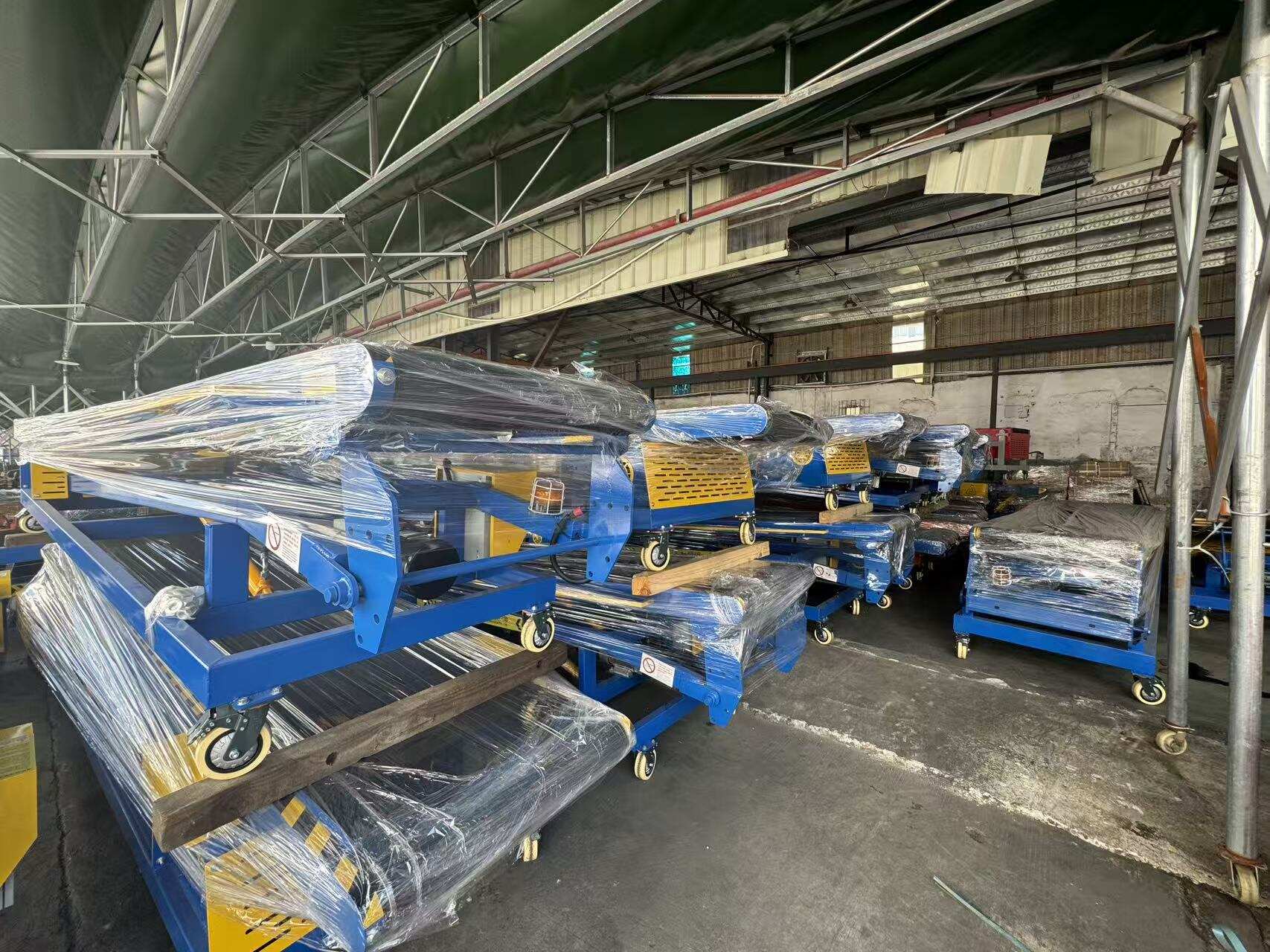
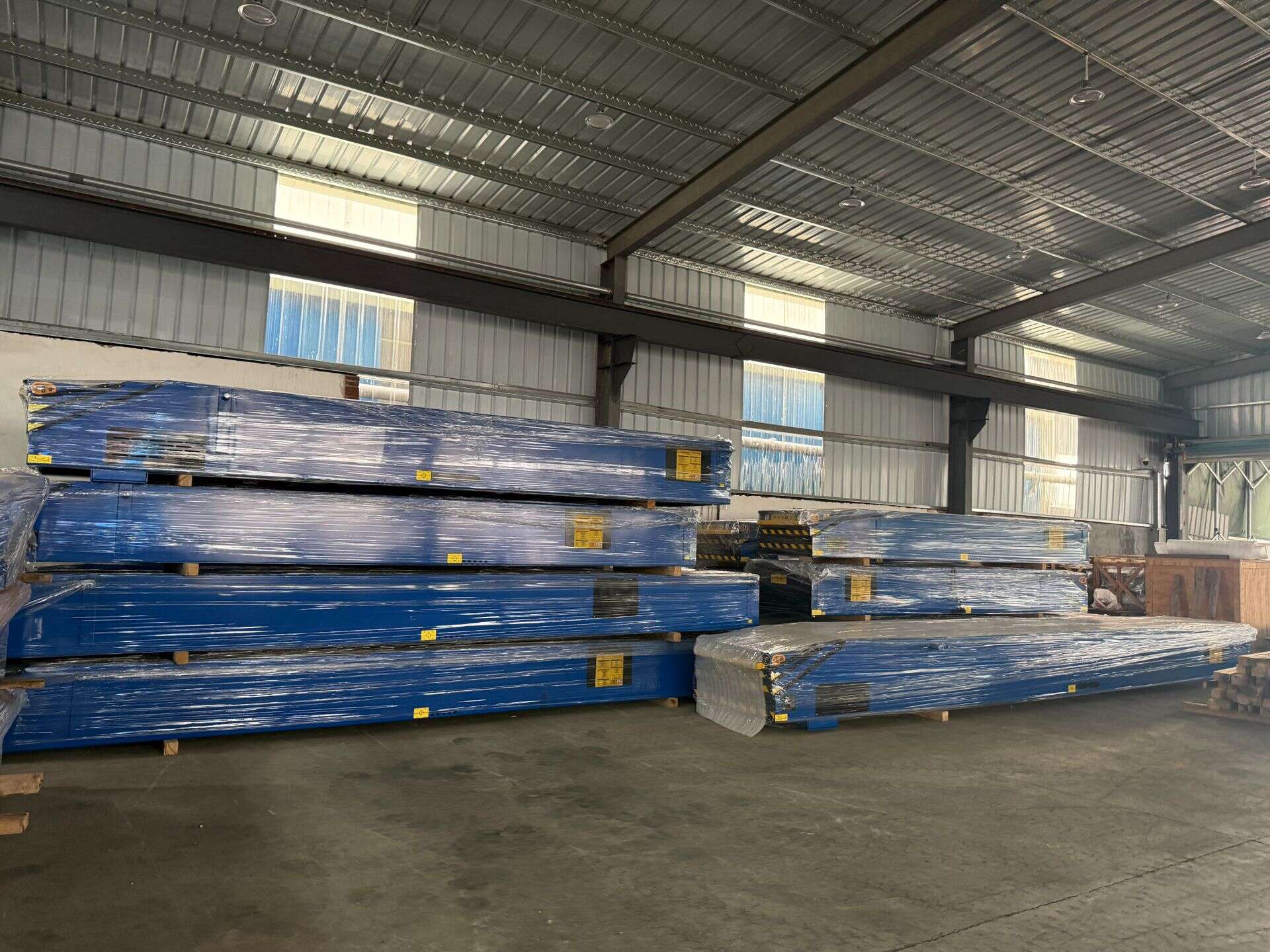
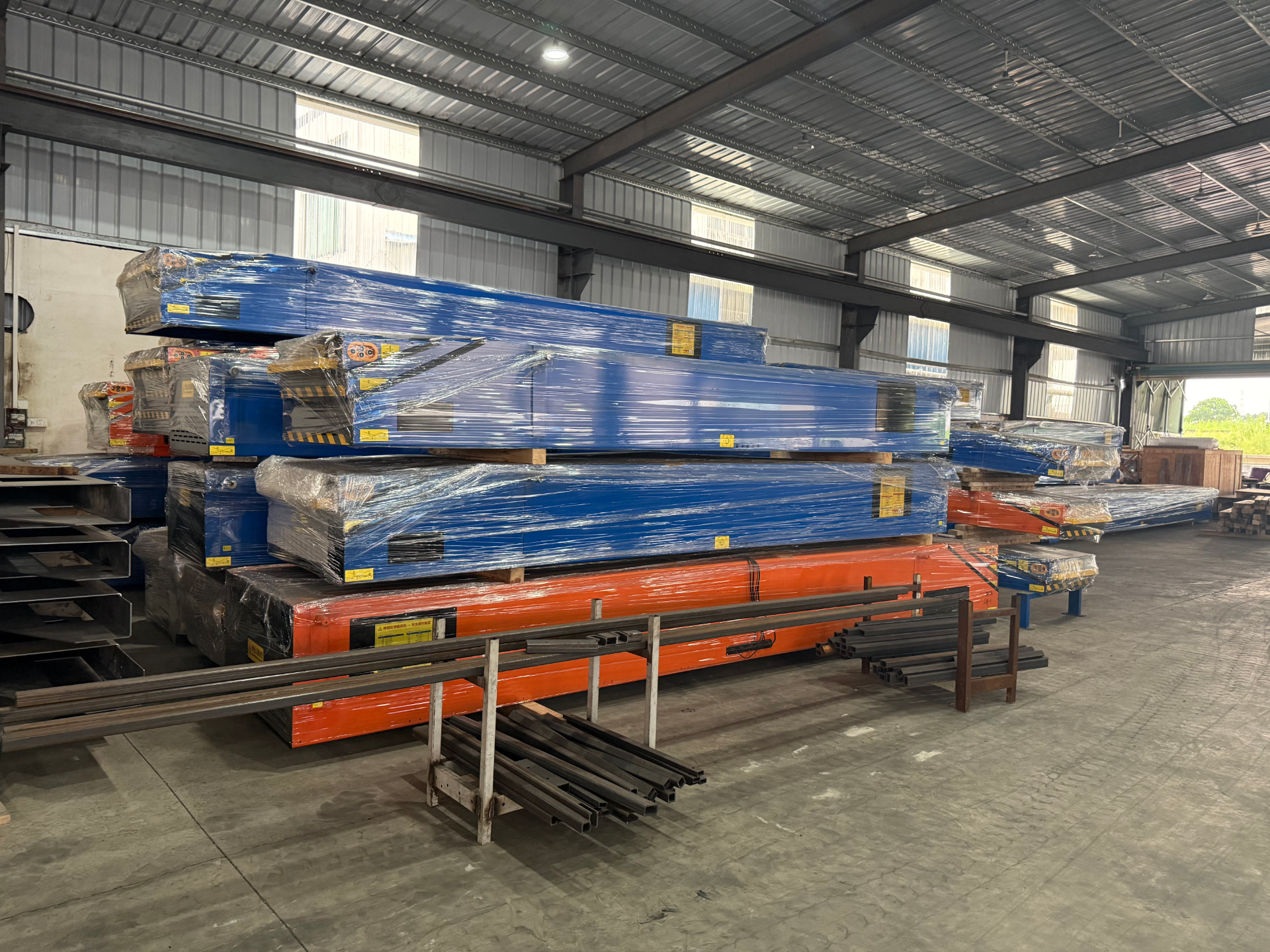
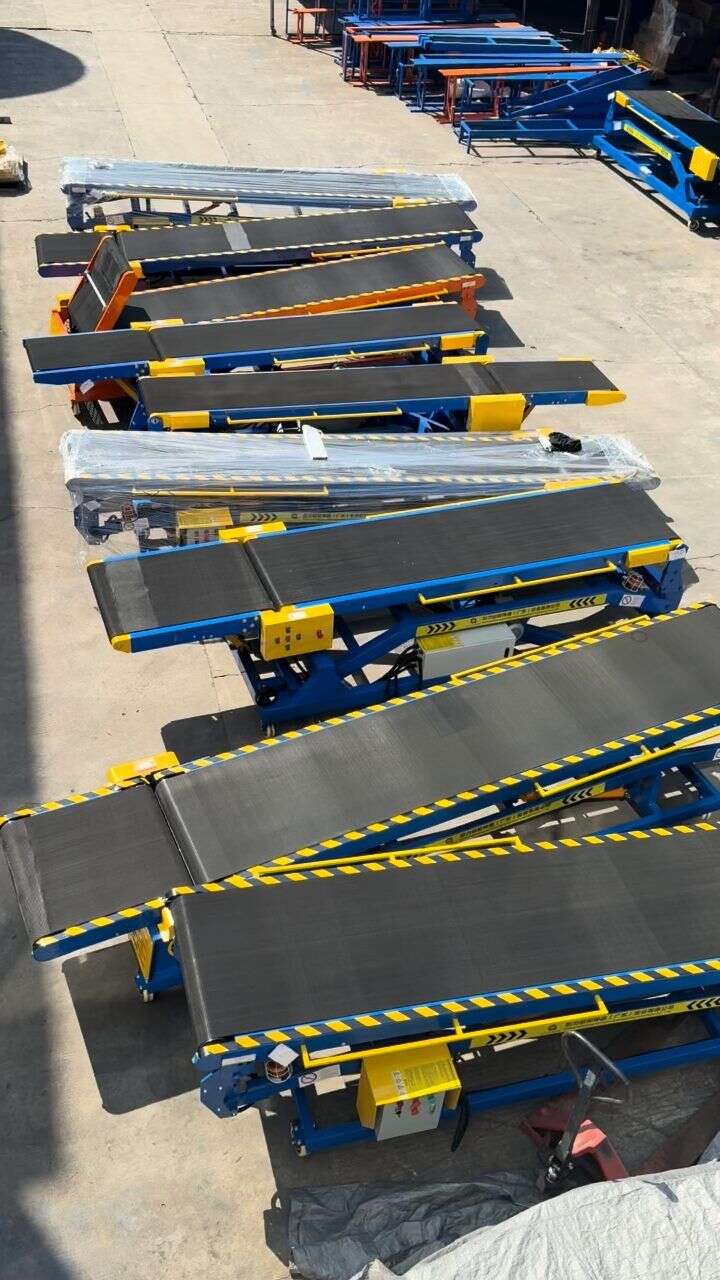
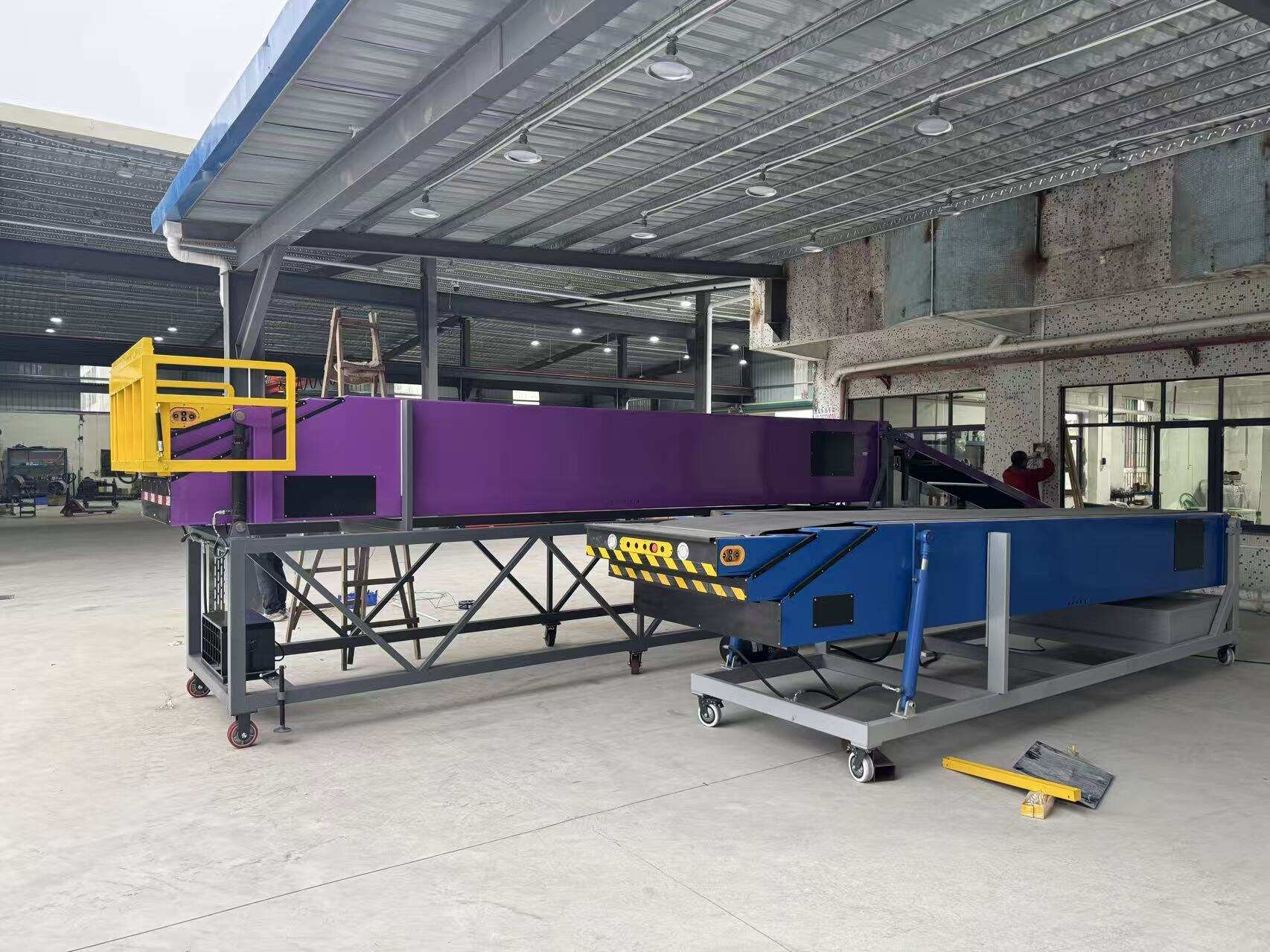
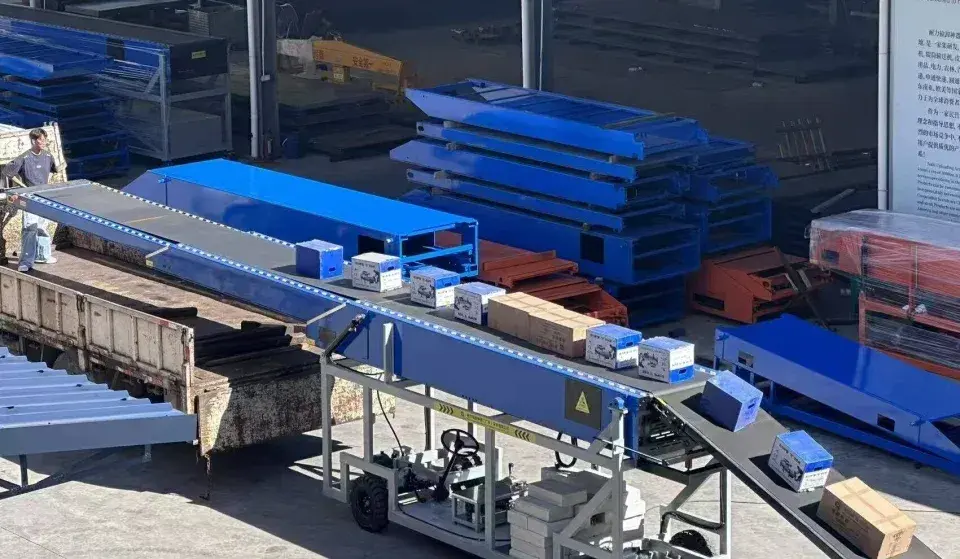
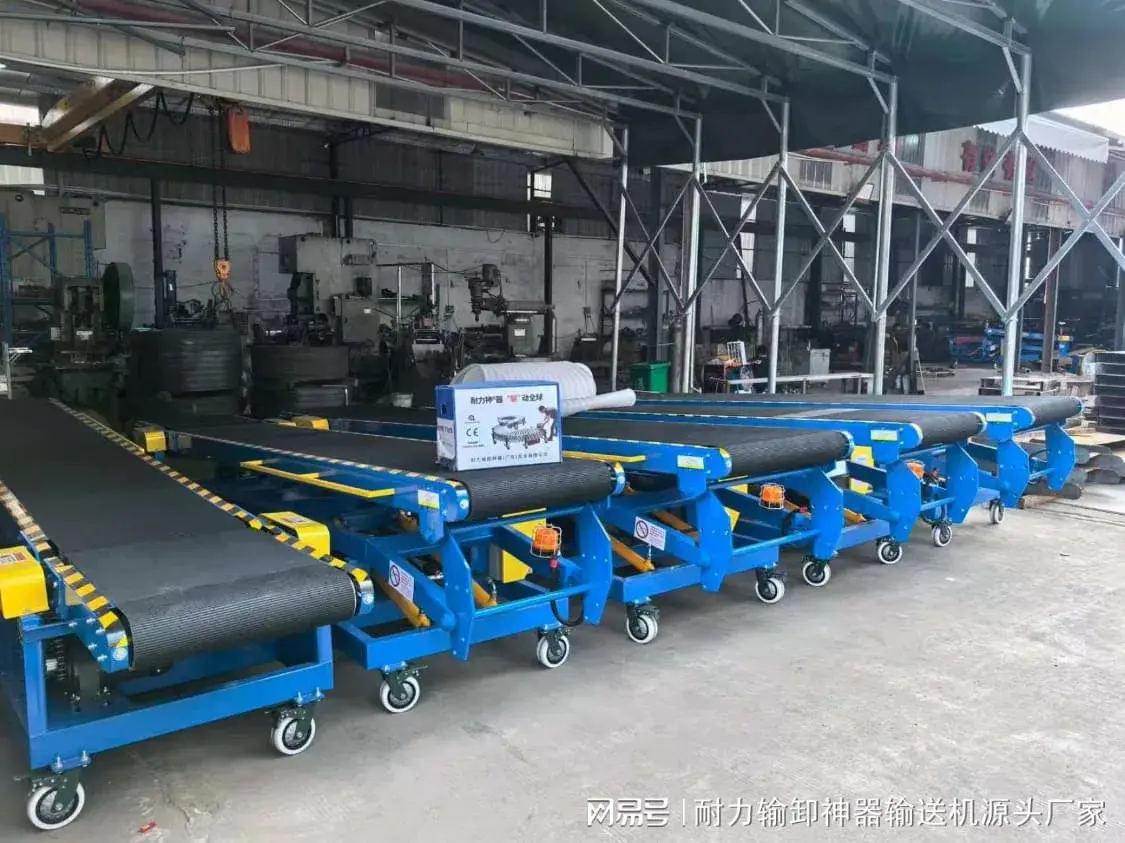
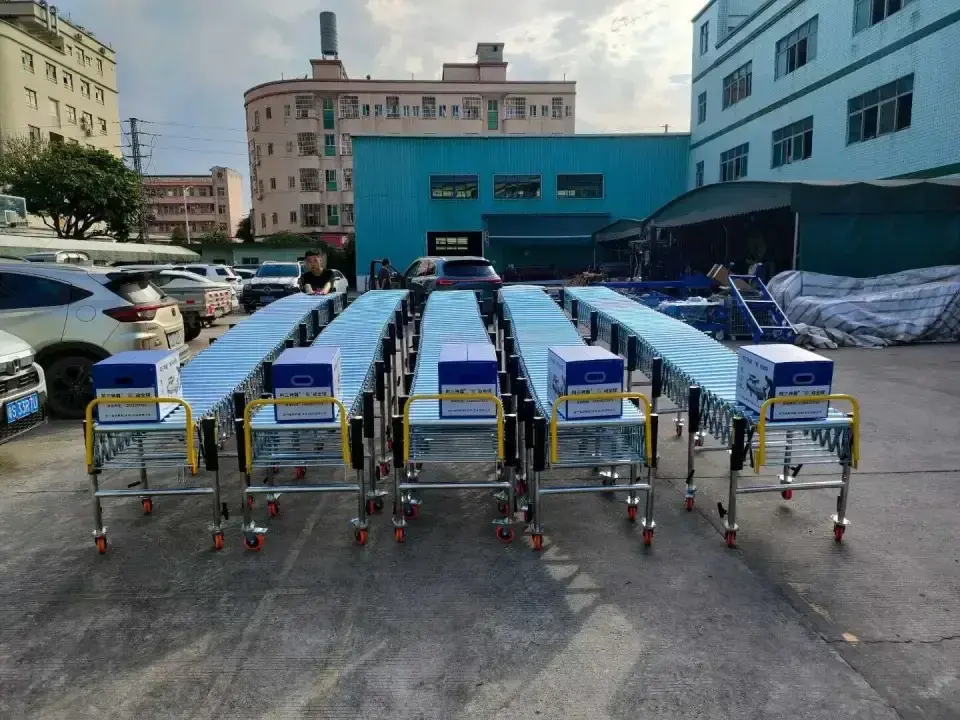
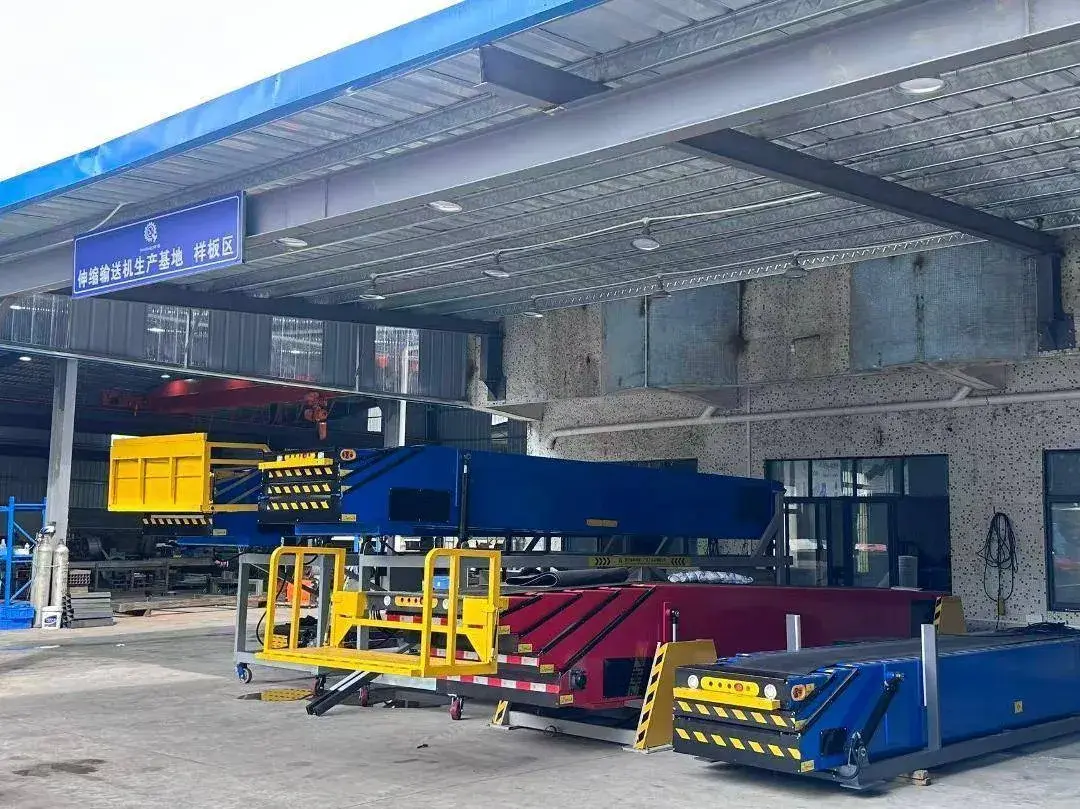
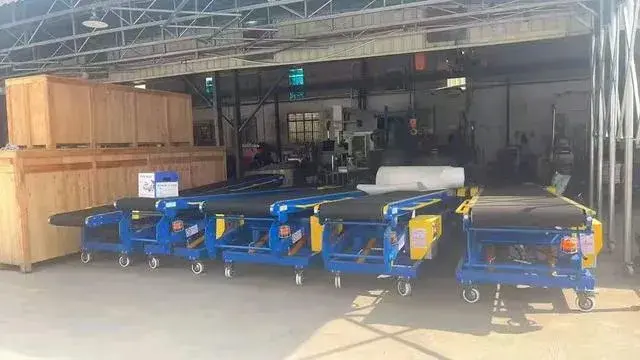
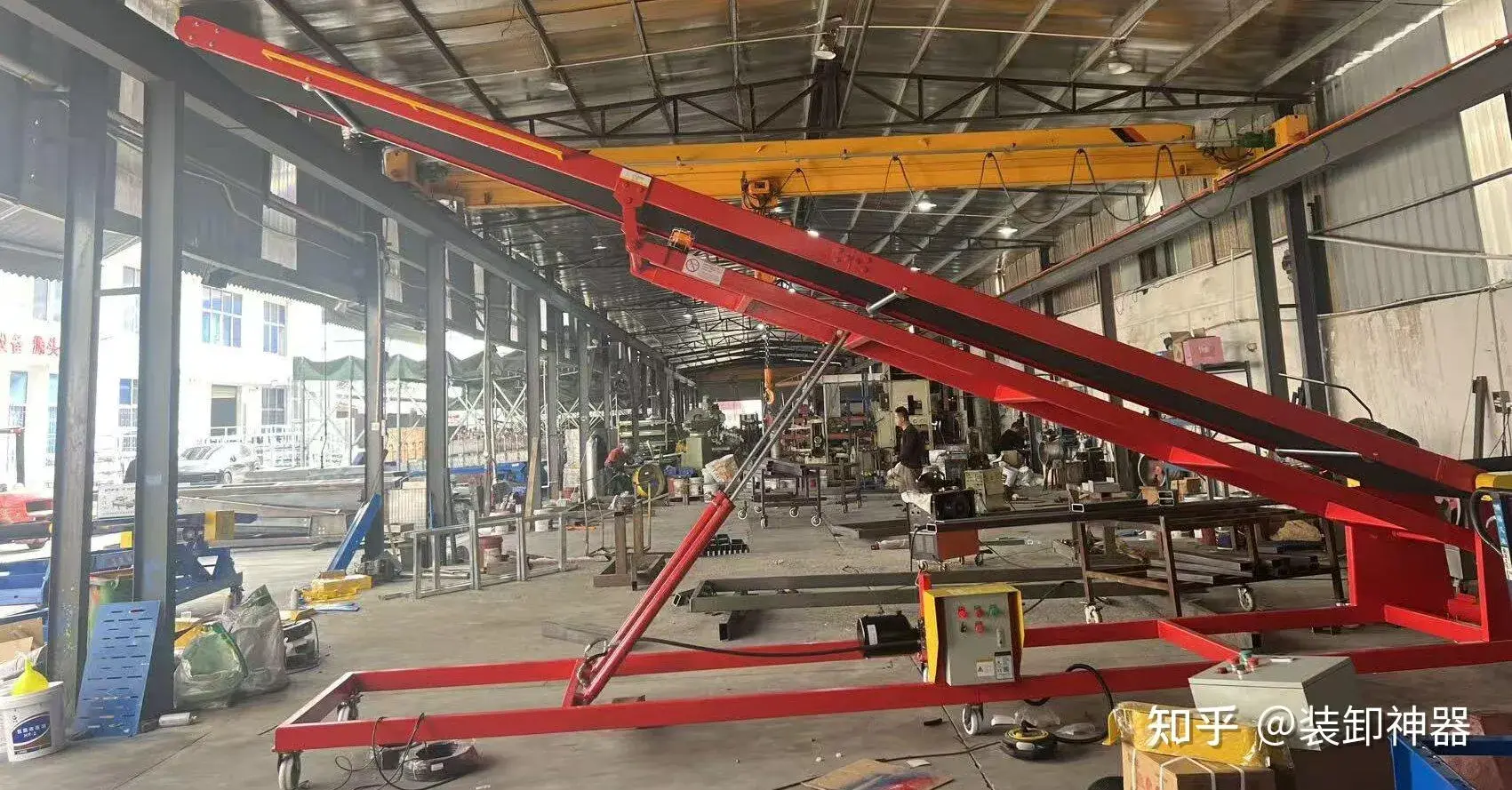
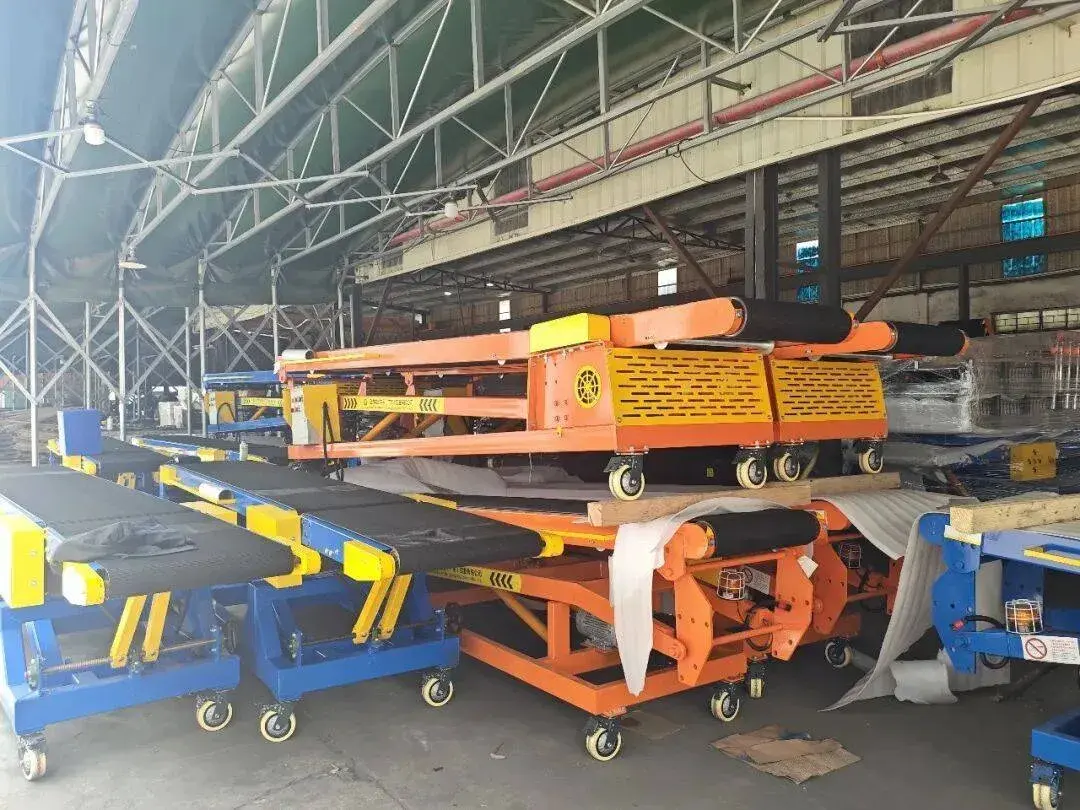
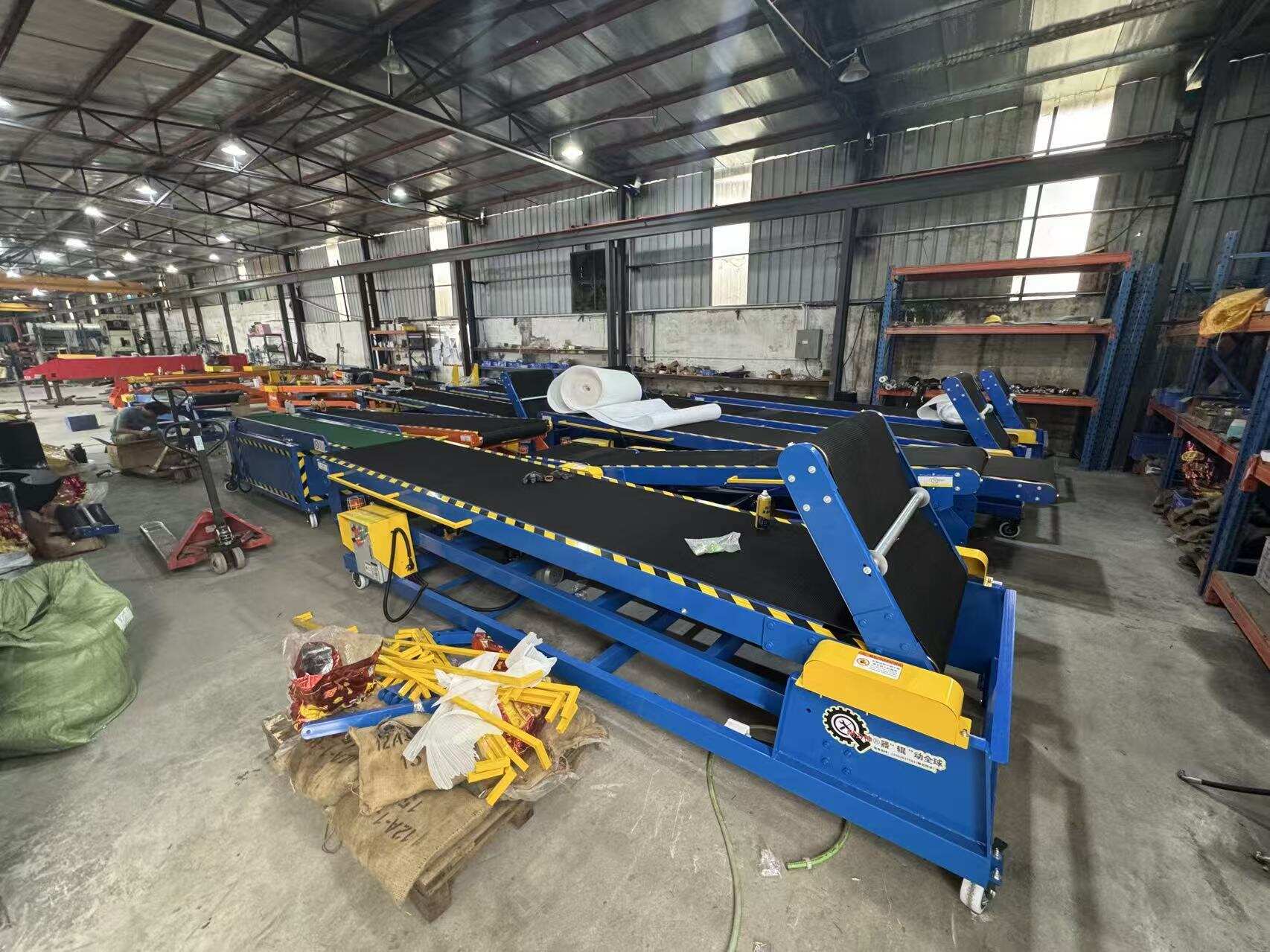
The telescopic conveying series includes telescopic belt conveyors and hydraulic Telescopic Conveyor, with the biggest feature being free extension and flexible retraction. When retracted, the equipment occupies little space; when extended, it can enter directly into semi-trailers, containers, or truck compartments, improving the inconvenience of loading and unloading deep inside the vehicle compartment. With a hydraulic adjustment system, the telescoping process is smoother and positioning is more precise, allowing adaptation to different compartment lengths and operating distances. This series is compatible with both belt conveying and roller conveying modes, offering quick deployment and convenient mobility, making it suitable for unloading operations that require frequent entry into and exit from vehicle compartments.
Which industries are the main application scenarios concentrated in?
These types of equipment have a relatively wide range of applications, covering multiple industries such as logistics, e-commerce, manufacturing, warehousing, and light industry. They can connect processes such as mass production, express parcel sorting, truck unloading, workshop transfer, and finished product outbound handling. Different models are not used in isolation; instead, they undertake their respective conveying tasks according to the on-site workflow.
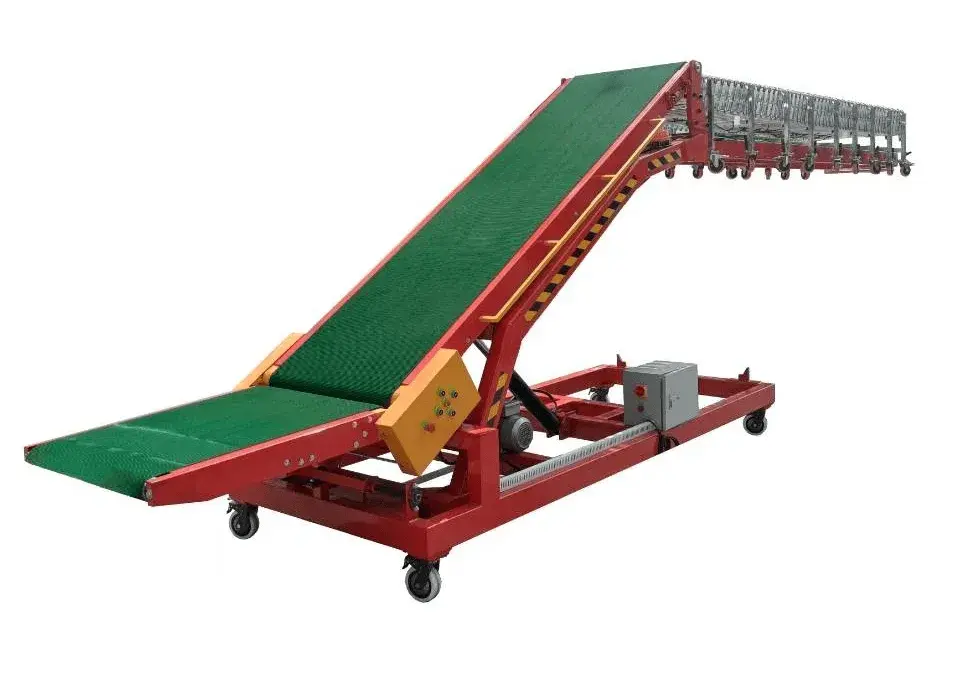
In logistics express delivery and e-commerce warehousing scenarios, telescopic belt conveyors, hydraulic Telescopic Conveyors, and multifunctional powered roller telescopic lines can be used for fast loading and unloading of trucks and containers. Multi-wedge belt telescopic roller conveyors and powered roller lines are suitable for warehouse sorting, parcel transfer, inbound handling, and outbound handling. Skate wheel conveyors are more suitable for diverting, sorting, and multi-angle transfer of small parcels. Hydraulic lifting incline conveyors are suitable for loading and unloading operations where there is a height difference between the dock and the truck.
In industrial production and smart manufacturing scenarios, factories in automotive manufacturing, home appliance production, hardware processing, electronic precision manufacturing, food, pharmaceuticals, and other industries often use Powered Roller Conveyors, powered roller lines, and roller conveying equipment to connect production lines and complete automated transfer, circulation, and conveying of parts, finished products, and turnover boxes. Gravity Roller Conveyors are more commonly used for short-distance transfer between workshop stations, temporary material storage, and process connection, making them suitable for lightweight, intermittent operating rhythms.
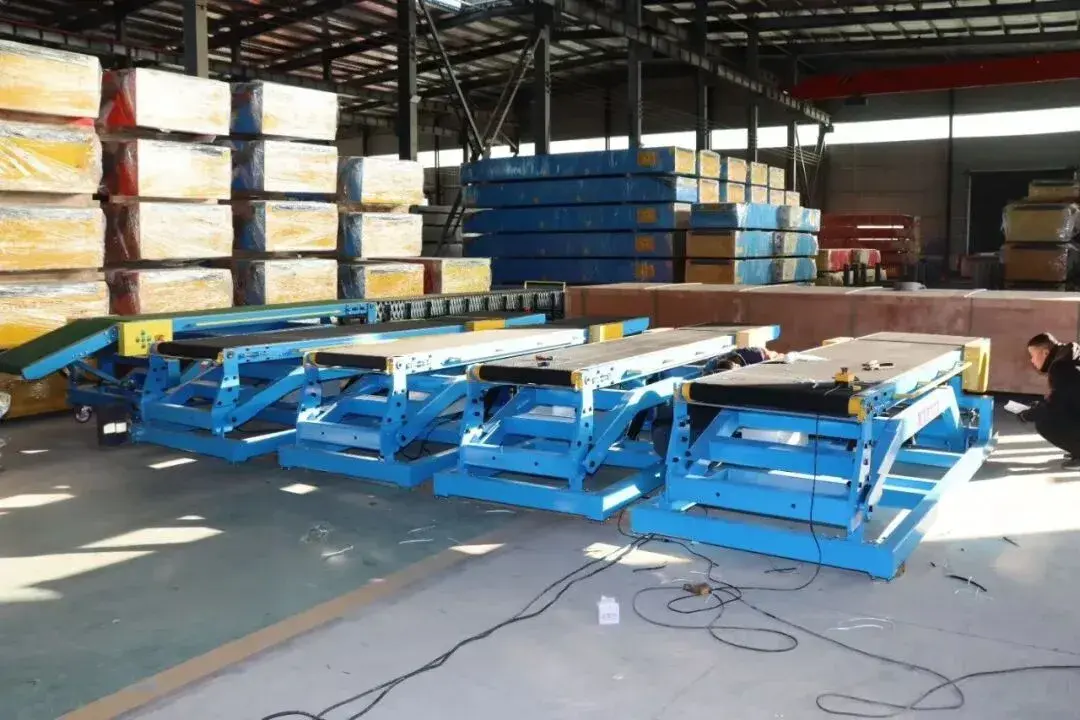
In warehousing, freight, loading/unloading, and transfer scenarios, hydraulic lifting incline conveyors and automatic incline unloading equipment can solve height difference issues between trucks, the ground, and docks, making them suitable for loading and unloading goods, pallet transfer, and finished product stacking. Telescopic conveying equipment can be quickly extended or retracted according to changes in vehicle type and site conditions, reducing the time consumption and labor pressure caused by traditional manual handling.
In light industry and small-item material processing scenarios, skate wheel conveyors and light-duty Powered Roller Conveyors are more suitable for processes such as small commodity processing, electronic accessories, and packaging processing. They are suitable for conveying and sorting loose, small, and irregularly shaped materials, and also make it easier to perform multi-angle transfers in small workshops.
What practical value should be given more attention when selecting a model?
From the perspective of overall application results, the value of this type of equipment is mainly reflected in three aspects: first, it adapts to a wide range of working conditions; second, it operates stably; and third, it can reduce manual handling. For enterprises, what truly matters is not simply pursuing the number of machines, but making conveying, transfer, and unloading processes smoother, thereby improving overall operational efficiency.
For scenarios requiring continuous conveying and cycle control, the powered roller series is more suitable. For short-distance transfer and low-cost deployment, Gravity Roller Conveyors are more practical. For logistics sites with frequent truck loading and unloading, the advantages of telescopic conveying series are more direct. For unloading and transfer with height differences, hydraulic lifting incline conveyors are more targeted. For small, loose materials that require flexible diverting, skate wheel conveyors are more likely to be effective.
Overall, these conveying and unloading equipment can serve various scenarios such as logistics, manufacturing, warehousing, and light industry, helping enterprises reduce the intensity of manual handling and improve conveying, loading, and unloading efficiency. They are a relatively practical equipment choice for automated transfer processes.