Naili Conveyor
Check the Manufacturer's Credentials First, Then Its Production and Quality Control Capabilities
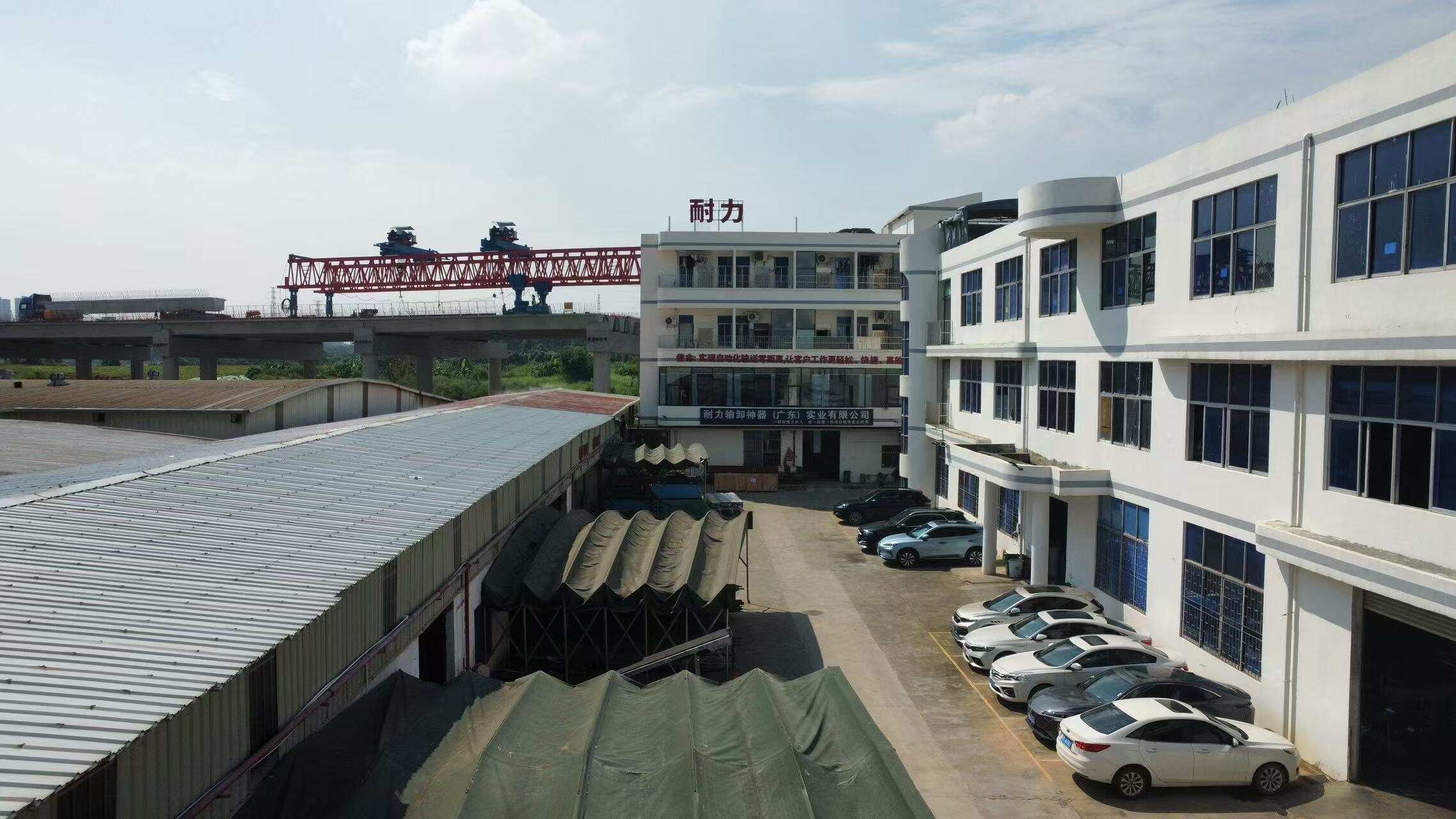
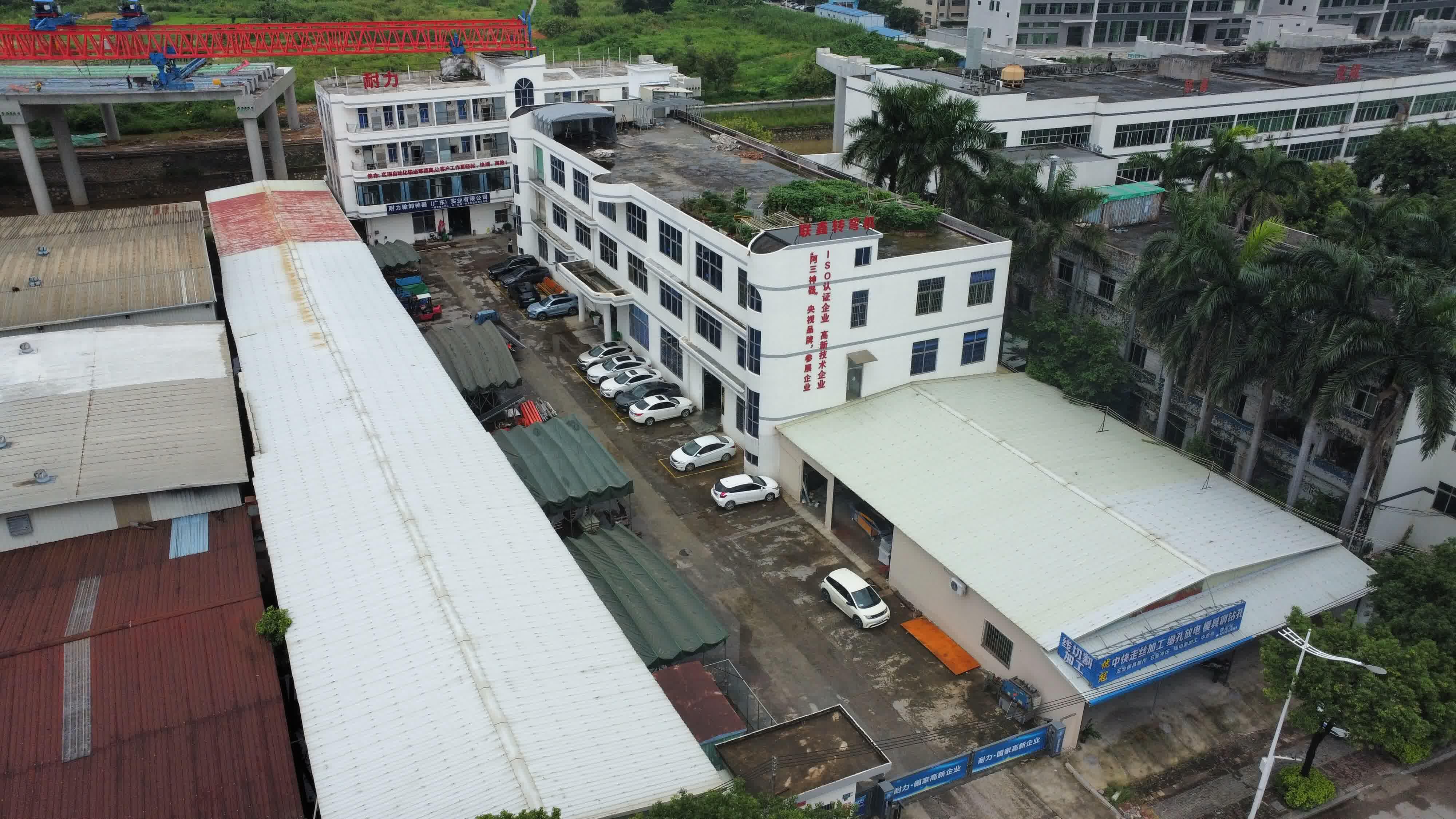
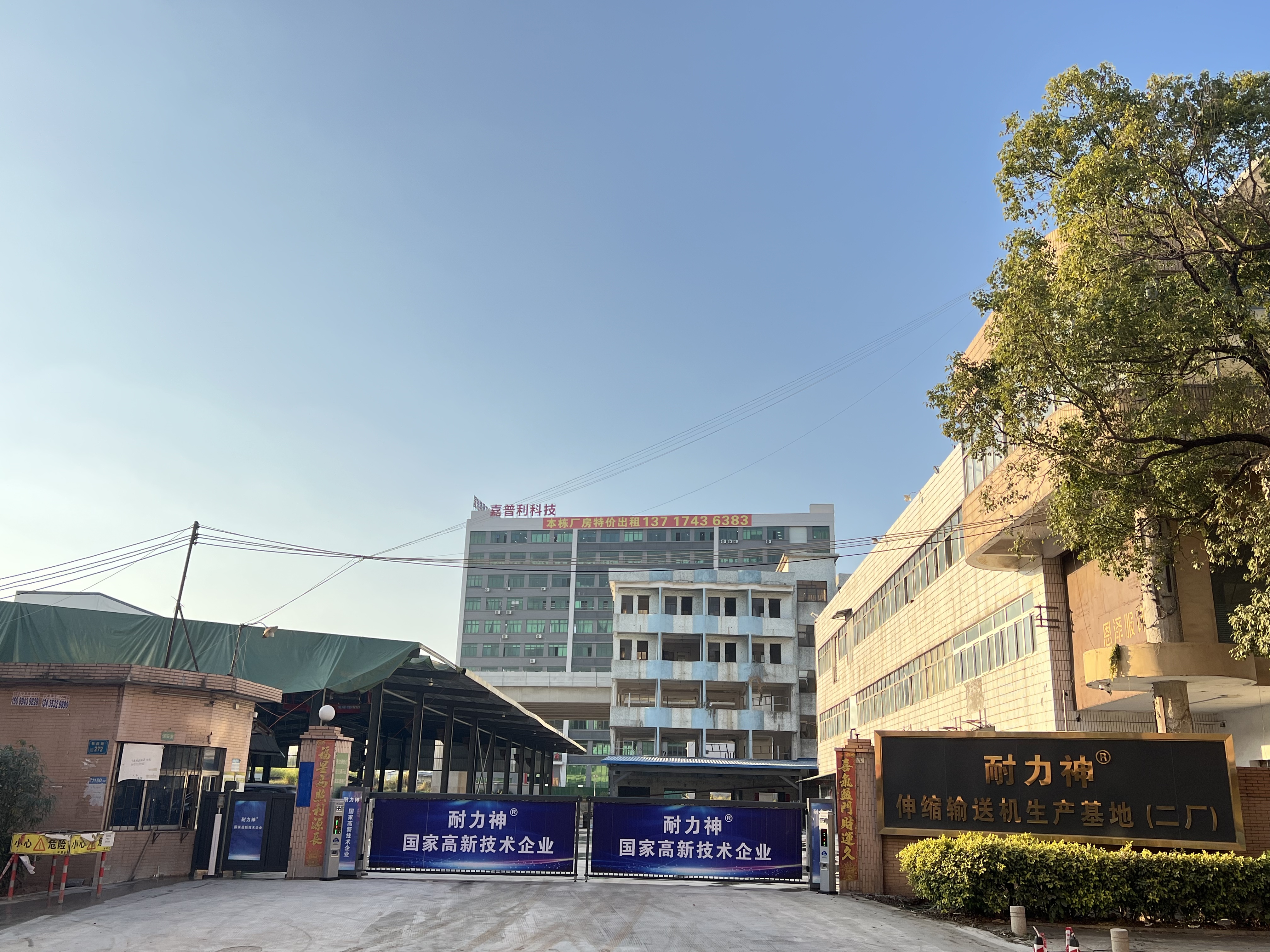
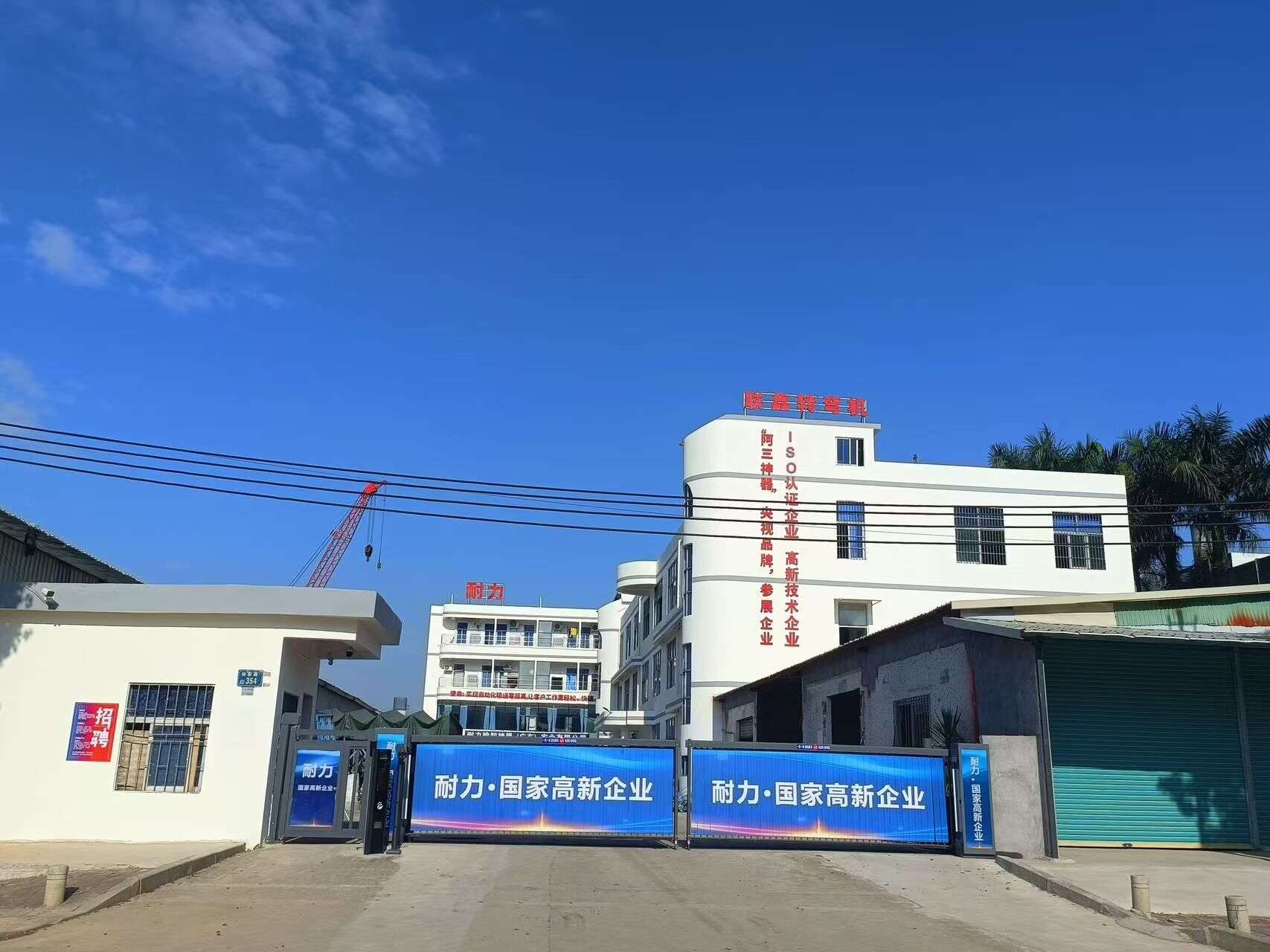
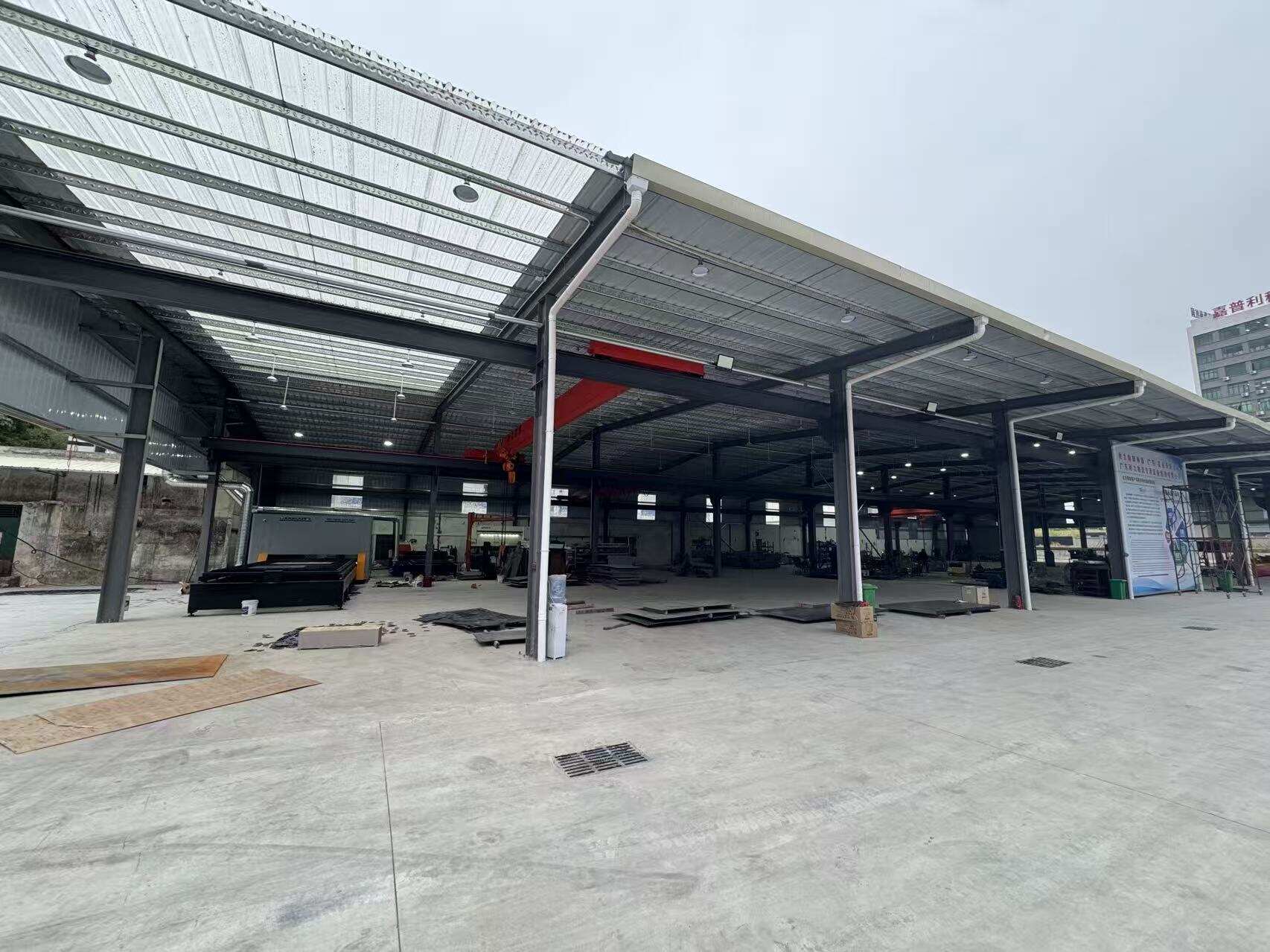
As smart logistics and intelligent manufacturing continue to advance, conveying equipment has become essential for warehouse sorting, cargo loading and unloading, and material flow along production lines. For businesses, how well equipment performs depends not only on the specifications of the individual unit, but also on whether the manufacturer has proper production credentials, standardized quality management, and reliable delivery capabilities. Compared with unqualified small-scale workshops, established manufacturers with comprehensive systems are better equipped to control every stage, from raw materials and processing to assembly, testing, and final acceptance, thereby reducing equipment failure rates and ongoing maintenance costs.
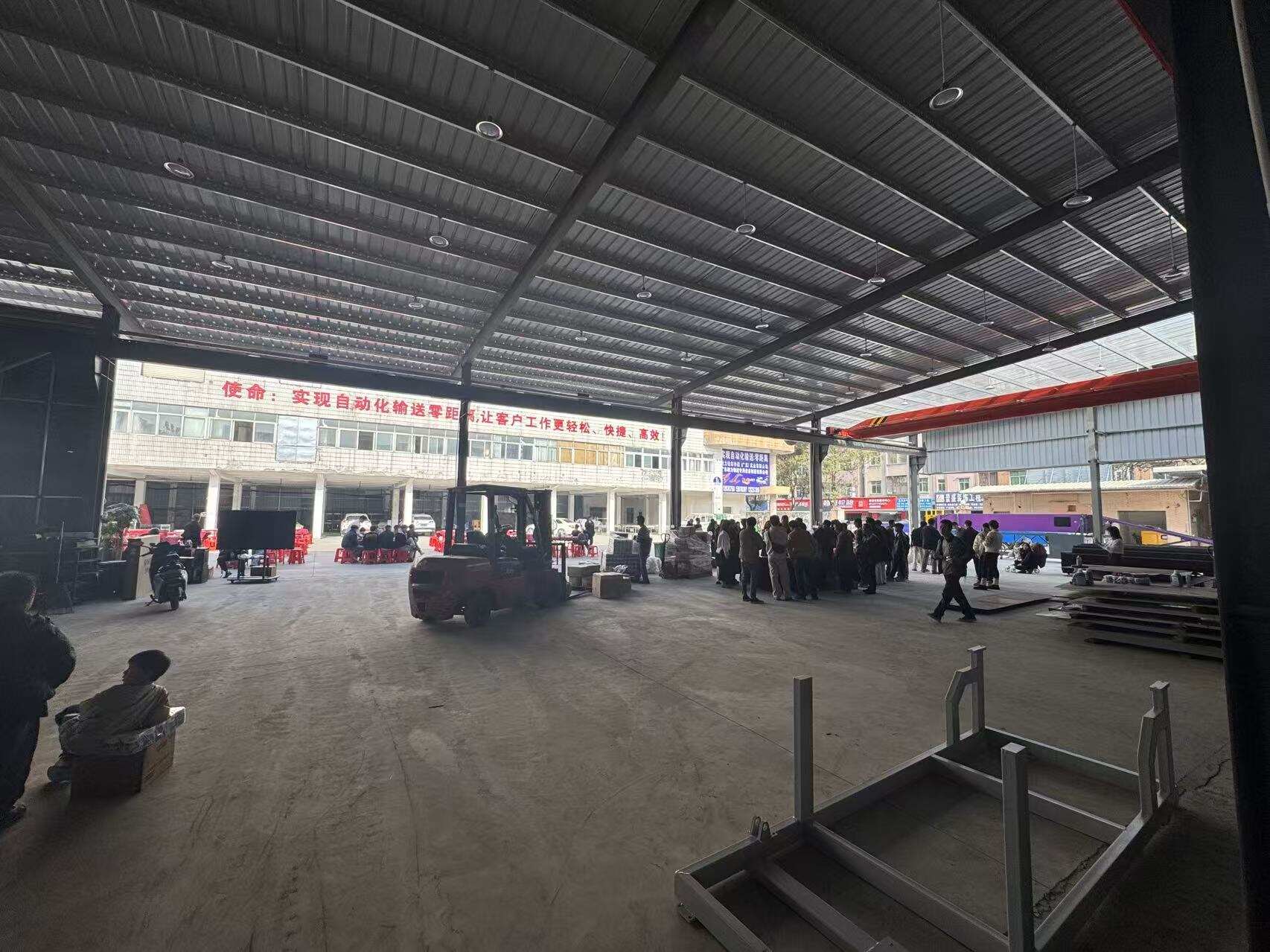
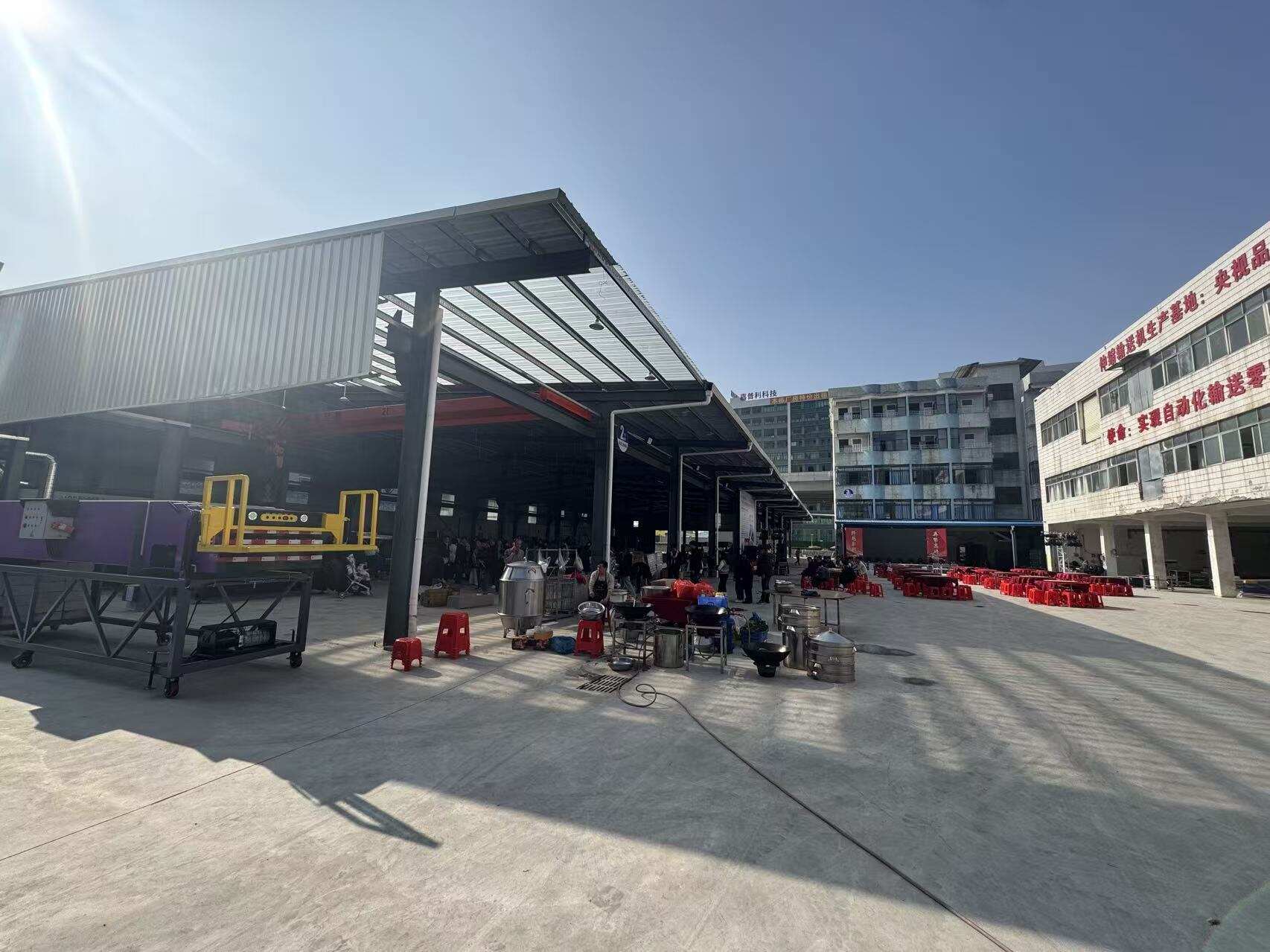
From the perspective of industry trends, logistics equipment is rapidly advancing toward greater automation, standardization, and efficiency. Factories, warehousing and distribution centers, logistics delivery operations, ports, and other settings are becoming increasingly dependent on conveying equipment. Manufacturers that can consistently meet these demands are typically those with standardized production capabilities, comprehensive service systems, and reliable quality control.
How Standardization Systems Affect Equipment Stability
In the procurement of logistics conveying equipment, a quality management system is an important basis for evaluating a manufacturer's capabilities. Passing ISO 9001 quality management system certification indicates that the manufacturer can apply its control requirements throughout raw material procurement, component processing, equipment assembly, finished-product testing, and factory acceptance inspections. These processes reduce production inconsistencies and make equipment performance more controllable in terms of stability, durability, and adaptability.
In addition to standardized production, service processes are also crucial. Mature manufacturers typically connect production, quality control, and after-sales support into a complete closed loop: the production stage emphasizes modularization and standardized operations; the quality control stage tests indicators such as load capacity, operating stability, conveying accuracy, wear resistance, and safety protection; and the after-sales stage covers installation and commissioning, routine maintenance, fault repairs, technical consultation, and replacement of spare parts. For companies that require long-term operation, this type of system can directly affect equipment service life and the risk of downtime.
Which Applications Are Mainstream Logistics Conveying Equipment Suited For?
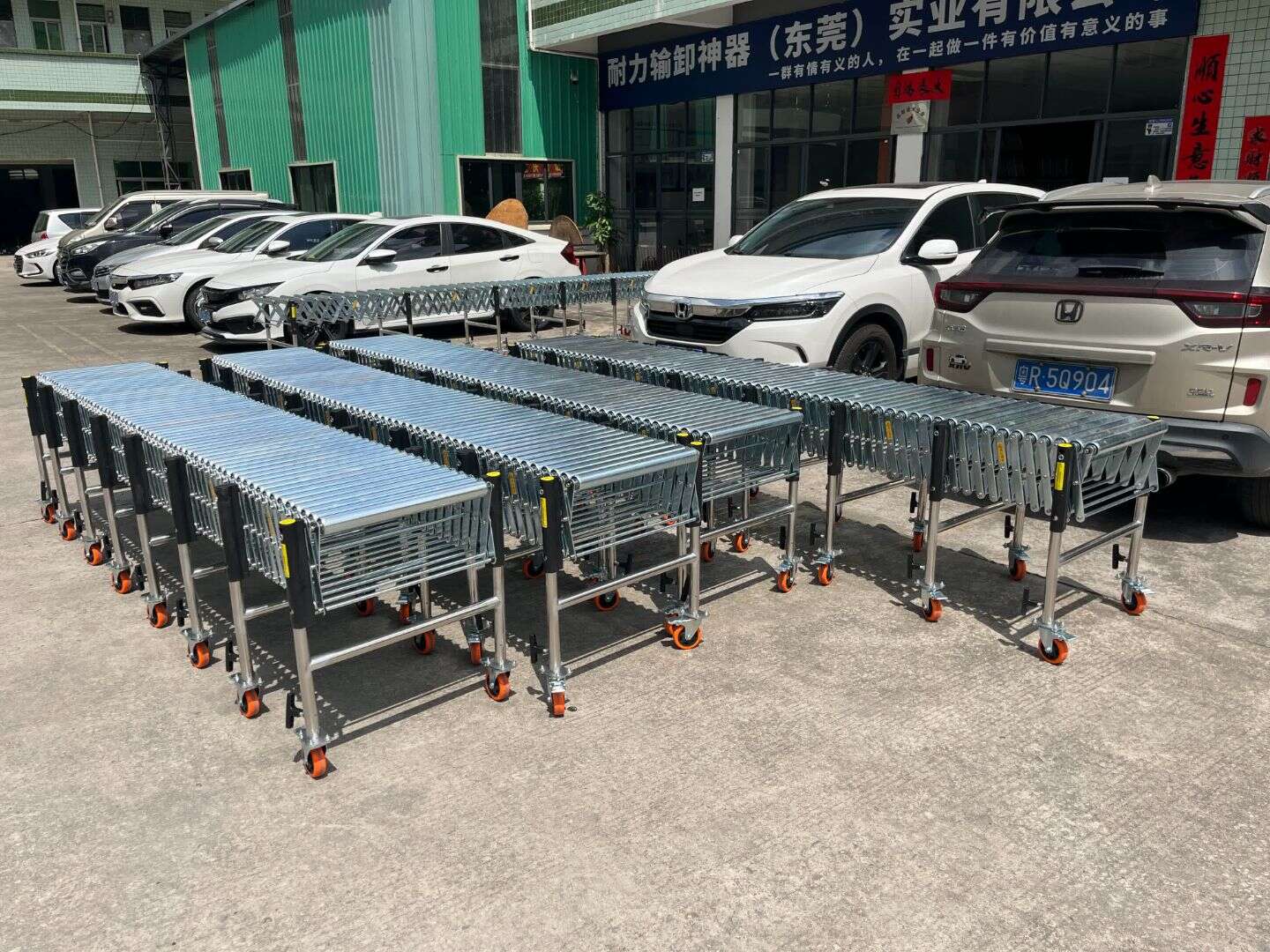
Different operating scenarios have very different requirements for conveying equipment. Gravity Skate Wheel Conveyor is suitable for the smooth transfer of cartons, parcels, and boxed goods. It requires no electric drive and offers energy savings, convenient assembly and disassembly, and flexible configuration. It is suitable for small and medium-sized warehouses, short-distance transfers on production lines, and temporary sorting operations. Gravity Roller Conveyor is better suited to the line transfer of heavy boxes and regularly shaped goods. With a sturdy structure and good wear resistance, it is commonly used for material movement on factory production lines and the consolidation of warehouse goods.
If a company needs more efficient and continuous automated conveying, Powered Roller Conveyor is better suited to batch sorting and transfer operations. It is equipped with a variable-frequency speed control system, allowing the speed to be adjusted according to cargo specifications and conveying requirements. It operates smoothly with low noise and can connect with automated sorting systems and warehouse production lines, making it suitable for modern intelligent logistics systems.
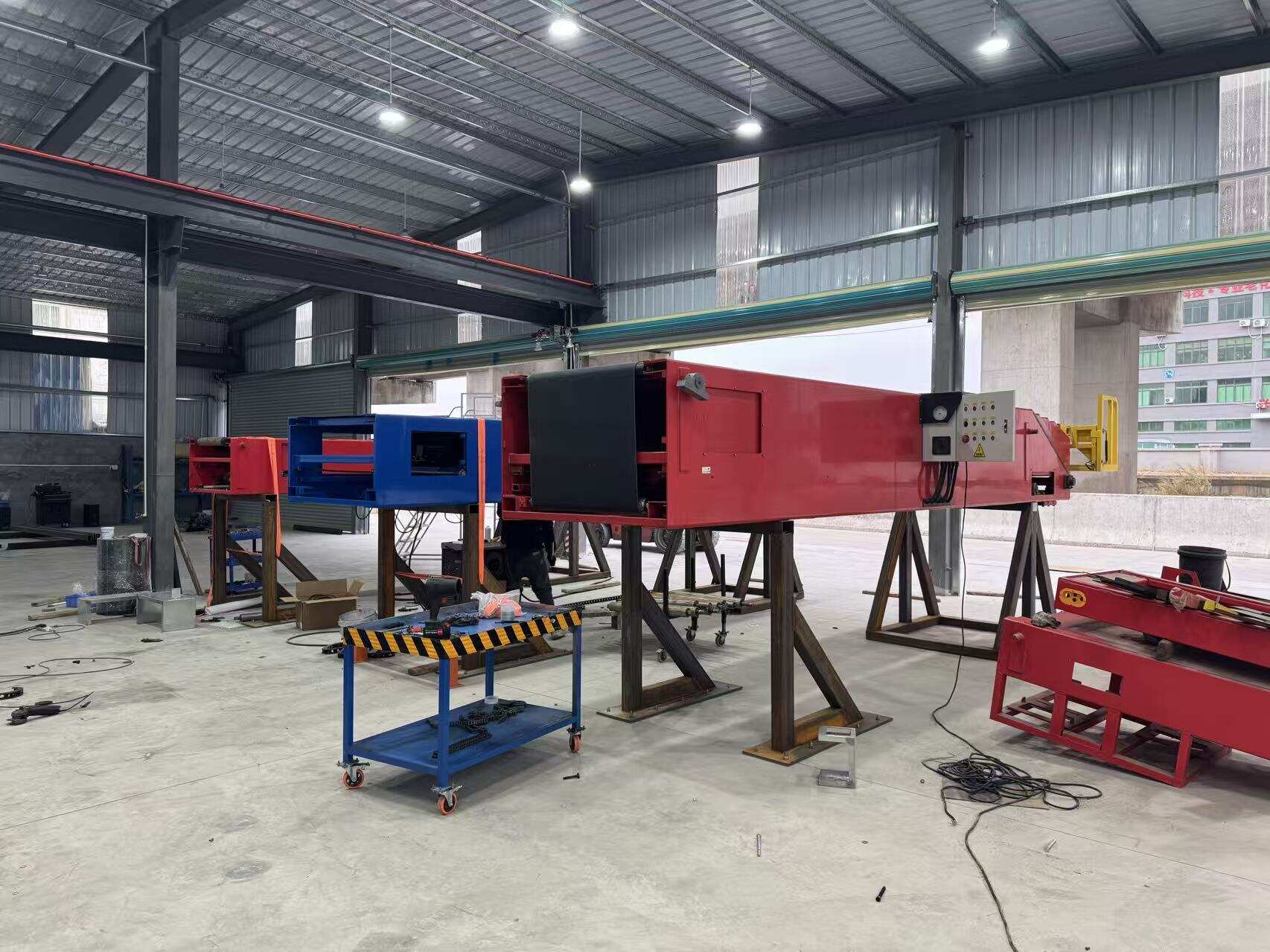
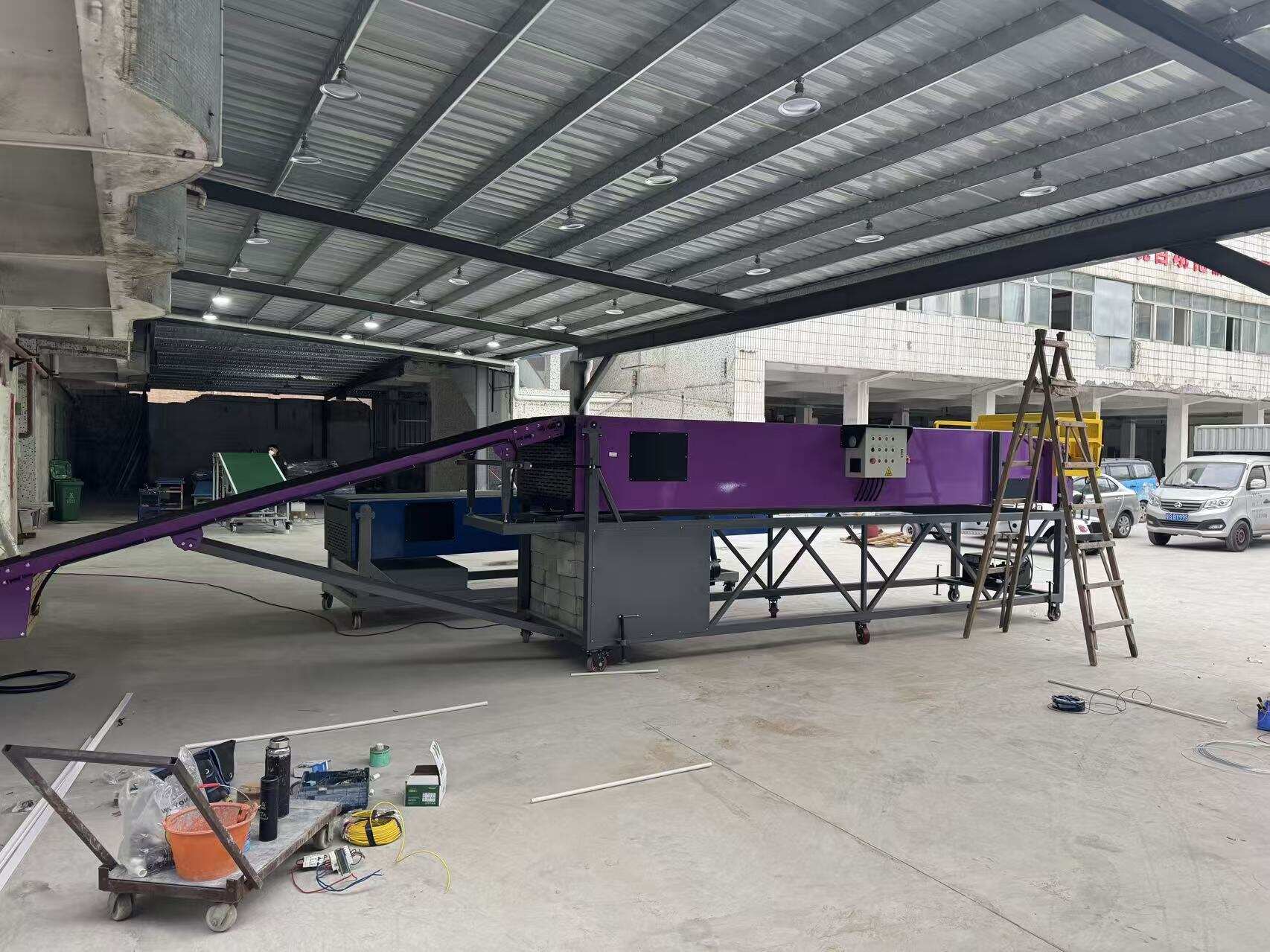
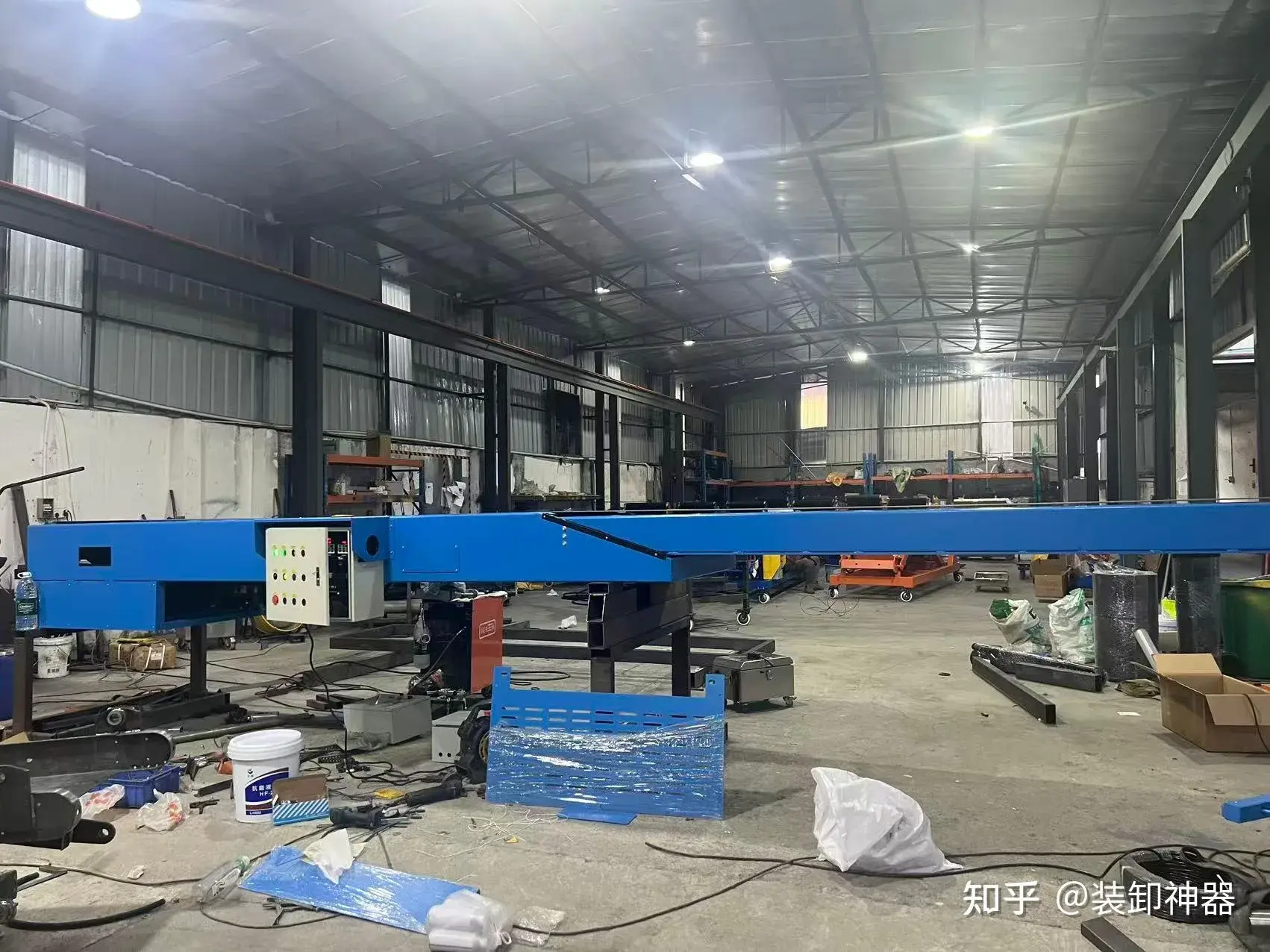
For scenarios involving height differences, transfers between floors, and loading and unloading on ramps, a hydraulic lifting incline conveyor can provide a more direct solution. It uses a high-quality hydraulic system and offers smooth lifting, ample power, and strong load-bearing capacity. It also features overload protection and emergency braking, making it suitable for truck loading and unloading, connecting platforms at different heights, and transferring materials between floors. For companies with high volumes of truck and container loading and unloading, the belt Telescopic Conveyor places greater emphasis on efficiency. It can extend and retract freely according to the length of the vehicle compartment, conveying goods directly to the far end and reducing repeated manual handling. It is suitable for express logistics, e-commerce warehousing, large supermarkets, production plants, and other scenarios.
When Selecting Equipment, Do Not Focus Only on the Lowest Price; Also Consider Long-Term Operating Costs
In terms of procurement outcomes, the advantages of reputable manufacturers lie not only in the precision and structural stability of the equipment itself, but also in overall procurement efficiency and long-term operating costs. A comprehensive product portfolio allows companies to address multiple equipment needs through a single supplier, reducing the time spent comparing prices from multiple vendors and repeating communications. A well-developed after-sales service system helps companies maintain continuity in installation, commissioning, maintenance, and spare-parts replenishment, preventing situations in which there is no point of contact after the equipment has been sold.
For enterprises, logistics conveying equipment is long-term infrastructure. When making a purchase, do not focus solely on the initial price; also consider the manufacturer’s qualifications, production capabilities, quality control system, and after-sales support. Equipment truly suited to large-scale production and stable operations usually comes from manufacturers with a higher degree of standardization, more comprehensive product coverage, and a clearer service chain.