Naili Conveyor
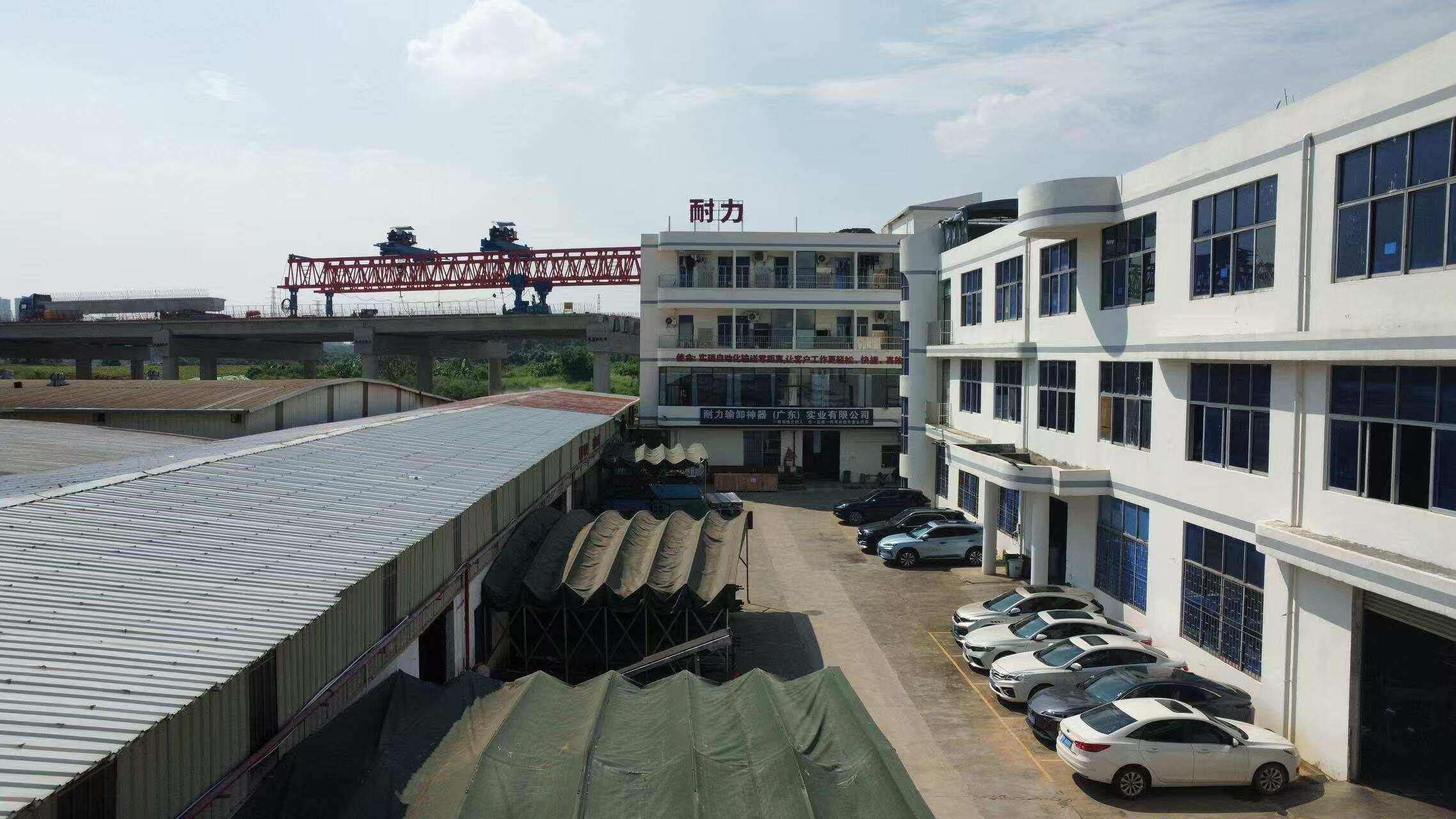
Digitalization for Small and Medium-Sized Warehouses: The Key Is Not to Do Everything at Once
Today, digital transformation in the logistics and warehousing industry is no longer an option reserved exclusively for large enterprises. For small and medium-sized manufacturing companies and e-commerce warehousing businesses, improving quality and reducing costs likewise depend on digital upgrades.
In practice, however, many factories can easily fall into a misguided approach: concentrating their budgets on WMS warehouse management systems, intelligent sorting equipment, and unmanned loading and unloading robots. Despite the substantial investment, issues such as disconnects between systems and operations, poor hardware adaptability, and difficulty reusing solutions after implementation may still persist on site, leaving digitalization as nothing more than an upgrade on paper.
For small and medium-sized warehouses, the more suitable approach is usually not to complete a fully automated transformation all at once, but to use a lightweight, accessible, and iterative combination of software and hardware to first address the end-of-line processes that have the greatest impact on efficiency.
From "Recording Data" to "Managing Operations, " End-of-Line Loading and Unloading Is the Breakthrough Point
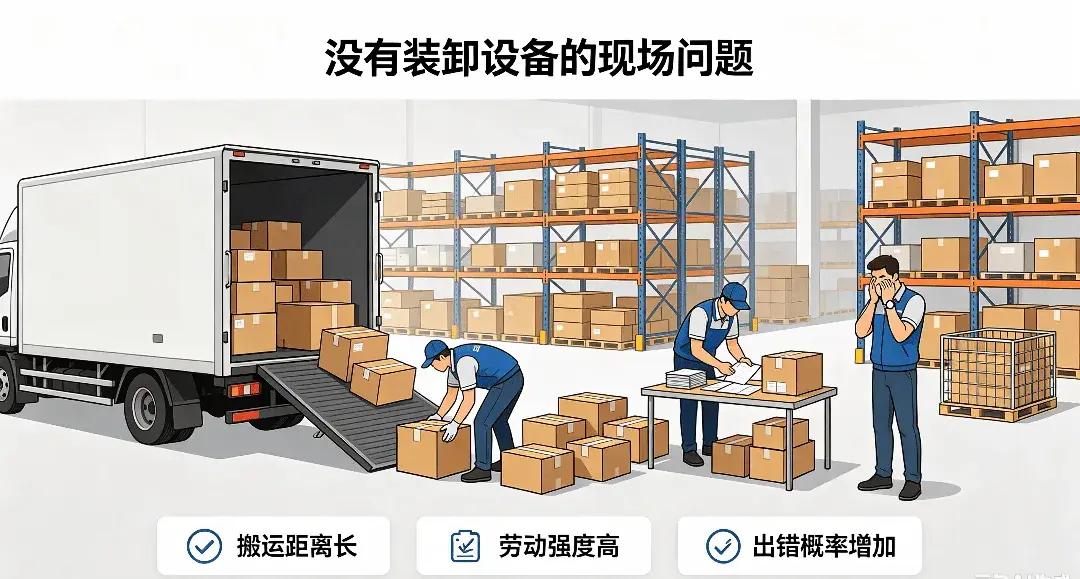
Many small and medium-sized enterprises have already deployed ERP and WMS warehouse management systems. Inventory ledgers, order data, and material information can all be entered and tracked digitally, while processes such as order picking, stocktaking, and putaway are gradually becoming standardized. However, loading and unloading at the warehouse's final meter still relies heavily on workers' experience.
The problems with manual loading and unloading are straightforward: operating times are not tracked, there is no real-time data on goods movement, and loading and unloading efficiency lacks quantitative standards. Systems can often record only inbound and outbound results, but cannot monitor the operating process.
Once this part is not connected, warehouse digitalization develops a gap. Capacity calculations, personnel performance evaluation, and traceability of cargo damage all become difficult to implement accurately. This is also a major reason why efficiency improvements are not obvious after many factories complete system implementation.
How Telescopic Conveyors Complete the Final Link
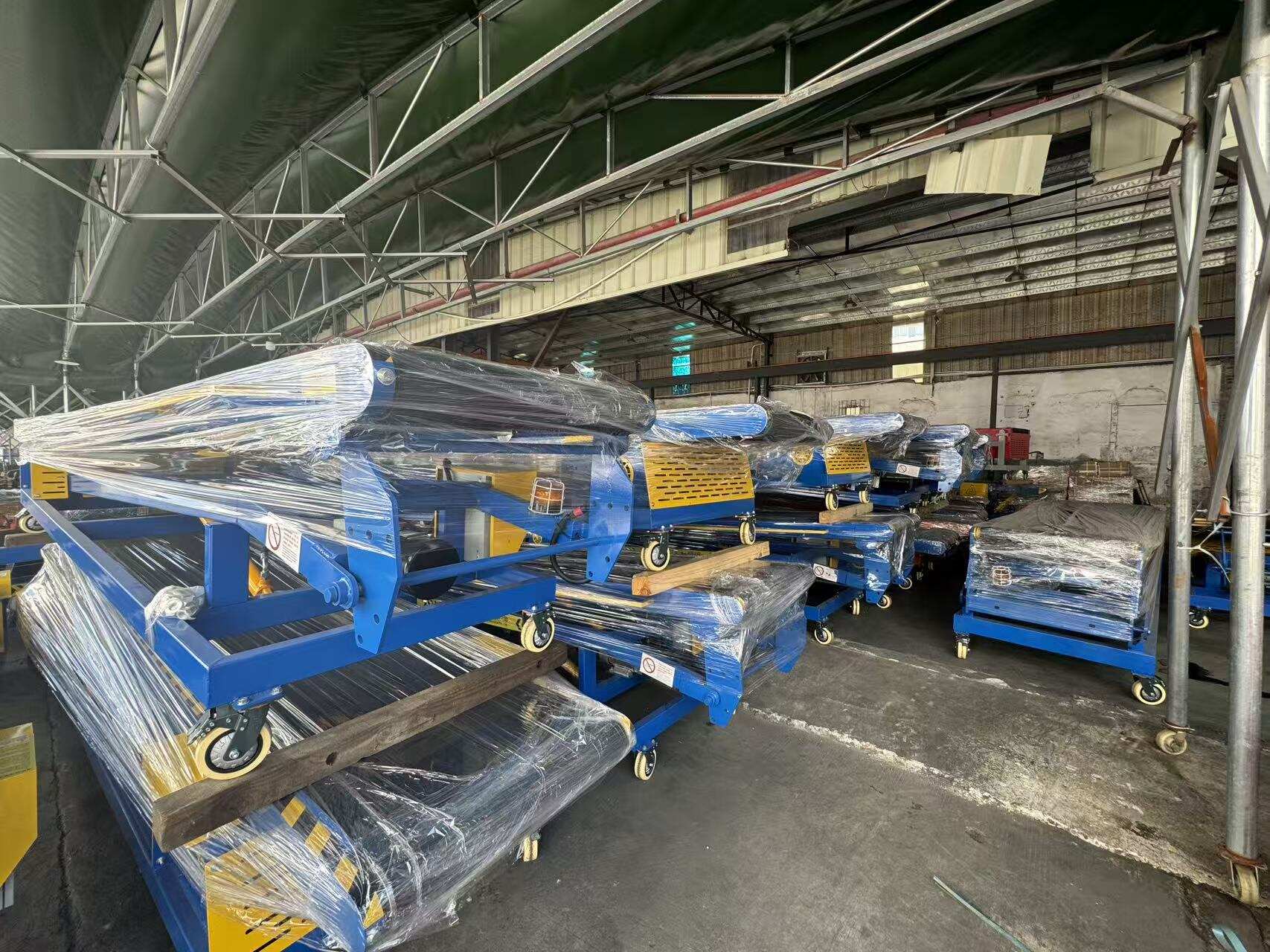
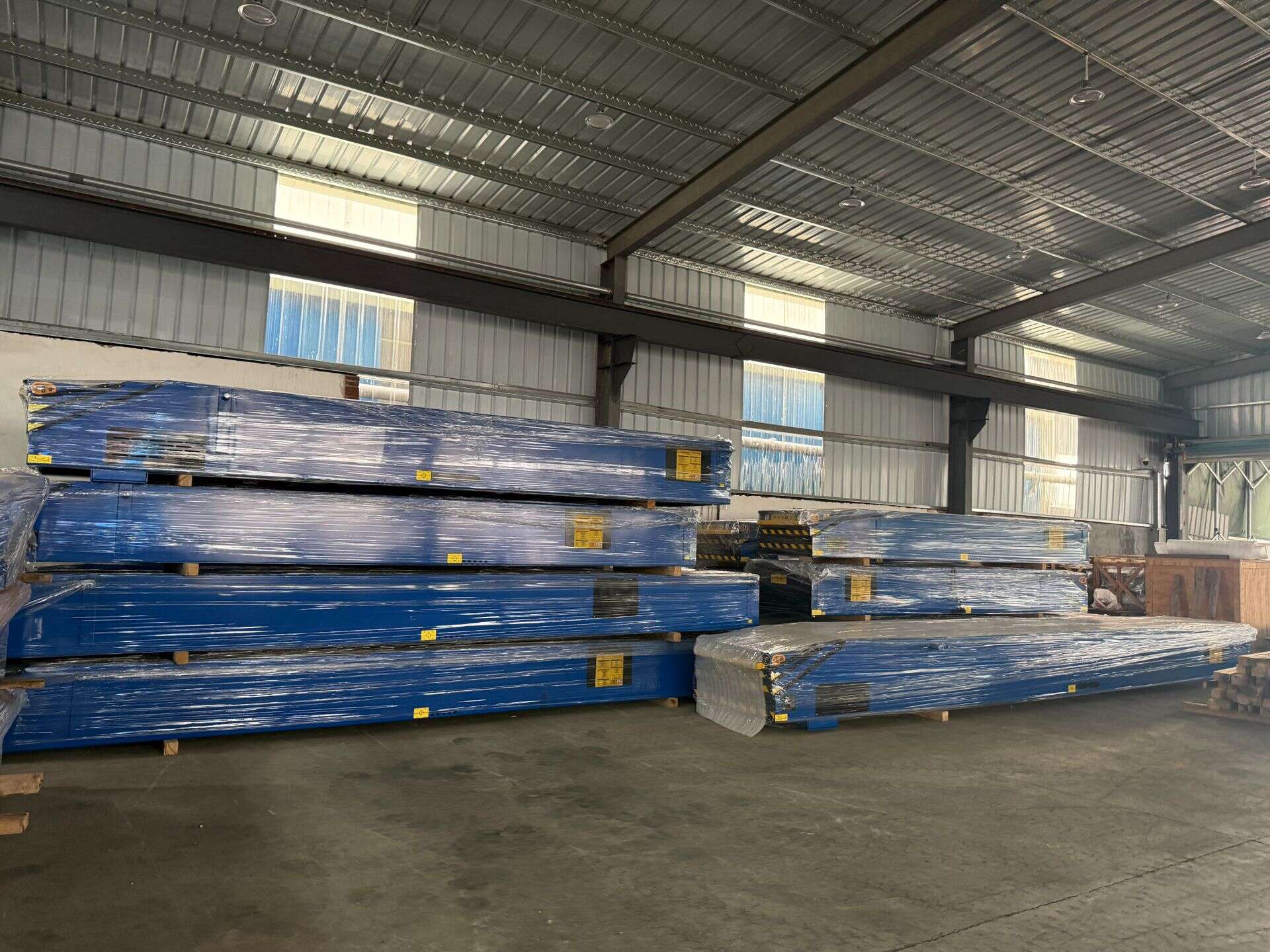
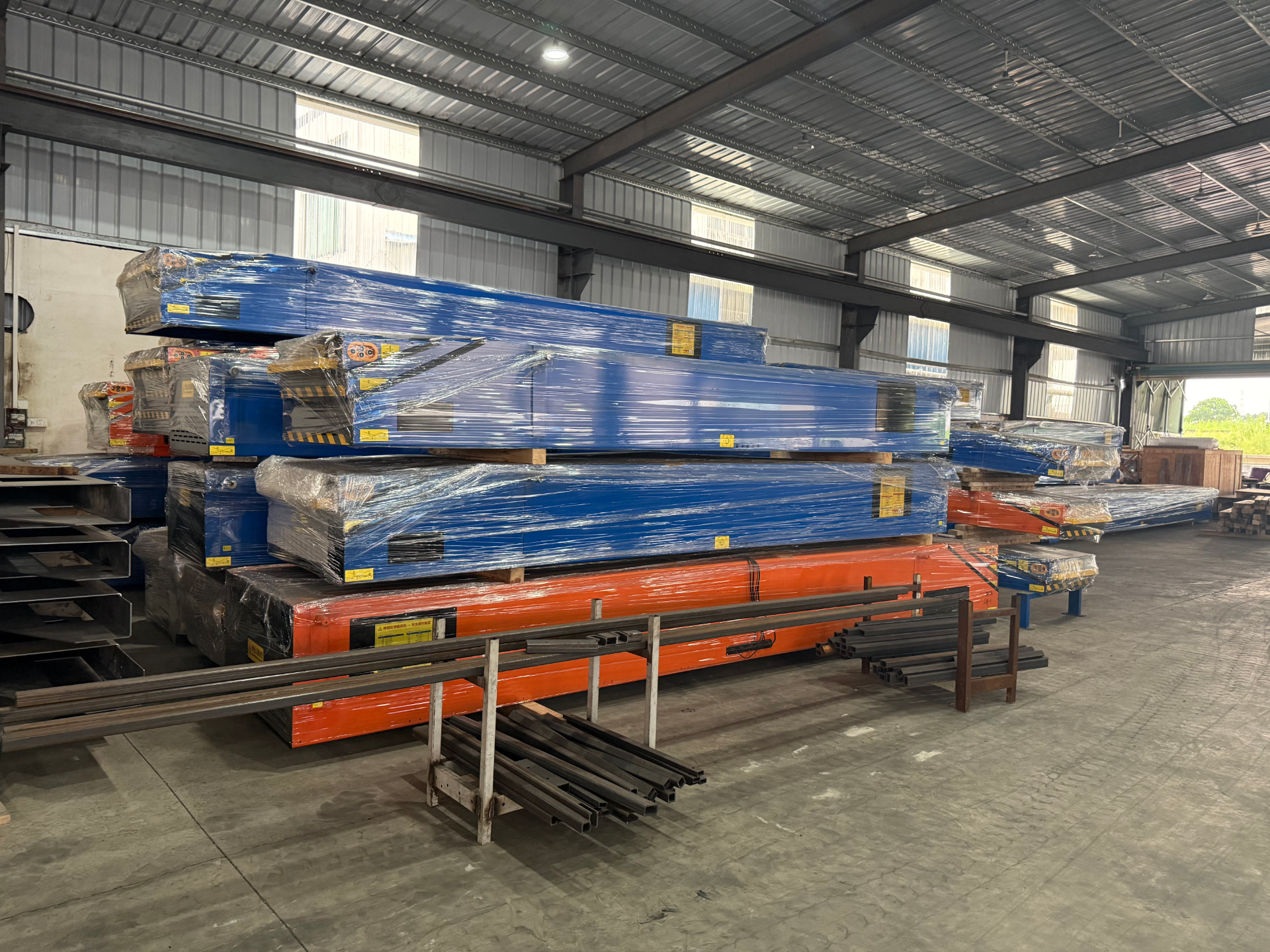
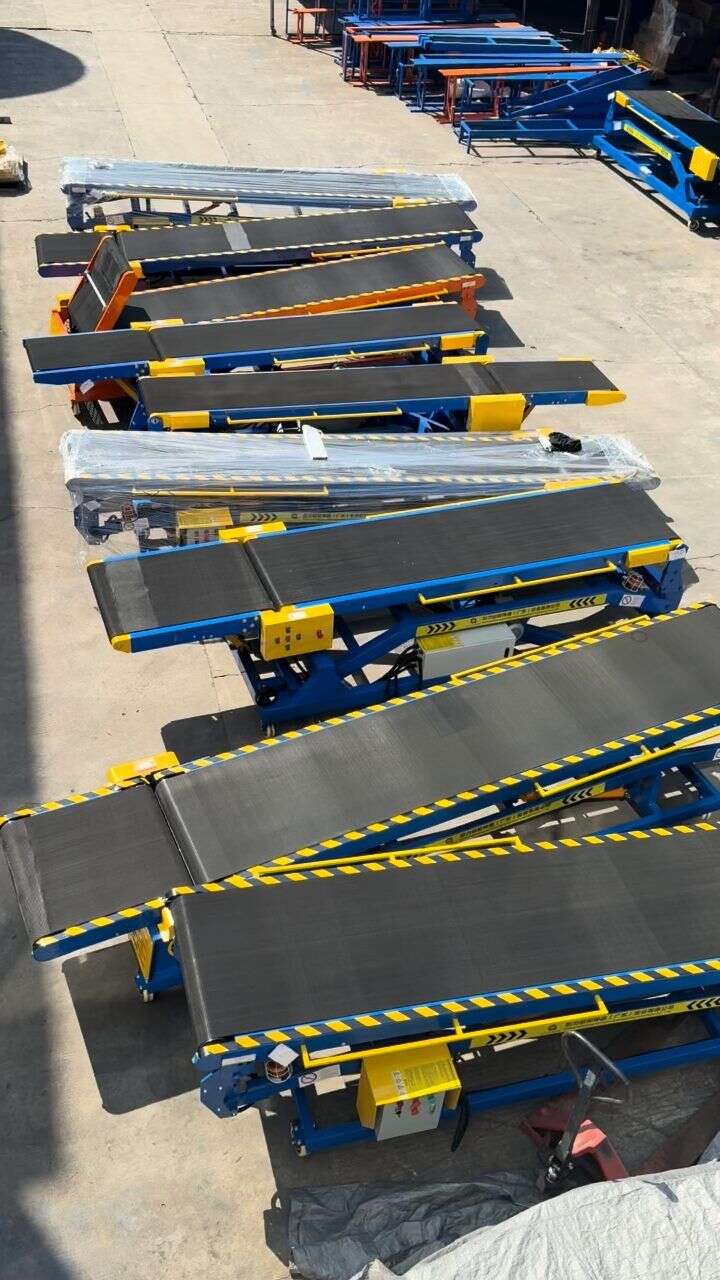
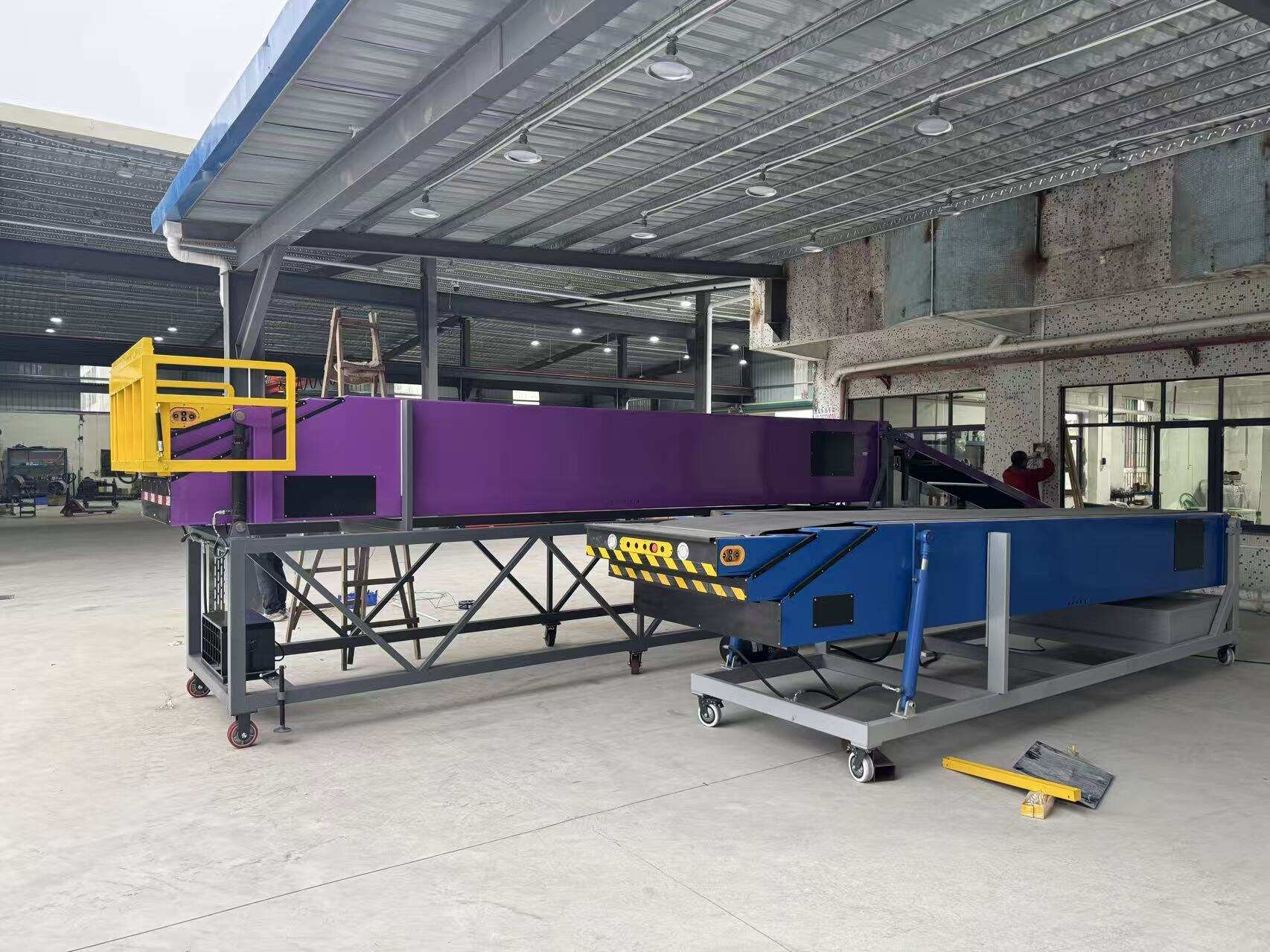
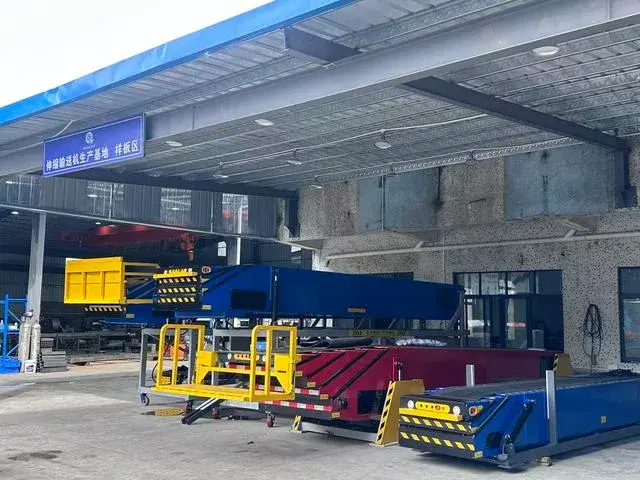
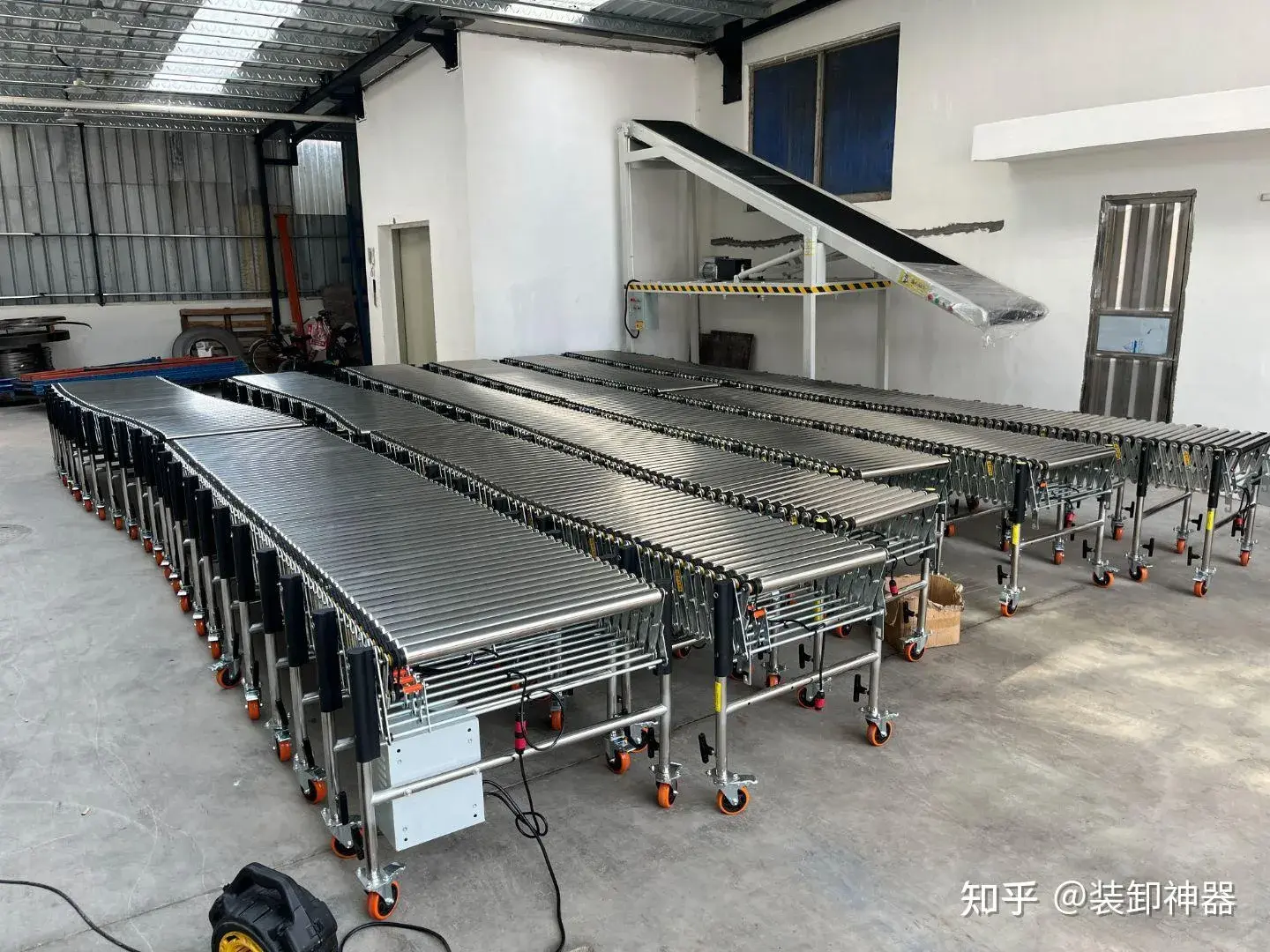
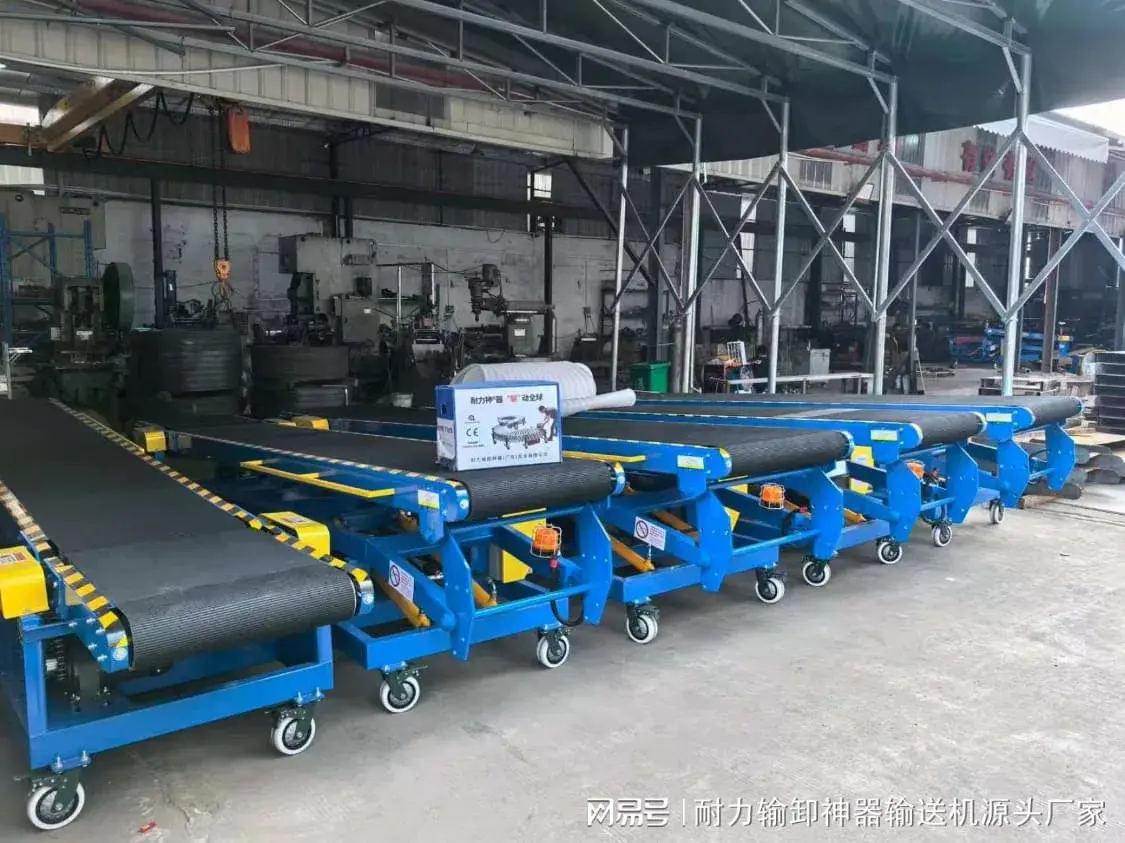
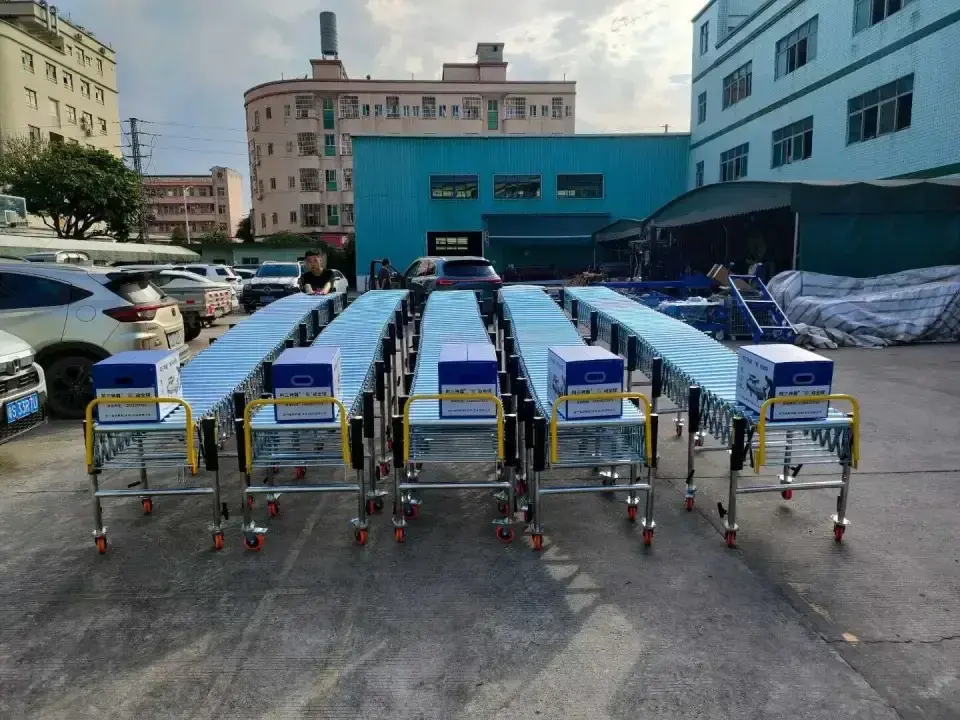
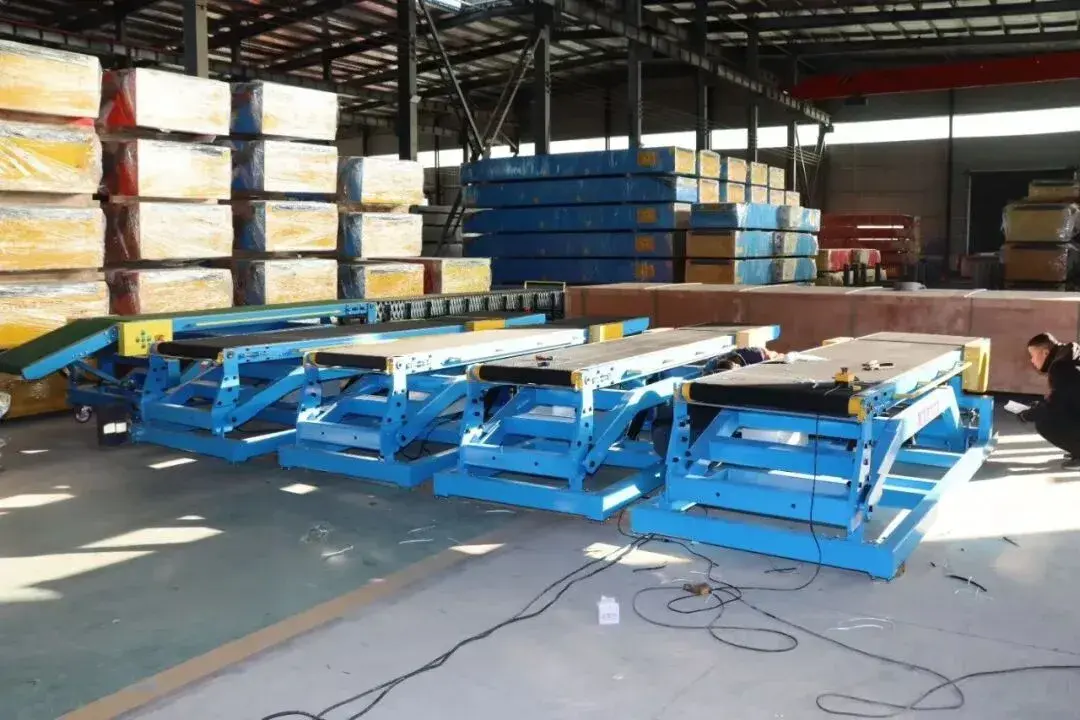
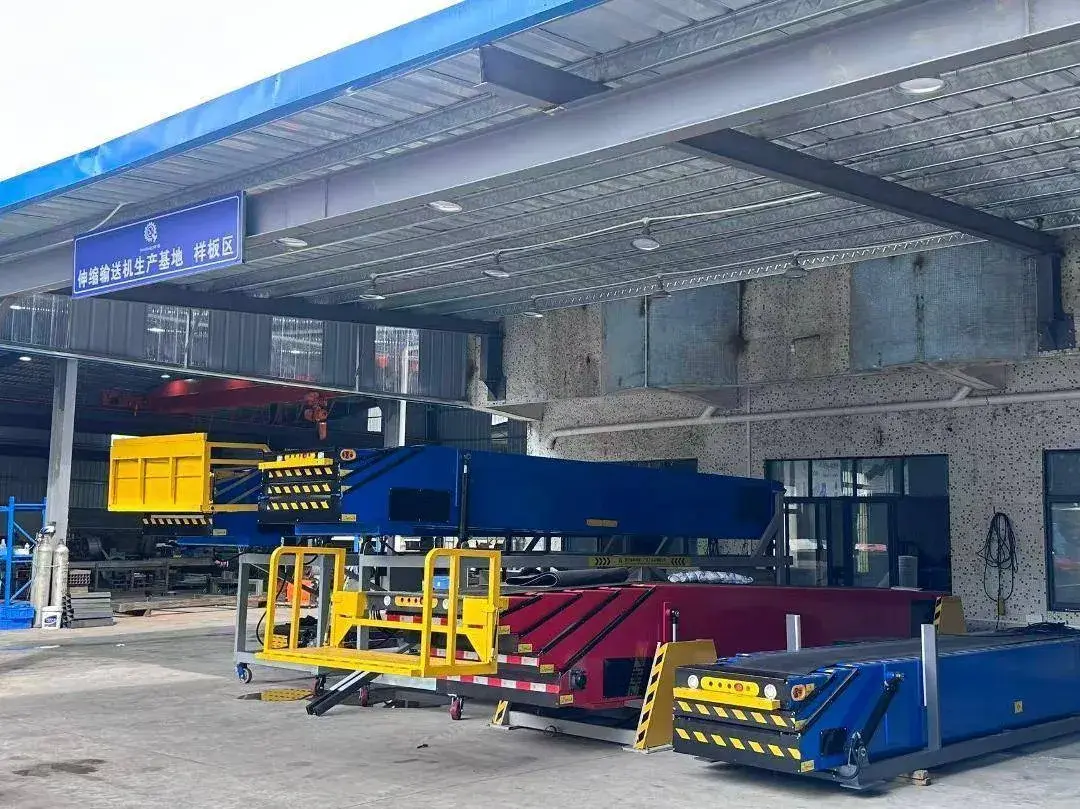
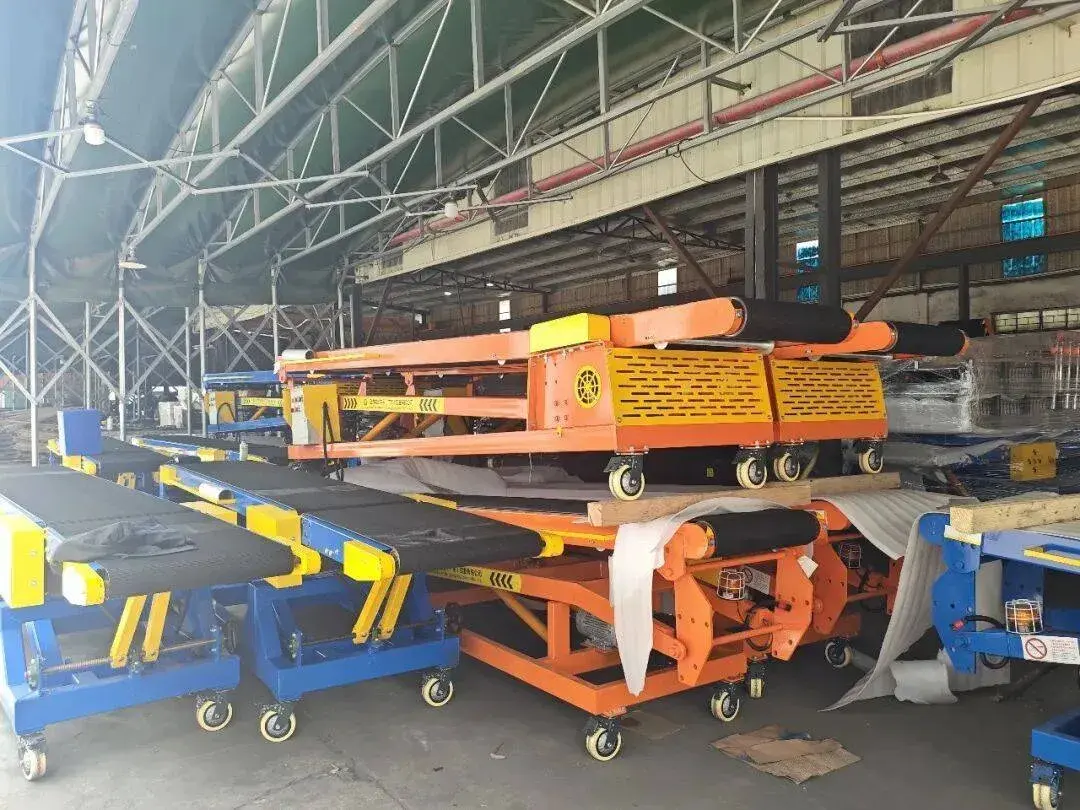
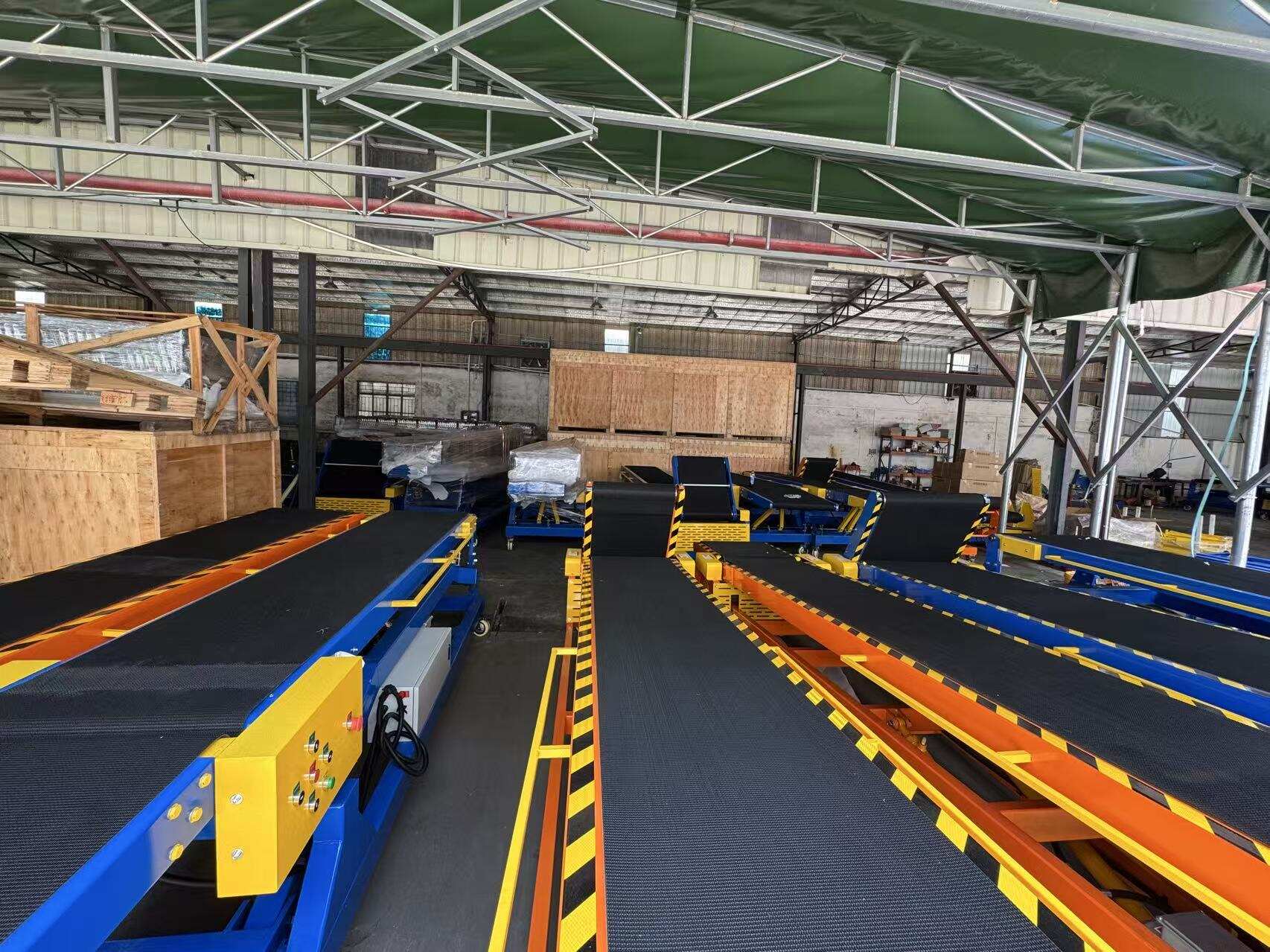
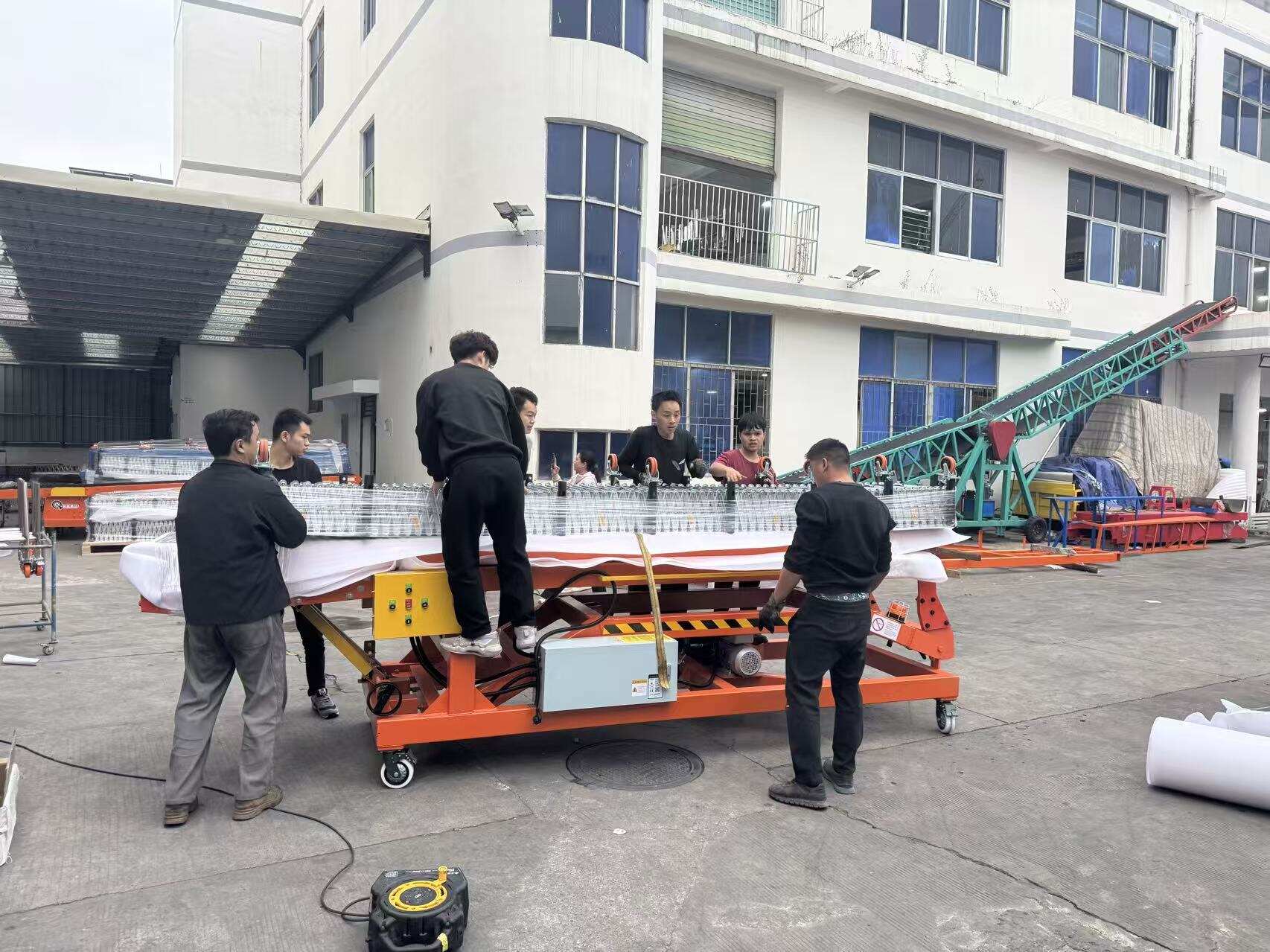
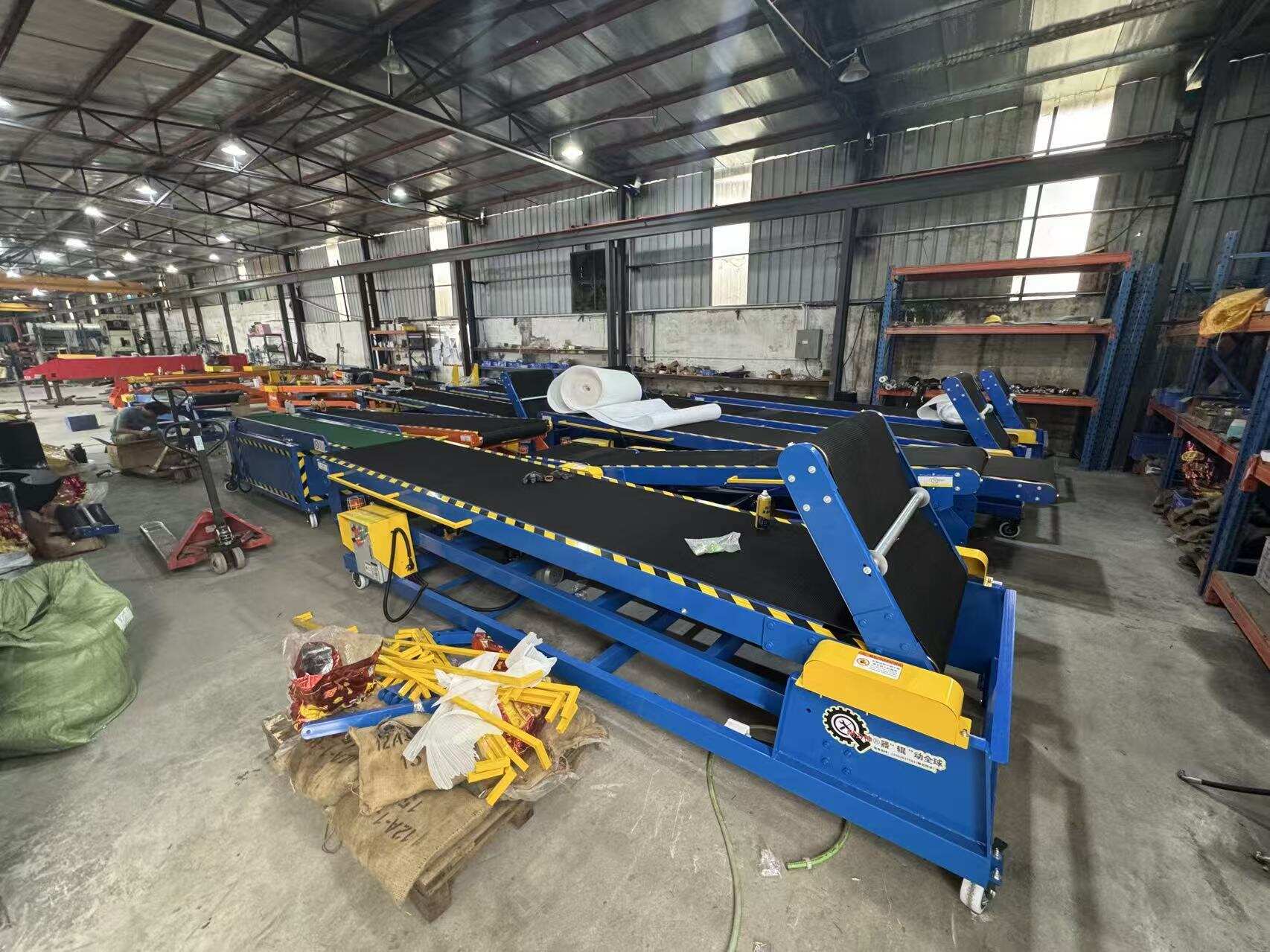
To address the difficulties of implementing digitalization, high renovation costs, and poor adaptability in small and medium-sized warehouses,NailishenNailishen has abandoned the traditional approach of upgrading through heavy equipment, extensive infrastructure, and high investment. Centered on belt Telescopic Conveyors, it delivers a digitalized solution for terminal loading and unloading, completing the final link of warehouse digitalization without modifying the existing factory infrastructure or requiring compatibility with complex systems.
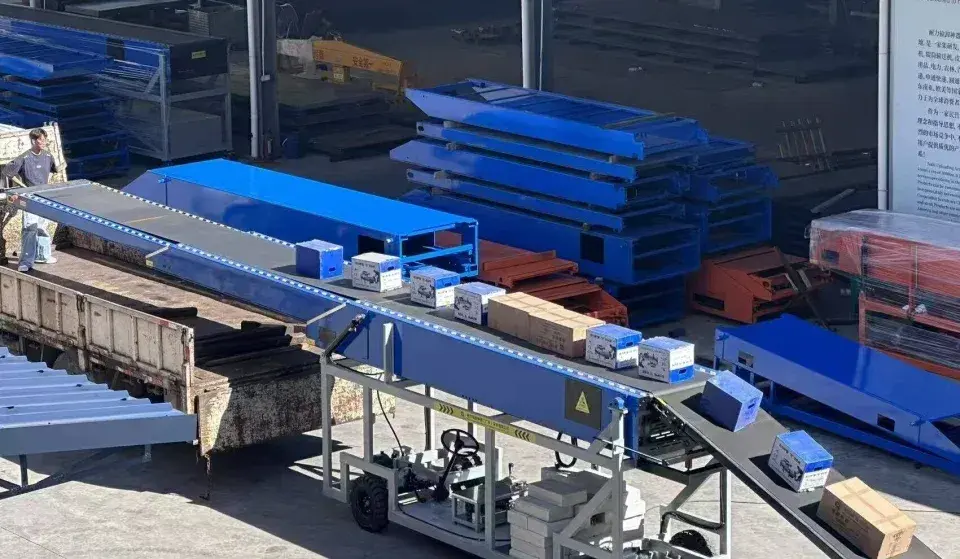
Unlike ordinary telescopic equipment that only transports goods, this type of belt Telescopic Conveyor can integrate more effectively with modern warehouse digitalization processes. The equipment can work in coordination with order dispatch, truck loading, and logistics shipping, so terminal loading and unloading is no longer an isolated manual step.
After goods are transported and loaded using a Telescopic Conveyor, operating time, movement batches, and operating capacity can all be recorded, creating a more complete digital closed loop between order data and on-site operations.
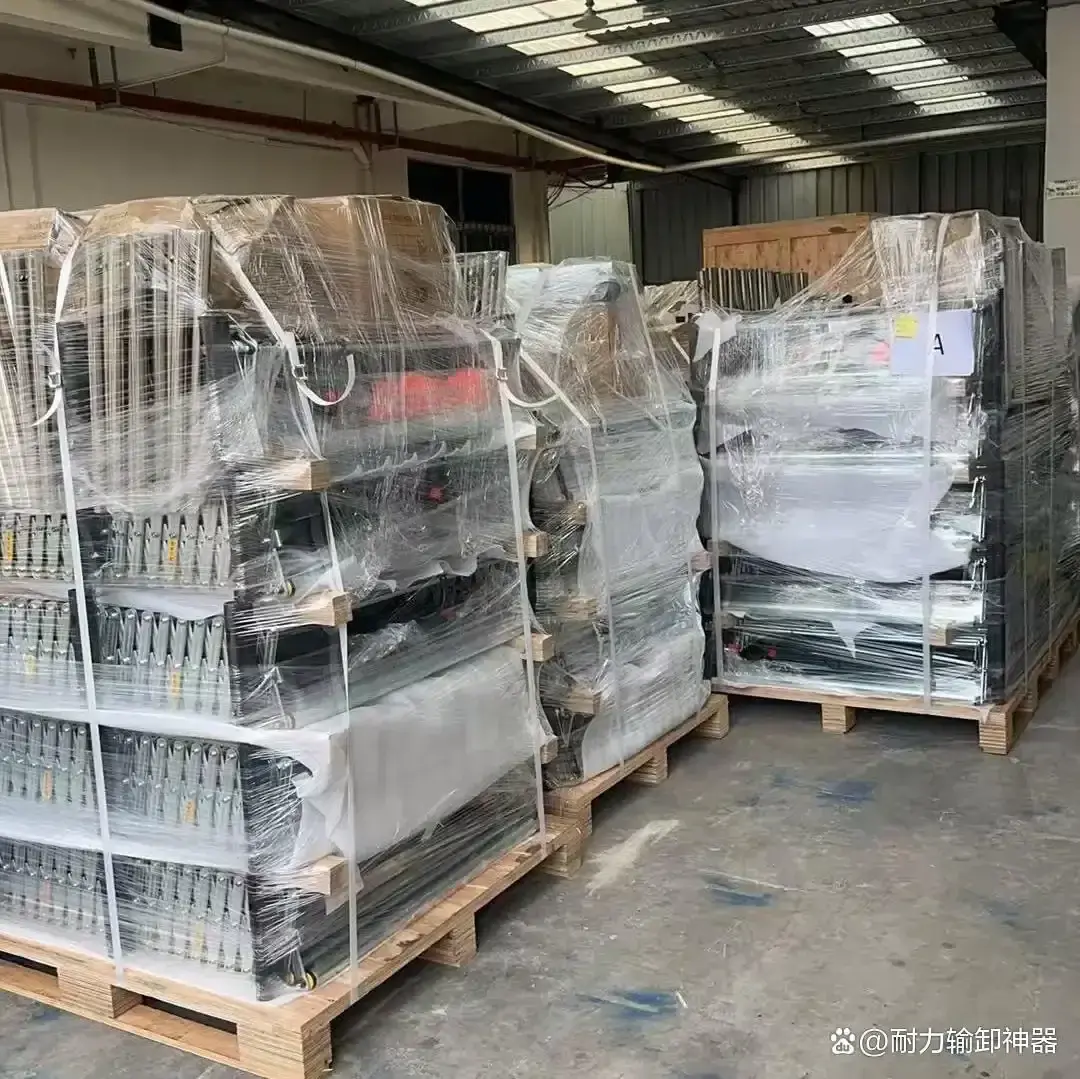
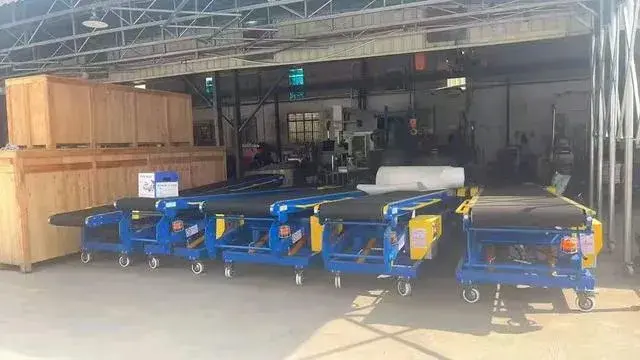
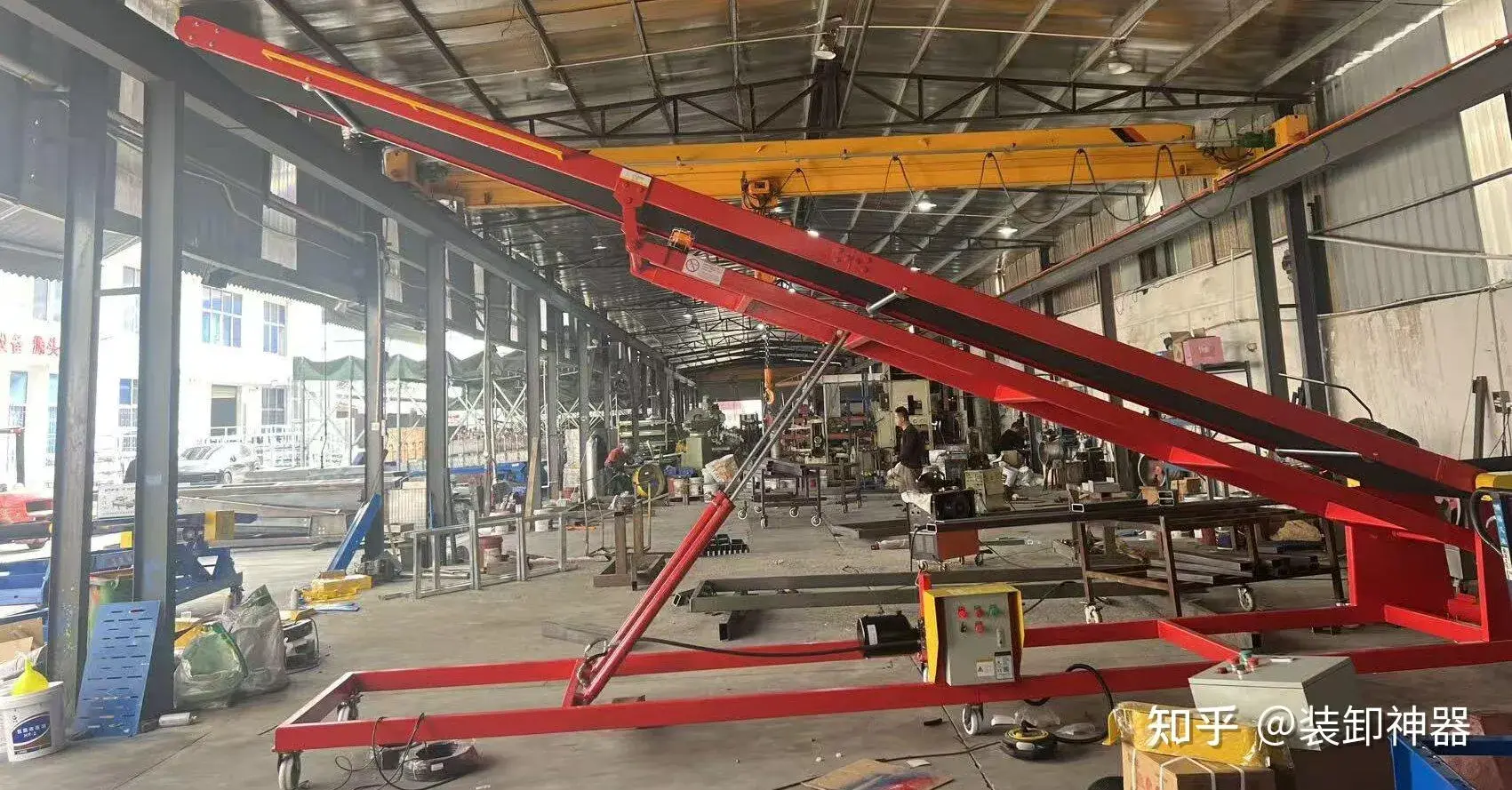
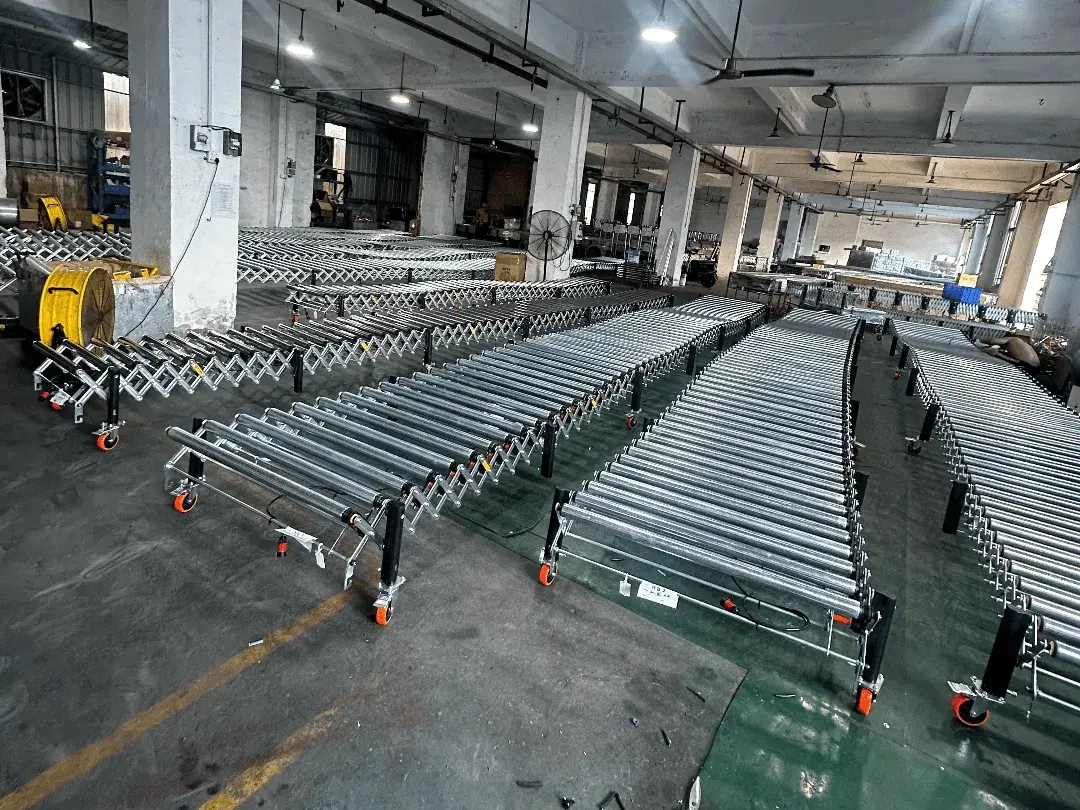
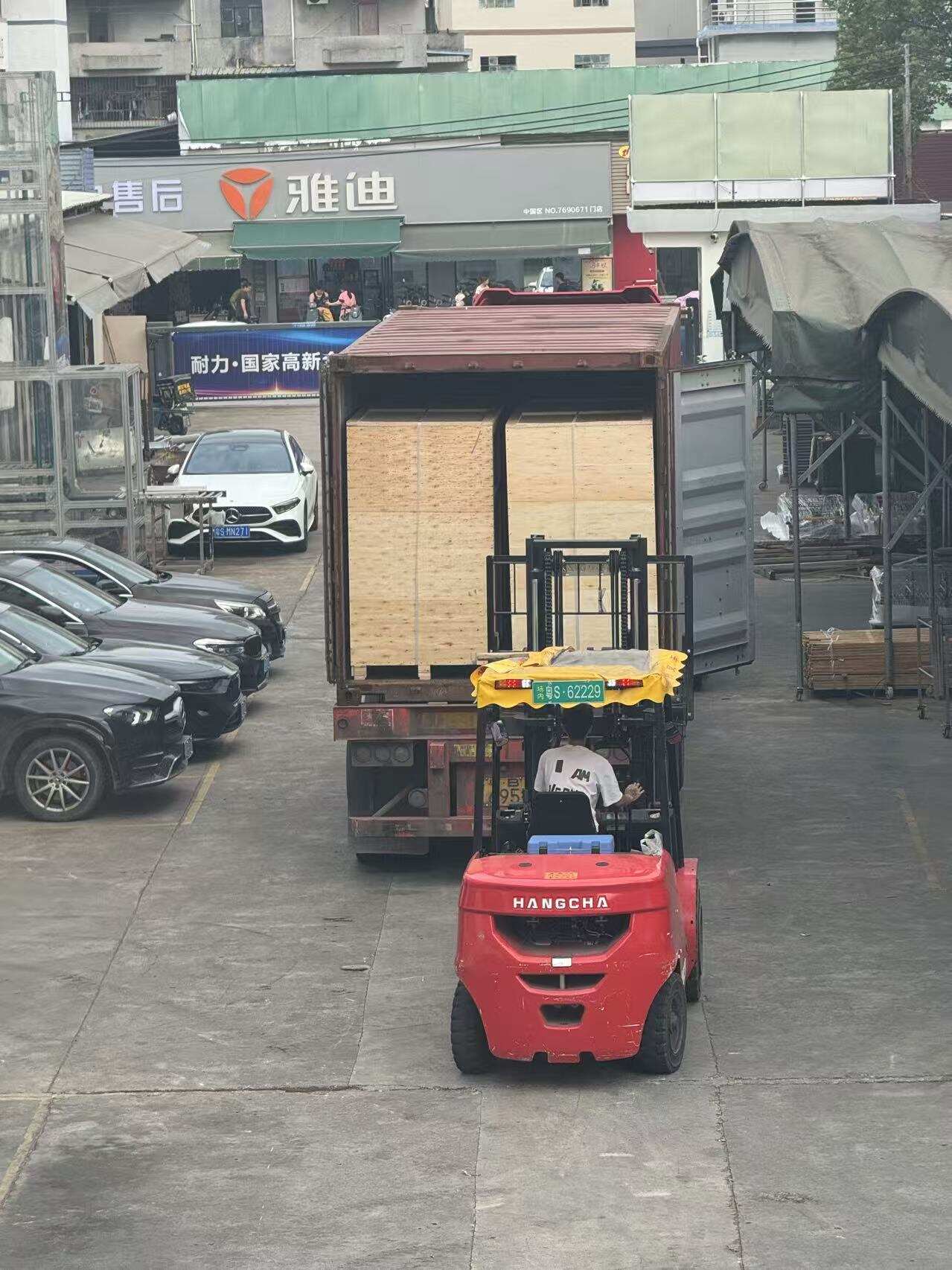
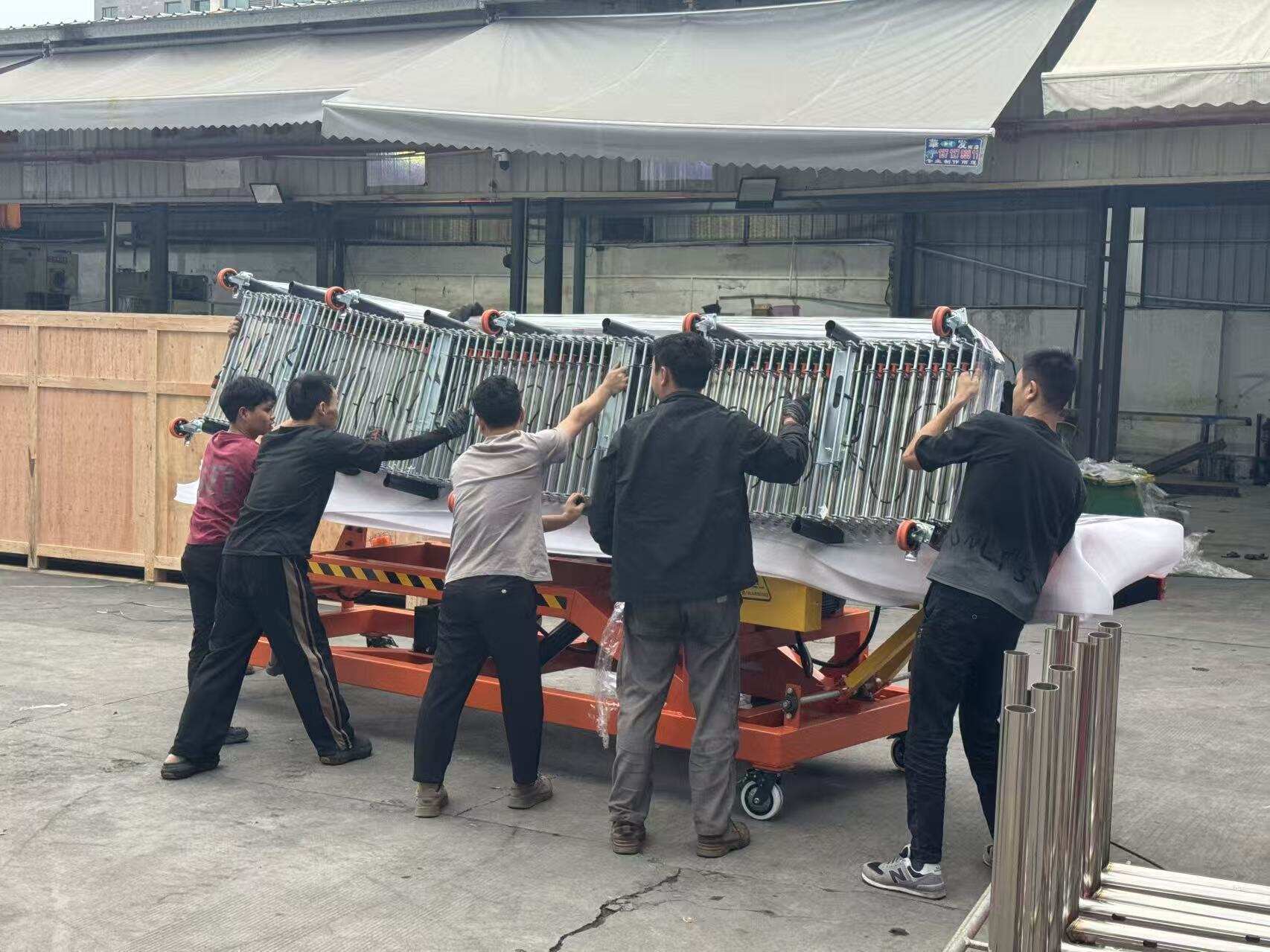
At the same time, the equipment is suited to the complex operating conditions of small and medium-sized warehouses. It is movable, height-adjustable, and freely extendable, and can accommodate loading and unloading for box trucks, containers, high-sided trucks, and other vehicle types, without restrictions from a fixed site. Companies do not need to make substantial infrastructure investments; the equipment can be put into operation as soon as it arrives on-site, better meeting the upgrade requirements of low investment, rapid implementation, and continuous iteration.
Making Warehouse Digitalization Truly Operative on Site
For many factories, digitalization is essentially limited to digitizing data records, while actual operating processes still depend on manual labor. The value of belt Telescopic Conveyors lies in moving warehouse digitalization from "recording data" to "managing operations.".
Process Standardization: Standardize loading and unloading workflows and combine them with digital ledgers so that the outbound processing, loading, and movement of every batch of goods are governed by clear standards and supported by traceable data, reducing issues such as incorrect shipments, missed shipments, and cargo damage while improving fulfillment accuracy.
Capacity Data Management: With the operational statistics provided by the equipment, the warehouse can more accurately calculate daily loading and unloading capacity, per-person operational efficiency, and vehicle turnaround times, providing reliable data support for production scheduling, personnel allocation, and logistics coordination.
Controllable Cost Reduction: Compared with fully automated loading and unloading equipment that can cost millions, lightweight Telescopic Conveyor solutions require less investment and offer a shorter payback period. They can address current shortcomings without restricting future upgrades. As warehouses expand, systems evolve, and operating modes change, the equipment can continue to adapt.
For small and medium-sized warehouses, digitalization does not necessarily have to start with a "large system, major transformation." A more practical approach is to first turn end-of-line loading and unloading into a standardized process that can be measured, managed, and reused.