Naili Conveyor
Workshop capacity is often wasted because of inefficient material flow
In manufacturing production management, the factor limiting capacity improvements is often not machining precision or equipment speed, but the efficiency of internal material flow within the workshop. A common problem is that the front end continues producing while downstream transfer cannot keep up. Semi-finished products remain at workstations, while other workstations lack materials for extended periods, resulting in idle equipment, waiting personnel, and disrupted takt times, ultimately causing significant capacity waste.
Disjointed process connections, irregular logistics routes, and unstable transfer rhythms may appear to be separate problems, but they are all reflected in workshop efficiency. To improve this kind of inefficiency, the key is not to accelerate individual points, but to establish a continuous, standardized, and automated internal logistics chain.
Powered roller conveyor lines make process connections more continuous
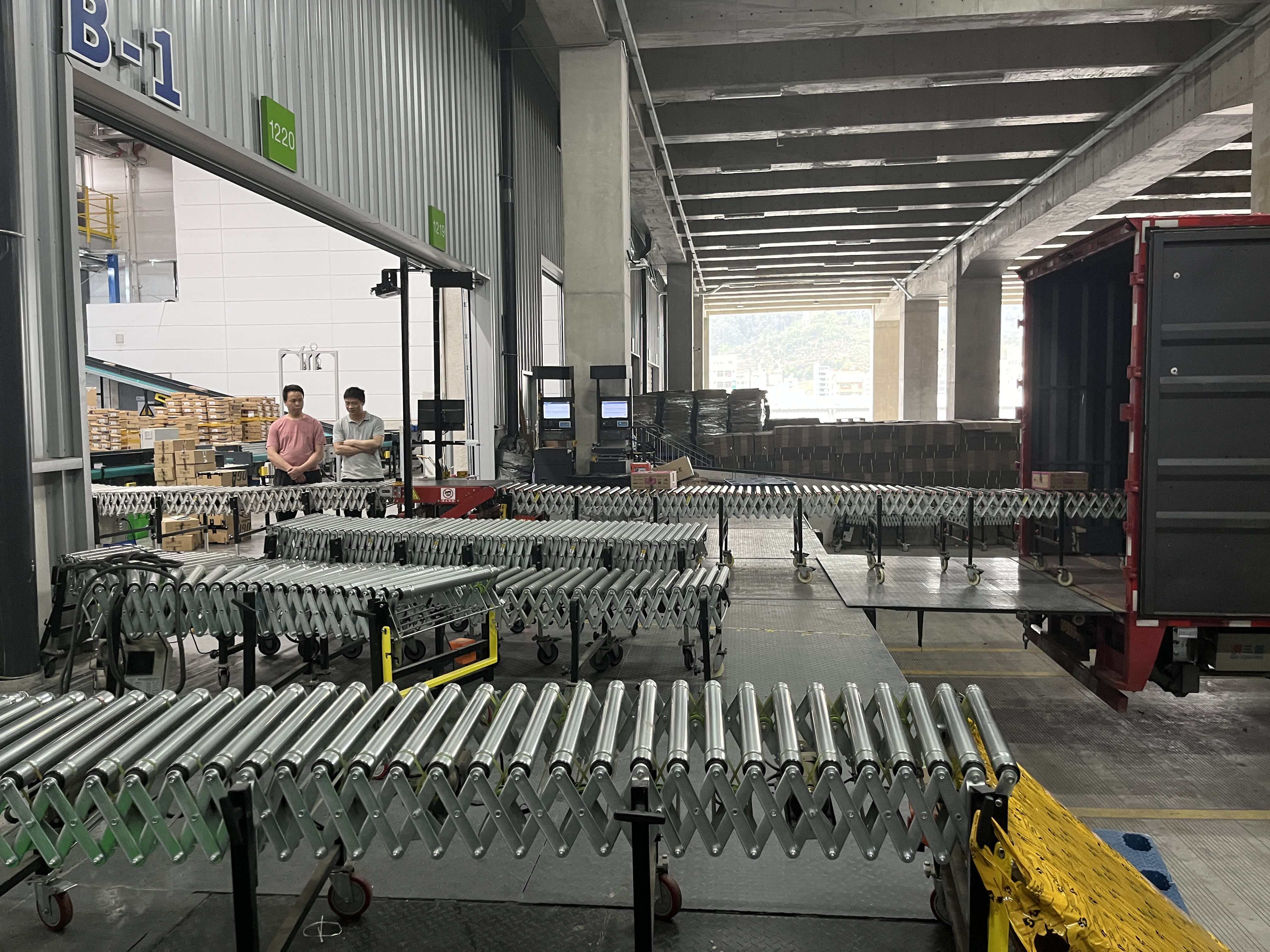
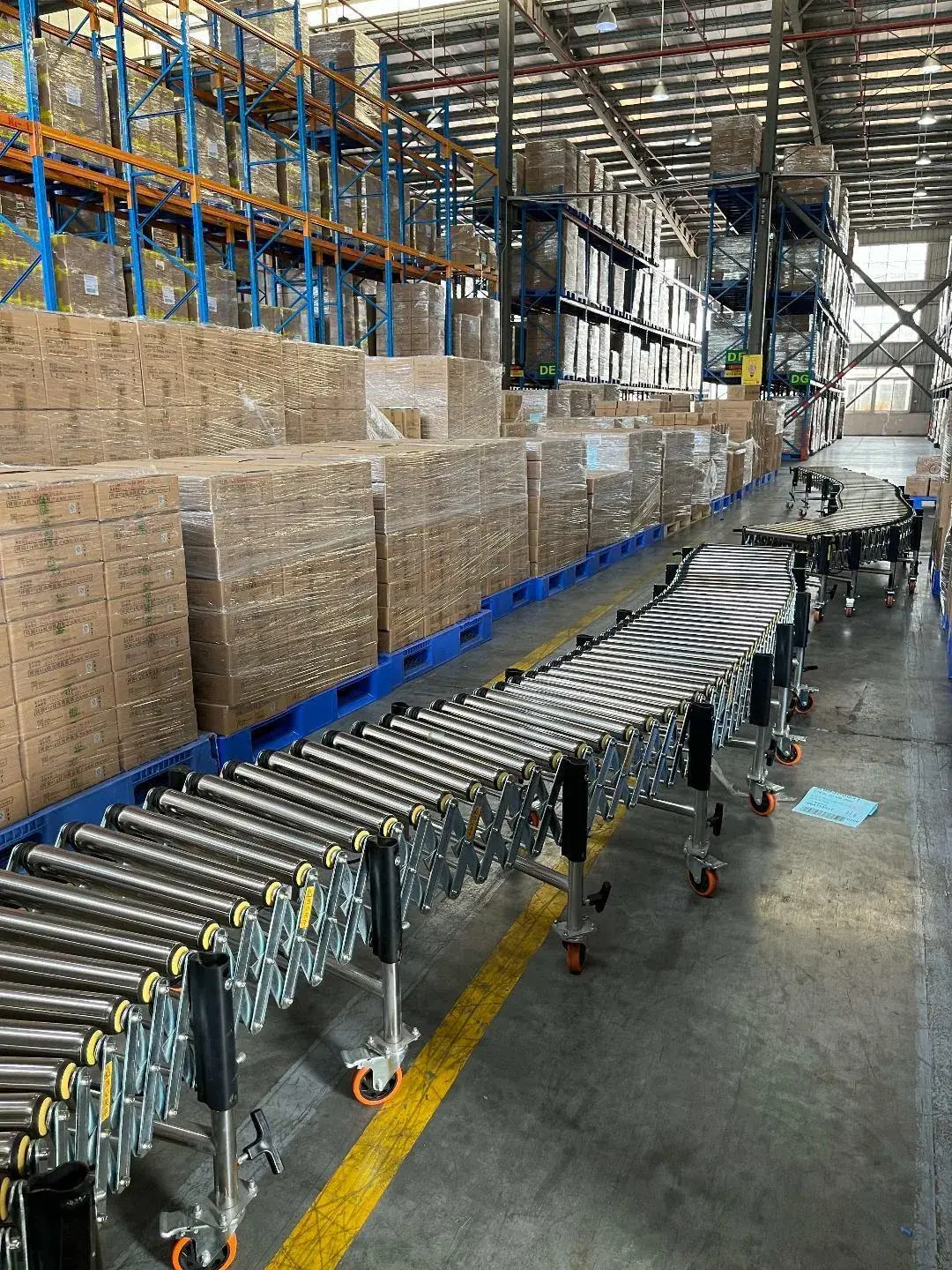
Naili Conveyor powered roller conveyor lines are designed to upgrade process material flow in factory workshops. They handle various materials, including boxed goods, pallets, heavy complete items, and semi-finished products, and are suitable for workstation loading and unloading, process connections, cross-area transfers, and finished-product collection and warehousing. Through automated conveying, they can replace repetitive manual handling, keep materials moving steadily according to the specified takt time, and reduce human-induced waiting, accumulation, and delays.
For production sites with larger order batches and more processes, this type of continuous conveying makes it easier to connect upstream and downstream processes, keeping the entire production line running more smoothly and orderly.
Tiered configurations address belt misalignment, slippage, and load-bearing requirements
Common pain points with workshop roller conveyor lines include belt misalignment, slippage, jamming, insufficient load capacity, excessive noise, and poor adaptability. To address these issues, Naili Conveyor uses thickened seamless rollers and tiered configuration options to enhance equipment stability and durability under different operating conditions.
The reinforced seamless rollers provide greater load-bearing capacity and are less prone to deformation. Light-, medium-, and heavy-duty configurations can accommodate different types of materials. The dual transmission modes can be switched as needed: rubber-covered transmission is quieter and smoother, while chain transmission is better suited to heavy-duty conveying. This combination helps reduce misalignment, material jams, and slipping during conveying, making it suitable for factories operating around the clock with high-frequency continuous production.
Customized modifications based on actual workshop conditions
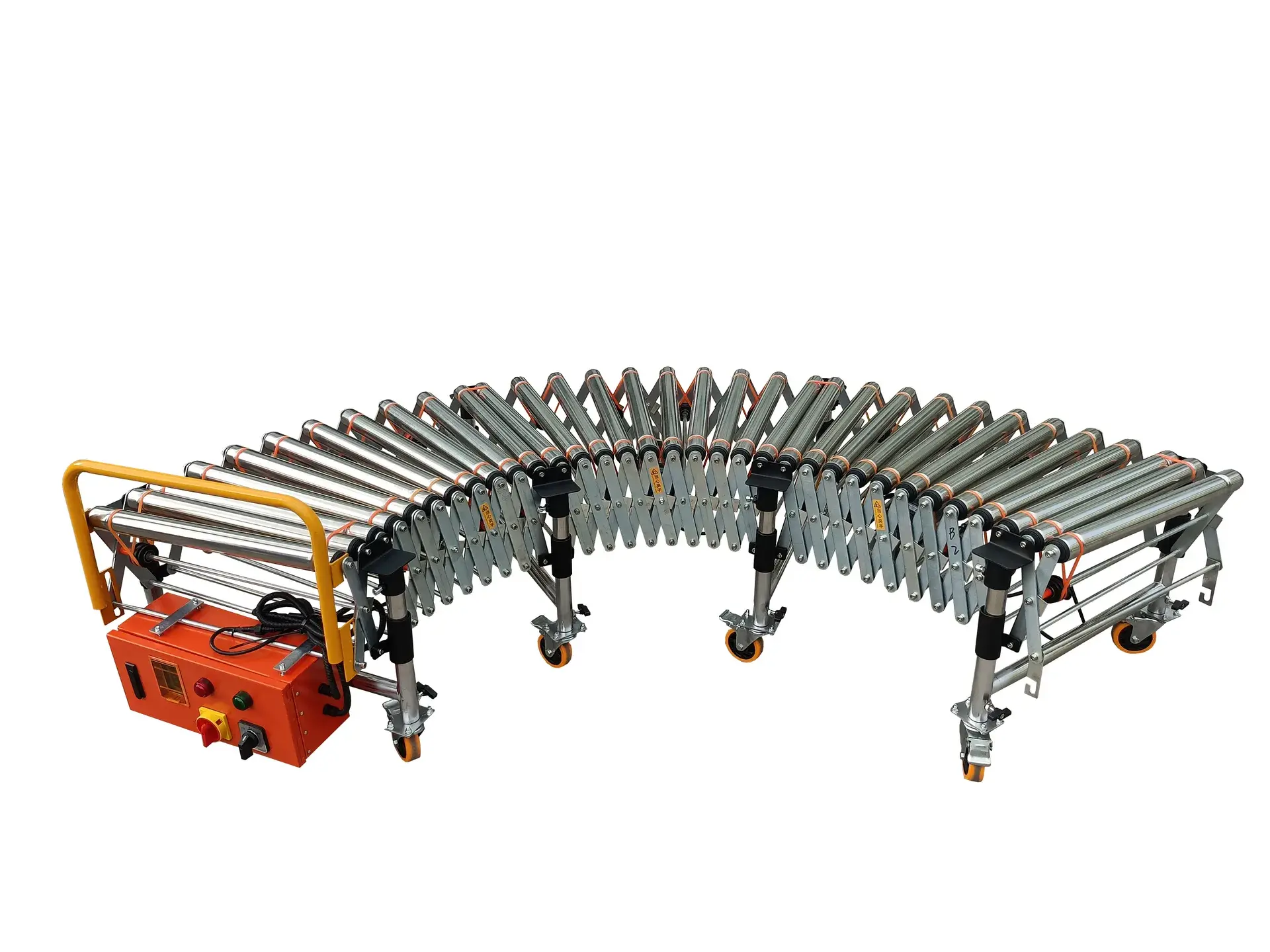
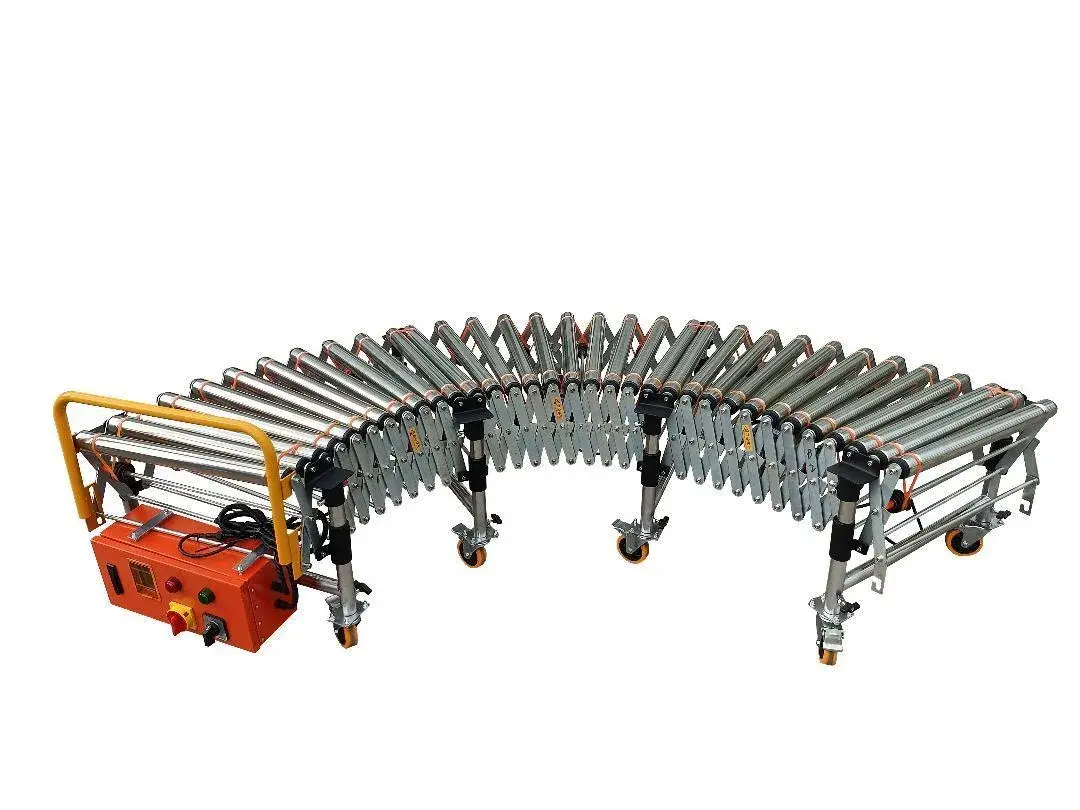
Naili Conveyor offers customized powered roller lines with tailored dimensions, layouts, functions, and intelligent features. The equipment can be fitted with sensor-based start and stop controls, intelligent speed adjustment, limit stops, safety guards, and anti-deviation structures as needed, enabling more precise automated material feeding.
In terms of layout, the equipment can accommodate straight-line, curved, lifting, and multi-level three-dimensional solutions. Older workshops, irregularly shaped plants, and non-standard production lines can also be implemented according to actual conditions, without major changes to the existing production layout.
A complete implementation process from site survey to installation
As a direct manufacturer, Naili Conveyor provides end-to-end support covering site surveys, solution design, production, installation, and maintenance. Once the powered roller line is put into operation, it can help connect breaks in workshop logistics, streamline process flow, and reduce issues such as semi-finished product accumulation, workstation downtime, and production disconnection.
For businesses, the core value of this type of upgrade lies in stabilizing production cadence, improving equipment utilization, promoting the automation of workshop logistics, and reducing the loss of ineffective production capacity.