Naili Conveyor

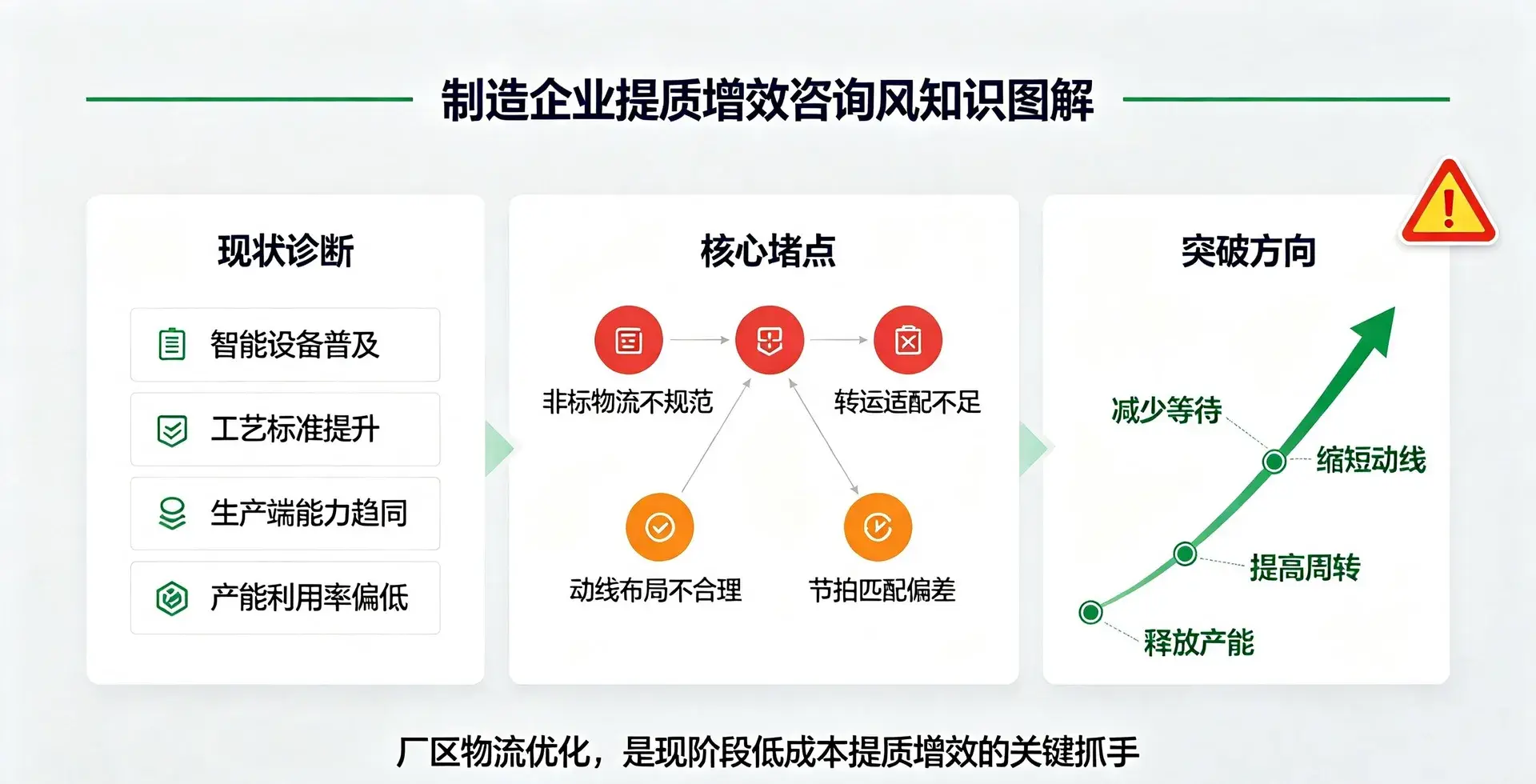
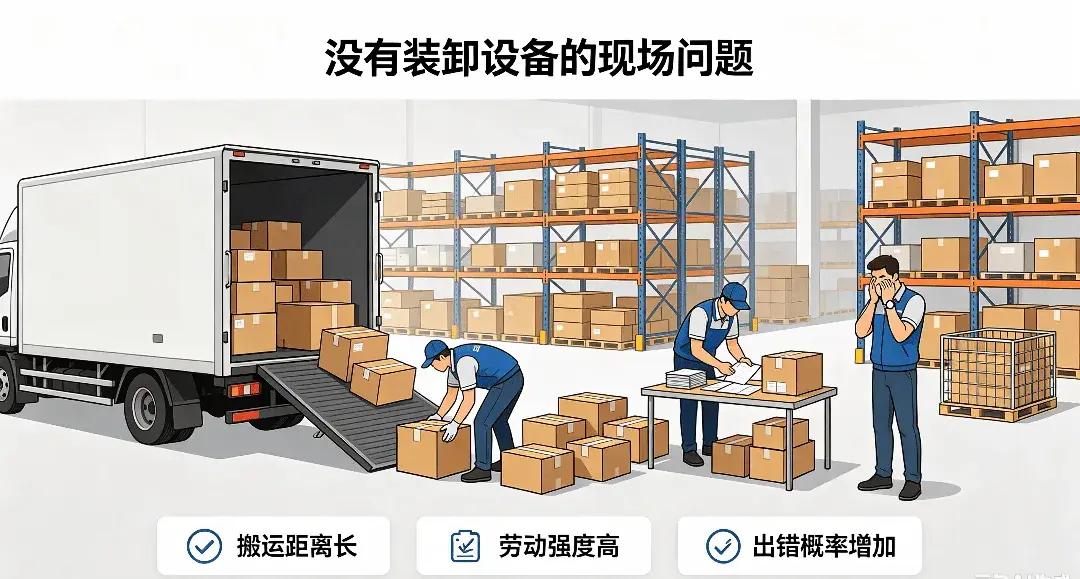
Against the backdrop of the continued spread of industrial automation and smart manufacturing, many manufacturing companies have already upgraded their equipment capabilities and process levels, but overall plant capacity utilization still has obvious shortcomings. The problem is not only with the production equipment itself, but more often comes from the logistics system: poor flow paths, equipment mismatches, and unstable takt alignment all directly affect full-capacity stable production and continuous shipment.
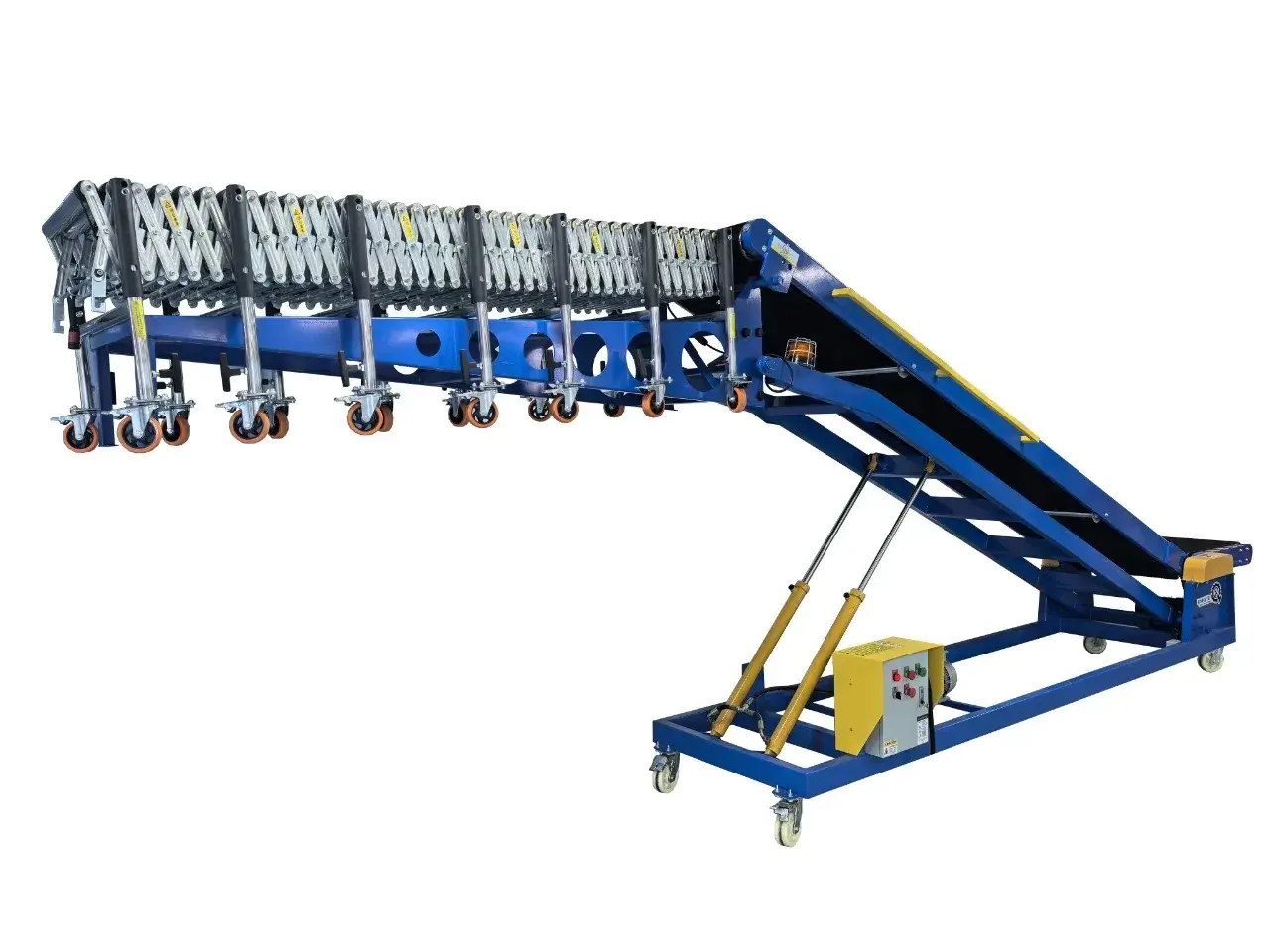
Non-standard operating conditions are often the main barrier to capacity release
Standardized conveying equipment is better suited to ideal scenarios with regular plant layouts, fixed takt times, and a single material type, but real factories are usually more complex. Irregular sites, workshop aisles of varying widths, non-standard platforms with significant height differences, mixed production of multiple material types, high-frequency heavy-load continuous operations, and constrained workshop layouts can all expose compatibility problems in general-purpose equipment during actual operation.
When the equipment does not match the scenario, the common results are material conveying interruptions, belt deviation, disconnected process flow, frequent failures, and lower transfer efficiency. For factories, this kind of problem is not a single-point loss; it continuously drags down production continuity and stability.
Based on mature industrial upgrade practices, improving plant capacity typically starts with restructuring movement paths, followed by precise equipment adaptation. In other words, the entire process chain—from raw material receipt and storage, workshop transfer, and semi-finished goods collection to finished goods storage and outbound shipment from the loading dock—is first reviewed. Redundant routes, crossing conflicts, and transfer bottlenecks are removed, after which suitable conveying equipment is configured according to actual operating conditions, production rhythm, and material characteristics.
Restructure movement paths first, then match the equipment for a more practical upgrade approach
The focus of this type of upgrade is not simply to increase the number of machines, but to truly align material flow with the pace of production. Through professional surveying, factories can integrate originally scattered, intersecting, or even repetitive transfer routes into a clearer closed-loop logistics system, reducing ineffective handling and waiting time while simultaneously improving equipment utilization and production continuity.
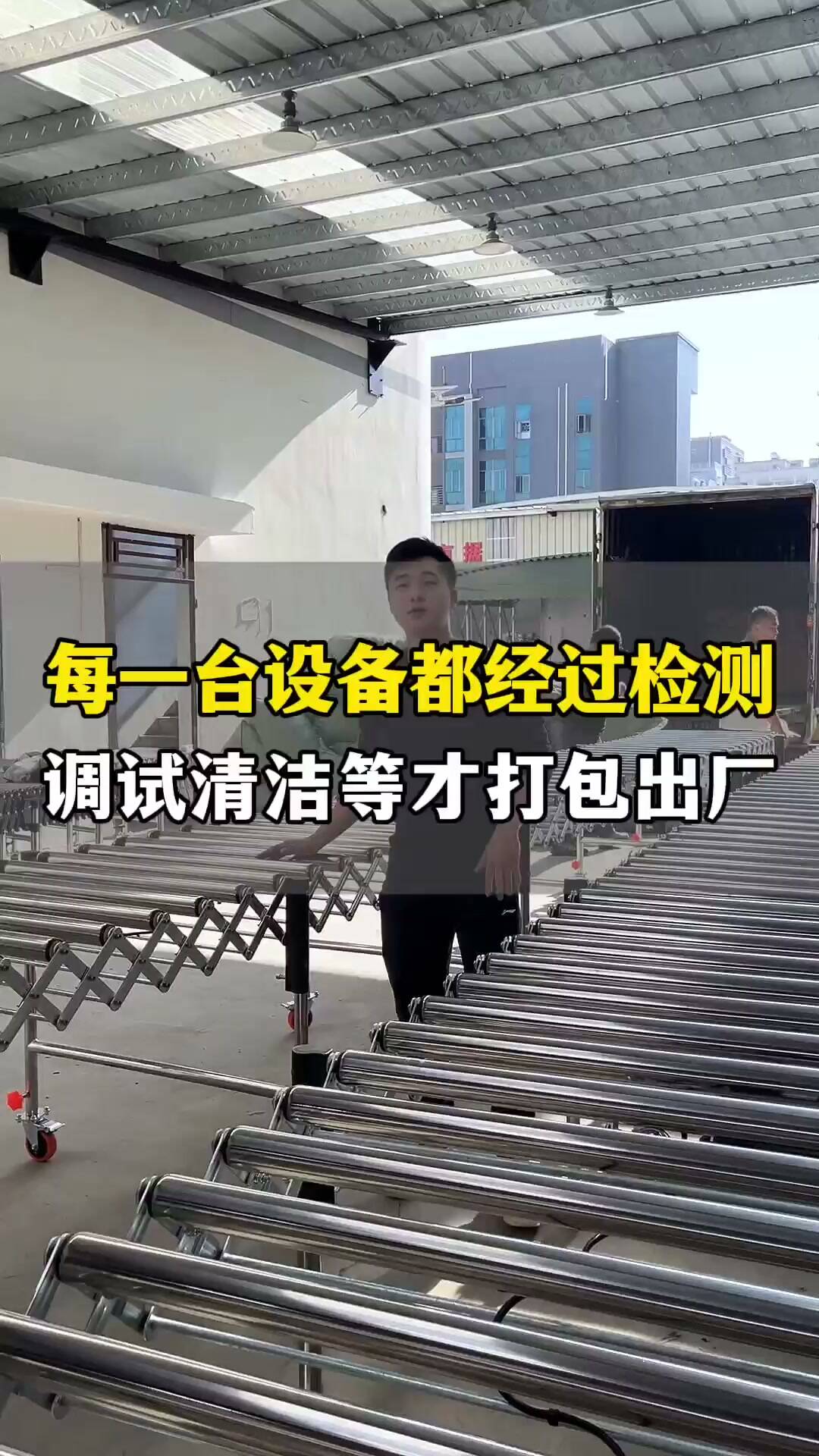
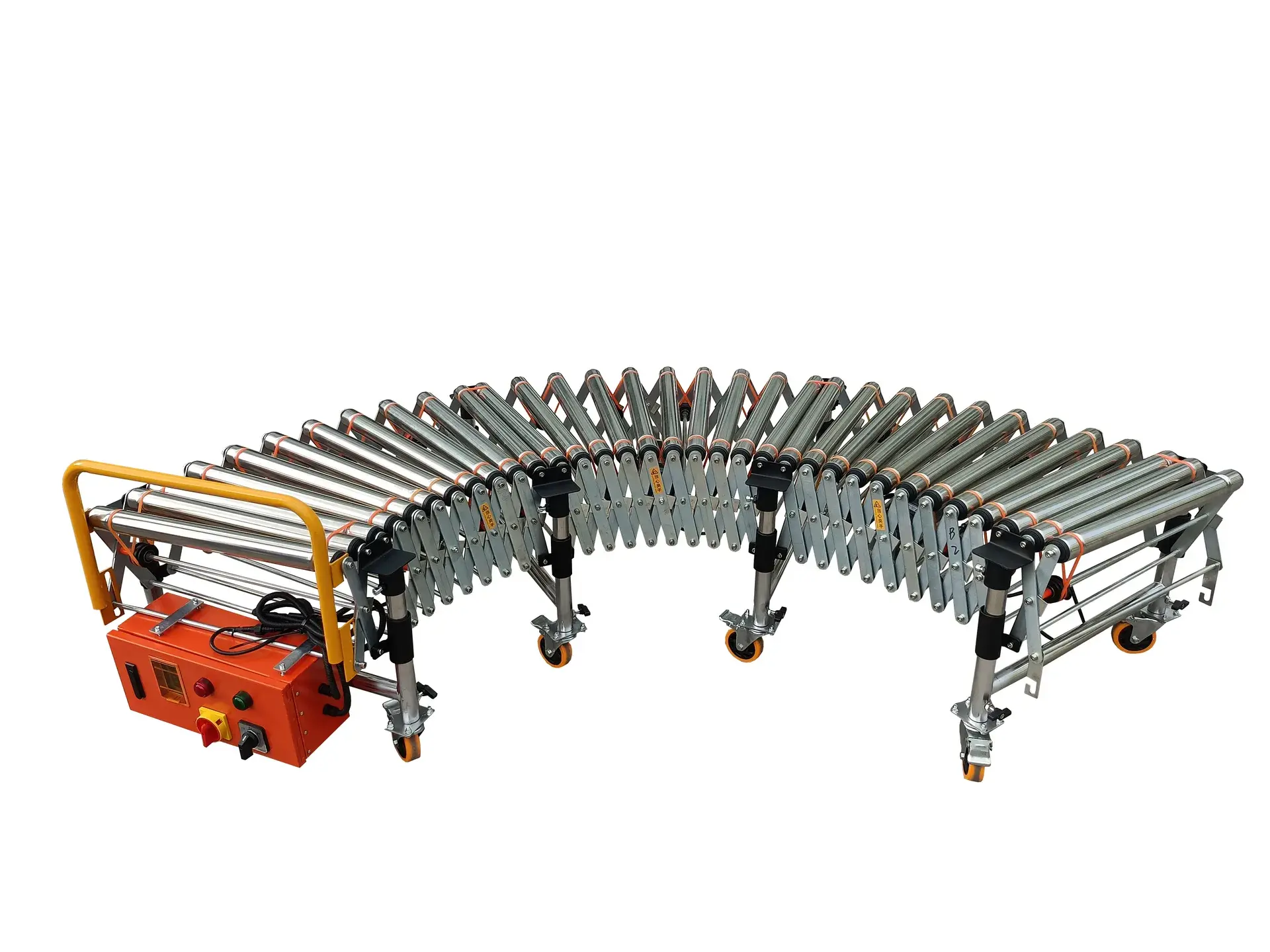
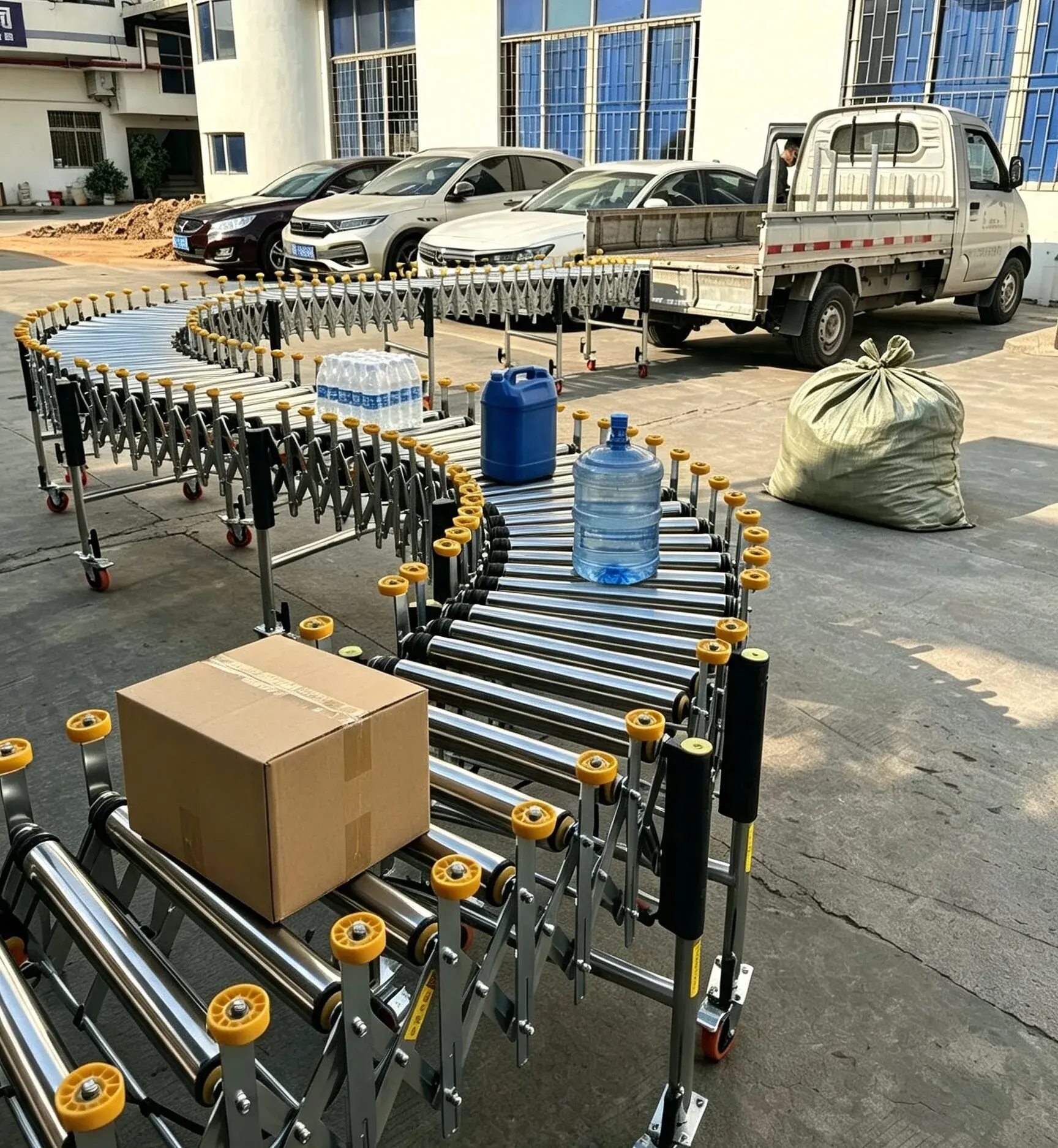
To meet the actual needs of different industries and plants, Naili Conveyor can provide customized solutions for non-standard conveying equipment and dedicated flexible logistics solutions. Powered roller conveyor lines are suitable for routine process transfer of heavy-duty and precision materials in workshops, supporting complex operating conditions such as curves, multiple levels, variable speeds, and customized lengths; Hydraulic Conveyor can accommodate height differences at various non-standard loading docks to solve loading and unloading issues between different elevations; telescopic belt conveyors are suitable for rapidly shipping large batches of finished goods and for batch transfer; non-powered roller lines and skatewheel conveyors are better suited to short-distance transfer of small items and the handling of lightweight materials.
Configure equipment according to the application scenario to reduce adaptation losses from generic solutions
Different equipment performs different tasks, but the goal is the same: to make the logistics chain smoother and more stable. All equipment parameters, structural configurations, and operating modes must be adjusted according to actual plant conditions to avoid adaptation deficiencies in complex environments that could affect long-term system operation.
For businesses, the value of this type of non-standard upgrade lies not only in updating equipment, but also in minimizing changes to the plant's existing infrastructure, avoiding high expansion costs, and improving overall production capacity through logistics upgrades. For factories that need to continuously increase output within limited space, this is a path more closely aligned with actual operating constraints.