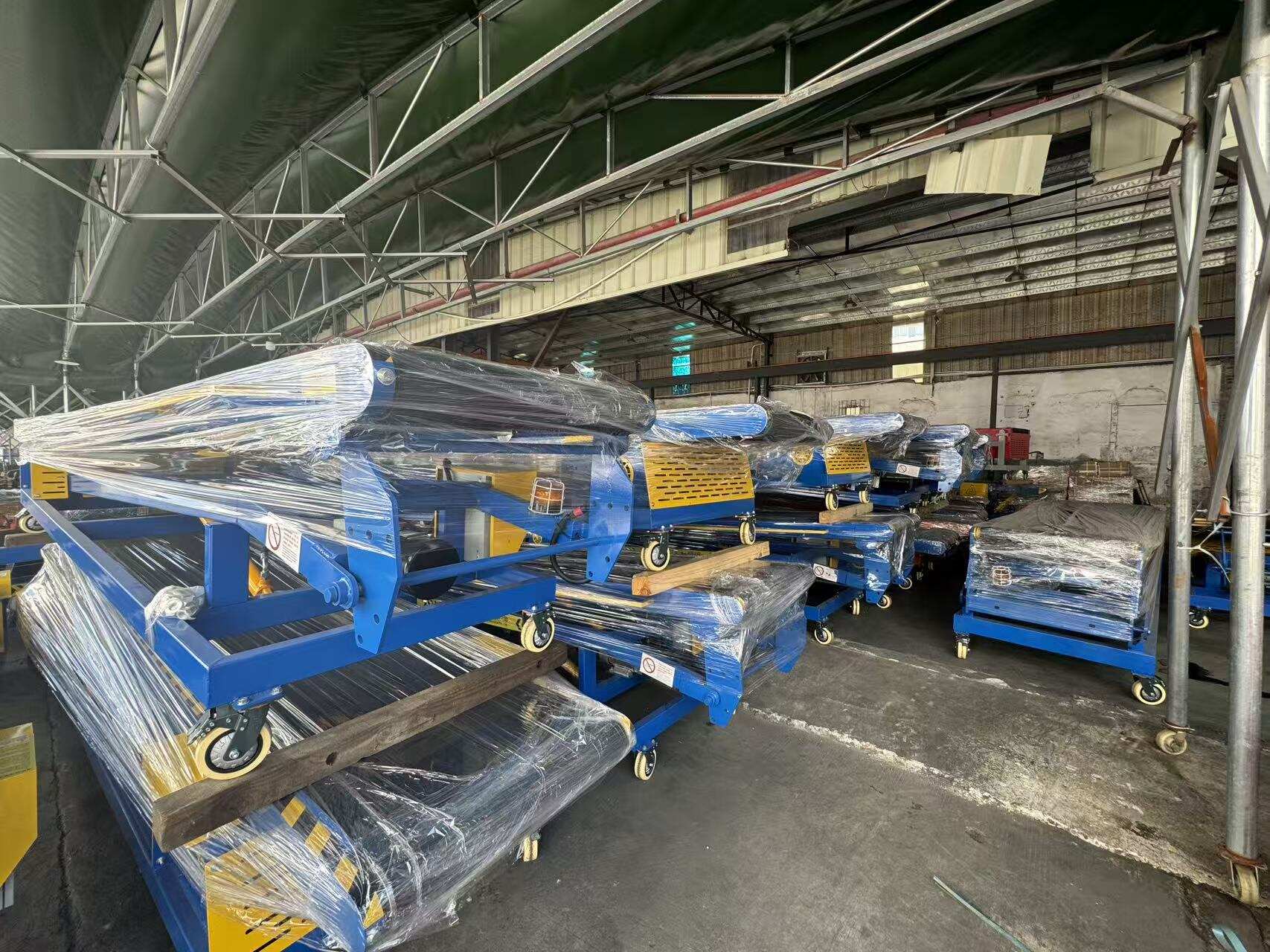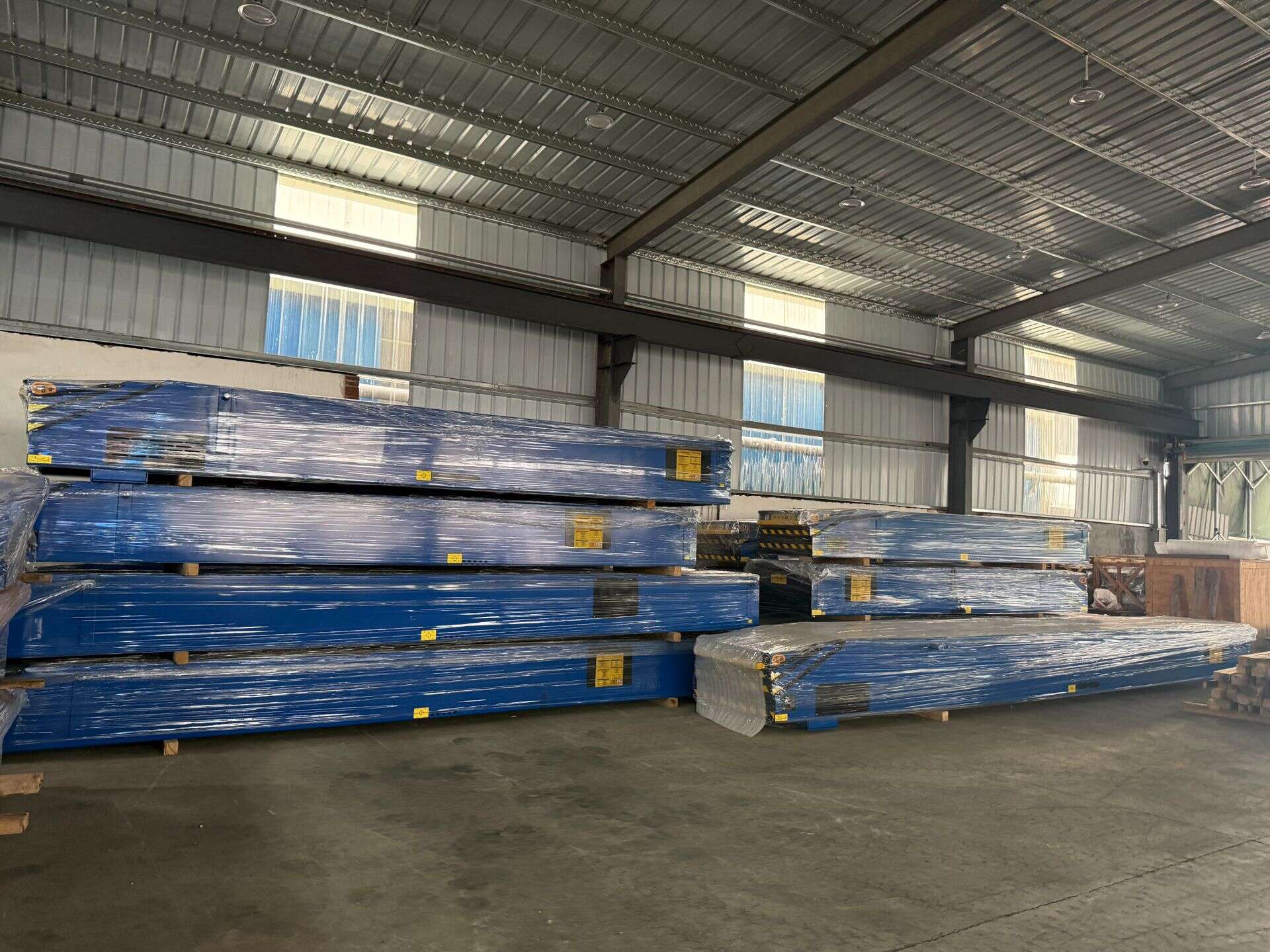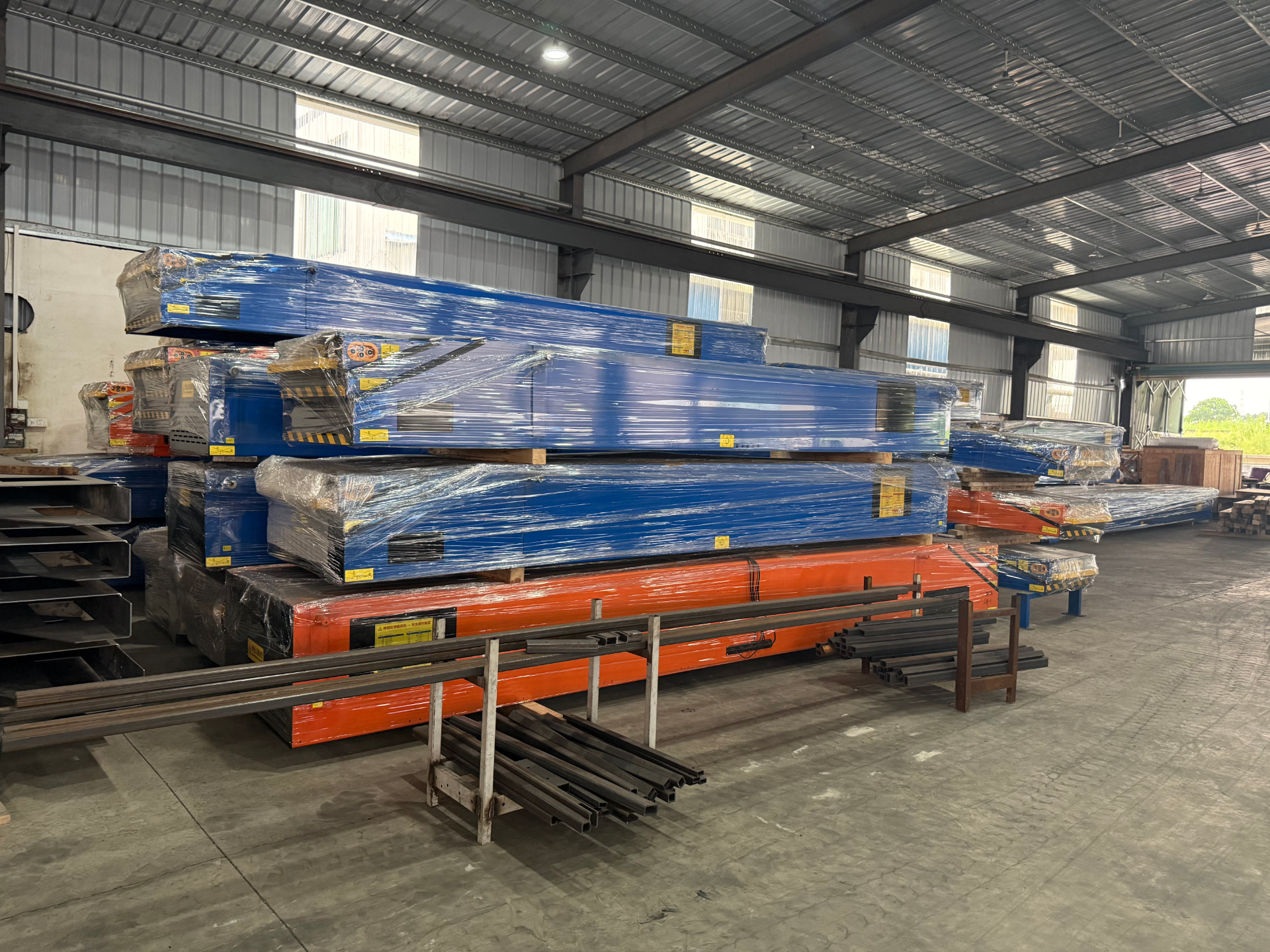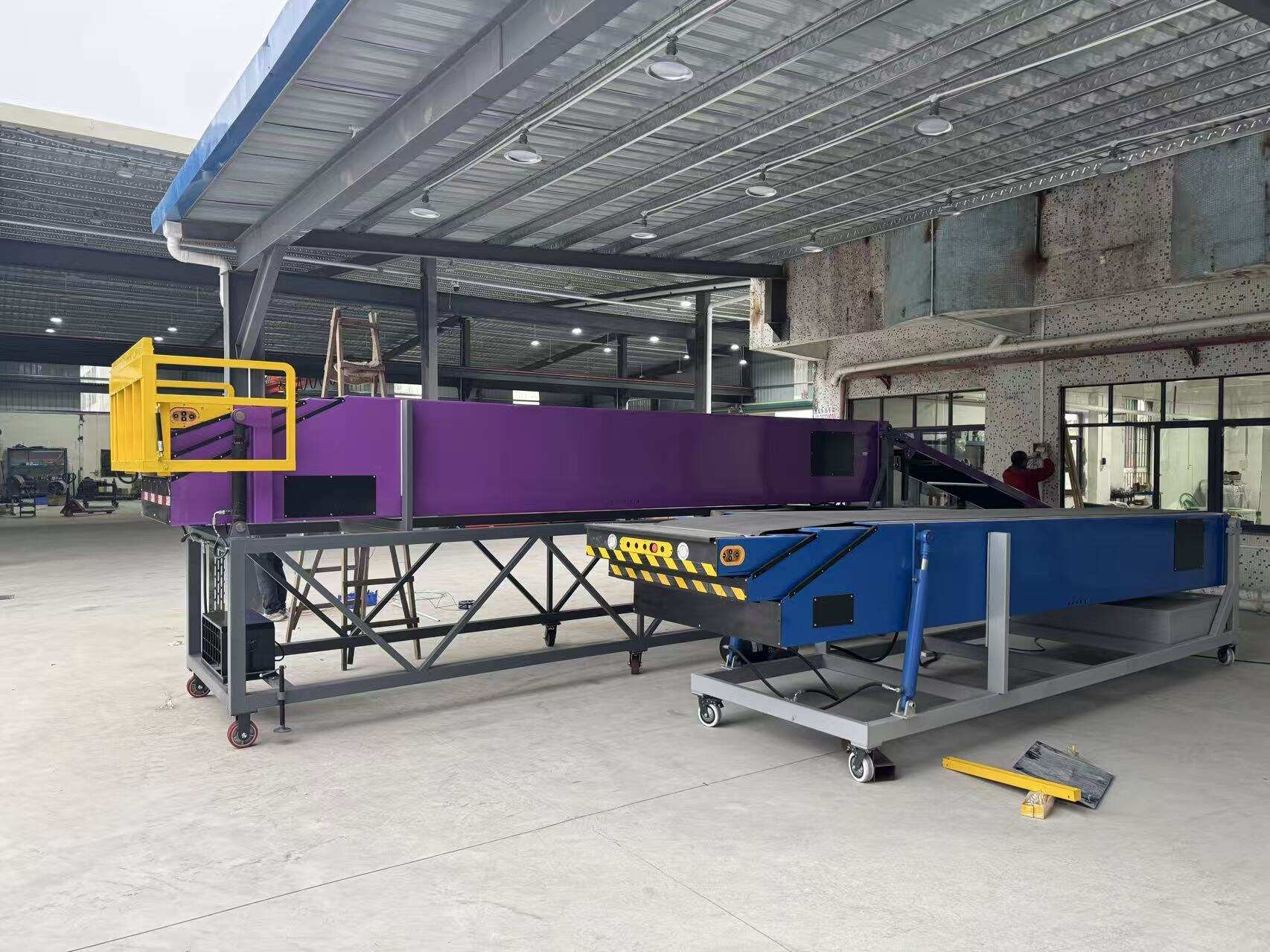
Low Throughput? Bottlenecks Often Lie in Material Flow
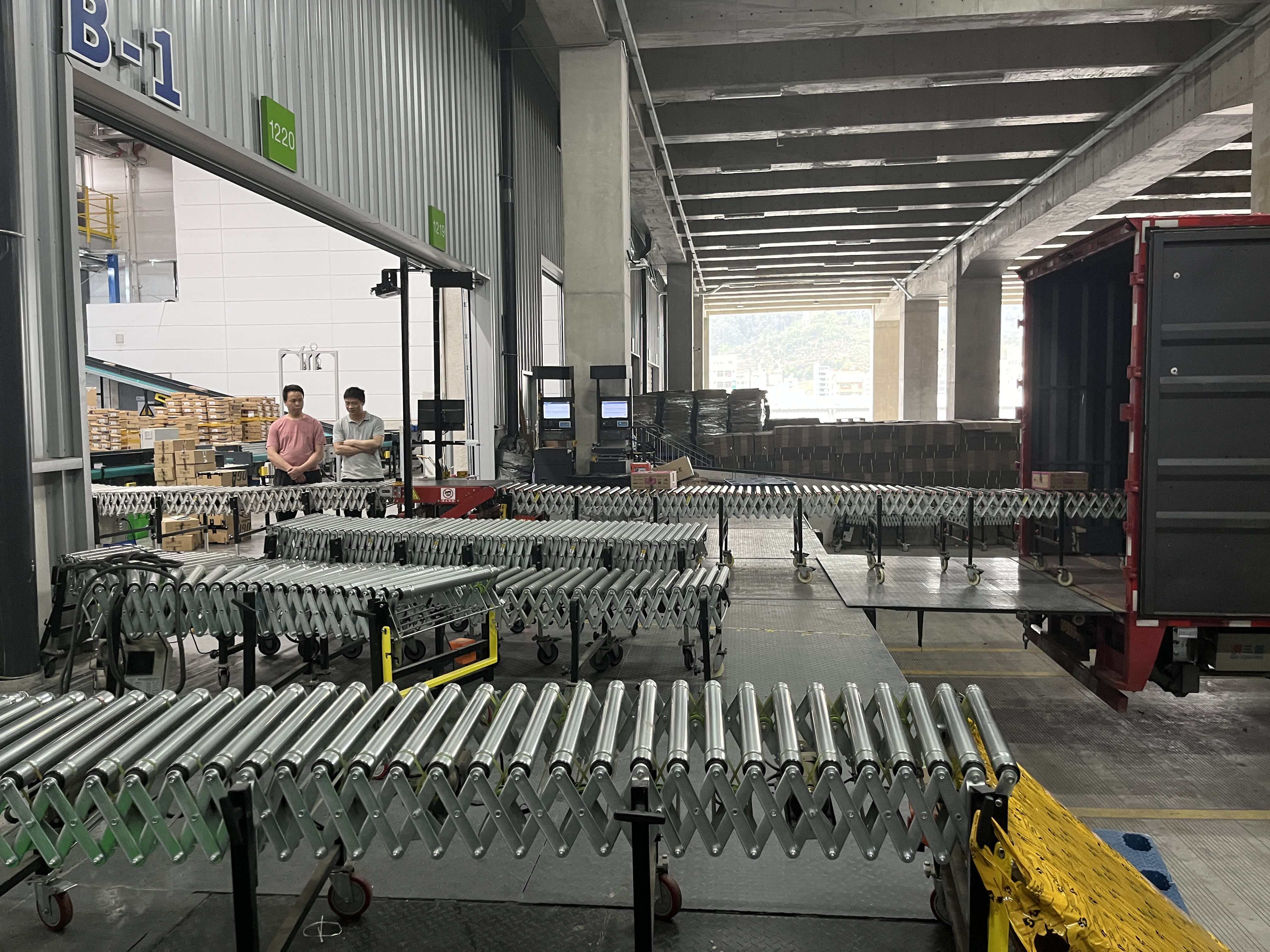
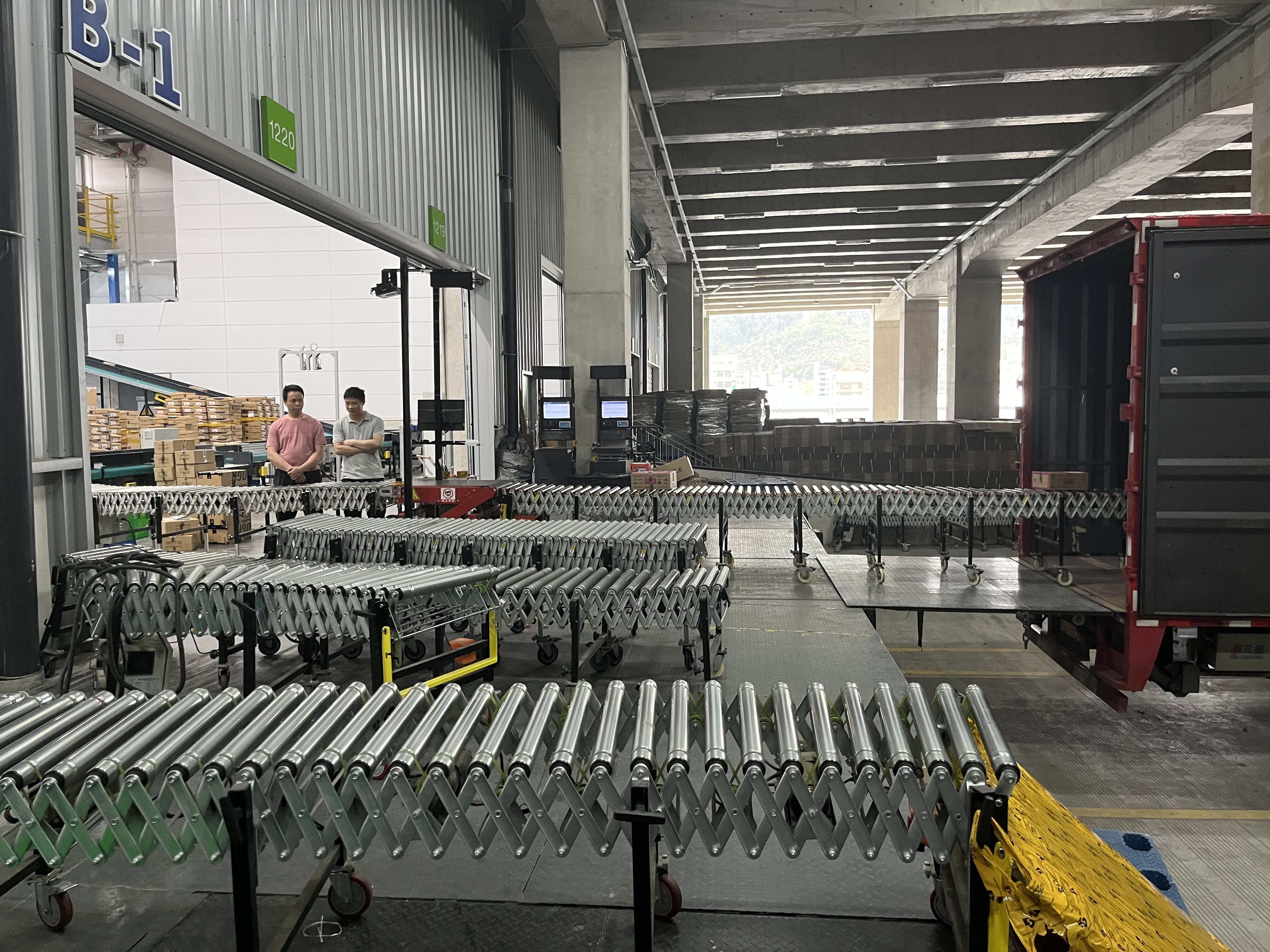
Many production managers encounter a similar situation: processing equipment is precise and highly automated, and staffing is adequate, yet overall output still falls short of expectations. Delivery schedules are inconsistent, and work-in-process inventory remains high over the long term. What often reduces efficiency is not the processing itself, but the handoffs between operations.
When material flow falls behind, workstations frequently sit idle, and work-in-process piles up and causes congestion, it is difficult for the workshop to maintain a stable, continuous production rhythm. The equipment may appear to be running, but significant time is actually lost to waiting and idle operation, reducing effective equipment utilization.
Powered Roller Conveyors Keep Materials Moving Continuously in Sync with Production
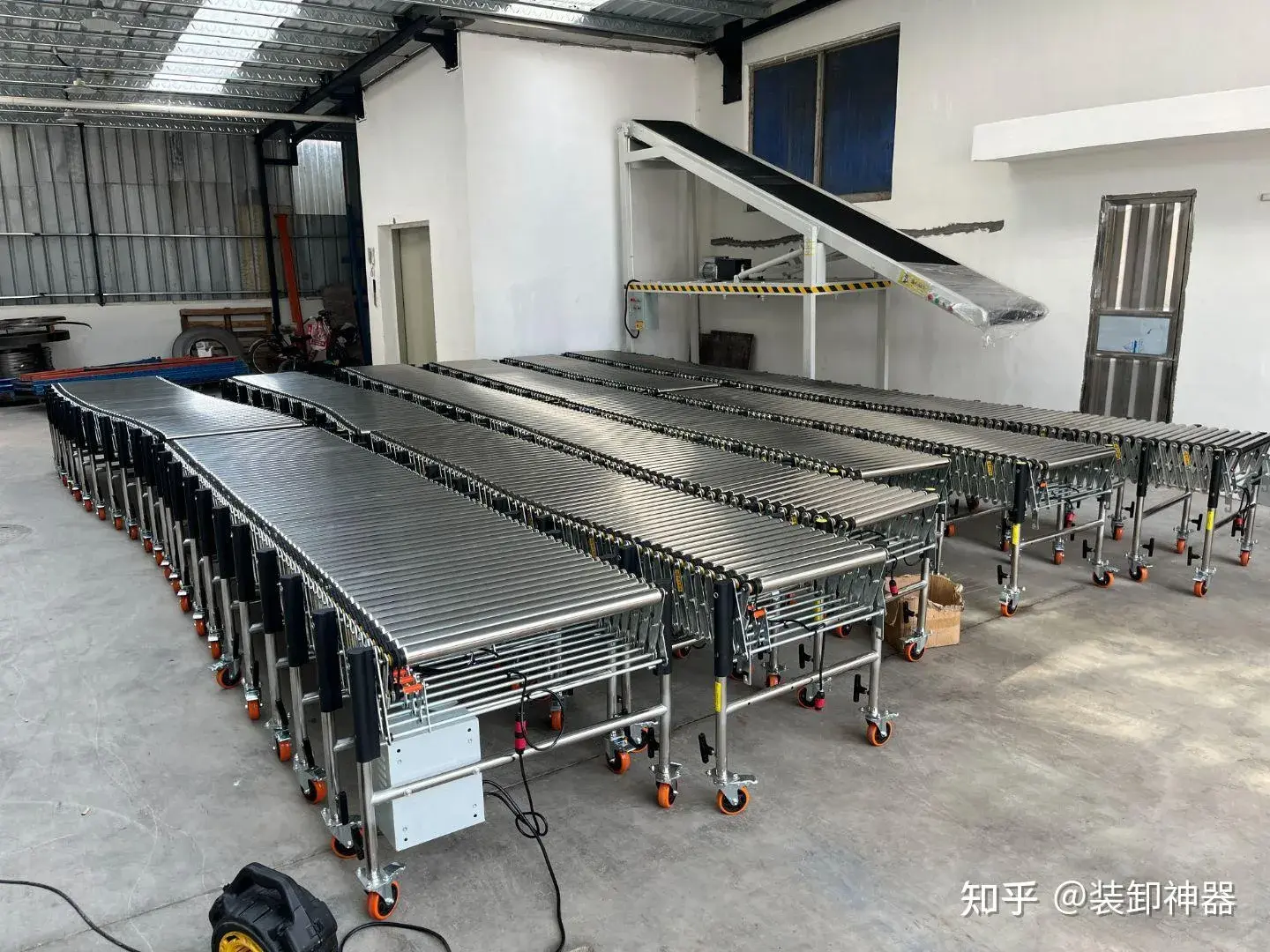
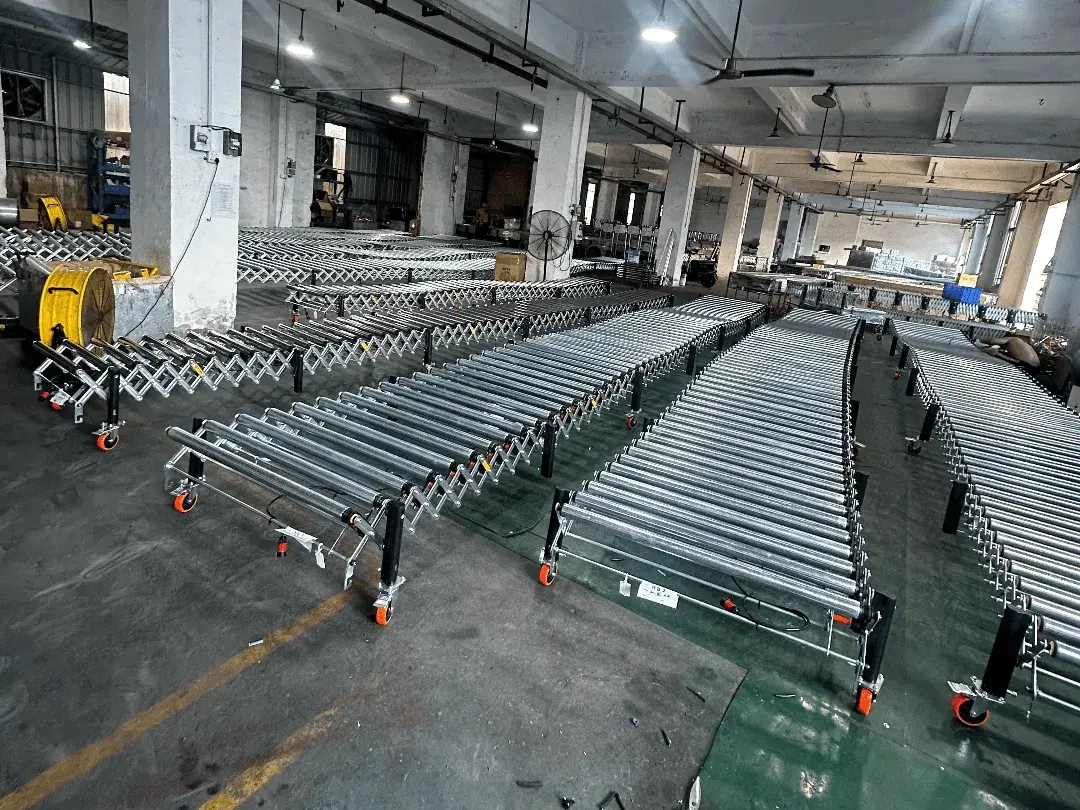
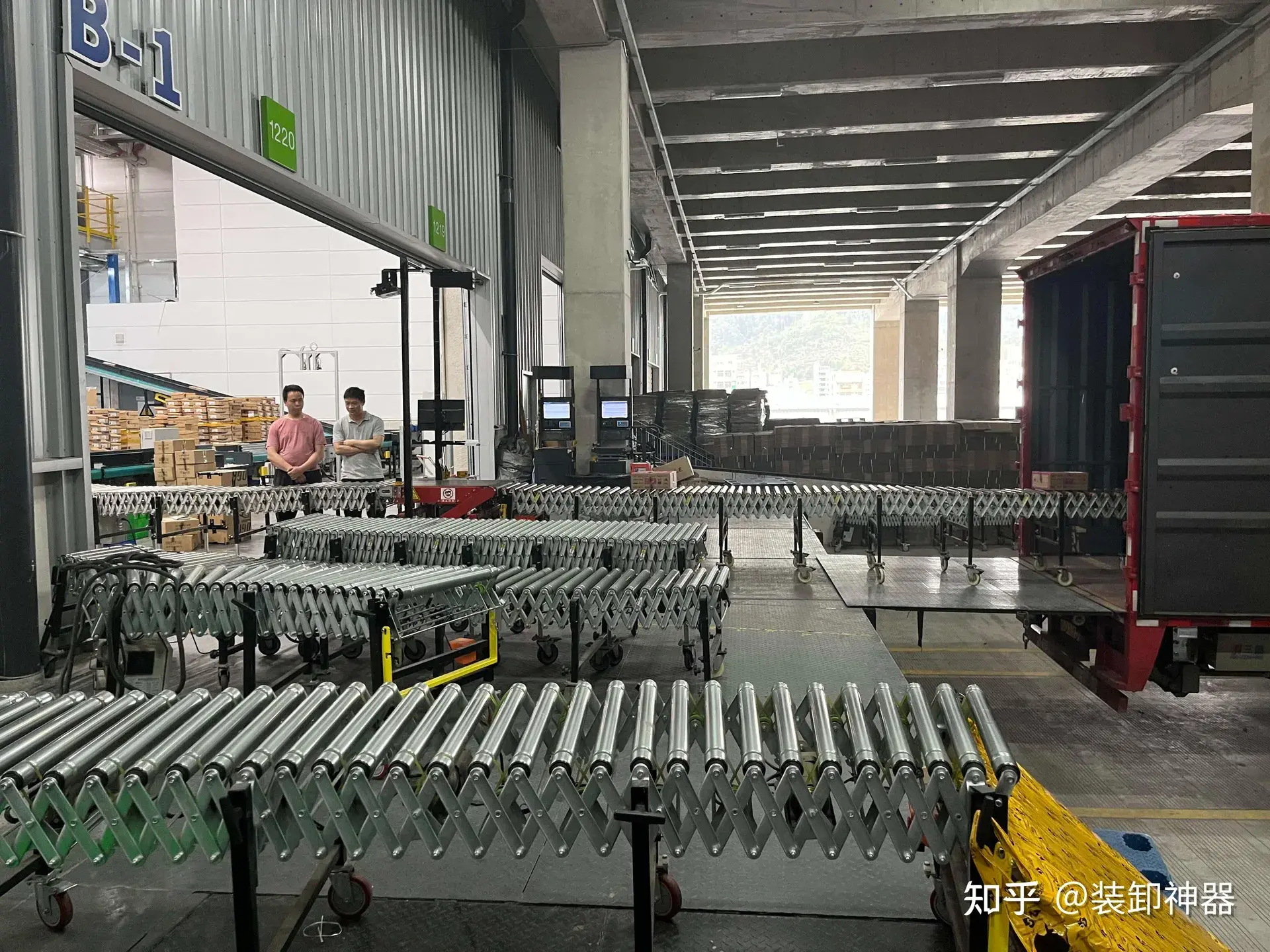
To address this inefficiency, the priority is not simply to upgrade processing equipment further, but to streamline internal material flows first. Powered roller conveyors replace manual material handling with more consistent, standardized conveying, keeping the flow between operations continuous, even, and controllable.
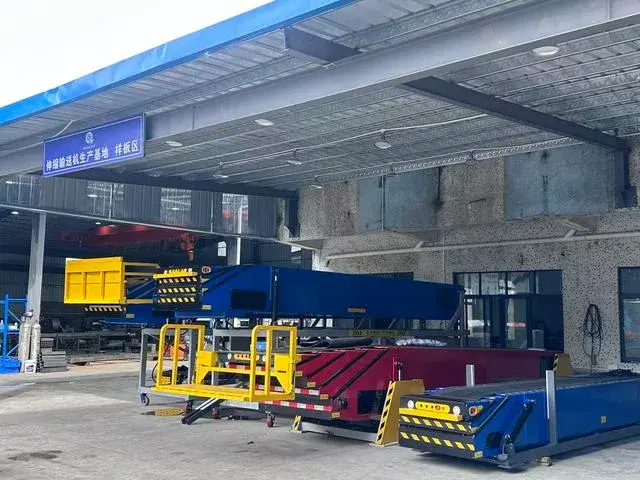
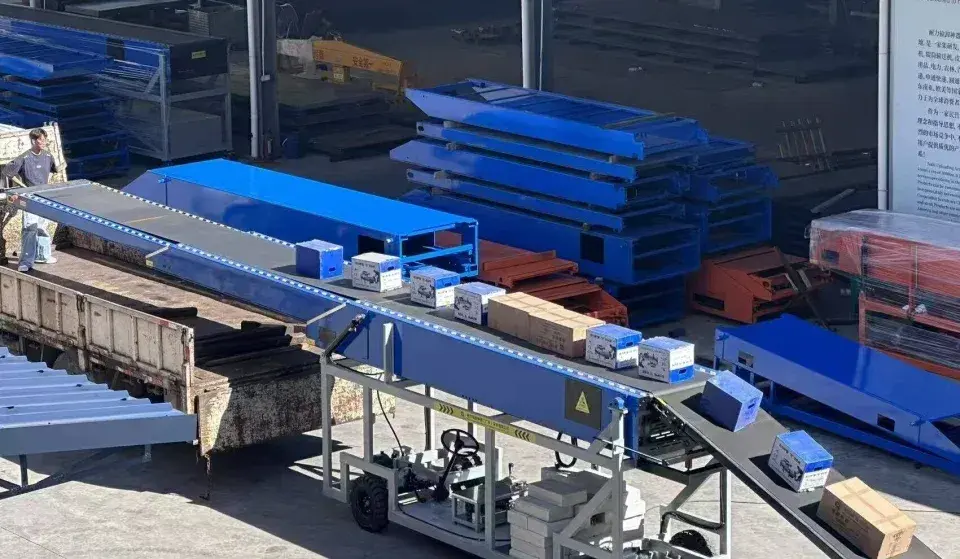
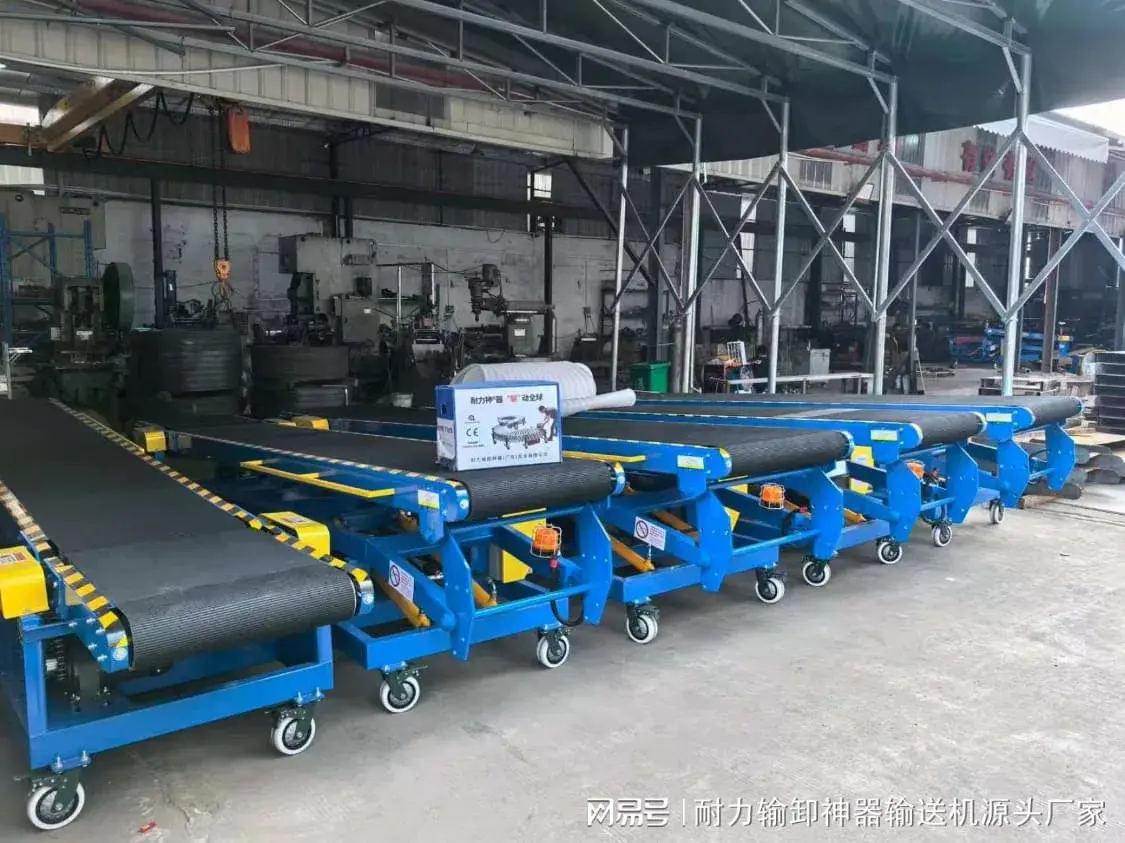
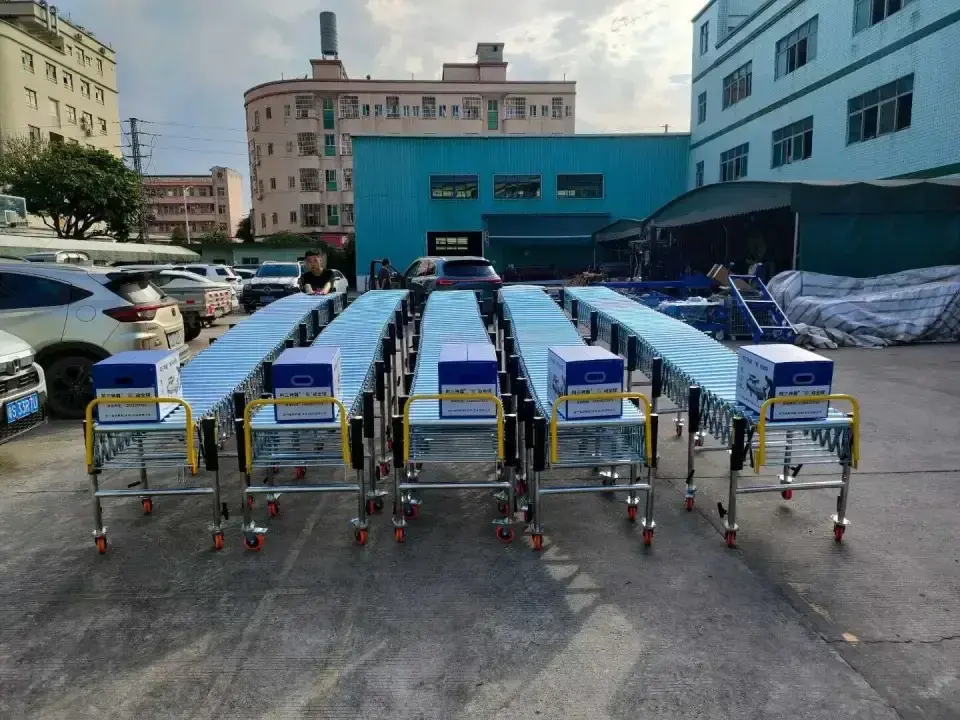
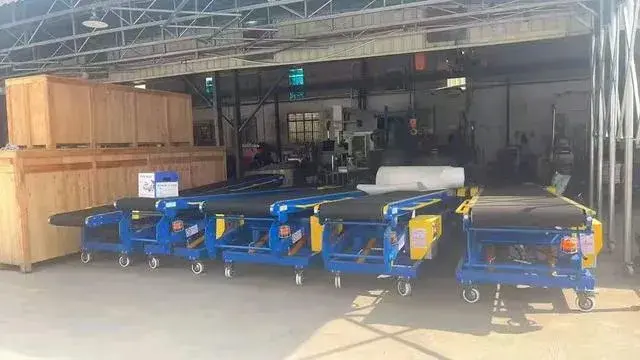
This equipment handles a range of material types, including boxed goods, pallets, heavy items, and work-in-process. It can be used in high-frequency applications such as loading and unloading workstations, connecting operations, transferring materials between areas, and collecting finished products for storage. It is suitable for workshops used for processing, assembly, and warehouse transfers.
Customized for Operating Conditions and Different Layouts and Production Rhythms
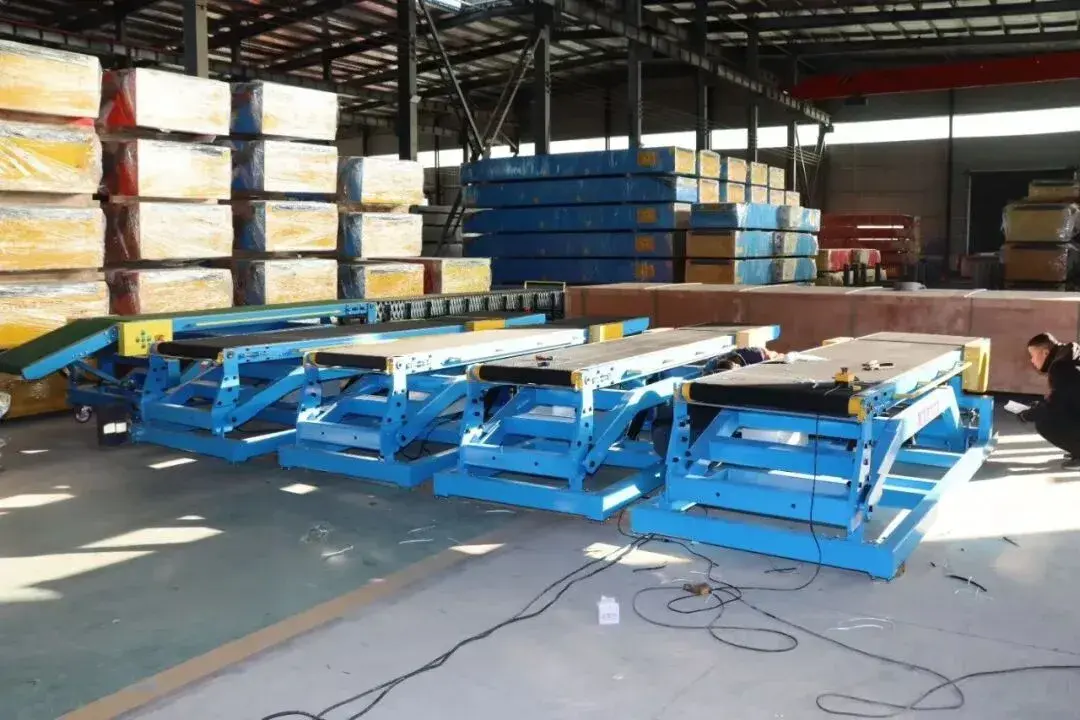
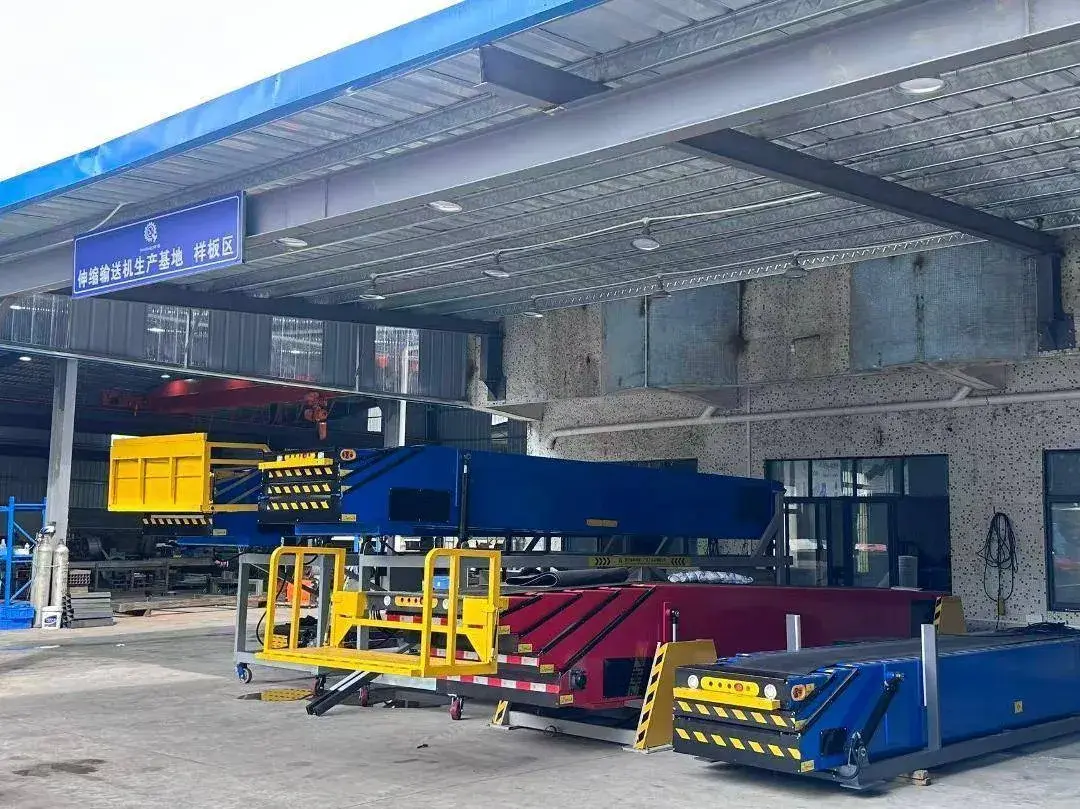
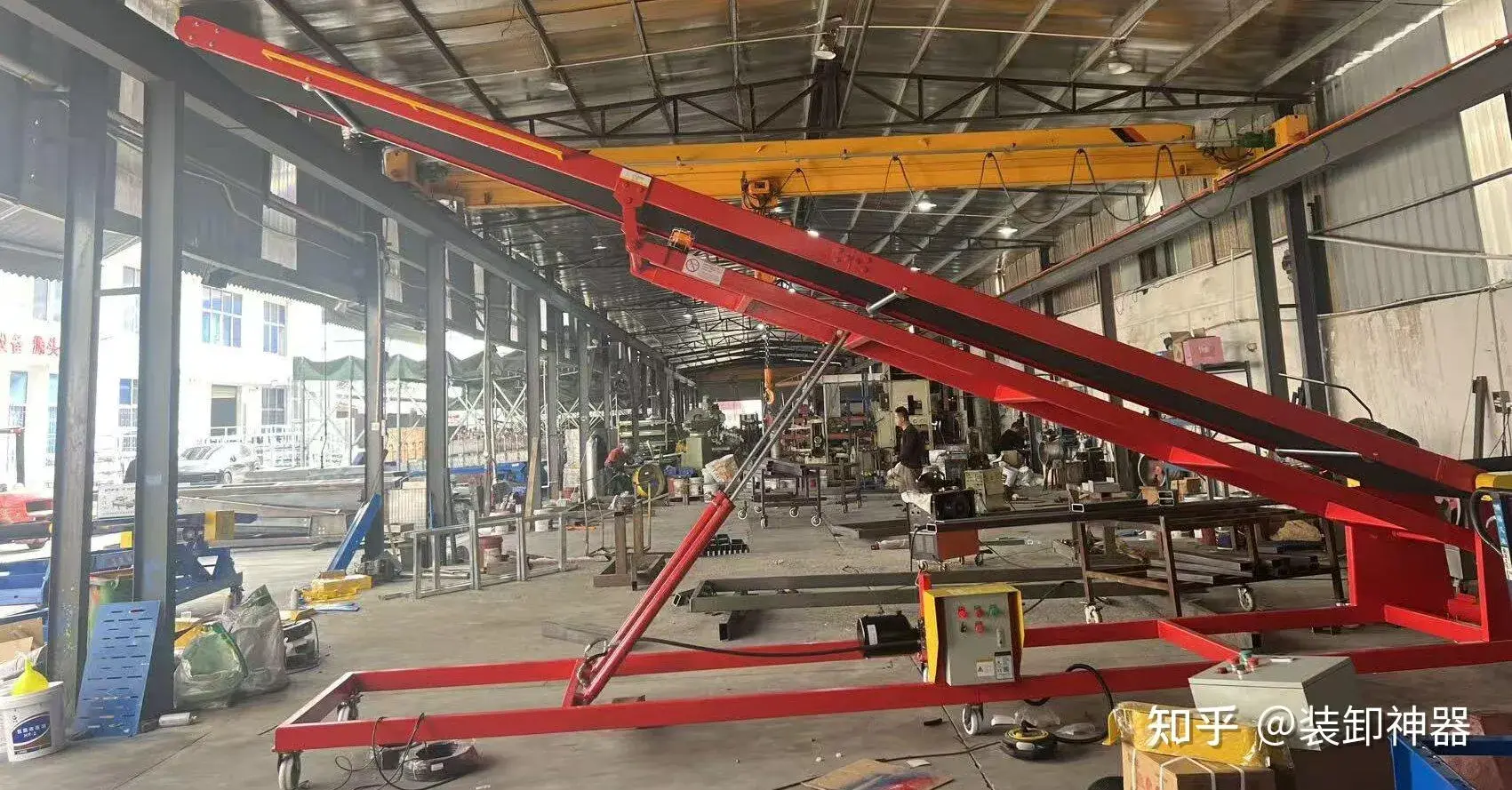
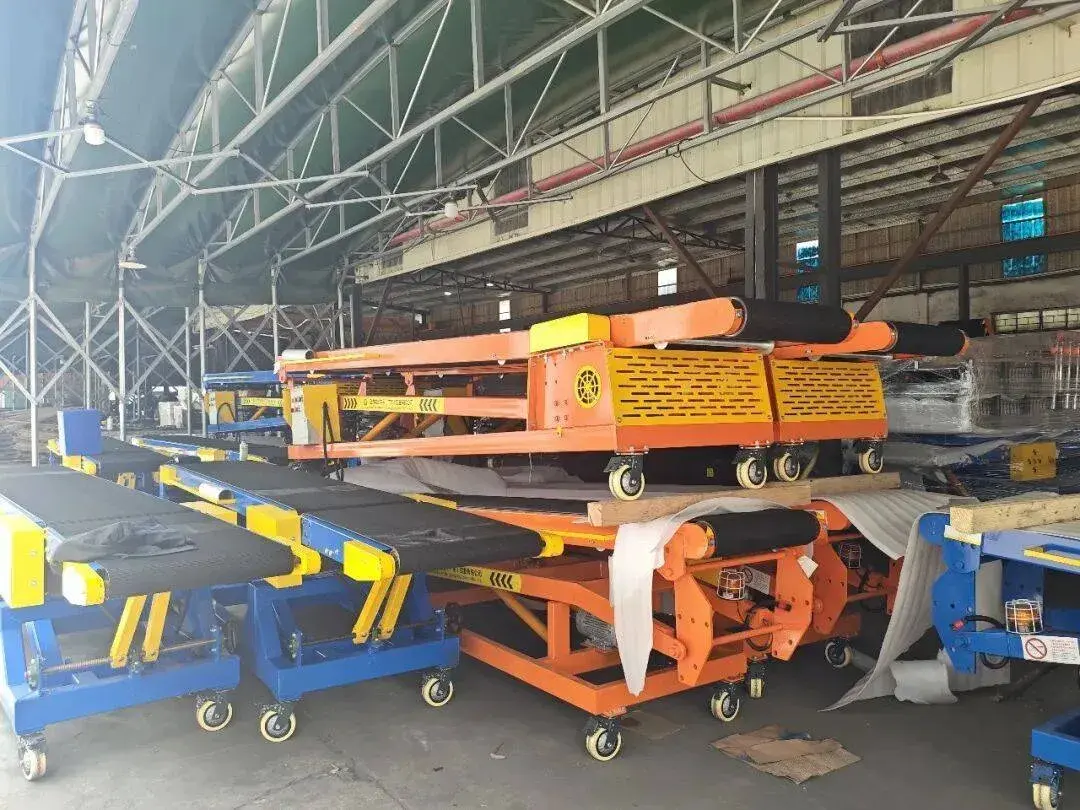
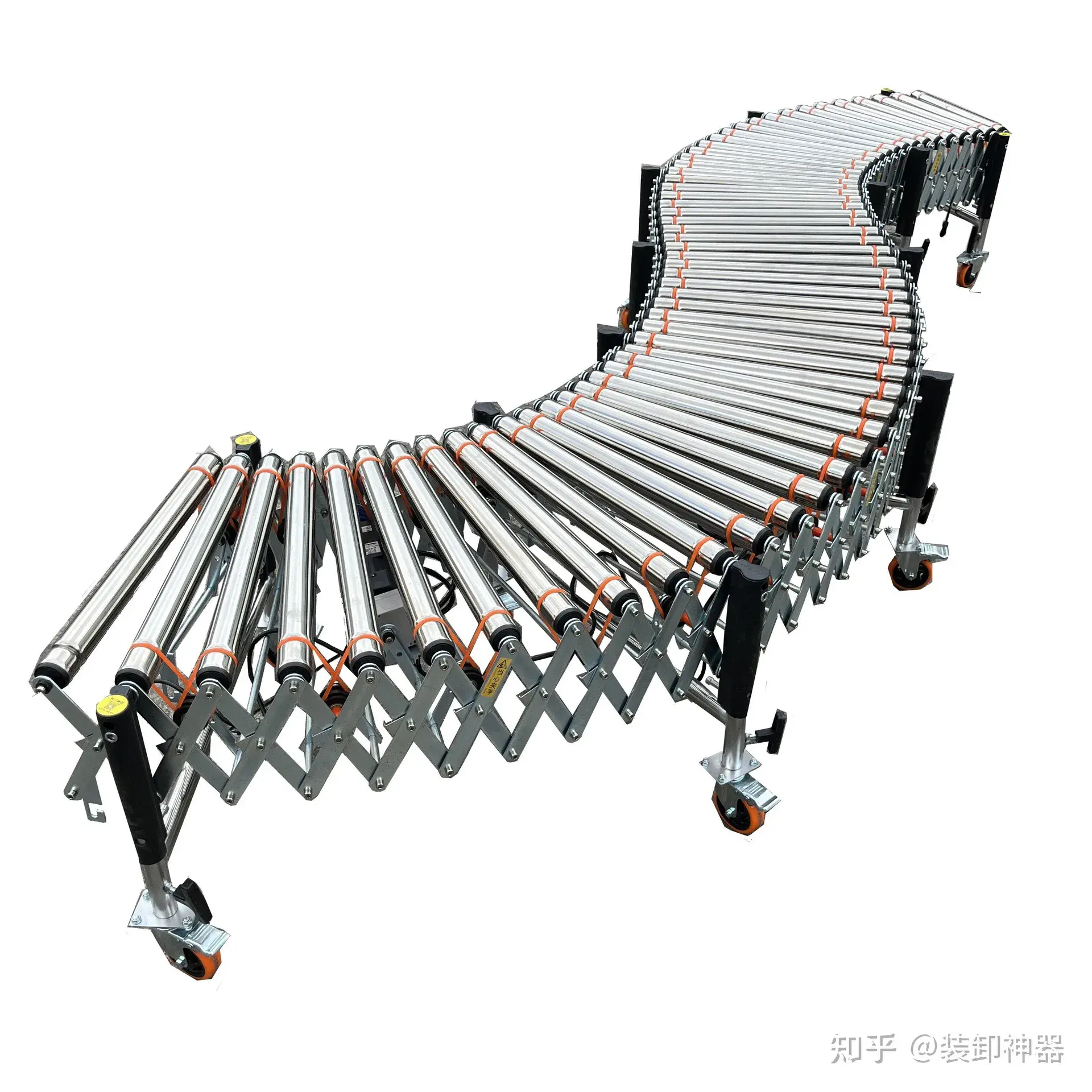
Unlike standard off-the-shelf equipment, customized solutions prioritize fit with the actual site. The conveyor's length, width, height, and speed can be tailored to the workshop layout, workstation spacing, aisle dimensions, and production rhythm. Modules such as smart sensors, variable-frequency speed control, travel stops, and safety guards can also be added to enable automatic start and stop, on-demand feeding, and precise integration with each operation.
In terms of structure and operation, tiered roller configurations can accommodate materials of different weights, while dual-drive modes balance quiet operation with heavy-load capacity, helping reduce common problems such as misalignment, slipping, jamming, and unstable operation. Layouts involving turns, lifts, and multiple levels can also be planned to suit the workshop, making these systems suitable for upgrading aging production lines and non-standard facilities.
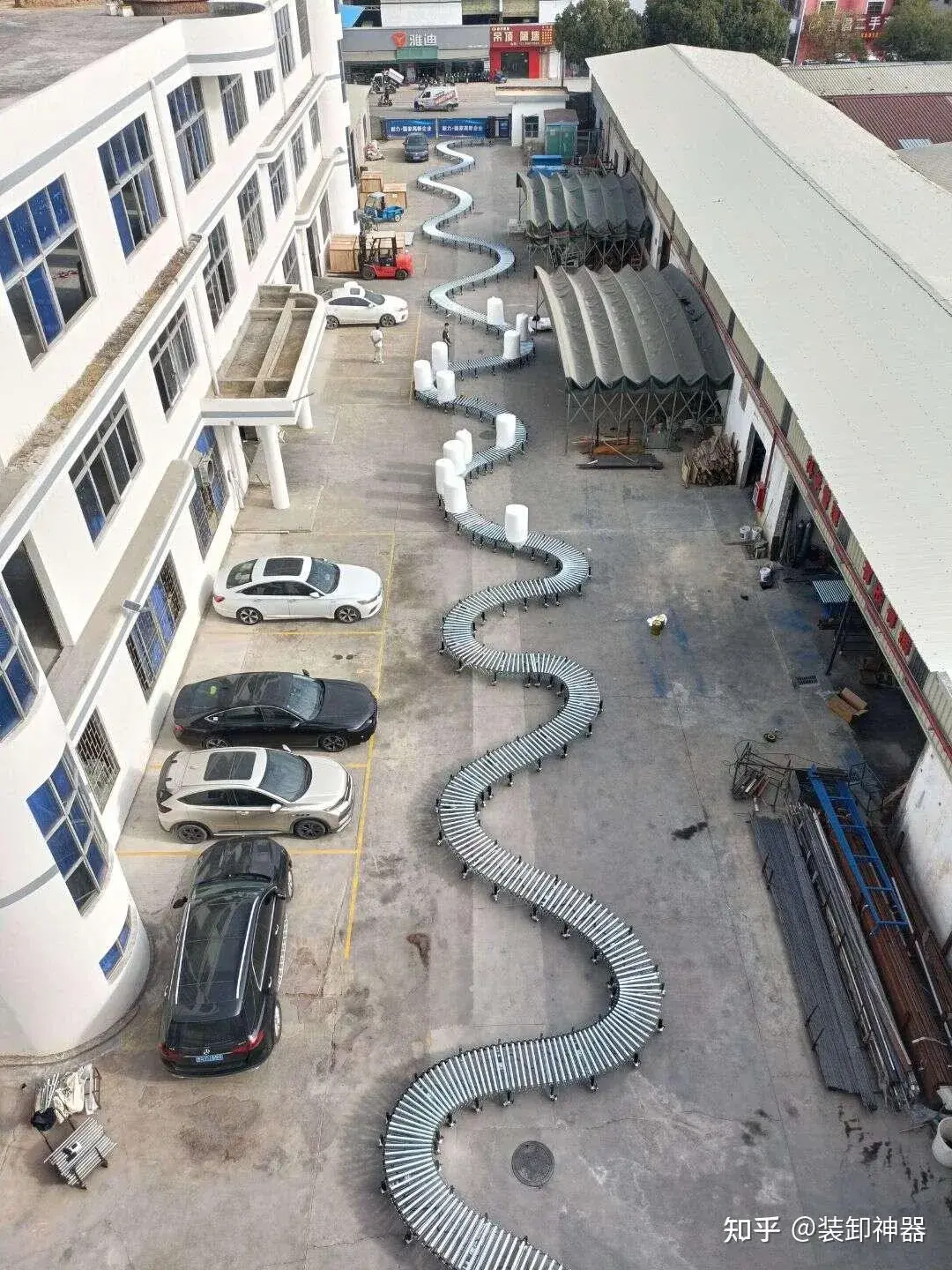
Streamline Material Flow to Unlock More Consistent Production Capacity
Once material routes in the workshop have been reorganized, issues such as accumulation, bottlenecks, material shortages, and process disconnects become easier to control, and production-line rhythms are easier to align. For businesses, the benefits go beyond smoother material flow: production efficiency and equipment utilization improve together.
In practice, powered roller conveyors are better suited to resolving handoff issues between operations than simply replacing processing equipment. By first clearing the way for material flow, businesses have a better chance of consistently realizing their true production capacity.