Naili Conveyor
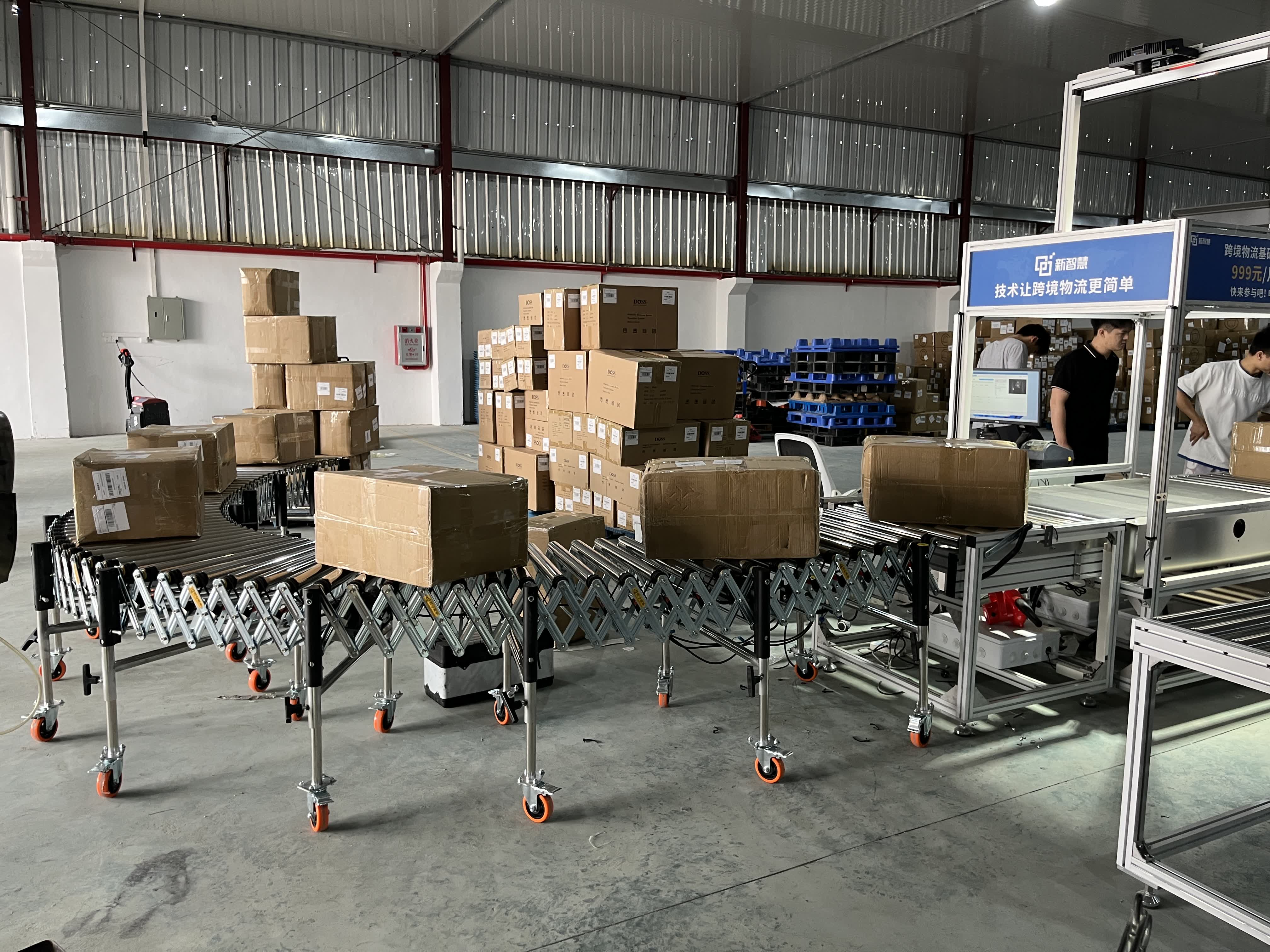
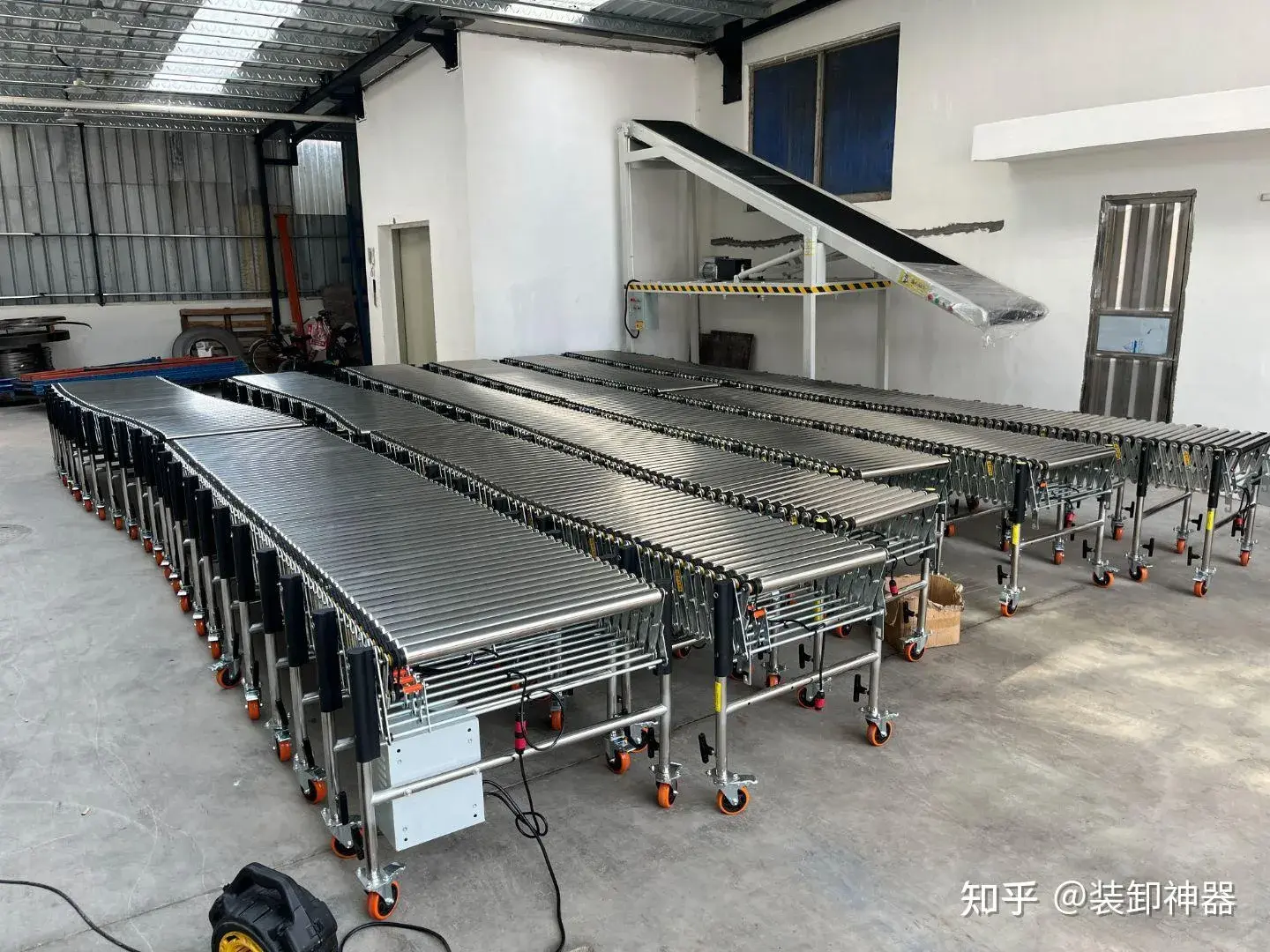
In regions such as the Pearl River Delta and Yangtze River Delta, where manufacturing and logistics industries are concentrated, many small and medium-sized factories, e-commerce warehouses, and freight transfer stations face the same problem: they lack standardized loading docks, so loading, unloading, and transferring goods must all be carried out at ground level. As the labor structure changes, the shortcomings of traditional manual ground-level loading and unloading have become even more pronounced. Difficulty recruiting workers, high labor costs, unstable efficiency, elevated safety risks, and significant product damage have gradually become major bottlenecks affecting warehouse turnover and order fulfillment. For these scenarios,Naili Unloading Artifact (Guangdong) Industrial Co., Ltd.the powered telescopic roller conveyor line combined with a hydraulic lifting incline conveyor that it offers provides a more practical conveying solution for ground-level operations without loading docks.
Why manual ground-level loading and unloading is becoming increasingly difficult
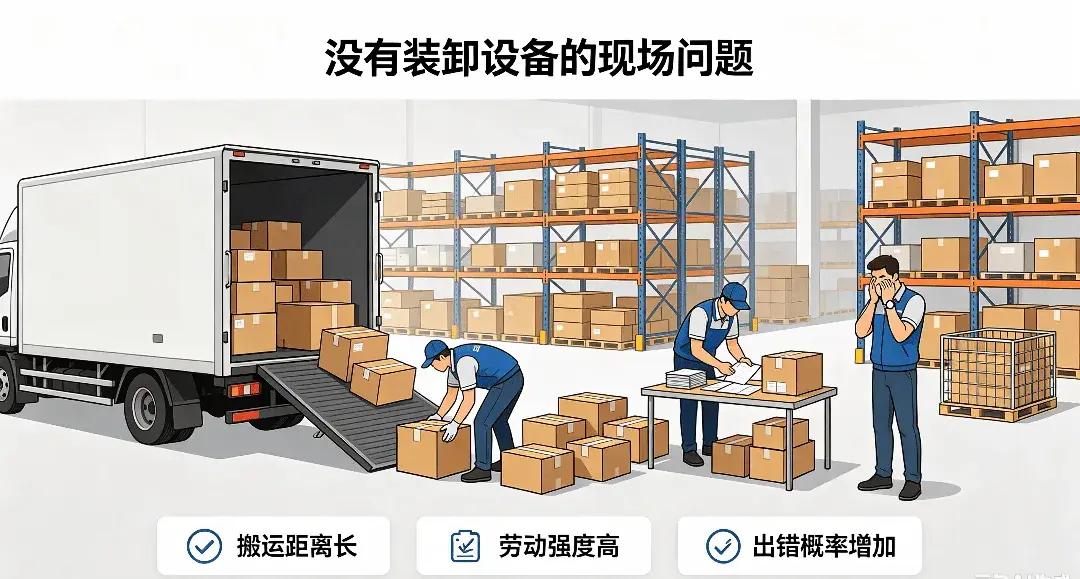
The pressure of ground-level loading and unloading first comes from the labor side. Physically demanding jobs continue to become less attractive to workers, while younger generations tend to prefer lower-intensity, stable work, and fewer people are willing to perform repetitive handling over the long term. In practice, frontline loading and unloading workers are noticeably aging, leaving companies facing persistent difficulties in recruiting and retaining workers, as well as high turnover among experienced employees. During peak production and sales seasons, major e-commerce promotions, or periods when large volumes of goods arrive at once, temporary labor shortages can directly slow shipping, causing goods to accumulate and orders to be delayed.
The second issue is cost and efficiency. Traditional ground-level loading and unloading usually relies on multiple workers coordinating with one another. Companies must bear not only fixed expenses such as wages, social insurance, meals, accommodation, and benefits, but also higher temporary hiring costs during peak seasons. At the same time, manual work is significantly affected by physical condition, weather, working hours, and skill level. Prolonged high-intensity work easily causes fatigue, making it difficult to maintain stable loading and unloading speeds and quality, which also limits warehouse turnover efficiency.
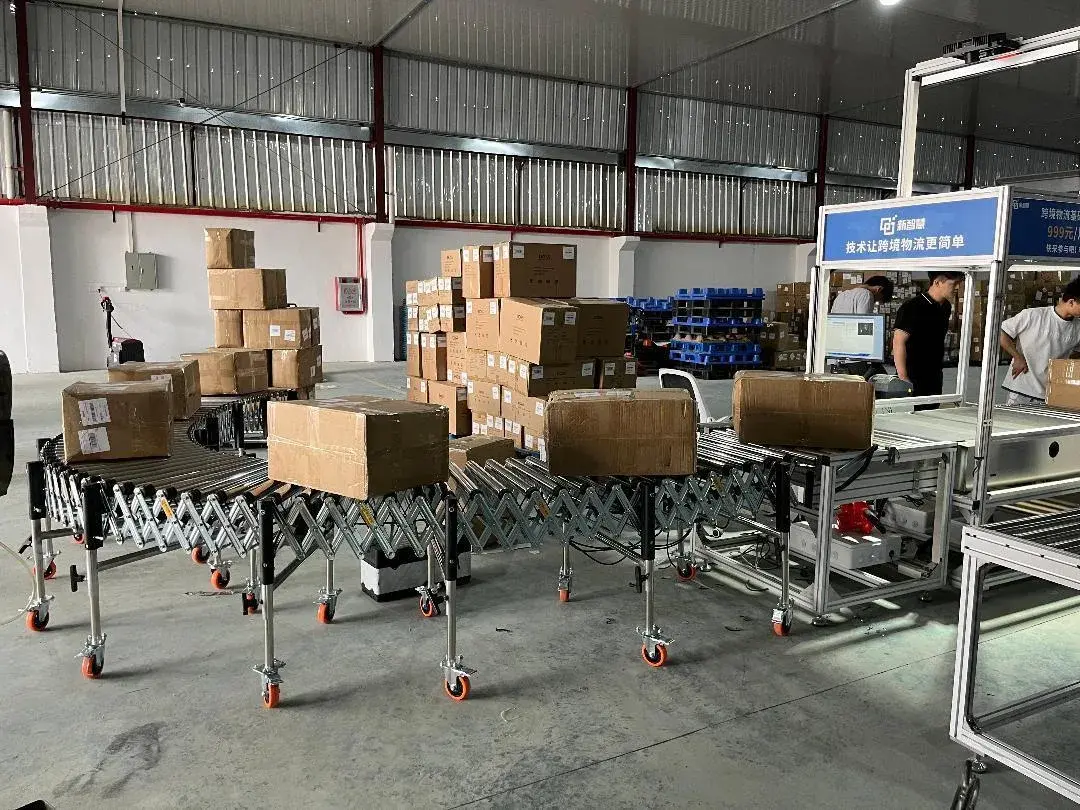
Ground-level operations also involve significant safety and product damage issues. Because there is a height difference between the vehicle compartment and the ground, workers need to bend, carry, and lift heavy goods for long periods, which can easily cause occupational problems such as lower-back strain and joint injuries, as well as accidents such as falls and injuries caused by falling goods. In terms of goods handling and protection, manual handling and stacking lack consistent standards, making impacts, compression, tipping, and damage more common. Over time, these issues can result in substantial hidden losses.
For most small and medium-sized companies, building a standardized loading dock is not realistic. It often requires substantial investment, takes up space, and involves a long construction period, resulting in an unsatisfactory return on investment. Some ordinary basic conveying equipment on the market also has limited functions and cannot flexibly adapt to differences in vehicle-floor height or different vehicle types. Ultimately, it is still difficult to replace manual labor, leaving companies caught between high labor costs, unsuitable equipment, and sites that cannot be modified.
Professional manufacturing and standardized systems determine equipment stability
There are many low-cost small workshops in the conveying equipment industry, but these manufacturers often lack permanent premises, standardized processes, and complete quality control systems. Their raw materials, assembly precision, and outgoing inspections are inconsistent, resulting in common problems such as high equipment failure rates, short service life, and difficult maintenance. Their after-sales service also lacks adequate support, which can easily affect normal production.
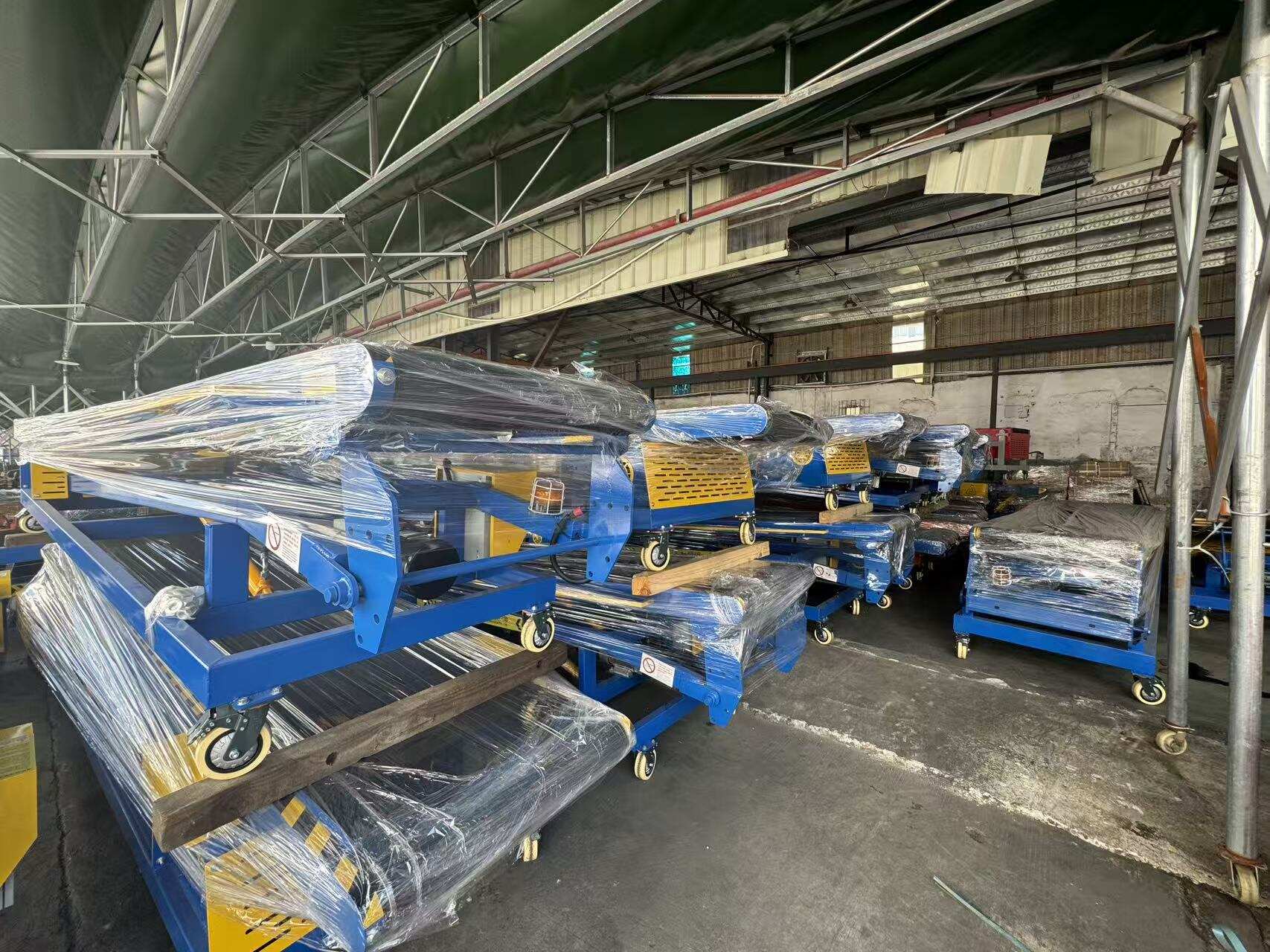
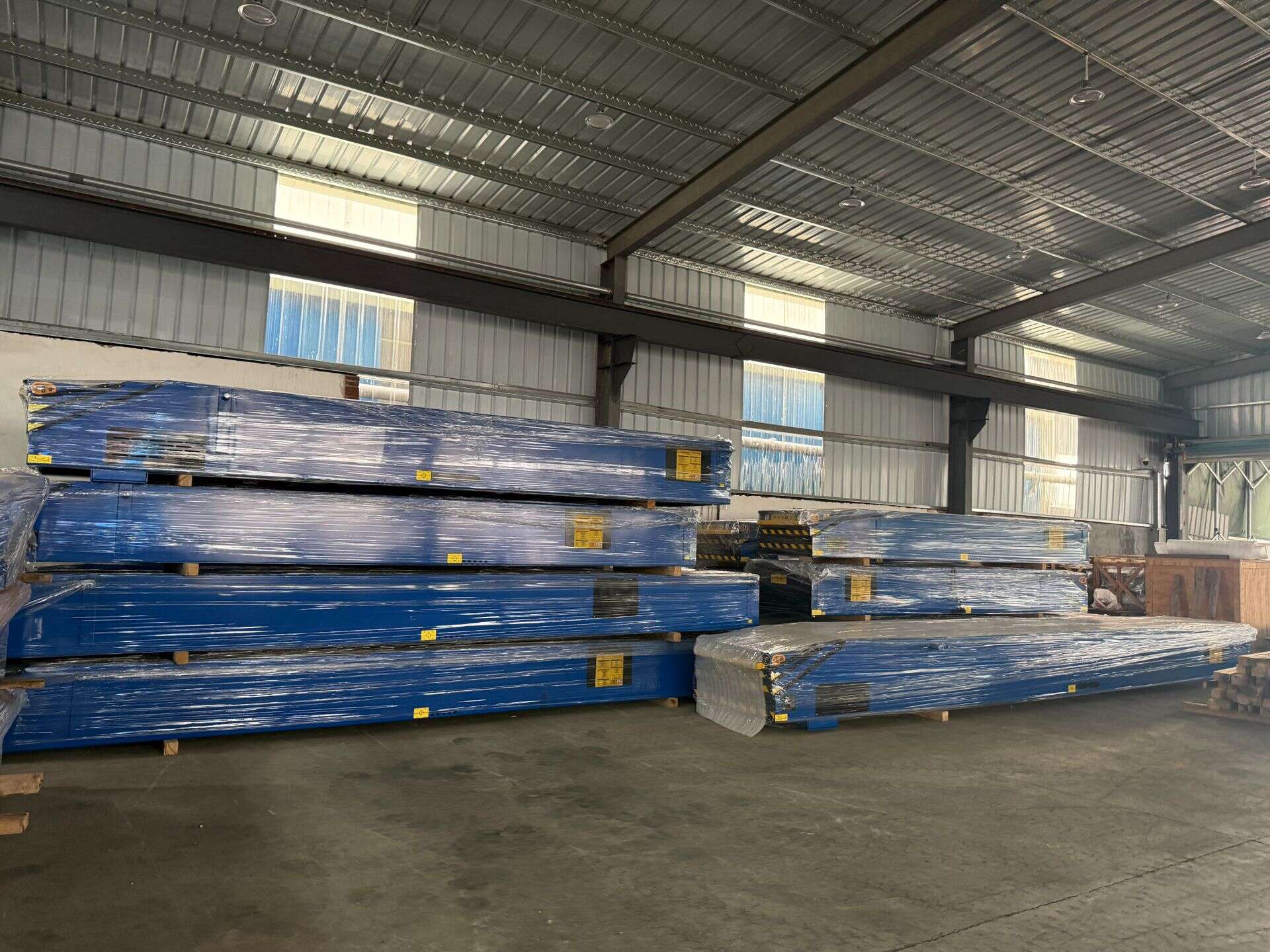
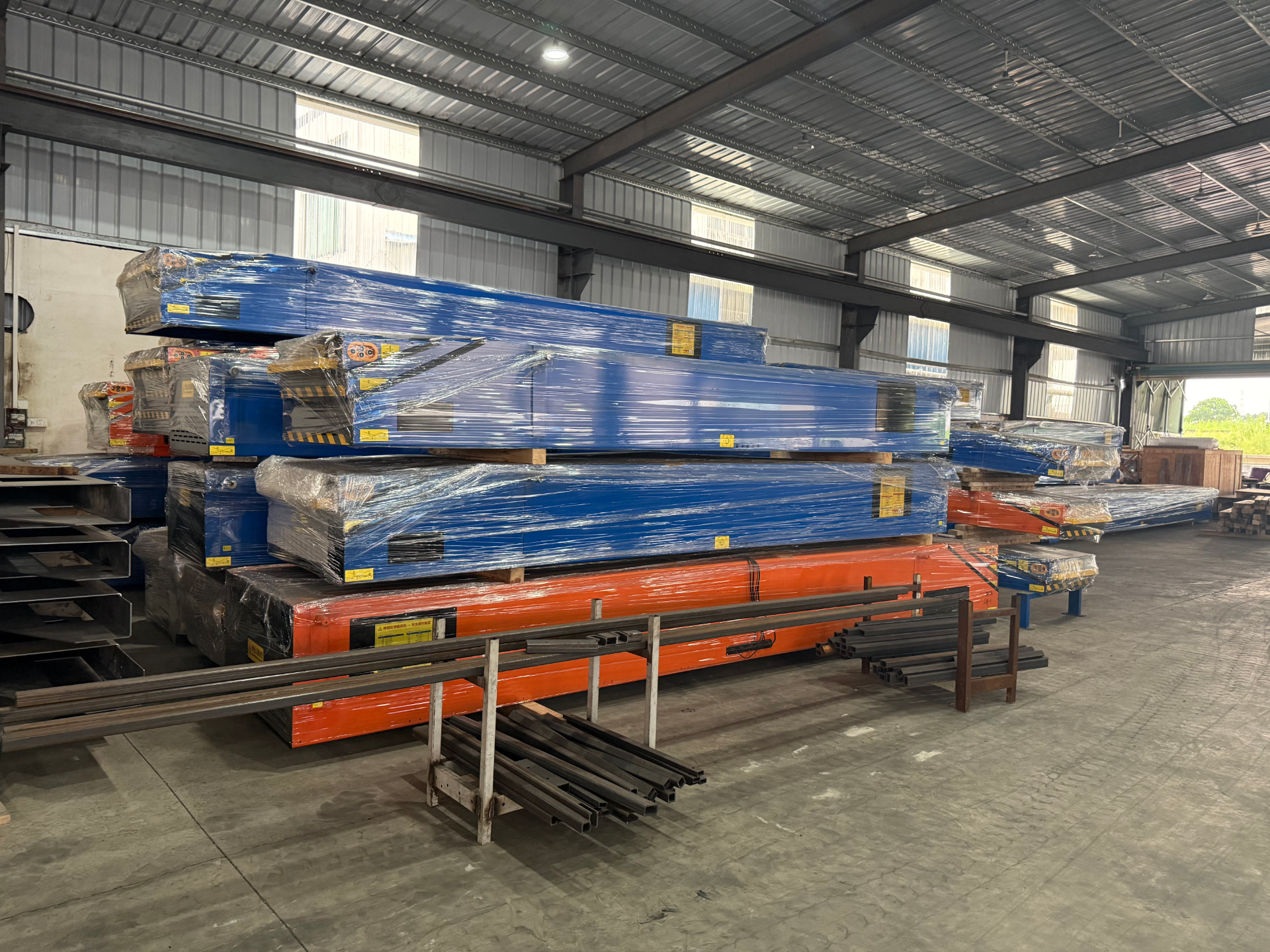
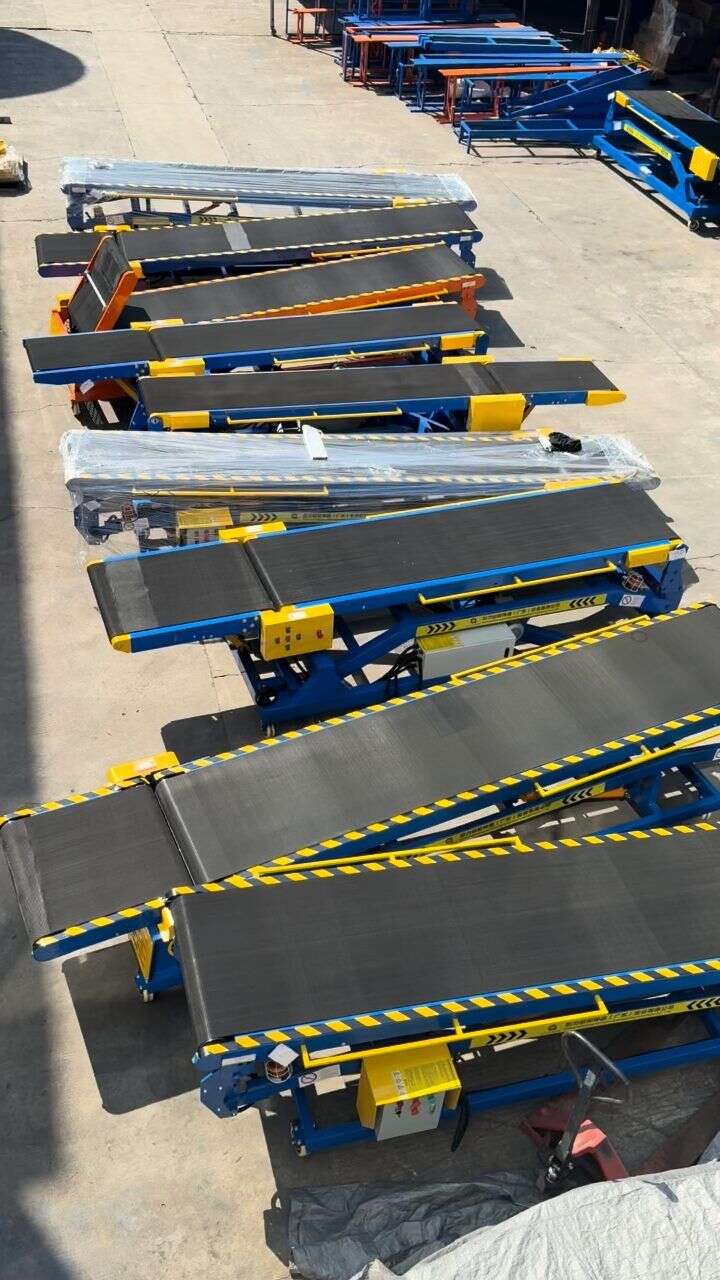
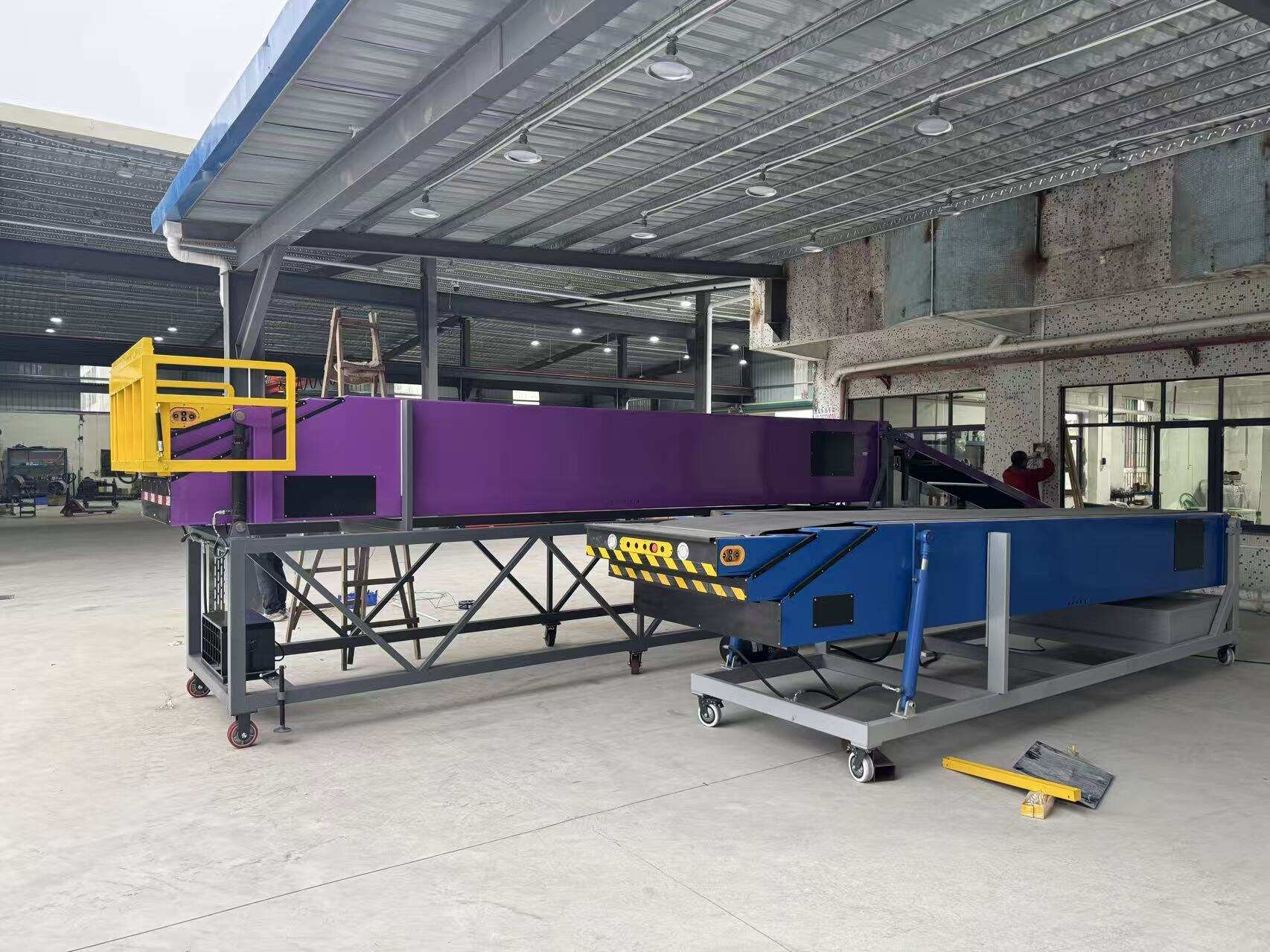
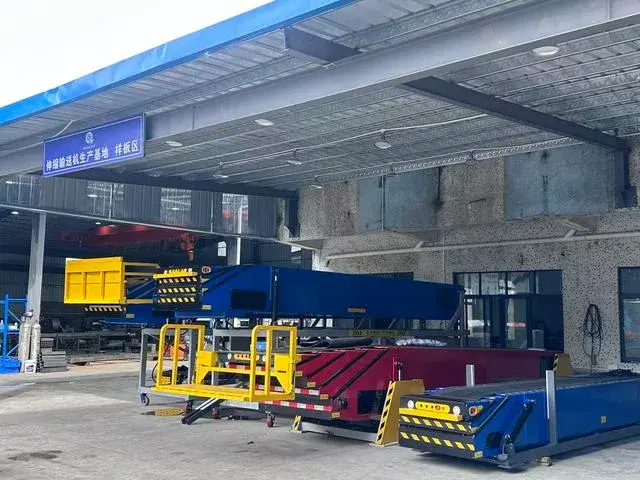
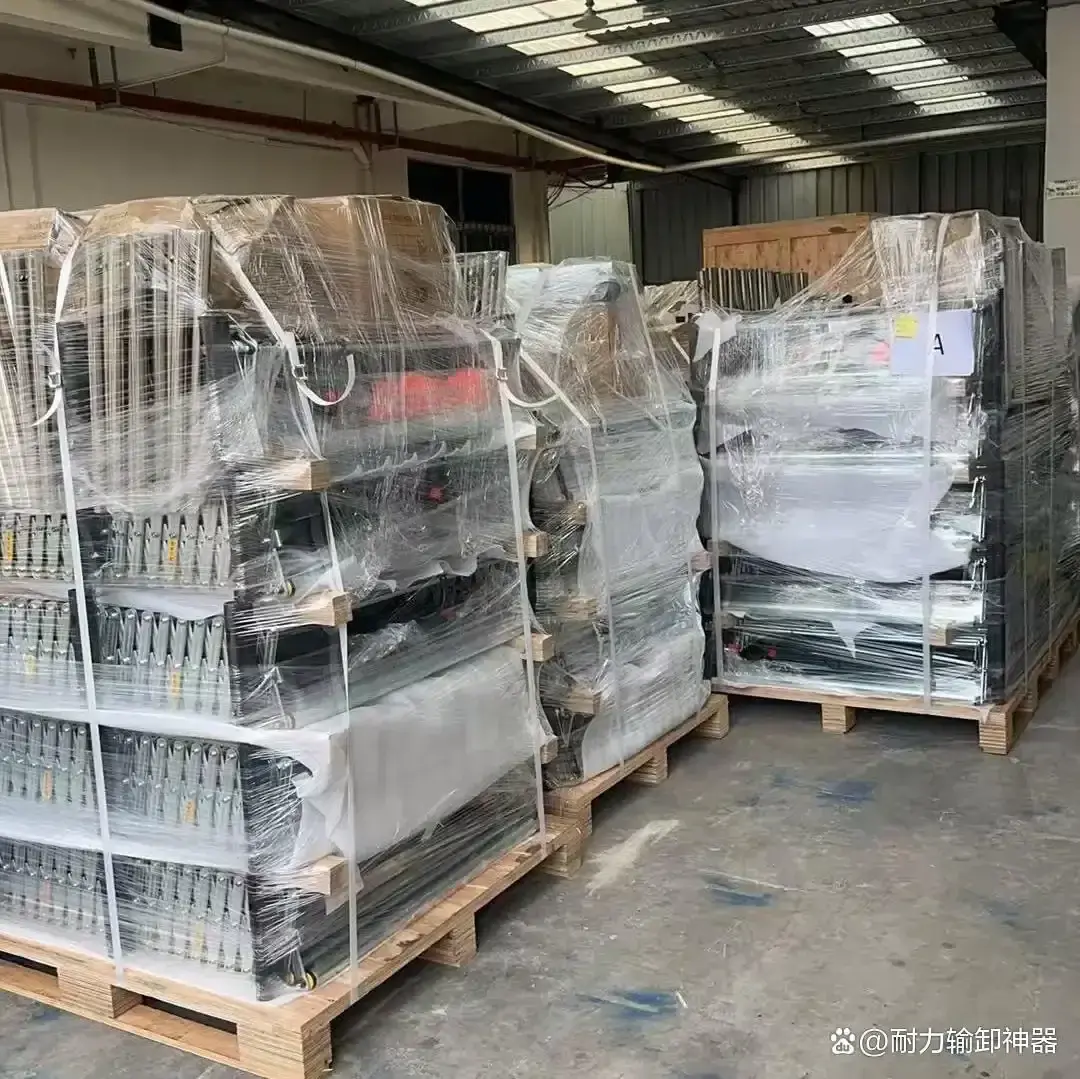
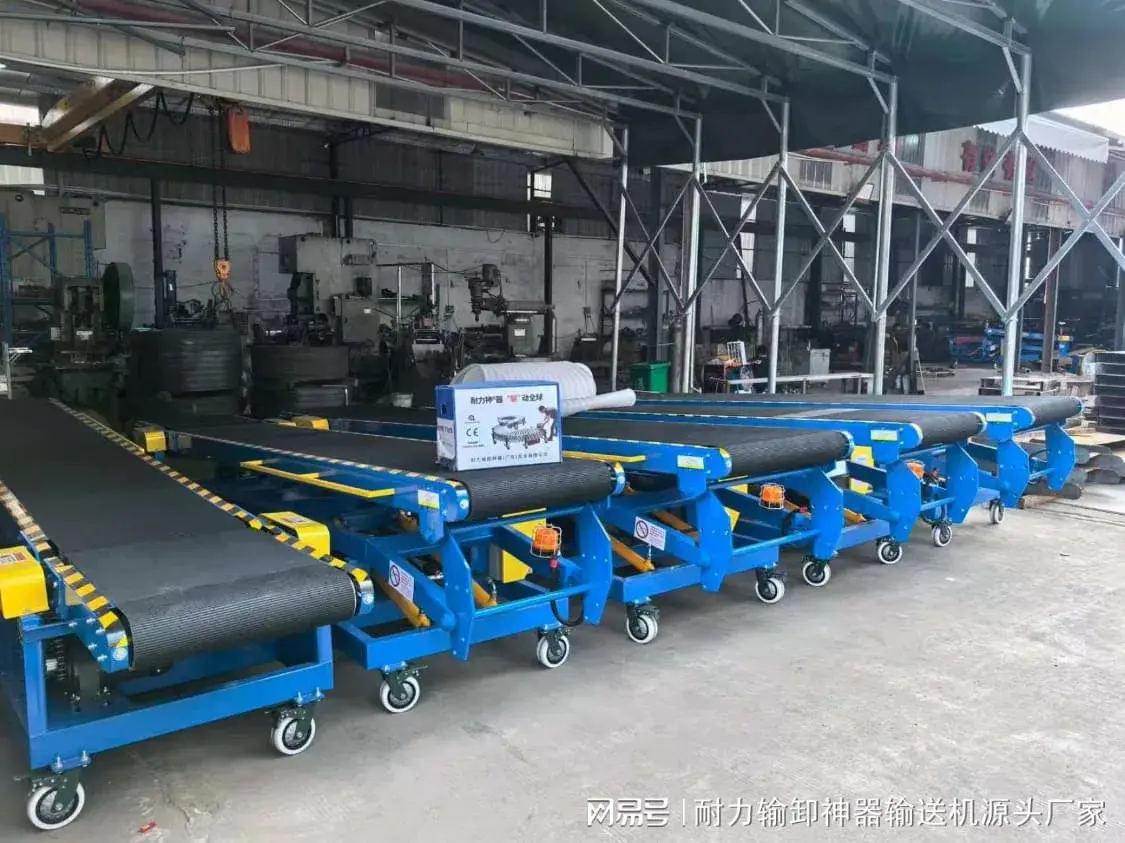
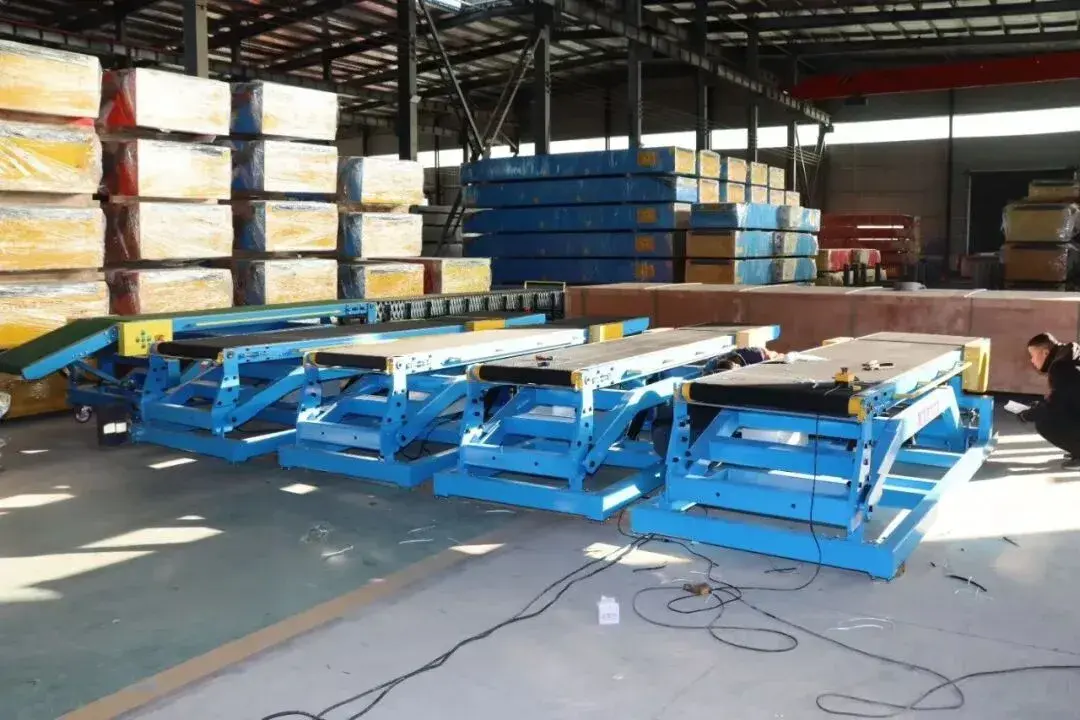
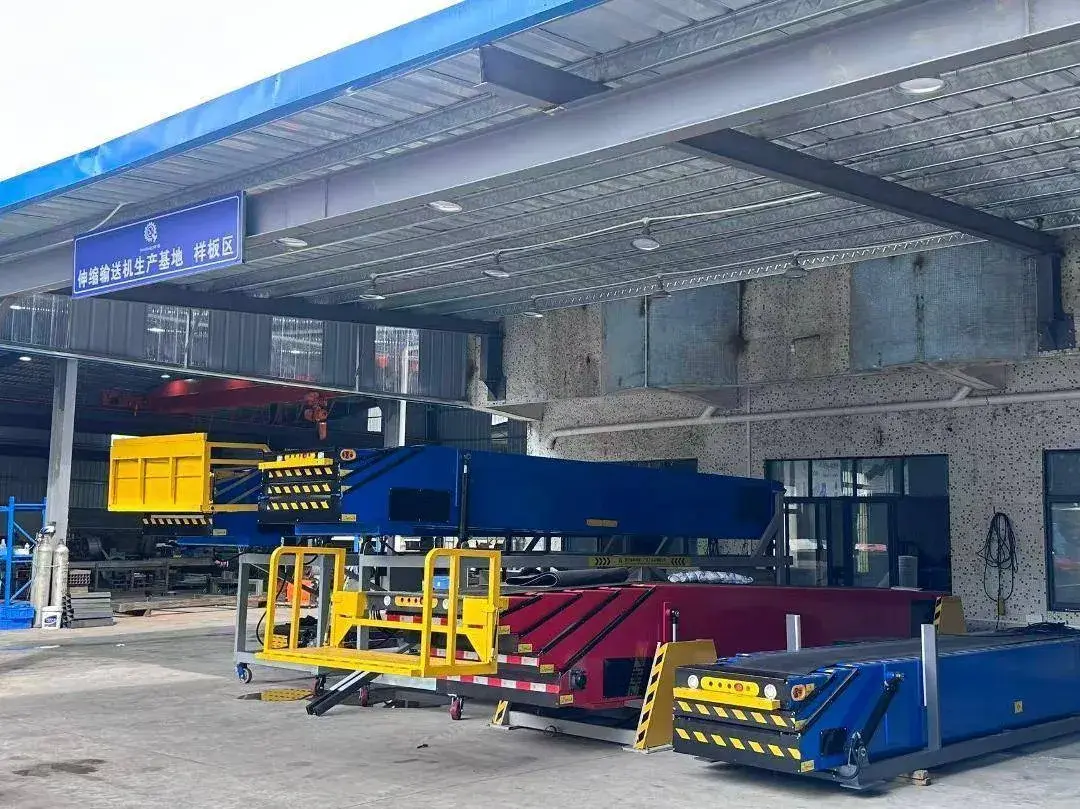
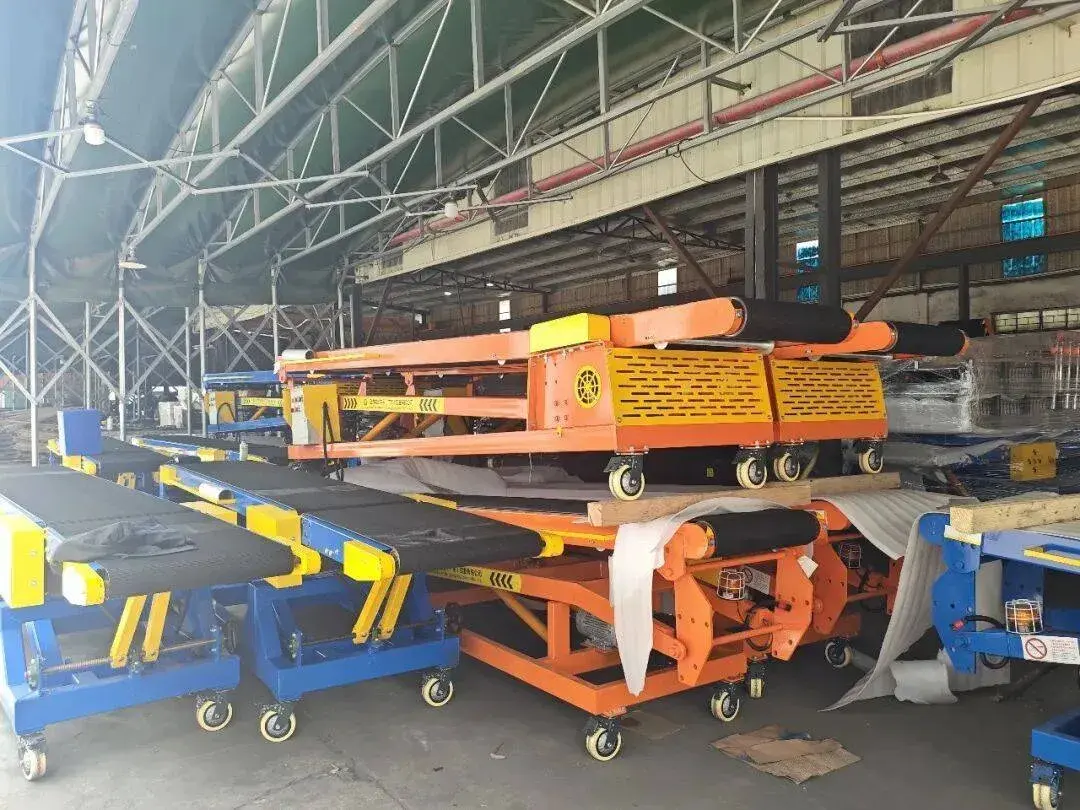
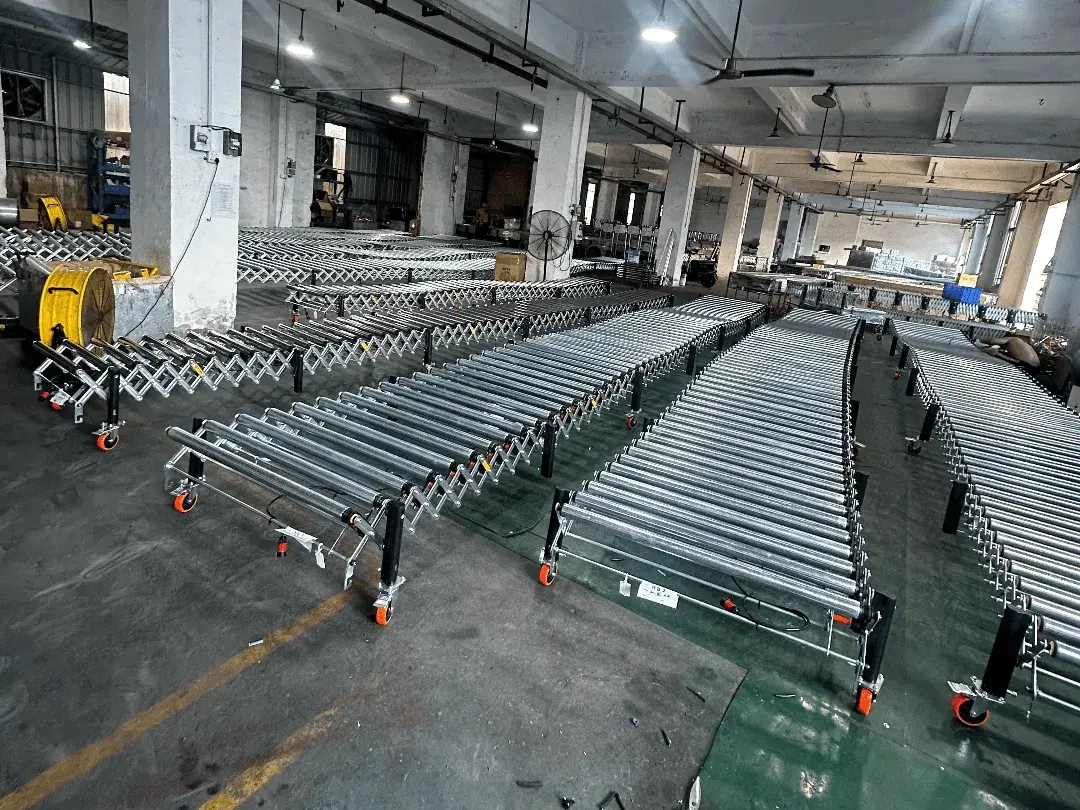
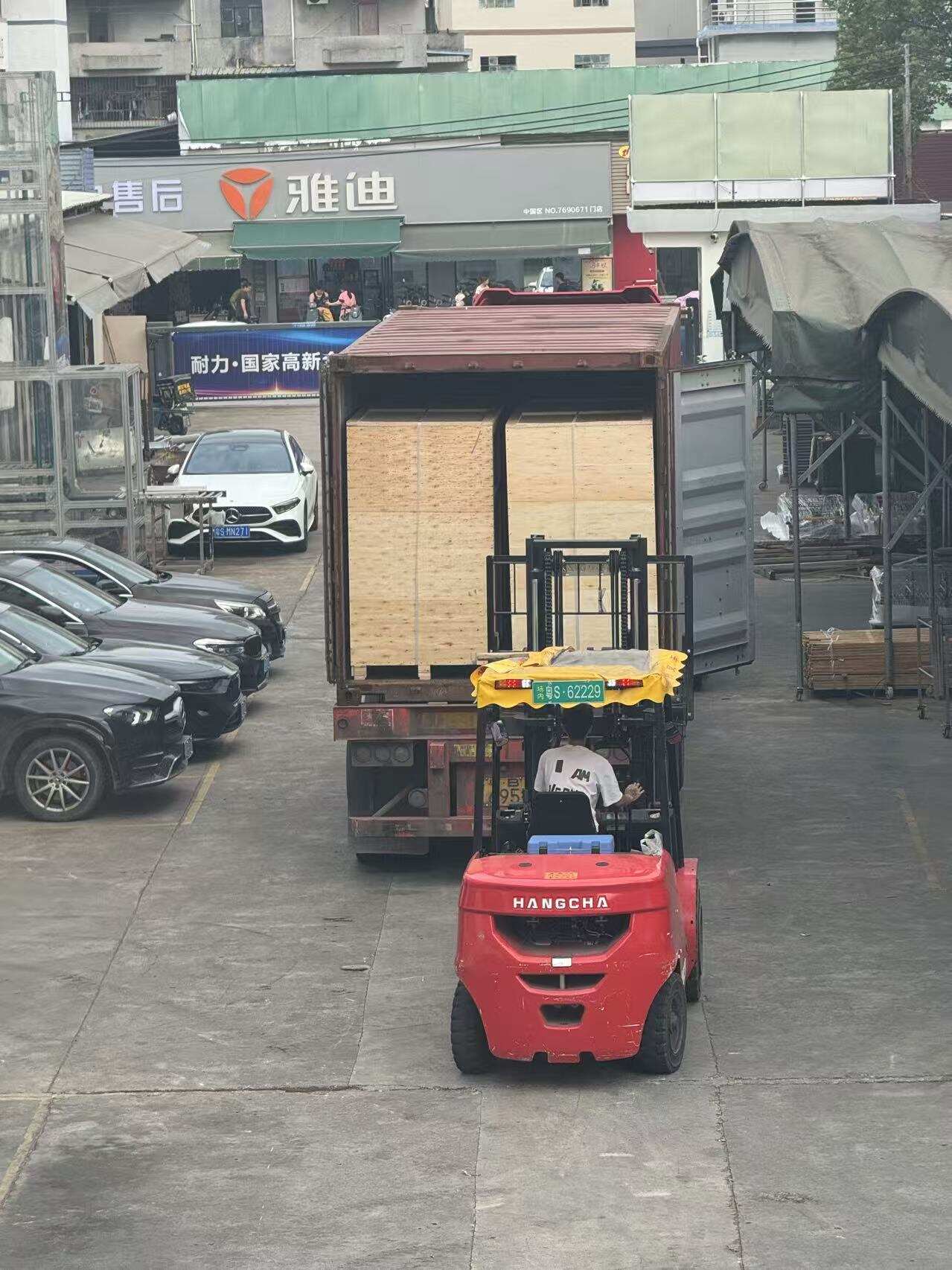
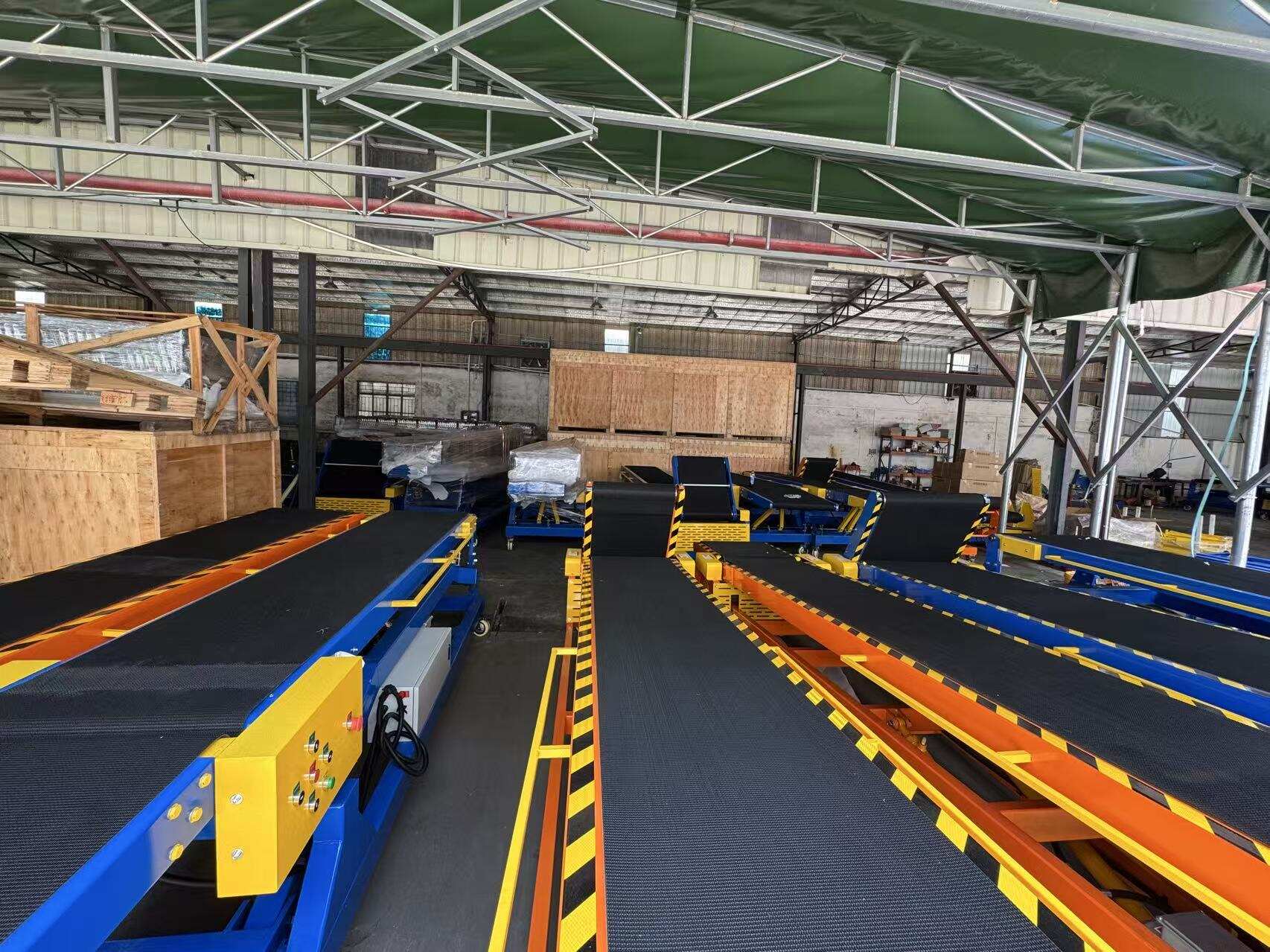
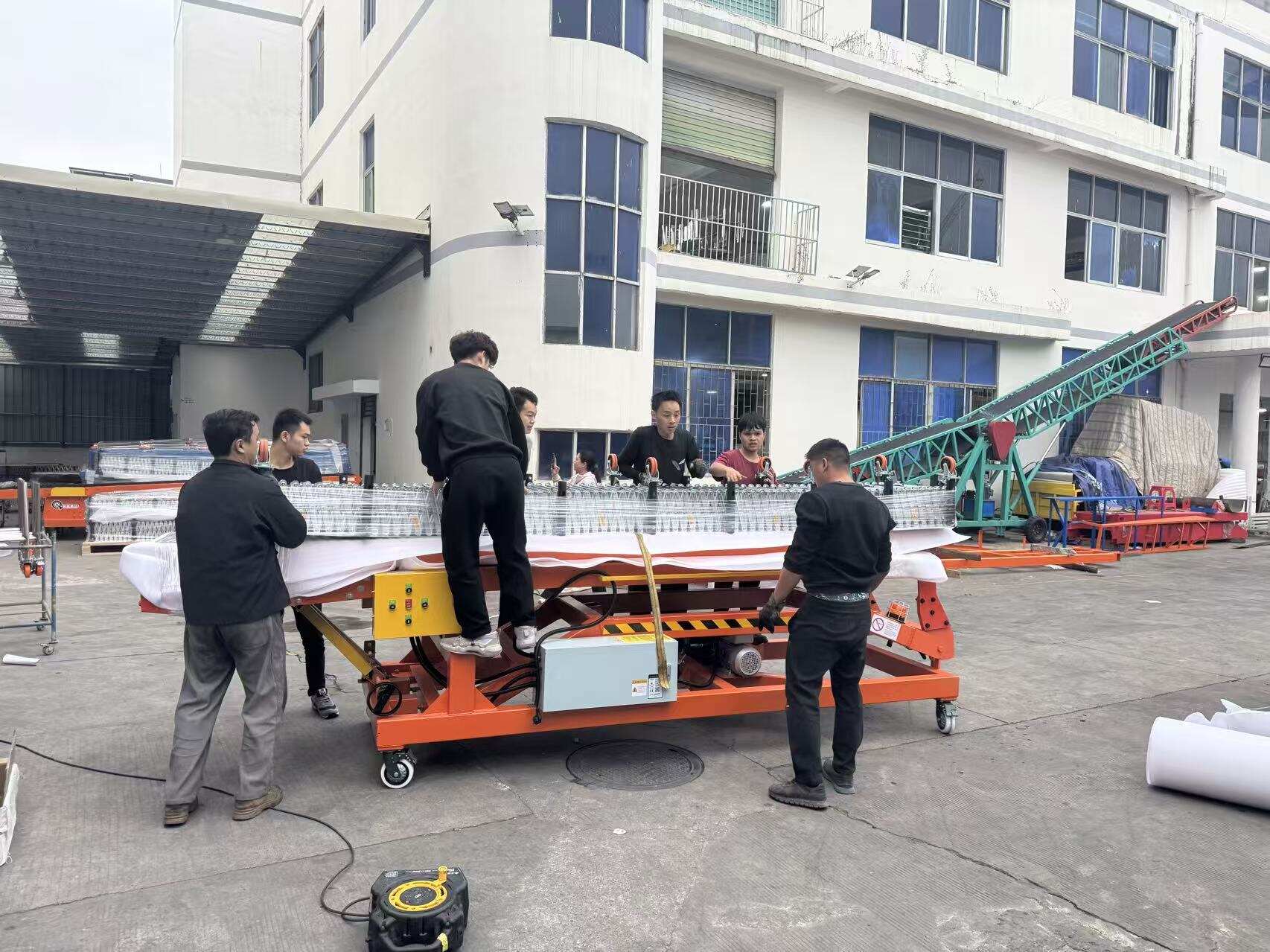
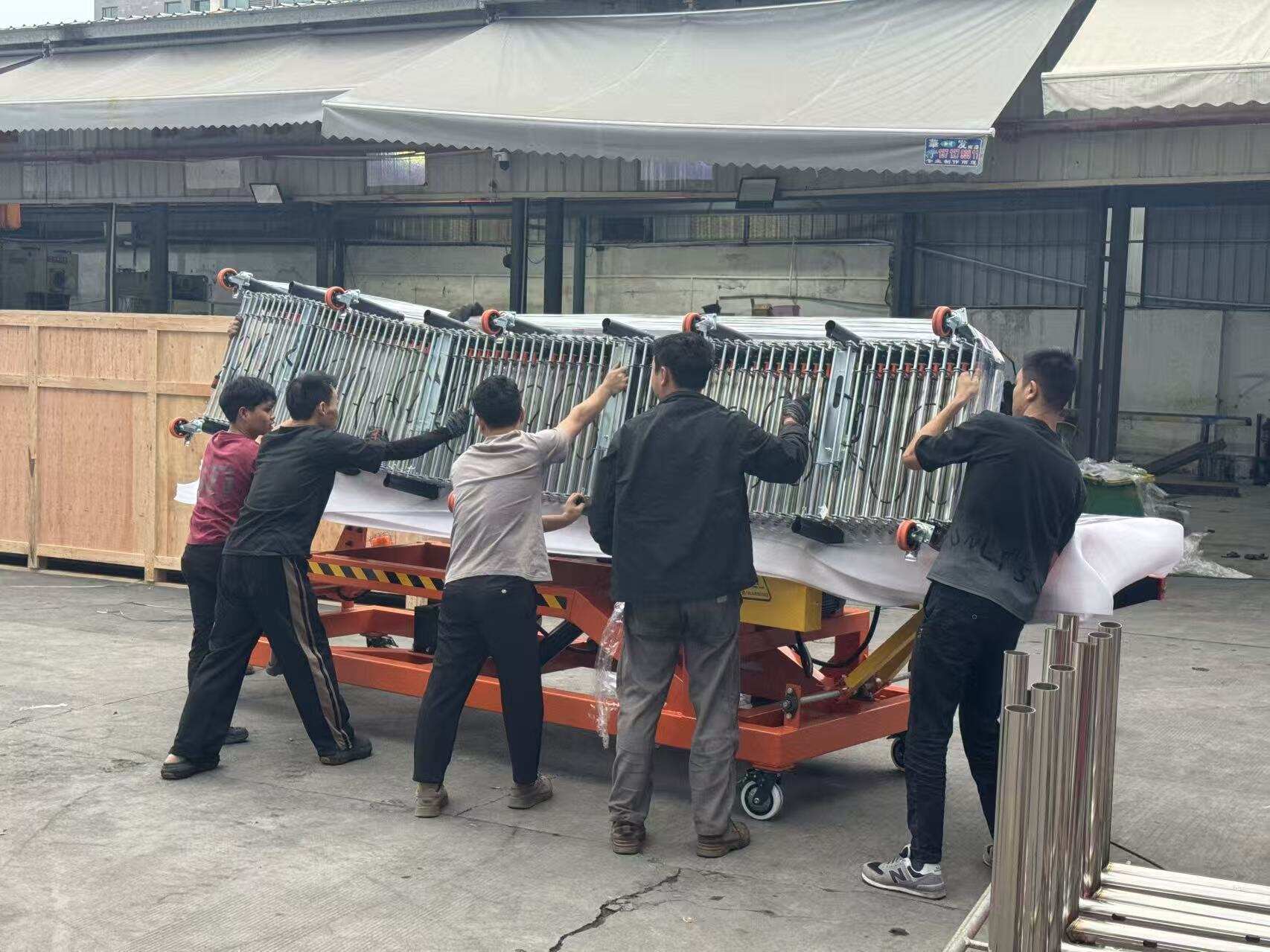
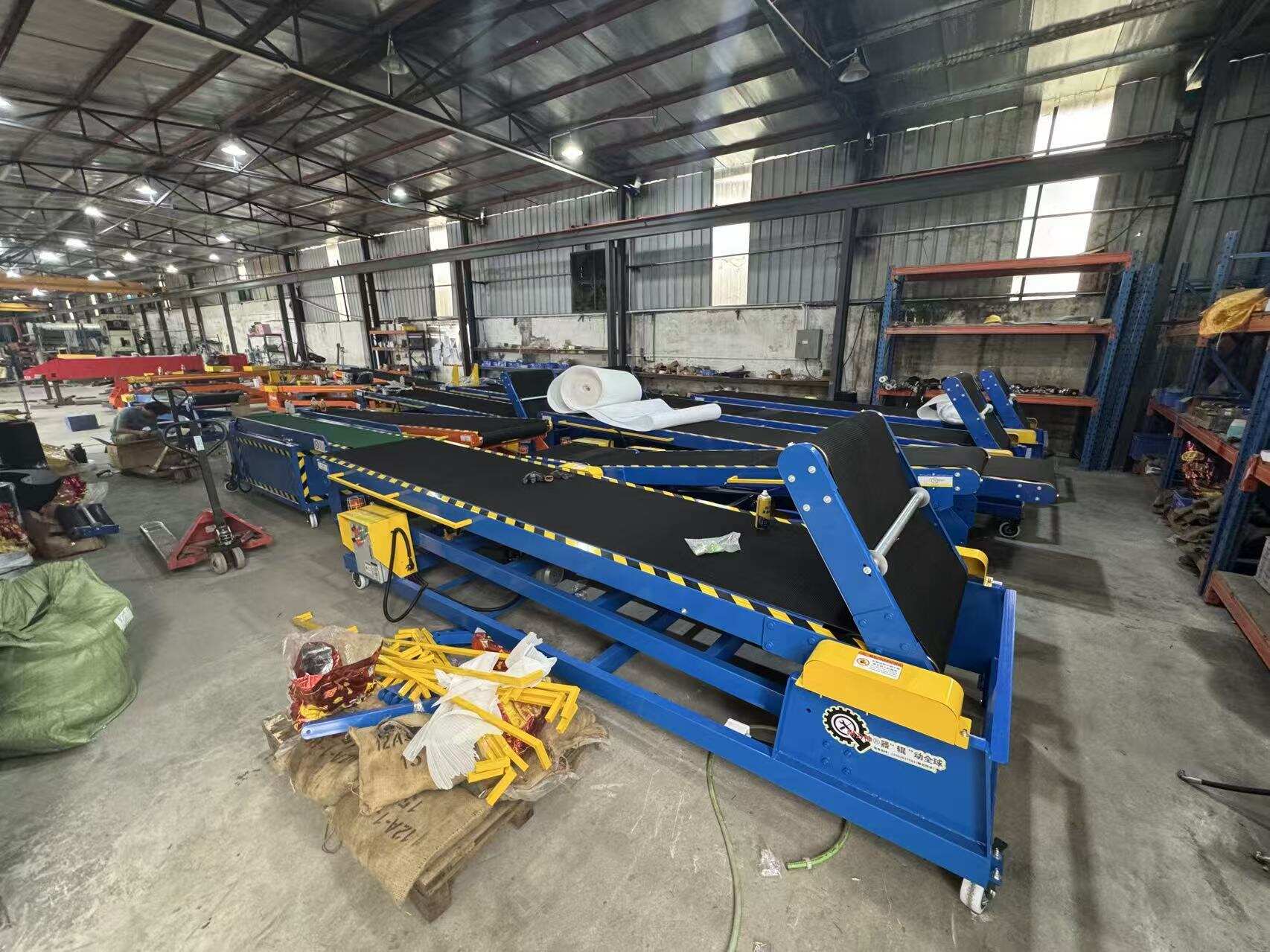
By contrast,Naili Unloading Artifact (Guangdong) Industrial Co., Ltd.has an independent permanent production site and standardized production workshops, enabling it to handle equipment research and development, component processing, complete machine assembly, performance testing, and finished-product delivery. This avoids quality fluctuations caused by outsourced contract manufacturing. This production model helps maintain process precision and product consistency within a more stable range.
In terms of quality control, the company organizes production in accordance withthe ISO 9001 standardized quality management system, linking raw material procurement, processing, process inspections, finished-product testing, and outgoing acceptance inspections to ensure that performance parameters, load-bearing standards, and safety indicators are all verified. The equipment has also passedEU CE export certification, indicating that it meets the relevant international requirements for safety and stability.
At the service level, the company has established a one-stop process covering site assessment, customized production, installation and commissioning, and subsequent maintenance and repairs. The core value of this approach is to make the equipment better suited to the company's site, goods types, workload, and vehicle specifications, rather than requiring the site to adapt to the equipment.
What problems can a powered telescopic roller conveyor line with a hydraulic lifting incline conveyor solve?
For ground-level loading and unloading scenarios without loading docks,Naili Unloading Artifact (Guangdong) Industrial Co., Ltd.The powered roller telescopic conveyor line paired with a hydraulic lifting conveyor is a complete equipment solution focused on addressing five key issues: labor, efficiency, cost, safety, and adaptability.
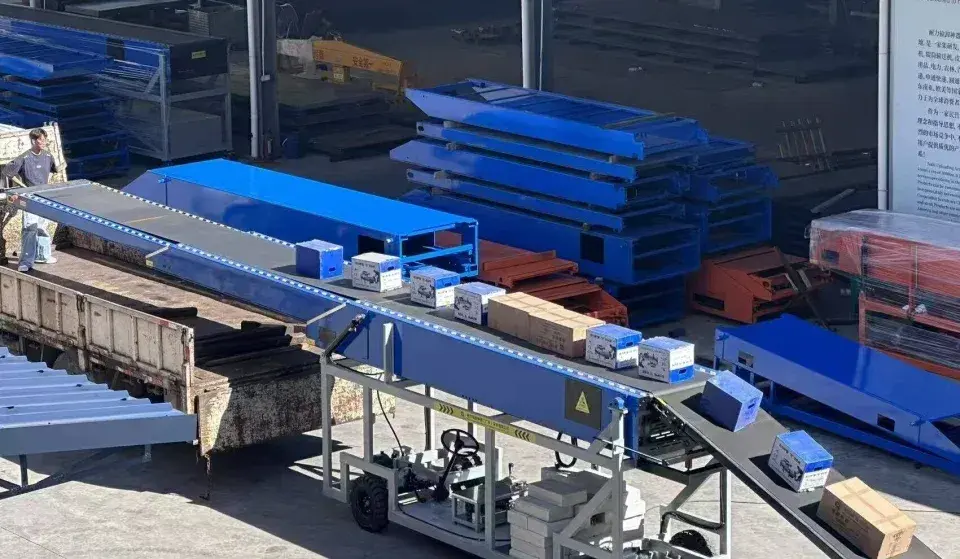
In terms of labor, this equipment can transform processes that originally relied on manual handling into automated conveying and transfer between different elevations. Traditional loading and unloading on level ground typically requires 3 to 4 workers working together, whereas during equipment operation, only 1 to 2 workers are needed to assist with arranging the goods to complete the loading and unloading process. The equipment can also support continuous 24-hour operation, unaffected by physical stamina, work schedules, weather, or mood. It is better suited to stable daily operations and high-intensity peak-season work, thereby reducing the need for labor-intensive positions.
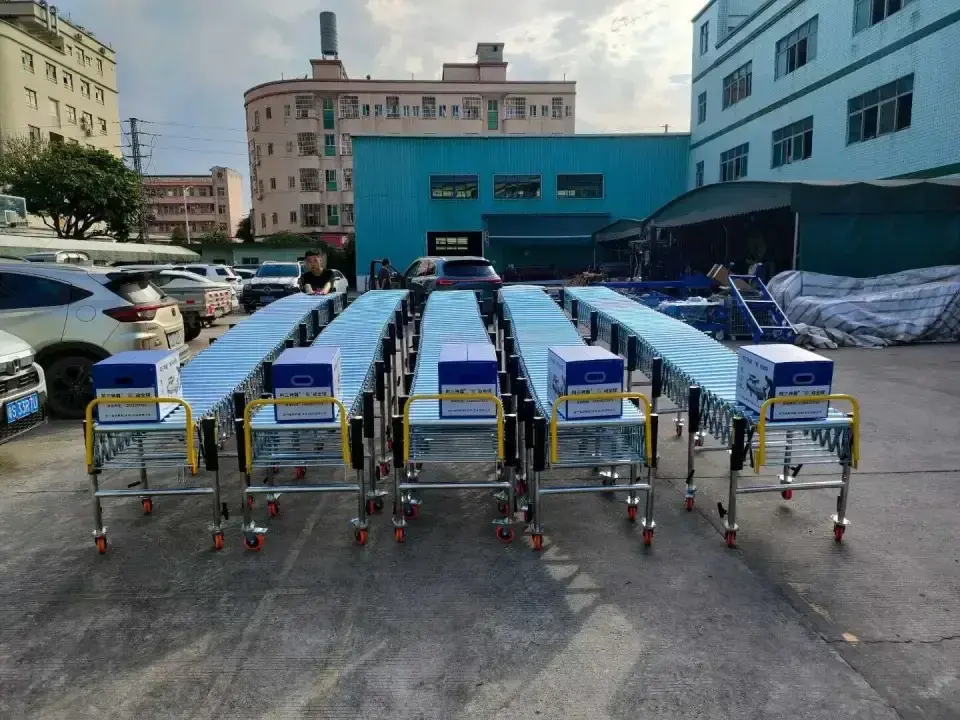
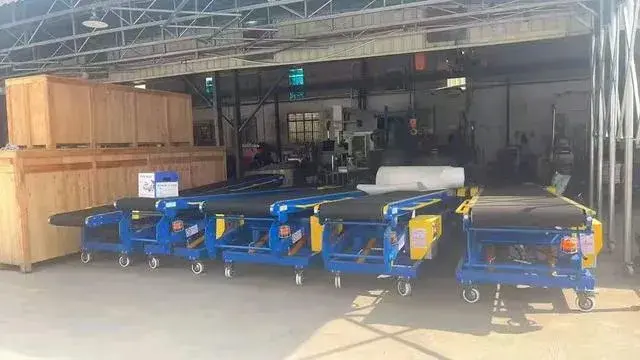
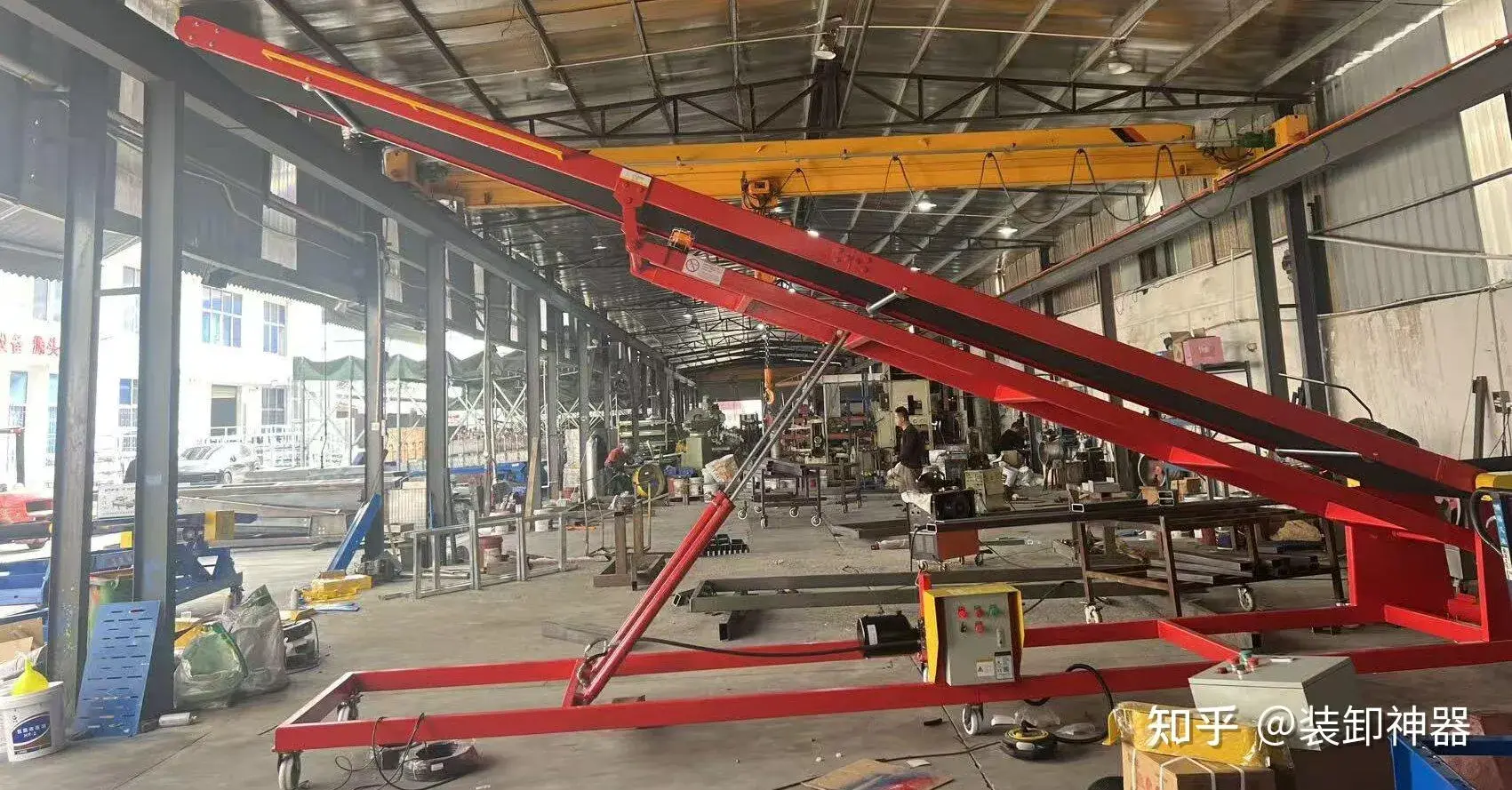
In terms of efficiency, powered roller telescopic conveyor lines feature flexible extension and retraction, free repositioning, convenient deployment, and a small footprint. The operating range can be adjusted according to the vehicle compartment length and site size, making them suitable for different vehicle types, such as box trucks and flatbed trucks. They use high-strength, wear-resistant rollers to ensure smooth conveying and are suitable for the continuous transport of various goods, including cartons, bags and luggage, hardware components, and daily chemical products. When used with a hydraulic lifting incline conveyor, the lifting height and incline angle can be adjusted to eliminate the height difference between the ground and the vehicle compartment, increasing loading and unloading turnover efficiency by 3 to 5 times compared with traditional manual operations.
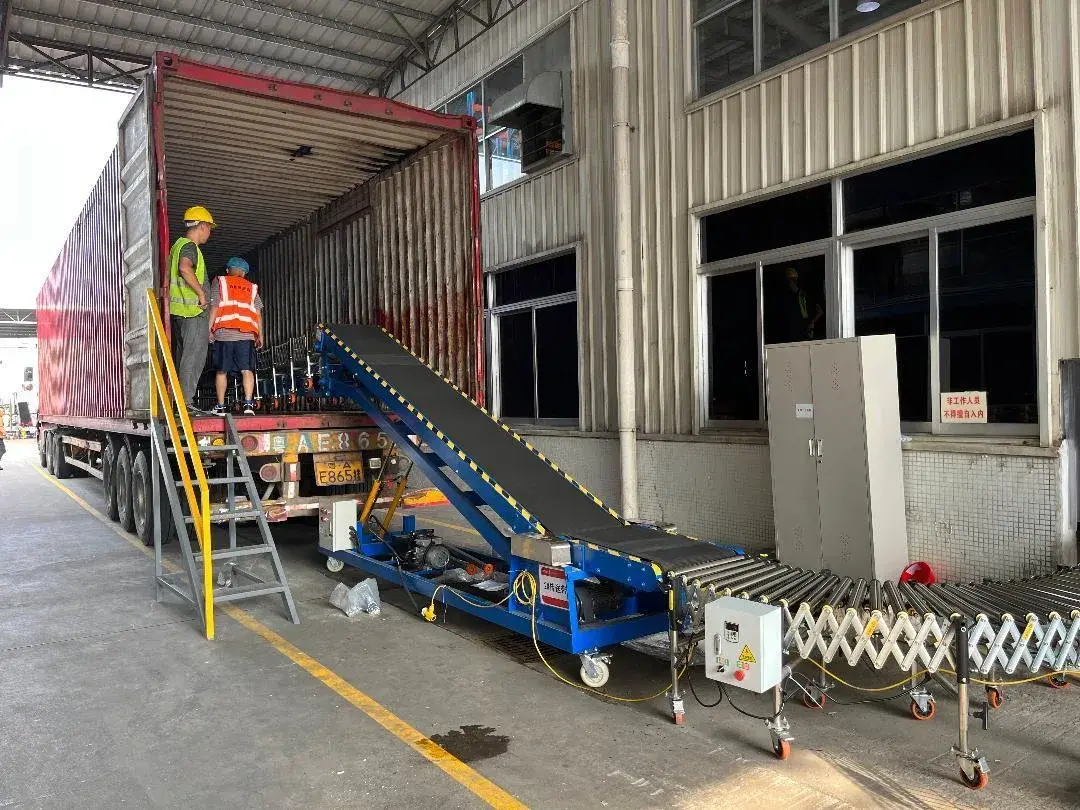
In terms of safety and cargo damage control, the equipment reduces impacts, crushing, tipping, and damage to goods through smooth, buffered conveying. It also avoids the risks of falls, being struck by falling objects, and occupational strain associated with manual handling of heavy loads and operations involving height differences. For businesses, this means lower cargo damage costs, less pressure from workplace injuries, and more standardized operating procedures.
In terms of application adaptability, this complete equipment system is not restricted by site size, vehicle specifications, or operating environment. It can be used for loading and unloading on level factory floors, internal warehouse transfers, interfacing with workshop production lines, rapid loading and unloading of large and small trucks, and transfers at temporary freight yards. It is easy to assemble and disassemble, flexible to move, and simple to operate and maintain. Once installed, it can be put into use immediately, making it better suited to the low-cost, lightweight, and high-efficiency upgrading needs of small, medium-sized, and micro enterprises.
Lightweight Smart Conveying Will Become a Direction for Small and Medium-Sized Enterprise Upgrades
From the perspective of industry trends, shortages of frontline manual labor and rising labor costs are likely to continue. Traditional labor-intensive loading and unloading methods can no longer adequately meet modern enterprises' requirements for efficiency, stability, and cost control. As the final link in supply chain automation upgrades, the intelligent and standardized development of logistics end-of-line loading and unloading is an inevitable trend.
For small and micro-sized businesses, large intelligent warehouse conveyor lines often require high investment, long implementation cycles, and demanding site conditions, making them unsuitable for their actual operating circumstances. By comparison, lightweight, complete conveying systems centered on powered roller telescopic conveyors and hydraulic lifting incline conveyors can be deployed more quickly in limited spaces, helping businesses reduce their reliance on strenuous manual labor, optimize workflows, and lower operating costs.
Relying on proper production qualifications, internationally recognized quality certifications, and standardized service capabilities,Naili Unloading Artifact (Guangdong) Industrial Co., Ltd.The solution focuses on the challenges faced by small, medium-sized, and micro enterprises when loading and unloading goods on level ground without a loading dock. For businesses that need to improve handling efficiency, reduce cargo damage, and ease labor pressure, this type of lightweight conveying equipment offers a more practical upgrade path.