Naili Conveyor
As smart logistics continues to accelerate, loading and unloading efficiency in warehouse loading, express parcel sorting, and factory outbound shipping is directly affecting the overall turnover pace. Rising labor costs, higher cargo damage rates, and on-site operations that struggle to keep up with changing cargo flows are making automated loading and unloading equipment an increasingly important direction for logistics upgrades.
The bottlenecks of manual loading and unloading are becoming more pronounced
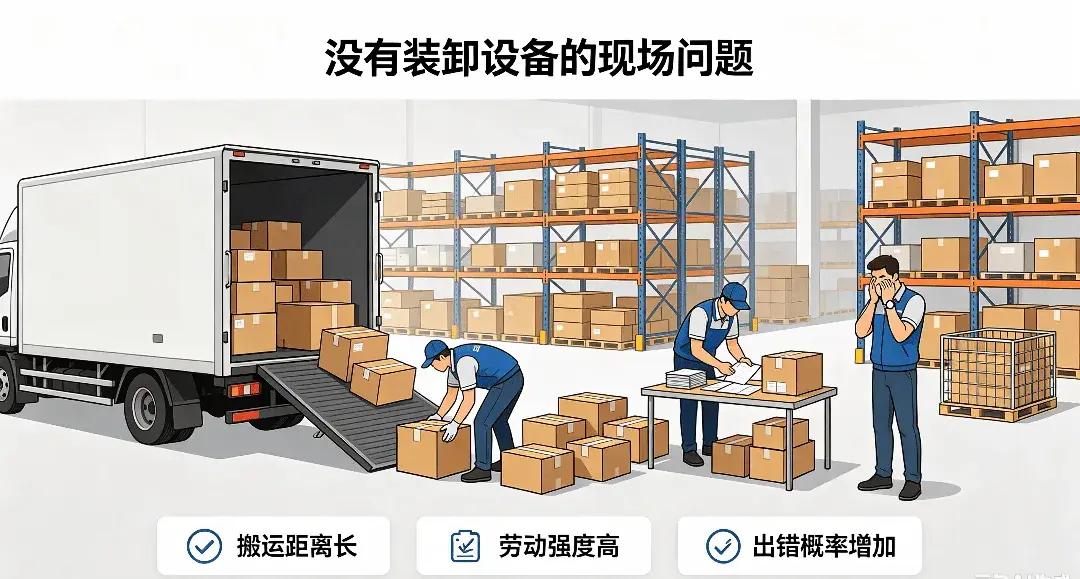
In many logistics parks, warehouses, and production workshops, loading and unloading still depends heavily on manual labor. As a result, the work is physically demanding, and problems such as difficulty hiring and retaining workers persist over the long term, while labor operating costs continue to rise.
At the same time, manual handling is harder to keep consistent, and cargo such as parcels, daily chemical products, and home appliances is more prone to bumps and damage during transfer, forcing companies to bear additional cargo loss expenses. During logistics peak periods, loading and unloading speeds in truck compartments cannot keep up with cargo flow, making truck queues, cargo piling up, and delayed turnover more likely.
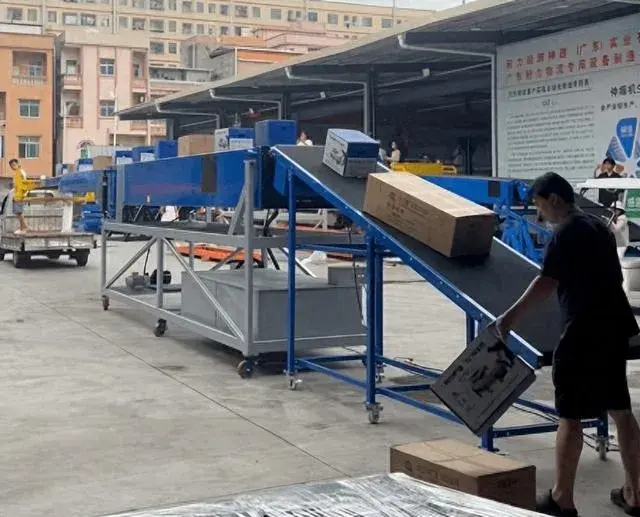
Belt Telescopic Conveyor brings loading and unloading processes back to a steady pace
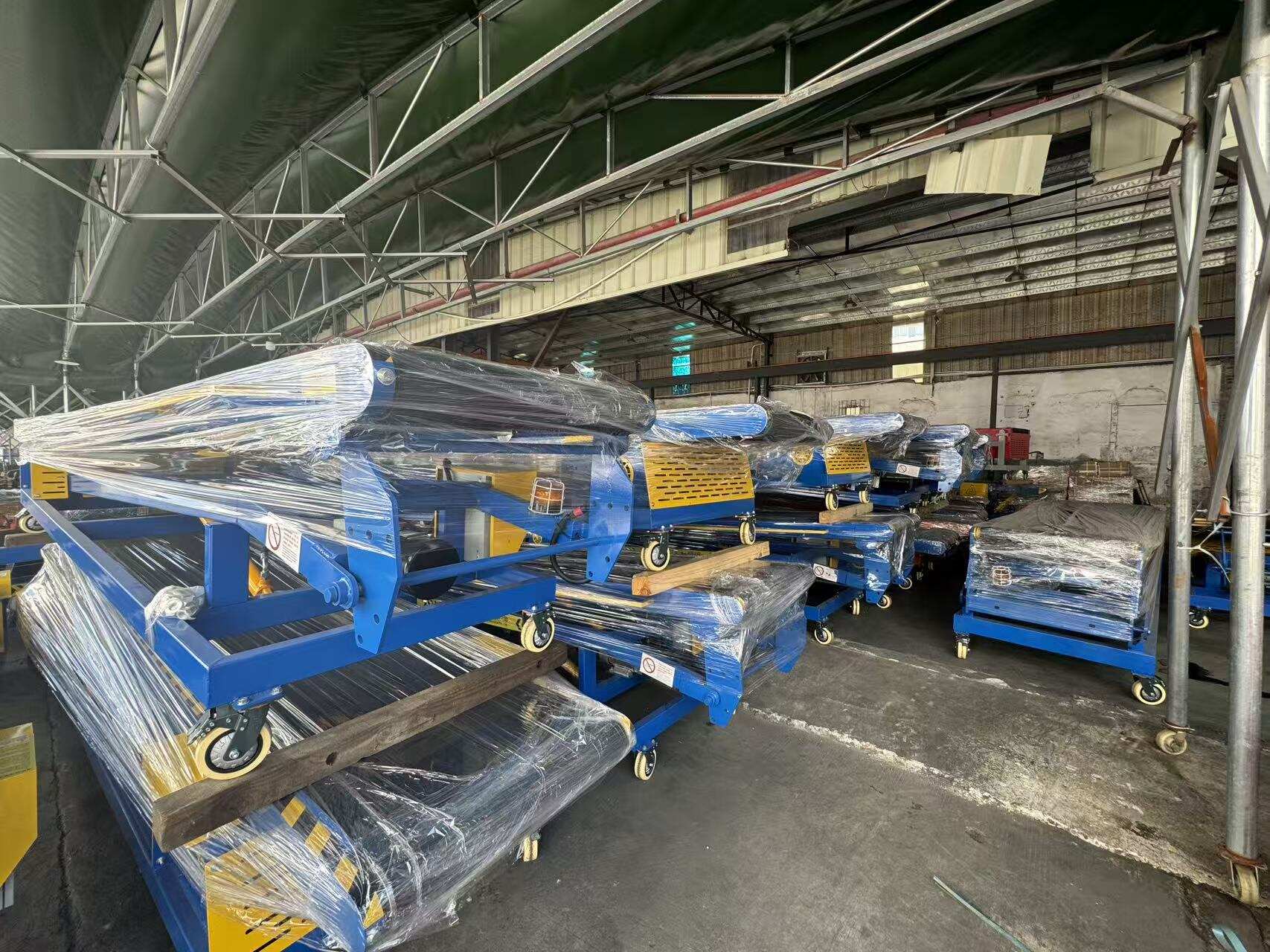
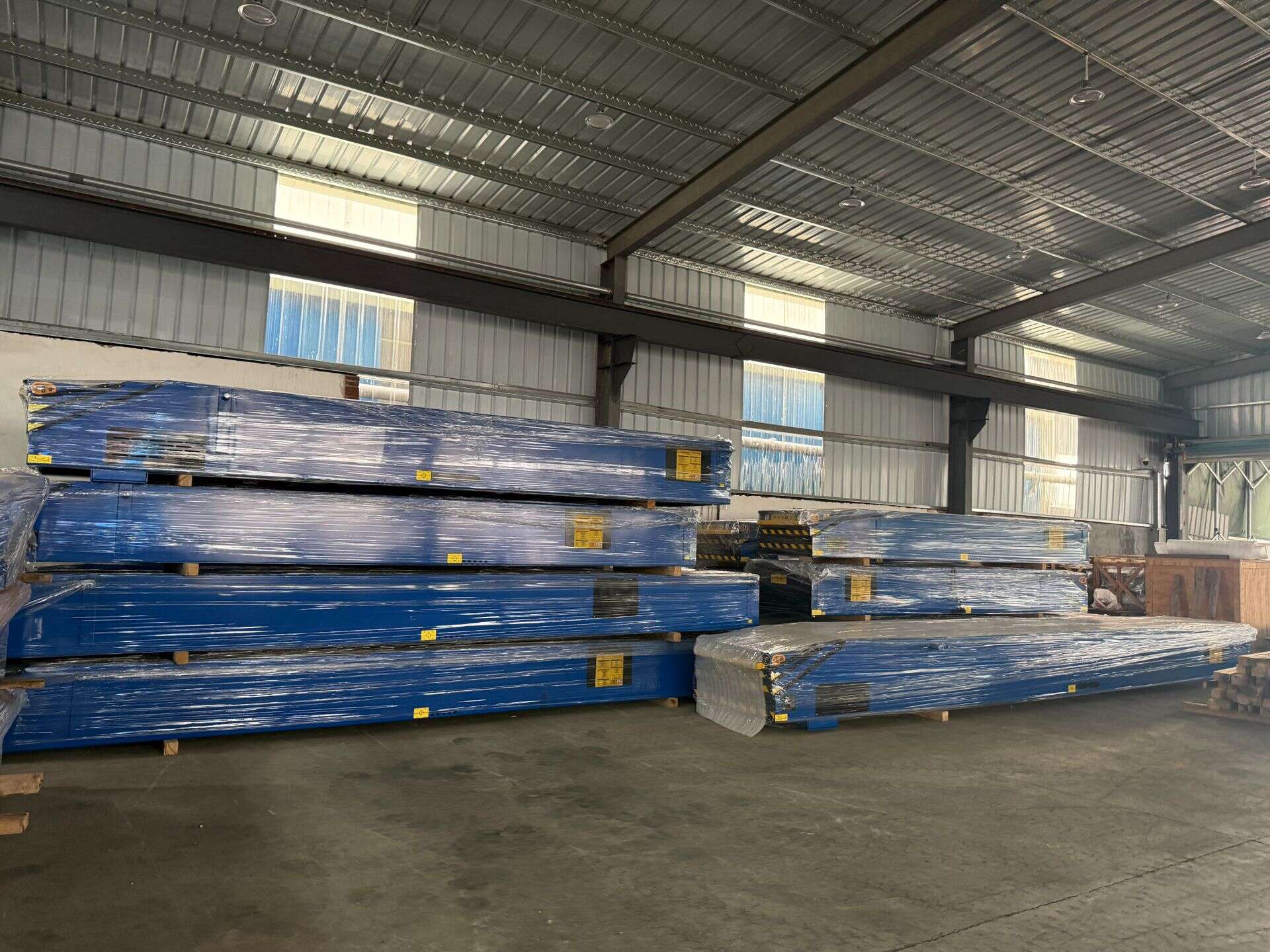
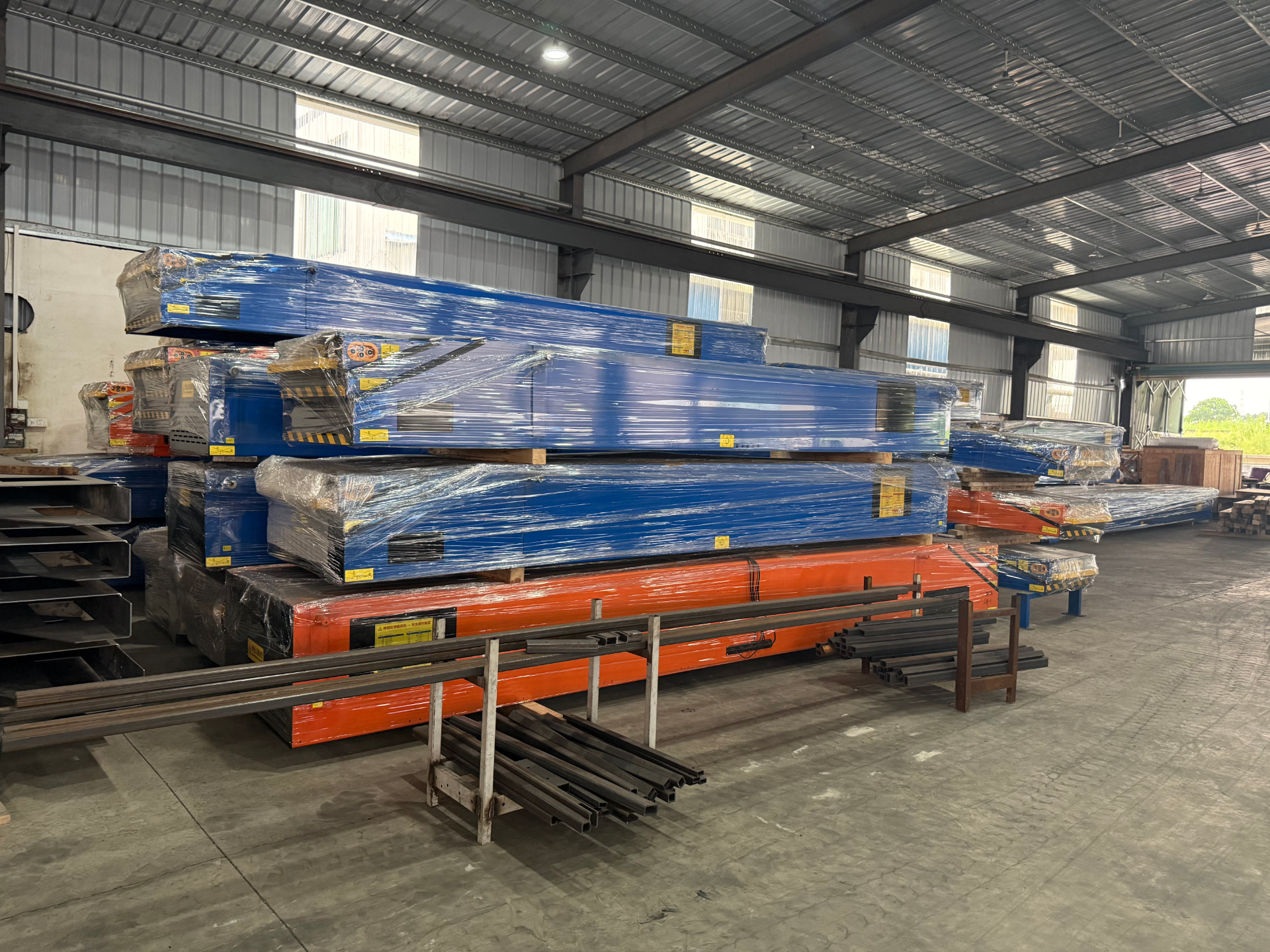
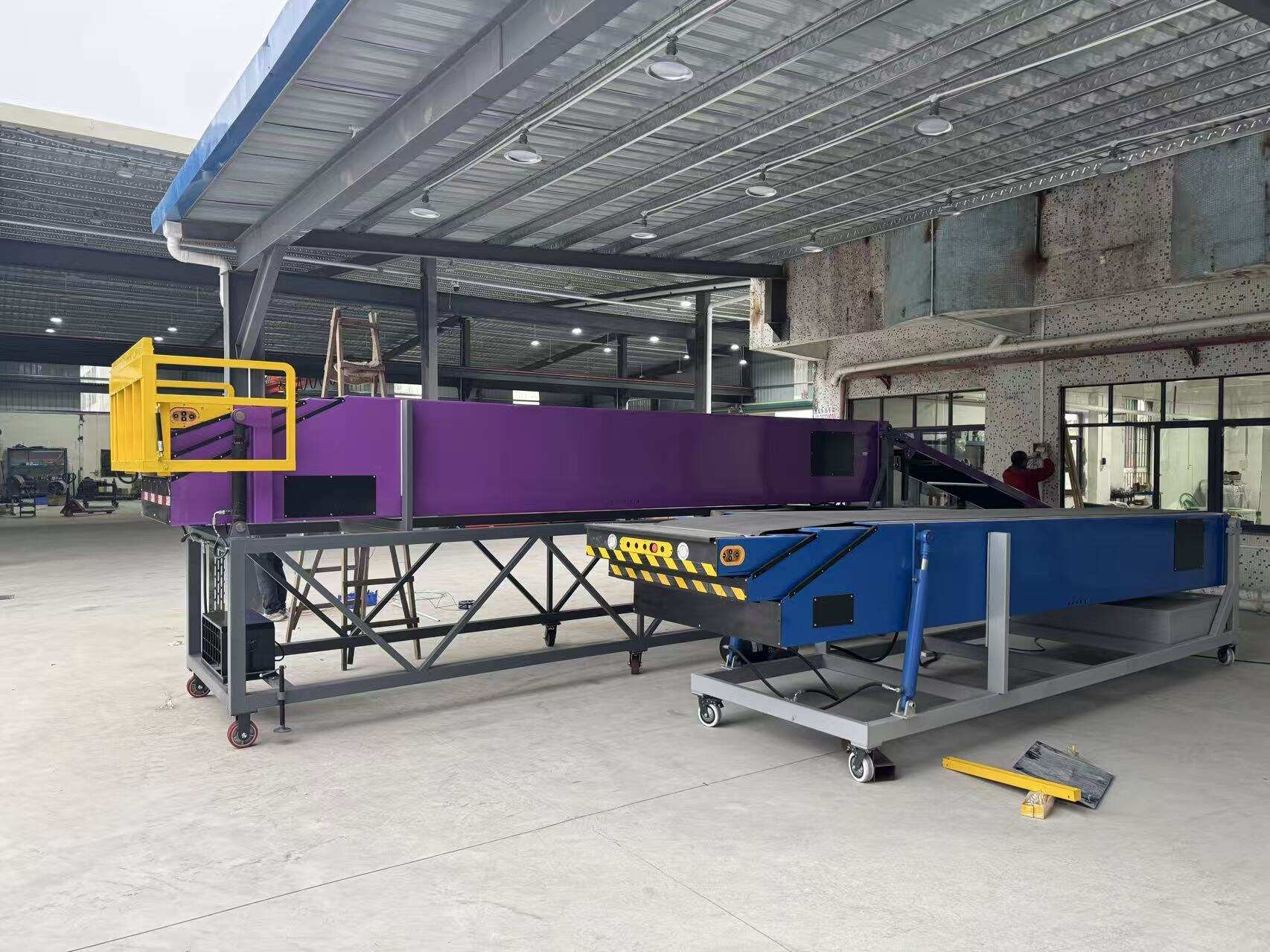
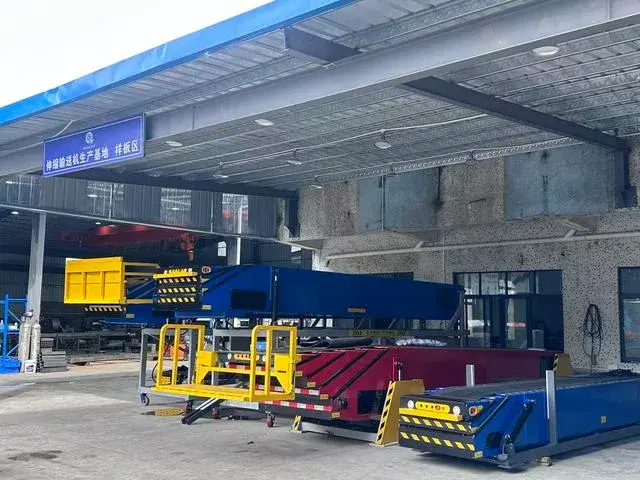
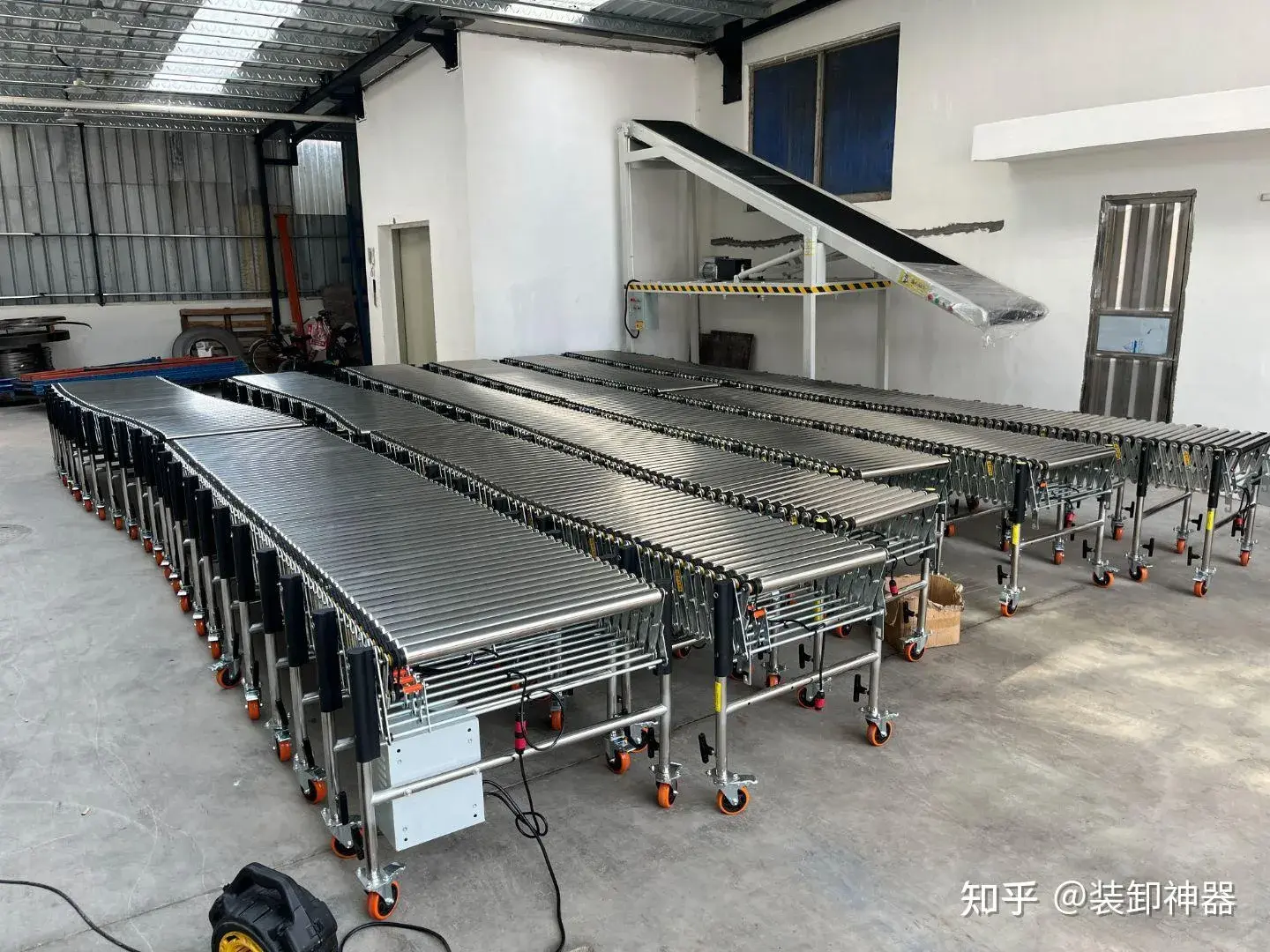
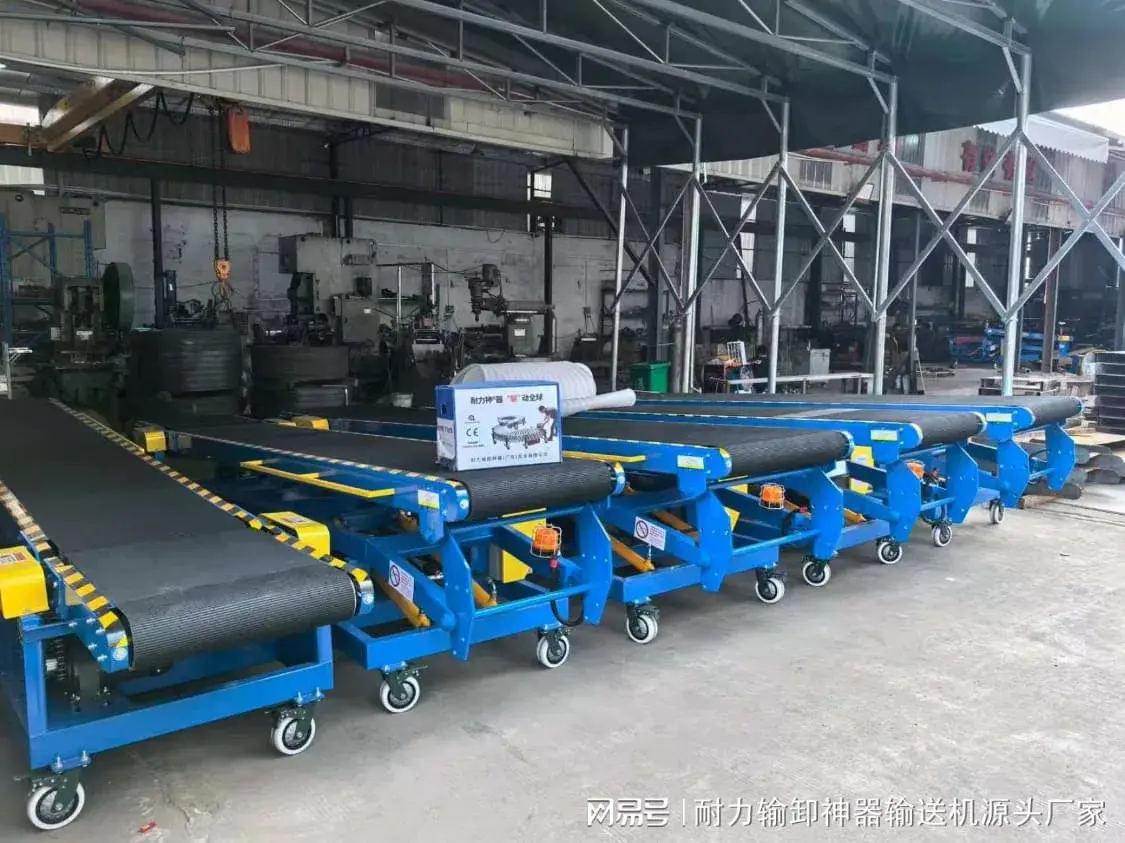
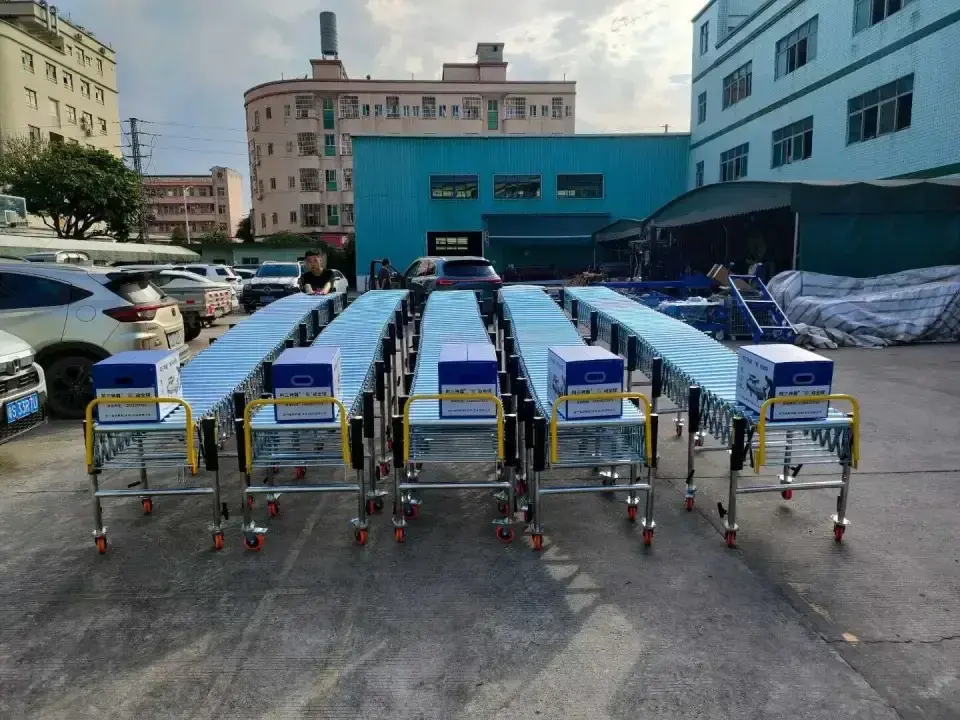
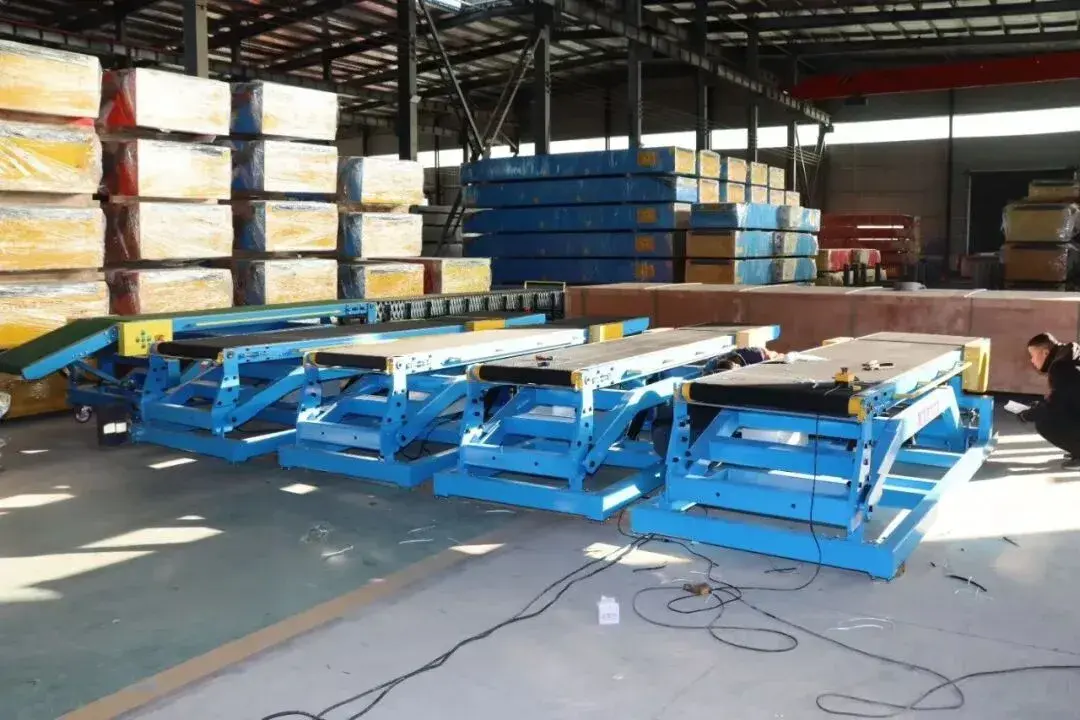
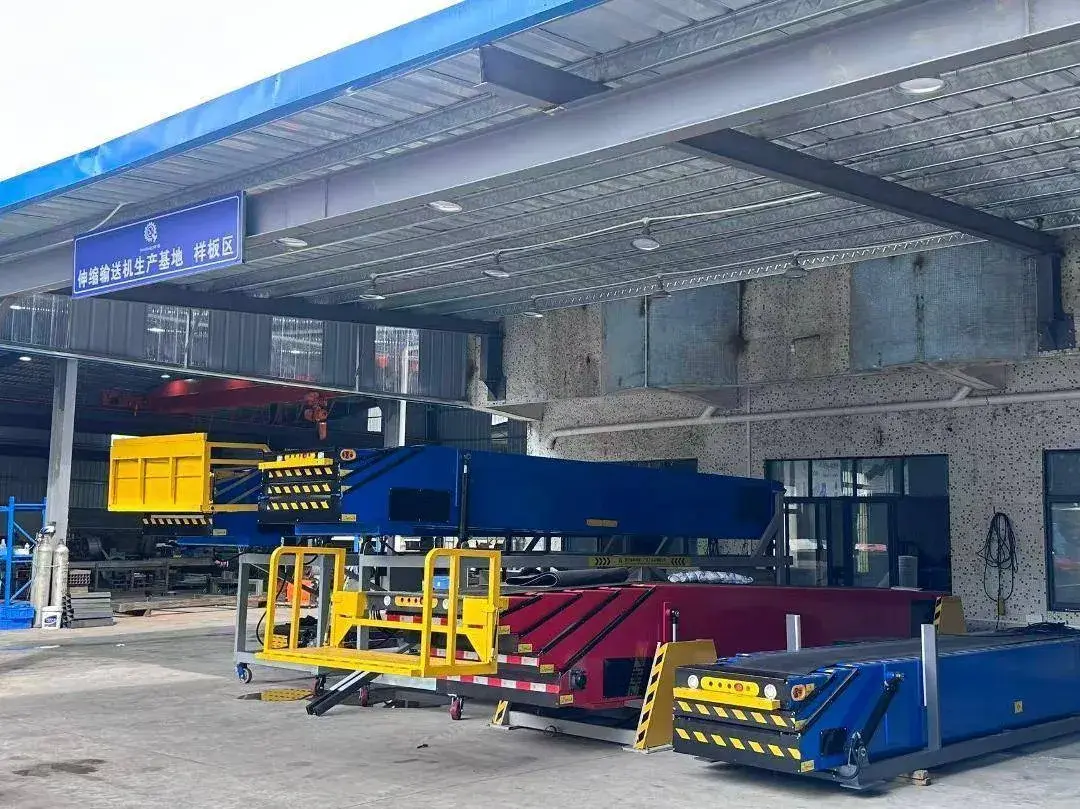
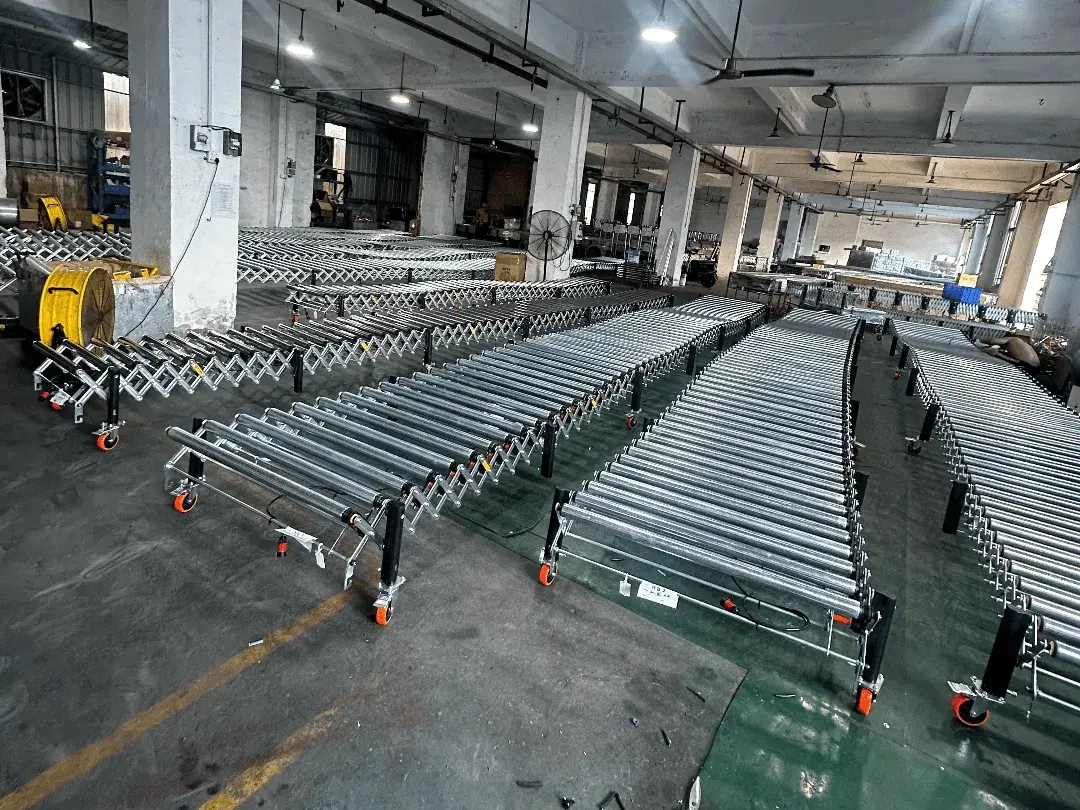
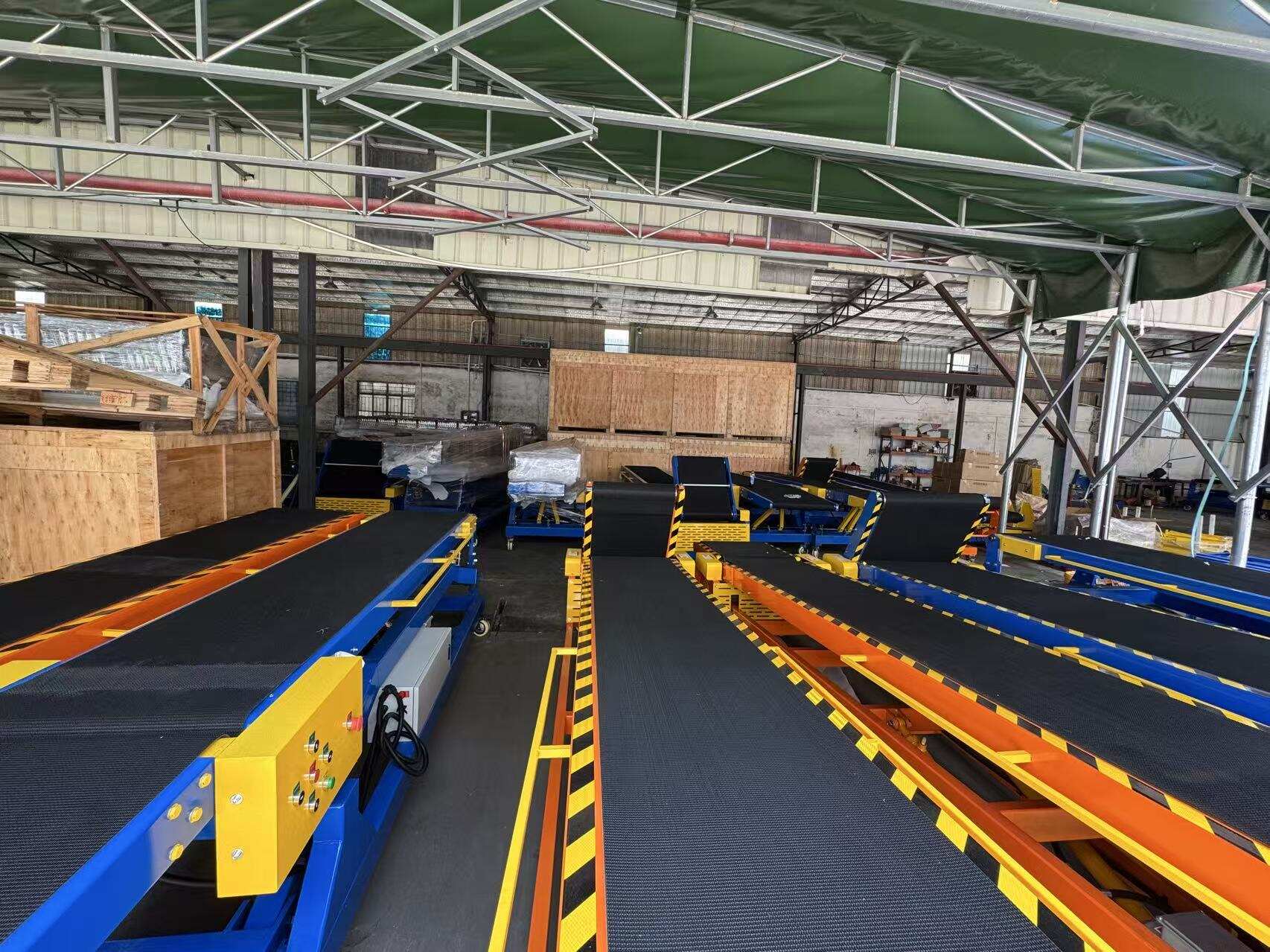
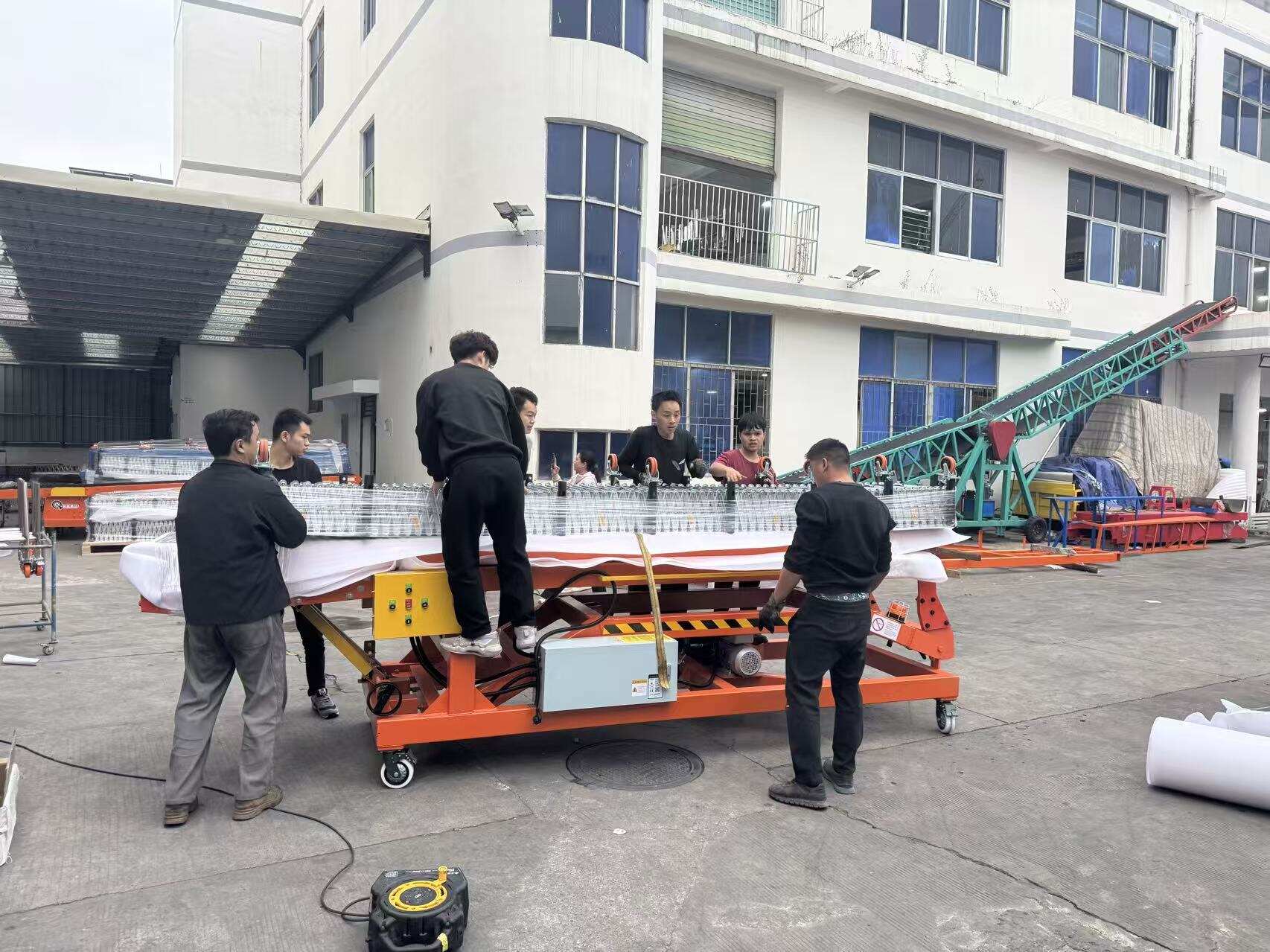
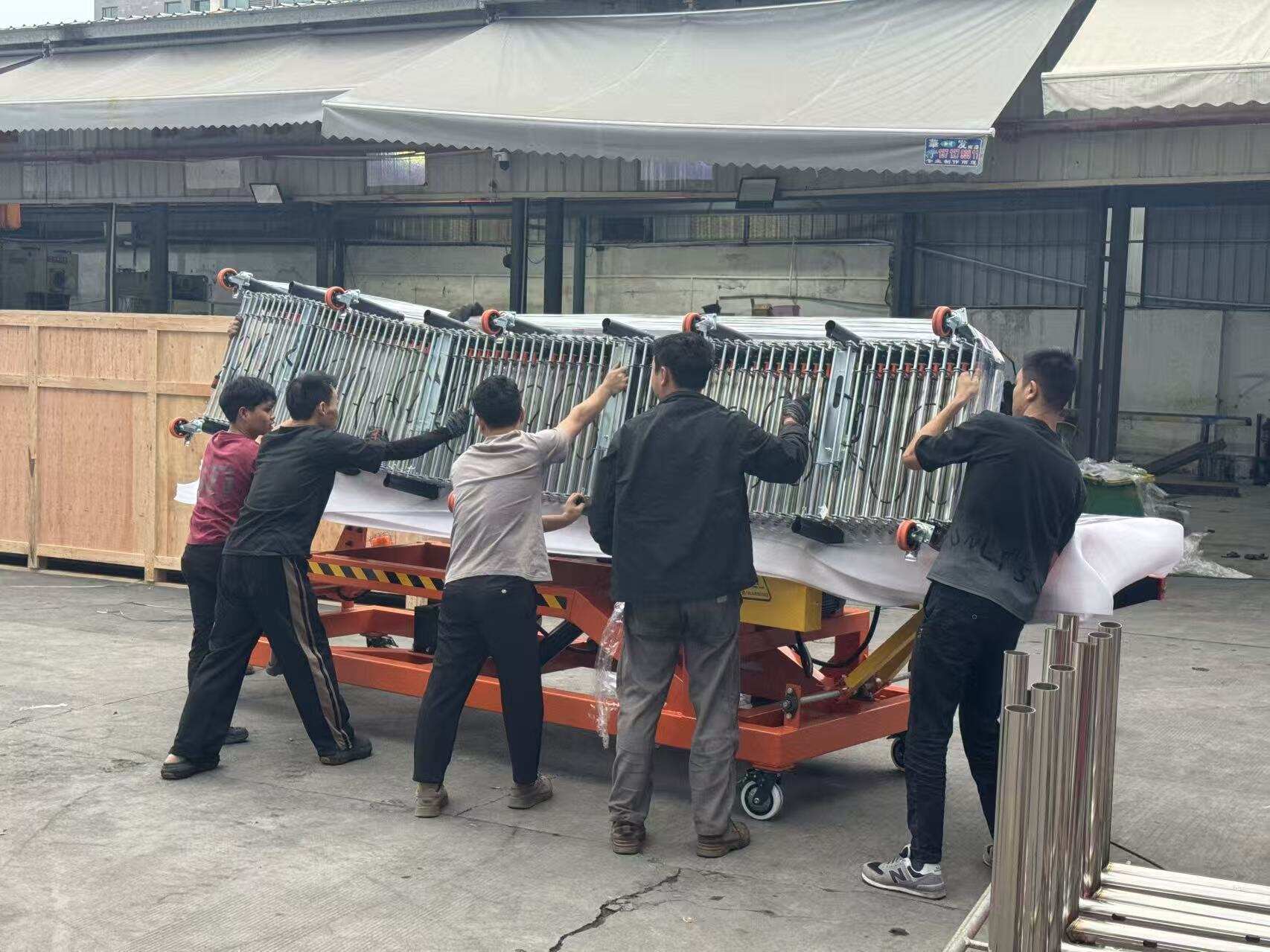
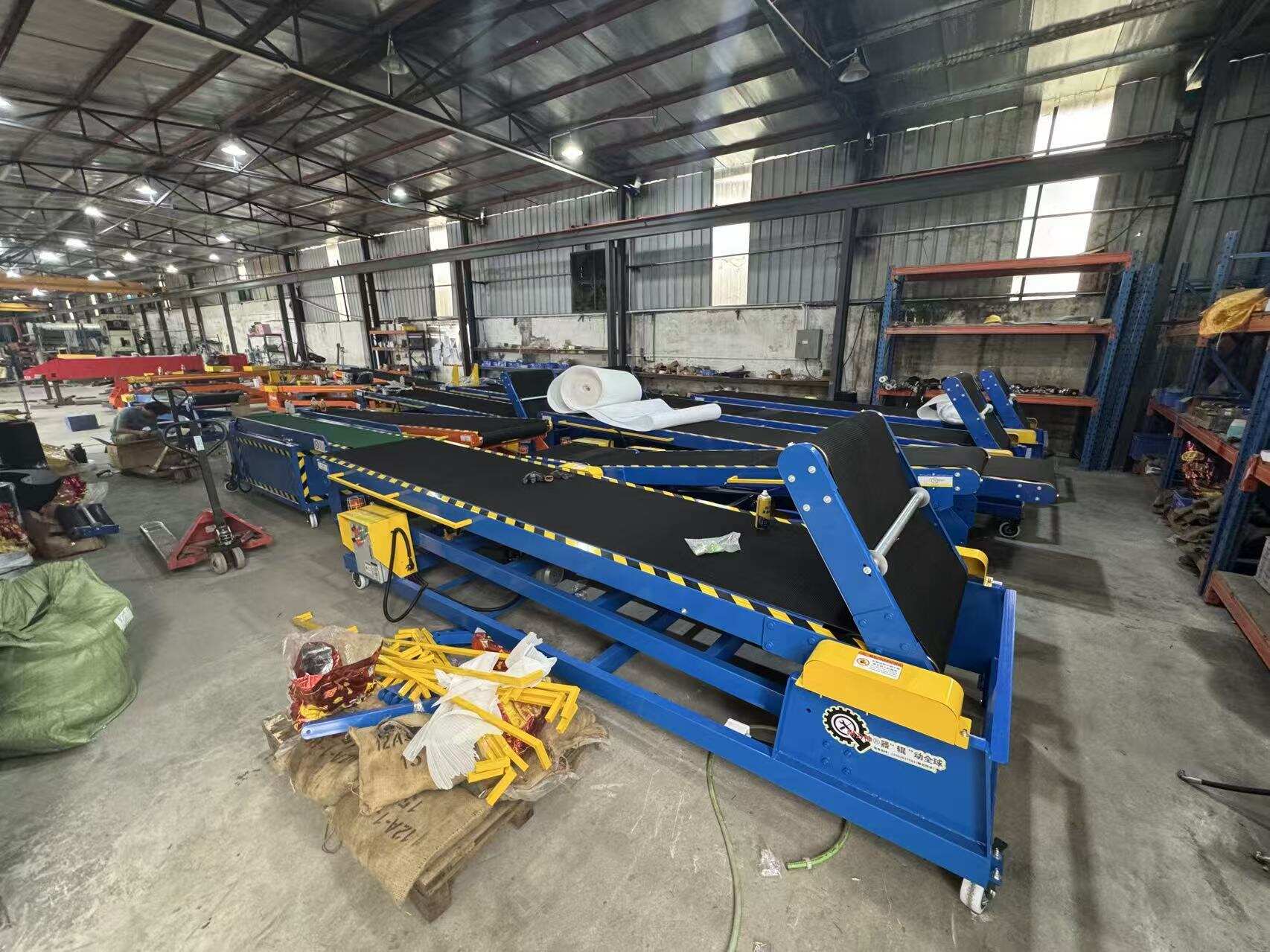
For the actual needs of frontline loading and unloading sites,Naili Unloading Artifact (Guangdong) Industrial Co., Ltd.Focused on the R&D and manufacturing of belt Telescopic Conveyor, and serving scenarios such as domestic warehousing, freight, and factory outbound shipping, it provides more suitable automated conveying solutions for loading and unloading operations.
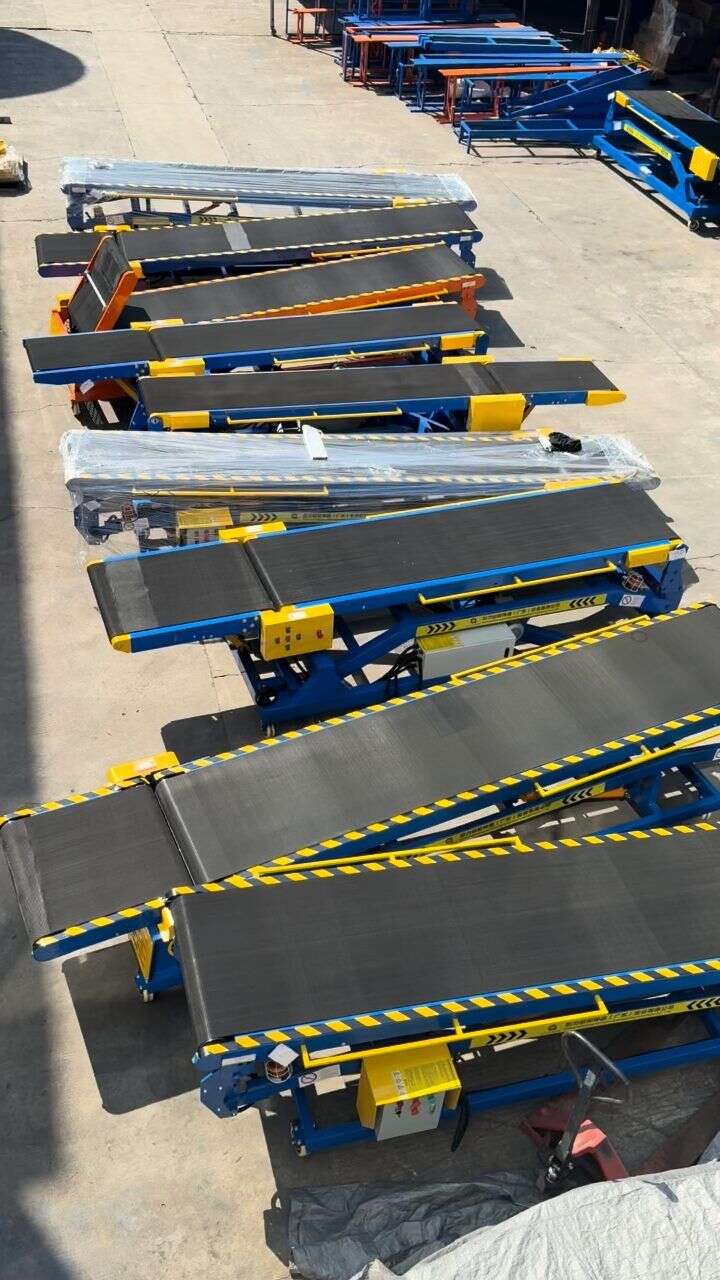
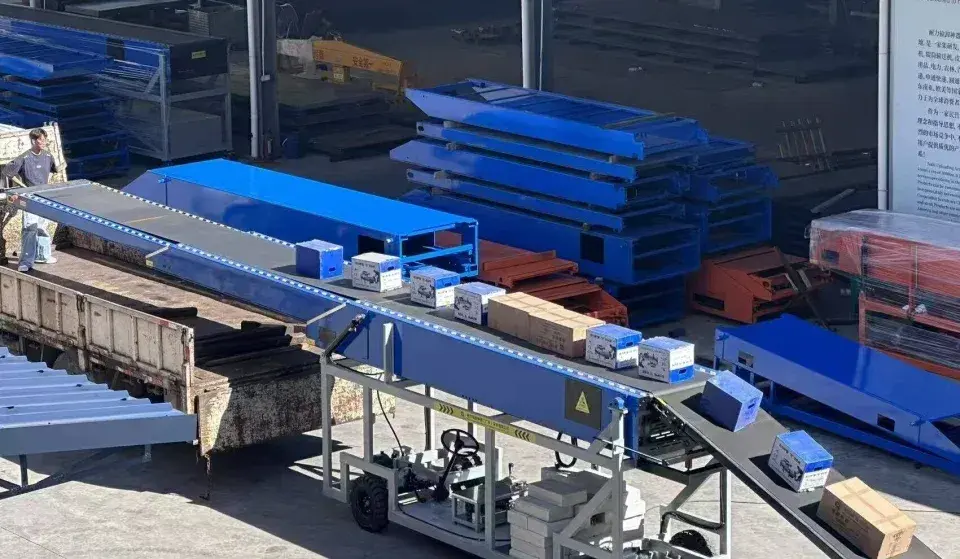
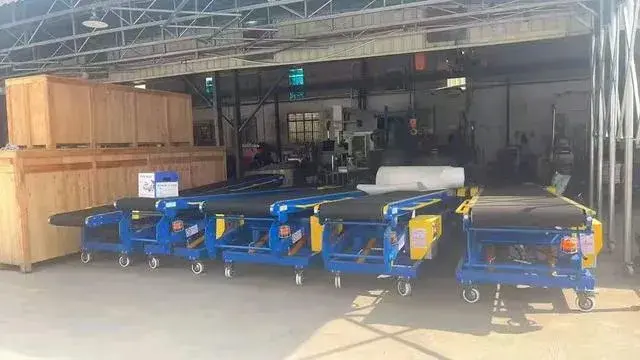
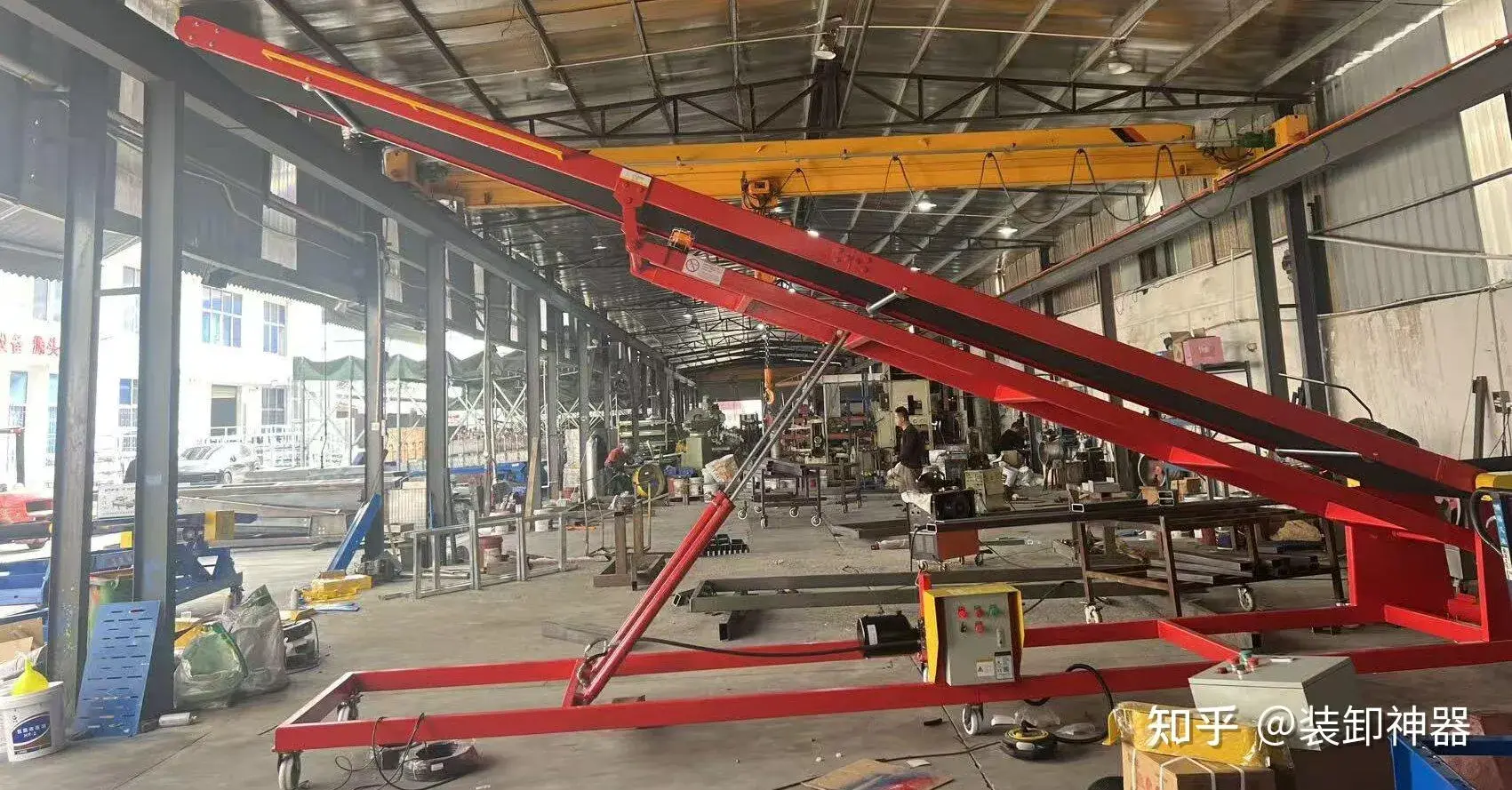
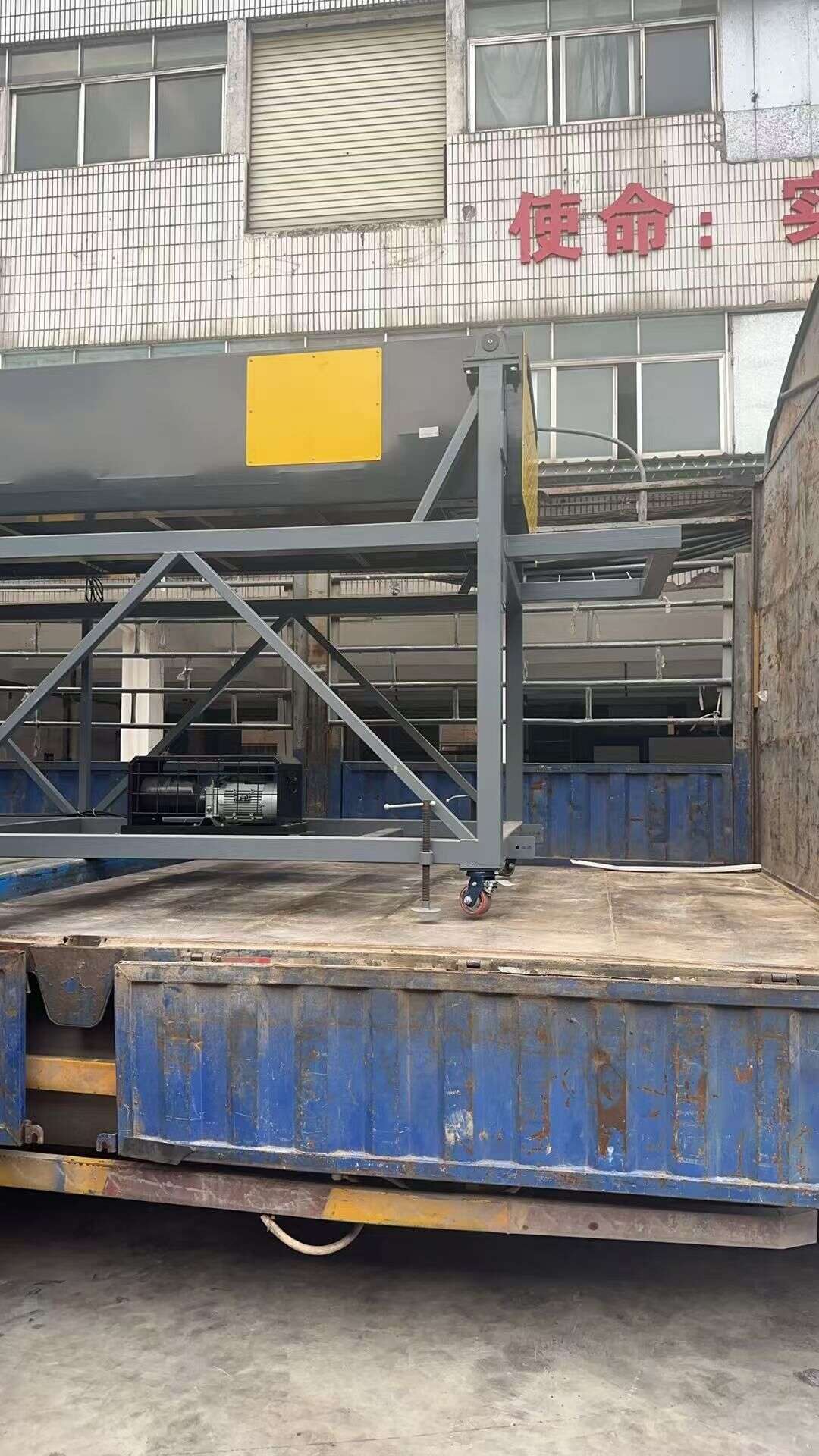
The equipment is built with industrial-grade materials and runs more smoothly. The flexible belt can transport goods more gently, helping reduce losses caused by squeezing and dropping. The equipment also supports free extension and stepless height adjustment, allowing it to extend directly into the truck bed, reducing the distance workers need to carry goods back and forth and lowering frontline labor intensity.
Compared with traditional manual operations, mechanized loading and unloading is no longer affected by worker fatigue or fluctuations in work pace. It can reduce the number of on-site workers and improve overall loading and unloading efficiency, creating a more stable balance between cost reduction and efficiency gains.
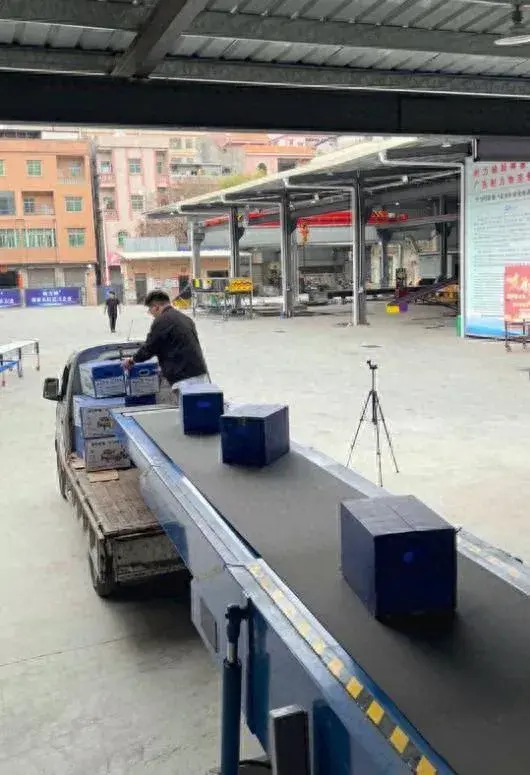
Adaptable to multiple scenarios, making automation upgrades easier to implement
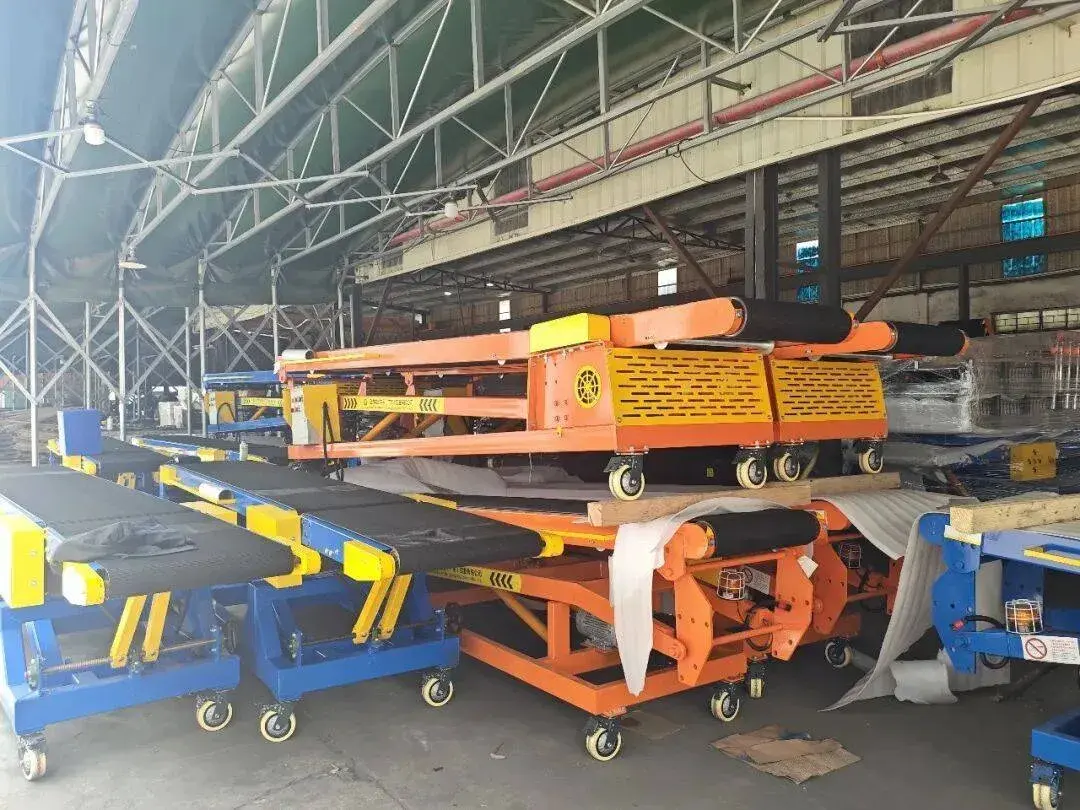
Belt Telescopic Conveyor offers strong versatility and can be used in a variety of scenarios, including express sorting centers, e-commerce warehouses, third-party logistics parks, factory finished-goods outbound areas, and freight terminals.
It can meet not only regular standardized loading and unloading needs, but also be adapted to different sites, vehicle types, and cargo specifications. Through automated, standardized conveying processes, enterprises can more steadily achieve goals such as reducing labor, reducing cargo damage, improving timeliness, and speeding up turnover.
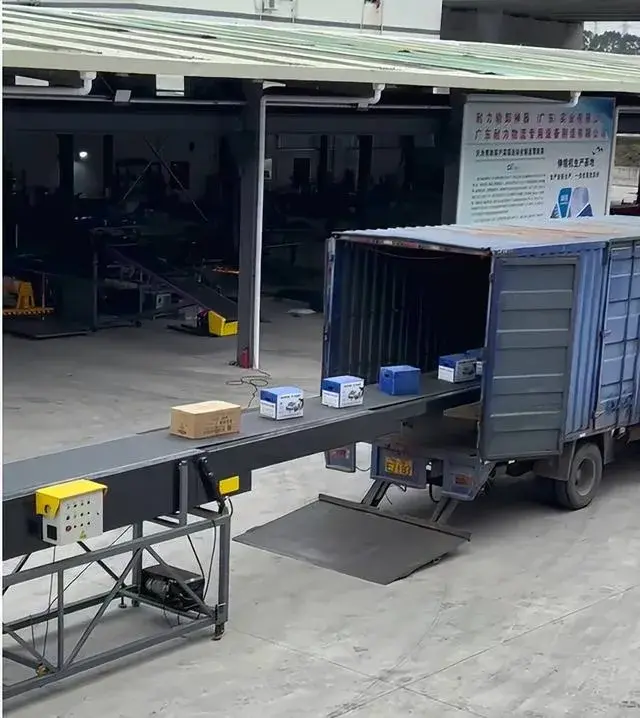
Loading and unloading automation is becoming an inevitable direction for the industry
As the logistics industry accelerates its move toward intelligent operations, the rough, manual loading and unloading model is facing increasing pressure to be replaced. For logistics companies of all sizes, a belt Telescopic Conveyor with a simple structure, easy maintenance, and lower implementation costs is better suited for automation upgrades in loading and unloading operations.
In the future, as logistics conveying equipment continues to evolve, loading and unloading operations will move toward greater safety, intelligence, and convenience, and automated loading and unloading equipment will become even more widely adopted, driving the entire logistics industry toward lower costs, higher efficiency, and greater intelligence.