In recent years, industries such as warehousing, freight, and manufacturing have generally faced problems in loading and unloading operations, including labor shortages, rising costs, and fluctuating efficiency. This is especially true for basic tasks such as flatbed loading, unloading, and cargo transfer. If these tasks rely on manual labor for a long time, not only is organization more difficult, but bottlenecks in turnover can easily form during peak seasons and periods of concentrated arrivals. For sites without a dedicated loading and unloading dock, this pressure is even more obvious.
1. Loading and Unloading Difficulties in Flat and Dockless Scenarios
The first major challenge of traditional manual loading and unloading is hiring and retaining workers. Loading and unloading is highly intensive, repetitive work with long hours and heavy physical exertion, so the role is relatively unattractive. Companies often have to rely on middle-aged and older workers to keep daily operations running, and workforce turnover is a prominent issue.
The second challenge comes from cost. As labor standards and overall expenses continue to rise, the salaries, social insurance, and benefits of skilled loading and unloading workers all push up company expenditures. During e-commerce promotions, production peaks, or concentrated cargo arrivals, companies may also need to add temporary workers, further increasing operating costs.
The third challenge is operational stability. Manual loading and unloading are easily affected by physical strength, skill level, and on-site conditions. After long periods of high-intensity work, reduced efficiency, cargo buildup, and delayed shipments may all occur. For companies that need stable outbound shipments, this kind of fluctuation directly affects warehouse turnover.
The fourth challenge comes from safety and loss. Manual handling, stacking, and loading and unloading rely heavily on experience, and issues such as cargo bumps, slipping, and irregular placement are common. In flatground operations, workers repeatedly bending over and handling heavy loads also increases the risk of lower back strain, falls, and crushing injuries.
2. Conveying Equipment Solutions Suitable for Replacing Manual Labor
Faced with these loading and unloading pain points, the core value of automated and intelligent conveying equipment lies in stability. Compared with manual methods, equipment is not affected by fluctuations in physical capacity or staff turnover, and can continuously complete loading, unloading, and transfer tasks, making it especially suitable for daily high-frequency operations and concentrated peak-season processing.
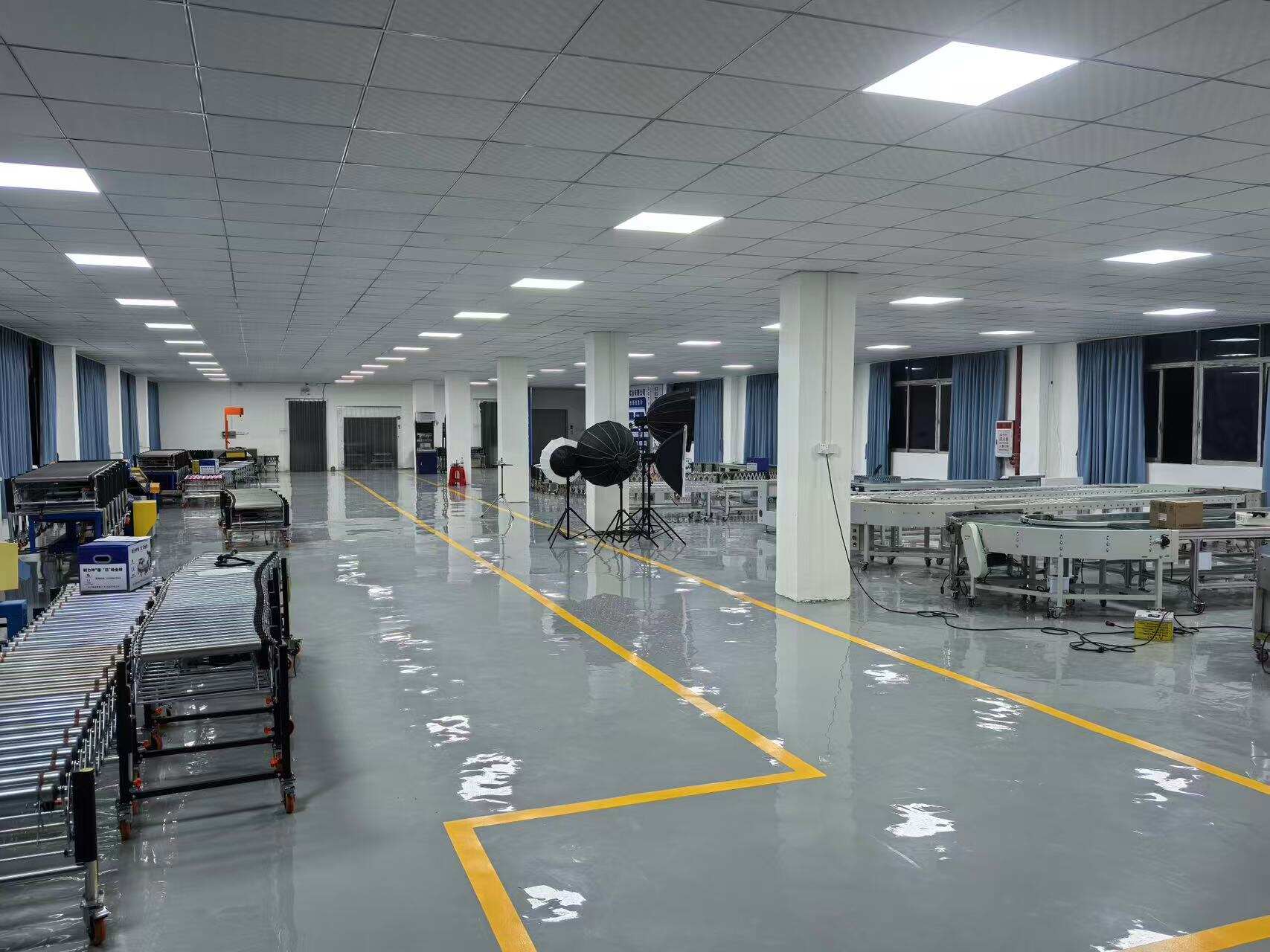
Naili Unloading Artifact (Guangdong) Industrial Co., Ltd.The logistics loading, unloading, and conveying equipment provided covers various types, including gravity, powered, hydraulic lifting, and belt telescopic equipment. It can be used in factory warehousing, logistics and freight, e-commerce warehouses, building materials and hardware, food, daily chemicals, and many other scenarios. For companies that need one-stop handling of loading, unloading, and transfer tasks, this product combination makes it easier to configure equipment according to specific scenarios.
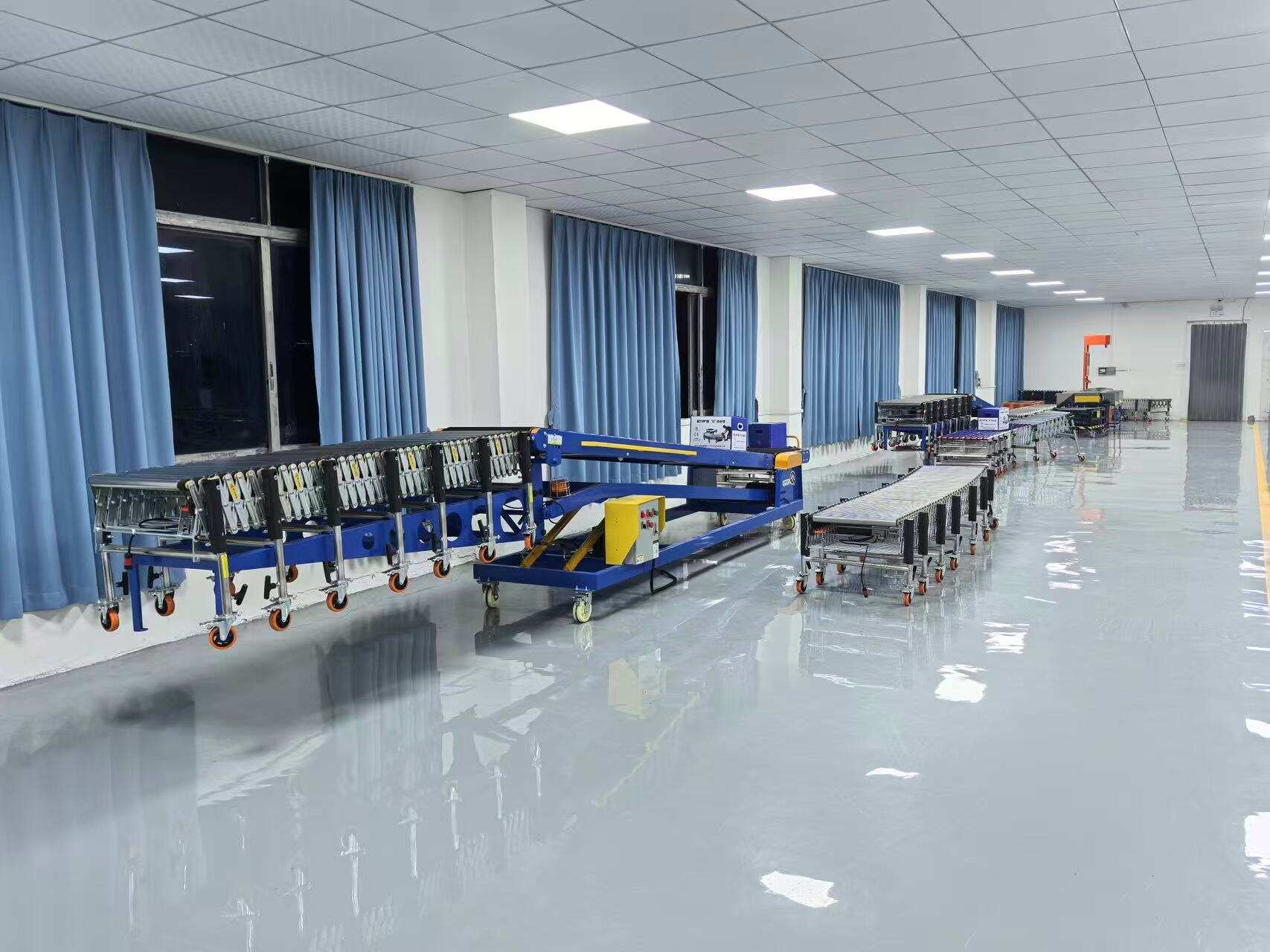
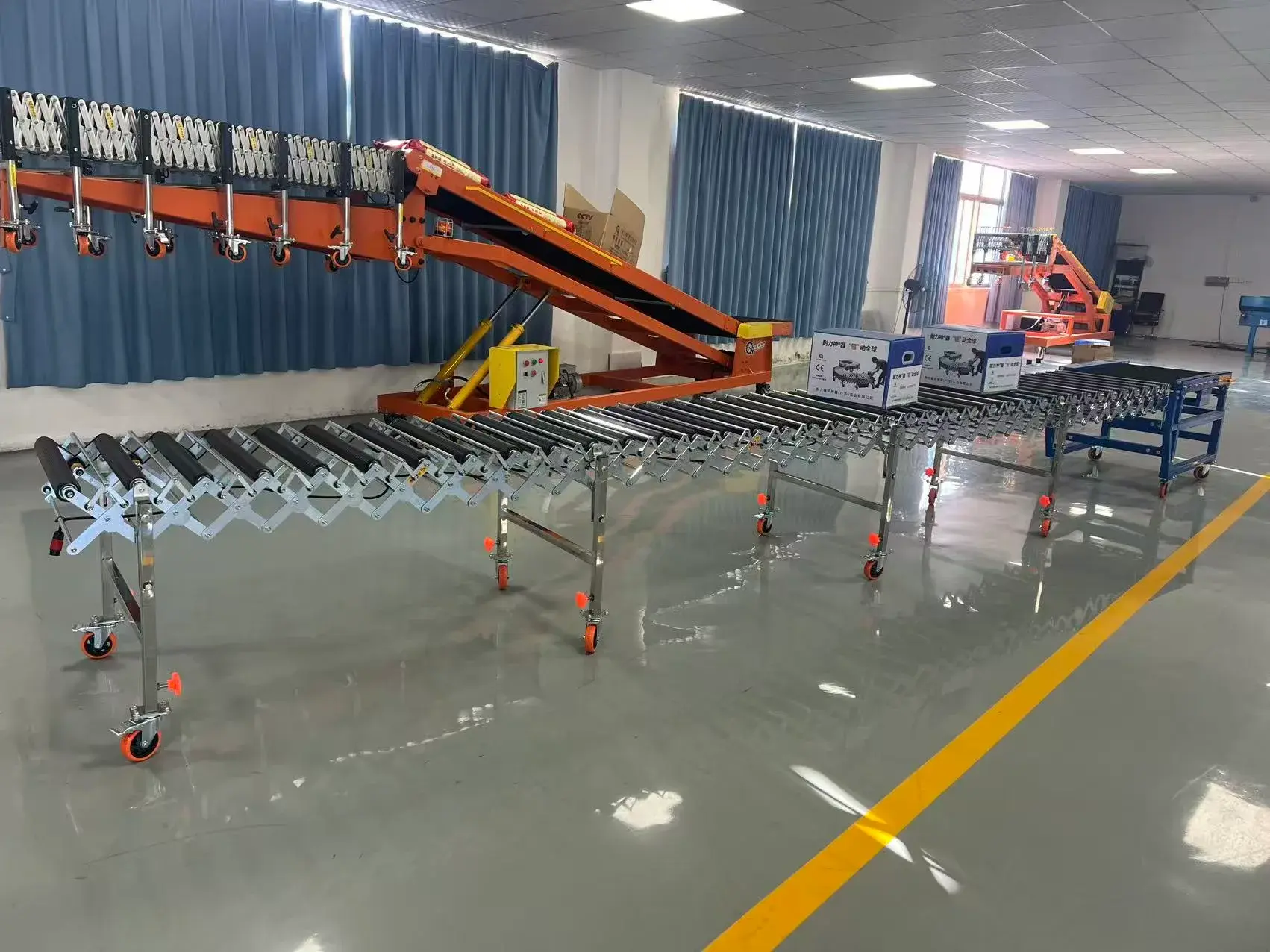
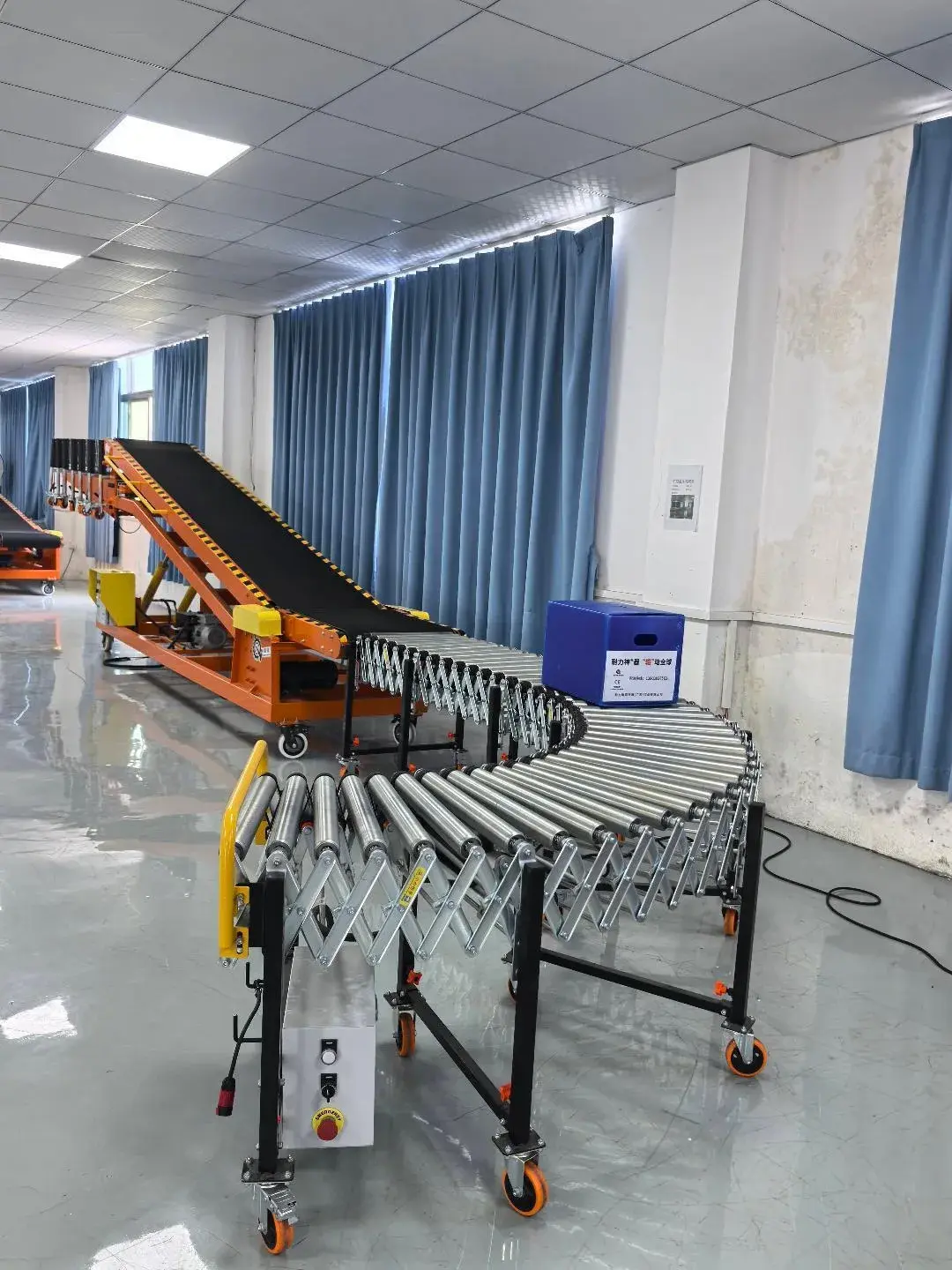
The company's core products includeGravity skatewheel conveyors, Powered Roller Conveyor, Gravity Roller Conveyor, hydraulic lifting incline conveyors, and belt Telescopic ConveyorThese devices can be used independently or combined into a continuous operating process to handle level-ground loading and unloading, loading and unloading across height differences, and long-distance goods transfers.
Advantages of Combining Powered Roller Telescopic Lines with Hydraulic Lifting Incline Conveyors
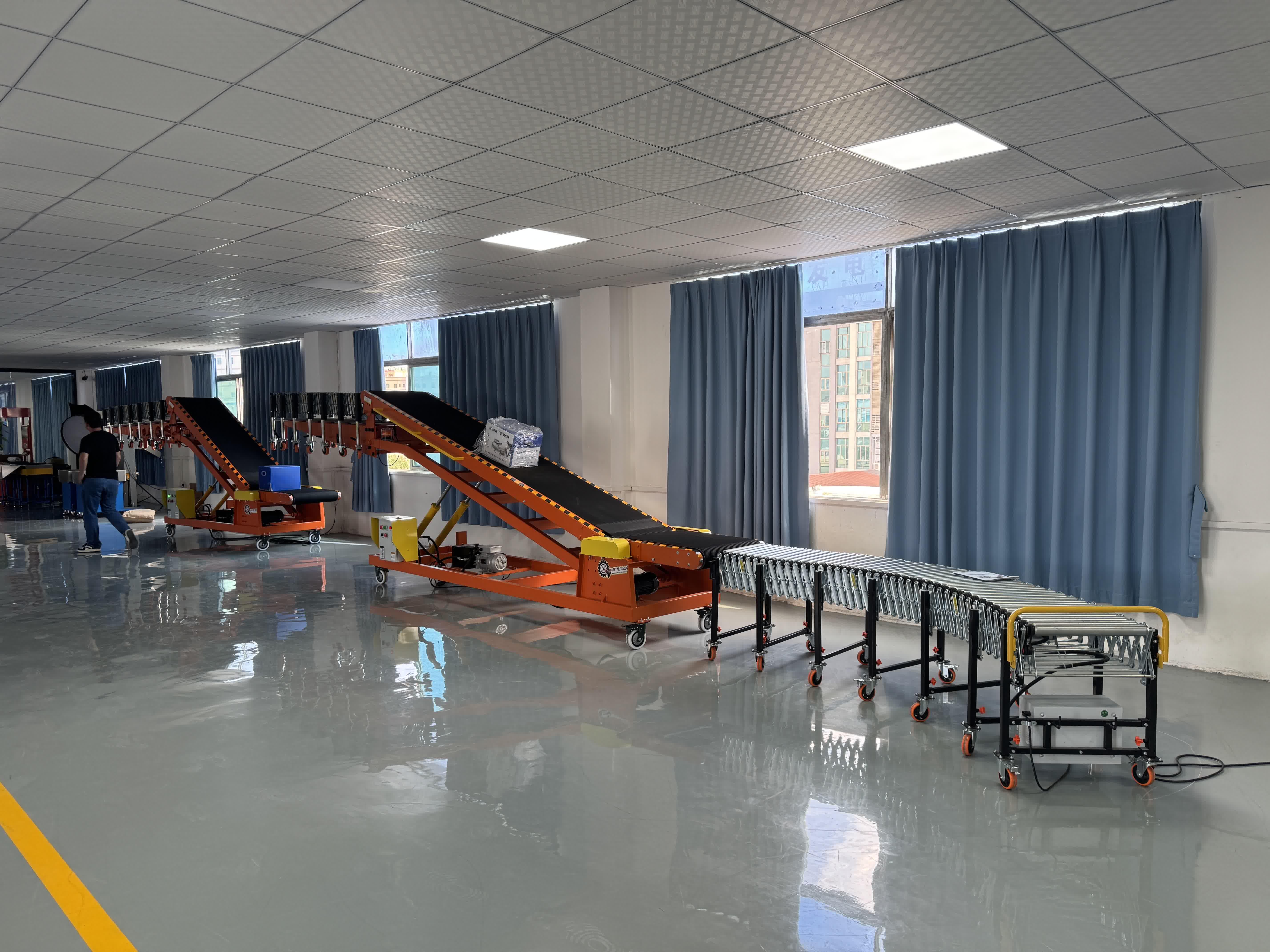
For the most common challenges in level-ground loading and unloading, combining a powered roller telescopic line with a hydraulic lifting incline conveyor provides a more targeted solution.
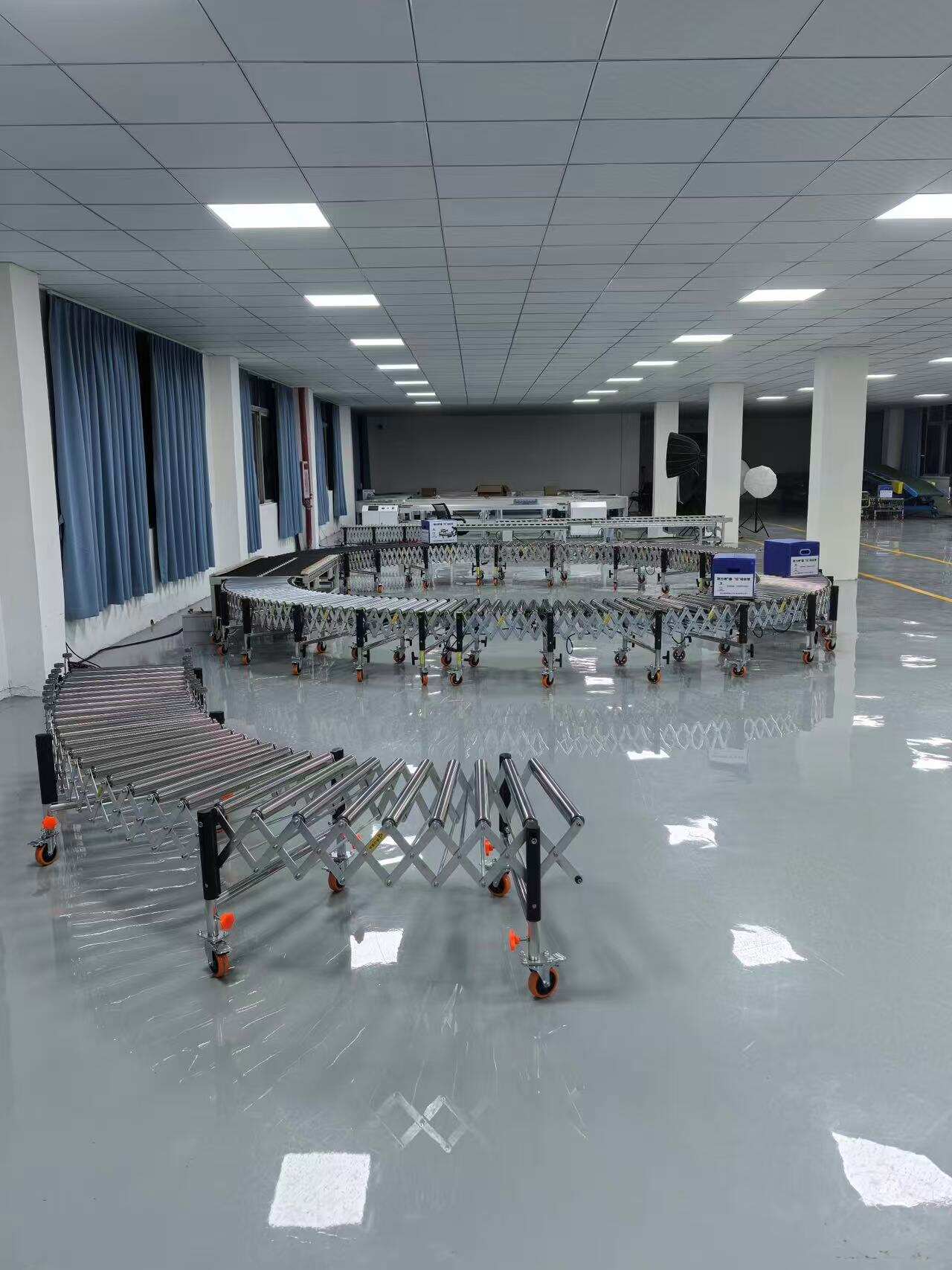
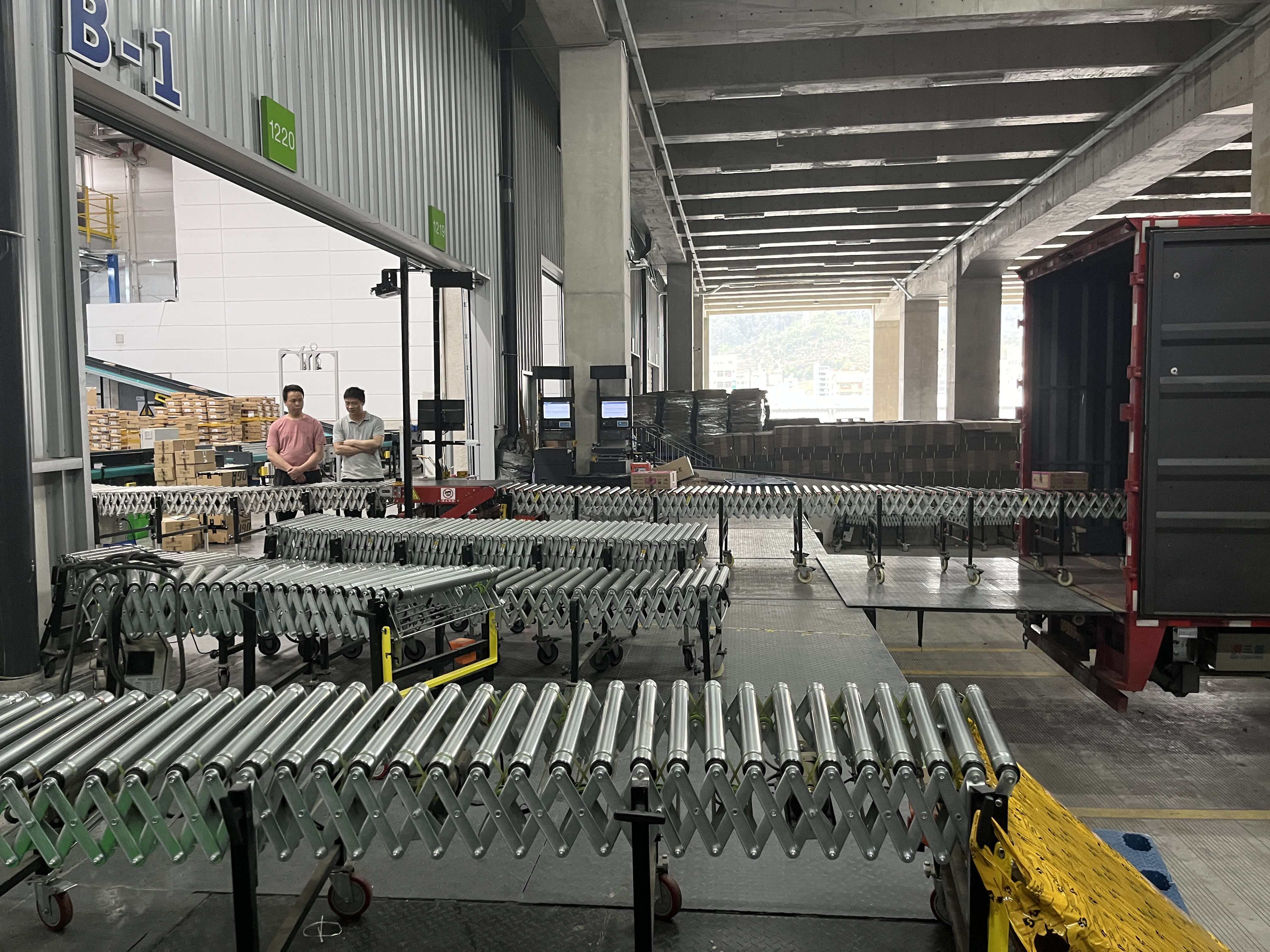
Powered Roller Telescopic Line
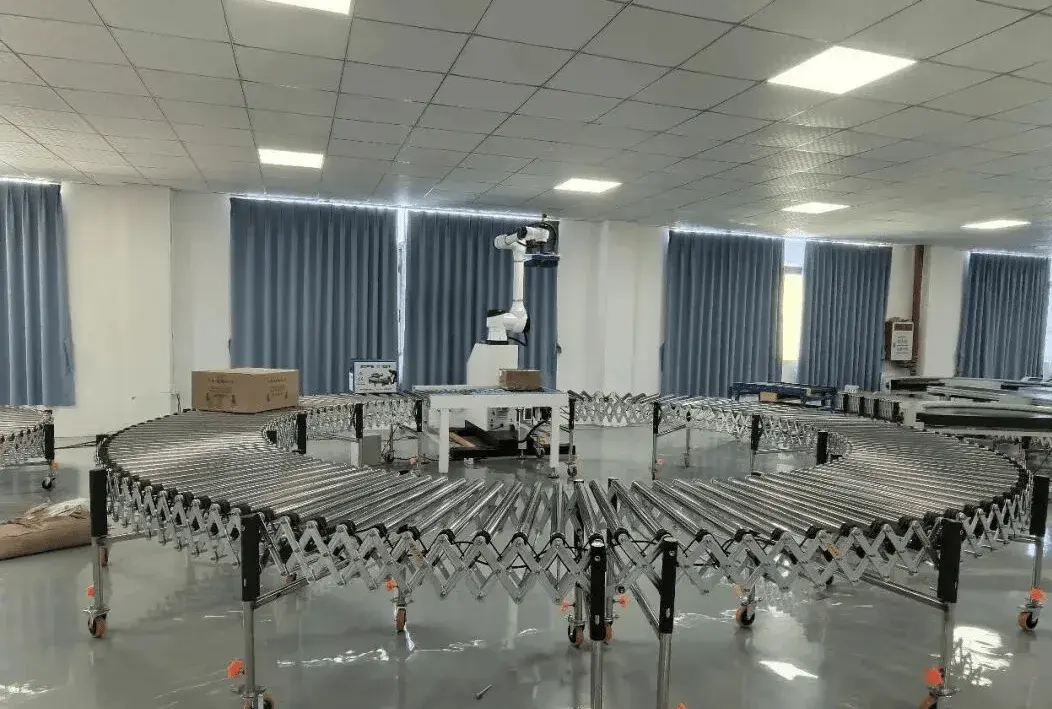
The Powered Roller Telescopic Line can flexibly adjust its extension length according to the length of a truck compartment and the available site space. It is easy to move and occupies relatively little floor space. It is suitable for cartons, bags, hardware components, small items, and other product categories. Powered conveying completes the transfer, reducing the physical effort required for manual pushing and dragging.
In terms of user experience, this type of equipment operates more steadily with lower noise. It is suitable for high-frequency continuous operation and can be quickly switched between different vehicles and sites.
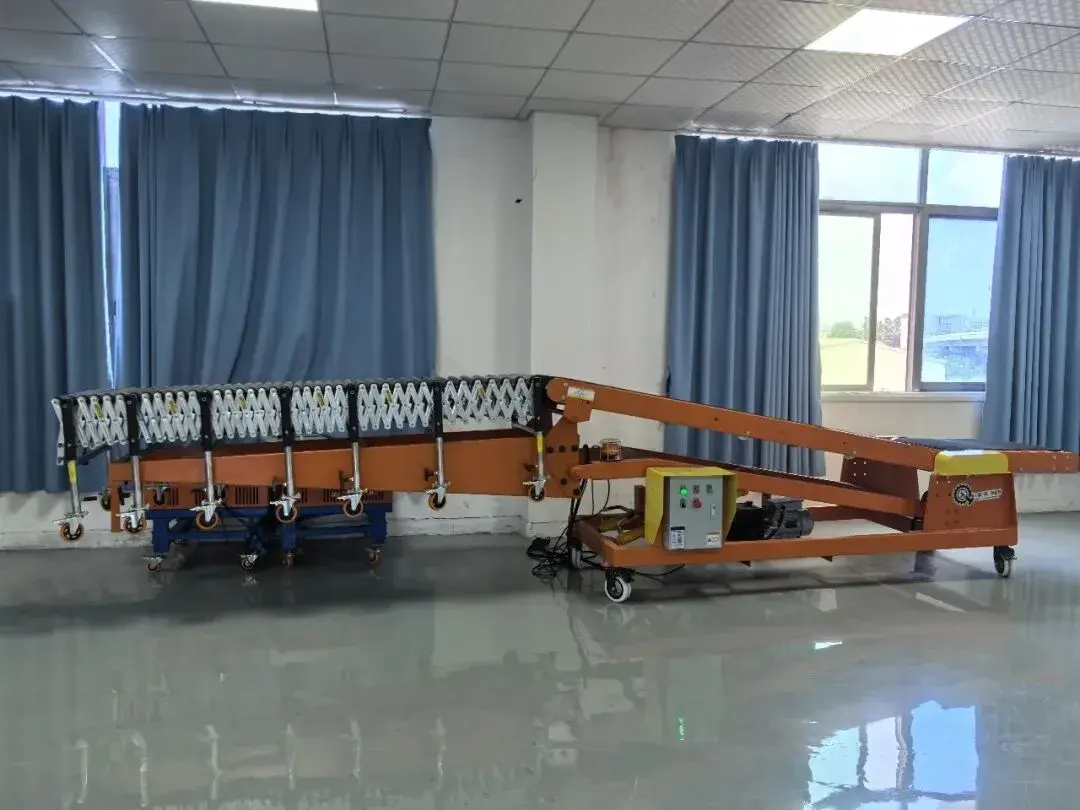
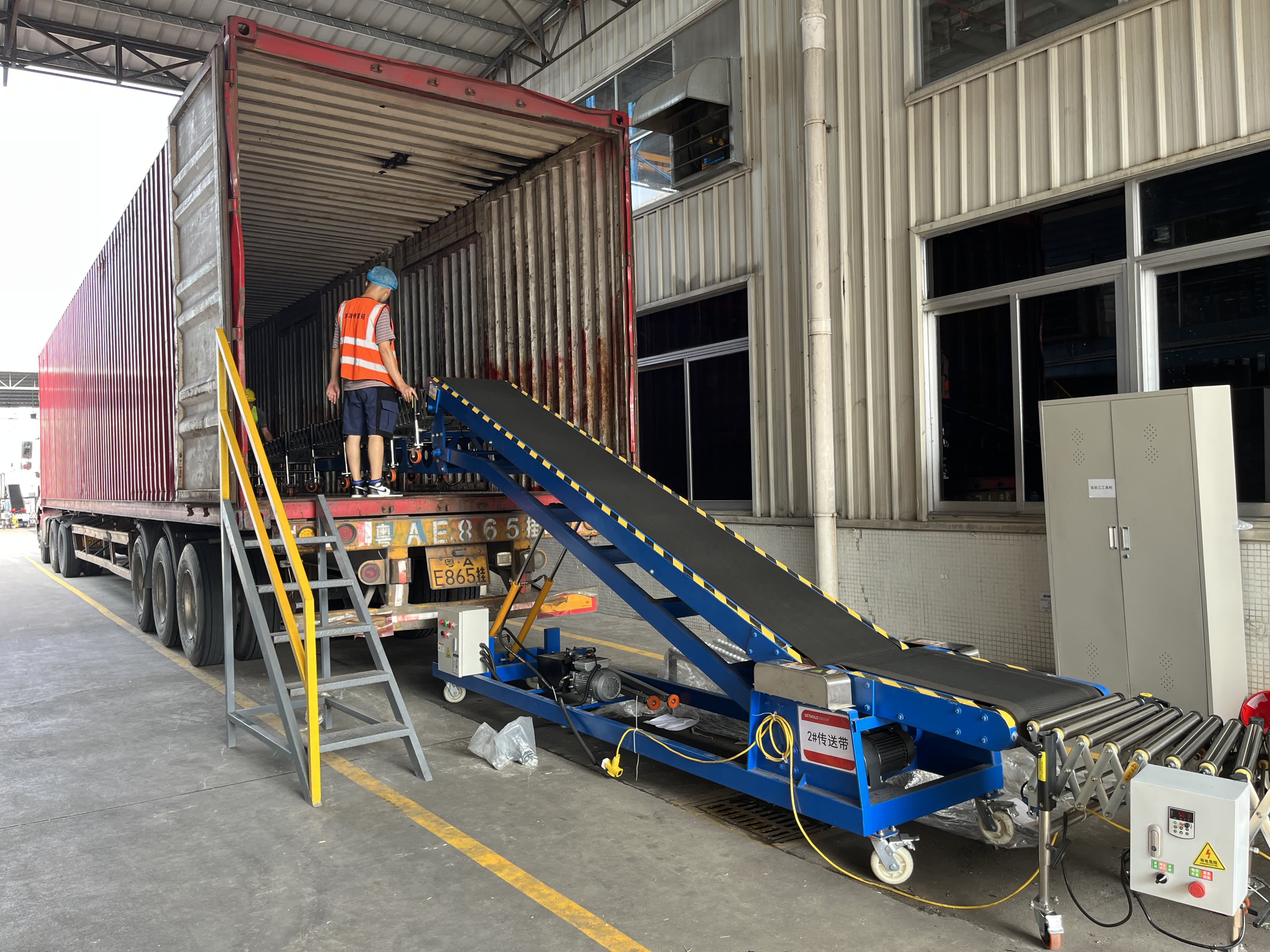
Hydraulic Lifting Incline Conveyor
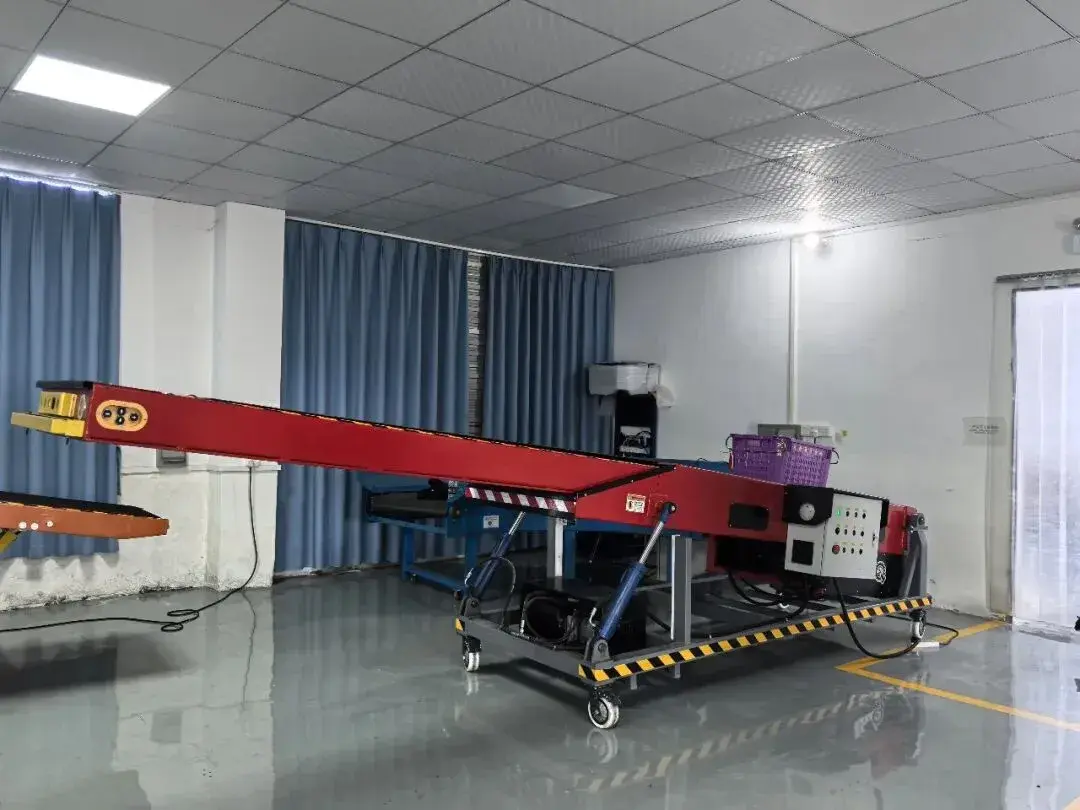
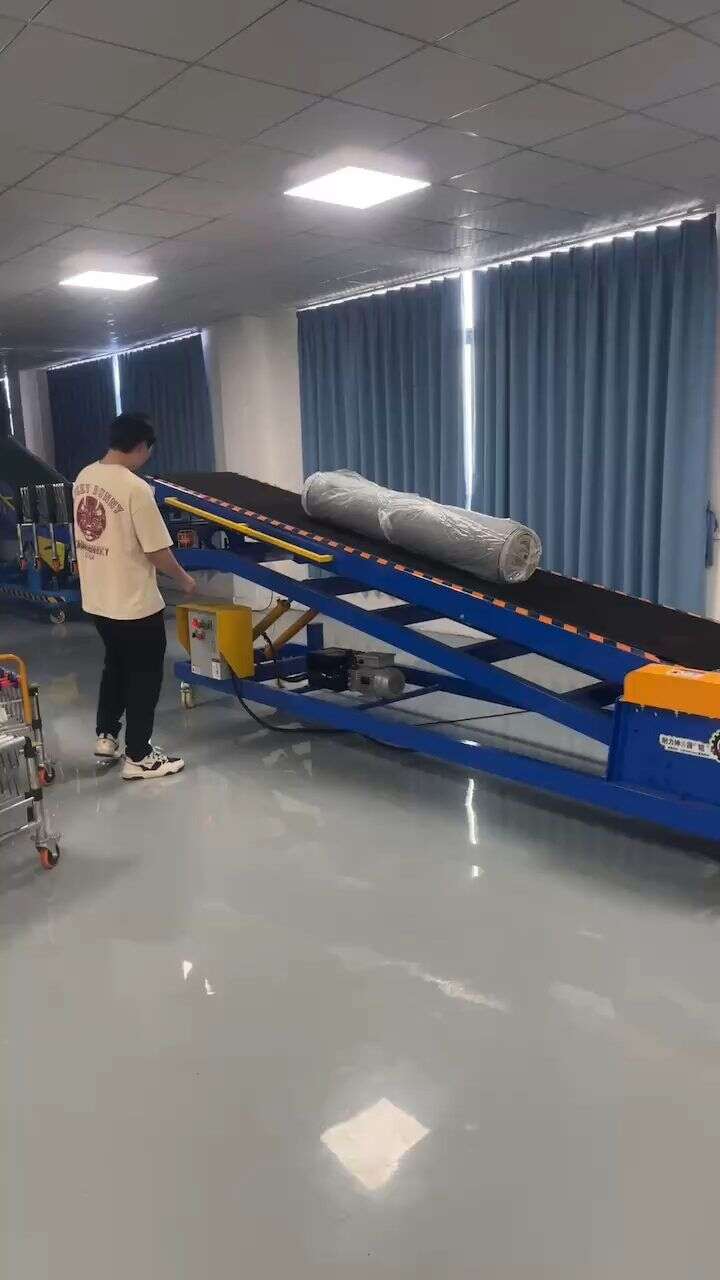
Hydraulic lifting incline conveyors are primarily used to address height differences between the ground and truck compartments. They can adjust the lifting height and incline angle, helping goods transition smoothly to truck compartments or warehouse platforms at different heights while reducing losses caused by manual lifting and stacking.
The equipment uses hydraulic lifting, ensuring stable operation, helping reduce the risk of goods jolting or tilting, and improving the orderliness and safety of loading and unloading operations.
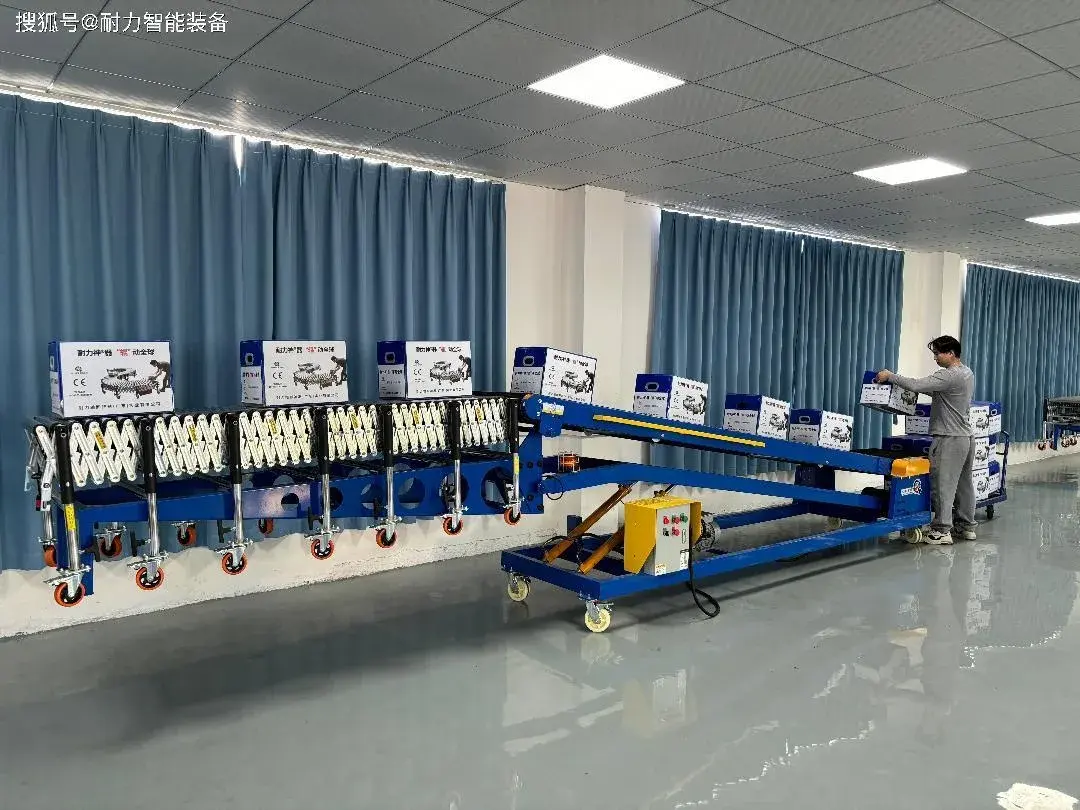
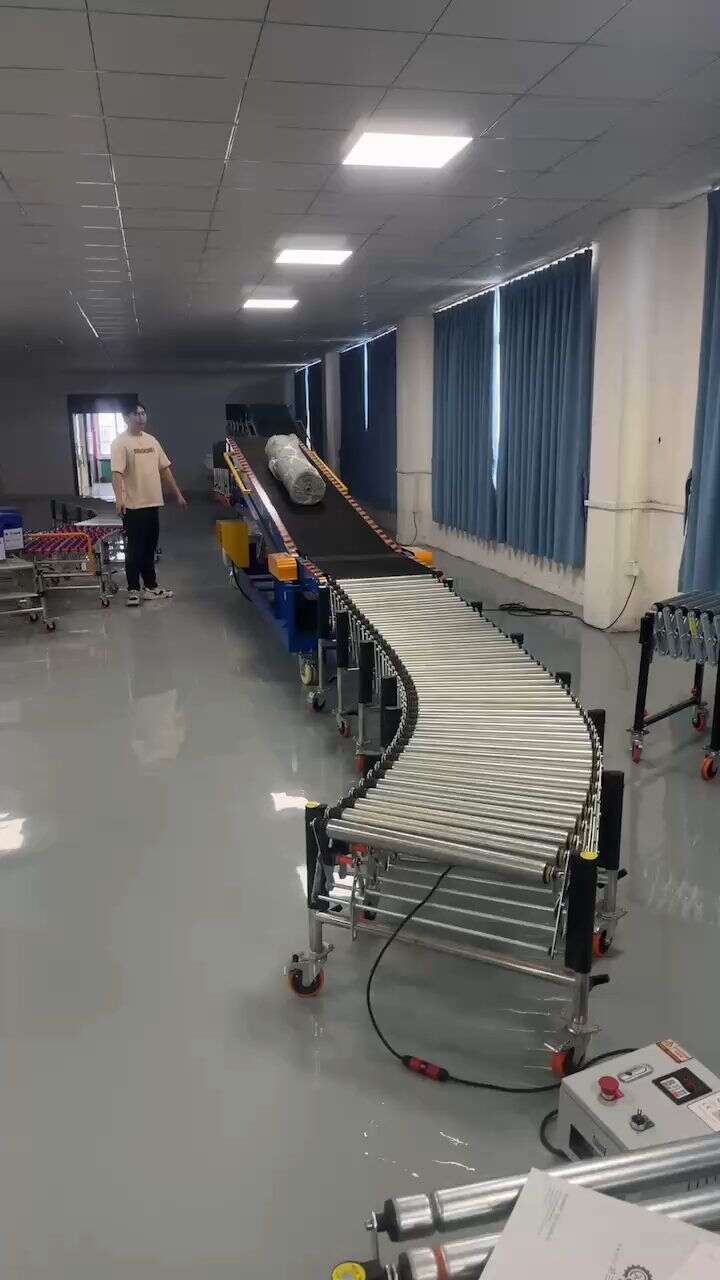
After the two types of equipment are combined, they can form an integrated flat-ground loading and unloading process. According to the original description, this setup can improve operating efficiency in real-world applications. Daily cargo turnover capacity will also be better than a purely manual approach, while reducing labor input and handling losses.
4. The development of loading and unloading without a platform is moving toward equipment-based and more stable operations
As the labor structure changes and companies demand higher efficiency, a mode that relies on heavy manual labor for loading and unloading is becoming less and less able to meet the needs of modern warehousing and logistics. For small and medium-sized enterprises, there is no need to build a large intelligent warehousing system all at once; by first using dedicated conveyor equipment that is closer to on-site needs, they can more directly solve flat-ground loading and unloading as well as cargo transfer problems.
From this perspective, intelligent conveying equipment is not meant to replace all manual labor, but to free people from high-intensity, low-efficiency, and high-risk handling tasks, making loading and unloading processes more stable, more controllable, and better suited to long-term operations.