Naili Conveyor
Why Short-Distance Material Transfers Are Most Likely to Increase Factory Costs
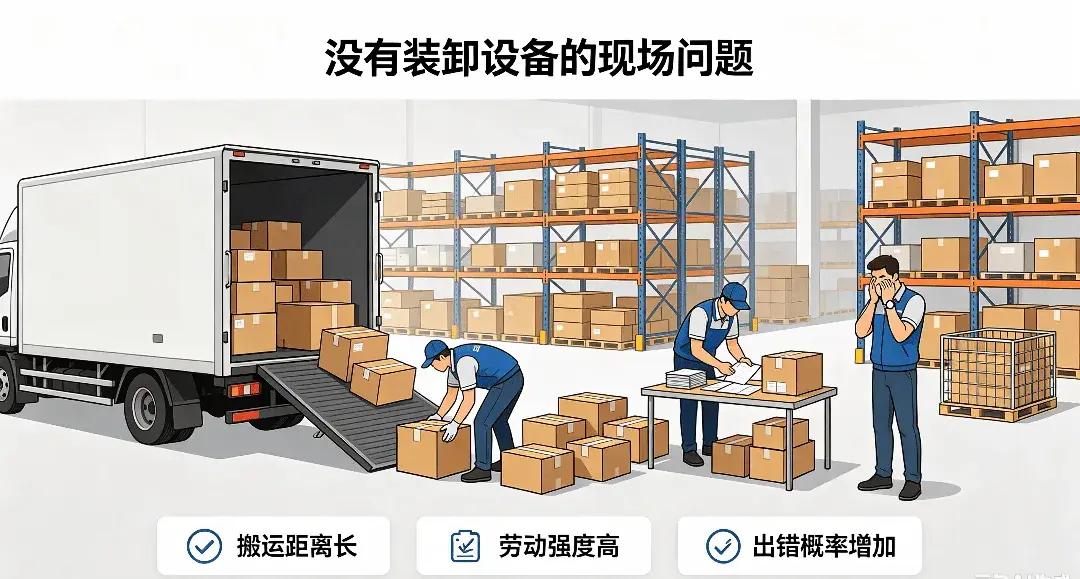
Inside discrete manufacturing plants, short-distance, multi-point, and temporary material transfers are common, such as connecting workshop workstations, consolidating finished products in warehouses, sorting small items, and temporarily transferring goods during truck unloading at the factory entrance. These tasks may seem scattered, but they consume a significant amount of labor over time and can easily become the most difficult part of a plant logistics upgrade in terms of budget control.
There are generally two common approaches, but each has clear shortcomings. One is to install a complete Powered Roller Conveyor line directly. Equipment procurement, electrical control wiring, power consumption, and annual maintenance costs continue to accumulate, while equipment utilization can remain very low in fragmented application scenarios. The other is to continue relying entirely on manual handling. Although the initial investment is low, workers must repeatedly shuttle back and forth to move goods, labor costs continue to rise, and it is difficult to improve the efficiency of warehouse inbound and outbound operations and sorting.
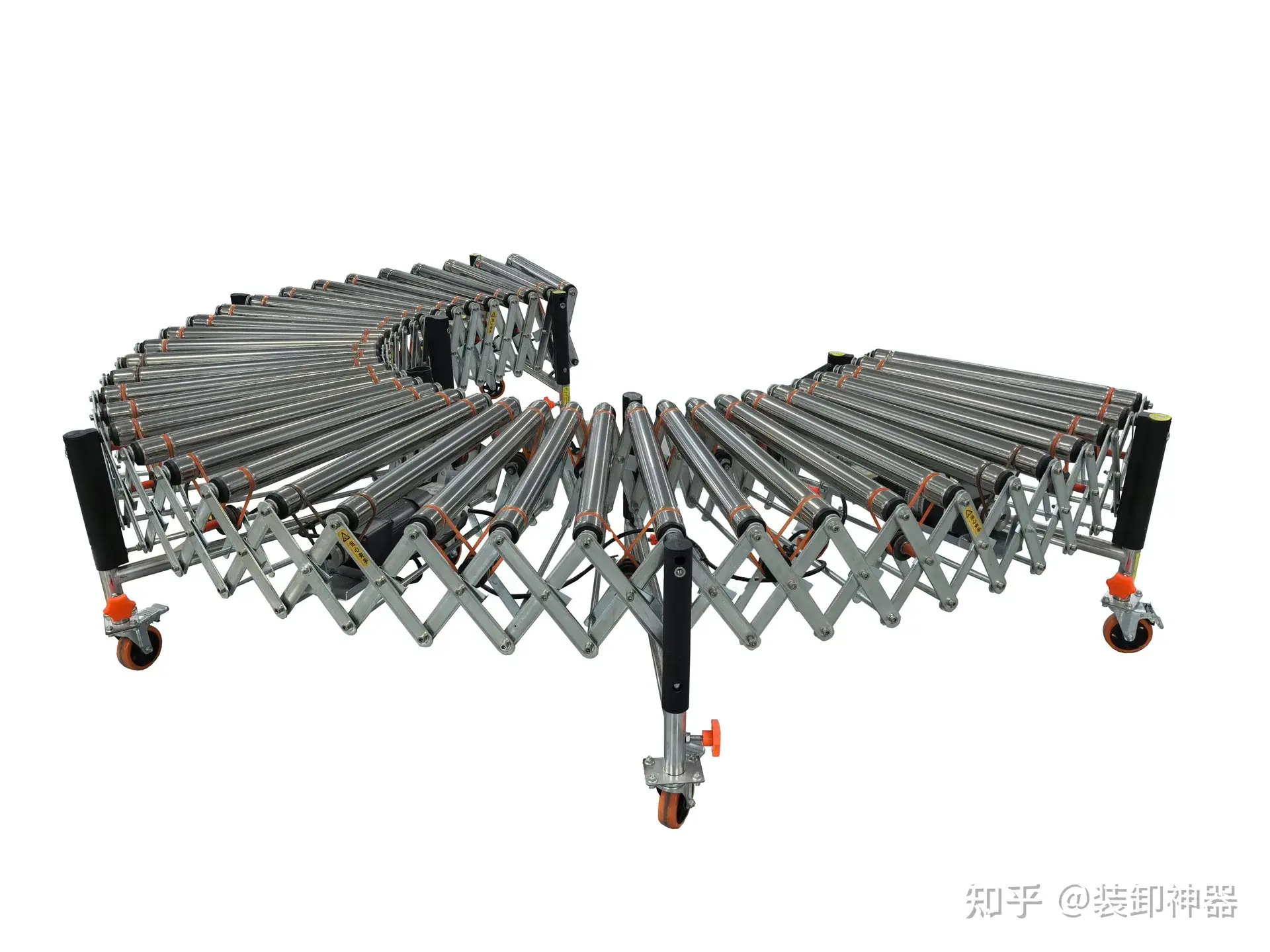
What Lightweight Applications Is Gravity Roller Conveyor Suitable For?
For lightweight, temporary short-distance transfer needs, Gravity Roller Conveyor is a highly suitable conveyor solution. Its key features include no motor and no electrical control system. It relies on manual pushing to move materials, so it incurs no ongoing electricity costs and is better suited to factories seeking to control long-term operating expenses.
In terms of operating performance, this type of equipment is suitable for boxed goods, bagged goods, standard pallets, and other materials with flat undersides. The rollers are manufactured using a high-precision, smooth-finishing process, providing more even load distribution and relatively smooth pushing with less risk of jamming. The frame is formed by integrally welding thickened carbon steel, providing high structural strength. It is less prone to bending or deformation during long-term, high-frequency operation, while requiring less maintenance investment later on.
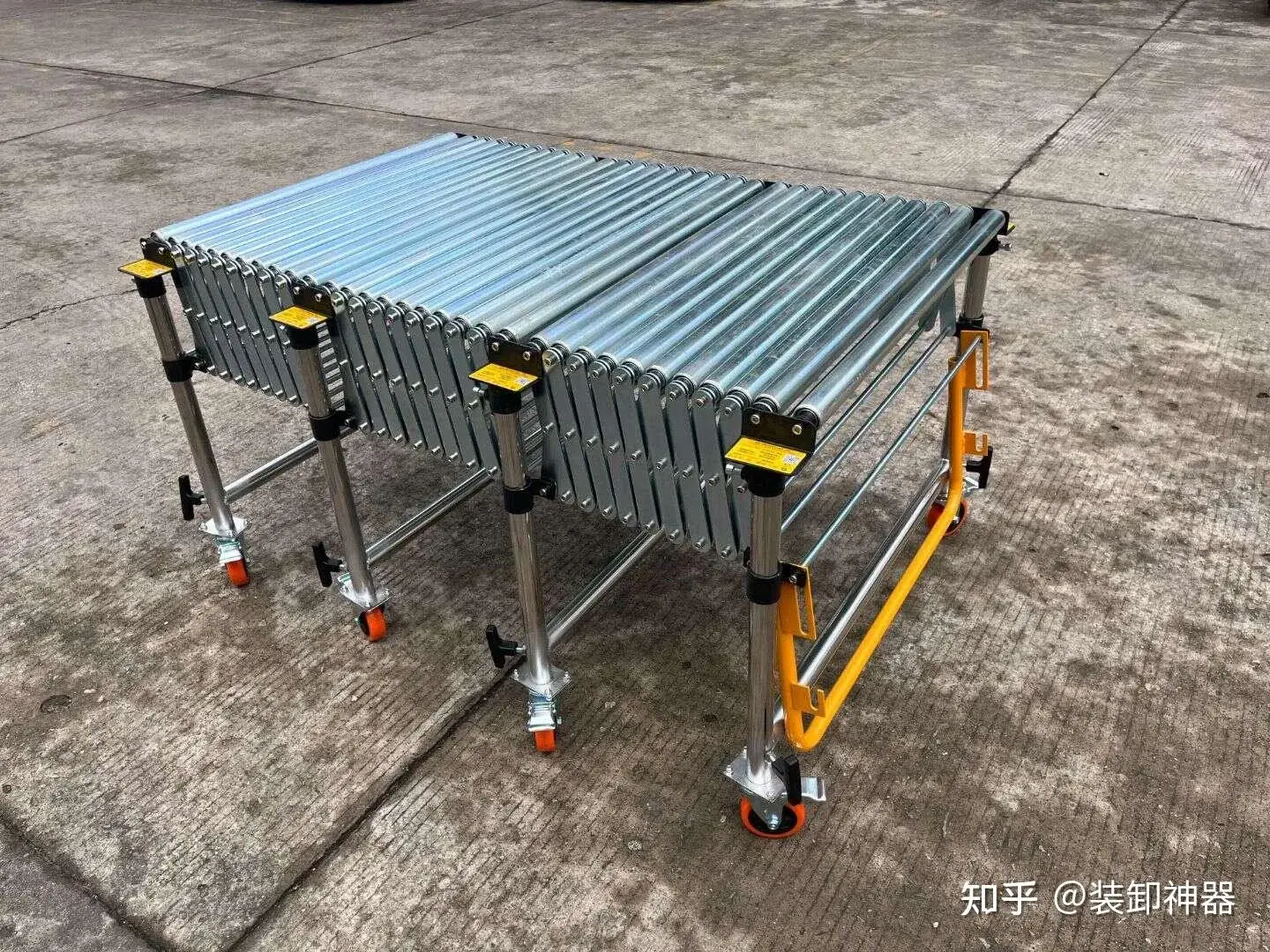
Lightweight Upgrades Are Better Suited to Modular Combinations
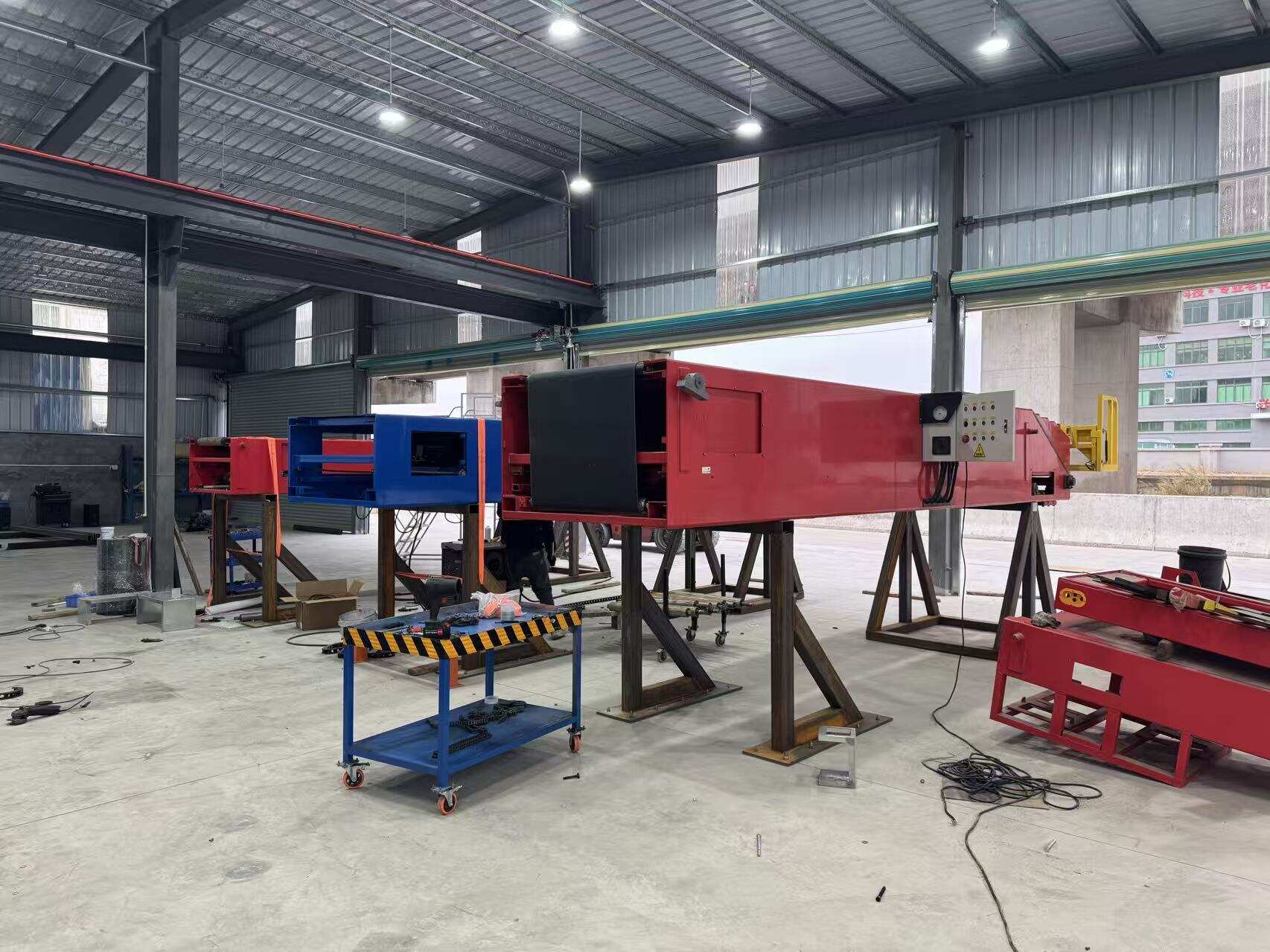
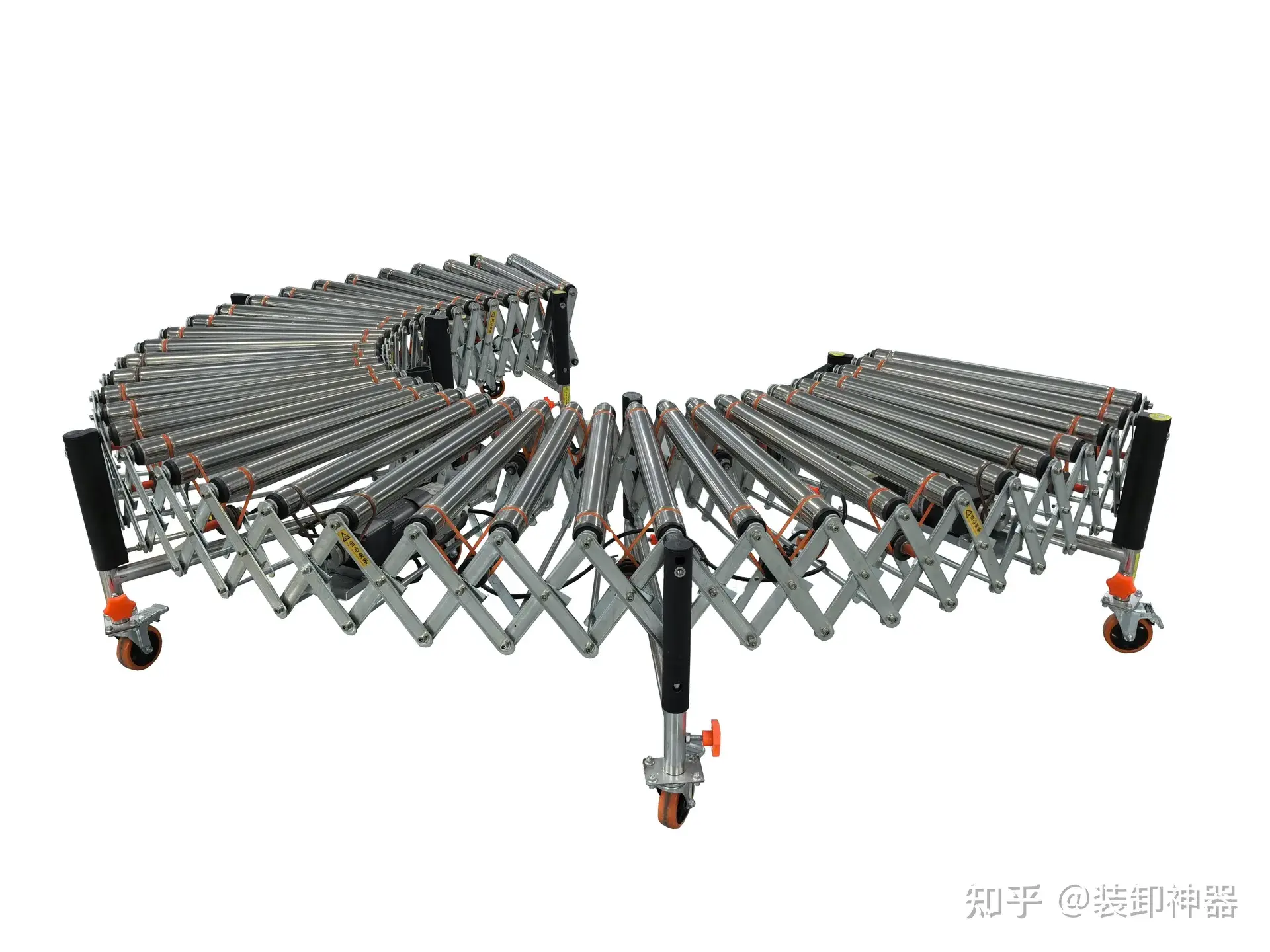
For short-distance transfers between different points within a plant, a single piece of equipment often cannot cover every scenario, making modular combinations a more practical approach. Gravity Roller Conveyor supports the on-demand combination of straight, curved, and small incline modules. It can also be equipped with mobile casters, positioning brakes, and height-adjustable supports to accommodate changing operating conditions such as narrow aisles, rotating workstations, and temporary loading and unloading.
When the equipment is not in use, it can also be disassembled for storage without permanently occupying production space in the plant. The focus of this approach is not to build a large automated system all at once, but to use a more flexible method to stabilize the most frequent and repetitive steps in short-distance logistics first.
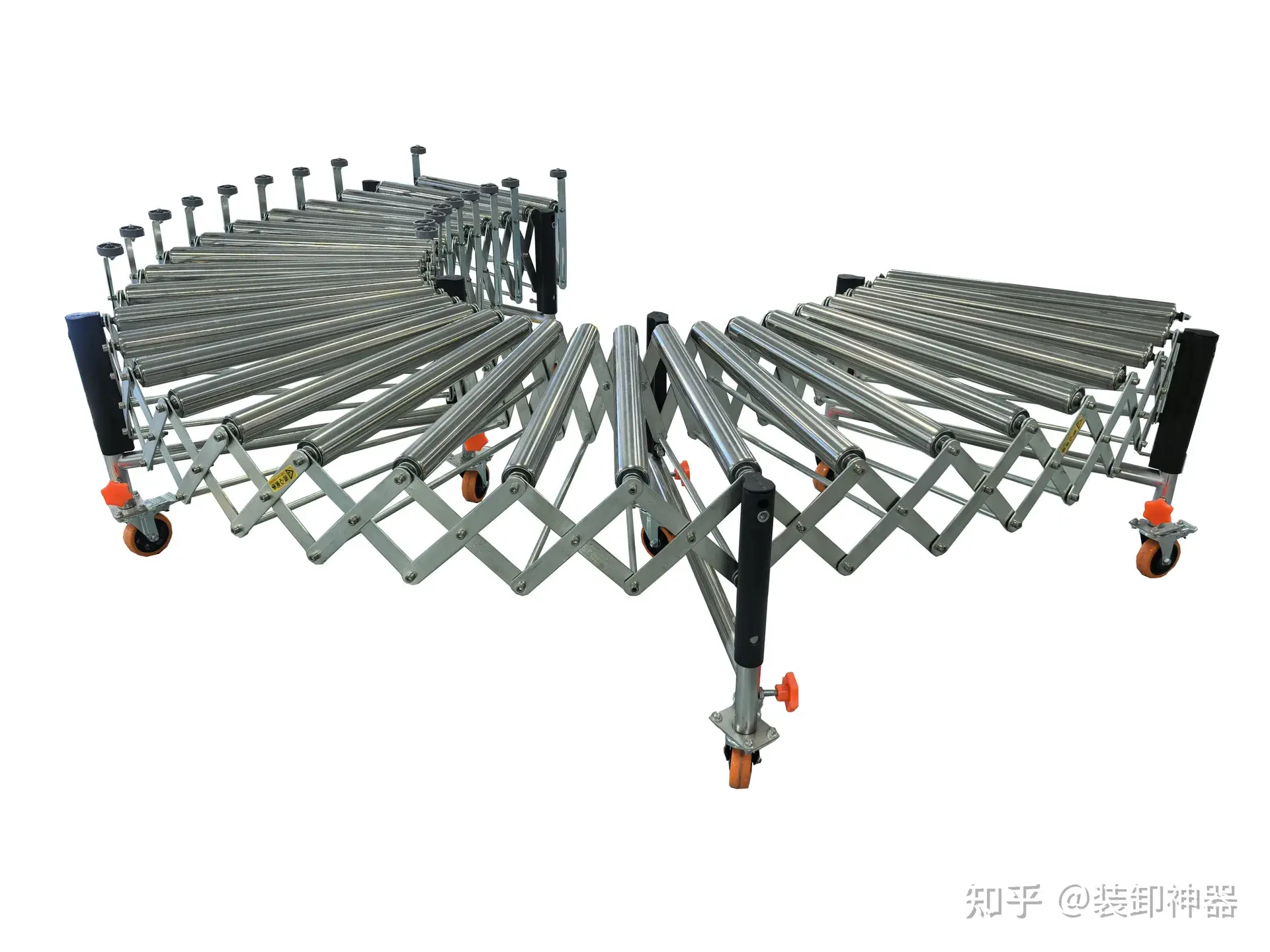
Short-Distance Logistics Solutions Typically Require Multiple Types of Equipment
A complete flexible short-distance logistics solution typically cannot rely on just one type of equipment to handle all transfers. In sorting areas for small, lightweight components, a skatewheel conveyor can be used to reduce pushing resistance and ease the burden of manual operation. At temporary truck loading and unloading points within the plant, a foldable gravity slide can be used to transfer bagged and boxed goods on and off vehicles. Where there are minor height differences in the workshop, a limited number of Powered Roller Conveyor sections can be added to provide smooth transitions, eliminating the need to install heavy-duty stainless-steel powered roller lines throughout the entire facility.
For discrete manufacturing companies primarily handling fragmented short-distance transfers, this lightweight upgrade approach places greater emphasis on budget control and application fit. It does not require transforming the entire plant into a large automated warehousing system all at once. Instead, it gradually replaces repetitive manual handling through a combination of Gravity Roller Conveyor units and low-cost auxiliary equipment, improving material transfer efficiency.
In factories with moderate production capacity and compact facilities, this approach is generally closer to actual needs and makes it easier to continue advancing lean production and internal logistics optimization.