Naili Conveyor
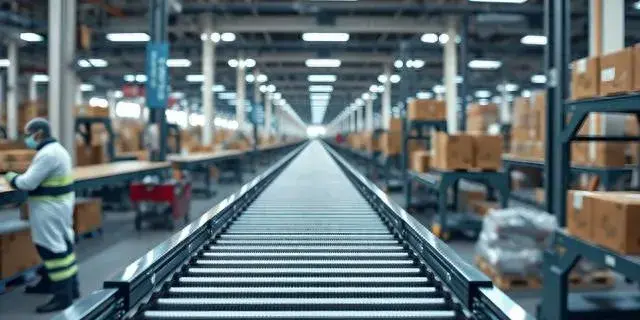
When production capacity gets stuck, the bottleneck is often material flow
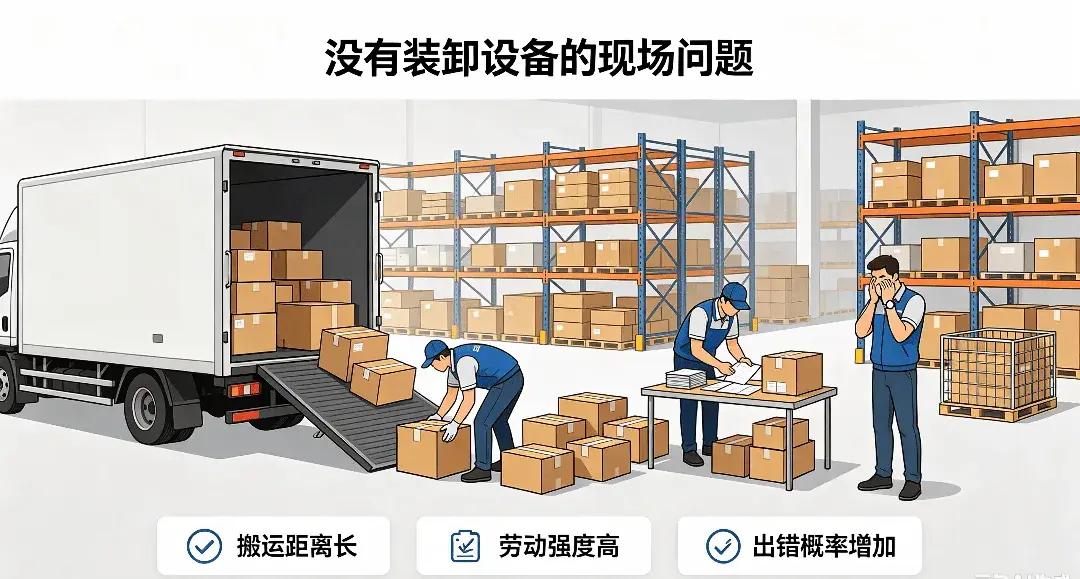
Many factories face the same problem: equipment is being upgraded and the workforce is growing, yet output still fails to increase. The workshop may appear busy, but in reality, semi-finished products are piling up at workstations, downstream processes are waiting for materials, and connections between upstream and downstream stages are unstable. Large amounts of time are wasted waiting for, moving, and clearing materials. What truly slows the process is often not processing capacity, but inefficient internal logistics.
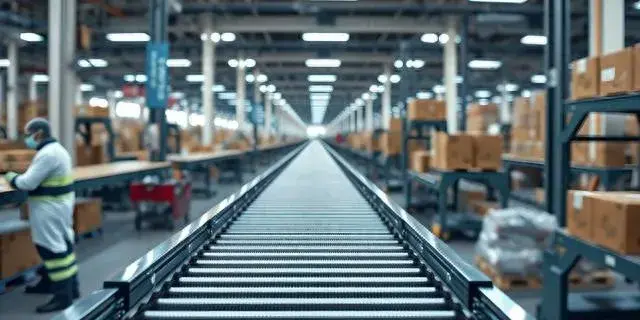
When materials pile up at the site after an upstream process is completed while the downstream process has no materials available, the entire production line falls out of rhythm. Repeatedly moving materials not only takes up space but also increases the risk of impact damage and batch mix-ups, further affecting quality management and delivery schedules. Relying solely on manual handling and overtime to boost output can usually provide only temporary relief and cannot solve the problem at its root.
Which workshop applications are powered roller conveyors suitable for?
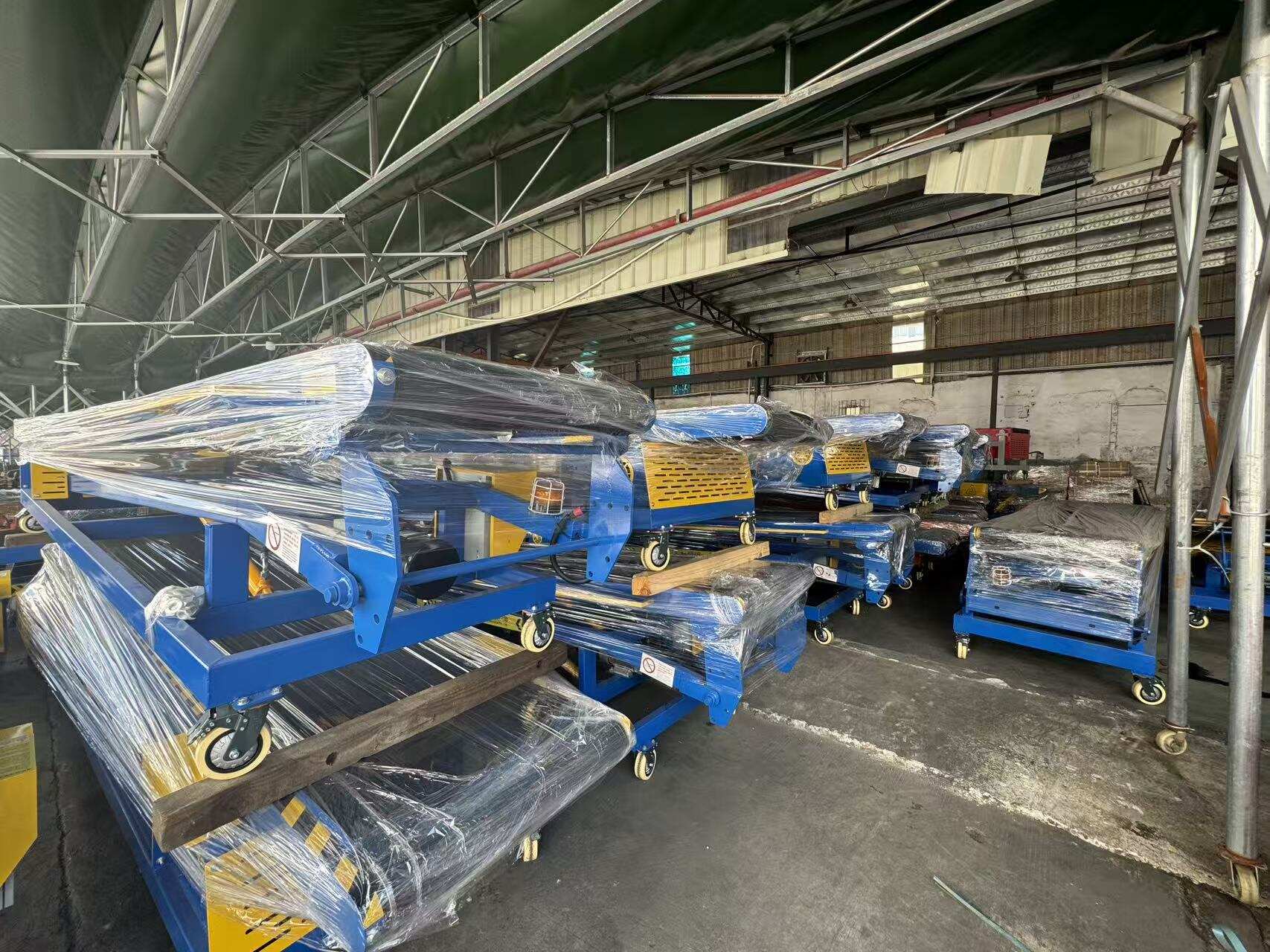
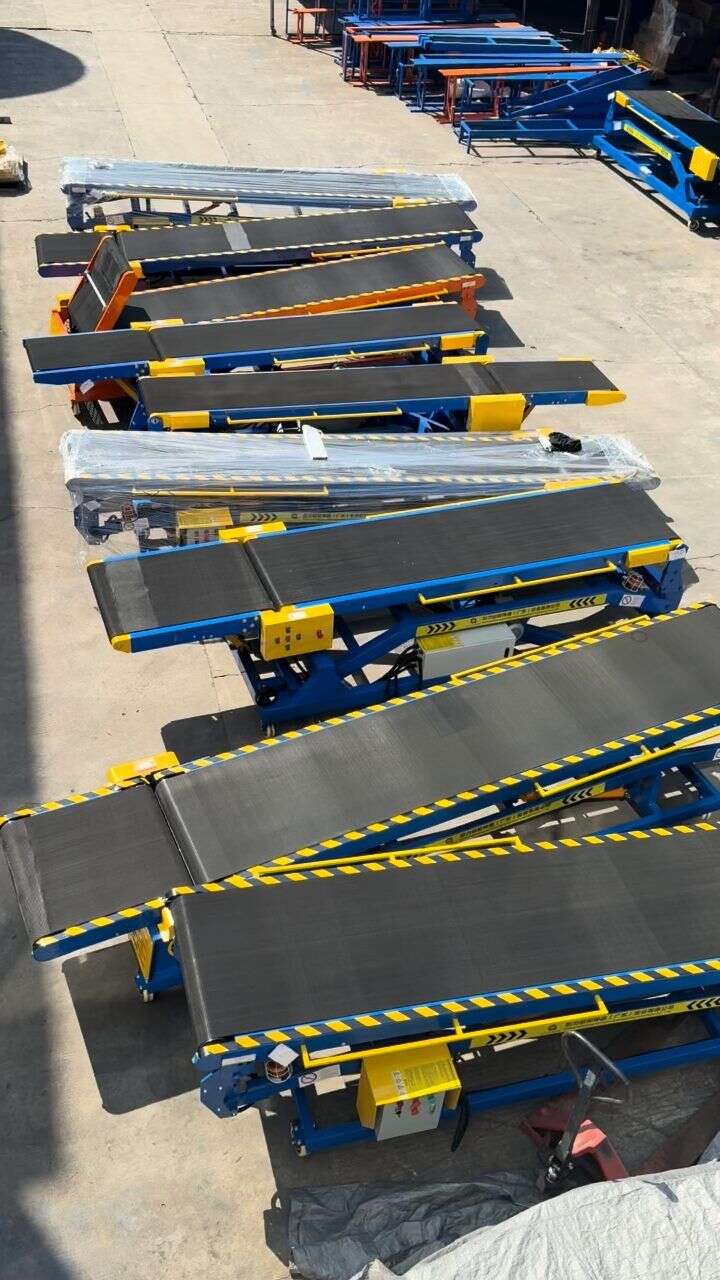
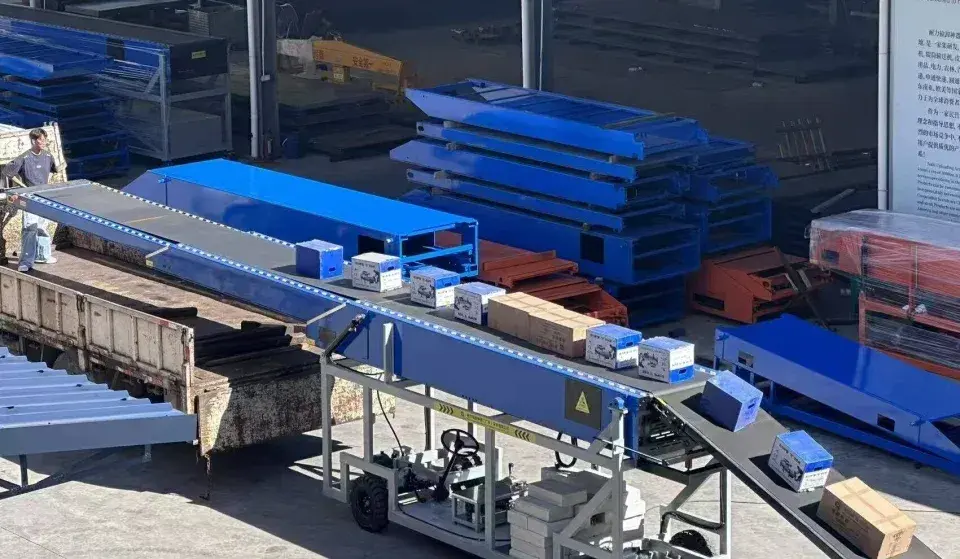
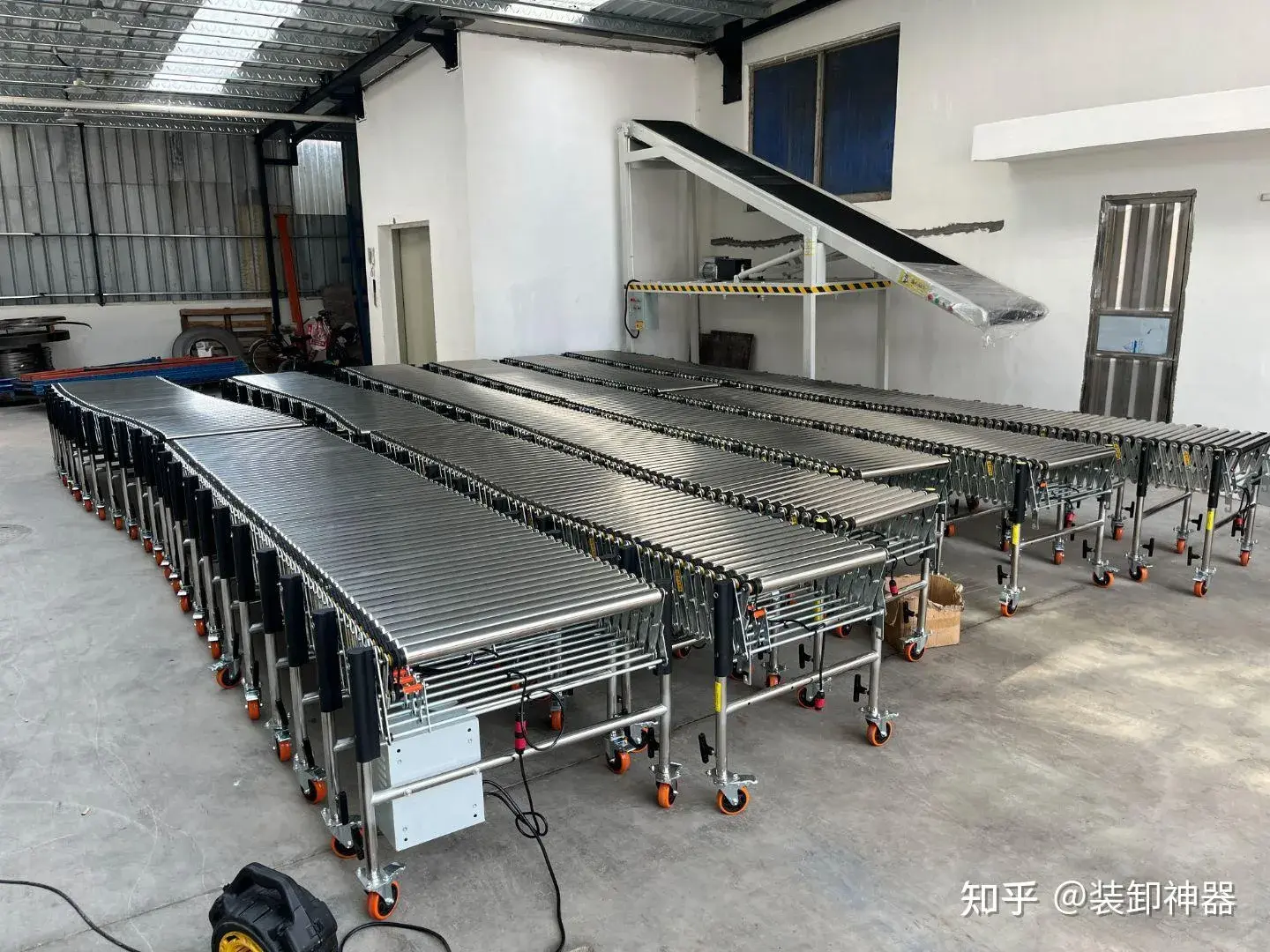
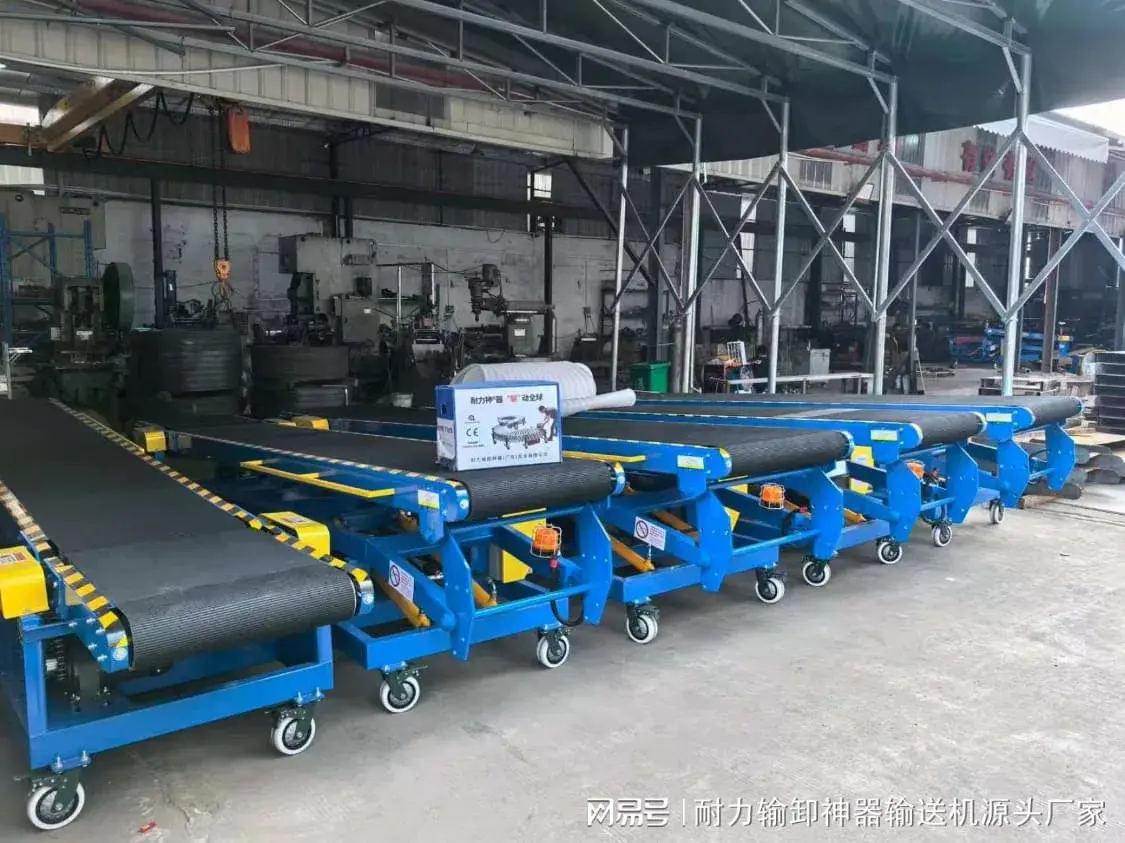
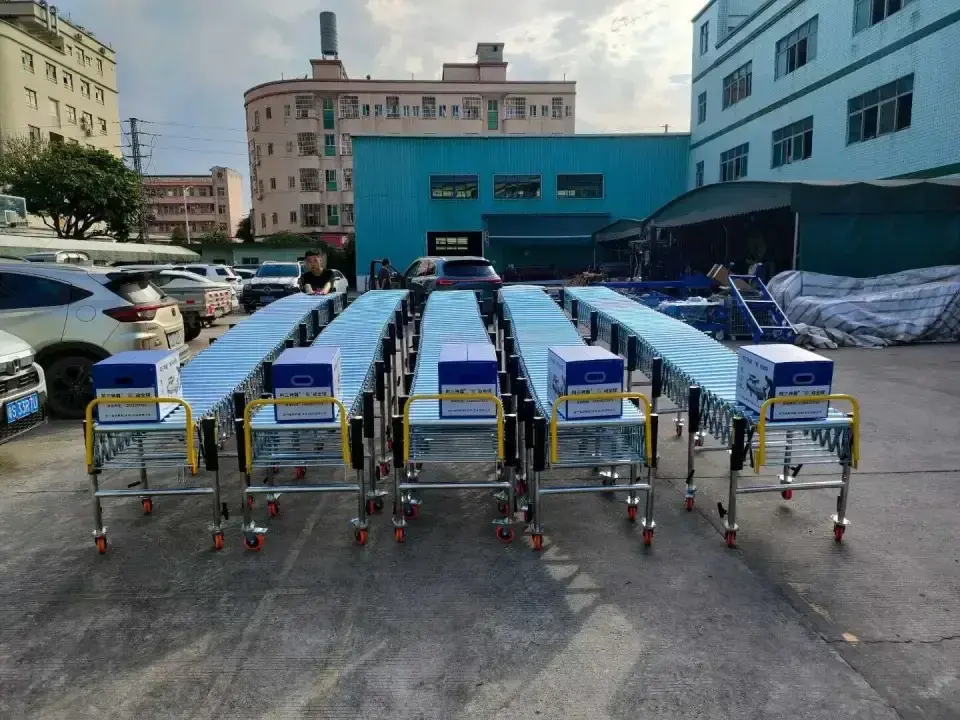
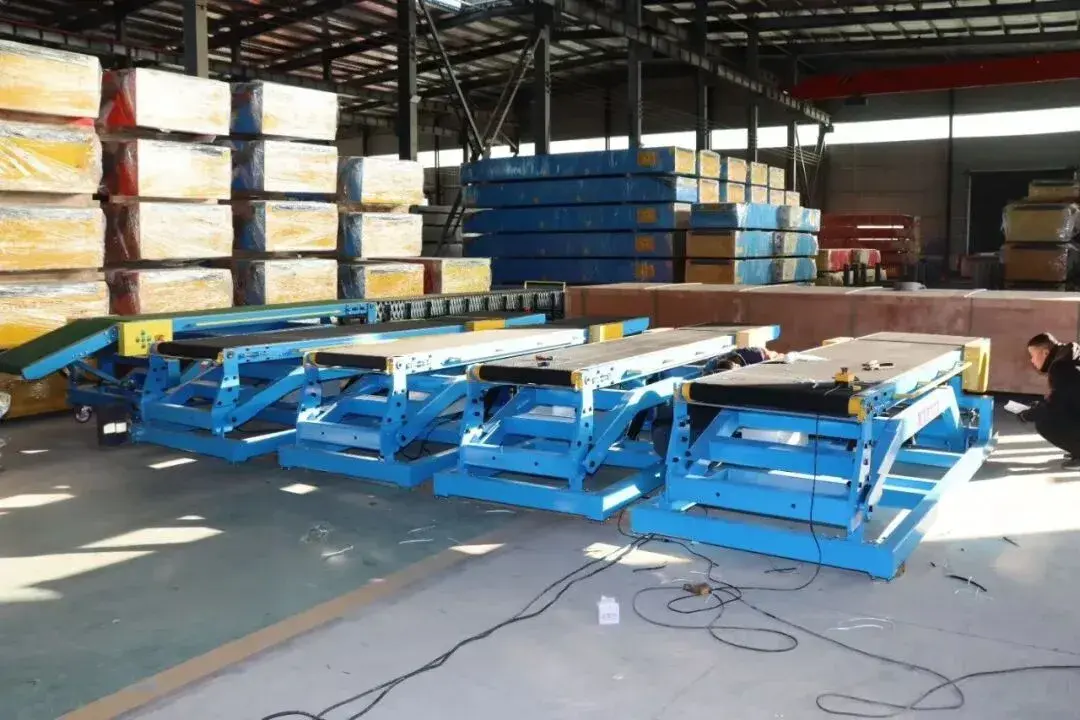
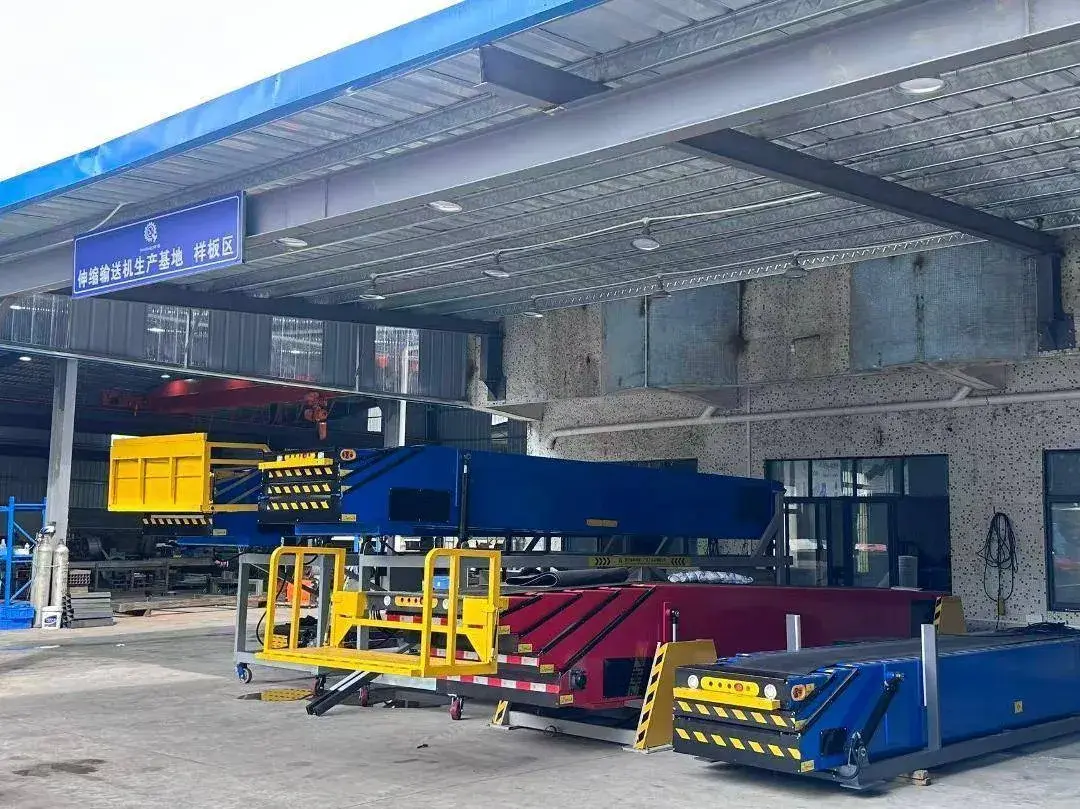
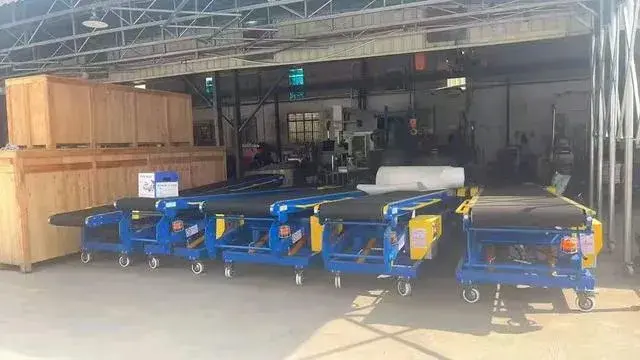
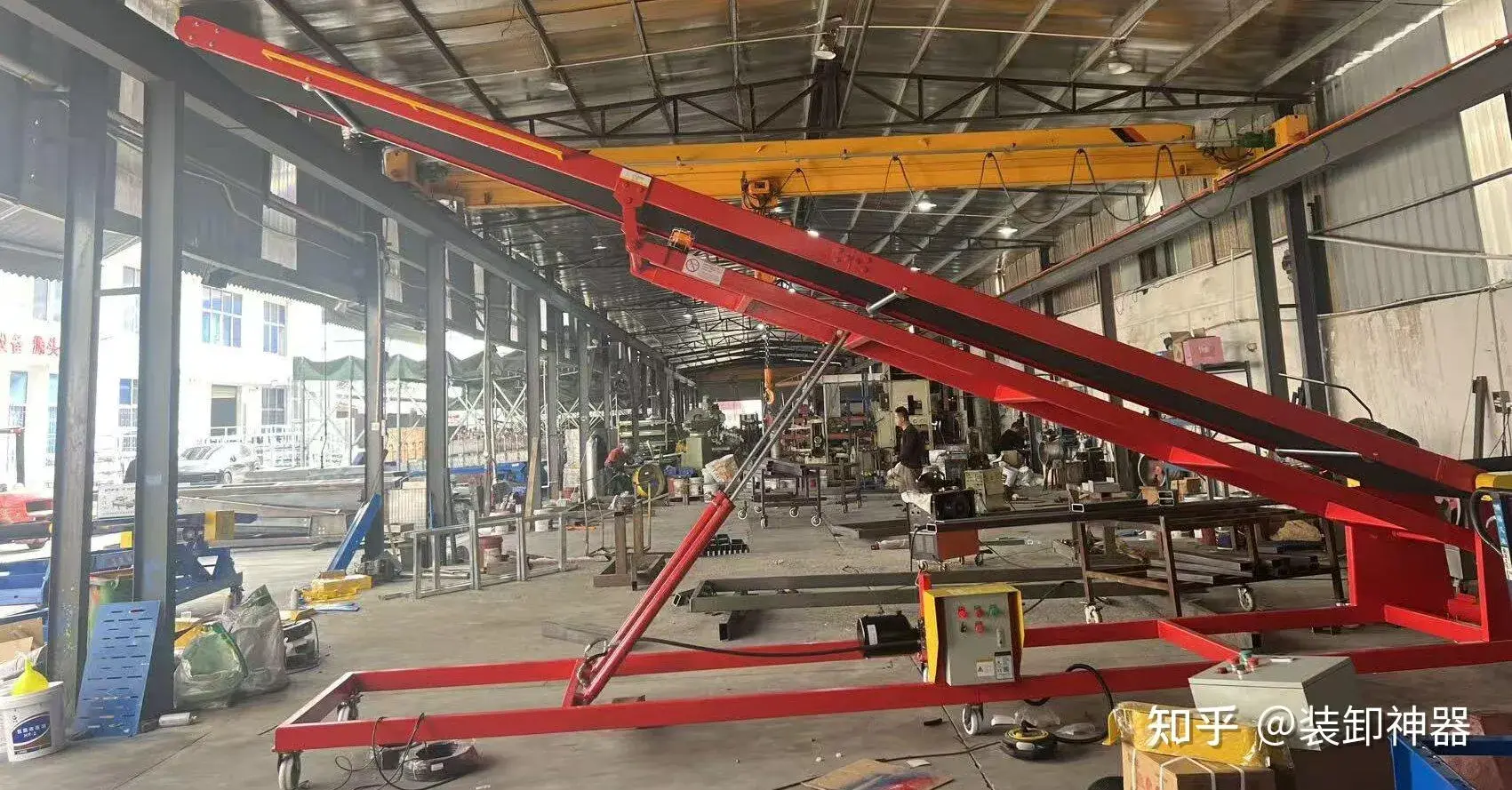
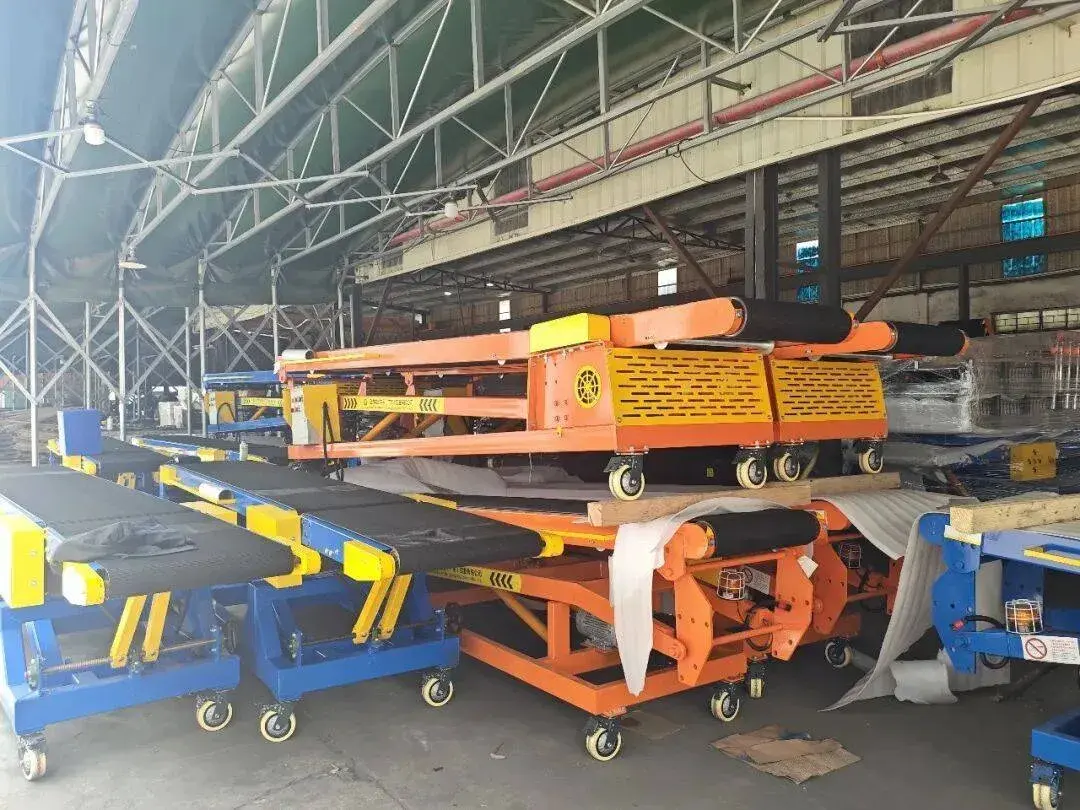
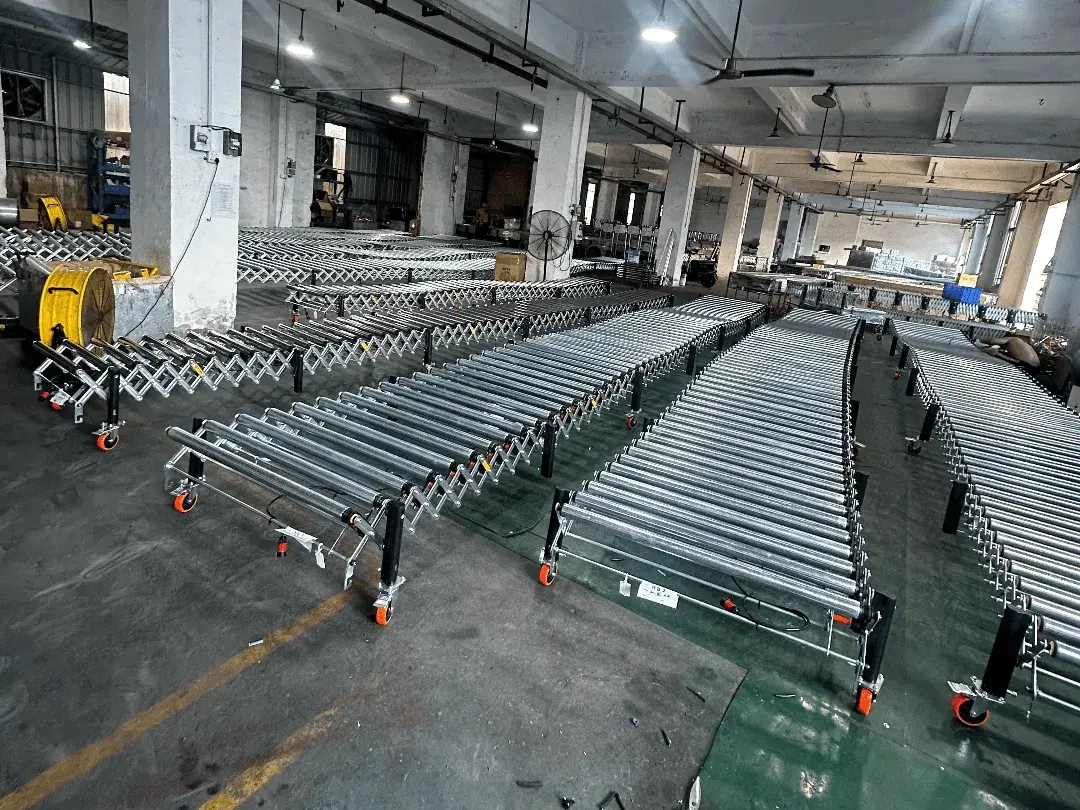
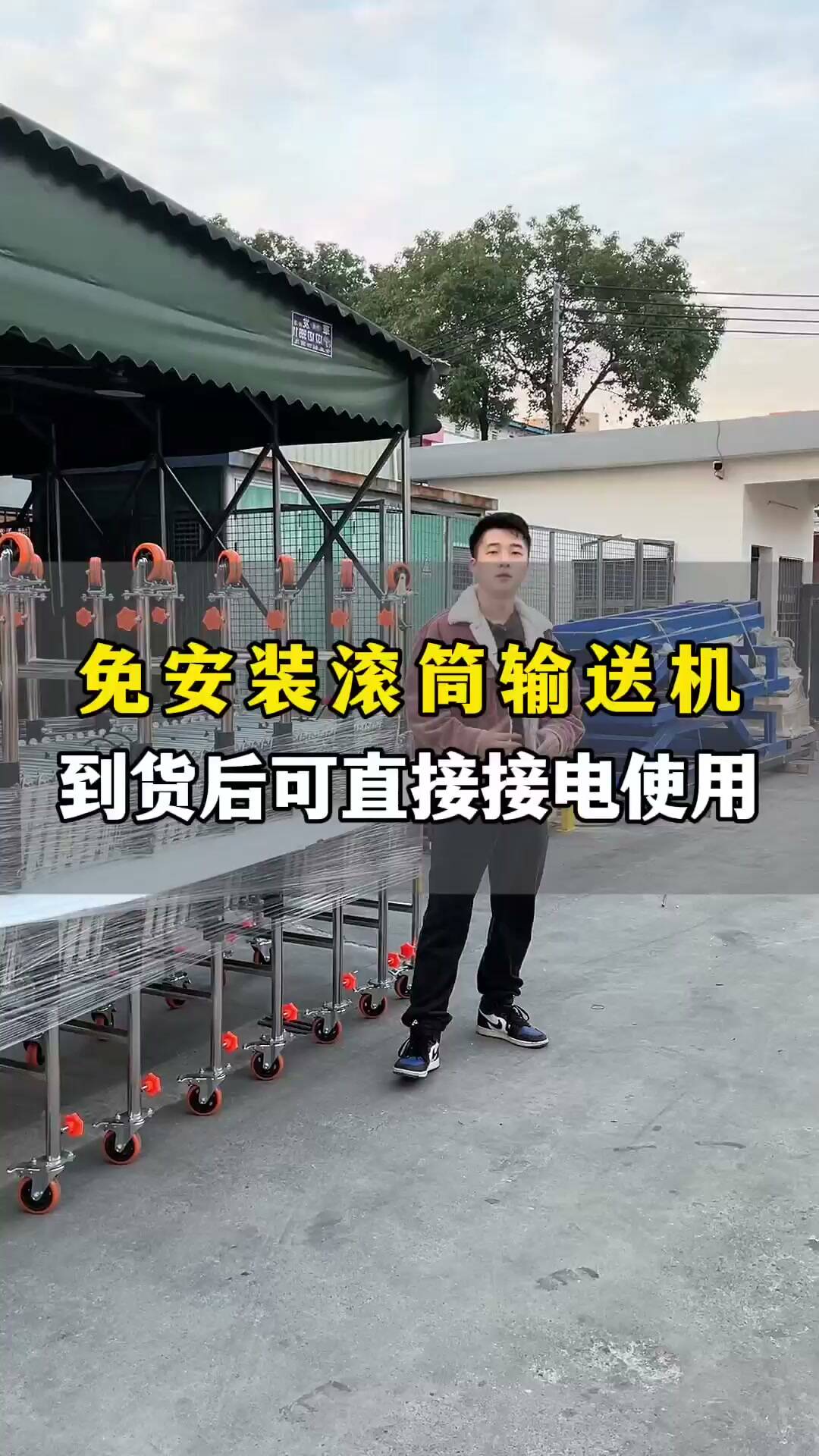
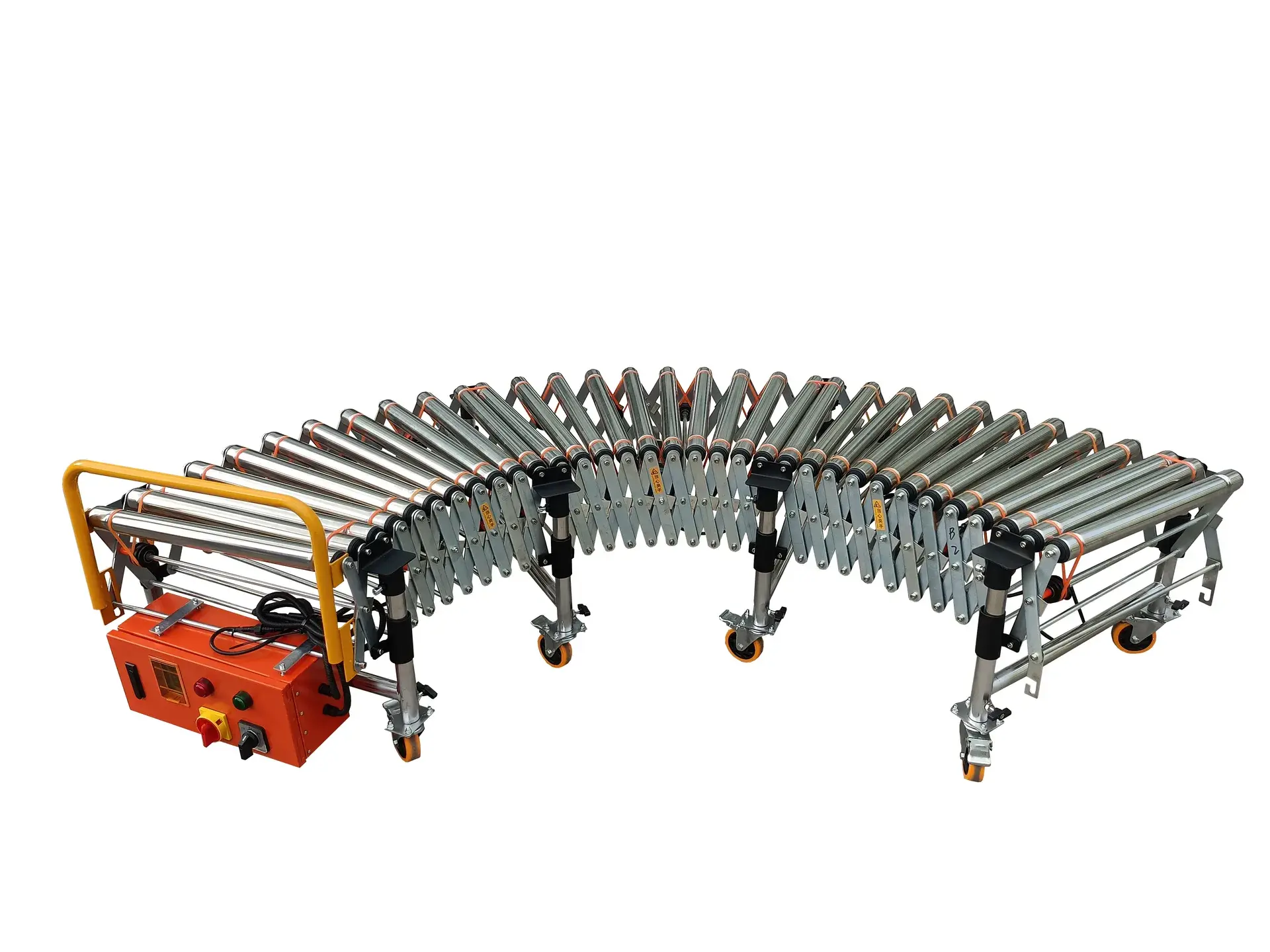
Naili Conveyor powered roller conveyors are suitable for the boxed goods, pallets, and heavy unit loads commonly found in factories. They are well suited to process connections, loading and unloading, semi-finished-product transfer, and finished-goods collection. They can replace repeated manual cart pushing and handling, reduce repetitive labor, and minimize delays and errors during transport, allowing materials to move steadily in line with the production pace.
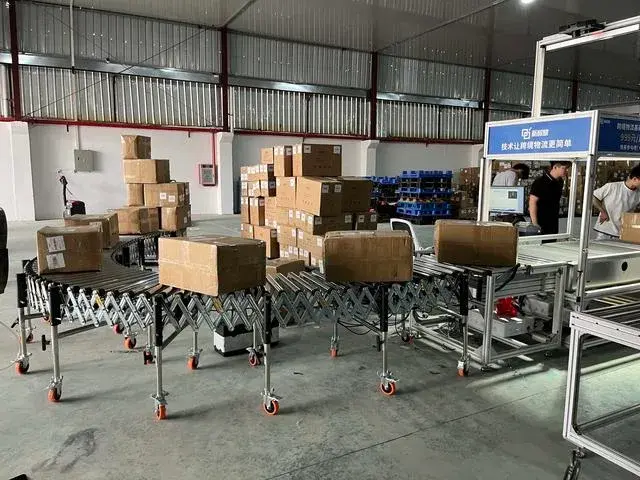
The equipment operates reliably, with no belt deviation or jamming during conveying. Both light and heavy materials can pass through smoothly, making it suitable for high-frequency, continuous workshop production. For factories that need stable connections between processes, the value of this type of conveying equipment goes beyond handling materials: it also helps synchronize the pace of the production line.
Only site-specific customization delivers real results
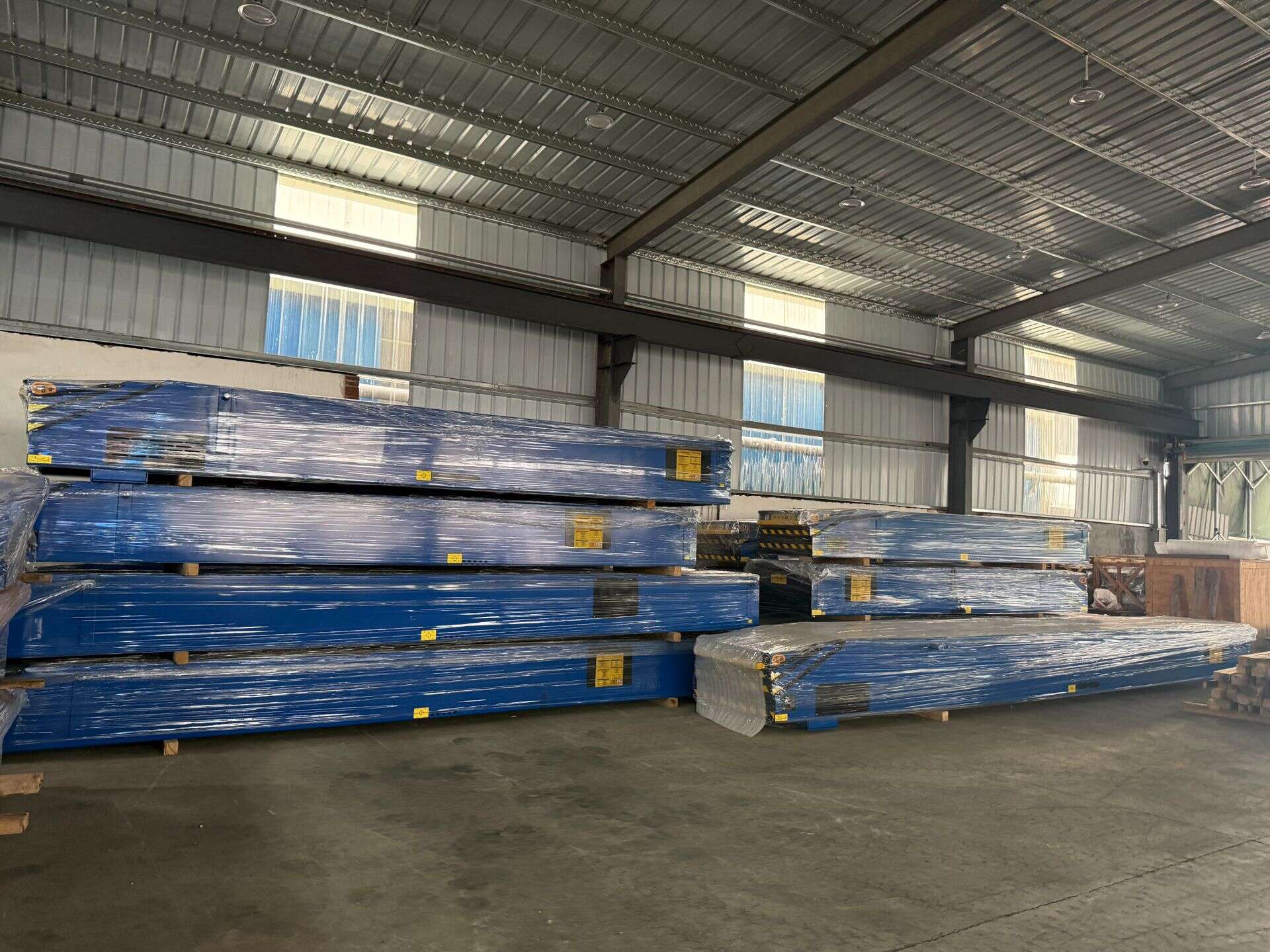
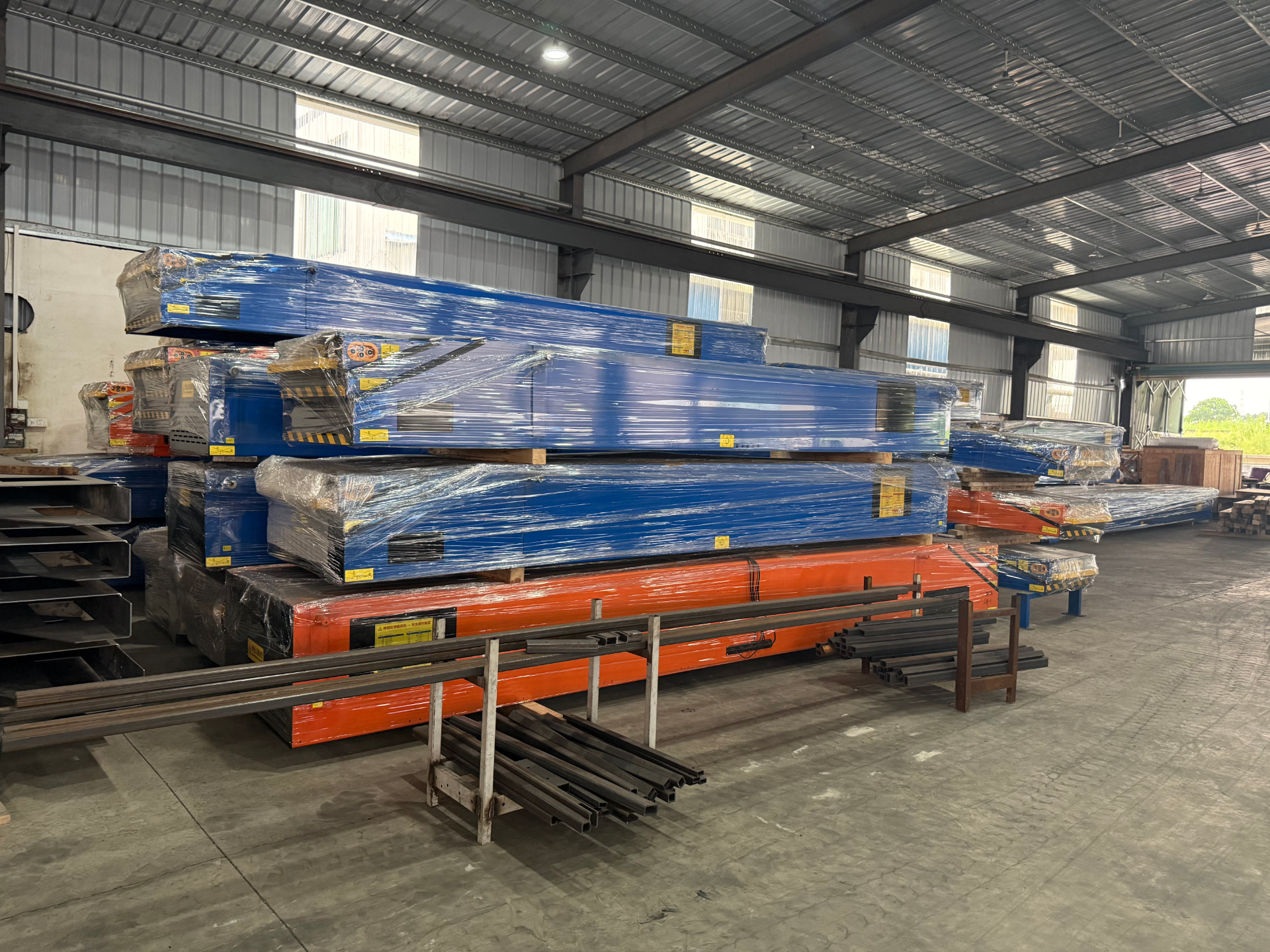
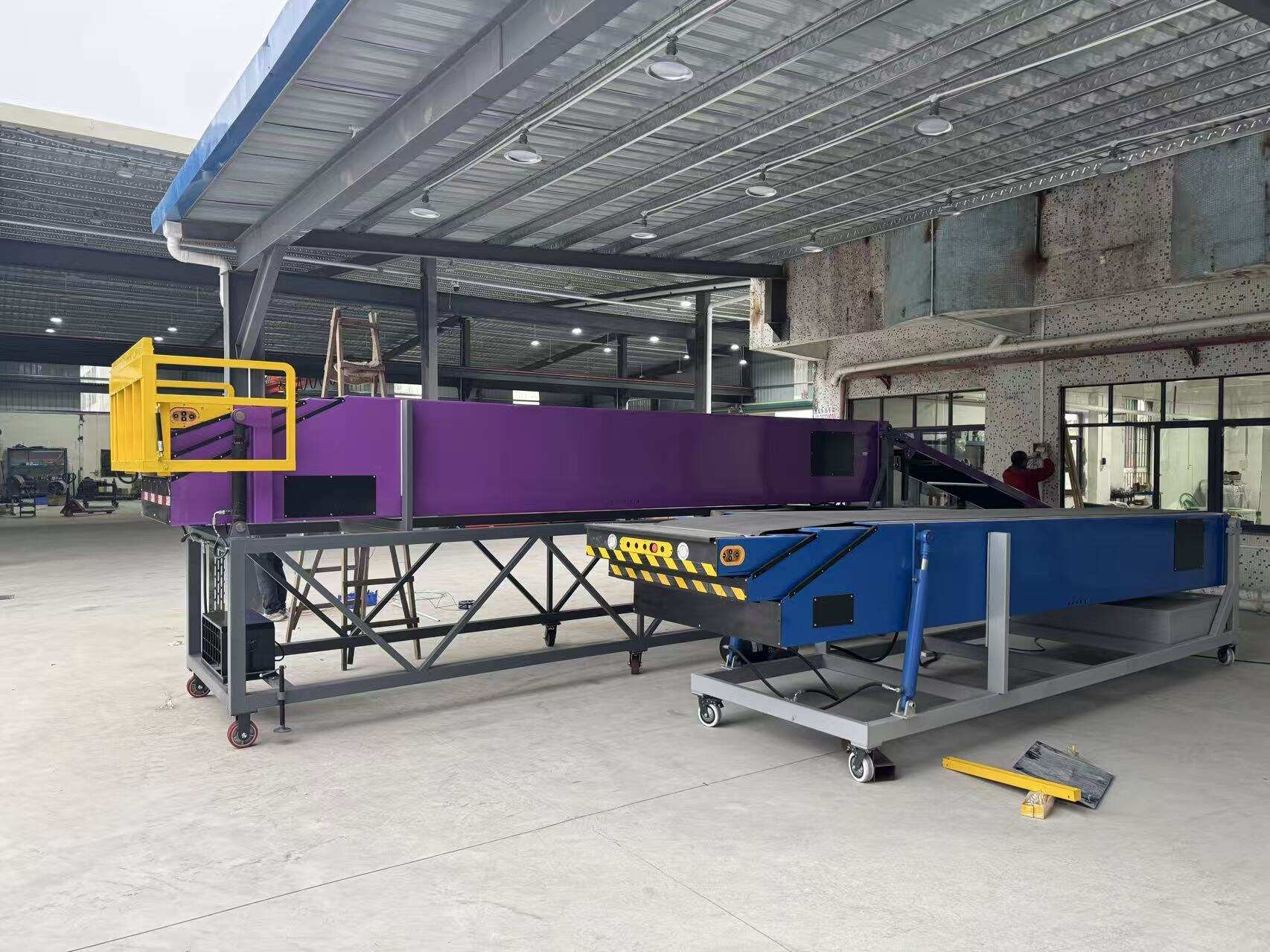
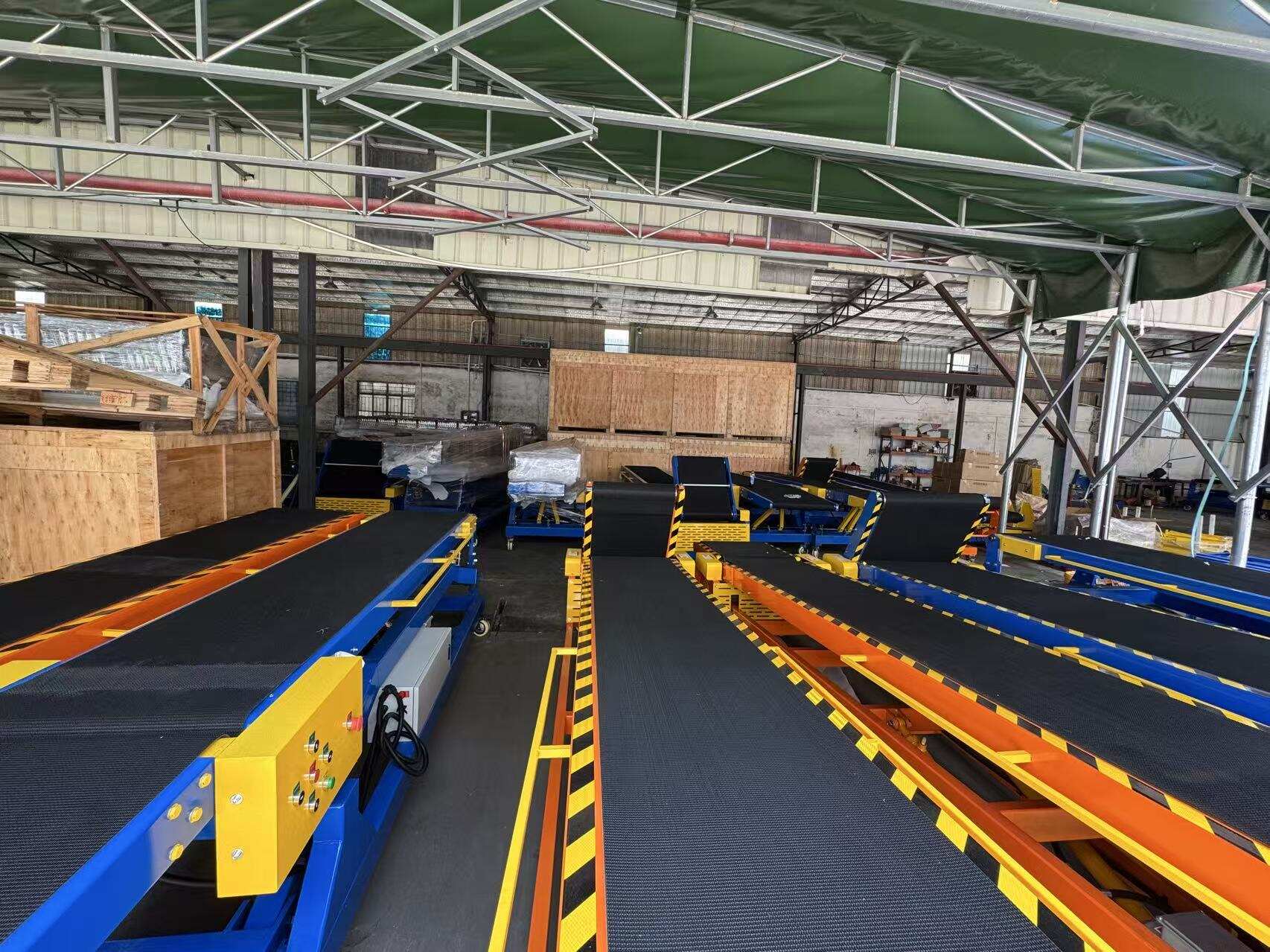
Compared with standardized general-purpose roller conveyors, Naili Conveyor's advantage lies in its closer fit with actual workshop conditions. Many factories install standard equipment but cannot use it effectively, usually not because the equipment itself is ineffective, but because it cannot match the site layout, workstation spacing, or material specifications. Naili Conveyor can customize the length, width, height, conveying speed, and functional configuration according to the workshop's actual dimensions, operating conditions, and production pace.
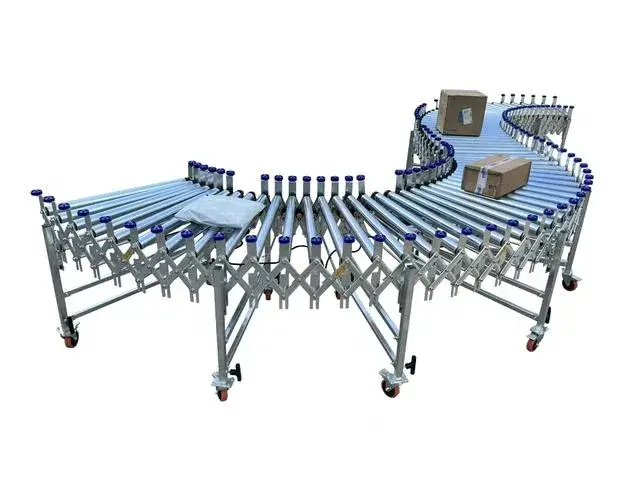
As needed, functions such as sensor-based start/stop, variable-frequency speed control, and protective limit devices can also be added, allowing the equipment to adapt to the workshop rather than forcing the workshop to accommodate the equipment. For production sites with complex layouts and stable takt-time requirements, this demand-based configuration is easier to implement and more convenient for subsequent use.
The key change after implementation is a more stable production rhythm
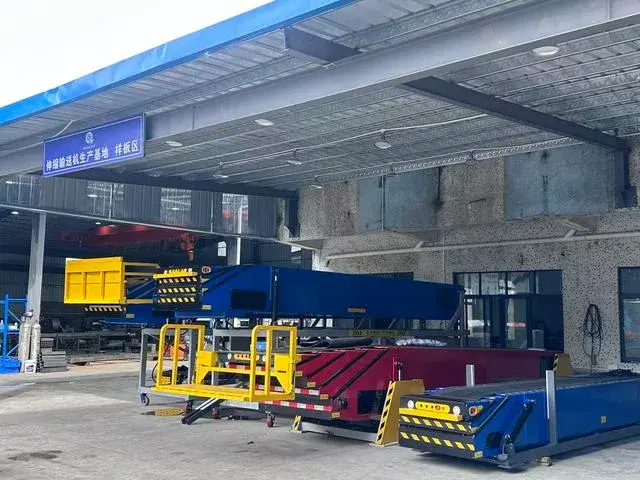
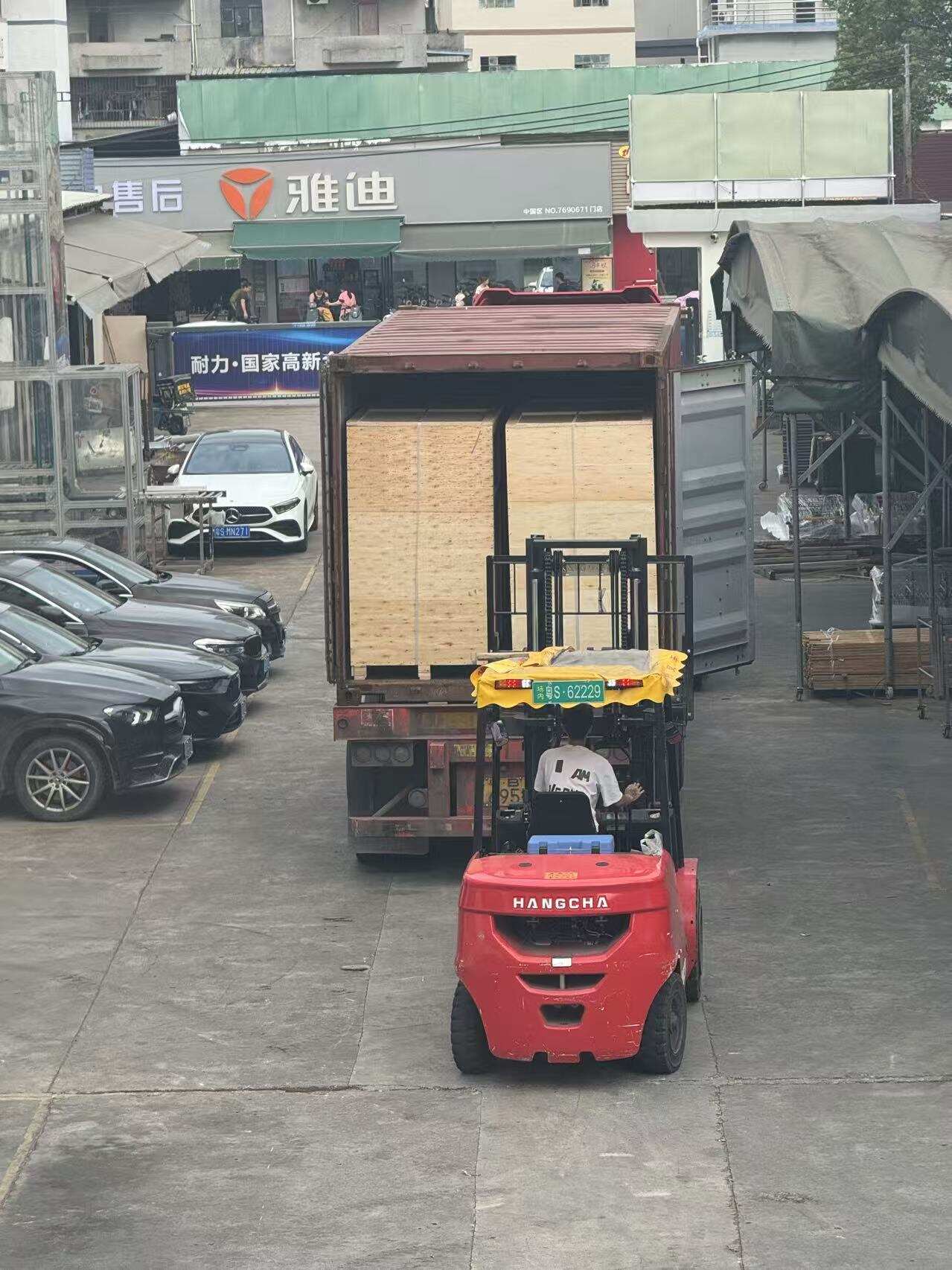
The solution described in this article emphasizes direct implementation by the source manufacturer, with on-site surveying, design, installation, and commissioning completed as an integrated service. Once the equipment is put into operation, material flow becomes smoother, bottlenecks and idle waiting between processes are reduced, and the production rhythm is easier to standardize. For factories that do not want to expand blindly but still hope to increase effective production time, this approach better meets actual production needs.
Keywords:Powered roller conveyor line, automated production line, roller conveyor, roller conveyor manufacturer