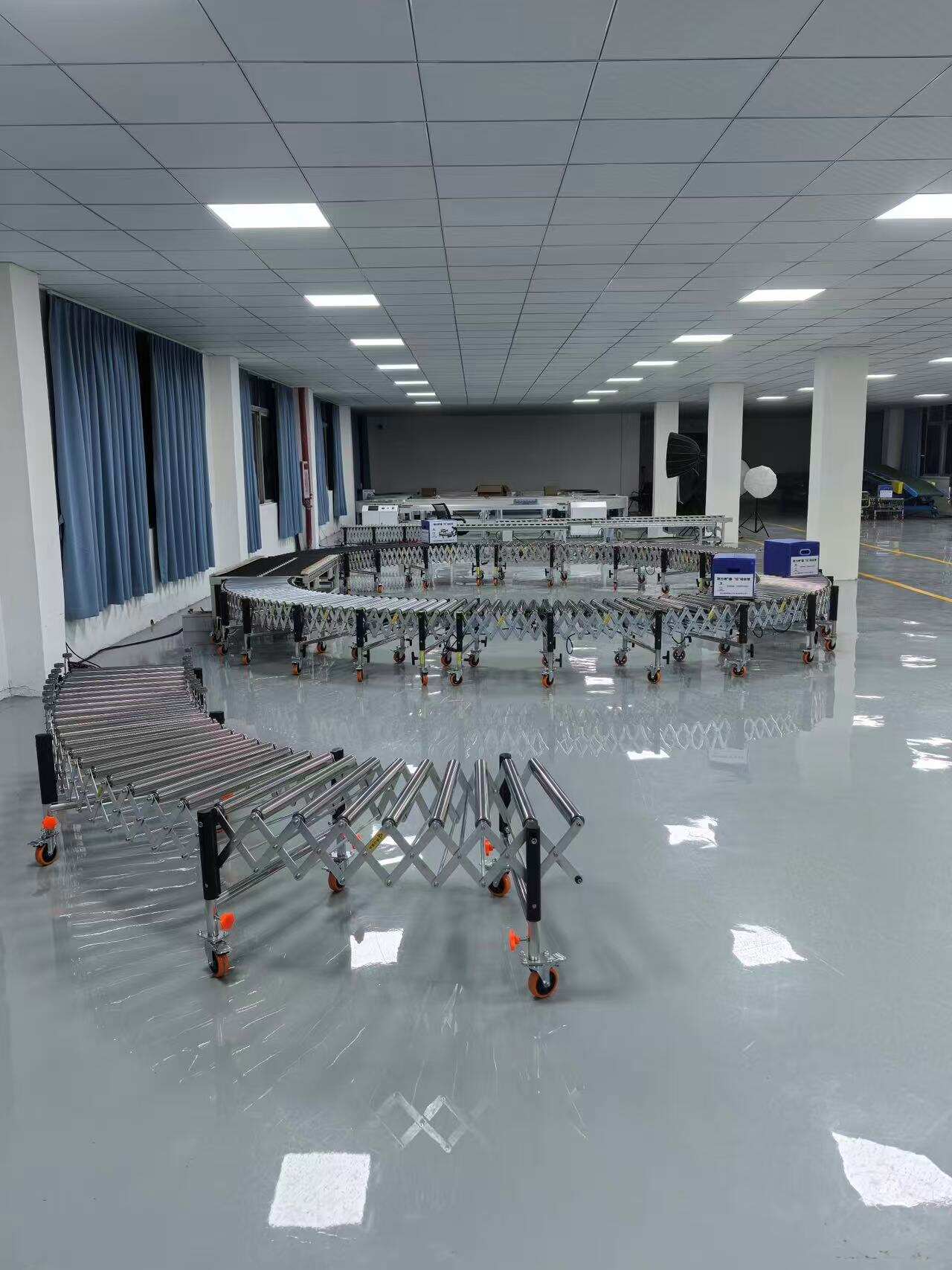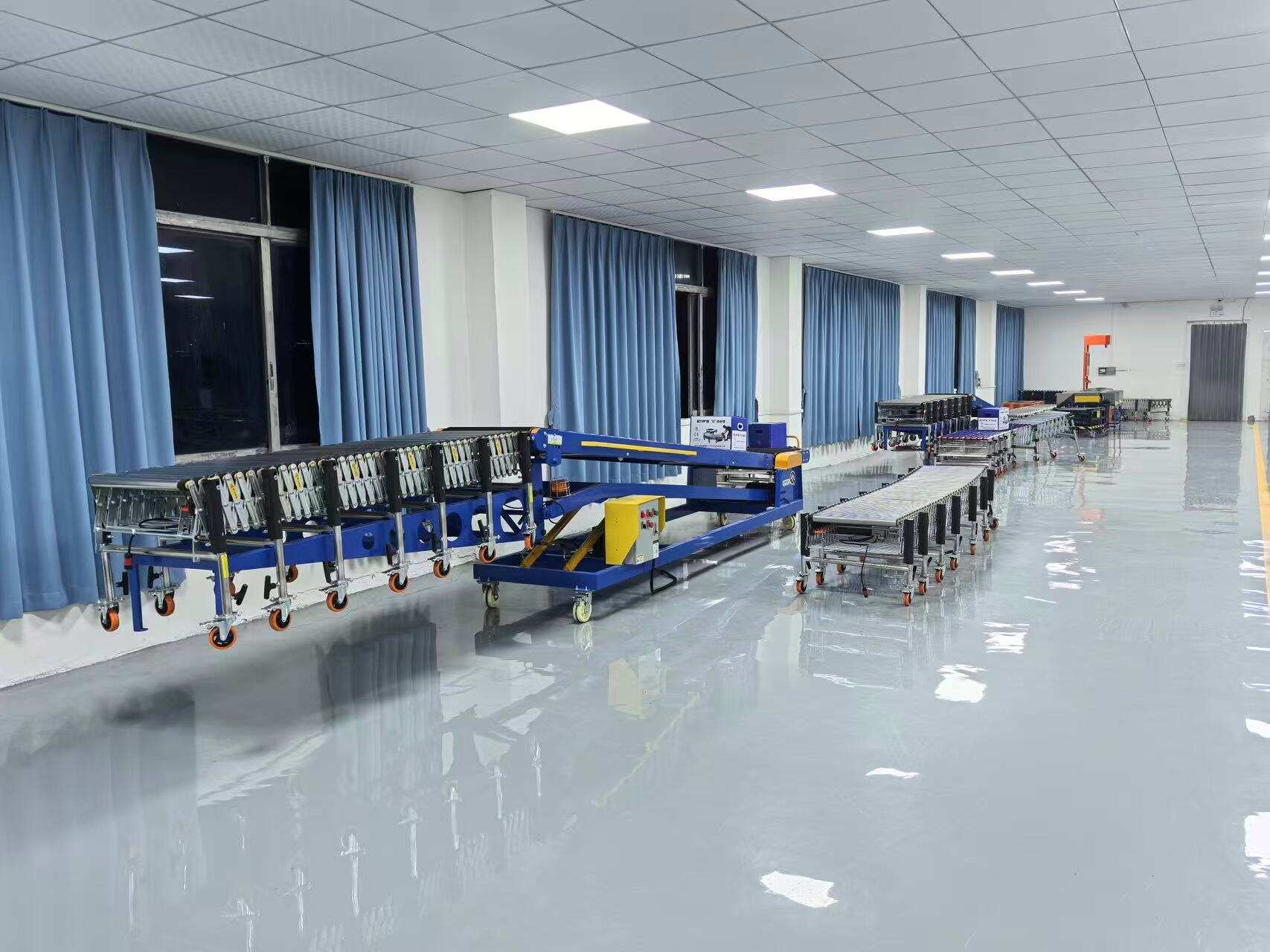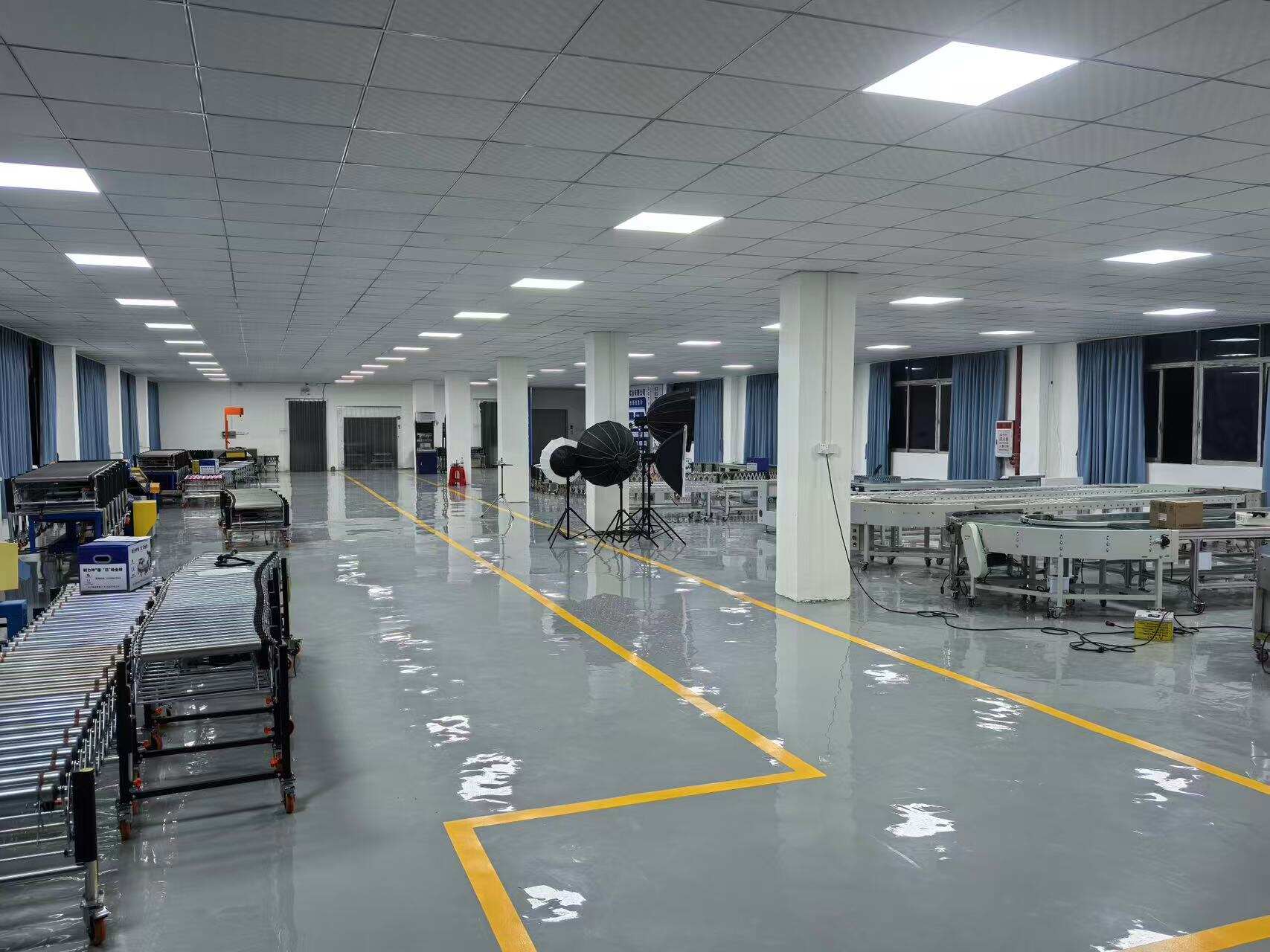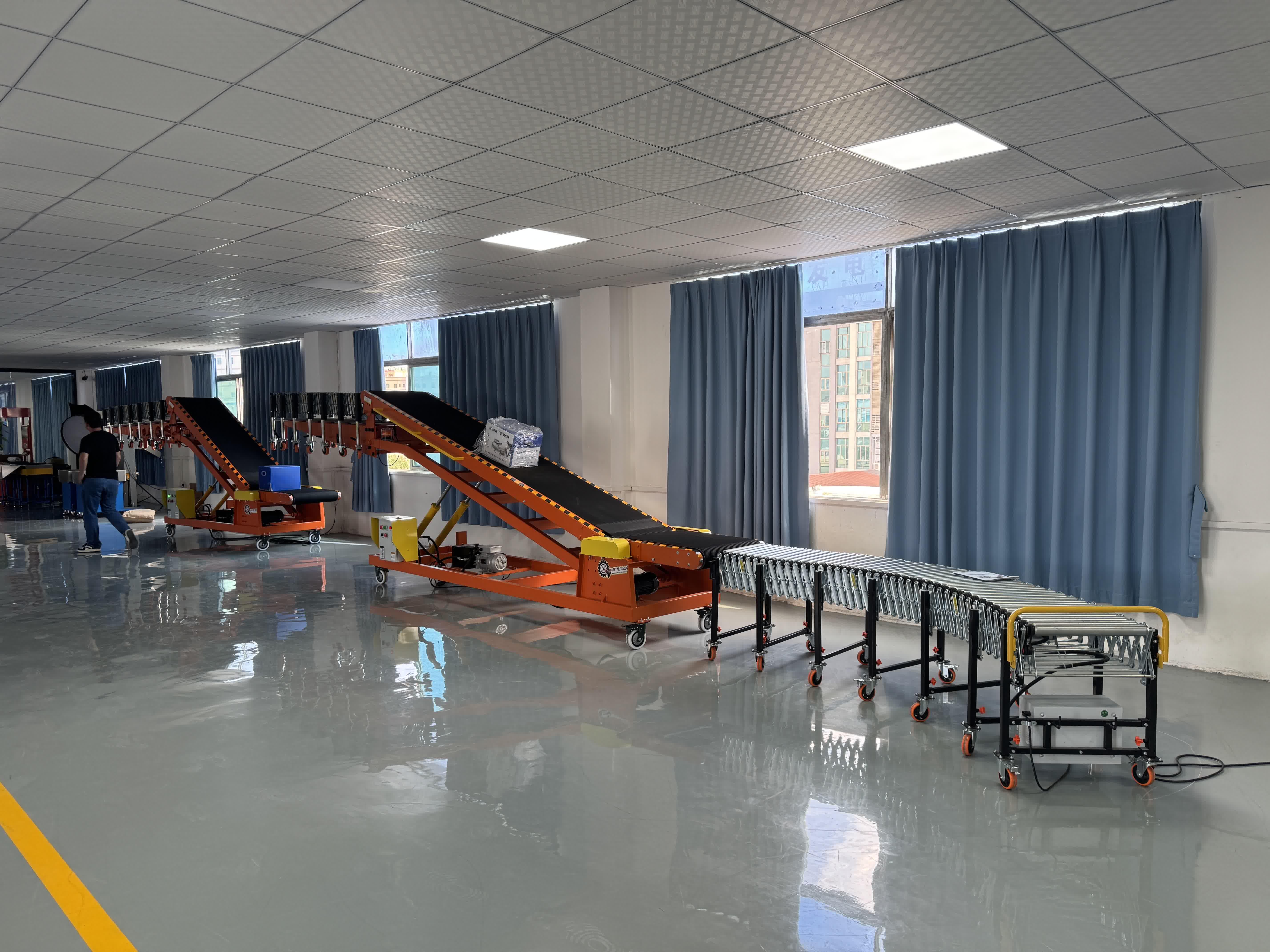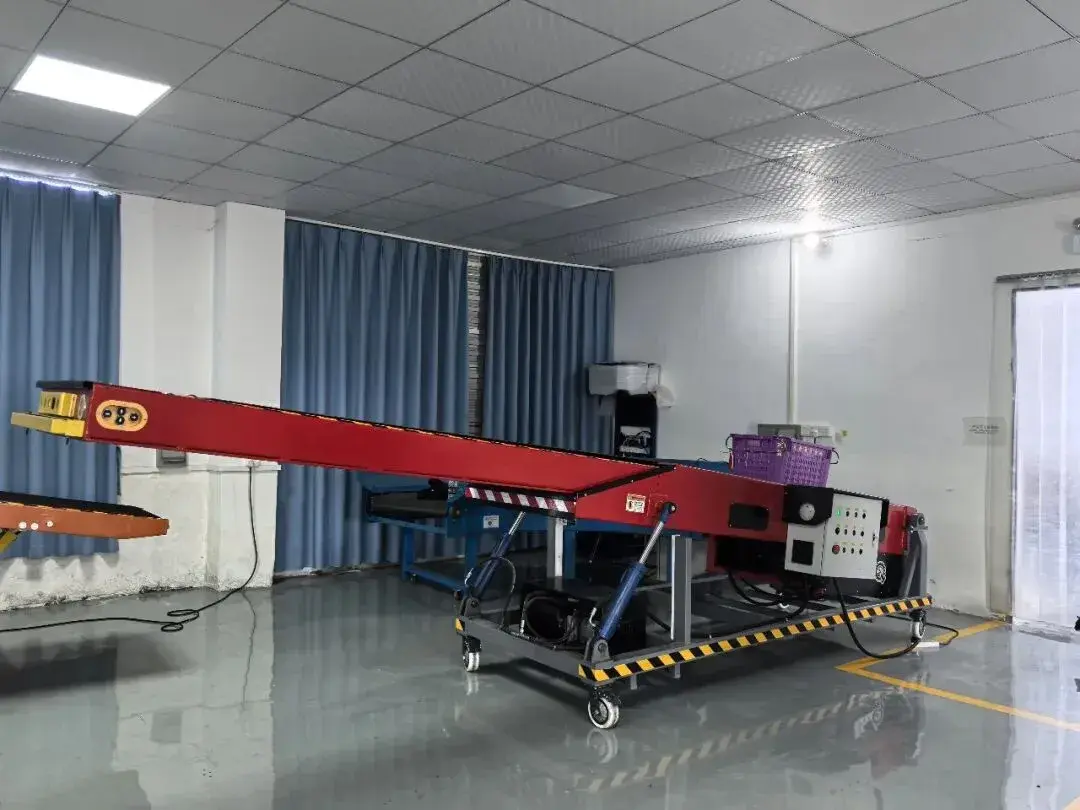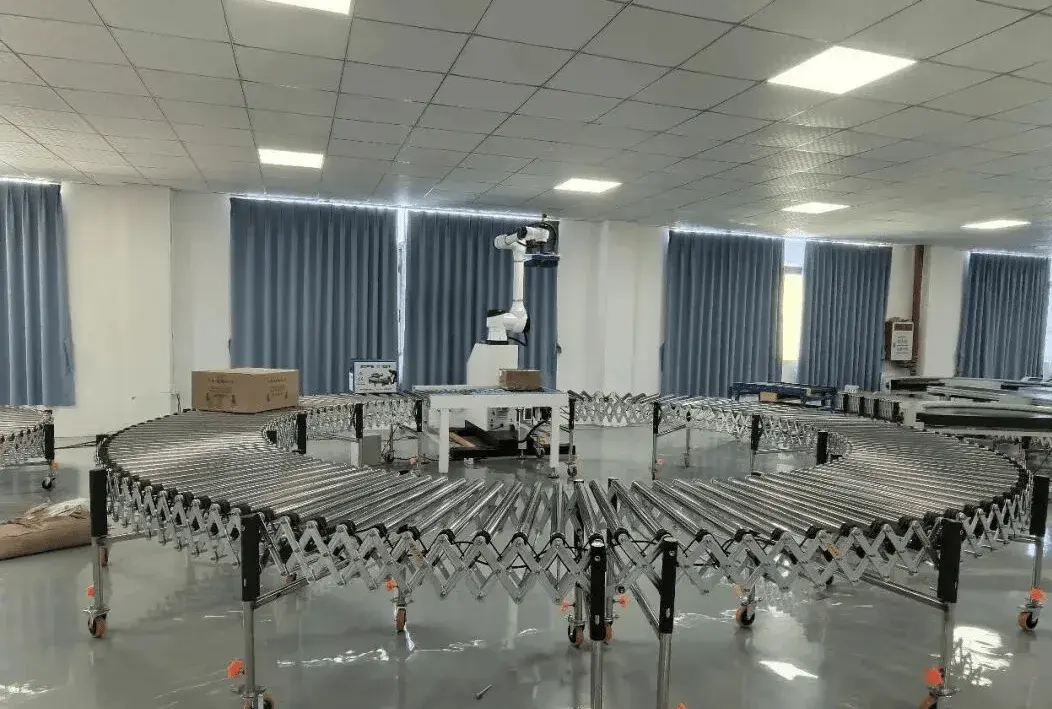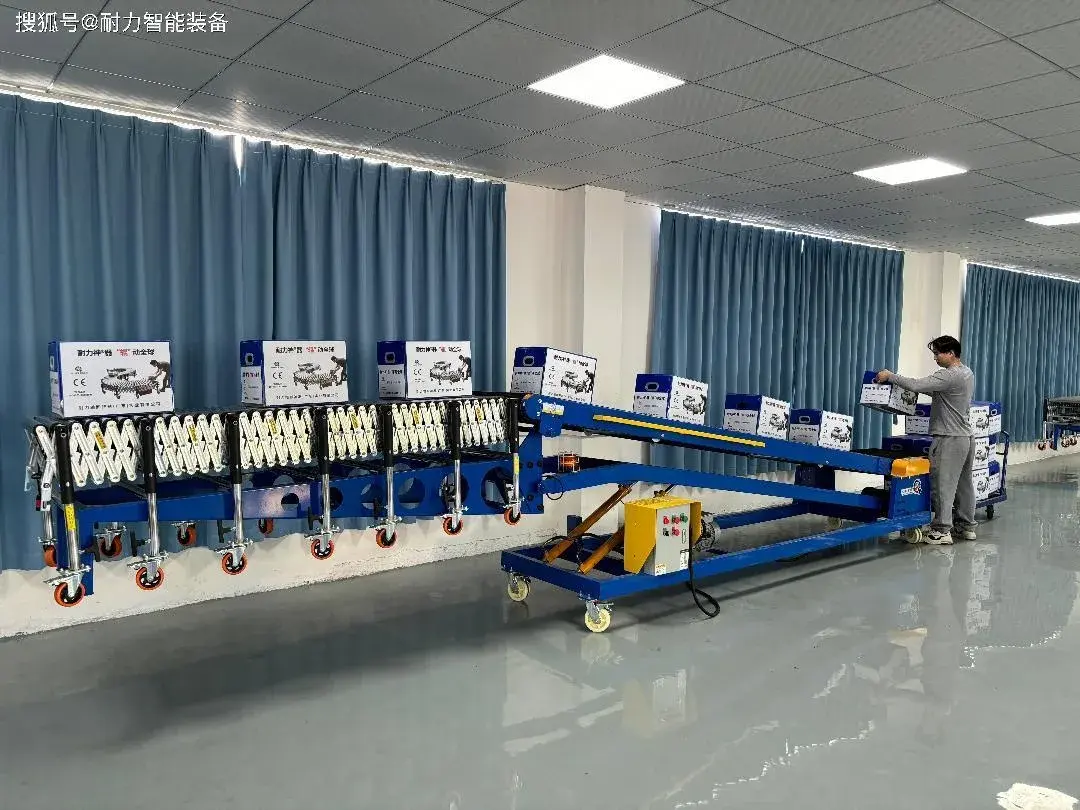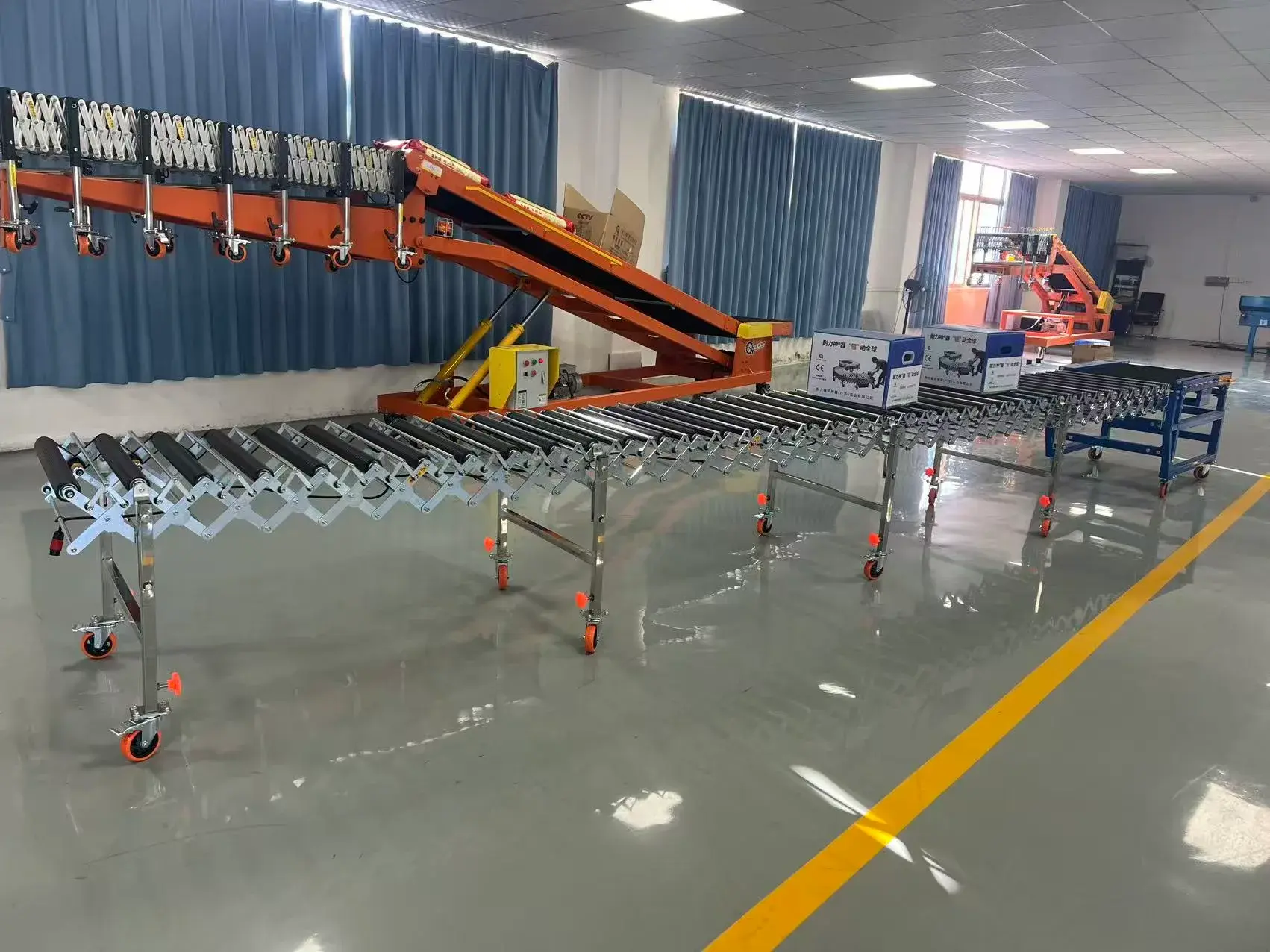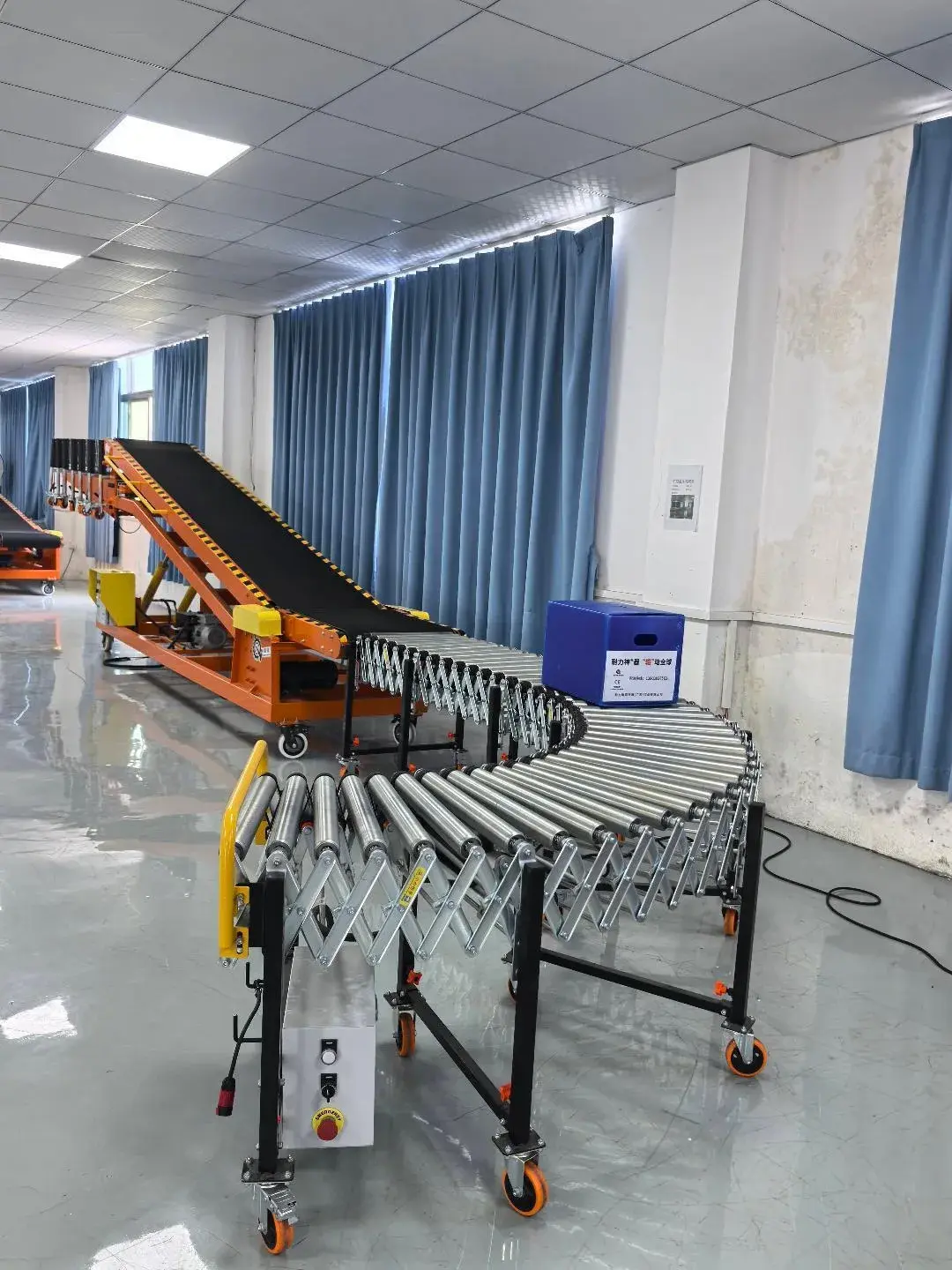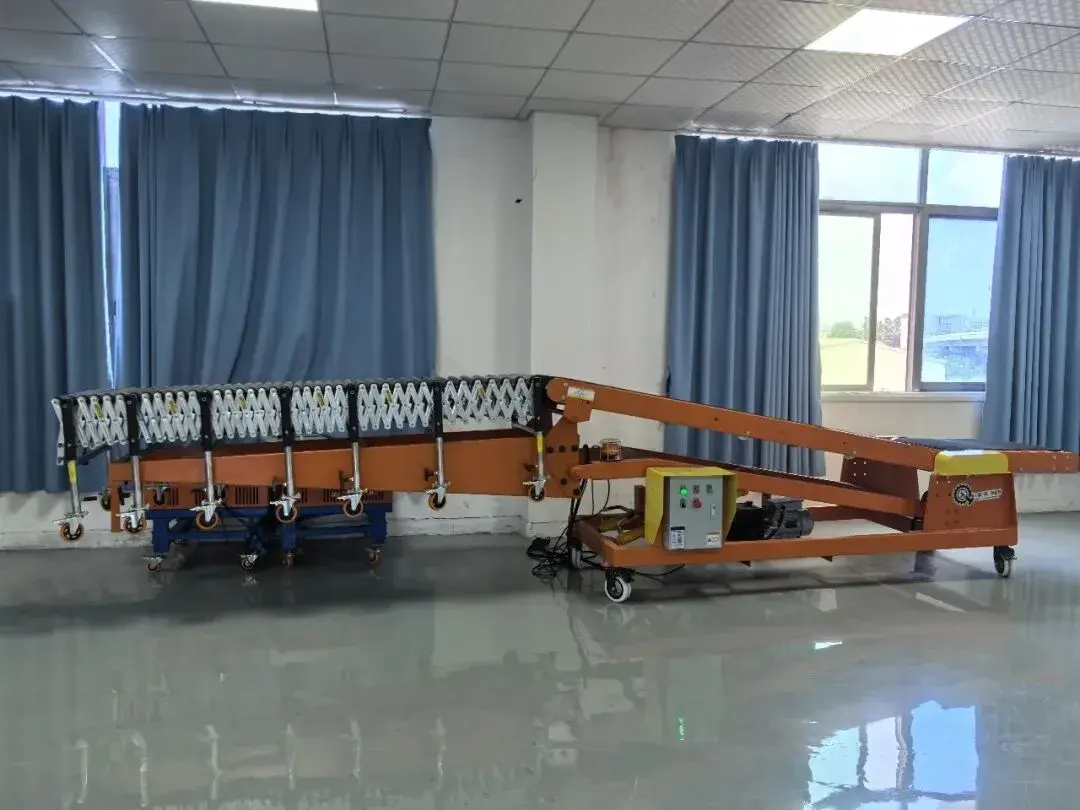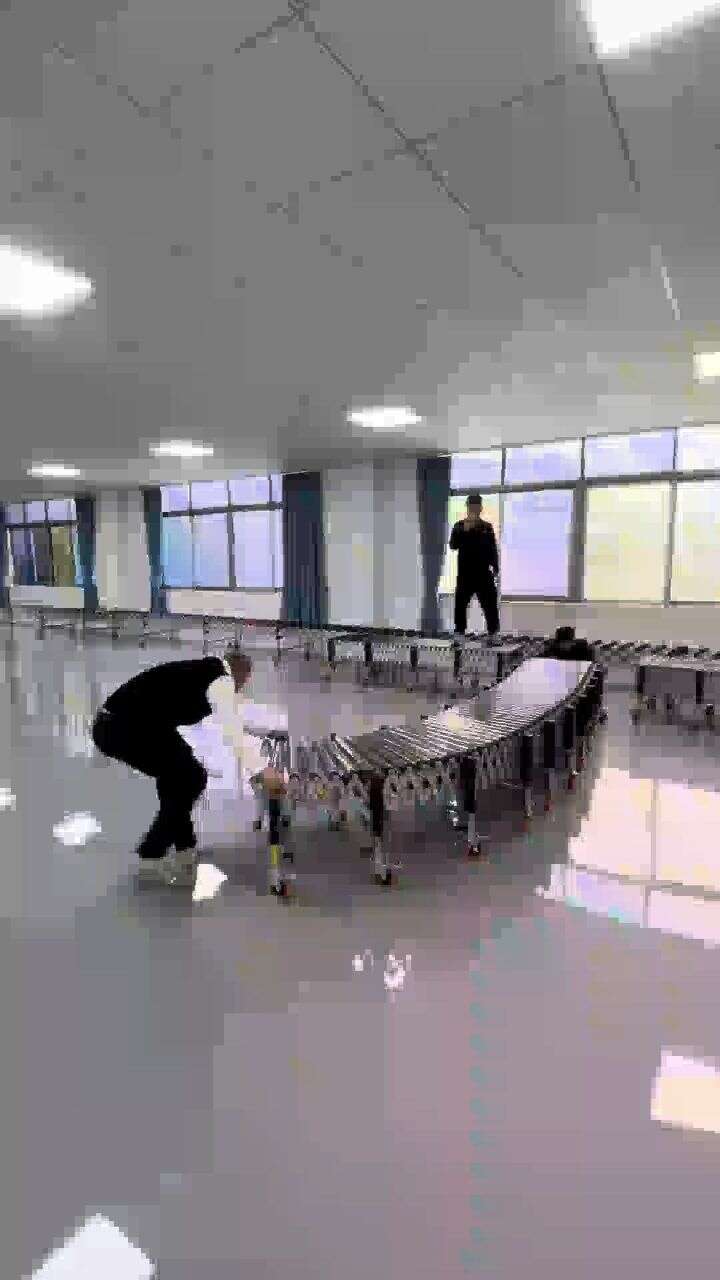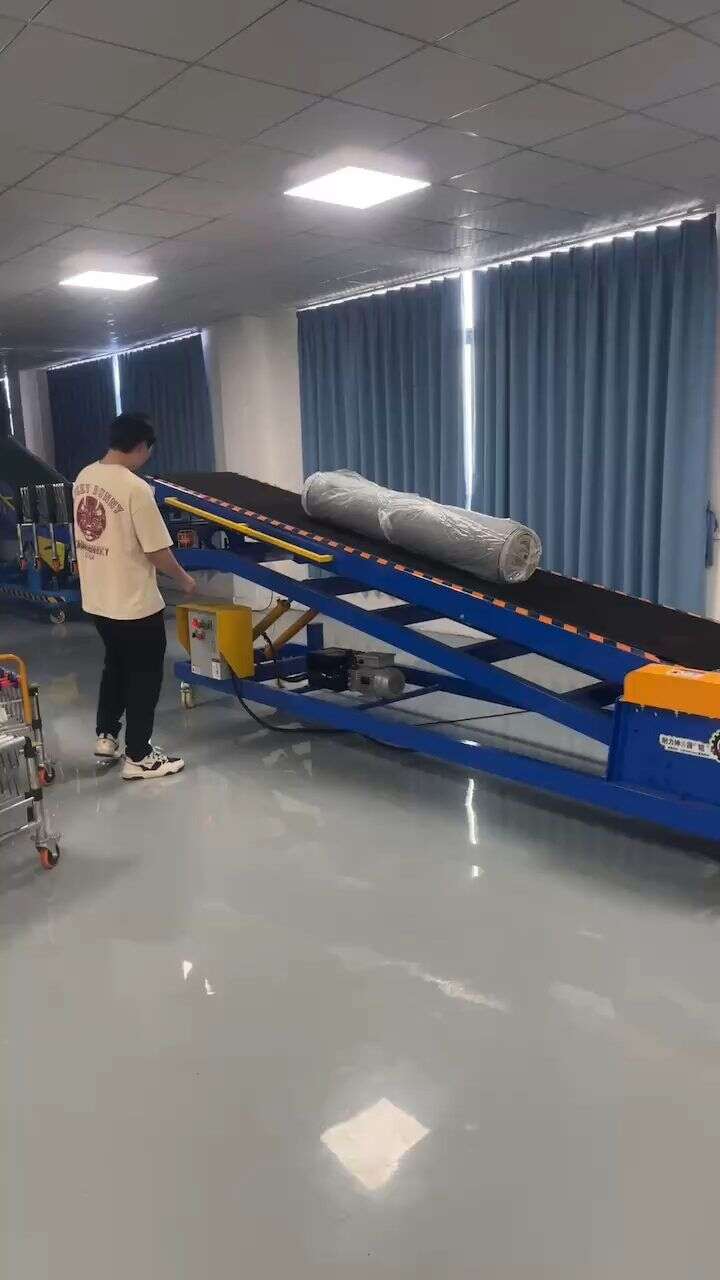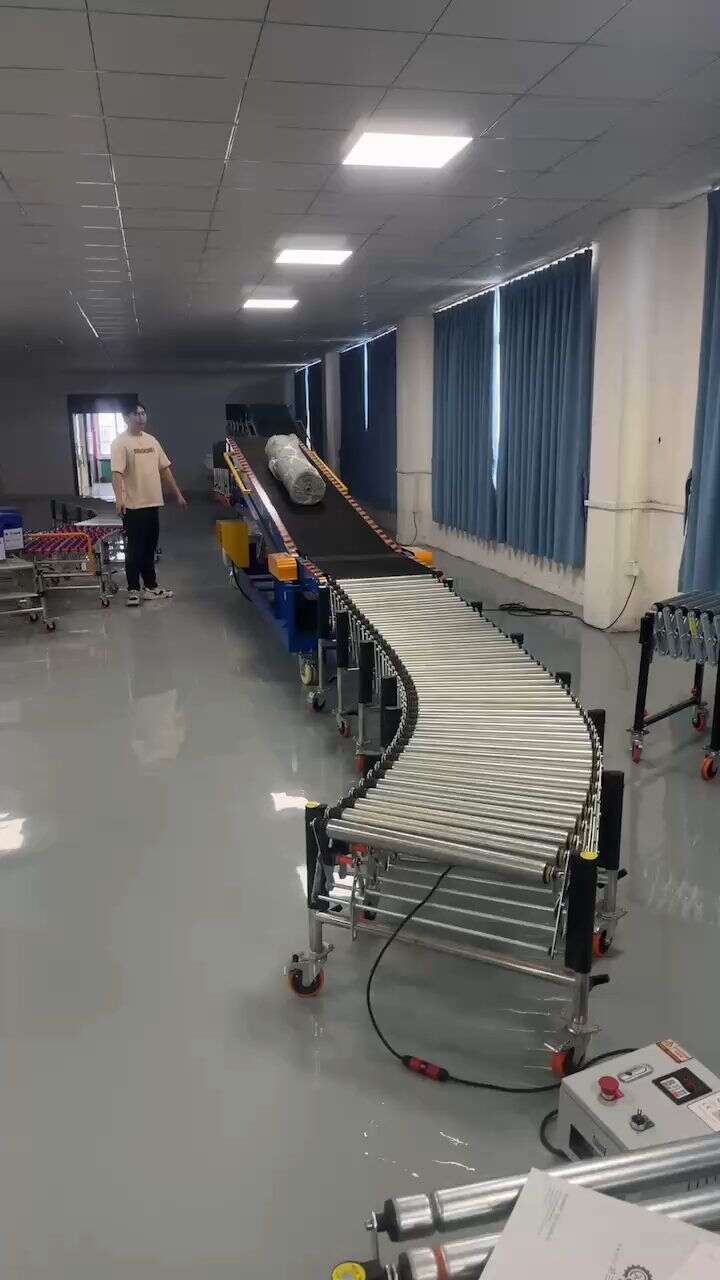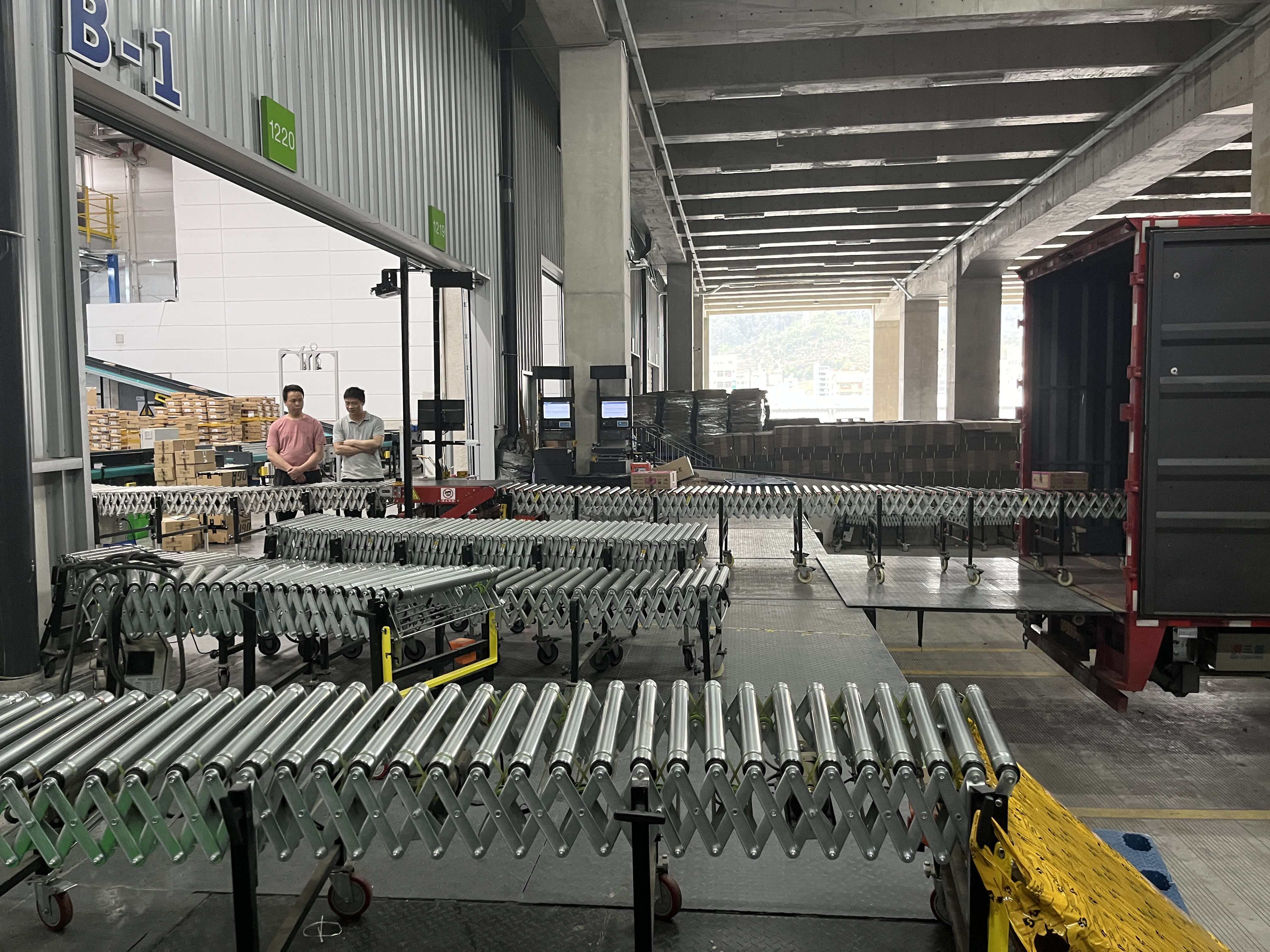
In warehouse loading and unloading areas and factory finished-goods dispatch areas, the service life of belt Telescopic Conveyors can vary significantly: some equipment remains stable after five or six years of continuous use, while other units develop frequent issues such as belt misalignment, frame wobble, and lifting malfunctions within just two or three years.
Many people immediately attribute the problem to equipment quality, but extensive on-site commissioning and implementation experience shows that the factors most likely to shorten service life are often a mismatch between equipment selection and operating conditions.
Assess operating conditions before discussing price
When purchasing a Telescopic Conveyor, many companies focus only on length, price, and appearance while overlooking the actual operating conditions on site. Conditions vary greatly from one facility to another: some require all-day heavy-duty loading, while others handle lightweight-item sorting; some operate at fixed loading docks, while others need to change locations frequently; some must also accommodate refrigerated trucks and vehicle types with substantial height differences.
These differences directly affect the machine structure, lifting precision, base configuration, and protective design. Using a light-duty model for heavy-duty tasks, or a fixed model in situations requiring frequent relocation, naturally makes equipment problems more likely.
Four common mistakes that most easily shorten service life
The first is choosing a fixed-base model for a facility that requires frequent relocation. In small factories, temporary loading and unloading points, or sites where shipments rotate among multiple loading docks, manually pushing and repositioning the machine every day subjects the frame to prolonged twisting forces, making minor deformation, belt misalignment, and loose weld points more likely.
The second is choosing a model with coarse lifting adjustment for a site serving a mix of vehicle heights. When the difference in cargo-floor height is substantial, inaccurate slope adjustment may cause light goods to slide backward, heavy goods to jam the machine, or even cause the machine head to press against the cargo. Over time, this can significantly increase equipment wear.
The third is using a thin-walled, basic frame for all-day heavy-duty dispatch operations. High-frequency operations in express delivery facilities and finished-goods factories naturally involve substantial vibration and more frequent cargo impacts. Models with weaker structures may show no obvious problems in the short term, but over time they are more likely to deform, wobble, and develop increasingly frequent faults.
The fourth is having a highly mobile workforce without the necessary protective features. When there are many new and inexperienced production-line operators, the absence of infrared sensing and machine-head protection not only makes equipment damage more likely but also increases on-site safety risks.
The key to durable equipment is matching operating conditions
The core principle behind a truly durable Telescopic Conveyor is simple: do not use a heavy-duty model for light-duty conditions, and do not choose a light-duty model for heavy-duty conditions. Equipment that suits the pace and methods of on-site operations is often less troublesome than equipment selected solely for higher specifications or a lower price.
For fixed loading docks and long-term full-truck loading operations, configurations such as a sturdy reinforced base frame, fully welded frame, and standard hydraulic lifting are more suitable. These features provide greater stability, reduce wobbling, and make deformation less likely even under prolonged heavy-duty use.
For sites with multiple loading docks, temporary loading and unloading operations, or frequent machine relocation, a split-movable-base model is more practical. It reduces the damage to the frame caused by forceful manual pushing, allows movement as needed, and makes it easier to extend the equipment's service life.
For cold-chain operations, mixed vehicle types, and sites with substantial height differences, high-precision fine-adjustment hydraulic lifting combined with smooth belt conveying is more suitable. This makes it easier to accommodate different cargo-floor heights, reducing cargo jams, cargo compression, and cargo damage while also lowering wear on the equipment itself.
The right equipment selection is the key to reducing costs
Actual cases show that even expensive equipment may be scrapped after just three years if it does not match the operating conditions. By contrast, a standard model selected appropriately can remain stable for five or six years when it suits the conditions on site.
Many factories fall into another purchasing trap: pursuing low prices, multiple functions, and large dimensions without first defining the cargo type, vehicle types, site conditions, and production-line pace. Equipment is not a one-size-fits-all template. What truly determines its service life is whether it fits the specific application.
For managers, equipment costs involve more than the purchase price. They also include long-term costs such as maintenance, downtime, cargo damage, and labor. Choosing a Telescopic Conveyor suited to the operating conditions can often reduce frequent repairs, belt replacement, downtime for troubleshooting, and manual moving and handling. This is the more direct way to reduce costs.
When a machine is not durable, the problem is not necessarily with its quality. In many cases, service life is determined by whether the equipment was selected for the right application. Matching the operating conditions first and then comparing specifications and prices usually makes it easier to purchase equipment that is genuinely reliable and durable.