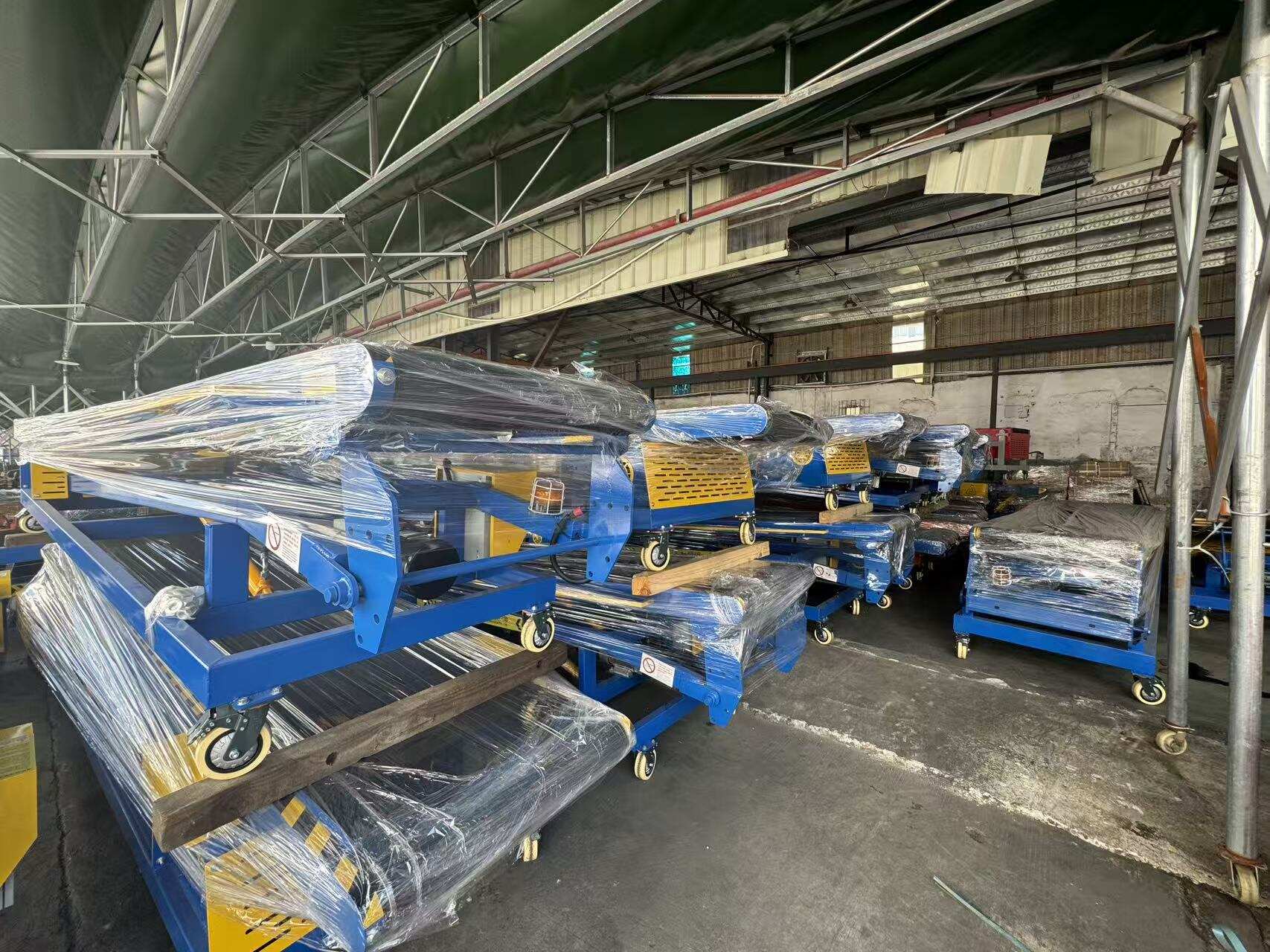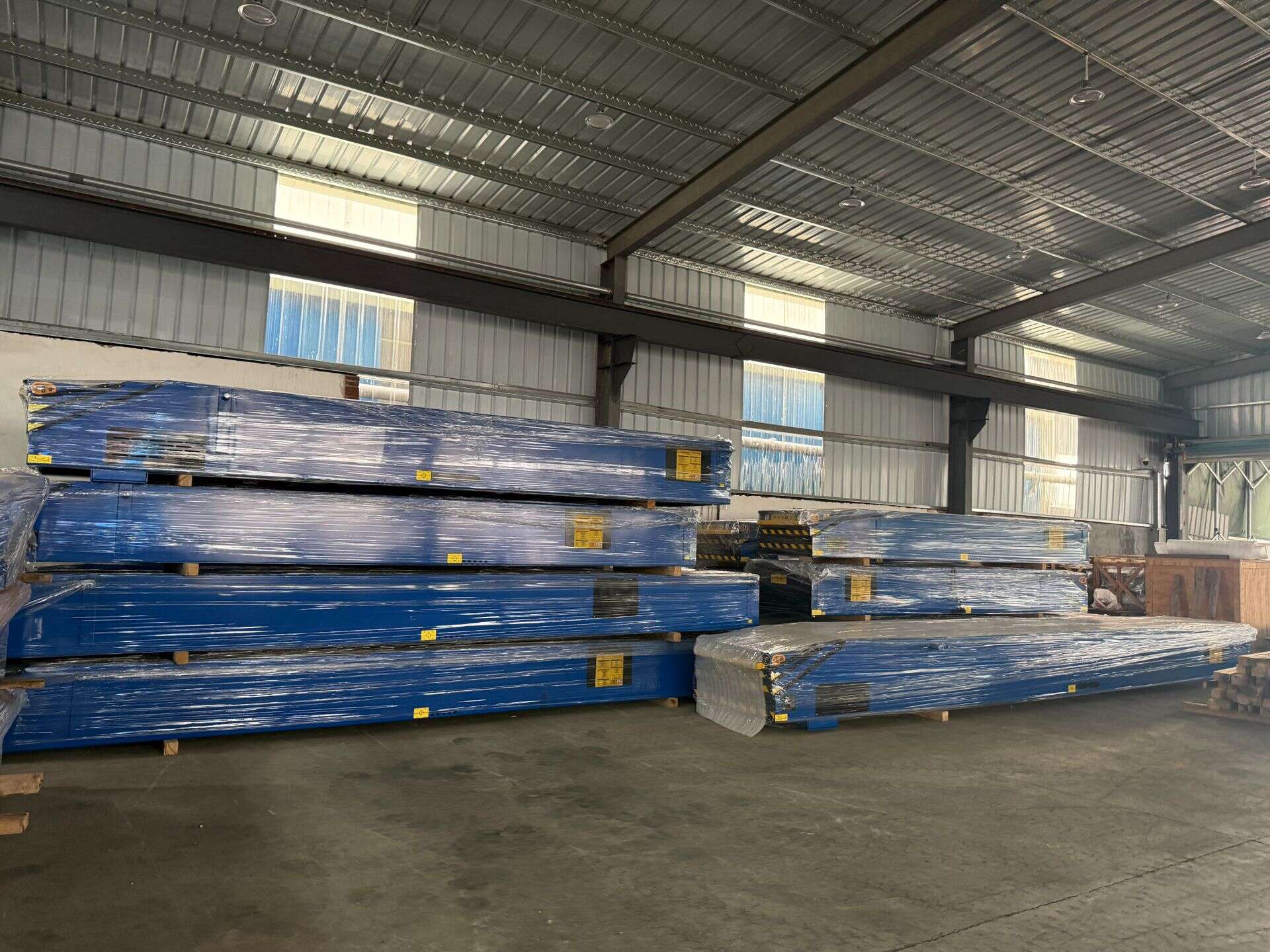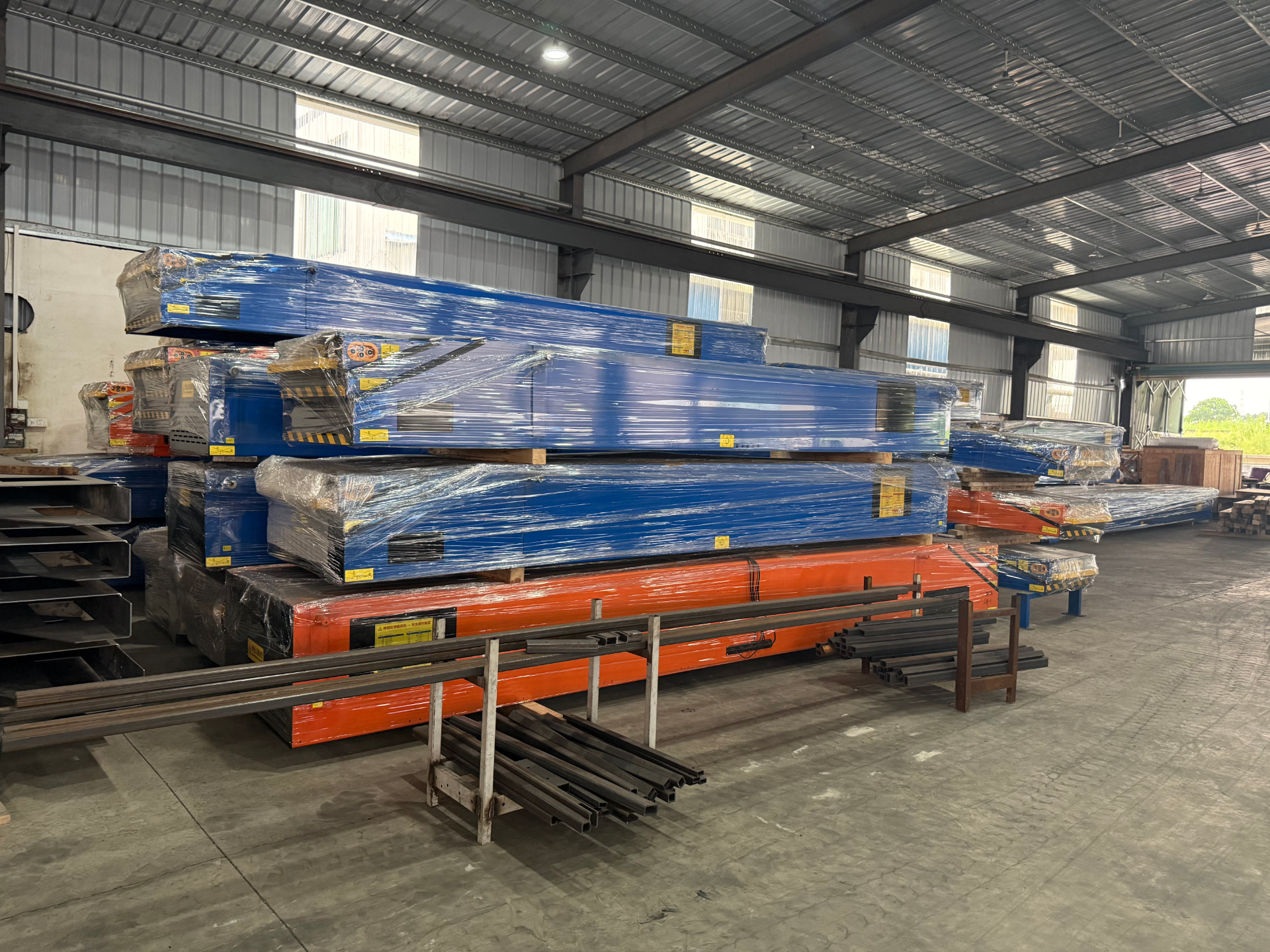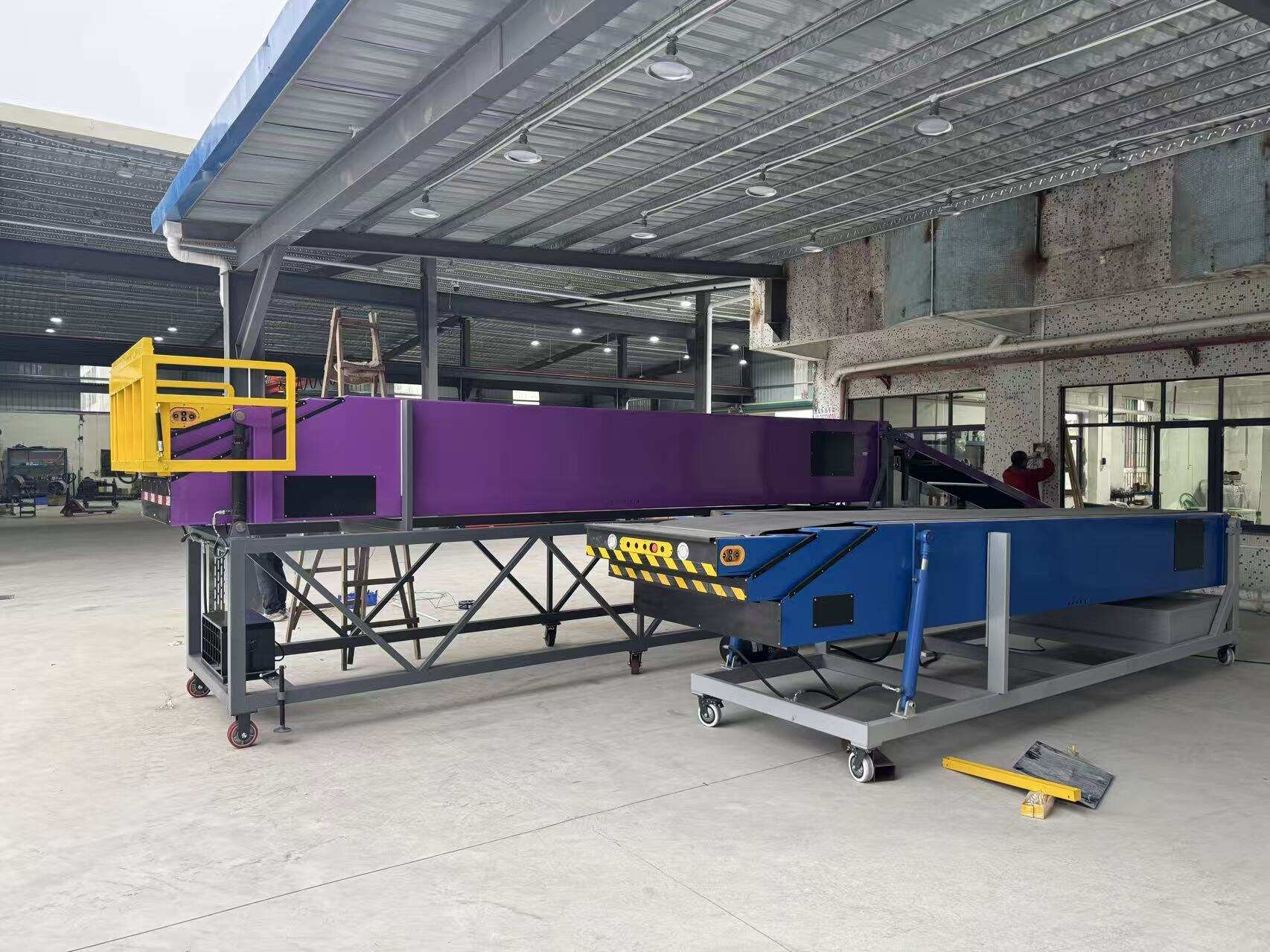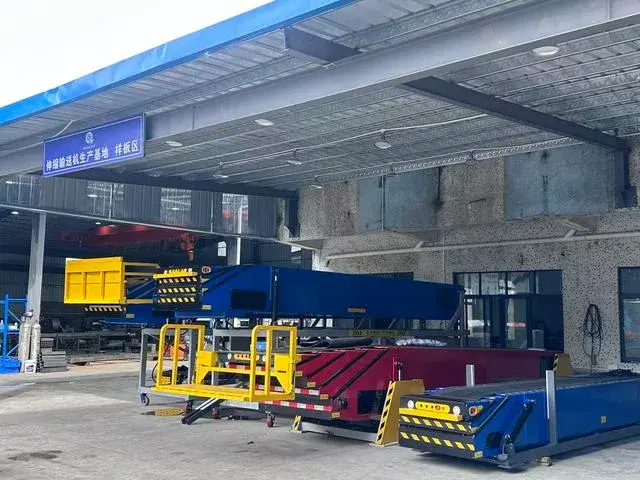
Many small and medium-sized factories, logistics hubs, and e-commerce warehouses face a similar challenge: hardware investment in warehousing is already high, yet on-site handling capacity still fails to improve. The problem is often not the number of machines, but insufficient versatility and flexibility. Fixed conveying equipment is usually only suitable for a single operating condition. Once product specifications, loading and unloading positions, or order volumes change, the equipment can no longer operate efficiently and may also occupy already limited warehouse space. For small and medium-sized physical enterprises, flexible conveying equipment that does not require large capital investment, major site modifications, and can adapt to multiple scenarios is a more practical way to upgrade handling capacity.
Small and medium-sized warehouses need flexible capacity more
Naili focuses on capacity upgrade scenarios for small and medium-sized warehouses, and develops highly flexible, highly adaptable flexible conveying equipment around common enterprise pain points such as insufficient handling capacity, high cargo damage rates, wasted labor, and low space utilization. The related equipment is easy to install, quick to commission, and ready to use upon installation. Without changing the existing warehouse layout, it can cover multiple needs such as loading and unloading, sorting, and transfer, making it suitable for lightweight upgrades in small and medium-sized warehouses.
For standardized transfer, start with a powered roller conveyor line
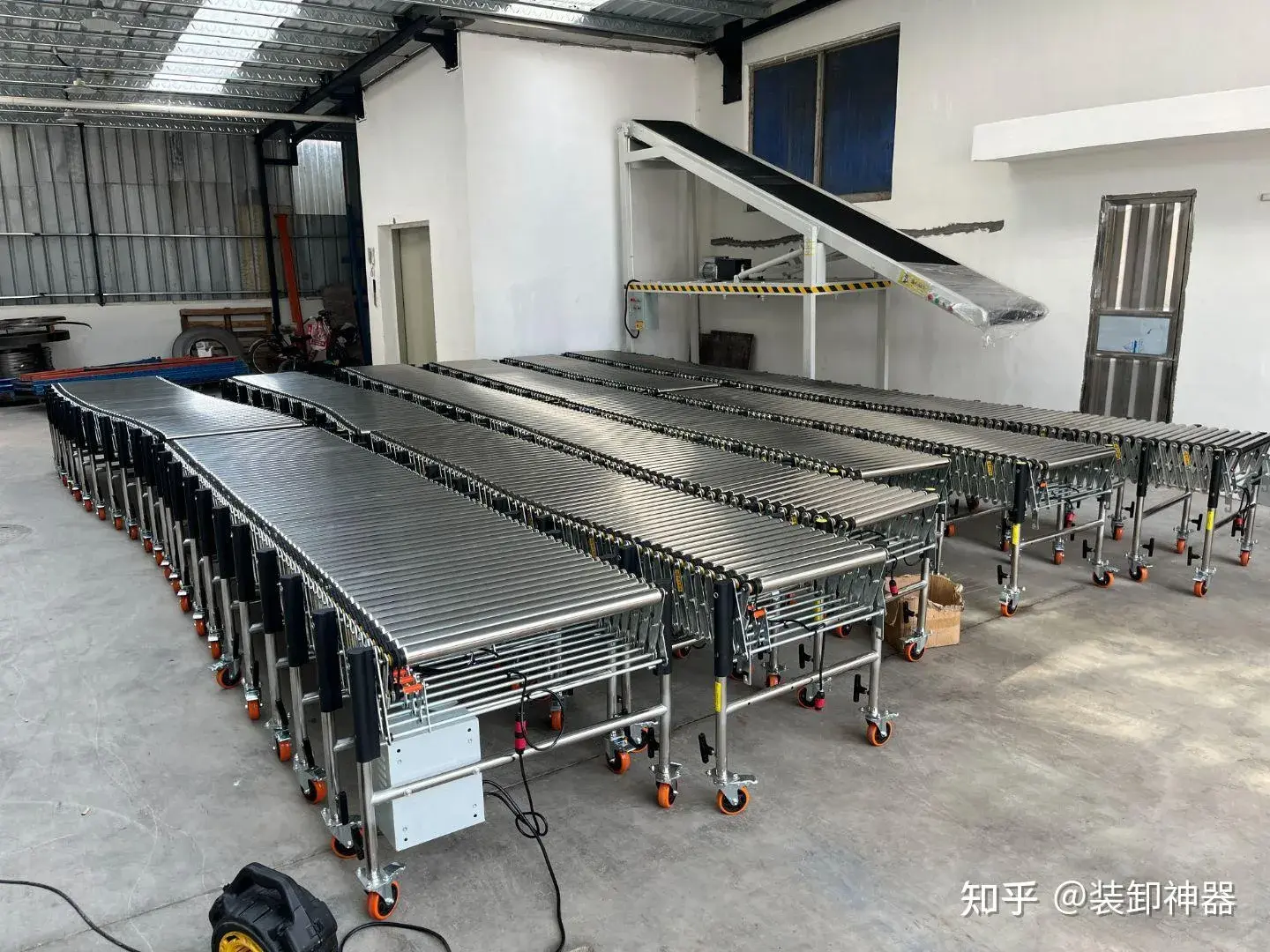
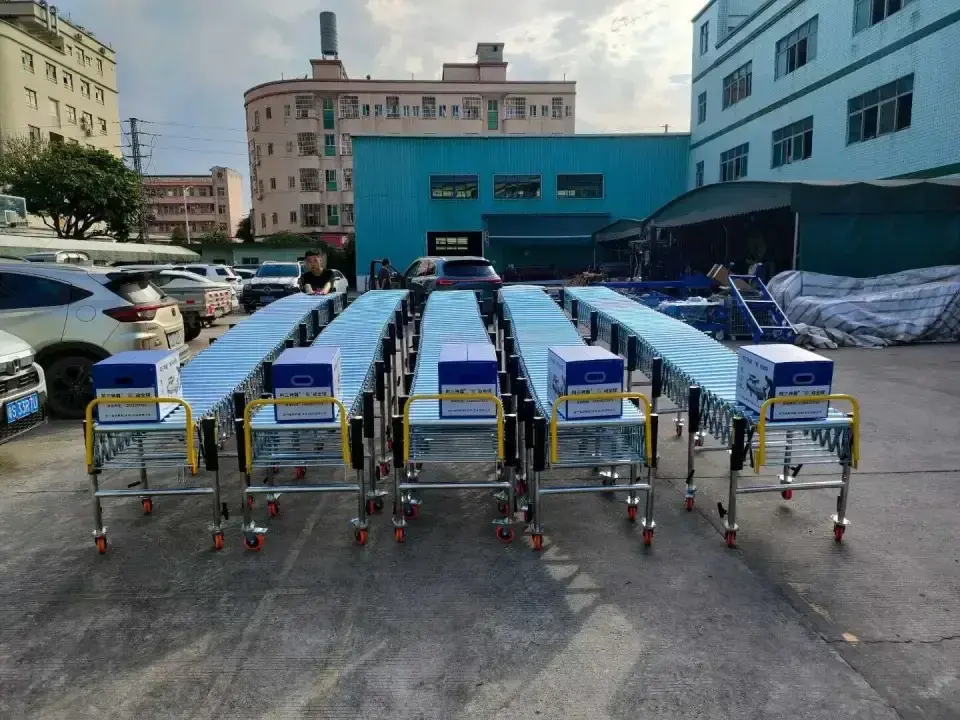
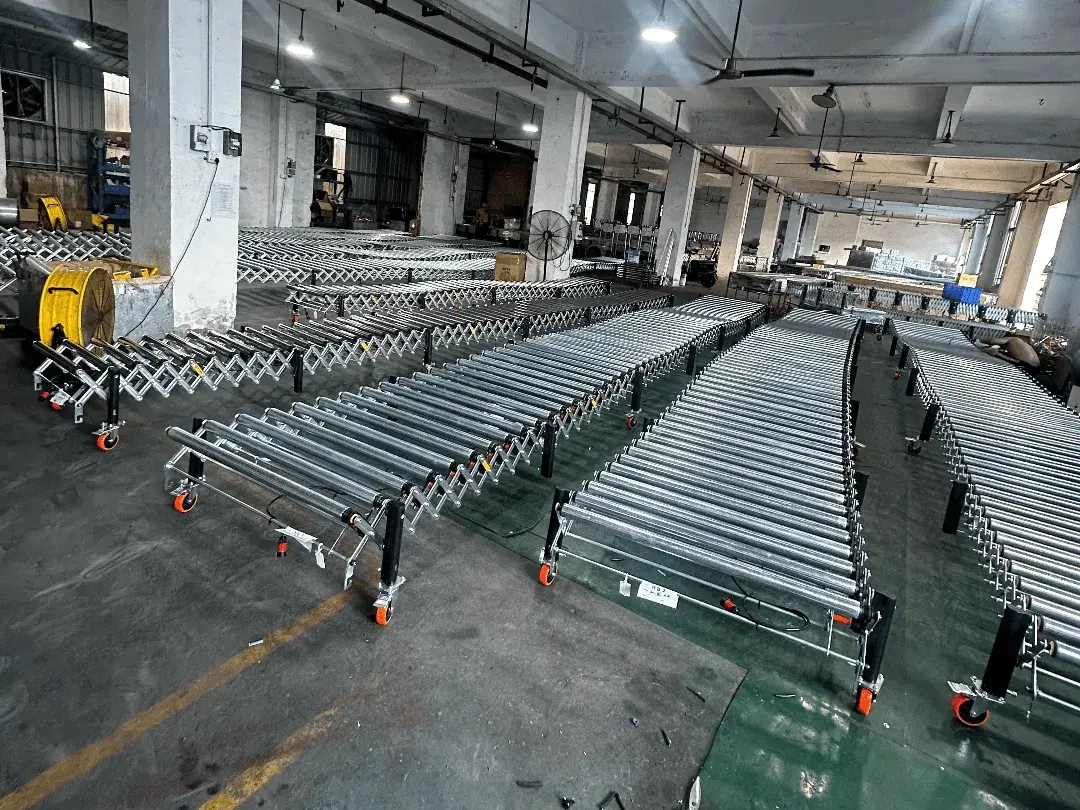
In standardized operations such as daily factory mass production and finished-goods sorting, the powered roller conveyor line is the core equipment for improving basic handling capacity. It is sturdy and durable, runs smoothly, and has a low failure rate, enabling it to handle high-intensity, uninterrupted material transfer over the long term. It turns scattered conveying into a standardized process step by step, eases material buildup and transfer delays, and helps factories steadily improve warehouse circulation efficiency.
Non-standard sites and temporary loading and unloading are better suited to telescopic solutions
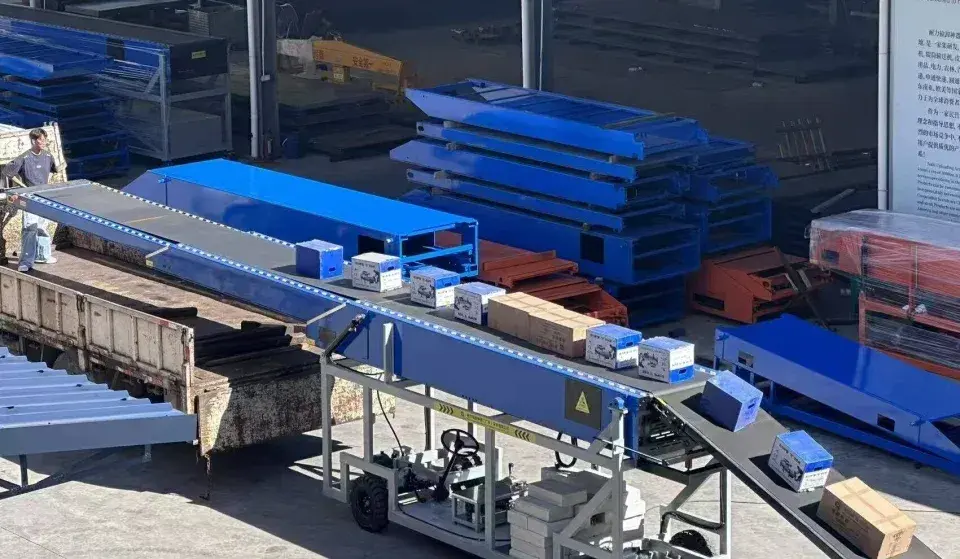
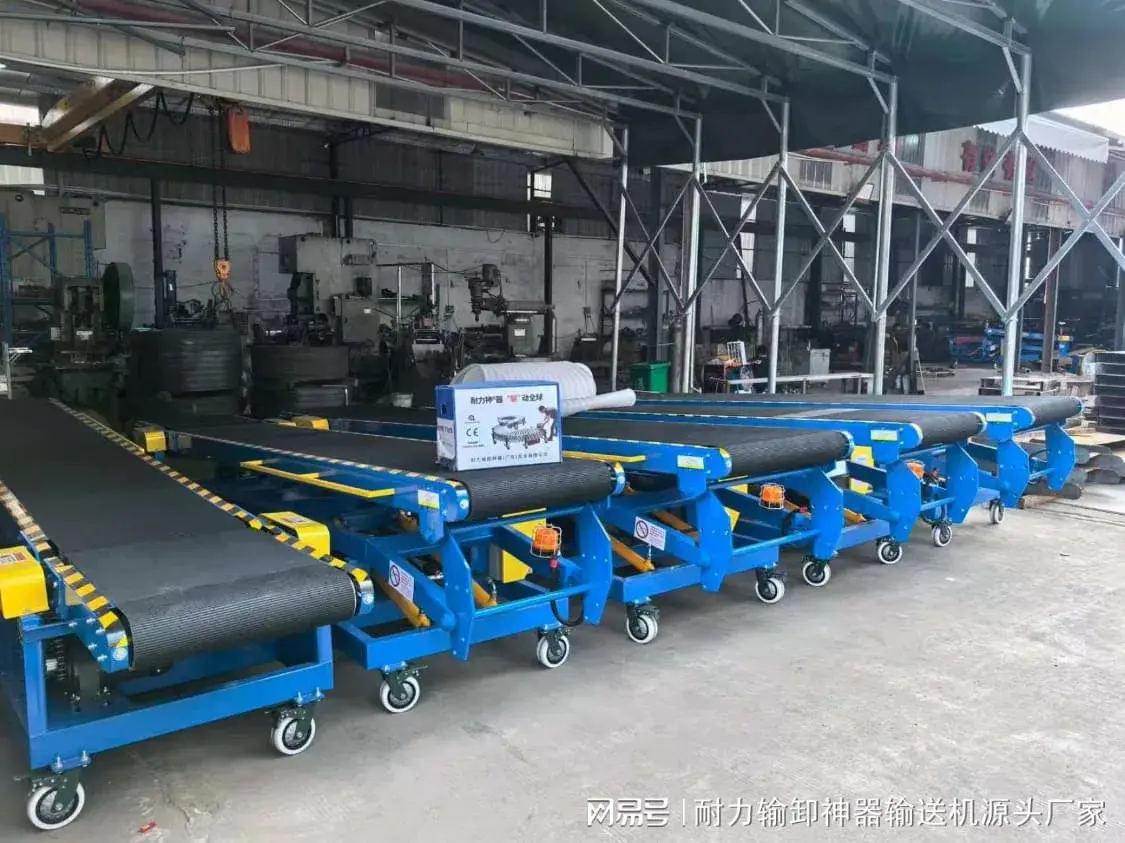
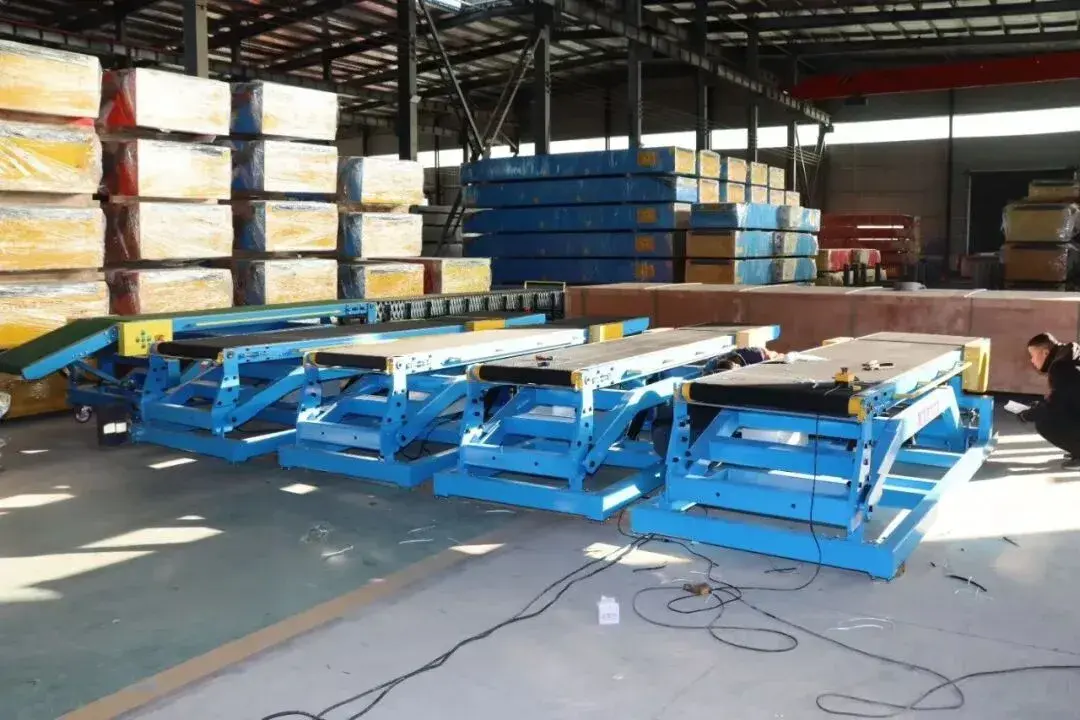
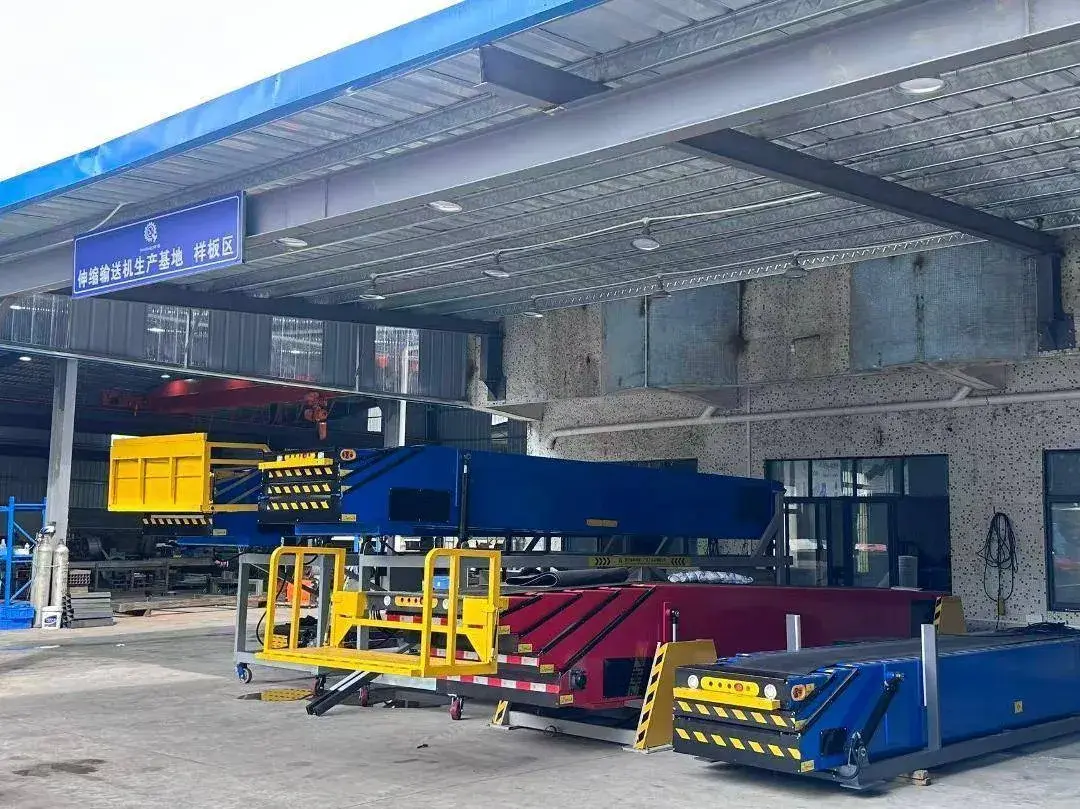
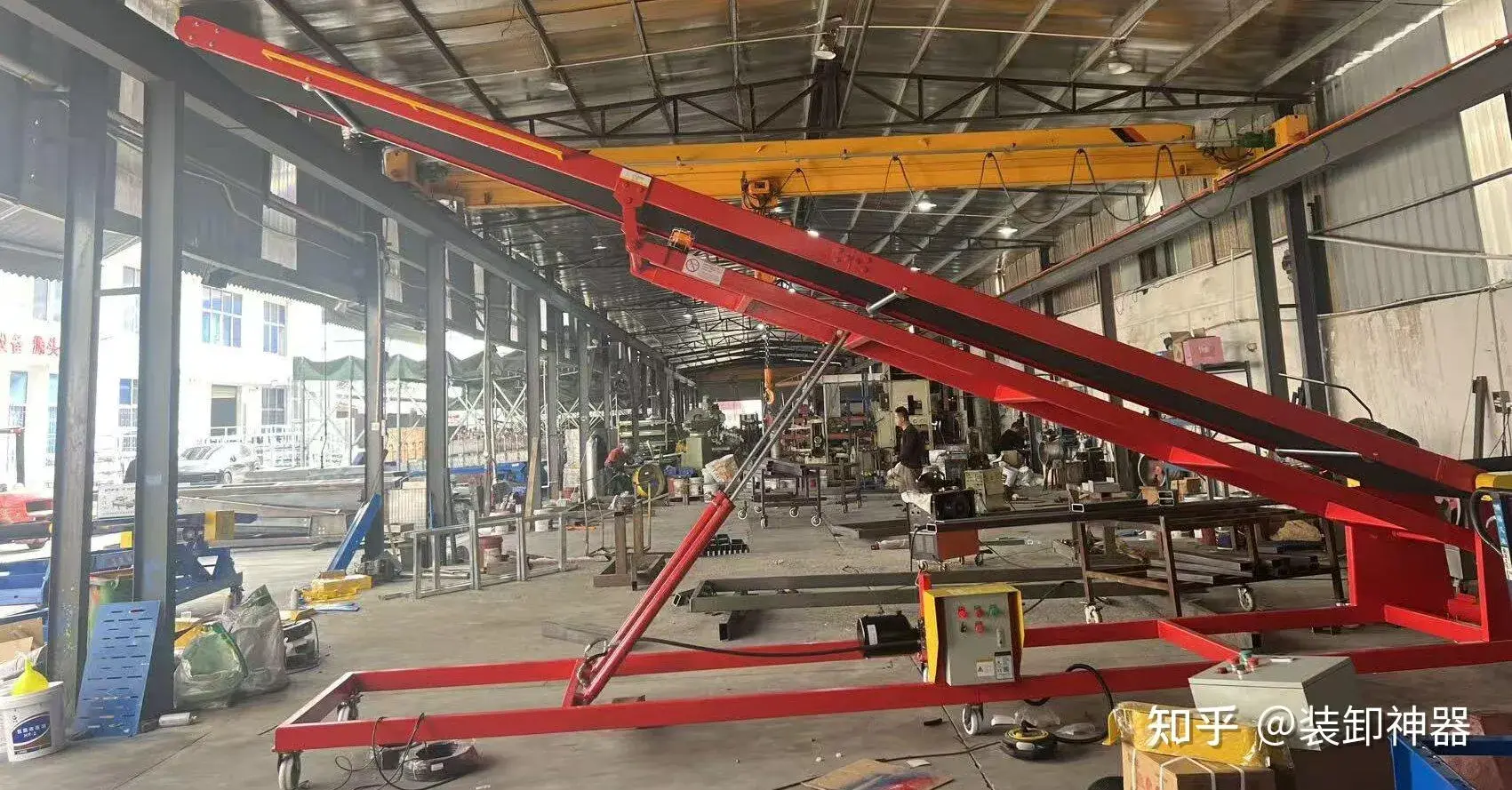
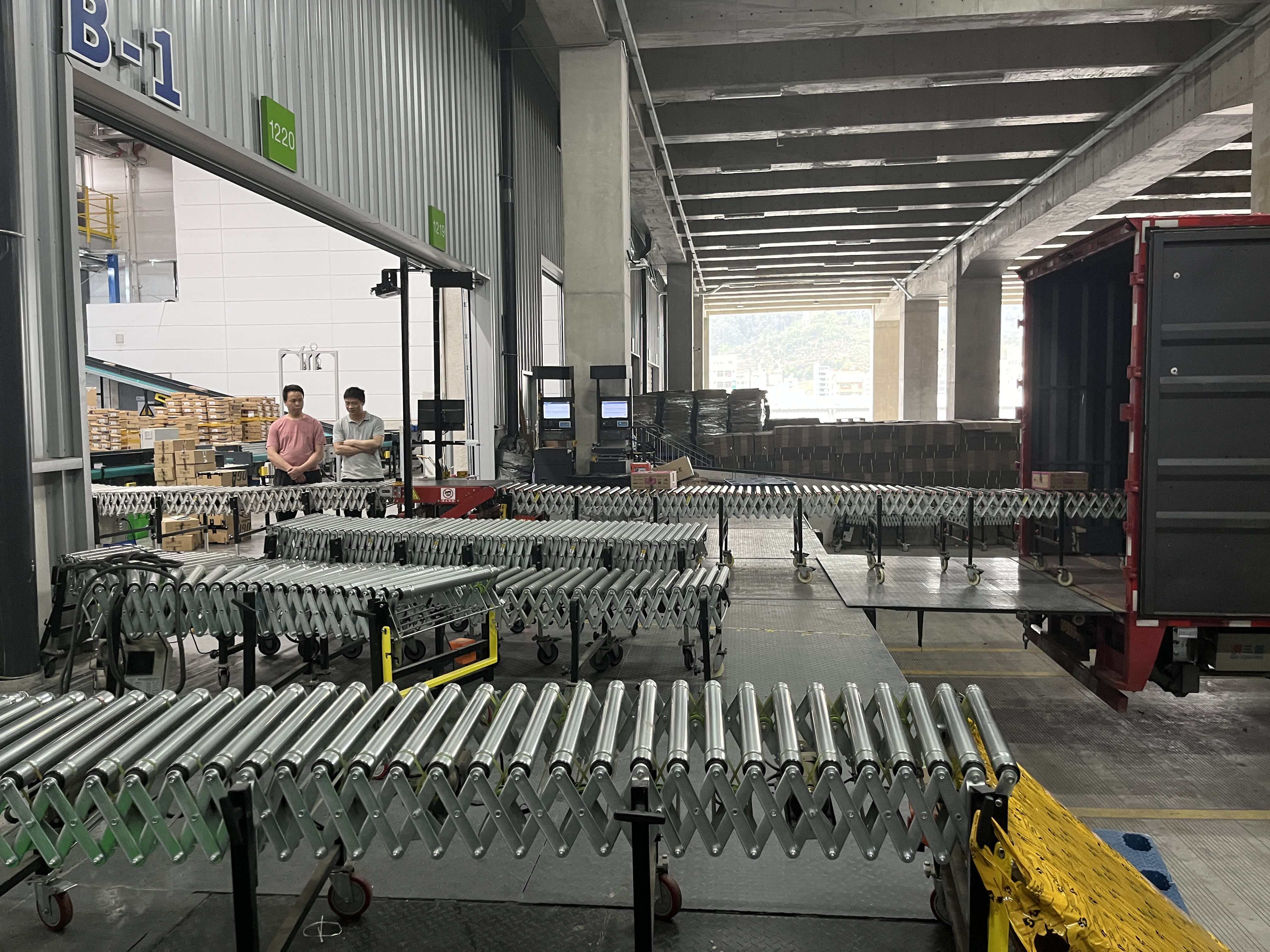
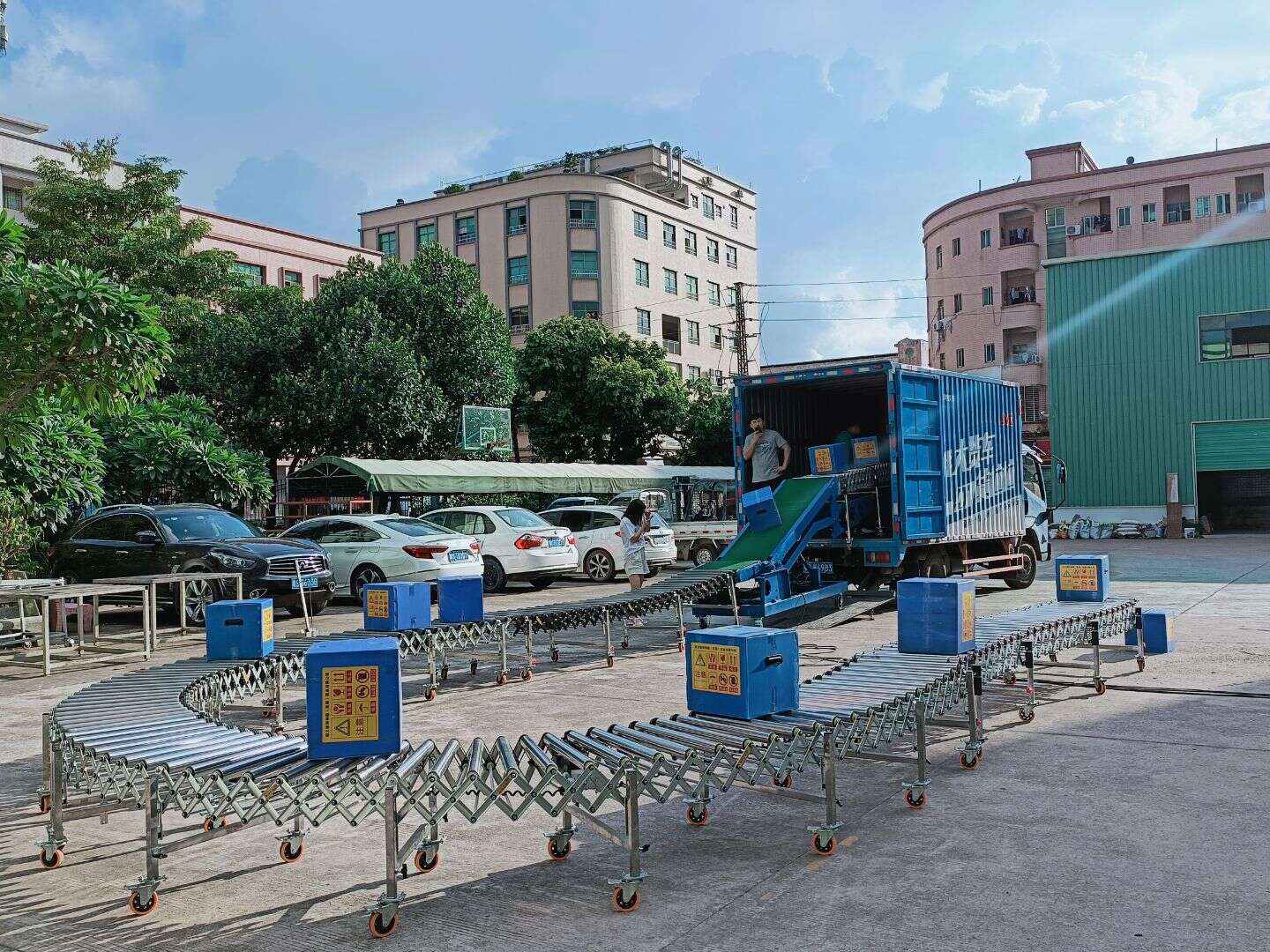
In situations such as irregular sites, inconsistent truck sizes, and frequent temporary loading and unloading tasks, a multifunctional powered roller telescopic line and loading/unloading Powered Roller Conveyor can provide stronger scenario adaptability. The equipment can extend and retract freely, and the operating angle can be adjusted flexibly to suit various non-standard sites and loading and unloading operations for different vehicle types, reducing reliance on manual handling, saving labor costs and operation time, and making complex loading and unloading processes more efficient to implement.
Fragile goods need flexible conveying even more
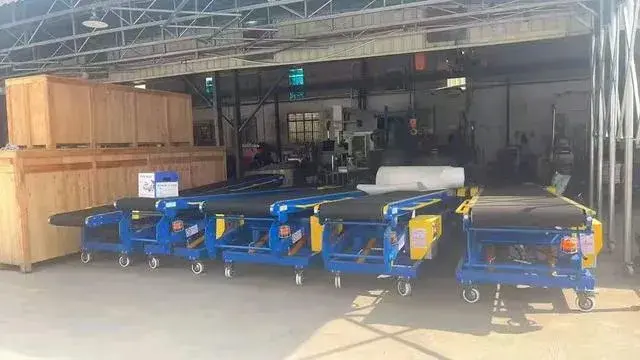
For the transfer of express parcels, bagged materials, fragile light industrial products, and other vulnerable goods, telescopic belt conveyors and loading and unloading belt conveyors provide a gentler conveying method. Their flexible cushioning structure helps reduce the risk of bumps and breakage, and the telescopic reach design can extend deep into the truck compartment, reducing blind spots in manual handling and covering the full loading and unloading process, thereby lowering cargo damage rates and reducing operating costs for enterprises.
Flexible handling for off-season and peak-season fluctuations
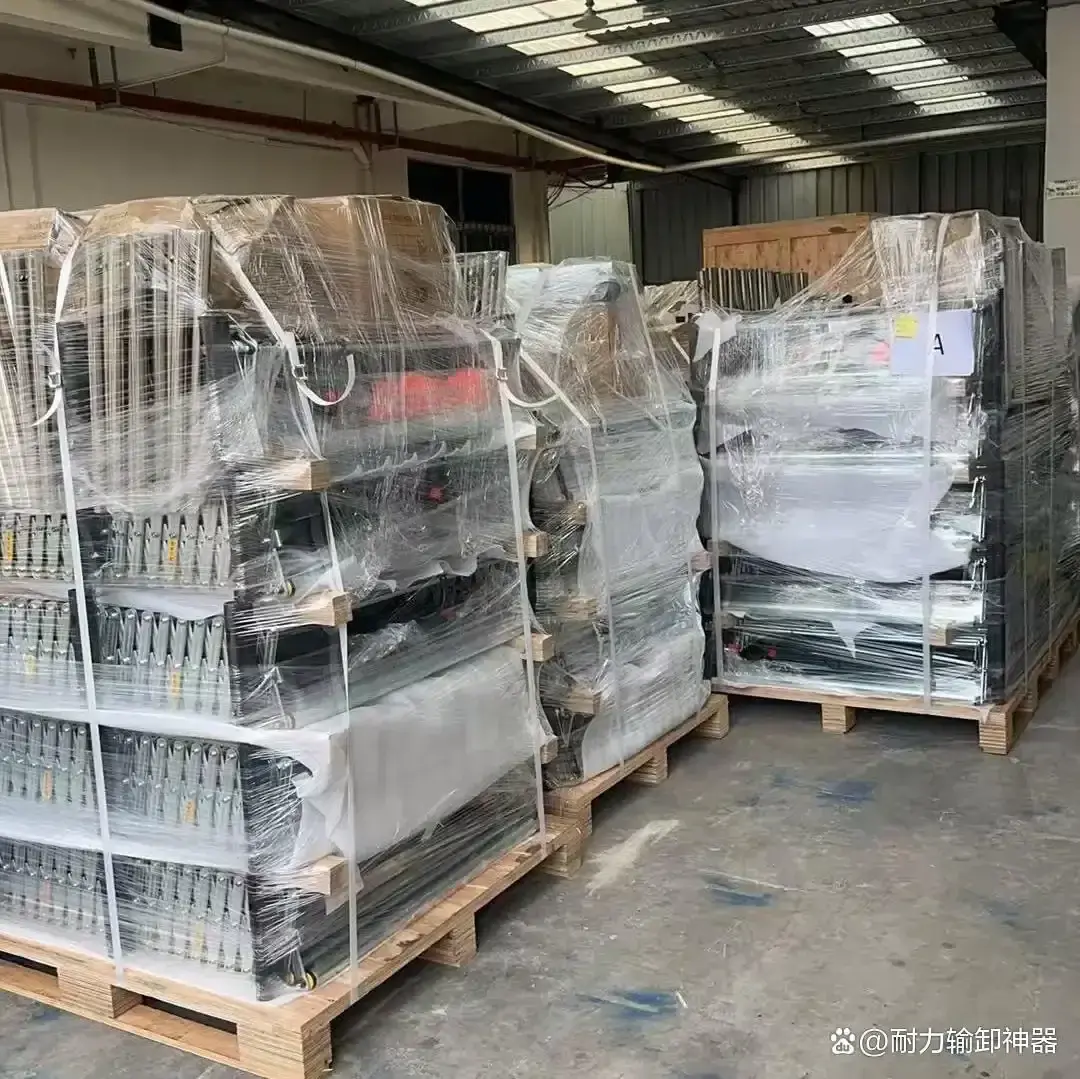
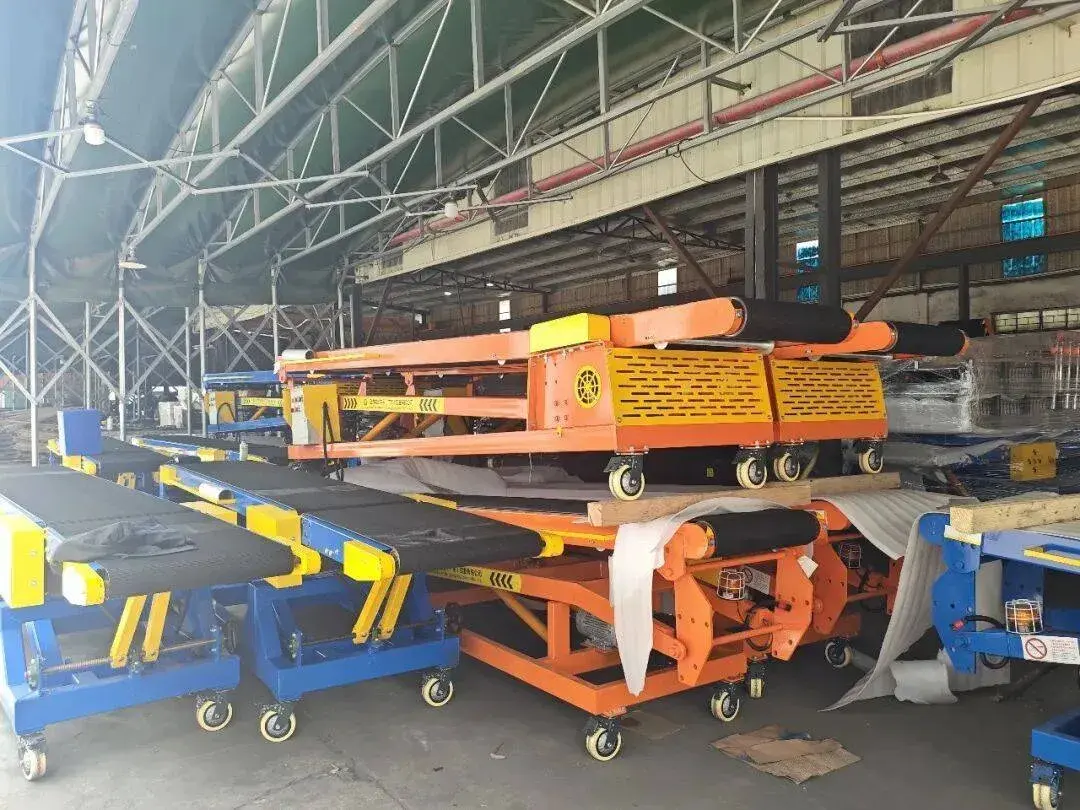
In response to order fluctuations during off-peak and peak seasons, telescopic lines and mobile telescopic conveyors can achieve flexible capacity scaling. When orders increase, the equipment can be quickly deployed to create temporary sorting channels and expand warehouse throughput; when demand is low, it can be retracted and stored without taking up warehouse space. Overall, this type of flexible conveying equipment is better suited to small and medium-sized enterprises that need to continuously improve loading, unloading, sorting, and transfer efficiency within limited space.