The key to digitizing small and medium-sized warehouses is not piling on more systems
The digital transformation of logistics and warehousing is no longer exclusive to large enterprises. For small and medium-sized manufacturers and e-commerce warehouses, improving quality, reducing costs, and increasing turnover efficiency have become practical challenges that must be addressed.
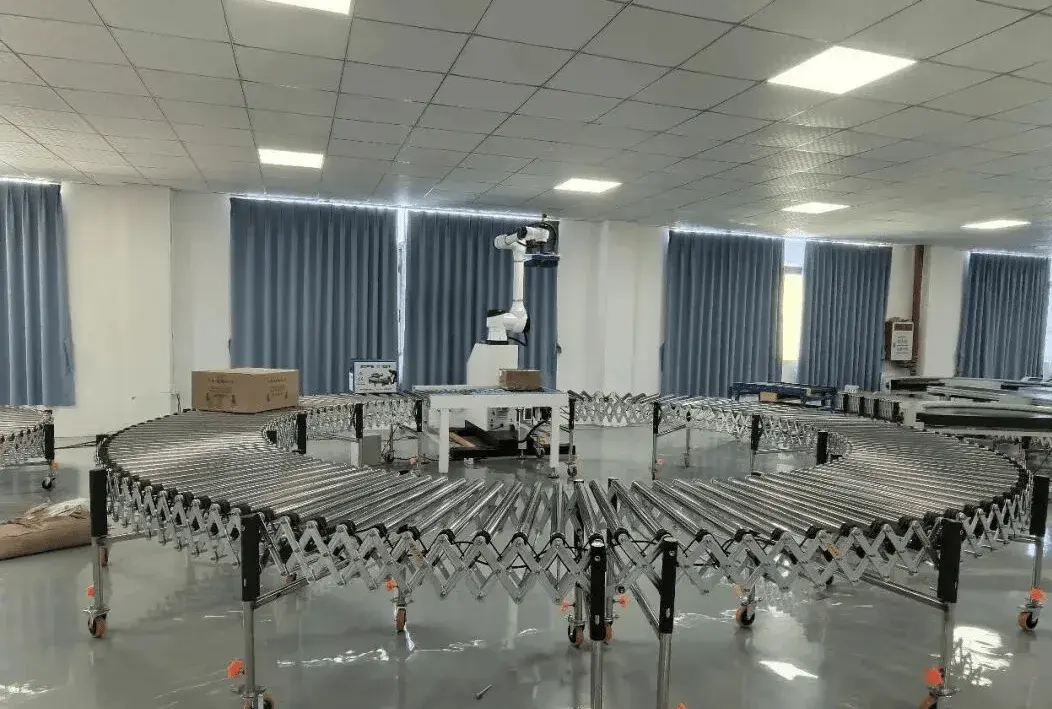
However, many factories fall into a trap during implementation: they focus on adding WMS warehouse management systems, intelligent sorting equipment, and unmanned loading and unloading robots. As a result, investments are substantial, yet operations on the ground may not actually become smoother. Disconnects between systems and operations, insufficient equipment compatibility, and the difficulty of reusing solutions after implementation can all leave digitalization as merely a "paper upgrade.".
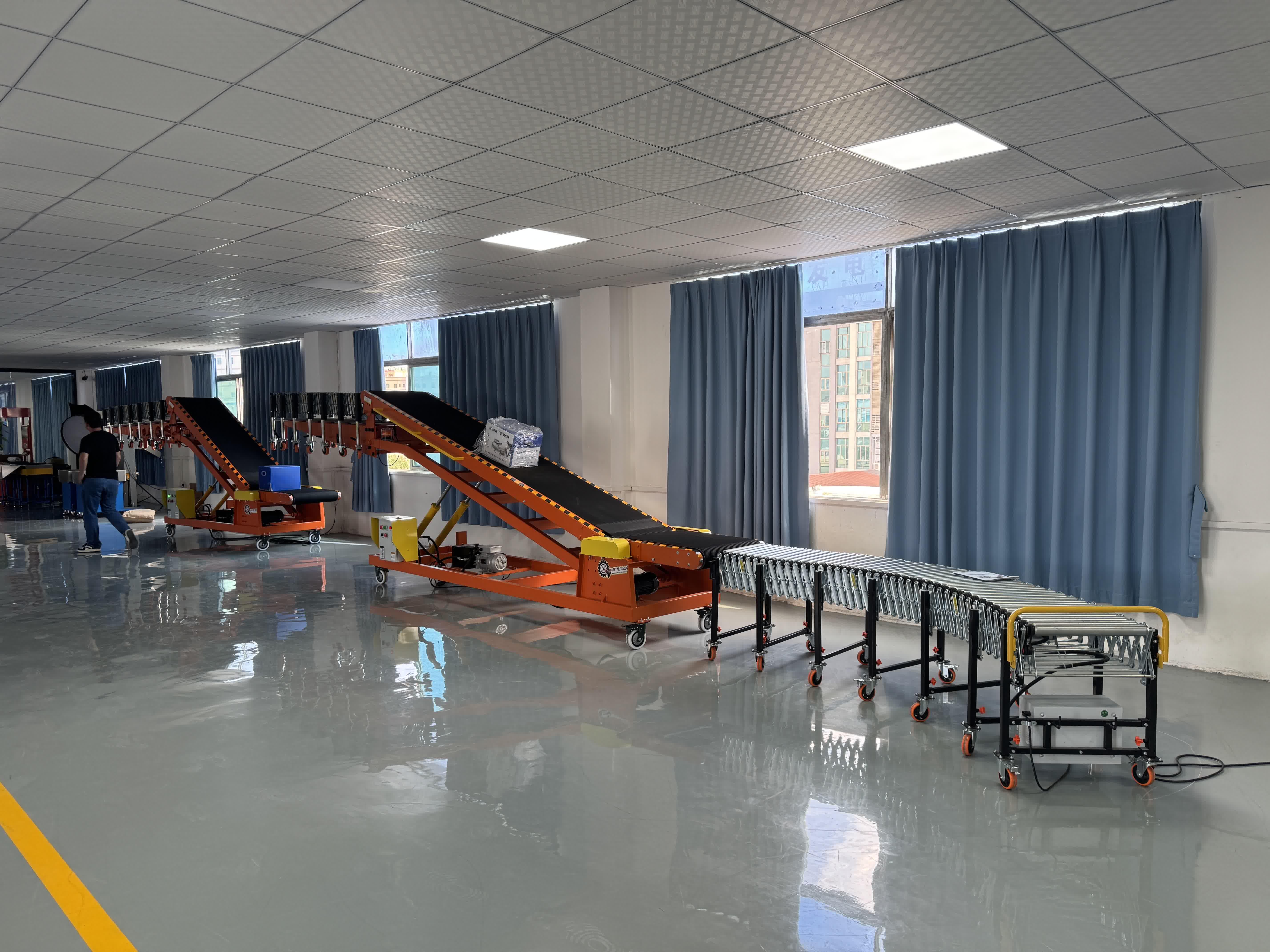
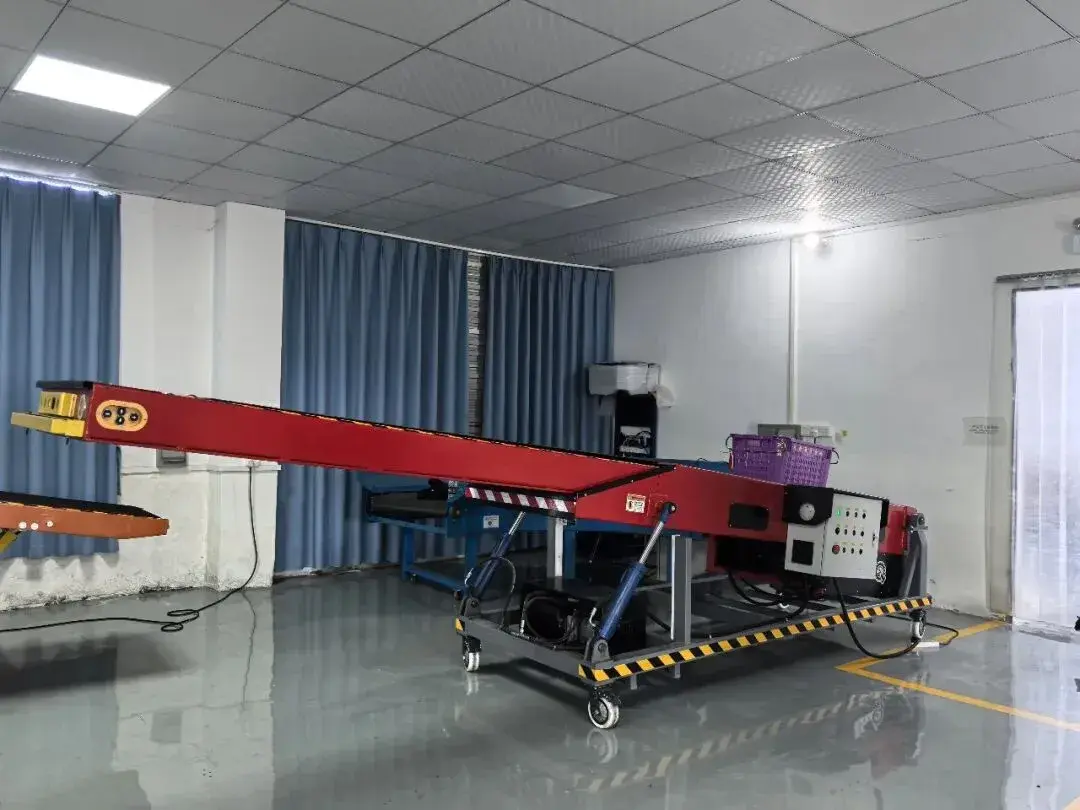
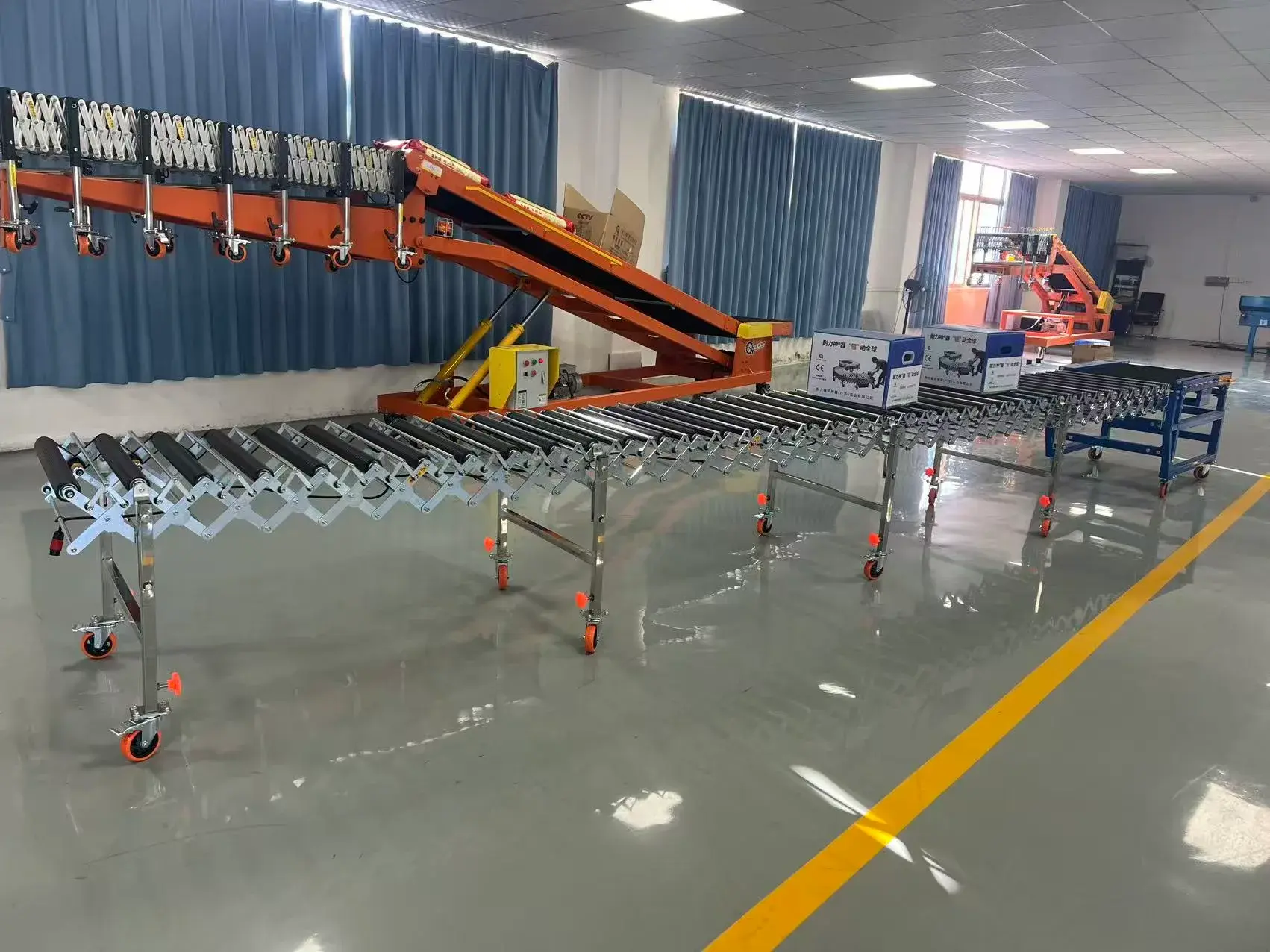
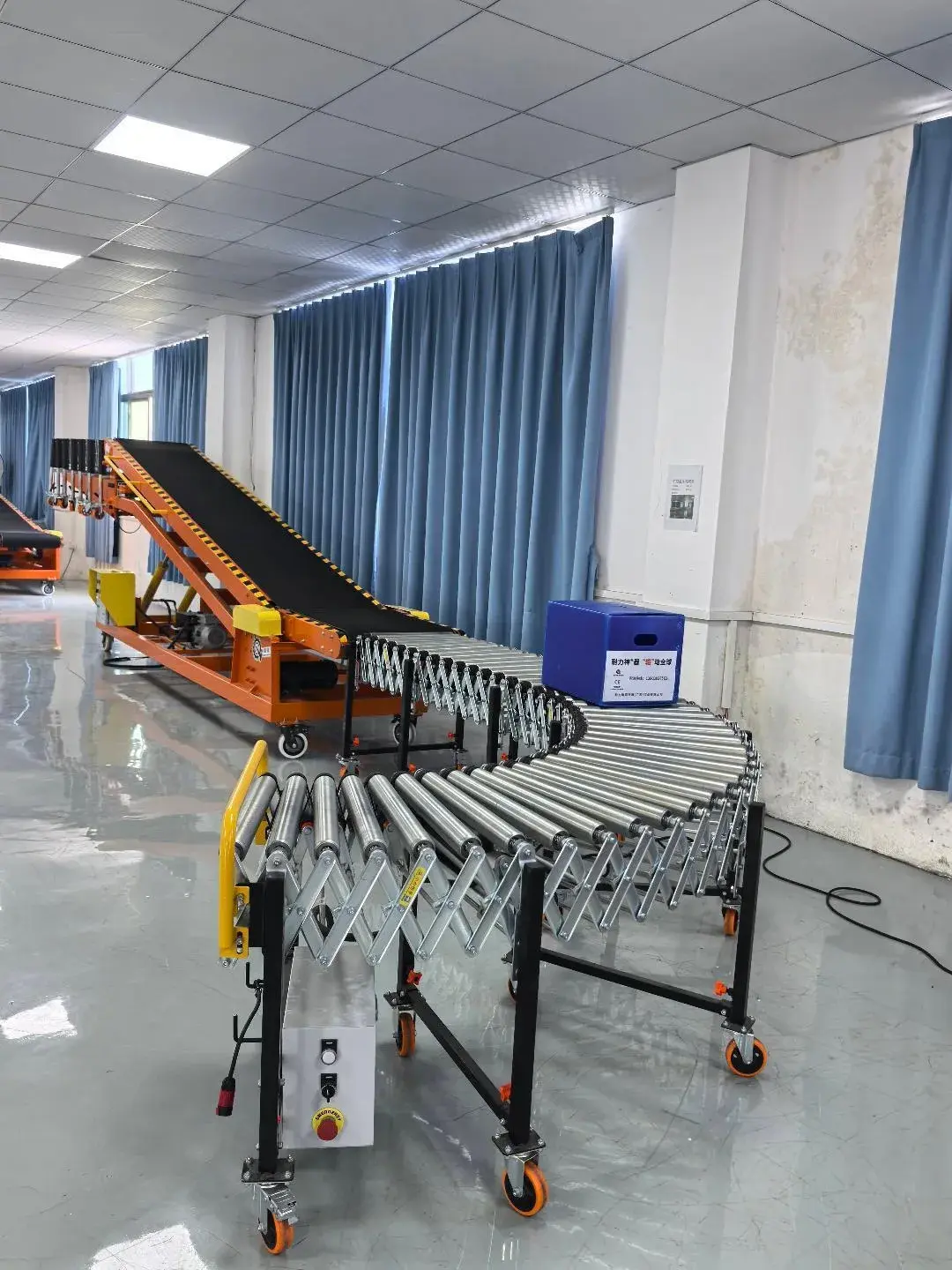
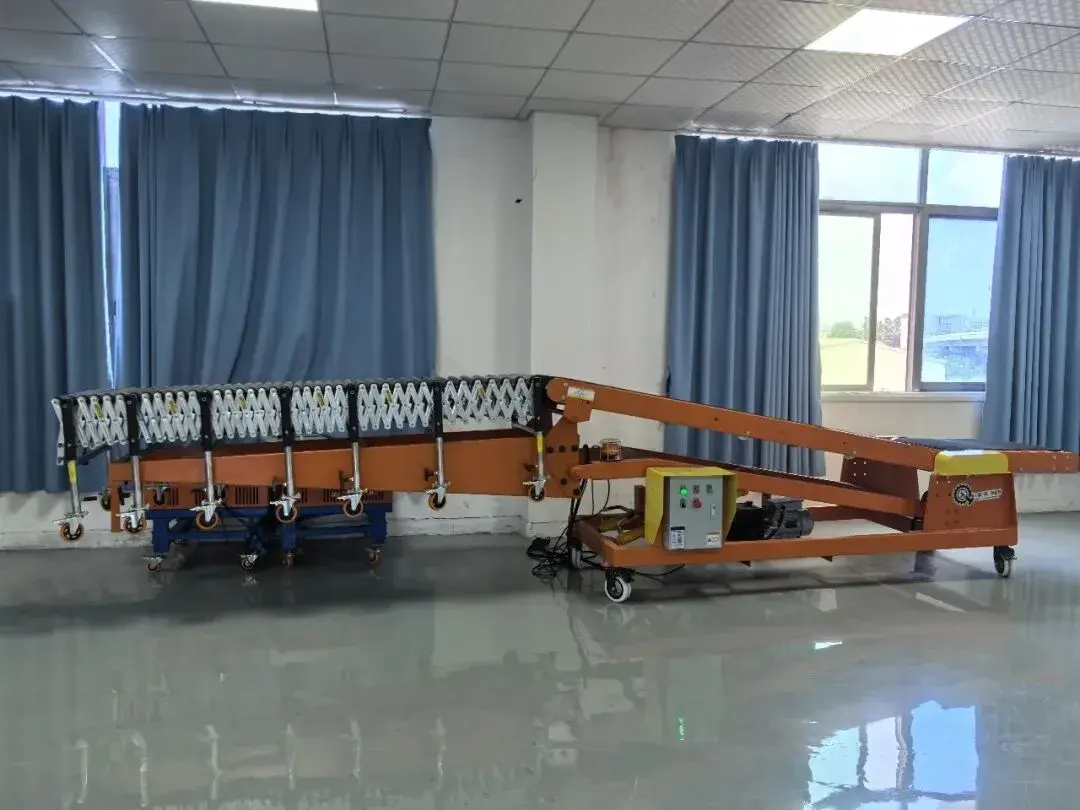
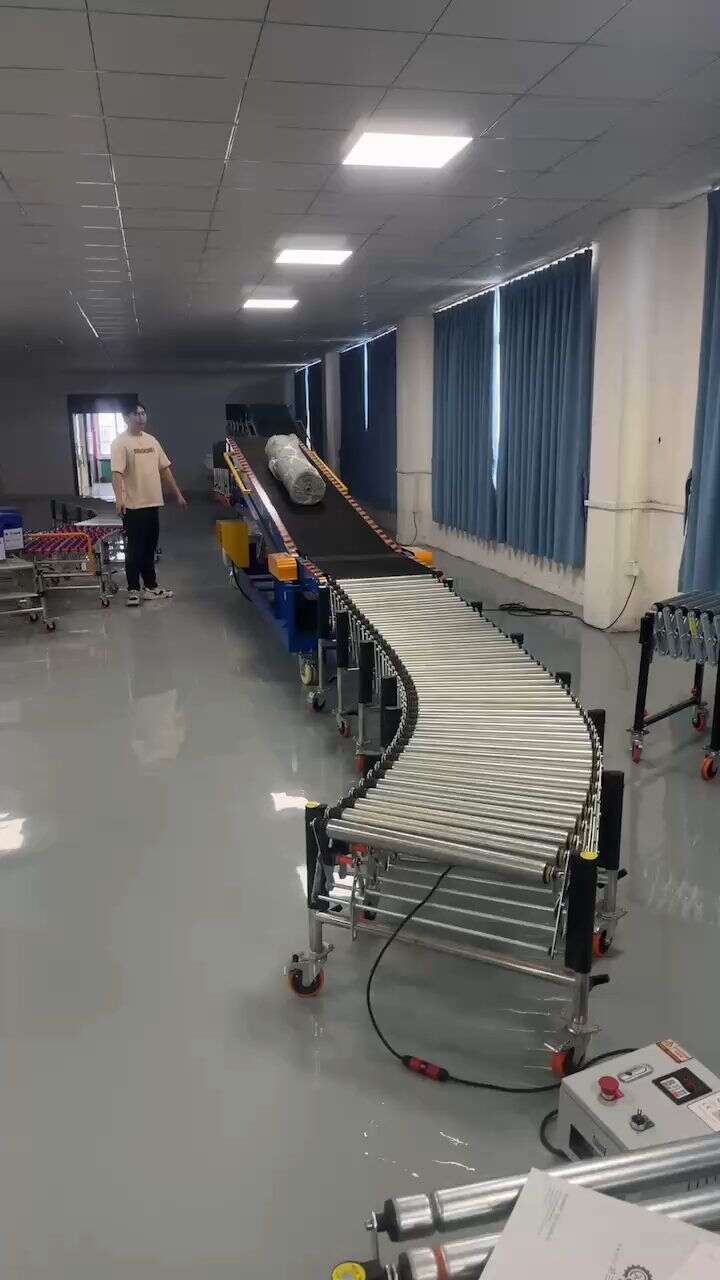
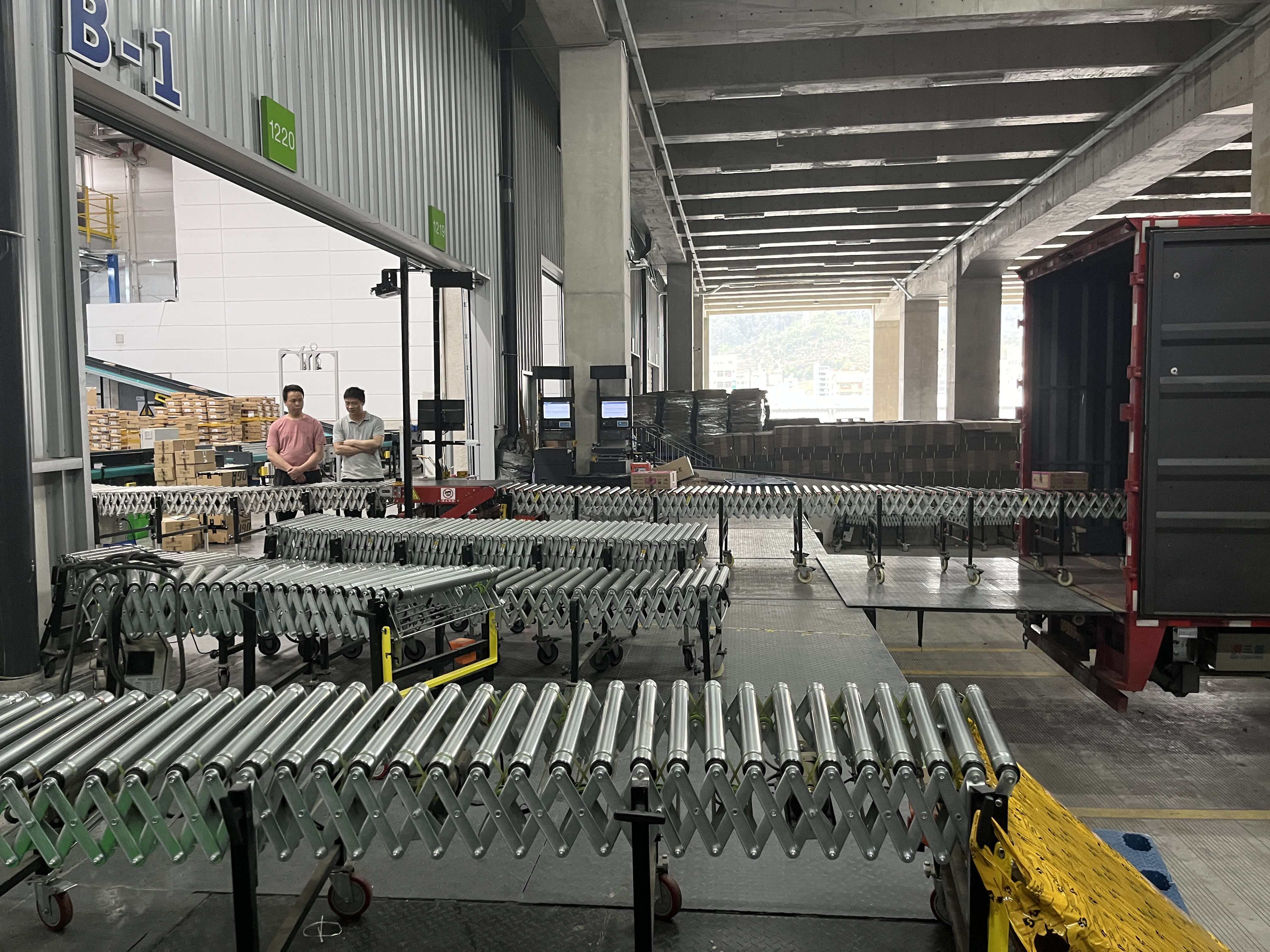
For small and medium-sized warehouses, a more practical approach is not to pursue full automation all at once, but to begin with lightweight, accessible, and iterative upgrades that coordinate software and hardware.Belt Telescopic ConveyorIt is precisely in such scenarios that it serves as an important supplementary piece of equipment for end-of-line loading and unloading.
End-of-line loading and unloading is a missing link in the digitalization of many warehouses
Many small and medium-sized enterprises have already deployed warehouse management systems such as ERP and WMS. Inventory records, order data, and material information can all be entered, analyzed, and managed in a standardized manner, while processes such as picking, stocktaking, and putaway are becoming increasingly clear.
The problem often lies in the loading and unloading operations in the warehouse’s final meter. This stage still relies primarily on manual experience: operating time is not tracked, real-time data on the movement of goods is lacking, and loading and unloading efficiency is not measured against consistent standards. Although the system can record the results of inbound and outbound operations, it is difficult for it to cover on-site processes.
Once processes cannot be recorded, gaps emerge in warehouse digitalization. Capacity calculations, employee performance evaluation, and traceability of goods damage all become difficult to implement accurately. This is also a major reason why some companies see no significant efficiency gains after bringing their systems online.
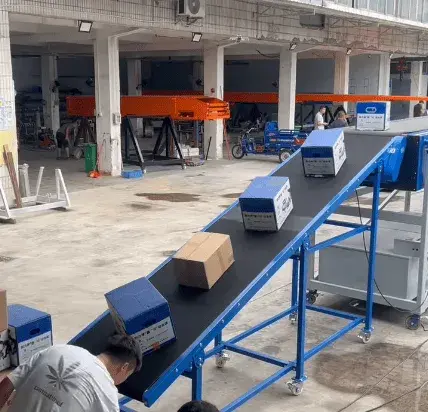
Using Belt Telescopic Conveyors to Address Gaps in End-of-Line Operations
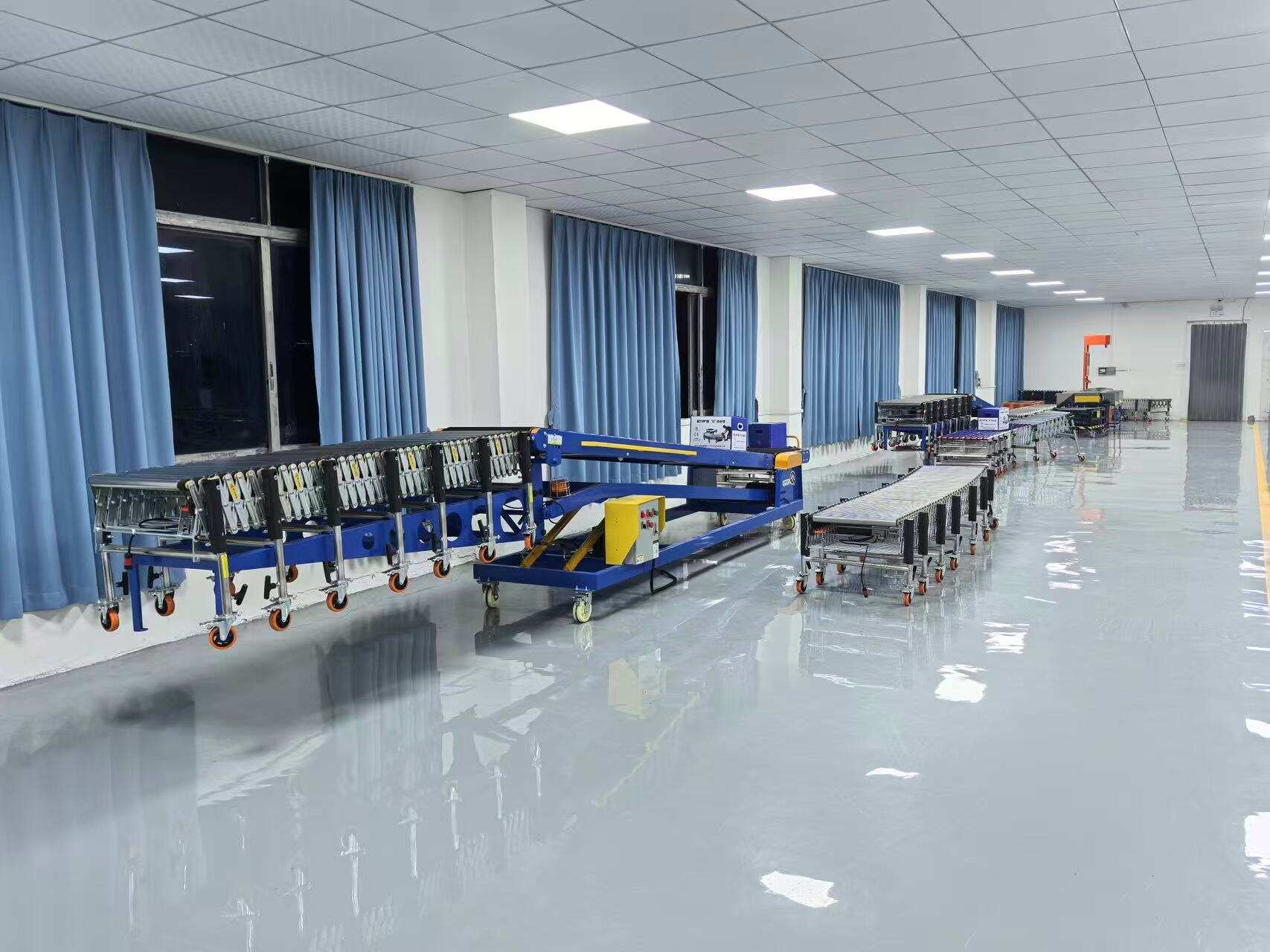
To address the difficulties of implementing digitalization in small and medium-sized warehouses, high modification costs, and poor adaptability, Naili Unloading Artifact (Guangdong) Industrial Co., Ltd. has adopted a more lightweight approach: building an end-of-line loading and unloading solution around a belt Telescopic Conveyor. This minimizes reliance on existing factory infrastructure and complex systems, enabling businesses to complete the final link in warehouse digitalization at a lower cost.
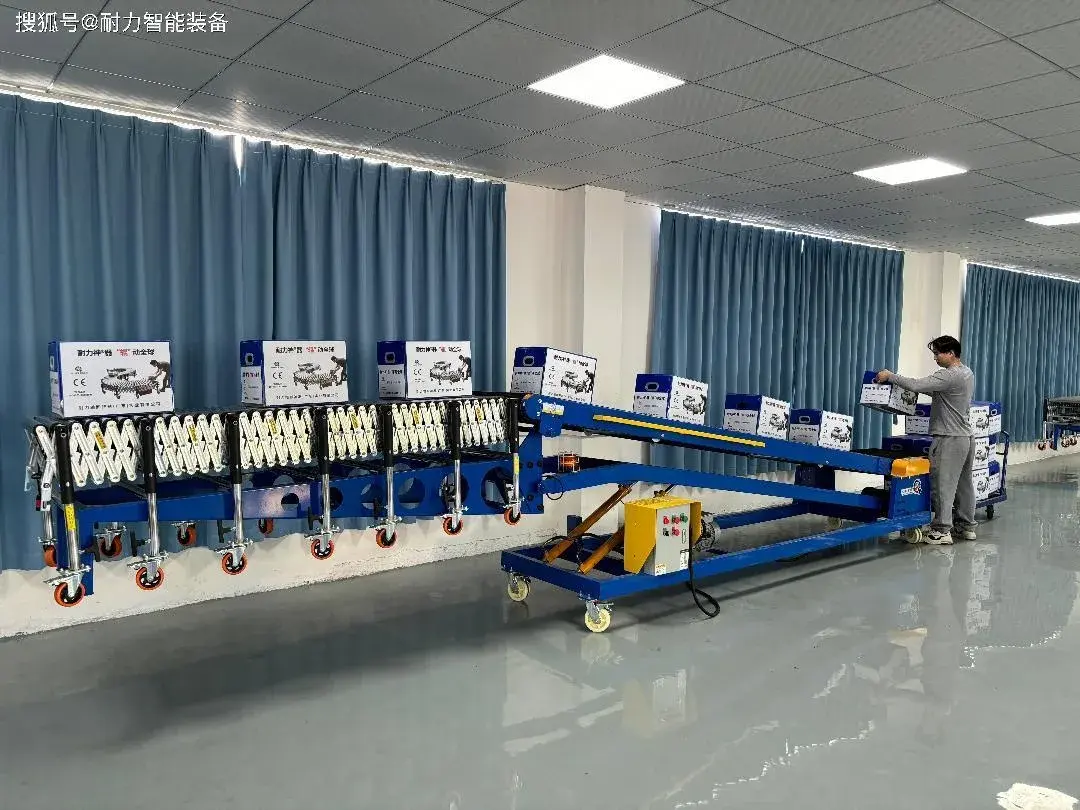
Unlike conventional equipment that is responsible only for transporting goods, this type of Belt Telescopic Conveyor places greater emphasis on integration with warehouse processes. It can work alongside existing order fulfillment, truck loading, and logistics shipping processes, incorporating what were previously separate manual loading and unloading tasks into a unified workflow.
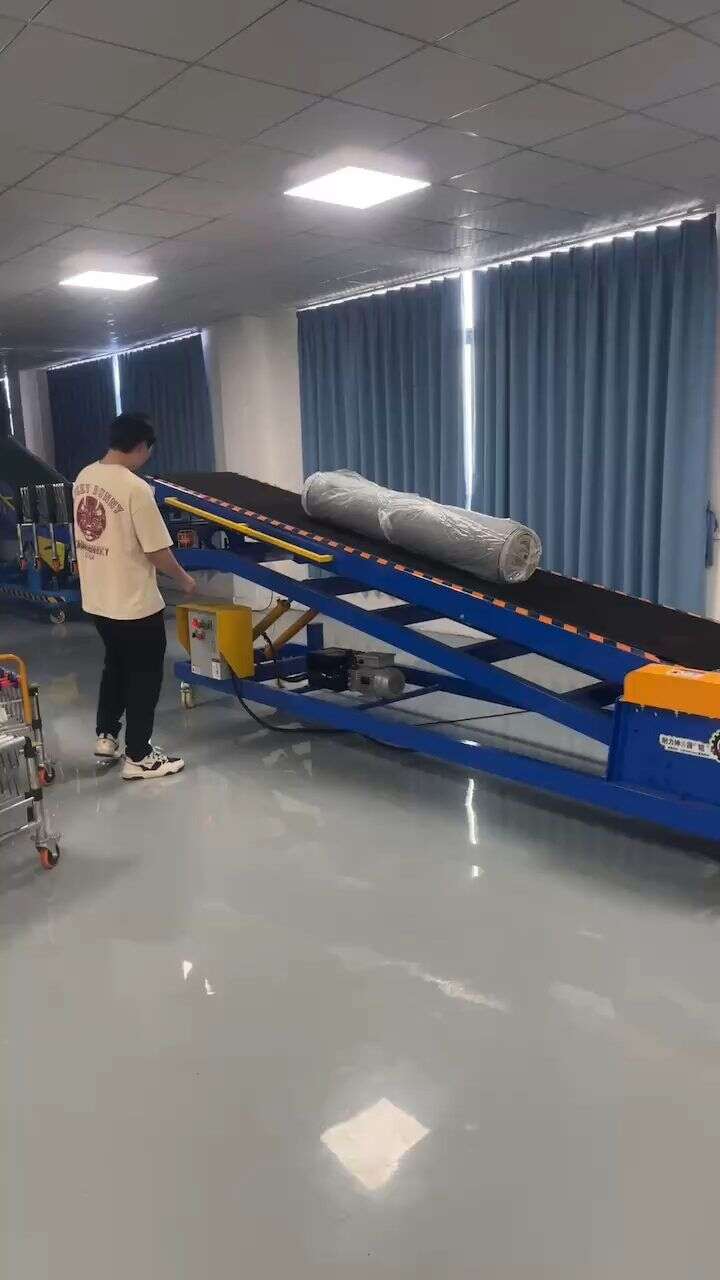
After goods are transported and loaded onto trucks using a Telescopic Conveyor, information such as operating time, transfer batches, and operating capacity can all be quantified and analyzed. This helps businesses extend data collection from the order level to the on-site operations level, creating a more complete management loop.
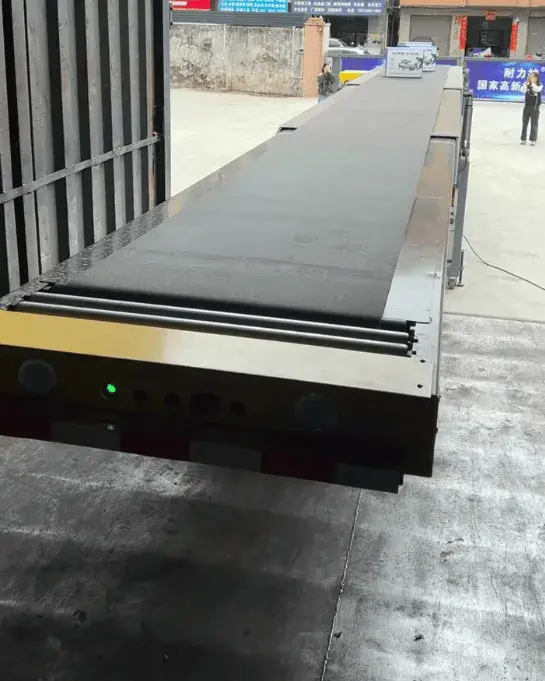
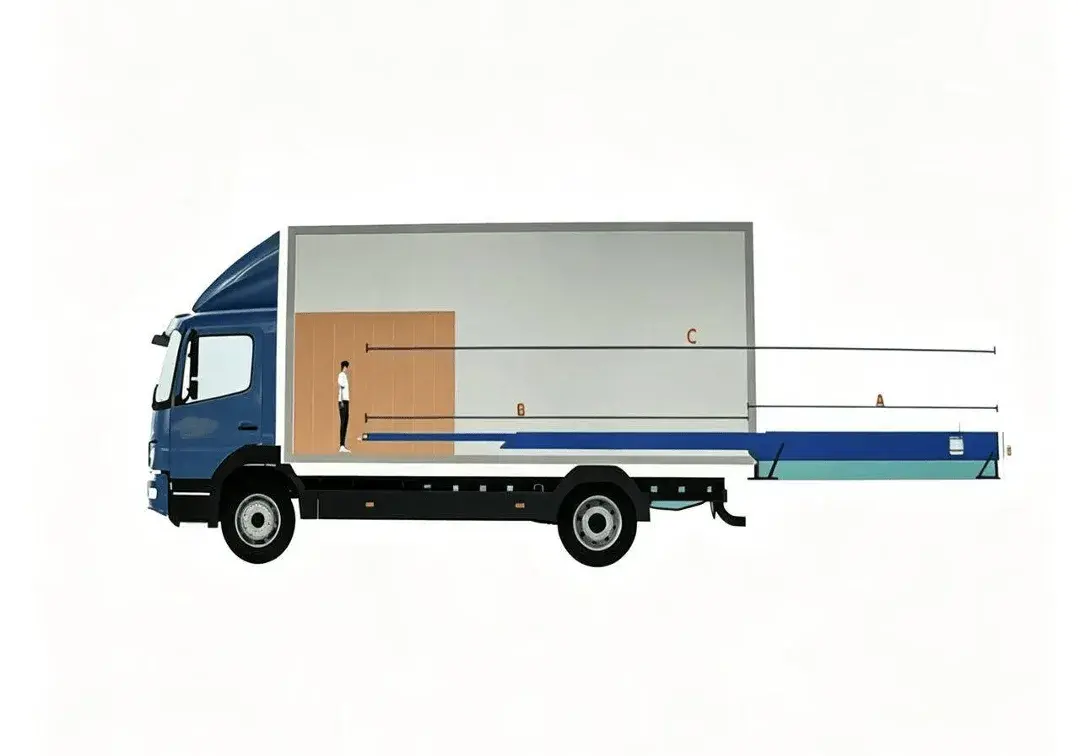
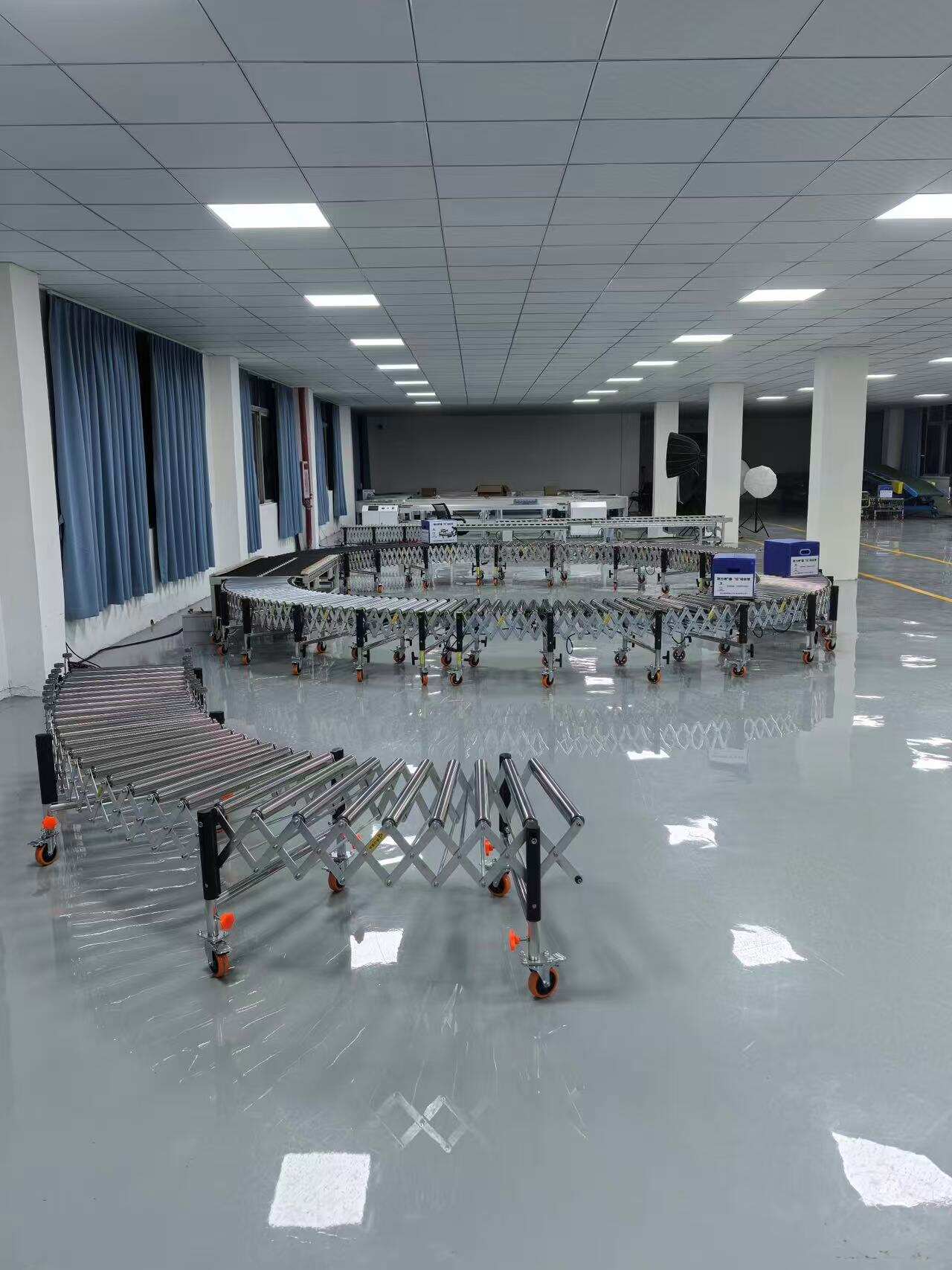
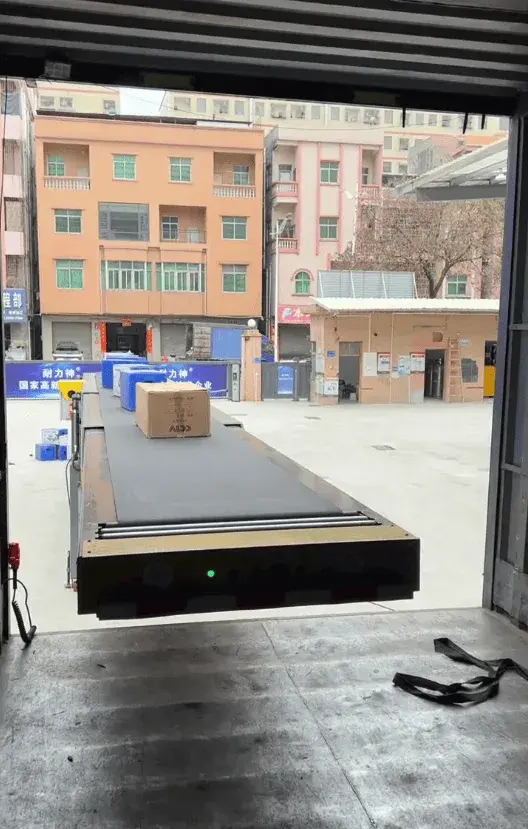
This type of equipment is also suitable for the complex operating conditions commonly found in small and medium-sized warehouses. It is mobile, height-adjustable, and freely extendable, allowing it to accommodate various vehicle types, including box trucks, containers, and high-sided trucks, without relying on a fixed site. Businesses do not need to invest heavily in infrastructure; once the equipment arrives on site, it can immediately enter operation, better meeting the need for upgrades characterized by small investments, rapid implementation, and iterative improvement.
From "Recording Data" to "Managing Operations"
The digitalization of many warehouses essentially remains at the data-recording level, while the actual operating processes are still completed manually, thereby limiting the potential for cost reduction and efficiency gains. The value of Belt Telescopic Conveyors lies precisely in driving warehouse digitalization from "recording data" to "managing operations.".
The first step is process standardization. By standardizing loading and unloading methods, businesses can reduce the variability of manual handling and truck loading, ensuring that the outbound processing, loading, and transfer of every batch of goods follow established standards. This also facilitates data tracking, thereby reducing problems such as incorrect shipments, missed shipments, and cargo damage.
Next comes capacity data management. Combined with operational statistics, the warehouse can more clearly calculate daily loading and unloading capacity, per-person operational efficiency, and vehicle turnaround times, providing a more reliable data foundation for production scheduling, personnel allocation, and logistics coordination.
Finally, investment remains controllable. Compared with fully automated loading and unloading equipment that can easily cost millions, a lightweight Telescopic Conveyor solution requires less investment and has a shorter payback period, while not limiting future upgrades. If the warehouse later expands, upgrades its systems, or adjusts its operating model, the equipment will still offer strong compatibility.
Adapting to Your Own Operating Conditions Is the Effective Upgrade Path for Small and Medium-Sized Warehouses
The focus of warehouse digitalization has never been to use the most advanced equipment or the most complex systems, but to ensure they truly fit the warehouse's operating conditions, address process shortcomings, and deliver tangible results on site.
Focusing on the actual needs of small and medium-sized warehouses, Naili Unloading Artifact (Guangdong) Industrial Co., Ltd. continues to specialize in manufacturing logistics equipment, using lightweight smart hardware to complete the "last meter" of warehouse digitalization. This approach is not about completing a one-time transformation, but about enabling businesses to progressively achieve a more stable and clearer smart warehousing upgrade within an affordable cost range.