Naili Conveyor
Why Has Express Loading and Unloading Become an Efficiency Bottleneck?
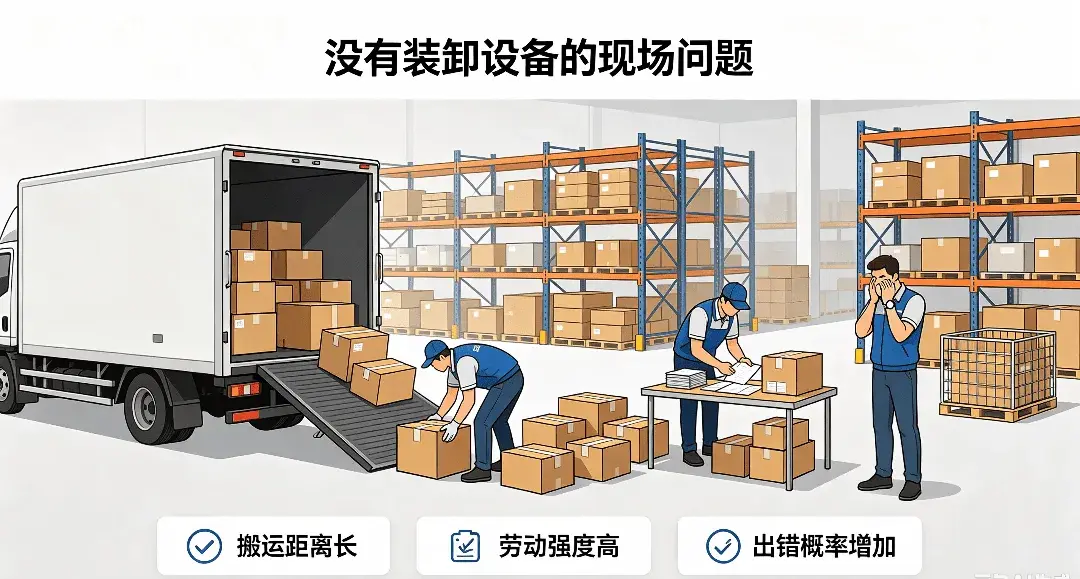
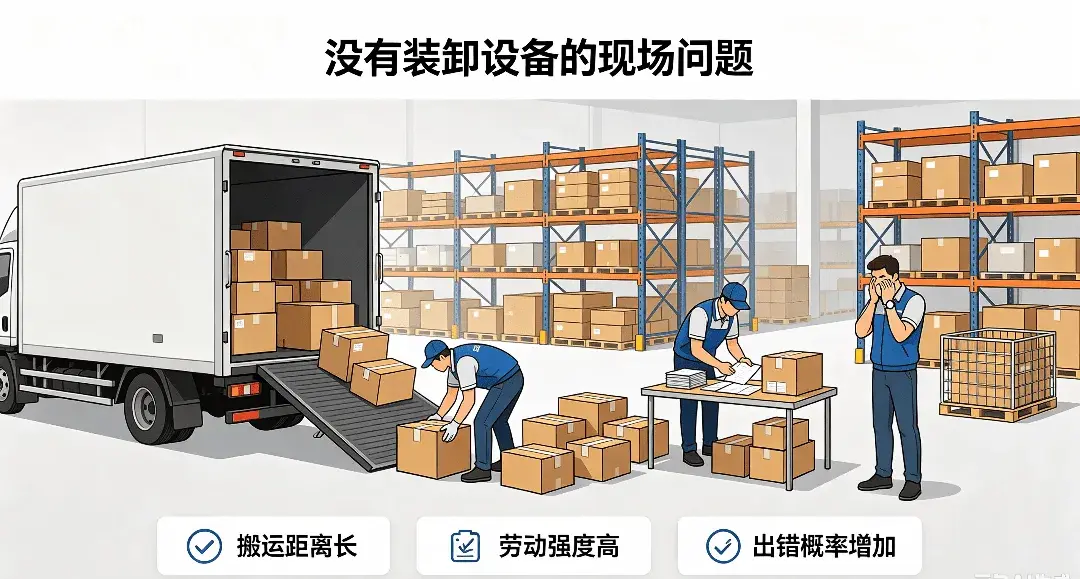
As express logistics volumes continue to grow and delivery windows become increasingly compressed, terminal loading and unloading has become a key factor restricting overall handling efficiency. At present, many domestic express distribution points, logistics warehouses, and e-commerce sorting centers still rely on traditional manual loading and unloading, often facing problems such as low efficiency, high labor costs, and relatively high rates of cargo damage.
Manual handling requires a large workforce, while loading and unloading speeds are limited and operations take a long time. During e-commerce promotional campaigns or order peaks, goods can easily pile up, vehicles can be delayed, and sorting can become congested, further slowing the pace of logistics turnover. At the same time, prolonged high-intensity work creates practical pressures such as difficulty recruiting workers, high employee turnover, and management challenges, making traditional methods increasingly unable to adapt to the operating pace of modern express logistics.
How Do Telescopic Roller Conveyors and Telescopic Belt Conveyors Improve Loading and Unloading Operations?
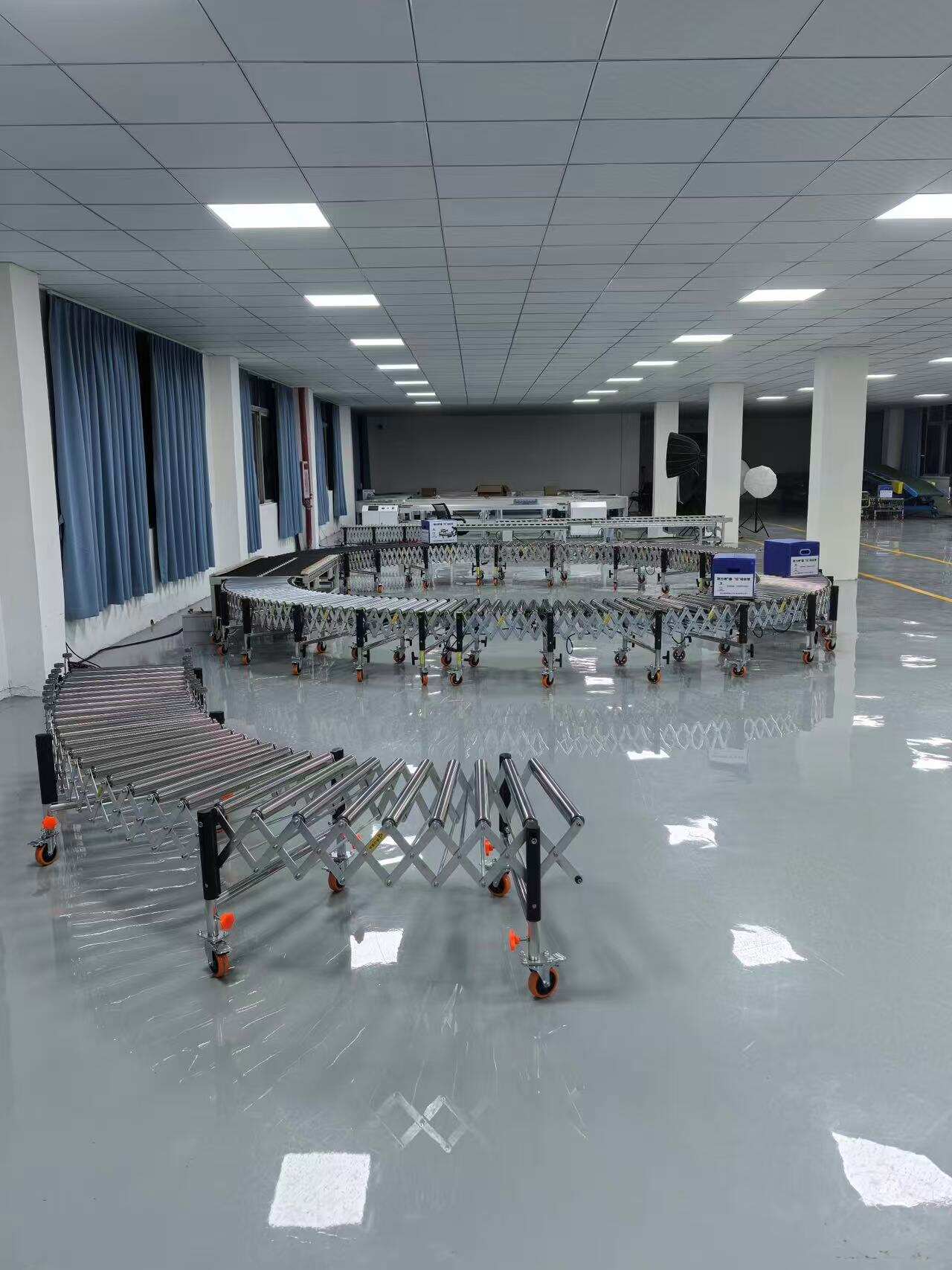
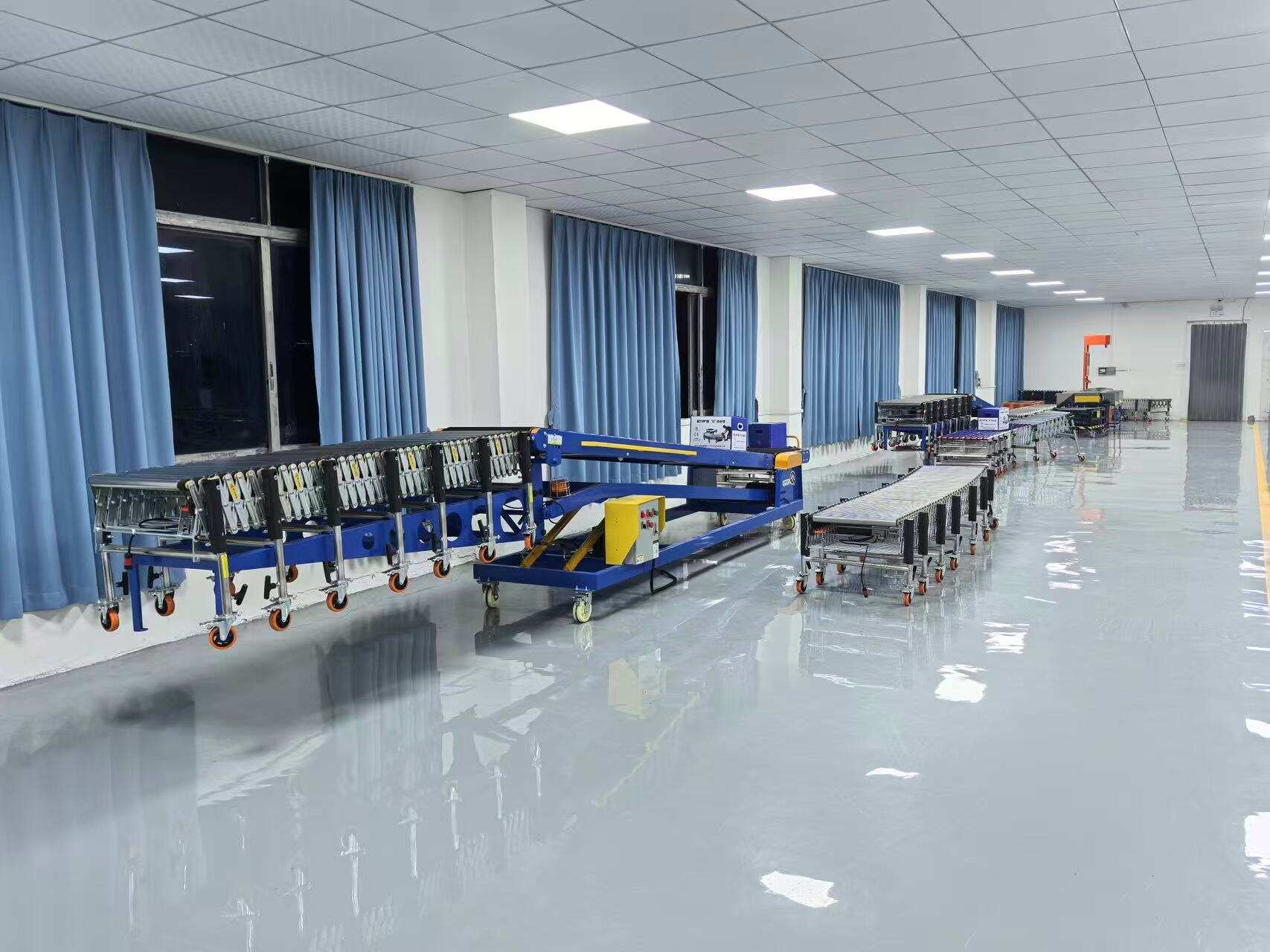
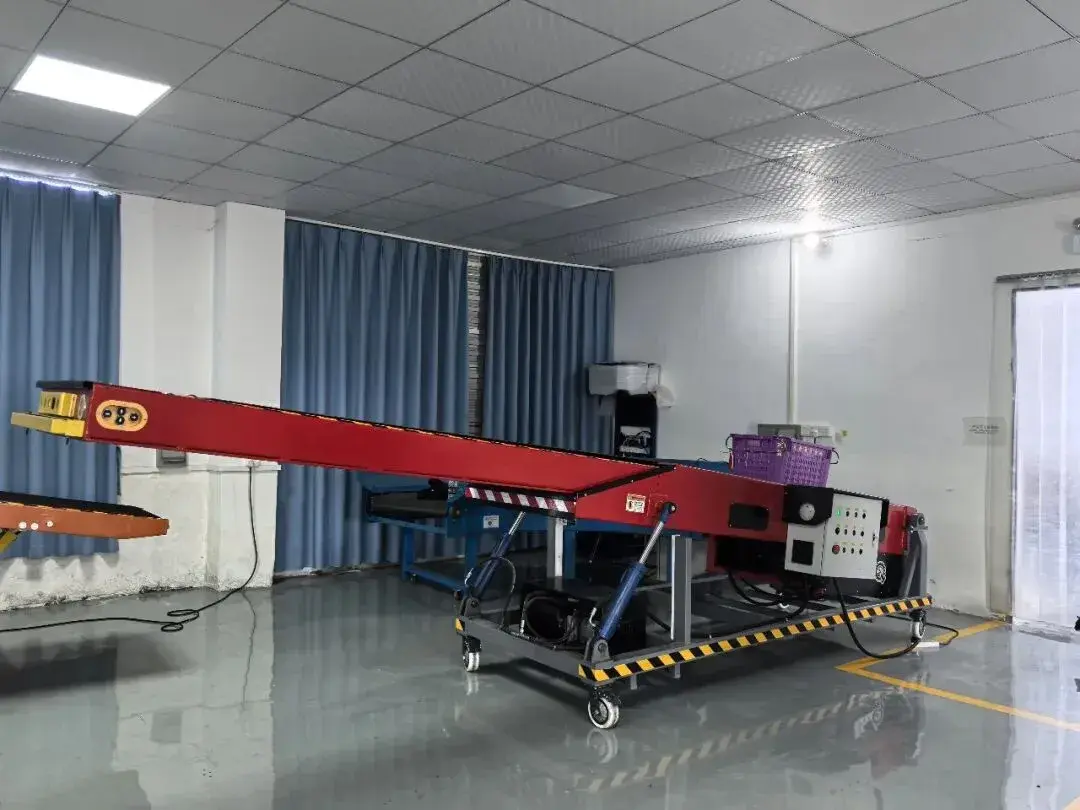
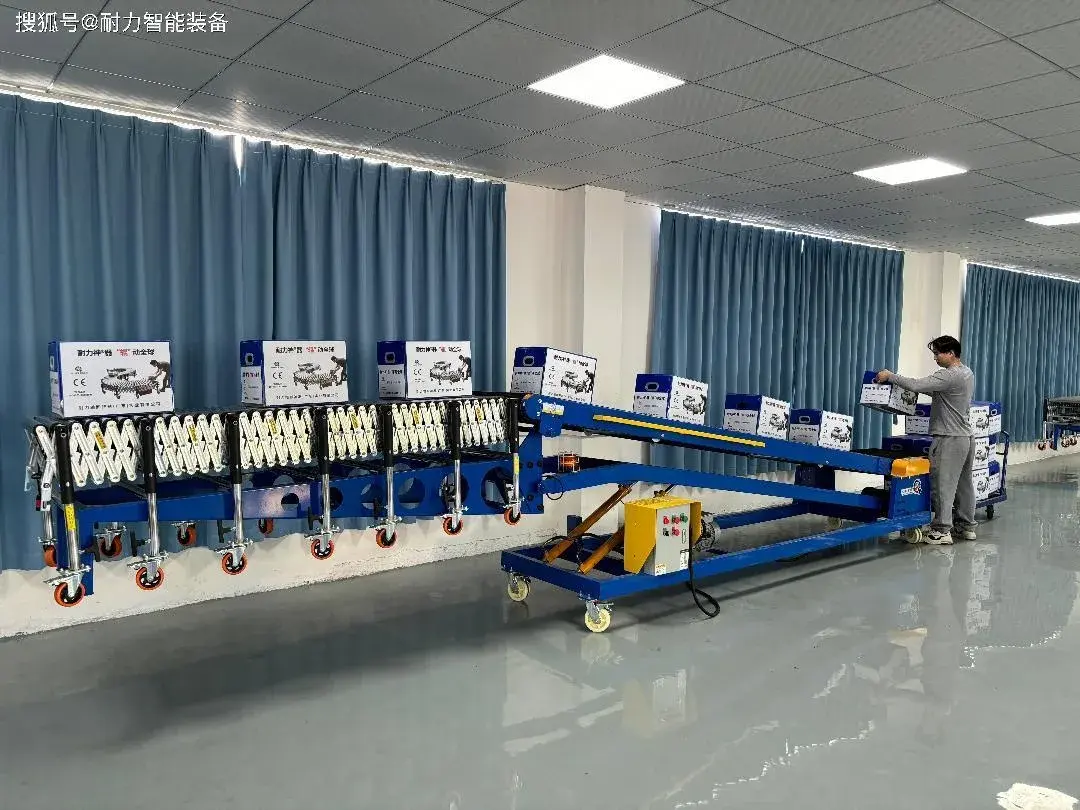
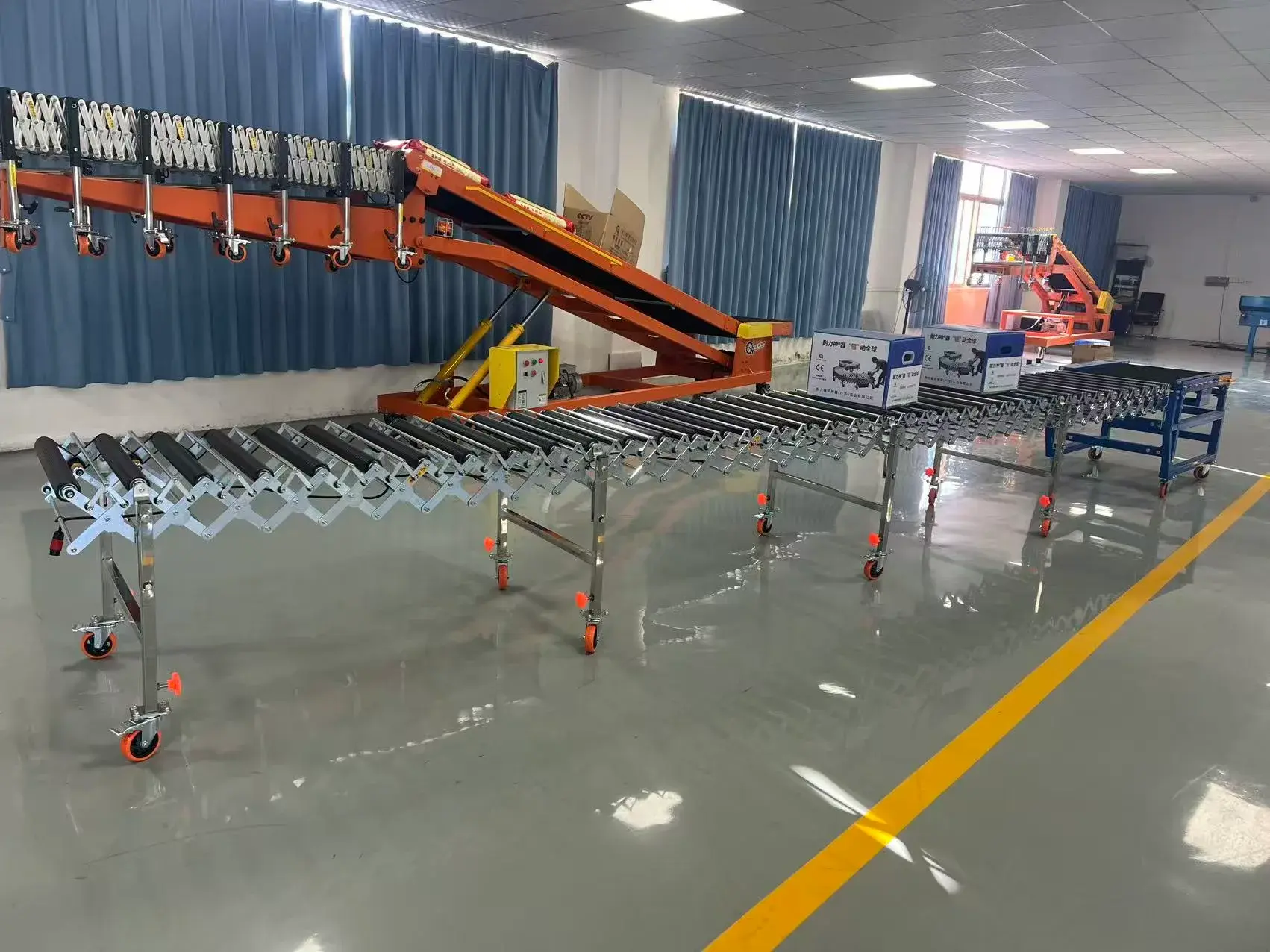
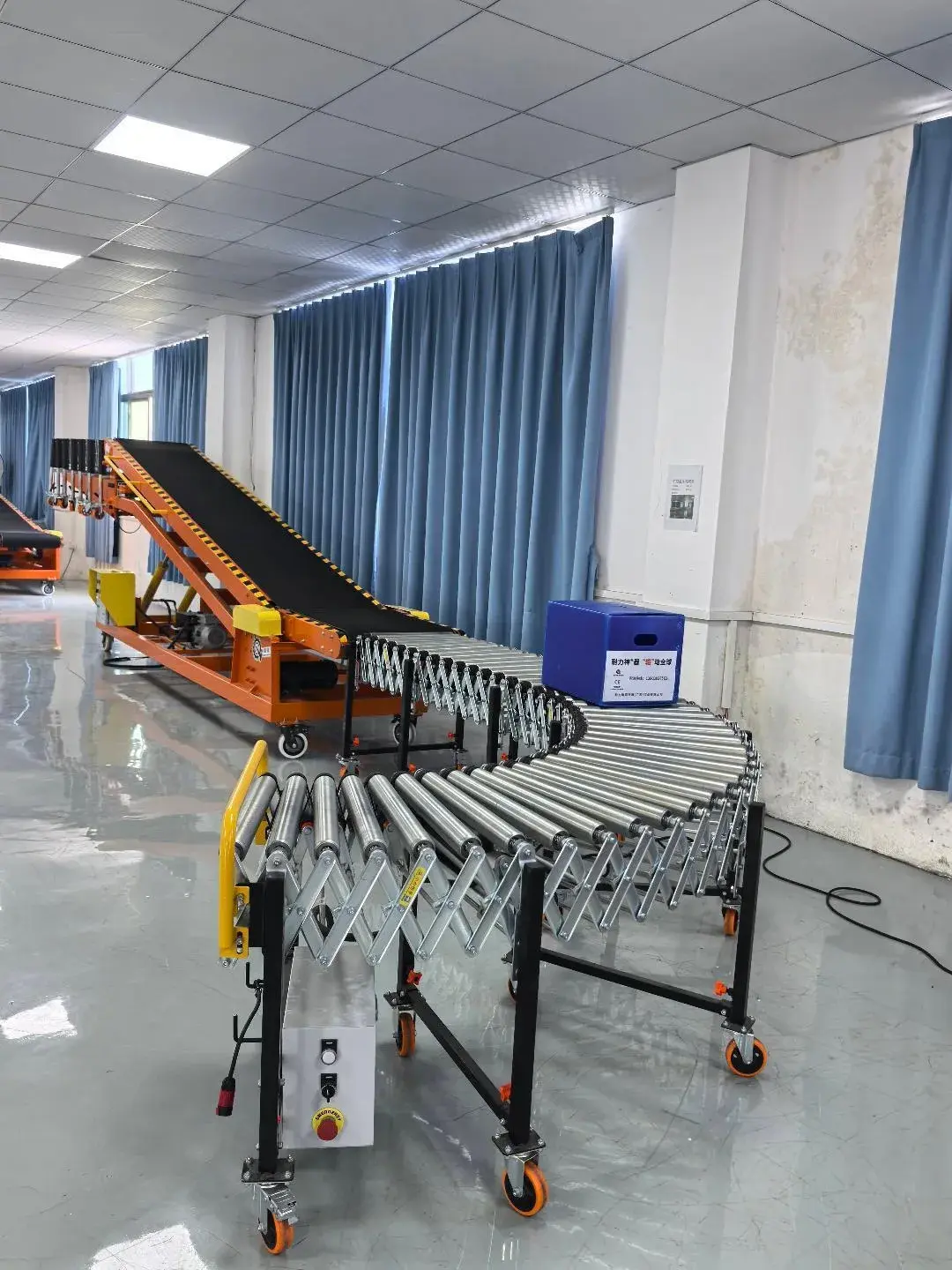
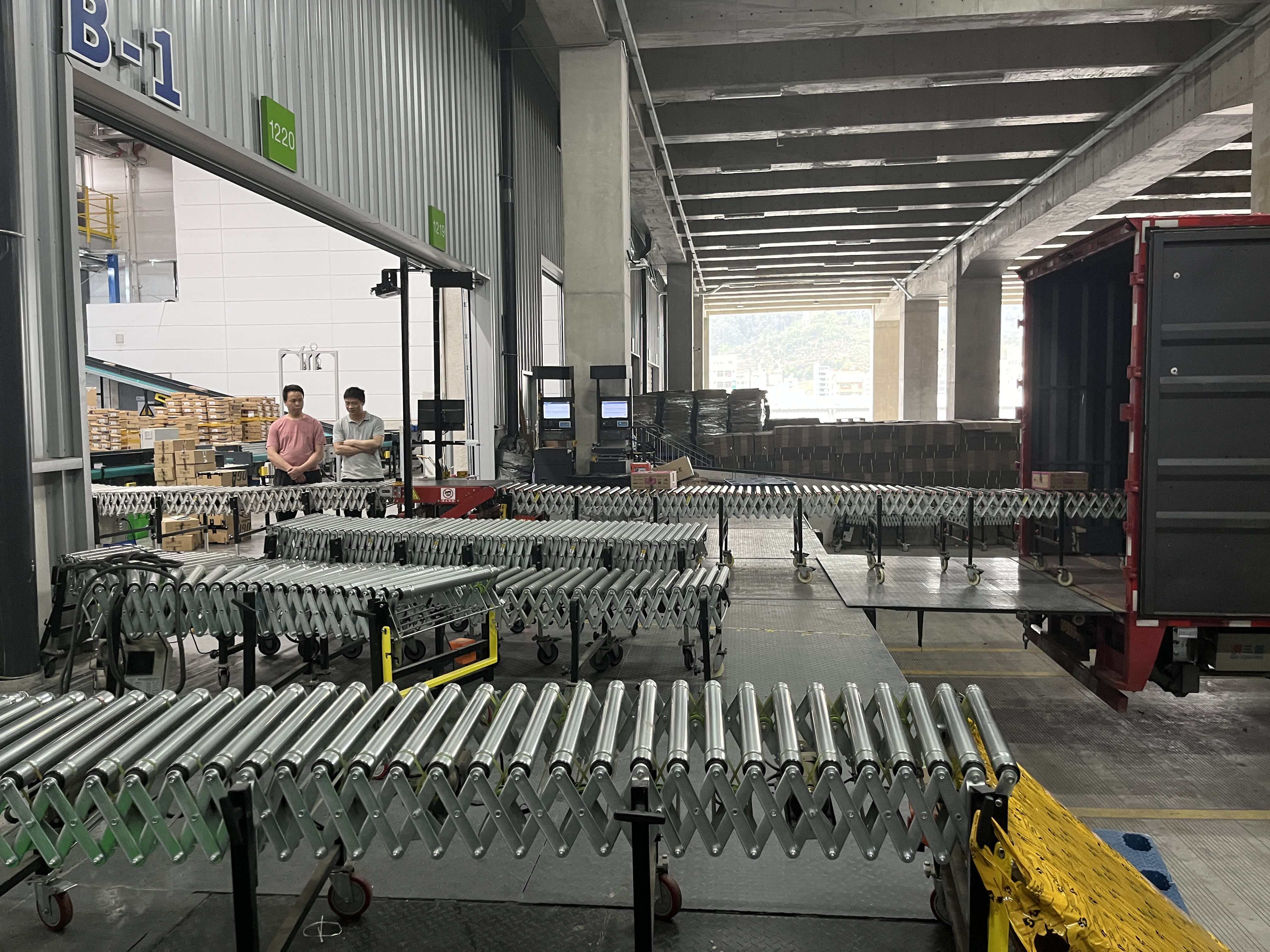
To address these issues, Naili Unloading Artifact (Guangdong) Industrial Co., Ltd. focuses on terminal loading and unloading scenarios and develops solutions aroundTelescopic Roller ConveyorandTelescopic Belt ConveyorThese two types of flexible equipment are suitable for full-truck loading and unloading and batch sorting operations in express delivery, logistics, and e-commerce warehouses. The goal is to address common pain points such as slow loading and unloading, high labor costs, high damage rates, and poor adaptability.
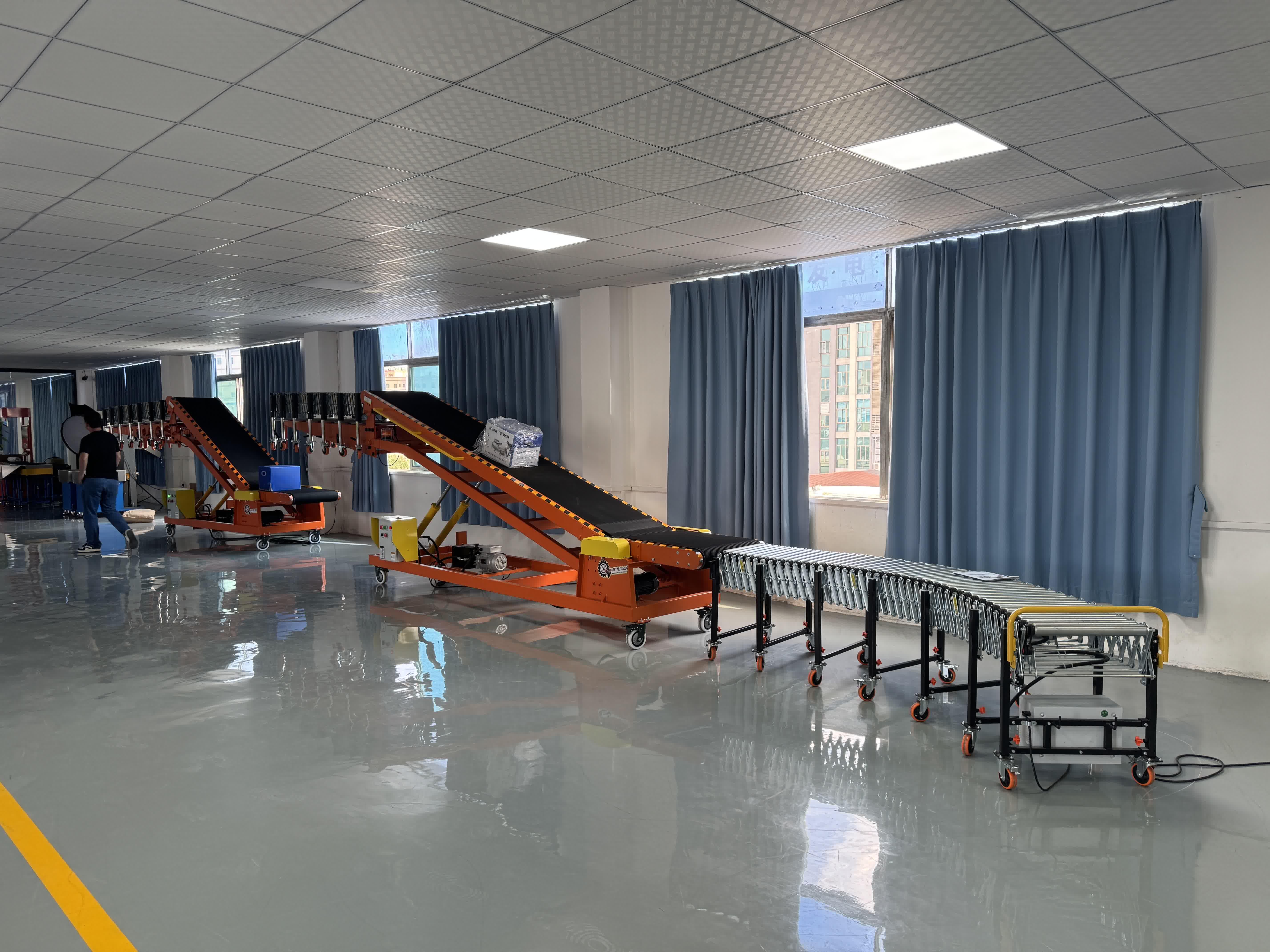
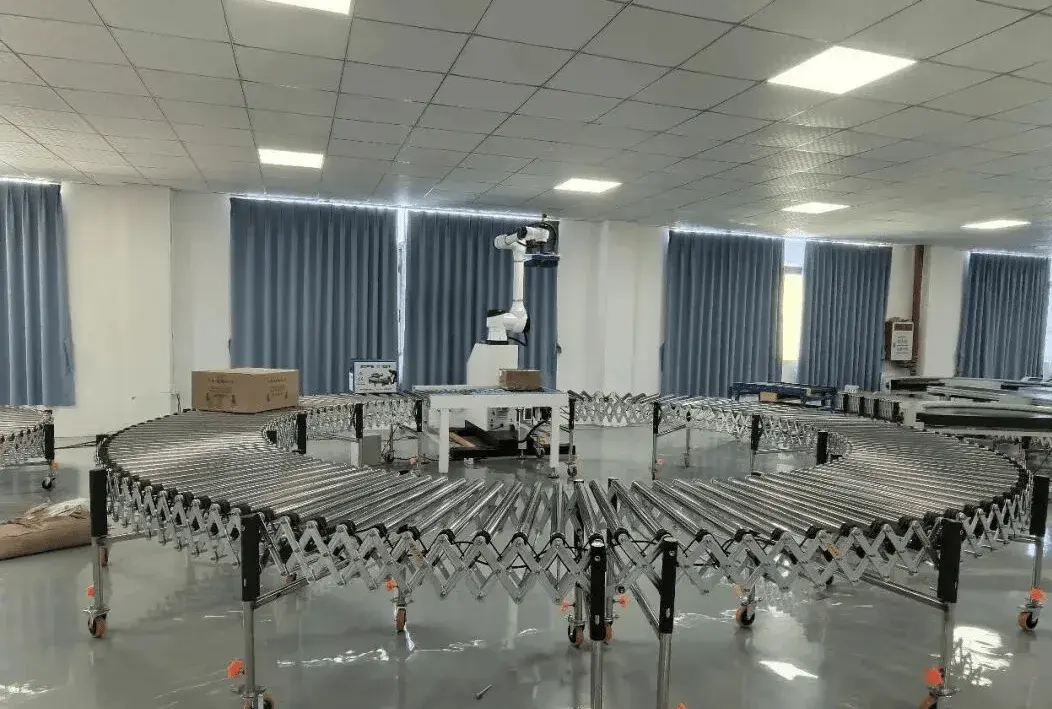
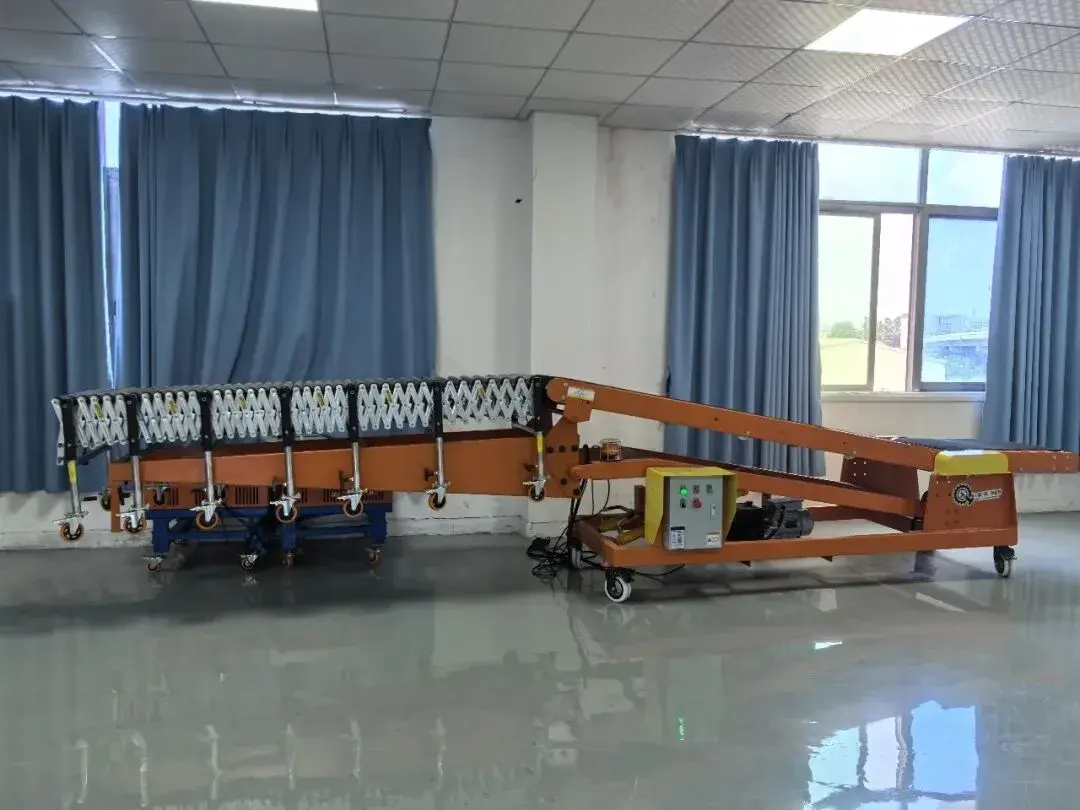
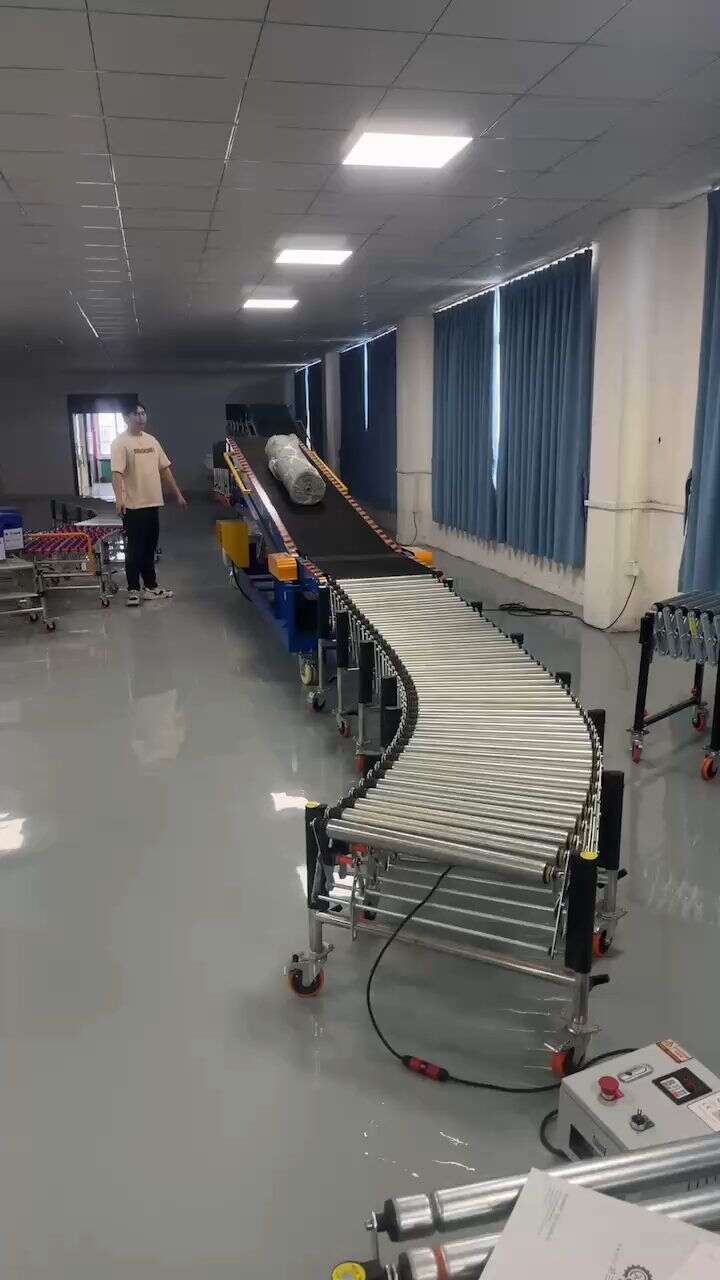
Traditional fixed conveyors cannot move or extend. When dealing with trucks of different lengths and irregular loading and unloading sites, they offer limited adaptability, and equipment utilization can also be restricted. By comparison,Multifunctional Powered Roller Conveyor Extension LineandLoading and Unloading Powered Roller Conveyorcan be freely adjusted in length, with flexible adjustment of the operating incline and height. They can extend directly into trucks or containers to create a conveying path, reducing inefficient back-and-forth manual handling.
In full-truck loading and unloading scenarios, this type of equipment can help one person assist with loading and unloading large quantities of goods, thereby shortening full-truck loading and unloading times and alleviating vehicle delays and cargo accumulation.
From Reducing Damage to Expanding Capacity, More Flexible Loading and Unloading
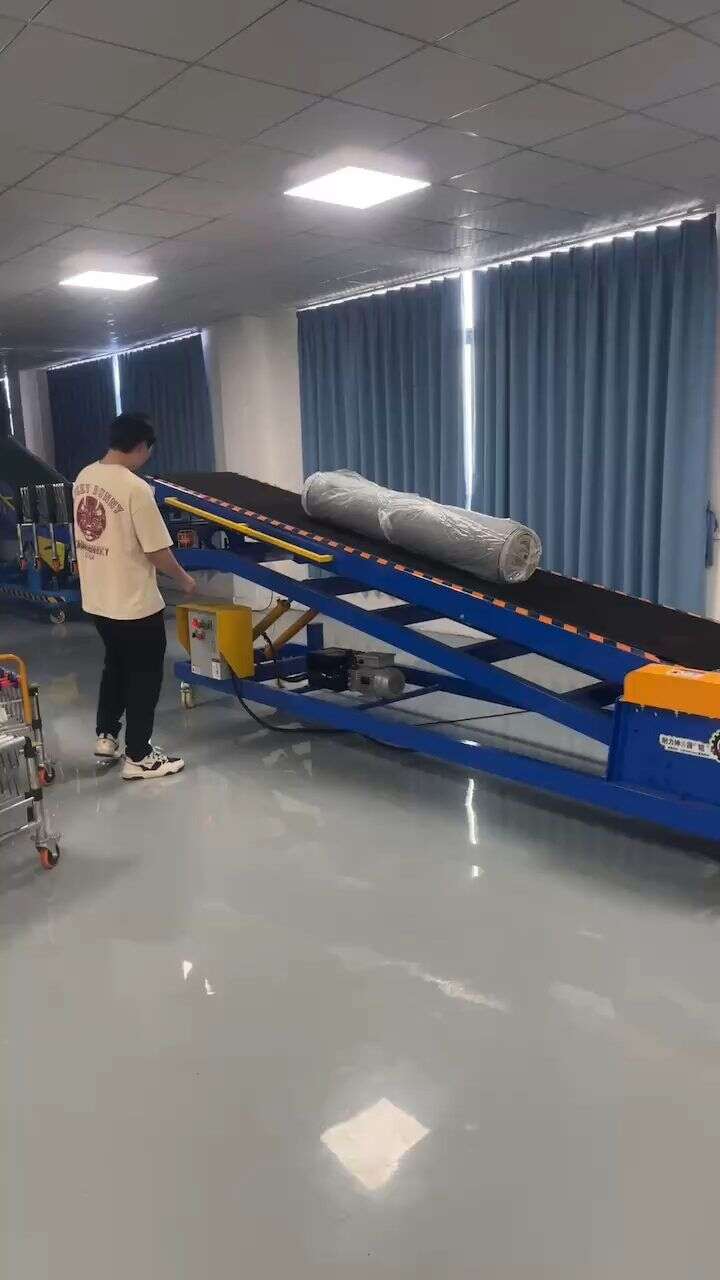
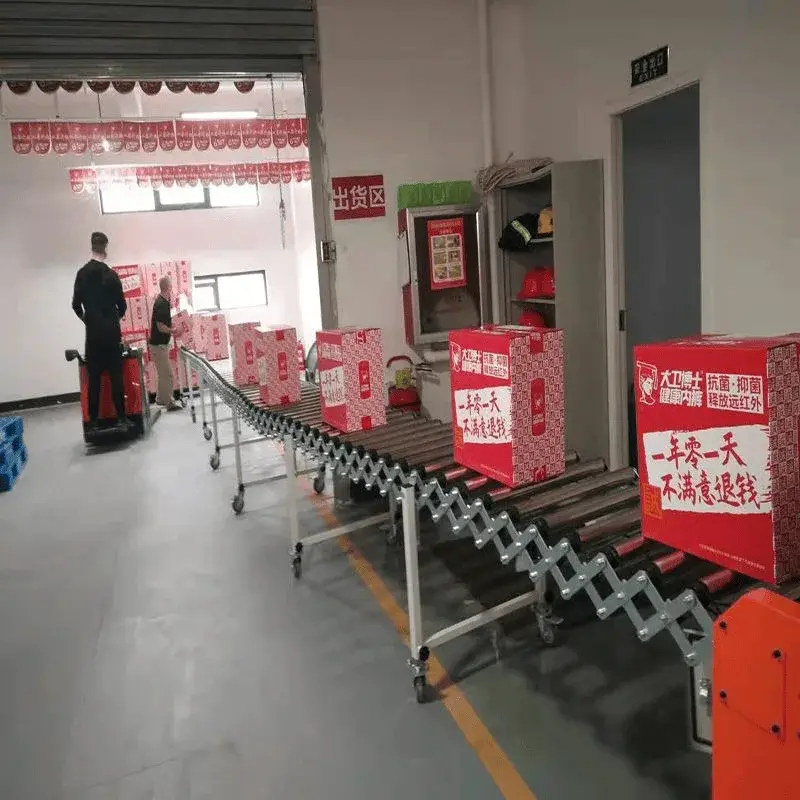
For express parcels, bagged materials, and fragile light industrial goods, impacts, compression, and handling blind spots can easily occur during manual handling.Telescopic Belt ConveyorandLoading and Unloading Belt Conveyorextend deep into the innermost part of the vehicle compartment, covering as much of the interior loading and unloading area as possible and reducing situations where workers cannot reach or fully handle the goods.
At the same time, the equipment is equipped with dedicated cushioning and protective structures, which help reduce impacts, compression, and abrasion during conveying. This in turn lowers cargo damage compensation costs, allowing operational efficiency and cargo integrity to be maintained together.
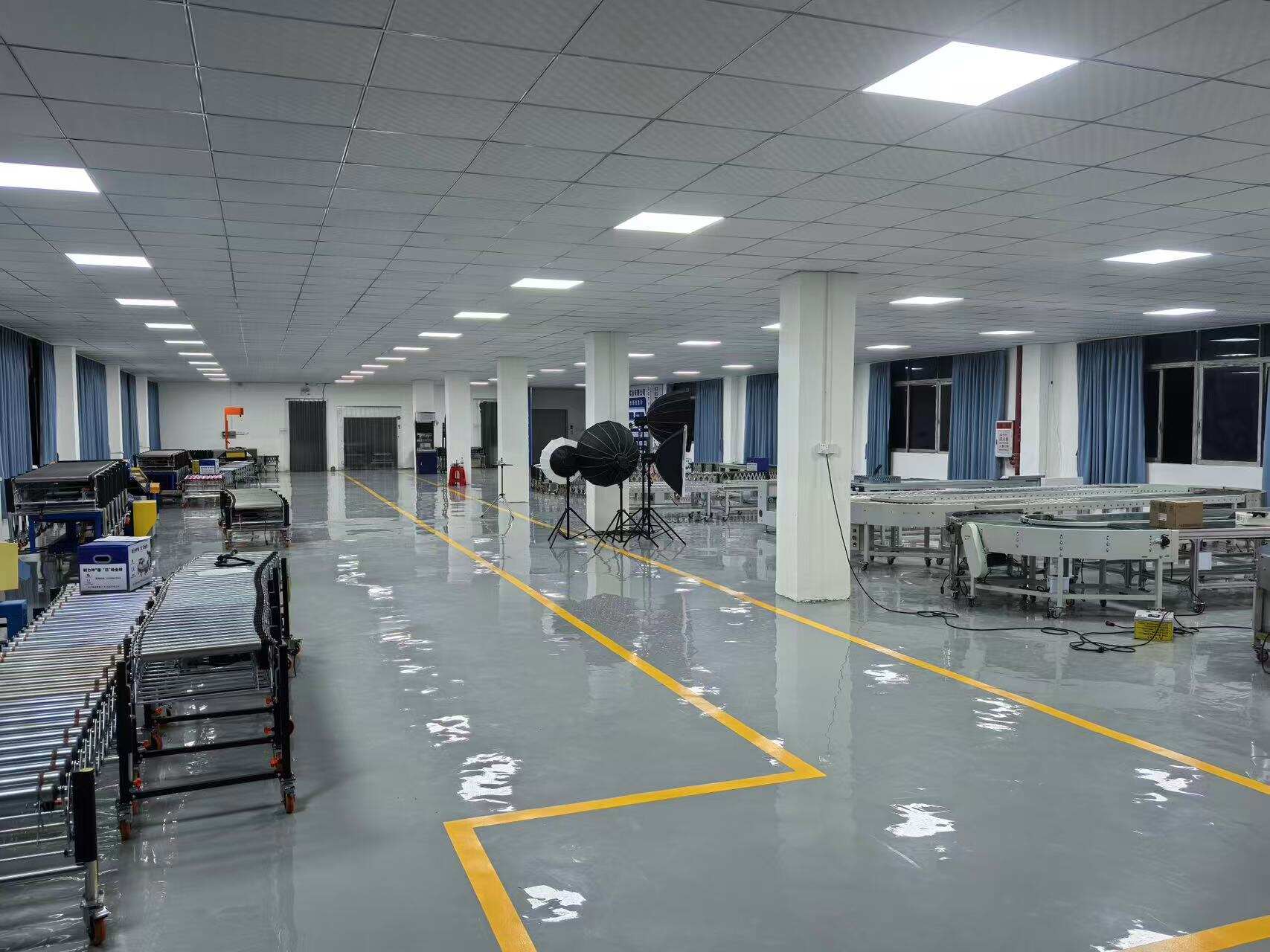
Beyond loading and unloading,Telescopic Production Line,Mobile Telescopic ConveyorandPowered Roller Conveyor Production Linecan also form a supporting loading, unloading, and sorting system that adapts to seasonal fluctuations in express delivery business. During order peaks, a temporary loading, unloading, and sorting link can be quickly set up to increase processing capacity. During off-peak periods, the equipment can be retracted for storage and moved flexibly without occupying excessive warehouse space.
Approaches to Flexible Conveying Upgrades for Express Logistics
As a source manufacturer, Naili Unloading Artifact (Guangdong) Industrial Co., Ltd. emphasizes an equipment concept that requires no complex site modifications and is ready for immediate use. By replacing traditional manual handling with flexible conveying equipment, it helps companies reduce labor input during loading and unloading, improve turnover efficiency, and minimize the risk of cargo damage. For express delivery and logistics companies seeking to upgrade their loading and unloading operations, this type of equipment is more closely aligned with actual operational needs and is better suited to high-frequency, variable, and space-constrained environments.