After digital upgrading inside the warehouse, loading and unloading remain the bottleneck
As the refinement and intelligent upgrading of the warehousing and logistics industry continues to deepen in 2026, more and more companies have already completed the digital construction of in-warehouse sorting, storage, and inbound/outbound systems. The widespread use of smart shelving, sorting systems, and WMS management software has indeed significantly improved the internal circulation efficiency of warehouses.
But in actual operations, many factories, e-commerce cloud warehouses, and third-party logistics companies are still stuck at the same point: the more complete the warehouse automation becomes, the more obvious the manual shortcomings at the final loading and unloading stage become. Traditional manual loading and unloading is inefficient, difficult to staff, high in cargo damage, and poor in safety, and it can no longer keep up with the outbound pace of modern warehouses, becoming a key issue that restricts the release of overall capacity.
Powered rollers and telescopic conveyor lines are suitable for batch loading and unloading of full cartons
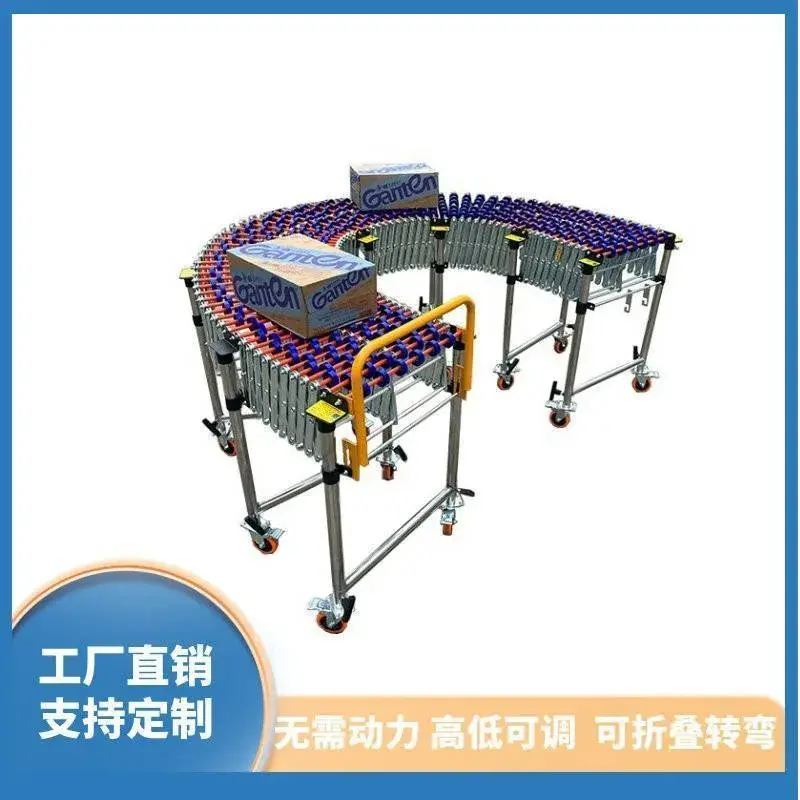
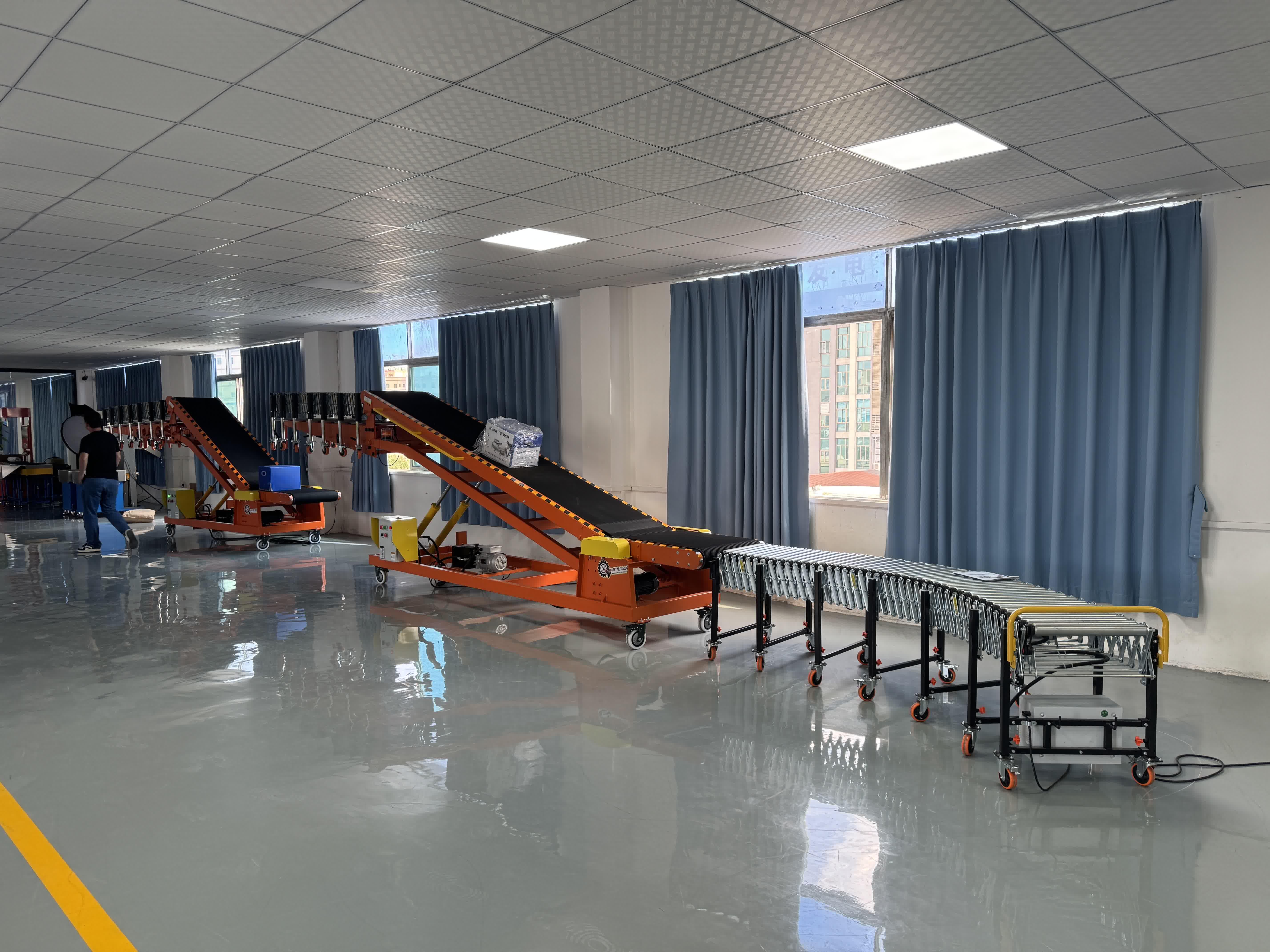
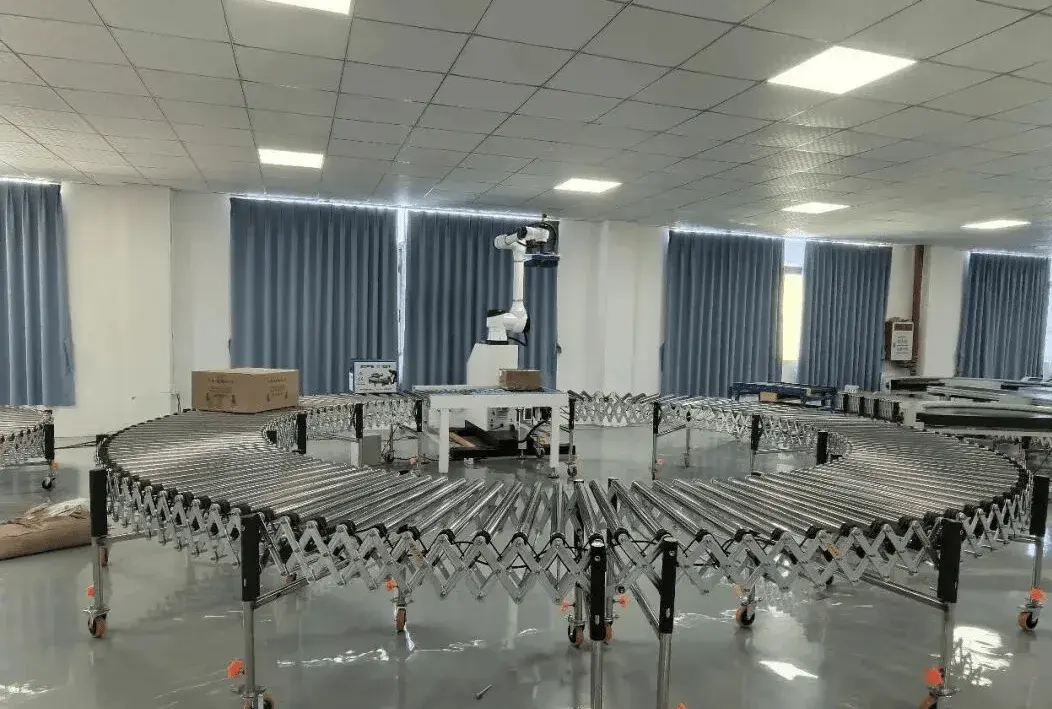
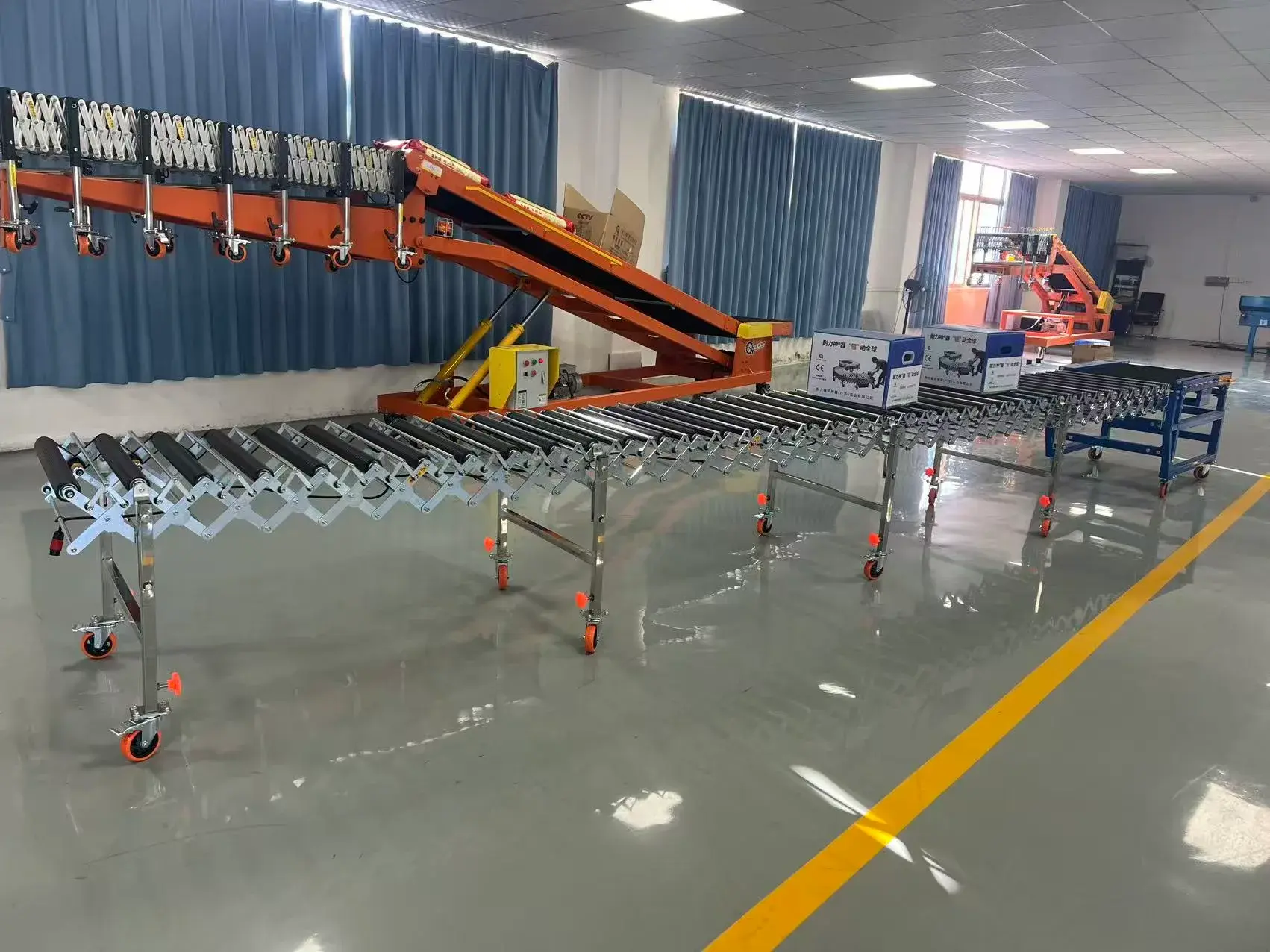
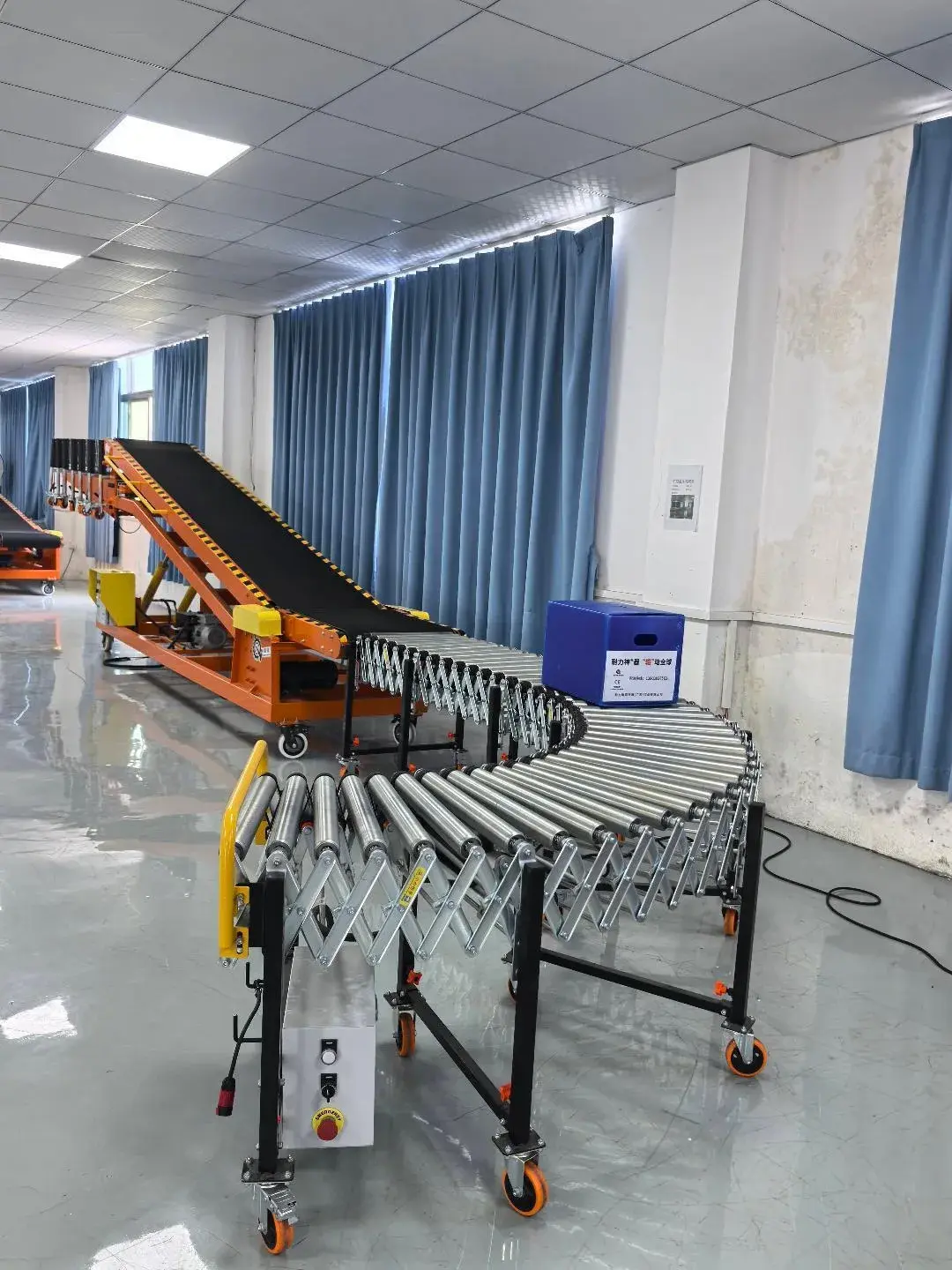
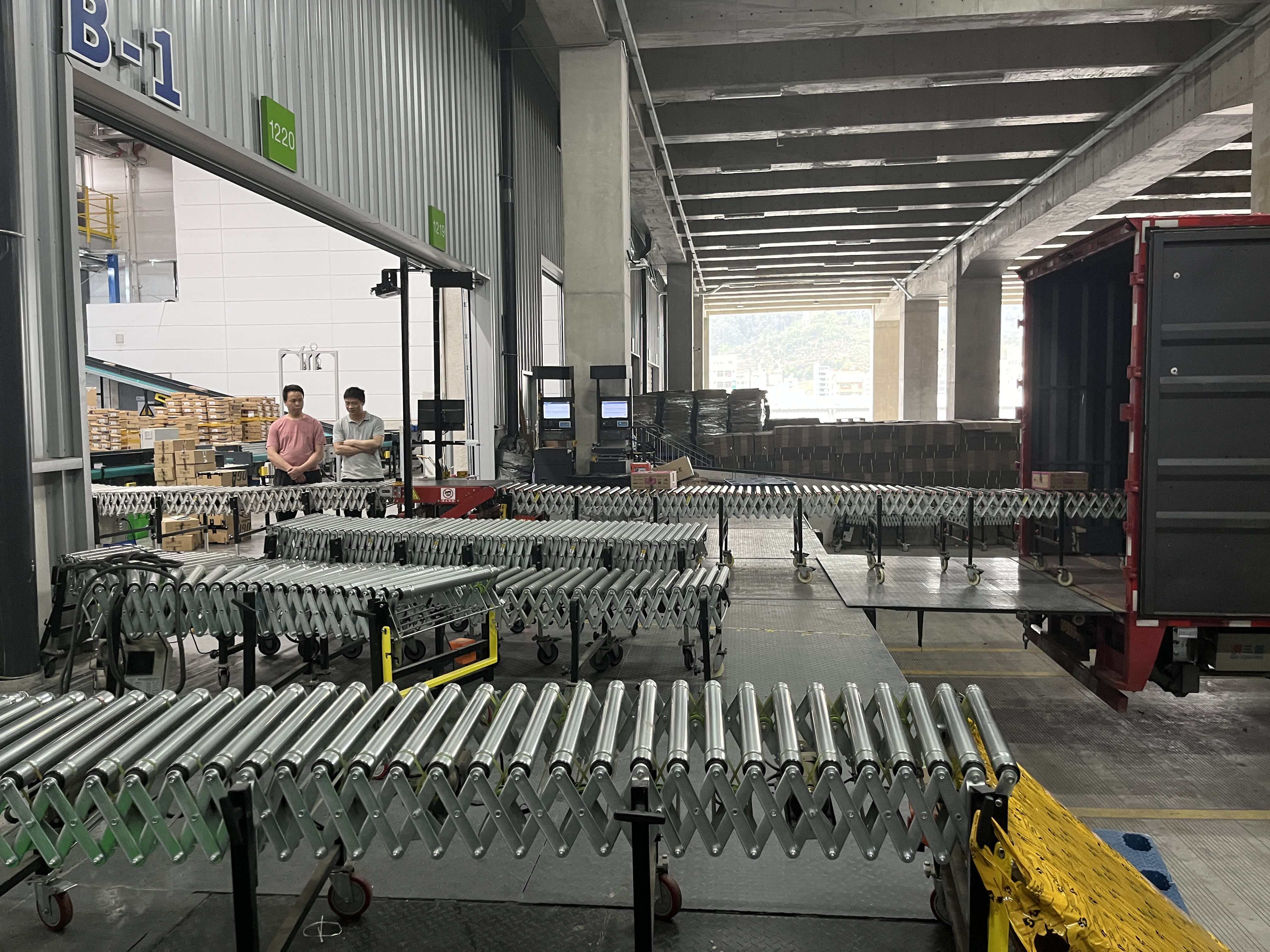
As the core equipment for batch loading and unloading of full-case goods, rubber-covered powered roller telescopic lines, stainless steel telescopic roller lines, O-belt powered roller lines, multi-wedge belt telescopic roller conveyors, and other powered roller series equipment can cover a variety of industrial warehousing scenarios.
Among them, rubber-covered roller models have the characteristics of anti-slip, cushioning, and noise reduction. They are suitable for regular loading and unloading operations connected to warehouse docks, and can reduce scratches and bumps on cartons and finished boxes during conveying, lowering the damage rate of goods. Stainless steel roller structures are more robust, corrosion-resistant, and easy to clean, making them suitable for complex environments such as humid, dusty, and cold chain settings.
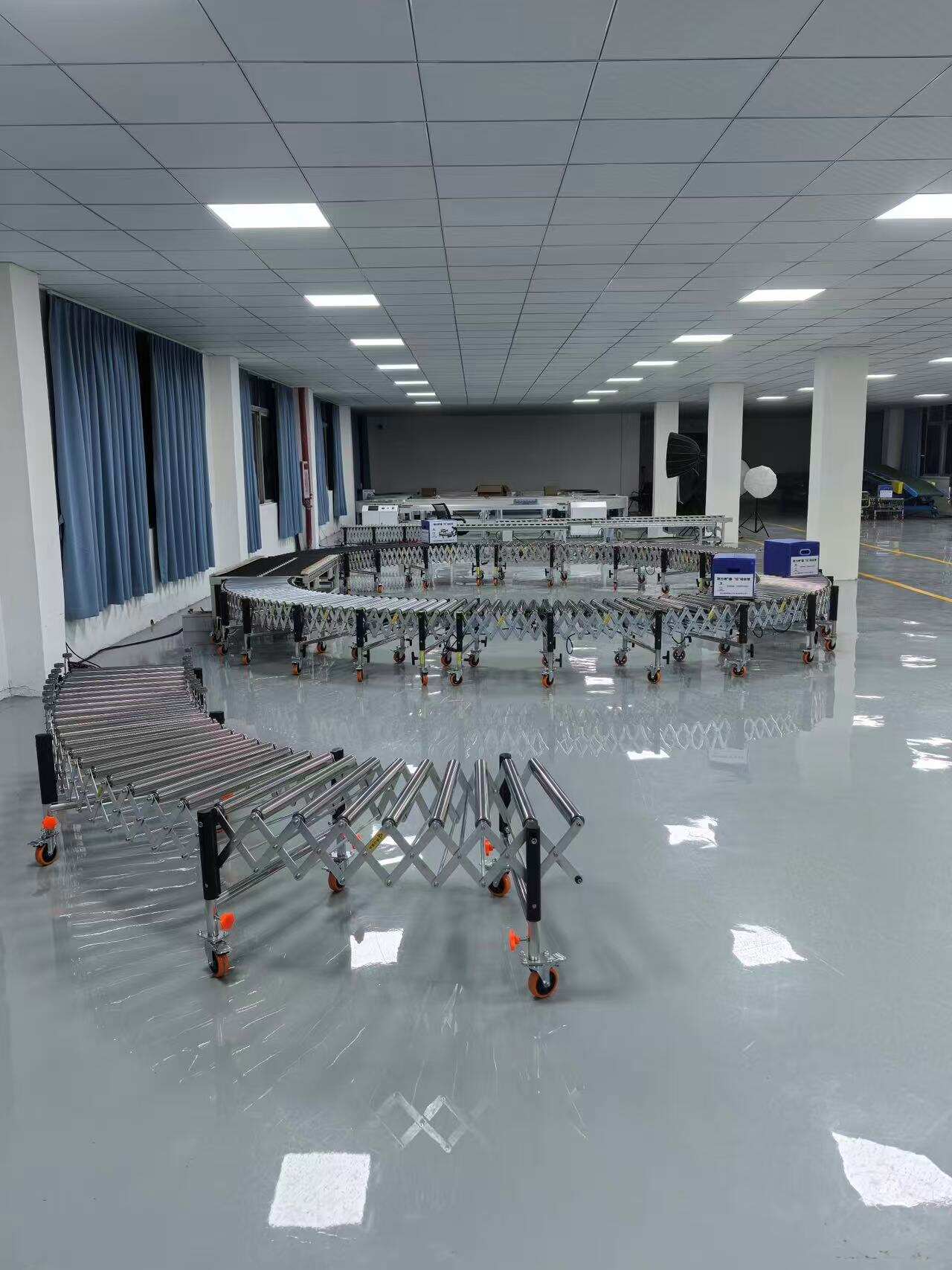
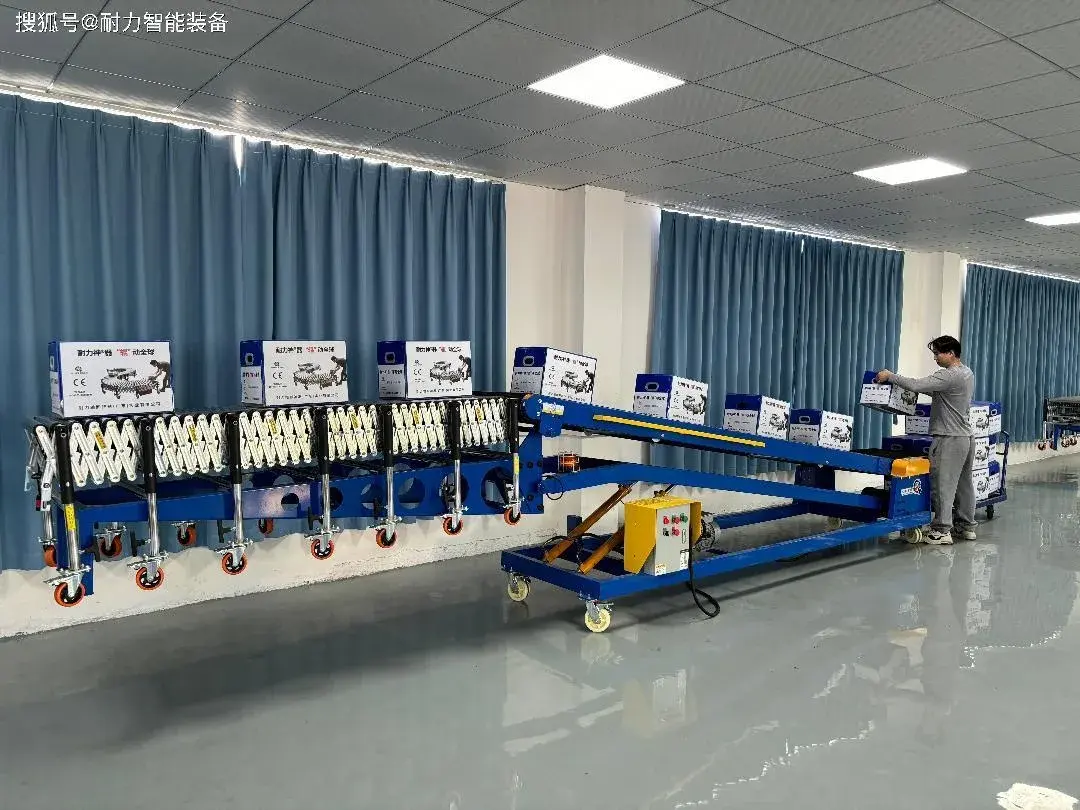
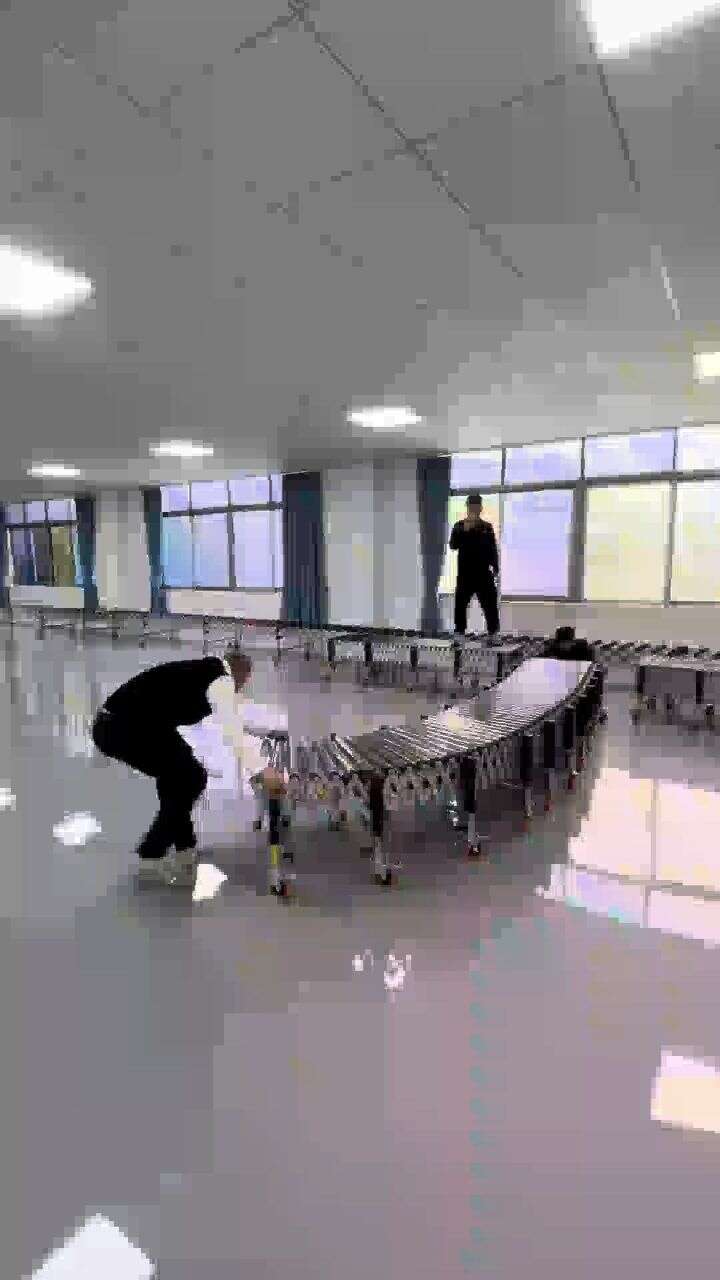
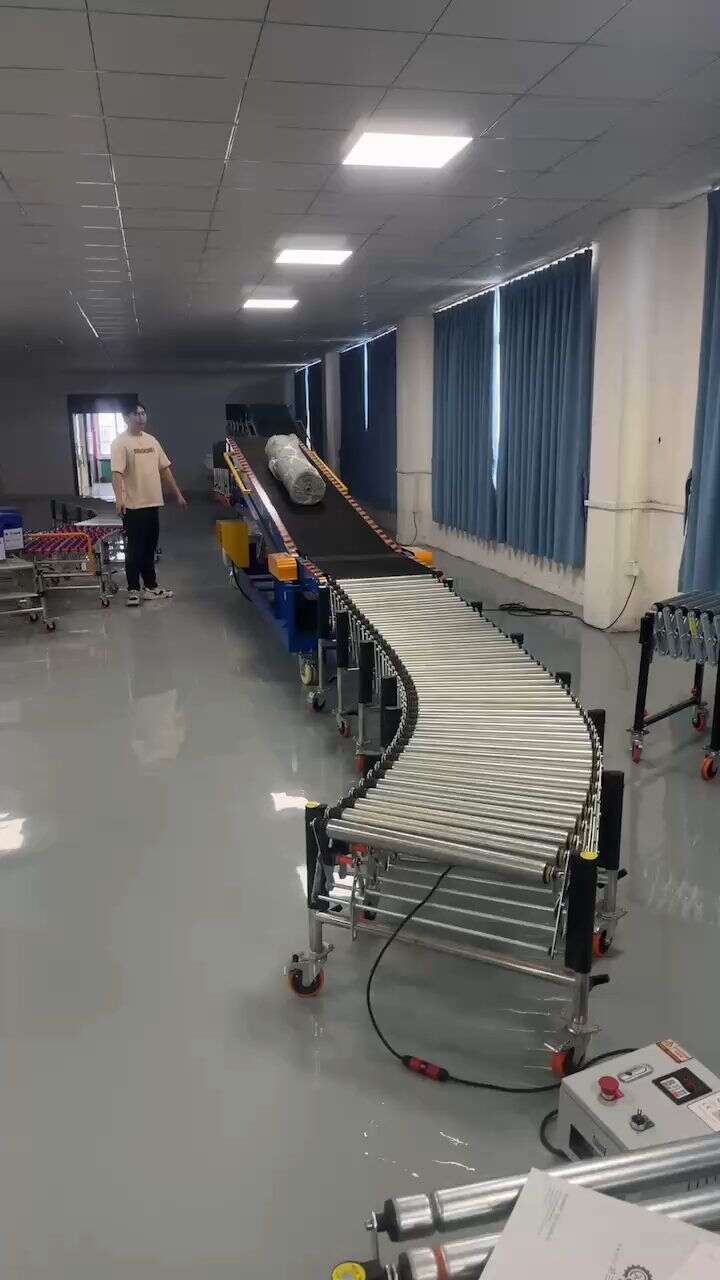
This type of equipment generally adopts a retractable crossed-arm structure, supporting free extension and flexible steering. With mobile casters, it can quickly switch loading and unloading points. The working end can also extend directly into the depth of the truck compartment, reducing manual back-and-forth handling, easing labor intensity, and improving loading efficiency.
For height difference issues, hydraulic lifting equipment can make up the gap
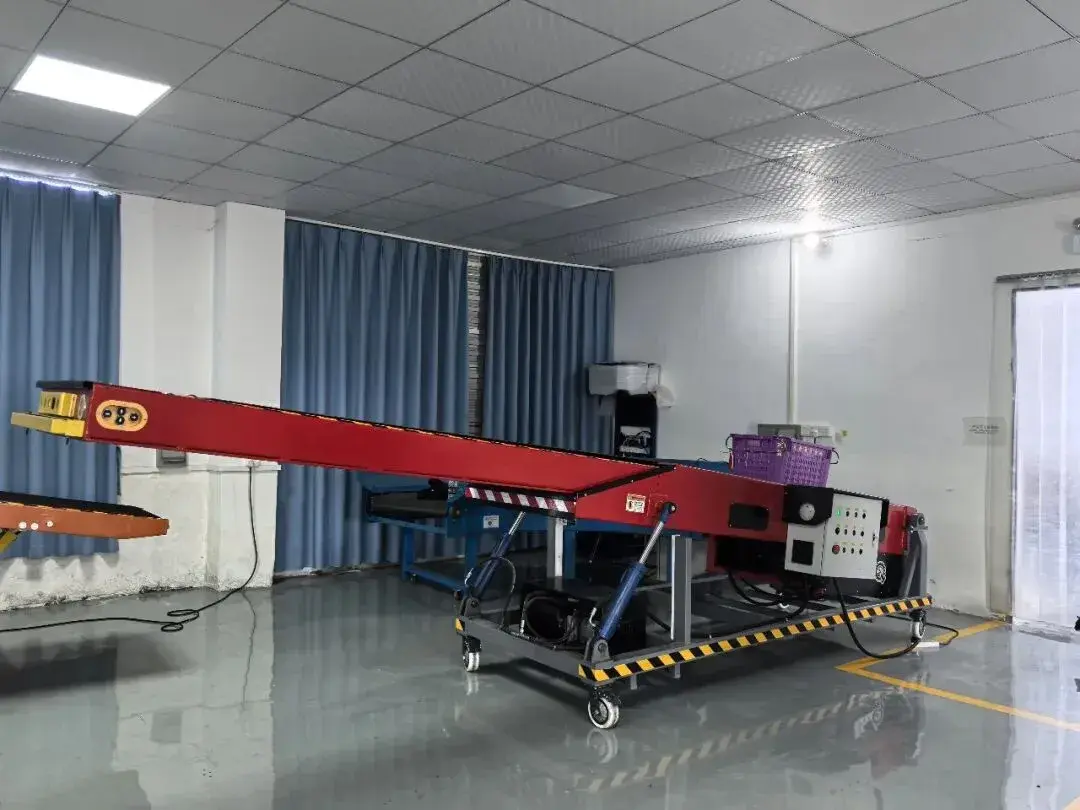
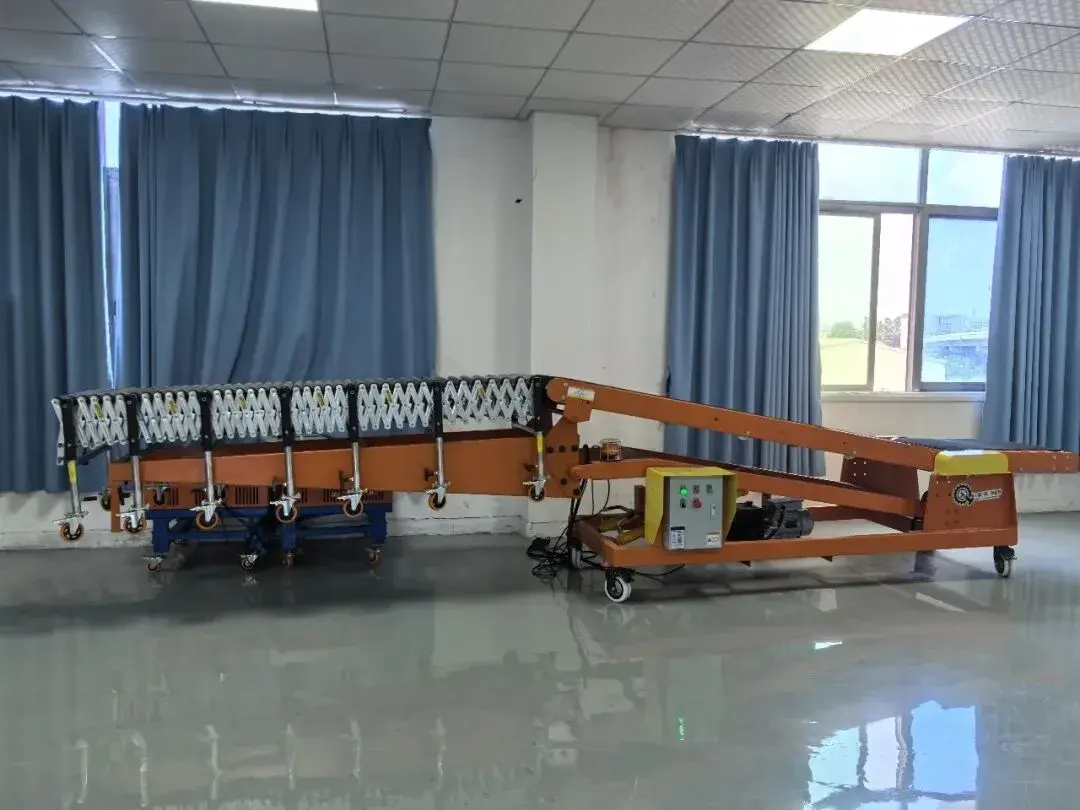
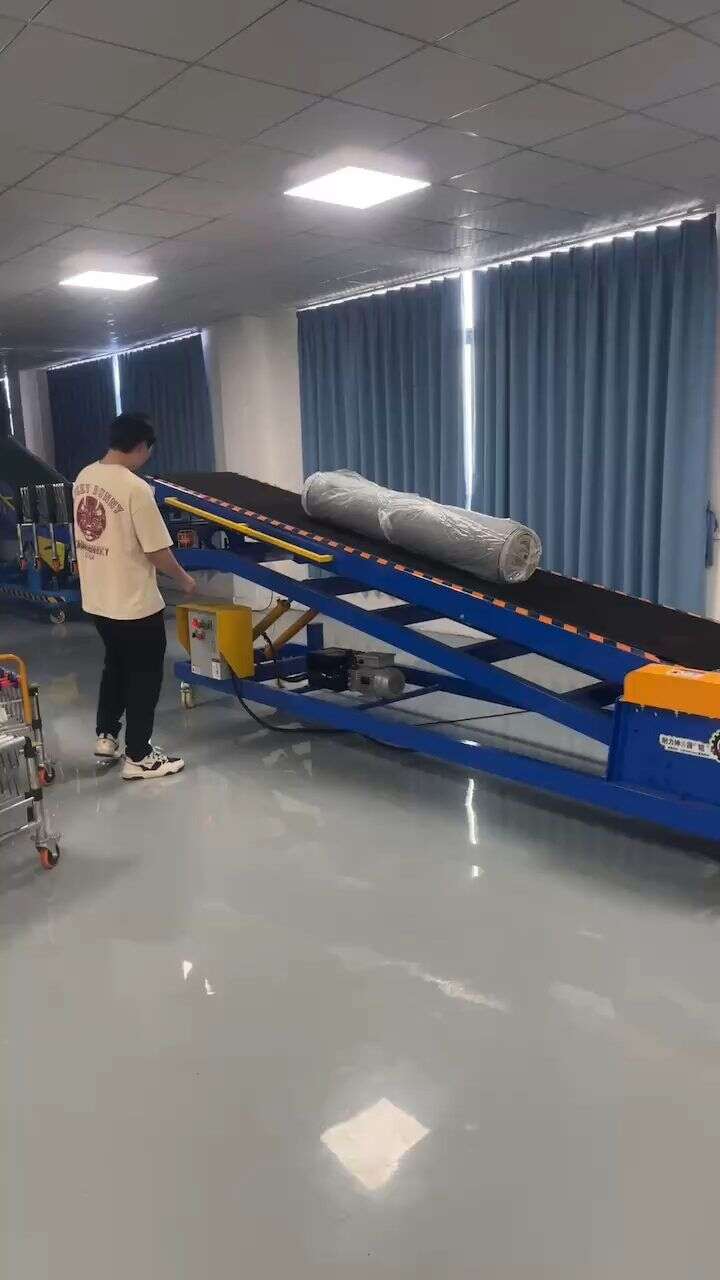
Height differences between warehouse floors, loading docks, and freight vehicles are a common practical obstacle. To address this issue, hydraulic lifting climbing machines, electric hydraulic lifts, and hydraulic climbing equipment for loading and unloading provide a stable solution for level differences.
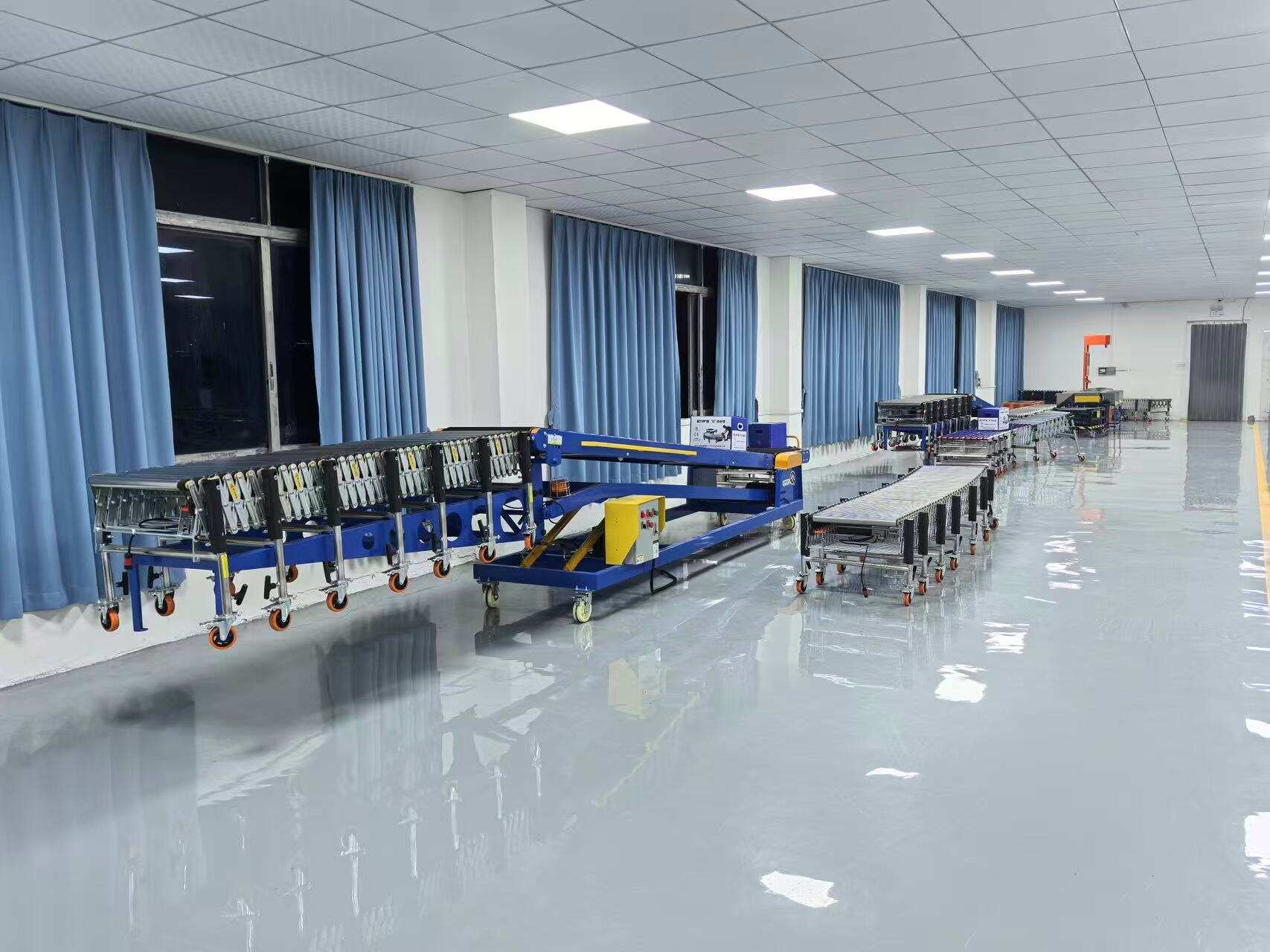
These devices rely on mature hydraulic systems to achieve smooth stepless lifting and lowering. They can adapt to van trucks, high-sided trucks, flatbed trucks, and other vehicle types, and can also be seamlessly connected with telescopic roller lines and telescopic belt conveyors to build a continuous automated loading and unloading production line. The equipment requires no civil construction and no modification of the factory structure, and can be put into use after on-site commissioning. It is suitable for complex working conditions such as renovation of old warehouses, operations at sites without docks, and mixed loading of multiple vehicle types.
For lightweight and temporary operations, non-powered flexible conveying fills the gap
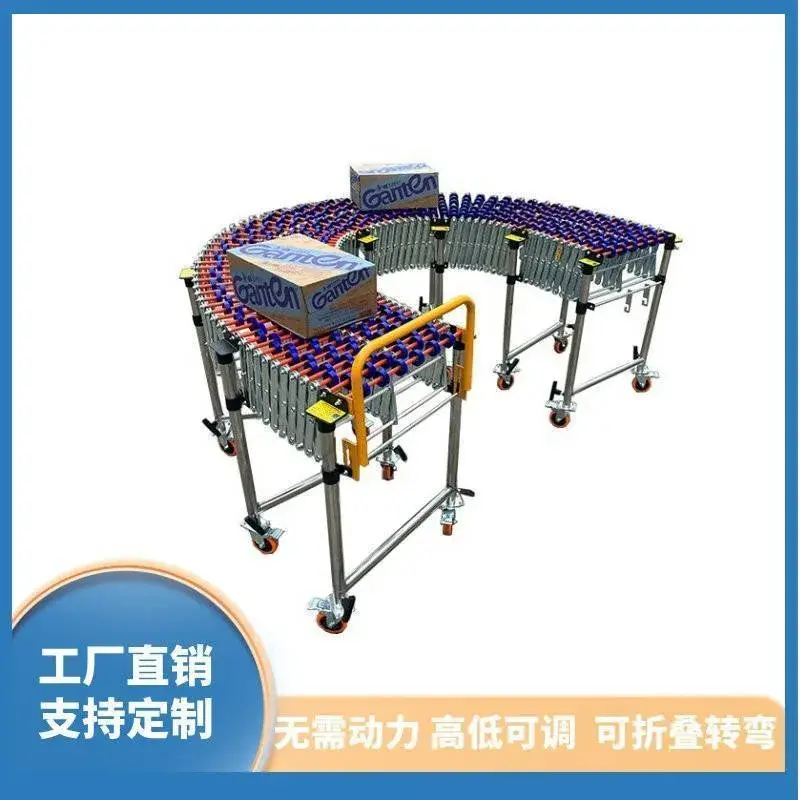
For lightweight, low-cost, and temporary operation needs, non-powered flexible conveying series equipment fills the upgrade gap in small and medium-sized warehousing scenarios. Retractable roller conveyors, non-powered unloading slides, and foldable unloading equipment rely on the weight of the goods themselves for conveying, do not require electricity, and feature zero energy consumption and an extremely low failure rate.
This type of equipment can be folded and stored without occupying warehouse aisles. It can be used at fixed points or moved with the vehicle for operations, making it ideal for express outlets, commercial warehouses, and small factories for small-item sorting, temporary unloading, and similar scenarios. When paired with telescopic belt conveyors and automated production line equipment, it can also cover a wide range of operational needs such as light and heavy goods, small and large items, and full-case or bulk goods, enabling either standalone operation or multi-machine coordinated linkage.
What really makes the difference is custom non-standard capability
Compared with the general standardized equipment on the market, the greatest advantage of flexible conveying equipment lies in its custom non-standard service capability. Since each company’s warehouse layout, aisle dimensions, dock height, commonly used vehicle types, cargo categories, and operational throughput are different, standard equipment often cannot fully fit the site.
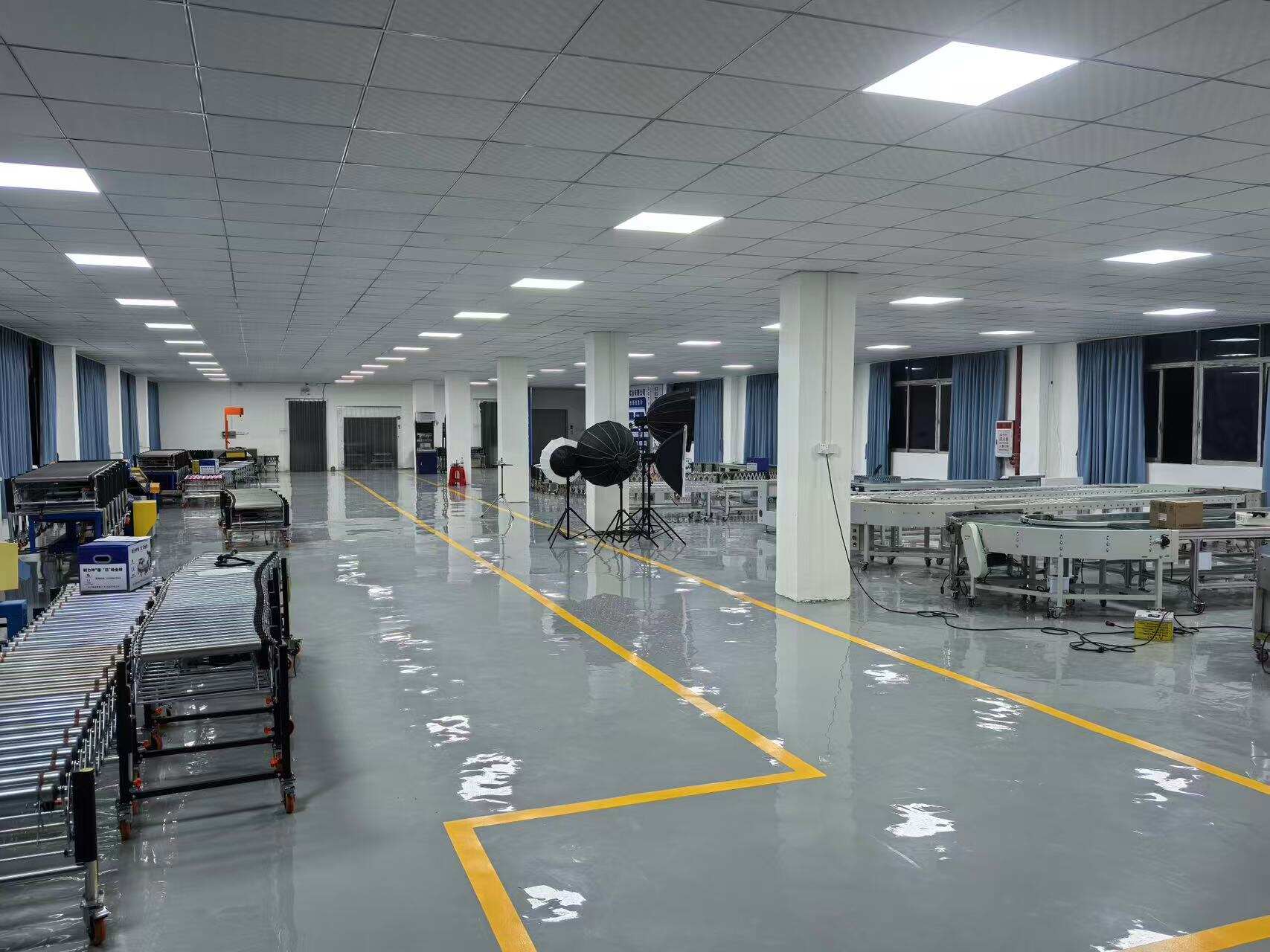
Source manufacturers can tailor the equipment’s telescopic length, body width, roller material, lifting stroke, transmission method, and load capacity according to the actual site conditions, providing a more site-specific one-to-one complete conveying solution. This reduces the problems of poor fit and low utilization seen with standard equipment, making the equipment closer to real operational needs.
Against the backdrop of logistics cost reduction and efficiency improvement, and with labor costs continuing to rise, the traditional manual loading and unloading model has clearly fallen behind. With their flexibility, fast deployment, strong adaptability, controllable investment, and visible results, flexible conveying equipment is opening up the loading and unloading bottleneck in the "last twenty meters" of warehousing and logistics, helping companies reduce reliance on labor, shorten vehicle waiting times, reduce cargo damage and loss, and improve overall warehousing throughput efficiency.
Tags:Flexible conveying equipment, telescopic roller conveyor, hydraulic climbing machine, warehouse loading and unloading automation, custom non-standard production line, logistics last-mile upgrade, warehousing cost reduction and efficiency improvement