Naili Conveyor
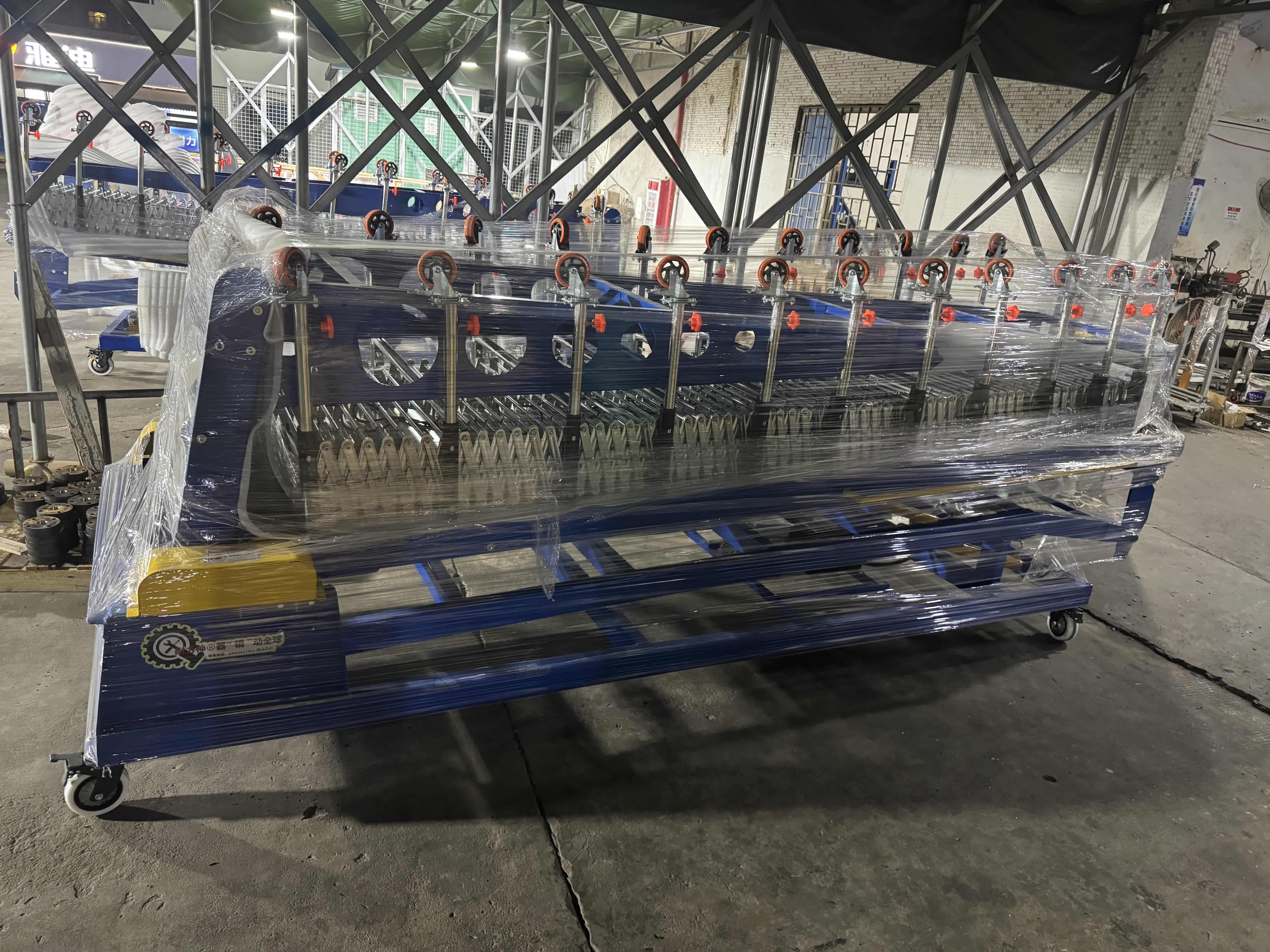
In daily operations involving warehousing logistics, factory shipments, and e-commerce transfers, loading and unloading often directly affect cargo turnover speed and operating costs. Although many companies have standardized loading docks, they still face problems such as low efficiency and high risk. In older factories, small warehouses, and temporary loading and unloading points, limited space and the inability of forklifts to enter make these operations even more likely to remain inefficient over the long term.
Two Common Loading and Unloading Challenges That Continue to Limit On-Site Efficiency
Based on actual operating conditions, the loading and unloading challenges faced by companies can generally be divided into two categories.
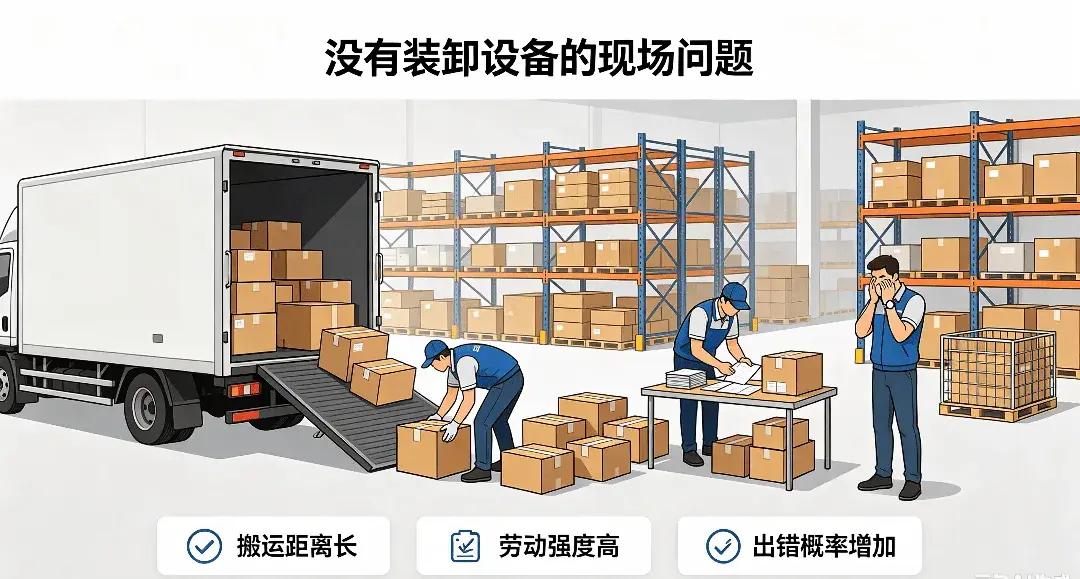
The first isHaving a loading dock but low operating efficiency and high risk. Conventional loading docks largely rely on forklifts for loading and unloading, but forklifts are relatively large and require turning and maneuvering space during operation. This not only occupies passageways but also reduces warehouse space utilization. At the same time, when people and vehicles operate in the same area, problems such as cargo impact damage, personnel scrapes, tipping, and collapse are more likely to occur. In addition, forklift scheduling and operating procedures are relatively complicated, so overall efficiency improvements are limited when handling batches of goods, making shipment delays more likely.
The second isSpace constraints that make mechanized operations impossible. Many factories, street-facing warehouses, and temporary freight points have narrow passageways that standard forklifts cannot enter, leaving manual handling as the only option. This not only creates high physical demands and steadily increasing labor costs, but also makes it difficult to meet the needs of modern high-volume shipping. More practically, the fixed height difference between a truck bed and the ground means that manual handling at height or across height differences can cause cargo damage and personnel injury. Rebuilding the site or widening passageways would require considerable cost and time, making it difficult for many small and medium-sized companies to proceed.
How Powered Roller Telescopic Conveyors Adapt to Multiple Scenarios
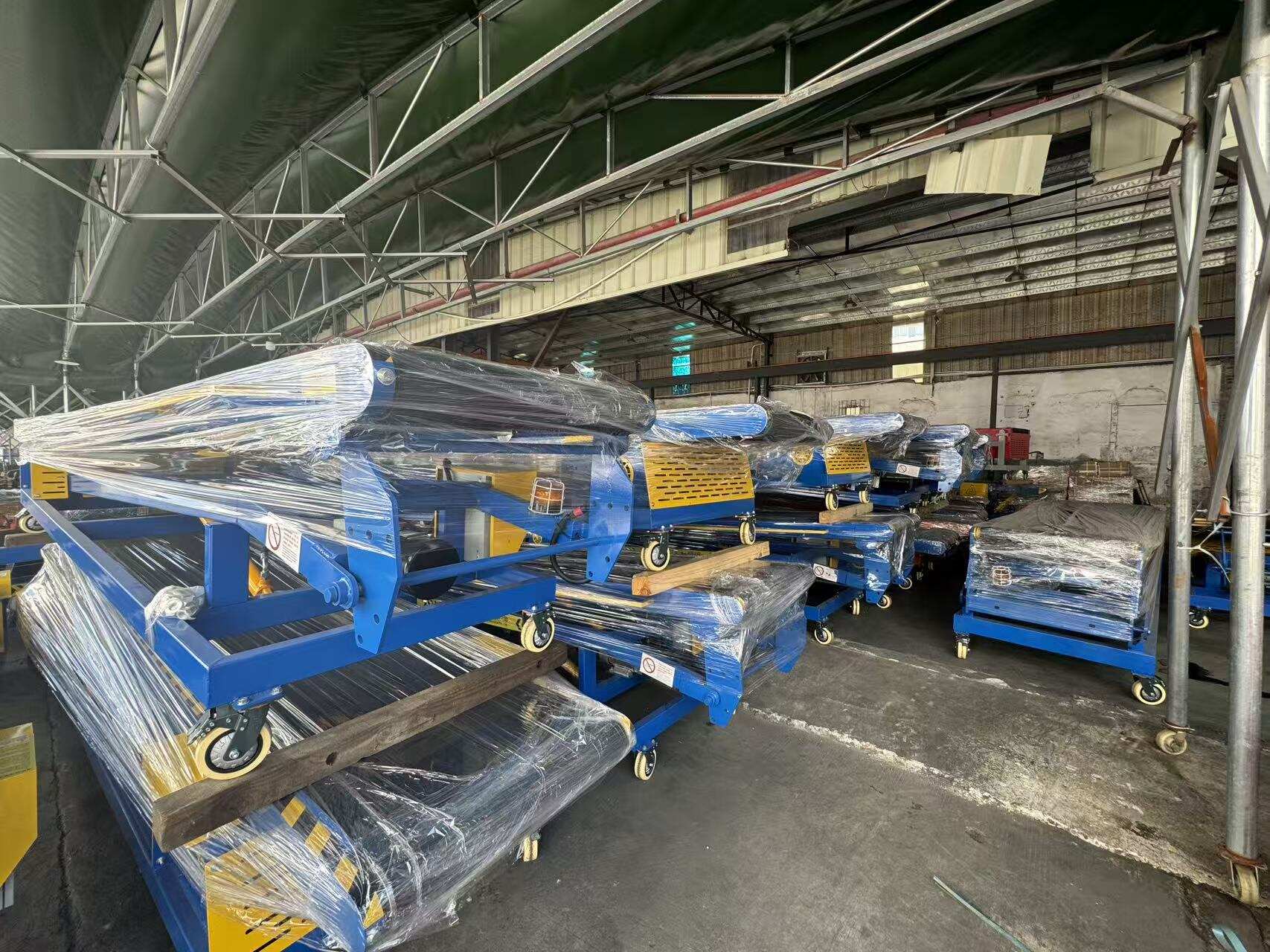
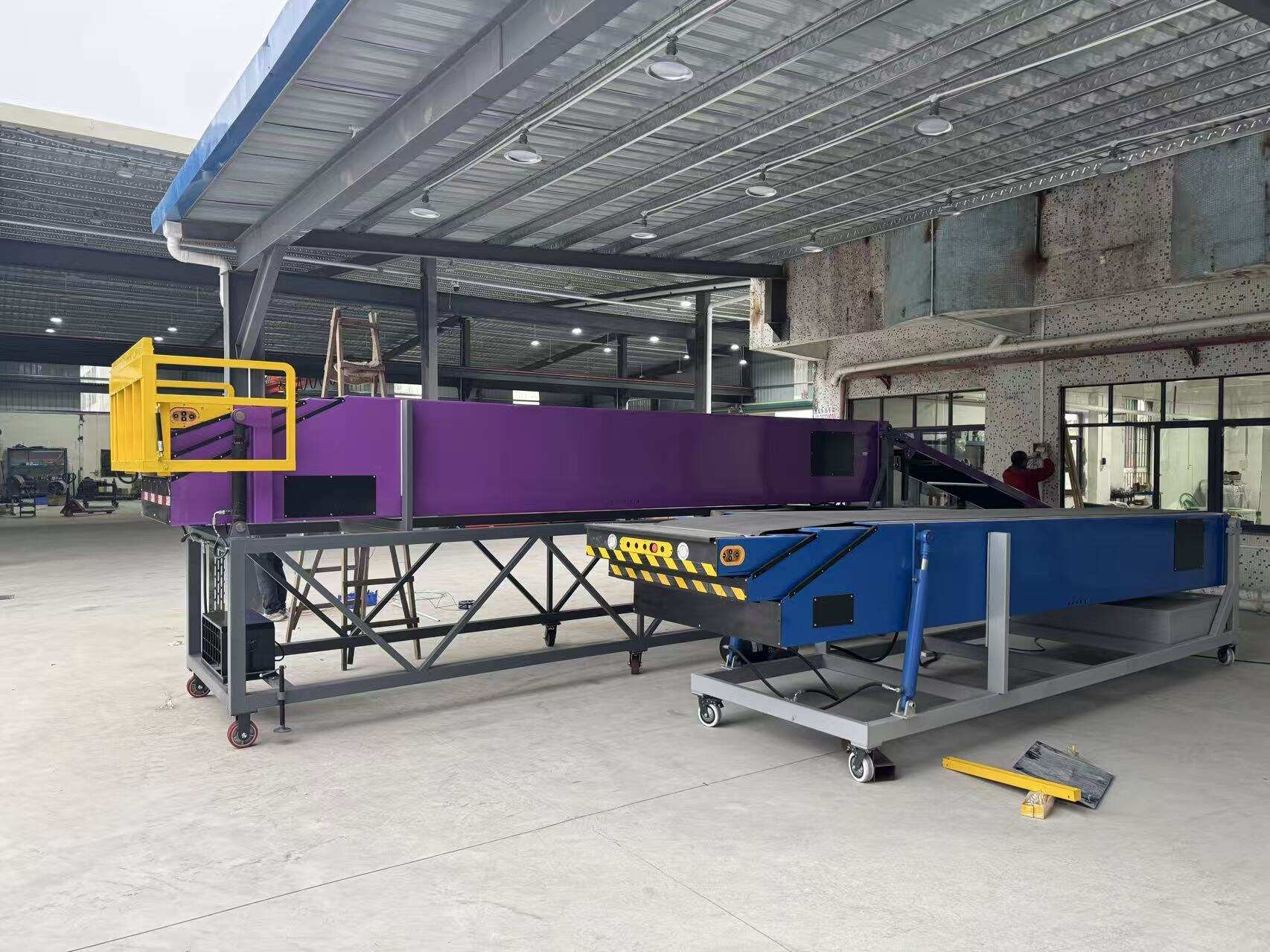
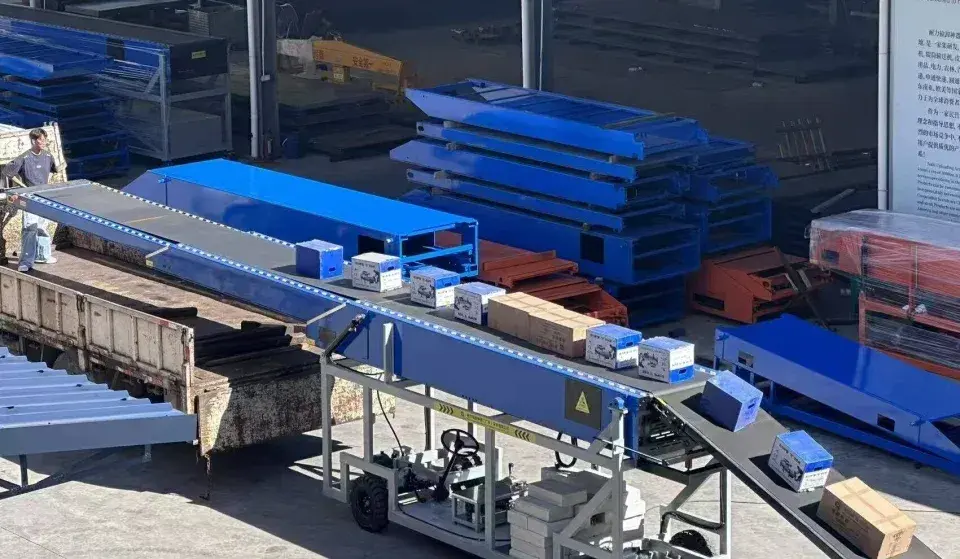
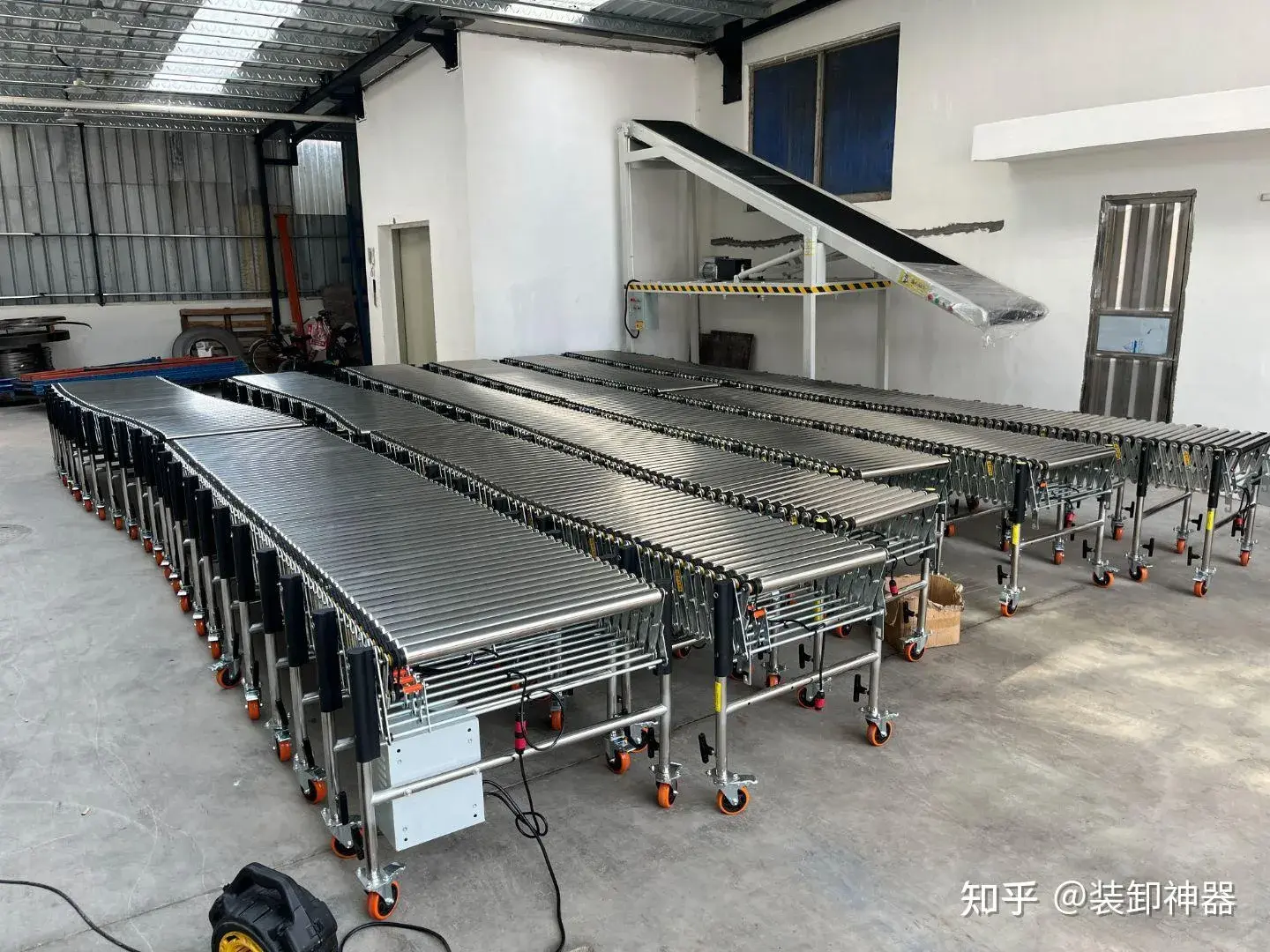
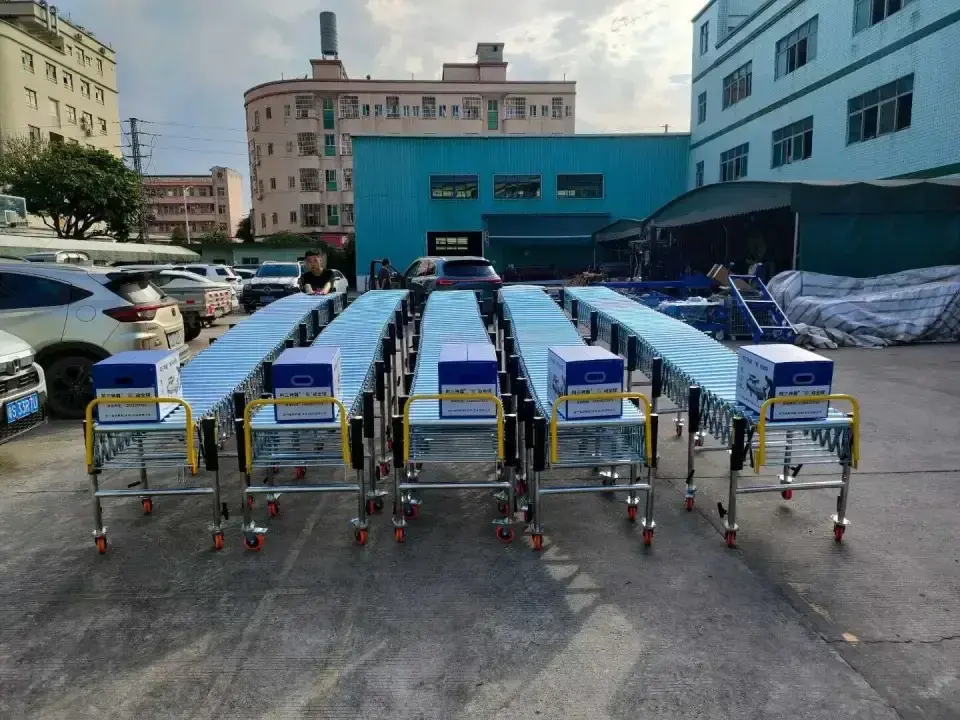
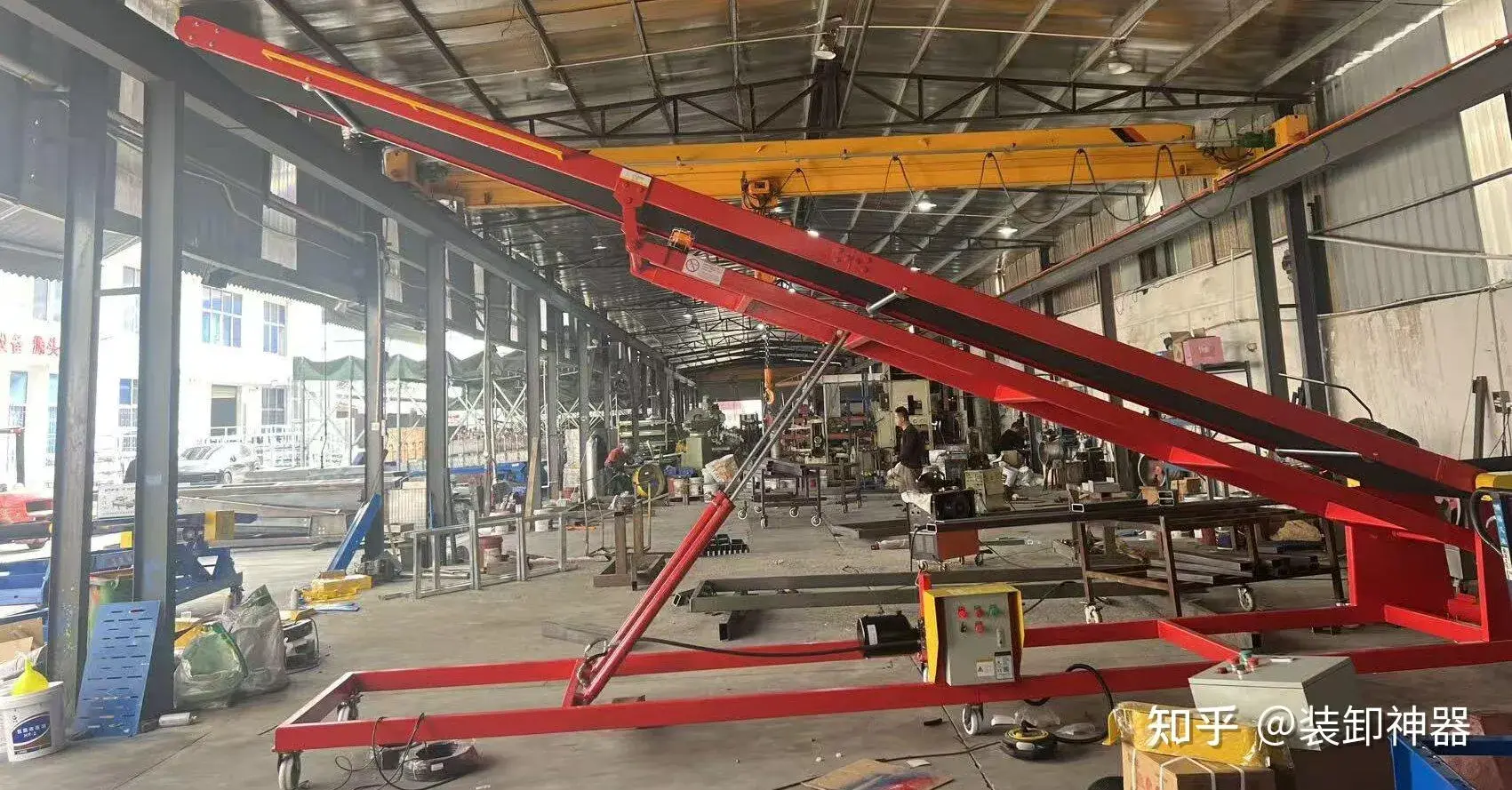
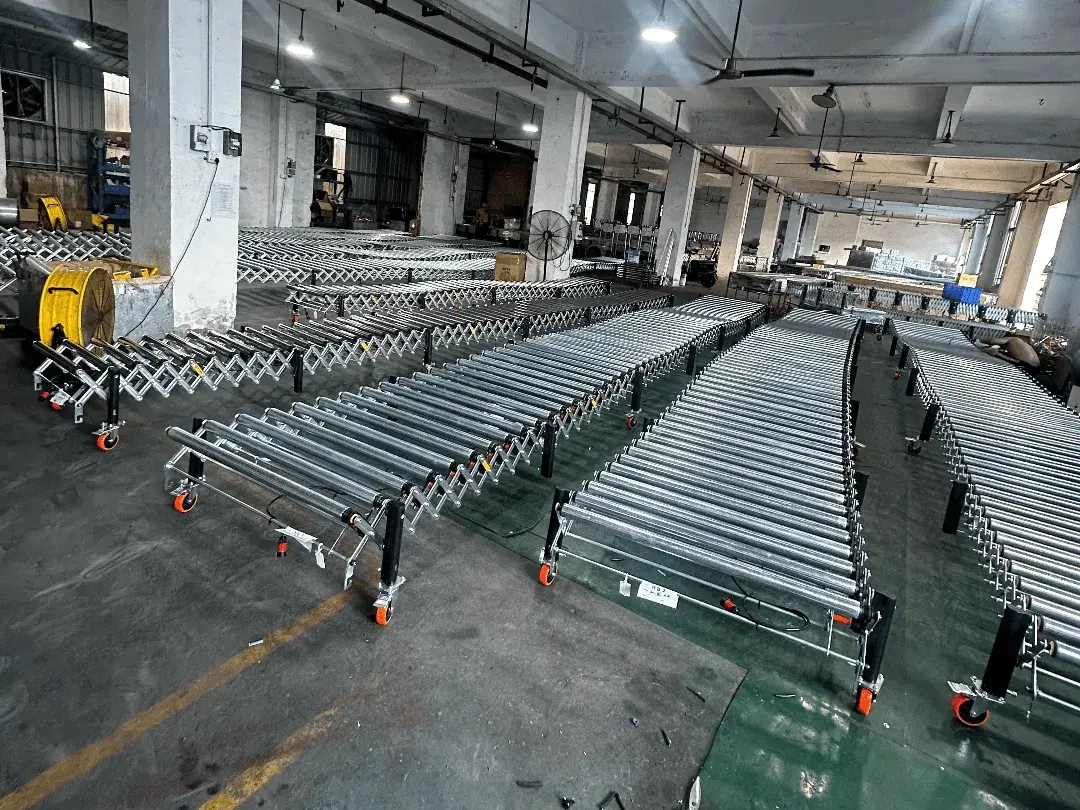
To address these common pain points, the Powered Roller Telescopic Conveyor provides a more flexible way to load and unload goods. It featuresarbitrary extension and retraction, flexible bending, and adjustment whenever needed, allowing it to be adjusted according to truck bed length and the width of the operating area to accommodate loading and unloading needs for different vehicle types and sites. Whether used in narrow passageways, confined loading docks, or flat-ground locations without loading docks, it reduces reliance on additional operating space.
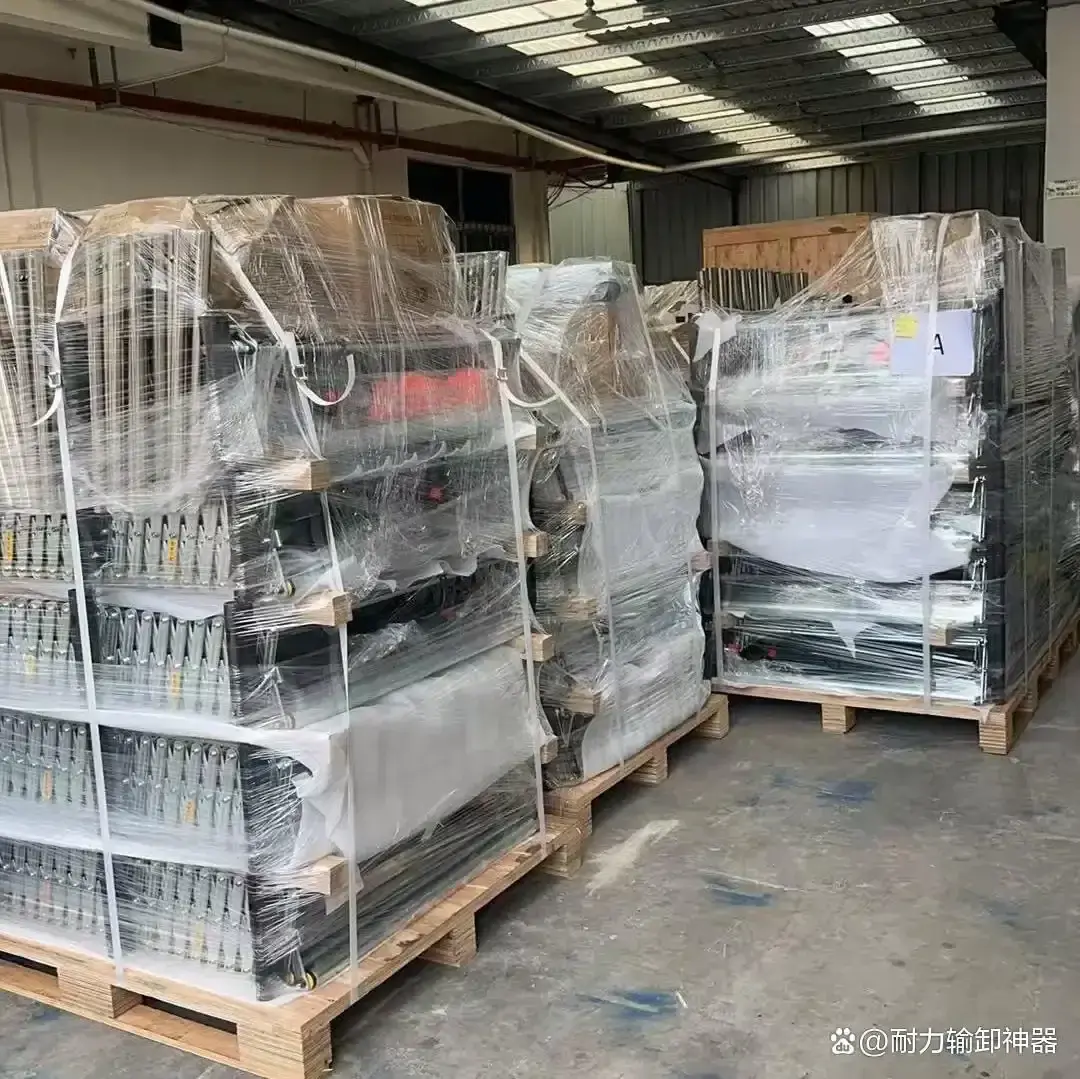
After completing operations, the equipment can fully retract and return to its stored position, occupying almost no warehouse or passageway space. It is especially suitable for factories and warehouses with compact sites and restricted logistics routes. Compared with conventional forklifts and fixed conveying equipment, this approach makes it easier to improve loading and unloading processes directly without changing the site's structural layout.
Simultaneous Improvements in Efficiency and Safety
In terms of efficiency, the Powered Roller Telescopic Conveyor reduces repetitive manual handling and stacking through continuous conveying, allowing one person to complete the loading and unloading of batches of goods. According to the conclusions provided in the source material, this approach can increase loading and unloading efficiency by6–8 times.
In terms of safety, the equipment's smooth conveying reduces severe jolts and impact caused by height differences, helping lower the cargo damage rate. It also avoids risks such as falls, being struck, and collisions caused by frequent manual handling and mixed forklift and pedestrian operations. For companies that require stable shipping but are constrained by site conditions, this type of equipment is easier to implement and better suited to routine loading and unloading needs.
Naili Loading & Unloading's Products and Production Capabilities
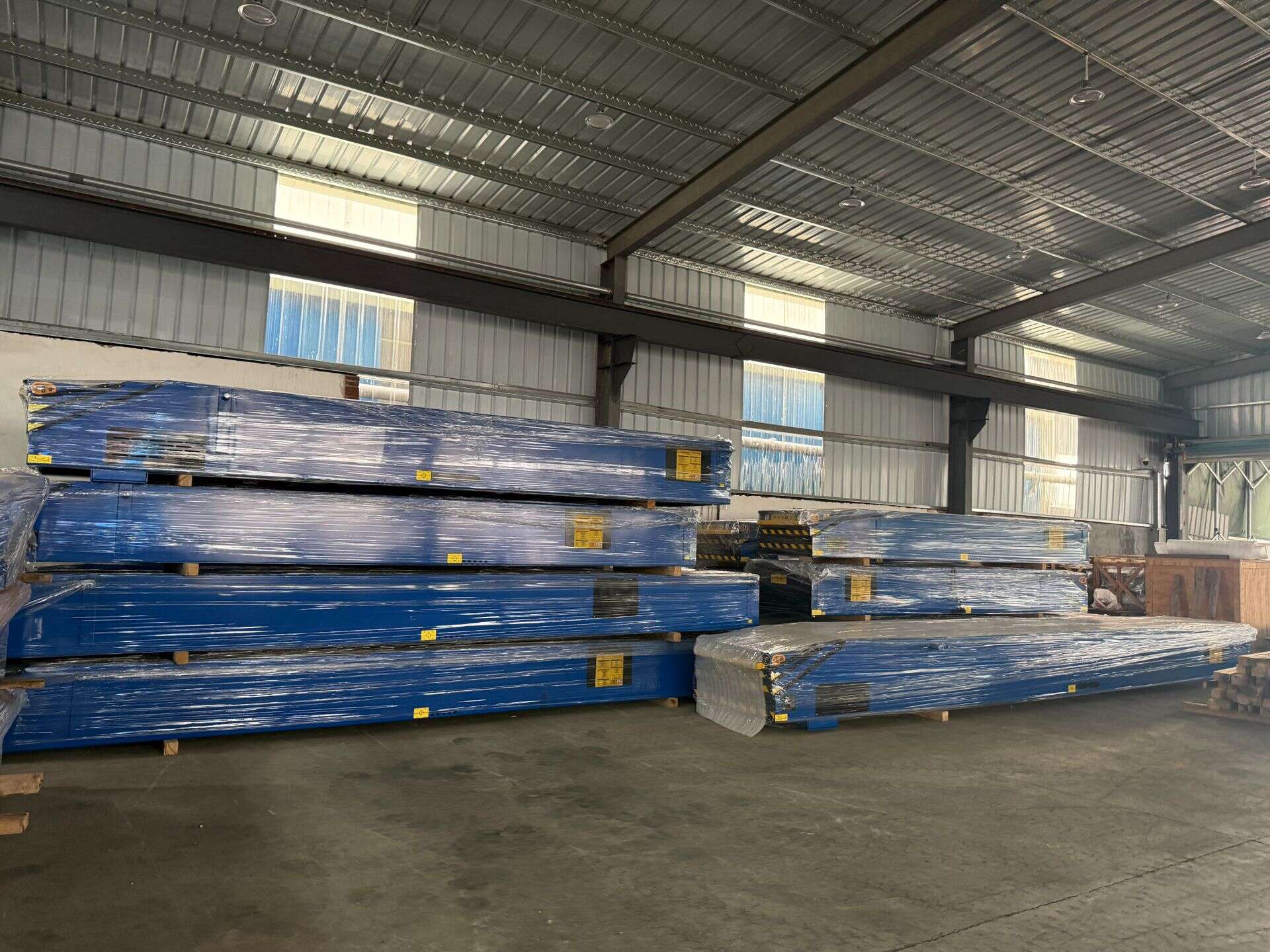
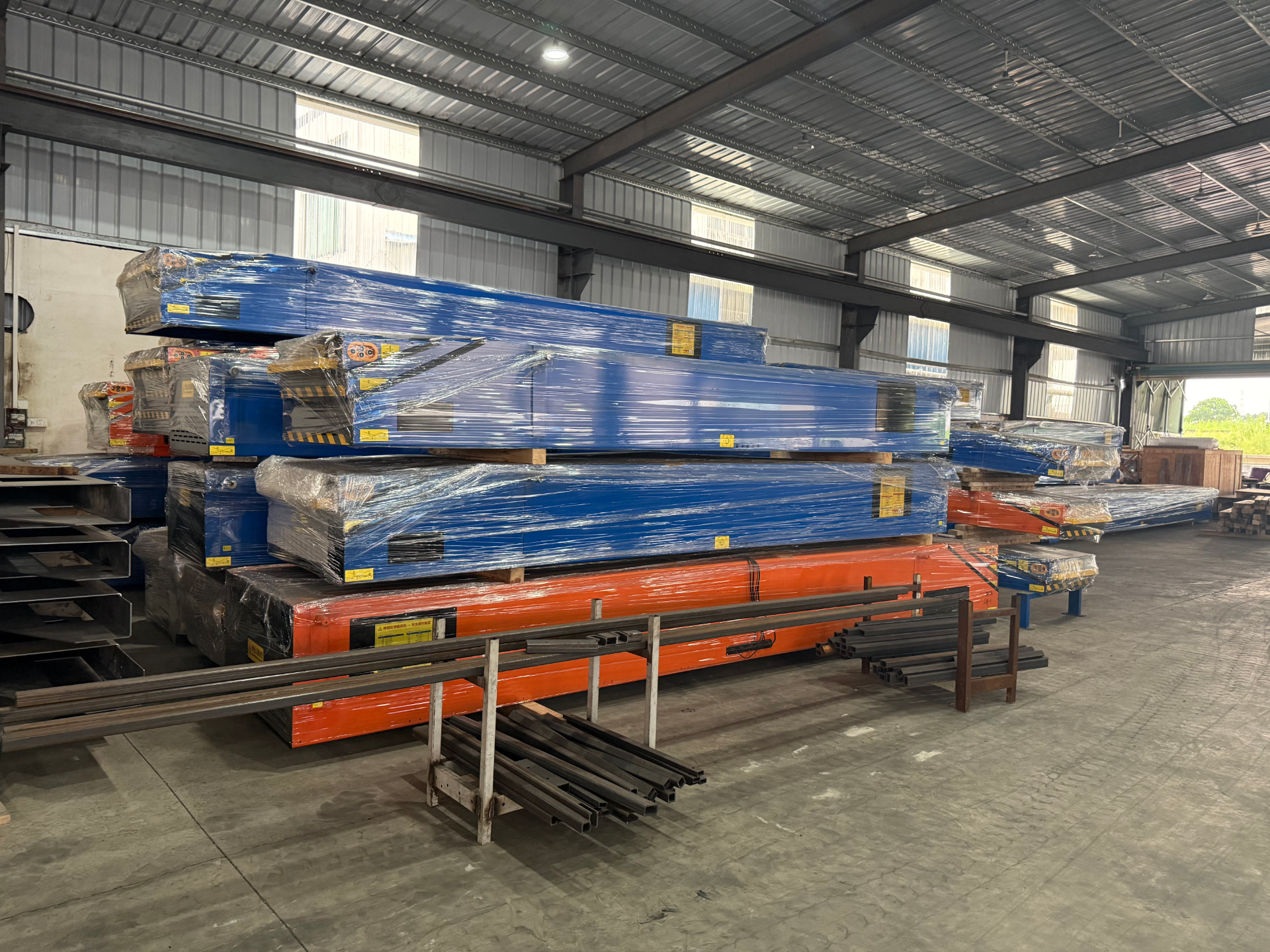
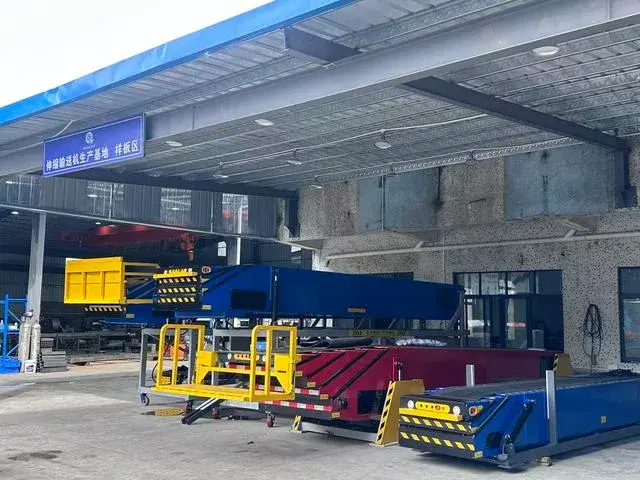
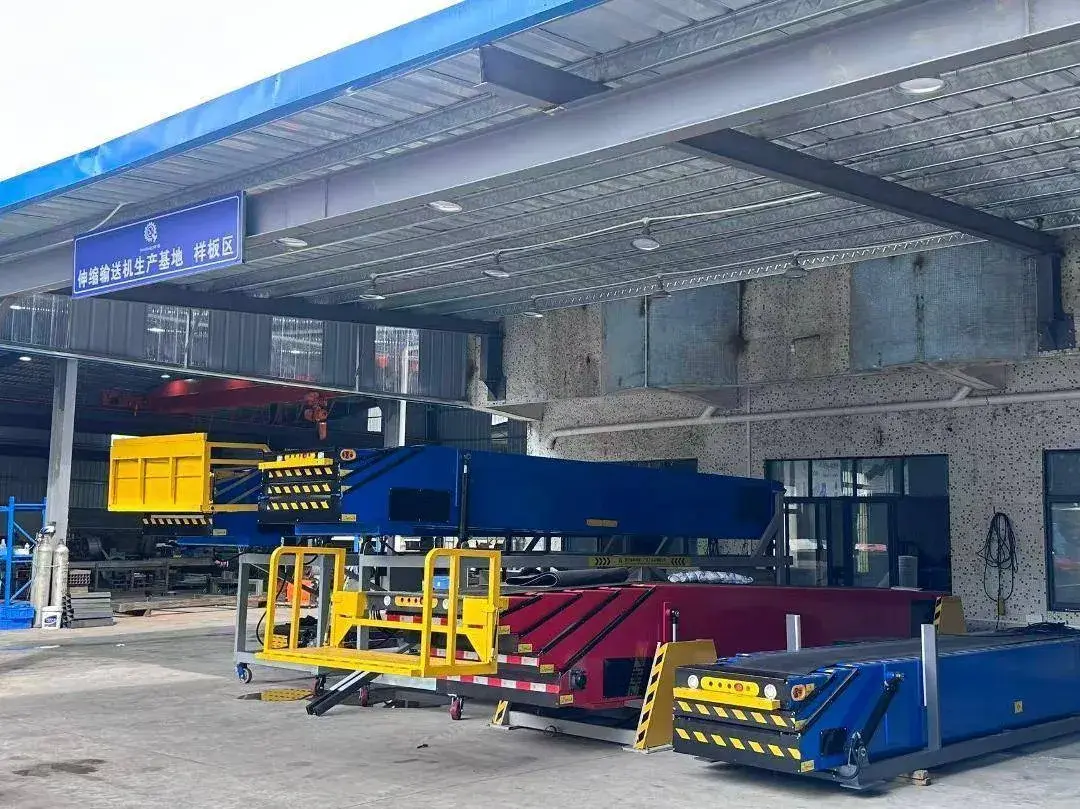
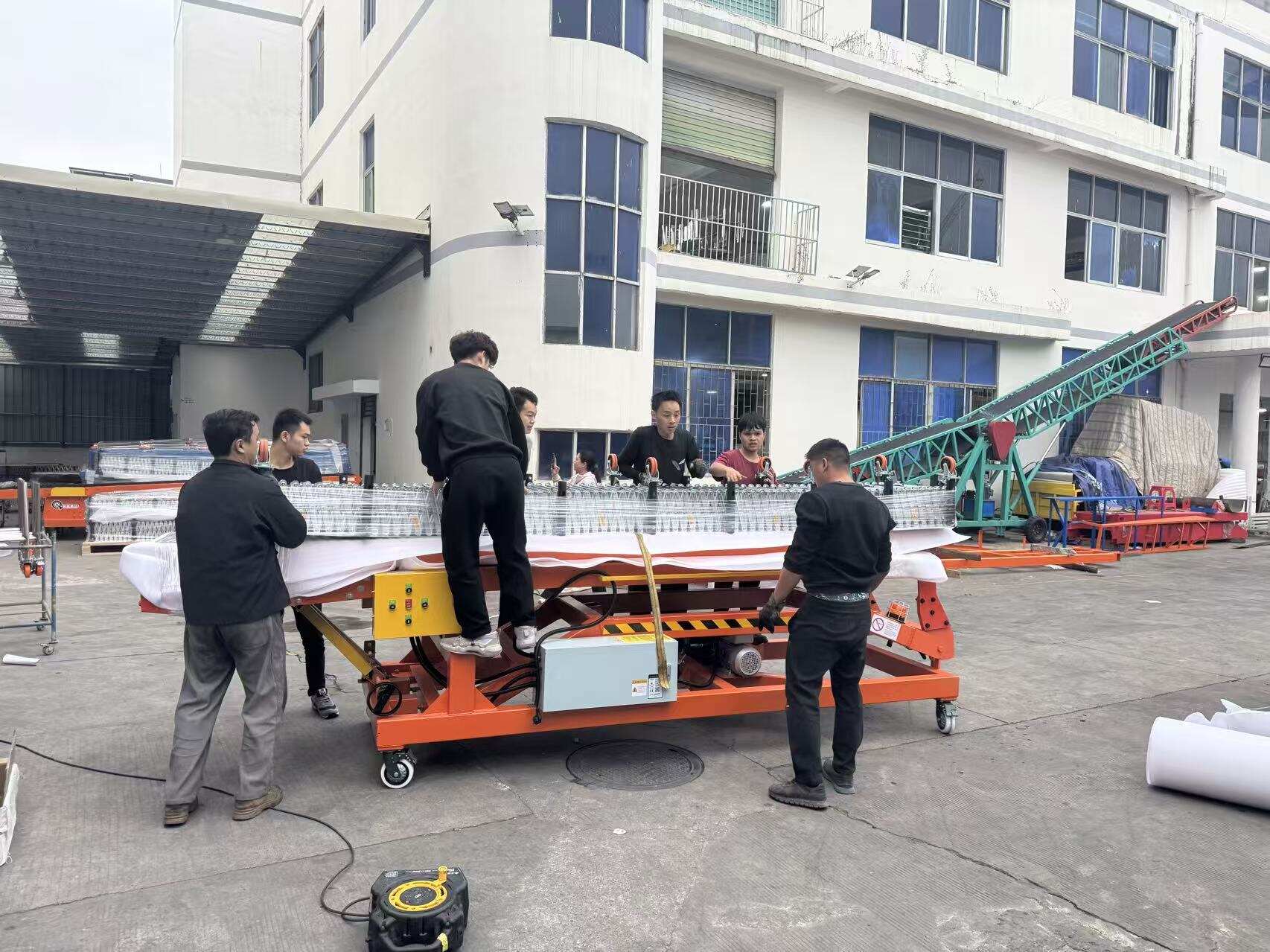
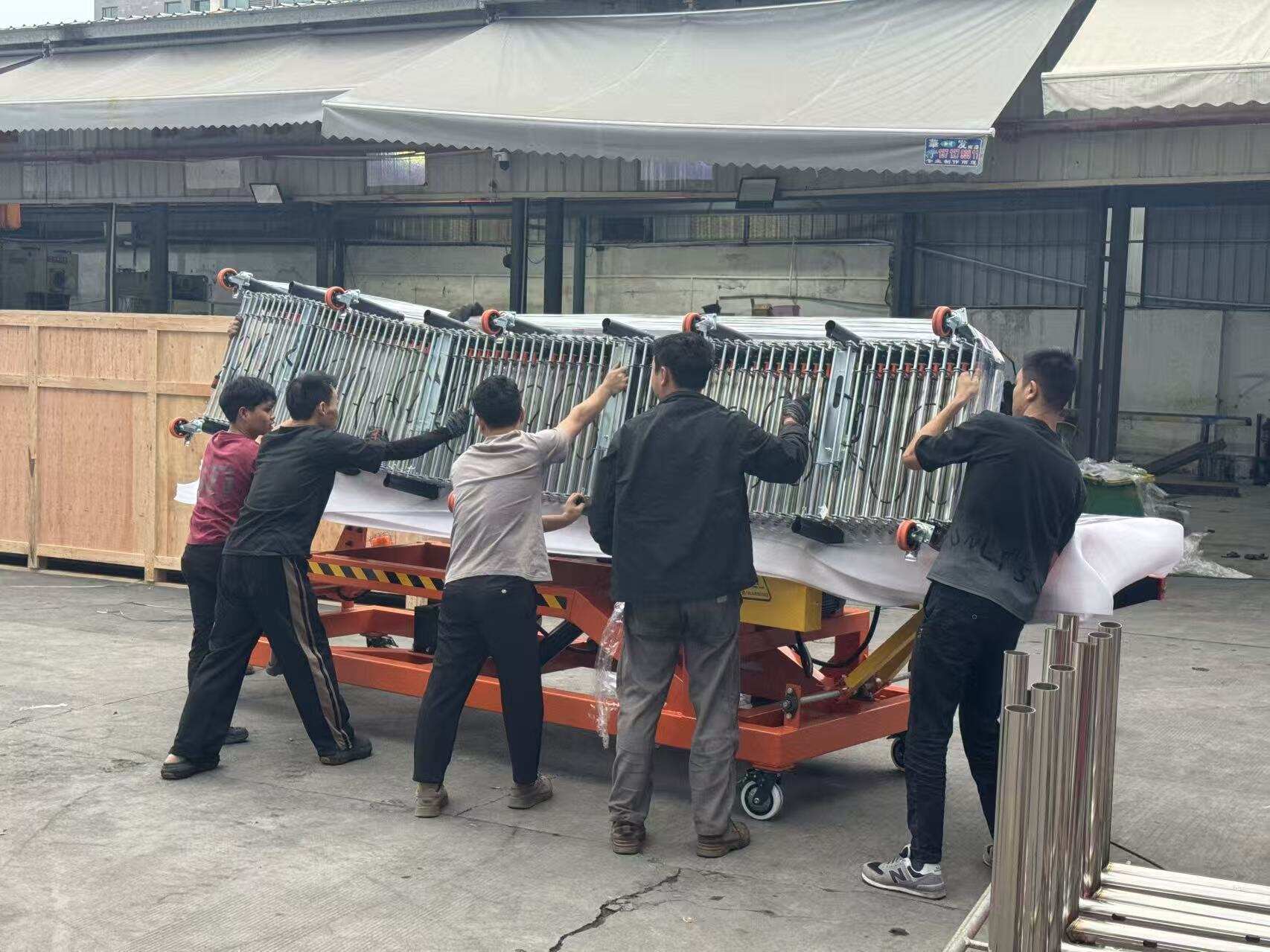
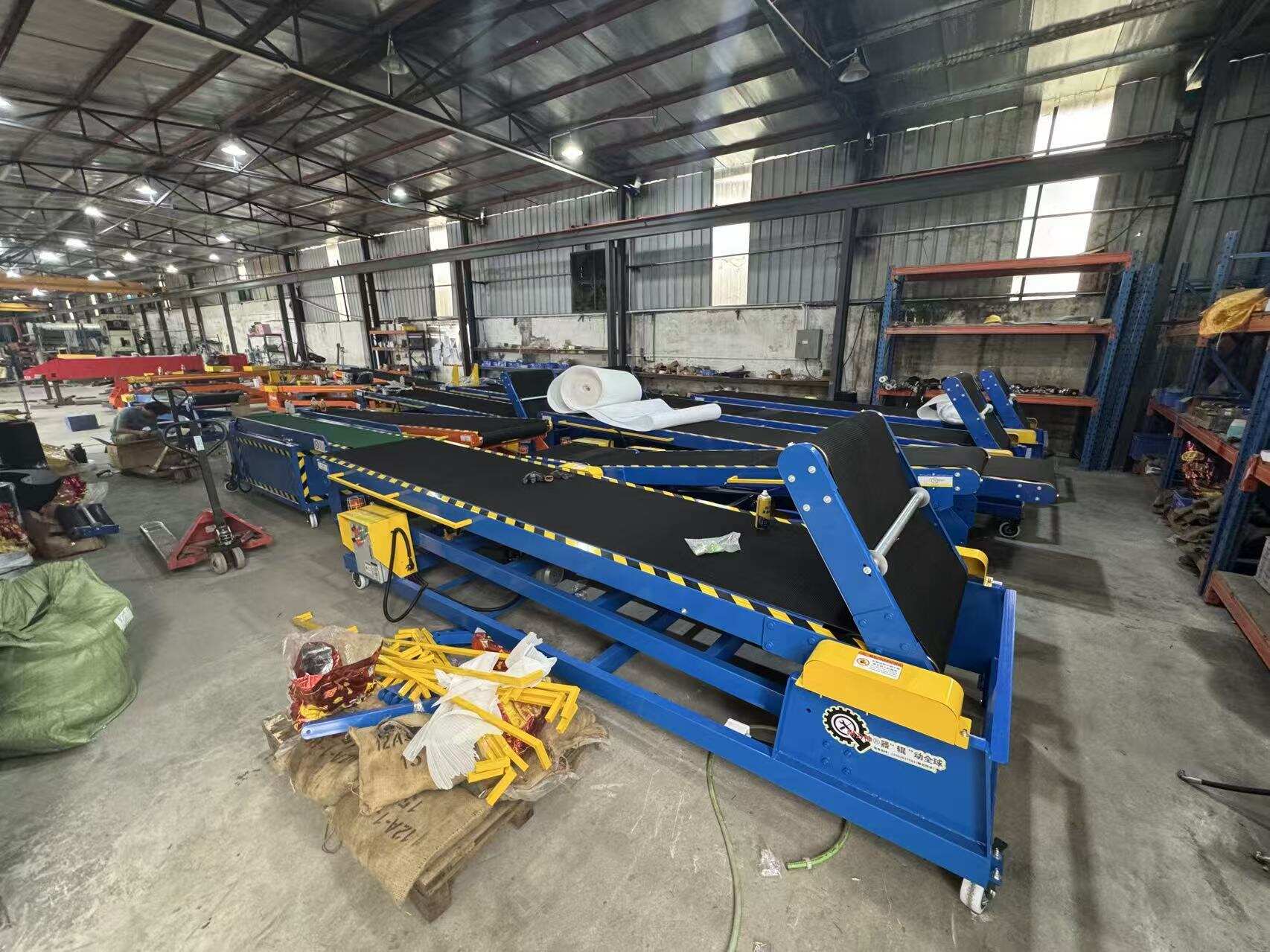
The source material mentions thatNaili Loading & Unloadingprovides stability assurance for logistics conveying equipment through standardized production and quality control systems. The factory strictly follows theISO 9001 standardized quality management system, establishing comprehensive process controls covering raw material procurement, component processing, equipment assembly, finished-product inspection, and final acceptance before shipment. Every piece of equipment leaving the factory also undergoes multiple performance, load-bearing, and wear-resistance tests to ensure stability, durability, and safety.
In terms of service, Naili Loading & Unloading covers production, quality control, sales, and after-sales support. Based on a company's operating scenarios, cargo types, and site size, it can provide equipment selection and solution recommendations, along with installation and commissioning, fault repair, regular maintenance, and technical guidance to help companies put the equipment into operation more quickly.
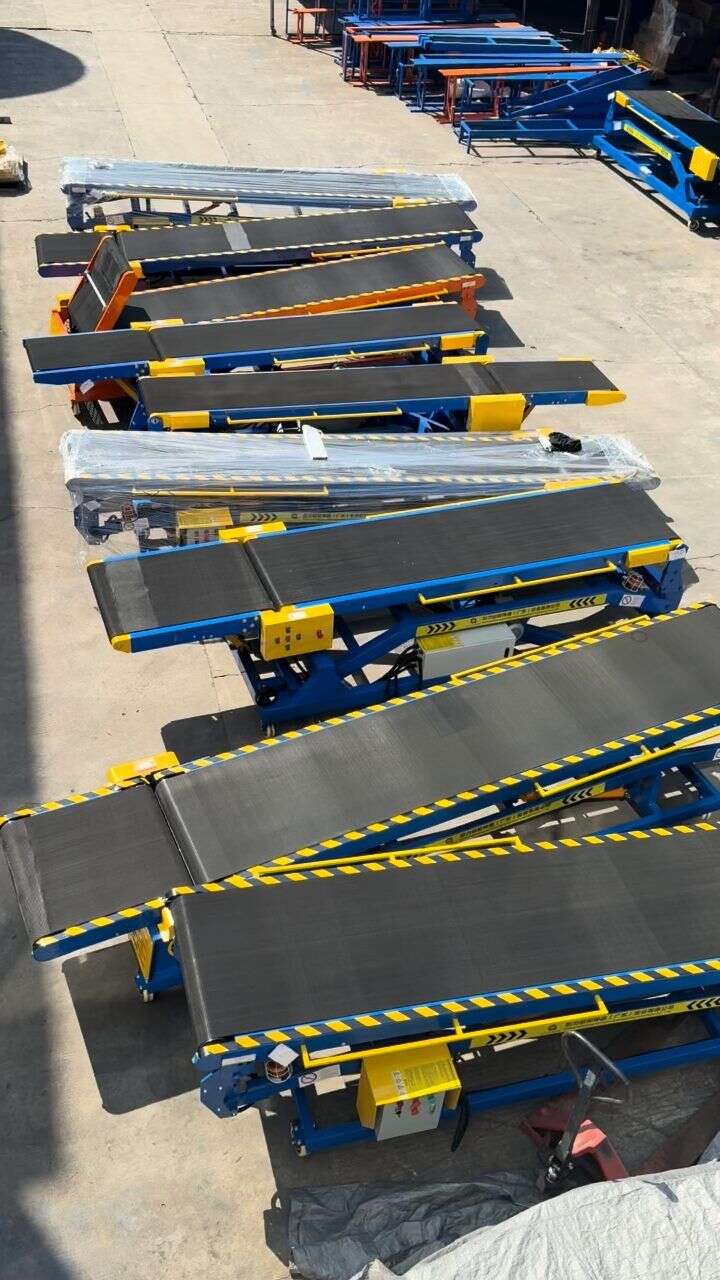
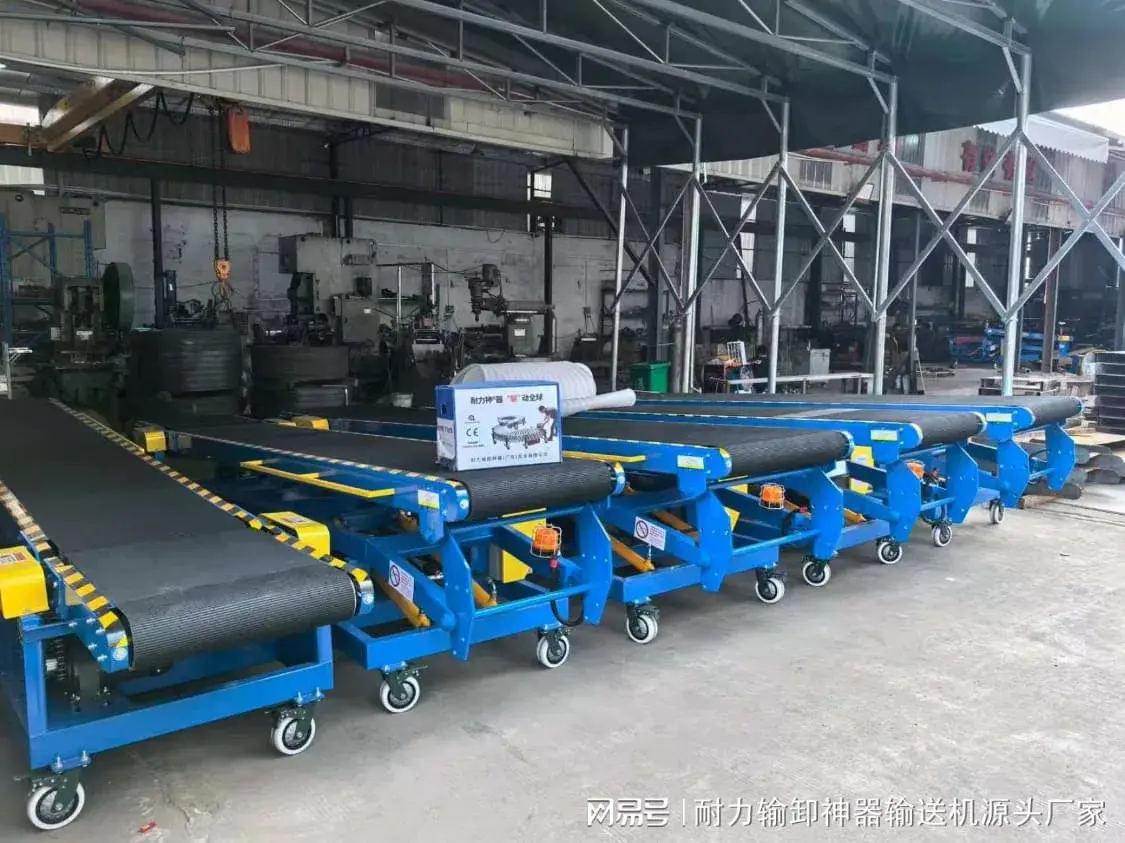
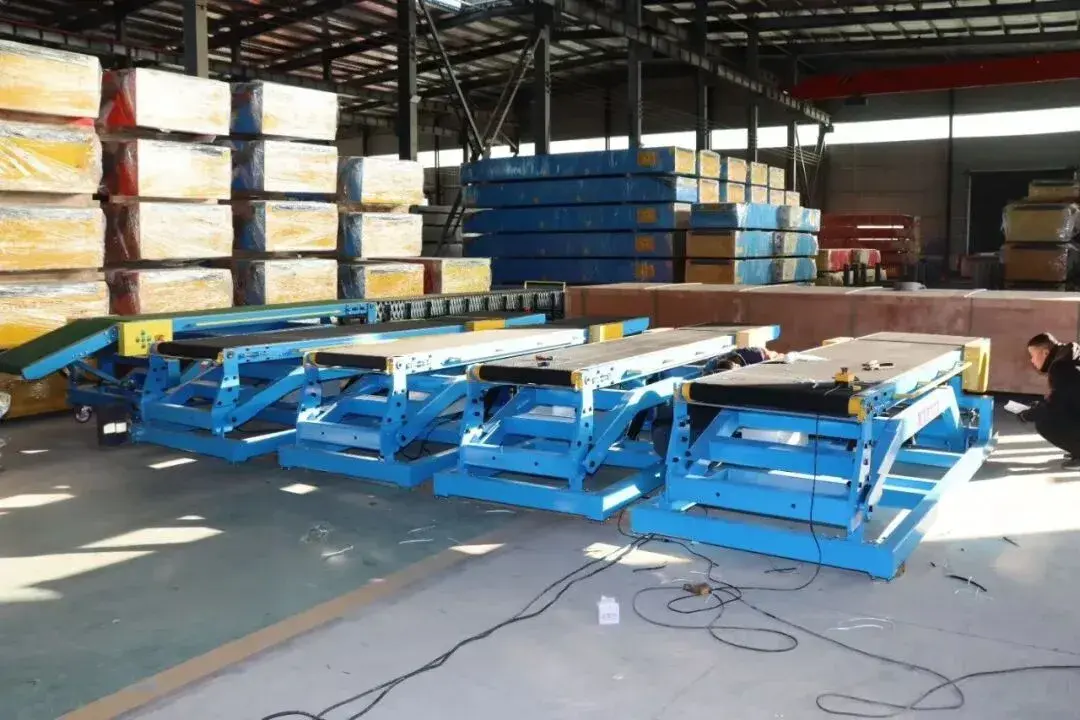
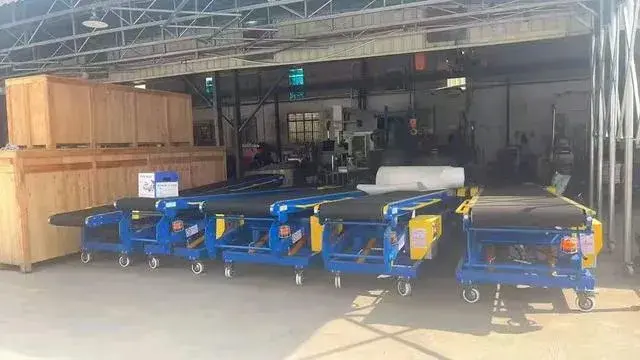
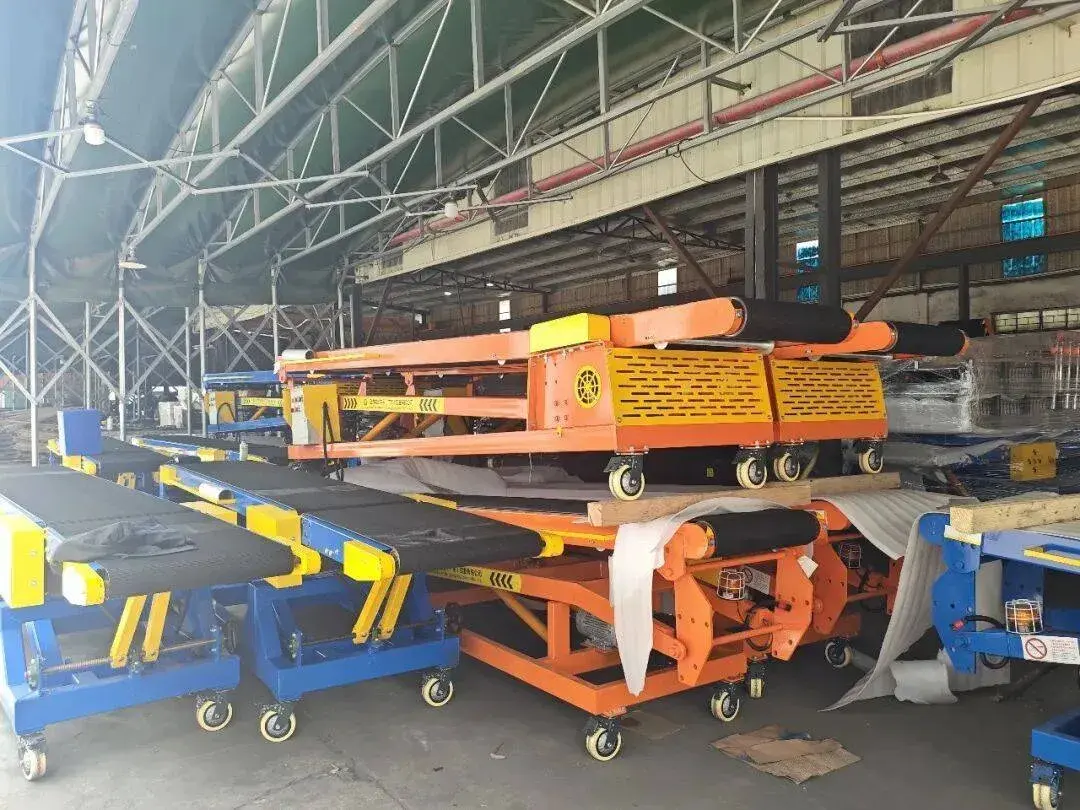
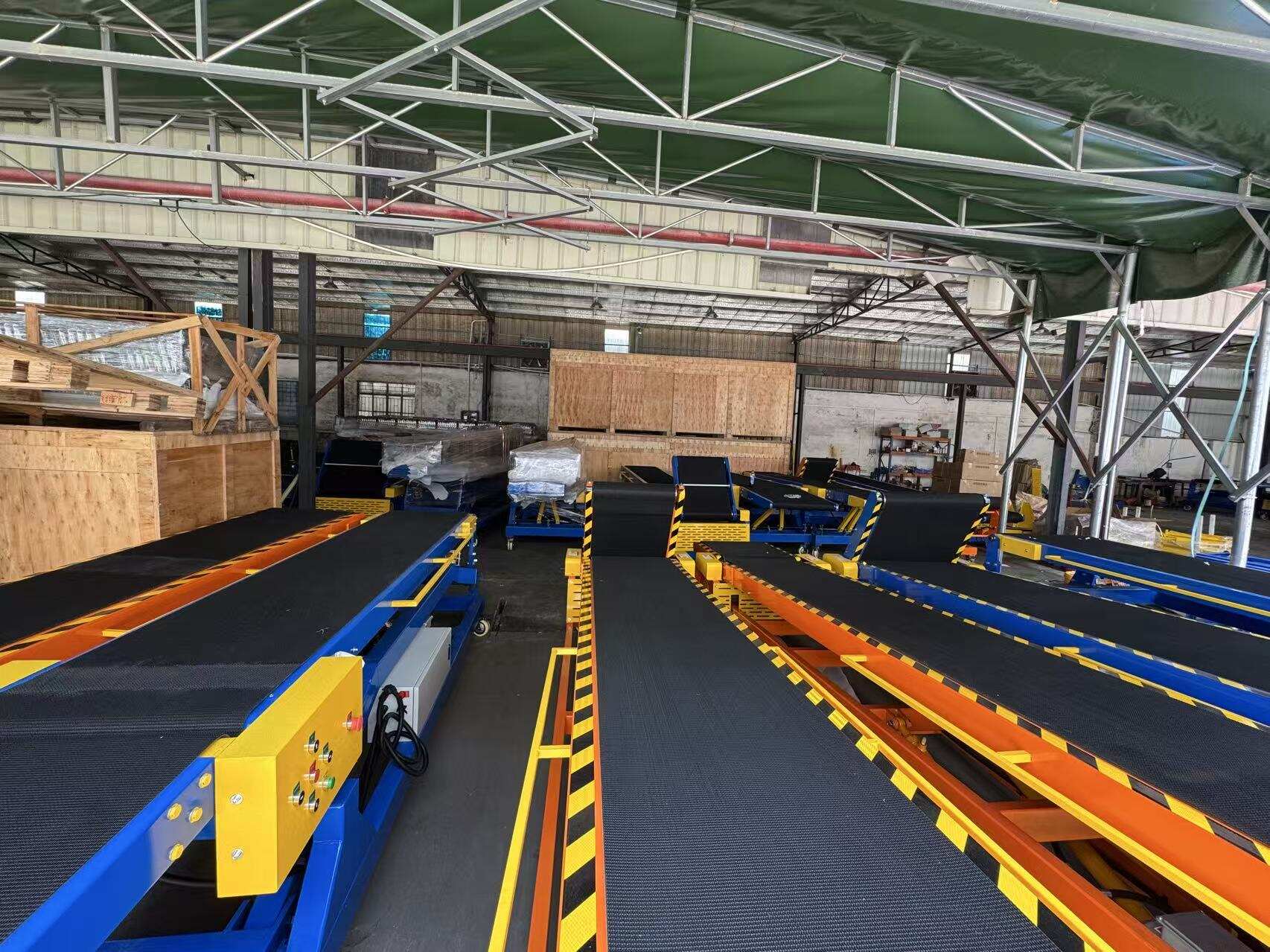
The factory's logistics conveying equipment products mainly includeNon-Powered Skate Wheel Conveyor, Powered Roller Conveyor, Gravity Roller Conveyor, Hydraulic Lift Incline Conveyor, and Belt Telescopic Conveyor. These products address different needs, including light small items, heavy full cartons, flat-ground loading and unloading, inclined conveying across height differences, and telescopic loading and unloading in confined spaces. Companies can match these needs through a single supply system, reducing multi-source procurement and communication costs.
Which Companies Should Prioritize an Upgrade?
For companies with limited space, inefficient loading dock operations, or long-term reliance on manual labor and forklifts, site renovation is not the only option. Instead of investing heavily in expanding loading docks or rebuilding passageways, it is better to first consider lightweight conveying equipment that is better suited to the existing environment. The value of a Powered Roller Telescopic Conveyor lies in its ability to improve loading and unloading continuity and reduce manual effort without significantly occupying space, while moving high-risk handling steps into a more controllable conveying process as much as possible.
From an industry trend perspective, logistics loading and unloading is shifting from extensive manual operations toward a more lightweight, efficient, and safe organizational model. For companies seeking to improve shipping pace and reduce on-site risks quickly, selecting suitable conveying equipment based on existing conditions is generally more direct and easier to implement than carrying out large-scale site renovations.